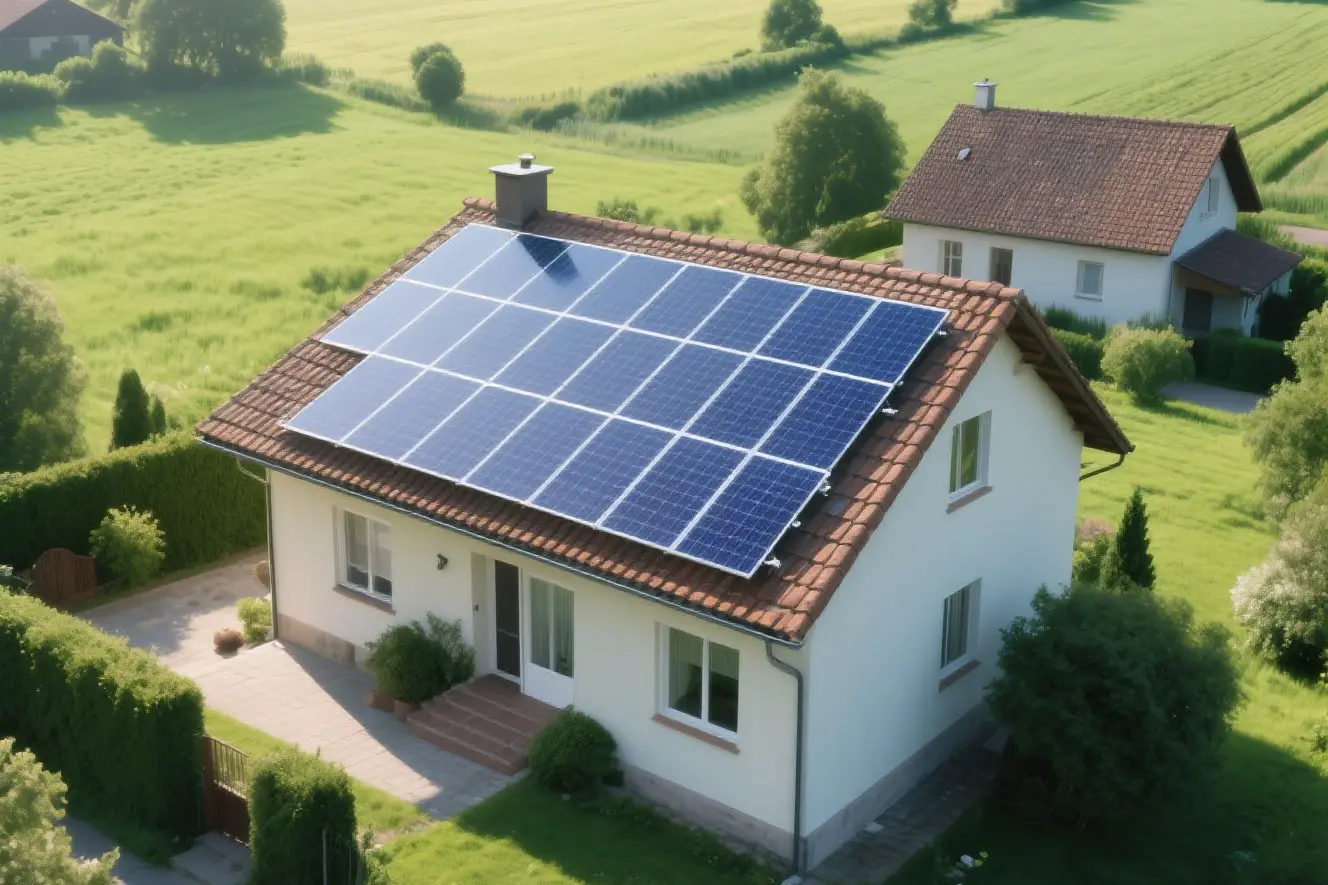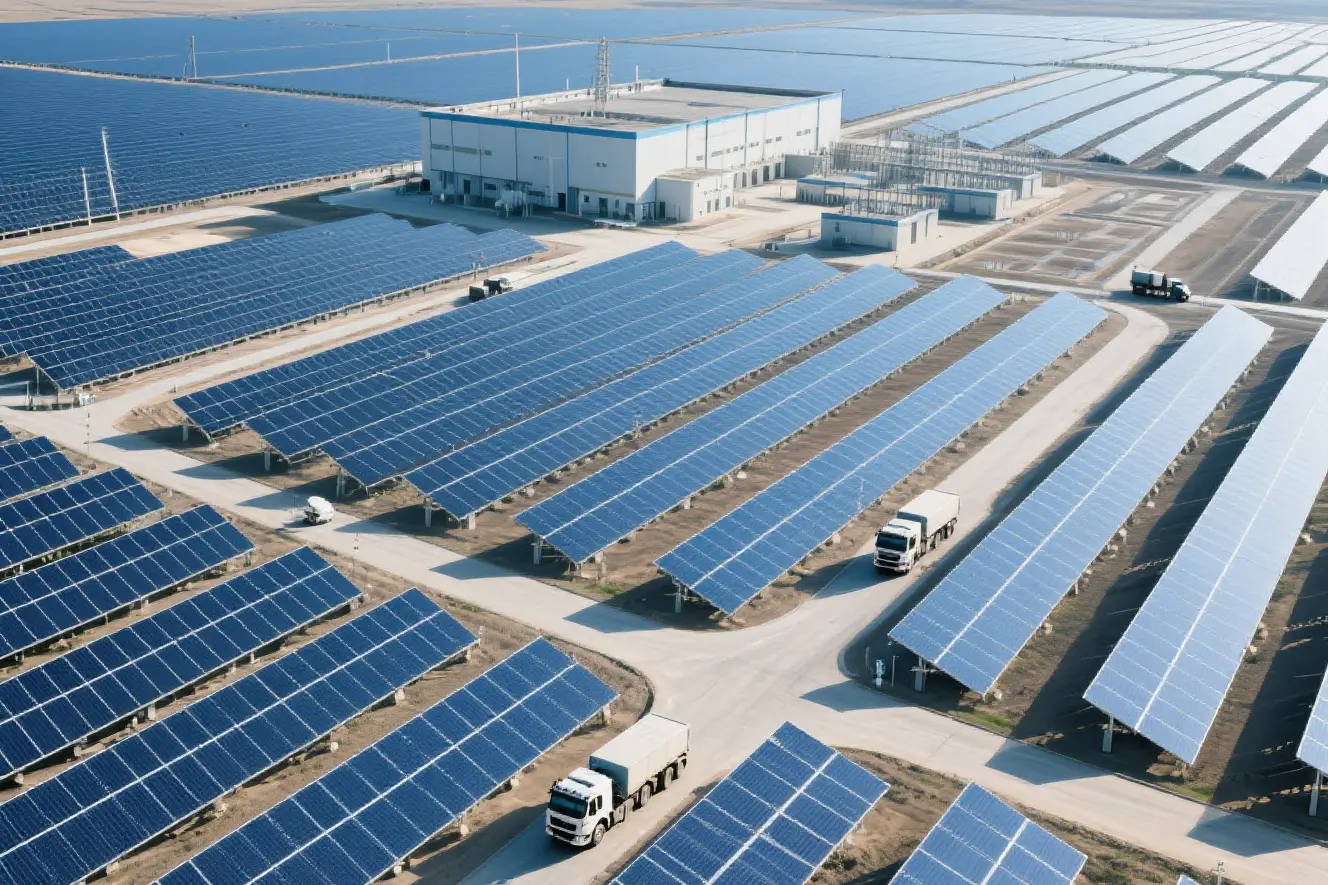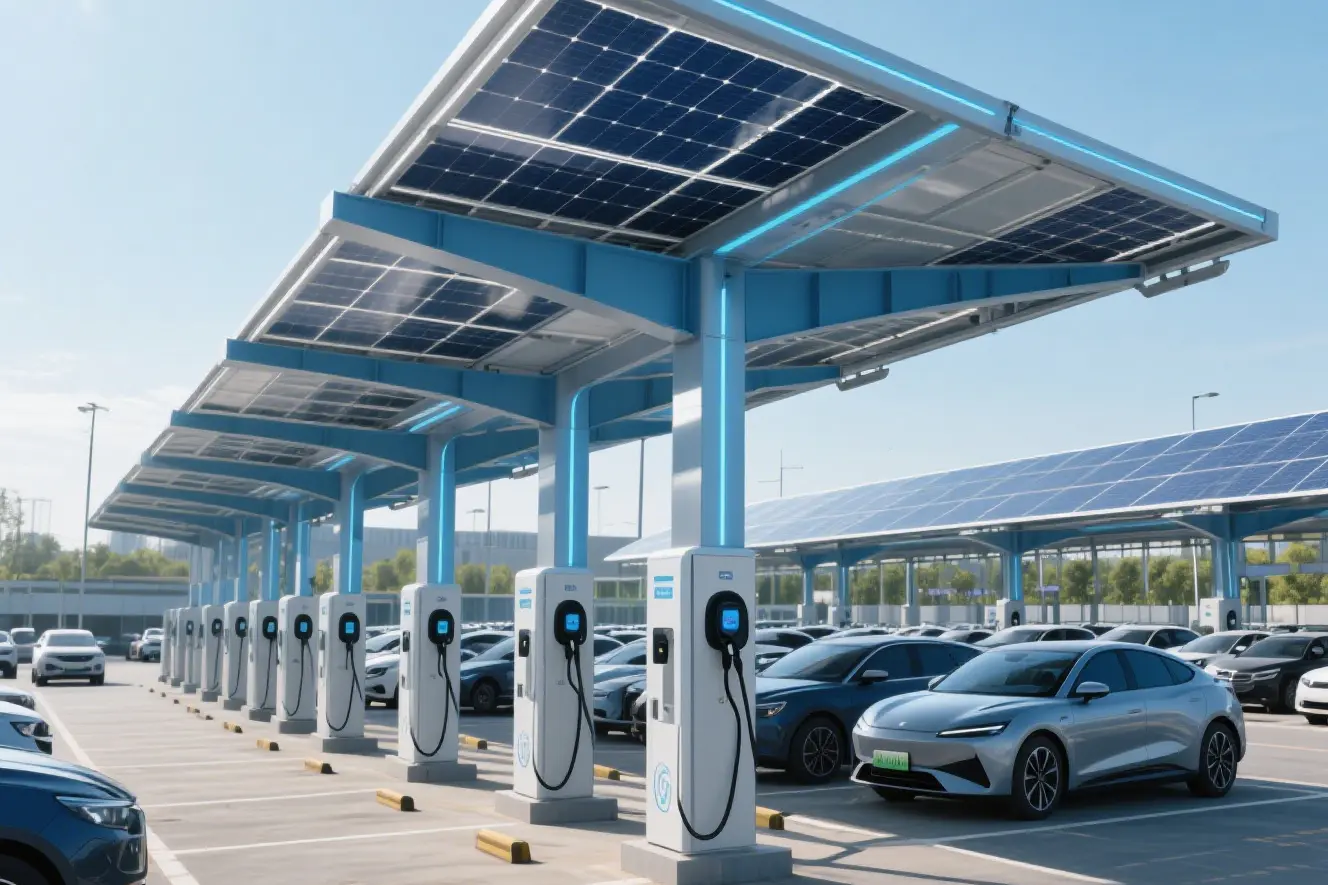
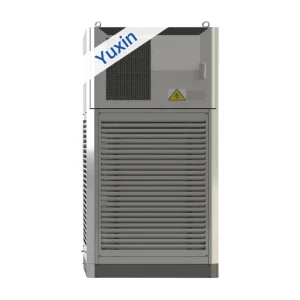
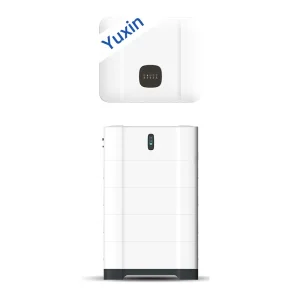
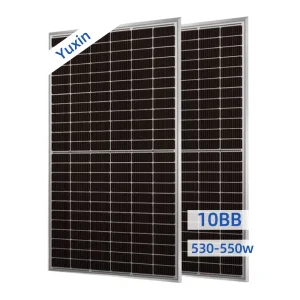
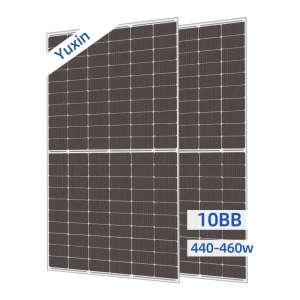
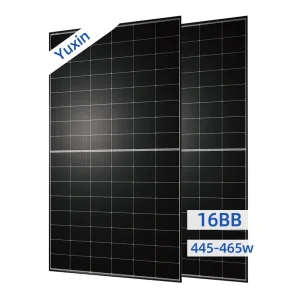
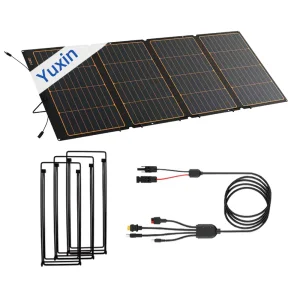
The transformation of residential properties from simple energy consumers into active energy "prosumers" requires highly integrated, modular solutions. Our solar system for home solutions are engineered to satisfy the demands of modern smart grids, addressing the complex dynamics of microgeneration, peak shaving, and clean backup power.
By coupling ultra-high-efficiency mono-silicon and N-Type TOPCon solar panels with intelligent modular energy storage, our systems minimize overall Levelized Cost of Energy (LCOE) while maximizing lifetime returns. System configurations seamlessly support three critical operational modes:
Optimization of BOS (Balance of System) Costs: High-density cell configurations reduce the structural racking footprints by up to 14.5%, directly decreasing labor requirements and structural mechanical stress.
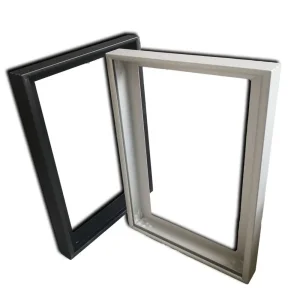
Structural Integrity: Using specialized 6063-T5 aluminum frames and pultruded polyurethane composite frames provides extreme wind loading tolerance (up to 5400 Pa) and heavy snow load performance.
High-Temperature Durability: Reduced temperature coefficient (-0.30%/°C for N-type cells) guarantees optimal power generation during peak summer cycles.
The industry transition from traditional p-type PERC to N-type technologies is mature. TOPCon (Tunnel Oxide Passivated Contact) and HJT designs achieve cell efficiency levels exceeding 25.5%, lowering lifetime degradation rates and boosting performance under diffuse, low-light environmental conditions.
LiFePO4 (Lithium Iron Phosphate) remains the industry benchmark due to thermal safety and long cycle life (6000+ cycles at 90% DOD). The technological roadmap integrates semi-solid-state lithium architectures, targeting a volumetric energy density increase of up to 40% over the next decade.
Future home energy setups are not isolated hardware components; they integrate directly into Virtual Power Plants (VPP). Machine-learning algorithms analyze local weather patterns and historic consumption habits to optimize charging schedules and participate in regional energy arbitrage.
Located in the historical industrial city of Yangzhou, Jiangsu, our manufacturing facilities integrate state-of-the-art automation and advanced process controls. Over the last 15 years, Jiangsu Yuxin New Energy Technology Co., Ltd. has developed from a dedicated component manufacturer into a diversified high-tech enterprise, processing raw inputs into high-tolerance photovoltaic structural parts and complete solar solutions.
Operating 21+ highly automated production lines, our manufacturing workflow supports rapid scale-ups while maintaining strict precision tolerances. From the initial melting and casting of architectural-grade 6063-T5 aluminum alloys to the precise multi-stage anodization processes, each stage is continuously monitored. This comprehensive vertical integration ensures that our customers receive optimal quality and consistent delivery lead times.
Polyurethane Pultruded Composites: A sustainable alternative to standard aluminum profiles. These advanced composite frames deliver exceptional mechanical strength and low thermal conductivity, preventing heat bridges and minimizing thermal expansion in harsh climates.
Advanced Anodization Technologies: Aluminum frames feature protective layers exceeding 15μm in depth, protecting components against salt spray and acid rain corrosion in coastal and industrial areas.
Strict Inspection Protocols: Complete testing arrays, including micro-structural grain analysis, tensile strength trials, and cross-cut tape adhesion testing, guarantee compliance with international requirements.
Large-scale procurement initiatives demand verification of physical and electrical metrics. Buyers must ensure structural aluminum extrusions follow ASTM B221 and EN 755-2 standards. Monocrystalline silicon cell arrays must list accurate temperature coefficients, fill factors, and annual power degradation limits (<0.55% for TOPCon panels over a 30-year operational life).
We supply custom aluminum profile dimensions, specialized mounting slot configurations, custom battery pack capacities, and individualized brand labeling. Our logistics network handles sea, rail, and air freight requirements, ensuring compliant cargo handling, customs clearing documentation, and structured deliveries.
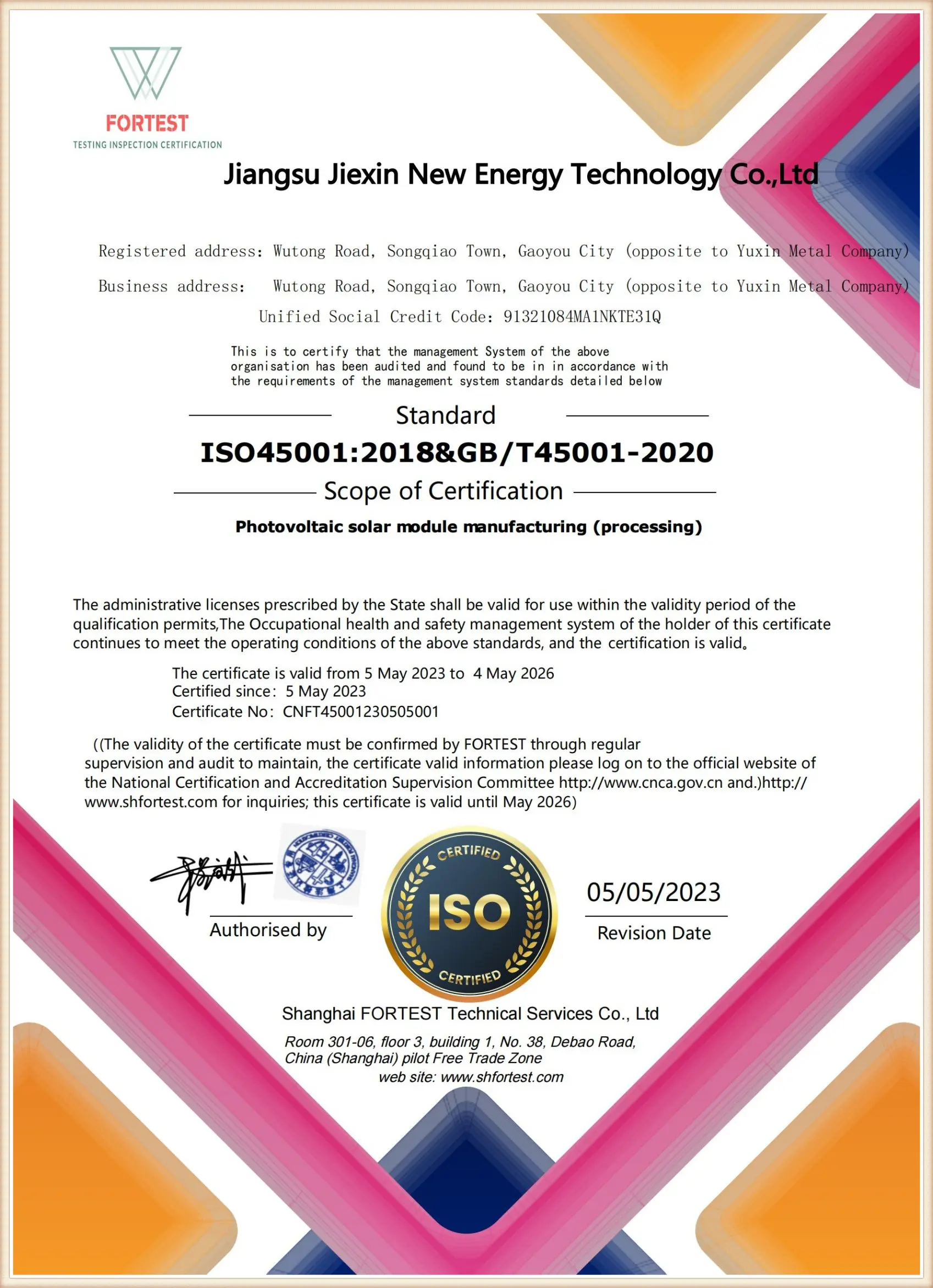
To support competitive municipal and commercial tenders, we provide detailed technical datasheets, raw material traceability reports, performance certificates, and standard bankability validations. This thorough support simplifies compliance checks and speeds up project funding approvals.
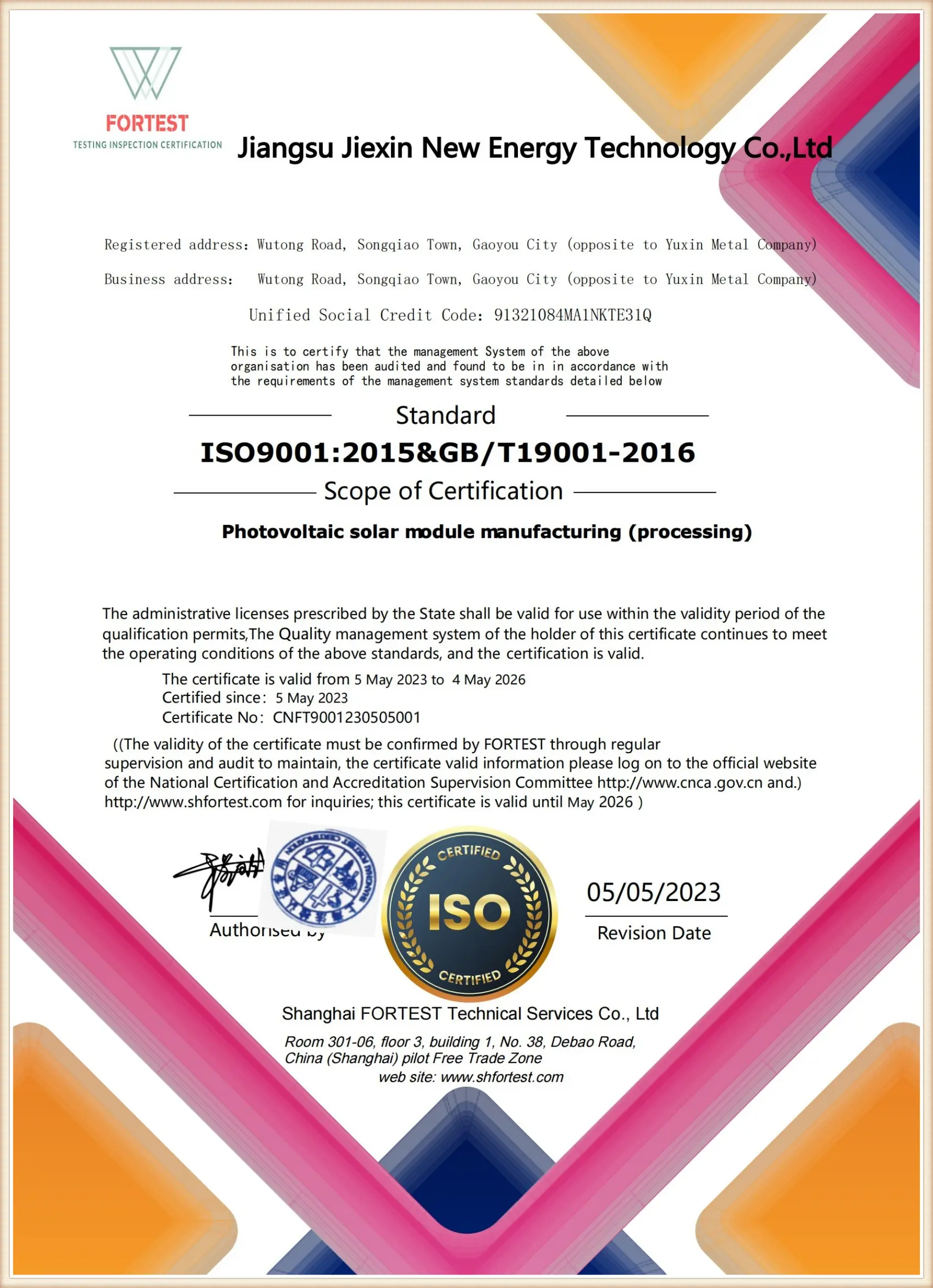
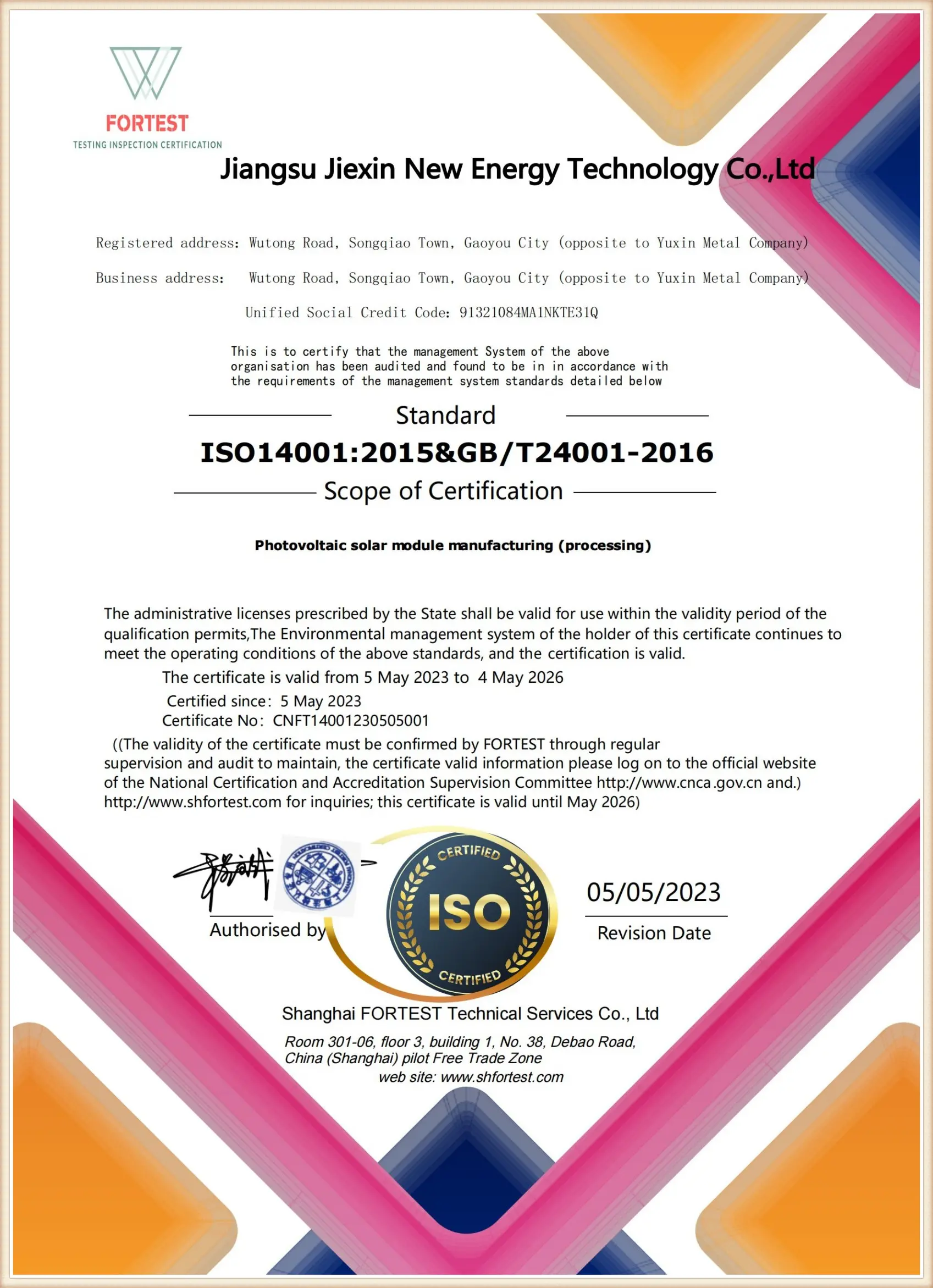
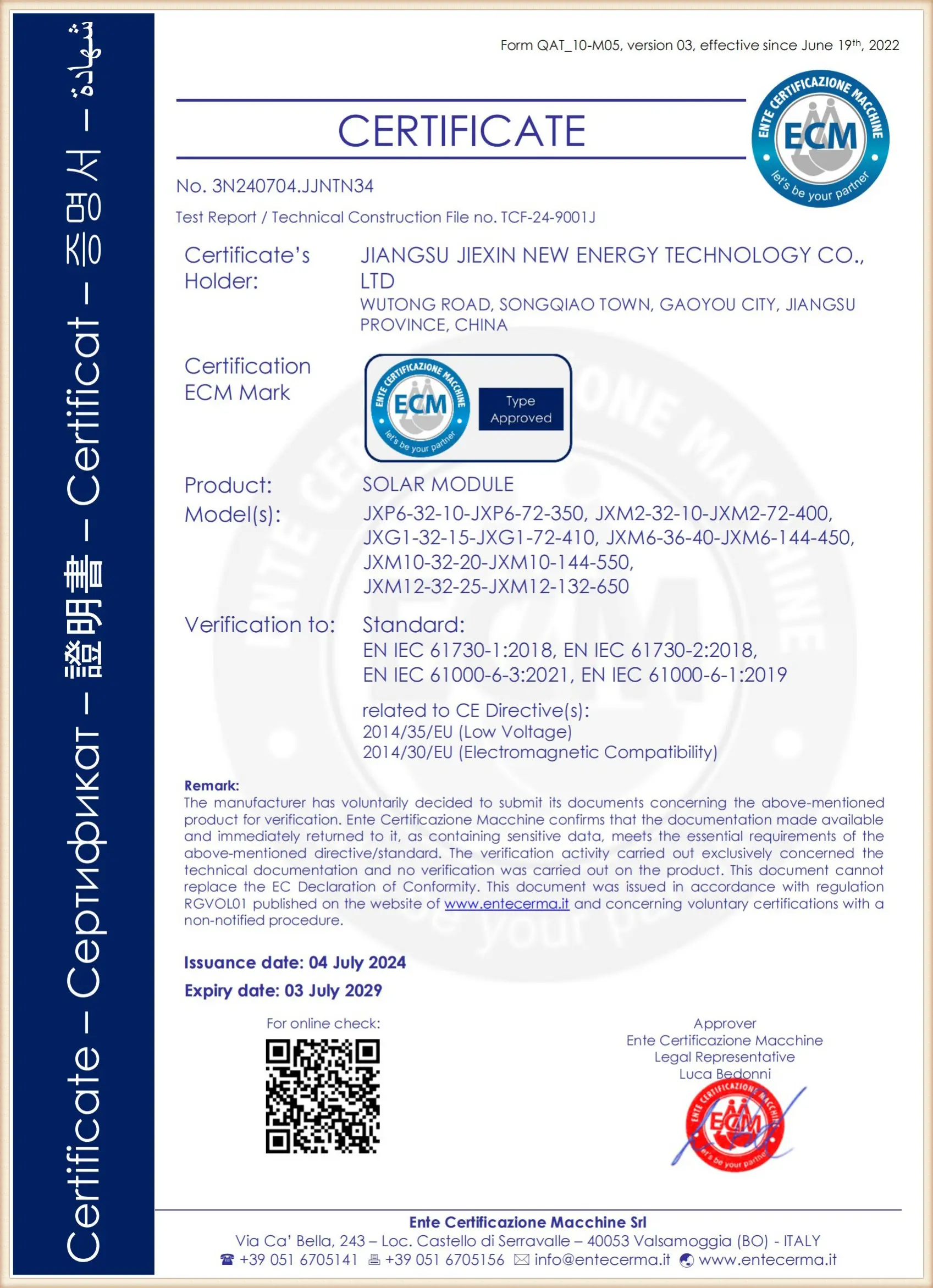
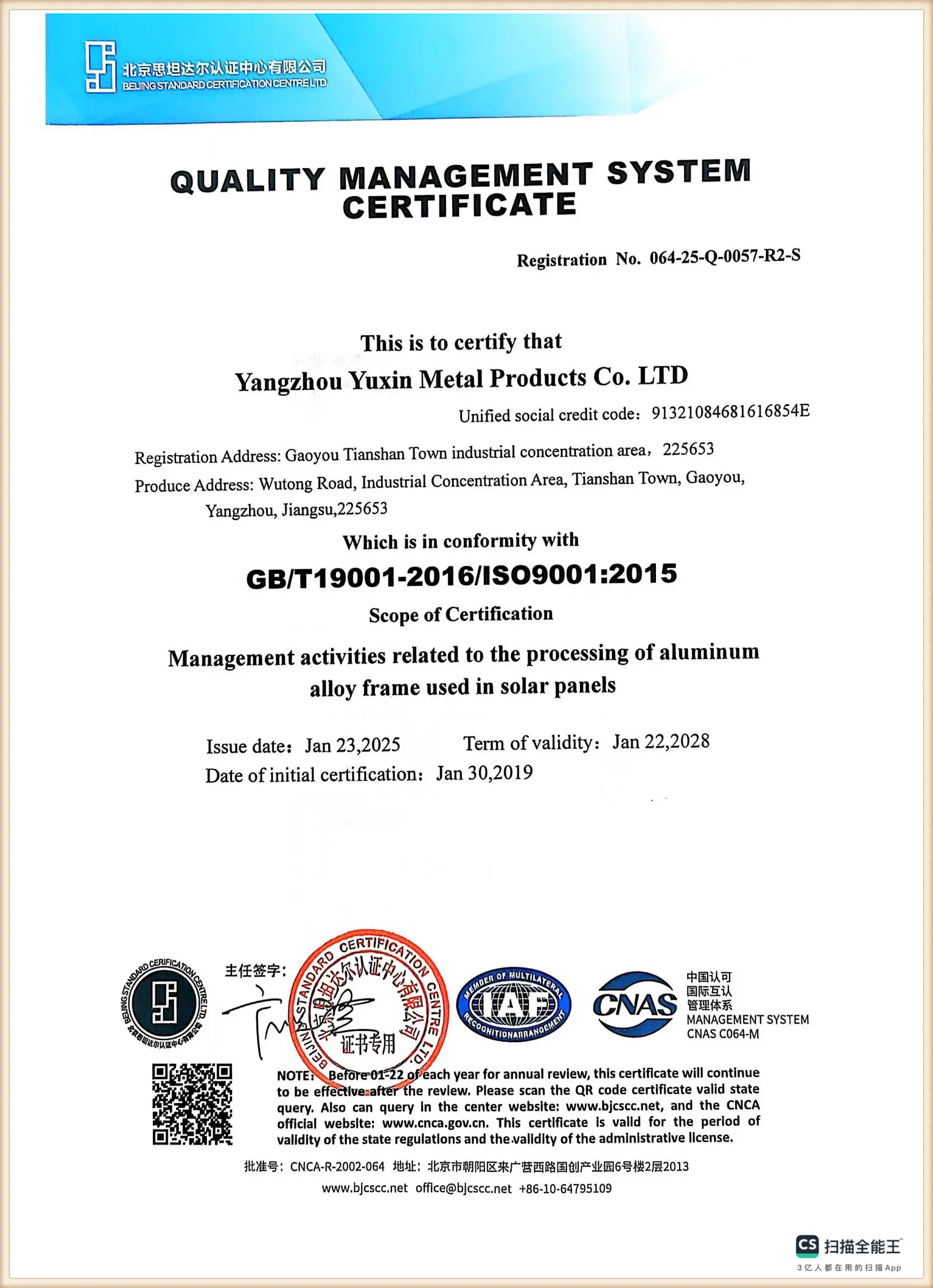
Deploying energy equipment globally requires strict adherence to localized codes. Different jurisdictions demand specific certifications to ensure safety and system interoperability. Our solar components and complete systems are engineered and tested to maintain compliance across multiple international frameworks:
We back our hardware with comprehensive warranties: 12-year structural warranty on aluminum framing systems and polyurethane composite components, and a 25-to-30-year linear performance warranty on monocrystalline photovoltaic modules.
Through regional distributors and partners, we provide prompt engineering support, supply replacement parts, and assist with grid-connection certification requirements.
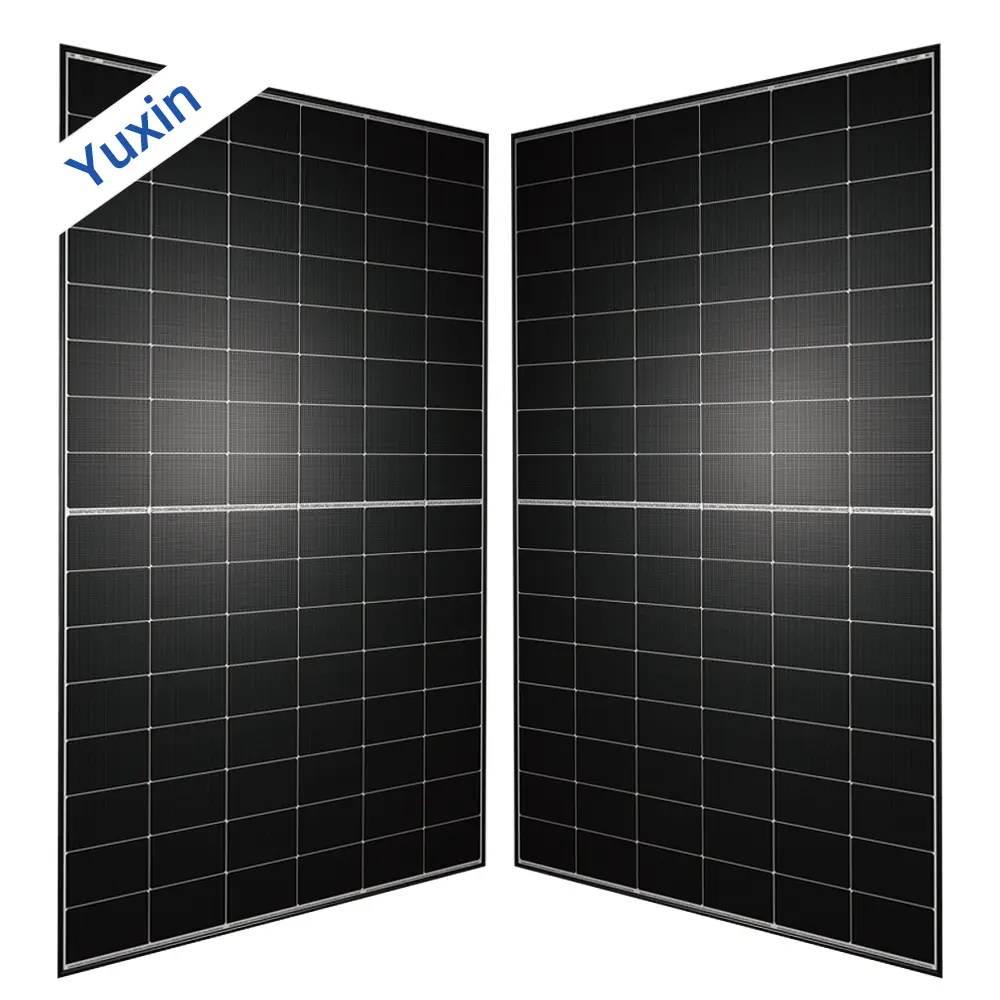
Lightweight design with transparent back panel for easy installation and reduced BOS costs.
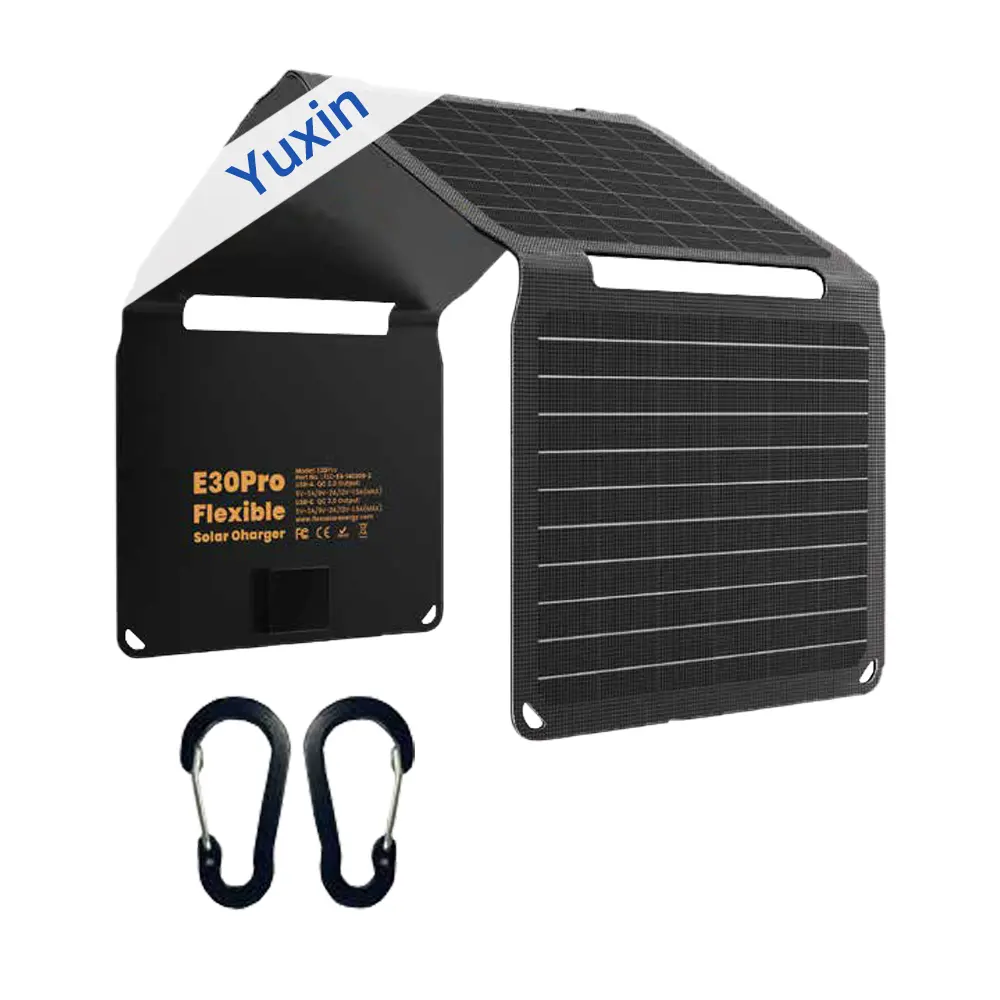
Utilizing advanced monocrystalline silicon cells, it achieves a high energy conversion efficiency of 24%.
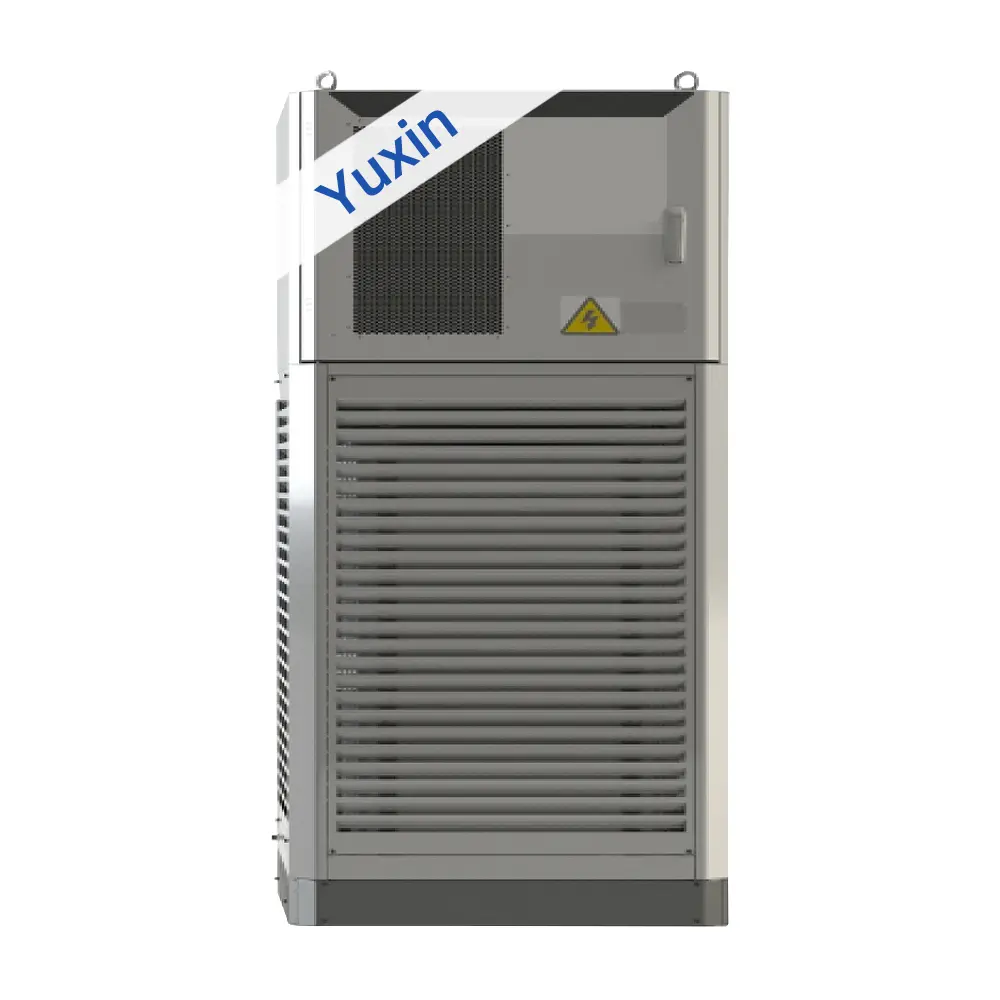
Application modes include grid-connected mode, off-grid mode, and integrated grid-connected/off-grid mode.
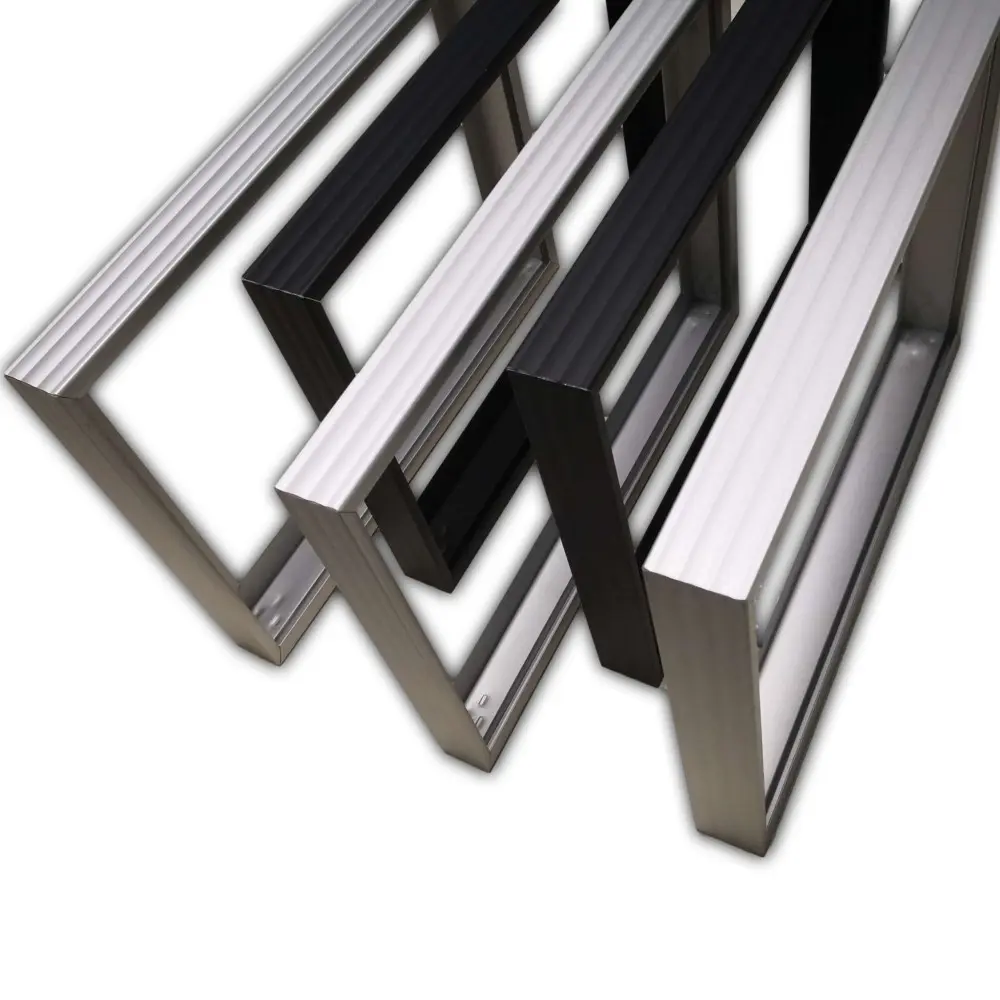
Made of high-quality anodized aluminum, it ensures superior weather resistance and a smooth, long-lasting finish.
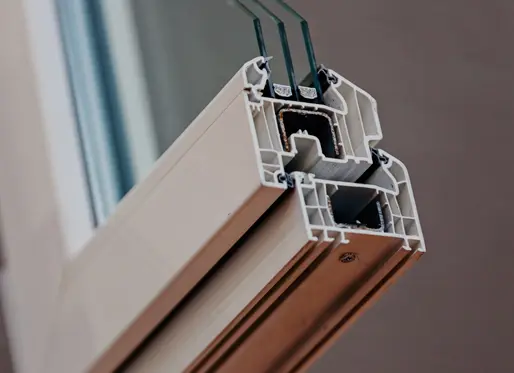
An in-depth look at alloy compositions, anodizing depths, and mechanical tests required to protect solar cells under extreme weather conditions.
Read Full Article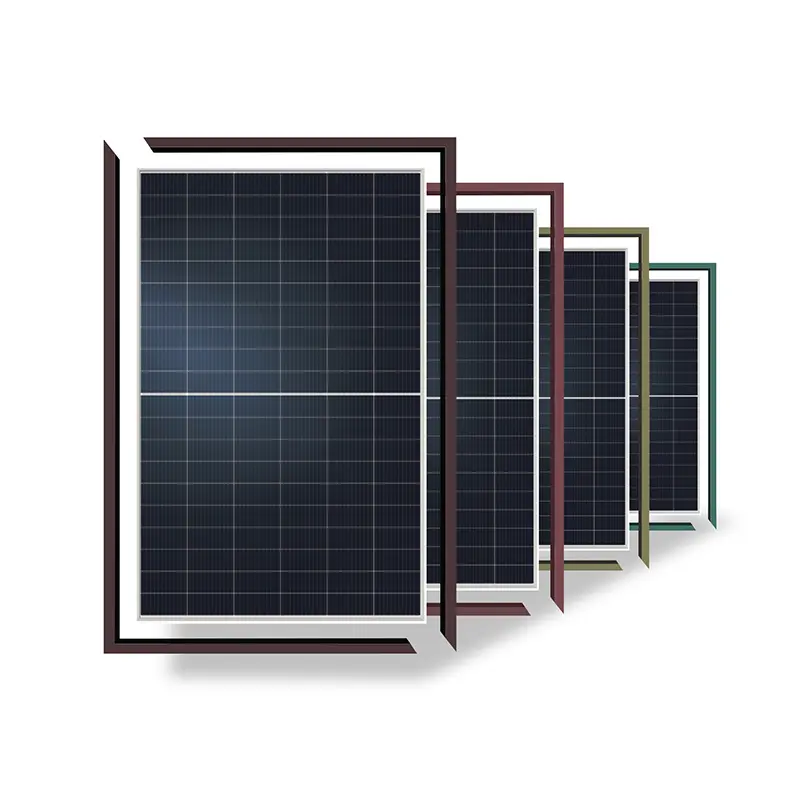
Key metrics for auditing suppliers, checking raw material certification, assessing extrusion tolerances, and evaluating logistical stability.
Read Full Article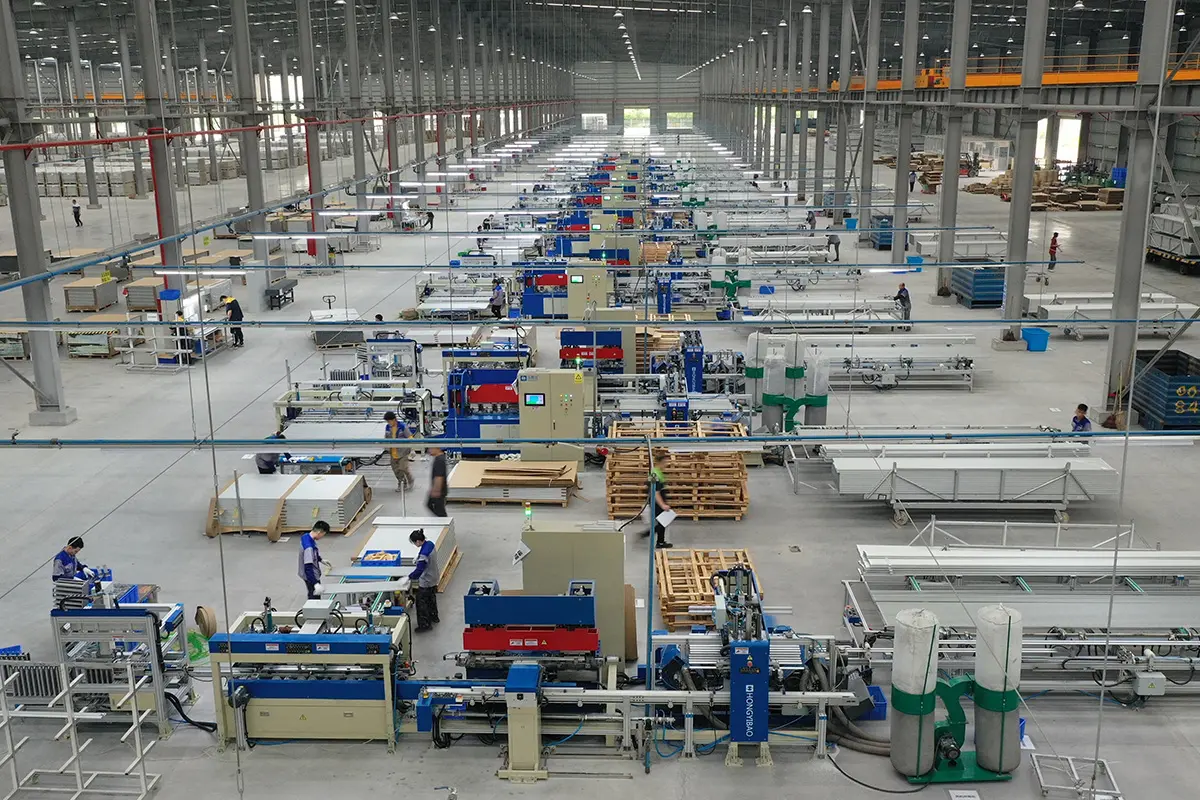
Explaining the technical checks for solar frames, including optical emission spectroscopy and tensile strength verification.
Read Full Article