
Tailored engineering, structural excellence, and premium energy conversion optimized for Ghana's high irradiation profile and coastal ambient environments.
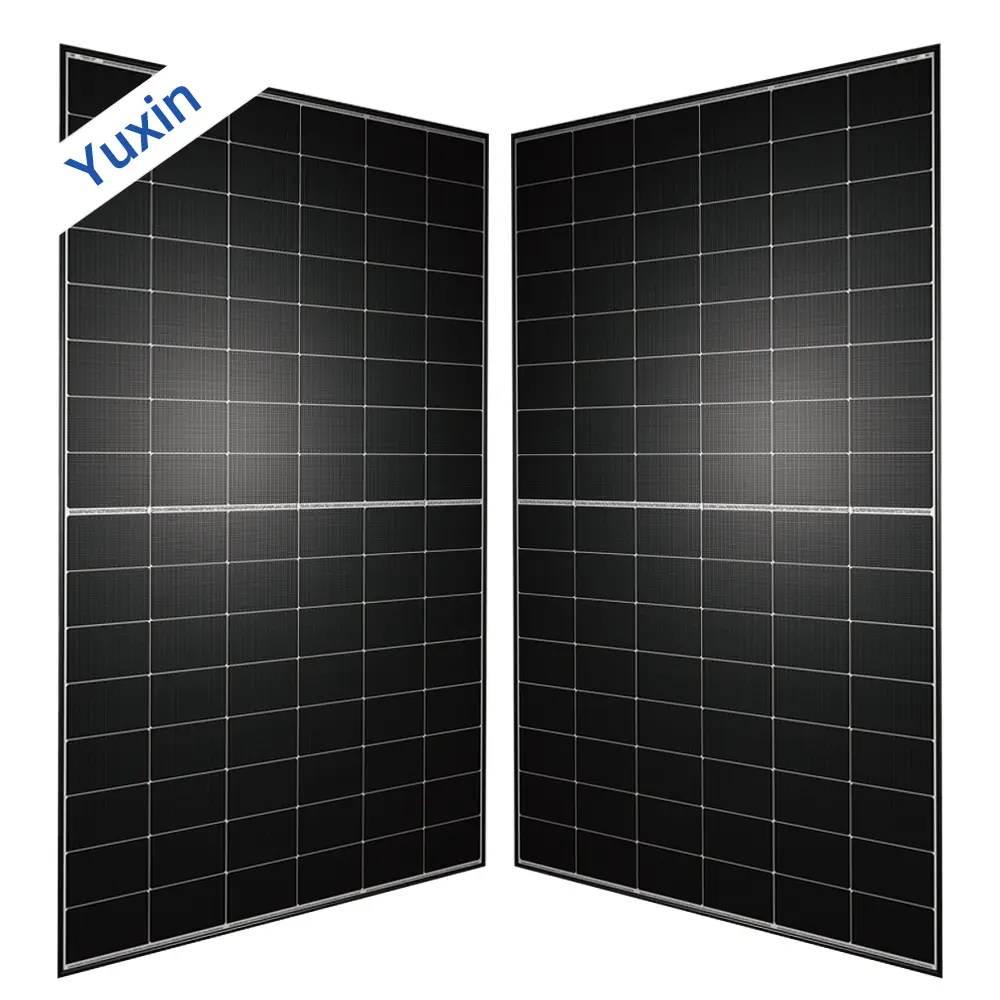
Lightweight structure featuring a highly transparent backsheet to simplify setup configurations and minimize Balance of System (BOS) outlays across residential estates.
Inquire Details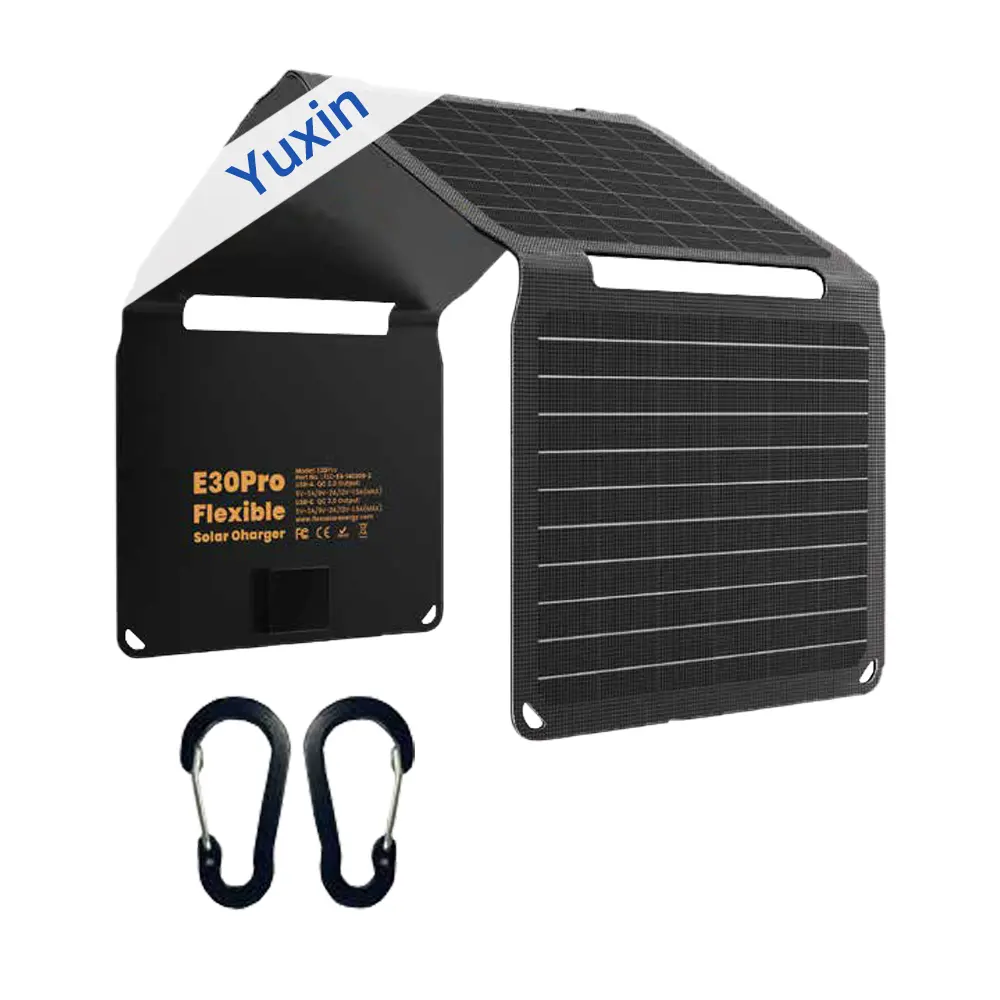
Equipped with ultra-premium monocrystalline raw materials to guarantee an energy conversion standard reaching up to 24%, perfect for backup outdoor setups.
Inquire Details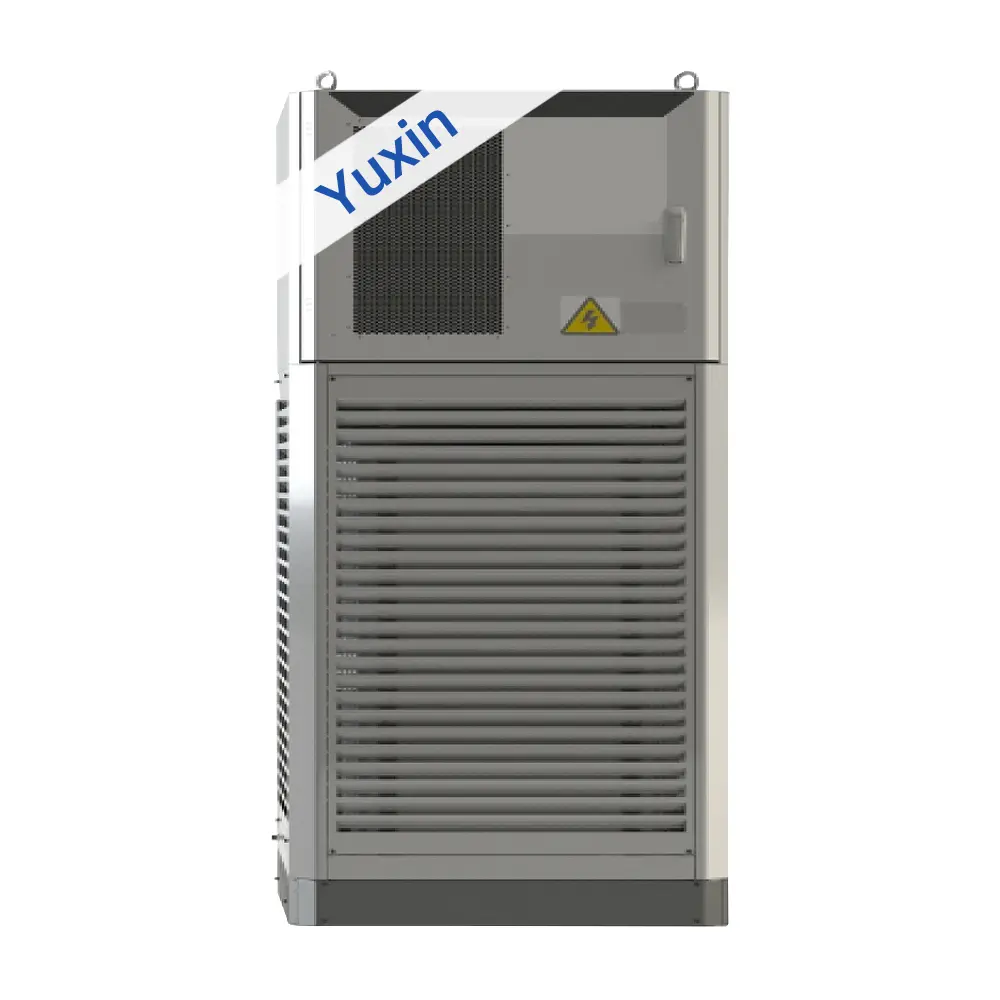
Adaptable power setup architectures running versatile hybrid operations: grid-connected configuration, fully isolated off-grid paths, or dynamic unified setups.
Inquire Details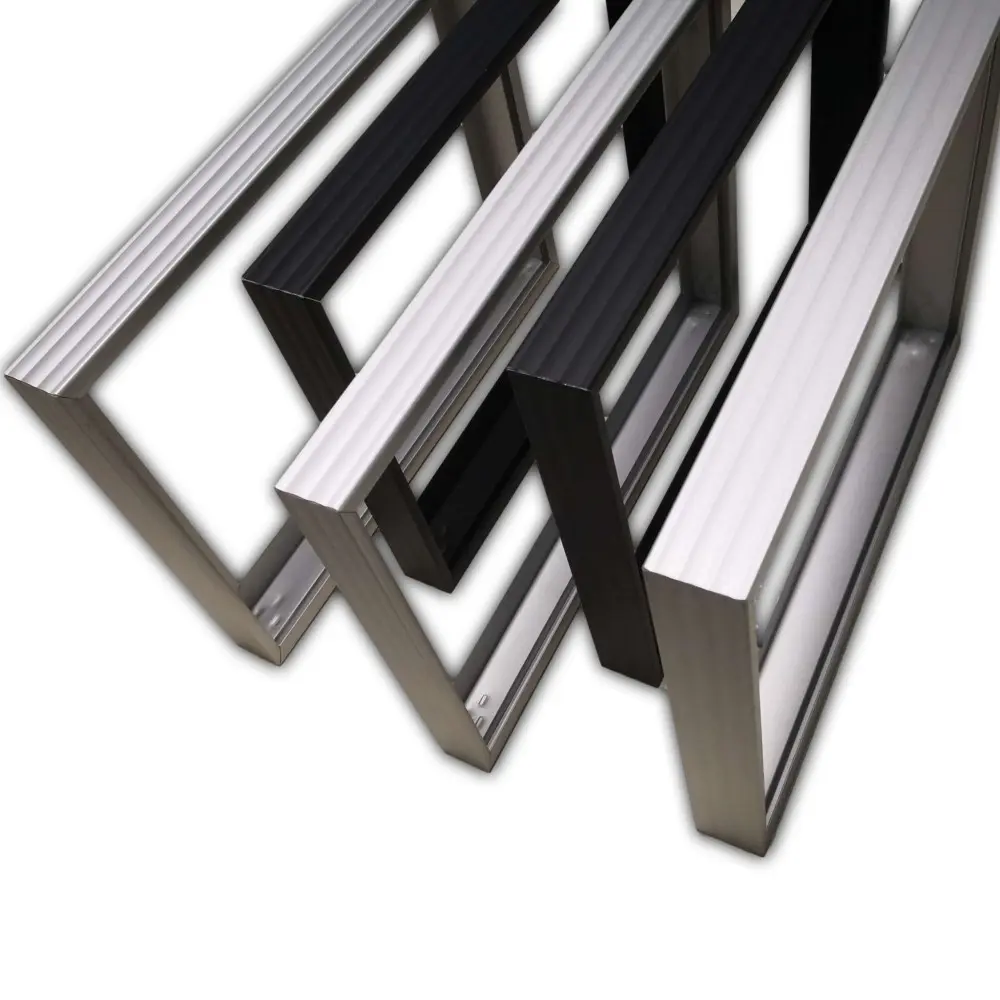
Precision-manufactured from high-grade anodized aluminum alloy, promising superior weatherization properties and structural integrity along coastal high-humidity areas.
Inquire DetailsA comprehensive analysis of residential and C&I solar system adoption in West Africa, examining localized compliance standards, China factory supply chain advantages, and environmental considerations.
The Republic of Ghana is witnessing an unprecedented transition toward decentralized renewable energy. Driven by rising grid tariffs from the Electricity Company of Ghana (ECG) and persistent grid instability—often localized as "Dumsor"—homeowners and businesses are shifting from emergency diesel generators to smart, hybrid PV infrastructure.
While early installations focused heavily on off-grid configurations, contemporary trends indicate a strong demand for grid-tied solar systems with energy storage integration. Residential systems (ranging from 5kW to 20kW) and Commercial & Industrial (C&I) systems (ranging from 50kW to 500kW) are scaling across major economic hubs, including Accra, Kumasi, Takoradi, and Tamale. The integration of high-cycle LiFePO4 batteries has emerged as the industry standard, ensuring continuous backup power and peak shaving capabilities.
High ambient temperatures, severe Harmattan dust storms (which cause significant PV soiling), and high-salinity marine environments in coastal regions require solar systems to feature robust structural materials. Ordinary components degrade rapidly; hence, anodized aluminum frames with minimum 15μm coating thickness and high temperature coefficient N-type silicon cells are essential to mitigate performance degradation.
Operating a solar installation in Ghana demands strict adherence to the standards established by the Energy Commission of Ghana. All Grid-Tie and Hybrid inverter configurations must comply with national grid connection regulations to prevent reverse power feeding unless officially registered under net-metering schemes.
As a leading global manufacturer, YUXIN New Energy leverages a fully integrated supply chain to support solar deployment in Ghana. By controlling the entire manufacturing process—from high-grade silicon processing to the extrusion of salt-mist resistant aluminum and composite framing materials—we bridge the gap between production and local deployment.
Our manufacturing hub houses 21+ automated production lines, enabling scale economies that translate into direct cost savings for Ghanaian engineering, procurement, and construction (EPC) contractors. By implementing ISO-certified quality control mechanisms directly at our factory, we ensure that every PV module, battery cell, and mounting system arrives at the Tema port with certified specifications, reducing risk and warranty claims.
Global businesses and local developers sourcing solar equipment must evaluate technical specifications against long-term site reliability:
Jiangsu Yuxin New Energy Technology Co., Ltd.
Located in the scenic historical and cultural ancient city of Yangzhou, close to the Beijing-Shanghai Expressway, Runyang Yangtze River Bridge, and Ningqi Railway, the group has a superior geographical location and convenient transportation.
Established in 2008, the group has 14 multi-field companies under its jurisdiction, including Jiangsu Yuxin New Energy Technology Co., Ltd. It has won prestigious recognitions, including National High-tech Enterprise, Technology-based Enterprise, and Gaoyou City Top 100 Private Enterprises. Our manufacturing systems adhere to strict international engineering parameters, supplying components to critical installations across South America, the Middle East, and the expanding African continent.
Production Lines
Annual Sales Revenue
Annual Export Volume
Annual Output Capacity
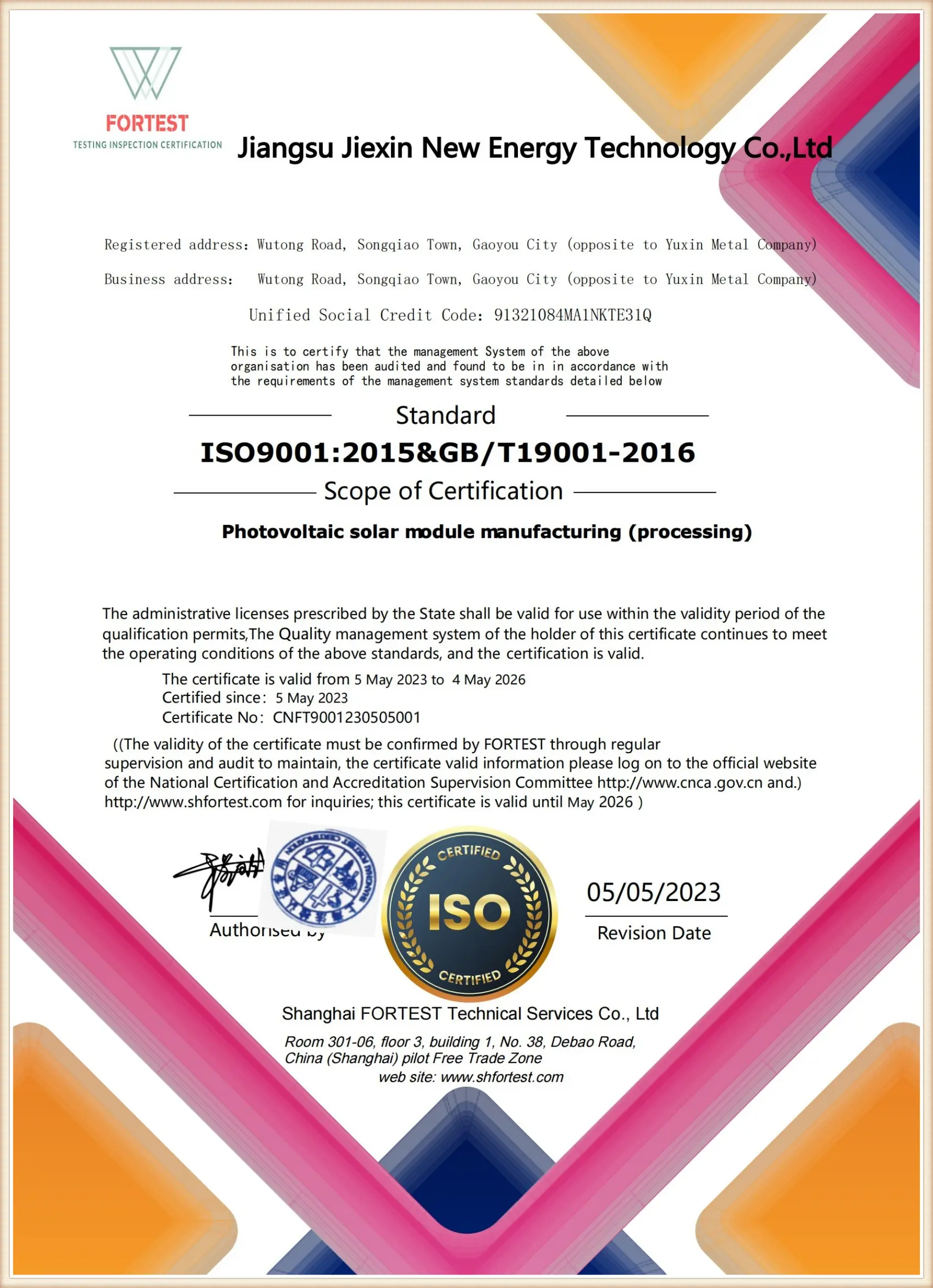
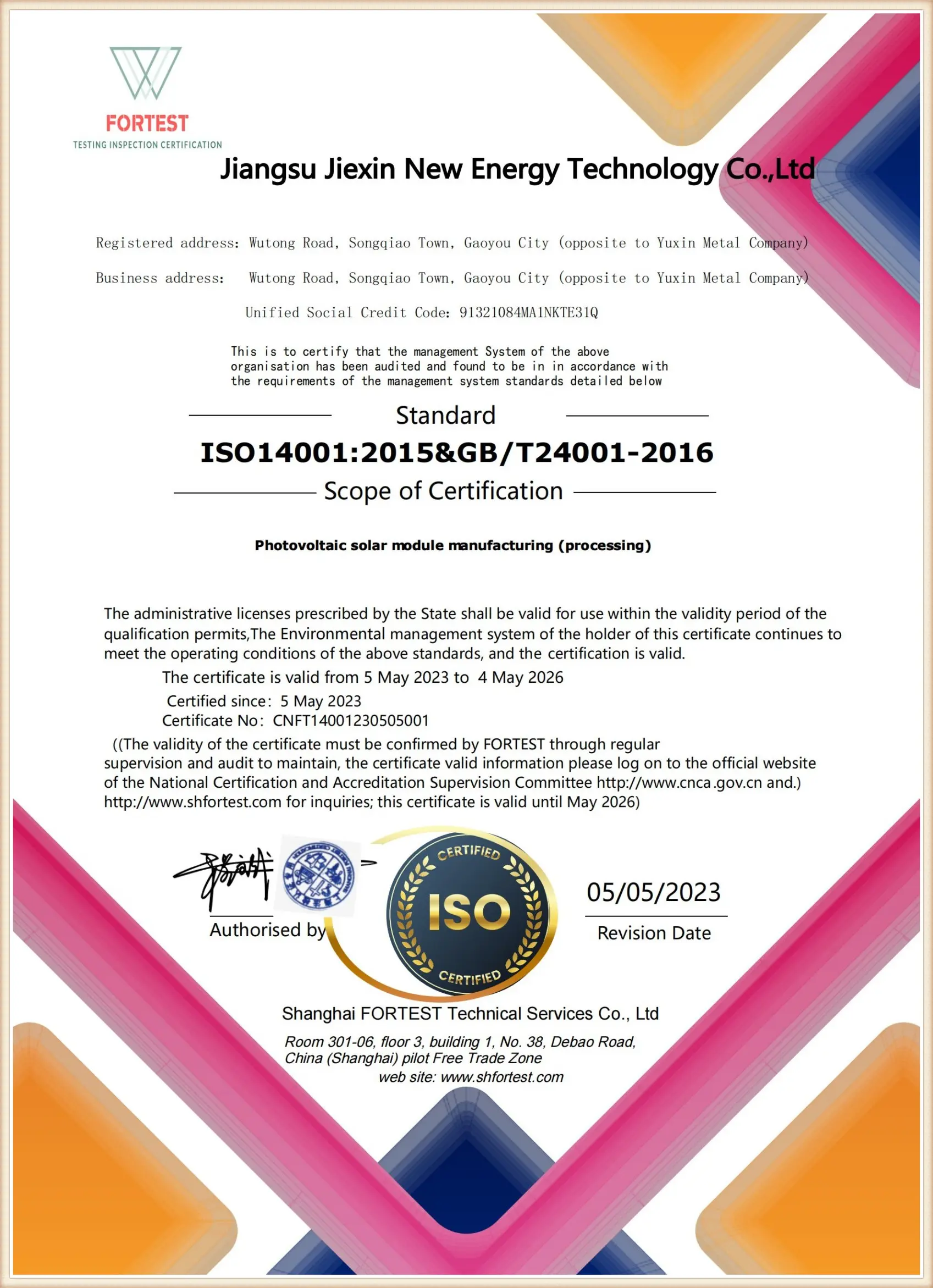
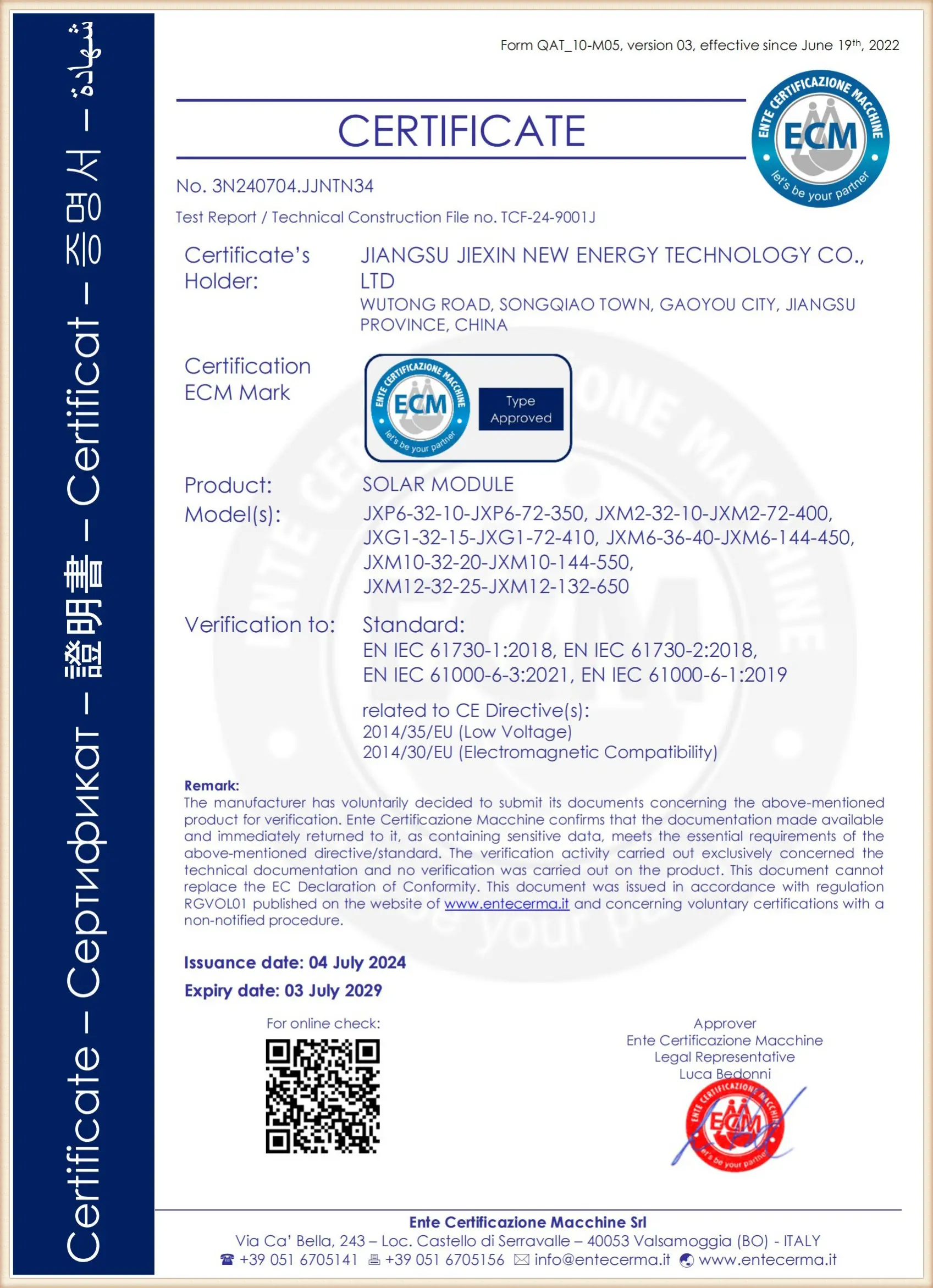
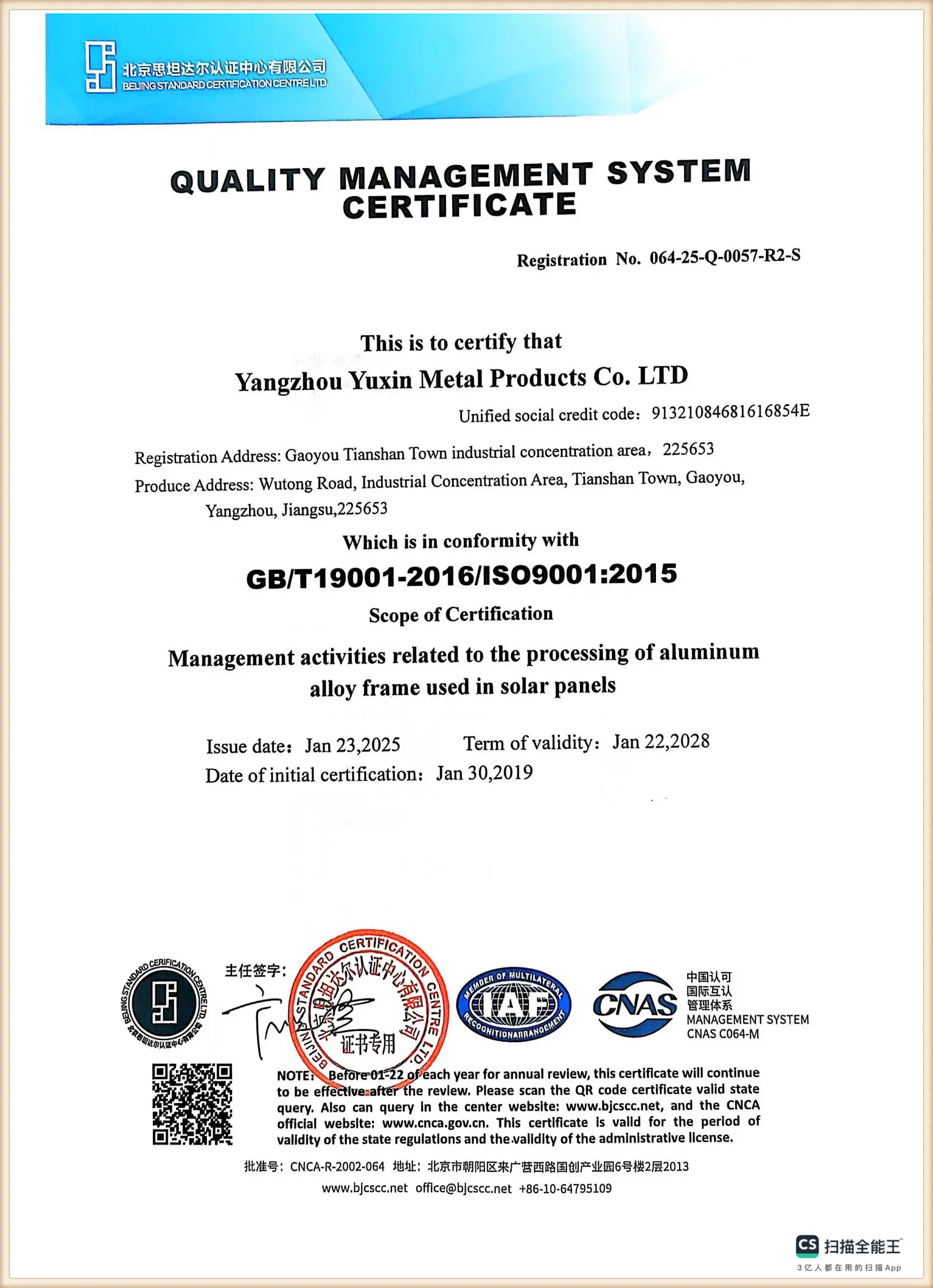
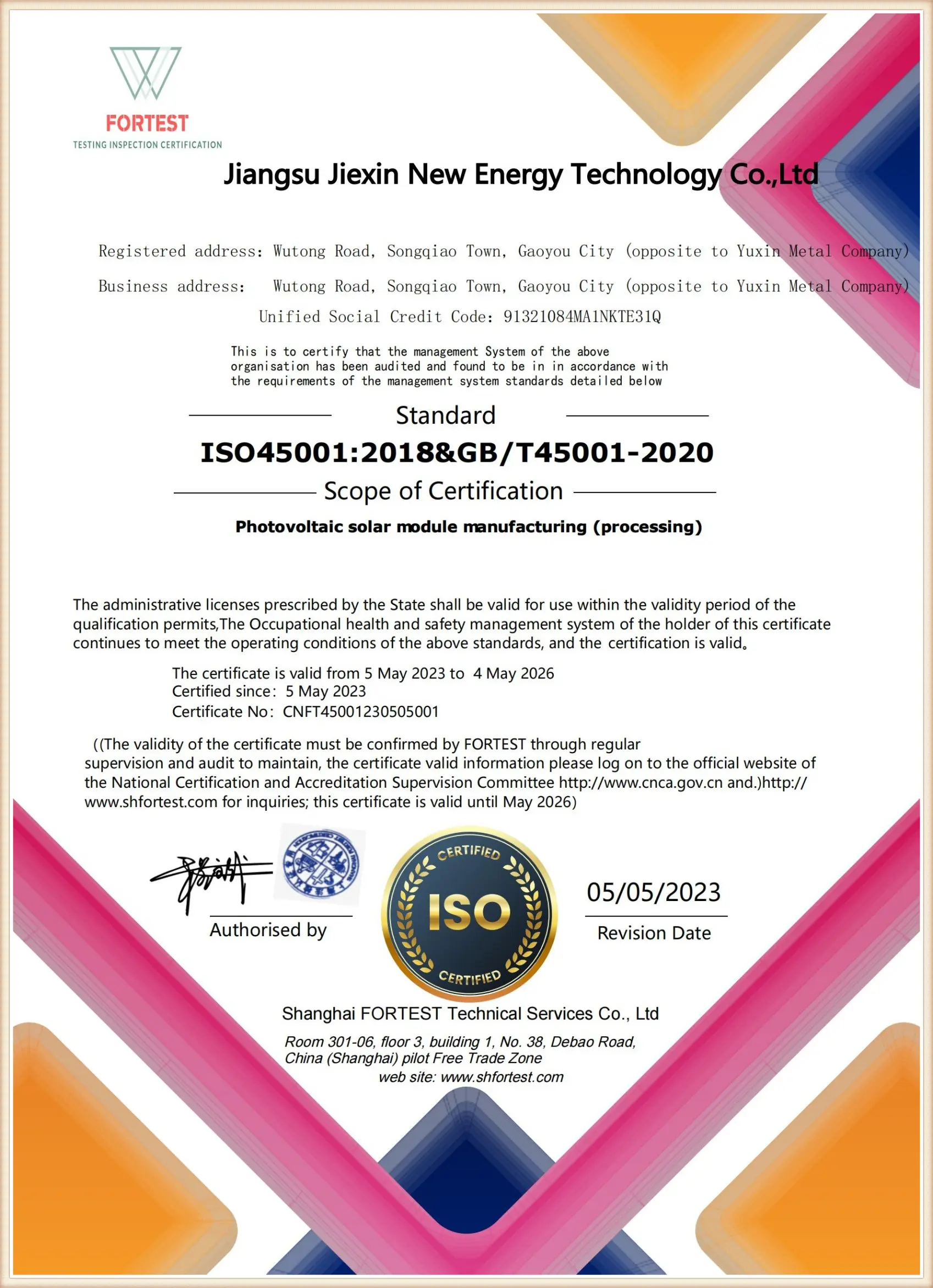
Every component is rigorously certified by international testing bodies, ensuring safety, efficiency, and compliance with the Energy Commission of Ghana regulations.
Deploying robust, cost-effective photovoltaic materials and storage systems to drive development across key sectors of Ghana's growing economy.
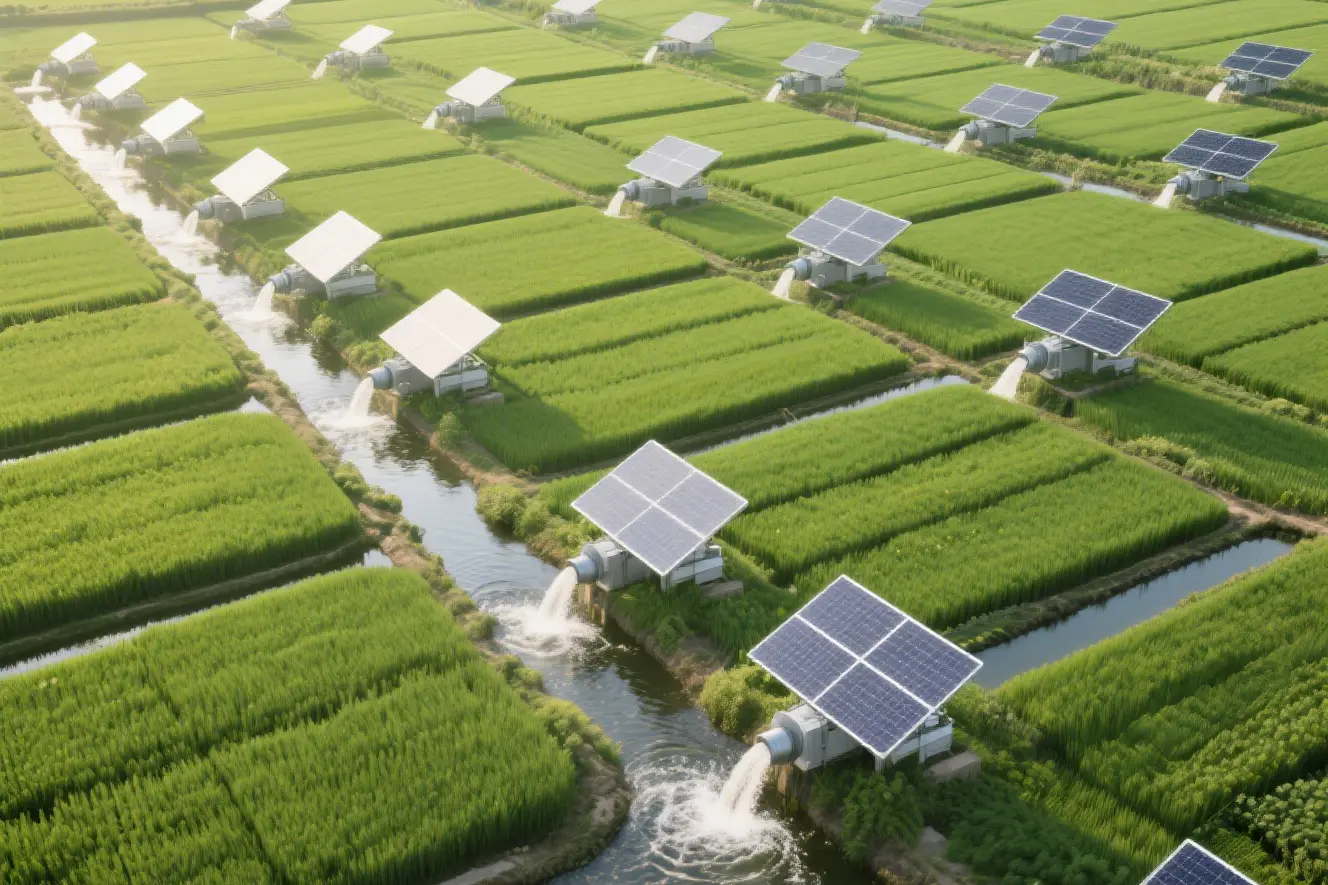
Powering solar water pump systems and cold-storage units across farming regions in Northern and Volta sectors, reducing dependency on diesel fuel.
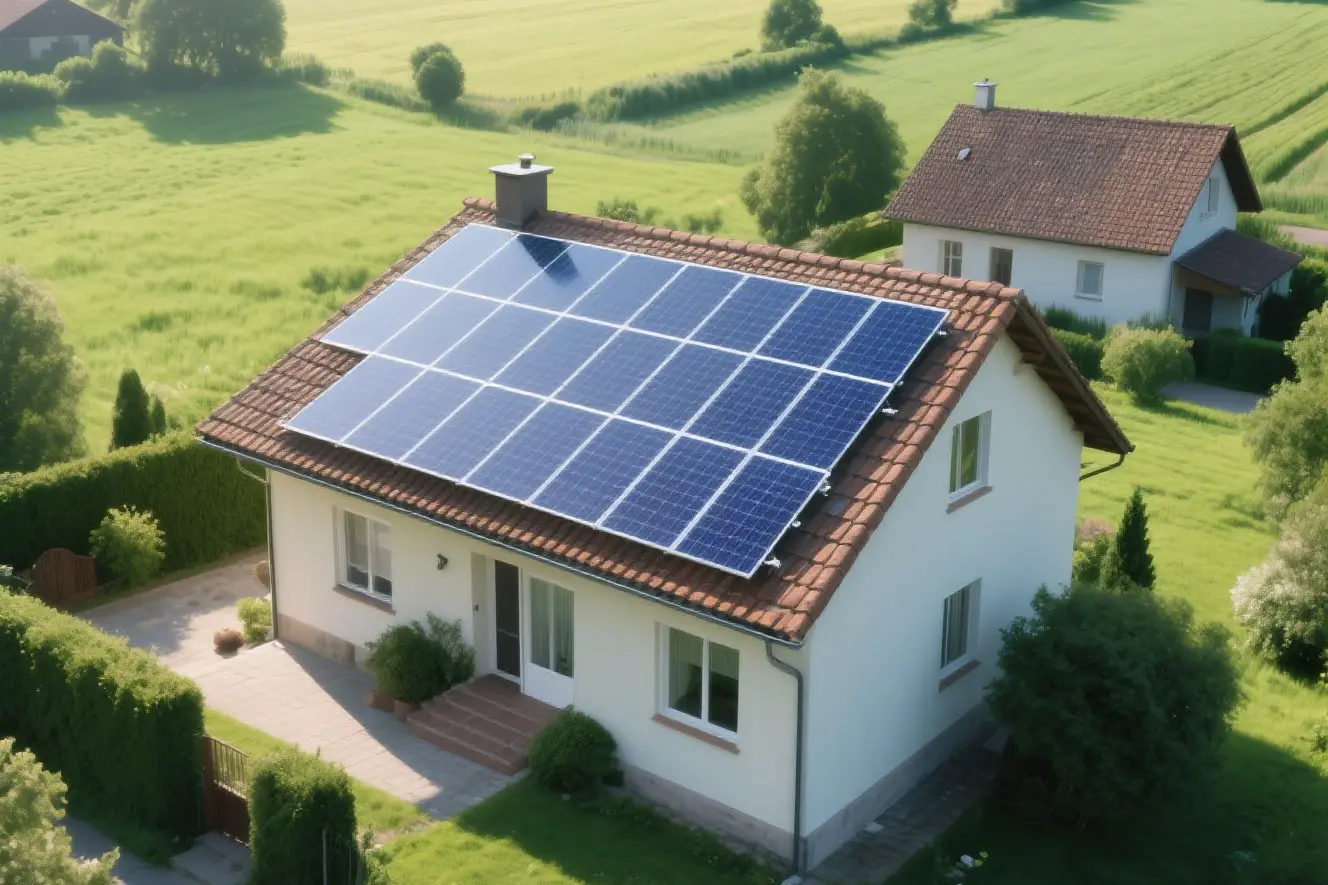
Integrating rooftop PV arrays and battery storage setups into new real estate developments in East Legon, Cantonments, and Tema Port zones.
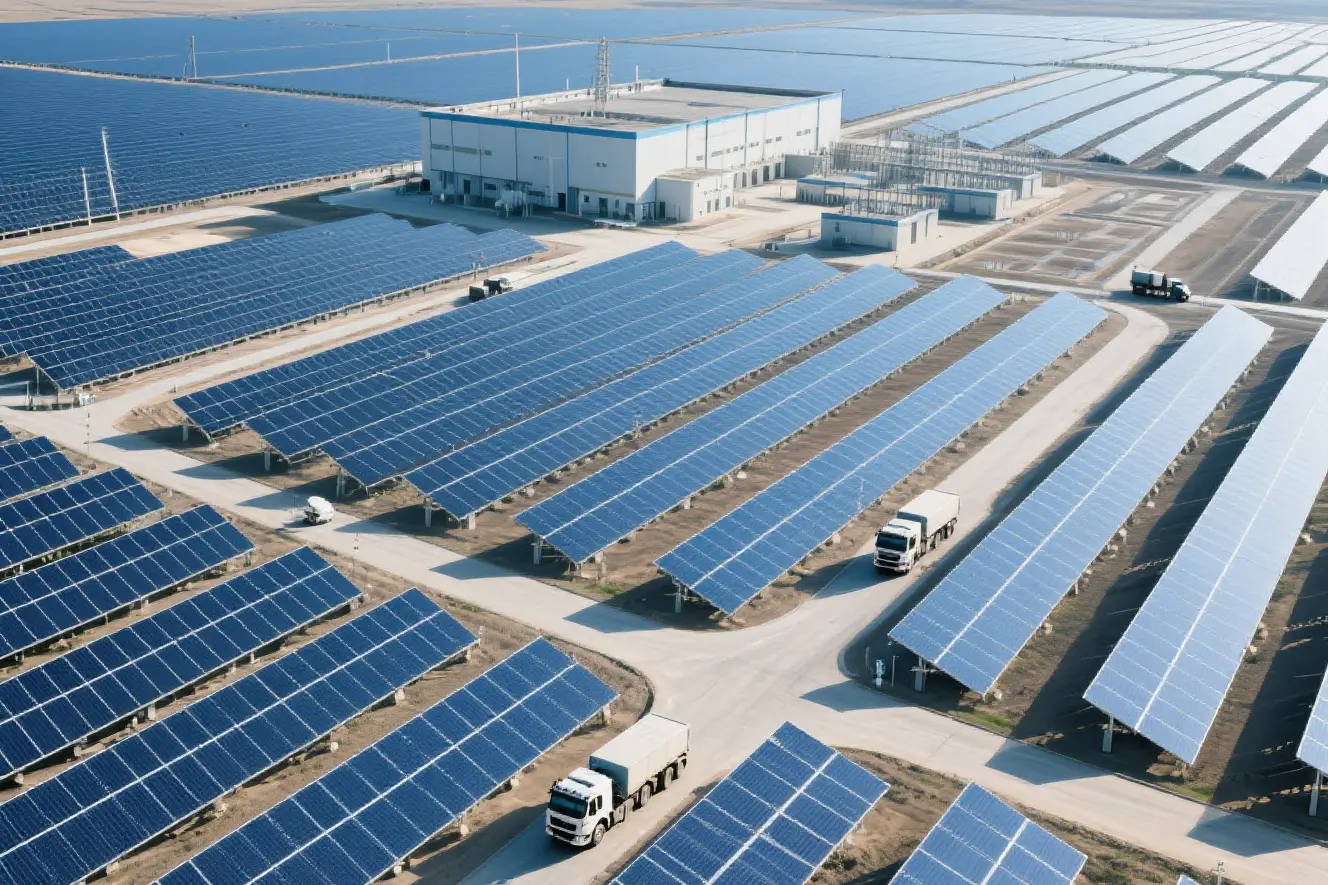
Stabilizing local mini-grids and commercial hubs through commercial-grade peak shaving and modular battery energy storage arrays.
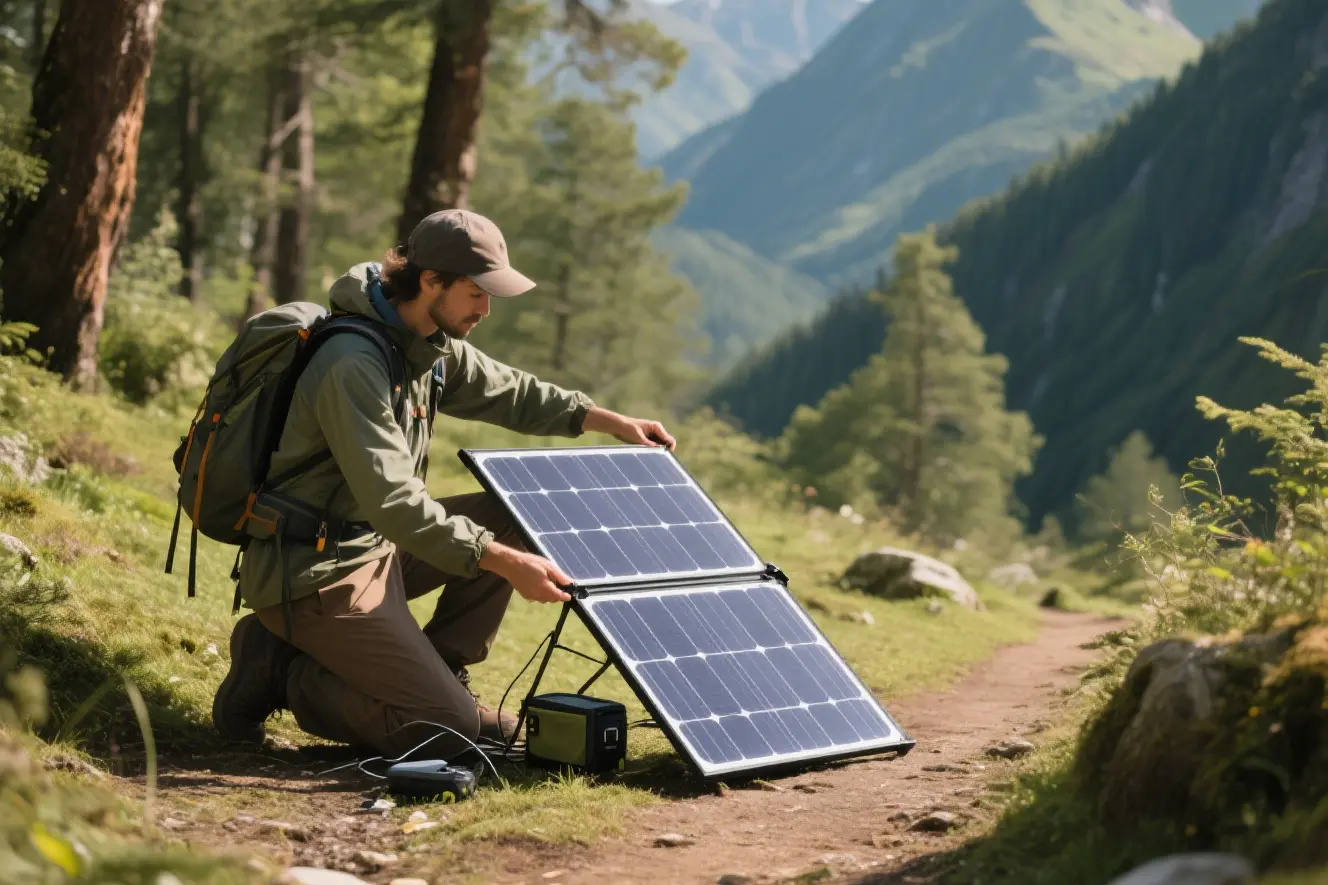
Providing portable solar backpacks and backup storage generators for mining exploration camps and remote ecotourism sites.
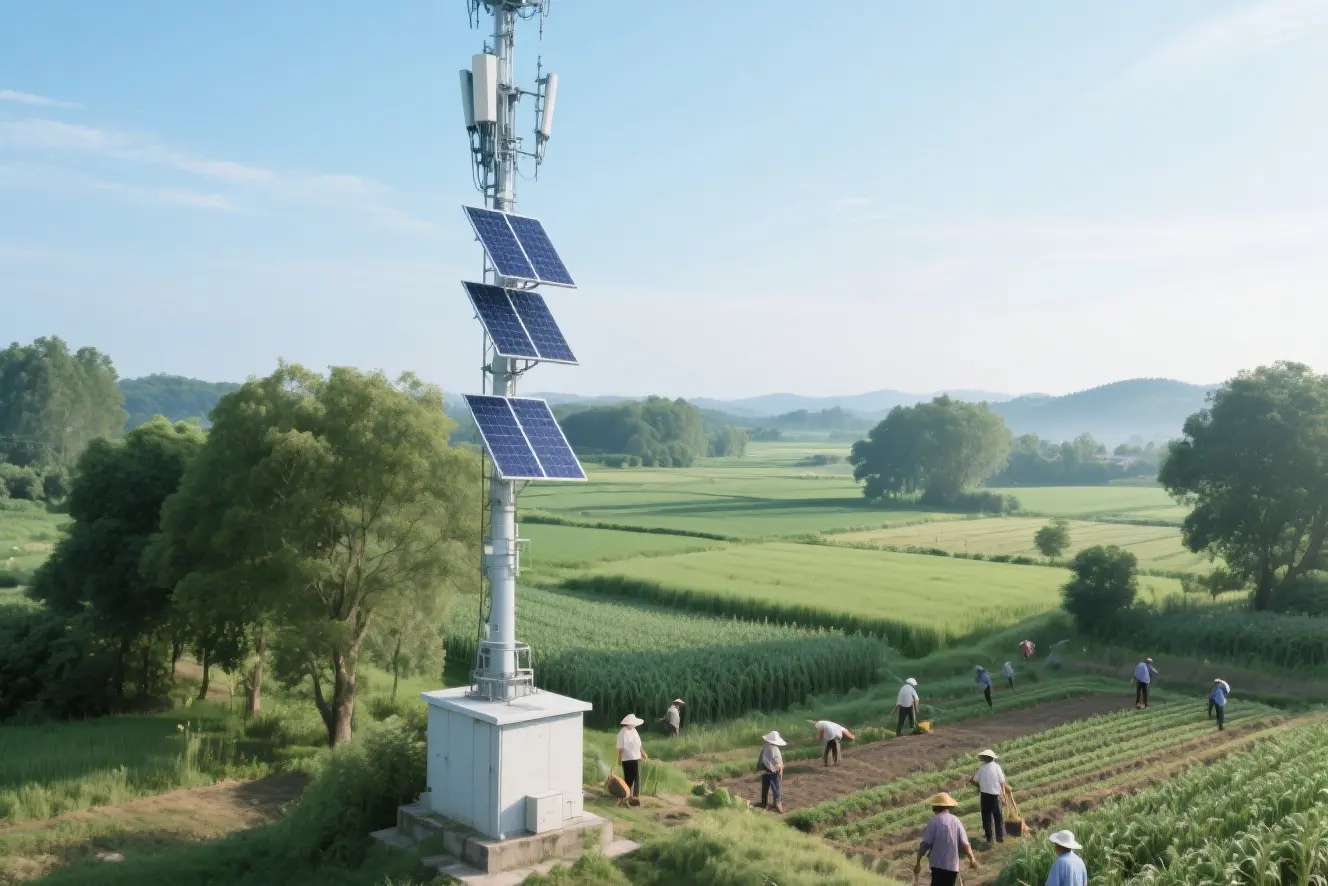
Ensuring uptime for remote telecom base stations (BTS) with off-grid solar-battery systems, reducing operating costs across major networks.
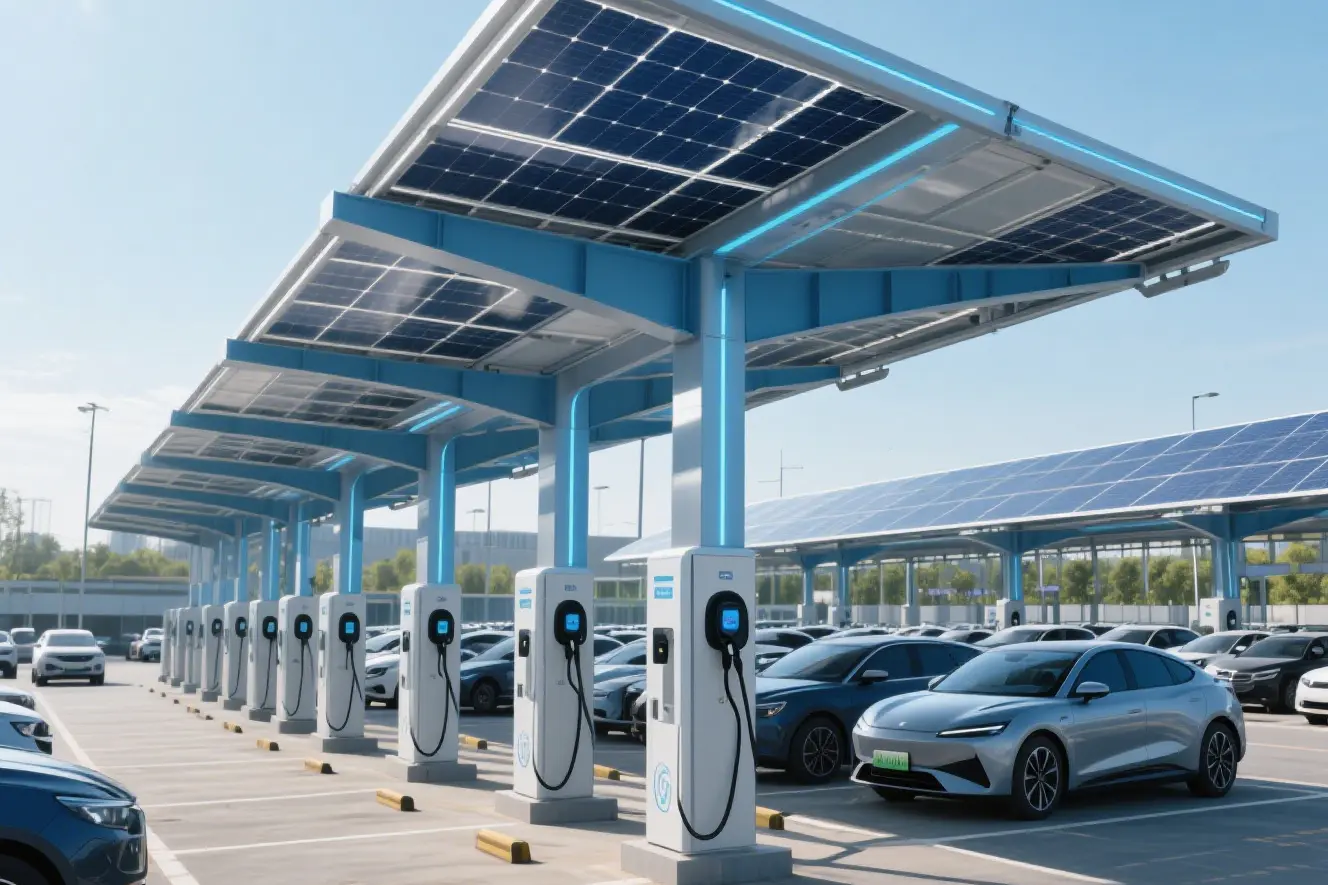
Powering municipal solar streetlights, toll booth networks, and transit hubs across the national capital and arterial highway corridors.
Collaborating with industry leaders to manufacture, test, and distribute high-grade photovoltaic systems worldwide.

Stay informed with the latest updates on manufacturing quality control, material standards, and compliance frameworks.
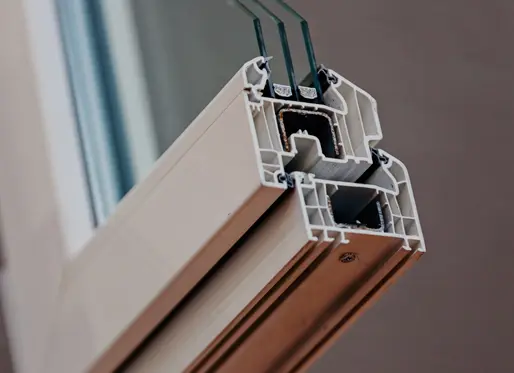
Discover how structural frames affect panel life. Learn about anodized film thickness, mechanical load limits, and salt spray resistance.
Read Article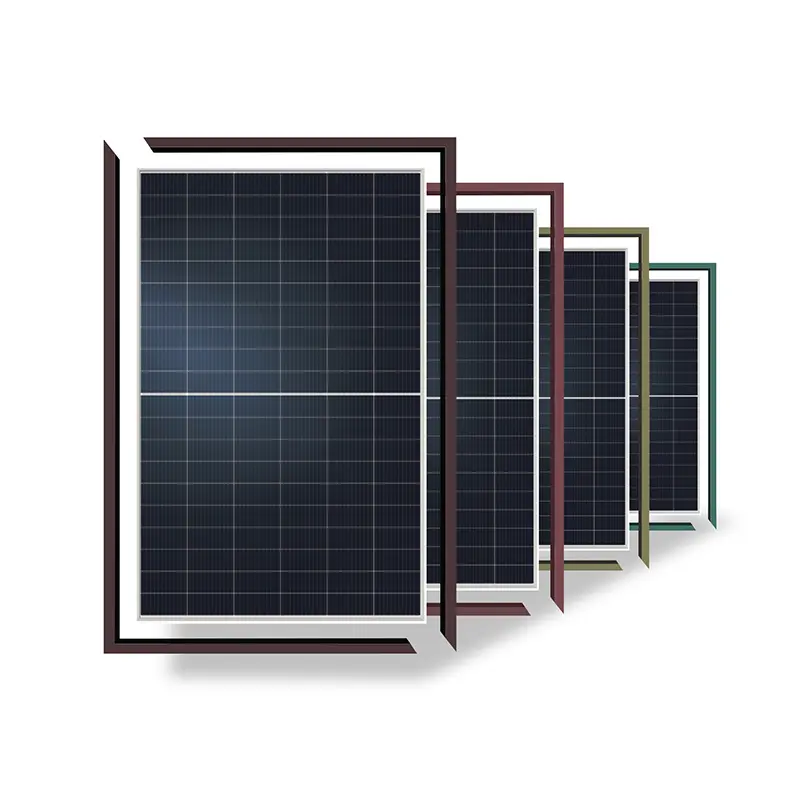
A guide for global buyers: how to evaluate factory capacity, ISO standards compliance, and raw material sourcing protocols.
Read Article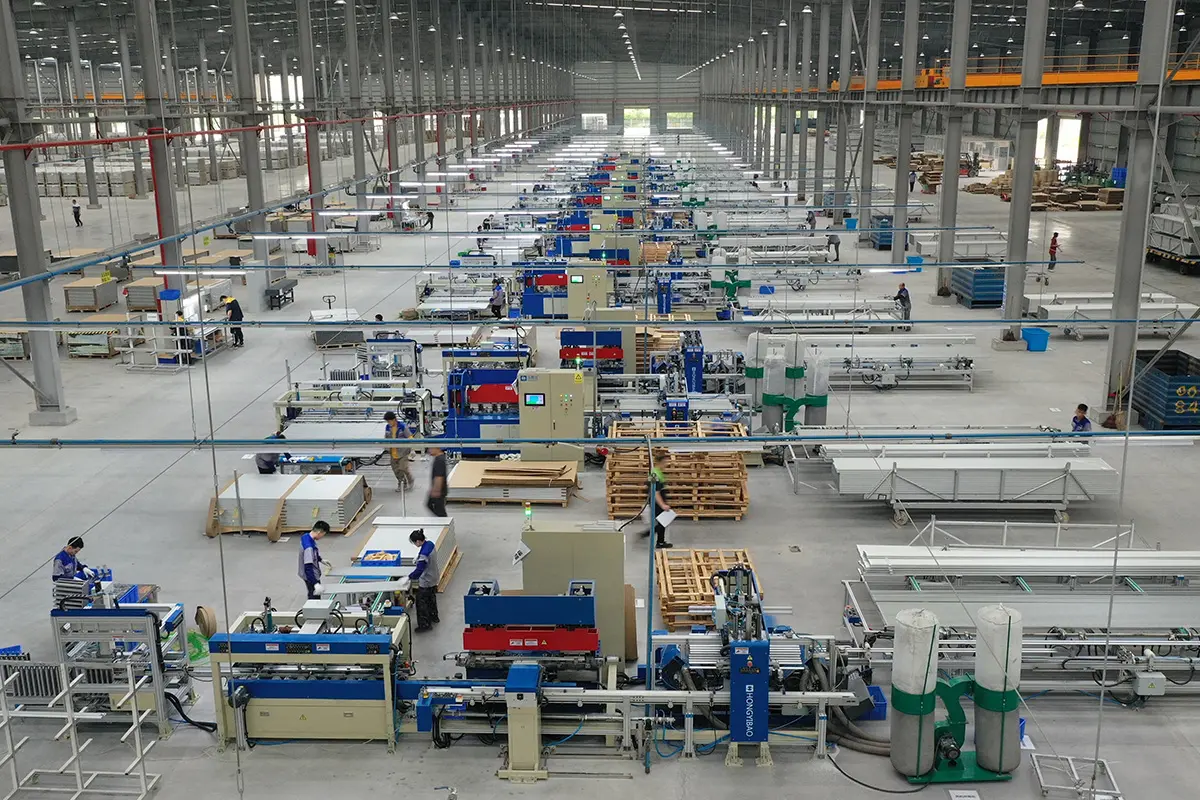
An in-depth review of visual checks, mechanical pull tests, dimension tolerances, and anodization consistency standards.
Read ArticleDirect wholesale factory pricing on certified solar modules, frames, system integrations, and outdoor gear.
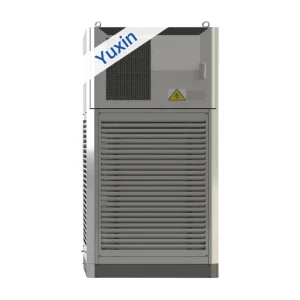
High-capacity commercial-grade modular energy storage engineered to support microgrids and businesses during power outages.
Get Factory Price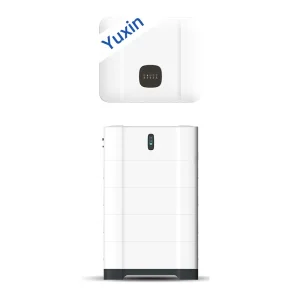
Premium residential-grade solar storage system to secure constant energy backup for home appliances and cooling loads.
Get Factory Price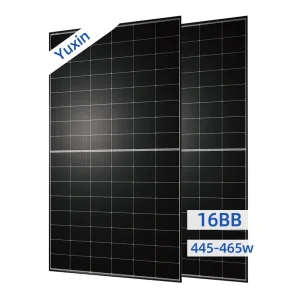
Double-glass protection layout with N-type half-cell architecture to provide excellent bifacial energy generation under high temperatures.
Get Factory Price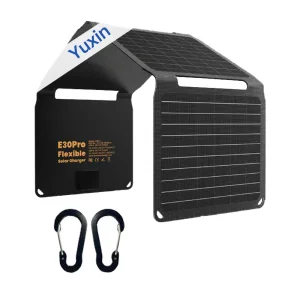
Premium performance waterproof backpack equipped with an integrated charger to charge field equipment on site.
Get Factory Price
Corrosion-resistant composite framing designed to withstand extreme salt-mist conditions near coastal marine installations.
Get Factory Price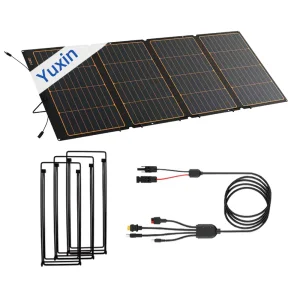
A portable power generator with waterproof enclosures, ideal for off-grid operations and emergency backup situations.
Get Factory Price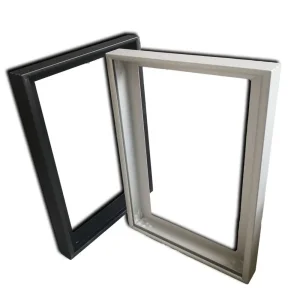
High-tensile anodized structural alloy frame profiles providing mechanical support for utility-scale solar arrays.
Get Factory Price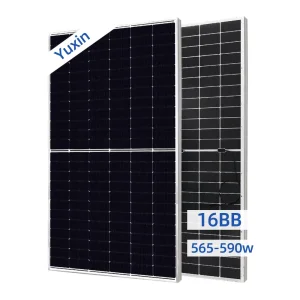
High-performance bifacial design featuring TOPCon cell technology to maximize solar power output in high temperature environments.
Get Factory PriceDetailed technical and regulatory answers for engineers, EPC contractors, and homeowners seeking high-quality solar setups in Ghana.
In high-salinity and humid coastal regions, standard aluminum frames can corrode rapidly. Our 6063-T5/6005-T6 anodized aluminum frames with minimum 15μm oxide layers, alongside sustainable polyurethane pultruded composite structures, are designed to last over 25 years. This ensures structural integrity and protects internal solar cells from salt air degradation.
The Energy Commission requires all solar grid installations to use certified equipment that complies with international safety standards (such as IEC 61215/61730). Inverters must feature active anti-islanding mechanisms. This ensures they automatically shut down during utility blackouts to protect power grid line workers.
Dust accumulation (soiling) can reduce power output by up to 30%. We recommend anti-soiling dual-glass PV modules installed at a tilt angle of at least 10–15 degrees. This setup leverages natural rainfall to wash away dust, maintaining peak performance with minimal manual cleaning.
Lithium Iron Phosphate (LiFePO4) batteries are the ideal choice. They operate efficiently at high ambient temperatures without thermal runaway risk, support a high depth of discharge (up to 90%), and offer over 6,000 charge cycles, providing a longer operational life compared to traditional lead-acid batteries.
According to current energy policies, completed PV modules are eligible for import duty exemptions. However, related system components, including structural mounts, power cables, and battery systems, may incur standard customs duties. YUXIN provides detailed customs clearance documentation to help local importers streamline port procedures at Tema.