
Premium monocrystalline modules, micro-grid components, and robust framing systems designed for rapid ROI in industrial clusters from Querétaro to Monterrey.
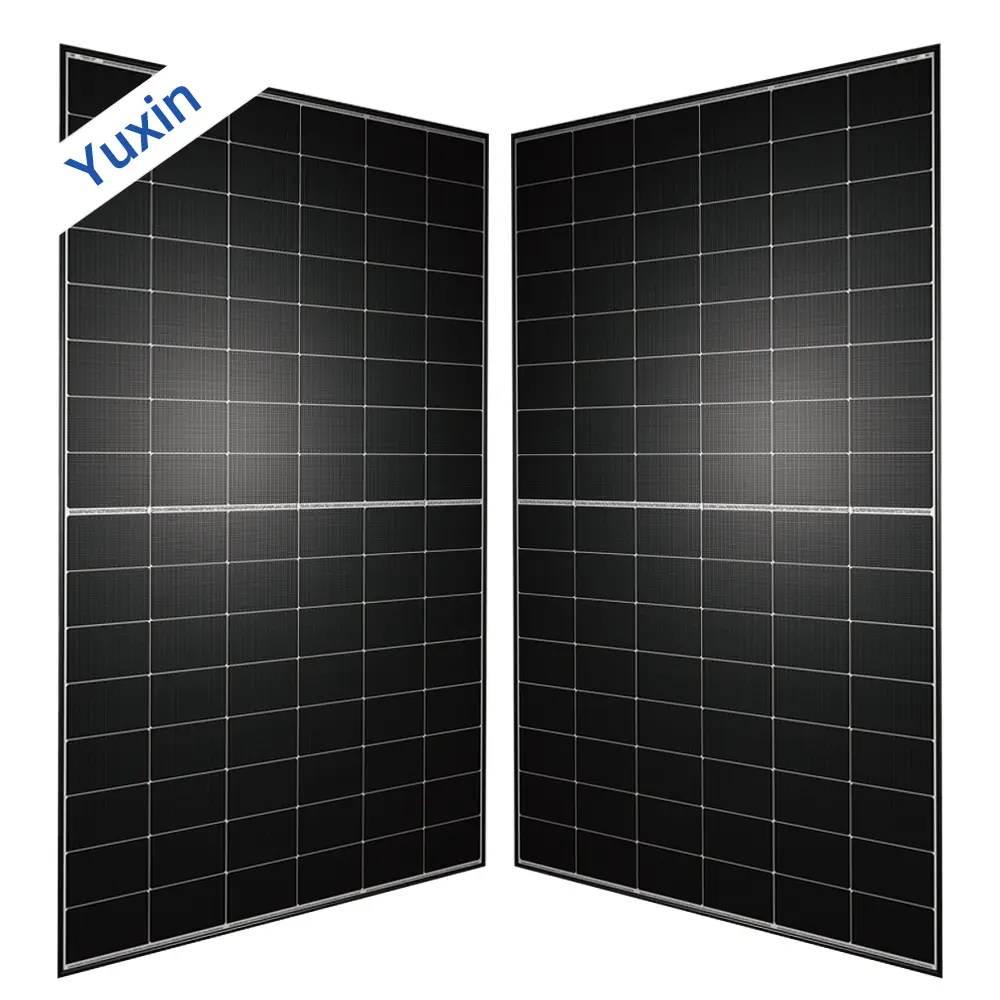
Lightweight design with transparent back panel for easy installation and reduced BOS costs.
View Details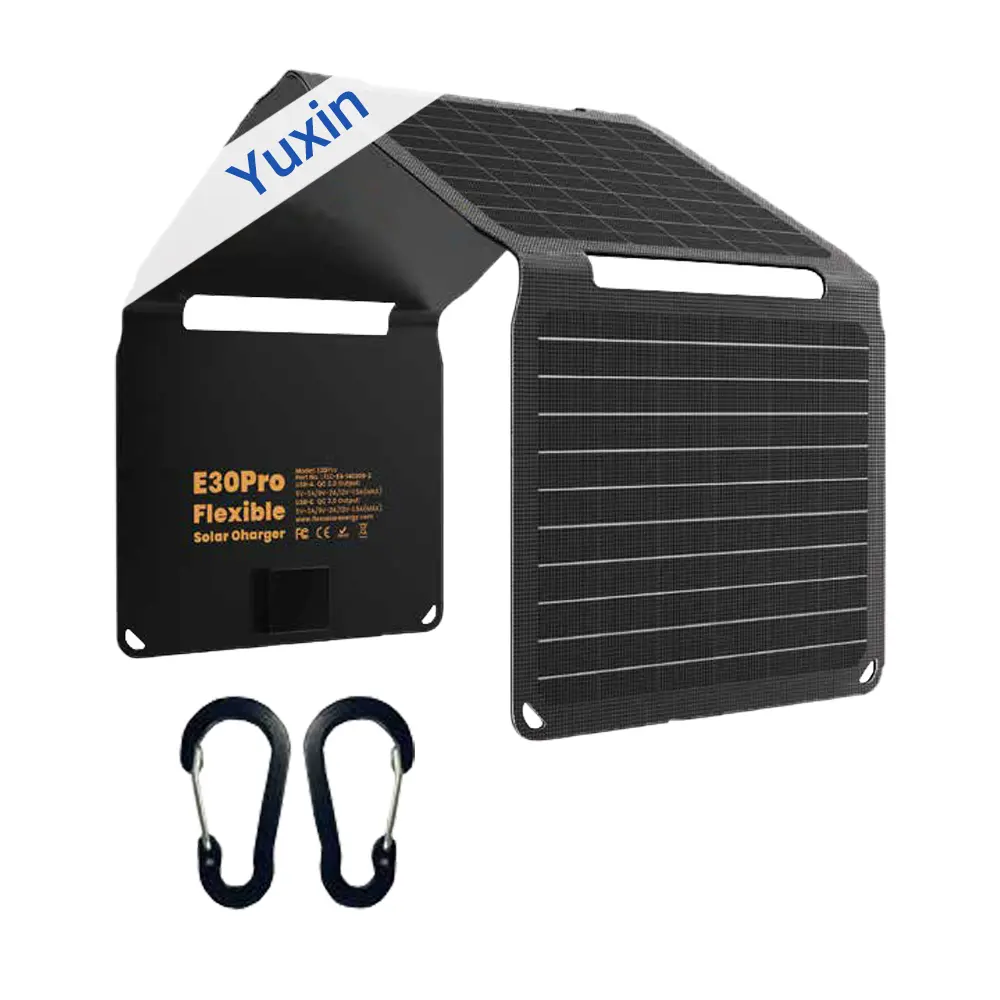
Utilizing advanced monocrystalline silicon cells, it achieves a high energy conversion efficiency of 24%.
View Details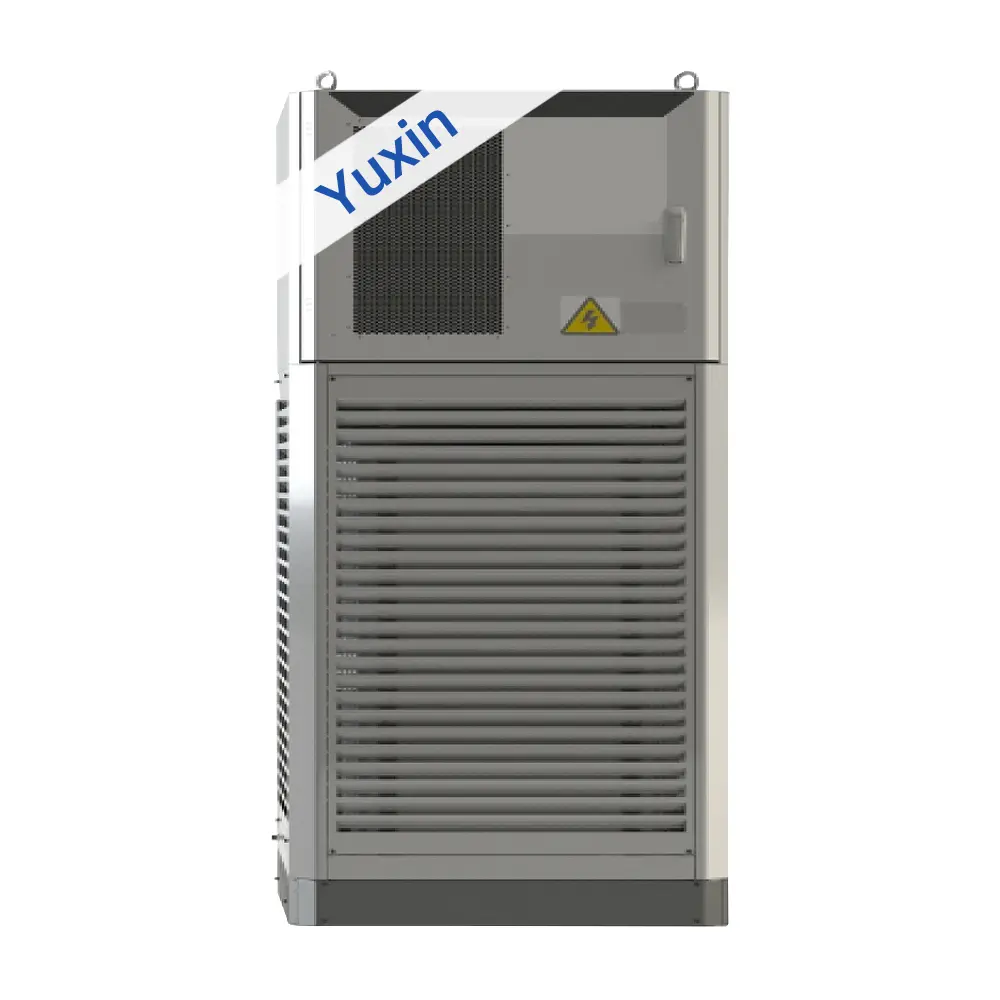
Application modes include grid-connected mode, off-grid mode, and integrated grid-connected/off-grid mode.
View Details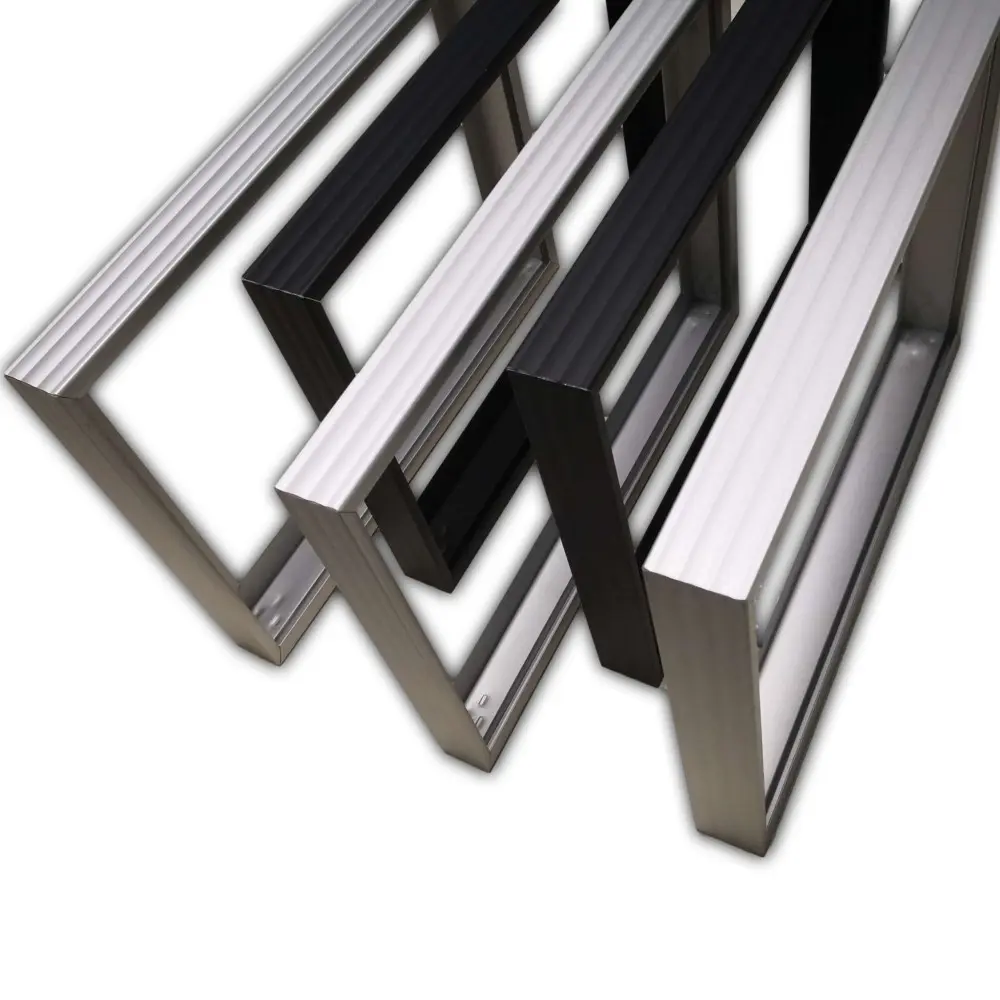
Made of high-quality anodized aluminum, it ensures superior weather resistance and a smooth, long-lasting finish.
View DetailsStrategic insights into Mexico's regulatory framework, environmental dynamics, and commercial scale-up trends.
As supply chain diversification and nearshoring transform North American manufacturing, Mexico has emerged as an industrial superpower. The rapid expansion of automotive, aerospace, and heavy industry clusters in regions like Nuevo León, Querétaro, and Guanajuato has caused electricity demands to soar. At the same time, global commitments to ESG standards (Environmental, Social, and Governance) require multinational corporations and local tier-1 suppliers to decrease their carbon intensity.
Globally, utility-scale photovoltaic technology has transitioned from a subsidized alternative to the most cost-effective source of new electricity generation. By utilizing advanced monocrystalline silicon configurations, n-type architectures, and bifacial cells, modern projects are achieving unprecedented Levelized Cost of Energy (LCOE) baselines.
Mexico features some of the highest Global Horizontal Irradiance (GHI) values in the world, regularly exceeding 5.5 to 6.5 kWh/m²/day, particularly across the Sonoran desert and northern plains. However, this high irradiance is accompanied by harsh operational challenges:
Note for Mexican Developers: Designing PV arrays in Mexico requires rigorous planning that integrates local NOM (Normas Oficiales Mexicanas) standards, specifically NOM-001-SEDE for electrical installations, alongside global IEC standards. Selecting panels and components with verified bankability and structural durability guarantees multi-decade performance without premature system degradation.
Customizing hardware for specific geographical and infrastructure realities across Mexico's federal states.
Utility-scale projects in northern desert basins require modules that minimize dust accumulation and can withstand high temperatures. Our N-Type TOPCon bifacial modules, equipped with dual-glass encapsulation, are the preferred choice for these regions. Because dry soils reflect a significant amount of light (albedo effect), the rear side of the dual-glass module captures this reflected energy, generating up to 25% more output compared to standard monofacial panels.
Additionally, dust build-up (soiling) is a major issue in these dry areas. The smooth glass surfaces and anti-reflective, self-cleaning coatings on our panels help reduce dust adhesion, maintaining high power output even during long dry spells between washings.
Operating near oceans exposes components to salt spray, which can accelerate the degradation of standard aluminum structures through galvanic corrosion. To prevent this, we provide solar panels framed with advanced polyurethane pultruded composite material. This material has zero metal content, eliminating the risk of PID (Potential Induced Degradation) and preventing rust in salt-heavy coastal environments.
For rooftop systems, safety, load limitations, and space efficiency are critical factors. Our 144 Half-Cell PERC and TOPCon modules provide the high power density required to maximize generation on limited roof spaces.
A comparison of structural frame options and technology roadmaps driving high-efficiency PV development.
The transition from p-type PERC technology to n-type TOPCon, and eventually to perovskite-silicon tandem configurations, represents a significant step forward in solar cell design. We are aligned with this technical roadmap, continuously updating our production systems to deliver higher efficiency modules.
Expanding the production of high-efficiency n-type TOPCon monocrystalline cells with conversion efficiencies exceeding 25.5%. These modules feature minimized LID (Light Induced Degradation) and low thermal coefficients, making them ideal for the Mexican desert.
Scaling up the use of eco-friendly, carbon-efficient pultruded polyurethane composite frames across our product lines, helping reduce the total carbon footprint of our solar panels.
Developing integrated systems that combine high-yield panels with commercial-scale battery energy storage systems (BESS). These systems will feature smart software to help balance local grids and support clean energy goals in Mexico and Latin America.
Established in 2008, YUXIN is a trusted provider of high-quality photovoltaic materials. Our headquarters are located in the historic city of Yangzhou, close to major transport links like the Beijing-Shanghai Expressway, the Runyang Yangtze River Bridge, and the Ningqi Railway. This location allows us to efficiently manage international shipping and logistics.
Our operations include 14 specialized companies, such as Jiangsu Yuxin New Energy Technology Co., Ltd. Over the years, we have been recognized as a National High-tech Enterprise and a Technology-based Enterprise, reflecting our commitment to continuous research, development, and reliable quality control.
We work closely with logistics partners to ensure safe and timely delivery to major Mexican ports, including Manzanillo, Lázaro Cárdenas, and Altamira. Our products are packaged to prevent moisture damage and physical impact during sea transit, ensuring they arrive ready for installation.

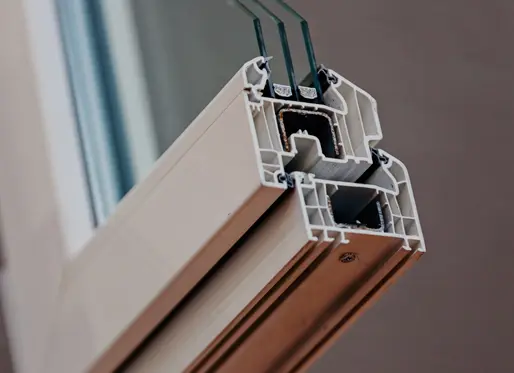
Expert articles and updates on quality control, material choices, and solar framing technologies.
An analysis of structural load limits, anti-corrosion treatments, and material properties for utility-scale systems.
Read Article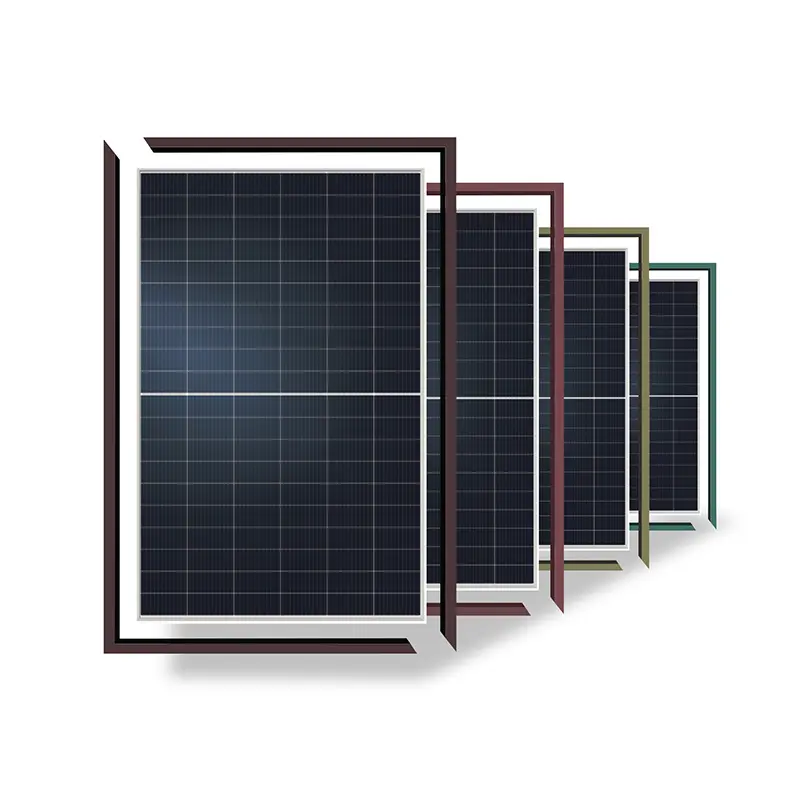
Key quality standards, fabrication tolerances, and delivery capabilities for commercial projects.
Read Article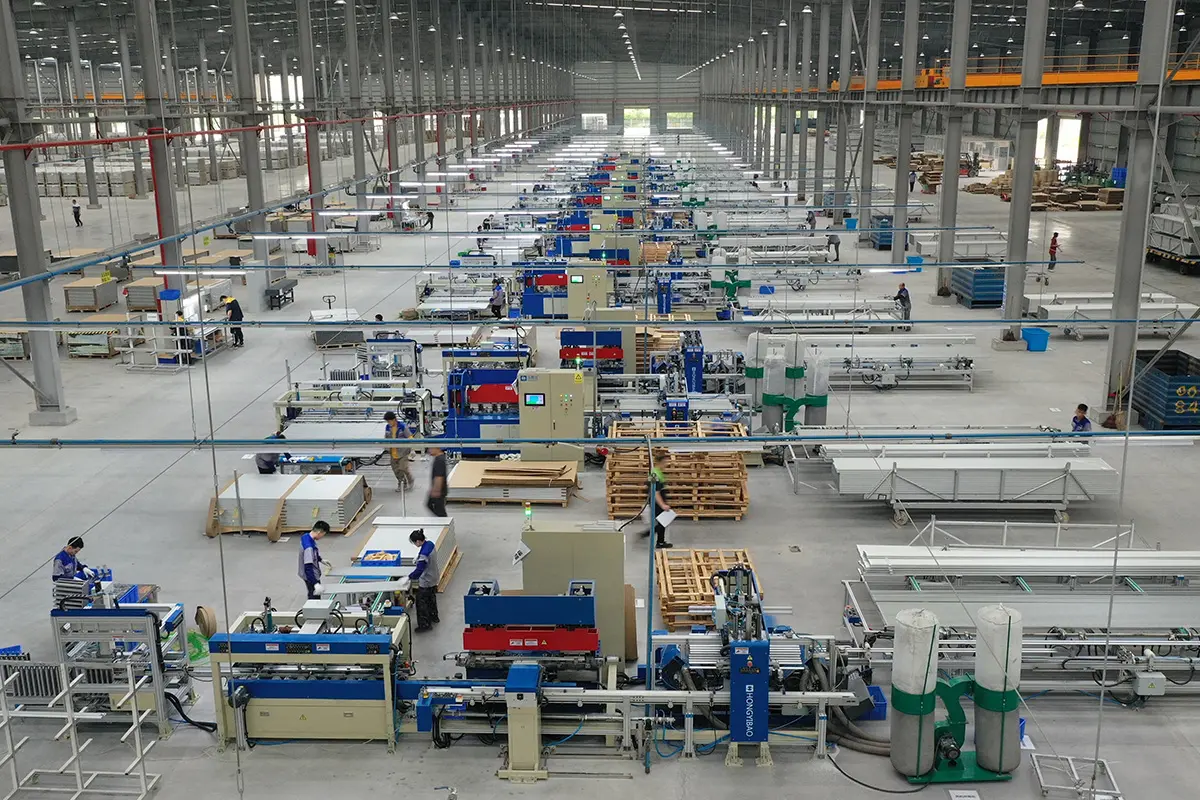
An overview of testing procedures, wind resistance benchmarks, and material certifications.
Read ArticleA full range of monocrystalline panels, composite framing materials, and industrial energy storage systems certified for global markets.
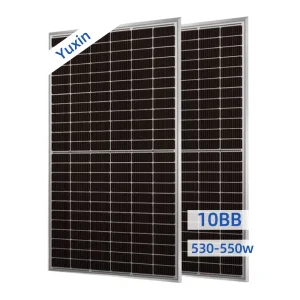
High-performance mono-silicon panels designed for industrial and commercial systems in Mexico.
Get Quote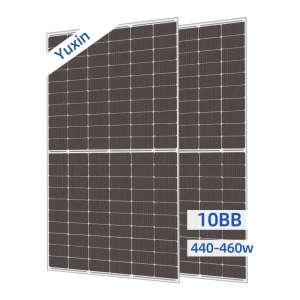
Reliable monocrystalline modules providing a cost-effective choice for large-scale energy projects.
Get Quote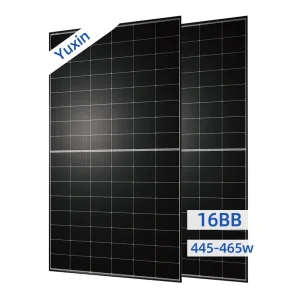
Monocrystalline black frame modules designed for durability and low light degradation.
Get Quote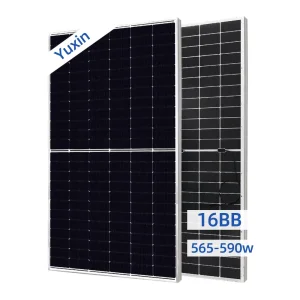
High-efficiency bifacial panels that capture rear-side reflection, ideal for desert installations.
Get Quote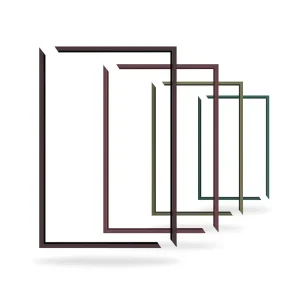
Highly durable, non-metal frames designed to prevent corrosion in coastal and humid environments.
Get Quote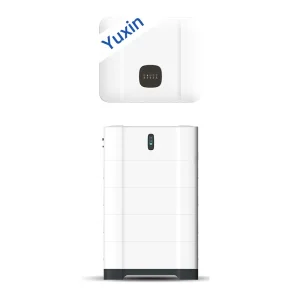
Complete residential storage systems designed to support local grids and manage peak energy use.
Get Quote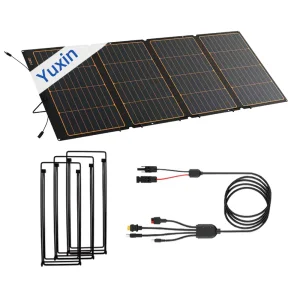
Portable, waterproof solar generation units designed for outdoor use and emergency backup power.
Get Quote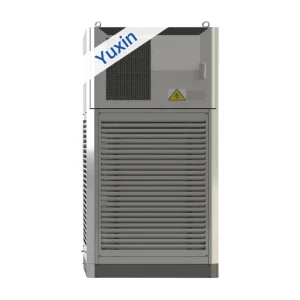
Scalable energy storage systems for commercial facilities to manage energy demands and grid tariffs.
Get QuoteAnswers to common questions about technical parameters, regulatory compliance, and installation choices.
Contact our technical support team to receive custom structural layouts, yield projections, and detailed quotes designed for your Mexican project location.