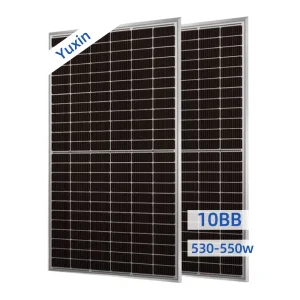
High-efficiency, climate-resilient modules engineered to mitigate tropical degradation and optimize yield under high ambient temperatures.
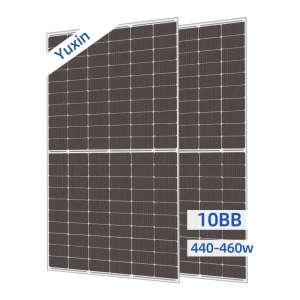
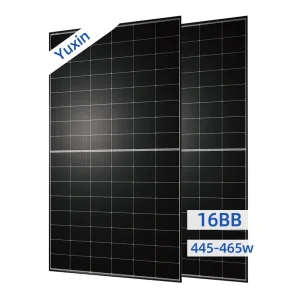
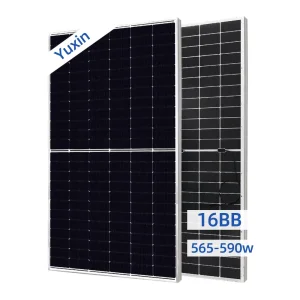
Thailand has emerged as one of the most proactive solar energy adopters in Southeast Asia, driven by the government's Alternative Energy Development Plan (AEDP) and attractive tax privileges granted by the Thailand Board of Investment (BOI). Companies setting up solar systems for self-consumption can enjoy up to a 50% Corporate Income Tax (CIT) reduction, accelerating payback periods for commercial buildings, industrial zones in the Eastern Economic Corridor (EEC), and agricultural facilities.
However, designing systems for Thailand requires addressing specific local environmental challenges. High ambient temperatures, seasonal monsoons, and corrosive coastal salt mist demand high-specification solar panels. Standard modules often suffer from excessive thermal degradation and PID (Potential Induced Degradation) under humid conditions. That is why regional developers prioritize N-Type TOPCon and premium double-glass modules with superior low-light performance and low temperature coefficients (-0.30%/°C or better).
Understanding technical solutions for high-performance solar generation in hot, high-humidity environments.
Adopting 16BB (Multi-Busbar) architecture and N-type silicon wafer bases reduces internal electrical resistance. It virtually eliminates LID (Light Induced Degradation) and offers a degradation rate of less than 0.4% annually, ensuring sustained output over 30 years.
High humidity accelerates water vapor intrusion, resulting in PID. Using POE (Polyolefin Elastomer) encapsulation instead of traditional EVA in double-glass models blocks water molecules, protecting circuit paths in humid regions.
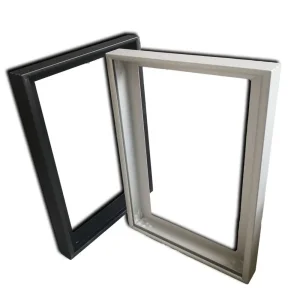
Our structural engineering uses anodized 6063-T5 aluminum and advanced polyurethane pultruded composite frames. These frames support wind loads of 2400Pa and snow loads of 5400Pa, protecting PV modules during tropical storms.
Precision, Quality, and Safety. Located in the historic industrial hub of Yangzhou, close to the Beijing-Shanghai Expressway and deep-water ports, YUXIN New Energy Technology has supplied high-performance photovoltaic materials globally since 2008.
With 14 specialized manufacturing companies under our group, we have won national recognition as a High-tech Enterprise and a Top 100 Private Enterprise in Gaoyou City. Our production capacity, combined with rigorous testing laboratories, guarantees that all products exported to Southeast Asia meet international IEC, CE, and TUV certificates, along with Thai local grid connection requirements.
We support international EPCs and regional distributors with flexible OEM/ODM manufacturing, customized length variations, pre-punched frames, and complete system components (inverters, brackets, smart home batteries).
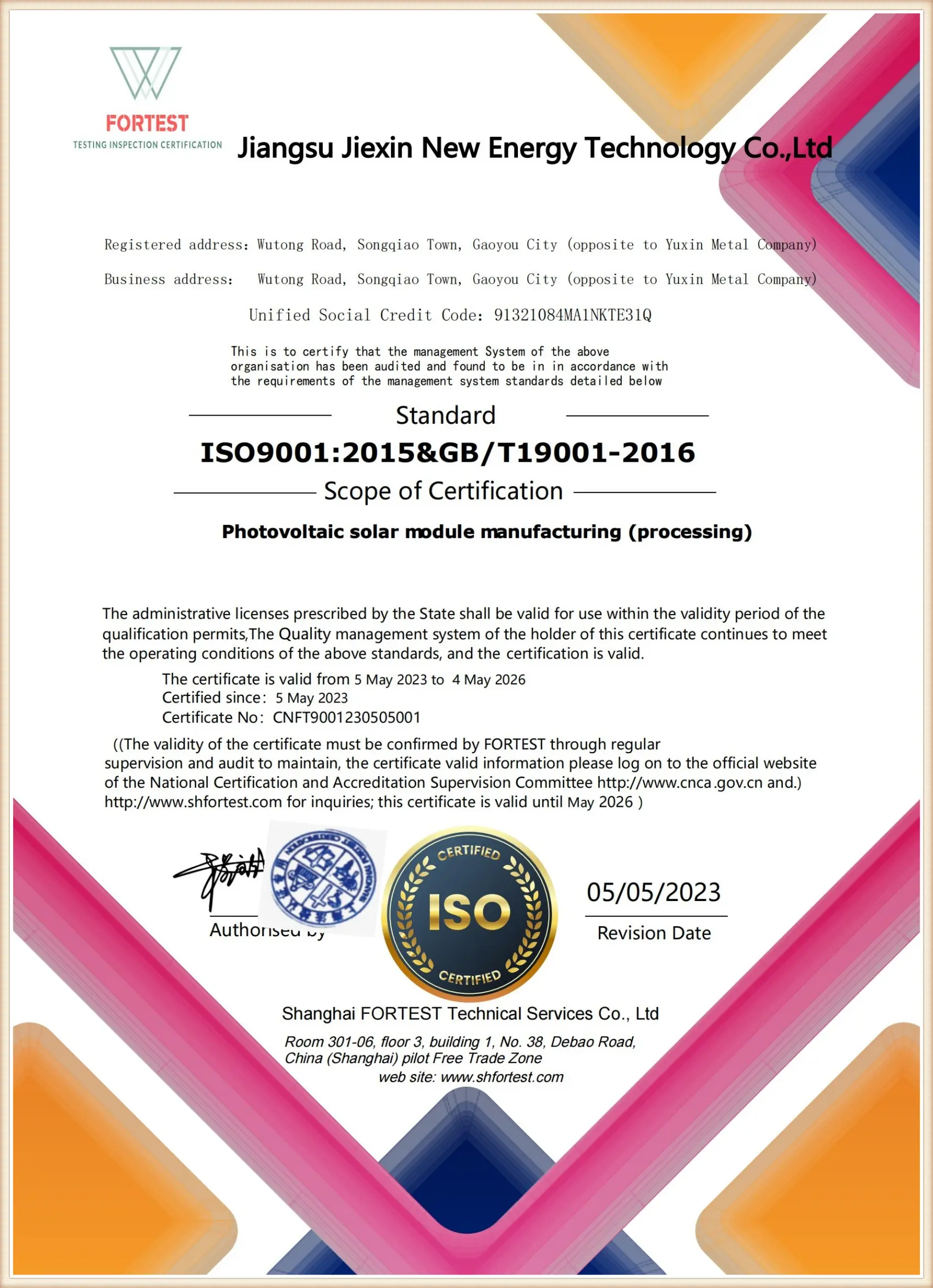
Our manufacturing processes are certified to meet international and regional quality, environment, and occupational safety regulations.
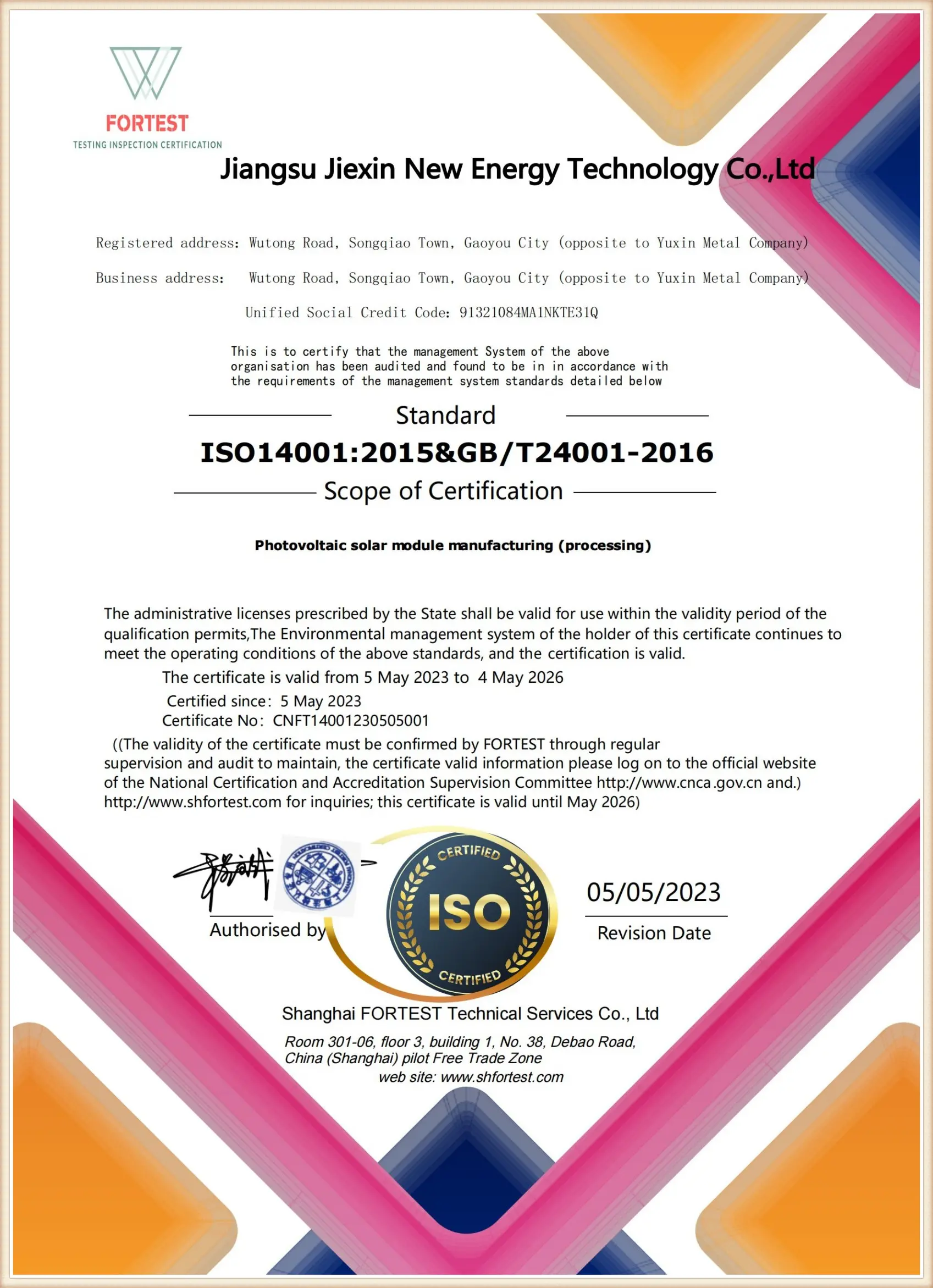
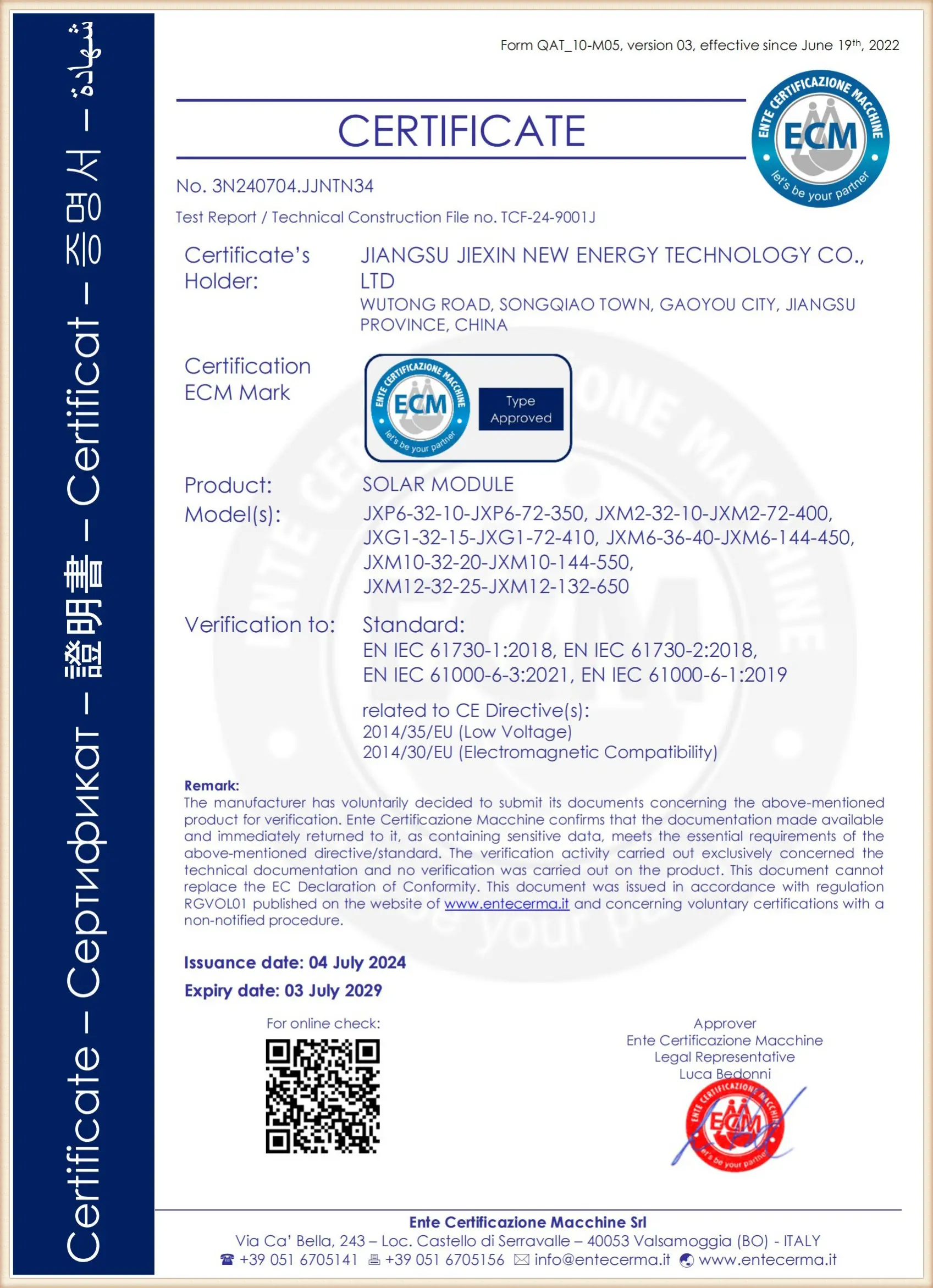
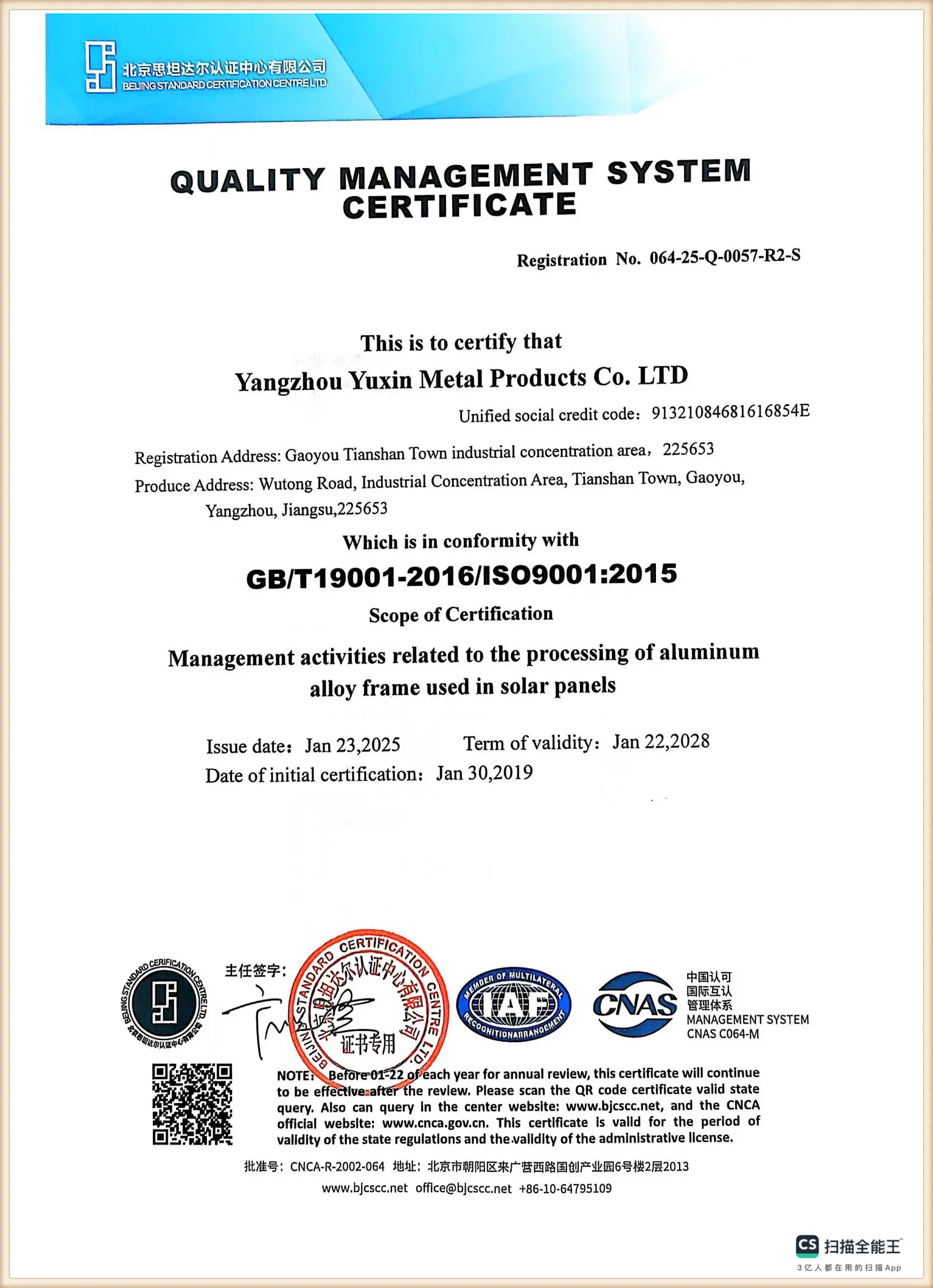
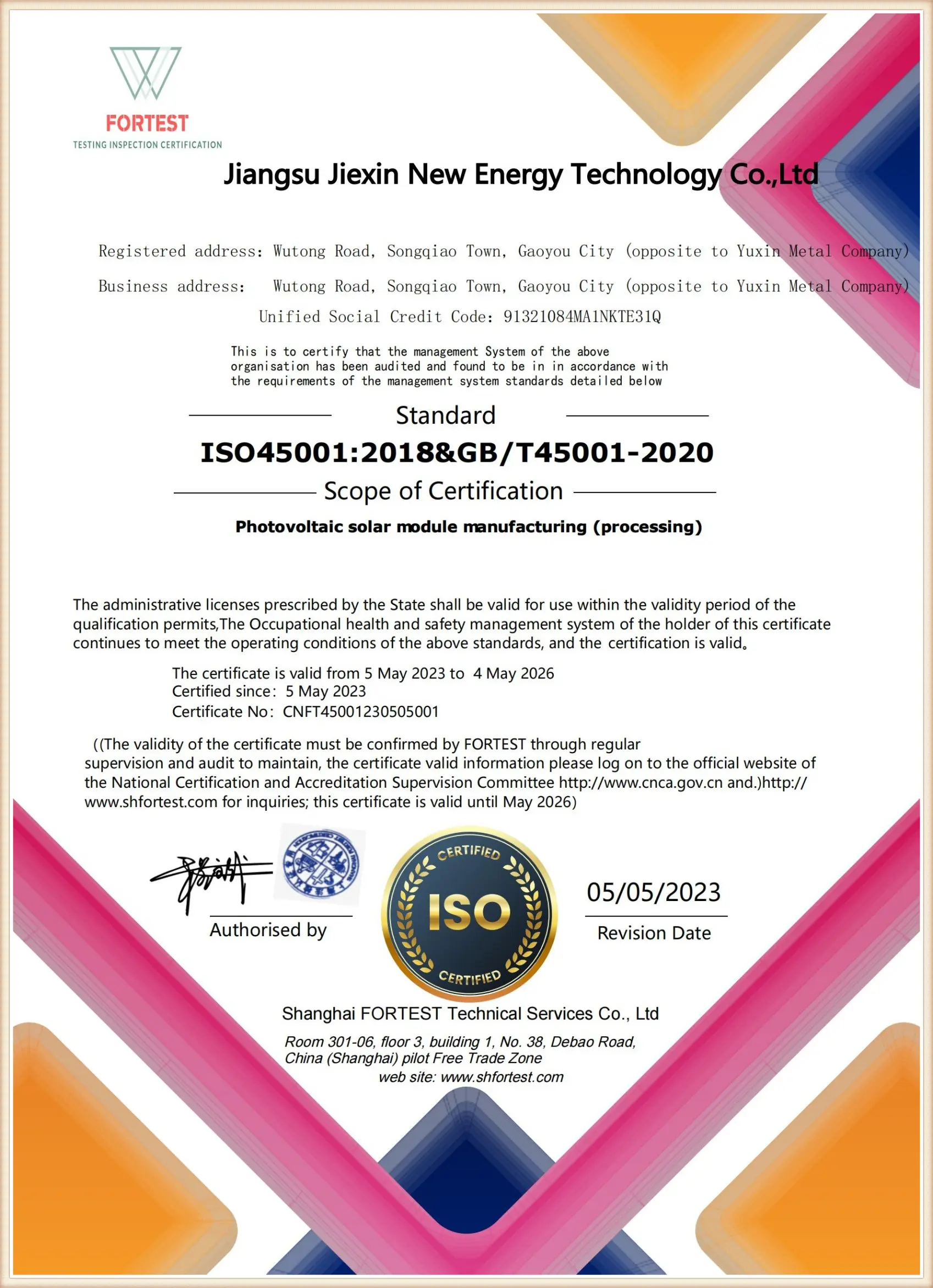
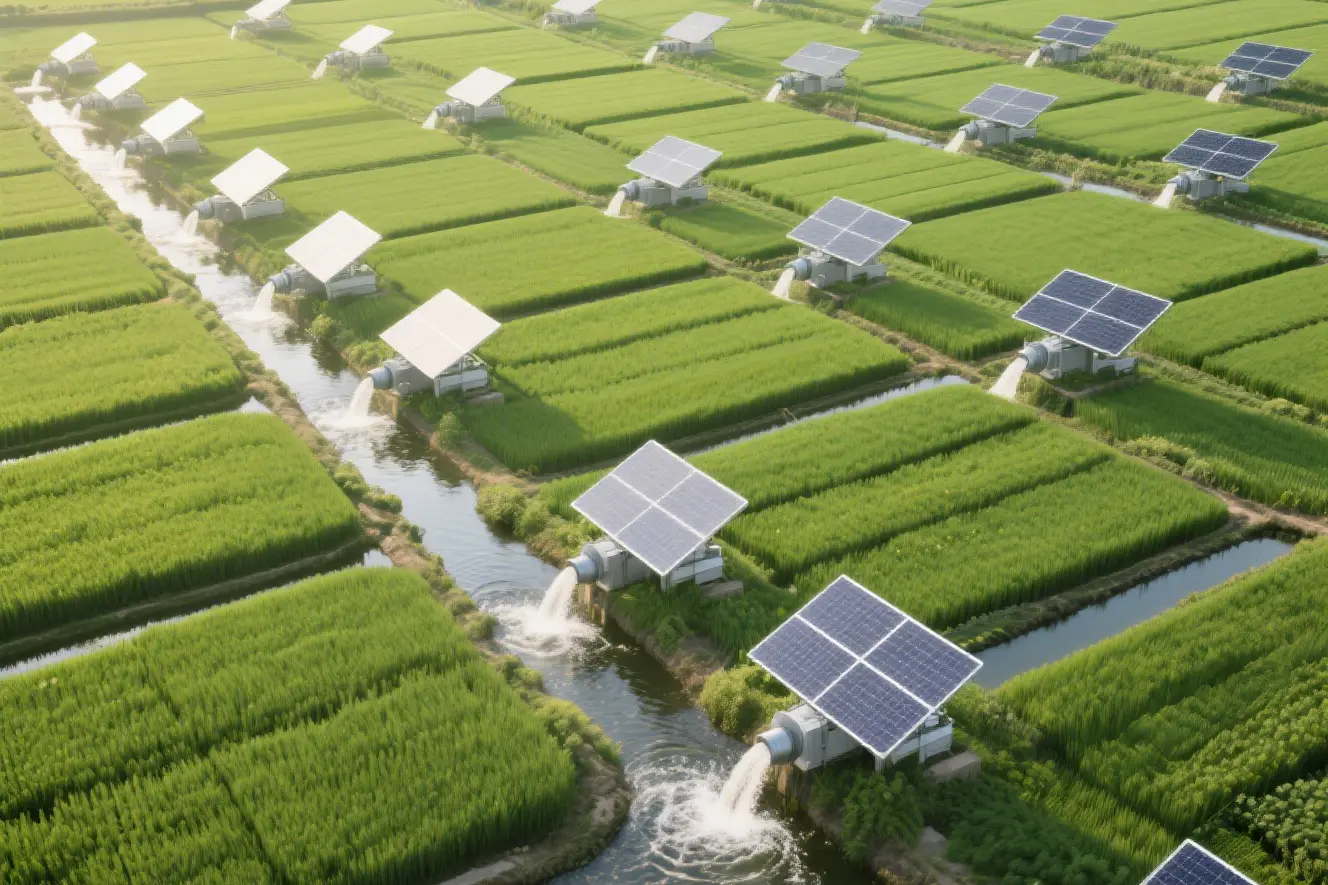
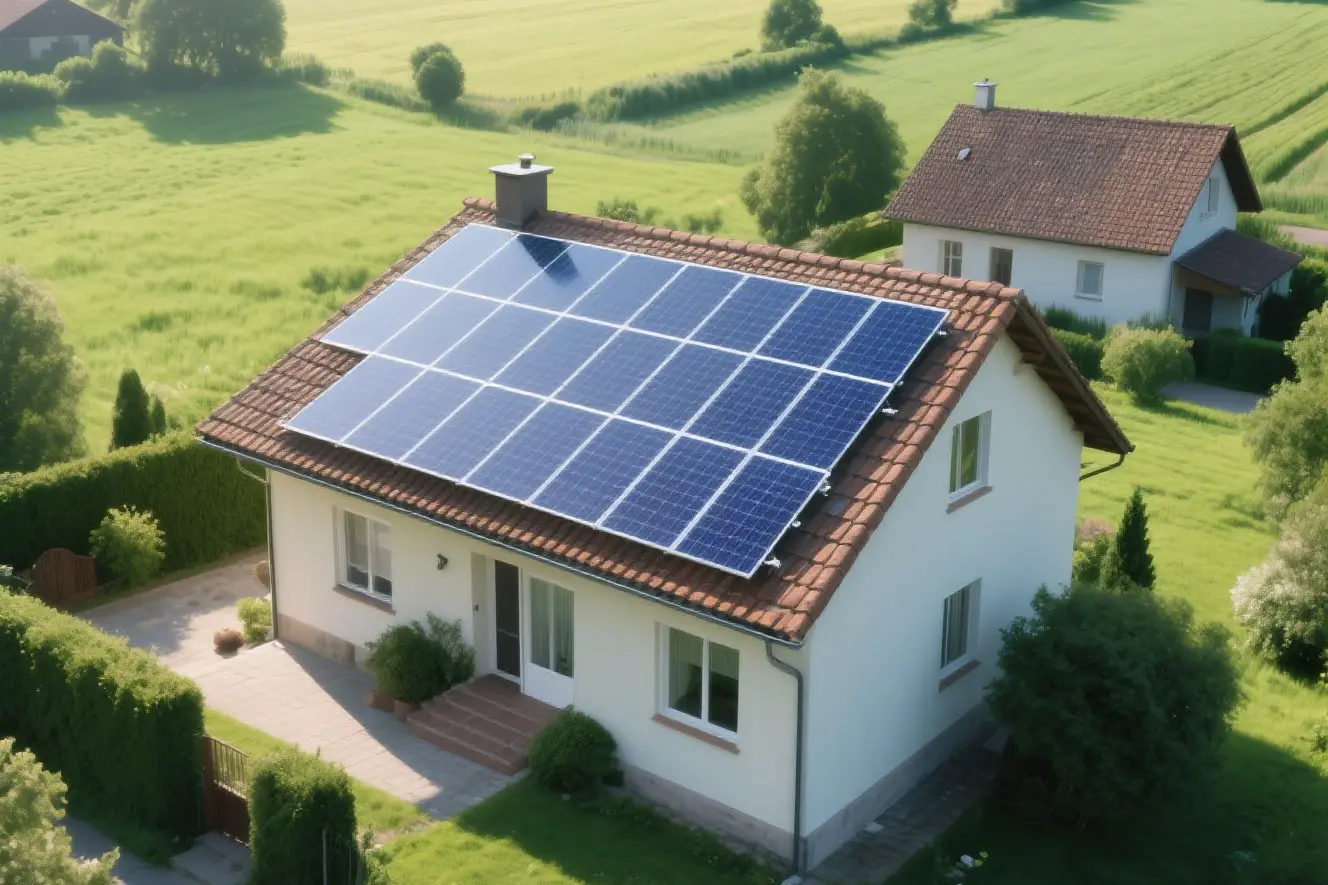
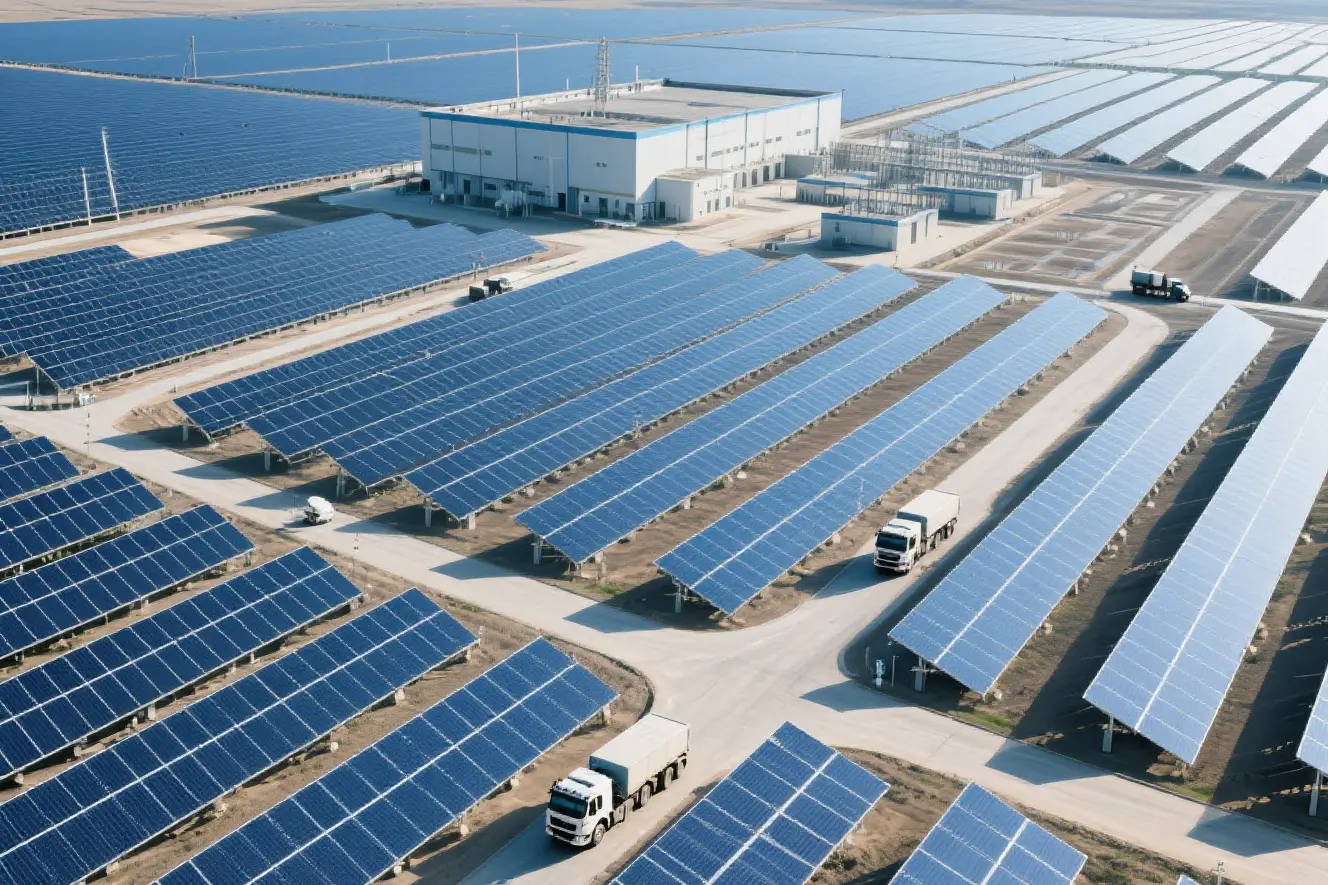
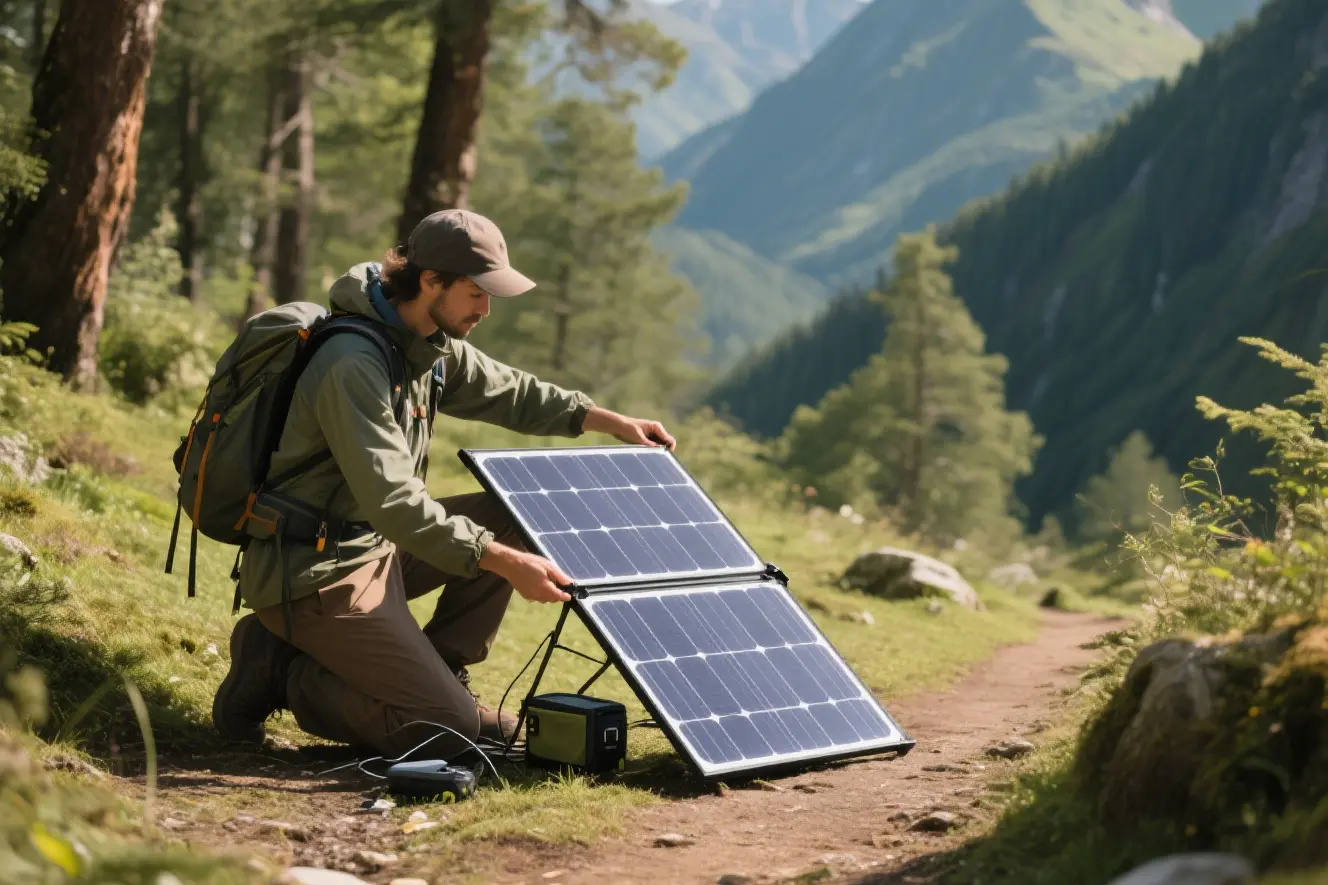
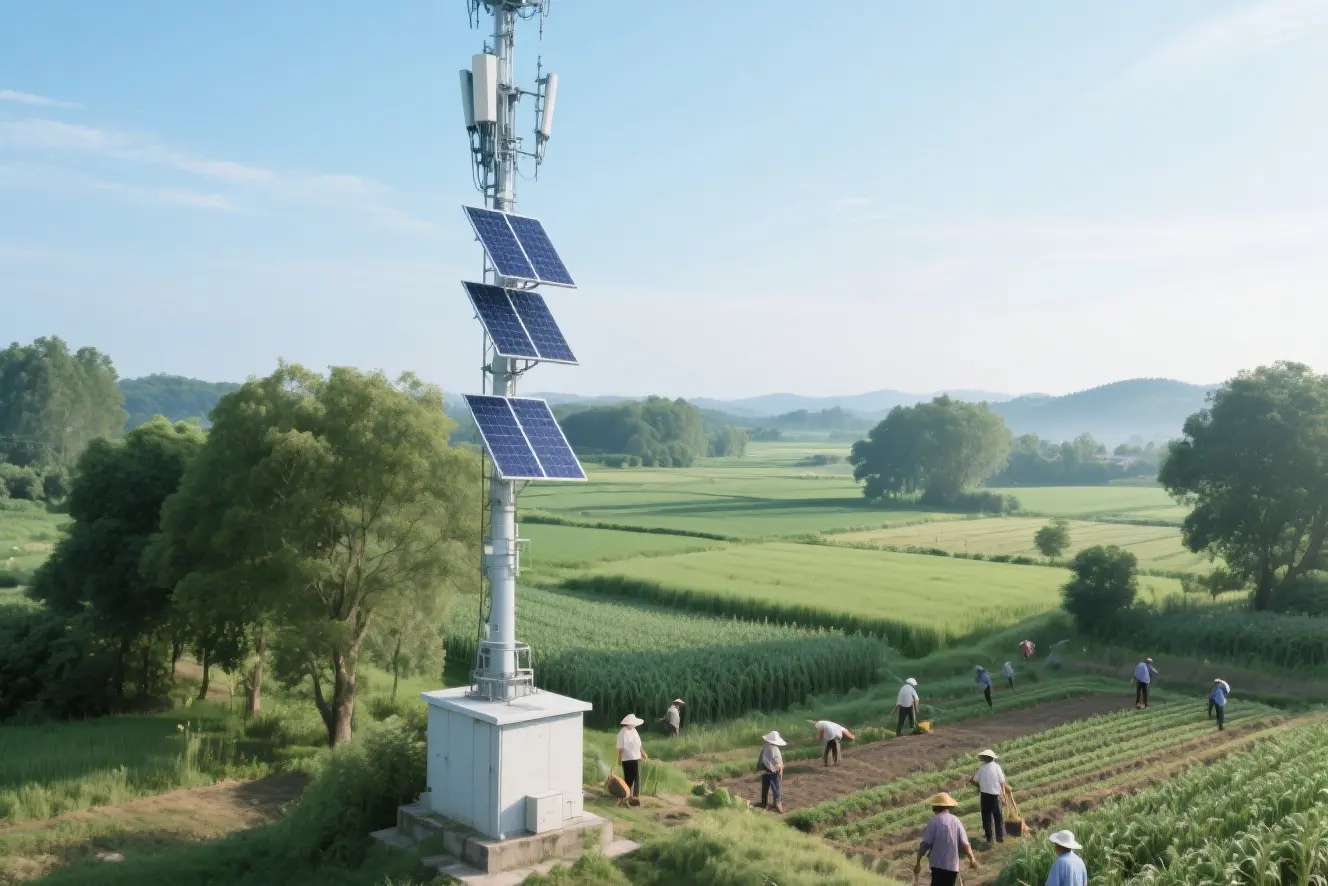
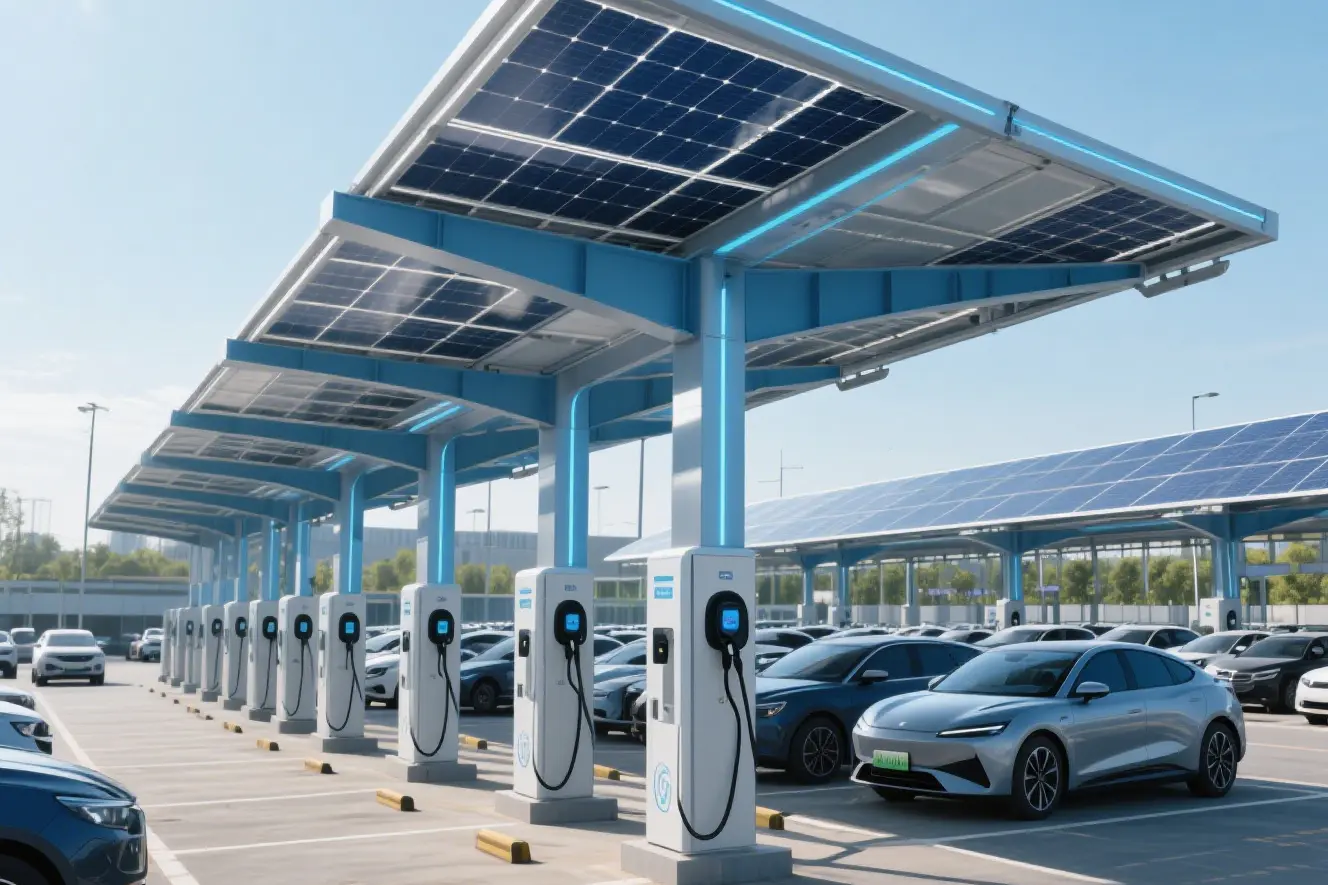
Our solar systems are engineered to withstand diverse environments, supplying clean power across multiple key sectors.
Our long-term partnerships with leading materials suppliers and solar developers maintain quality standards across our production network.

Every production run undergoes strict quality control protocols before leaving our facility. Utilizing high-resolution EL (Electroluminescence) testing, we perform double inspections to detect micro-cracks, dark spots, or finger prints that cause hotspots over time. In addition, our physical testing labs evaluate mechanical load tolerance, damp-heat stability, and PID resistance to ensure all modules endure the tropical conditions of local projects.
We provide end-to-end logistics solutions, coordinating shipping from Chinese ports directly to major locations in Thailand, including Laem Chabang, Bangkok Port, and regional industrial parks. Our shipping containers are packaged using specialized shock-absorbent materials and moisture-resistant vapor barriers, protecting delicate silicon wafers and aluminum profiles from salt corrosion and transport impacts.
Stay informed on manufacturing advancements, design techniques, and quality control developments.
 JUNE 16, 2026
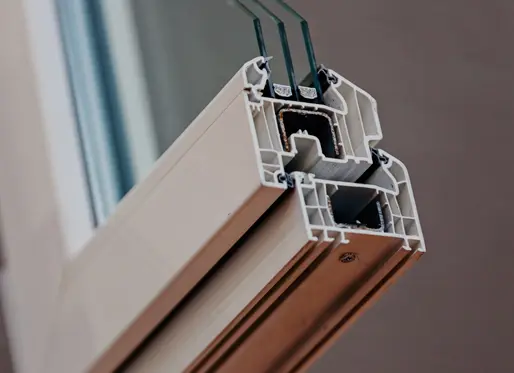
Explore the role of mechanical tolerance, aluminum anodization layers, and material density in maximizing solar panel operating life...
Read Full Article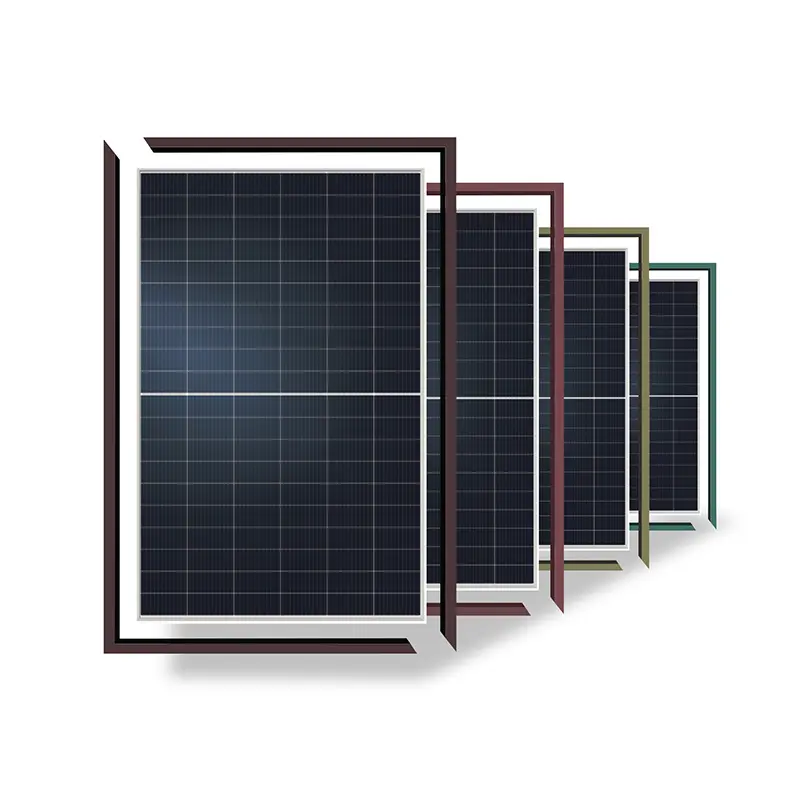 JUNE 15, 2026
Key considerations for global purchasing managers looking for reliable custom extrusion, certified alloys, and flexible supply chains...
Read Full Article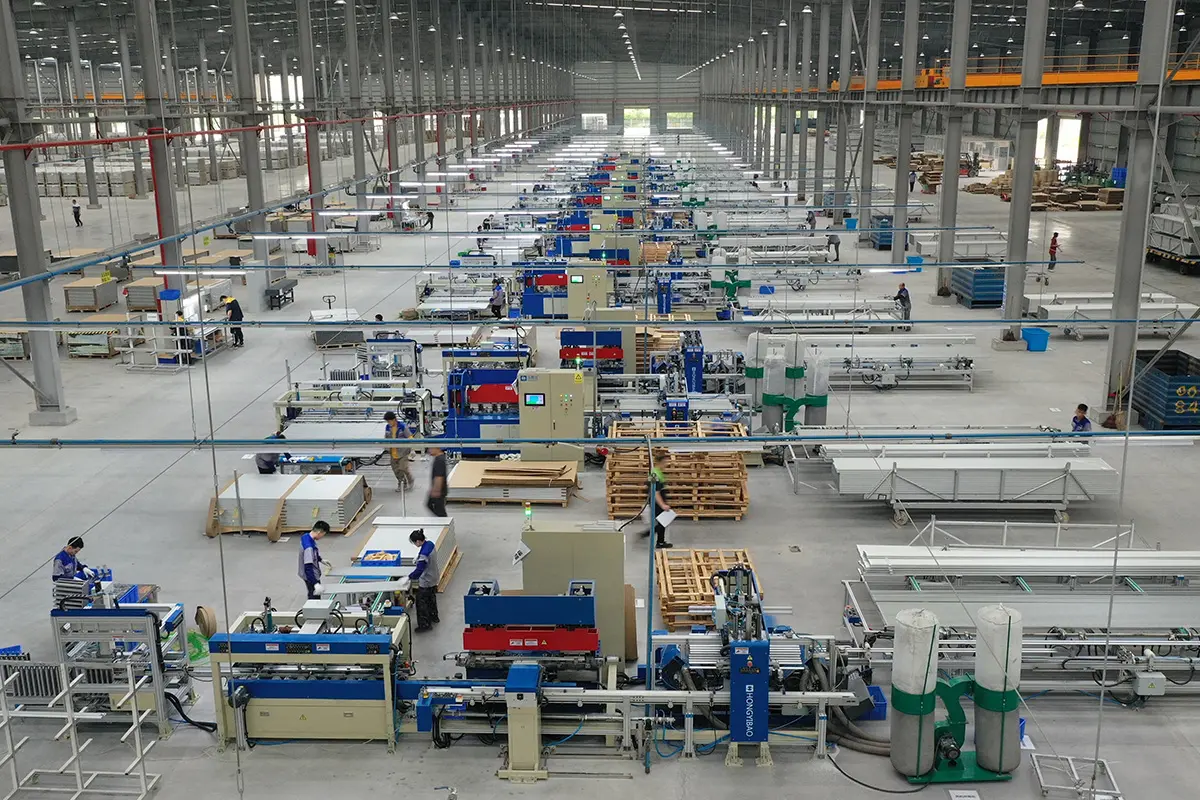 JUNE 14, 2026
A detailed breakdown of quality control methods, including tensile tests, salt spray resistance, and dimensional tolerance checks...
Read Full ArticleGet expert answers on local grid compliance, material durability, and custom procurement requirements in Thailand.
High humidity increases moisture ingress through standard EVA backsheets, leading to PID (Potential Induced Degradation), corrosion of the grid lines, and delamination. To mitigate this risk, we highly recommend N-Type TOPCon Double Glass modules. The glass-to-glass construction combined with POE encapsulation provides a robust barrier against water vapor, maintaining system durability and yield over long-term operations.
Yes. Our solar modules and systems comply with international IEC standards (IEC 61215, IEC 61730), which are recognized by the Metropolitan Electricity Authority (MEA) and Provincial Electricity Authority (PEA) of Thailand for grid connection. Additionally, our aluminum and polyurethane composite frames are engineered to support local building code requirements, including wind load resistance for coastal provinces.
Absolutely. As an experienced structural manufacturer, we offer custom extrusion services for 6063-T5 and 6005-T6 aluminum mounting rails and frames. We can customize the dimensions, length, hole layout, and surface finishing (such as anodizing or powder coating) to fit local roof geometries and optimize installation efficiency.
N-type TOPCon modules feature a lower temperature coefficient (-0.30%/°C vs. -0.35%/°C for PERC) and zero Light Induced Degradation (LID). This ensures they generate more power under the high-temperature conditions common in central and northern Thailand. Additionally, the dual-glass structure provides superior mechanical strength and protection in wind-prone coastal zones.
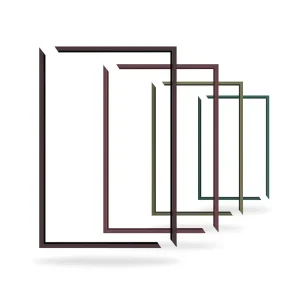
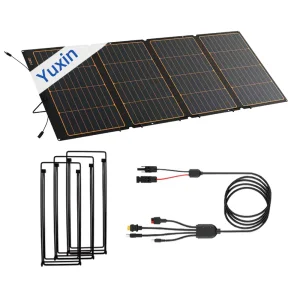
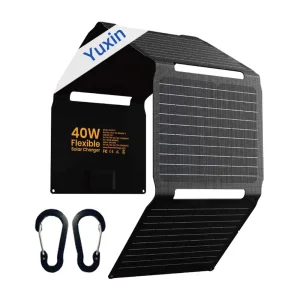
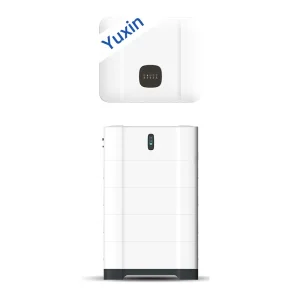
Explore our complete catalog of solar frames, modules, portable PV gear, and integrated storage solutions.
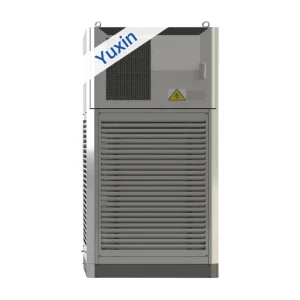
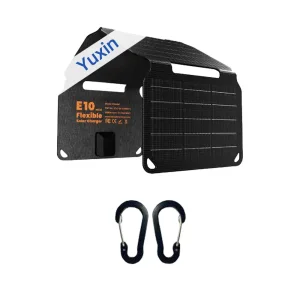
Get in touch with our team today to request customized CAD drawings, physical material samples, structural wind load evaluations, or a complete factory pricing sheet for your projects in Thailand.
Send Inquiry Now