Premium Solar Panels for Nagoya
Lightweight design featuring transparent backsheets for straightforward commercial deployment, drastically reducing Bos costs.
Quote Portfolio
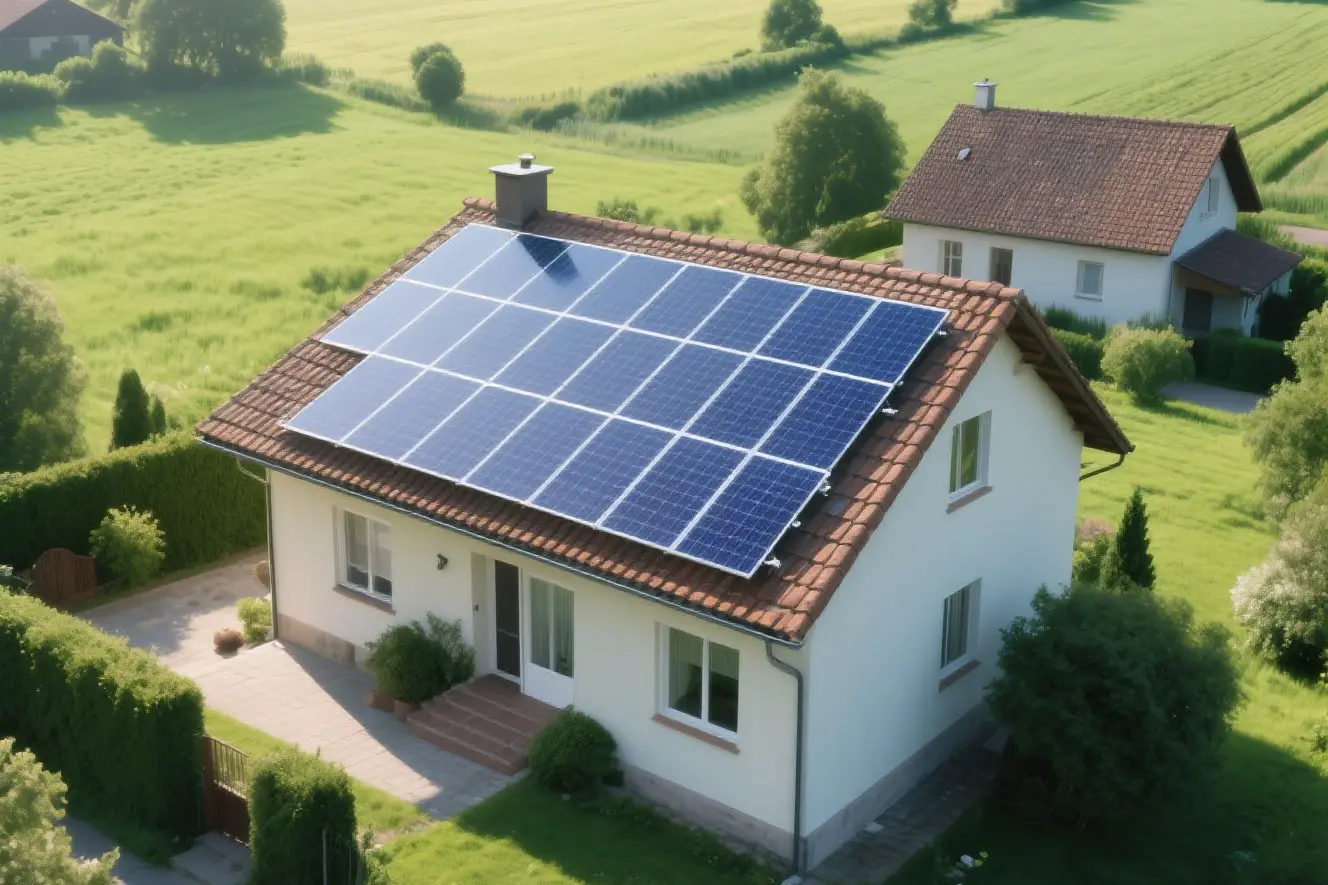
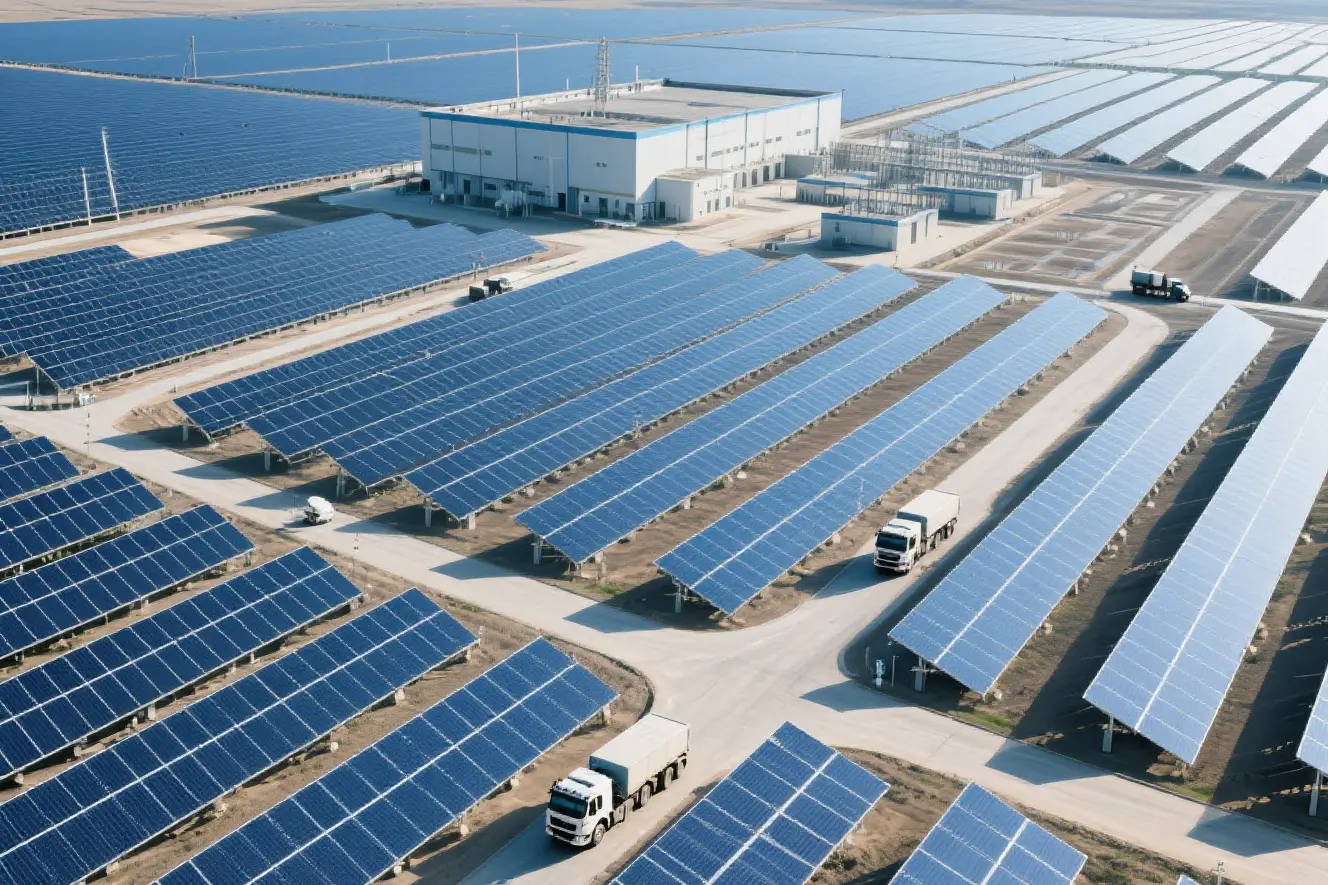
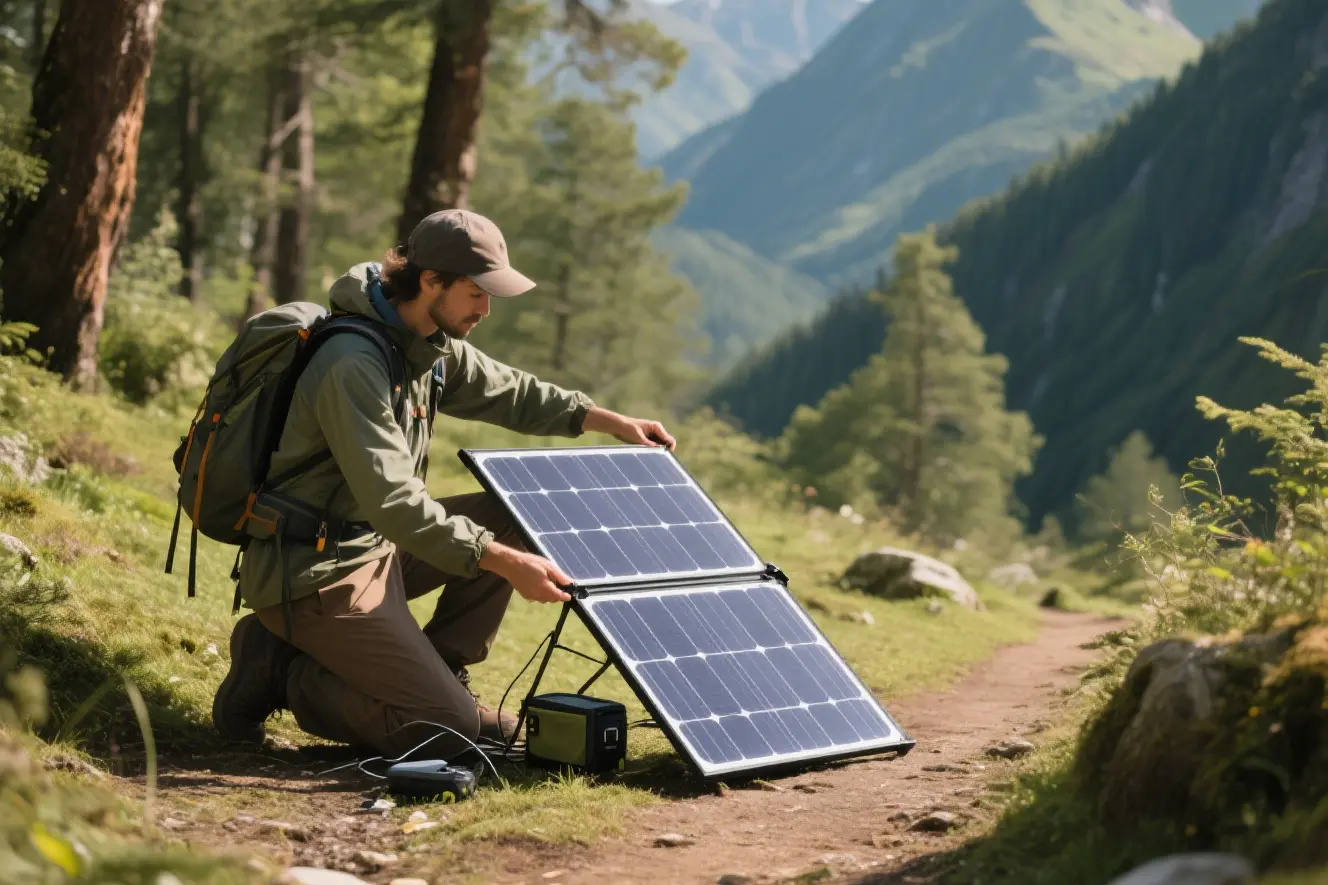
Featured technical solutions engineered for integration in industrial, residential, and portable applications.
Lightweight design featuring transparent backsheets for straightforward commercial deployment, drastically reducing Bos costs.
Quote Portfolio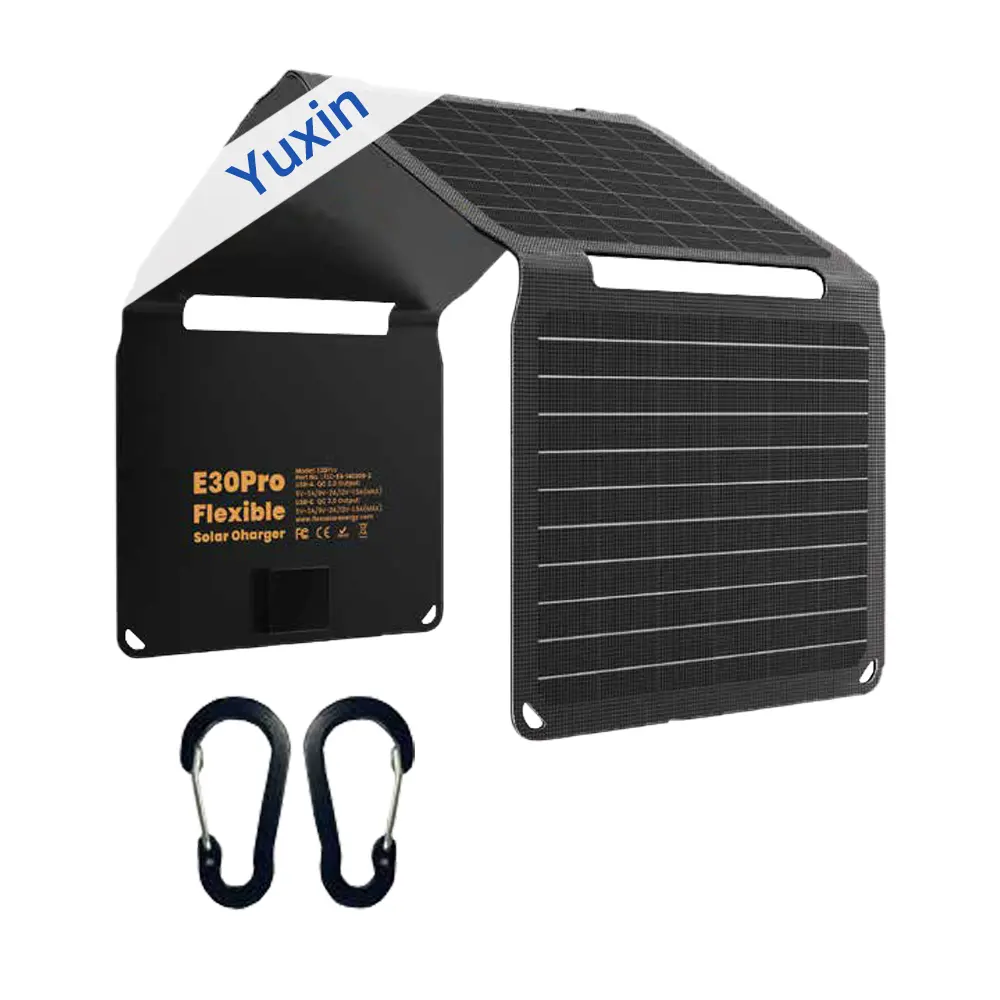
Utilizing advanced monocrystalline silicon cells, it achieves a high energy conversion efficiency rate of 24% for remote power solutions.
Request Specifications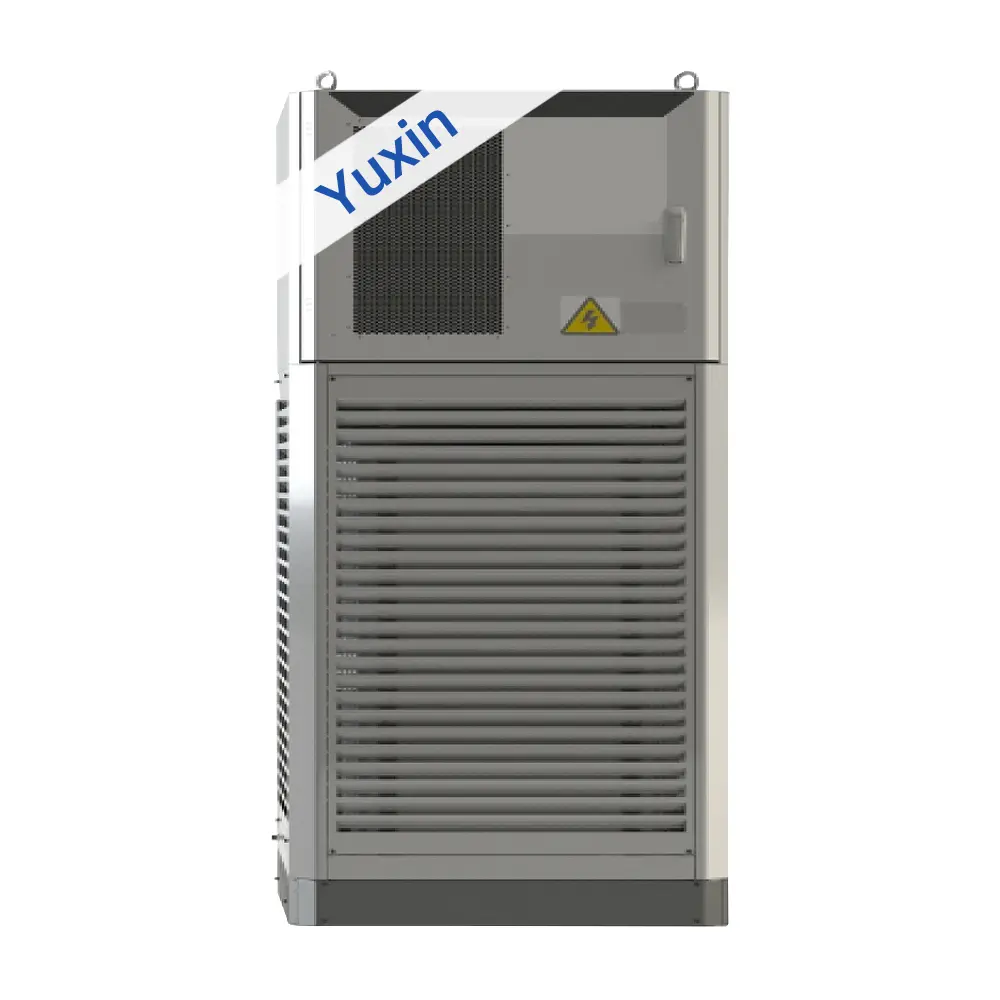
Flexible application operational modes including grid-tied, off-grid storage configurations, and hybrid control architectures.
Request Solution Plan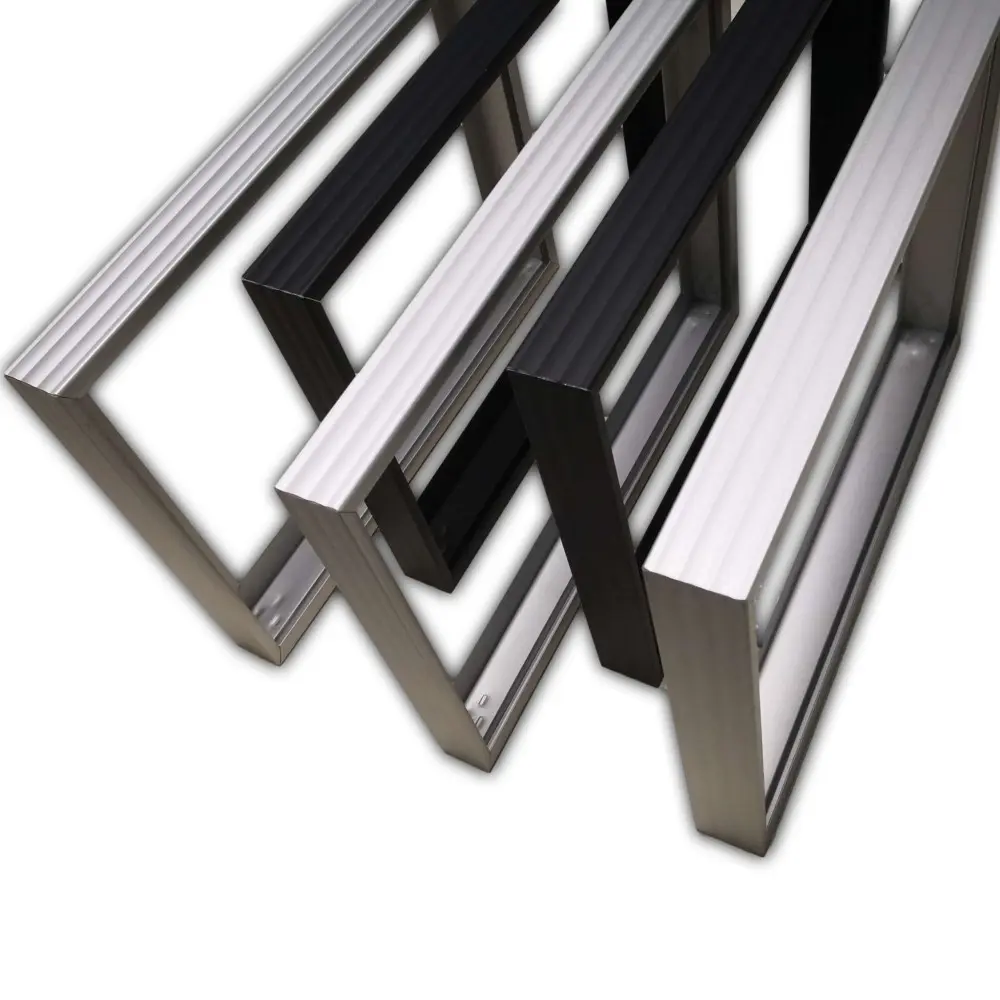
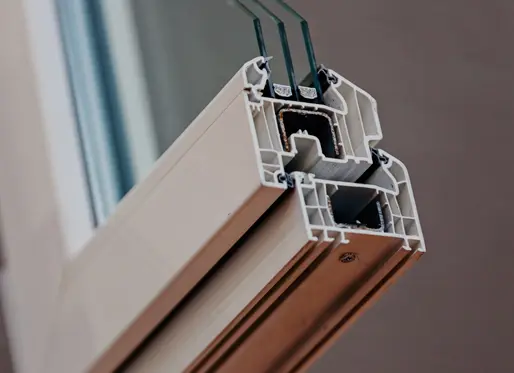
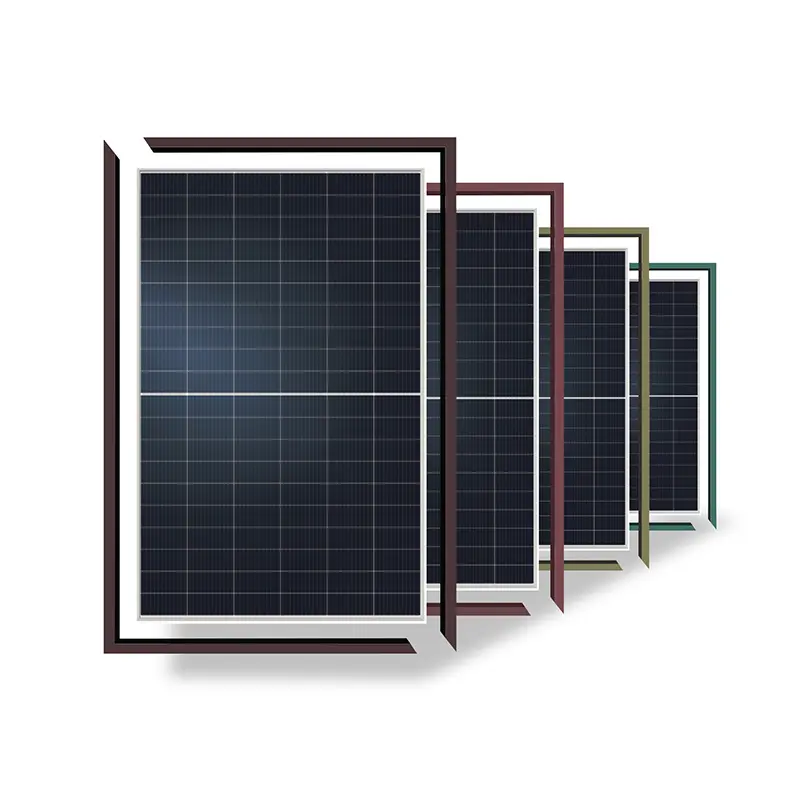
Engineered from premium anodized aluminum, ensuring extreme weather resistance and structurally reliable long-term performance.
Bulk Order FormA comparative overview of Nagoya's aggressive renewable integration pathways and industrial requirements.
Nagoya, the capital of Aichi Prefecture, stands as one of the primary industrial hubs in Japan, driving global automotive manufacturing, aerospace development, and heavy machinery production. As the global regulatory environment pivots toward strict net-zero requirements, Nagoya-based industrial conglomerates face unprecedented demands to reduce carbon footprints. The regional administration has aligned with national policies targeting Net-Zero Greenhouse Gas Emissions by 2050. This ambitious paradigm shifts energy policies from classic grid reliance to local, decentralized generation, accelerating the adoption of massive commercial and industrial (C&I) rooftop solar arrays.
However, the microclimatic conditions in Nagoya—characterized by coastal humidity, strong seasonal winds from Ise Bay, and intense summer temperature variations—demand solar photovoltaic systems with superior structural integrity and robust electrical designs. The transition requires modules that not only guarantee a high conversion efficiency but also withstand localized environmental stressors, such as marine salt mist corrosion and typhoons. Consequently, tier-1 industrial developers are increasingly procuring specialized monocrystalline modules with high-efficiency output and optimized structural backbones.
To assist Nagoya engineers in maximizing the Levelized Cost of Energy (LCOE), understanding the technology roadmap of silicon cells is imperative. The current market standard is shifting from traditional p-type PERC cells to advanced n-type architectures, including Tunnel Oxide Passivated Contact (TOPCon) and Heterojunction (HJT) systems. N-type modules present negligible Light-Induced Degradation (LID) and superior temperature coefficients, which ensure continuous peak outputs during extreme summer heatwaves in Japan.
| Parameters | P-Type PERC | N-Type TOPCon | N-Type HJT |
|---|---|---|---|
| Average Cell Efficiency | 22.8% - 23.3% | 24.5% - 25.8% | 25.0% - 26.5% |
| Temperature Coefficient (Pmax) | -0.35% / °C | -0.30% / °C | -0.26% / °C |
| Bifaciality Factor | 70% ± 5% | 80% ± 5% | 90% ± 5% |
| First-year Degradation | < 2.0% | < 1.0% | < 1.0% |
| LID / LeTID Mitigation | Moderate Risk | Virtually Immune | Virtually Immune |
By leveraging double-glass bifacial layouts, developers operating in Nagoya's expansive port zones can exploit the high albedo from surrounding water bodies or reflective concrete installations to capture up to 30% additional power generation from the module's rear side. Furthermore, using highly robust frames—such as sustainable polyurethane pultruded composite or marine-grade anodized aluminum—is essential to sustain localized wind loads in accordance with the Japanese Building Standards Act.
How our manufacturing footprint delivers cost-effectiveness, tracking, and structural superiority directly to Japan.
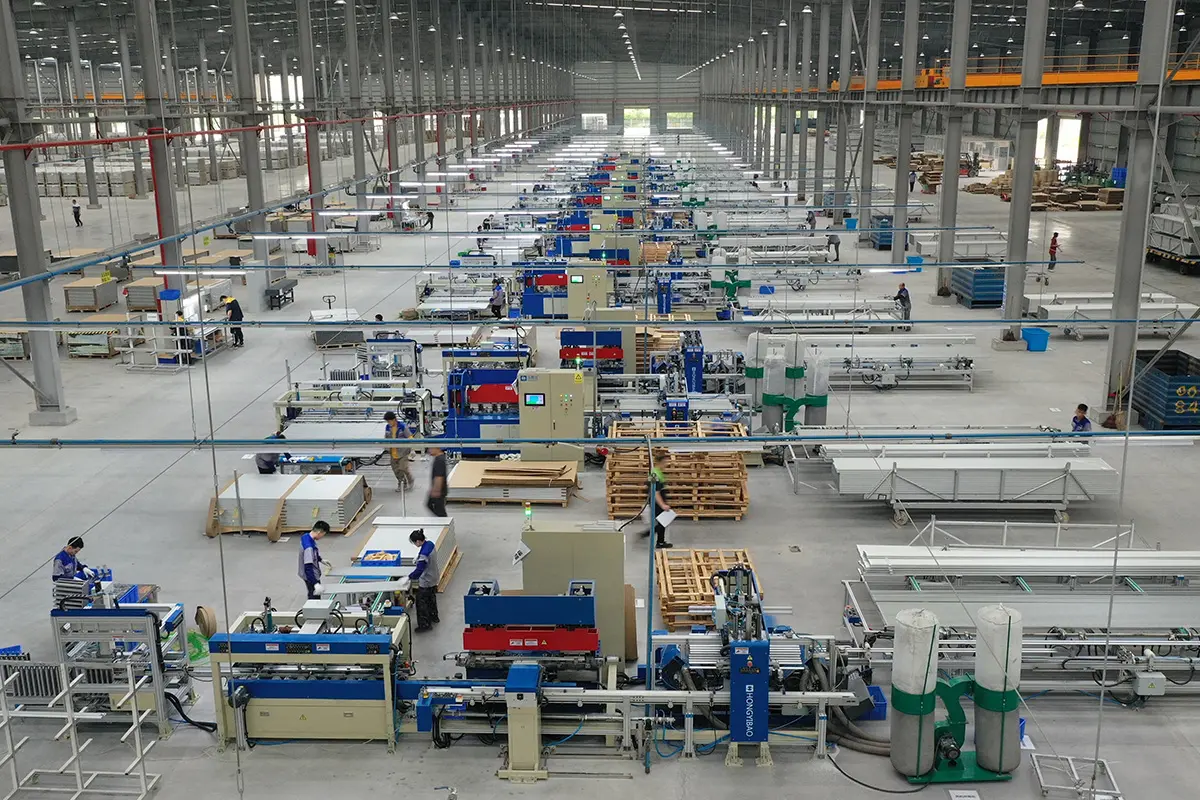
Deploying advanced robotics and integrated MES systems, our state-of-the-art facilities eliminate micro-cracks in monocrystalline wafers. High-accuracy stringer welding machines ensure consistent interconnection density, delivering long-term resistance against thermal expansion stresses.
Each batch undergoes strict EL (electroluminescence) testing, PID resistance verification, and mechanical loading evaluation. Fully certified under international CE, TUV, and Japanese JIS frameworks, our PV systems align with strict municipal energy mandates across Japan.
Strategically positioned in proximity to main ports and expressways, our manufacturing center guarantees fast dispatch times. We streamline the custom clearances to minimize lead times, keeping Nagoya projects on target and within budget parameters.
Jiangsu Yuxin New Energy Technology Co., Ltd. is positioned in the historical center of Yangzhou, with fast transit access to the Beijing-Shanghai Expressway, Runyang Yangtze River Bridge, and Ningqi Railway. The group, established in 2008, operates 14 specialized enterprises. As a registered National High-tech Enterprise and a prominent player in the regional clean tech sector, we serve overseas industrial clients with top-tier materials and components.
Our commitment to technological innovation is matched by our dedication to customer service. We work closely with engineers, developers, and project managers in Nagoya and throughout Aichi Prefecture to deliver solutions that meet the specific needs of each installation.
Providing technical adaptations to resolve unique industrial, urban, and agricultural energy concerns.
Optimized light transmission rates paired with high-span structure modules, supporting agricultural productivity while generating clean solar power in Nagoya’s rural belts.
Architectural PV systems with integrated mechanical elements, satisfying Nagoya’s stringent earthquake resistant standards and modern urban architecture requirements.
Robust utility-scale PV solutions featuring smart energy management systems to guarantee grid stability, resolving localized harmonics issues in Aichi Prefecture.
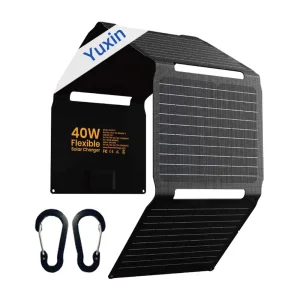
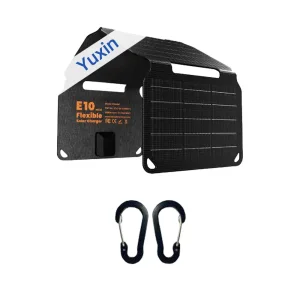
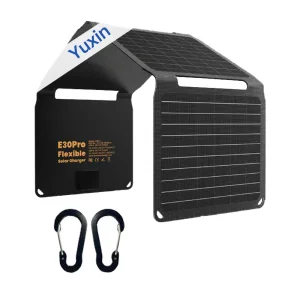
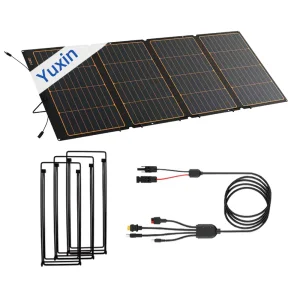
Waterproof high-durability portable solar chargers, backing communication hubs, emergency operations, and rural field explorations.
Specialized micro-grid solar panel assemblies for telecommunication towers, maintaining backup capacity and energy security under seismic risks.
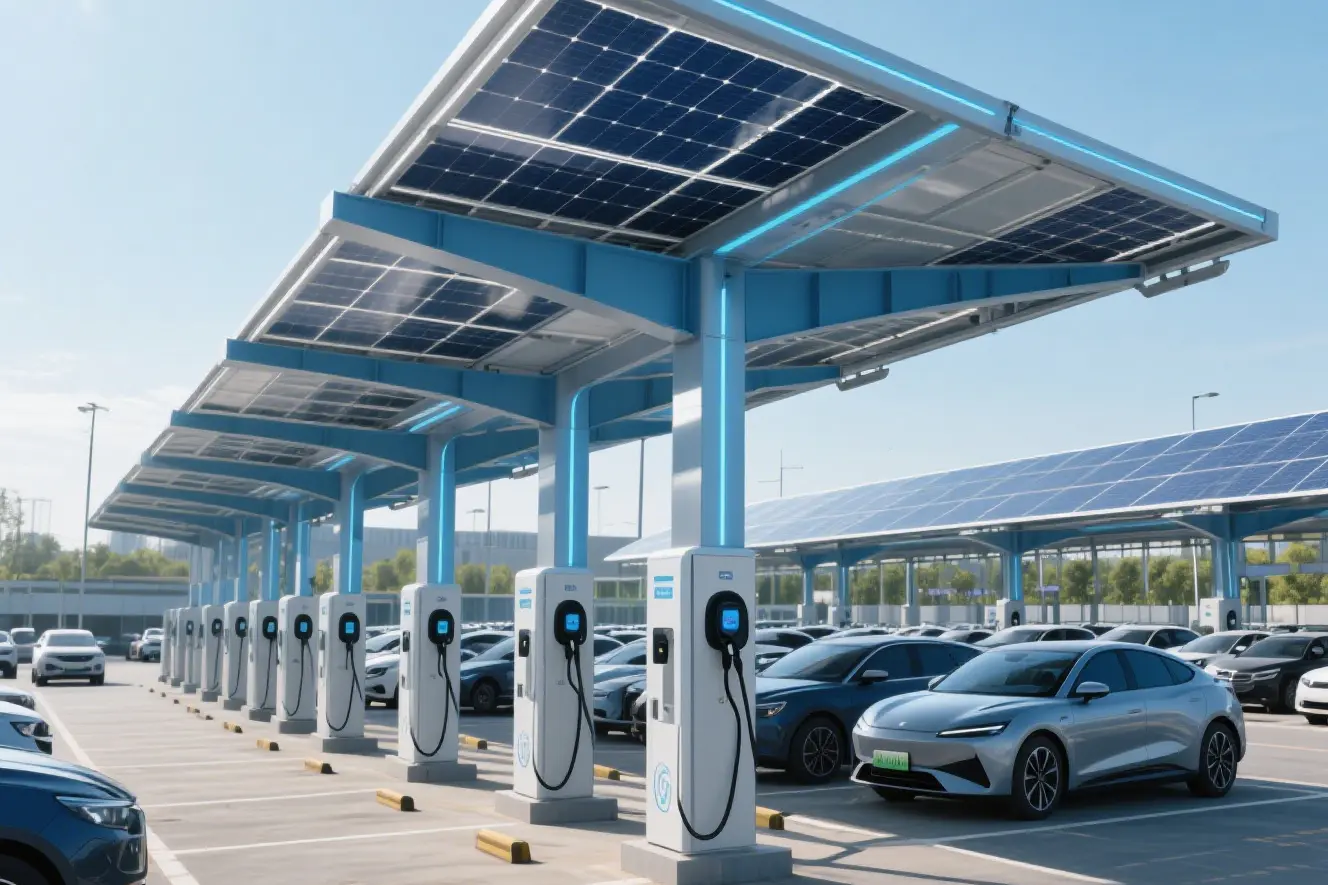
Solar integrations for transit stations, freight depots, and highway lighting grids to lower municipal grid reliance across Aichi.
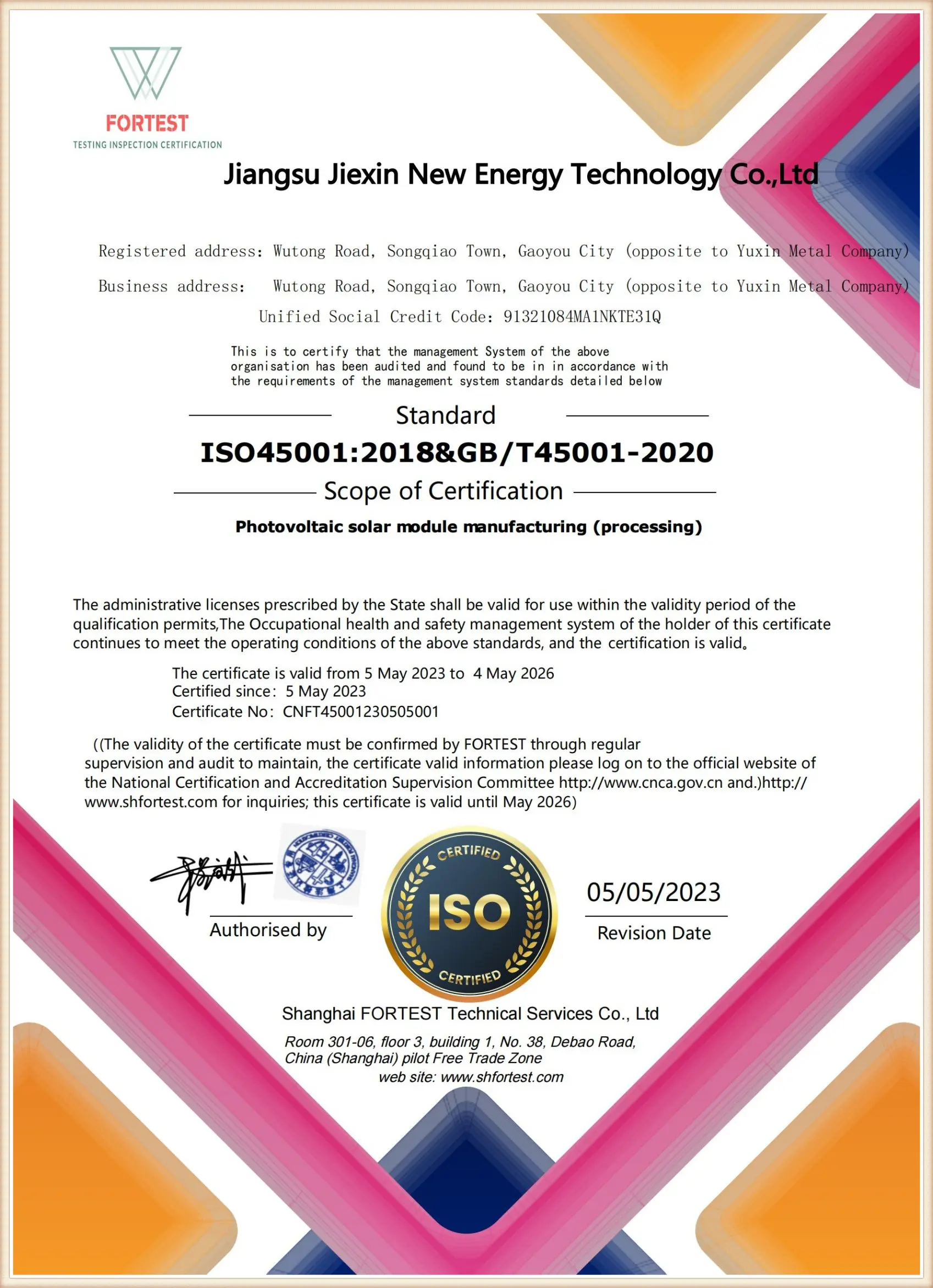
Our products undergo testing to satisfy strict international standards. Whether you are dealing with government feed-in-tariffs or municipal sustainability programs, our certifications guarantee complete alignment.
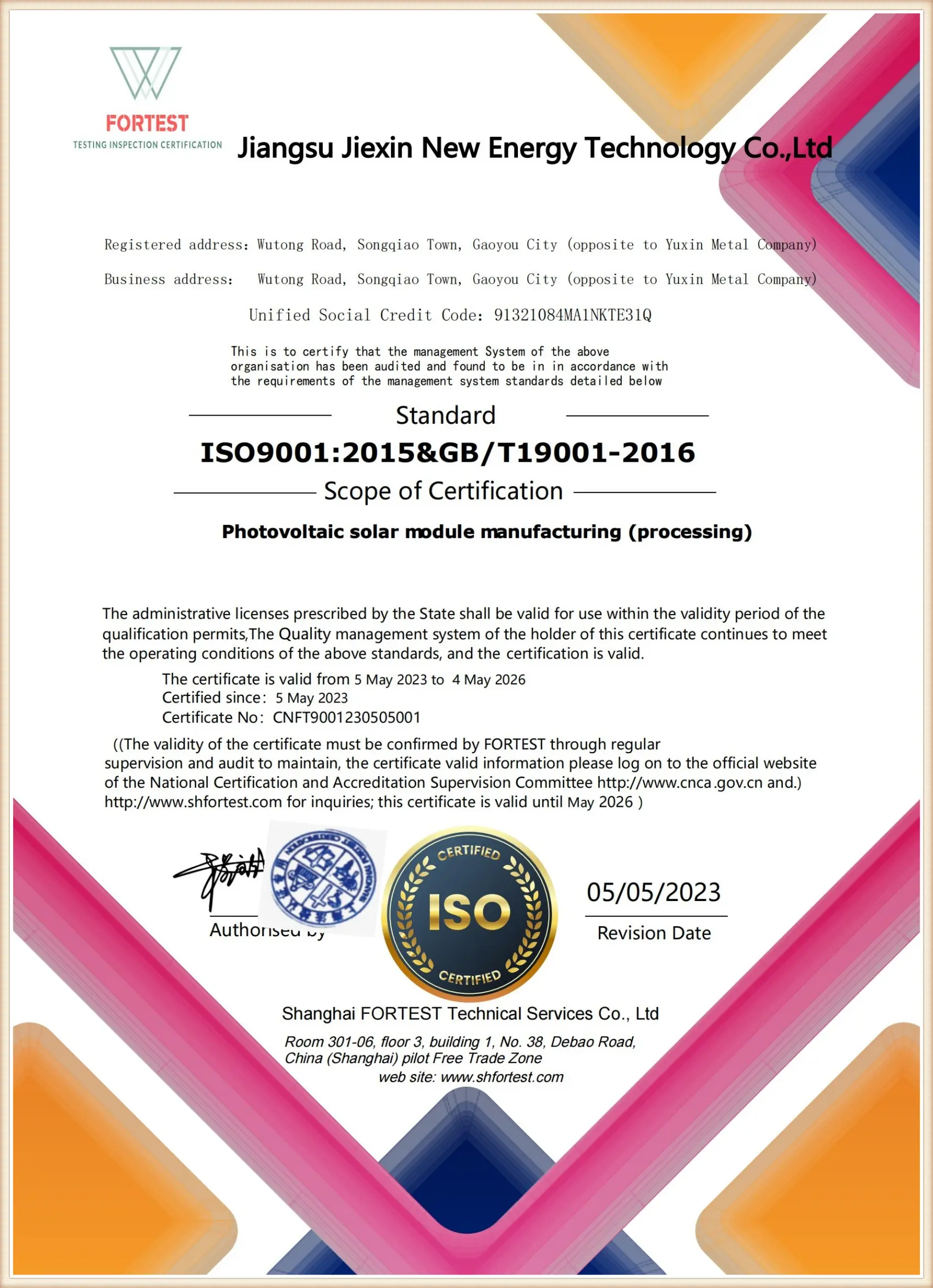
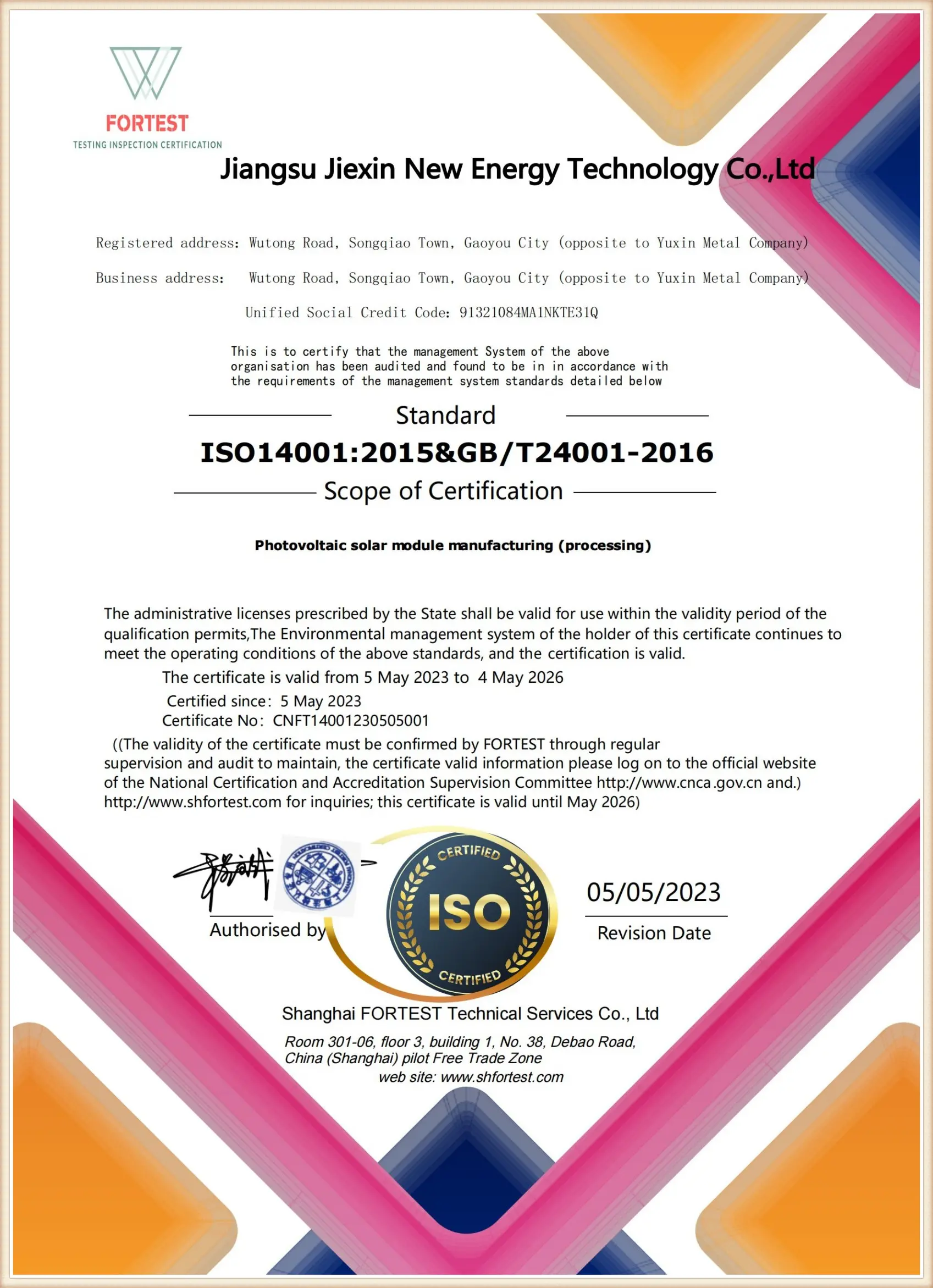
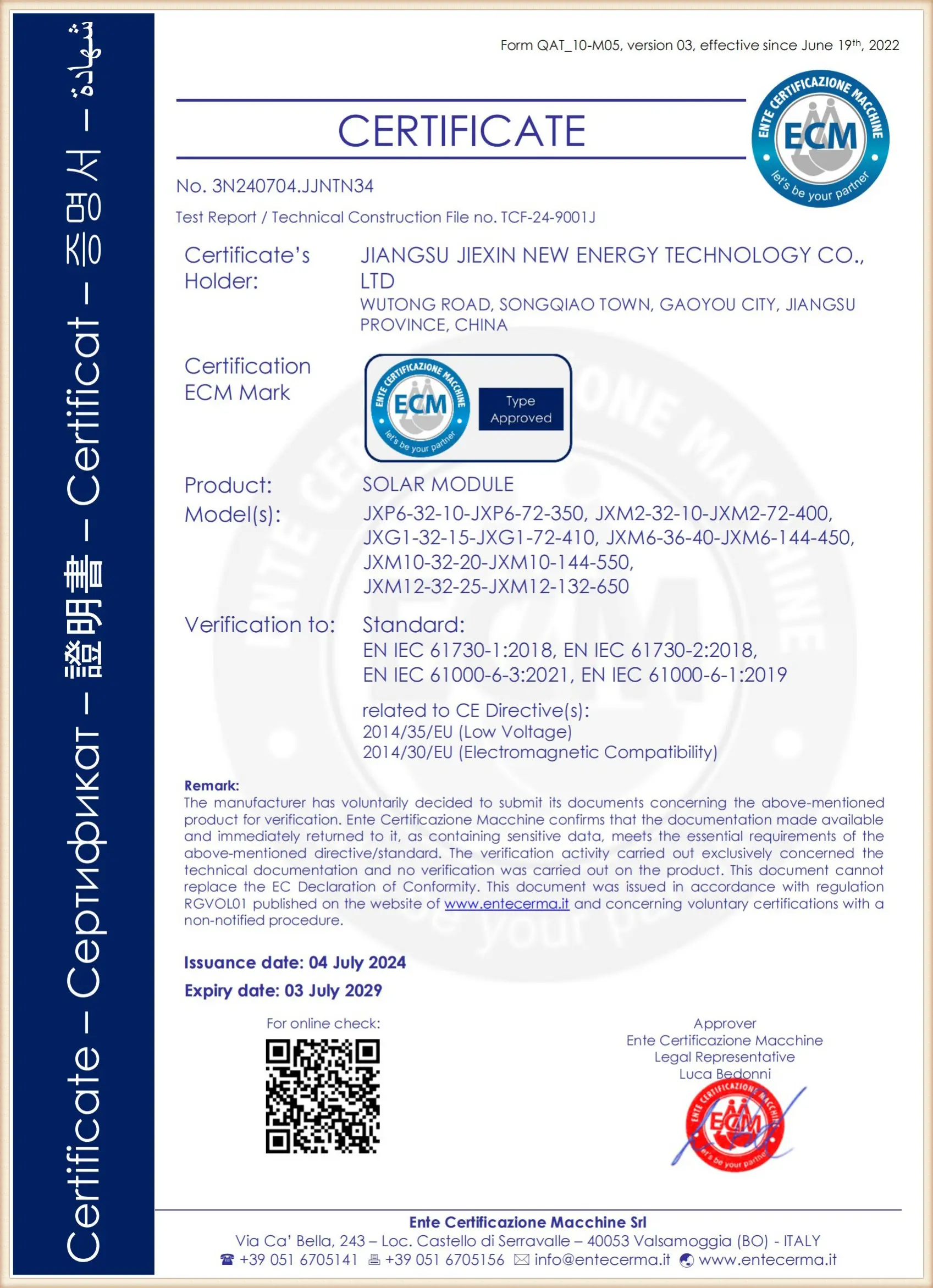
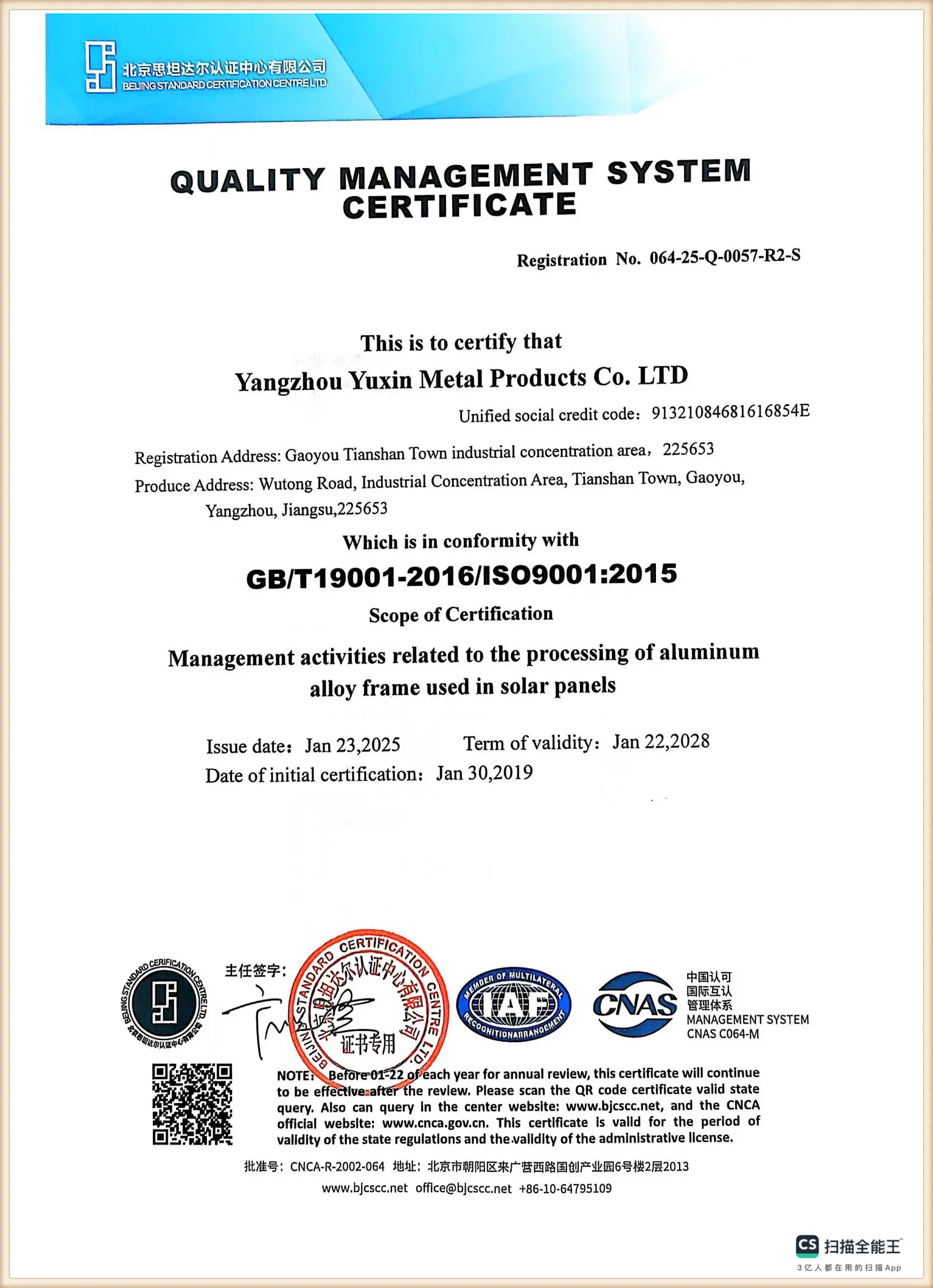
By collaborating with global engineering companies, grid operators, and material distributors, we supply reliable PV equipment globally.

Keep pace with industry developments and optimized structural implementation standards.
An analysis of structural loads, corrosion resistances, and aluminum metallurgy for PV arrays exposed to extreme environmental zones.
Read Deep AnalysisA practical checklist for assessing QA standards, automated extrusion, and factory direct pricing mechanisms for Japanese developers.
Read Deep AnalysisUnderstanding mechanical stress tests and anodization thicknesses required to pass stringent Japanese JIS quality certifications.
Read Deep AnalysisBrowse through our primary components and modules certified for integration in the Japanese market.
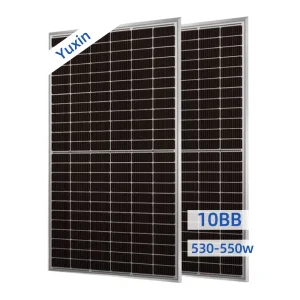
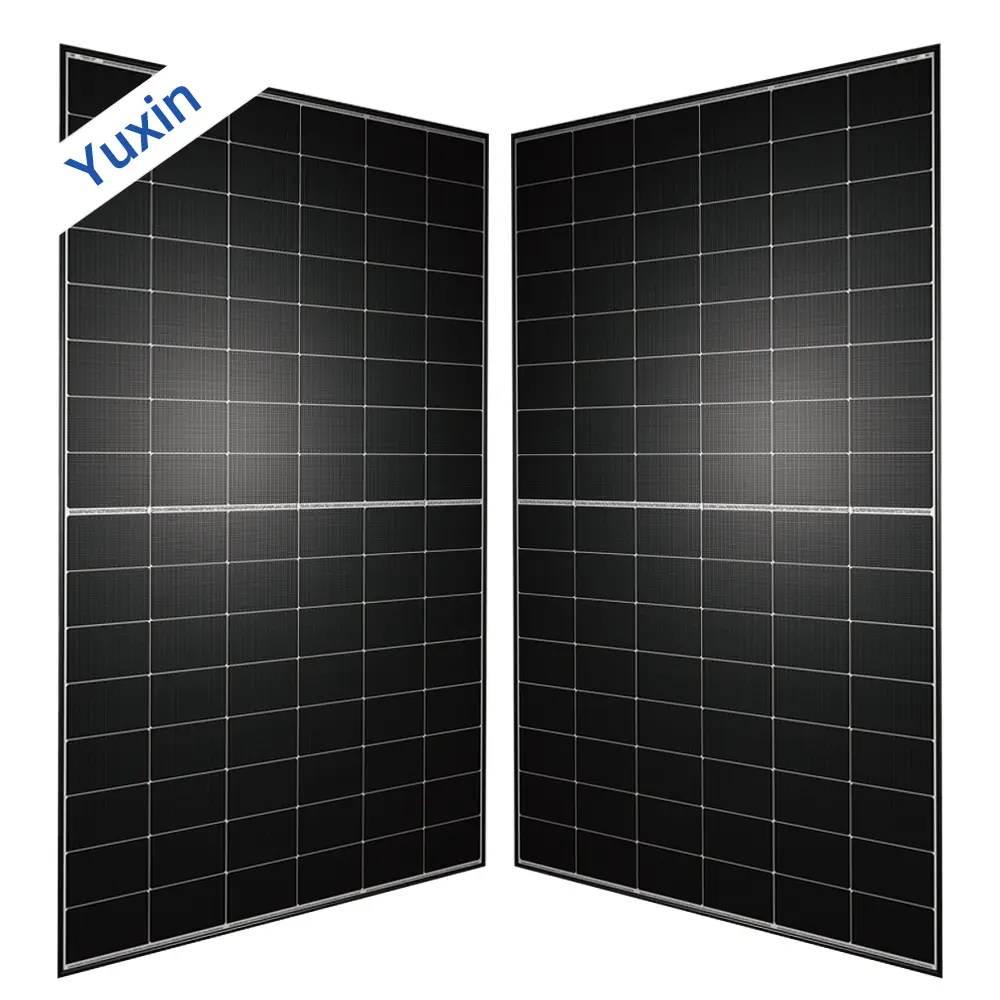
Engineered for large-scale utility operations and commercial rooftops. Delivers outstanding mechanical resistance under severe storm and wind loads.
Quote Bulk Pricing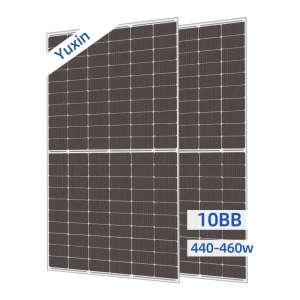
High-density module layout delivering top area efficiency. Perfect for space-restricted industrial roofs where maximizing output is critical.
Quote Bulk Pricing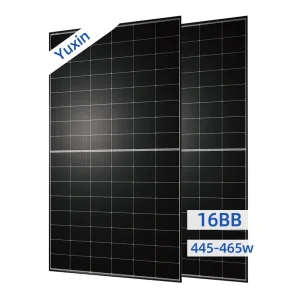
Premium double-glass structure providing outstanding PID resilience. Black frames deliver high aesthetic integration for modern architecture.
Quote Bulk Pricing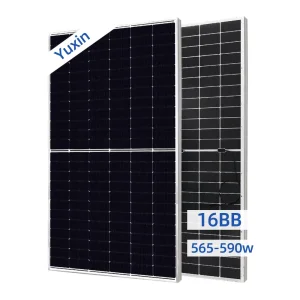
Harnesses rear-side albedo reflections to improve energy yields up to 30%. Excellent choice for snow-prone or ground-mounted arrays in Aichi.
Quote Bulk Pricing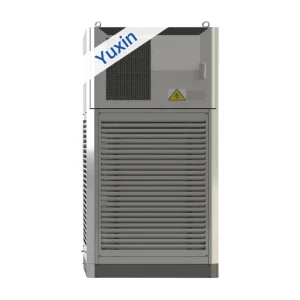
Scaleable energy storage modules featuring active thermal regulation. Ensures smooth microgrid operation and dynamic load peak-shaving capability.
Quote Bulk Pricing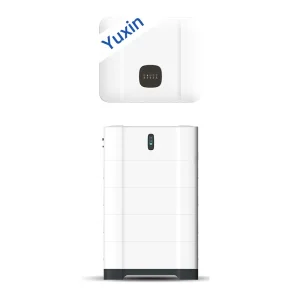
Complete residential kit including high-capacity smart lithium iron phosphate batteries and hybrid system controls.
Quote Bulk Pricing
Advanced non-conductive framework solution. Ideal for highly corrosive areas or chemical industrial plants in coastal Nagoya.
Quote Bulk Pricing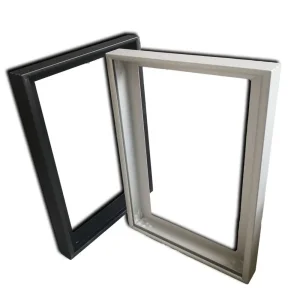
High-strength alloy frames engineered to withstand typhoons and seismic movements in accordance with JIS specifications.
Quote Bulk PricingProviding clear answers concerning logistics, certification compliance, and customized system options.
Submit your project parameters and utility load details. Our engineering team will prepare a comprehensive layout plan, BOM, and delivery schedule.