Optimized solar harvesting configurations built for military logistics, disaster response, telecommunications engineering, and rural field research across Vietnam's varying terrains.
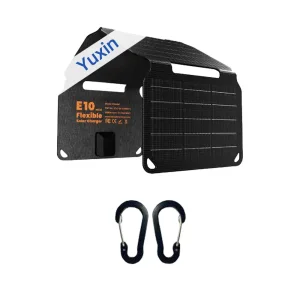
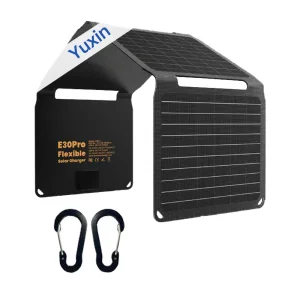
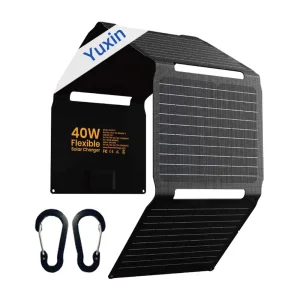
Explore our core business segments supporting global infrastructure developers, commercial enterprises, and system integrators.
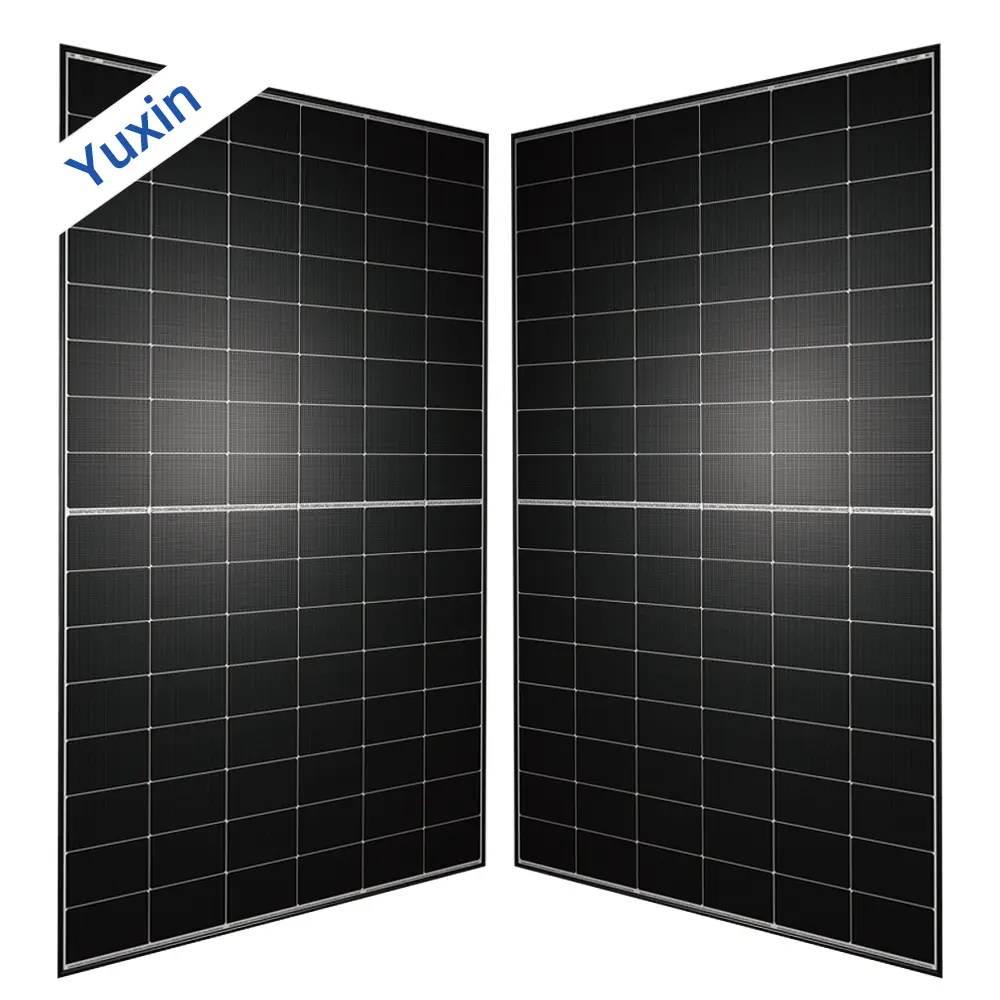
Lightweight designs combined with highly transparent back sheets to ensure effortless installation, minimized Balance of System (BOS) costs, and enhanced durability.
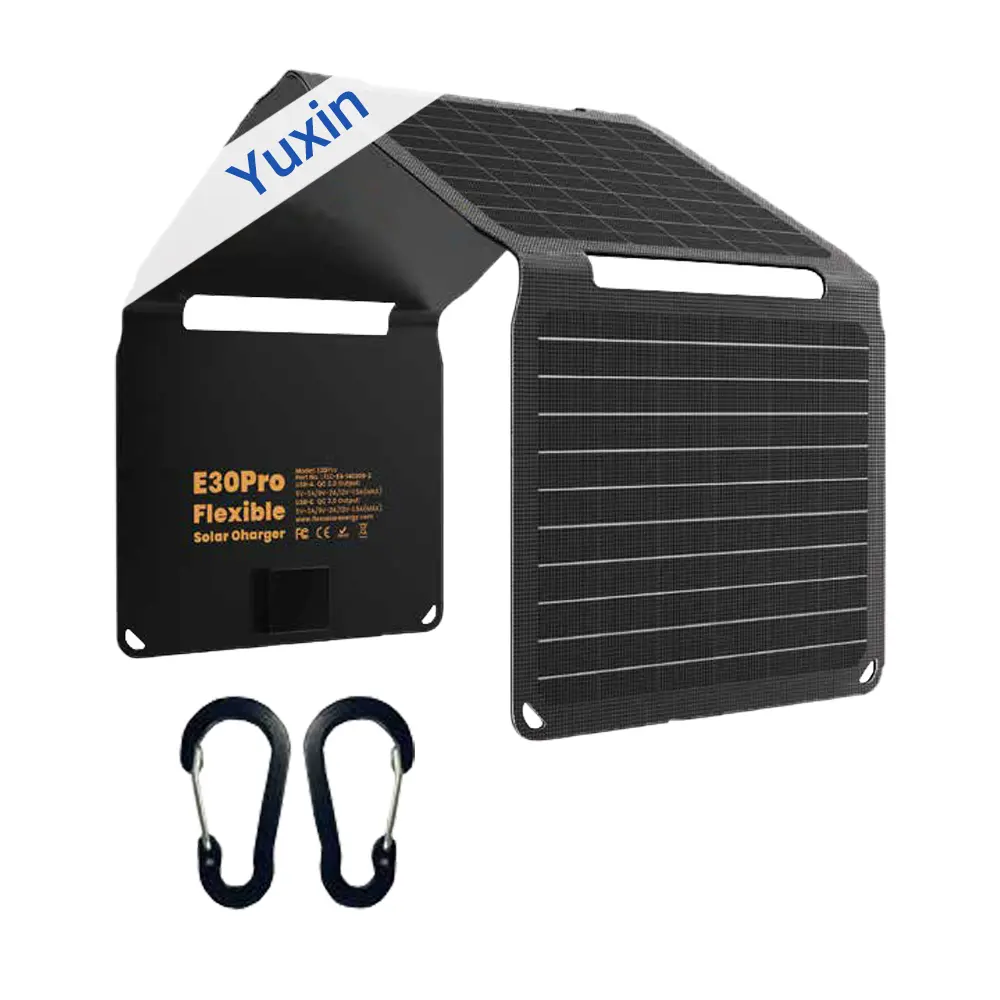
Utilizing high-grade monocrystalline silicon arrays to attain up to 24% conversion efficiency, custom-configured for field technicians and mobile operations.

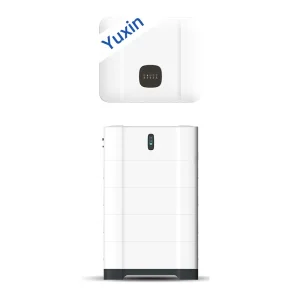
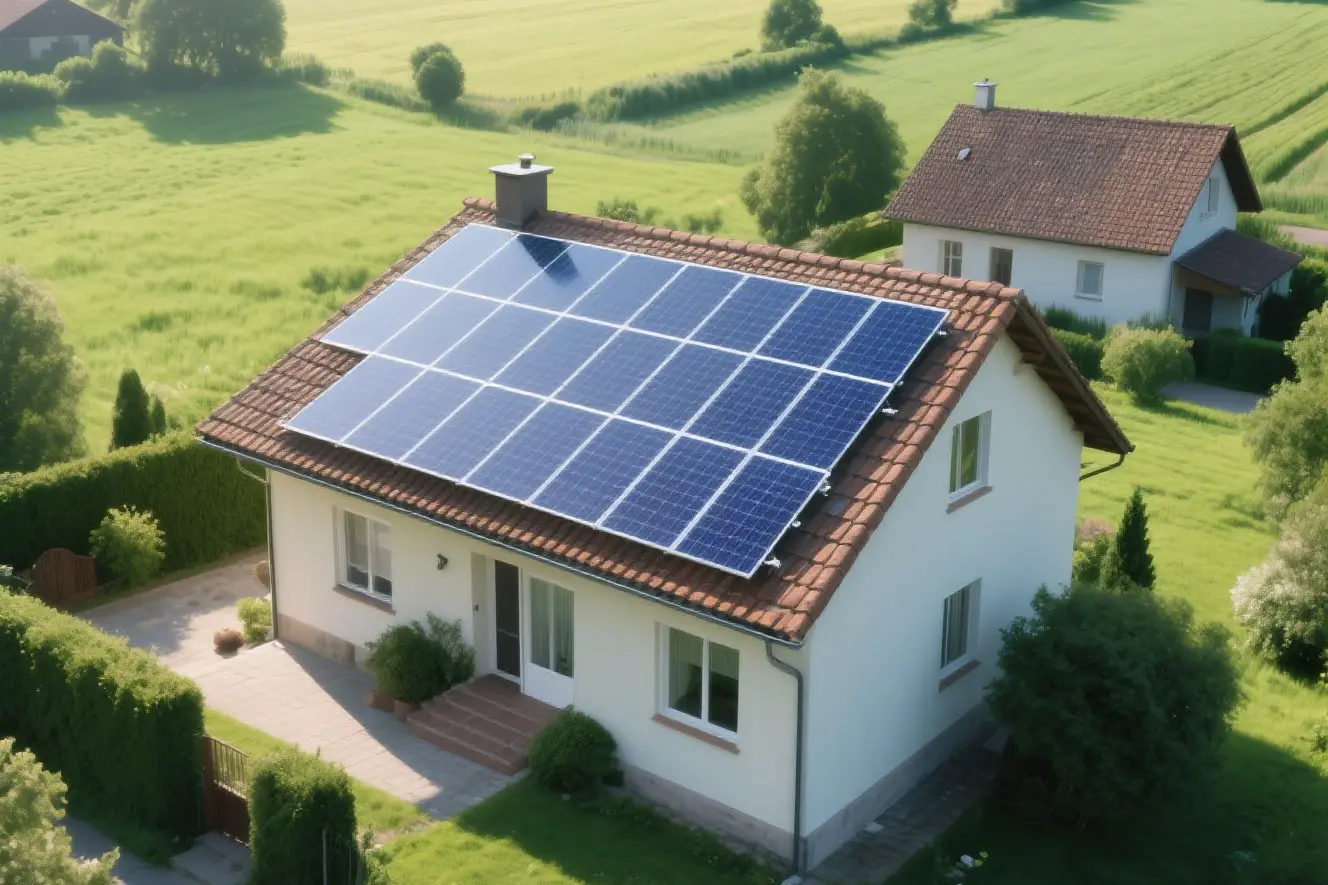
Versatile operating schemes supporting grid-connected, completely off-grid, and seamless hybrid modes to secure absolute residential power independence.
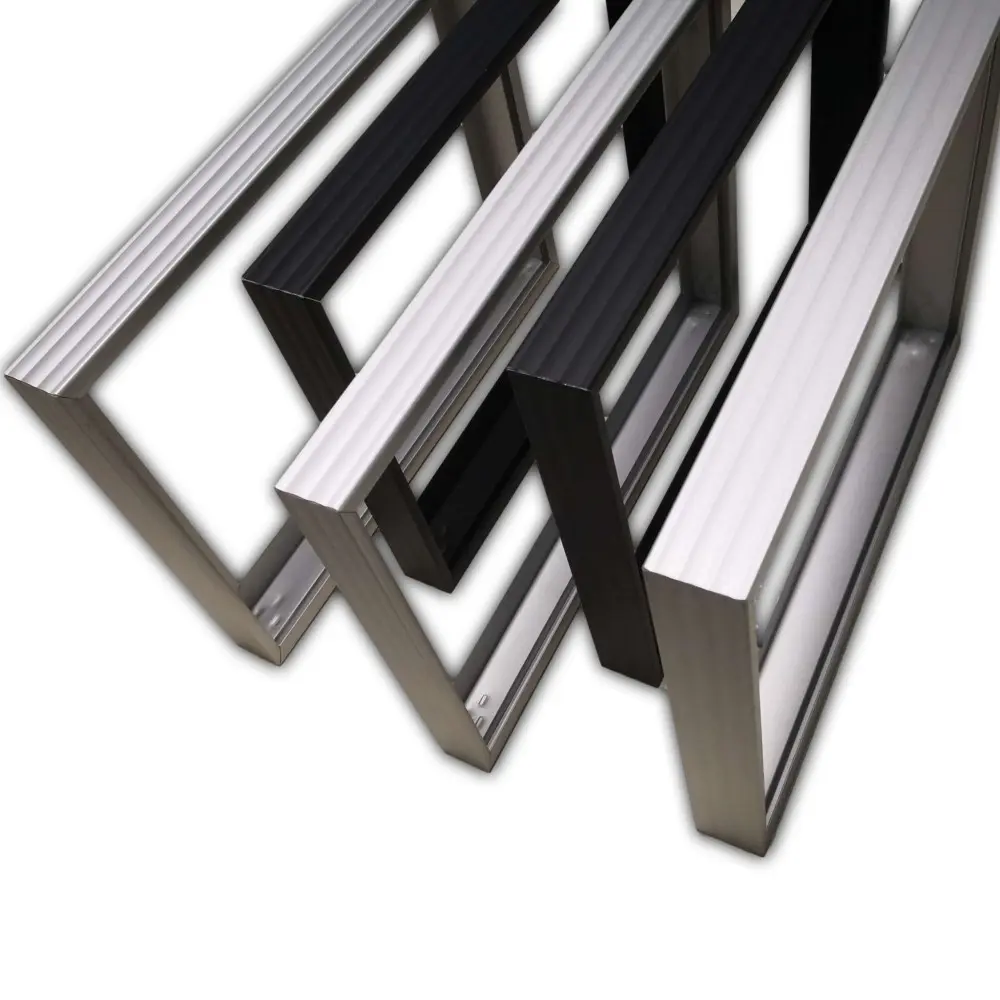
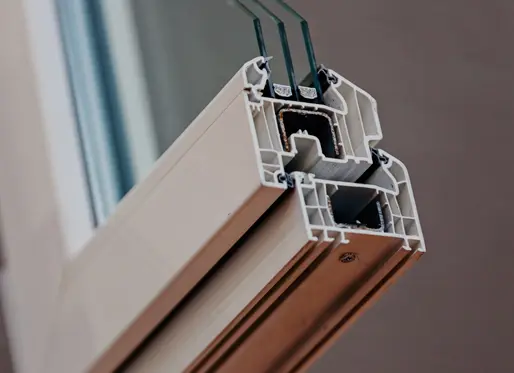
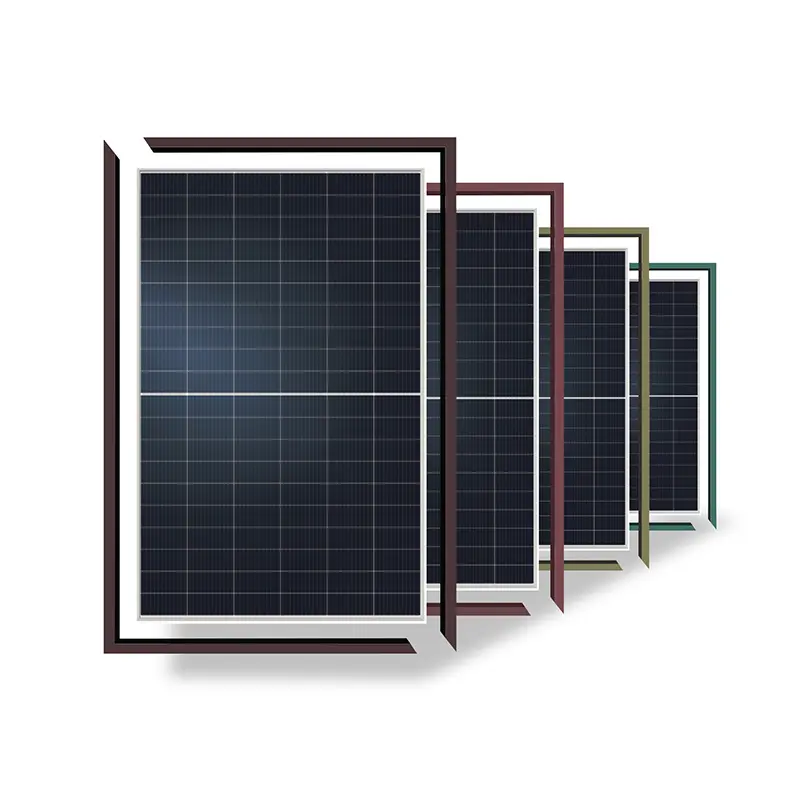
Machined from premium anodized aluminum alloys to guarantee maximum weatherproofing, physical load resilience, and long-term corrosion resistance.
Vietnam's rapid economic expansion, driven by its National Power Development Plan VIII (PDP8), demands robust decentralized energy assets. As manufacturing hubs migrate from coastal areas into remote hilly interior provinces, field personnel face a critical power gap. In agricultural regions such as the Mekong Delta and Central Highlands, remote monitoring stations, telemetry systems, and field conservation teams require constant, reliable off-grid power solutions.
Deploying standard commercial grade PV hardware in Vietnam presents significant material challenges. High ambient humidity averaging 84% year-round, intensive monsoon cycles, and high thermal indexes rapidly accelerate chemical degradation in sub-standard polymer materials. Standard PET laminated folding solar chargers often experience delamination, yellowing, and rapid efficiency loss within 6 to 12 months. Industrial buyers must specify heavy-duty ETFE (Ethylene Tetrafluoroethylene) or composite polymer laminates with IP67/IP68 ratings to protect the underlying monocrystalline silicon cells from moisture ingress.
For B2B procurement managers sourcing portable solar systems, localized structural compatibility, high-temperature coefficient performance, and compliance with local standards (such as EVN technical requirements) are key factors. Investing in superior equipment reduces overall lifecycle maintenance costs and ensures zero operational downtime in remote operations.
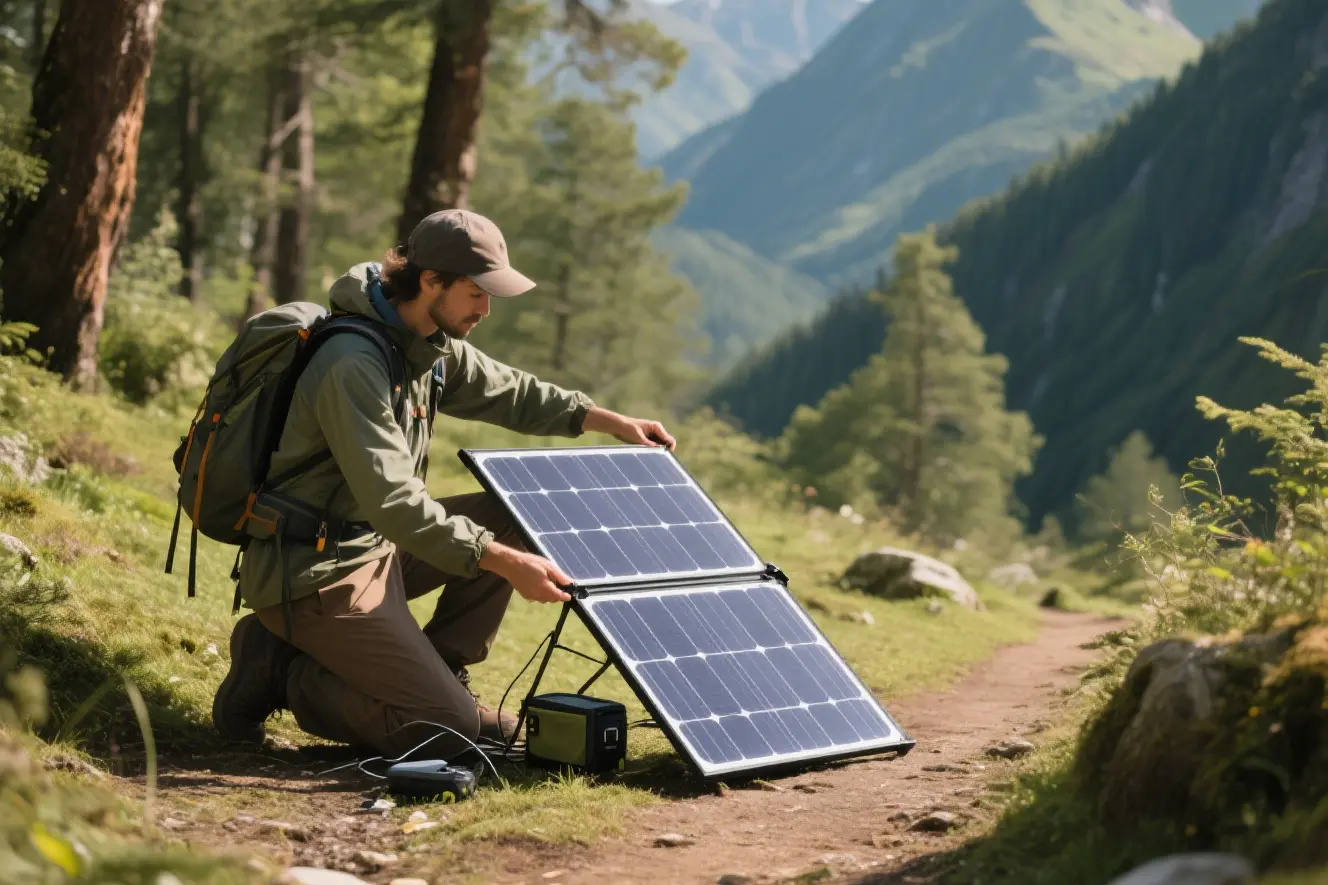
Aligning product engineering with international procurement guidelines to provide robust off-grid power solutions.
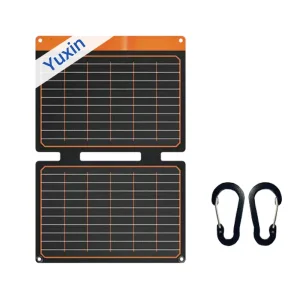
Custom portable solar charging kits integrated with lithium-iron-phosphate (LFP) energy storage units. Ideal for backing up environmental sensors, hydrological meters, and border patrol surveillance hubs in Vietnam's dense forested regions.
Tactical-grade solar charging backpacks built with flame-retardant, high-tensile military fabrics. Engineered with high-efficiency PV arrays capable of charging military tactical radios, navigation devices, and target designators under canopy cover.
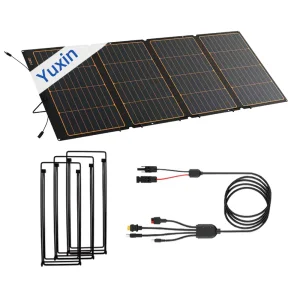
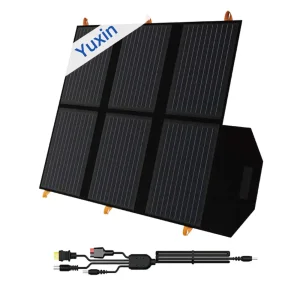
Deployable high-capacity charging mats (40W to 240W) built for rapid deployment. Designed for humanitarian operations in typhoon-hit coastal areas of Central Vietnam, enabling continuous power supply for medical cooling and satellite communications.
Located in the scenic historical and cultural ancient city of Yangzhou, close to the Beijing-Shanghai Expressway, Runyang Yangtze River Bridge, and Ningqi Railway, the group has a superior geographical location and convenient transportation. The group was established in 2008 and has 14 multi-field companies under its jurisdiction, including Jiangsu Yuxin New Energy Technology Co., Ltd., and has won many titles such as National High-tech Enterprise, Technology-based Enterprise, and Gaoyou City Top 100 Private Enterprises.
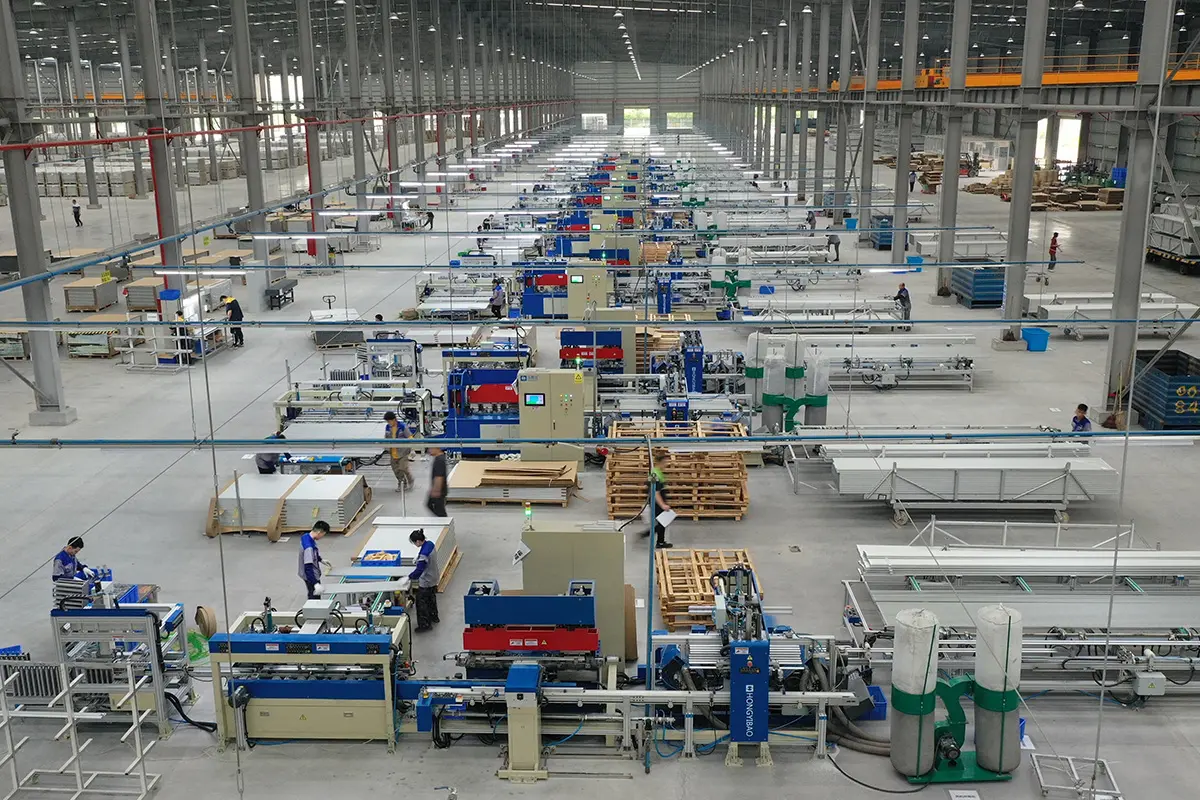
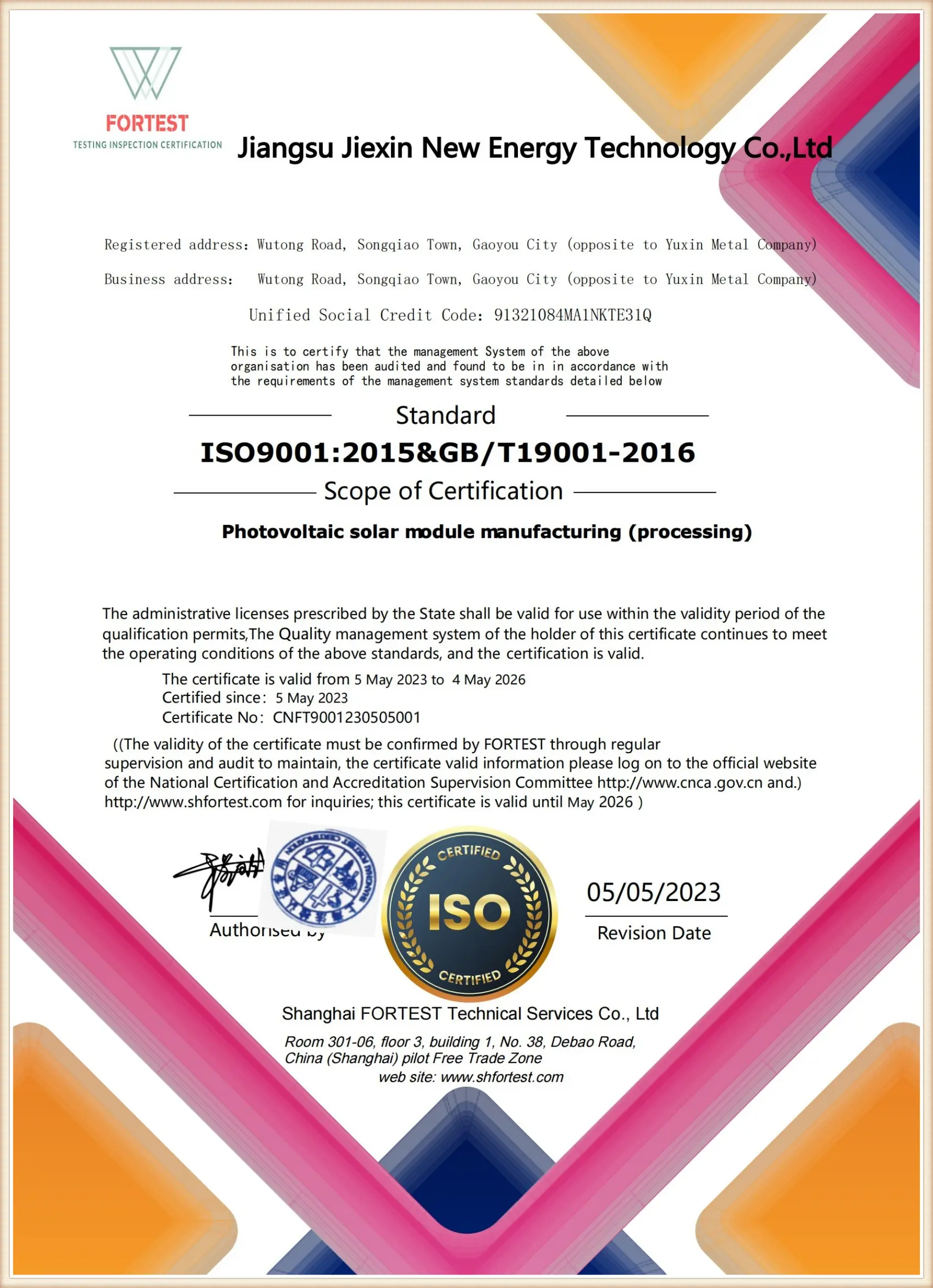
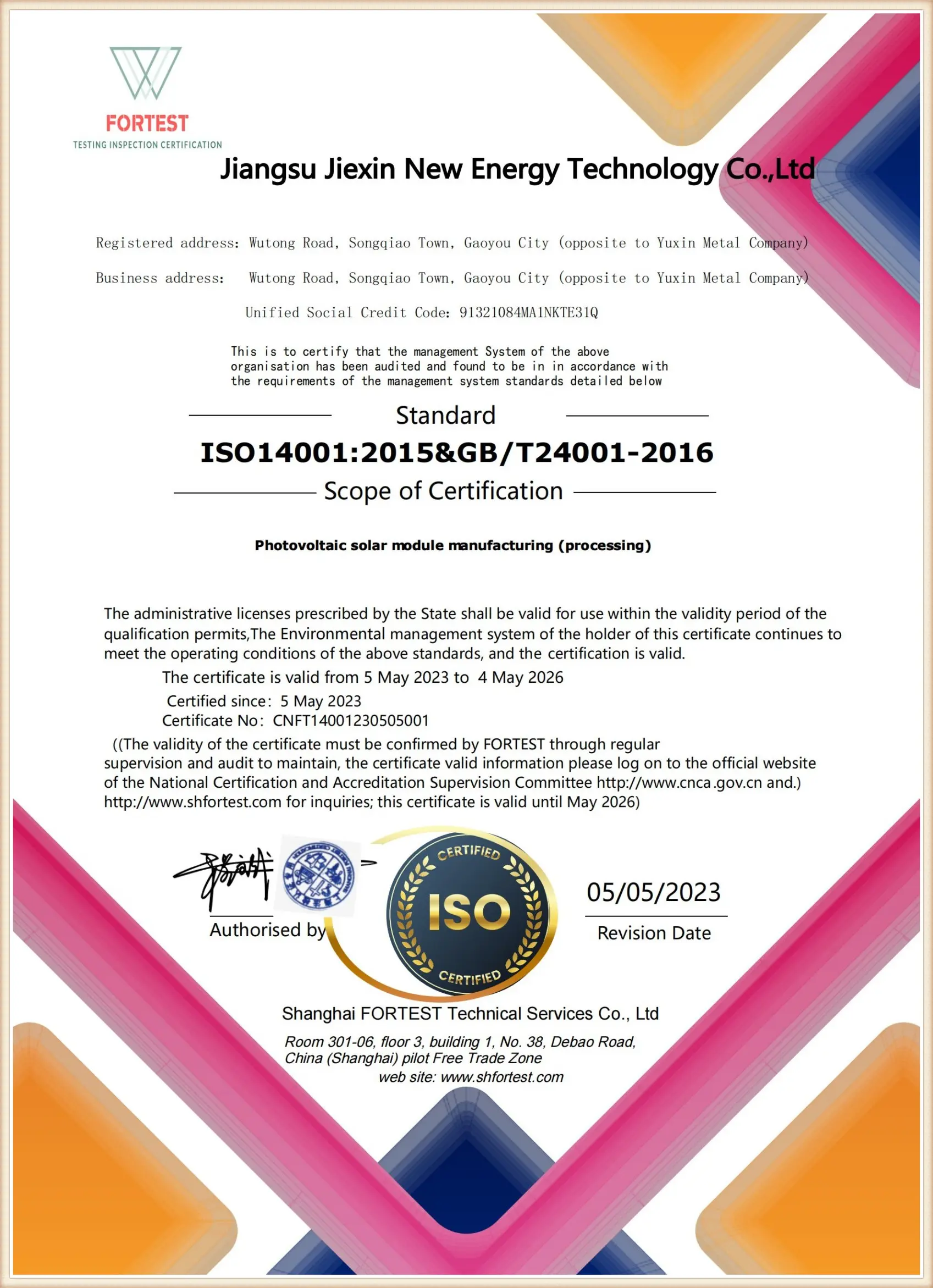
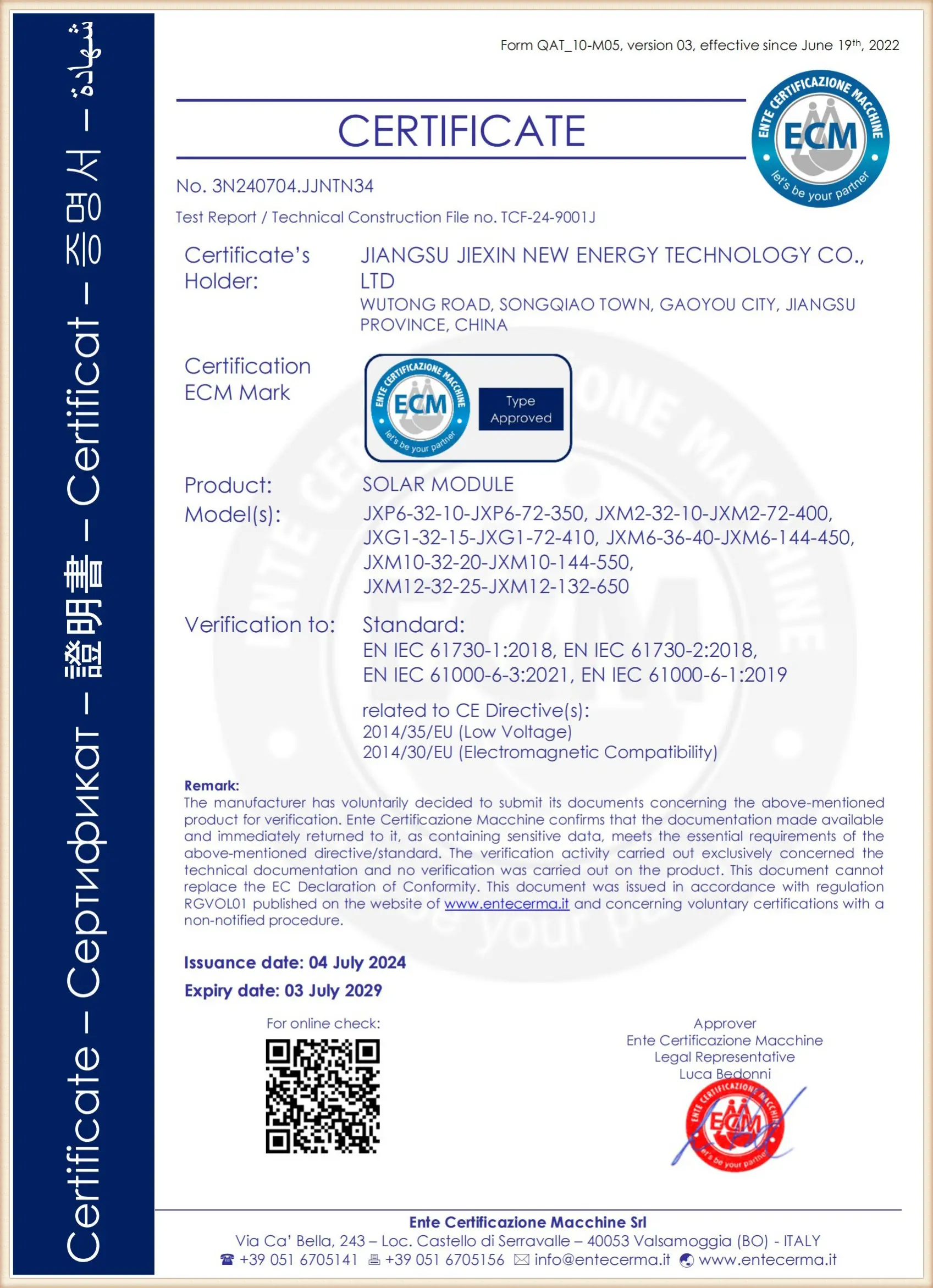
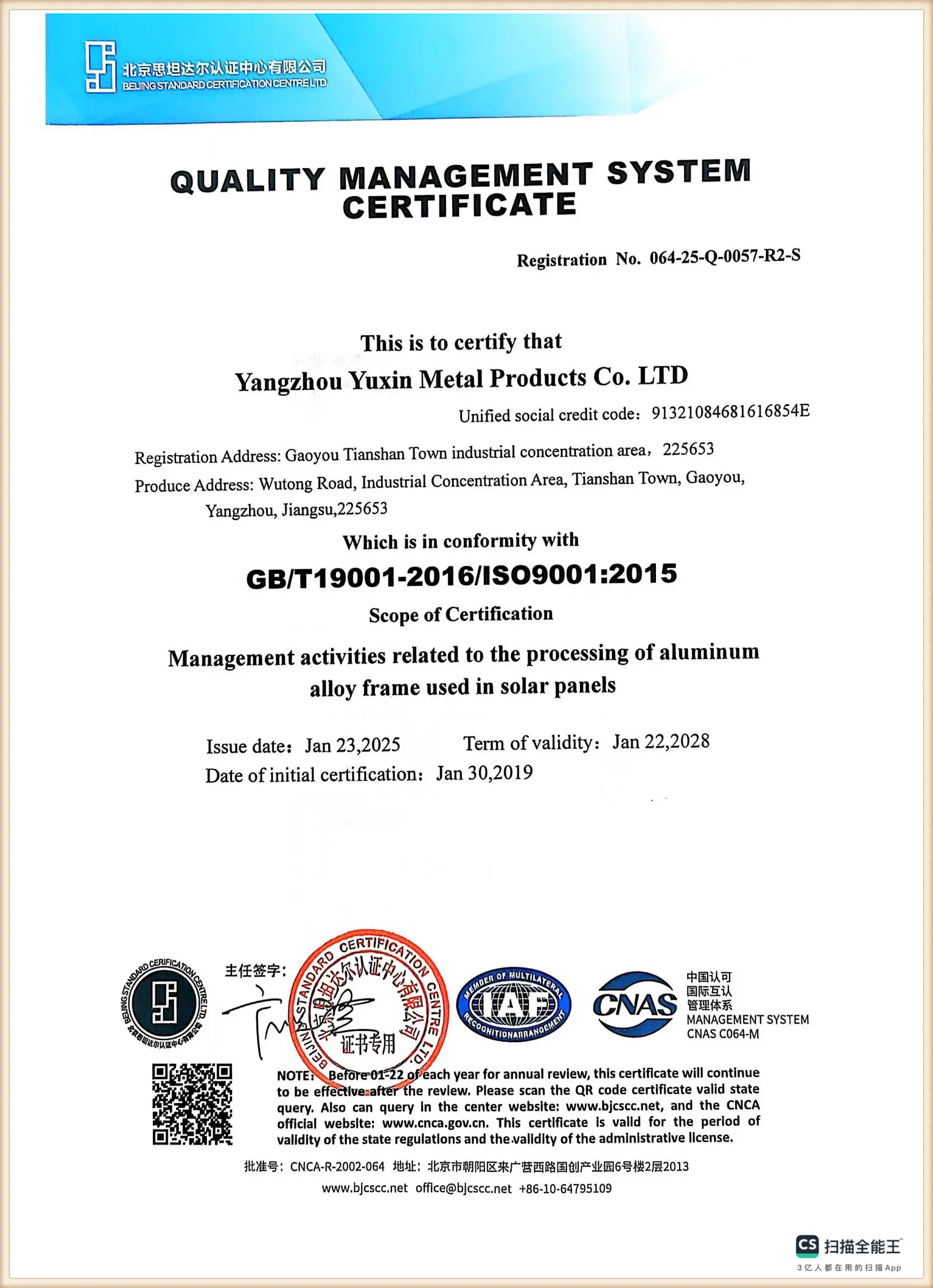
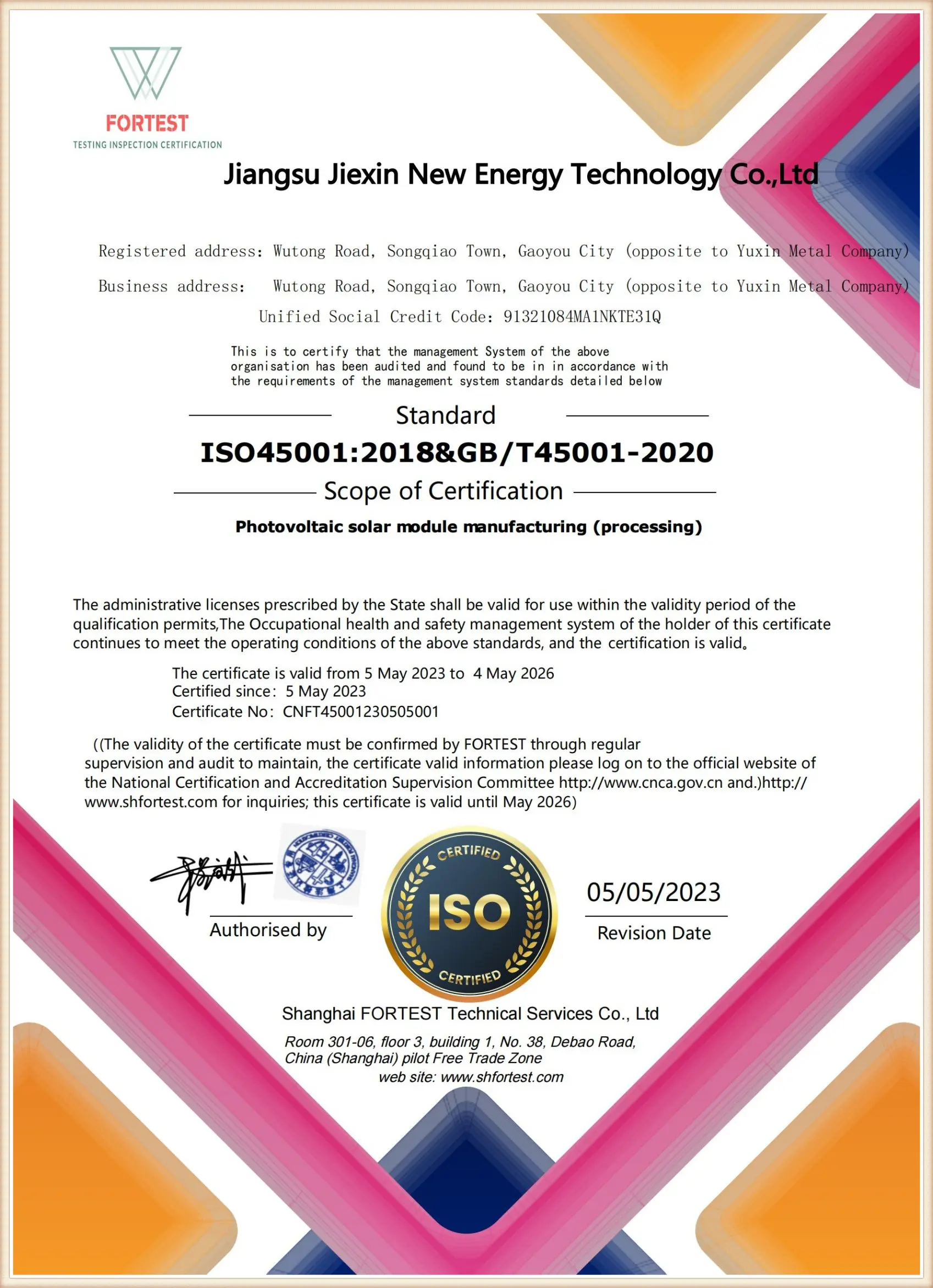
Connect With Our Technical TeamOur manufacturing and processing units strictly adhere to international certifications to ensure product quality and durability in demanding conditions.
A primary failure mode of field-deployed solar equipment in Southeast Asia is thermal degradation. Monocrystalline silicon cells exhibit a negative temperature coefficient, meaning their efficiency drops as operating temperature rises. Standard field cells operating under direct sun in southern Vietnam (HCMC, Binh Duong) can reach internal surface temperatures of 65°C to 75°C, reducing actual power delivery by 15-20% compared to lab-tested STC (Standard Test Conditions).
To address this, YUXIN has updated its engineering parameters for solar charger components:
Industrial procurement within Vietnam is governed by strict local standards. Under the European Union-Vietnam Free Trade Agreement (EVFTA) and Regional Comprehensive Economic Partnership (RCEP), sourcing products with certified manufacturing lineage reduces tariff burdens. YUXIN provides complete documentation, including Certificates of Origin (CO), CE testing logs, and RoHS certification reports, to ensure smooth customs clearance through major ports like Hai Phong and Cat Lai.
We work with established logistics partners to coordinate deliveries directly to major economic zones in Bac Ninh, Da Nang, and Dong Nai, providing structured warranties and field replacement support to help keep projects running smoothly.
Our solutions provide stable, reliable off-grid power across a wide variety of industrial and commercial fields.

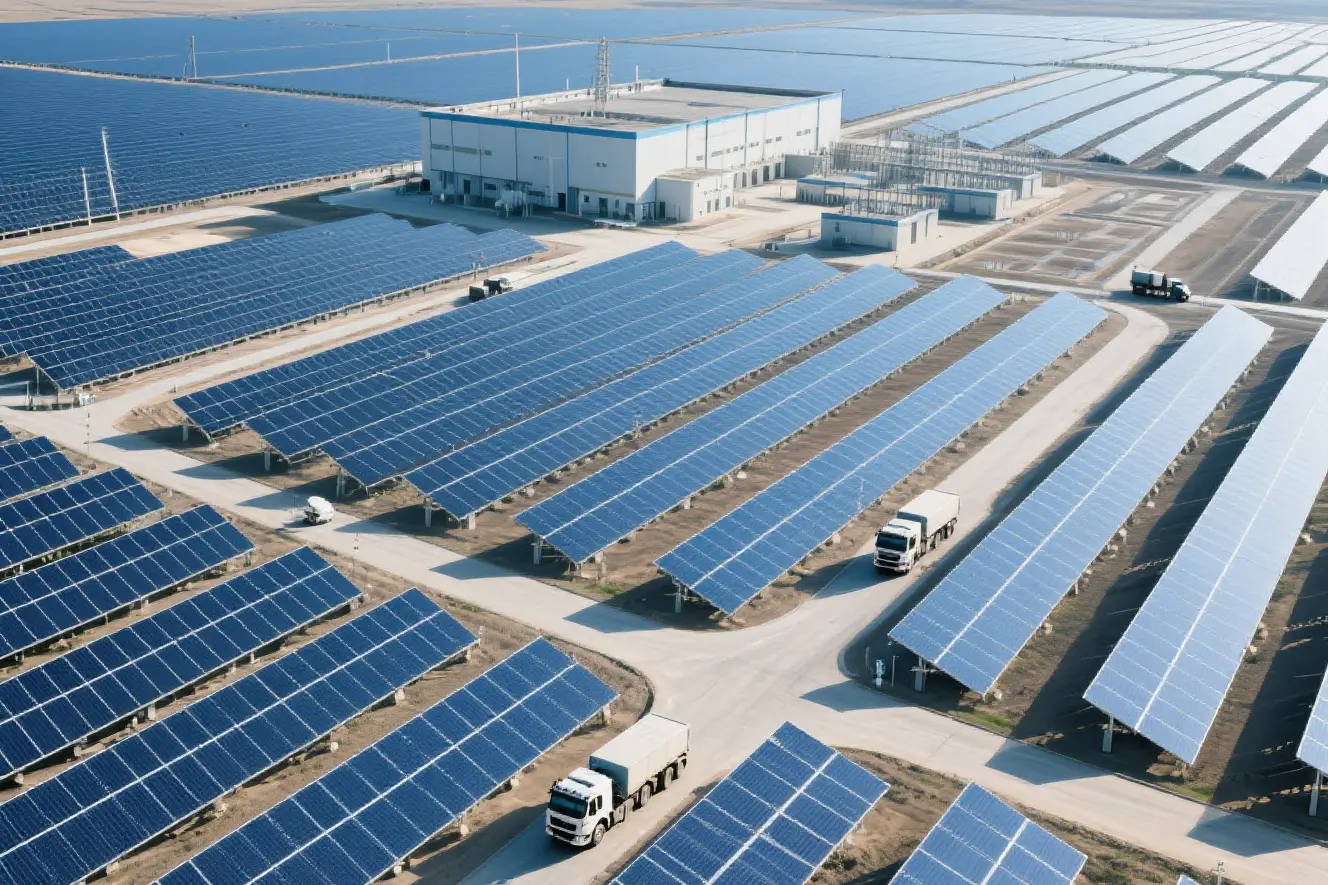
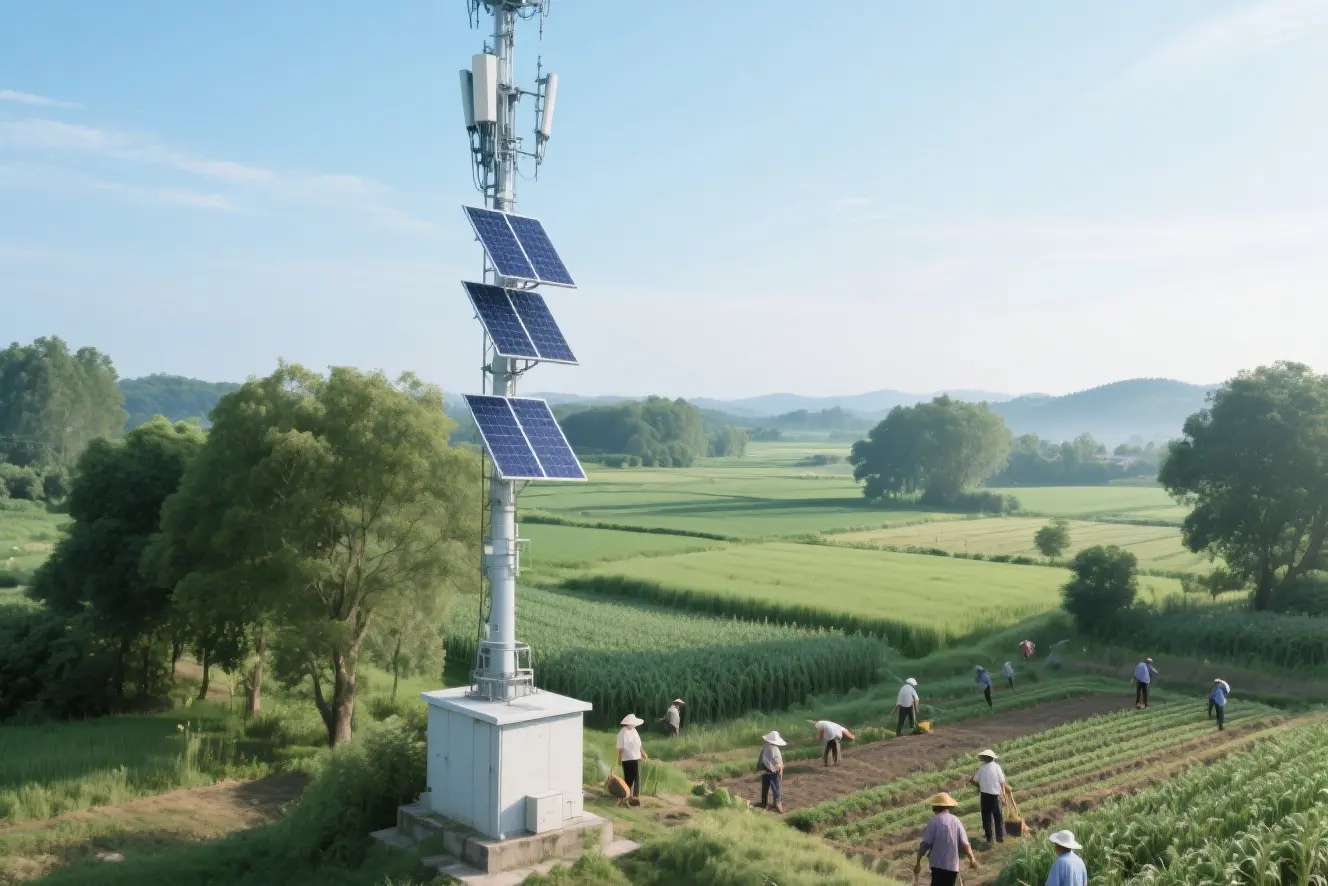
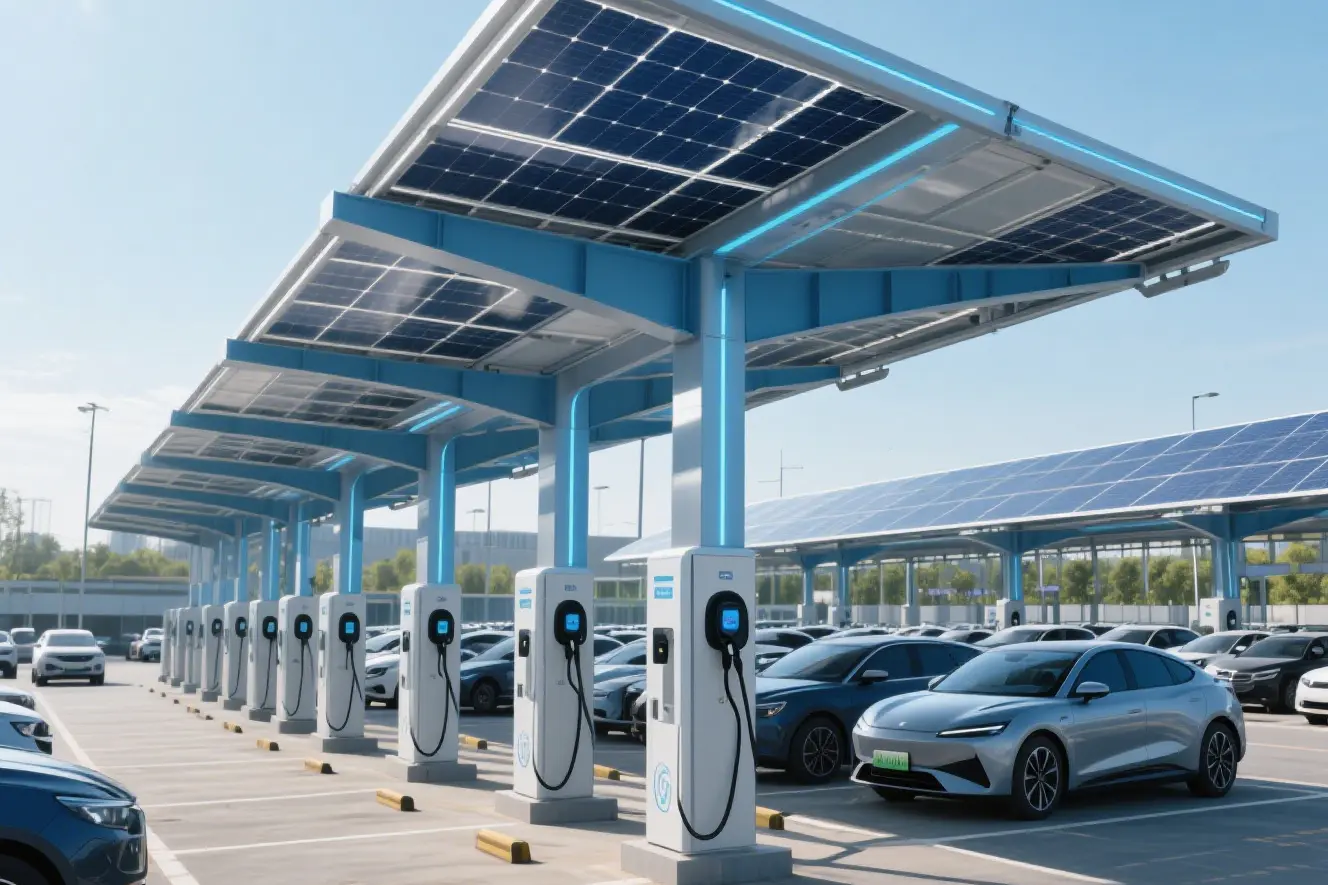
We work closely with global engineering networks, utility operators, and commercial developers to build reliable off-grid solutions.

Read our technical guide addressing the primary challenges in procuring, installing, and maintaining off-grid solar equipment in humid, tropical climates.
Vietnam has high year-round humidity (often over 80%) along with strong UV exposure, which can cause standard PET-laminated solar chargers to delaminate, bubble, or yellow relatively quickly. ETFE (Ethylene Tetrafluoroethylene) is a highly durable fluoropolymer that offers excellent UV stability, high light transmission, and resistance to environmental stress cracking. Specifying ETFE ensures a longer operational lifespan and more stable power output under challenging field conditions.
Solar cell efficiency naturally decreases as operating temperatures rise. Monocrystalline silicon cells typically carry a temperature coefficient of power of approximately -0.35% to -0.4% per degree Celsius above 25°C. In regions like Southern Vietnam, where panel surface temperatures can reach 70°C in direct sun, output can drop by 15-20%. We mitigate this thermal degradation by using high-grade cells with low temperature coefficients and designing optimal airflow paths in our portable gear.
For deployments during the wet monsoon season or in dusty mining and coastal locations, we recommend an IP67 rating as the minimum standard for all external components, including junction boxes, connectors, and cable exits. For permanent outdoor telemetry or coastal setups, IP68-rated enclosures with silicone seals should be specified to prevent moisture ingress and oxidation.
Yes, our portable panels are designed for flexibility. They can output power via standard USB-A, USB-C (PD), DC (12V-19V), or MC4 terminals. This allows them to charge a wide variety of storage solutions, from consumer power banks to industrial Lithium Iron Phosphate (LiFePO4) power stations and specialized military-grade field batteries.
We offer full design customisation, including logo integration, fabric selection (such as ballistic nylon or Cordura), output terminal adjustments (DC, MC4, USB), and custom panel sizes. Our engineering team can also develop bespoke power profiles (e.g., 10W, 30W, 40W, 60W, or 240W configurations) tailored to the specific field equipment used by your team.
Stay informed with the latest insights and developments in solar frame manufacturing and quality control standards.
An overview of our standard components and system packages designed for off-grid operations in Vietnam.