As Central and Eastern Europe (CEE) transitions rapidly toward sustainable energy models, the Hungarian solar market has emerged as an outstanding leader. Under the revised National Energy and Climate Plan (NECP), Hungary has upgraded its 2030 photovoltaic target to 12 GW, which represents a significant increase from its previous goals. This solar expansion is driven by both utility-scale projects (such as grid connections near Paks, Szolnok, and Kaposvár) and an industrial boom in zones like Debrecen, Győr, and Kecskemét.
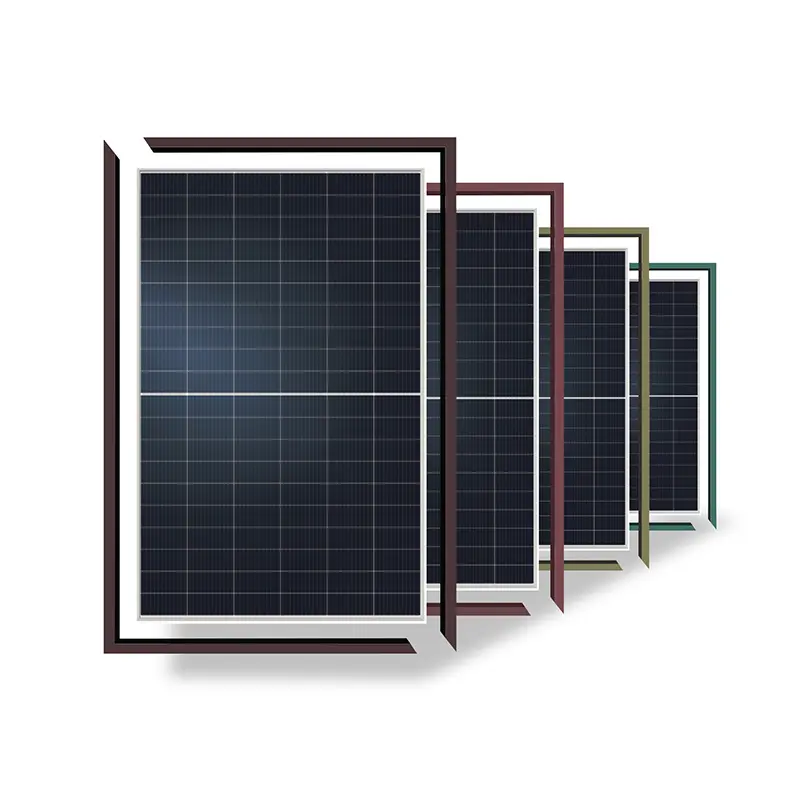
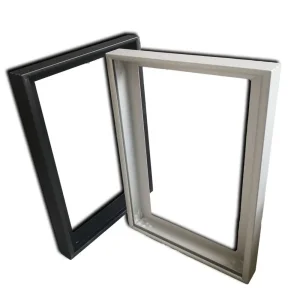
However, scaling up solar energy in Central Europe requires highly durable structures. In Hungary, installations must withstand the harsh environmental dynamics of the Pannonian Basin. These conditions include intense summer heat waves, heavy winter snow loads in the Northern Hungarian Mountains, and regional wind gusts up to 120 km/h. To meet these challenges, developers need specialized structural aluminum framing that guarantees mechanical reliability for over 25 years.
The European aluminum market operates under tight environmental regulations and trade frameworks. For Hungarian procurement specialists, navigating these dynamics is essential for managing project budgets. The price of extruded aluminum components is fundamentally shaped by two factors:
- London Metal Exchange (LME) Base Price: The global standard for raw aluminum ingot prices.
- Regional Fabrication Premium: The cost of extrusion processing, mechanical tooling, surface anodization, and logistics.
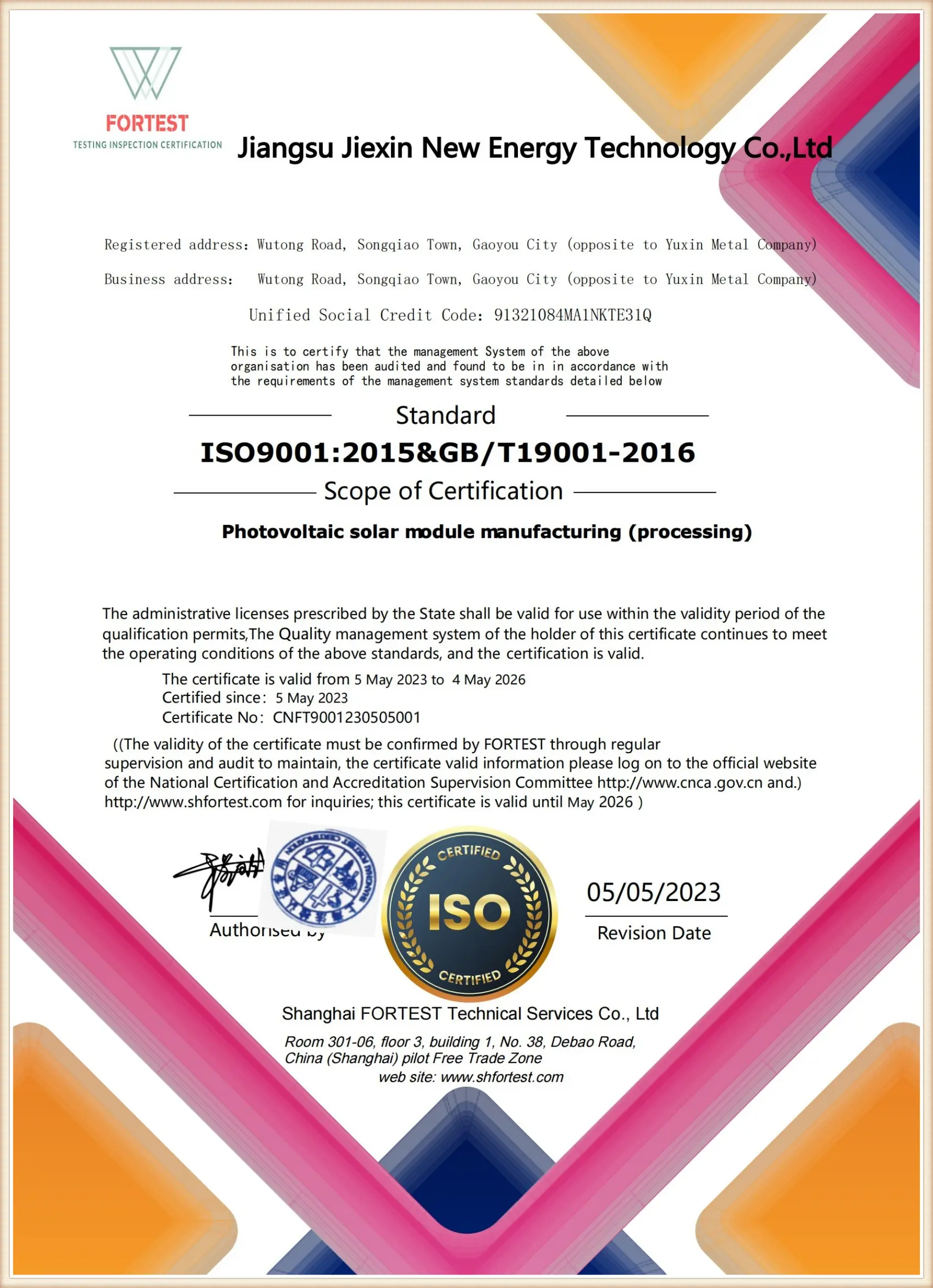
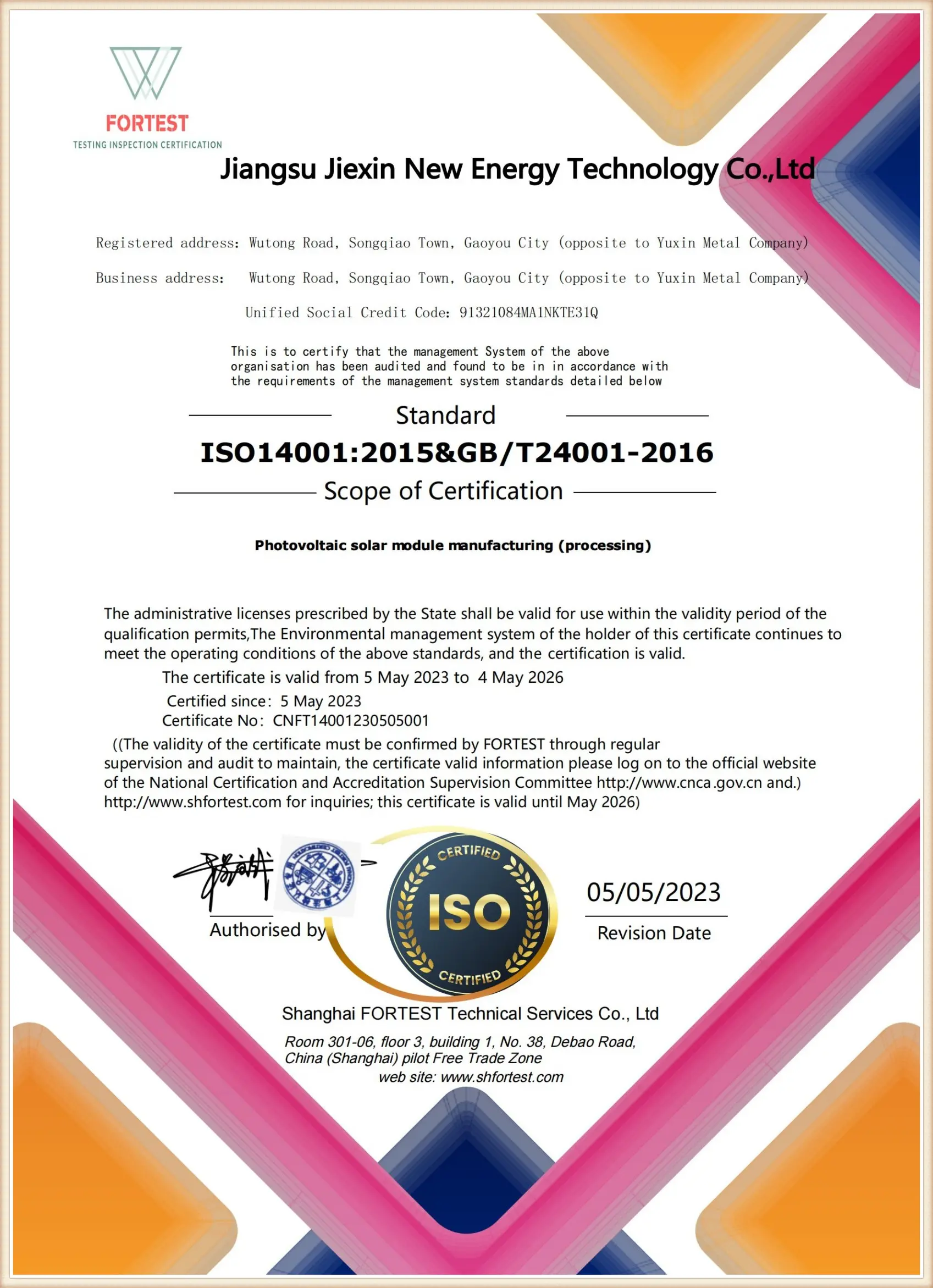
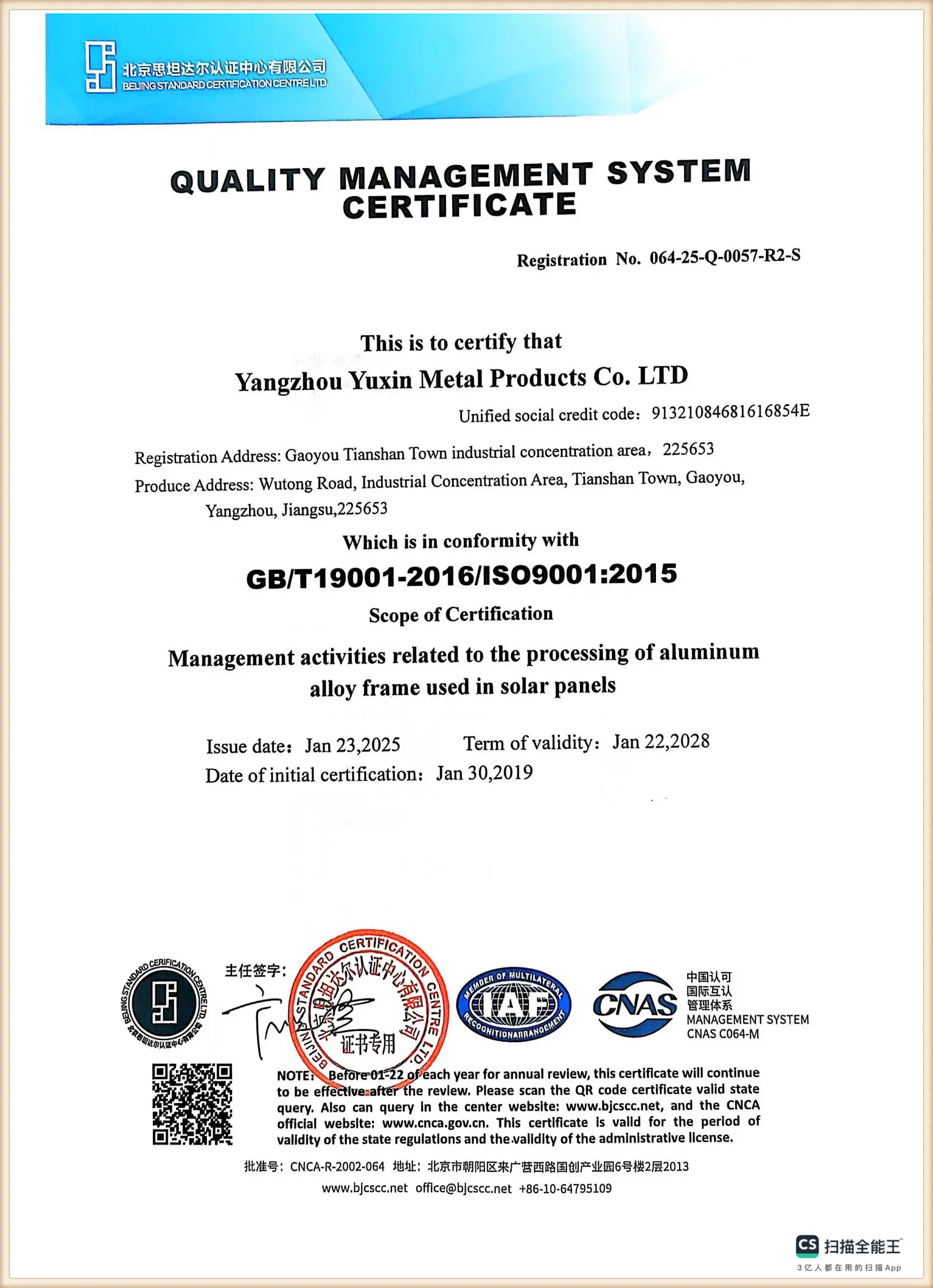
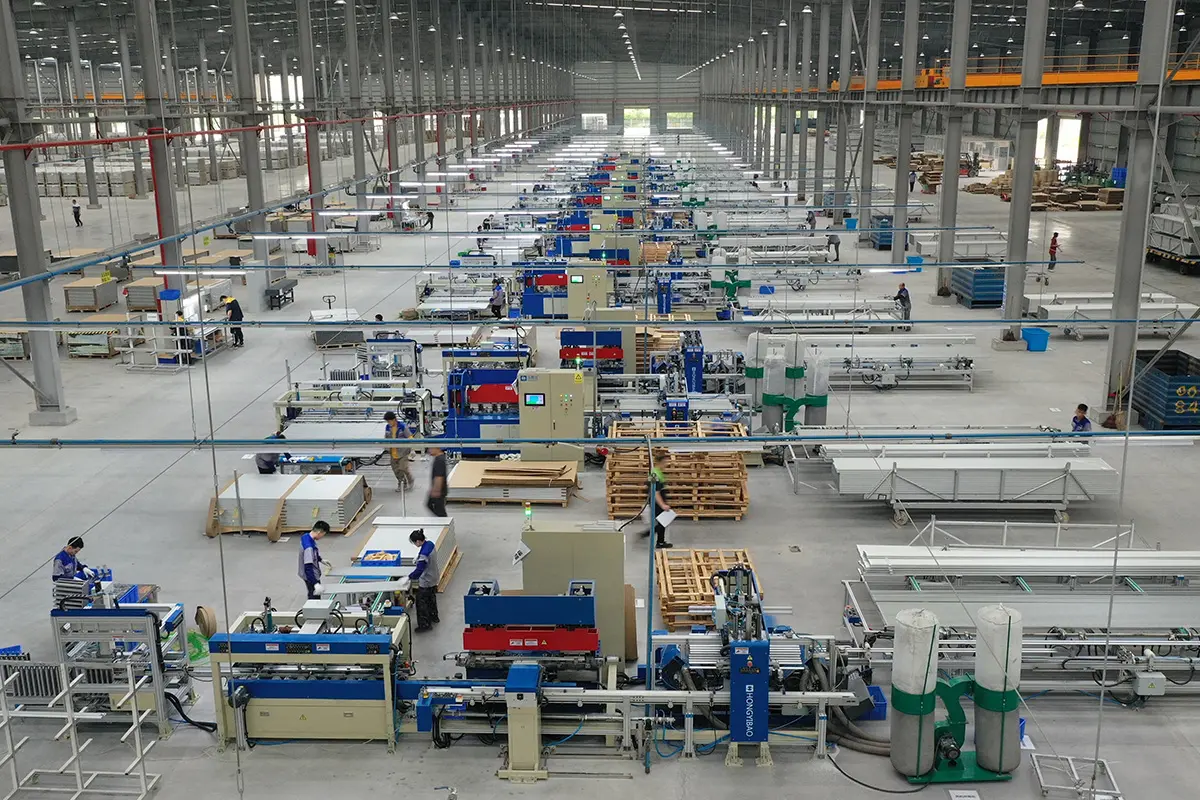
Additionally, European Union policies, such as the Carbon Border Adjustment Mechanism (CBAM) and anti-dumping duties on Chinese aluminum products, have placed a premium on certified, low-carbon imports. Sourcing partners like YUXIN maintain strict compliance with EU standards (EN 755 & EN 12020), ensuring that shipments clear Customs quickly and avoid unexpected tariffs at the borders.
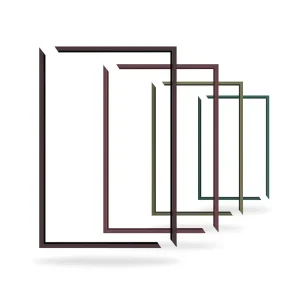
Sourcing aluminum frames requires custom quotes tailored to profile dimensions, wall thickness, and order volumes. The table below outlines standard industrial cost brackets for the Hungarian market, showing estimates for shipping to major hubs like Budapest, Debrecen, and Miskolc.
| Profile Alloy Type | Surface Finish / Treatment | Wall Thickness Range | Est. Price Bracket (EUR / Ton) | Primary Application Area |
|---|---|---|---|---|
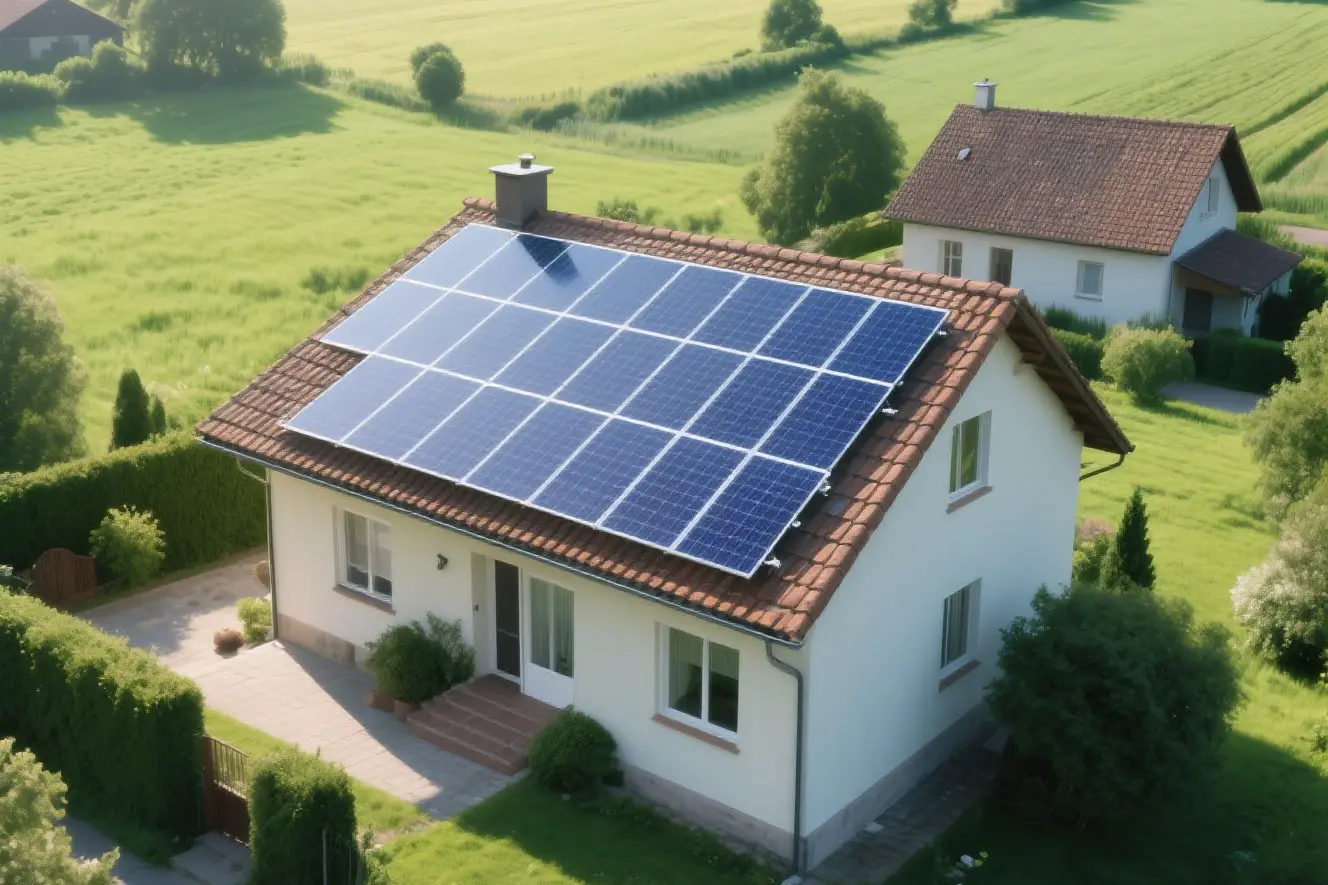
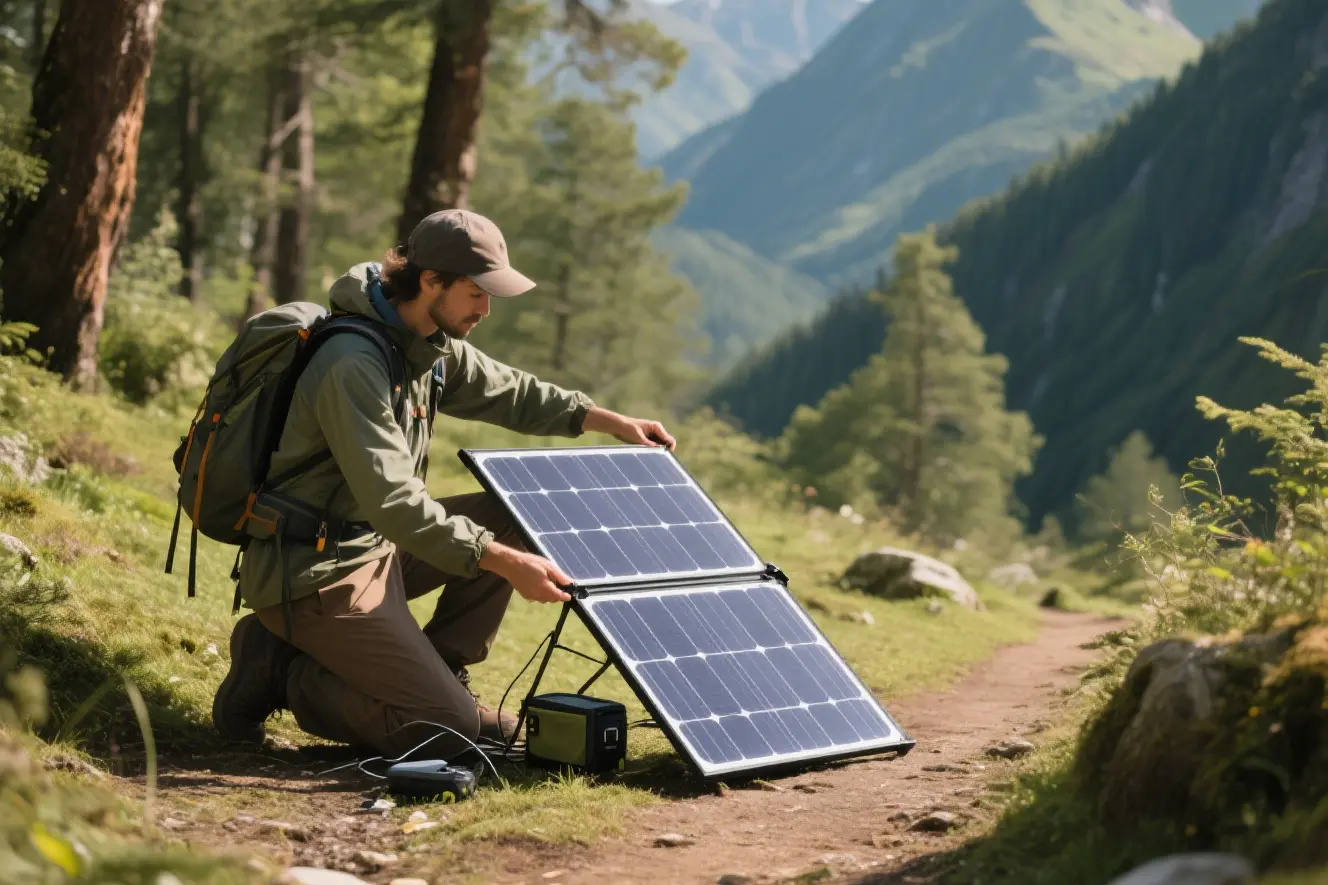
| 6063-T5 Aluminum | Clear Anodized (15µm) | 1.2 mm – 1.8 mm | €2,900 – €3,250 | Standard residential rooftops & light trackers |
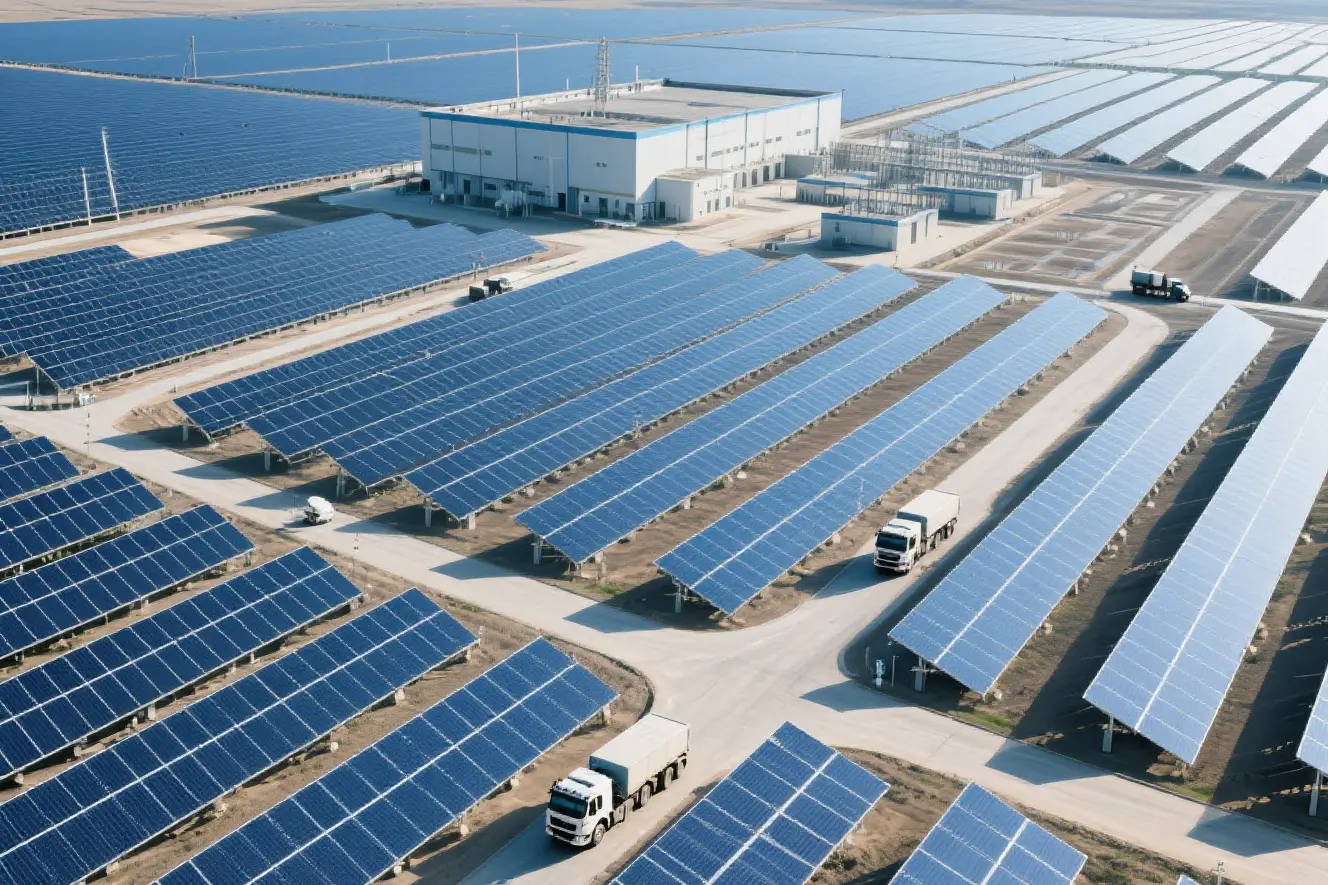
| 6063-T6 Aluminum | Hard Anodized (20µm) | 1.5 mm – 2.2 mm | €3,100 – €3,450 | Utility-scale ground mount PV structures |
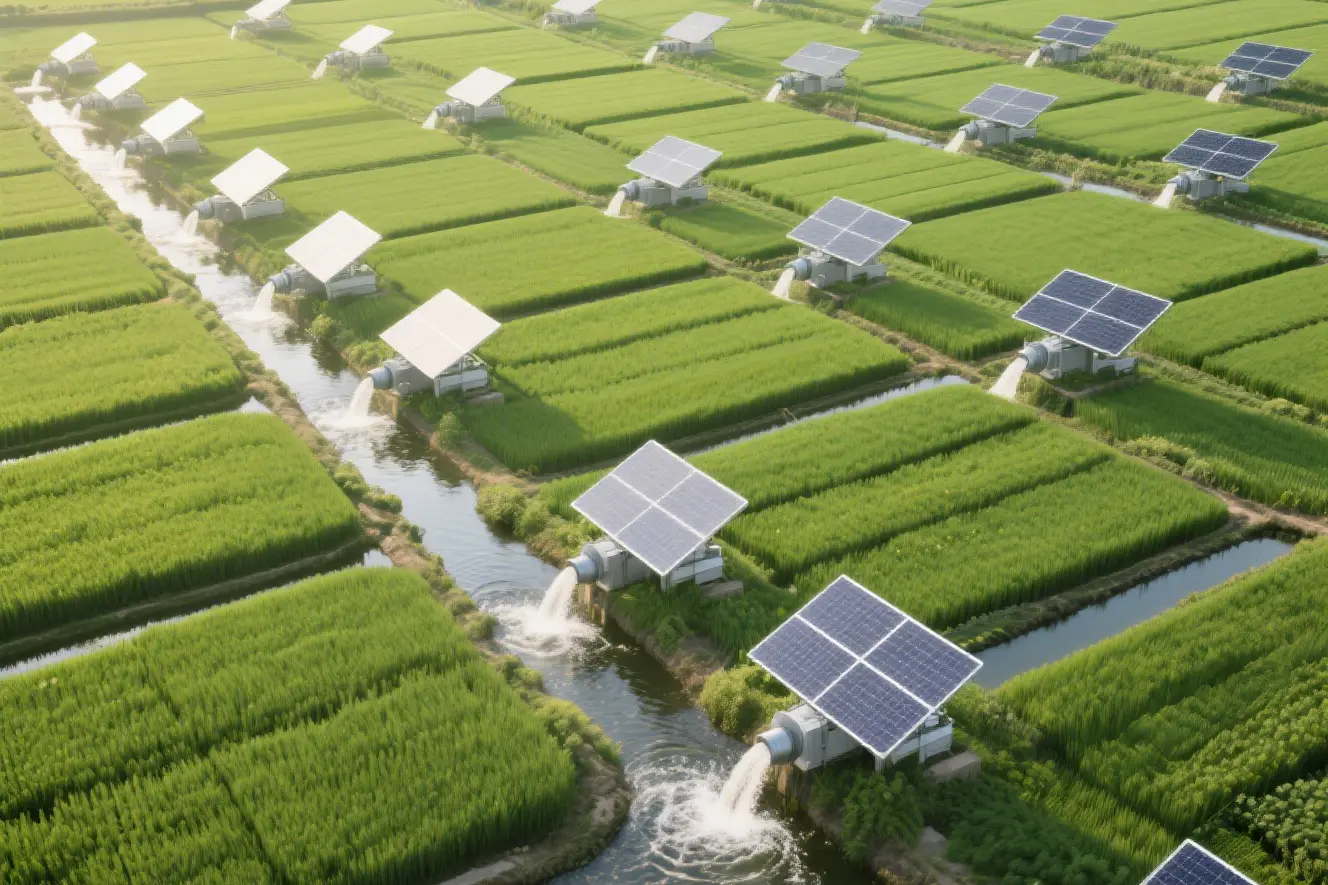
| 6005-T6 Heavy-Duty | Industrial Anodized (25µm) | 2.0 mm – 3.0 mm | €3,350 – €3,700 | High wind load regions & agri-photovoltaics |
| Polyurethane Composite | Pultruded UV-Resistant Coat | Custom engineered | Quote upon request | Corrosive environments & floating solar installations |
Choosing the right material requires balancing structural requirements against project budget constraints.
- 6063-T5 Alloy: The most widely used alloy for PV frames. It offers excellent surface finish options, superior corrosion resistance, and good workability. It is ideal for residential modules and standard C&I rooftop installations.
- 6005-T6 Alloy: Contains higher silicon and magnesium levels, offering superior tensile strength (minimum 260 MPa) and yield strength. It is highly recommended for structures subject to heavy external stress, such as utility-scale ground mounts in high-wind regions.
- Polyurethane Pultruded Composites: A non-conductive, highly durable option. This material eliminates Potential Induced Degradation (PID) risk and has a very low thermal expansion coefficient. It is perfect for floating solar and chemical-heavy agrivoltaic environments.