
High-performance structures optimized for structural load, electrical parameters, and corrosive environments
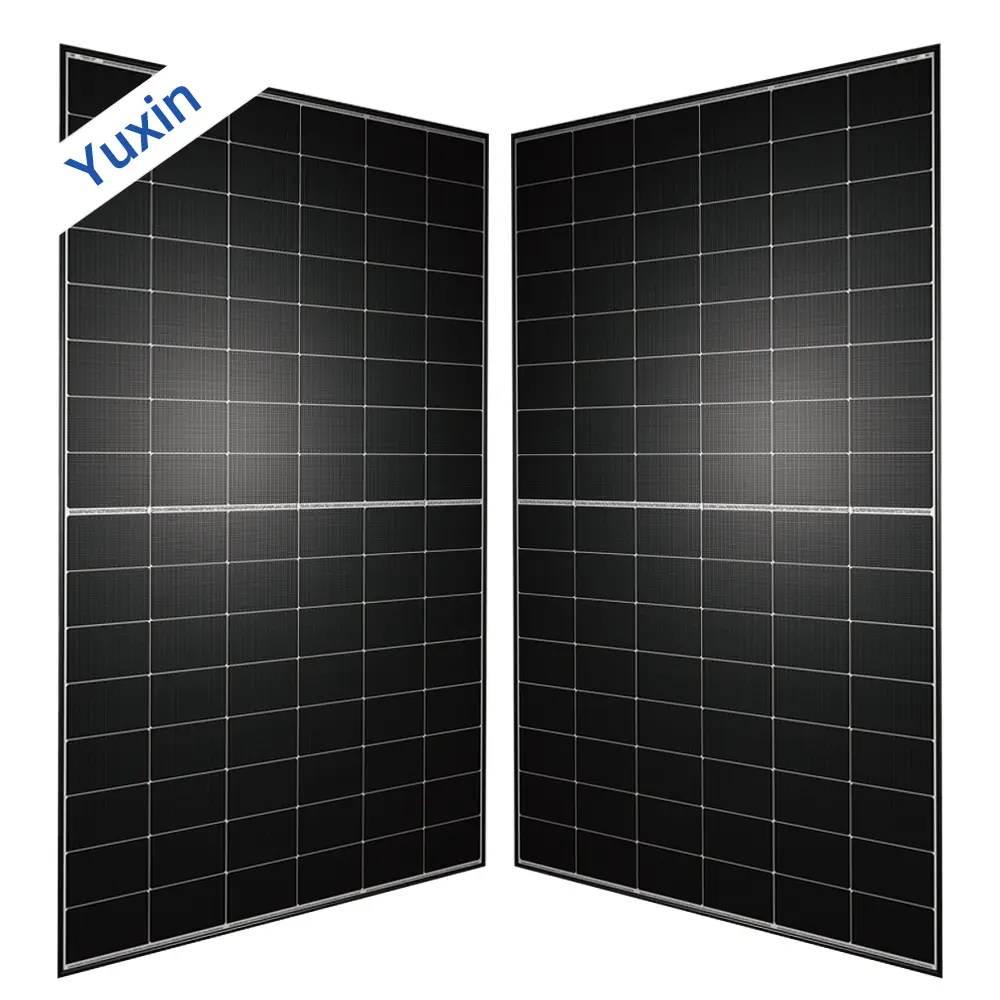
Integrated lightweight frame profile configuration optimized for the Gulf Coast's aggressive wind conditions. Promotes seamless installation and reduced mechanical balance of system (BOS) components.
View Detailed Specs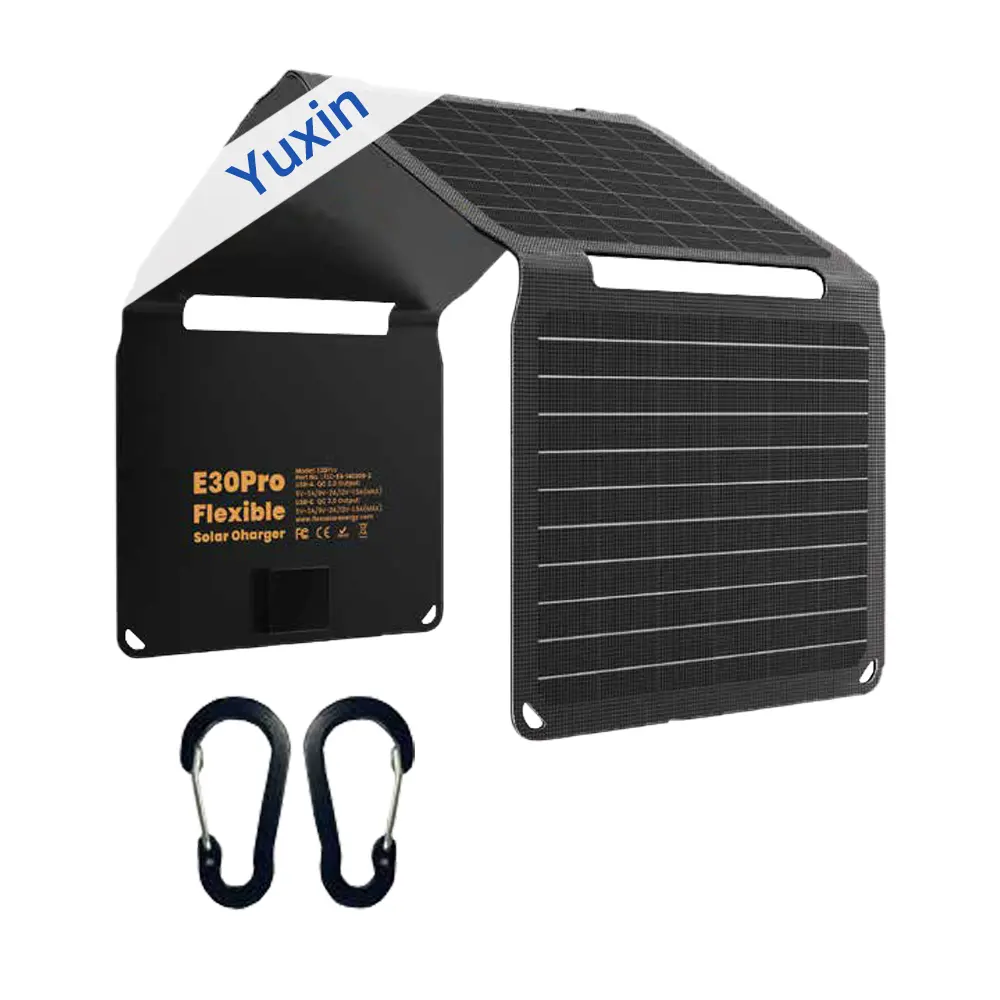
Utilizing high-grade monocrystalline cell architecture combined with durable folding structural configurations, delivering a high energy yield up to 24% conversion efficiency.
View Detailed Specs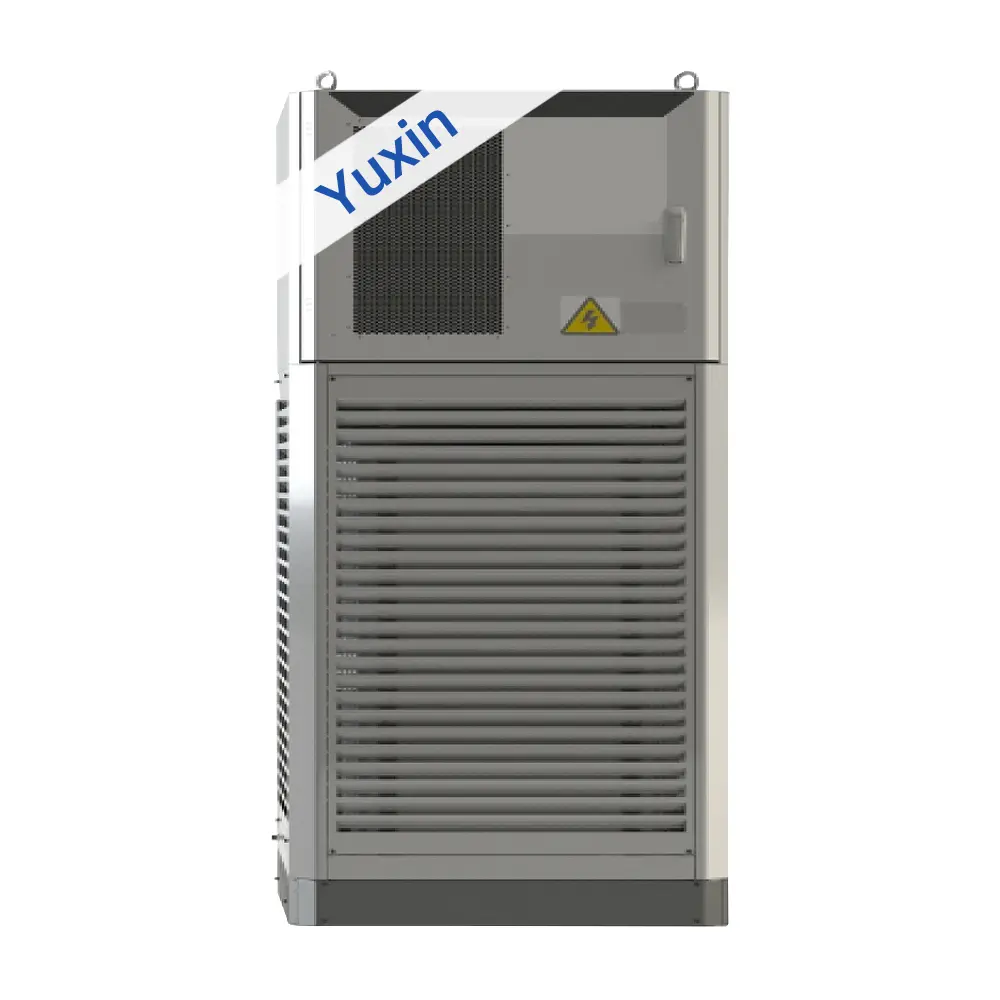
Advanced residential battery integration with hybrid inverter capabilities, matching on-grid, off-grid, and dynamic peak-shaving dispatch modes seamlessly.
View Detailed Specs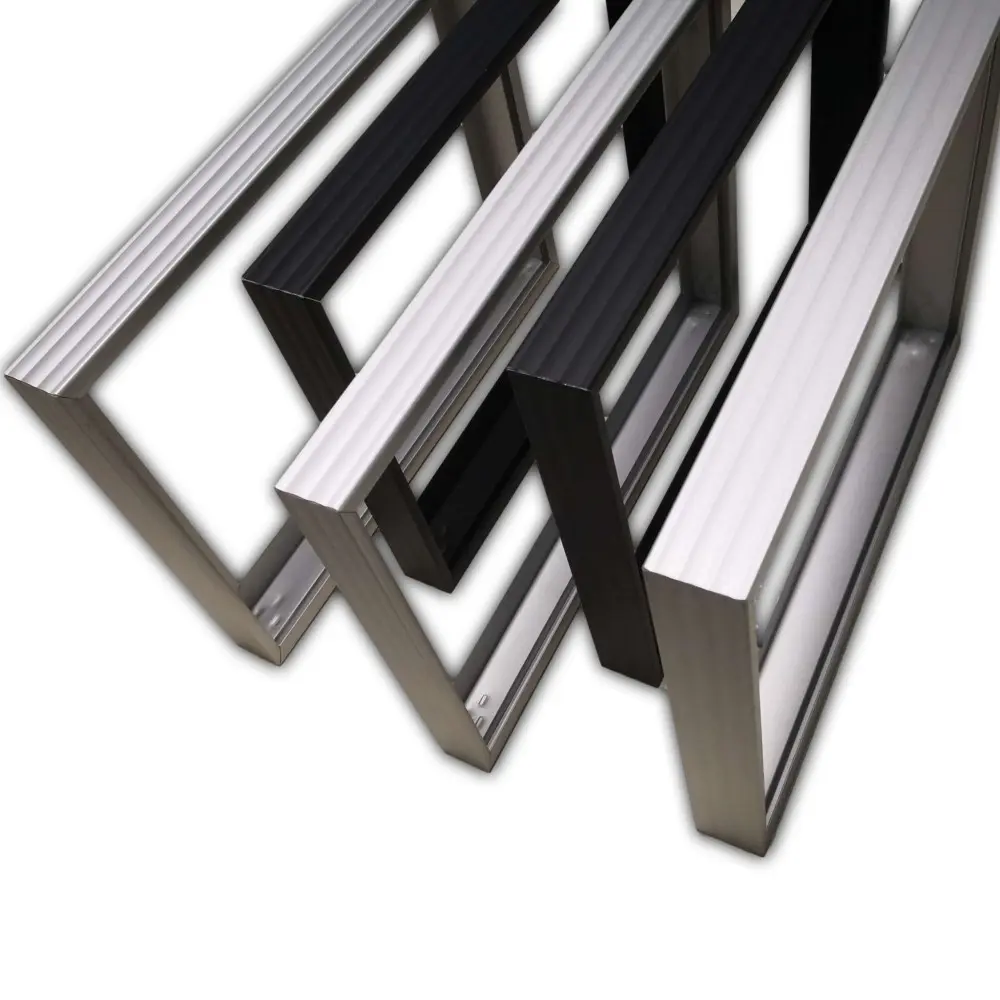
Engineered from architectural-grade 6063-T5 / 6005-T6 aluminum alloys. Hard anodized coating ensures robust protection against high moisture and salt mist corrosion.
View Detailed SpecsAs the primary energy capital of the world, Houston, Texas is experiencing a structural pivot. Historically anchored by oil and gas refining, the regional supply chain is aggressively transitioning toward hybrid utility infrastructure, solar power plants, and high-performance building envelopes. High-grade aluminum extrusions, particularly 6063-T5 and 6005-T6 alloy frames, represent the structural backbone of this physical transformation.
Houston’s unique geographical position on the Gulf Coast exposes structural assets to highly demanding environmental parameters: intense humidity, elevated ultraviolet exposure, and high wind-loads matching coastal hurricane rating systems (up to 140+ mph winds under ASCE 7 structural design regulations). Consequently, generic frames fall short of compliance, prompting local engineers and utility operators to demand precision-engineered, corrosion-resistant anodized aluminum extrusions that maintain structural integrity over a 30-year lifecycle.
The global aluminum frame market is highly dependent on smelting capacity, billet chemistry controls, and state-of-the-art extrusion lines. By importing high-volume, precision-cut aluminum systems through the Port of Houston, developers and racking manufacturers gain significant economic advantages. Utilizing direct maritime freight routes bypasses domestic overland shipping bottlenecks, minimizing logistical lead times and tariff friction.
Globally, the solar racking and mounting industry is transitioning toward materials with higher mechanical load-to-weight ratios. The table below represents a comparative analysis of key alloy standards utilized in structural framing within Houston municipal and global utilities:
| Alloy Profile & Temper | Tensile Strength (MPa) | Yield Strength (MPa) | Elongation (%) | Optimal Environmental Context |
|---|---|---|---|---|
| 6063-T5 Anodized | 186 Min | 145 Min | 8% | Medium-stress solar frames, residential BIPV, coastal resistance. |
| 6005-T6 Heavy-Duty | 262 Min | 240 Min | 8% | Large-span racking, high mechanical wind load zones, industrial parks. |
| Polyurethane Composite | 380+ (Flexural) | N/A | < 2% | Extreme corrosive environments, high salt spray coastal grids. |
One of the most notable technical shifts in global solar mounting technology is the rise of Polyurethane Pultruded Composite Materials. By combining high-density fiberglass reinforcement with advanced polyurethane resins, manufacturers have engineered a non-conductive framing alternative that matches the structural stiffness of metals while eliminating galvanic corrosion risks entirely. This is highly valuable in solar parks situated near coastal chemical corridors and industrial zones in Southeast Texas, where airborne atmospheric pollutants accelerate regular metal fatigue.
Anodized aluminum remains the standard due to its recyclability and ease of assembly. Standard architectural anodizing methods under Class I specifications (minimum 15-micron oxide layer) protect the underlying aluminum substrate against localized pitting. Furthermore, the inclusion of modern automated CNC fabrication ensures tight dimensional tolerances (within ±0.1mm), which is critical for preventing moisture ingress in dual-glass monocrystalline PV module assemblies.
Environmental variables in Texas dictate specialized deployment configurations:
As corporate Scope 3 emission targets become more stringent, the carbon footprint of structural aluminum is coming under scrutiny. Industry roadmaps indicate a migration toward "Green Aluminum" – utilizing hydro-powered or hydrogen-reduced smelting technologies to lower the embodied carbon from 16kg CO2/kg Al to below 4kg CO2/kg Al. Additionally, frame design optimization using artificial intelligence (generative design algorithms) has allowed engineers to shave up to 12% off the profile weight while maintaining the same moment of inertia, directly reducing shipping costs and carbon footprint.
Beyond individual component supply, our integration strategies focus on turnkey modular framing solutions. By pre-assembling structural frames with integrated grounding points and slide-in locks, onsite installation labor is reduced by 30%. In addition, cross-compatible mounting profiles facilitate direct attachment to smart single-axis tracking systems, providing dynamic orientation adjustments to maximize ERCOT grid energy arbitrage opportunities.
Precision, Quality, and Safety — Your Photovoltaic Materials Expert
Established in 2008 and based in the historic industrial area of Yangzhou, YUXIN New Energy Technology Co., Ltd. spans 14 specialized industrial subsidiaries. Positioned adjacent to major logistics expressways, the Runyang Yangtze River Bridge, and regional freight railways, the group maintains a superior logistics chain. Recognised as a National High-tech Enterprise and ranked among the Top 100 Private Enterprises in Gaoyou City, YUXIN leverages state-of-the-art smelting, extrusion, and machining lines to supply premium structural components globally.
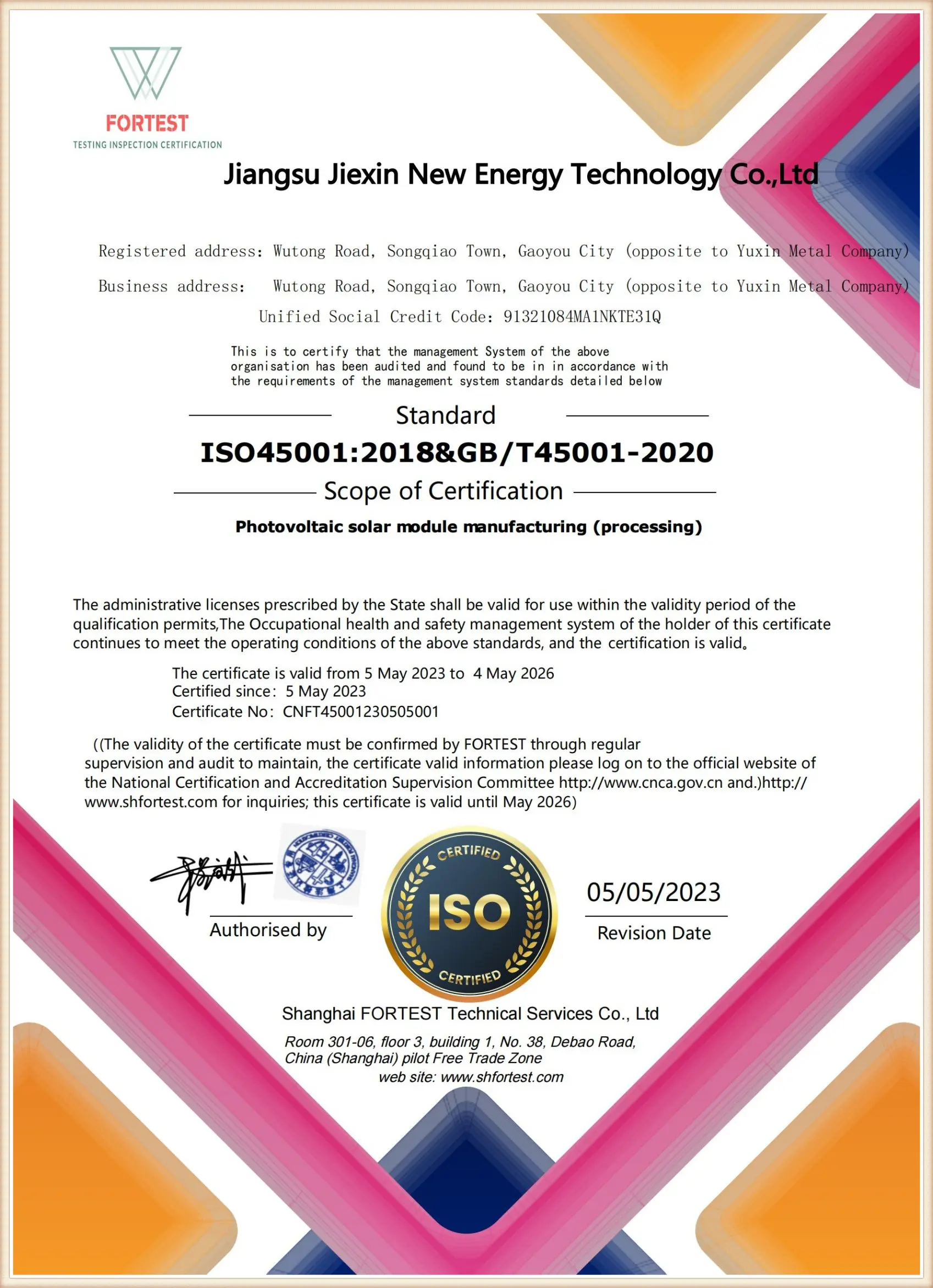
Get Free ConsultationRigorous quality control processes validated by world-leading inspection and standardization authorities
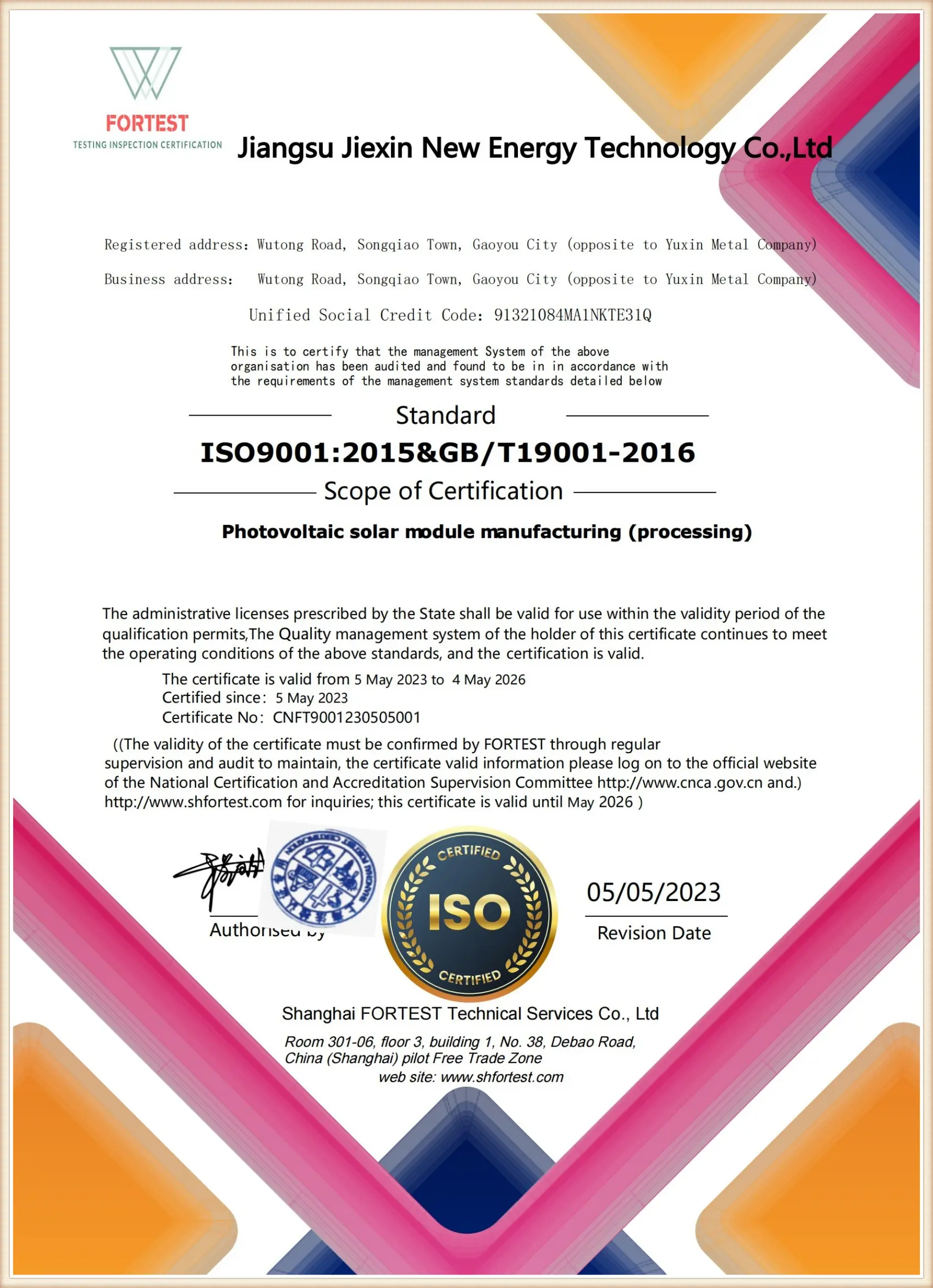
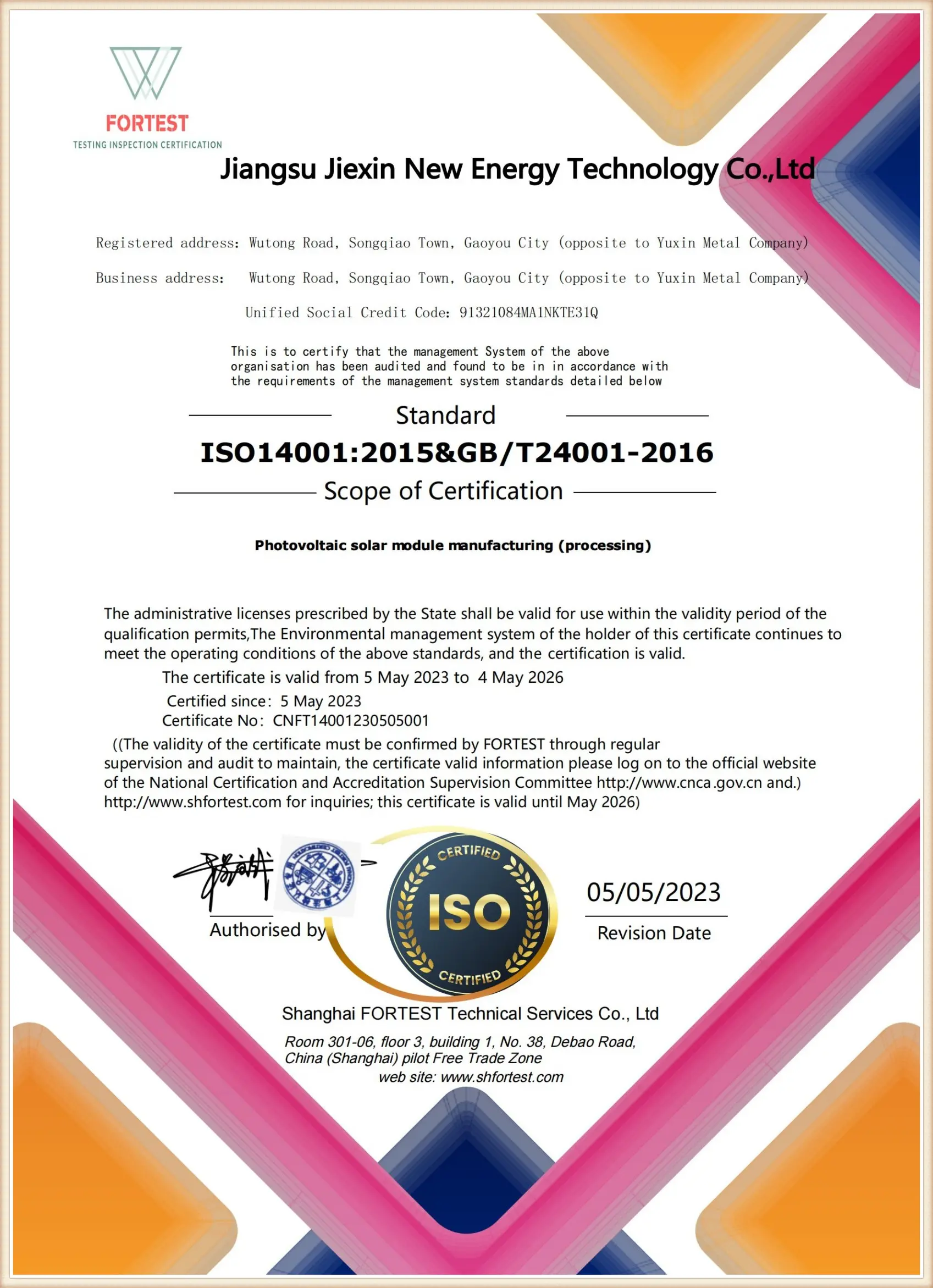
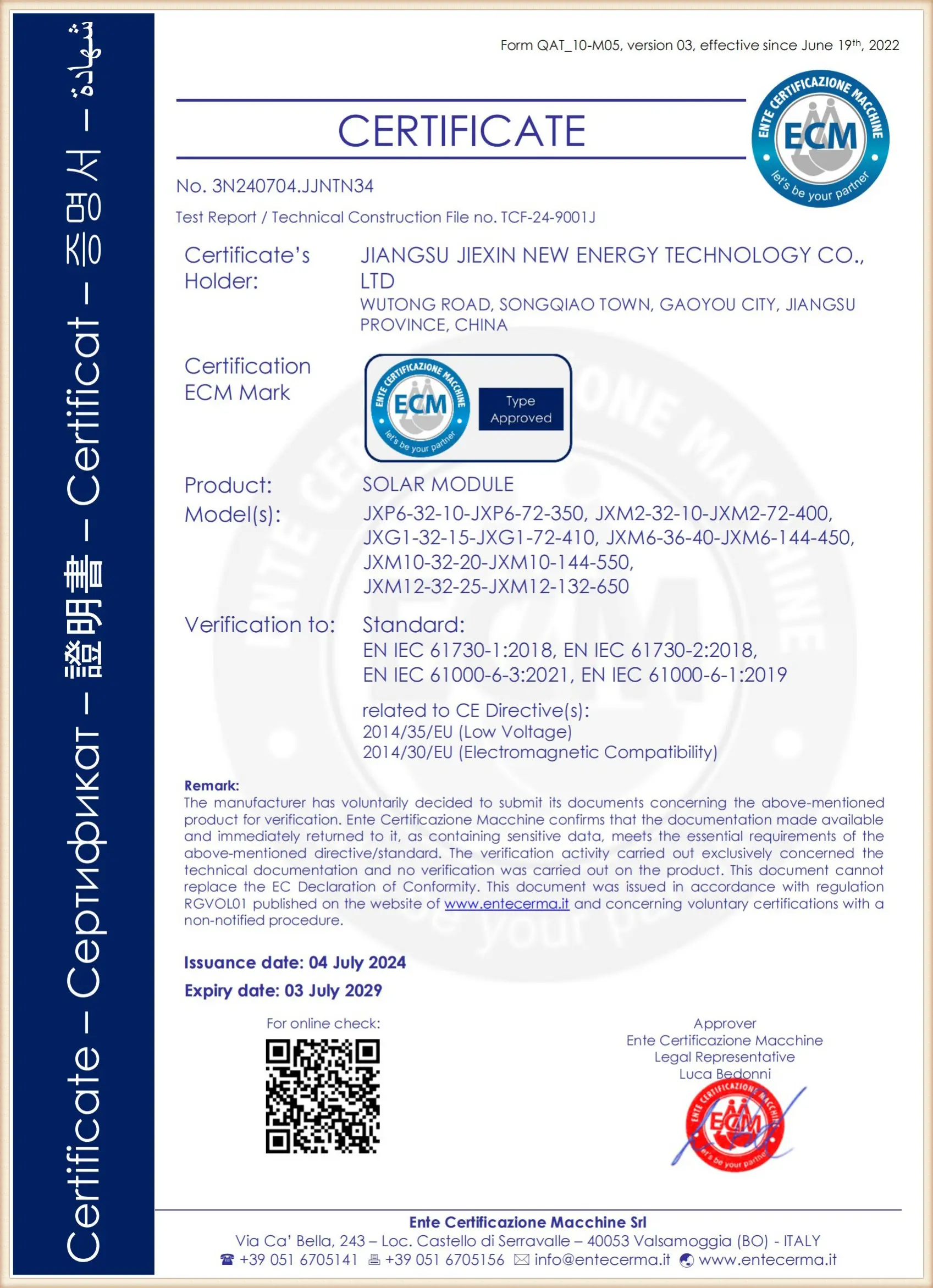
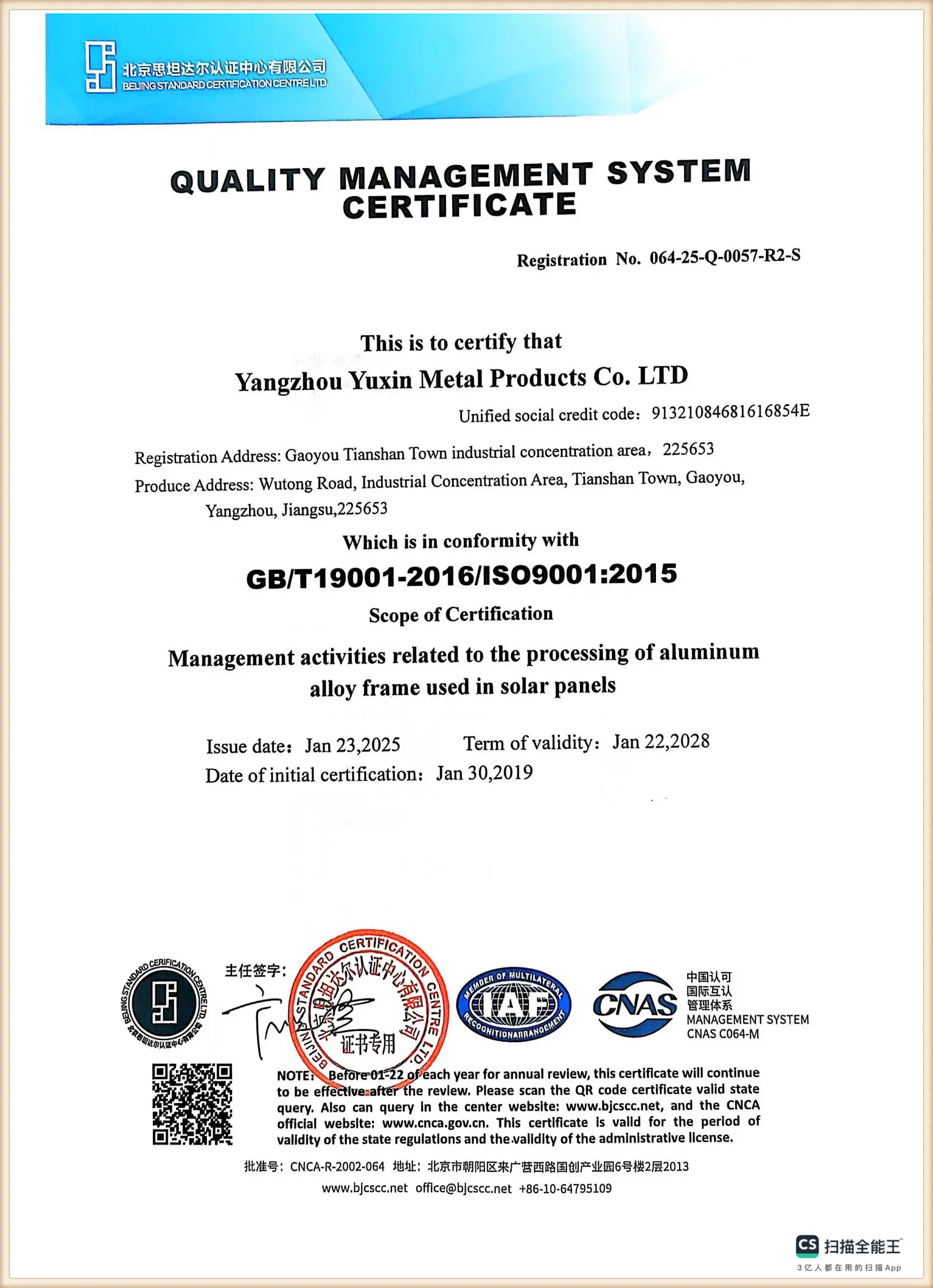
Pioneering custom profiles engineered specifically for diverse industrial sectors globally

Elevated agrivoltaic structural frames designed to permit high mechanical clearance for machinery while protecting crops below.
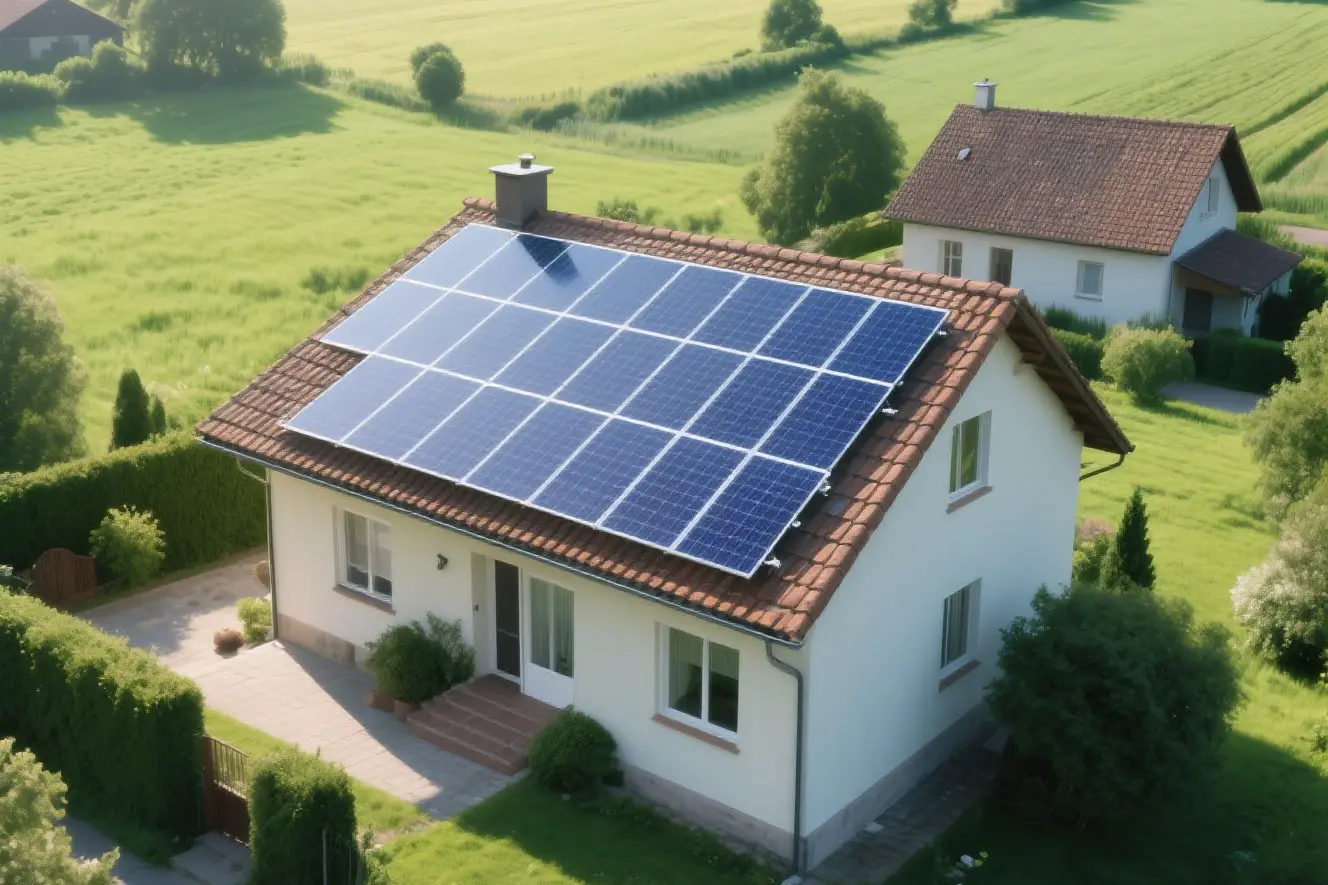
High-load architectural structural systems and glass facade support profiles designed to meet international building codes.
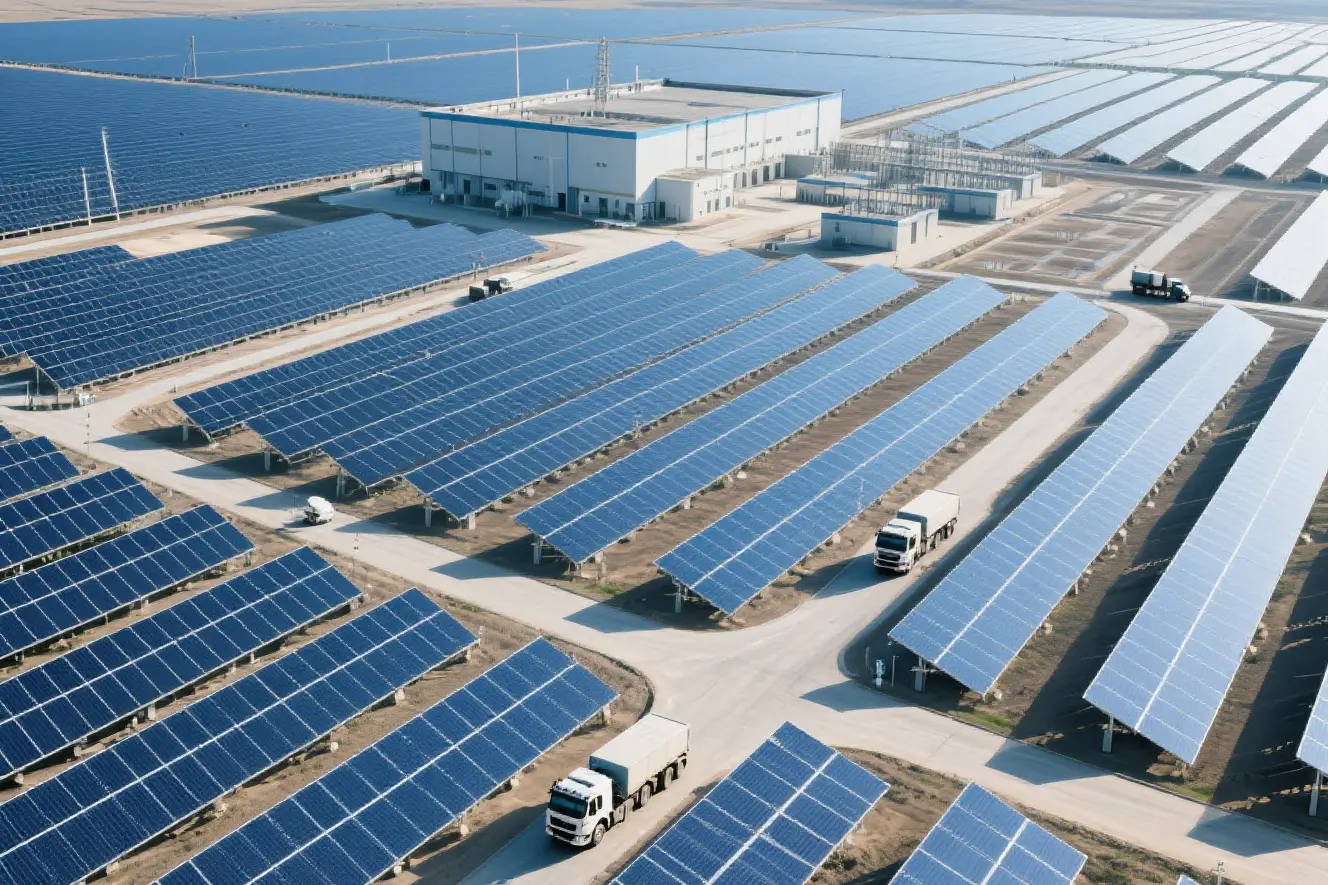
Substation frames and solar structural tracking bases optimized for high voltage safety parameters and mechanical longevity.

Rugged, compact, and corrosion-resistant profiles engineered for mobile power generation, camping, and remote field deployments.

Lightweight wind-rated framing setups for mounting localized 5G transceivers and auxiliary off-grid solar-battery backups.

High-strength extruded profiles utilized in high-speed rail mounting, lightweight EV frames, and heavy trucking structural supports.
Collaborating with global industry leaders to supply critical renewable infrastructure and metallurgical solutions

Industrial research, updates, and metallurgy whitepapers for structural designers and developers
June 16, 2026
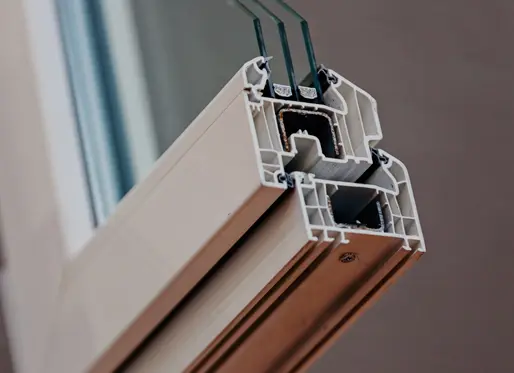
Delve into the chemistry of zinc content controls, extrusion temperature cycles, and automated cooling zones that define durable frame extrusions.
Read Full Whitepaper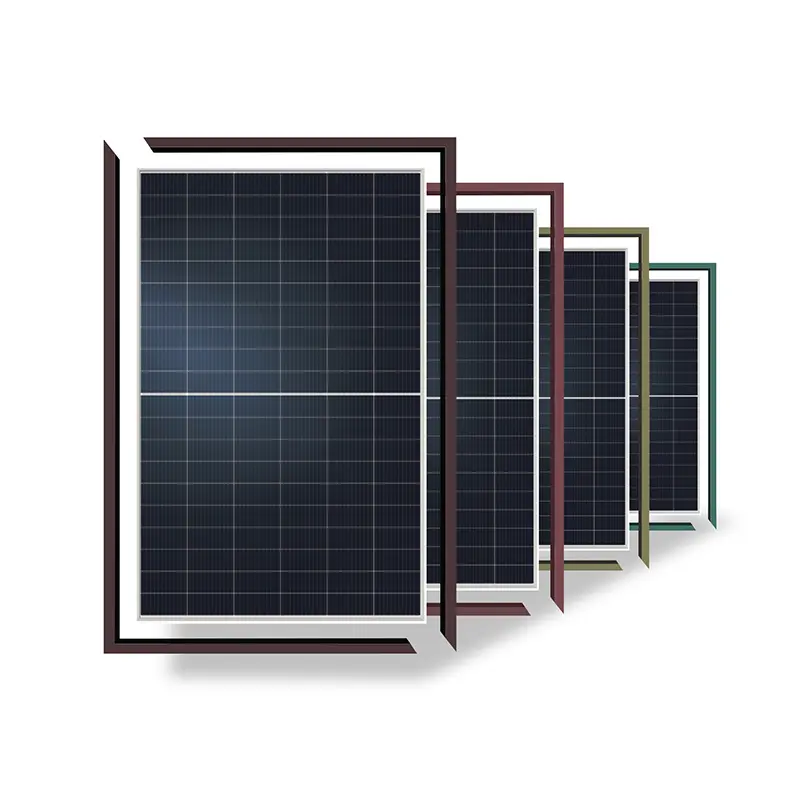
June 15, 2026
An objective checklist covering factory tooling capabilities, ISO certifications, tensile testing, and customs track records.
Read Full Whitepaper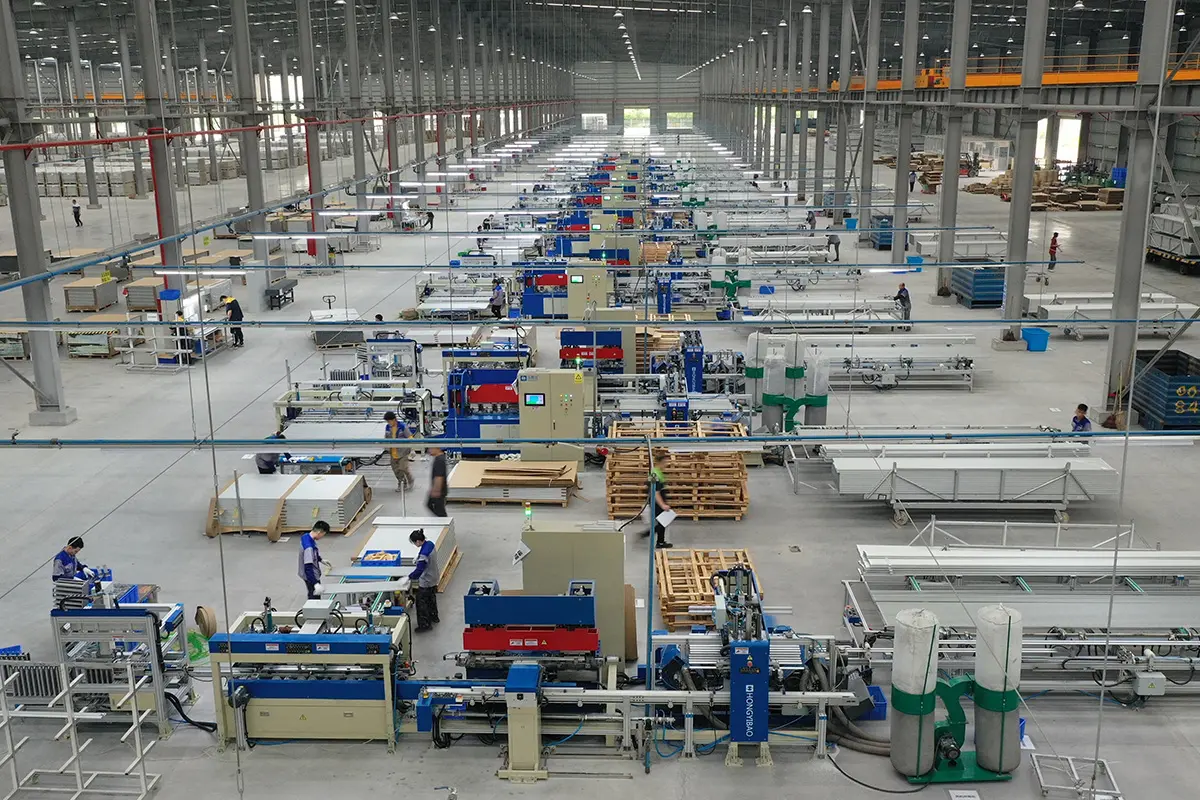
June 14, 2026
Understanding thickness gauges, salt spray chamber testing (ASTM B117), and structural shear tests for coastal PV frame installations.
Read Full WhitepaperAnswering critical queries on materials, compliance, mechanical tolerances, and logistics
Full inventory of solar modules, structural aluminum frames, and off-grid power solutions
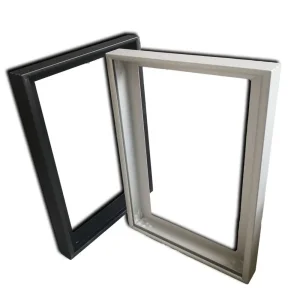
Anodized structural aluminum profiles built to secure solar modules against coastal load dynamics.
View Product Details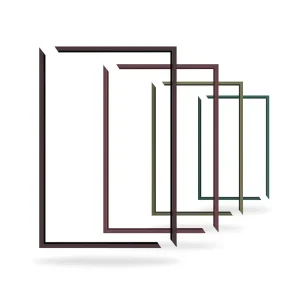
Non-conductive and chemical resistant frame structures designed for severe industrial applications.
View Product Details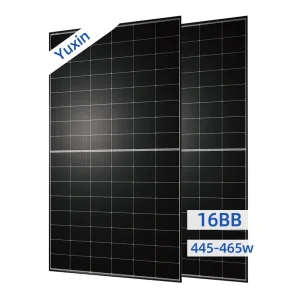
Bifacial performance monocrystalline module system wrapped in robust aluminum alloy reinforcement.
View Product Details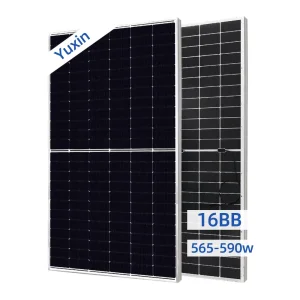
Utility-scale high efficiency solar module tailored for high energy outputs in Texas commercial solar farms.
View Product Details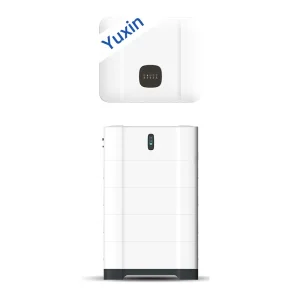
Smart energy storage configuration matching regional ERCOT grid backup and utility optimization.
View Product Details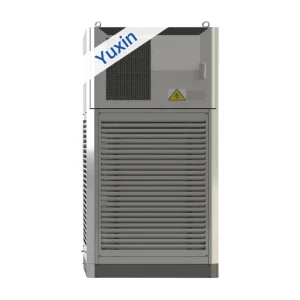
Commercial energy solution offering quick integration and dispatch capabilities for industrial properties.
View Product Details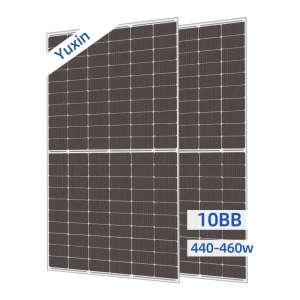
Cost-effective monocrystalline layout offering high efficiency and standard dimension compatibility.
View Product Details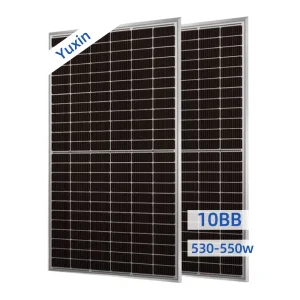
Highly robust energy generator featuring optimized frame thickness for reliable roof and land mounts.
View Product DetailsSpeak directly with our engineers about alloy customization, yield strengths, custom drawing setups, and Port of Houston shipping schedules.
Contact Our Engineering Team