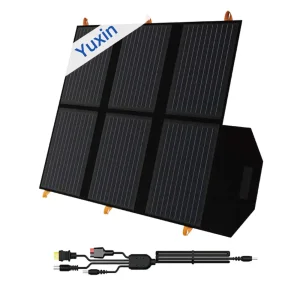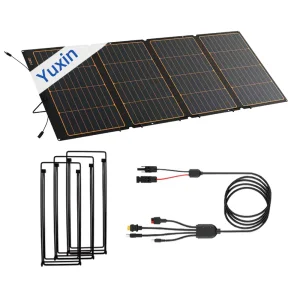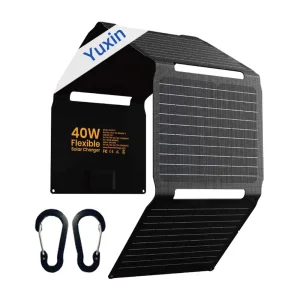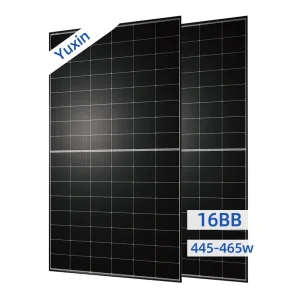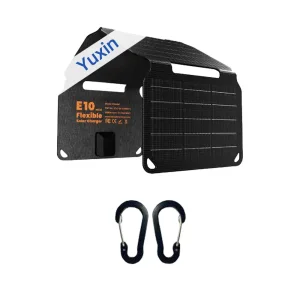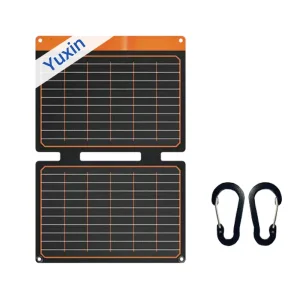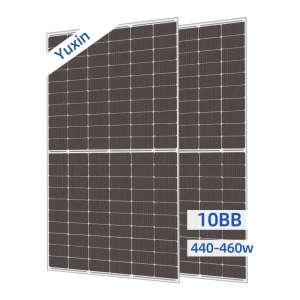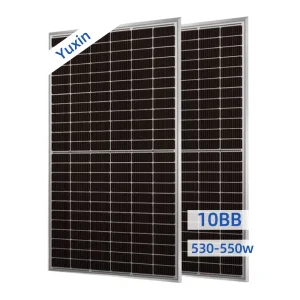
Engineered for durability, high energy conversion efficiency, and extreme weather resilience in remote outdoor environments.
A strategic analysis of modern flexible PV technologies, structure innovations, and macro sourcing dynamics for global wholesale procurement.
The global demand for off-grid camping solar systems has transitioned from a niche hobbyist sector into a multi-billion-dollar commercial market. Driven by the expansion of overland recreational vehicles (RVs), emergency disaster preparedness programs, and the growth of outdoor ecotourism, off-grid energy storage demands are sky-rocketing. Today’s consumers expect robust power output capable of supporting mobile induction cooktops, medical CPAP devices, communications networks, and portable power stations (PPS).
To capture this value, factories and wholesale suppliers are redesigning structural and photovoltaic architectures. Monocrystalline silicon panels integrated with specialized ETFE (Ethylene Tetrafluoroethylene) encapsulation are replacing legacy PET alternatives, offering superior UV transmission, thermal performance, and scratch resistance. For professional procurement teams, understanding these chemical compositions is vital to ensuring a long product lifetime under high thermal stress.
A critical technical inflection point is occurring in solar cell chemistry. For camping systems that rely on limited surface areas, output efficiency is paramount:
• N-Type TOPCon (Tunnel Oxide Passivated Contact): Achieving commercial cell efficiencies upwards of 24.5%, N-Type technologies exhibit significantly lower light-induced degradation (LID) and an improved temperature coefficient (-0.30%/°C). Under shaded or overcast forest conditions, the spectral response of N-Type TOPCon modules enables up to 15% higher energy yield than standard PERC.
• PERC (Passivated Emitter and Rear Cell): Although highly cost-effective and representing the majority of installed legacy capacity, PERC cells are shifting towards the mid-tier consumer markets. For industrial-scale municipal emergency systems and high-power applications, TOPCon is quickly becoming the standard specified by procurement directors globally.
Precision, Quality, and Safety - Your Trustworthy Photovoltaic Materials Expert
Located in the scenic historical and cultural ancient city of Yangzhou, close to the Beijing-Shanghai Expressway, Runyang Yangtze River Bridge, and Ningqi Railway, the group enjoys a superior geographical location and convenient transportation logistics.
Established in 2008, the group manages 14 multi-field companies, including Jiangsu Yuxin New Energy Technology Co., Ltd. We have won prestigious recognitions including National High-tech Enterprise, Technology-based Enterprise, and Gaoyou City Top 100 Private Enterprises.
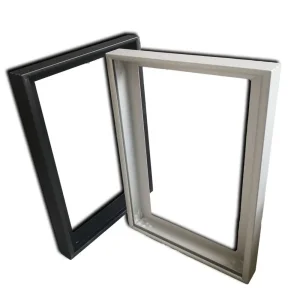
High durability framing systems built to withstand mechanical stress, dynamic wind load, and corrosive conditions.
Manufactured from premium 6063-T5 and 6005-T6 structural grades, our frames undergo a controlled electrolytic anodization process, adding a corrosion-resistant oxide layer. This ensures structural strength under high dynamic winds and snow loads without warping or fracturing.
Our eco-friendly, sustainable polyurethane pultruded composite material offers a low thermal expansion coefficient and excellent electrical insulation. This reduces the overall balance of system (BOS) costs by providing high tensile strength at lower structural weights.
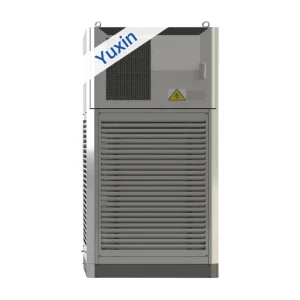
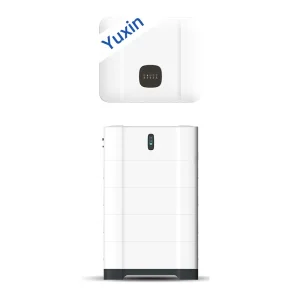
Coupling portable panels with high-efficiency energy storage, our systems manage battery charge levels via MPPT technology. This prevents thermal runaway and guarantees stable 110V/220V power generation for remote basecamps or emergency command centers.
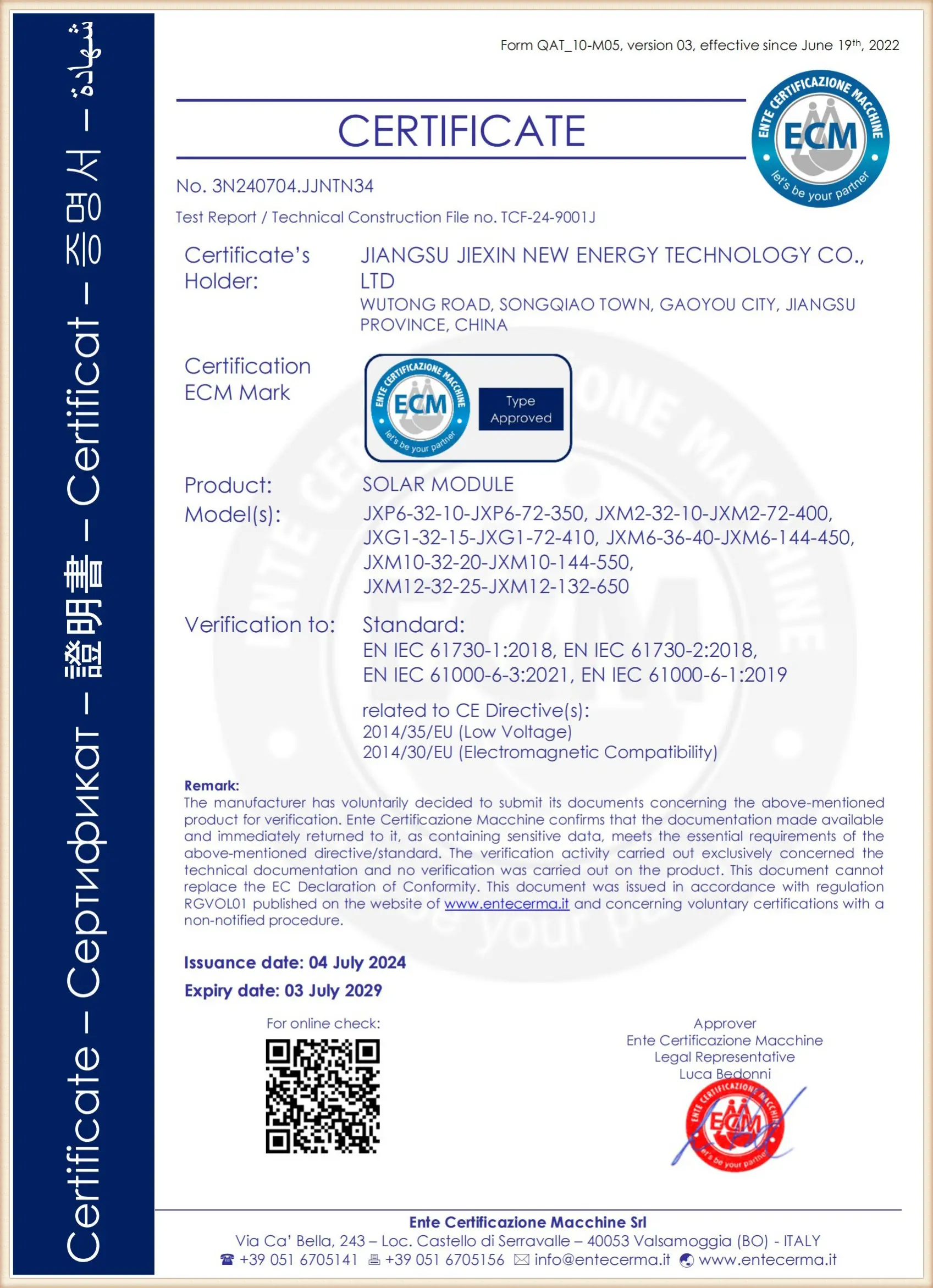
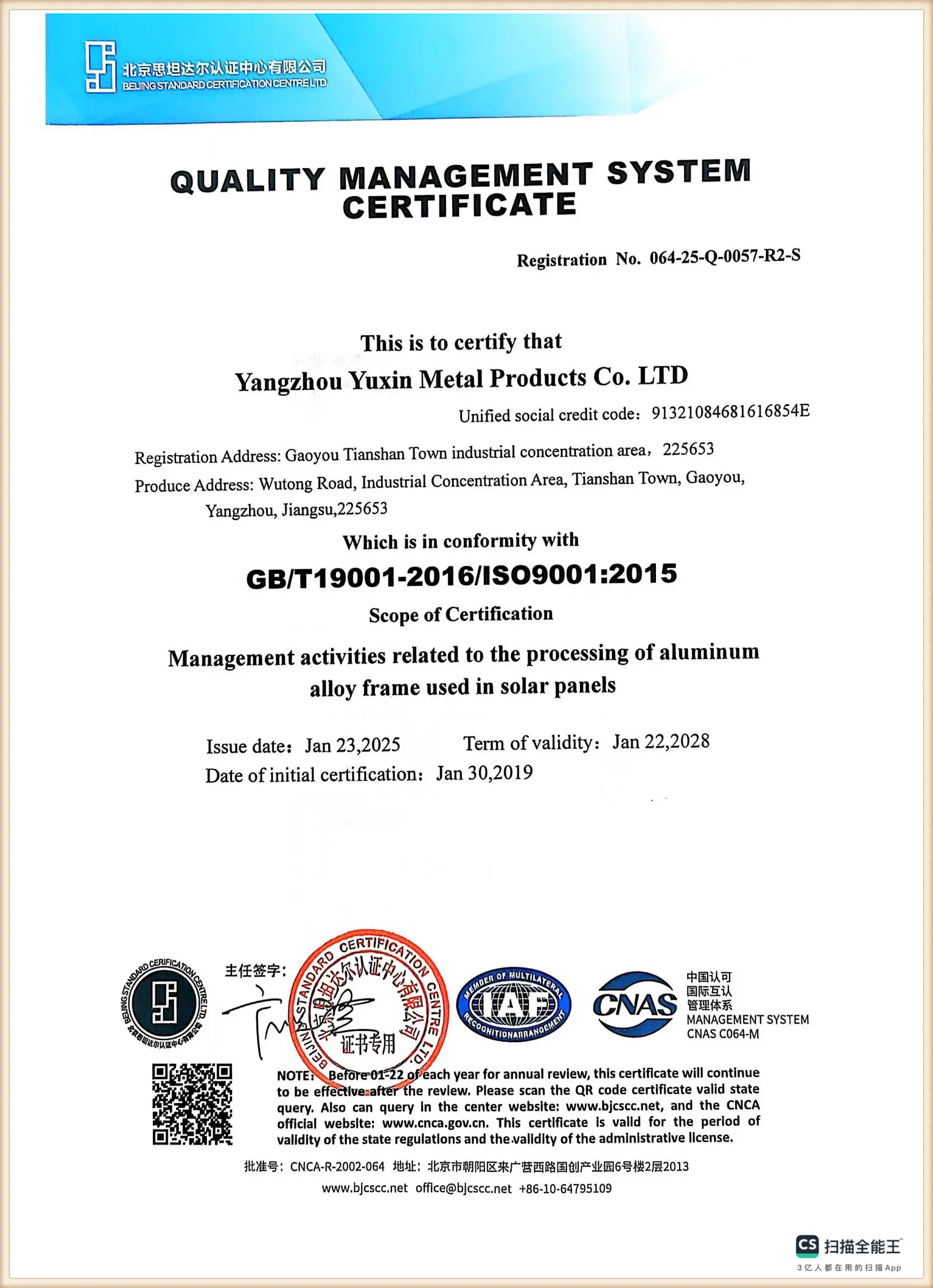
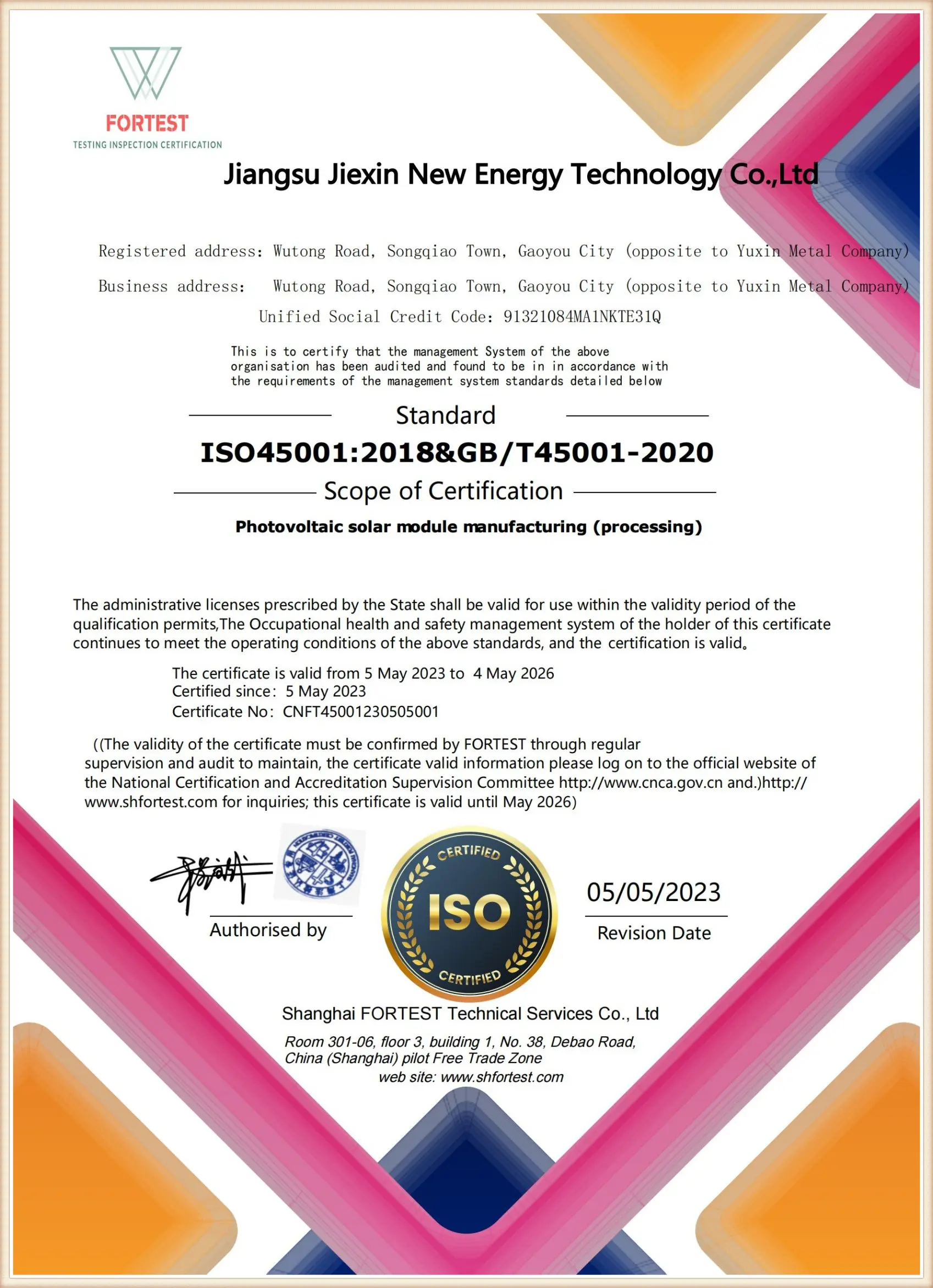
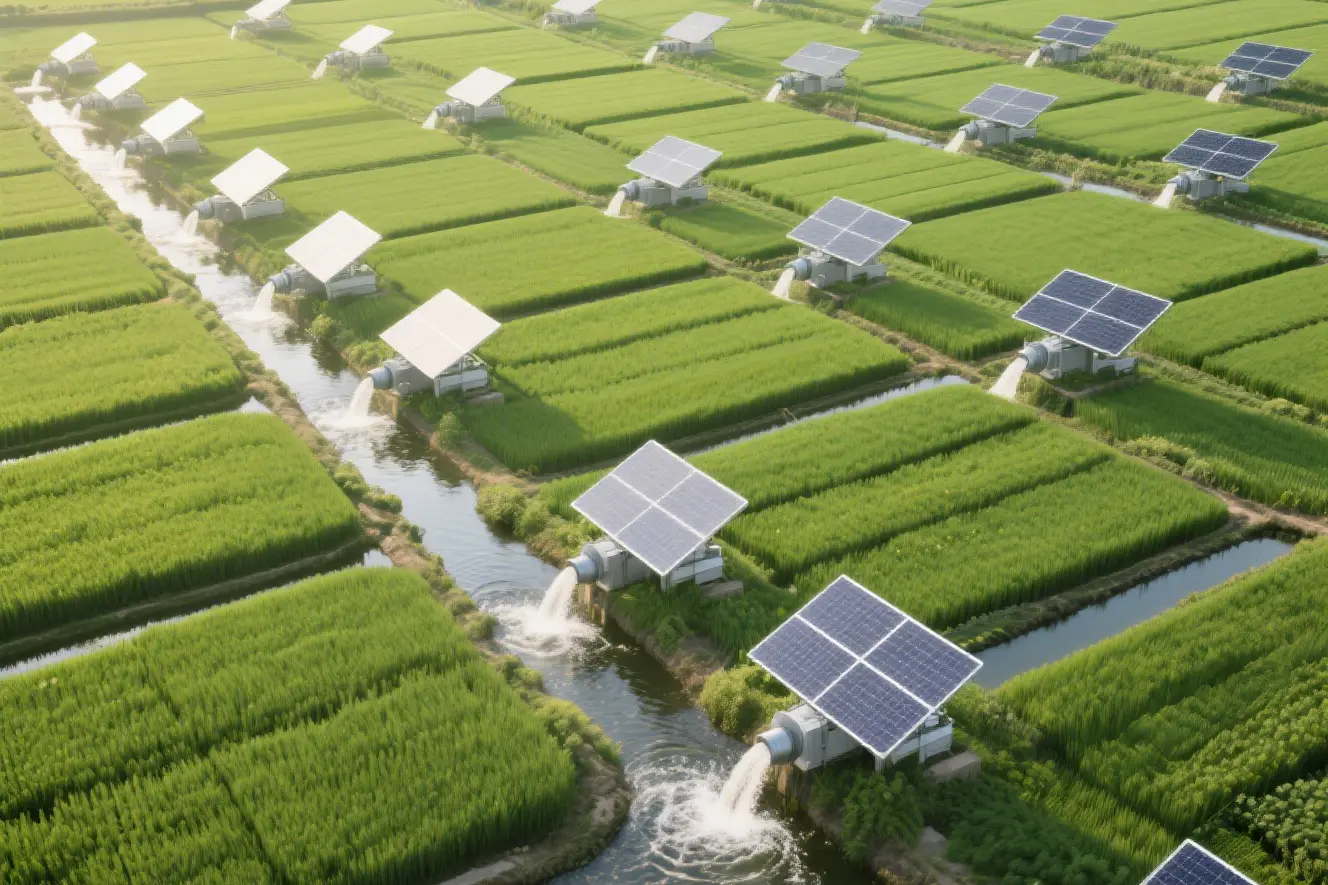
How our tailored photovoltaic modules solve complex energy requirements across multi-disciplinary sectors globally.
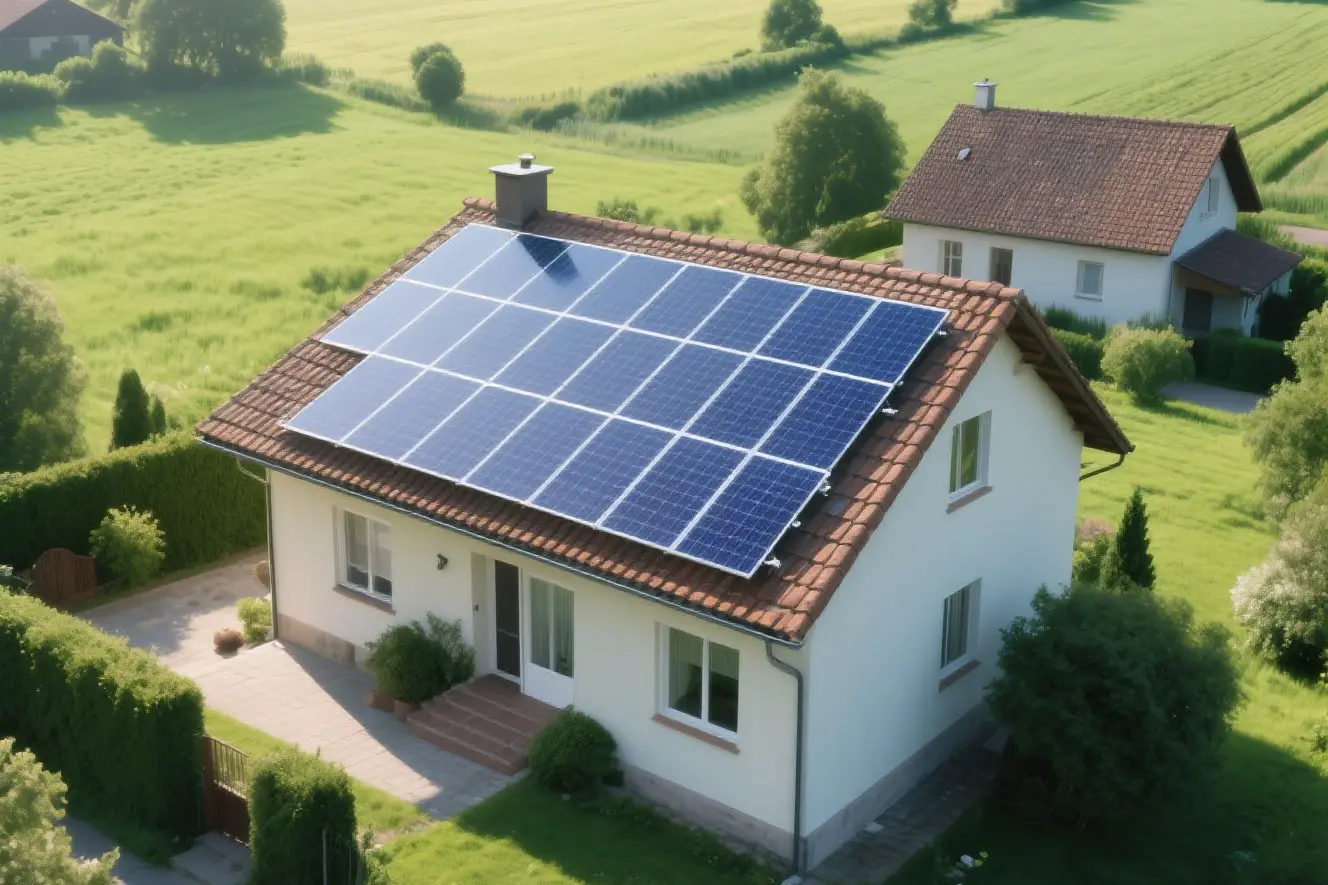
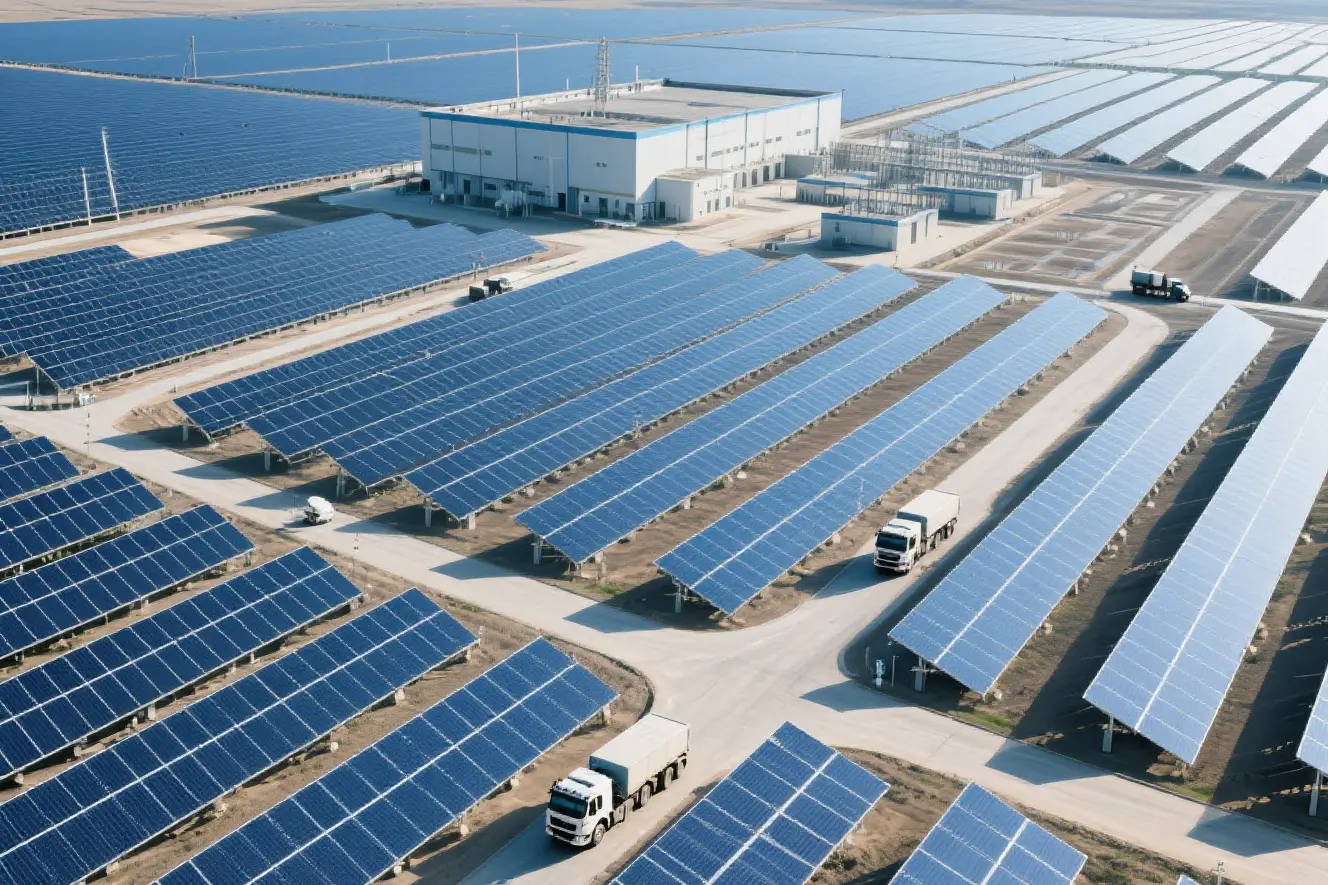
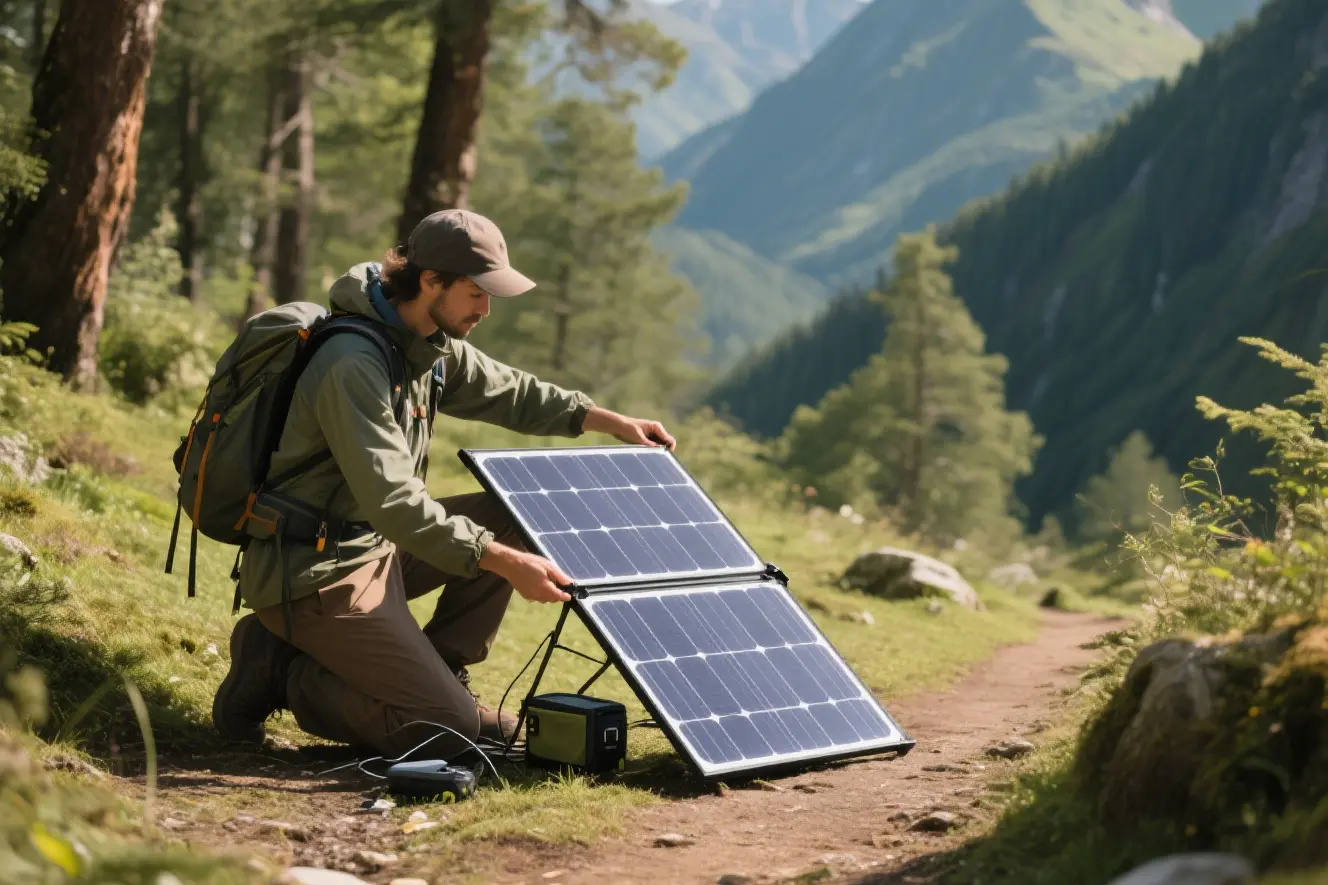
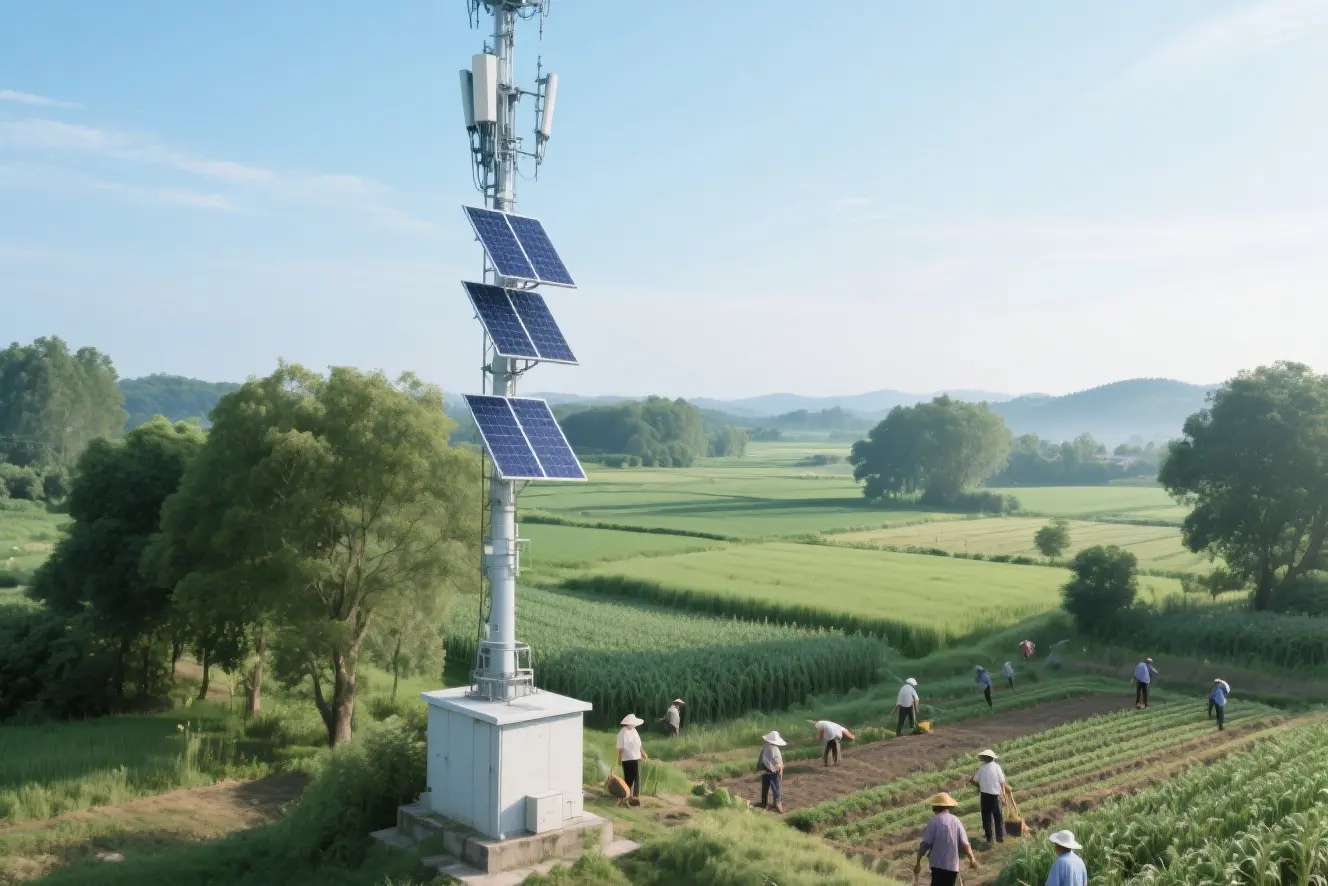
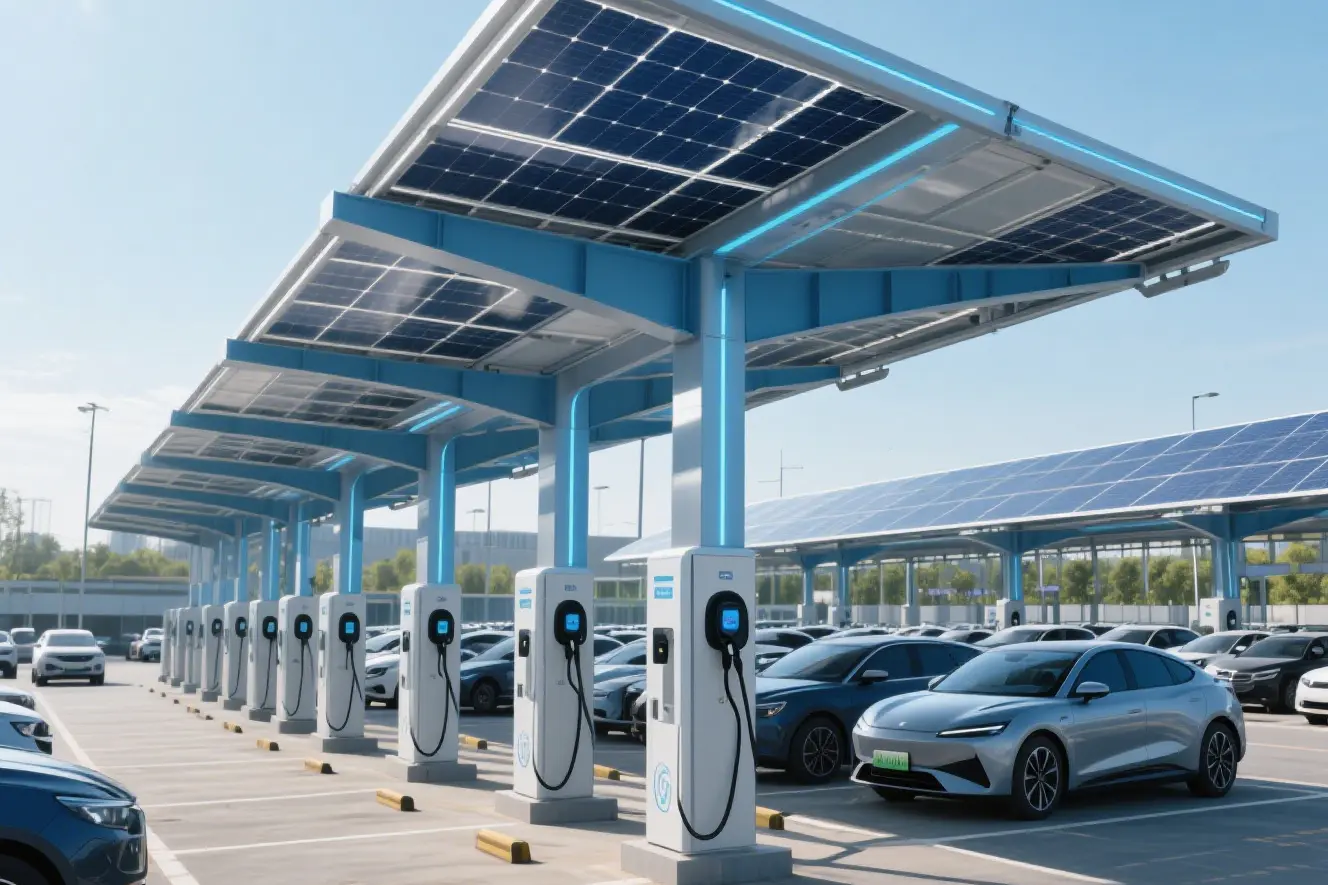
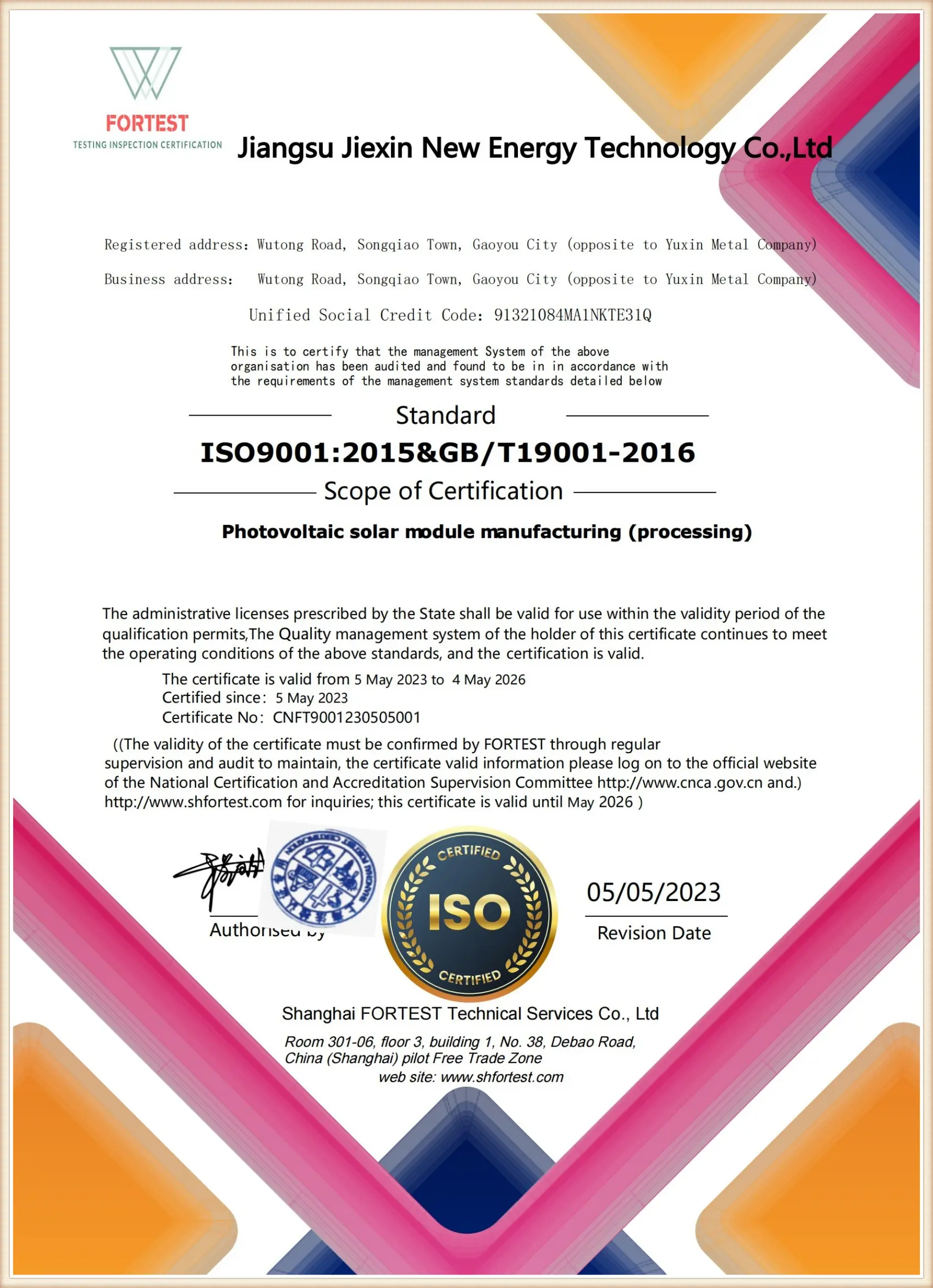
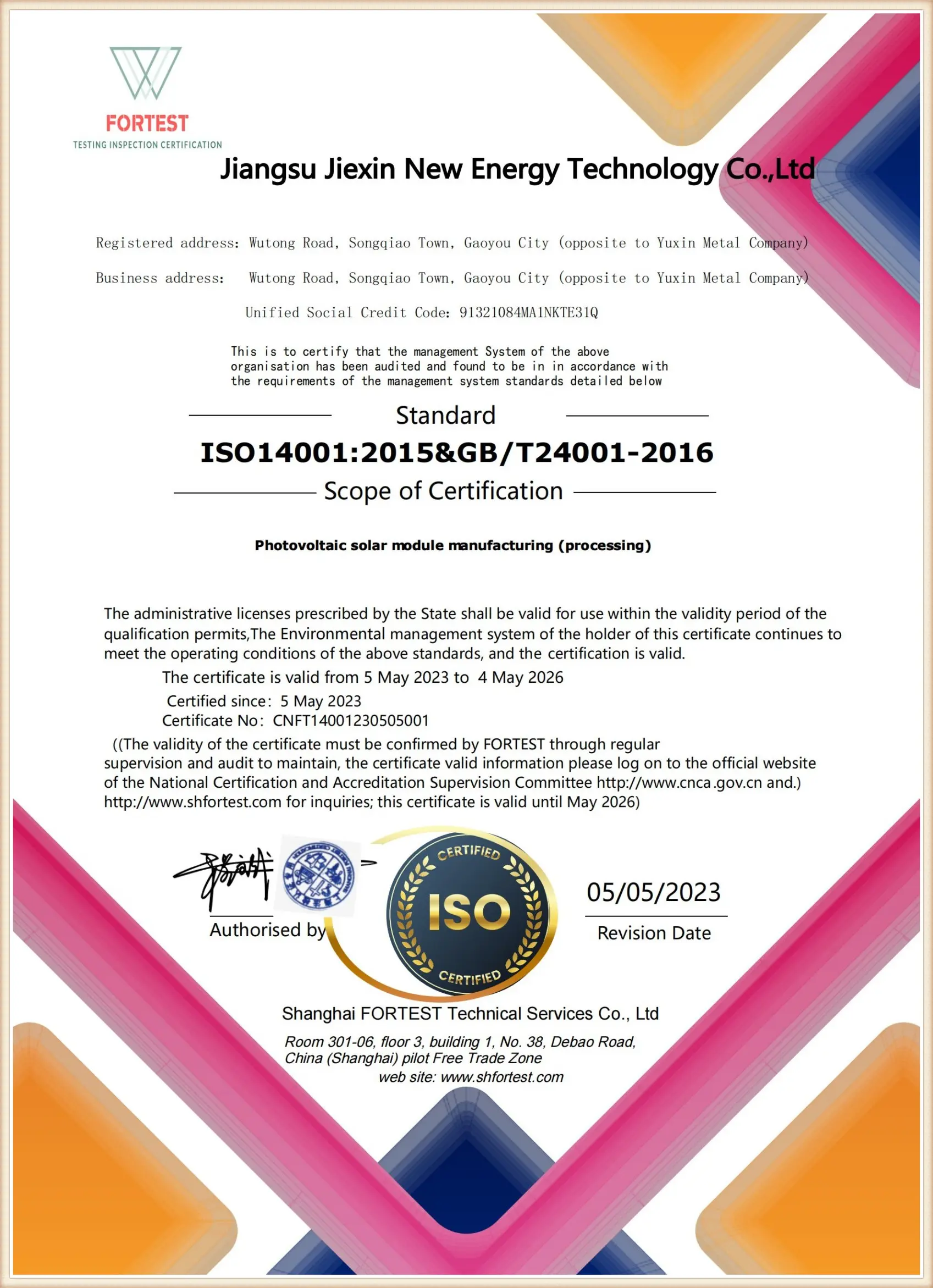
Managing compliance, carbon footprint accountability, and quality standards for B2B importers.
For B2B importers in Europe and North America, purchasing solar modules involves meeting strict environmental metrics. The implementation of the Carbon Border Adjustment Mechanism (CBAM) in the EU and equivalent environmental disclosure rules in the US mean that solar manufacturing must display low carbon profiles throughout production. Yuxin works closely with raw material vendors to track emissions profiles, utilizing optimized aluminum smelting processes and composite materials with lower carbon footprints to satisfy these requirements.
Furthermore, ESG (Environmental, Social, and Governance) values dictate that factories employ ethical labor guidelines and resource recycling programs. From anodization waste filtration to handling solar panel glass scrap, Yuxin’s factories focus on green manufacturing processes, providing clean compliance certificates to facilitate smooth customs processing at all international ports.
Outdoor camping gear must endure heavy mechanical vibrations during travel and constant packing-unpacking cycles. To prevent micro-cracks in solar cells—which cause hot spots and reduce efficiency—our production lines implement rigorous quality control tests:
• Double Electroluminescence (EL) Inspection: Carried out before lamination and after framing to confirm there are no microscopic cracks, cold solder joints, or cell failures.
• Damp Heat & Thermal Cycling Tests: Assures that waterproof seals (IP67/IP68) on junction boxes remain functional between temperature extremes of -40°C and +85°C.
Working collaboratively with major international industry leaders to build sustainable energy solutions.

Anticipating engineering milestones, innovative designs, and smart systems integrated for outdoor off-grid power.
By layering perovskite cells over traditional monocrystalline silicon bases, we expect conversion efficiencies to break past 28% in portable devices by 2027. This allows outdoor campers to generate more energy from a smaller surface area, decreasing the weight of portable gear.
Future iterations of our camping solar systems will embed Bluetooth/Zigbee monitoring chips directly into the junction box. This allows users to check real-time voltage, current levels, temperature, and shading impacts through their smartphones, optimizing panel angles for maximum power generation.
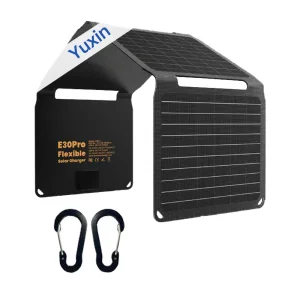
Adapting natural shell patterns, our R&D team is developing flexible polymer encapsulation methods that offer high structural strength. These panels can fold in multiple directions without causing internal cell damage, creating ultra-durable options for hiking and backpacking gear.
Insights, quality control guides, and technical updates directly from our engineering team in Yangzhou.
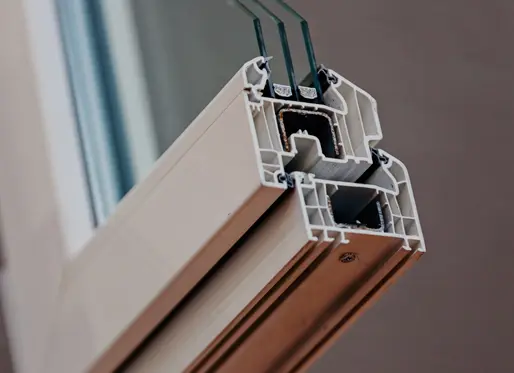
Explore the extrusion techniques, anodization depths, and alloys that define durable, wind-resistant structural frames...
View More →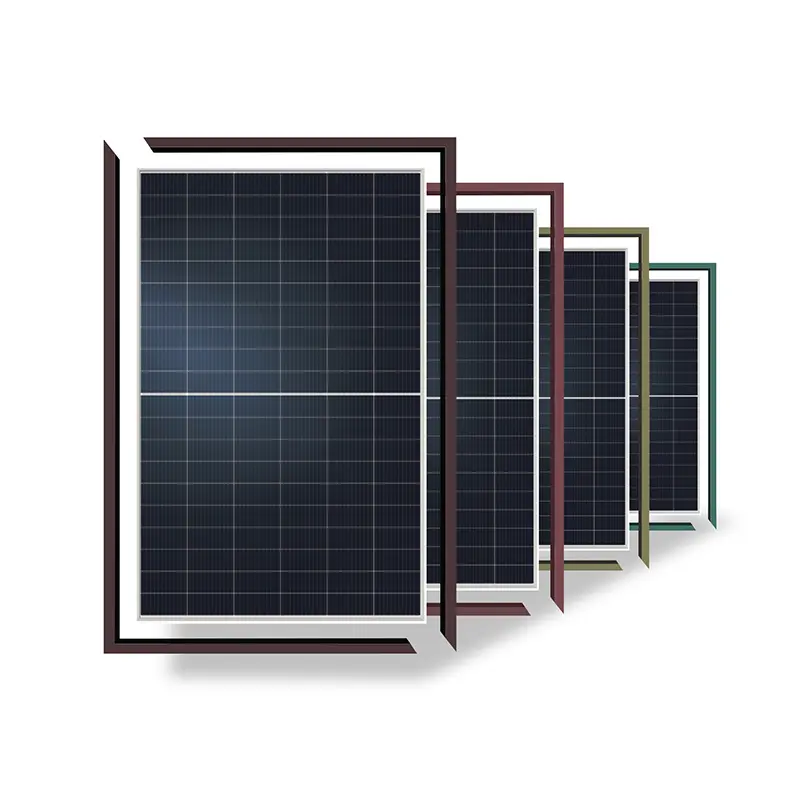
Key supply metrics, manufacturing capacities, and testing certifications to evaluate when sourcing reliable structural frames...
View More →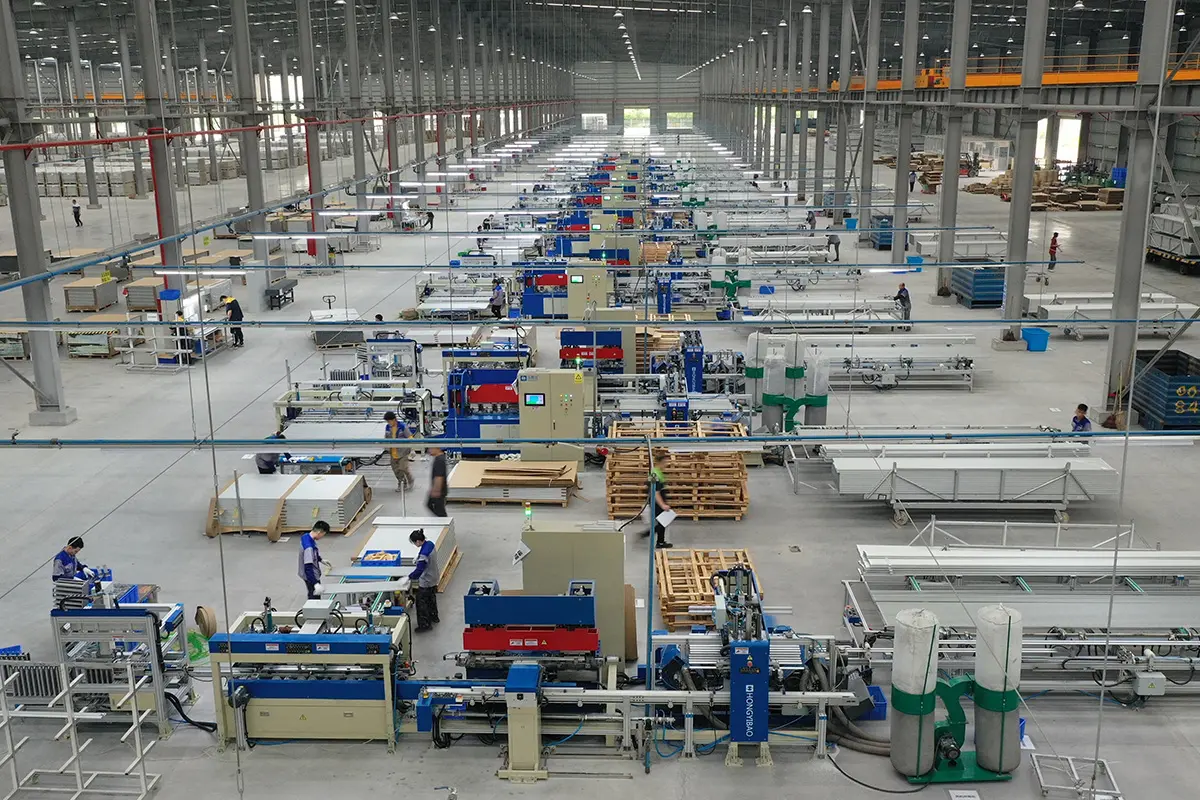
A detailed review of standard testing procedures, including chemical composition verifications, mechanical stress testing, and visual inspections...
View More →Answers to common technical, logistics, and quality assurance questions for wholesale buyers.
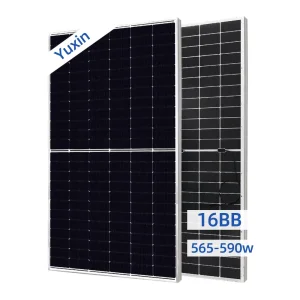
From folding backpack modules to high-capacity storage batteries, we supply everything needed for complete off-grid power installations.