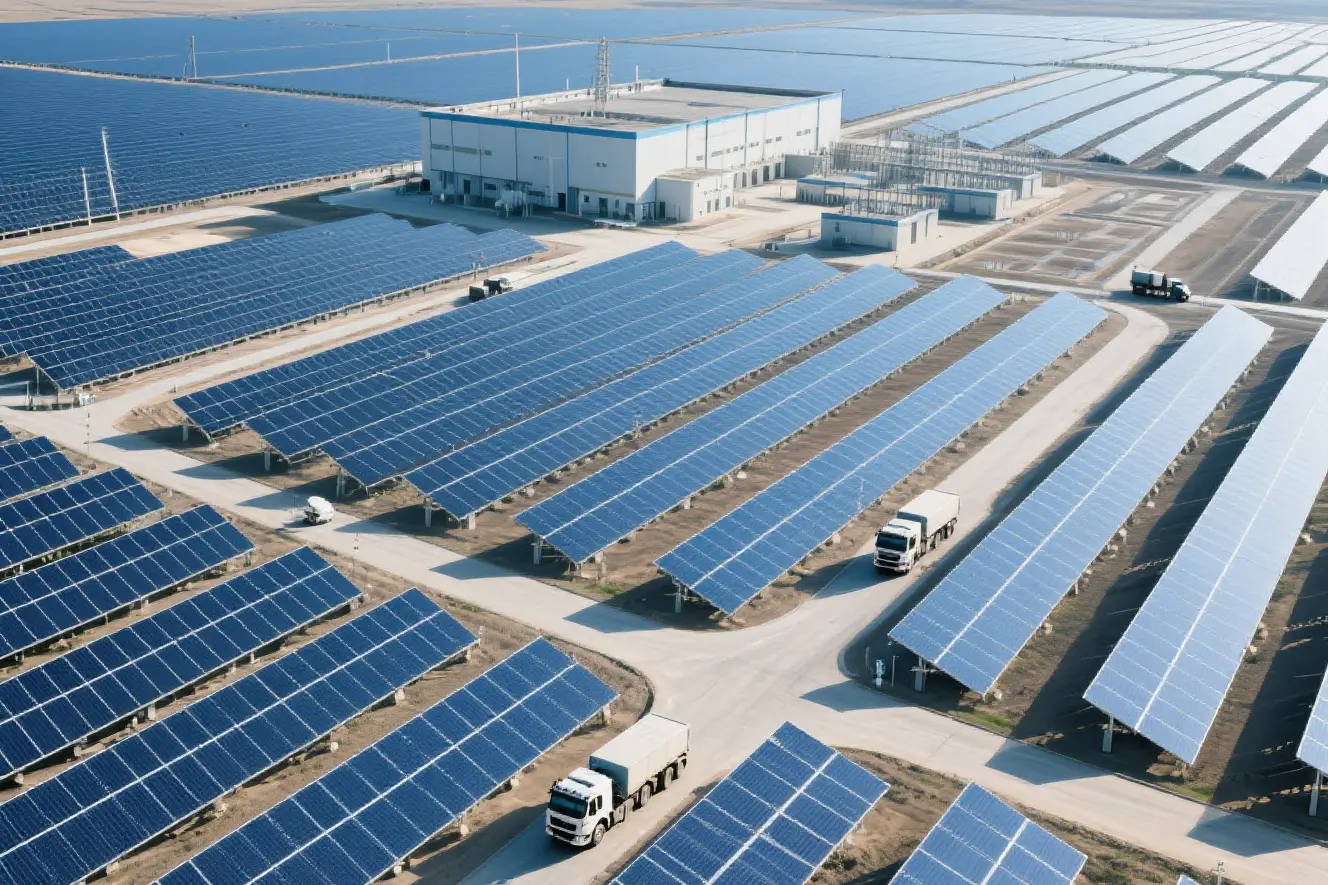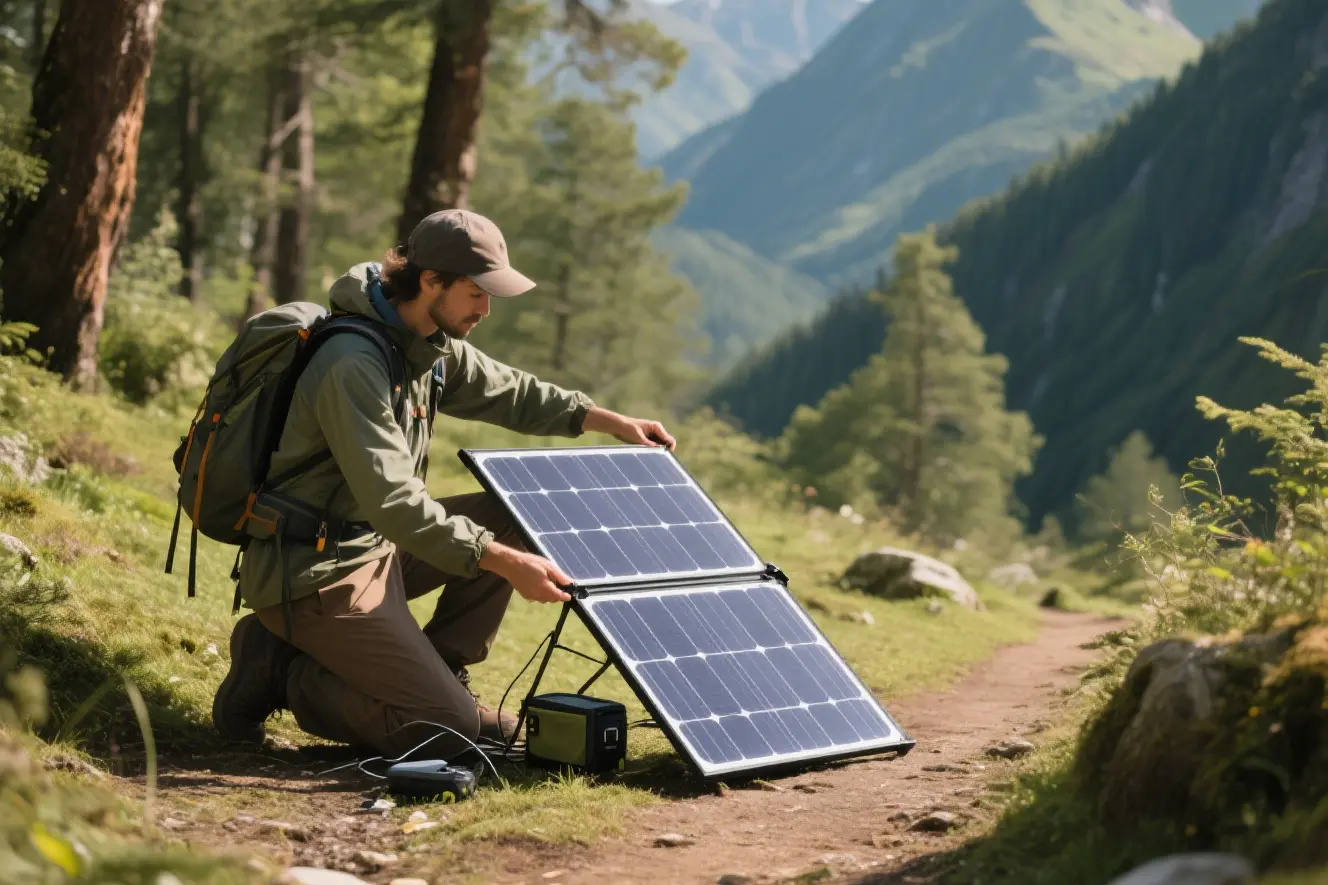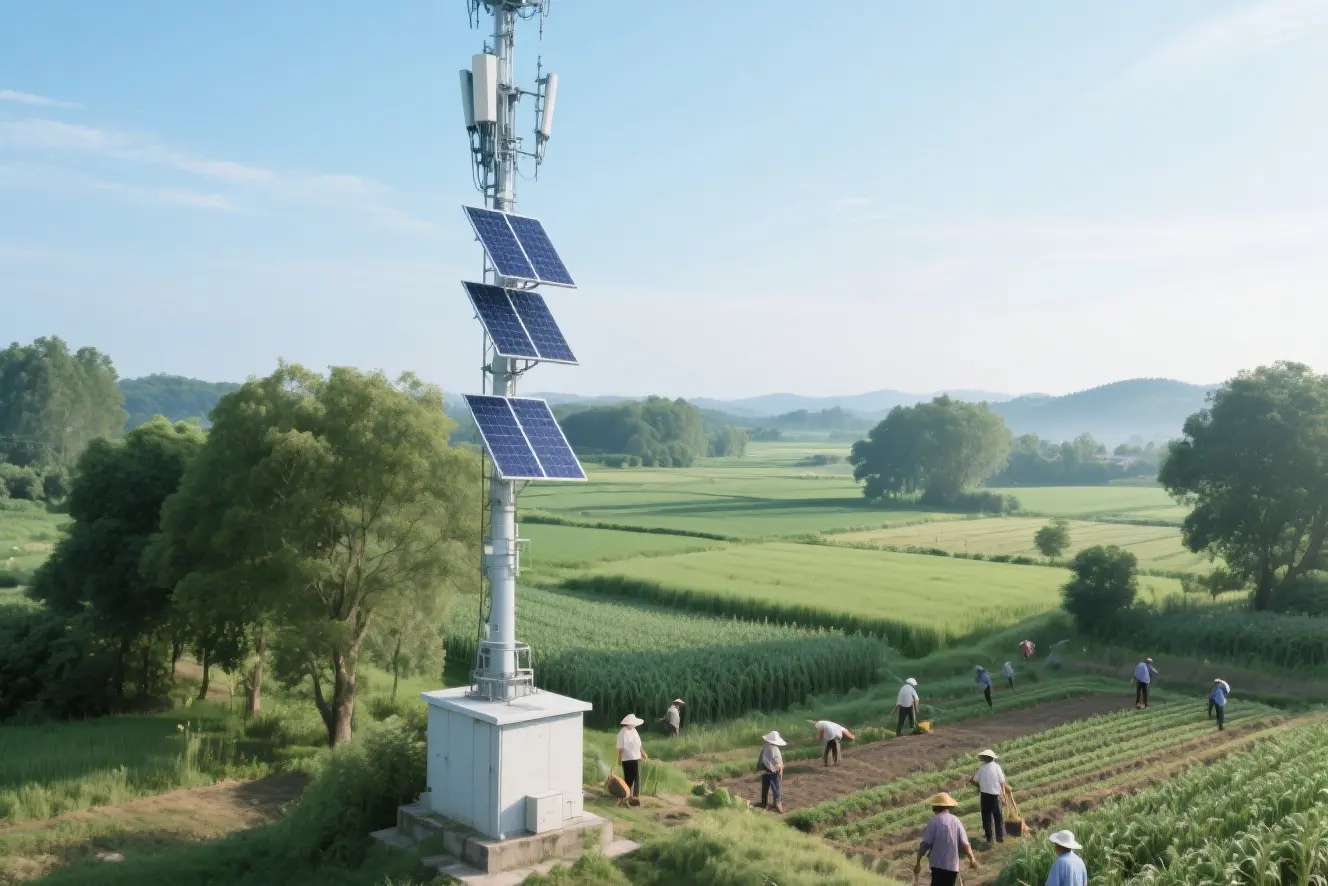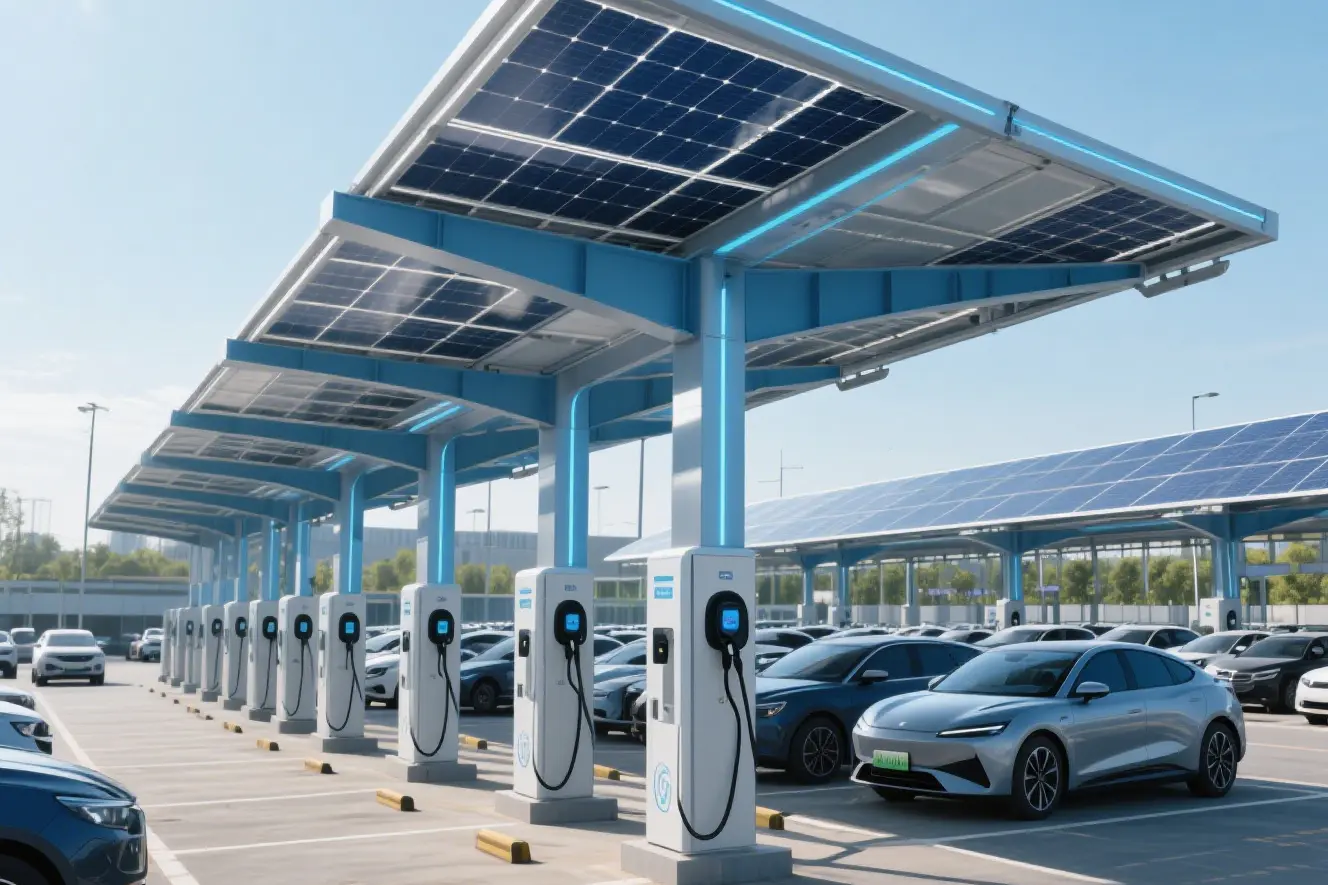
Deploying robust, internationally certified solar modules and modular battery enclosures optimized for massive scalability and grid reliability.
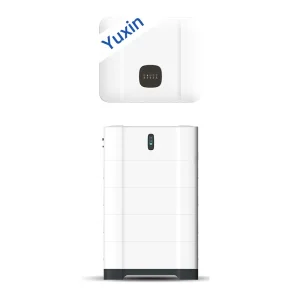
Premium residential scale high-voltage battery storage system integrating advanced BMS and hybrid grid capabilities.
Explore Specifications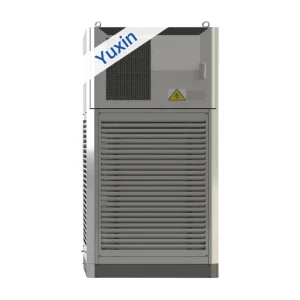
Scalable cabinet-based smart energy storage system configured for demand-charge management and microgrid resilience.
Explore Specifications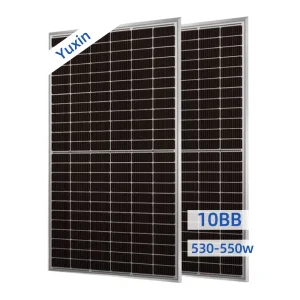
Monocrystalline photovoltaic panel using split-cell architectures to achieve peak conversion efficiency under low irradiance.
Explore Specifications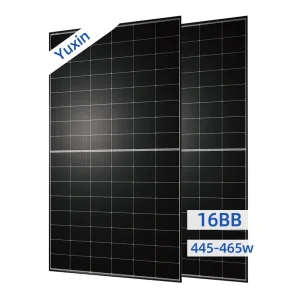
Cutting-edge bifacial N-type TOPCon modules engineered for harsh environment survival and maximum backside generation.
Explore Specifications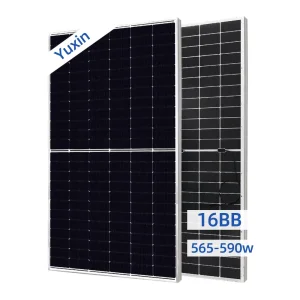
Utility-scale TOPCon mono silicon panels providing high density footprint power outputs with minimal light-induced degradation.
Explore Specifications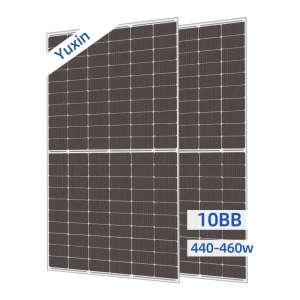
Highly cost-efficient utility module configured with 10 busbar cell architectures to optimize internal current pathways.
Explore Specifications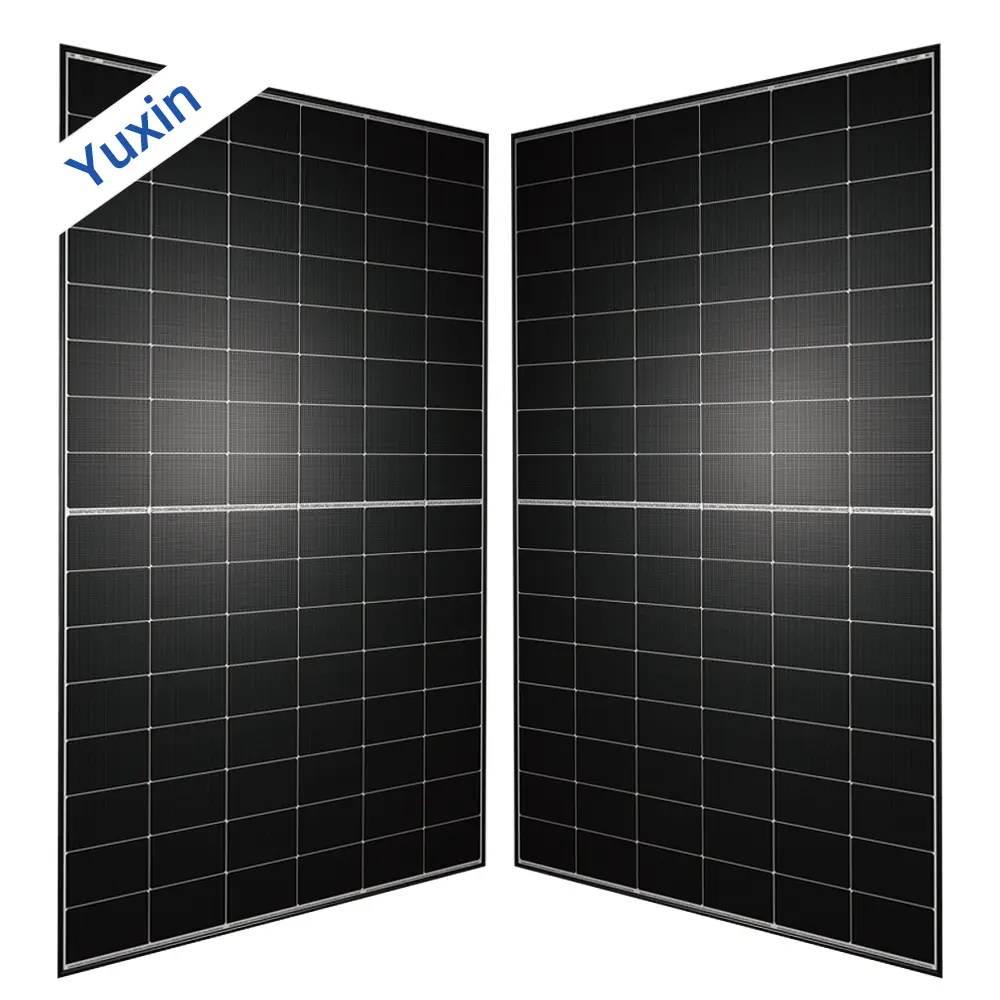
Features a weight-optimized structure with a transparent back panel for streamlined mounting and minimal balance-of-system cost.
Explore Specifications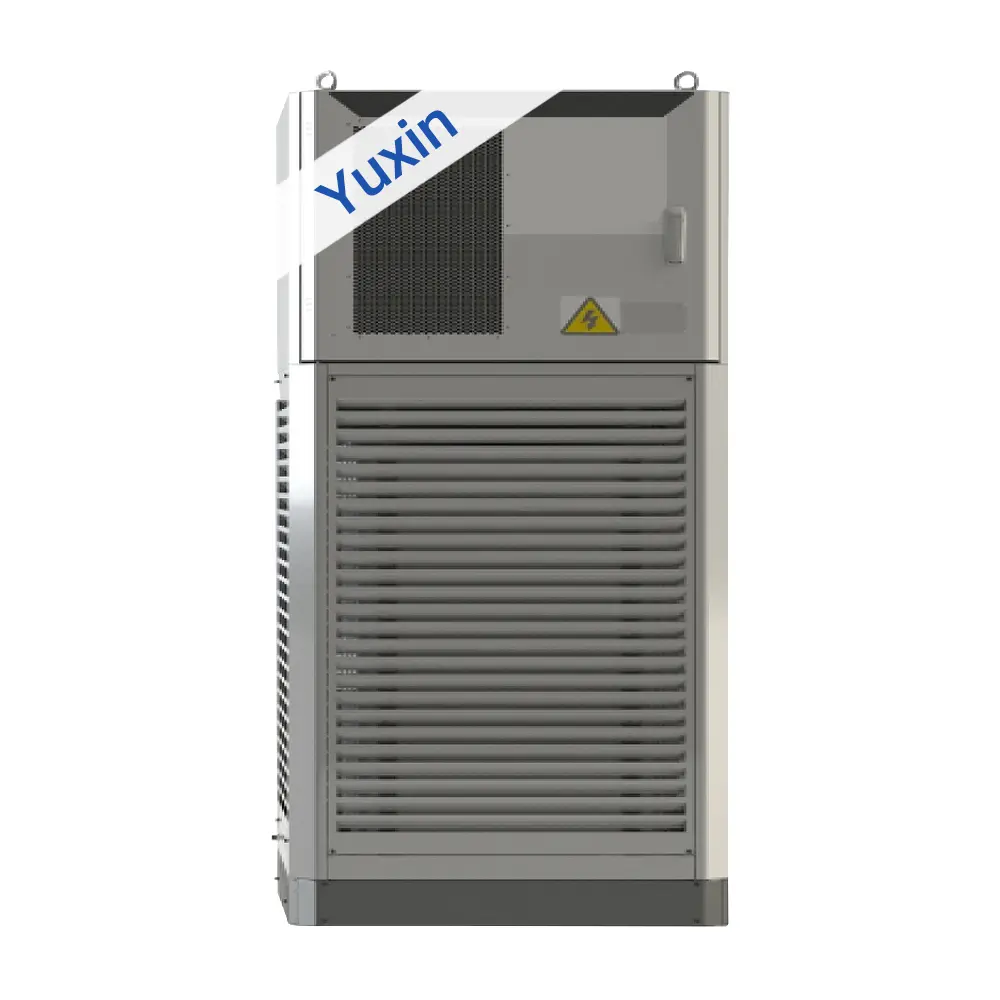
Supports grid-tied, fully islanded off-grid, and zero-export hybrid modes with sub-millisecond UPS switching capability.
Explore SpecificationsThe global demand for reliable residential and industrial energy storage solutions is undergoing an unprecedented structural transition. As grids experience increased destabilization due to volatile weather events and the intermittent penetration of utility-scale renewables, decentralized storage has evolved from a luxury asset class to a critical utility. Global market drivers—such as California's Net Energy Metering 3.0 (NEM 3.0), Germany's Energy Security Act amendments, and dynamic Virtual Power Plant (VPP) initiatives across Australia—are shifting customer focus from basic PV generation toward advanced, high-voltage battery storage systems.
To capture maximum returns on solar generation, enterprise buyers and national distributors are prioritizing modular LiFePO4 (Lithium Iron Phosphate) chemistries due to their inherent thermal stability, non-toxicity, and long cycle lifespans exceeding 6,000 charge-discharge iterations. Sourcing from tier-1 factories with completely integrated supply chains ensures consistent cell quality, structural component reliability, and integrated intelligent Energy Management System (EMS) software stack compatibility.
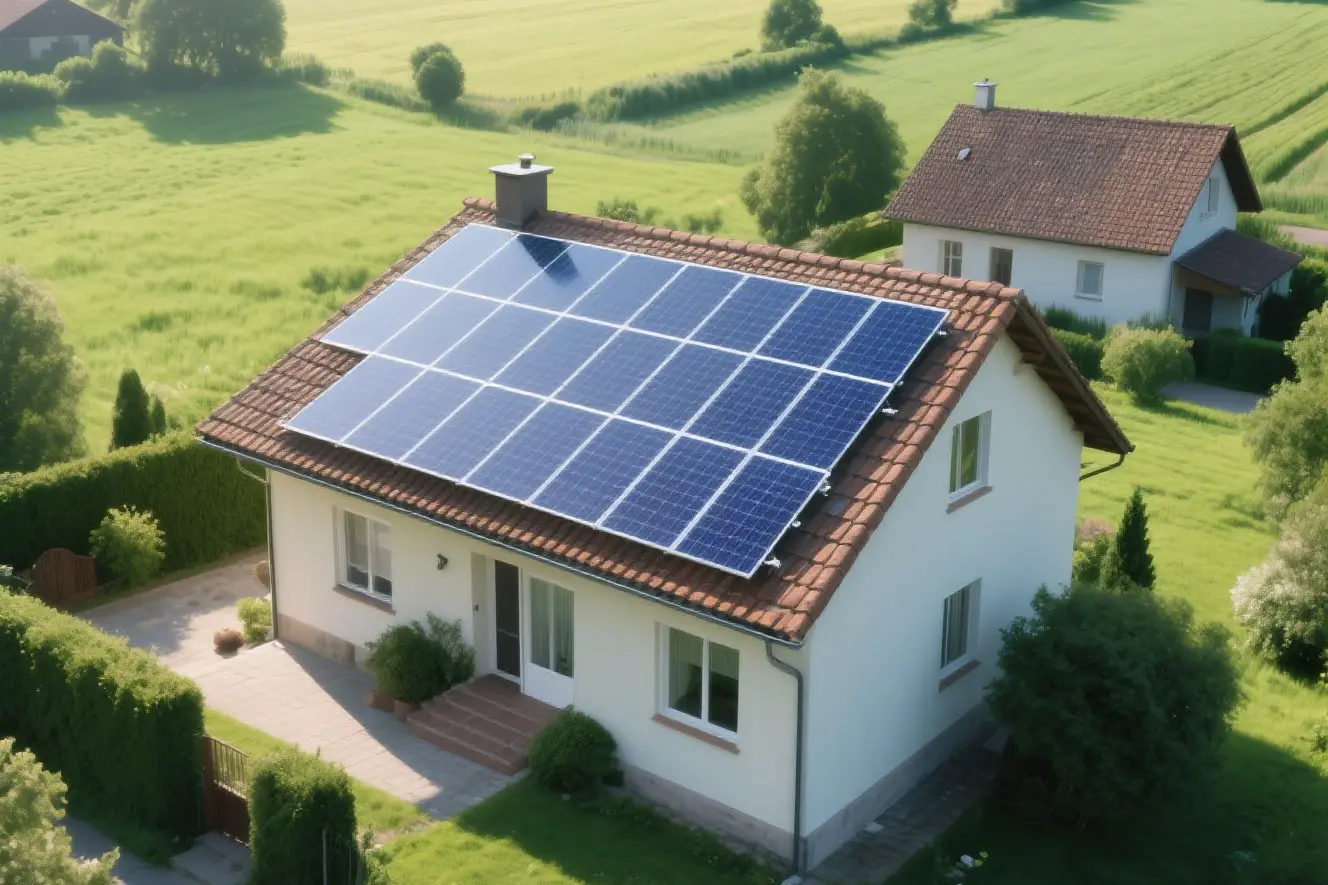
China's dominance in the solar photovoltaic and battery energy storage system (BESS) sector is anchored in robust vertical integration, manufacturing density, and logistical advantages. Located in the strategic industrial cluster of Yangzhou, Jiangsu Province, YUXIN leverages the region's top-tier supply chain footprint to deliver unmatched export capabilities and component quality.
The proximity of Yangzhou to major transport links, including the Beijing-Shanghai Expressway, the Runyang Yangtze River Bridge, and the Ningqi Railway, ensures swift transit of raw materials and rapid delivery to Shanghai and Ningbo deep-water ports. This logistics framework dramatically reduces global lead times, allowing YUXIN to efficiently coordinate multi-field subsidiaries, manage 21+ highly automated production lines, and export more than 12,000 tons of high-grade solar structural materials annually.
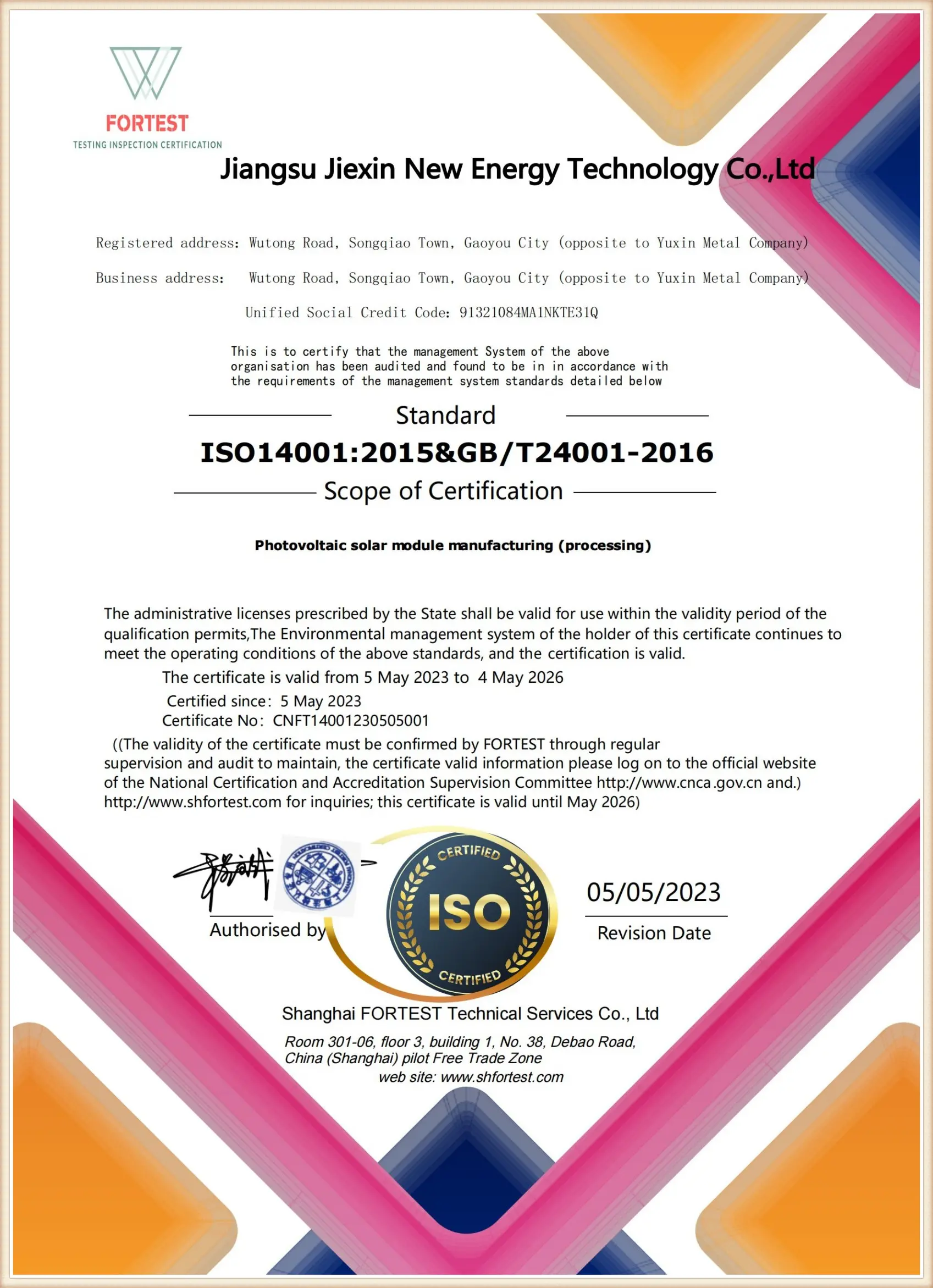
B2B energy procurement managers, global distributors, and EPC (Engineering, Procurement, and Construction) contractors must balance immediate capex restrictions with long-term capital preservation when selecting solar backup equipment suppliers. Bankability remains the core indicator of reliability. A manufacturer's ability to provide internationally recognized laboratory certifications dictates project eligibility for institutional financing and localized grid-interconnection approvals.
Safety protocols such as CE, UL 9540A, IEC 62619, and UN38.3 must be consistently verified across every shipment lot. These documents are vital for local permitting and securing building insurance policies.
Structural integrity, such as utilizing corrosion-resistant 6063-T5 anodized aluminum profiles or advanced polyurethane composite framing, ensures solar arrays survive marine environments and high-load snow events.
Flexible protocols (CAN, RS485, Modbus) within the integrated Battery Management System (BMS) are necessary to interface smoothly with leading global hybrid inverter brands like Victron, Growatt, SMA, and GoodWe.
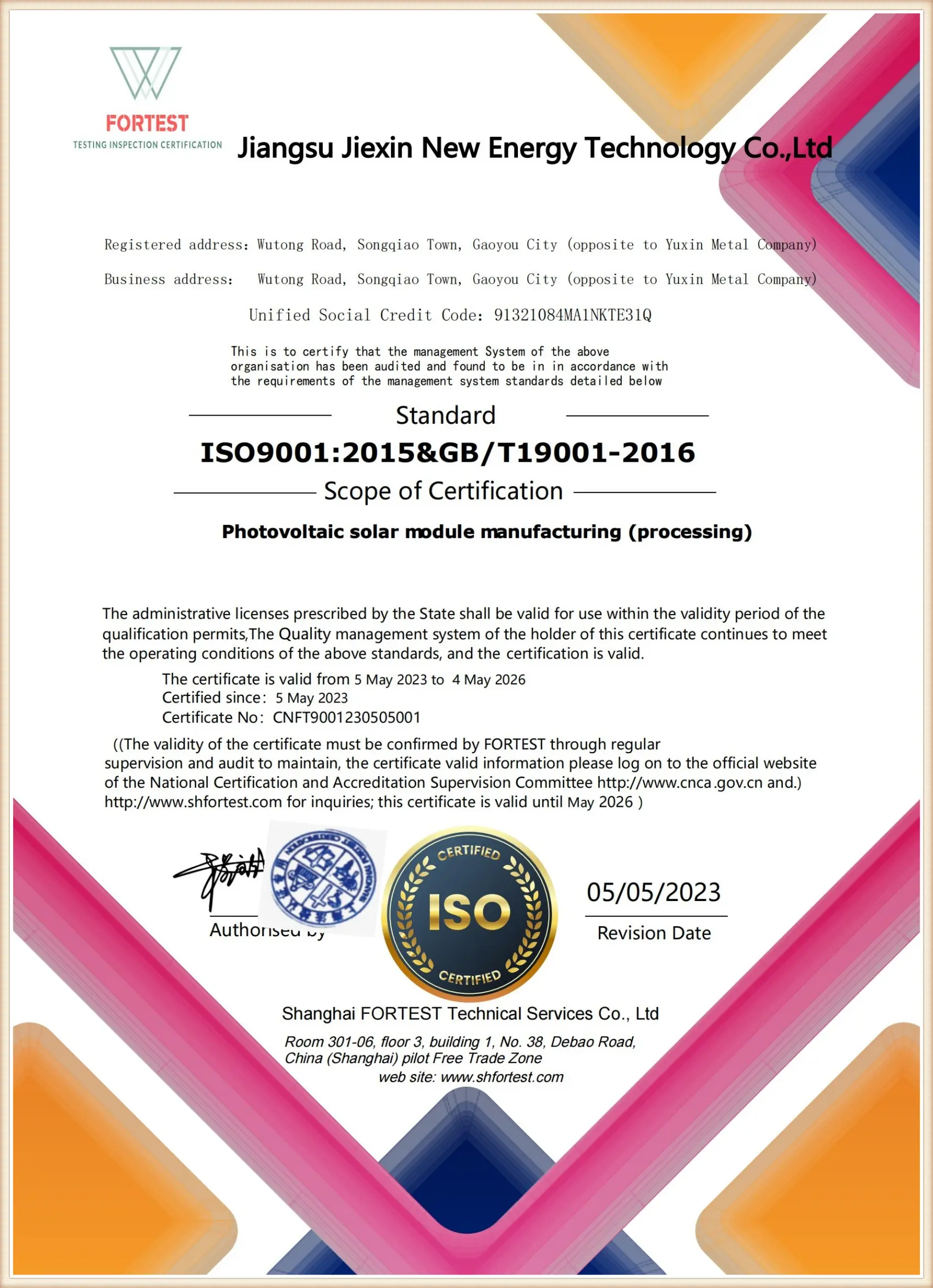
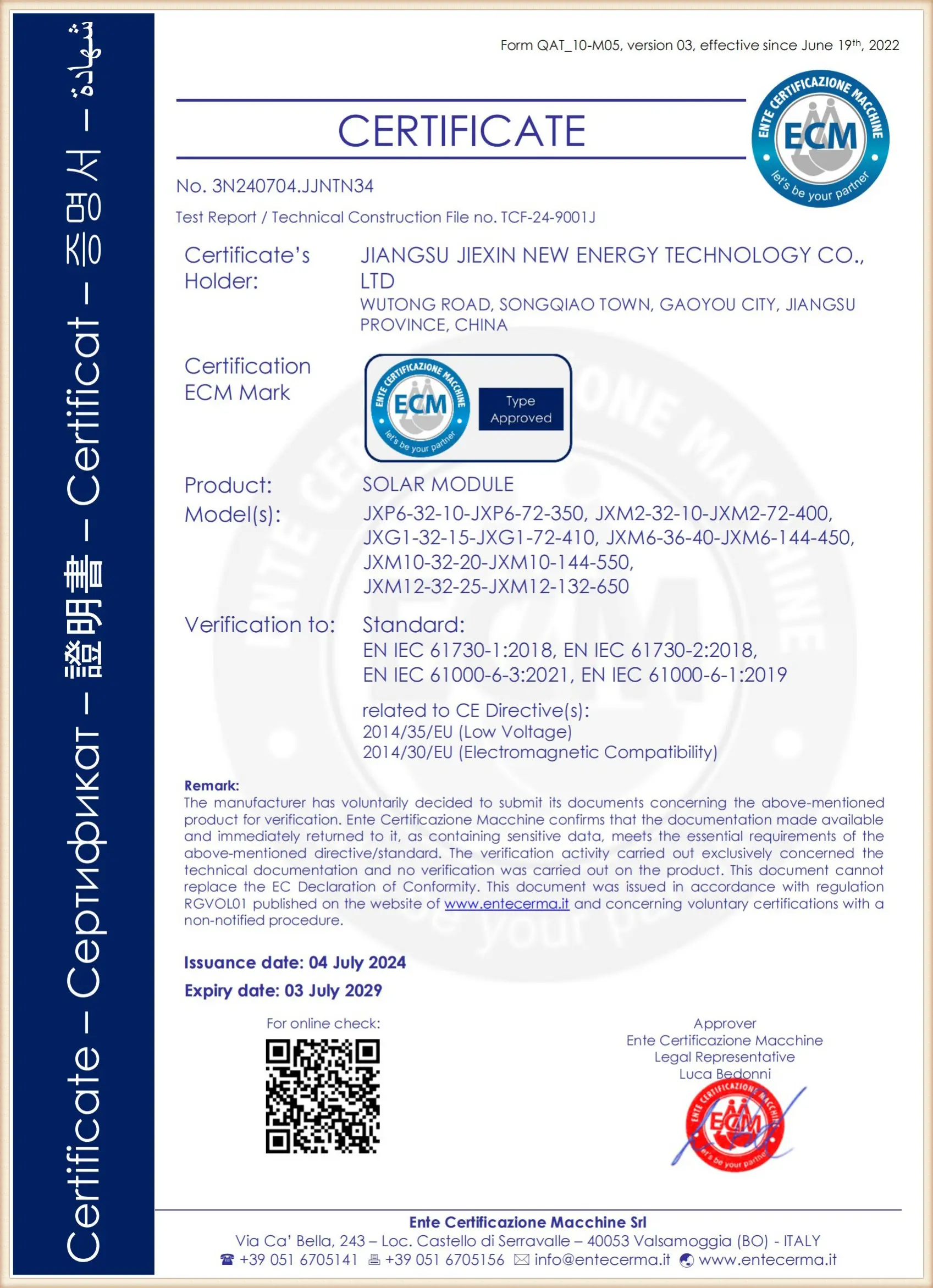
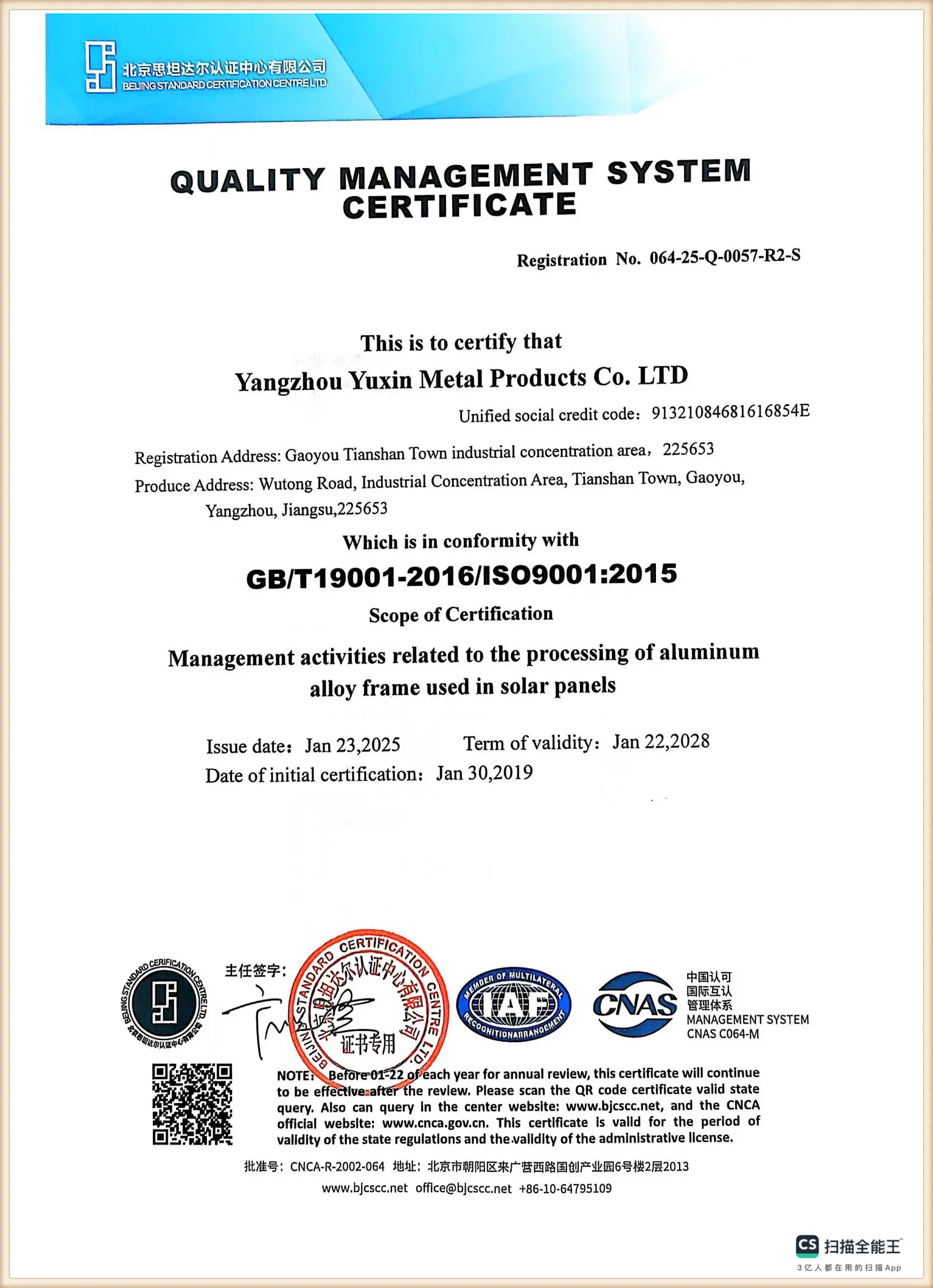
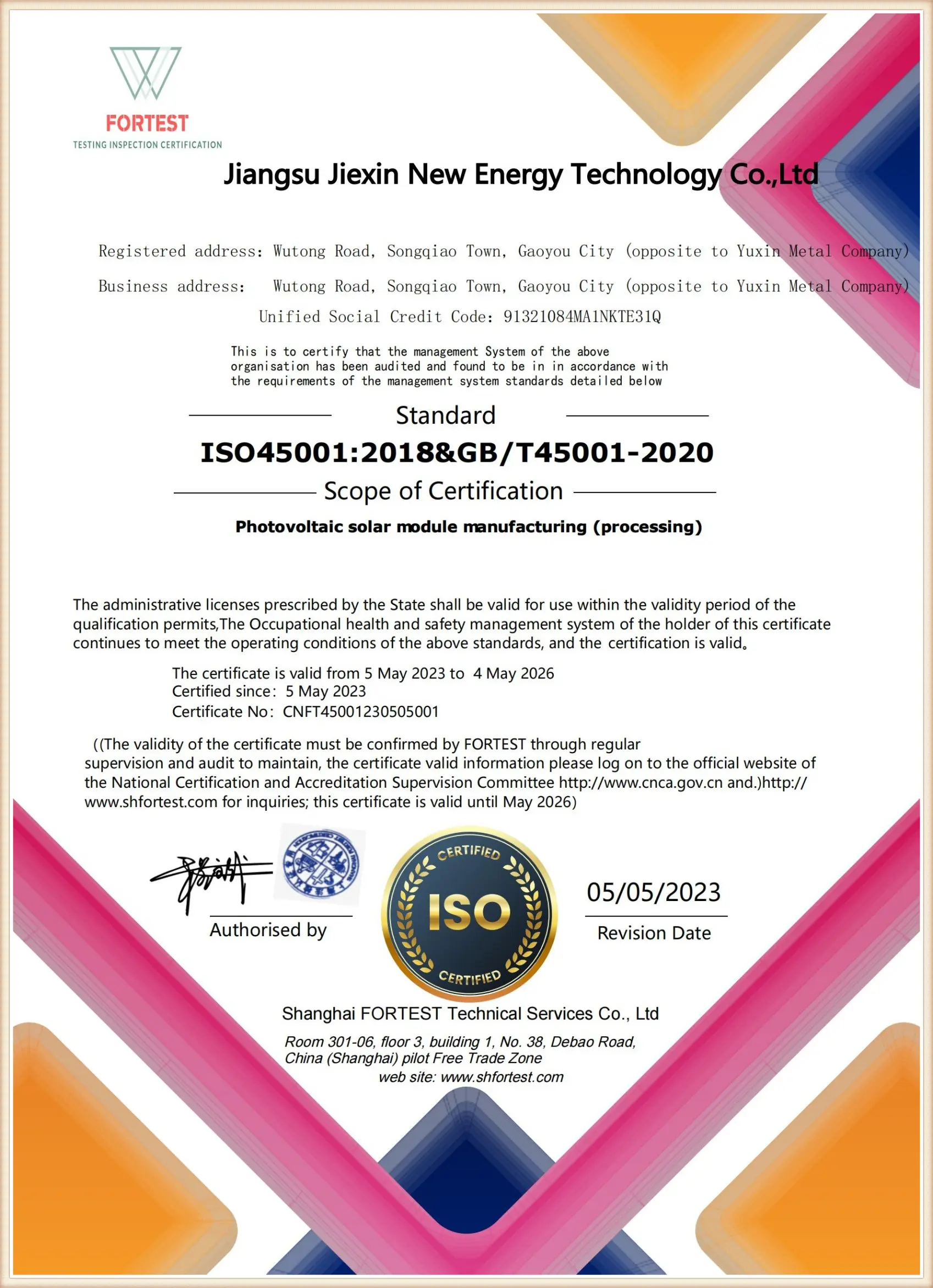
Over a decade of robust project integration, YUXIN has developed solid partnerships across global electricity authorities and commercial builders.

Get professional guidance on structural design, raw material engineering, and solar array safety inspections directly from our laboratory.
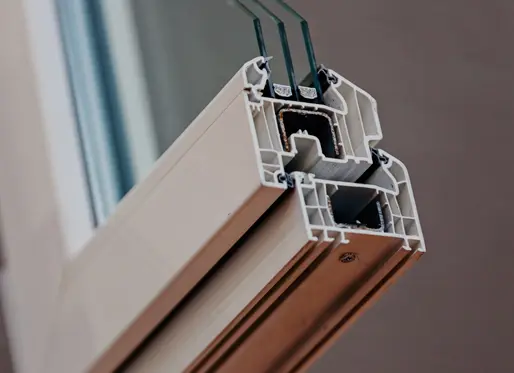
Explore the structural details, tensile strength properties, and anti-corrosive treatments needed to protect photovoltaic modules over a 25-year service life.
Read Analysis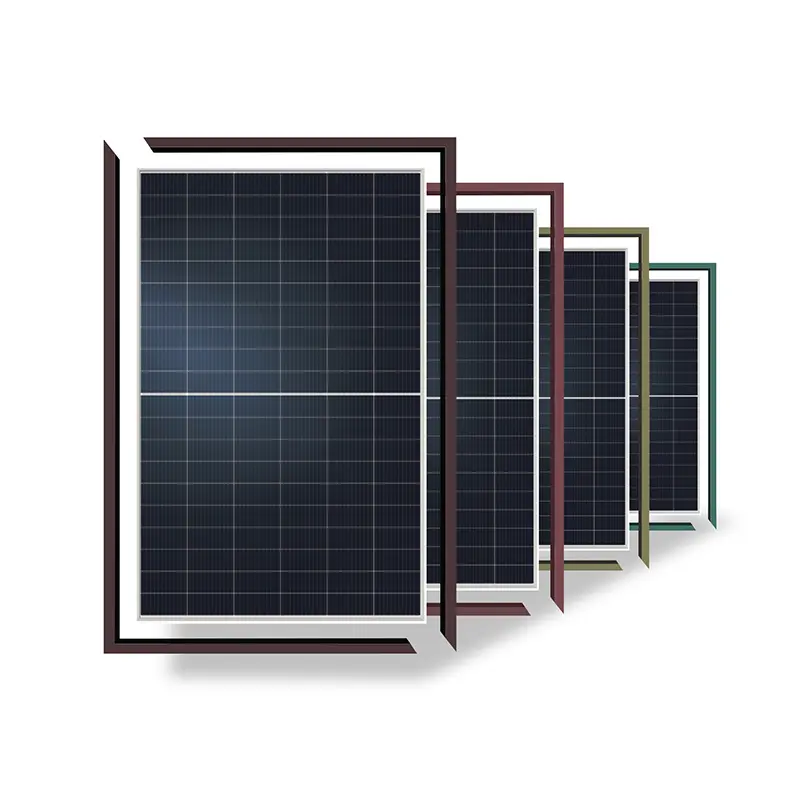
A detailed roadmap analyzing production capacity, raw material tracking, and geographical logistics efficiency for global buyers looking to reduce overhead costs.
Read Analysis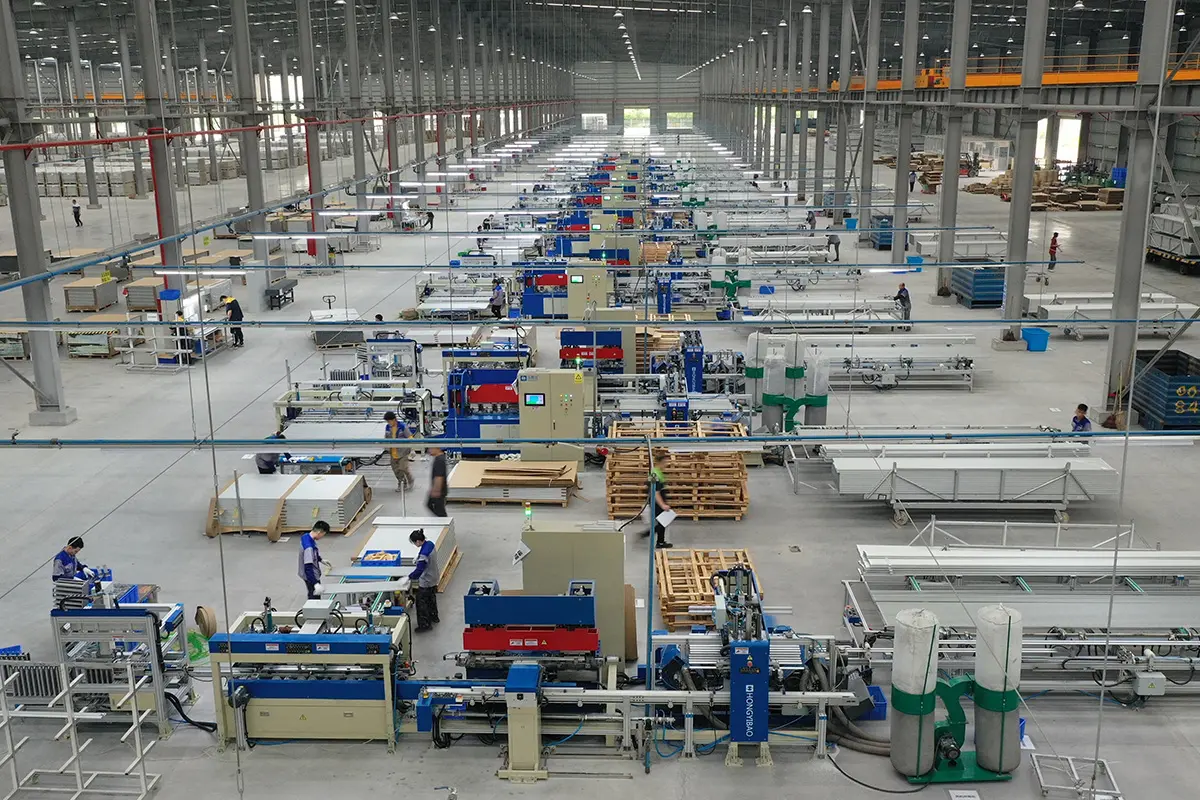
An overview of testing procedures, including chemical composition tests, oxide coating thickness measurements, and mechanical stress evaluations.
Read AnalysisGet detailed technical answers regarding chemistry selection, factory customization options, and global shipping processes.
For home energy storage systems, LiFePO4 (Lithium Iron Phosphate) is the industry standard. Compared to traditional NMC (Nickel Manganese Cobalt) cells, LiFePO4 offers superior thermal runaway resistance, preventing fire hazards. Additionally, LFP cells deliver 6,000+ deep discharge cycles (at 80% DOD), whereas NMC cells typically degrade after 2,000 to 3,000 cycles, providing a lower lifetime ROI despite their slightly lower initial weight.
High-Voltage (typically above 200V DC up to 500V DC) systems use series-connected cell layouts to reduce operating currents. This minimizes heat generation and I²R resistive losses during power conversion, resulting in round-trip system efficiencies often exceeding 95%. Low-voltage (48V) systems are safer for DIY installations but require much thicker cabling and experience higher transmission losses over longer runs, making them less suitable for large-scale properties.
Yes. YUXIN provides extensive OEM and ODM design options. We can configure specialized aluminum structural frames with 6063-T5 or 6005-T6 grades and adjust anodized layer thicknesses to withstand harsh, high-saline coastal settings. For projects in high-temperature or highly corrosive environments, we manufacture sustainable polyurethane composite frames that provide high chemical resistance and mechanical strength under peak wind loads.
To import battery storage systems into North America, products must comply with UL 9540 (standard for energy storage systems) and successfully pass UL 9540A testing (evaluation of thermal runaway fire propagation). For European markets, systems require CE declaration, along with compliance to IEC 62619 (safety requirements for secondary lithium cells) and UN38.3 certification, which guarantees the batteries are safe for international shipping.
Our facility in Yangzhou is located within a highly integrated solar industrial hub in Jiangsu Province. With direct access to major transport networks—including the Runyang Yangtze River Bridge and the Beijing-Shanghai Expressway—inland transit times to major coastal shipping hubs like the Port of Shanghai are under 4 hours. This efficient local supply chain keeps shipping costs low and allows us to reliably meet scheduled delivery timelines.
Explore our portable power products, high-efficiency backpacking charges, and rugged structural mounts.
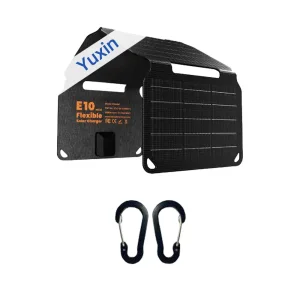
Rugged, outdoor-ready adventure backpack integrating low-profile solar PV cells and dual-output smart device chargers.
Explore Specifications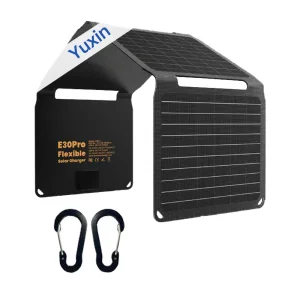
High-capacity hiking pack featuring integrated 30W ETFE solar laminates designed to keep off-grid devices charged.
Explore Specifications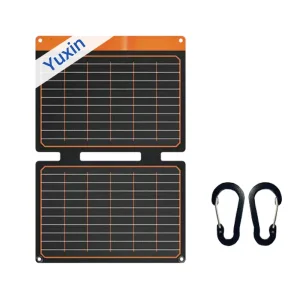
Durable, weather-sealed backpack utilizing monocrystalline backing sheets for charge retention under shade.
Explore Specifications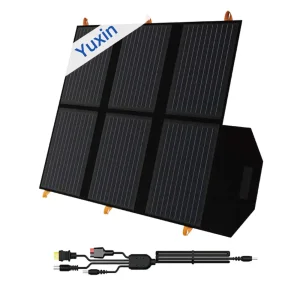
Heavy-duty survival pack incorporating folding solar panels to charge field communication equipment.
Explore Specifications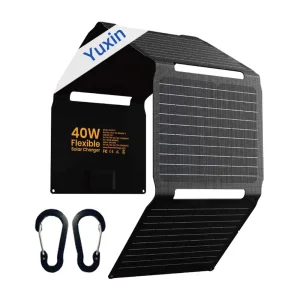
Customizable modular pack offering 40W fast-charging ports for emergency power backup during outdoor research.
Explore Specifications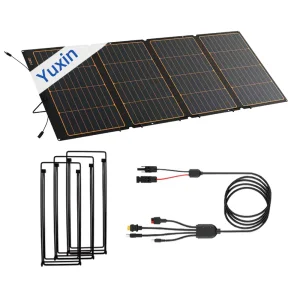
Compact solar generator pairing a folding PV array with a lithium power station for off-grid emergency use.
Explore Specifications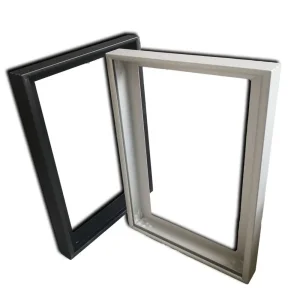
High-strength anodized aluminum frame extrusions engineered to fit standard commercial solar array modules.
Explore Specifications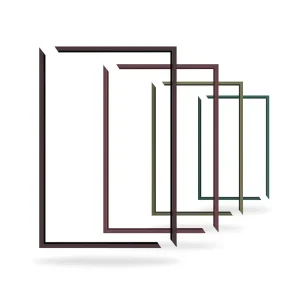
Corrosion-resistant composite frame solutions designed to replace aluminum in coastal solar installations.
Explore Specifications