Direct factory sourcing for high-efficiency solar cells, complete off-grid kits, modular ESS, and structural frames engineered for extreme environments.
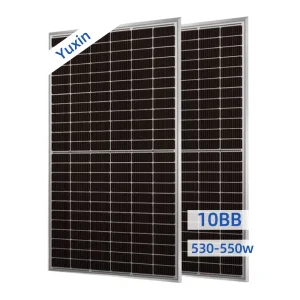
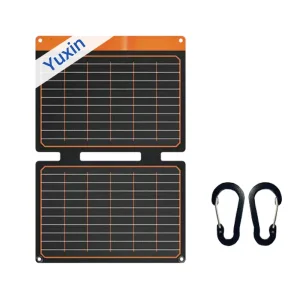
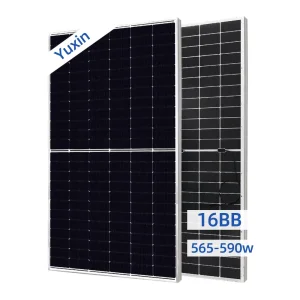
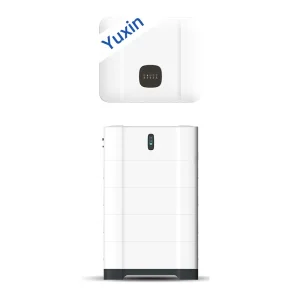
Evaluating Levelized Cost of Energy (LCOE), balance of system (BOS) optimization, and materials science in remote PV setups.
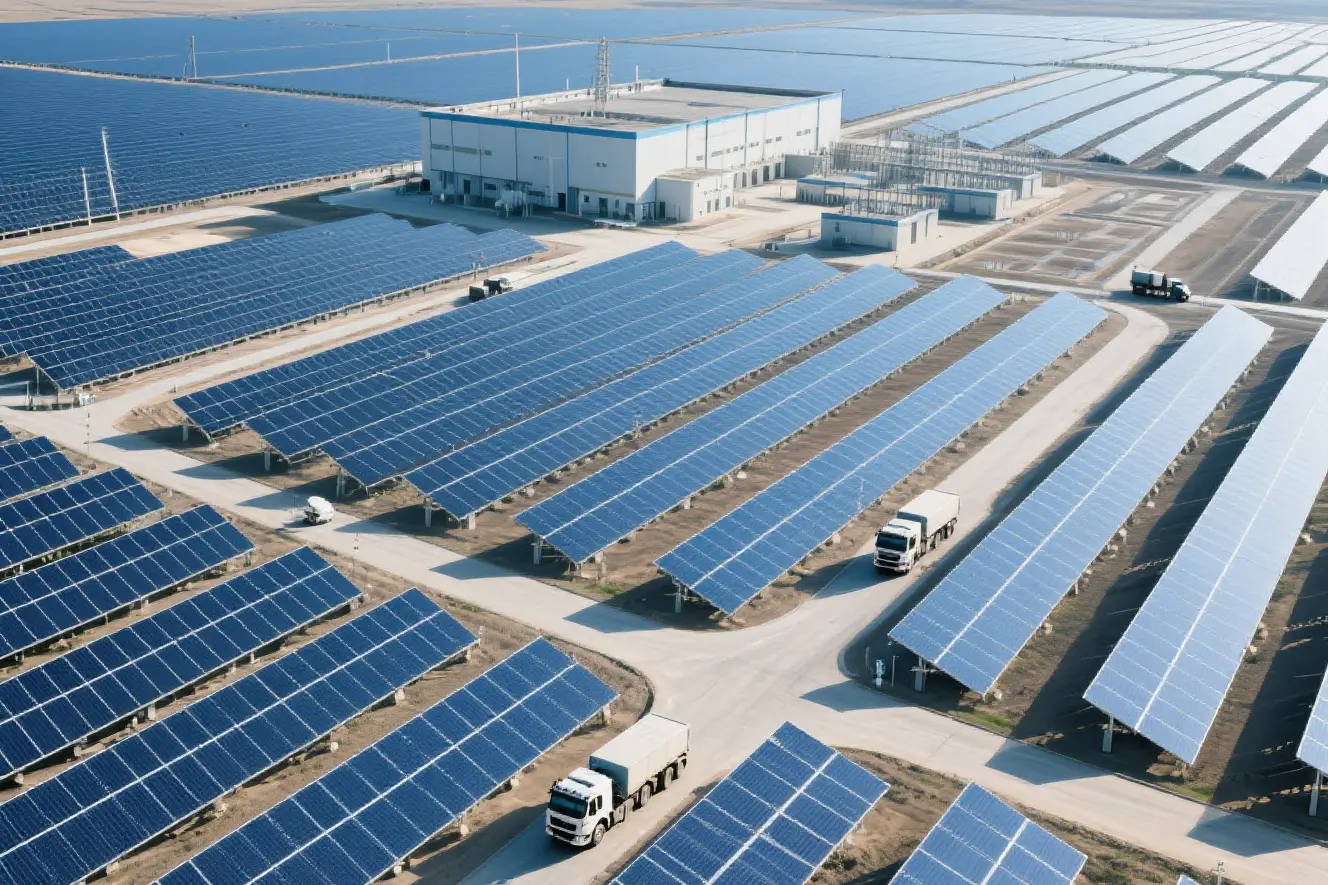
Global demand for remote power has shifted from emergency backups to continuous, utility-grade off-grid power systems. Distributed solar energy deployment in cabins, research stations, and telecommunications towers represents the fastest-growing off-grid segment. By integrating high-density N-type TOPCon solar panels with advanced lithium energy storage systems (ESS), operators achieve complete energy independence while optimizing system lifetimes.
Key drivers behind the wholesale demand for off-grid PV packages include rising grid connection costs in remote zones, strict decarbonization mandates for operations, and the long-term cost benefits of photovoltaic systems compared to diesel generators.
Deploying a robust off-grid cabin solar system requires a critical evaluation of LCOE. Traditional diesel generator models carry heavy operational and maintenance costs, fuel logistics liabilities, and environmental footprints. Modern off-grid systems reduce localized BOS (Balance of System) costs through lightweight component design, integrated micro-inverter architectures, and structural improvements in framing technology.
Using high-efficiency monocrystalline or N-type TOPCon modules reduces the required physical footprint, minimizing structural mounting systems and wire run configurations, which yields a much quicker return on investment (ROI).
For over 15 years, YUXIN New Energy has spearheaded developments in structural PV design and premium solar module output. Our custom aluminum frames and advanced energy storage systems supply utility developers, builders, and wholesalers globally.
By leveraging high-tensile 6063-T5 aluminum alloys and high-purity monocrystalline modules, our clients receive unparalleled structural safety and peak power output under diverse climates.
Explore Factory Profile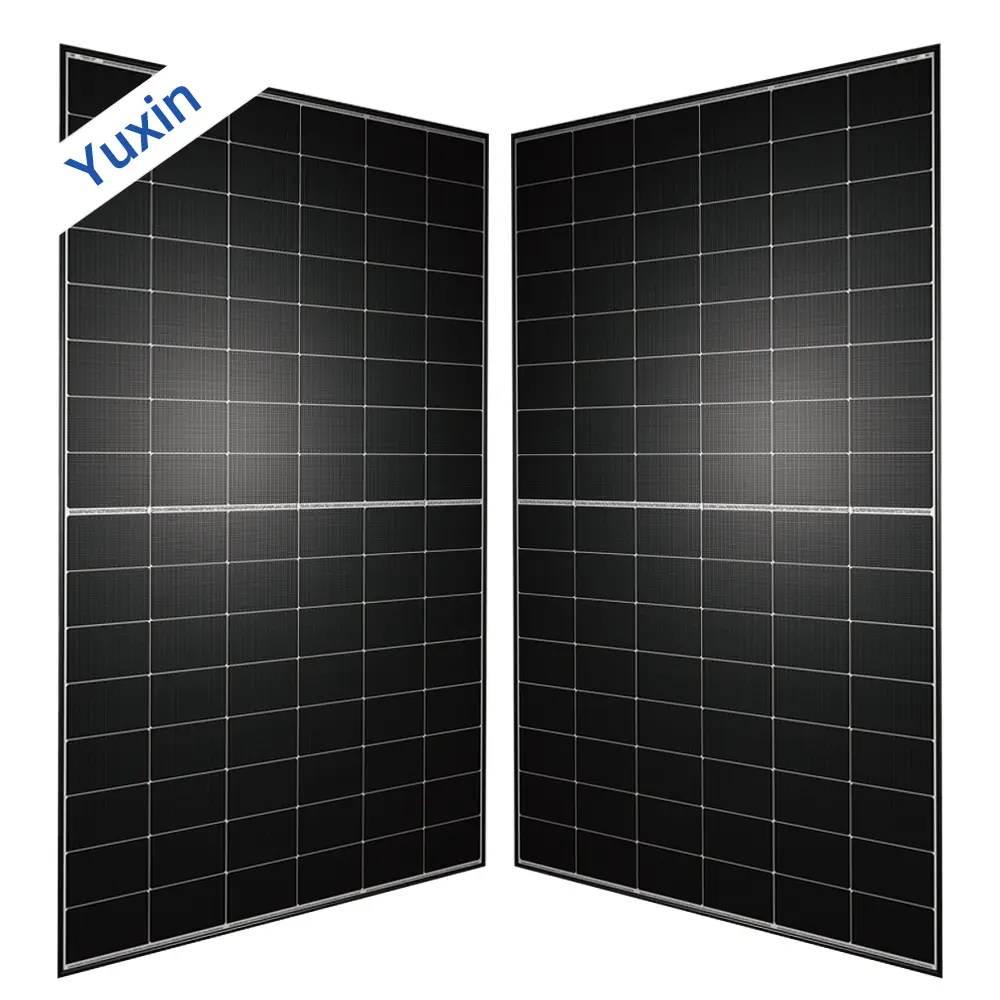
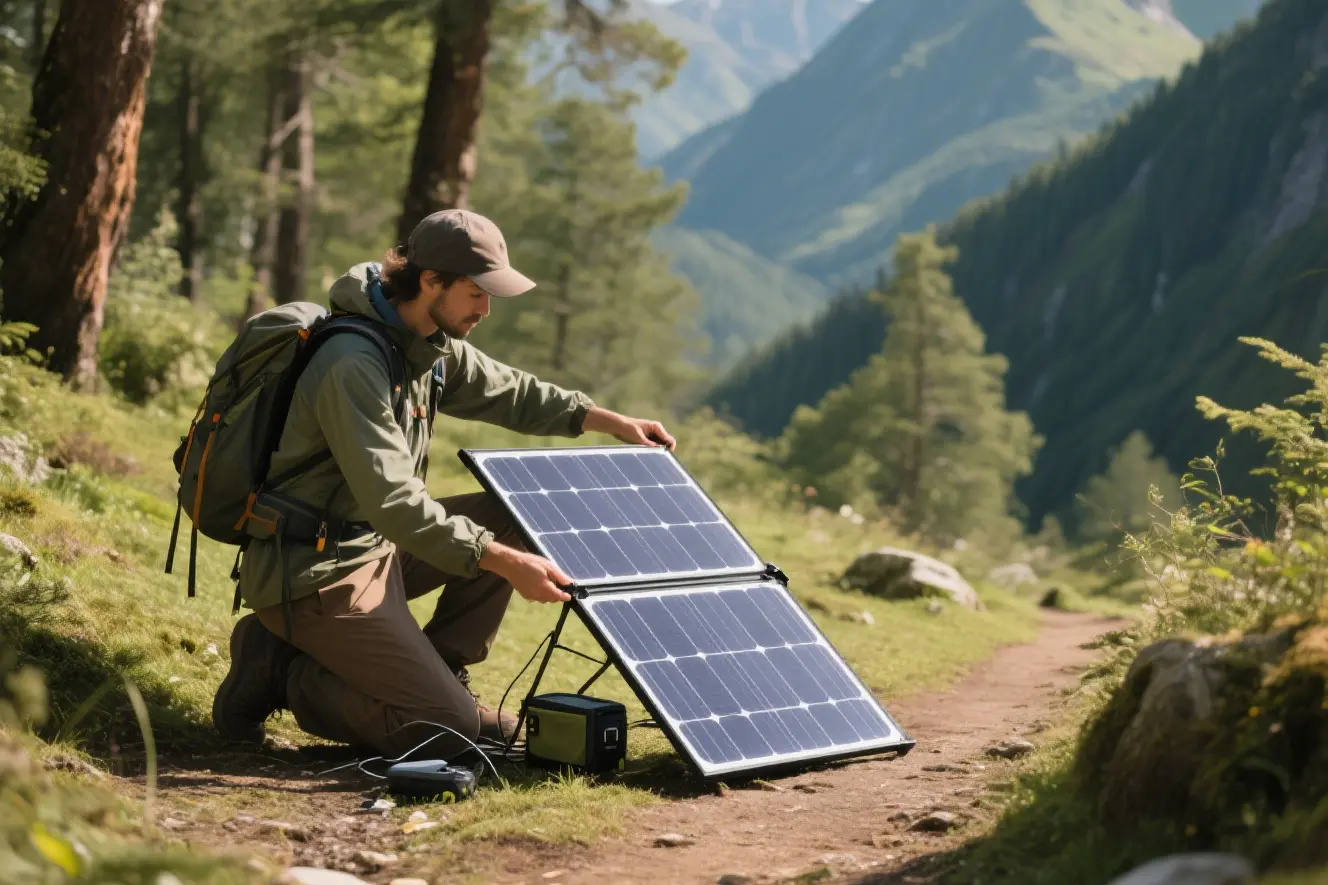
Direct factory insight into structural mounting solutions, personal solar equipment, and residential storage arrays.
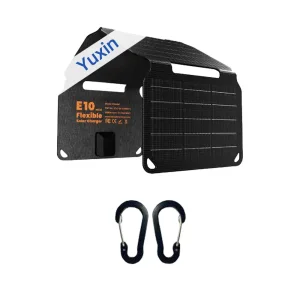
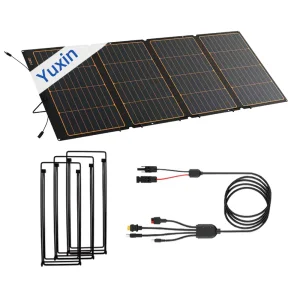
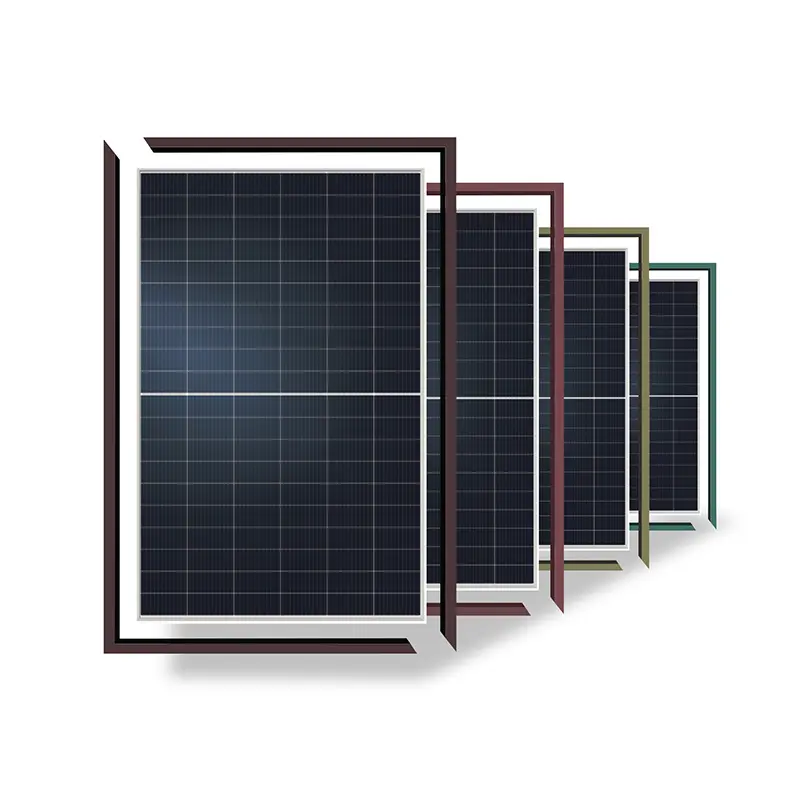
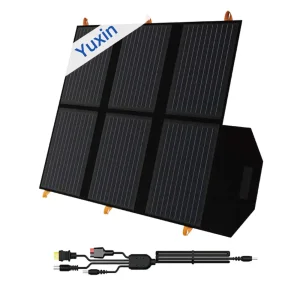
Lightweight design with transparent back panel for easy installation and reduced BOS costs.
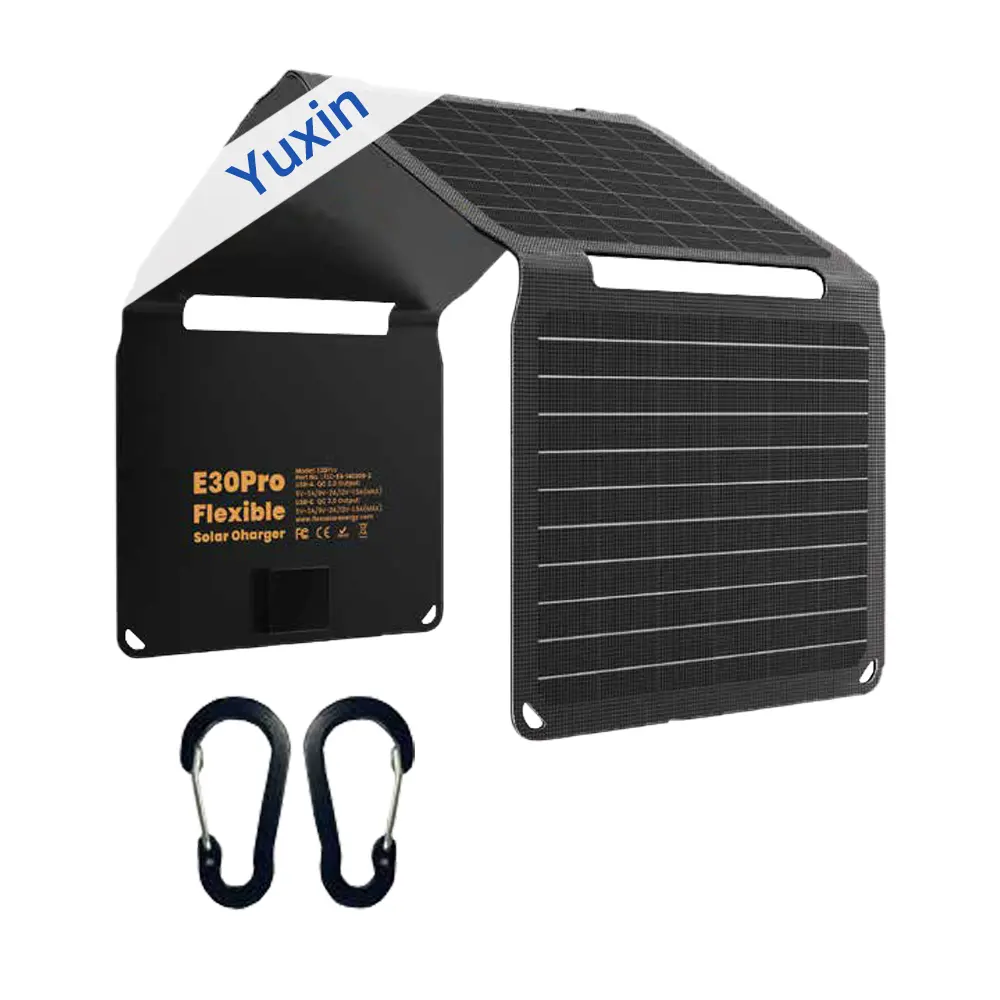
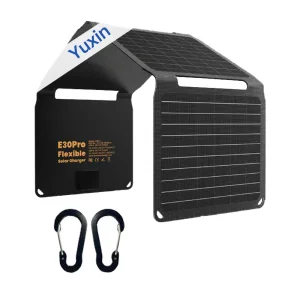
Utilizing advanced monocrystalline silicon cells, it achieves a high energy conversion efficiency of 24%.
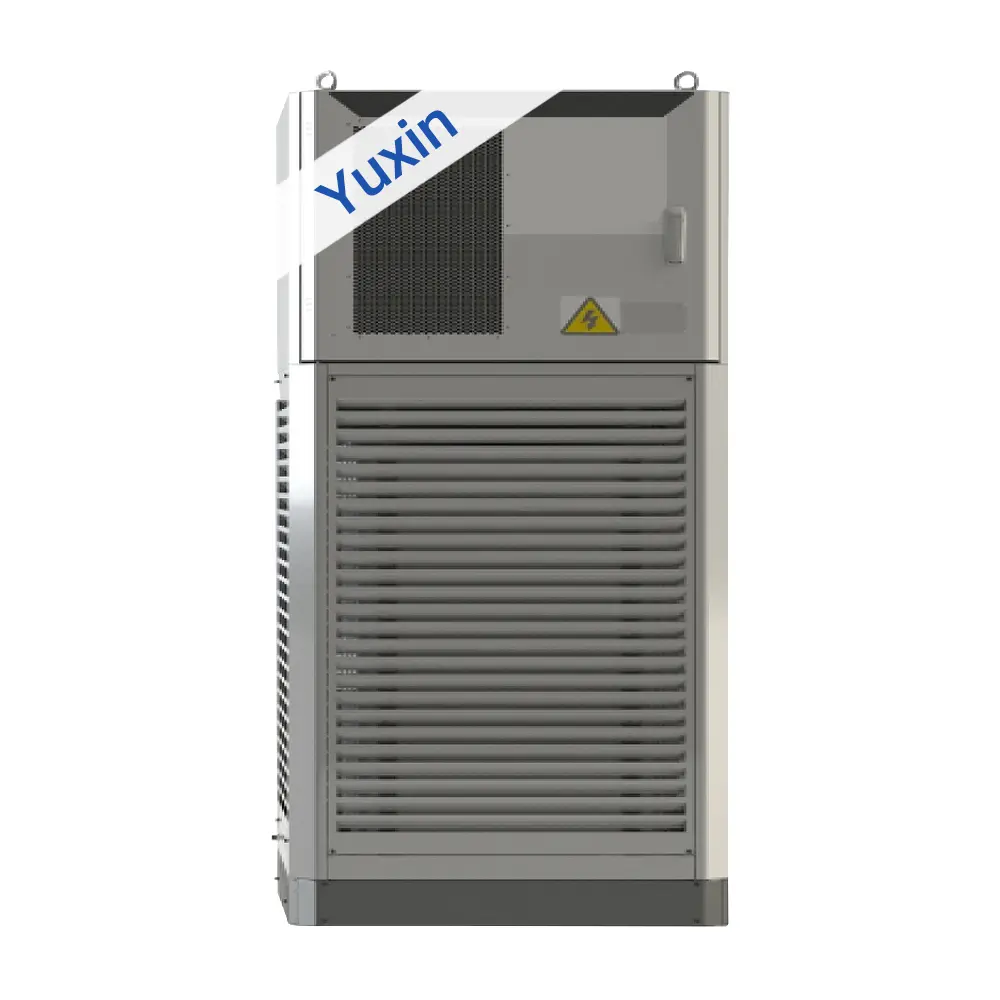
Application modes include grid-connected mode, off-grid mode, and integrated grid-connected/off-grid mode.
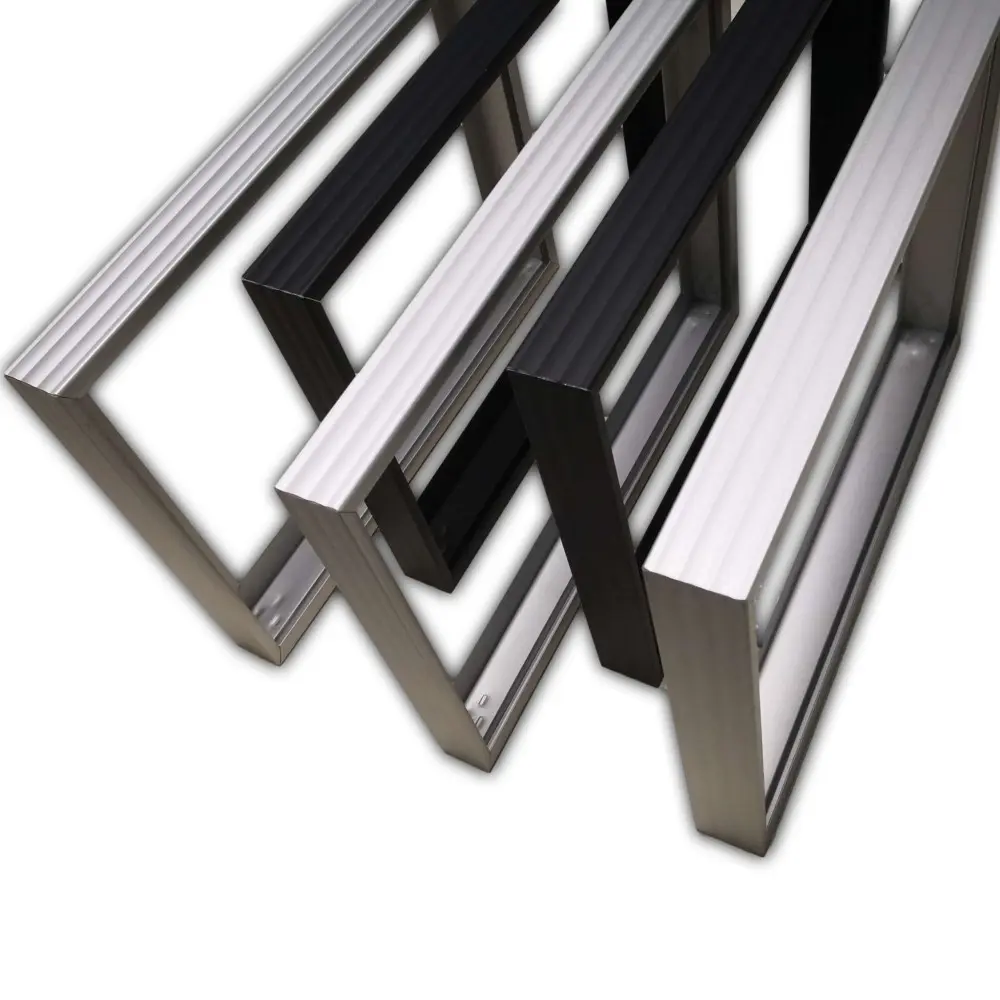
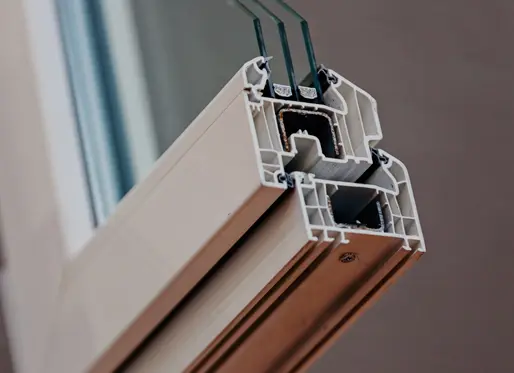
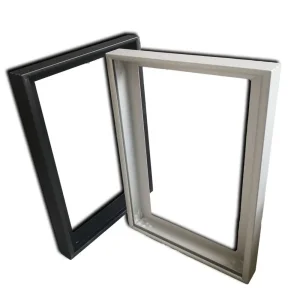
Made of high-quality anodized aluminum, it ensures superior weather resistance and a smooth, long-lasting finish.
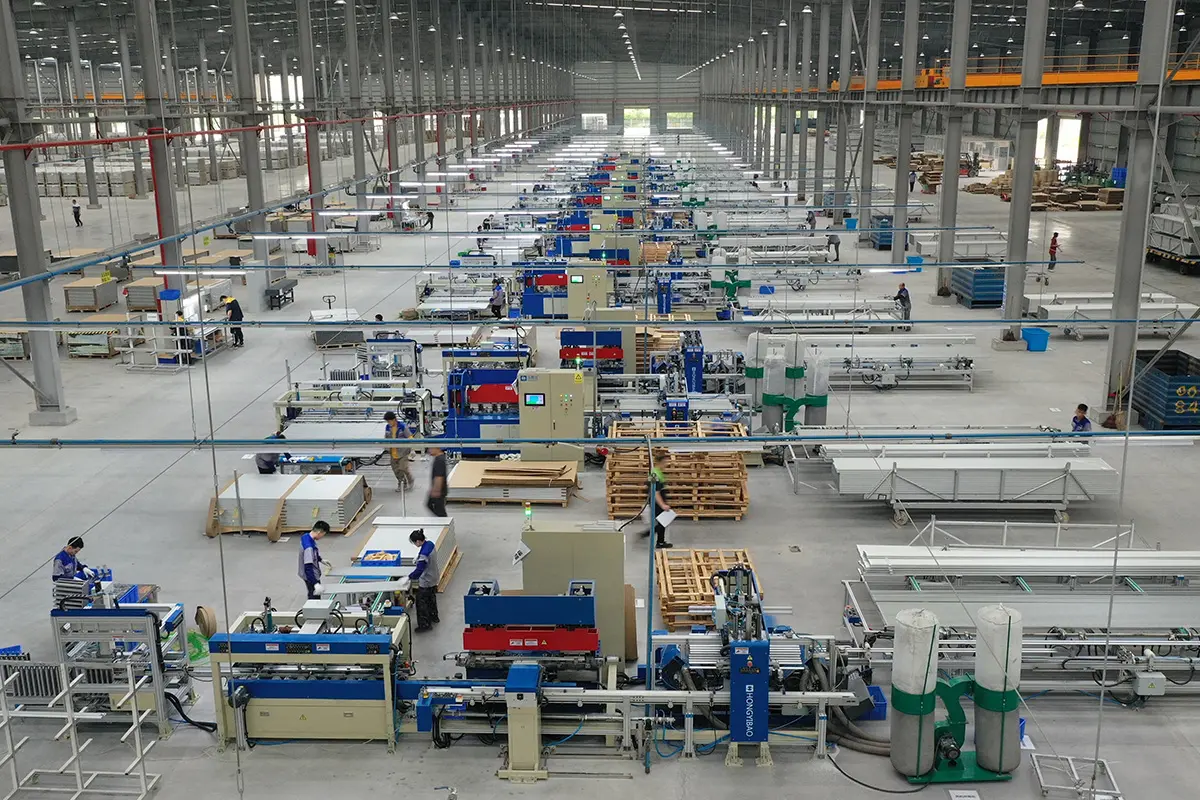
Located in the scenic historical and cultural ancient city of Yangzhou, close to the Beijing-Shanghai Expressway, Runyang Yangtze River Bridge, and Ningqi Railway, the group has a superior geographical location and convenient transportation. The group was established in 2008 and has 14 multi-field companies under its jurisdiction, including Jiangsu Yuxin New Energy Technology Co., Ltd., and has won many titles such as National High-tech Enterprise, Technology-based Enterprise, and Gaoyou City Top 100 Private Enterprises.
Our industrial products strictly conform to top-tier global safety, environmental, and engineering standards.
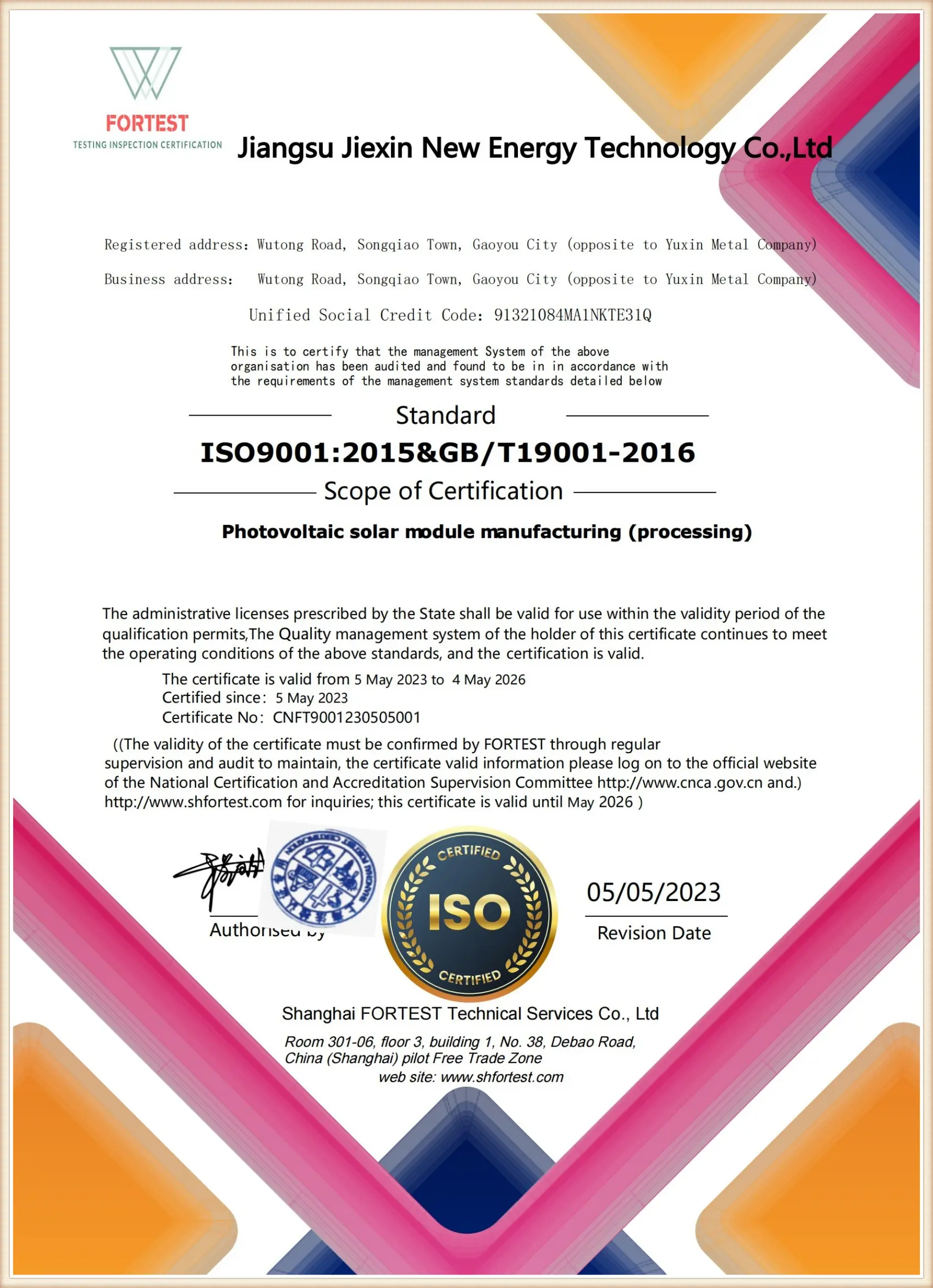
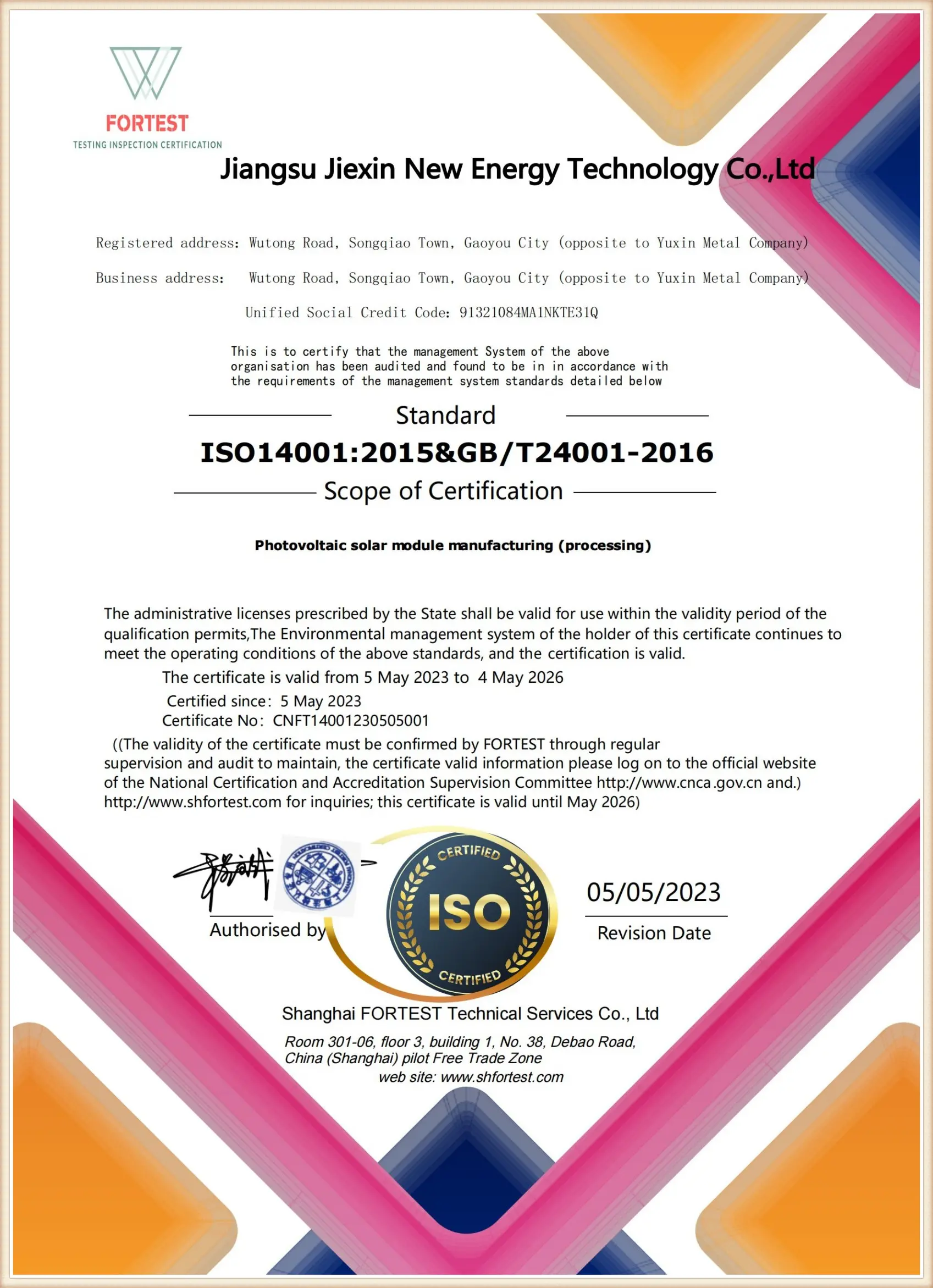
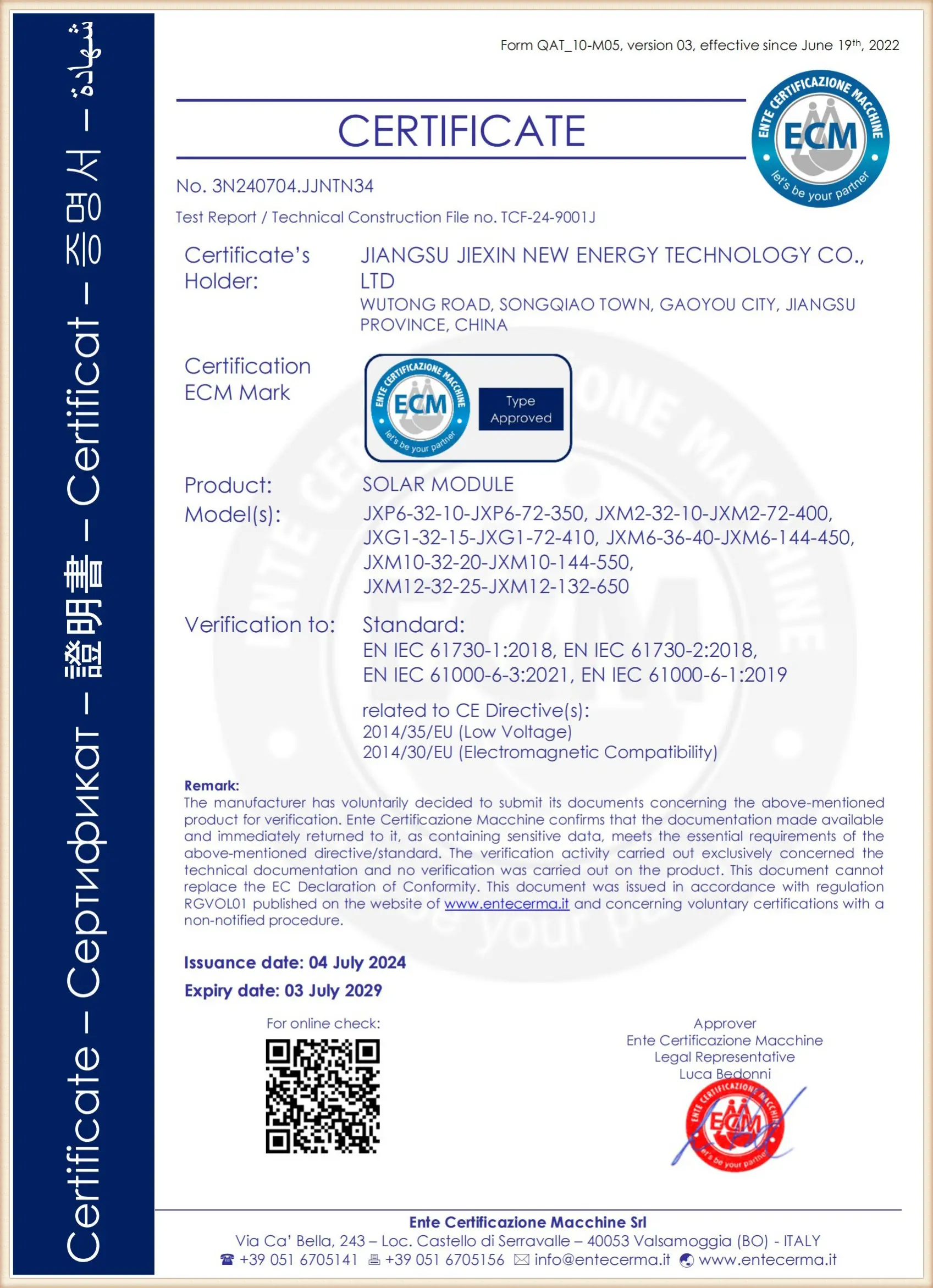
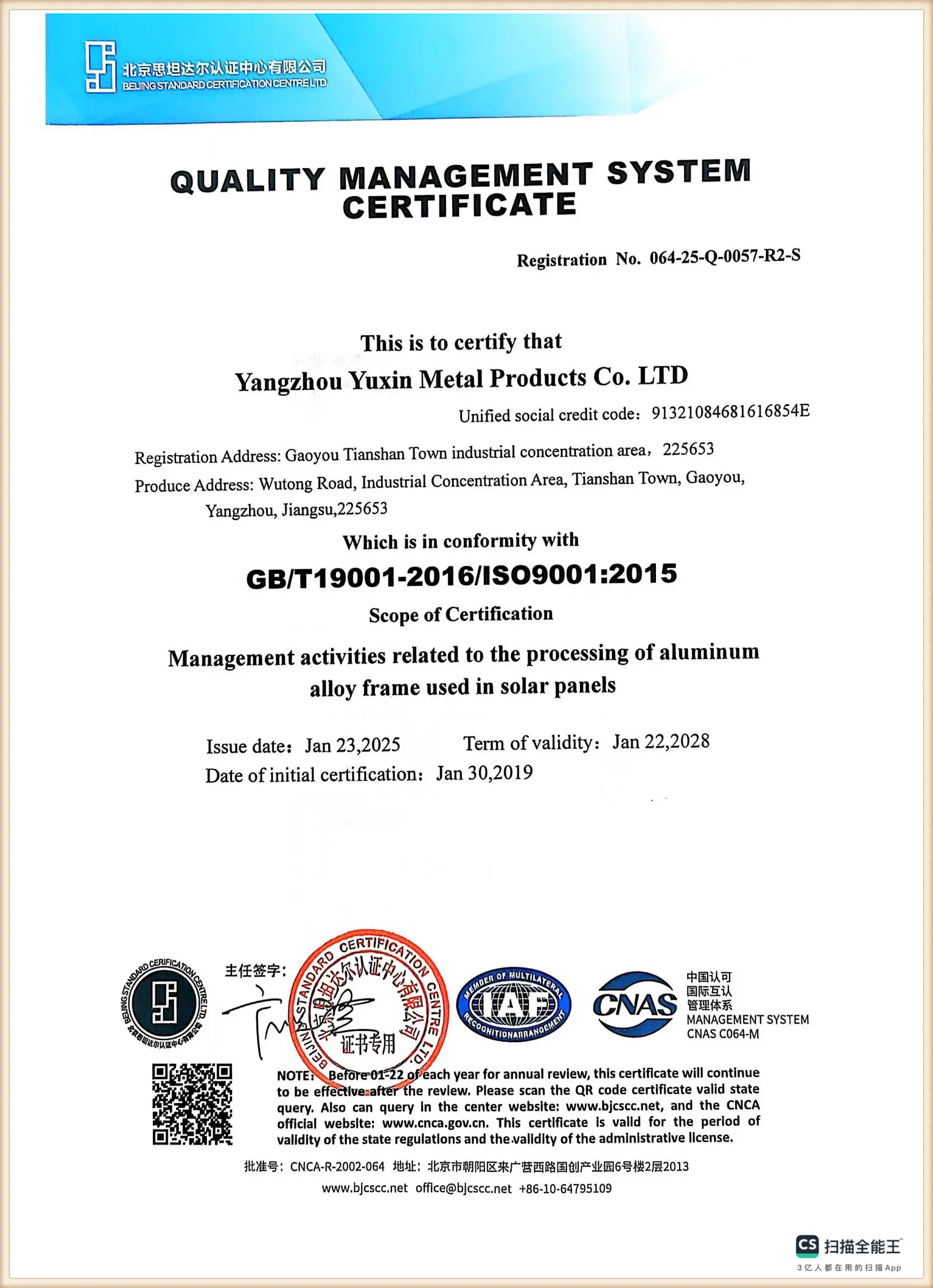
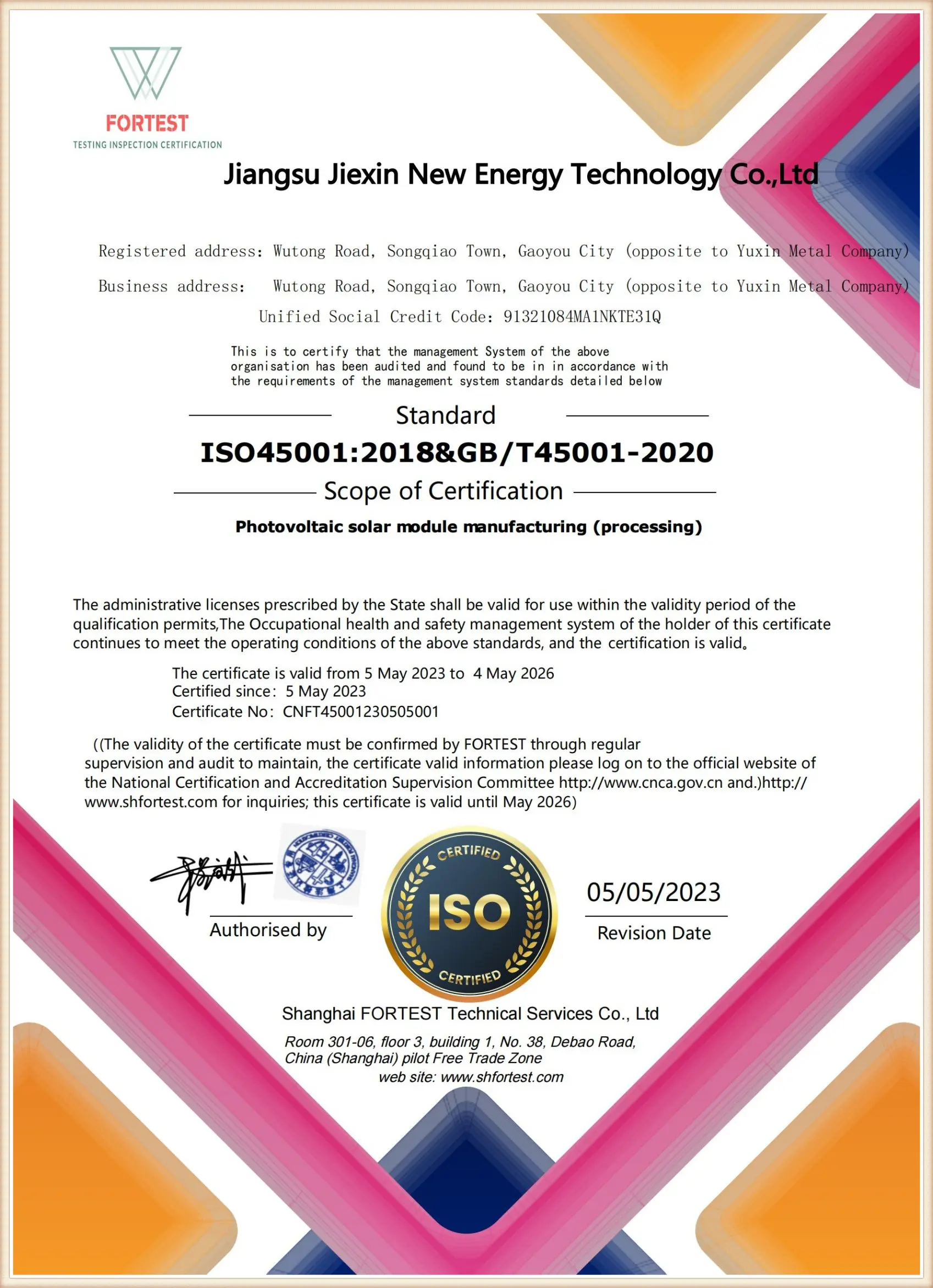
Navigating regional micro-grid policies, certification frameworks, and engineering parameters for off-grid cabin deployment.
To safely scale solar systems internationally, products must adhere to stringent regional certifications. In Europe, adherence to CE marking and IEC standards (such as IEC 61215 for performance and IEC 61730 for safety) is mandatory. Across the Americas, compliance with UL 1741 (for inverters and controllers) and the National Electrical Code (NEC Article 690) dictates the architecture of off-grid configurations.
Additionally, structural component longevity requires rigorous corrosion resistance testing (e.g., salt mist testing for marine or damp environments), ensuring structural mounting brackets and aluminum panel frames sustain high wind-load ratings without material fatigue.
Modern off-grid installations rely heavily on the chemical advancement of Energy Storage Systems (ESS). Moving away from traditional flooded lead-acid batteries, the commercial sector has heavily adopted Lithium Iron Phosphate (LiFePO4) chemistry due to its thermal stability, higher depth of discharge (DoD) up to 90%, and longer cycle lives exceeding 6,000 cycles at room temperature.
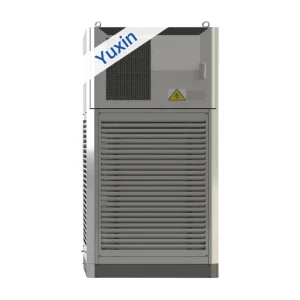
Additionally, modular battery rack installations (like the P01-EC60-30K) allow system sizing flexibility. Developers can expand capacity incrementally as energy demands increase over time, protecting upfront capital investment.
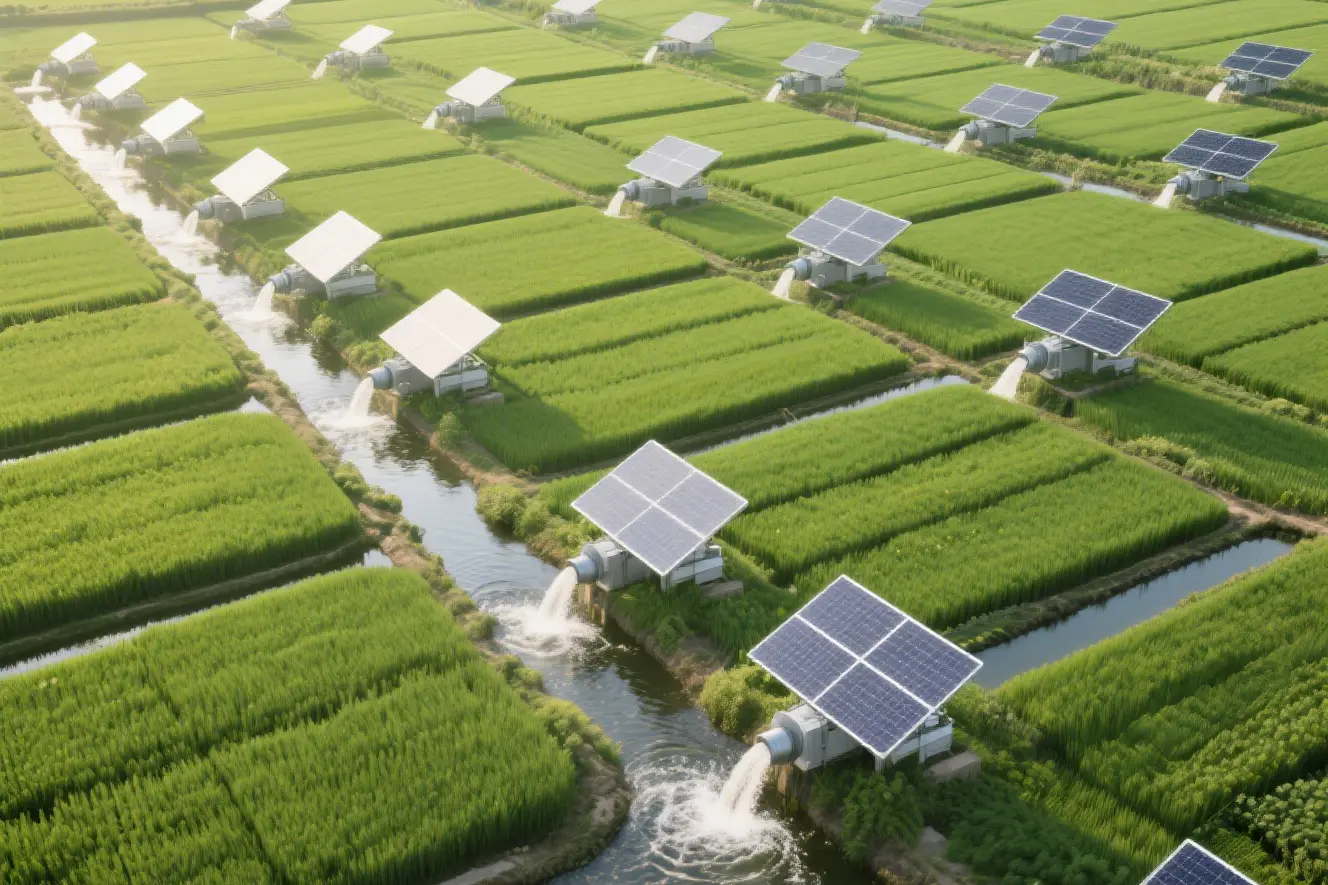
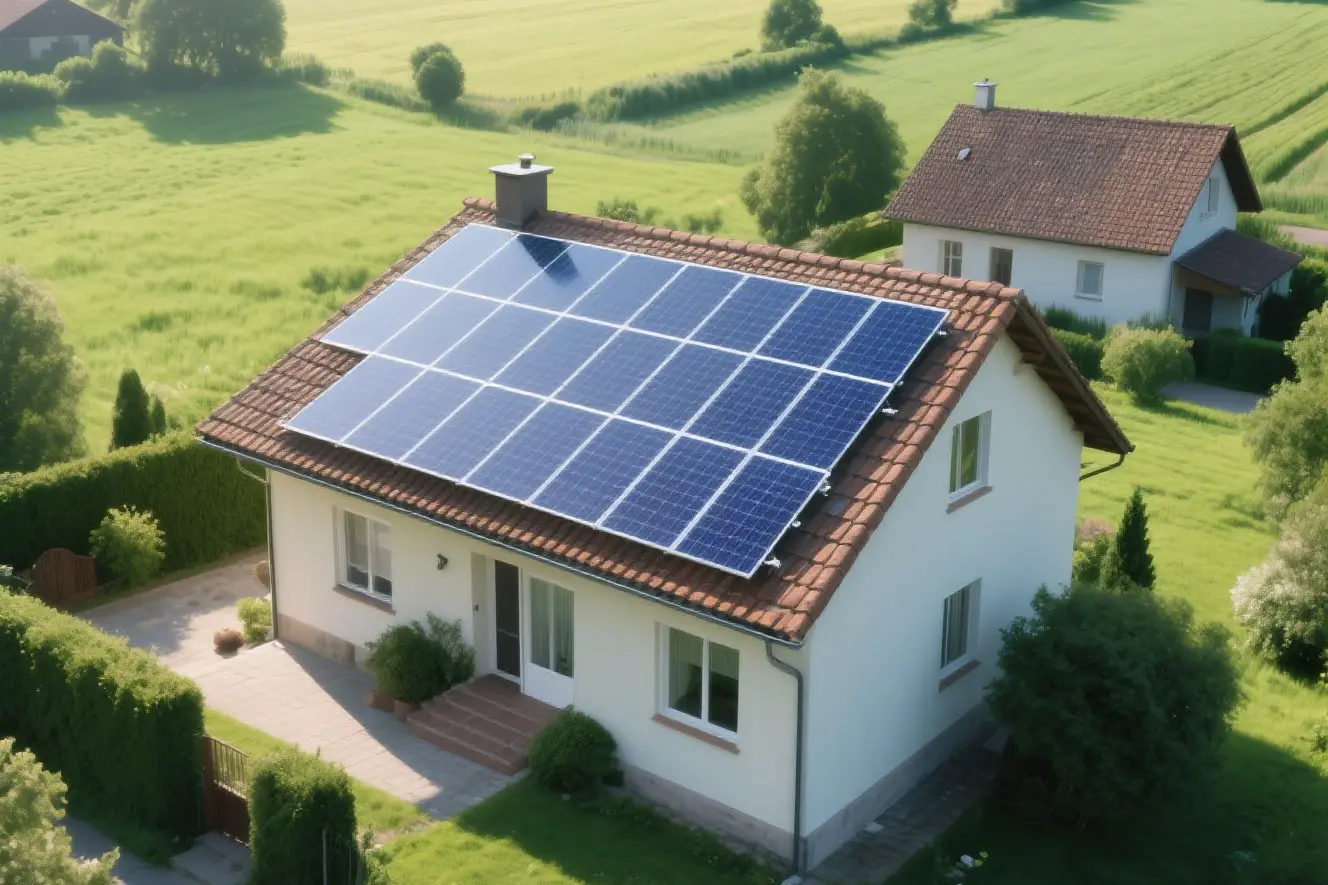
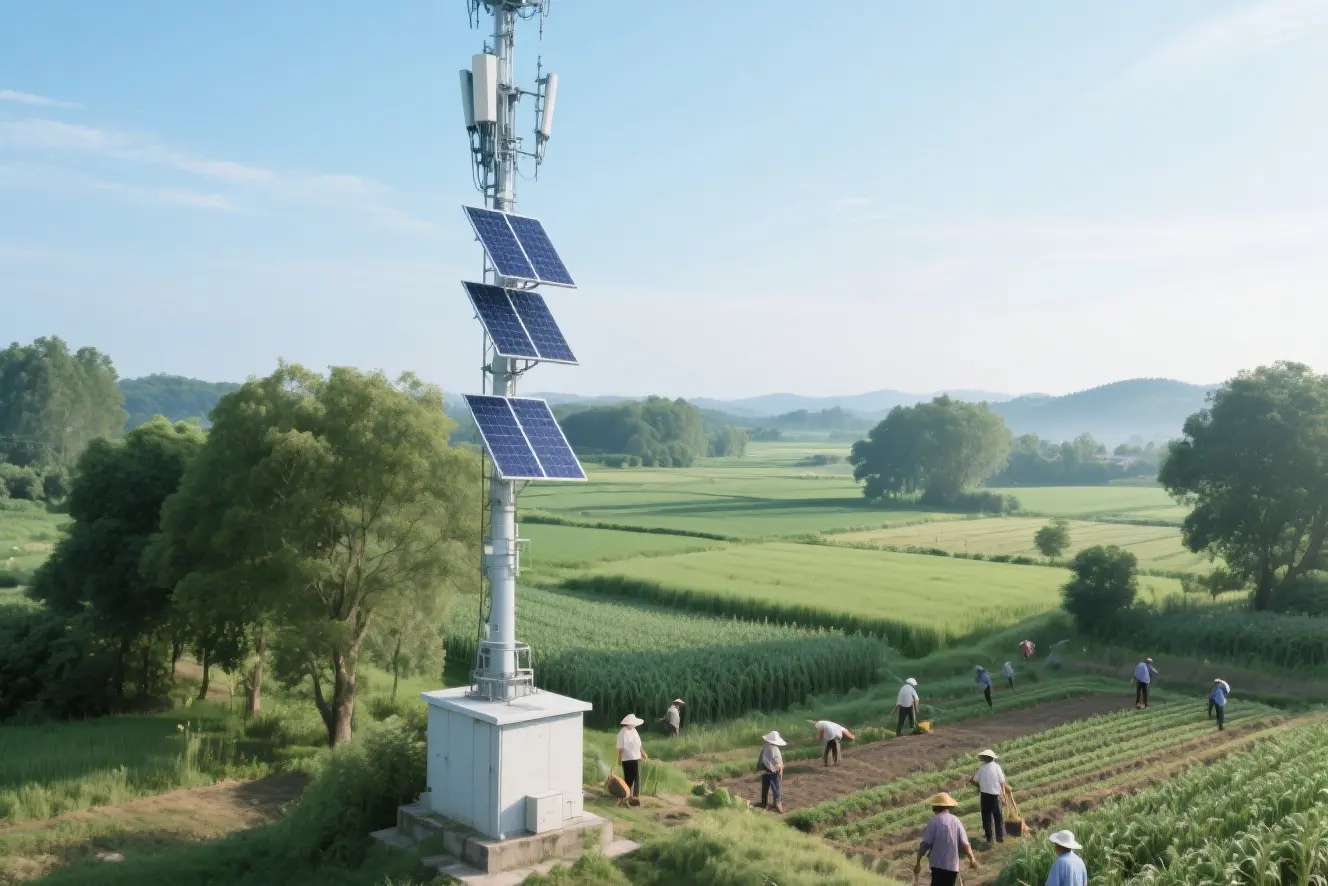
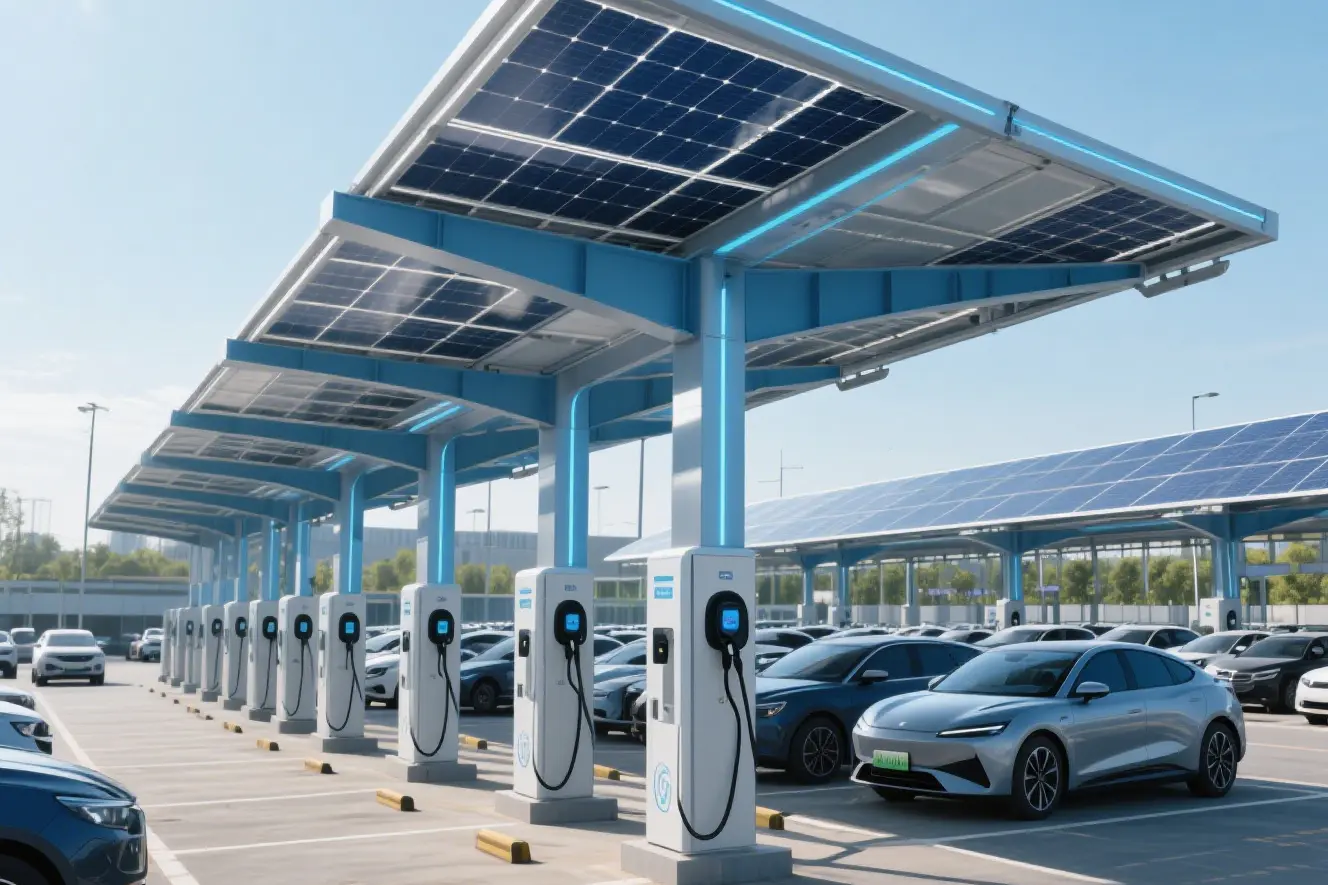
Providing robust, self-sustaining electricity systems across vital industrial and lifestyle sectors.
After years of hard work by Yuxin people, it has gradually formed a collectivist and diversified advantage.
Analyzing emerging cell structures, lightweight composite frames, and automated energy management integration.
The photovoltaic industry is rapidly transitioning from traditional P-type PERC structures to N-type TOPCon (Tunnel Oxide Passivated Contact) and HJT (Heterojunction Technology) solar cells. Topcon modules provide significant performance improvements, including higher front-side efficiency (surpassing 22.5%) and a superior temperature coefficient (-0.30%/°C), which is critical for warm off-grid cabin locations.
Furthermore, bifacial dual-glass TOPCon panels capture back-reflected light from sand, snow, or rocks, boosting energy generation by up to 25% depending on local albedo. This maximizes winter yields when direct sun angles are low.
Innovative structural changes extend beyond active cell performance. Historically, anodized aluminum frames have dominated mounting designs. However, polyurethane pultruded composite material structures are gaining traction. These materials offer exceptional tensile strength, zero electrical conductivity (reducing grounding issues), and excellent resistance to chemical corrosion in harsh agricultural or coastal environments.
By utilizing advanced composites, developers can lower shipping weight, extend mounting life to 30+ years, and guarantee integrity under extreme snow loads of up to 5400 Pa.
Jiangsu Yuxin will keep pace with the society and the times, adhering to the core values of "pragmatic and enterprising, reform and change, people-oriented, and win-win cooperation", creating a future for employees, creating benefits for partners, and creating value for society.
Common inquiries from wholesalers, commercial developers, and project managers regarding off-grid solar equipment procurement.
Direct factory pricing for high-efficiency solar modules, composite mounting rails, and portable power stations.