High-efficiency, lightweight, and rugged solar options customized for global OEM/ODM distributors and bulk buyers.
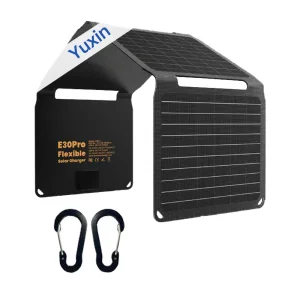
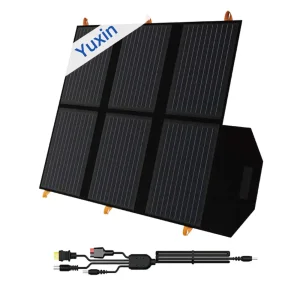
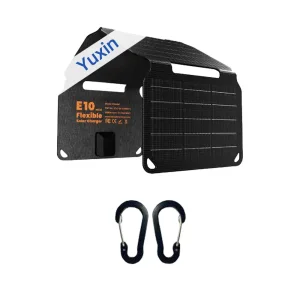
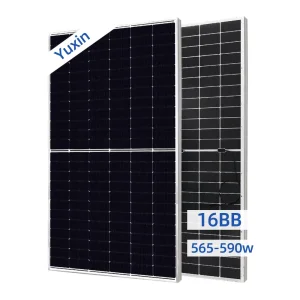
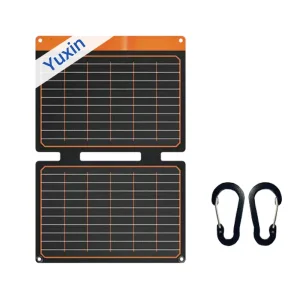
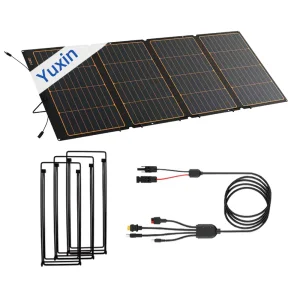
The global push for off-grid power solutions has escalated. The outdoor adventure market, regional field operations, and disaster-response protocols are driving high demand. As a procurement officer or energy broker, you need to understand that sourcing wholesale lightweight camping solar panels involves more than comparing sticker prices. Modern procurement requires analyzing cell conversion efficiency, encapsulation materials (such as ETFE vs. PET), structural frame durability, and total cost of ownership (TCO).
This industry report acts as a technical whitepaper. It covers design engineering, supply chain dynamics, and product lifecycles. We explore why Tier-1 manufacturers like Jiangsu Yuxin New Energy Technology Co., Ltd. (YUXIN) use advanced materials. These include high-performance anodized aluminum frames and polyurethane pultruded composites. These materials help achieve optimal power density and structural integrity in harsh environments.
B2B buyers across Europe, North America, and the Asia-Pacific region have unique procurement needs based on regional climates, grid infrastructure reliability, and consumer habits. Below, we break down these regional demands to help you plan your supply chain strategy.
Buyers focus on high wattage limits (100W to 300W portable panels) for RV integration, overland camping, and off-grid cabins. They require strict compliance with FCC, UL, and UN38.3 standards for integrated battery systems.
Environmental standards drive the market. CE, RoHS, and WEEE compliance are essential. Buyers prefer eco-friendly packaging, sustainable composite frames, and lightweight foldable modules for backpacking and municipal emergency kits.
Reliable power generation at a lower cost is the priority. There is high demand for robust, weather-resistant systems for agricultural telemetry, coastal fisheries, and off-grid telecommunication towers in remote areas.
To reduce weight in camping solar systems, manufacturers must change traditional construction layouts. Standard glass-backed modules are too heavy for portable use. Modern designs replace glass with light-transmitting polymers like ETFE (Ethylene Tetrafluoroethylene) or PET (Polyethylene Terephthalate).
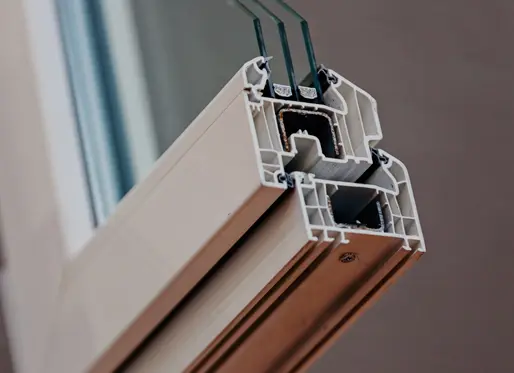
For support frames, standard structural setups use anodized aluminum profiles like 6063-T5. However, new developments include polyurethane pultrude composite materials. These composites provide excellent strength-to-weight ratios, electrical insulation, and resistance to chemical corrosion in coastal areas.
Explore Yuxin's core product categories, engineered for high mechanical loads and long lifespans.
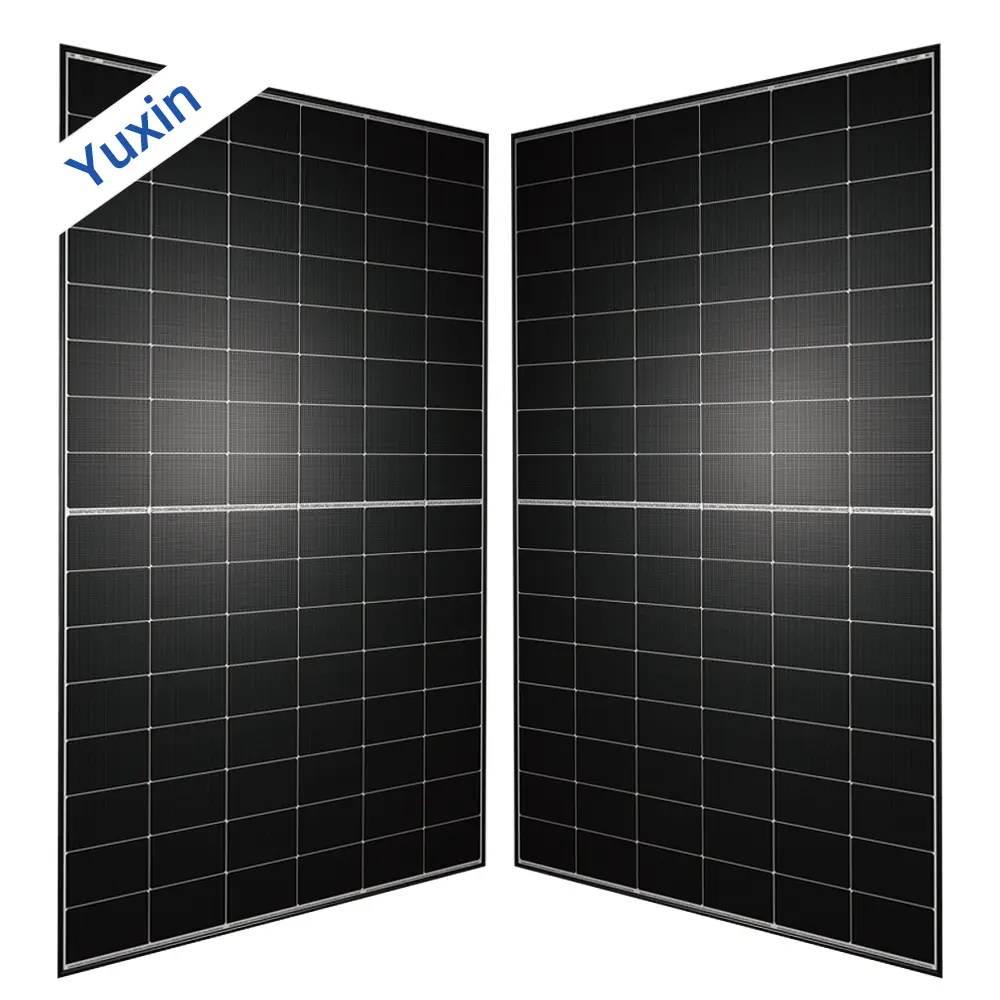
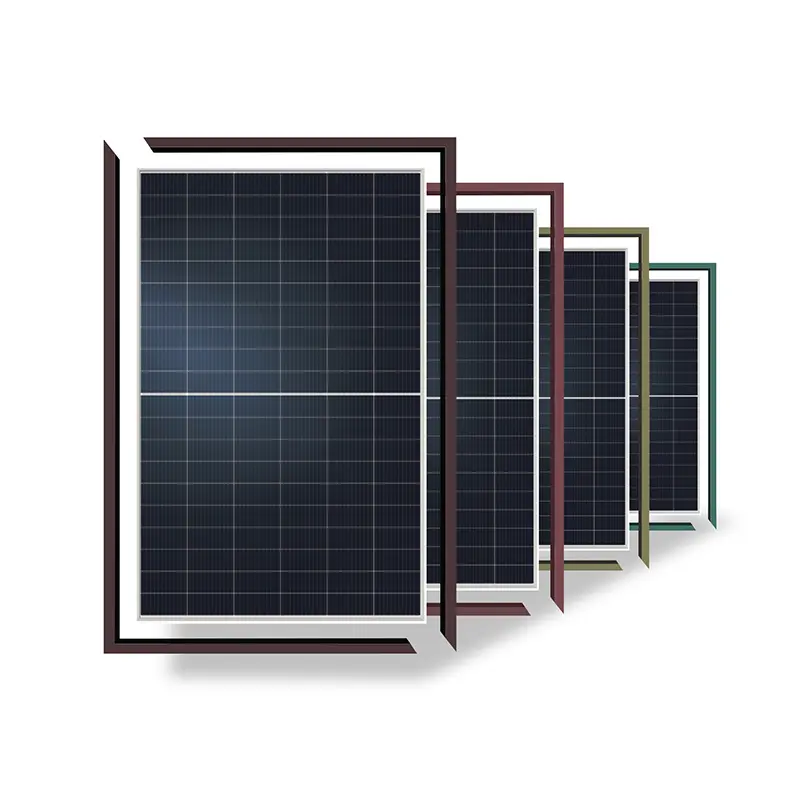
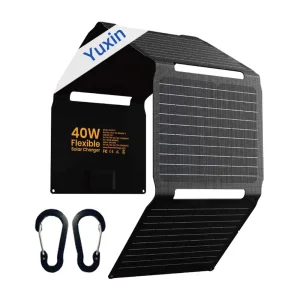
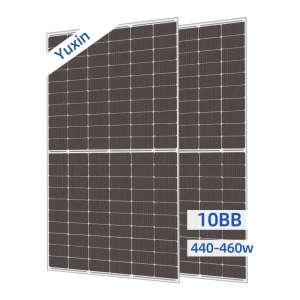
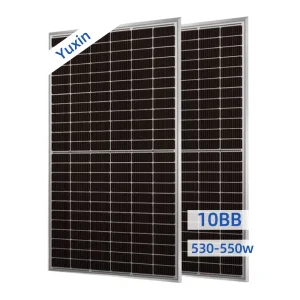
Lightweight design with transparent back panel for easy installation and reduced BOS costs.

Utilizing advanced monocrystalline silicon cells, it achieves a high energy conversion efficiency of 24%.
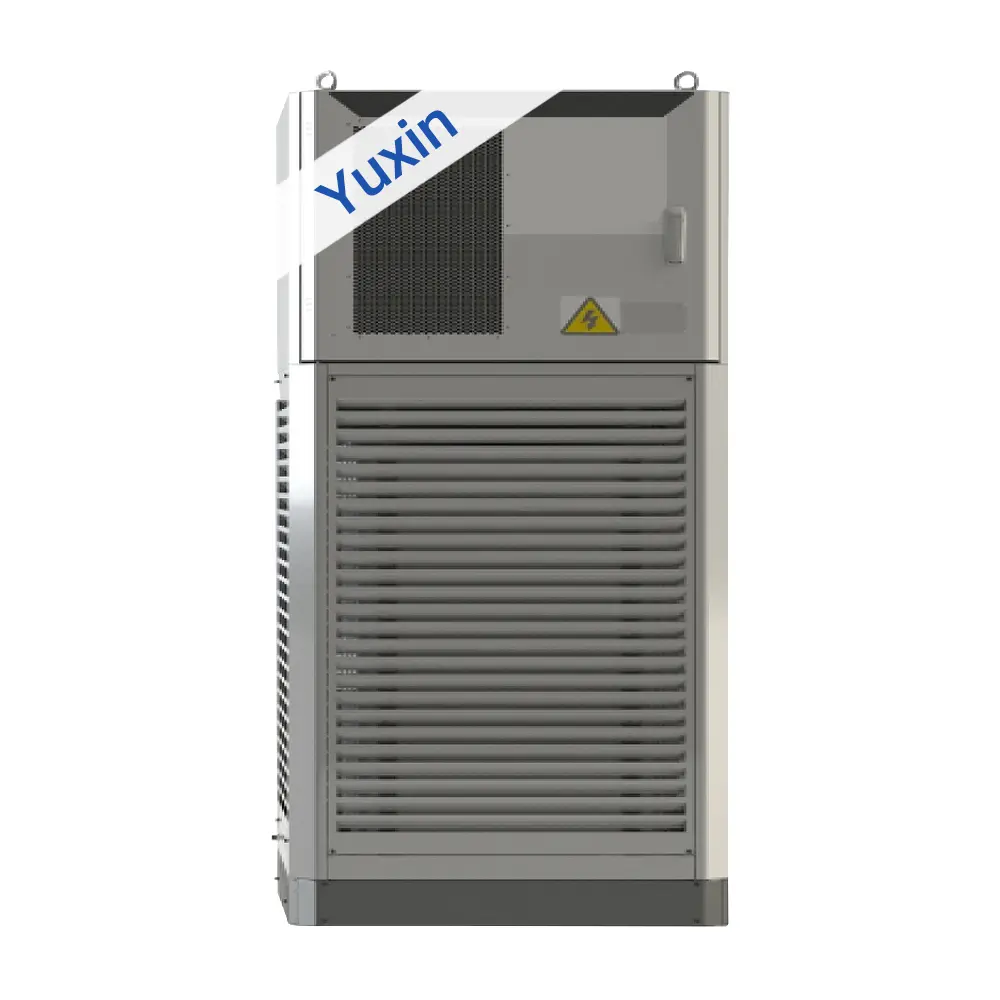
Application modes include grid-connected mode, off-grid mode, and integrated grid-connected/off-grid mode.
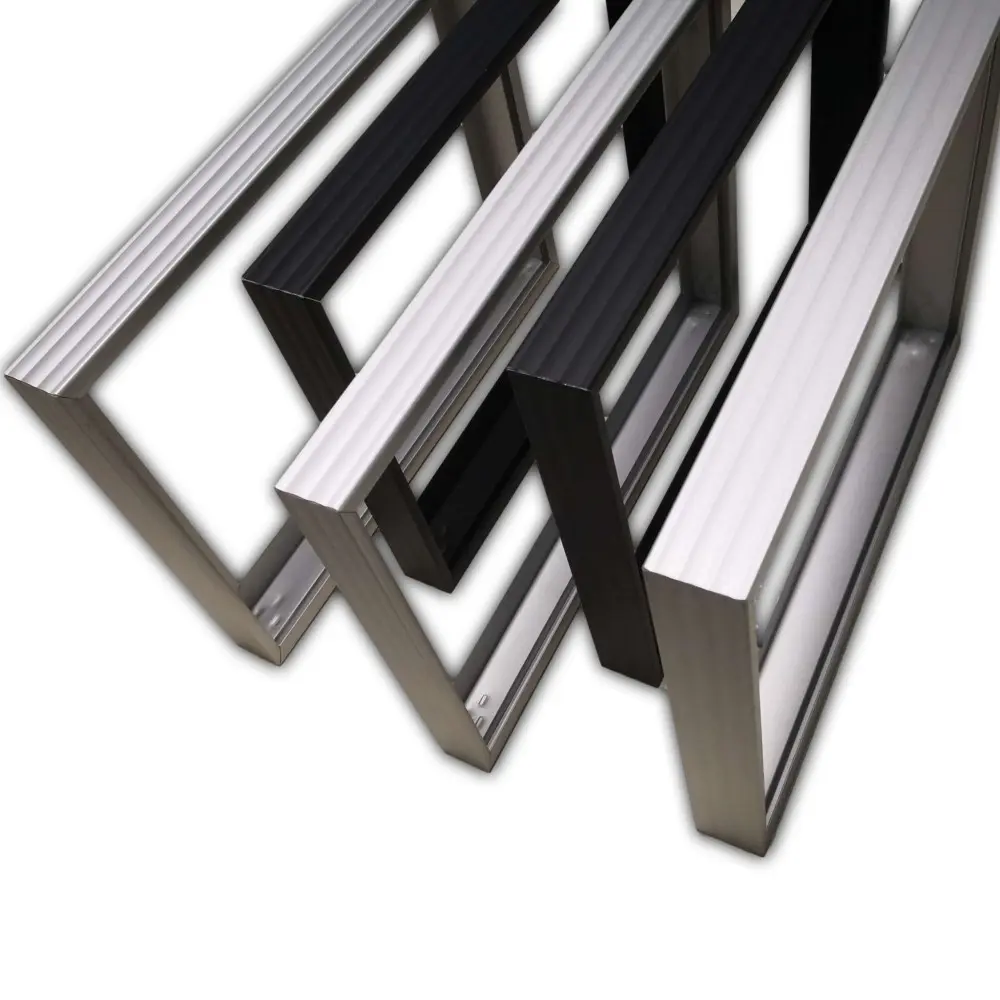
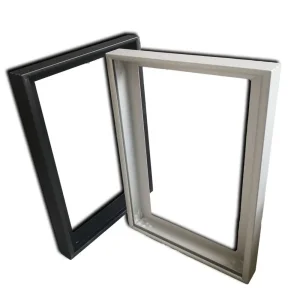
Made of high-quality anodized aluminum, it ensures superior weather resistance and a smooth, long-lasting finish.
Precision, Quality, and Safety - Your Photovoltaic Materials Expert
Located in the scenic historical and cultural ancient city of Yangzhou, close to the Beijing-Shanghai Expressway, Runyang Yangtze River Bridge, and Ningqi Railway, the group has a superior geographical location and convenient transportation. The group was established in 2008 and has 14 multi-field companies under its jurisdiction, including Jiangsu Yuxin New Energy Technology Co., Ltd., and has won many titles such as National High-tech Enterprise, Technology-based Enterprise, and Gaoyou City Top 100 Private Enterprises.
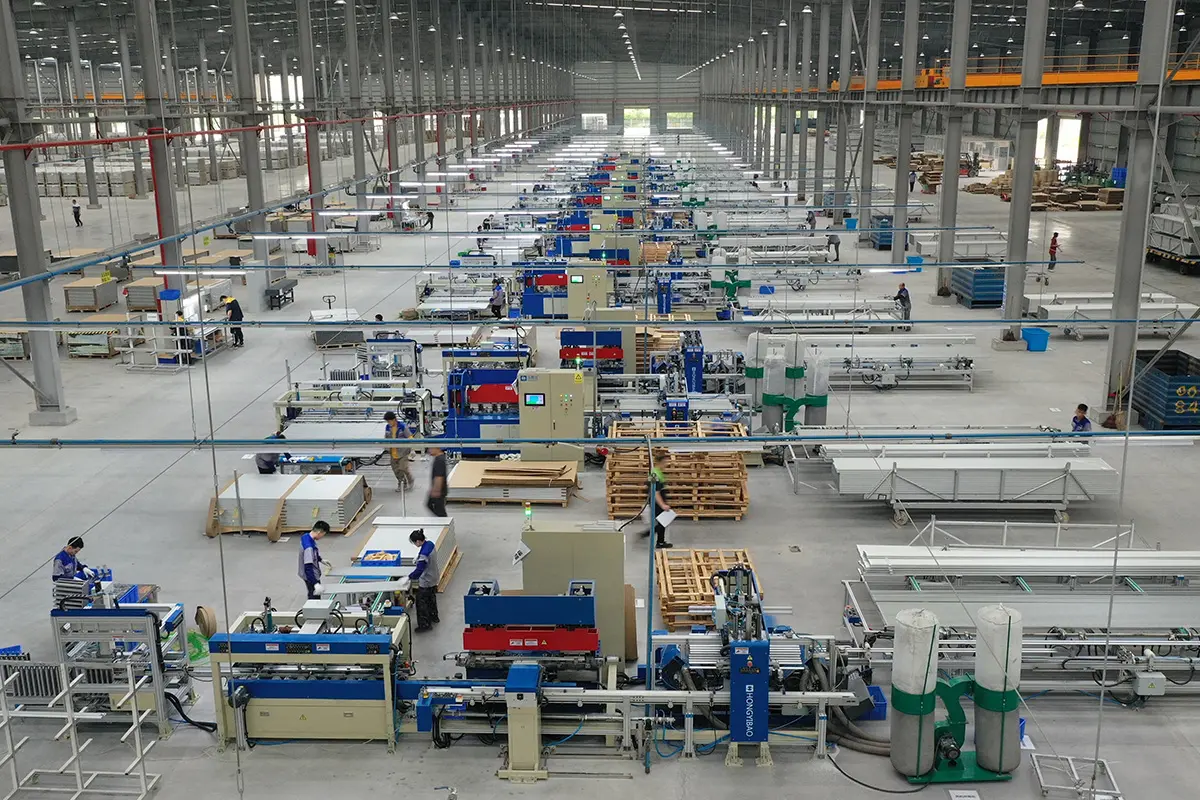
Take a digital tour of our manufacturing workshops and dynamic cleanrooms.
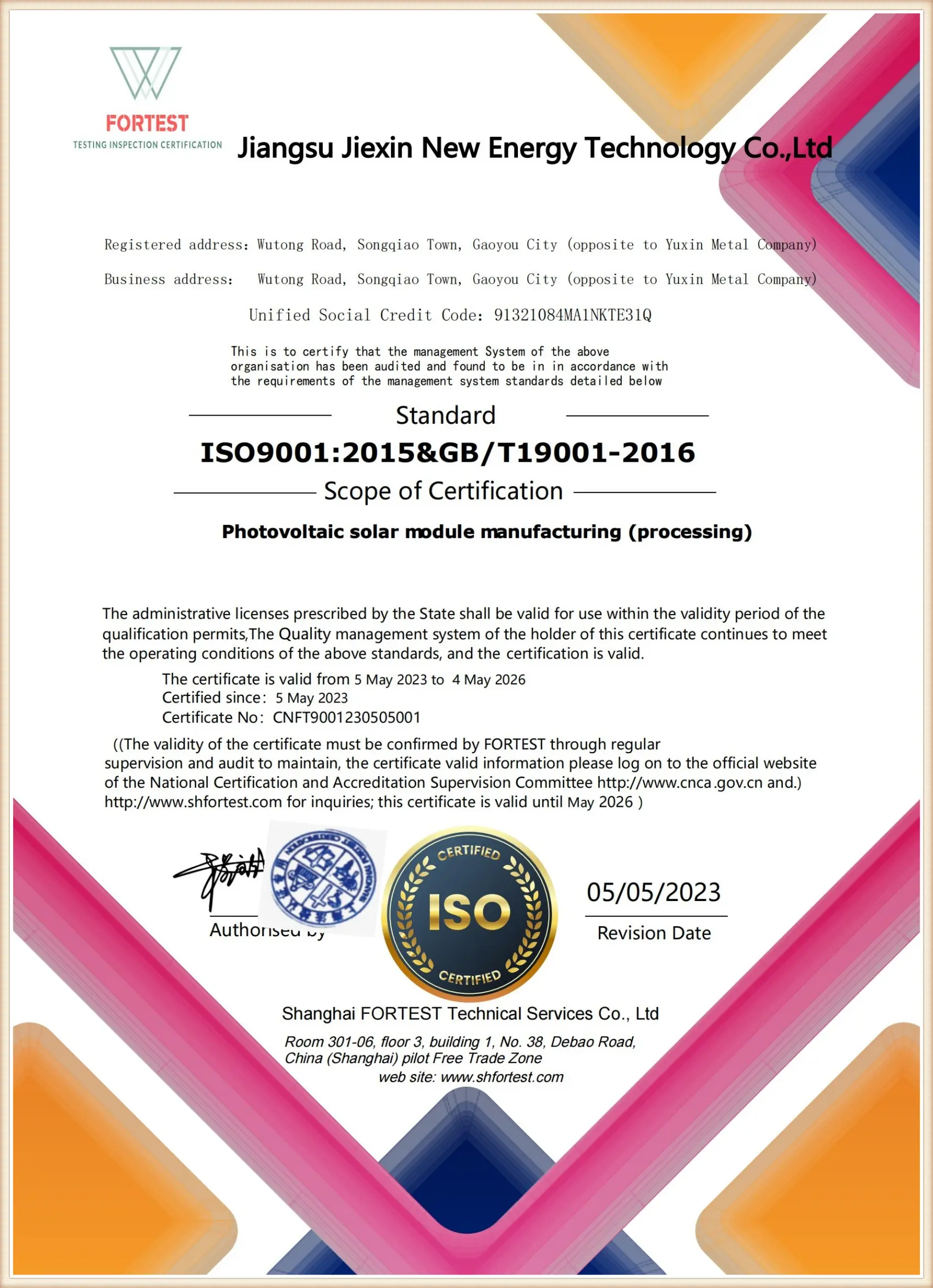
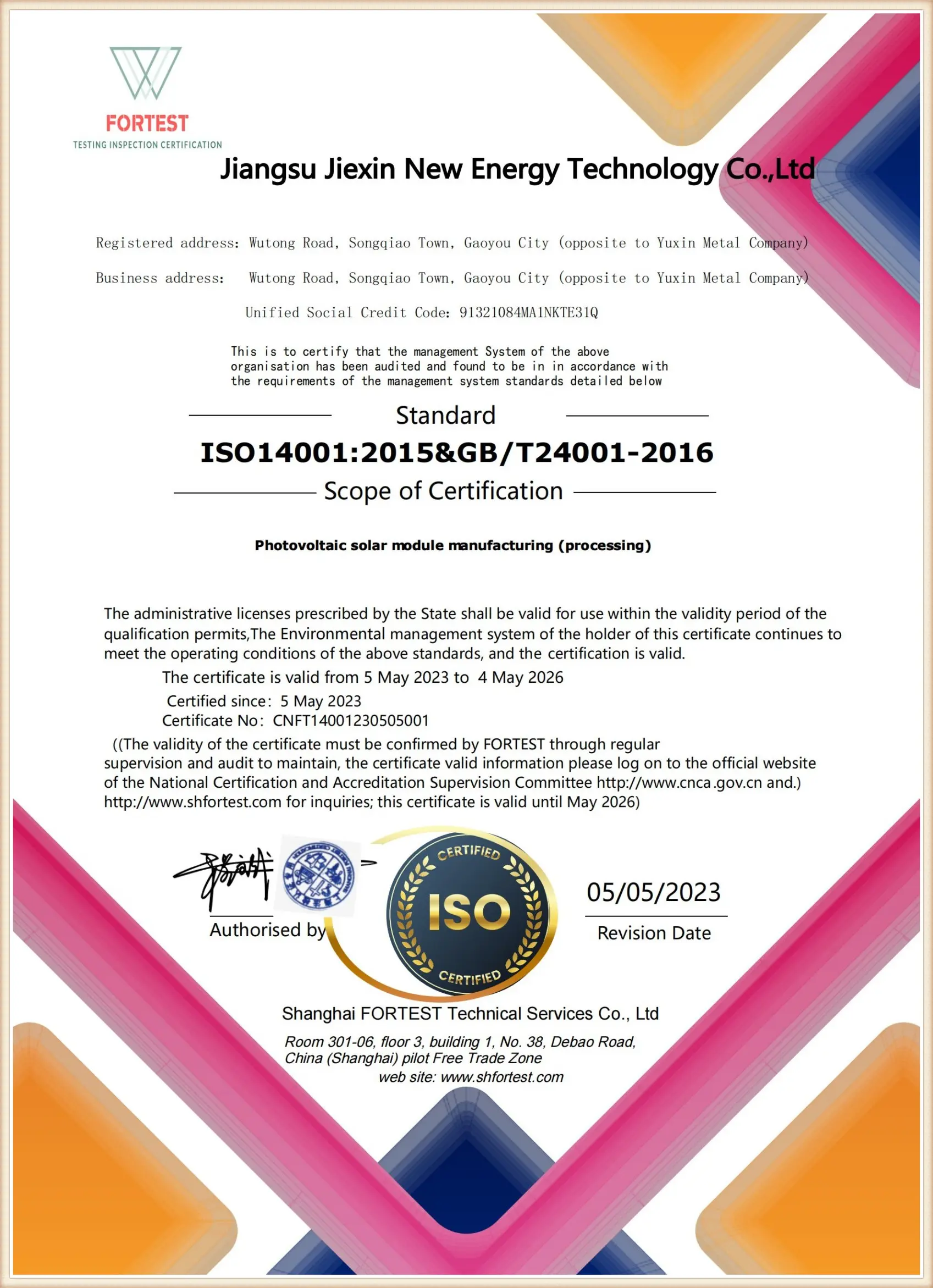
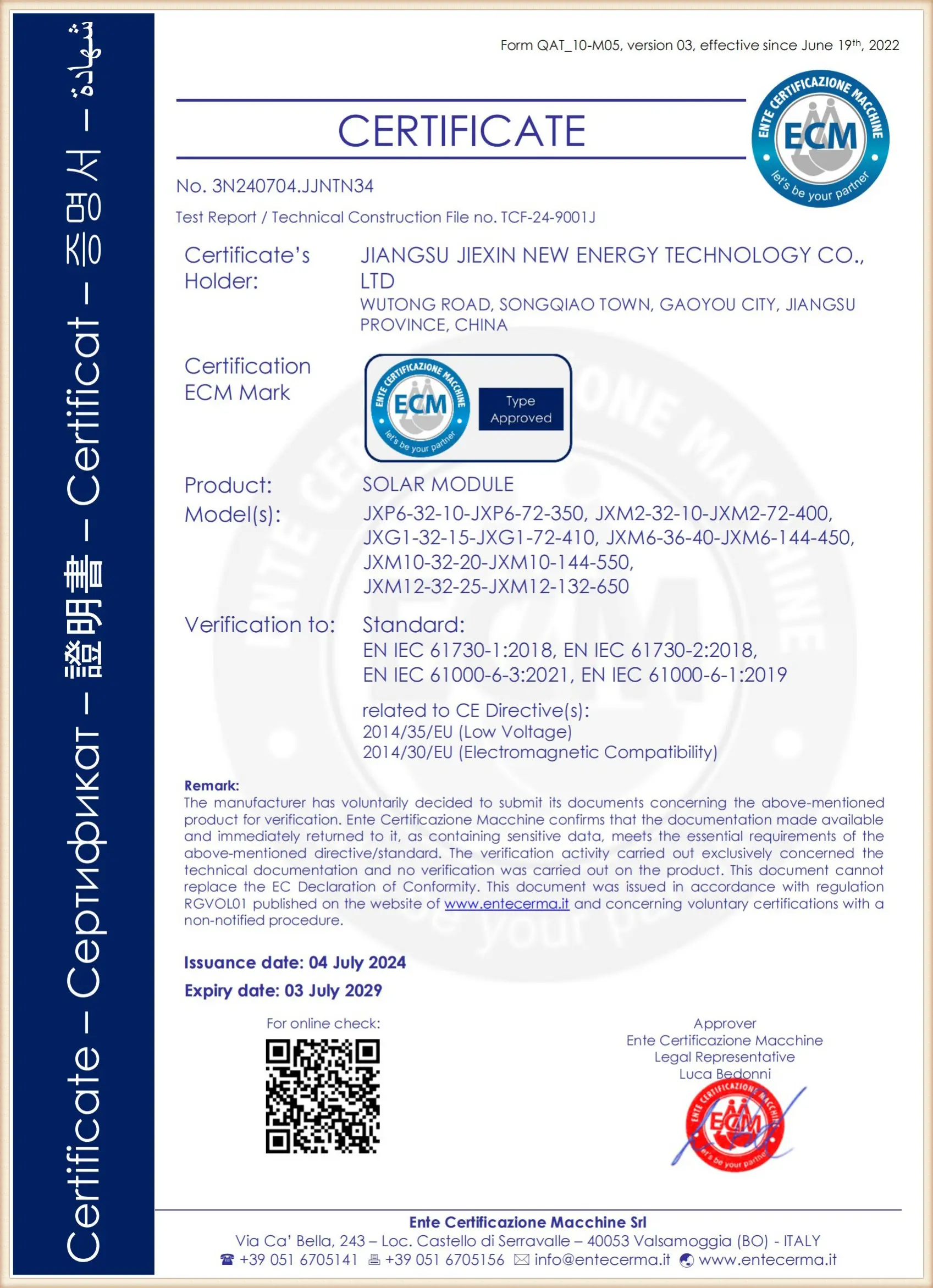
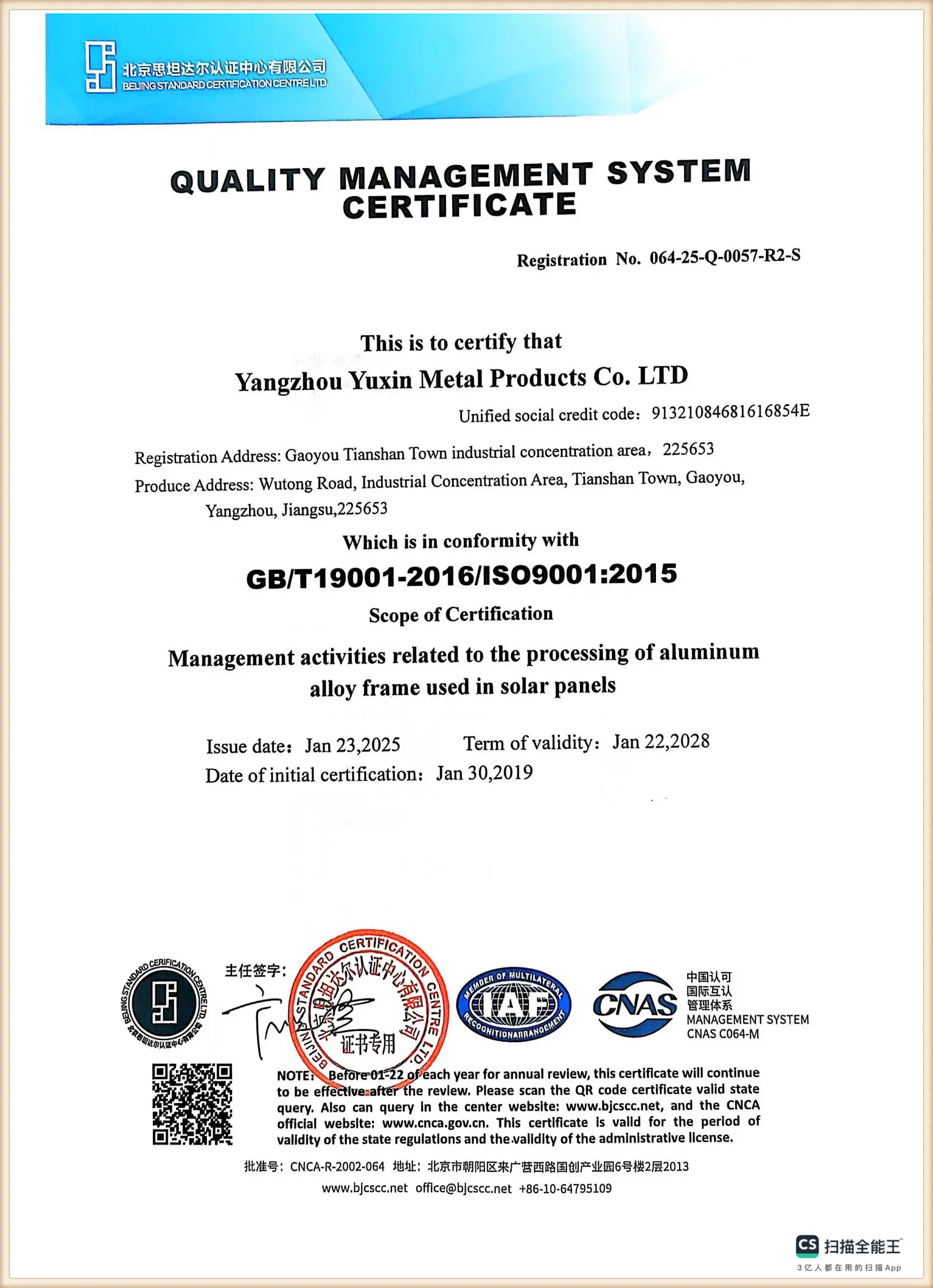
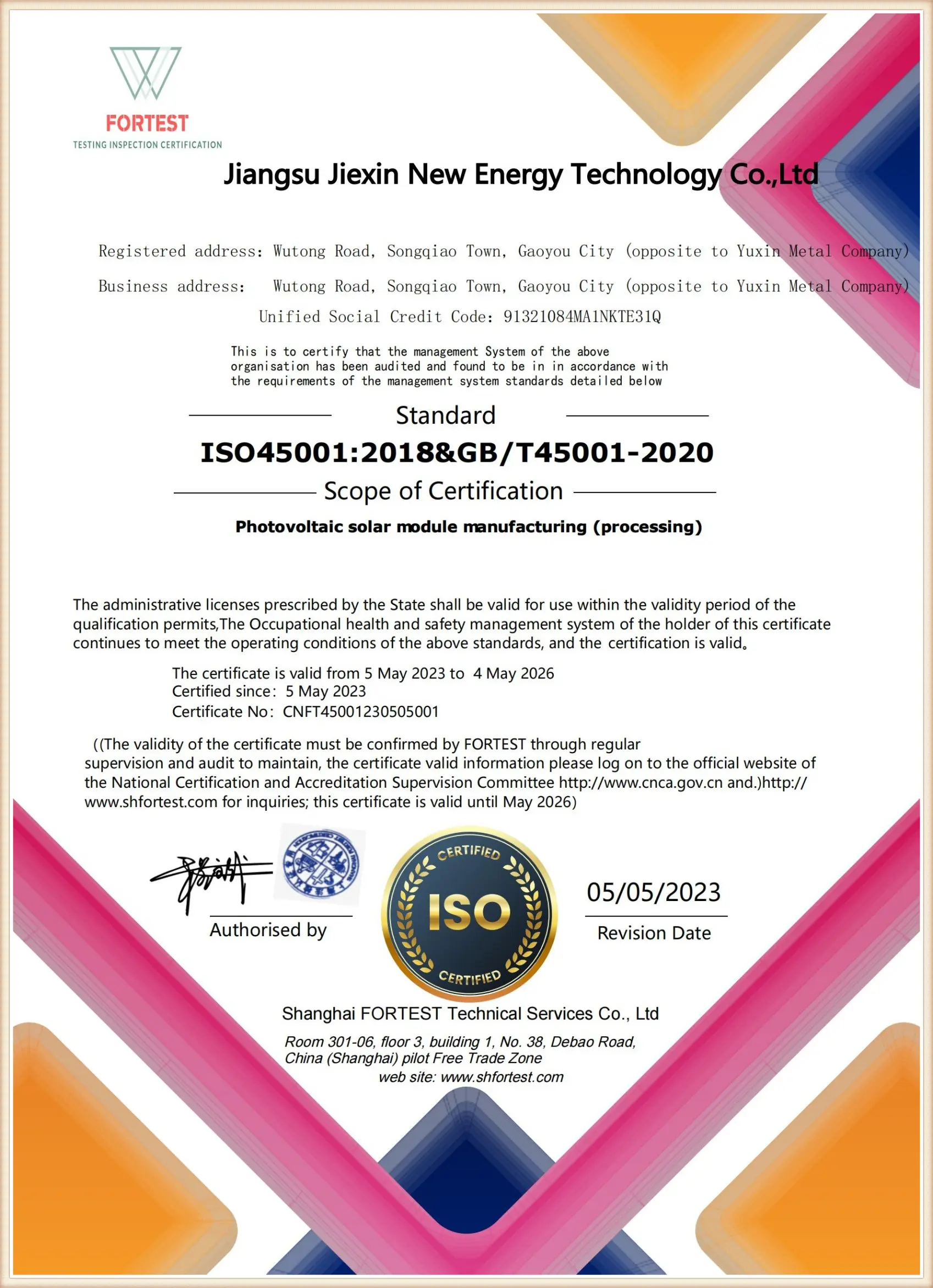
Learn MoreTested and verified by global standards authorities to ensure compliance, fire safety, and output reliability.
Sourcing pricing relies on scale, frame material configurations, and encapsulation choices. Small, low-power panels used for personal devices have different price models than high-capacity, off-grid systems. The matrix below outlines current global B2B pricing estimates by product type.
| Product Type & Output | Cell Technology | Encapsulation | Est. Wholesale Price (FOB, USD) | Standard MOQ |
|---|---|---|---|---|
| 10W - 20W Foldable Chargers | Mono PERC | PET / Fabric | $8.50 - $14.00 | 1,000 units |
| 30W - 60W Solar Backpacks | Monocrystalline Silicon | Waterproof Fabric / ETFE | $22.00 - $38.50 | 500 units |
| 100W - 120W Portable Suitcases | N-Type TOPCon | Rugged ETFE | $65.00 - $88.00 | 200 units |
| 200W - 240W Off-grid Generators | High Efficiency Mono | ETFE / Composite Backsheet | $120.00 - $165.00 | 100 units |
| 400W+ Bifacial Utility Modules | TOPCon Dual-Glass | POE Encapsulant + Al Frame | $0.10 - $0.15 / Watt | 1x40HQ Container |
Versatile solar integration across industries, supporting critical off-grid and industrial applications.
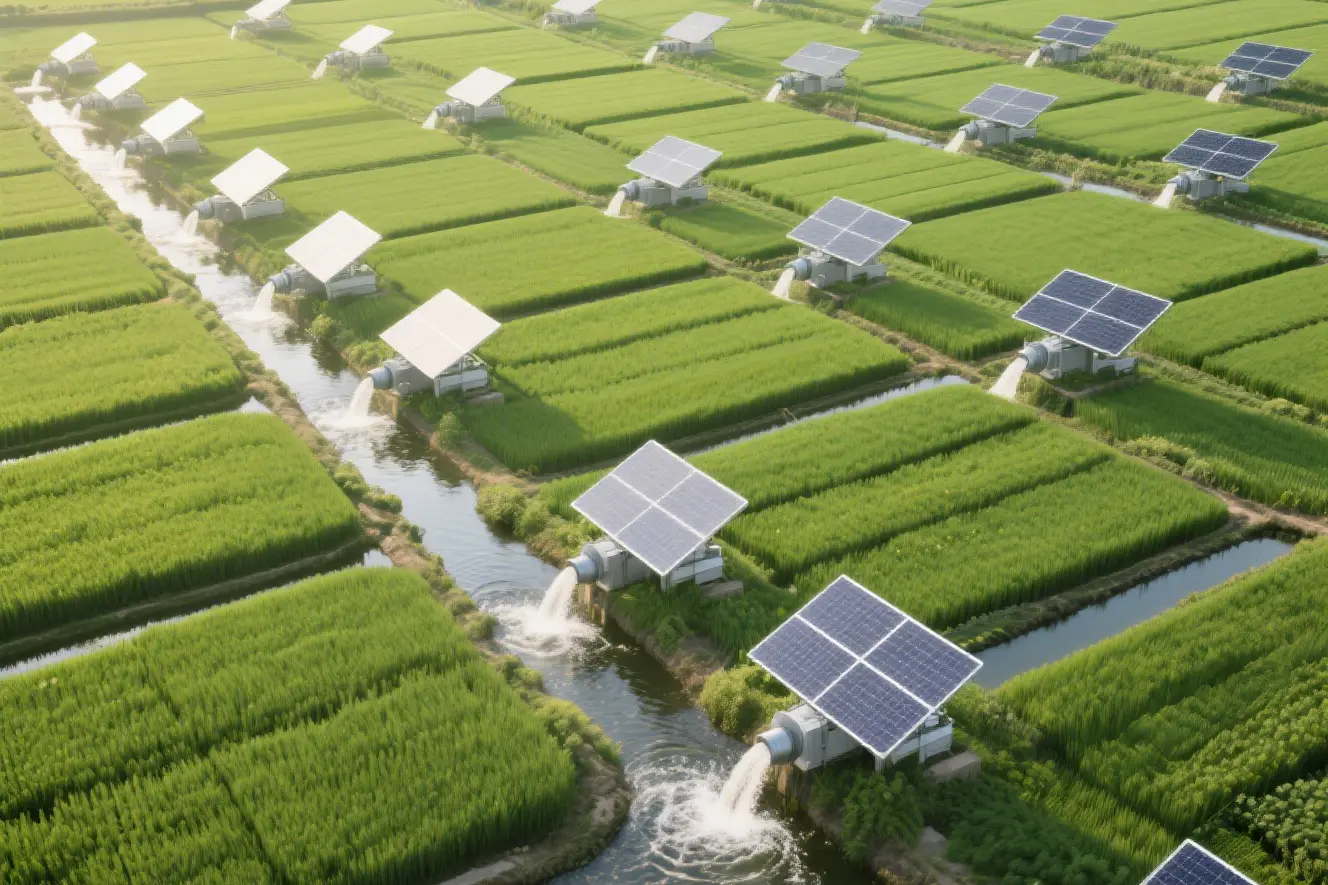
Powers smart agricultural sensors, telemetry, and water pump systems in remote farmlands.
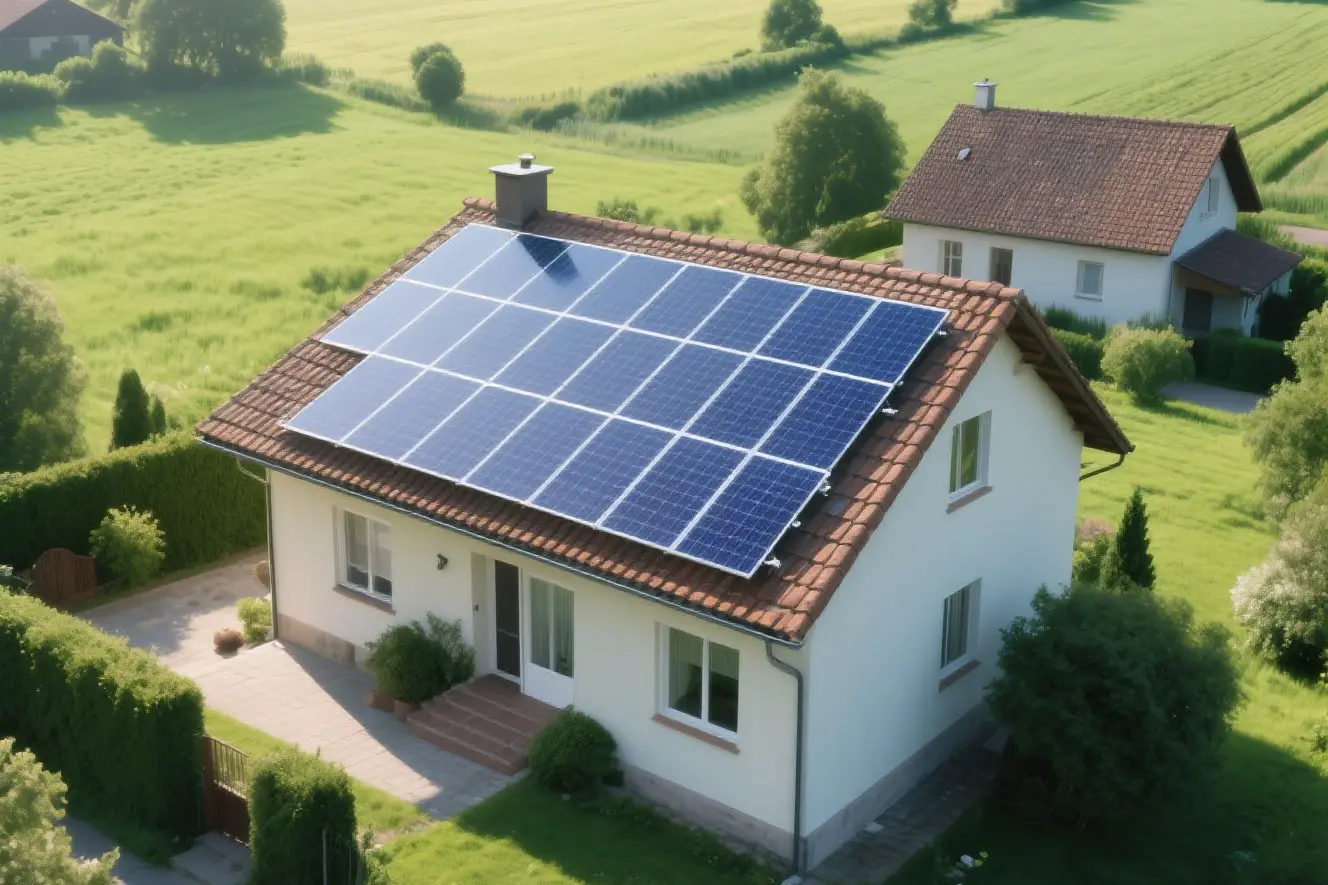
Provides modular power units for construction trailers, temporary lighting, and security gear.
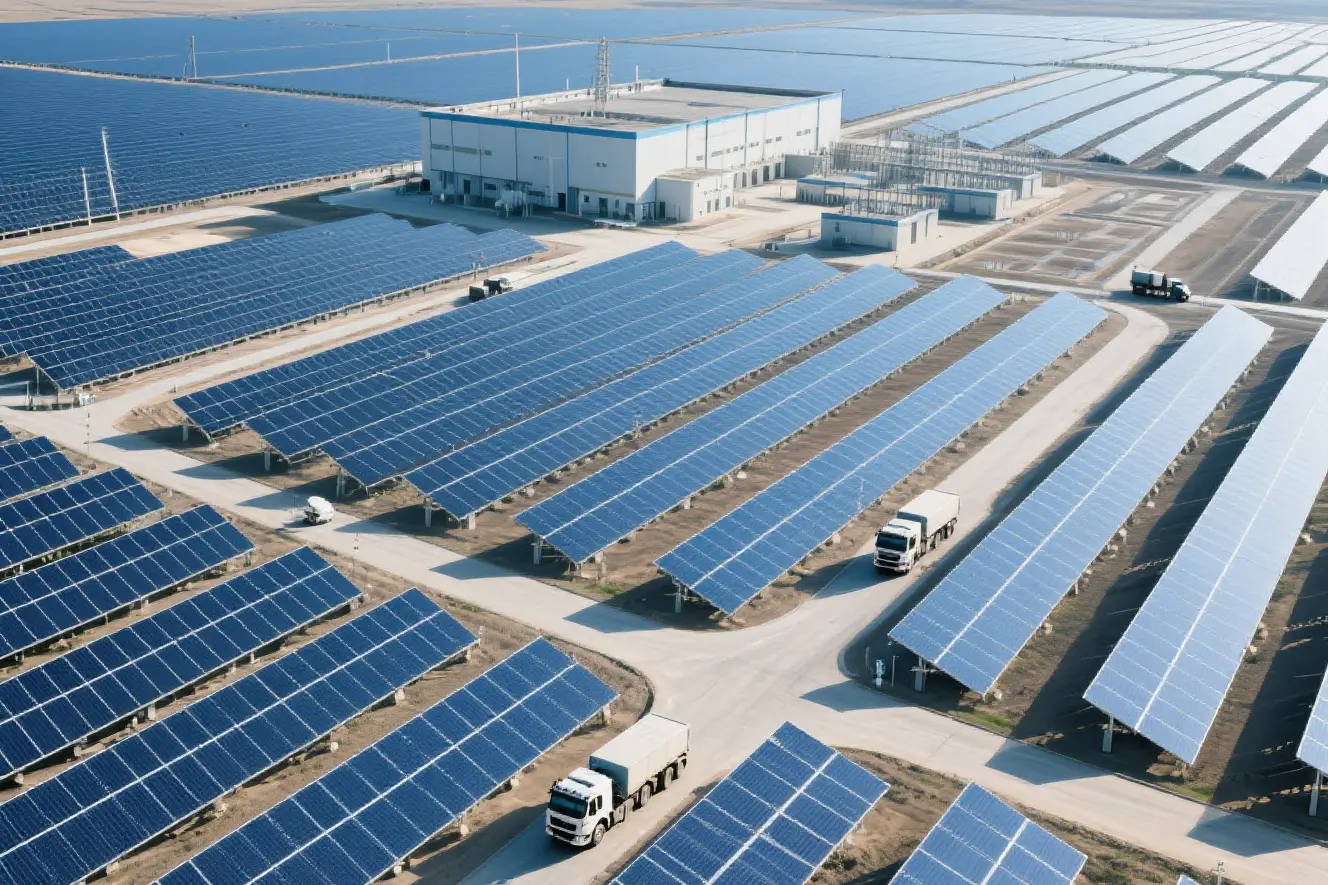
Provides backup energy units and grid-tied solar modules for peak power shaving systems.
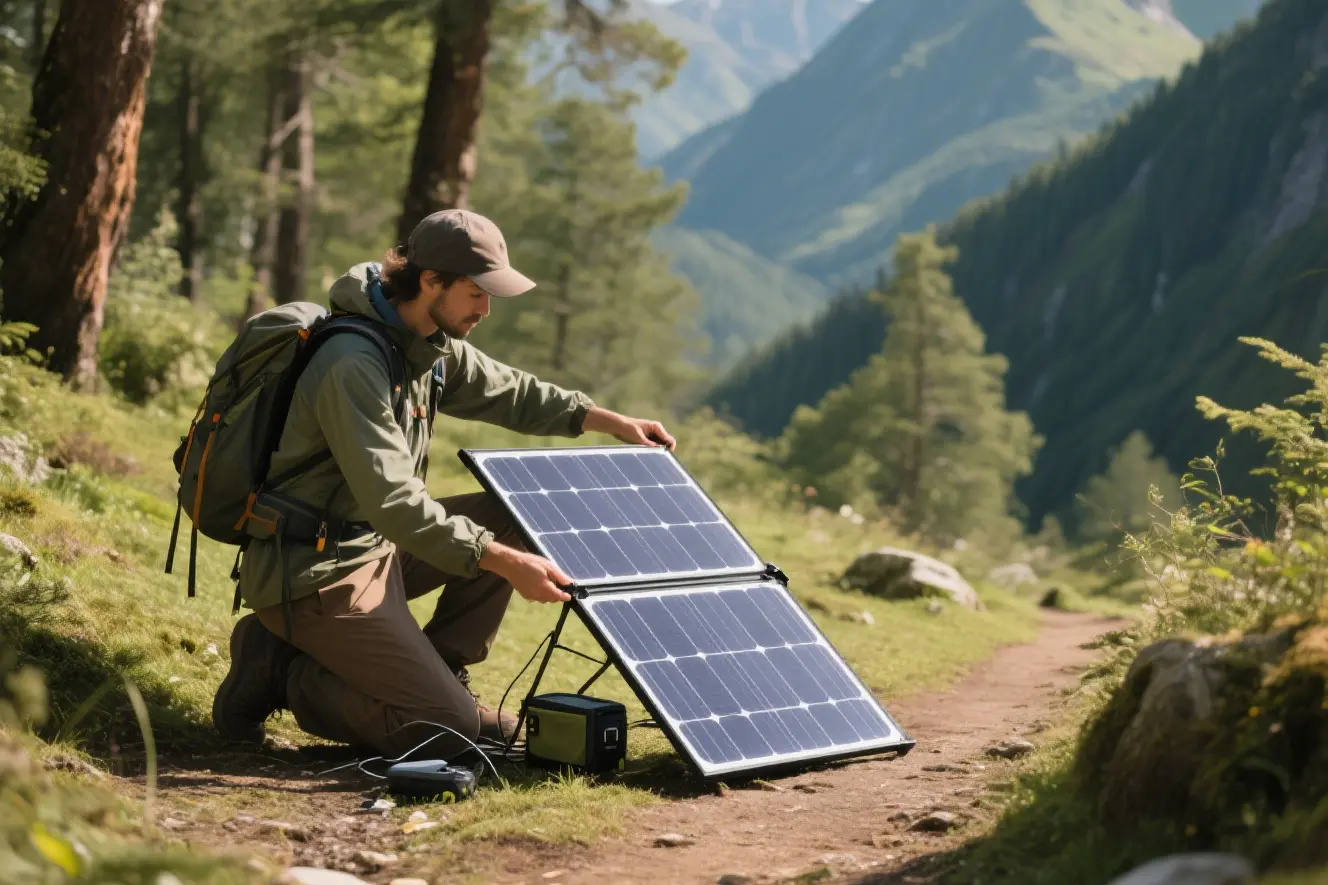
Power sources for camping, trekking, overland vehicles, and outdoor recreational equipment.
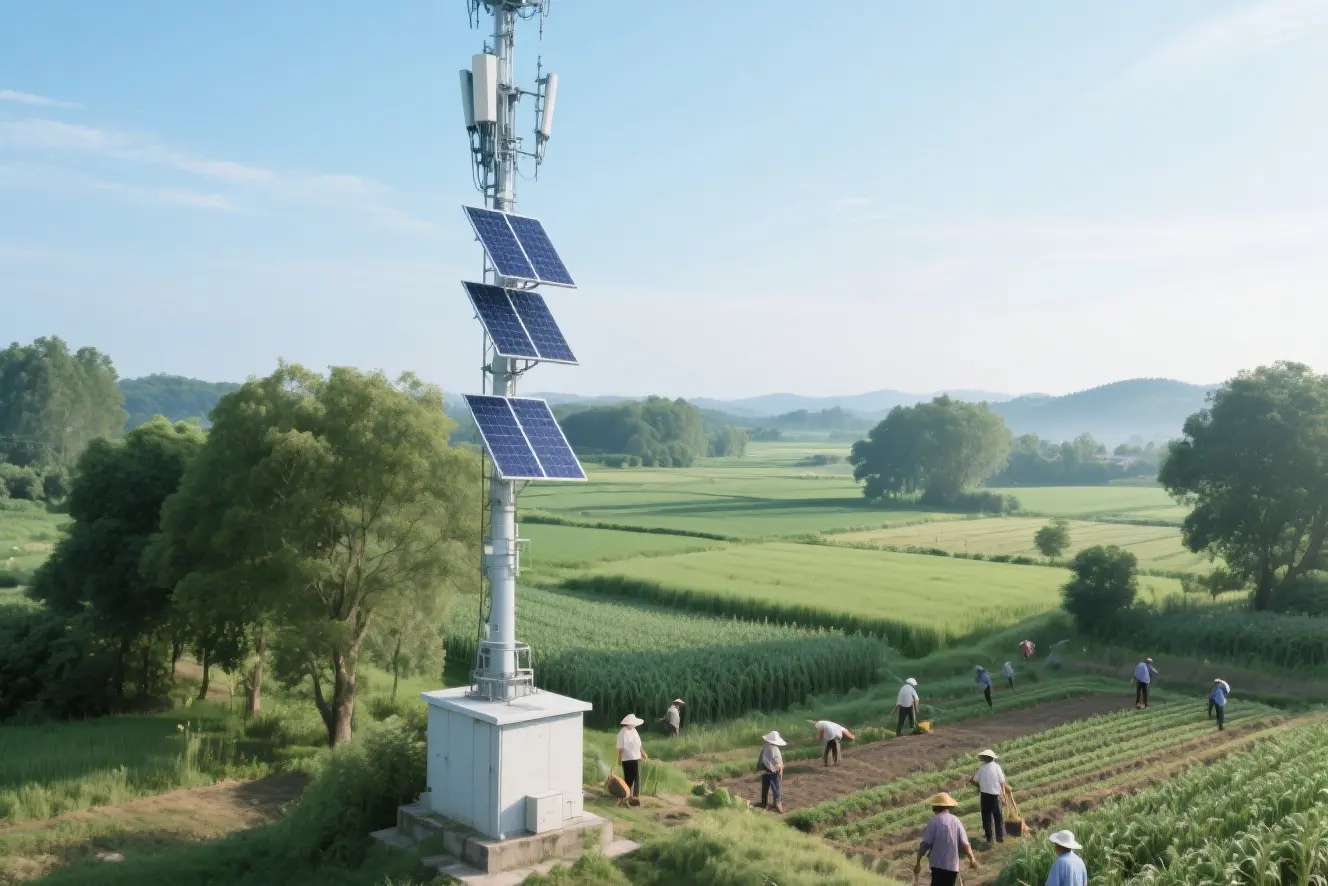
Provides power for remote cellular towers, microwave links, and satellite receivers.
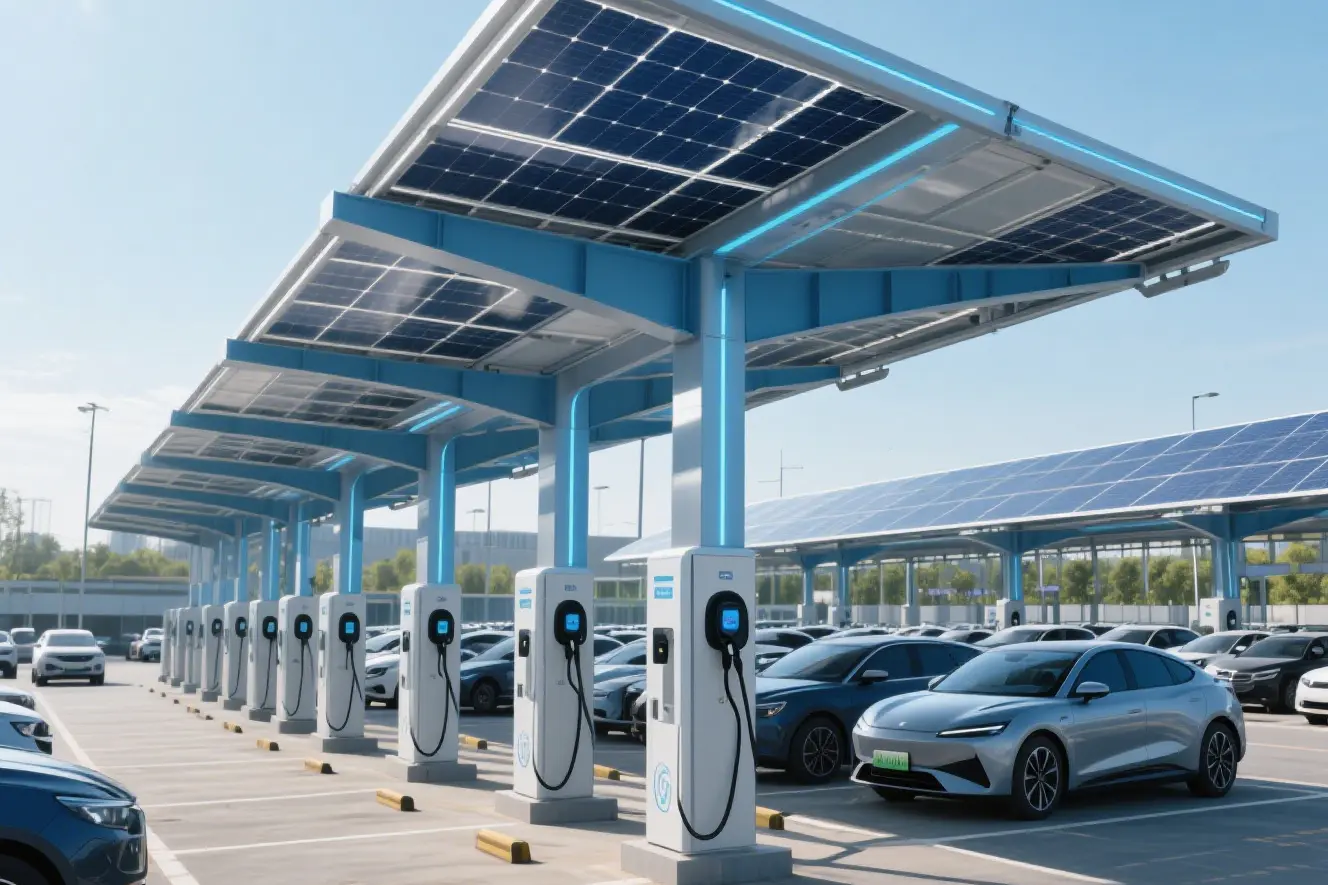
Charges signaling networks, traffic management modules, and onboard auxiliary systems.
After years of hard work by Yuxin people, it has gradually formed a collectivist and diversified advantage.
The portable solar industry is moving toward flexible, high-power systems. Silicon PV will remain dominant, but emerging technologies are changing the design of camping solar systems.
By layering thin-film perovskite over standard silicon, labs have reached conversion efficiencies above 30%. In portable panels, this means a folding panel could produce 50% more power from the same surface area, reducing the weight backpackers carry.
Environmental rules like the EU's WEEE directive are pushing manufacturers away from hard-to-recycle multi-layer plastics. Research focuses on bio-based composite backsheets and biodegradable frames that maintain structural integrity during field operations.
Also, USB-C Power Delivery (PD 3.1) integration allows direct DC charging up to 240W. This eliminates the need for bulky charge controllers when charging modern laptops and portable power stations directly from the panel.
Critical buying answers from product design teams and solar quality engineers.
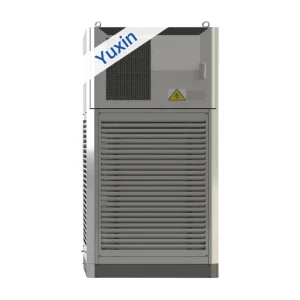
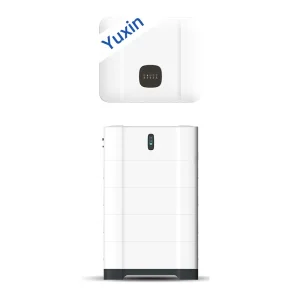
Essential products to complete off-grid power systems, including aluminum solar frames and storage units.
Jiangsu Yuxin will keep pace with the society and the times, adhering to the core values of "pragmatic and enterprising, reform and change, people-oriented, and win-win cooperation".