The Strategic Imperative of OEM & ODM Solar Panel Manufacturing
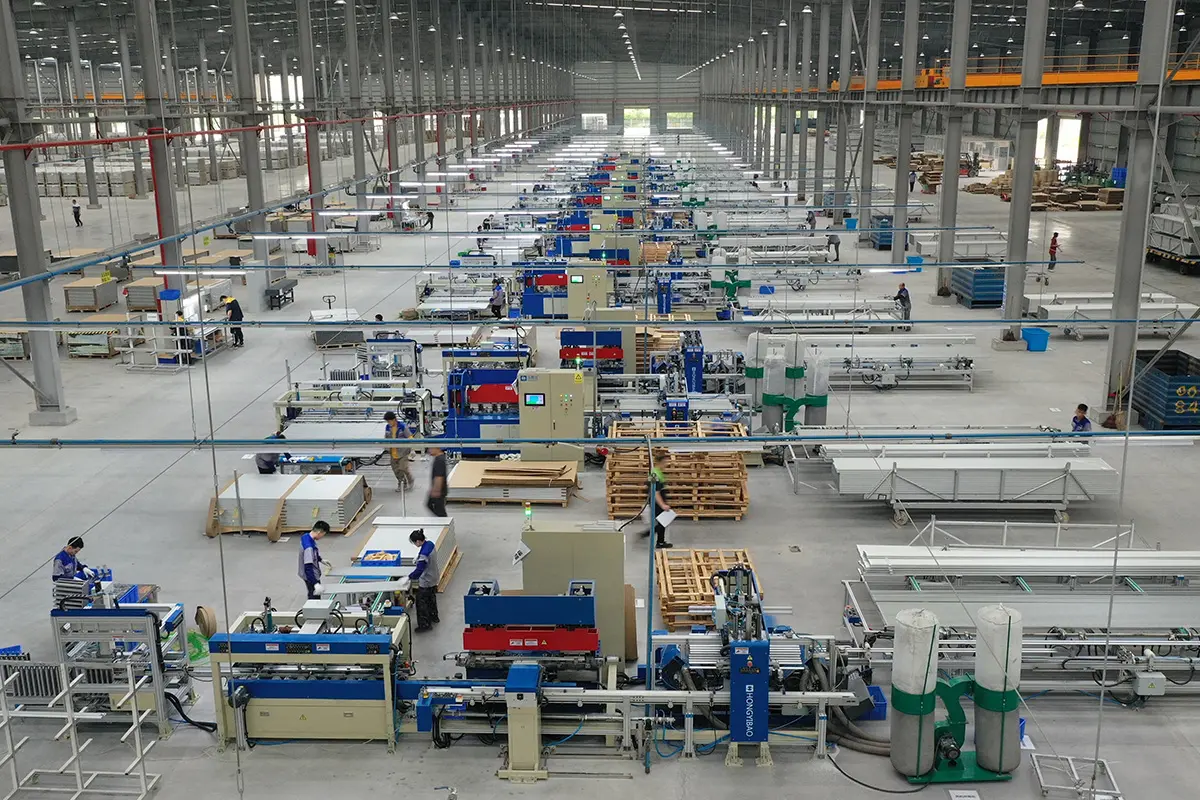
In the rapidly shifting landscape of global renewable energy, utility developers, EPC (Engineering, Procurement, and Construction) companies, and localized solar brands face a dual challenge: maintaining strict technical compliance while driving down the Levelized Cost of Energy (LCOE). Engaging a tier-one OEM solar panel manufacturer is no longer just a cost-reduction exercise; it is a critical strategy to leverage advanced manufacturing lines, secure supply chain stability, and deliver tailored technology modules directly to high-demand regions.
Cell Innovations
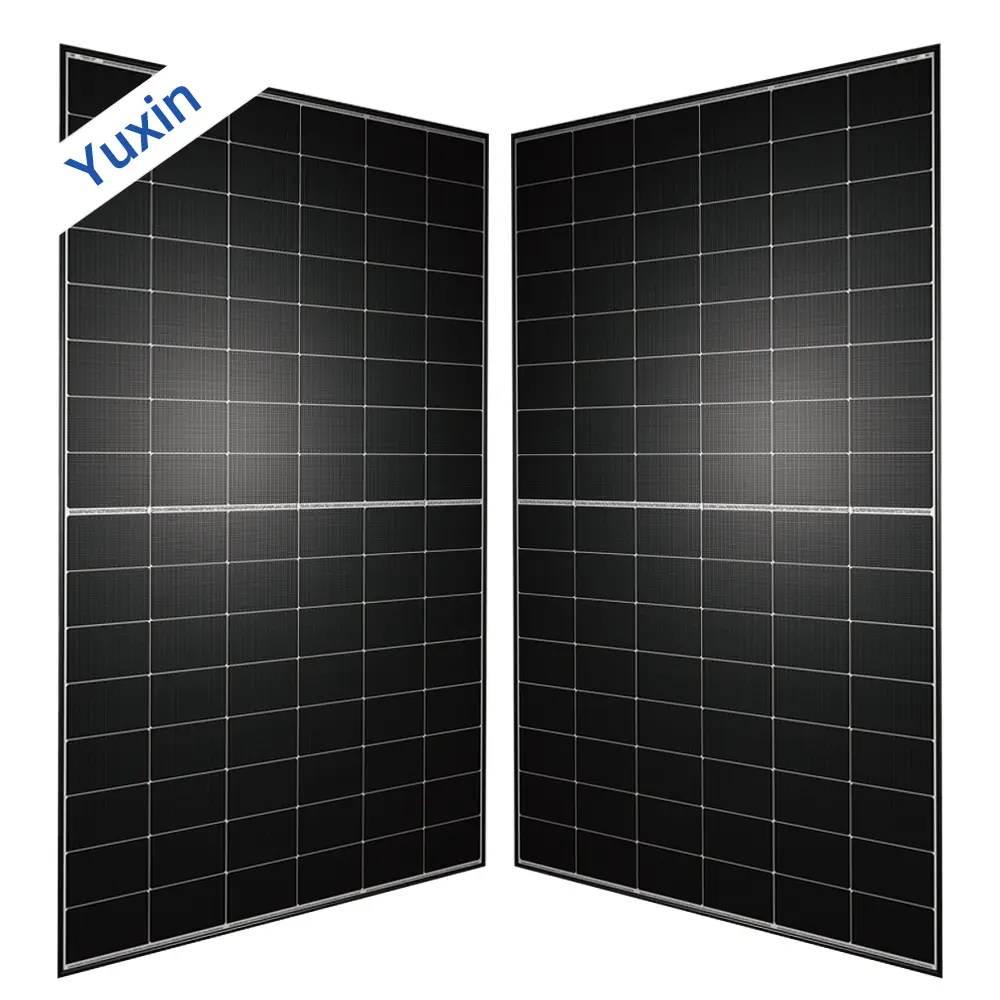
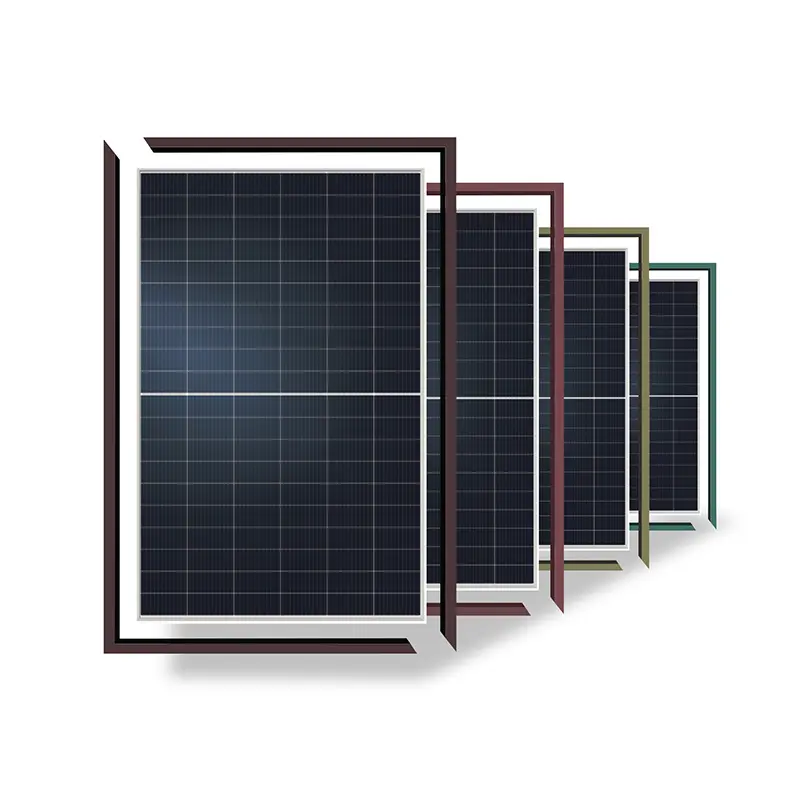
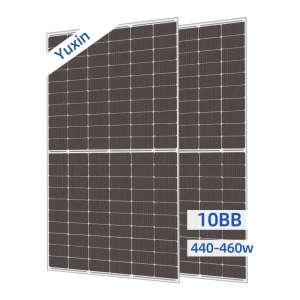
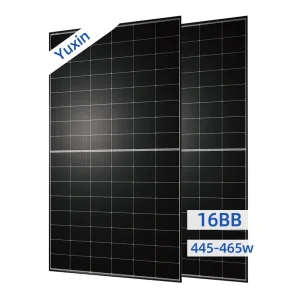
Transitioning to N-type TOPCon and advanced PERC half-cell technologies, reaching over 22.8% module conversion efficiency.
Structural Materials
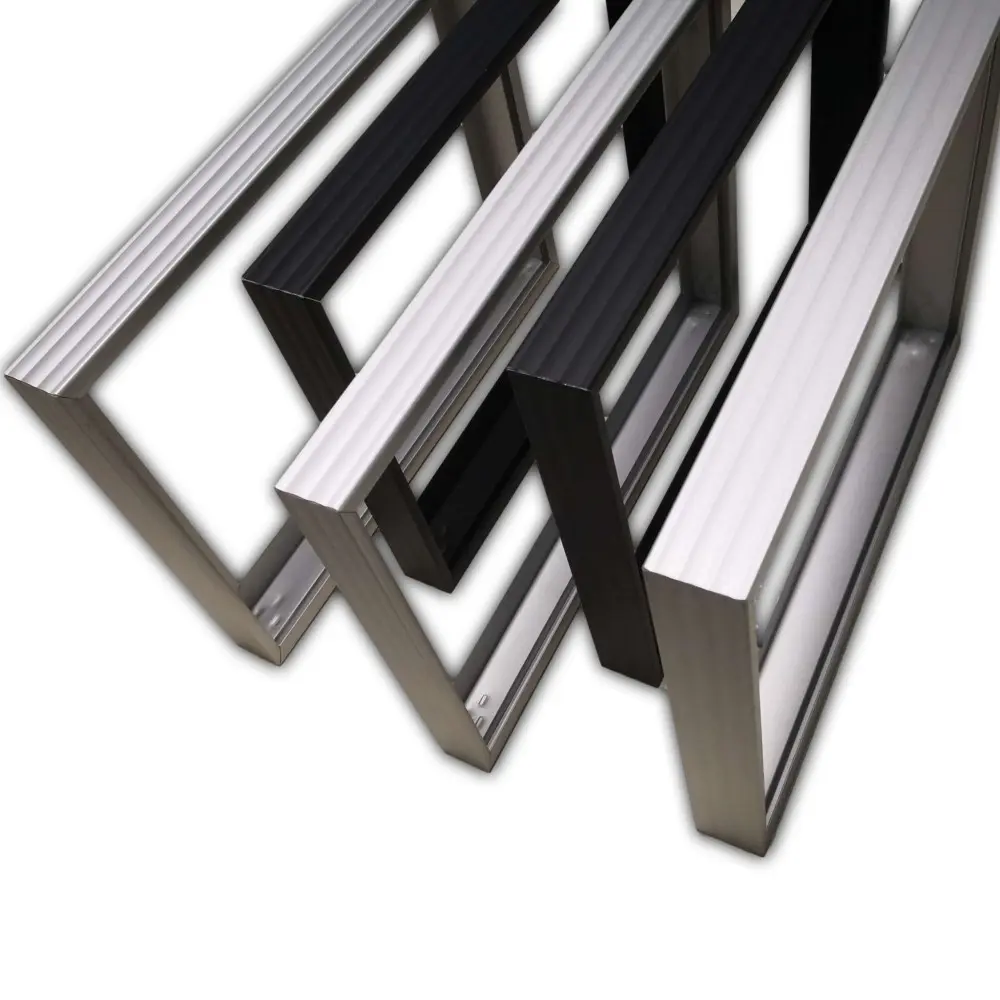
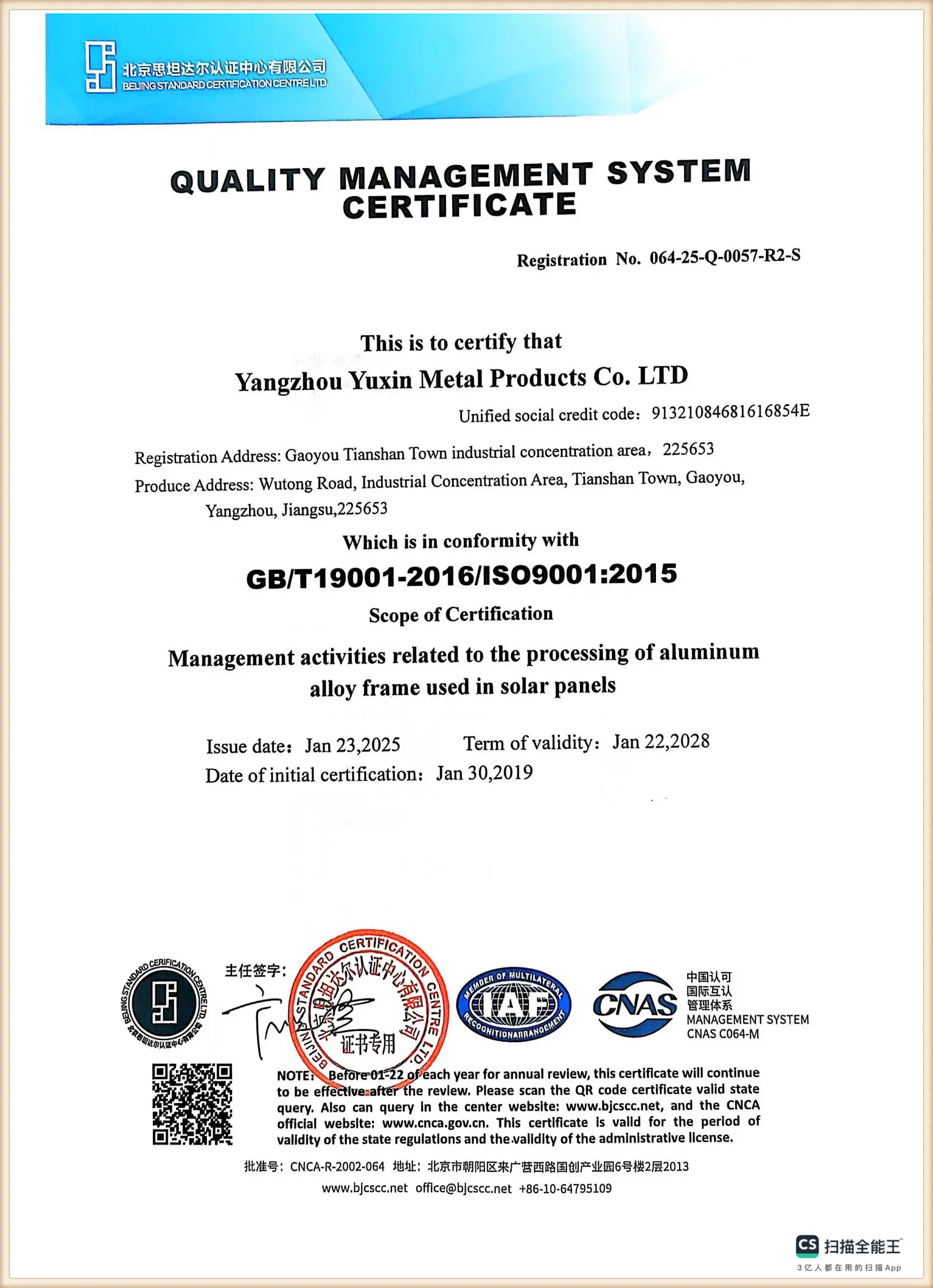
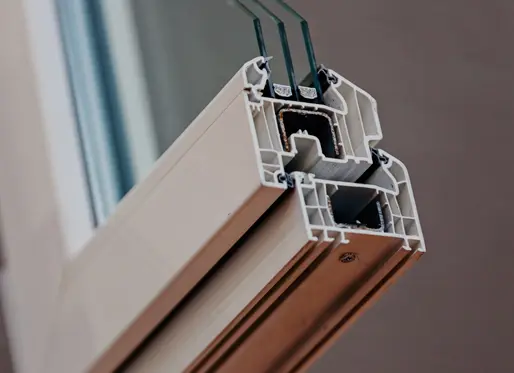
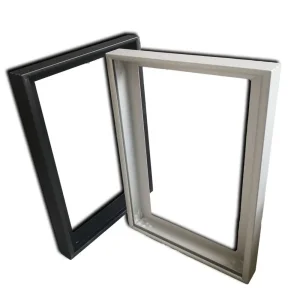
Pioneering pultruded polyurethane composite frames alongside classic 6063-T5 anodized aluminum for ultimate marine corrosion resistance.
Global Standards
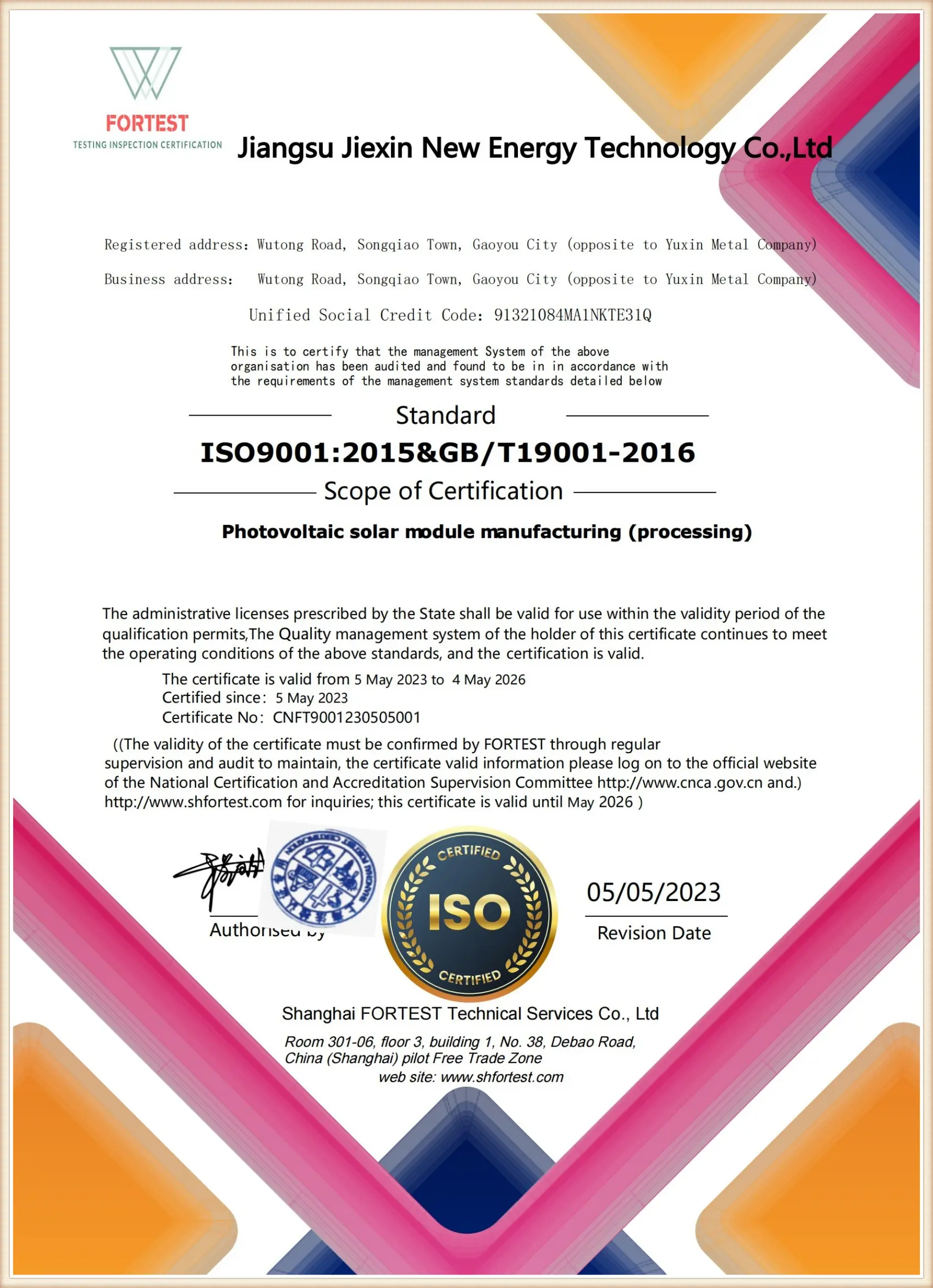
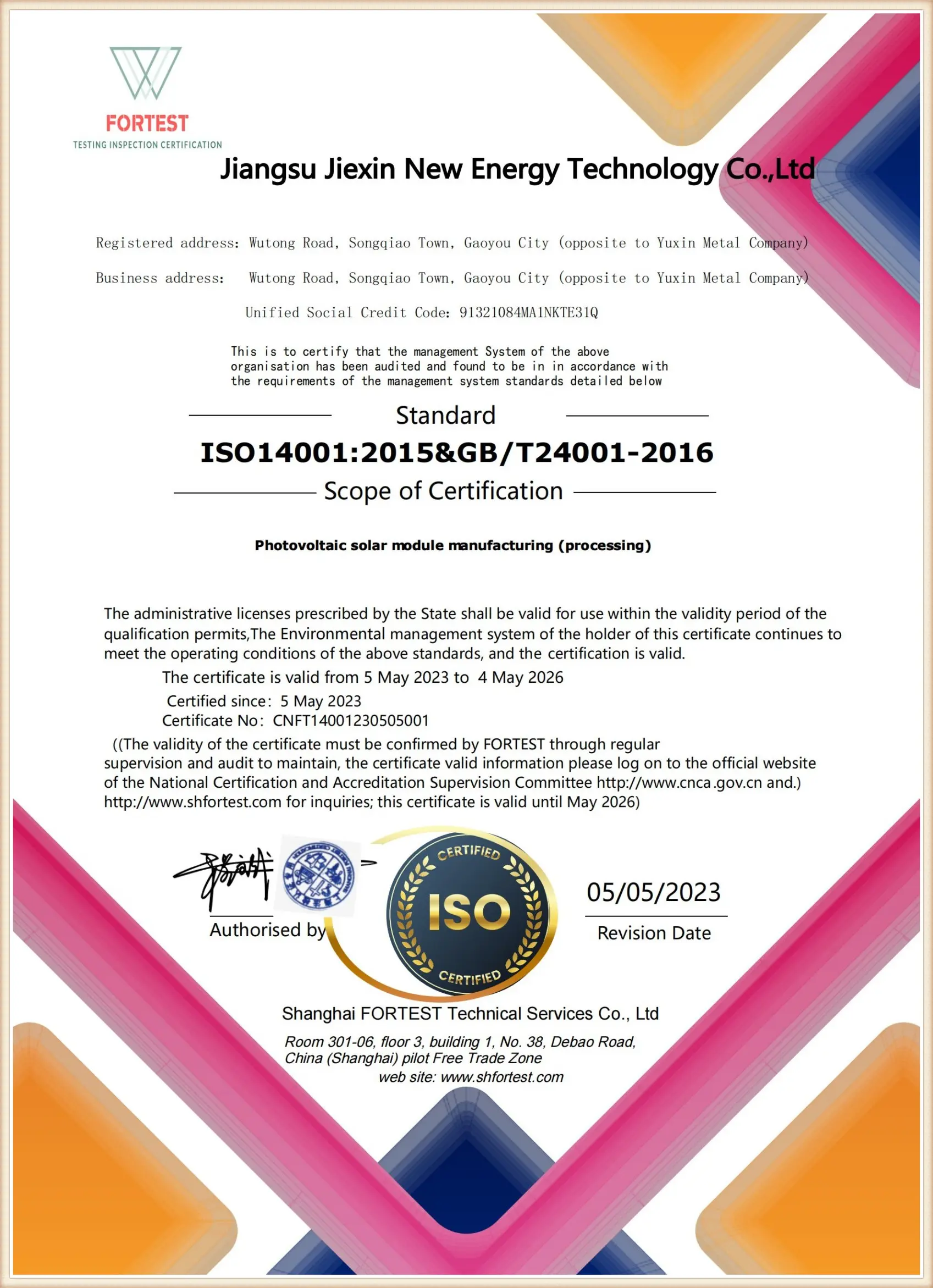
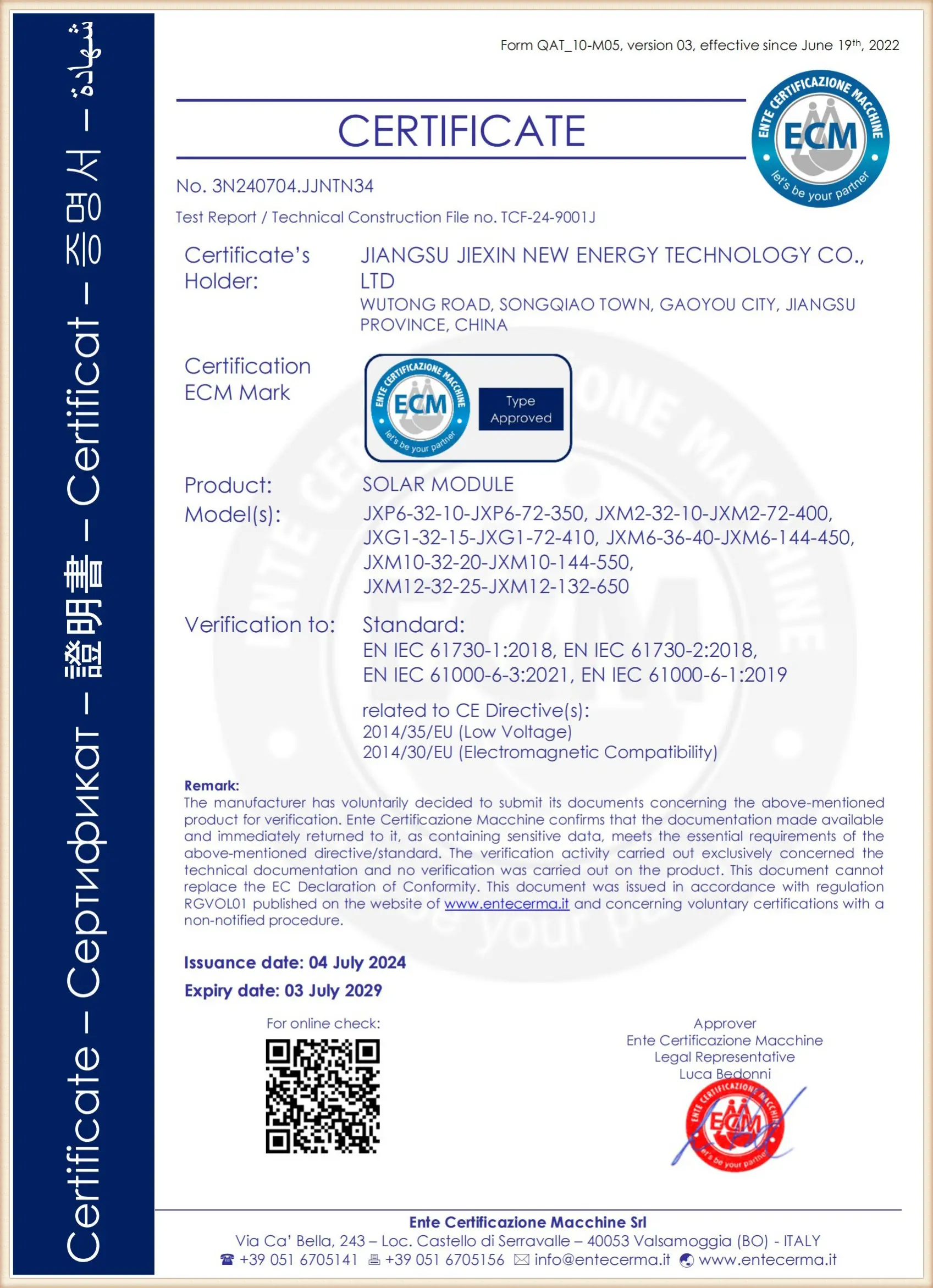
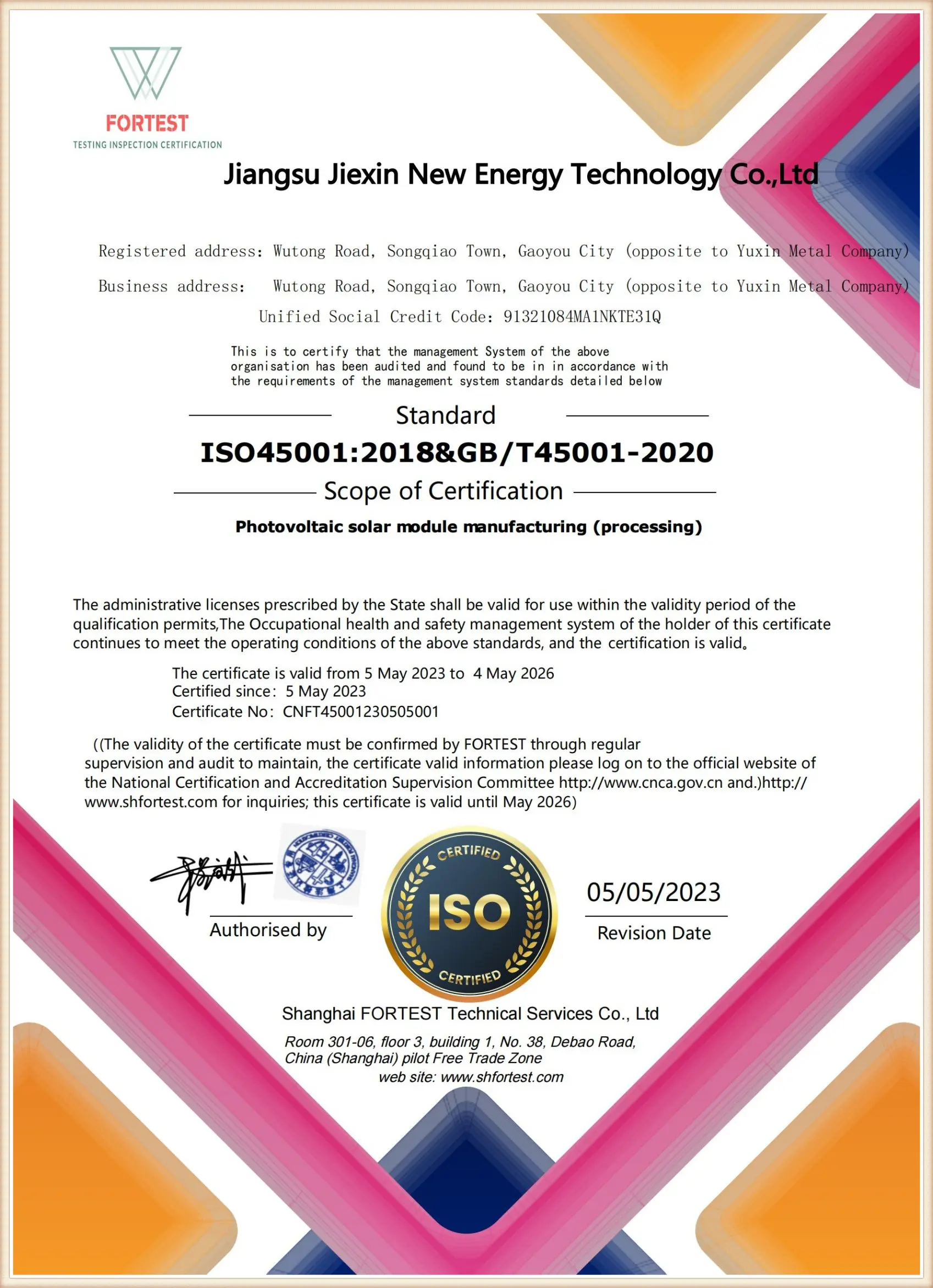
Fully compliant with CE, TÜV, MCS, and UL standards. Rigorous double EL testing ensures zero-defect cell integrity post-lamination.
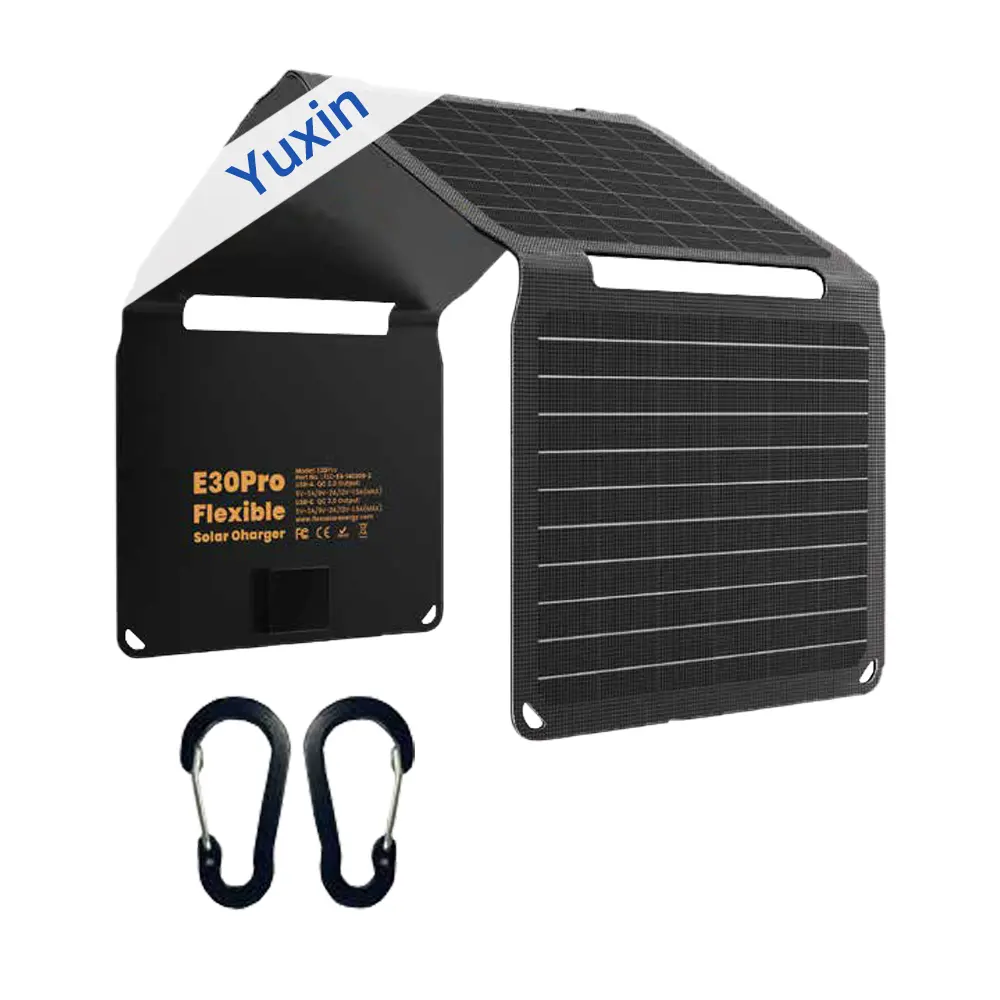
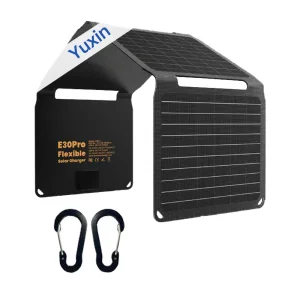
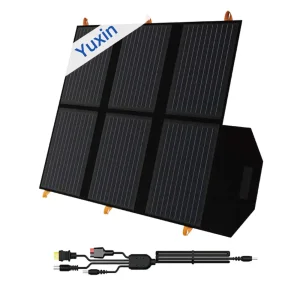
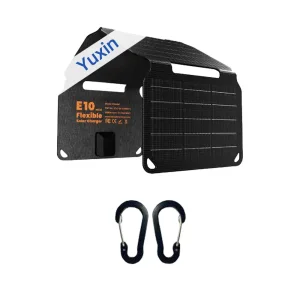
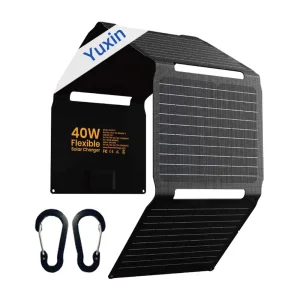
Customized photovoltaic (PV) modules address distinct market requirements that cannot be met by off-the-shelf catalog products. Whether you are integrating solar cells into localized building-integrated photovoltaics (BIPV), deploying military-grade portable charging backpacks for emergency services, or securing marine-grade corrosion-resistant frames for offshore floating arrays, OEM manufacturing gives you control over dimensions, cell layout, junction box configurations, backsheet materials, and structural frames.
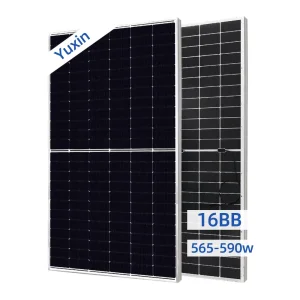
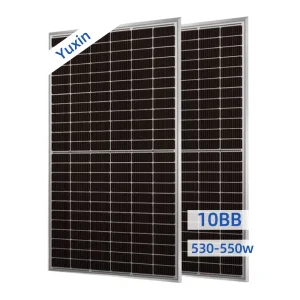
“Information Gain in Clean Energy Procurement: True market differentiation requires moving beyond standardized panels. By collaborating with a vertically integrated manufacturer, buyers can customize cell busbar layouts (e.g., 10BB to 16BB) to optimize low-light performance and match regional grid characteristics.”
The Architectural Advantage: 6063-T5 Aluminum and Polyurethane Frames
A solar panel is only as durable as its perimeter frame. The solar industry has heavily relied on 6063-T5 and 6005-T6 anodized aluminum profiles due to their structural rigidity and weight savings. Modern advancements, however, have introduced pultruded polyurethane composite materials. These composite frames offer superior dielectric strength, eliminating the need for grounding wires, which dramatically lowers Balance of System (BOS) costs. They exhibit thermal expansion rates similar to glass, minimizing stress on the silicone sealant layer during extreme diurnal temperature swings and preventing water ingress over a 25-year service life.
N-Type TOPCon vs. PERC Technology: The Efficiency Evolution
Our manufacturing lines focus on the technology transition from P-type PERC (Passivated Emitter and Rear Cell) to N-type TOPCon (Tunnel Oxide Passivated Contact) structures. TOPCon utilizes an ultra-thin silicon oxide tunnel layer combined with highly doped polycrystalline silicon to minimize surface recombination velocity.
- Higher Bifaciality: TOPCon modules offer bifaciality factors up to 80-85%, compared to 70% for standard PERC.
- Lower Temperature Coefficient: Maintaining a -0.30%/°C coefficient compared to PERC's -0.35%/°C ensures higher energy yields in hot climates.
- Near-Zero LID: The absence of Boron-Oxygen complexes in N-type silicon eliminates Light-Induced Degradation (LID) in the first year of operation.