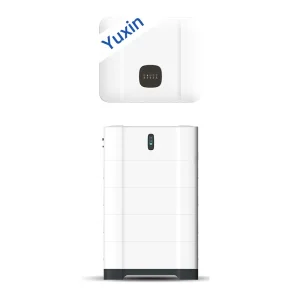
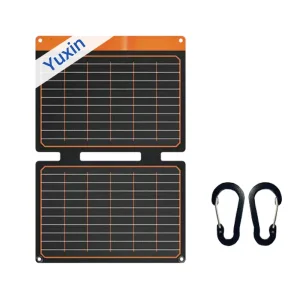
In an era categorized by increasing climatic instability and unpredictable grid disruptions, the necessity for robust, rapidly deployable power architectures has surged globally. OEM solar panels optimized specifically for emergency applications diverge significantly from conventional grid-tied photovoltaic setups. They require specialized engineering parameters focused on accelerated setup capabilities, structural integrity, high energy conversion ratios in unfavorable weather settings, and broad hardware compatibility.
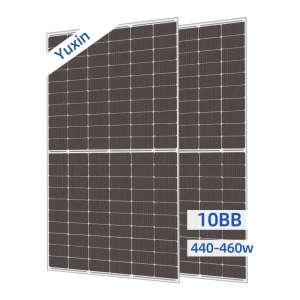
Whether responding to primary medical grid failures during natural disasters or providing continuous energy buffers for remote telecommunications stations, system uptime is paramount. Monocrystalline silicon arrays utilizing advanced Passivated Emitter and Rear Cell (PERC) or N-Type Tunnel Oxide Passivated Contact (TOPCon) technologies form the structural foundation of modern disaster relief initiatives, ensuring high power outputs under shaded, overcast, or smoke-obscured atmospheres.
"To satisfy global emergency relief requirements, photovoltaic systems must adapt to varied field configurations, resisting heavy snow-loads, extreme wind vectors, and moisture intrusion without suffering cell-cracking or electrical leakage."
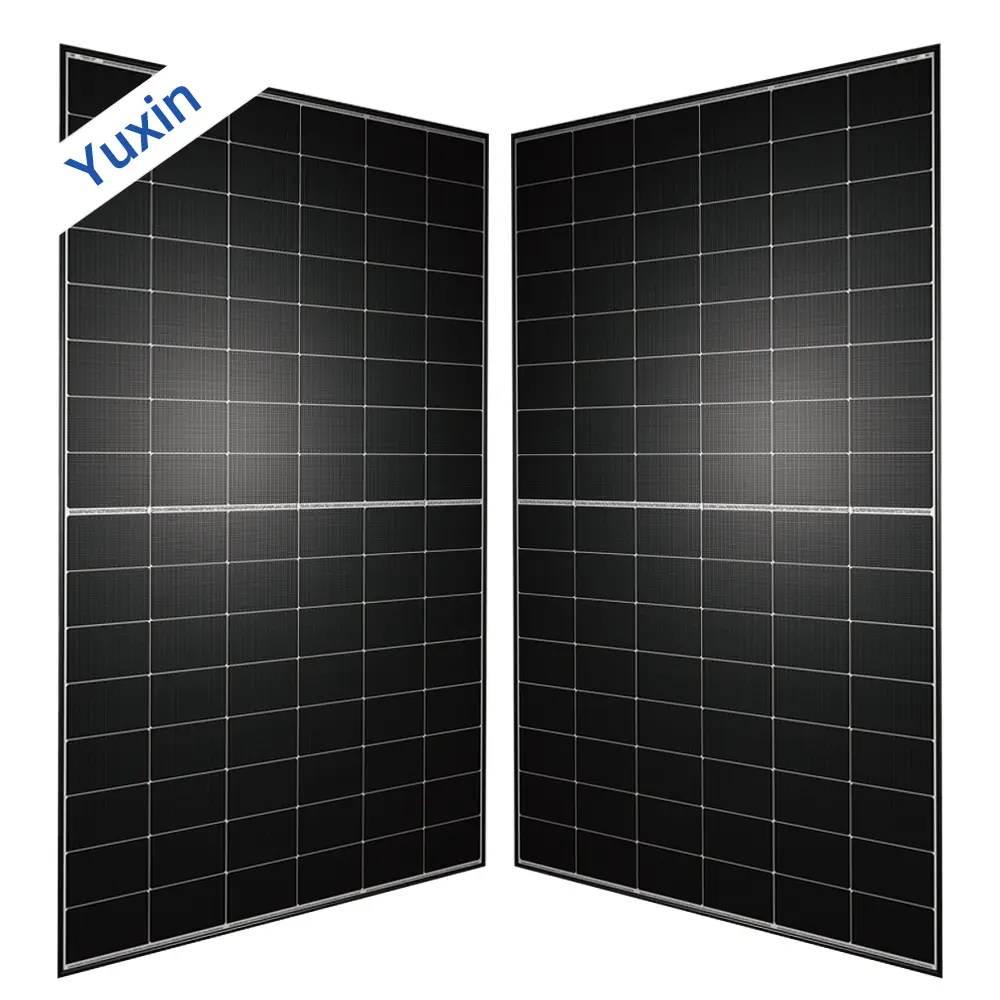
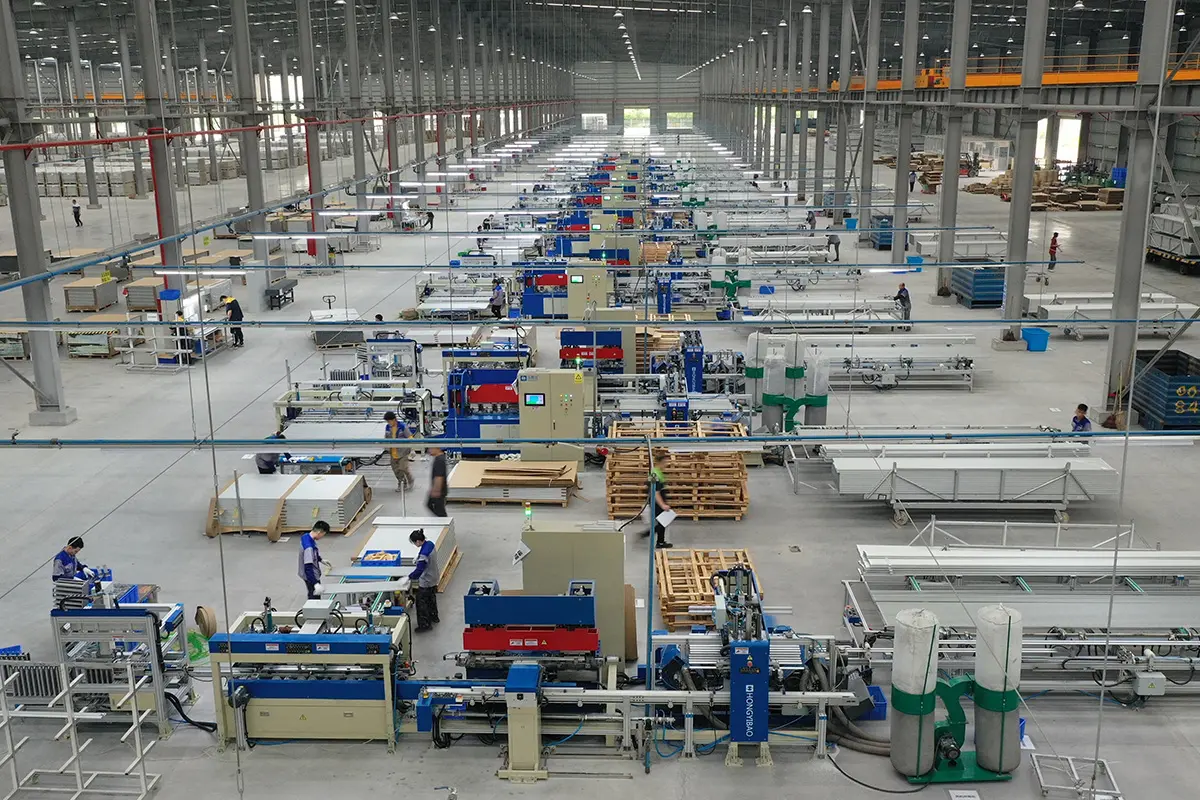
Our facilities leverage proximity to key industrial materials, direct sourcing of structural anodized aluminum frames, silicon ingots, and high-performance EVA encapsulating sheets, lowering structural production costs while accelerating delivery schedules.
High-efficiency automation and optimized assembly pipelines enable competitive unit costs, allowing non-governmental organizations (NGOs) and international energy distributors to execute large-scale disaster response initiatives within strict budget targets.
Each production run undergoes rigorous tests including EL imaging (electroluminescence inspection), wet leakage testing, mechanical load endurance assessments, and thermal cycle evaluations in compliance with IEC, CE, and UL standard protocols.
Located in the historical and cultural city of Yangzhou, Jiangsu Province, near the Beijing-Shanghai Expressway, Runyang Yangtze River Bridge, and Ningqi Railway, the group benefits from an advantageous geographical location and established logistics access. Established in 2008, the corporation manages 14 specialized subsidiaries, including Jiangsu Yuxin New Energy Technology Co., Ltd.
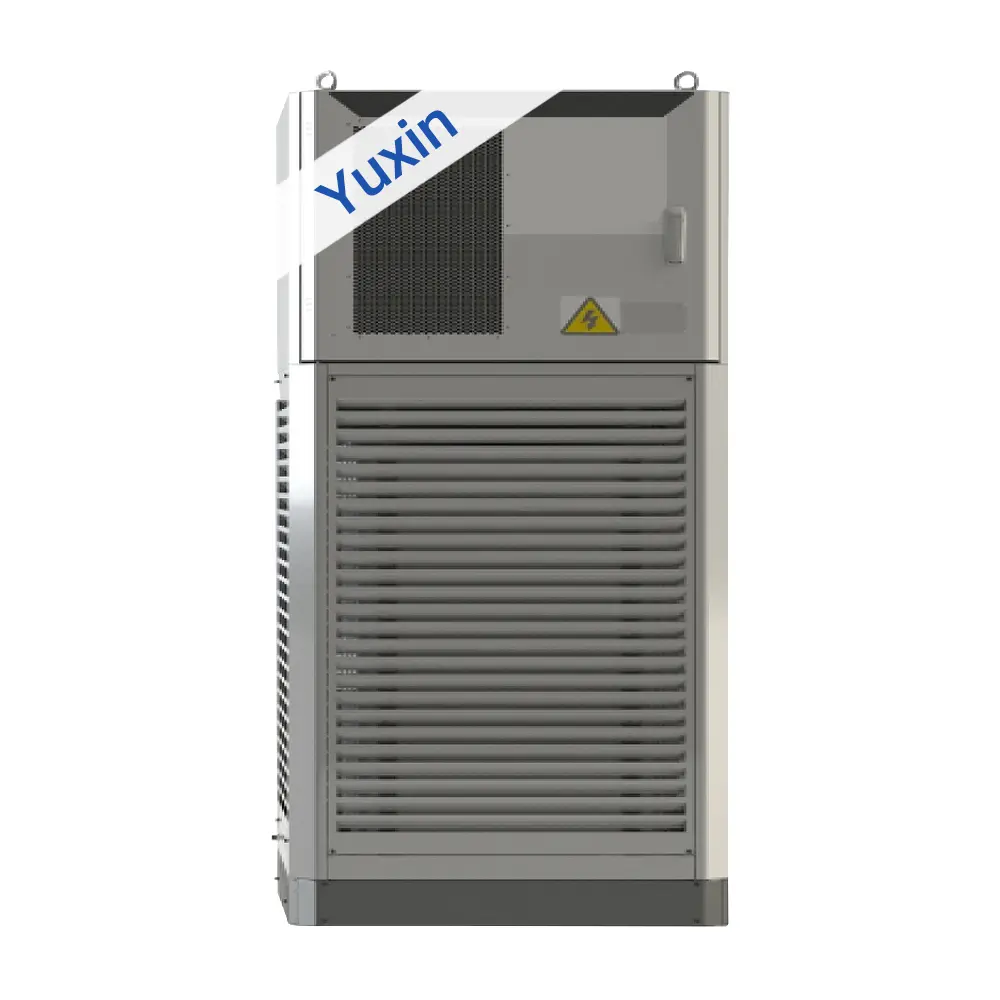
Recognized as a National High-tech Enterprise and a Technology-based Enterprise, Yuxin consistently ranks among Gaoyou City's Top 100 Private Enterprises. We manufacture high-end solar structural products, specializing in performance-oriented photovoltaic mounting structures, custom panels, and resilient off-grid energy storage technologies.
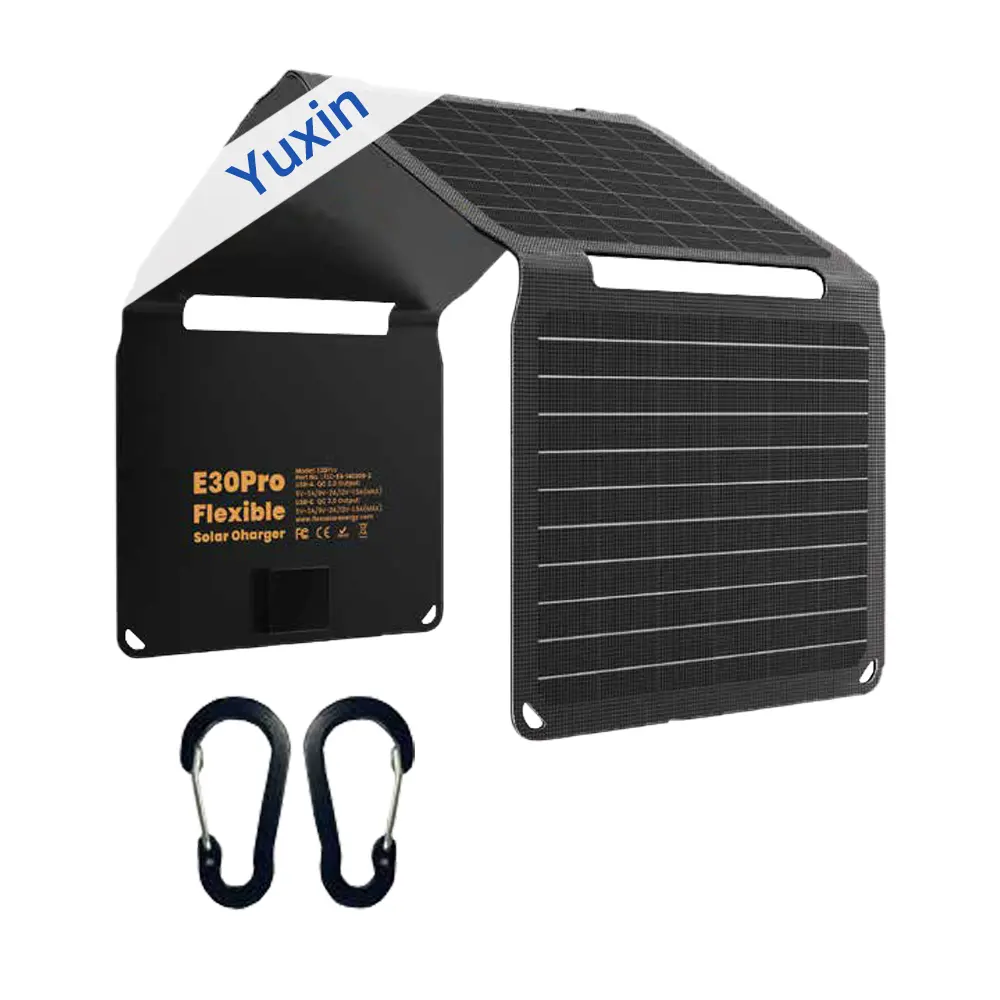
The global emergency response sector is shifting from standard PERC technology to N-Type TOPCon cells. Offering low-light responsiveness and a reduced degradation rate, N-Type modules maintain operations in adverse scenarios. Double-glass configurations have also become standard, providing structural protection against moisture penetration, high winds, and fire hazards.
Additionally, material enhancements such as Polyurethane Pultrude Composites are replacing traditional aluminum support components in coastal or chemically corrosive environments. This lightweight material ensures structural integrity while preventing galvanic corrosion, supporting emergency installations in maritime, swamp, or acid-rain-heavy environments.


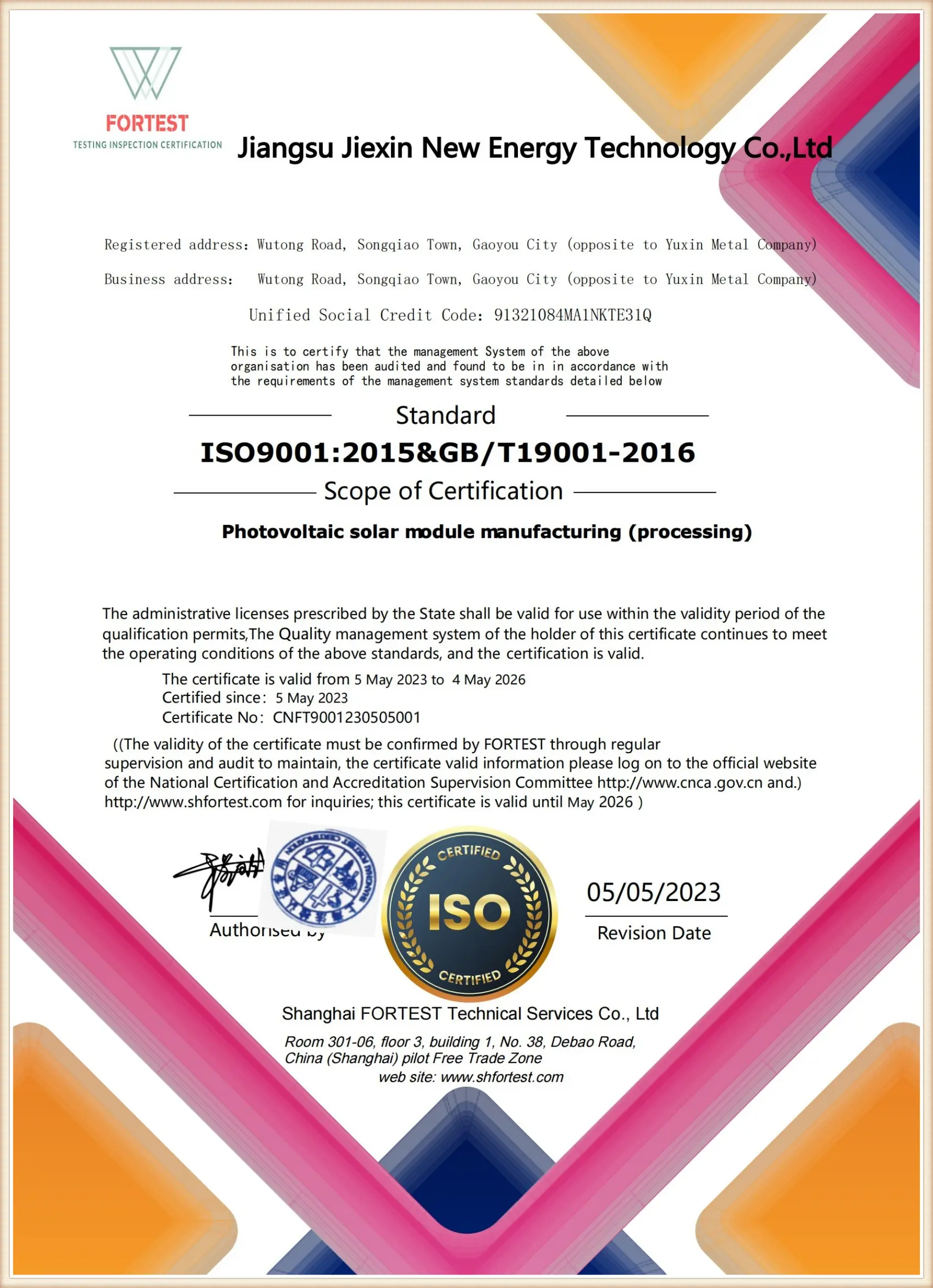
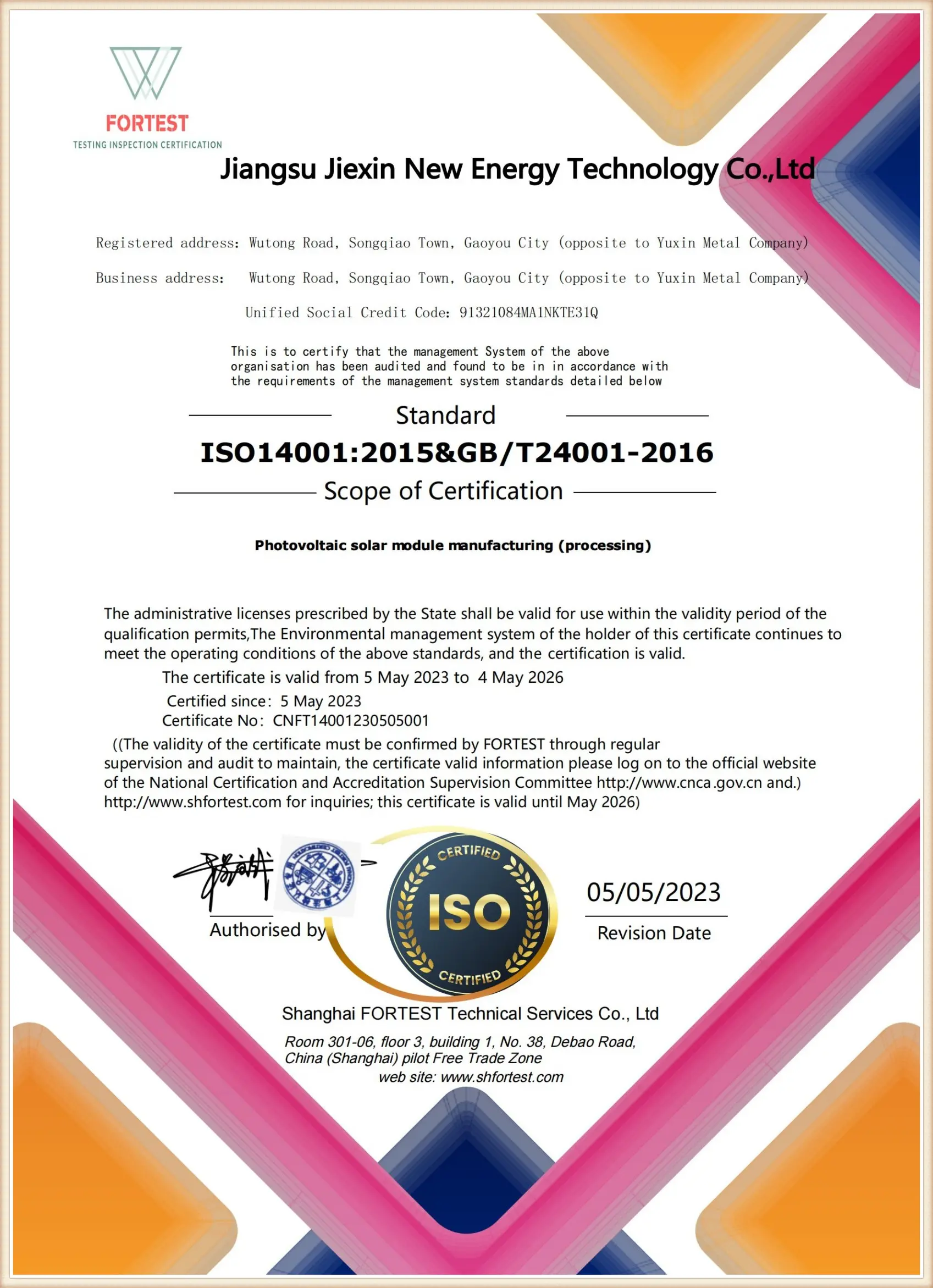
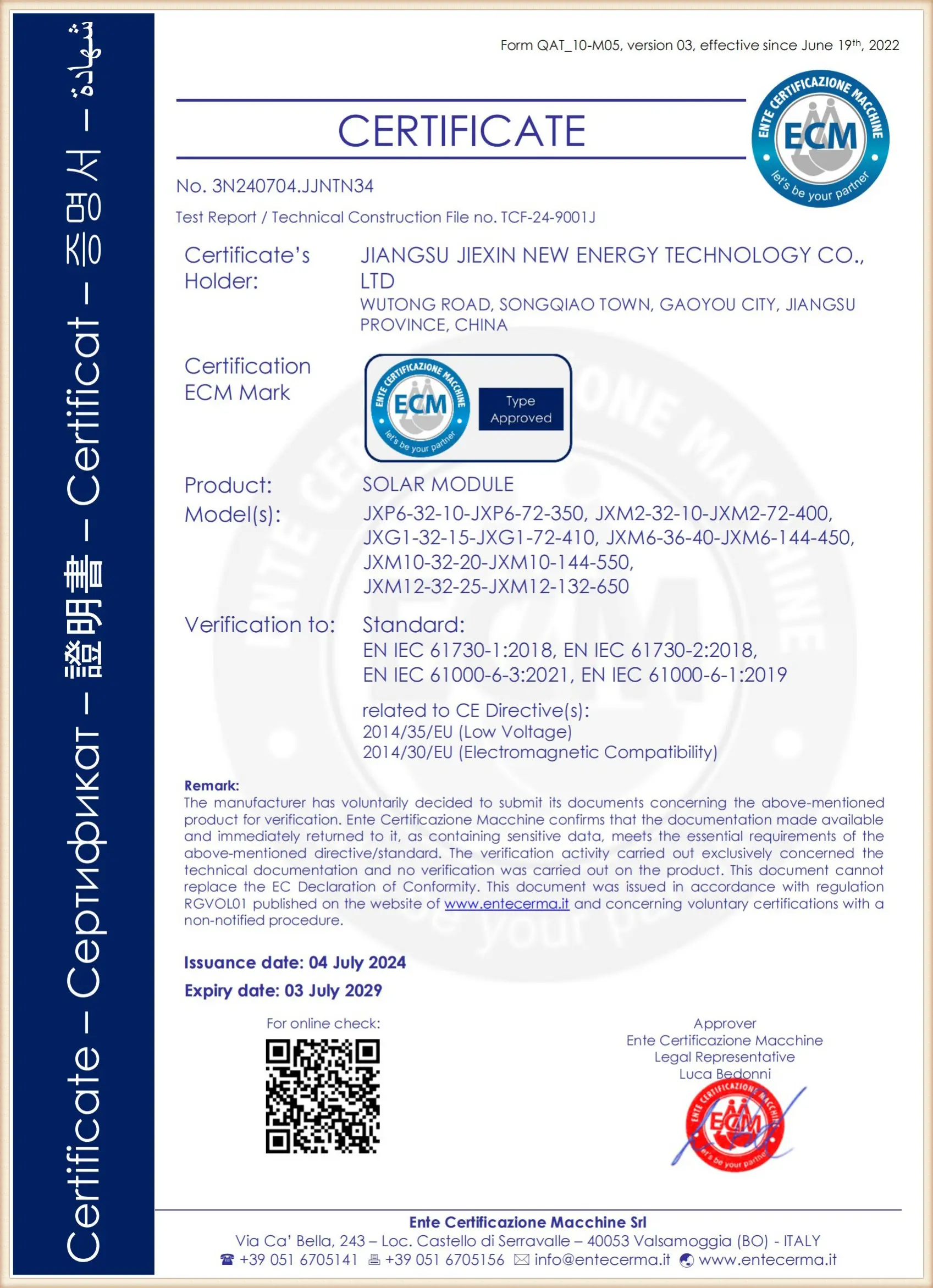
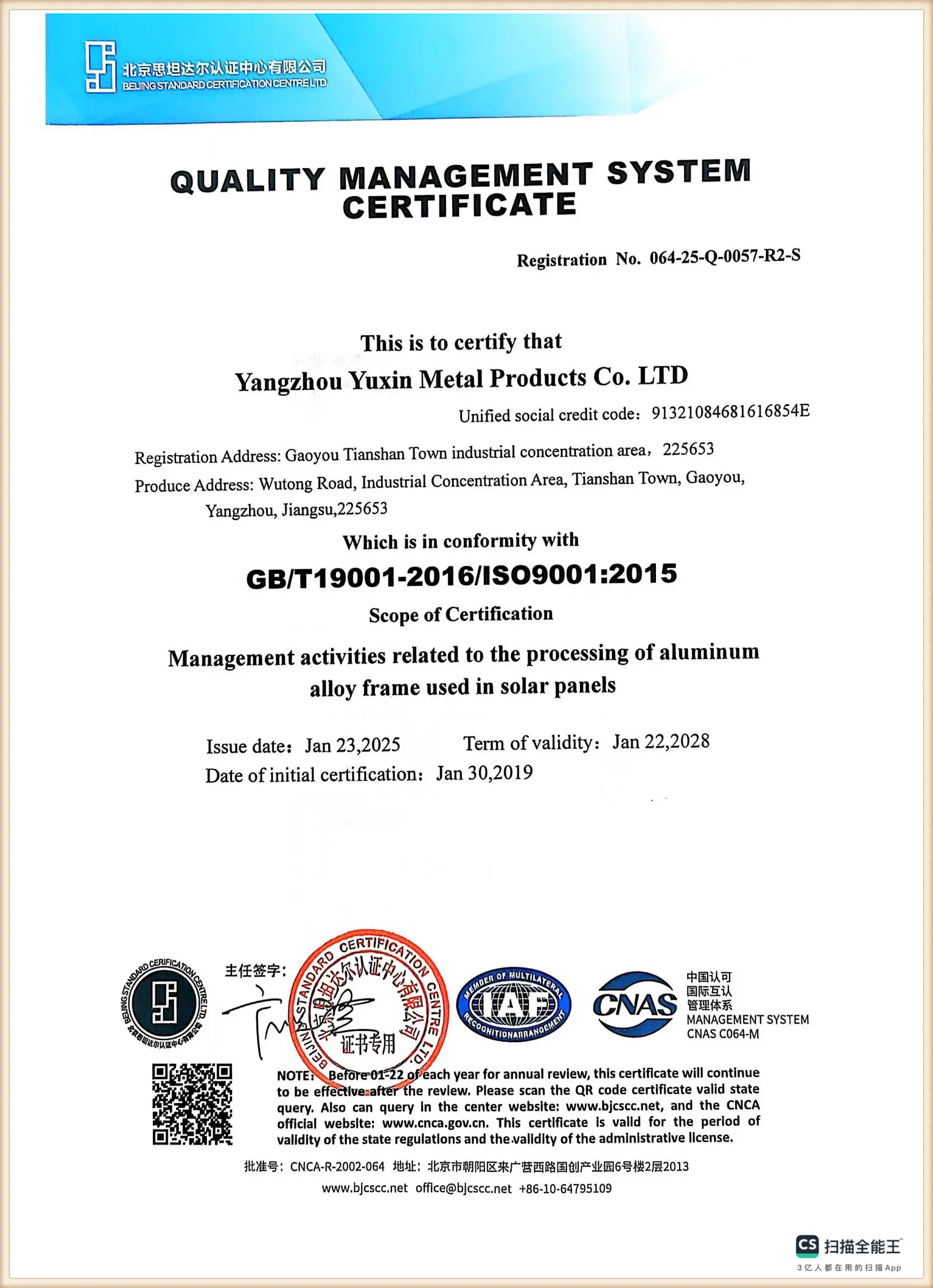
Navigating large-scale OEM procurements for emergency arrays requires careful risk management. Global supply chain officers analyze three key metrics: manufacturing scalability, logistical speed, and certificate compliance.
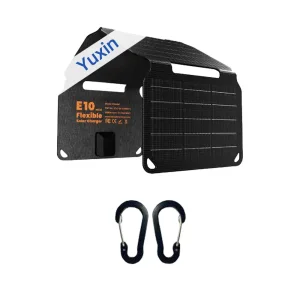
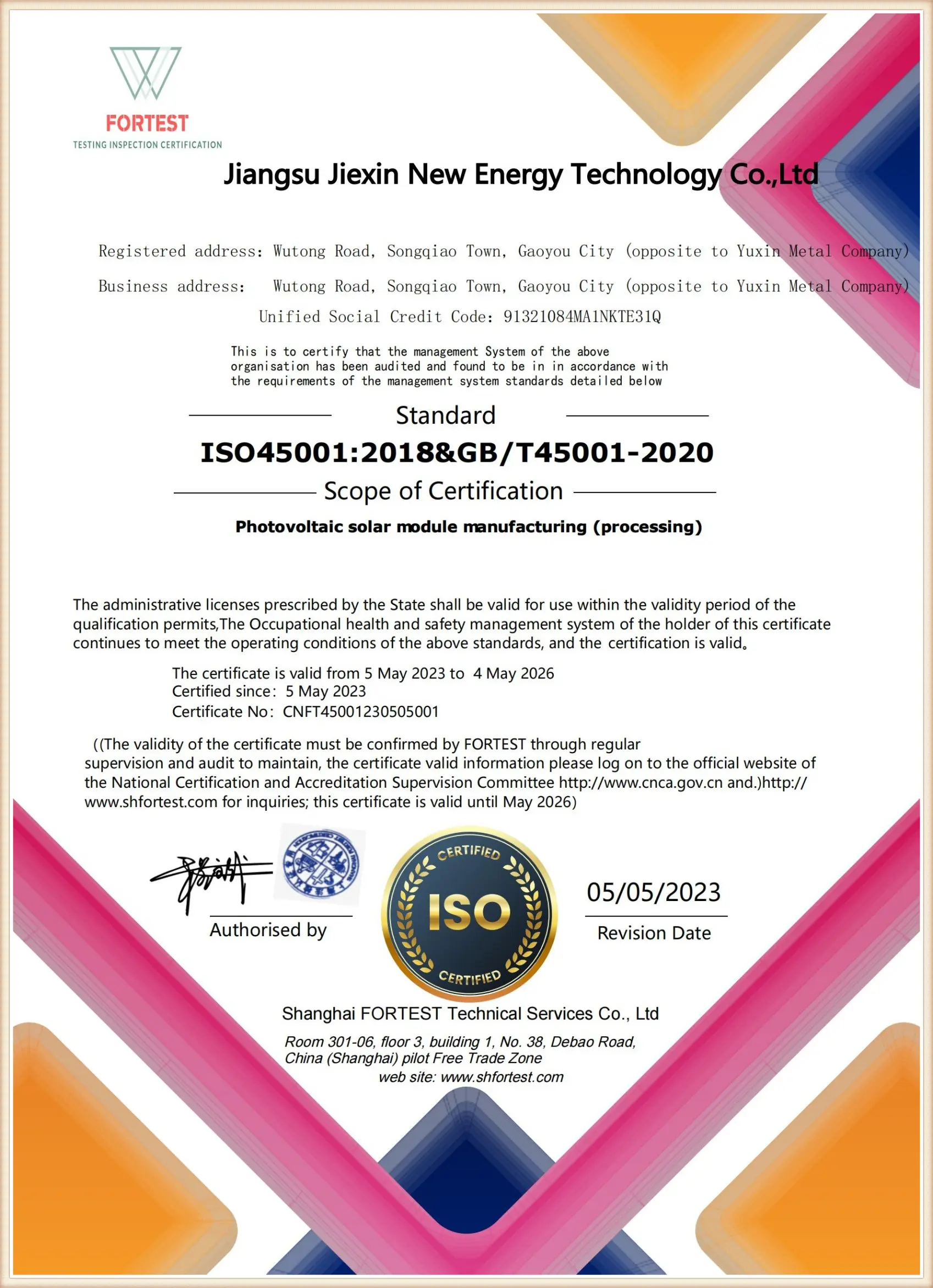
Our production facilities maintain compliance with UL 1703, CE, and TUV standards, securing frictionless clearance across key ports in North America, Europe, and Asia. Operating out of Yangzhou, Jiangsu, our logistics team coordinates with deepwater terminals in Shanghai and Ningbo, enabling reliable delivery timelines. Whether procuring low-profile portable backpacks with integrated power banks for military and field personnel, or high-output TOPCon solar modules for regional grid stabilization, our frameworks align with standard international supply schedules.

Emergency solar systems must exhibit higher conversion efficiencies, structural durability, and rapid deployment features compared to static residential setups. Key metrics include high performance in low-light environments, lightweight designs, and IP67/IP68 dust-proof/waterproof junction boxes. They must also interface with diverse off-grid battery chemistries and portable power stations.
N-Type TOPCon panels feature an improved temperature coefficient and lower light-induced degradation (LID). During disaster relief scenarios where cloud cover, smoke, or sub-optimal deployment angles are common, TOPCon's low-light response delivers reliable power output compared to conventional P-type configurations.
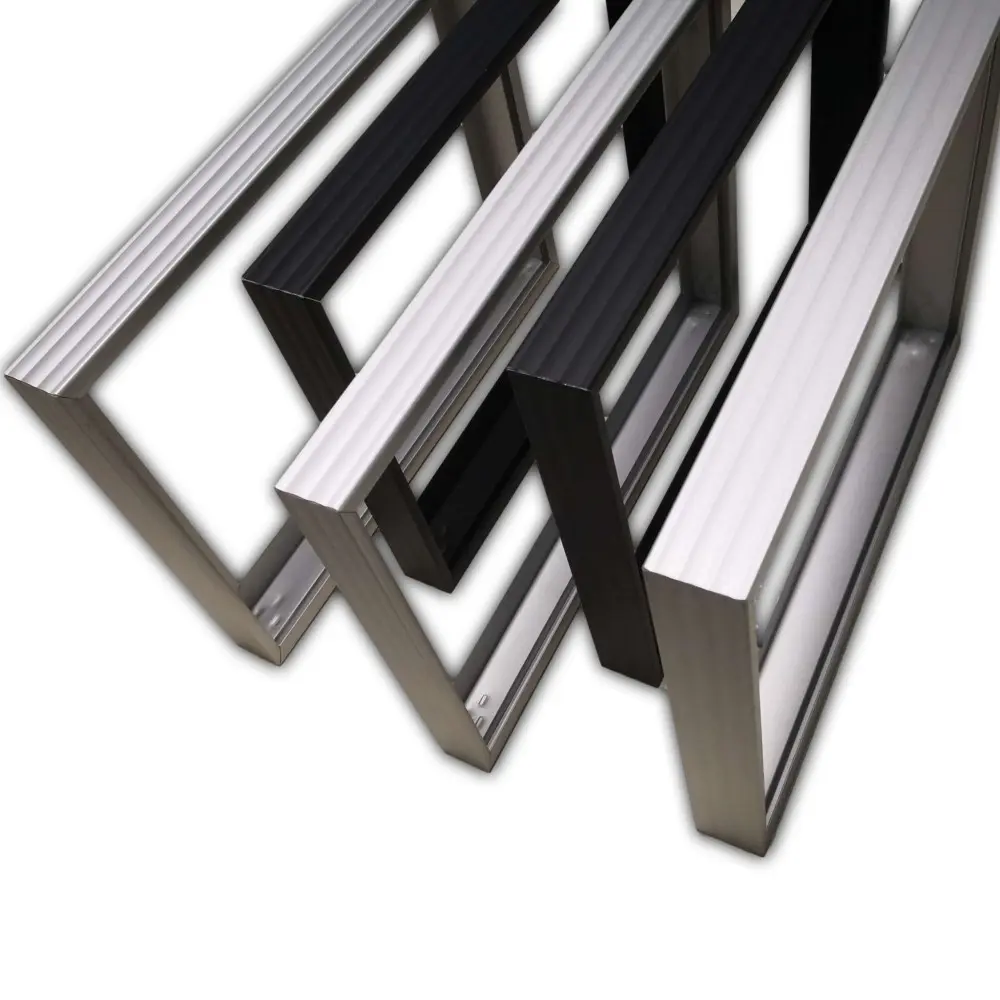
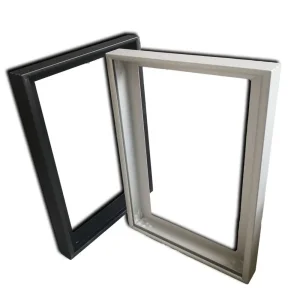
Frames protect panels during transport, setup, and exposure to wind or snow. Using 6063-T5 or 6005-T6 anodized aluminum, or pultruded polyurethane composite frames, ensures high wind load resistance (up to 2400 Pa) and snow load capacity (up to 5400 Pa), preventing micro-cracks on cell surfaces.
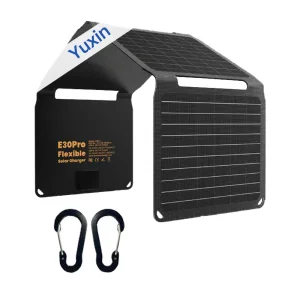
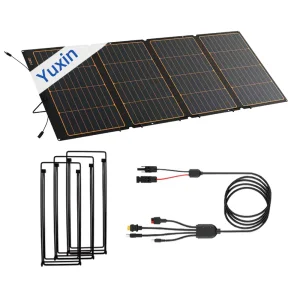
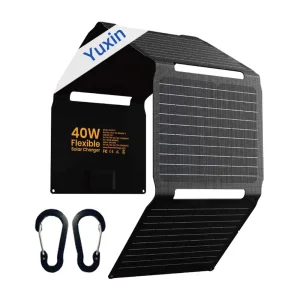
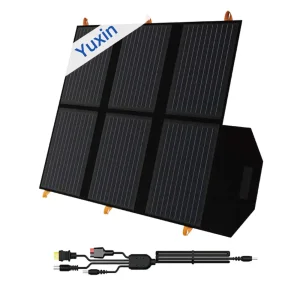
OEM factories offer extensive customization, including integration of monocrystalline cells into rugged, waterproof textile enclosures (e.g., backpacks, roll-up blankets), custom voltage outputs, built-in USB/Type-C controllers, specialized harness connectors, and durable custom branding options.
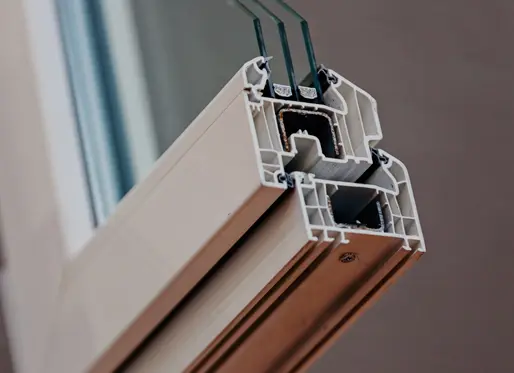
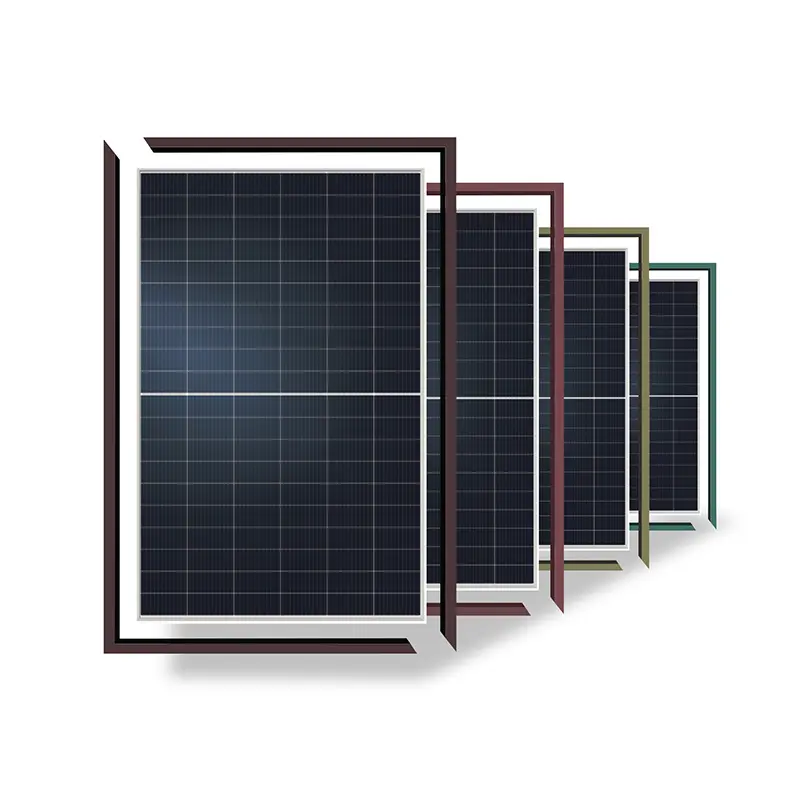
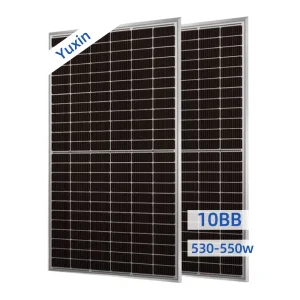
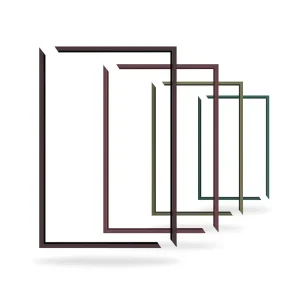
The structural life of solar modules in extreme environments depends on their framing components. We manufacture high-tensile 6063-T5 and 6005-T6 aluminum frames with anodized surface protections, offering corrosion resistance in maritime or high-humidity regions.
To meet modern sustainability requirements, we also construct composite polyurethane frames. Constructed through a specialized pultrusion method, these frames combine high mechanical load capacity with electrical isolation, reducing potential-induced degradation (PID) and securing longer service lifetimes.