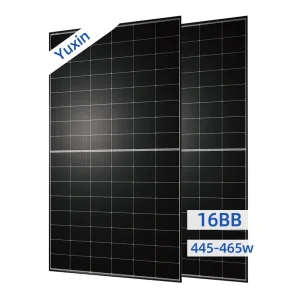
Explore our top-tier off-grid micro-generators, high-efficiency solar modules, and structured mounting systems engineered for demanding industrial operations.
An authoritative analysis on energy harvesting, modular storage design, and operational integrity for off-grid infrastructures.
Remote cabin power installations represent some of the most logistically challenging engineering projects in the modern energy sector. Positioned far from municipal grids—often in dense forests, alpine summits, or arid deserts—these systems must perform continuously with minimal maintenance interventions. Effective design relies on the integration of high-efficiency monocrystalline PERC and TOPCon modules, durable alloy racking, and high-capacity Lithium Iron Phosphate (LiFePO4) storage arrays.
As an experienced OEM partner, we approach design from a system-level perspective. We focus on BOS (Balance of System) cost reductions, structural integrity, and electrical reliability. Crucial design considerations include:
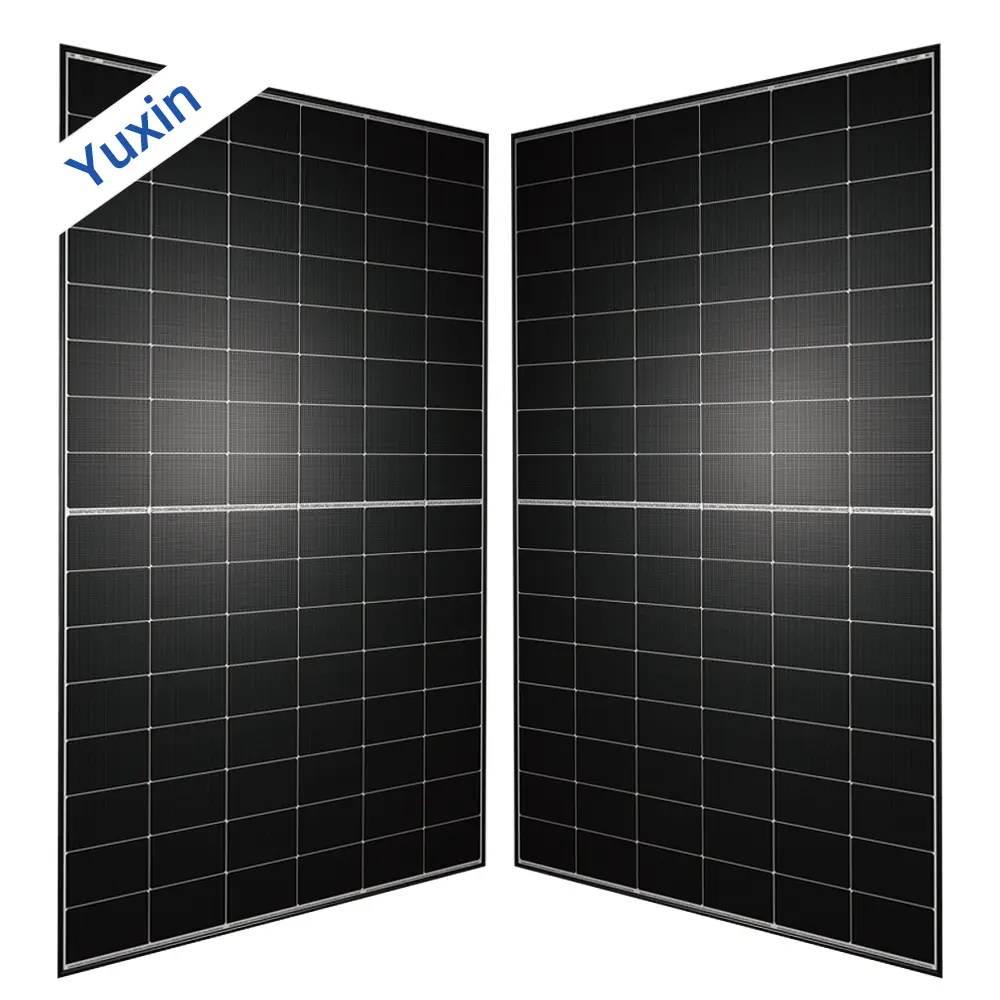
Global enterprises demand procurement consistency, reliable supply chains, and transparent manufacturing. Our OEM power systems are built to meet international grid-interconnection standards, lowering local soft costs and simplifying project approvals.
Located in the Jiangsu solar supply ecosystem, we benefit from direct access to raw materials, rapid prototyping facilities, and vertically integrated manufacturing. This integration ensures high quality, cost-competitiveness, and predictable lead times.
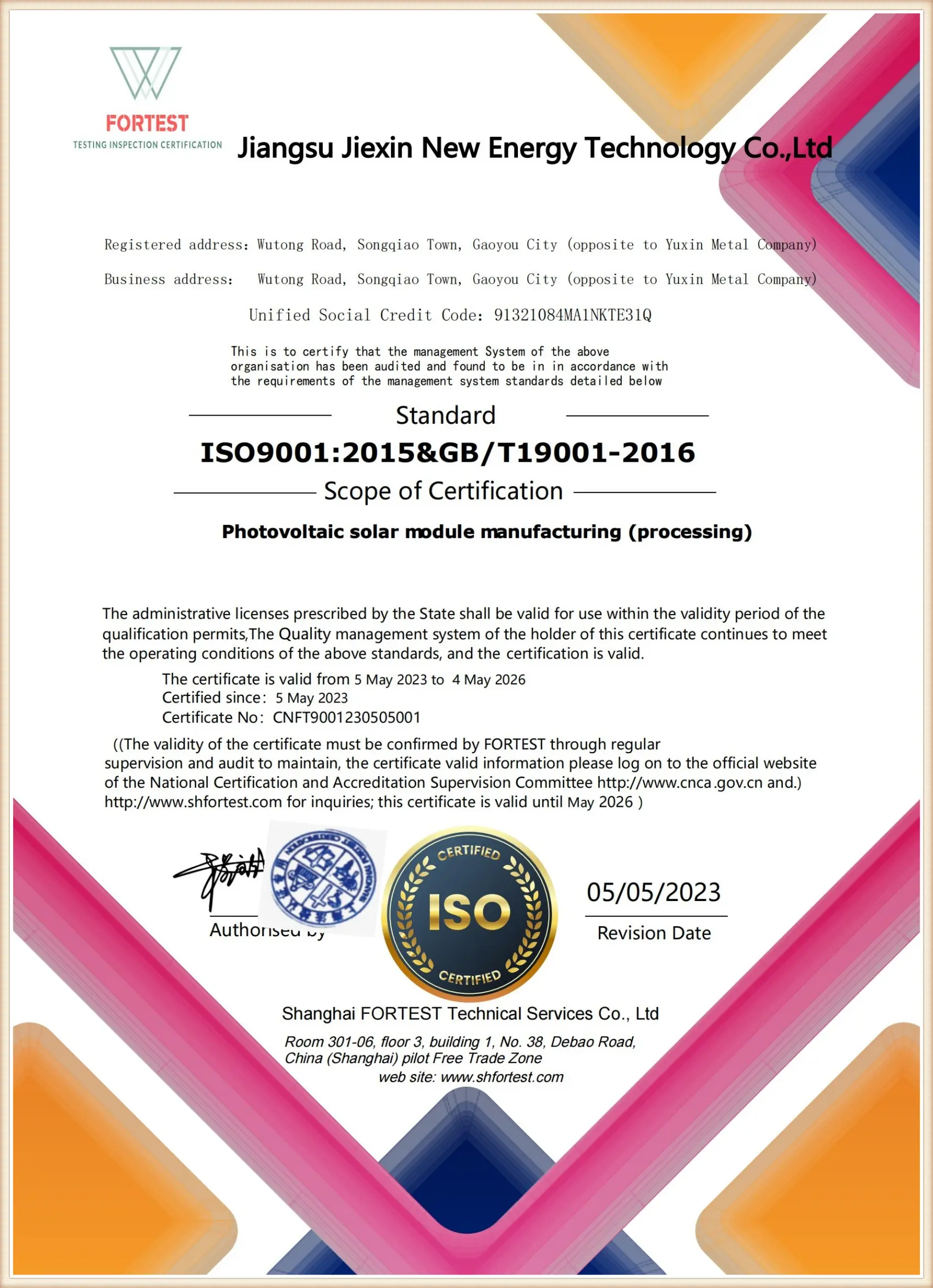
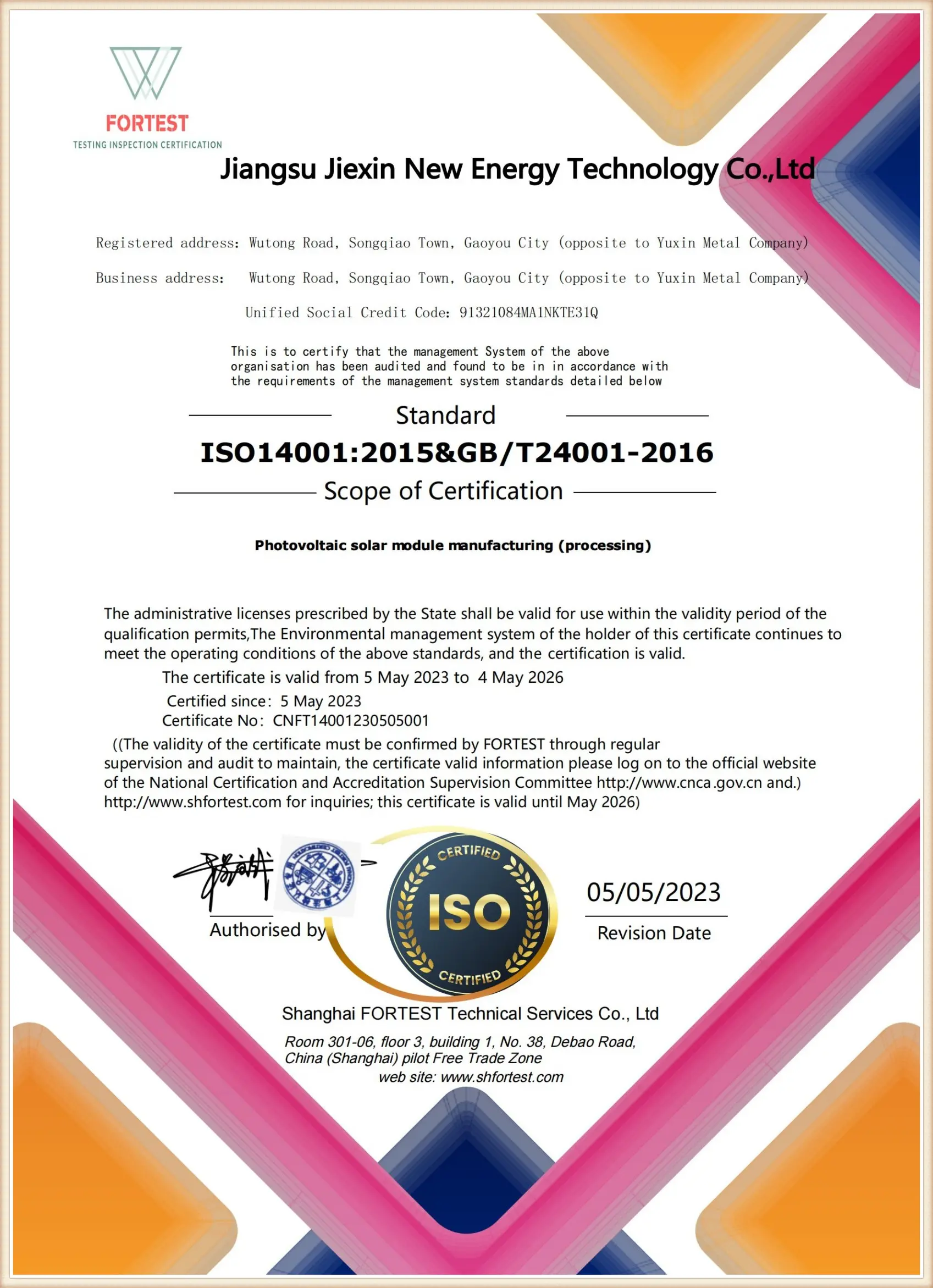
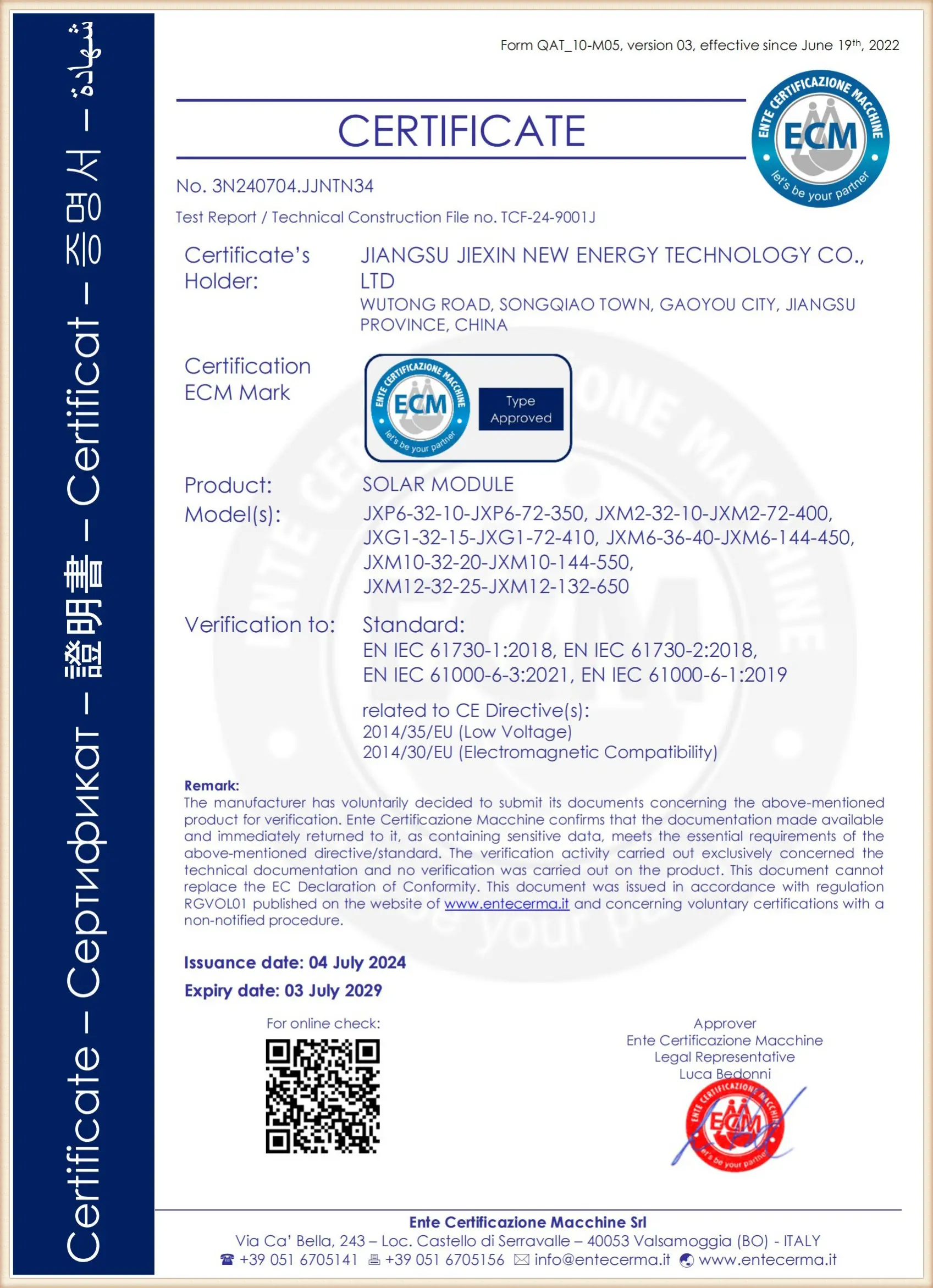
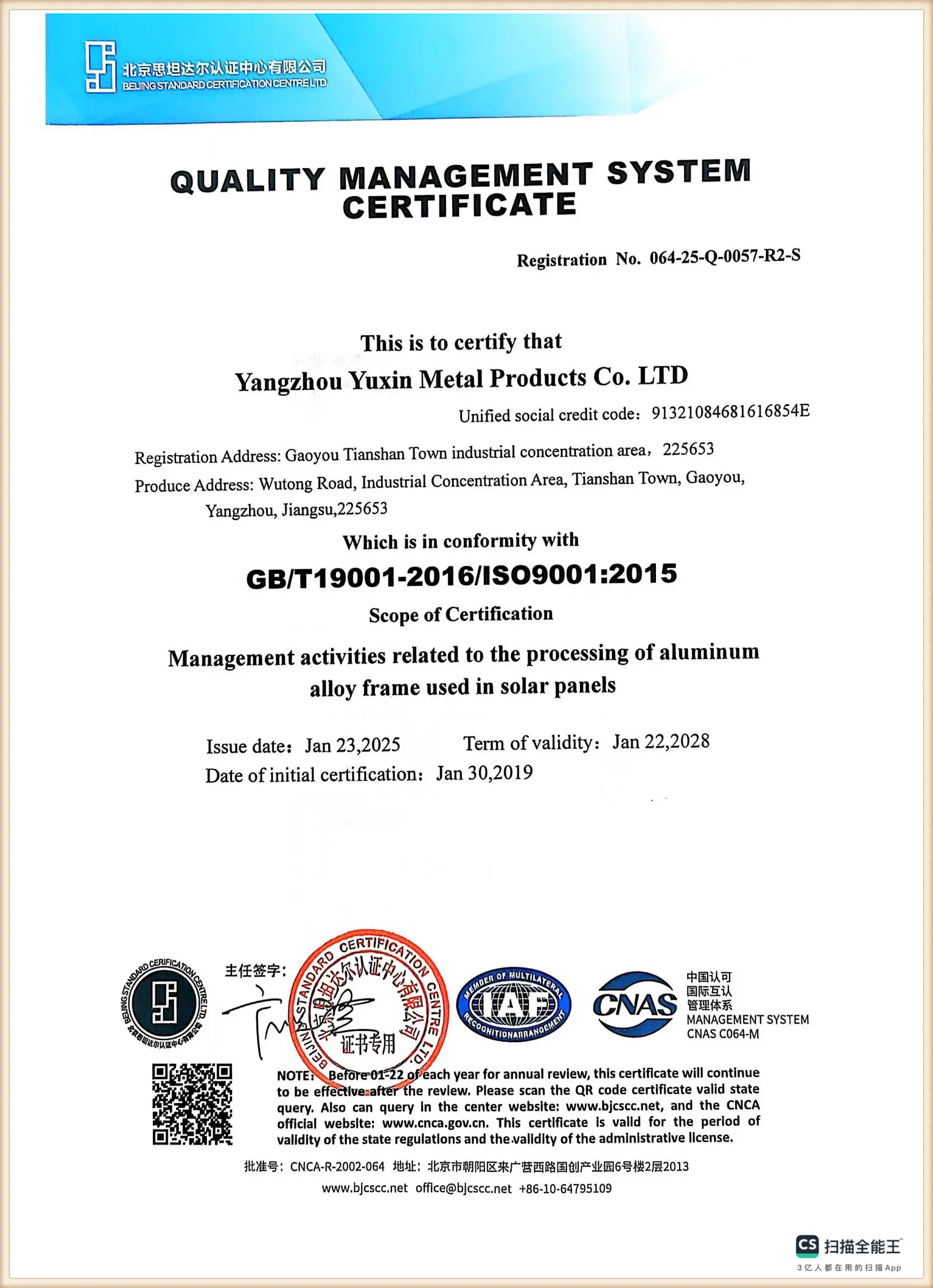
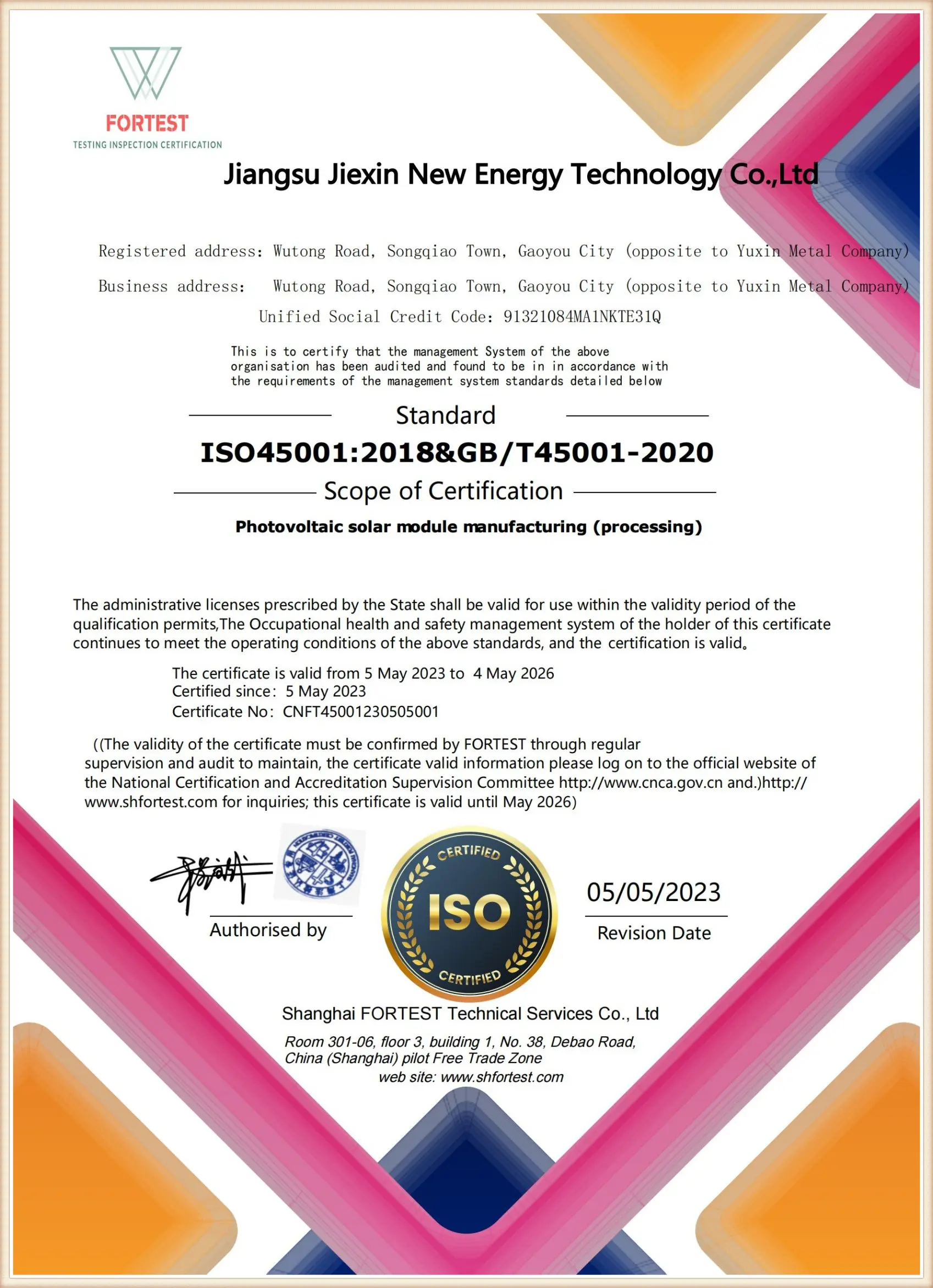
Our products carry CE, UL, and TÜV certifications, confirming they meet strict electrical, safety, and environmental standards. Rigorous factory test procedures verify performance under simulated extreme weather profiles.
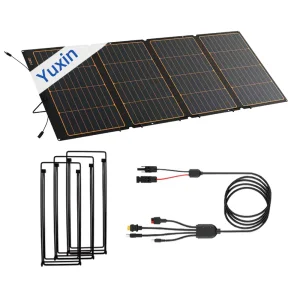
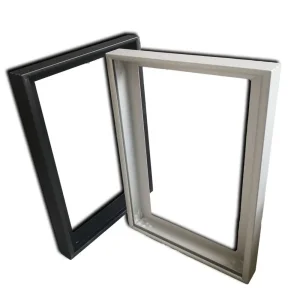
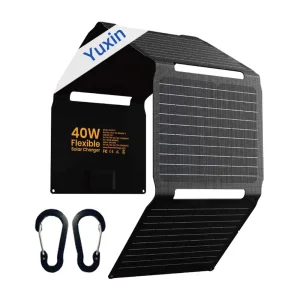
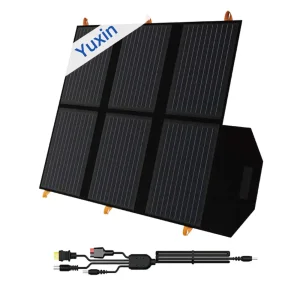
Precision-manufactured materials and energy conversion modules forming the bedrock of durable off-grid micro-grids.
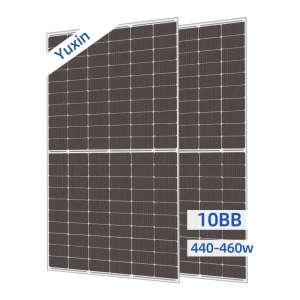
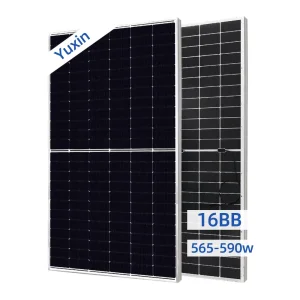
Lightweight design with transparent back panel for easy installation and reduced BOS costs.
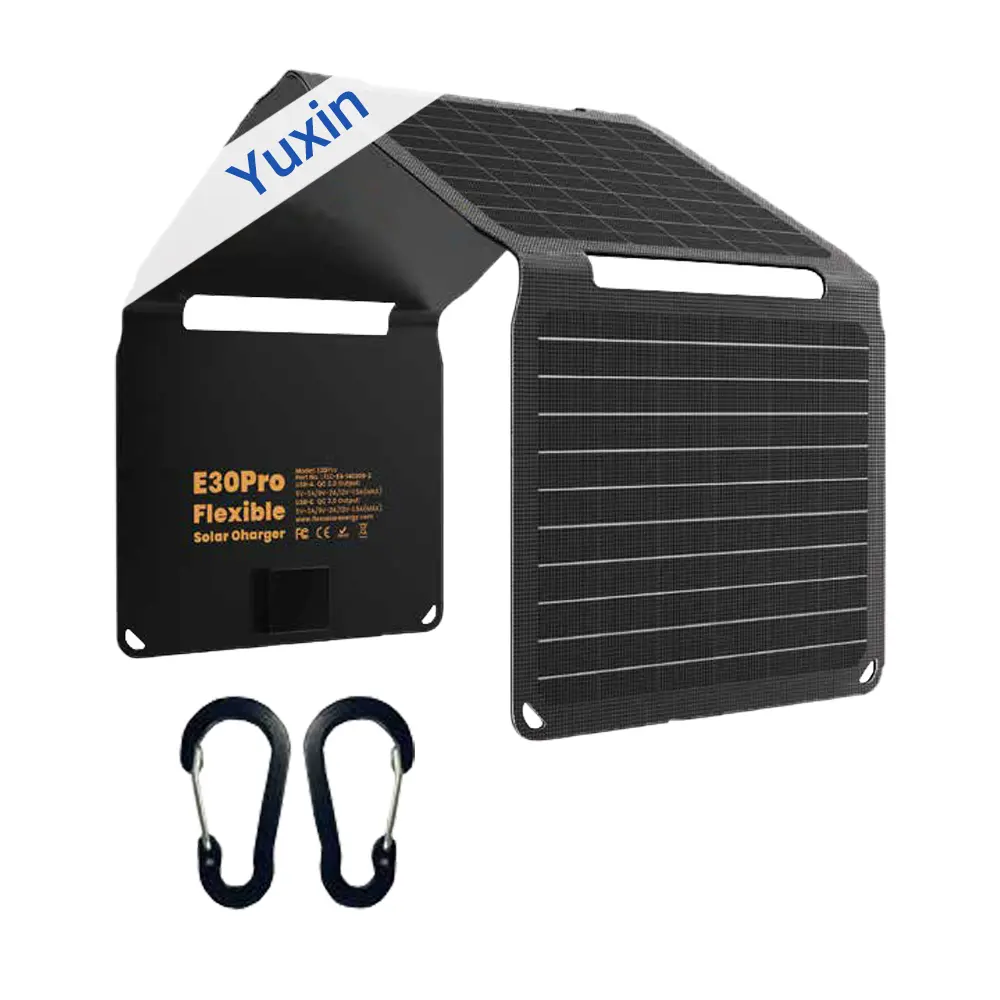
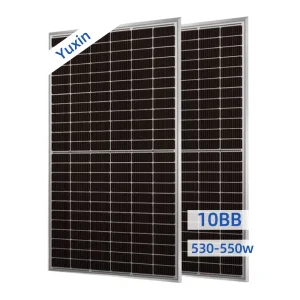
Utilizing advanced monocrystalline silicon cells, it achieves a high energy conversion efficiency of 24%.
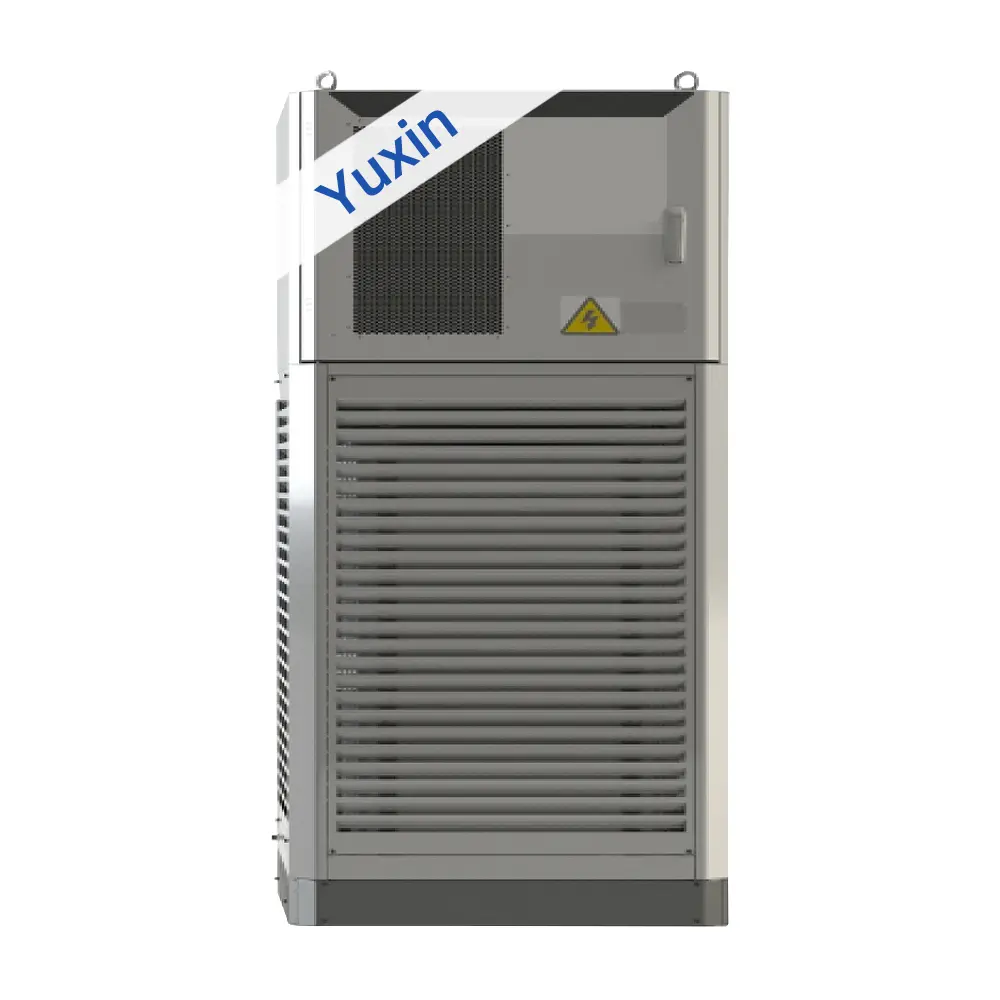
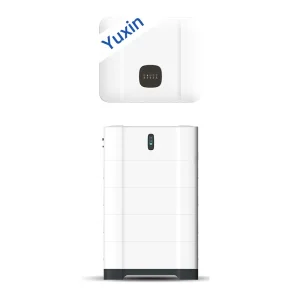
Application modes include grid-connected mode, off-grid mode, and integrated grid-connected/off-grid mode.
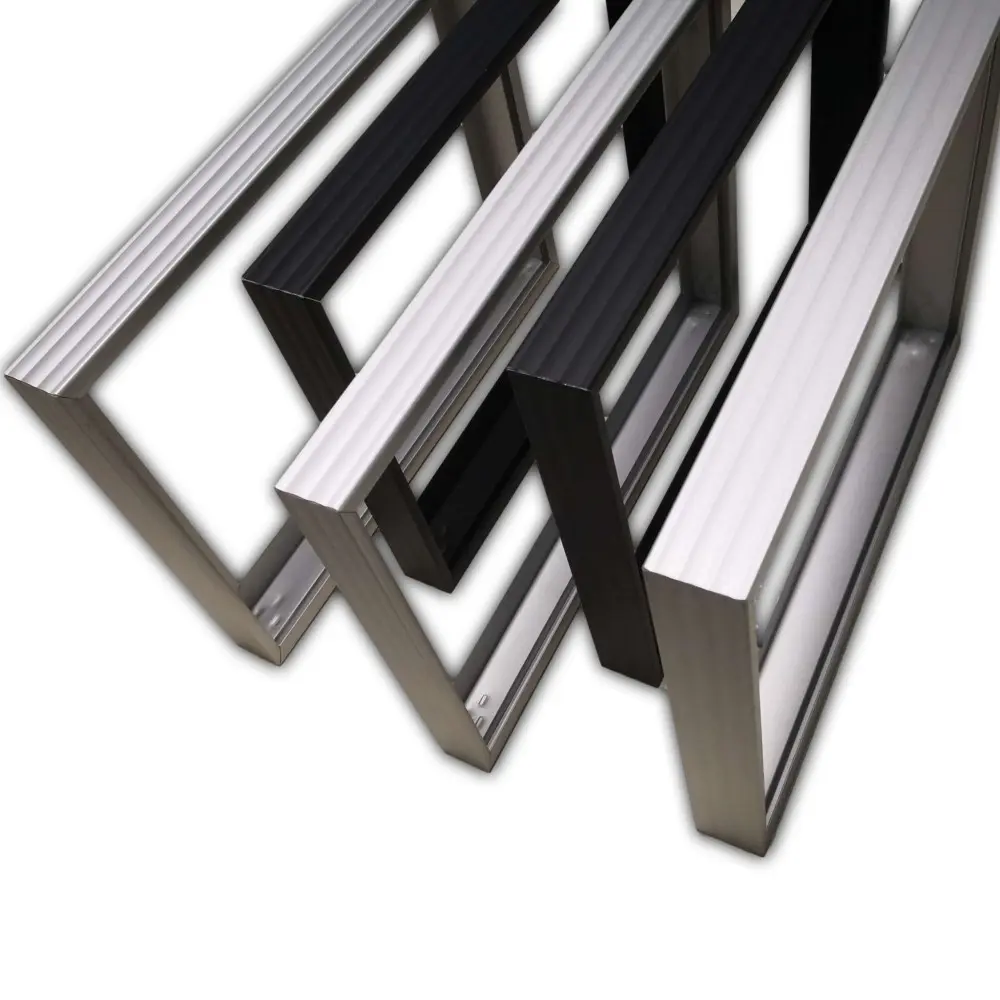
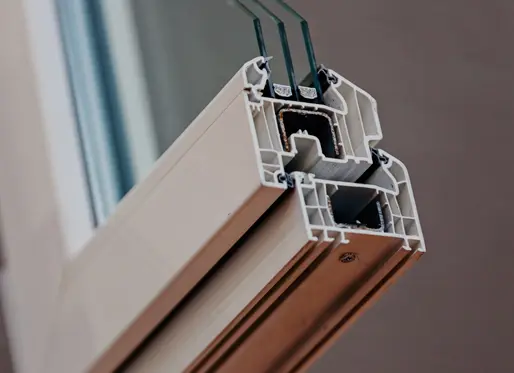
Made of high-quality anodized aluminum, it ensures superior weather resistance and a smooth, long-lasting finish.
Located in the scenic historical and cultural ancient city of Yangzhou, close to the Beijing-Shanghai Expressway, Runyang Yangtze River Bridge, and Ningqi Railway, the group has a superior geographical location and convenient transportation.
Established in 2008, the group has 14 multi-field companies under its jurisdiction, including Jiangsu Yuxin New Energy Technology Co., Ltd. We have won many titles such as National High-tech Enterprise, Technology-based Enterprise, and Gaoyou City Top 100 Private Enterprises.
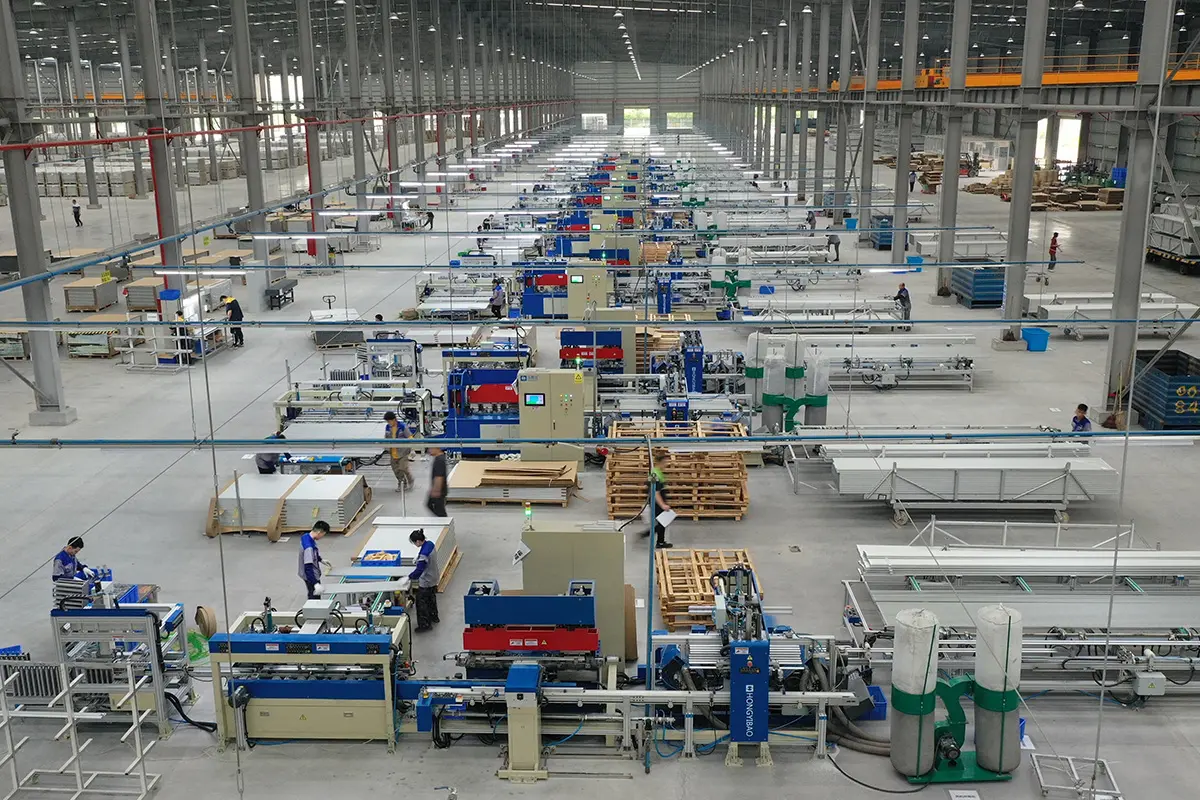
Watch our automated assembly lines and quality control processes in action.
Request Factory TourOur engineering, manufacturing, and material standards are certified to comply with strict international regulatory expectations.
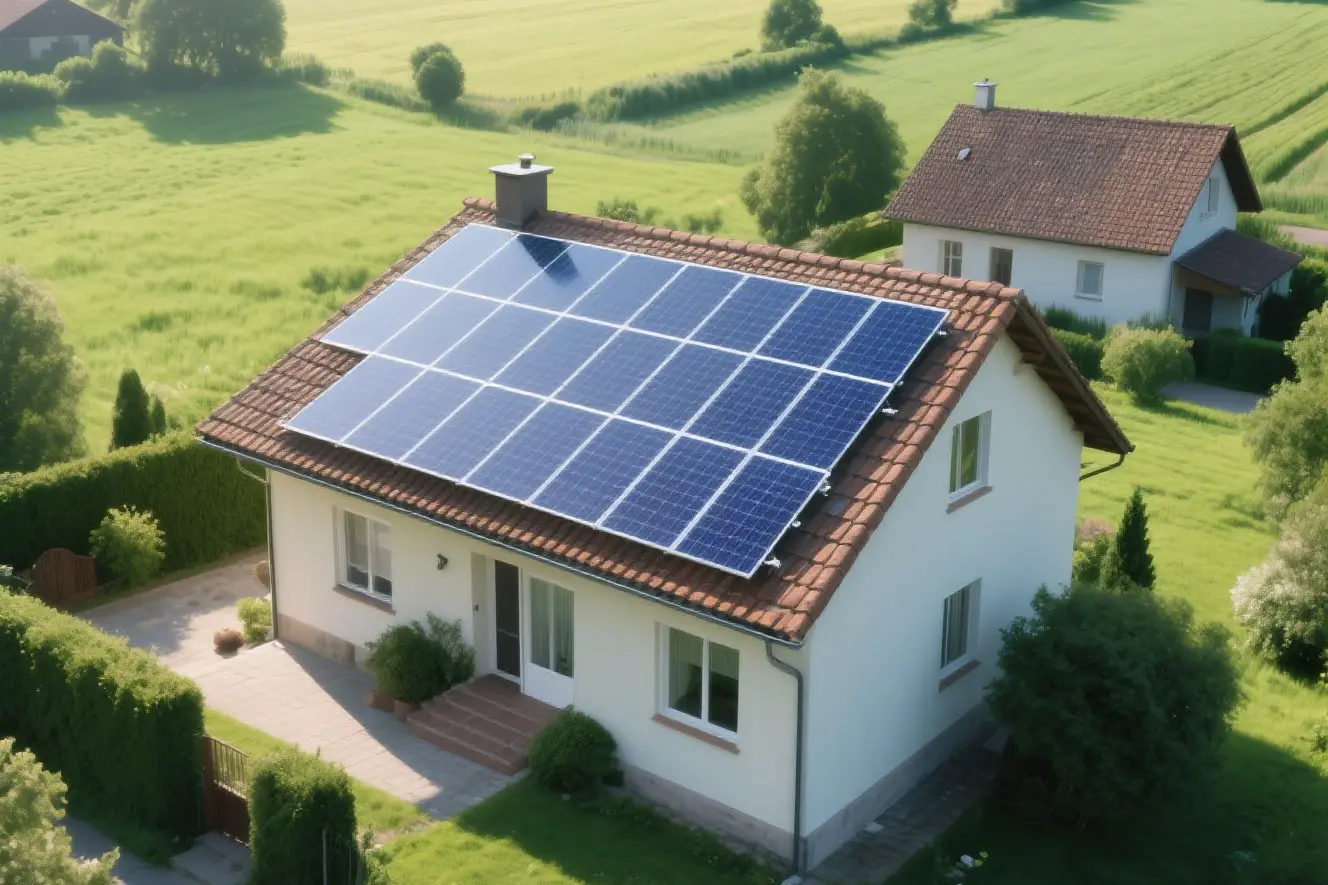
From heavy machinery and infrastructure development to agricultural operations, our off-grid power assemblies deliver resilient power wherever you deploy.
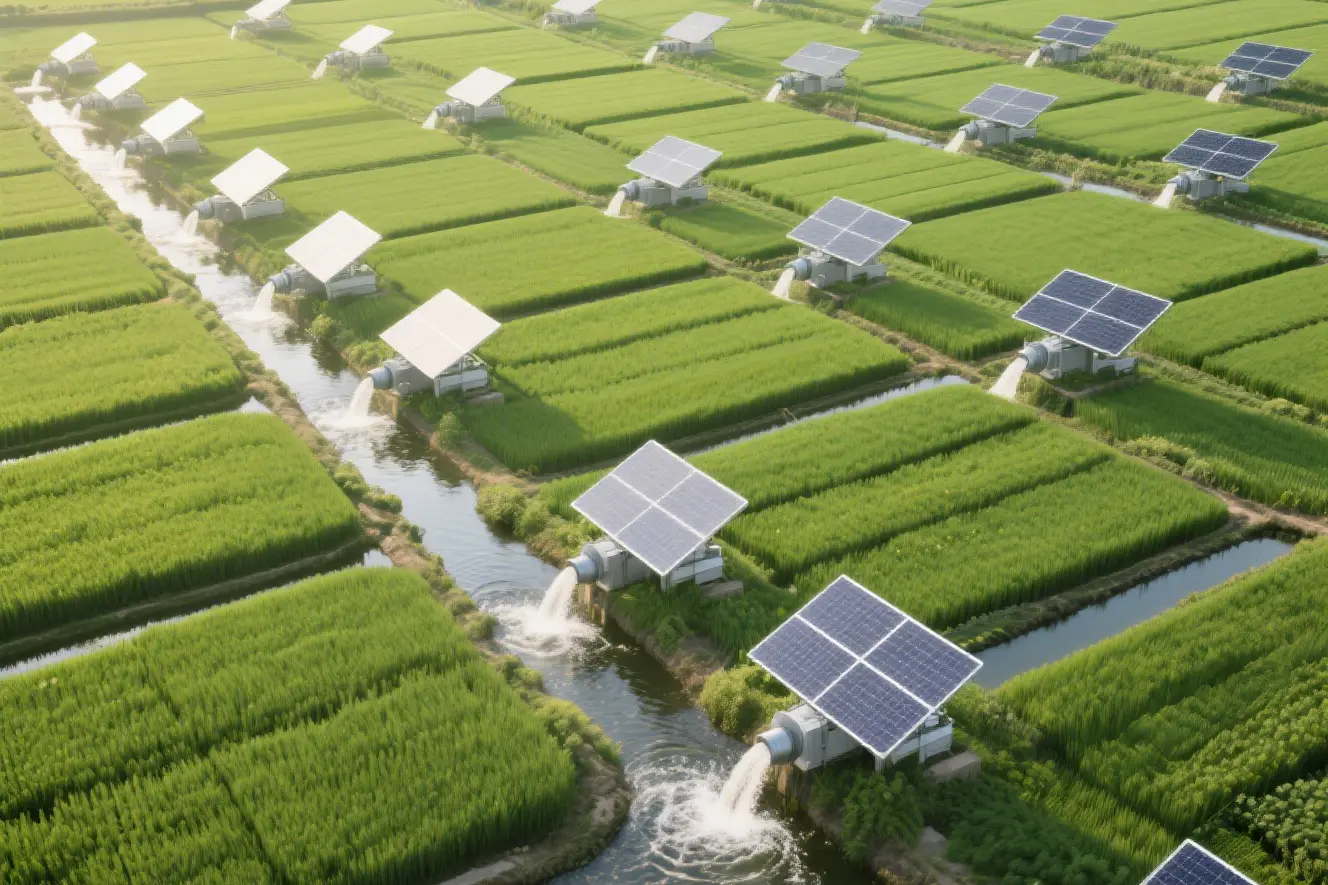
Providing automated water pumping, electric fencing, sensor networks, and greenhouse environmental controls with zero dependency on the grid.
Delivering mobile, high-capacity solar trailers and structural power boxes to fuel tools, offices, and security systems in newly developed zones.
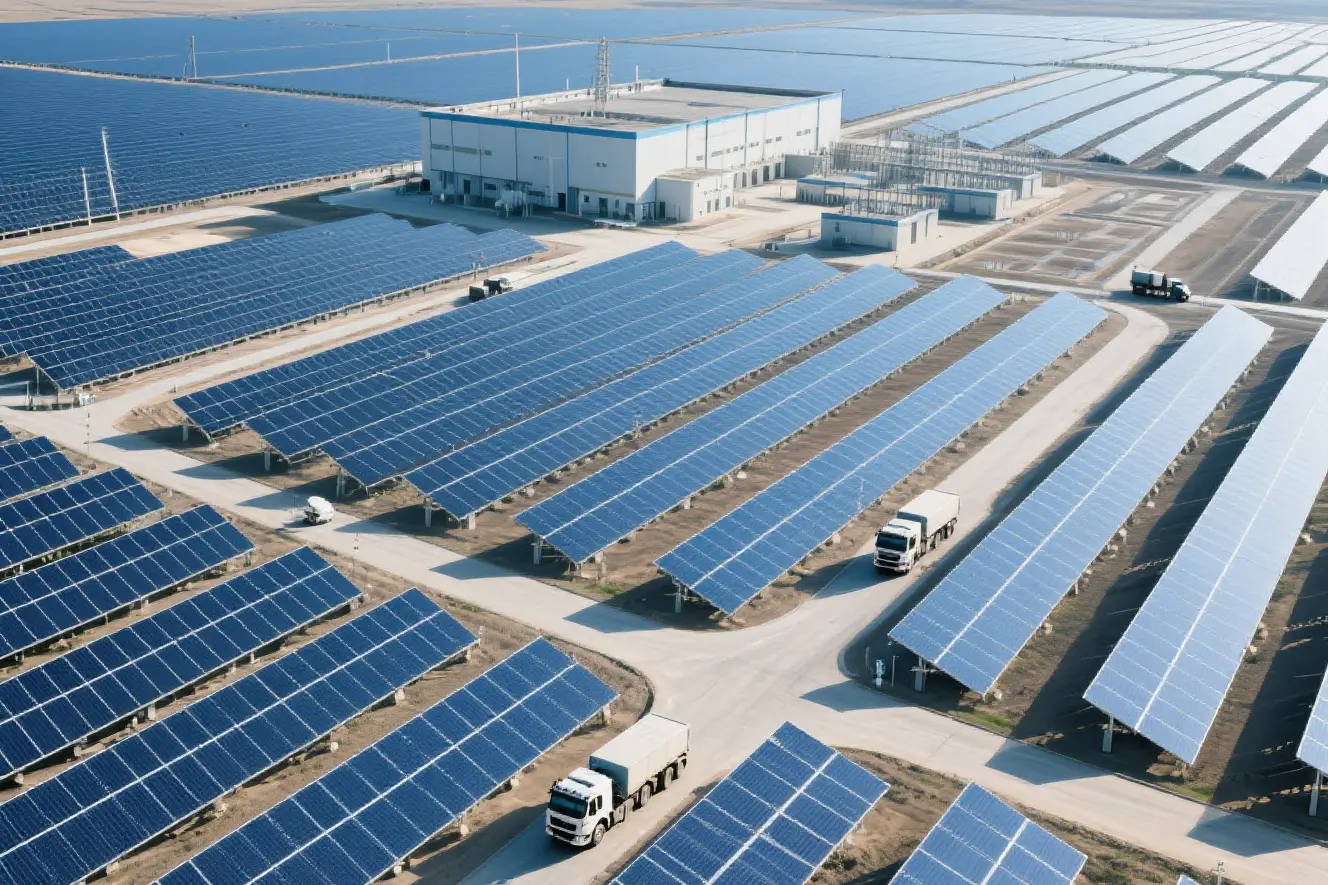
Supporting auxiliary substations and grid control stations with robust backup generation during utility outages.
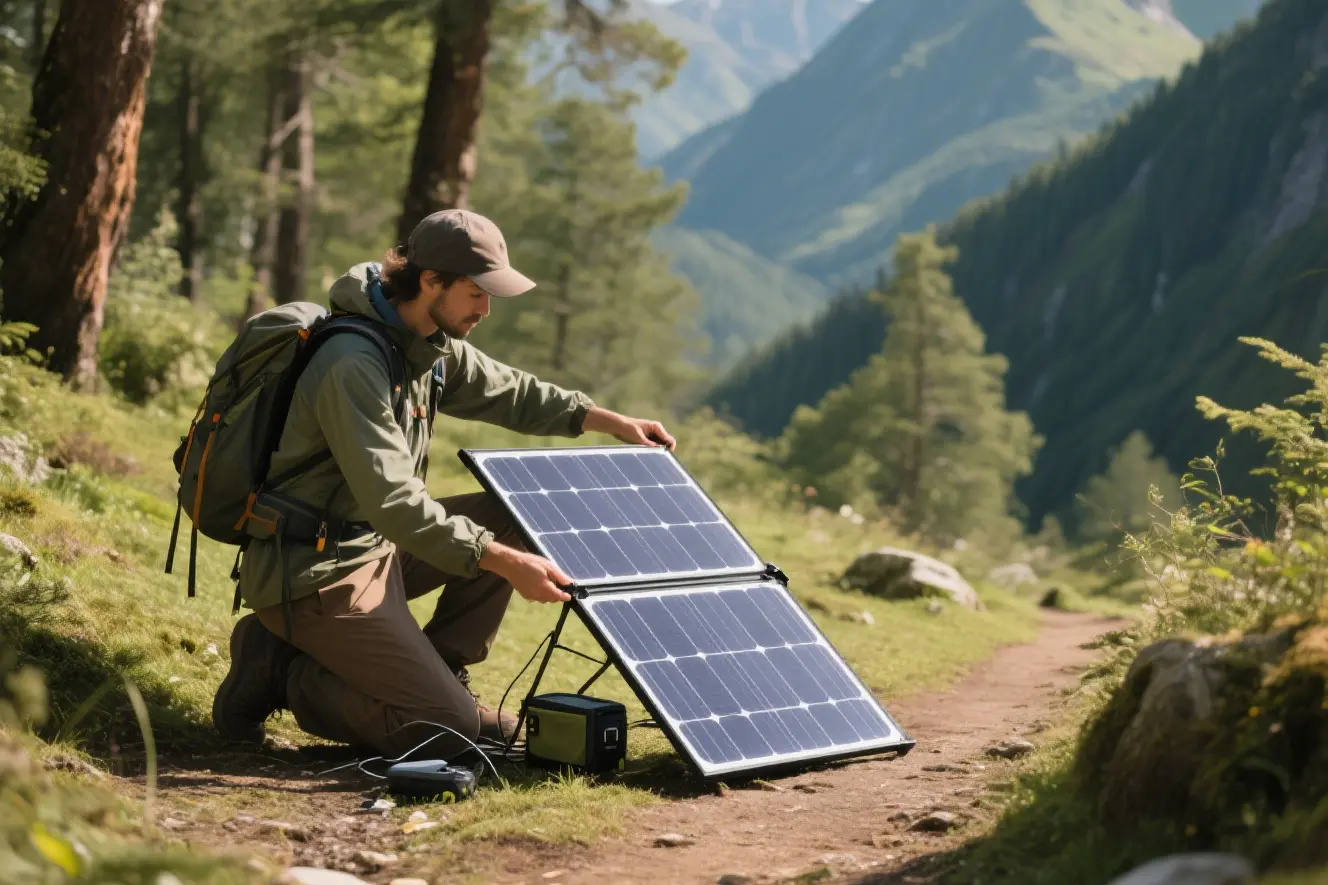
Powering scientific expeditions, base camps, and eco-lodges with clean energy storage solutions.
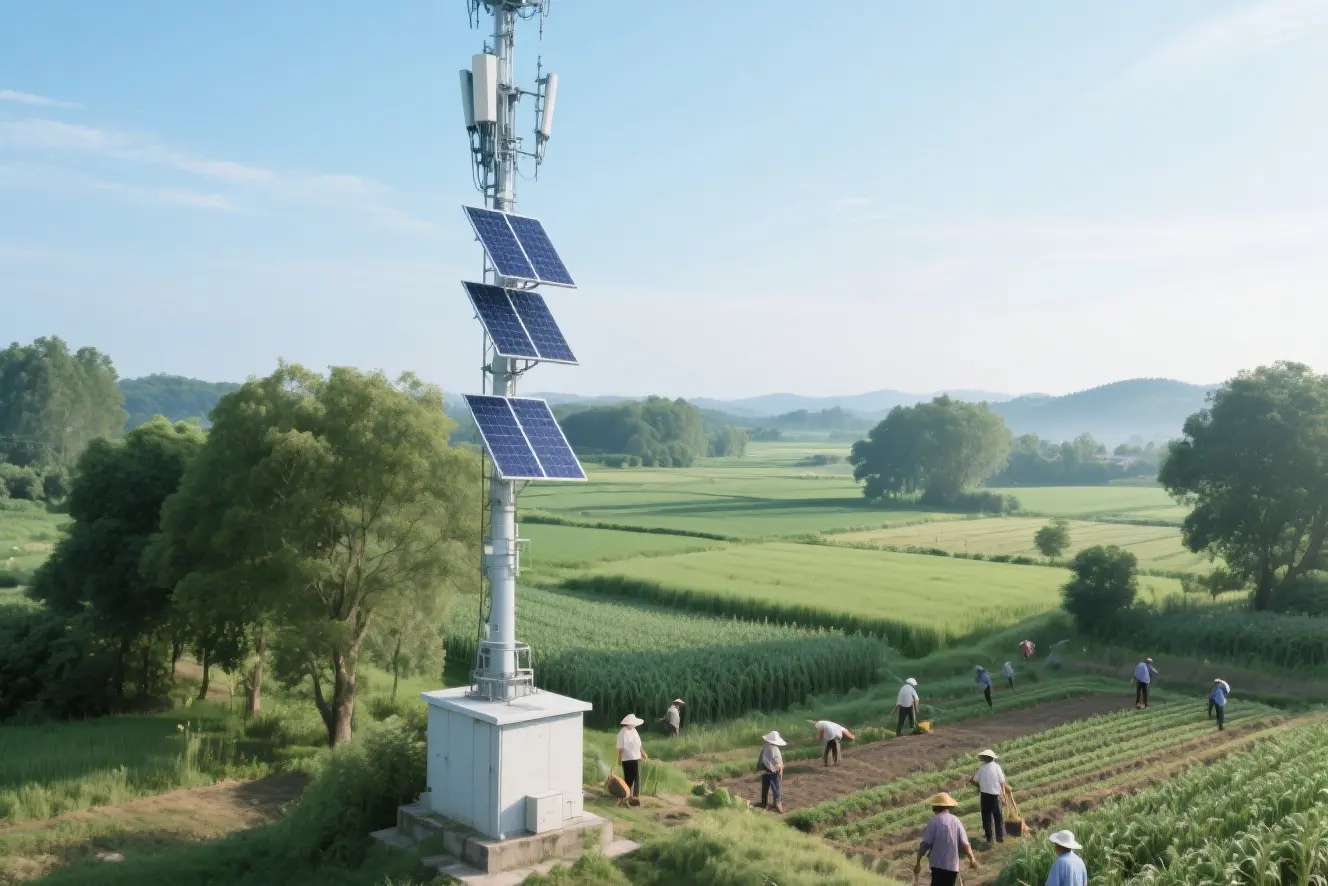
Powering cellular base stations, microwave repeaters, and warning beacons in remote areas with 99.99% uptime configurations.
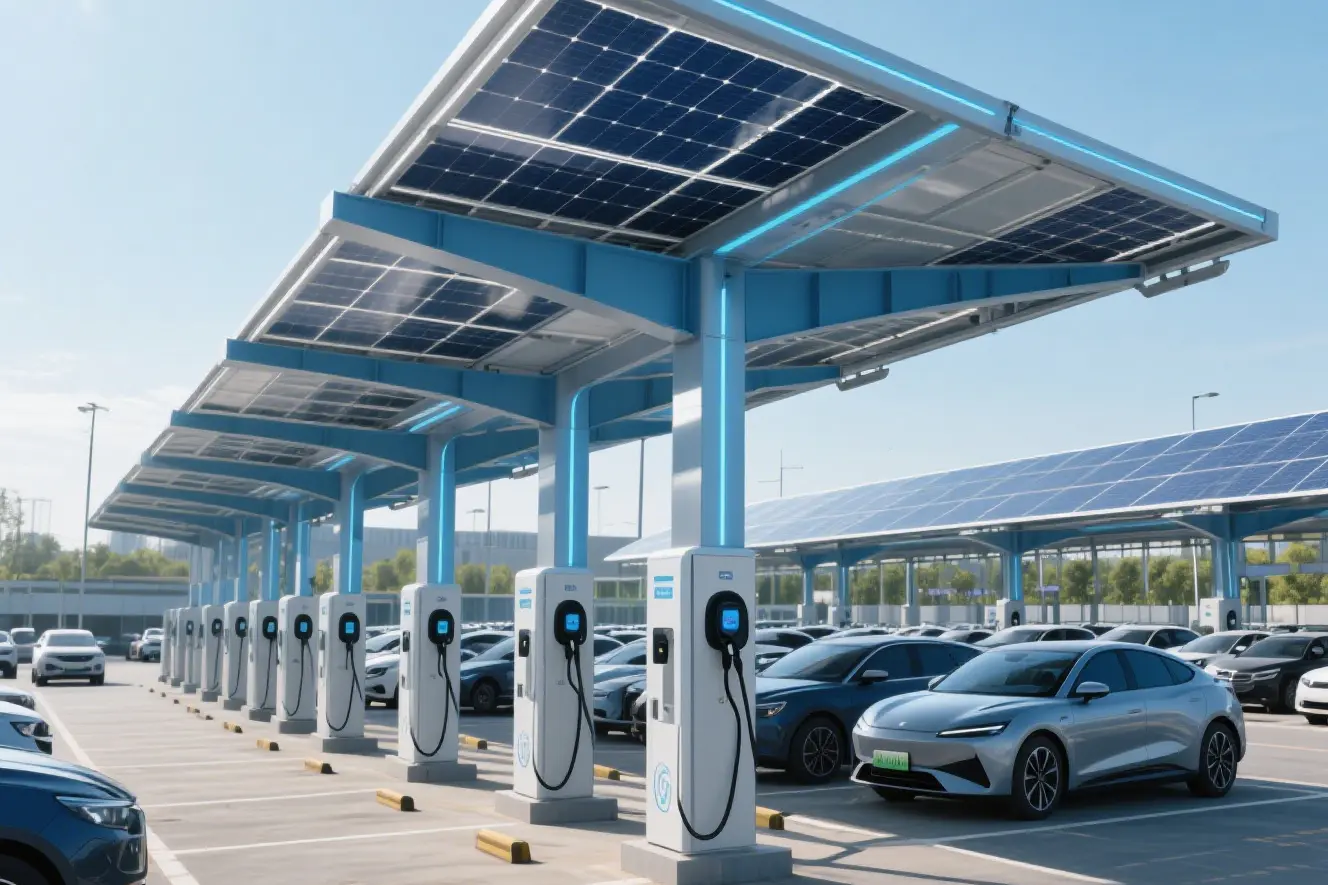
Powering remote railway signs, roadside message boards, maritime buoys, and meteorological telemetry stations.
Our partners choose us for engineering reliability, cost control, and supply chain consistency.



A comprehensive guide to selecting components, mechanical engineering layouts, and establishing long-term electrical reliability.
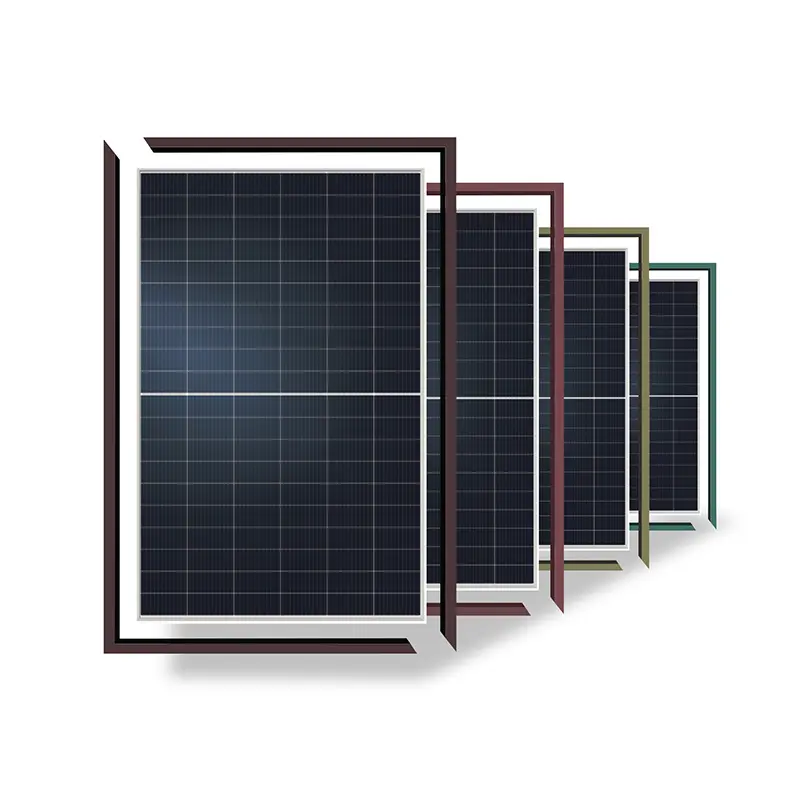
Designing power harvesting solutions for remote cabins requires a balanced configuration of electrical inputs. System designers must match local solar irradiance curves with the correct PV cell chemistries. In high-latitude or forest-shaded cabins, 144 Half-Cell Mono Silicon structures are preferred. Half-cut architectures divide the internal module electrical matrix, significantly reducing shading-induced power losses. This approach maintains generation capacity even when dust or pine needles settle on the lower portion of the panel.
Cell technology selection is critical. Traditional p-type PERC panels remain a cost-effective standard, offering high structural durability. However, n-type TOPCon (Tunnel Oxide Passivated Contact) designs provide higher front-side efficiencies (up to 24%) and a superior temperature coefficient of -0.30%/°C. For extreme alpine environments, TOPCon bifacial glass-on-glass modules leverage ground albedo effect (snow reflectance) to generate up to 25% additional energy from the back surface, maintaining battery health through cold winters.
Cabin installations are vulnerable to mechanical fatigue caused by wind lift and snow loads. Mounting structural frames must provide robust physical support over a 25-year lifespan. Aluminum alloys like 6063-T5 and 6005-T6 are anodized to a thickness of 15 microns to resist oxidation, salt spray, and acid rain.
For highly corrosive chemical or marine environments, polyurethane pultruded composite frames represent a major material advancement. Pultruded polyurethane has a tensile strength double that of aluminum, offers excellent electrical insulation, and eliminates galvanic corrosion risk. This material helps prevent potential induced degradation (PID) in high-voltage PV arrays.
An off-grid system is only as reliable as its energy storage component. Modern installations use Lithium Iron Phosphate (LiFePO4) chemistry due to its thermal stability and long cycle life (typically over 6,000 cycles at 80% Depth of Discharge). These modular storage designs scale easily from 10kWh to 30kWh configurations.
Integrating an intelligent battery management system (BMS) ensures safe operations. By tracking cell voltages, temperatures, and state-of-charge (SoC), the BMS protects the battery from overcurrent and thermal runaway. Connecting the BMS to cellular or satellite gateways allows operations teams to monitor remote systems, diagnose faults, and plan maintenance remotely.
Sourcing off-grid systems from China’s Yangtze River Delta, particularly Yangzhou, offers significant logisitcal advantages. The regional solar ecosystem integrates cell manufacturing, structural extrusion, and electronics assembly. This close physical integration simplifies quality control, speeds up custom prototyping, and helps keep shipping costs competitive.
YUXIN leverages this integrated supply chain to source raw aluminum and silicon directly, maintaining tight control over component specifications. Vertical integration lowers manufacturing overhead, allowing us to build custom solar backpacks, frames, and hybrid storage systems that match client-specific project requirements.
Deploying remote power systems globally requires compliance with diverse regional electrical standards. In the European Union, CE marking and EN standards confirm system safety and electromagnetic compatibility. For North America, compliance with UL standards (such as UL 1741 for inverters and UL 1973 for battery packs) is necessary to meet local building codes.
Our factory follows standard quality control procedures, including electroluminescence (EL) imaging to spot microcracks in solar cells before they leave the facility. We also subject frame designs to salt-spray testing to verify long-term corrosion resistance. Delivering pre-assembled, factory-tested systems reduces installation complexity and helps avoid costly field modifications.
Keep pace with technological breakthroughs, solar framing advancements, and manufacturing standards.
Answers to key technical, supply, and integration questions for off-grid industrial systems.
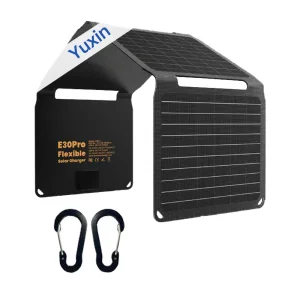
Compare portable charging gear, heavy-duty solar frames, and high-capacity monocrystalline modules built for off-grid setups.