OEM Portable Heater Solar Powered Manufacturers & Service

Decarbonizing Off-Grid Thermal Demands through Custom Photovoltaic-Thermal (PVT) Systems and High-Yield Energy Storage Integration

1. The Global Landscape of Off-Grid Solar Heating Technology

Analyzing the industrial conversion of high-efficiency photovoltaics into dynamic thermal energy storage systems.

Across the globe, the transition towards clean energy has moved past simple residential lighting and power networks. The contemporary industrial focus has landed on the massive thermal demands generated within agriculture, mining, remote construction, and defense sectors. Portable solar-powered heating, traditionally limited to low-voltage consumer camping gear, has evolved into a vital macro-level industry solution. System integrators and OEM manufacturers are designing sophisticated thermodynamic interfaces that link high-density photovoltaic cells directly with phase-change thermal sinks and battery networks.

This evolution is heavily backed by the global mandate for carbon reduction. In cold climates throughout Northern Europe, Canada, and the high-altitude regions of Central Asia, relying on diesel combustion or liquid propane gas (LPG) for portable site heating is increasingly restricted due to high fuel transportation costs, local emissions laws, and operational safety liabilities. The market demand has transitioned to high-voltage, deployable solar thermal-electric hybrid systems that can offer steady, localized heating profiles without grid dependency.

Macro Industry Data Point
According to recent global industrial energy audits, off-grid spatial heating accounts for over 38% of field operation fuel consumption in high-latitude environments. Upgrading to a combined PV+Storage portable electric heater layout reduces site carbon output by up to 84% over a 36-month operational cycle.

The Role of High-Performance Photovoltaics in Thermal Systems

Generating heat from solar energy requires high efficiency at the collection stage to offset the thermodynamic losses associated with thermoelectric elements, heat pumps, or resistive heating. Utilizing premium materials—such as TOPCon Bifacial Dual Glass Modules and high-wattage PERC Mono Silicon Panels—is critical for OEM solar heating integrations. These modules maximize solar capture per square meter, especially in low-light, snow-reflective conditions, allowing the associated thermal storage units to charge fully during short winter daylight windows.
Core Technological Offerings

Integrated systems that bridge solar harvesting, structural support, and energy management.

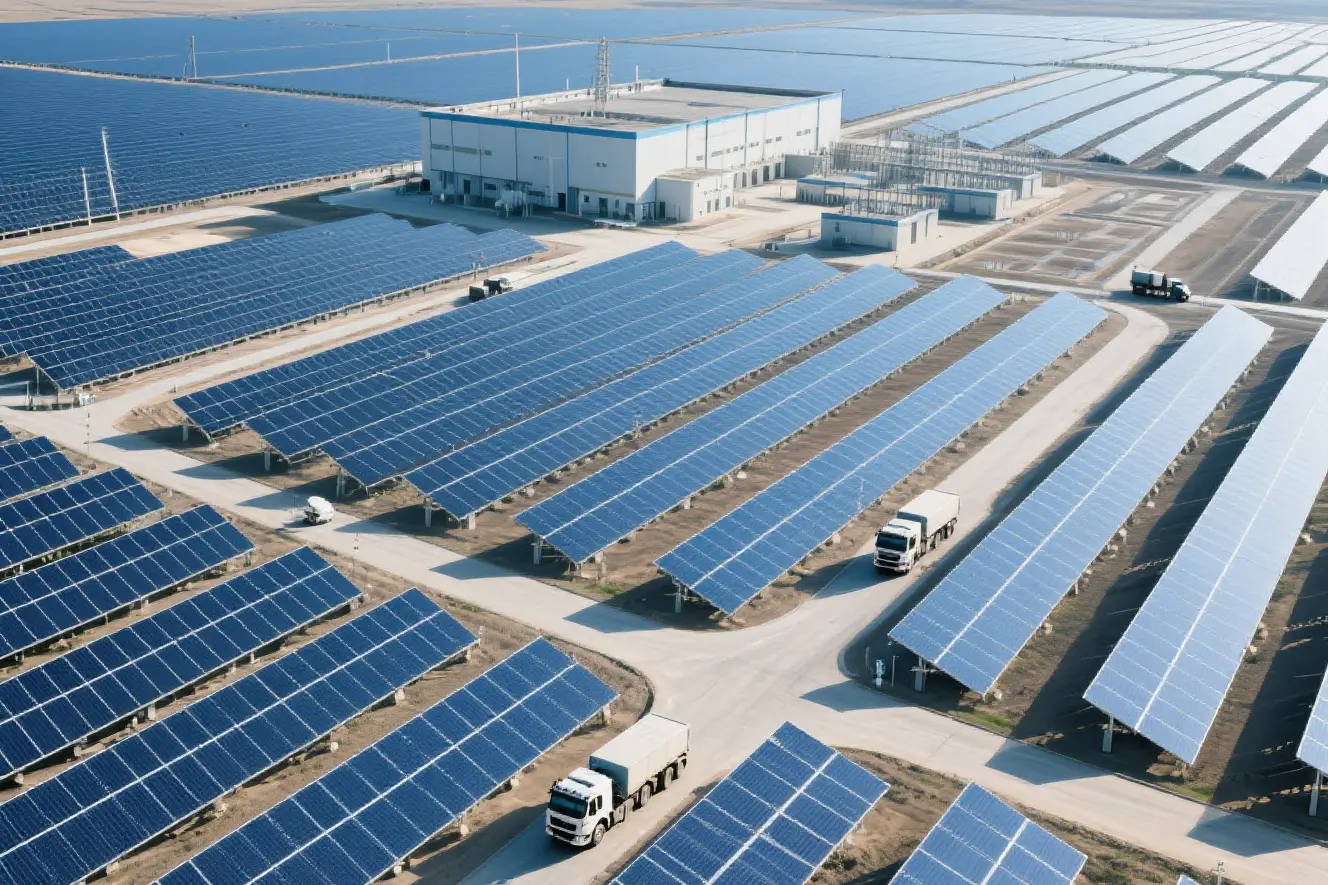
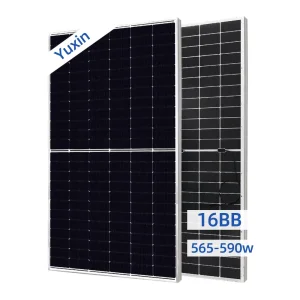
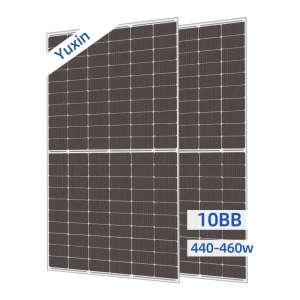
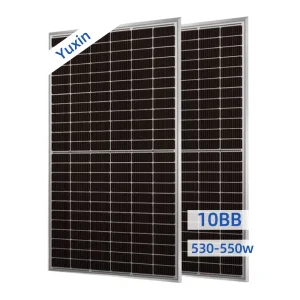
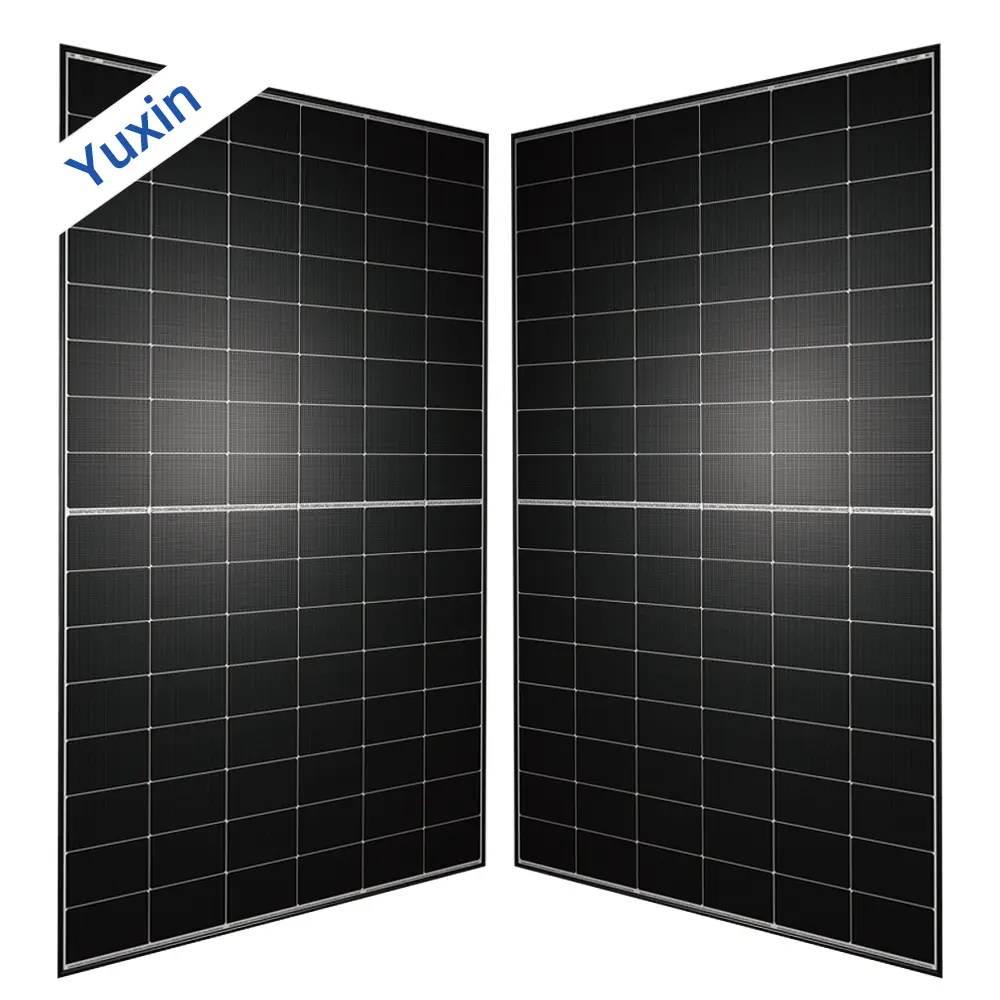
Solar Panel

Solar Panel

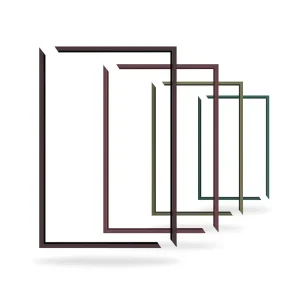
Lightweight design with transparent back panel for easy installation and reduced BOS costs.
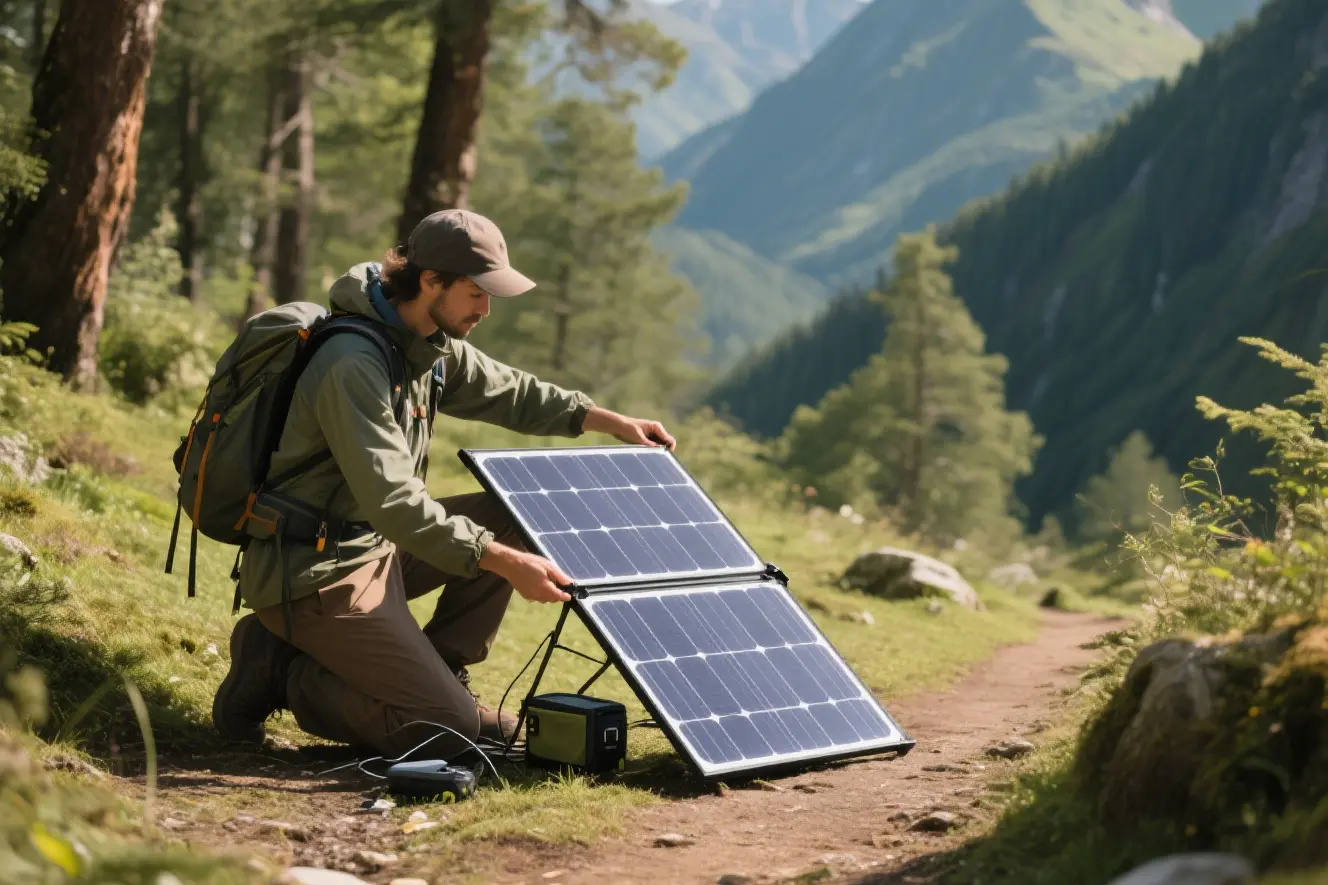
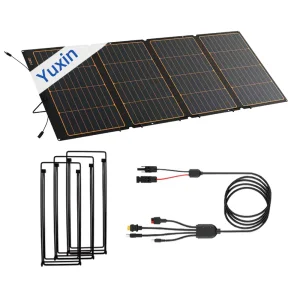
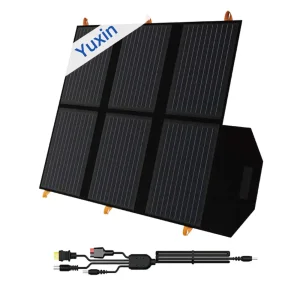
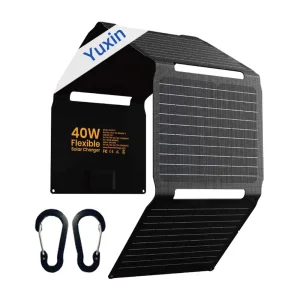
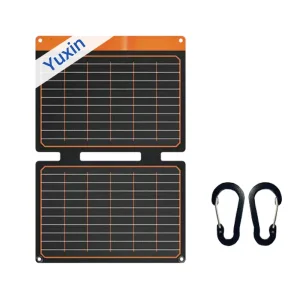
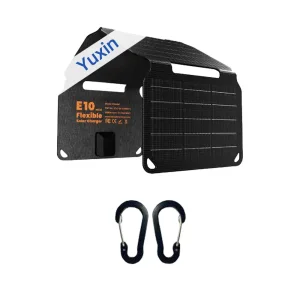
Portable Solar Charger

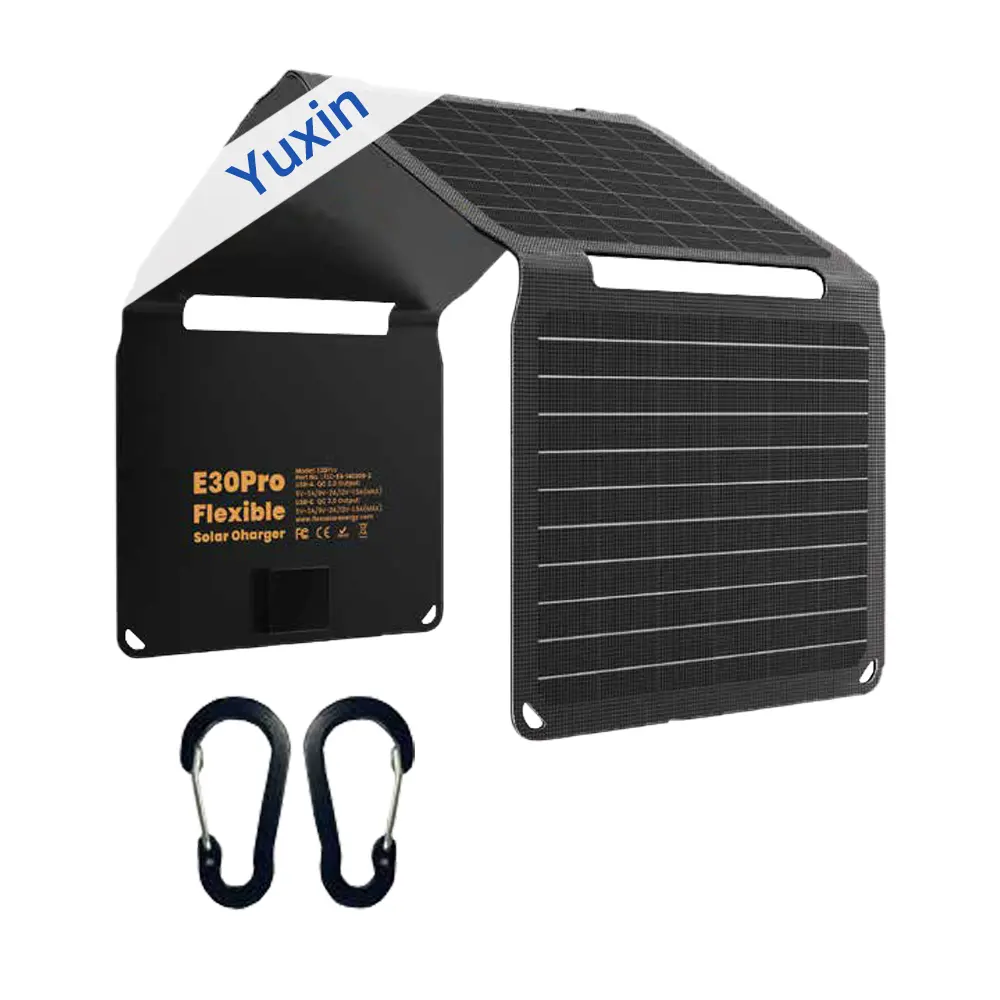
Portable Solar Charger

Utilizing advanced monocrystalline silicon cells, it achieves a high energy conversion efficiency of 24%.

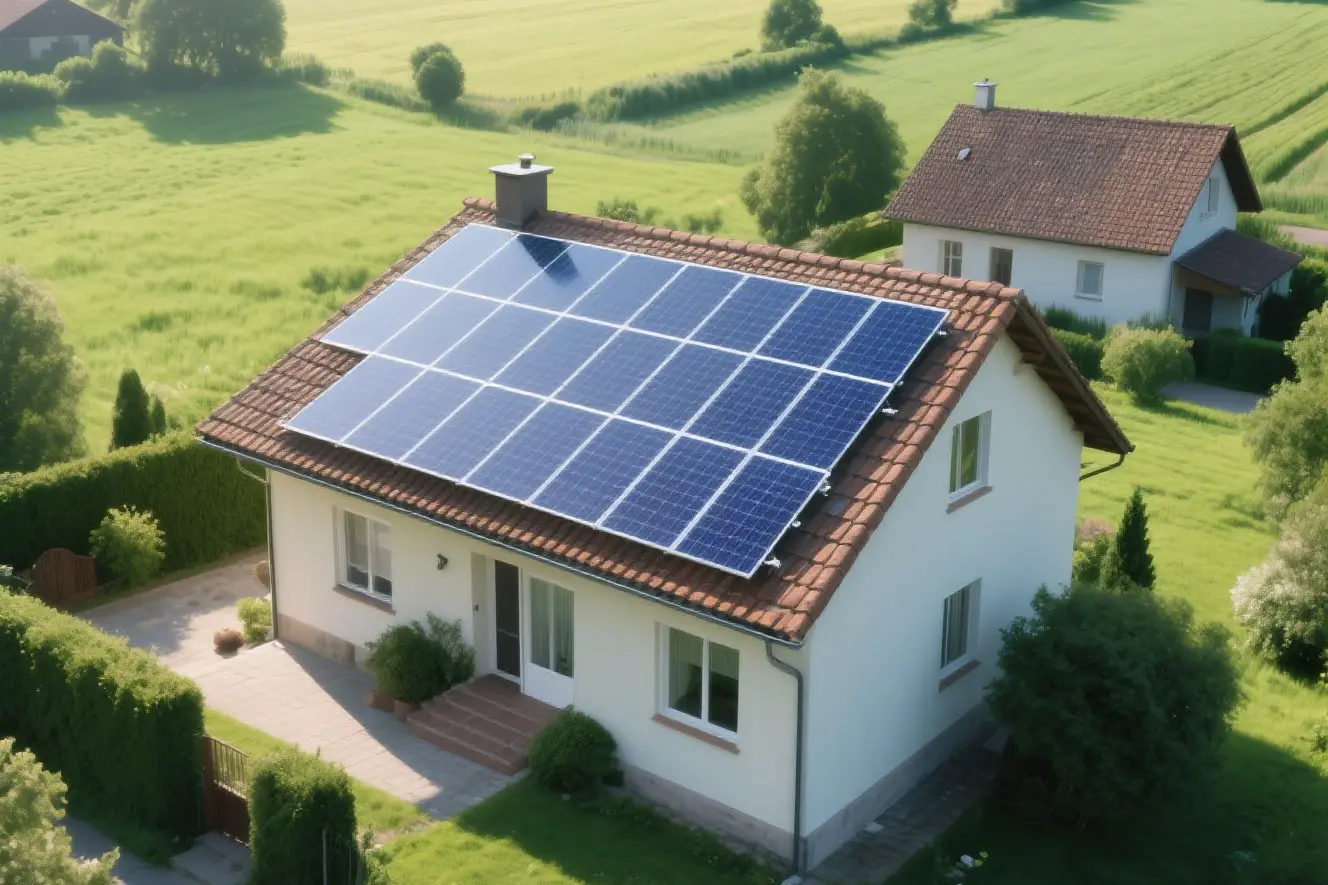
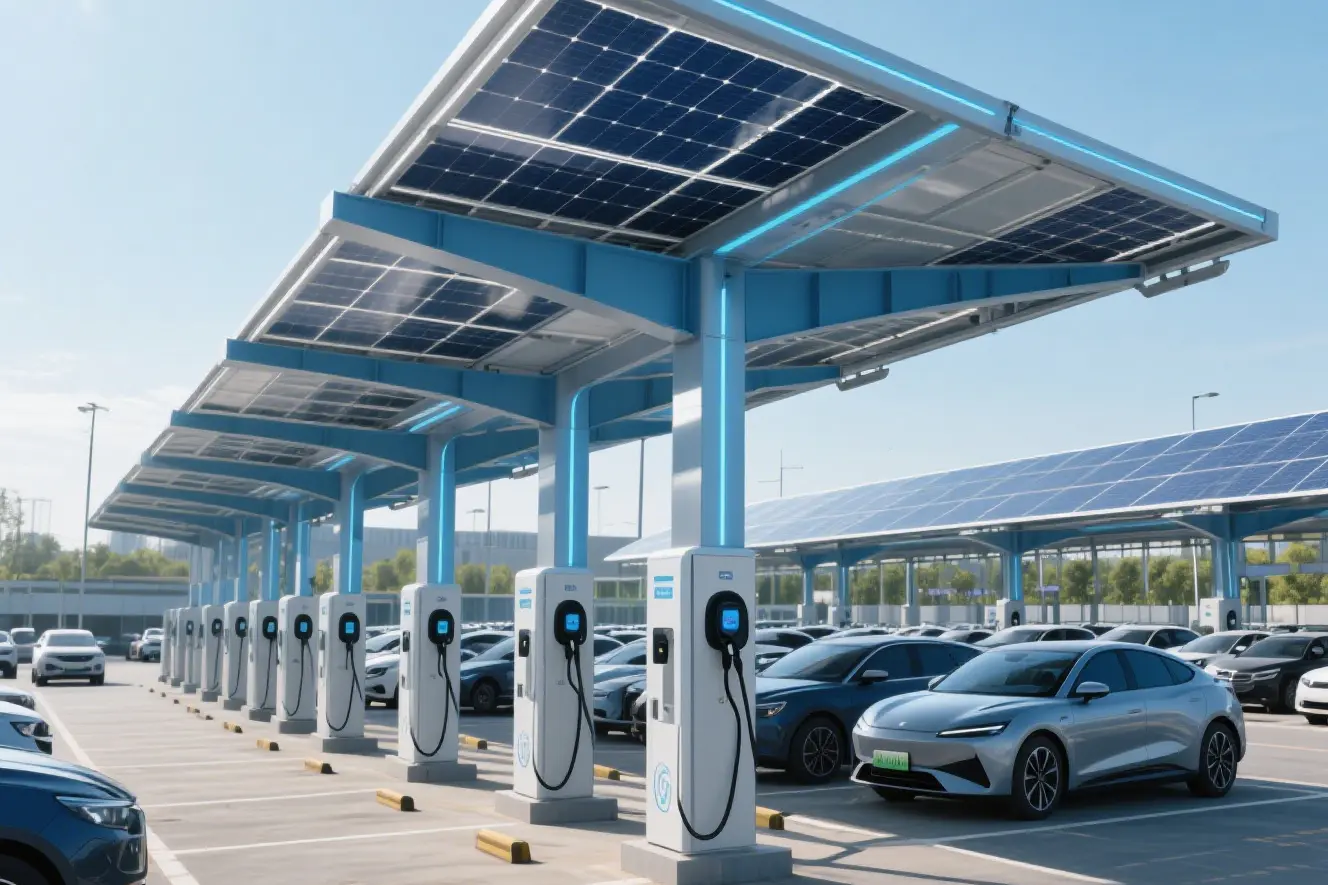
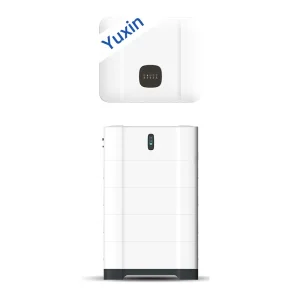
Solar System For Home

Solar System For Home

Application modes include grid-connected mode, off-grid mode, and integrated grid-connected/off-grid mode.

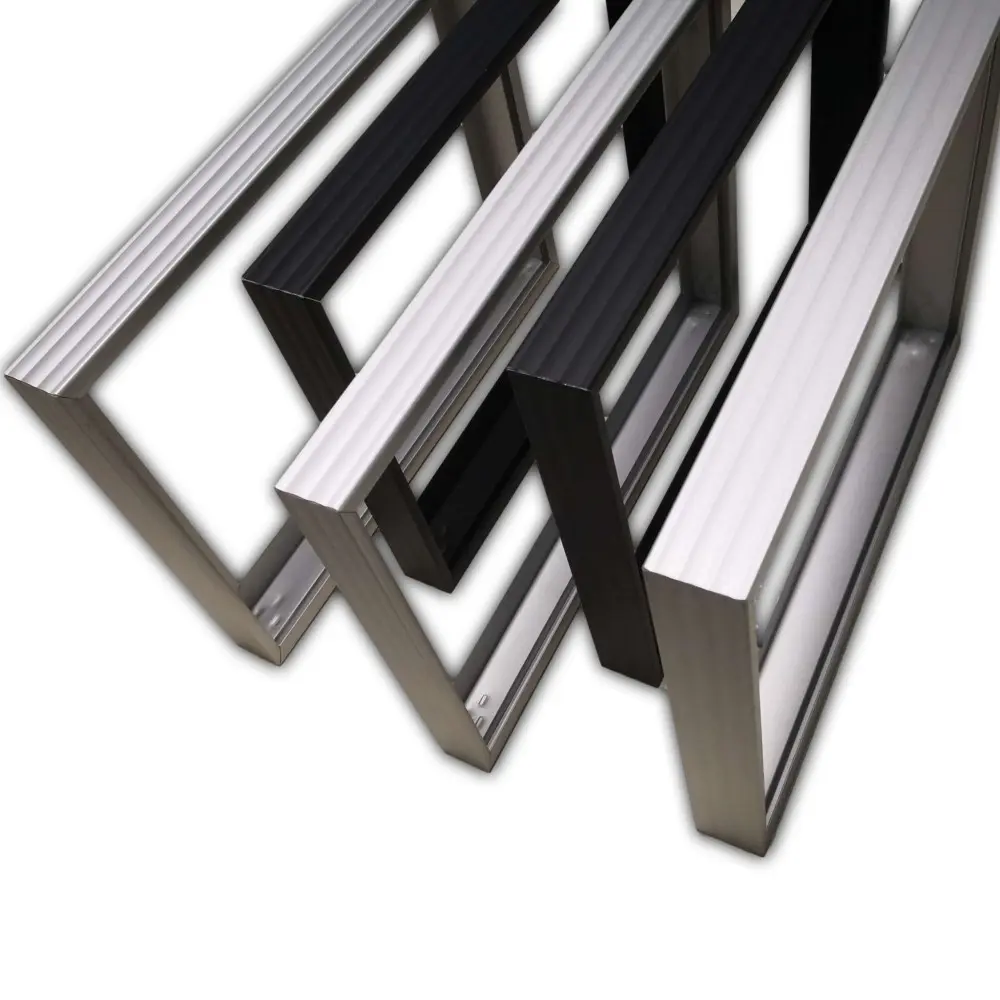
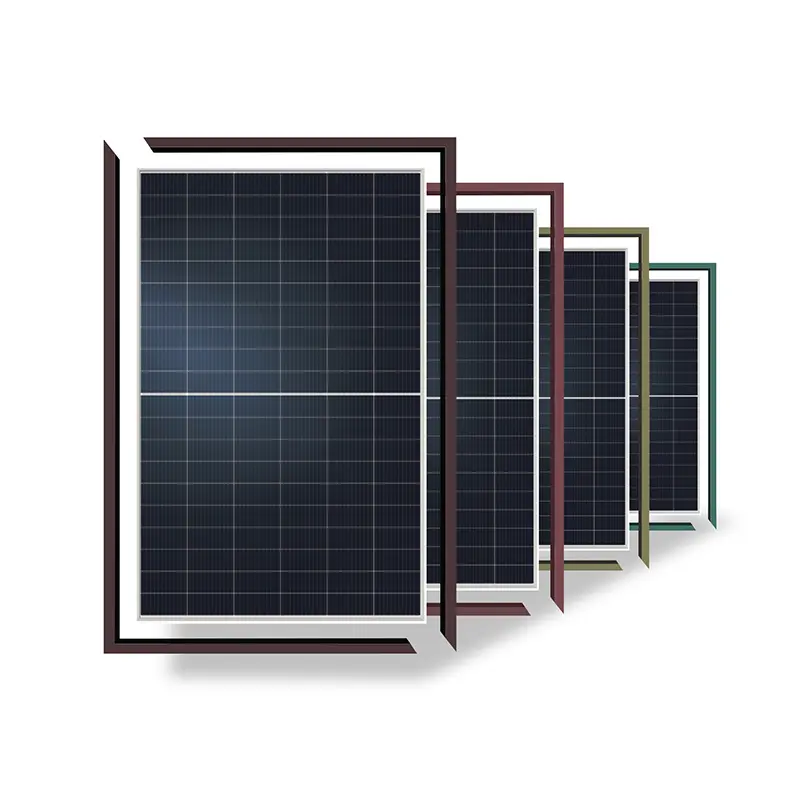
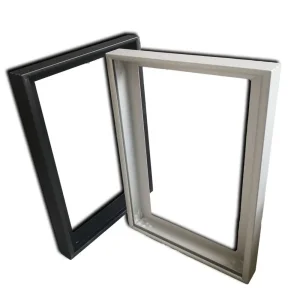
Aluminum Frames

Aluminum Frames

Made of high-quality anodized aluminum, it ensures superior weather resistance and a smooth, long-lasting finish.

2. Technical Blueprint: Thermal Management & Structural Integrity

How physical framing, N-type cells, and modular energy systems form a high-yield portable solar heating station.

Engineering a portable solar-powered heating unit requires balancing the energy collection area with physical durability. High-wattage solar inputs are vulnerable to structural damage in sub-zero alpine locations or coastal areas with high wind loads. The integration of anodized aluminum frames and composite materials is essential to guarantee the structural integrity of the solar array during deployment and constant repositioning.

Micro-Climate Thermal Optimization

Under zero-degree environments, the efficiency of standard photovoltaic panels can rise, but battery capacity and heating mechanisms drop significantly. OEM solar heater manufacturers design systems using a dual thermal loop architecture:

  • Direct Resistive/Infrared Heating: For instantaneous local heating, converting power directly into radiation without lag times.
  • Phase Change Material (PCM) Buffer: Excess daytime solar energy is stored as latent heat within chemical PCM reservoirs. This allows for radiative heat release throughout the night, reducing the cycle demand on the main lithium battery pack by up to 40%.
  • Thermal Enclosure Shielding: Integrating specialized insulation around the modular energy storage cells to keep the internal temperature within the optimal charging threshold (0°C to 45°C), preventing lithium plating.

By leveraging N-type Topcon cell structures, which present a lower temperature coefficient (-0.30%/°C) and higher bifaciality (up to 85%), developers can capture reflected ground radiation from surrounding snow or light-colored soil, boosting heat output by up to 25% compared to single-sided P-type layouts.

About YUXIN

Precision, Quality, and Safety - Your Photovoltaic Materials Expert

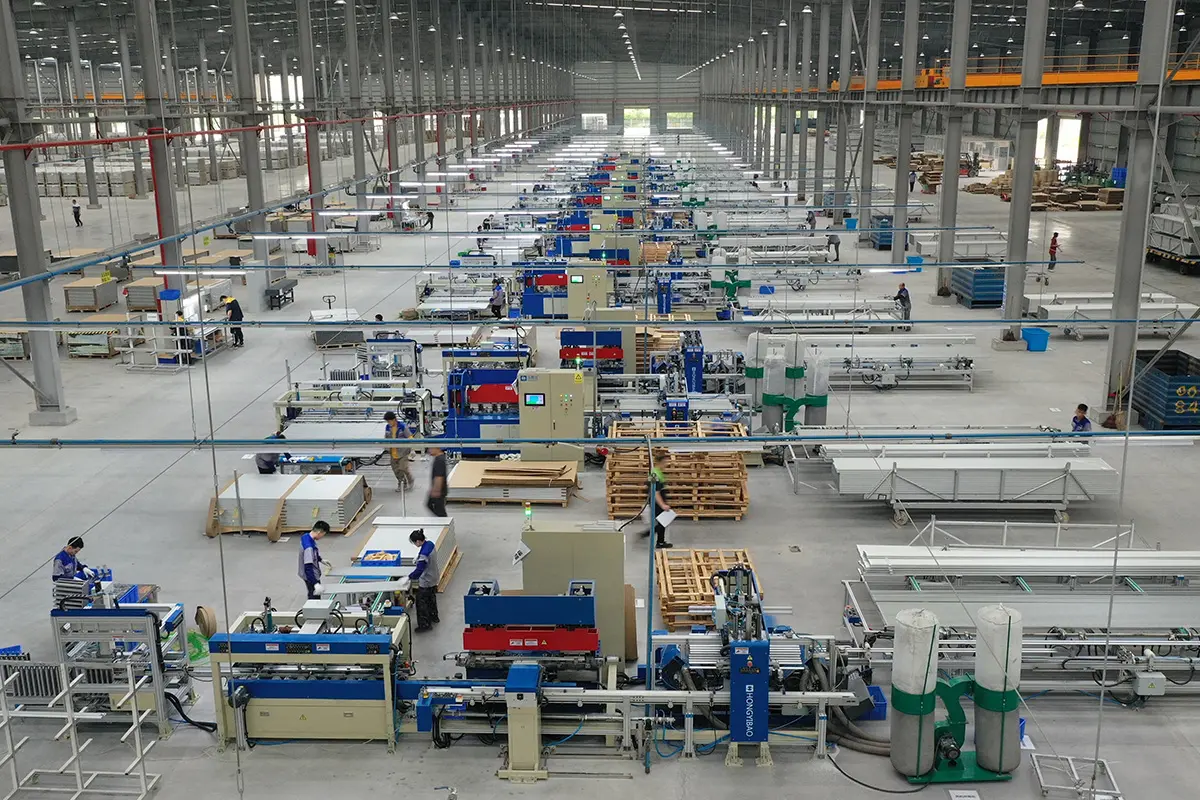
Located in the scenic historical and cultural ancient city of Yangzhou, close to the Beijing-Shanghai Expressway, Runyang Yangtze River Bridge, and Ningqi Railway, the group has a superior geographical location and convenient transportation. The group was established in 2008 and has 14 multi-field companies under its jurisdiction, including Jiangsu Yuxin New Energy Technology Co., Ltd., and has won many titles such as National High-tech Enterprise, Technology-based Enterprise, and Gaoyou City Top 100 Private Enterprises.
21+
Advanced Production Lines
$86M+
Annual Sales Revenue
12,000T+
Export Volume (Tons)
25,000T+
Annual Output Capacity (Tons)

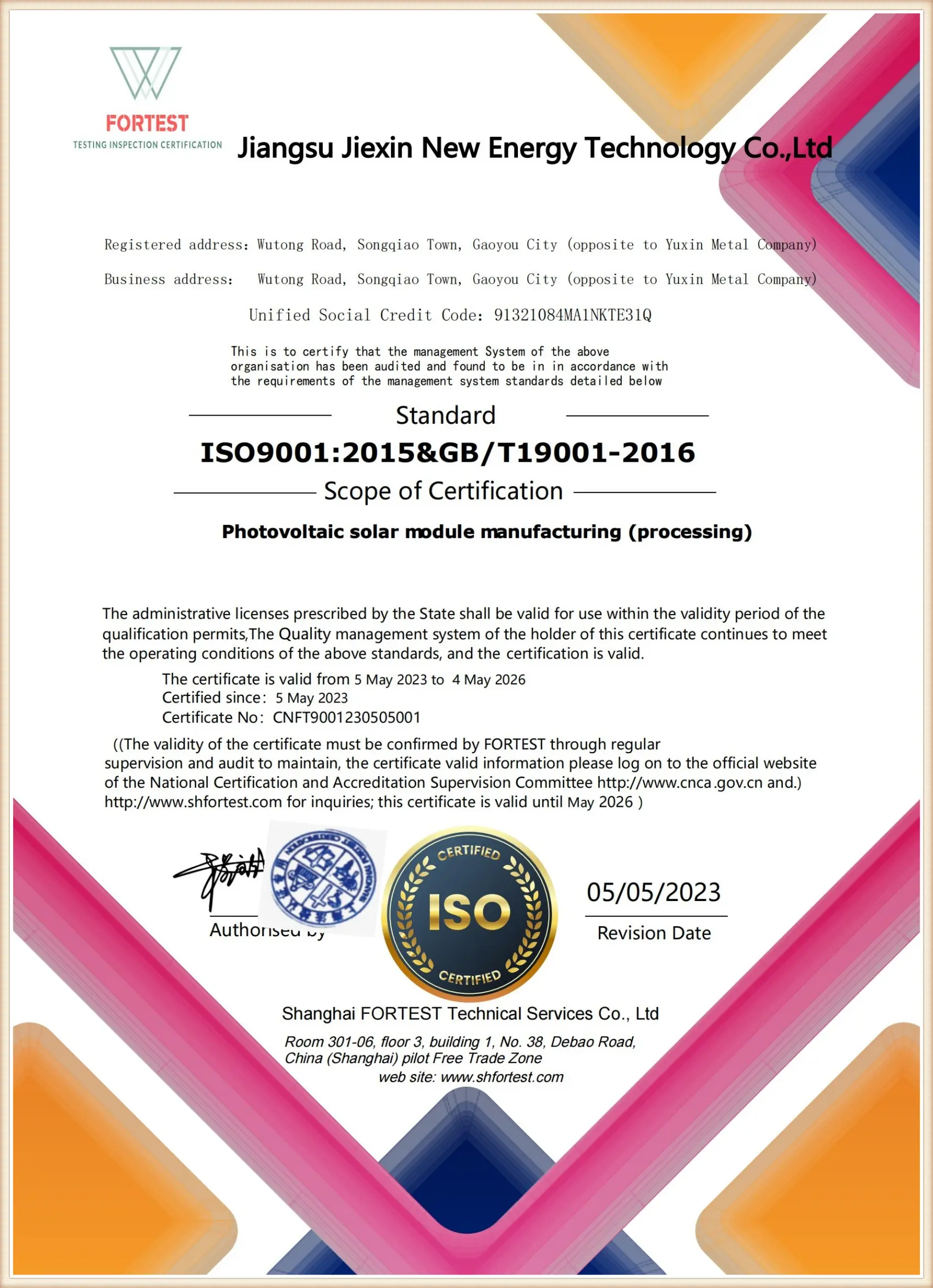
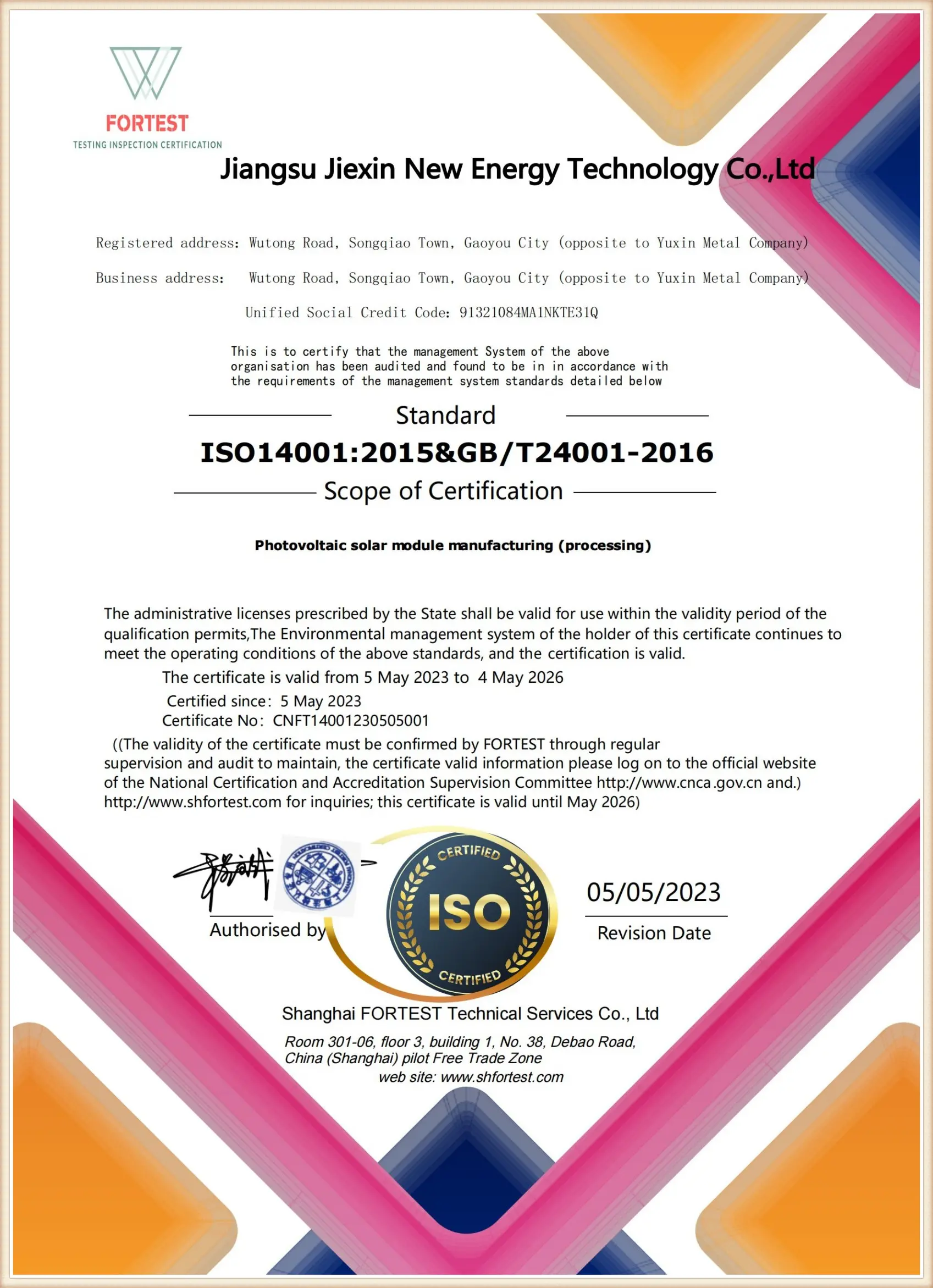
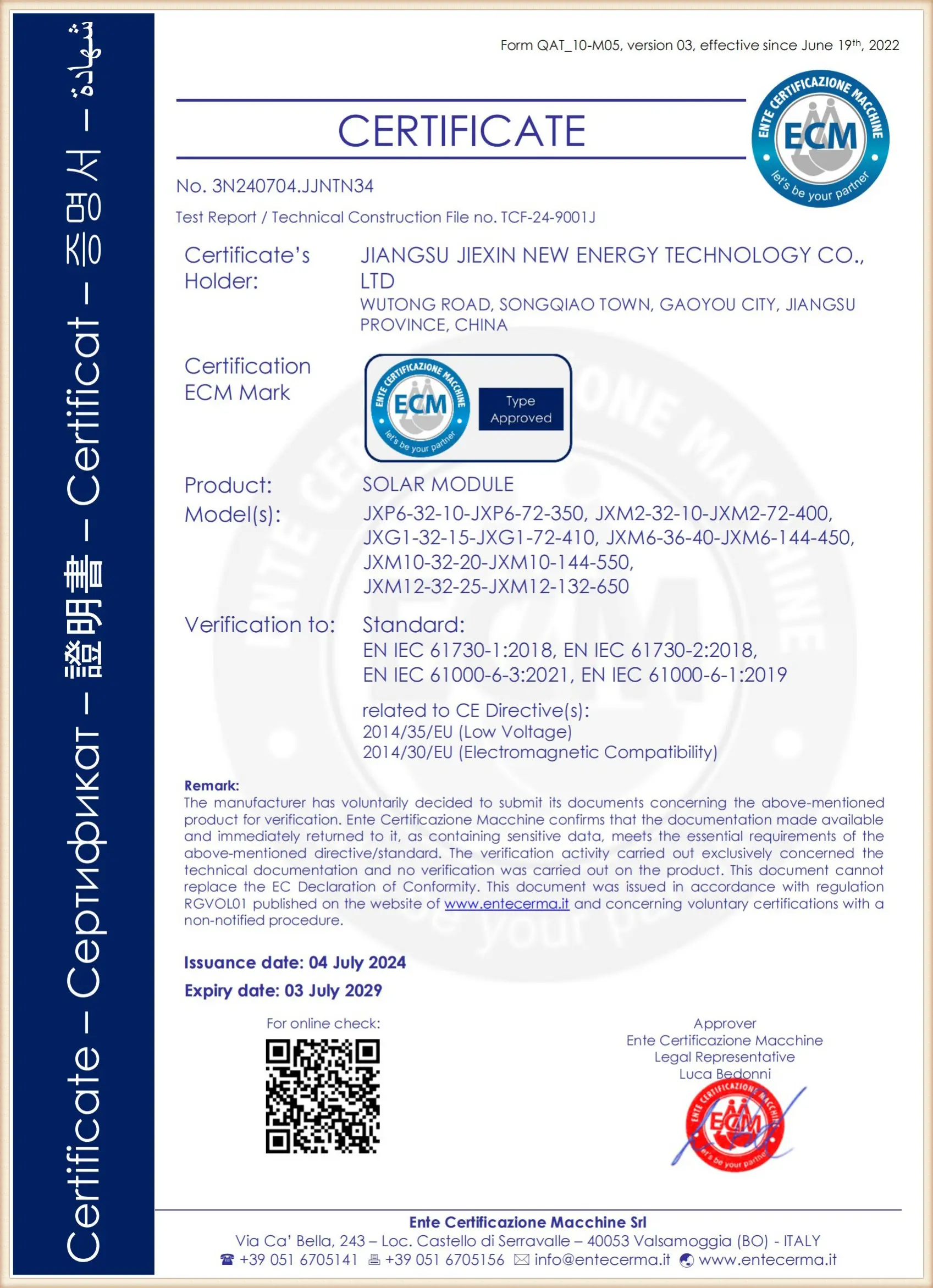
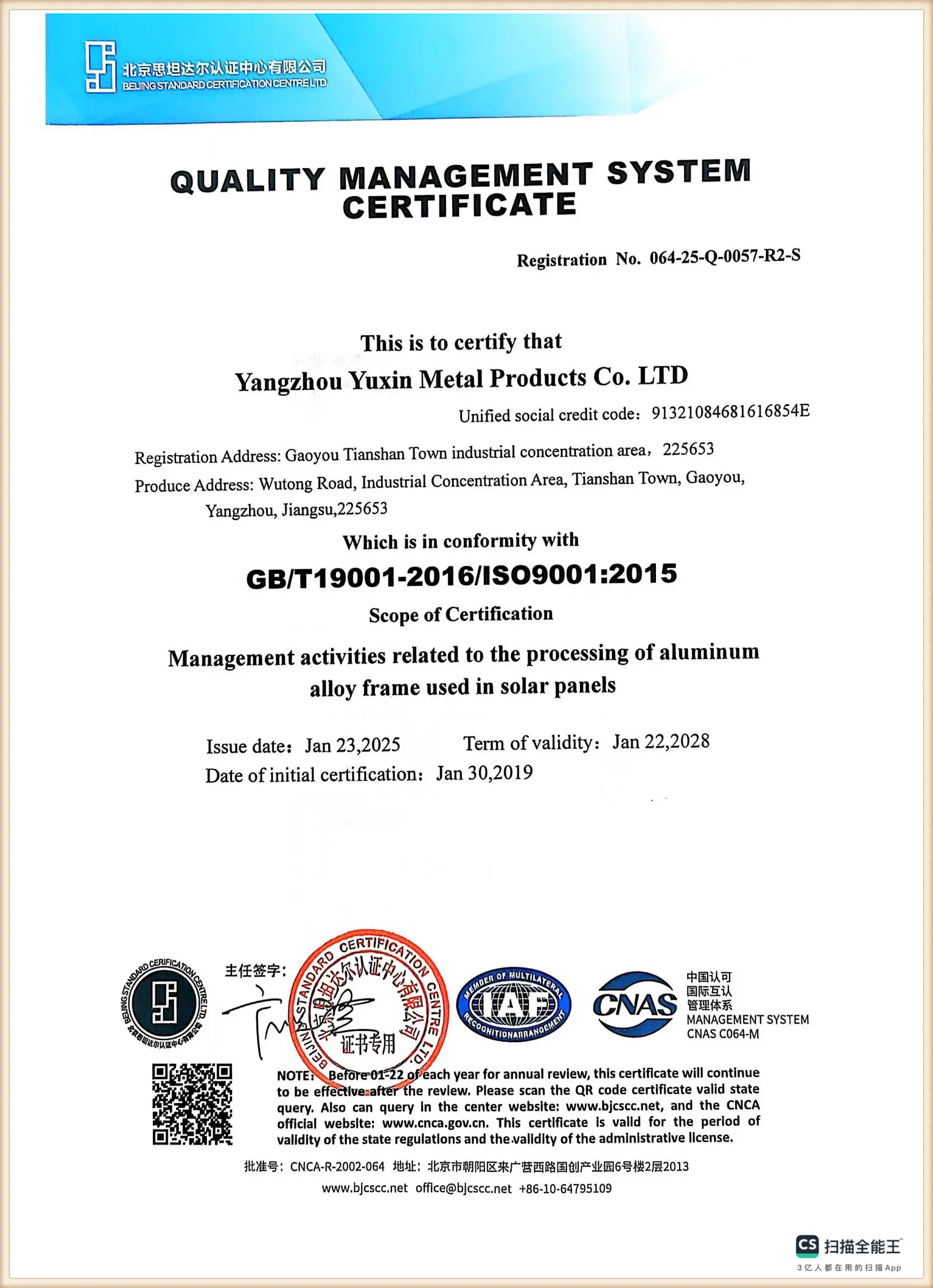
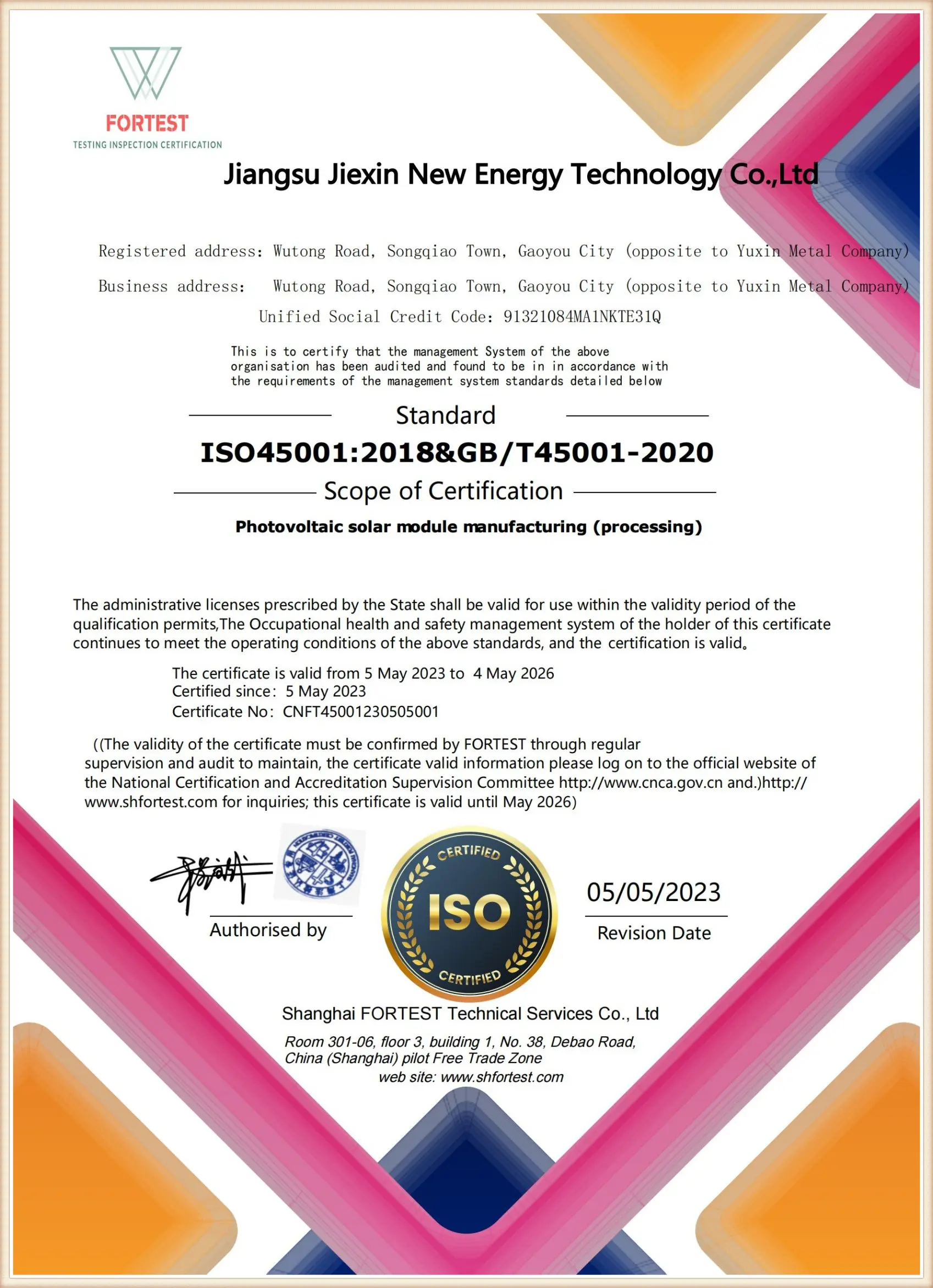
International Certifications & Standards

Rigorous quality compliance to guarantee operation in demanding industrial sites.

Certificate 1
Certificate 2
Certificate 3
Certificate 4
Certificate 5
CE & ISO Compliance Approved

3. Macro-Level Industrial Applications

How off-grid portable solar heating transforms high-intensity field operations.

By shifting from localized heating components to a unified micro-grid design, modern operations can harness solar power dynamically. Commercial systems integrate various solar panels, robust framing structures, and smart controllers to drive heavy-duty thermal systems in critical application areas:

Key Industry Scenarios

  • Remote Construction Sites: Keeping critical machinery, instrumentation cabins, and worker break zones heated without bringing in high-risk combustion heaters.
  • Off-Grid Agriculture: Deploying portable heating systems to maintain soil and seed bed temperatures during snap frosts, or heating livestock shelters in remote pastures.
  • Emergency Disaster Relief: Fast deployment of localized survival shelters, mobile clinics, and command tents with immediate thermal profiles driven by bifacial solar panels and modular power hubs.
  • Telecommunications & Base Stations: Preventing battery cabinets and switching systems from dropping below operational temperatures in cold high-altitude mountain locations.

Industry Applications

Custom industrial heating and power installations tailored for rugged, real-world fields.

agriculture

Agriculture

Solar heating for greenhouse systems, localized seed heating, and off-grid barn operations.

construction industry

Construction Industry

Localized cabin heaters and material thawing systems powered by rugged solar collectors.

electric power industry

Electric Power Industry

Grid-independent power and sub-station temperature control panels using Topcon modules.

outdoors

Outdoors

Compact consumer and basecamp systems linking micro-heaters and high-power backpacks.

telecommunications field

Telecommunications

Ensuring backup power and thermal regulation for high-altitude remote transceivers.

transportation industry

Transportation

Solar power integrations for signaling stations, remote highway checkpoints, and cargo containers.

4. Global Sourcing & Customization Guidelines for OEM Buyers

Navigating structural framing material selections, thermal control strategies, and mechanical limits.

B2B procurers, industrial project managers, and utility integrators sourcing OEM portable solar heater platforms must look past basic metrics to ensure long-term mechanical reliability. A system's performance is limited by its weakest component. Understanding the structural properties of materials like polyurethane pultruded composites versus anodized aluminum frames determines performance in coastal environments with high salt spray and structural wear.

Mechanical Integrity and Corrosion Resistance

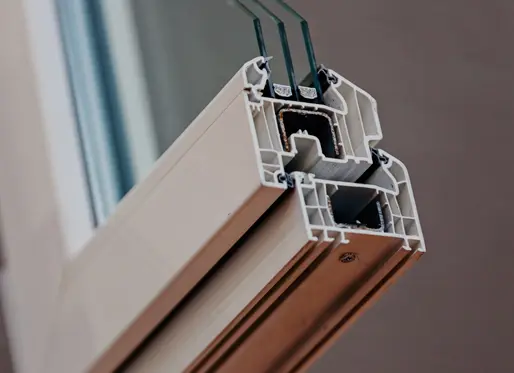
Marine environments, high-altitude alpine regions, and dry desert plains present challenging environmental factors. High-purity anodized aluminum profiles (such as 6063-T5 or 6005-T6 grades) form the baseline of secure mounting structures. The anodization layer thickness (ideally ≥ 15μm) acts as a barrier against atmospheric corrosion. For advanced structural designs, composite pultruded components provide critical thermal insulation benefits, reducing cold bridging effects that can drain energy from heated battery chambers.

Balancing Electrical Conversions and Thermal Loads

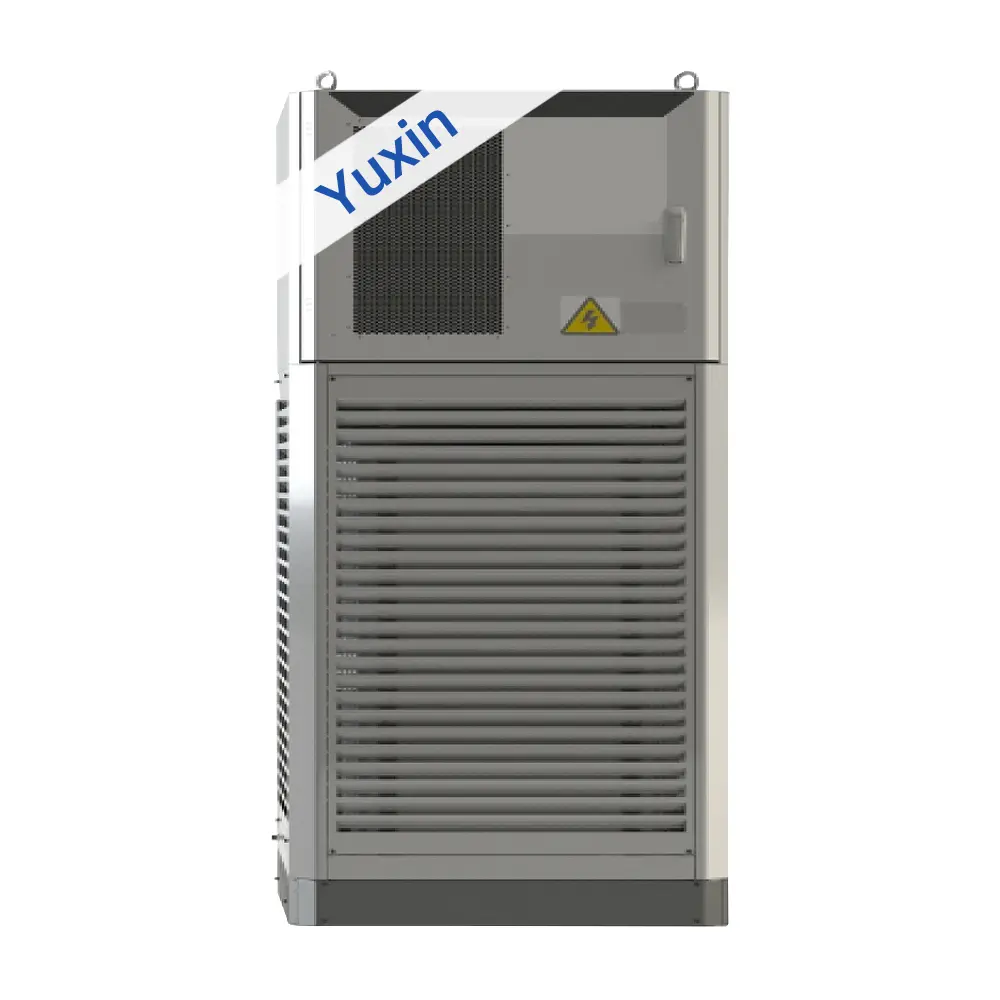
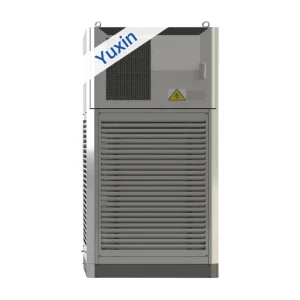
When selecting OEM/ODM partnerships, verify the quality standards of internal components. Matching a 590W bifacial TOPCon panel with a sub-optimal MPPT controller leads to high conversion losses. High-yield solar heating setups should utilize custom energy storage cabinets designed to monitor battery thermal profiles, ensuring safe current flow during high-wattage heating cycles.

Industrial Partners & Global Collaborations

Building strong supply chains through years of trusted partnerships.

5. Technical & Engineering Q&A

Addressing core mechanical, electrical, and thermal constraints in off-grid solar heater designs.

What are the key differences when sourcing solar heater frames using Polyurethane Pultruded Composites vs. Anodized Aluminum?
Aluminum frames (like 6063-T5) offer excellent structural shear strength, high wind-load resistance, and are easy to manufacture. Polyurethane pultruded composite materials, however, provide low thermal conductivity, which reduces cold bridging. This feature keeps the internal chassis of portable solar structures warmer, preventing frost from accumulating on structural mounts.
How does bifacial N-type TOPCon technology improve portable heater charging cycles in winter conditions?
Bifacial N-type TOPCon panels feature a high bifaciality index (up to 85%), allowing them to generate energy from both sides. When deployed on snow-covered ground, the back of the panel captures reflected light (albedo effect), increasing energy output by up to 25%. This extra yield helps charge internal battery buffers faster during short winter days.
What battery management configurations are required to support off-grid heating down to -30°C?
Lithium battery cells (LiFePO4 or Ternary Lithium) run into charging limits below 0°C. OEM systems use insulated battery compartments equipped with internal heating elements powered by the solar array. This system pre-heats the batteries to safe charging temperatures before initiating high-current input cycles.
What are the key factors for customizing portable solar heaters for high-salt coastal environments?
Systems destined for coastal deployments require marine-grade anodized aluminum frames (with a film layer > 15 microns) and corrosion-resistant fasteners. The electrical junctions and control cabinets must be rated to at least IP67/IP68 to keep moisture out and prevent corrosion.

Latest Industry News & Insights

Staying up to date with manufacturing standards, quality control parameters, and solar design trends.

What Makes a High-Quality Solar Panel Frame?
2026-06-16

What Makes a High-Quality Solar Panel Frame?

Analyzing alloy compositions, wall thicknesses, and anodization processes to maximize structural lifespan in high-wind zones.

View More →
How to Choose a Reliable OEM Solar Frame Manufacturer in China
2026-06-15

How to Choose a Reliable OEM Solar Frame Manufacturer in China

Key factors for global buyers: checking production capacity, extrusion tolerances, and material test reports (MTRs).

View More →
Solar Panel Frame Quality Control: Key Inspection Standards Explained
2026-06-14

Solar Panel Frame Quality Control: Key Inspection Standards

An inside look at inspection steps, covering mechanical stress testing, pullout resistance, and anodization depth checks.

View More →