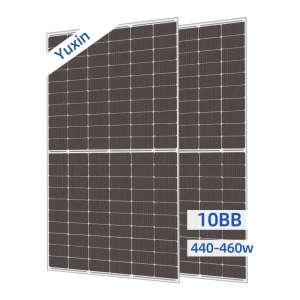
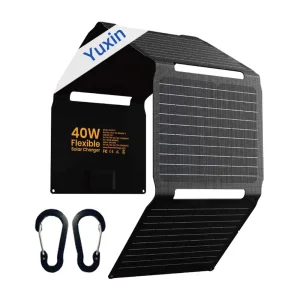
Premium grade PV hardware, monocrystalline portable systems, and robust lithium-ion battery integration components.
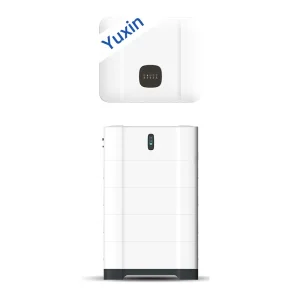
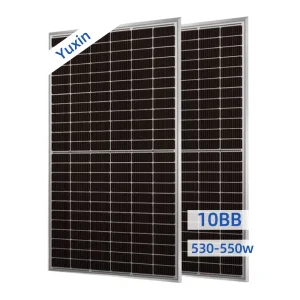
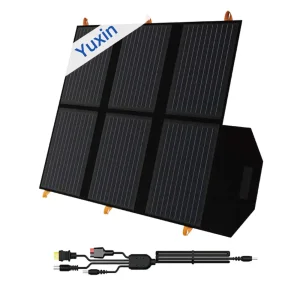
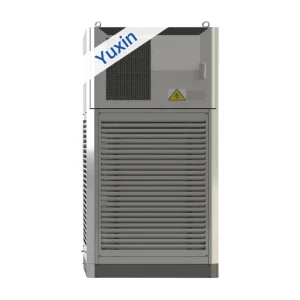
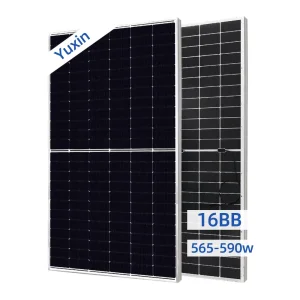
An industrial whitepaper on mitigating blackout risks through hybrid monocrystalline generation and centralized battery storage systems.
Load shedding has evolved from an occasional contingency plan to a persistent challenge for municipal and private electrical networks globally. Due to rapid industrialization, aging transmission infrastructure, and escalating climate unpredictability, electrical utilities frequently cut supplies to prevent absolute system collapse. For commercial operations, telecom providers, agricultural estates, and residential areas, these planned blackouts interrupt processes, decay hardware lifespans, and lead to massive financial losses.
Standard generator systems are no longer viable as a primary defense. Rising diesel prices, strict emission laws, and high maintenance costs push enterprises towards sustainable, low-LCOE (Levelized Cost of Energy) backup configurations. This shift drives the global demand for optimized ODM (Original Design Manufacturer) load shedding mitigation products that combine high-efficiency solar generation with intelligent energy storage systems (BESS).
Off-the-shelf energy products rarely match the unique parameters of different regional grids. A factory in South Africa dealing with Stage 6 load shedding requires a different charge-discharge curve and battery cycle capacity than an agricultural operation in Southeast Asia or a remote telecom installation in South America.
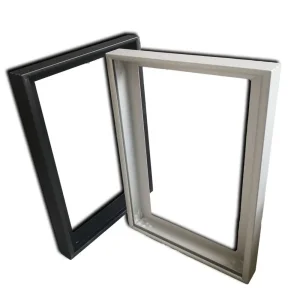
This is where specialized ODM manufacturing provides value. Custom hardware integration ensures that everything from solar panels, anodized aluminum structural frames, and multi-protocol Battery Management Systems (BMS) are designed for local grid stability, thermal management, and safety certifications. Our customizable products offer grid-interactive, off-grid, and dynamic hybrid operations to keep your equipment running smoothly during power outages.
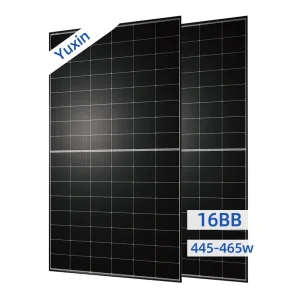
"Real-world resilience requires high-performance hardware. By utilizing N-type TOPCon bifacial modules, half-cell technologies, and intelligent battery systems, industrial networks can achieve up to a 24% conversion efficiency and maintain operations through extended outages."
Leveraging supply chain integration, advanced materials engineering, and cost-controlled production hubs.
Chinese factories are located within complete industrial clusters that supply raw lithium, copper wiring, high-grade silicon wafers, and electronic components. This proximity minimizes raw material lead times and insulates international procurement partners from supply chain disruptions.
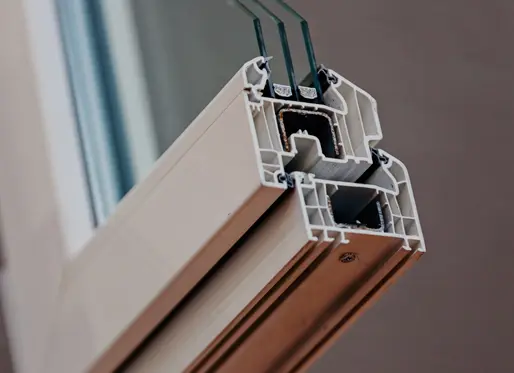
Using premium 6063-T5 and 6005-T6 anodized aluminum, manufacturers design frames that withstand extreme wind loads (up to 2400Pa) and snow pressures (up to 5400Pa). This ensures that solar arrays installed in harsh industrial environments remain stable for over 25 years.
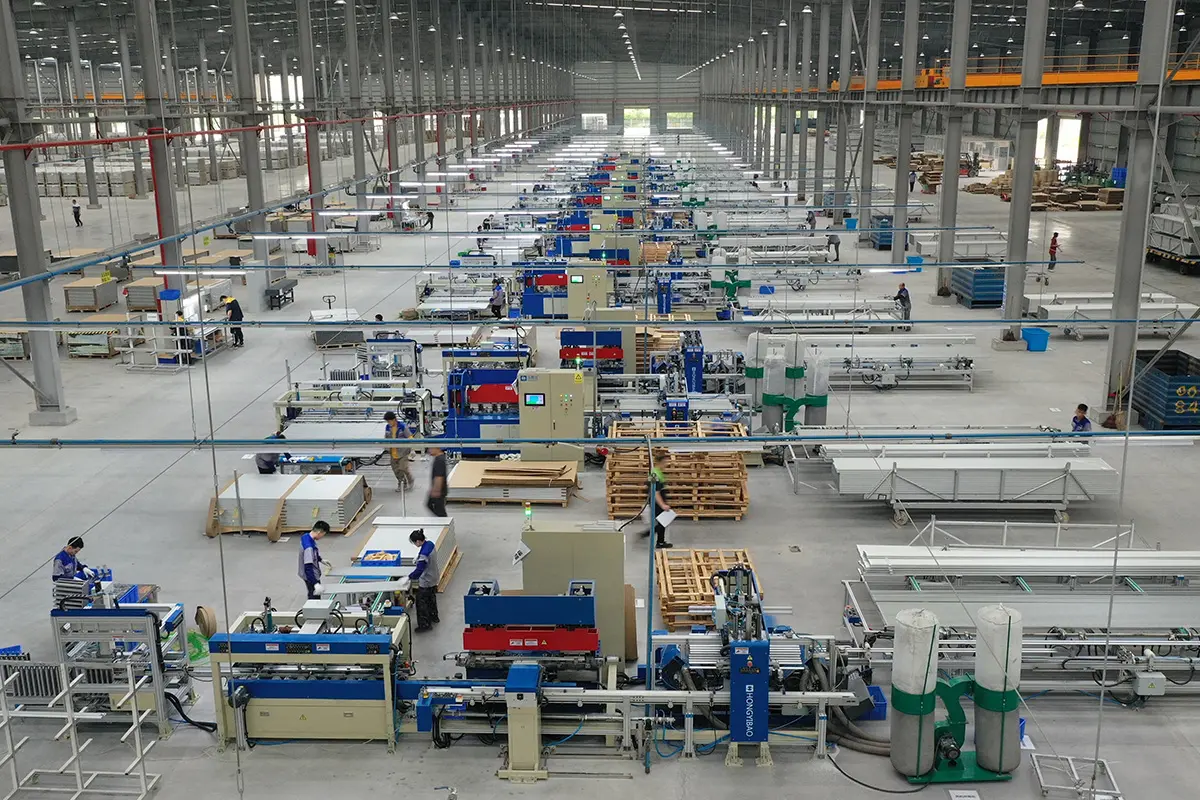
By using automated ribbon soldering, half-cell cutting, and dual-glass laminating lines, Chinese manufacturers reduce production costs while maintaining quality. Lower Balance of System (BOS) costs translate to a faster ROI for utility-scale energy projects.
Precision, Quality, and Safety - Your Photovoltaic Materials Expert
Established in 2008, Yuxin Group has developed into a multi-industry manufacturing enterprise with 14 specialized subsidiaries under its jurisdiction, including Jiangsu Yuxin New Energy Technology Co., Ltd. We are recognized as a National High-tech Enterprise and a Tech-focused Enterprise, ranking among the top private firms in Gaoyou City, Yangzhou.
Our production facility is strategically located in the Yangzhou industrial corridor, with direct access to the Beijing-Shanghai Expressway, the Runyang Yangtze River Bridge, and the Ningqi Railway. This location enables rapid transport of heavy structural aluminum frames, solar cells, and commercial energy systems to global shipping hubs.
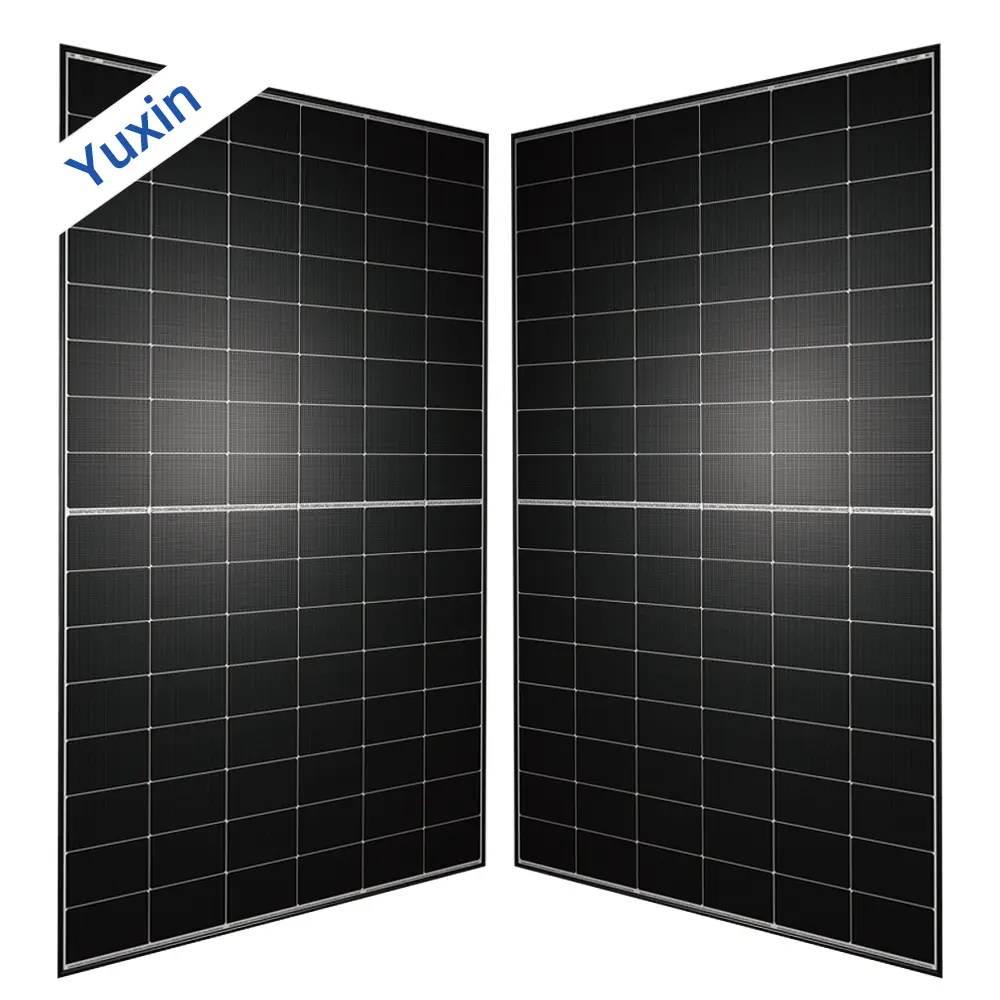
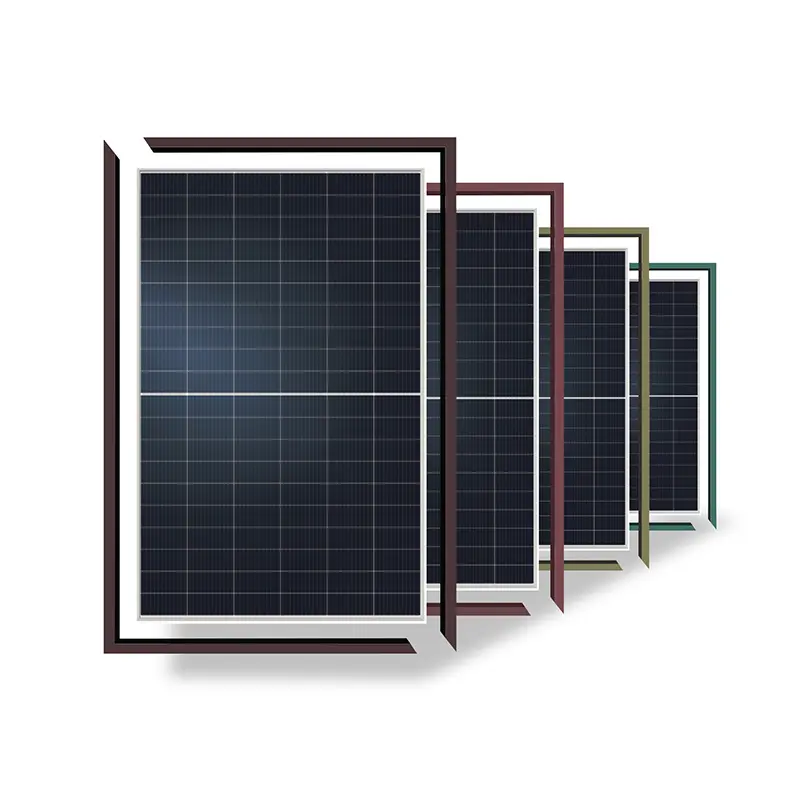
Lightweight design featuring transparent backsheets to simplify mounting procedures, optimize thermal dissipation, and reduce BOS expenditures.
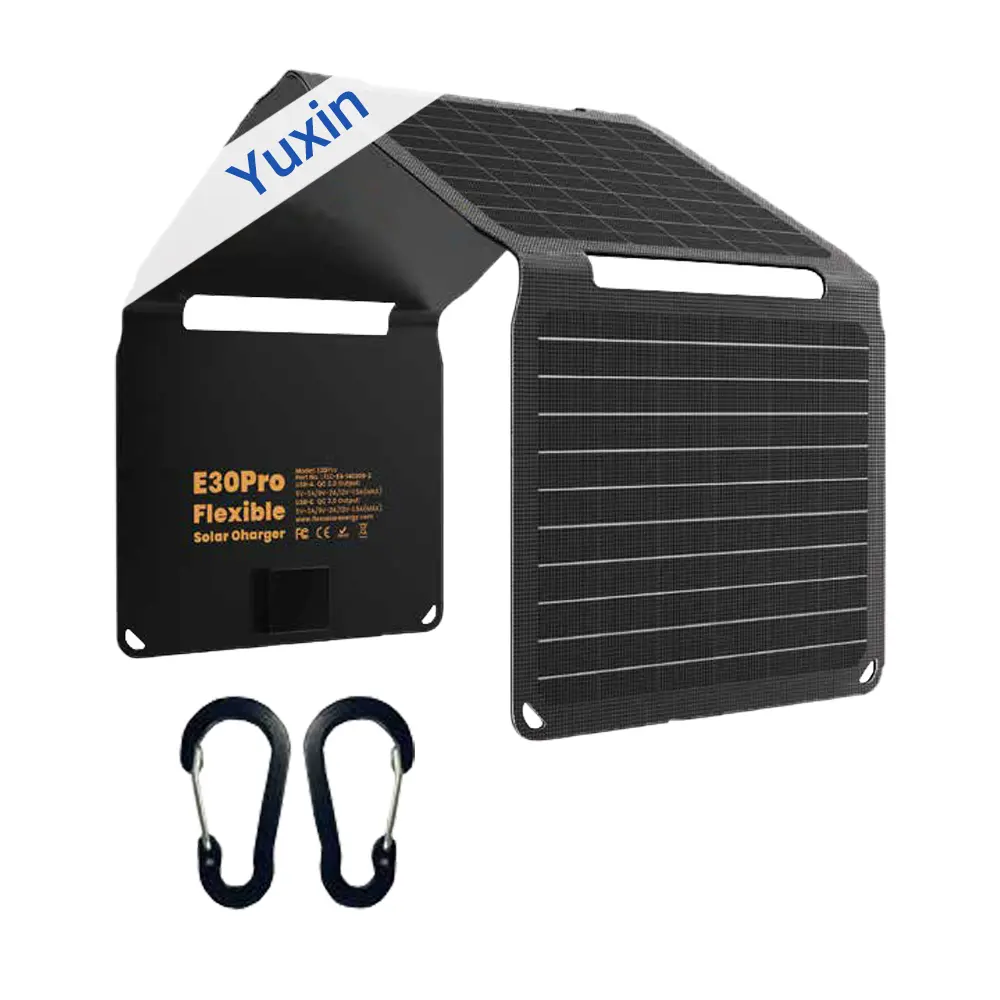
High-conversion monocrystalline cells achieving up to 24% solar-to-electric efficiency, designed for portable backup systems and mobile power banks.
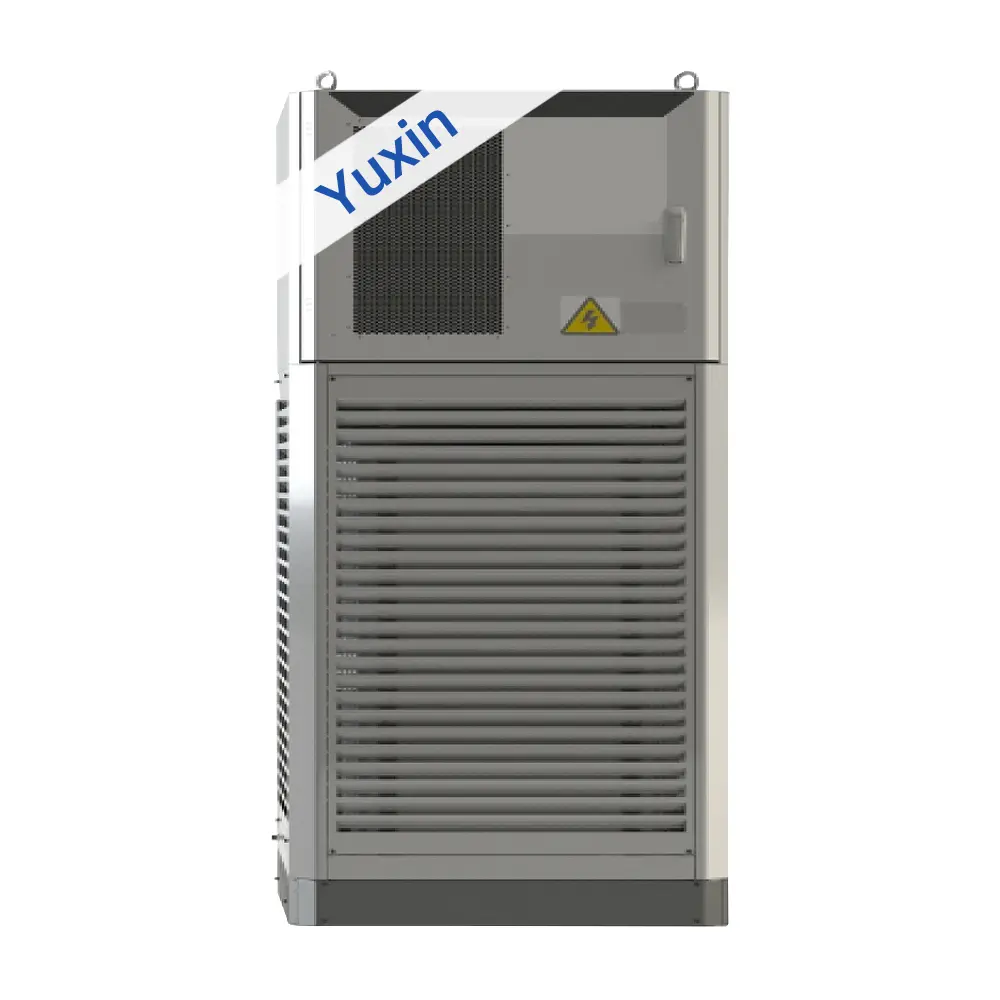
Smart systems with hybrid operation modes (on-grid, off-grid, and mixed) to ensure automated load switching during blackouts.
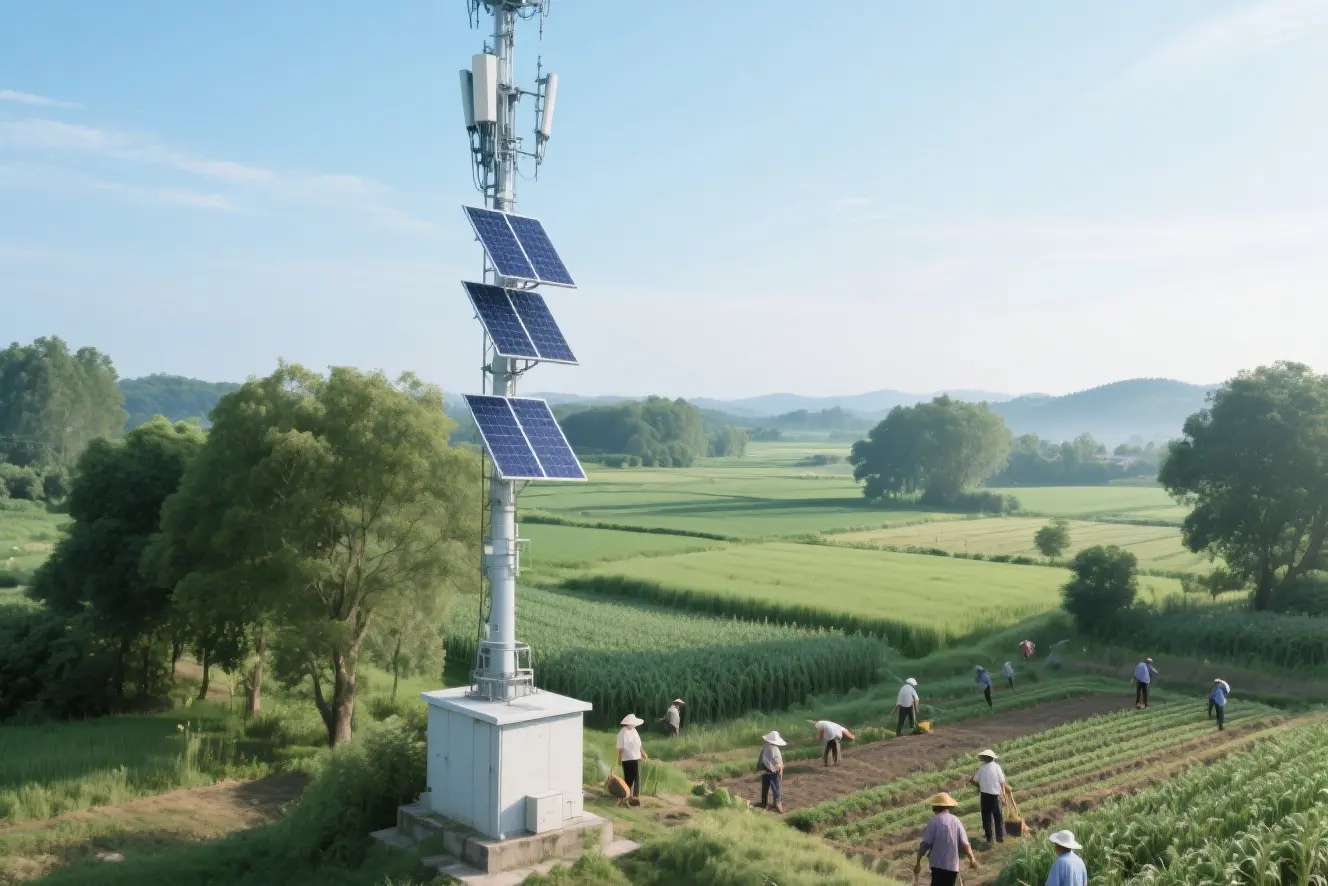
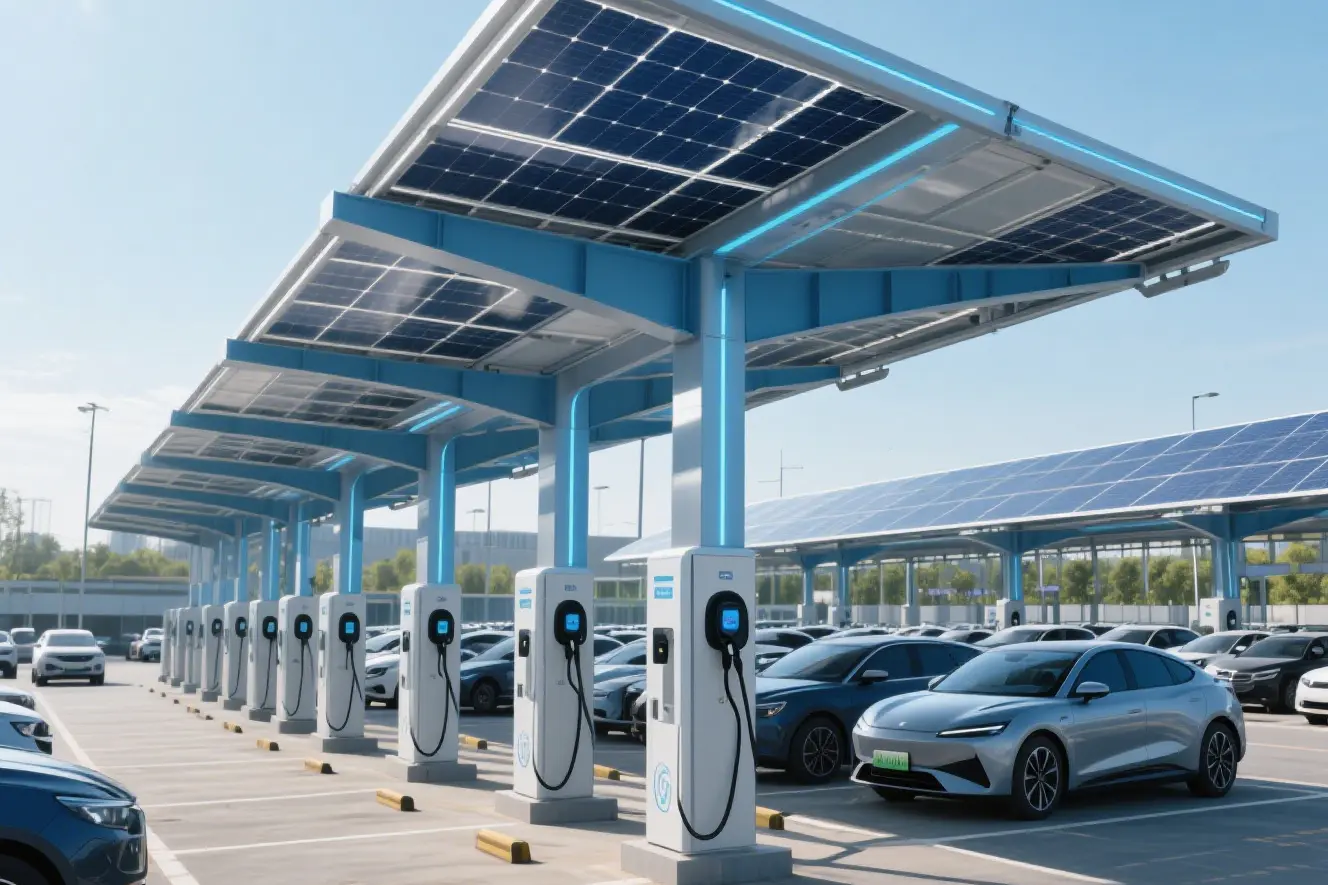
How different economic sectors implement customized solar-plus-storage frameworks to mitigate load shedding risks.

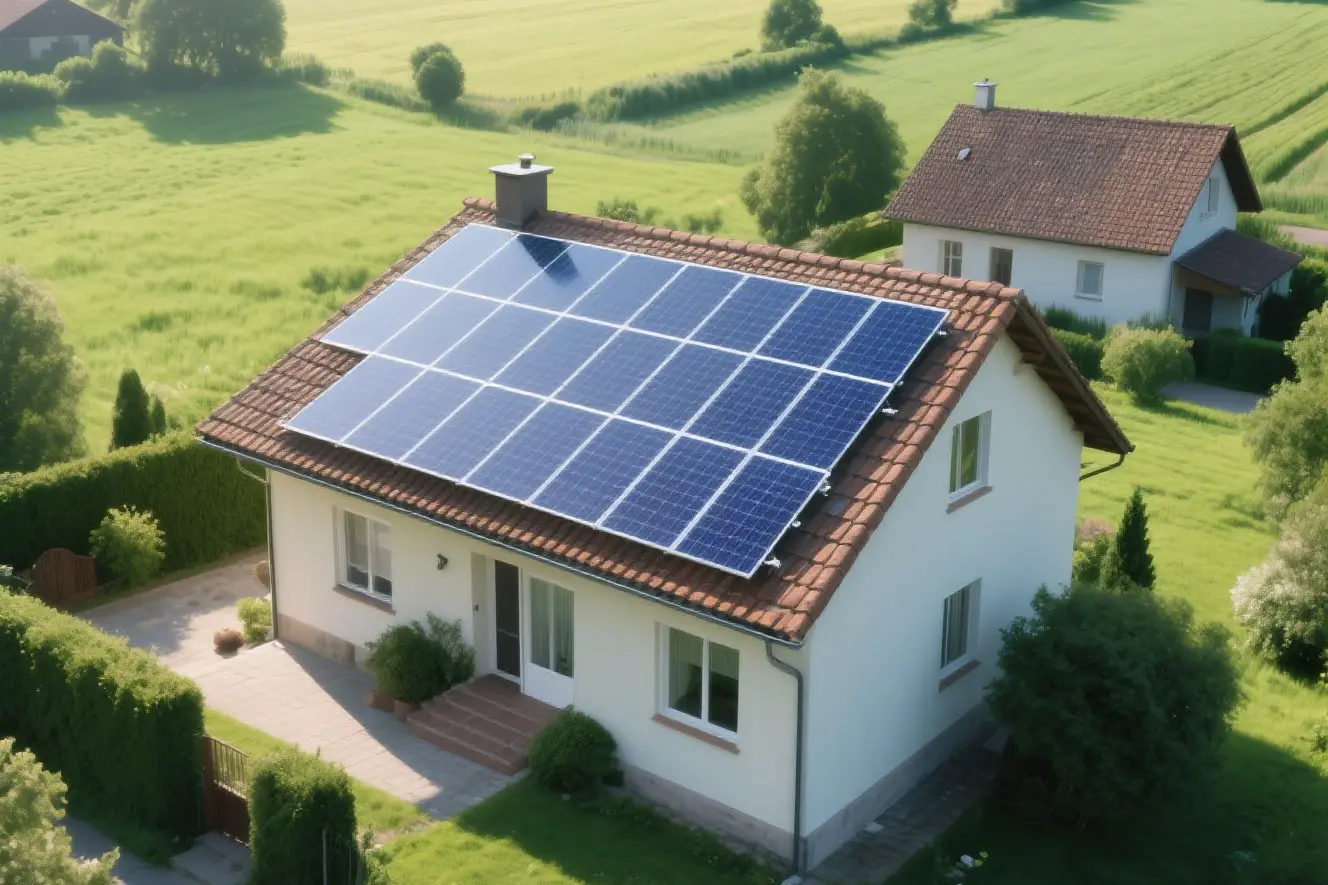
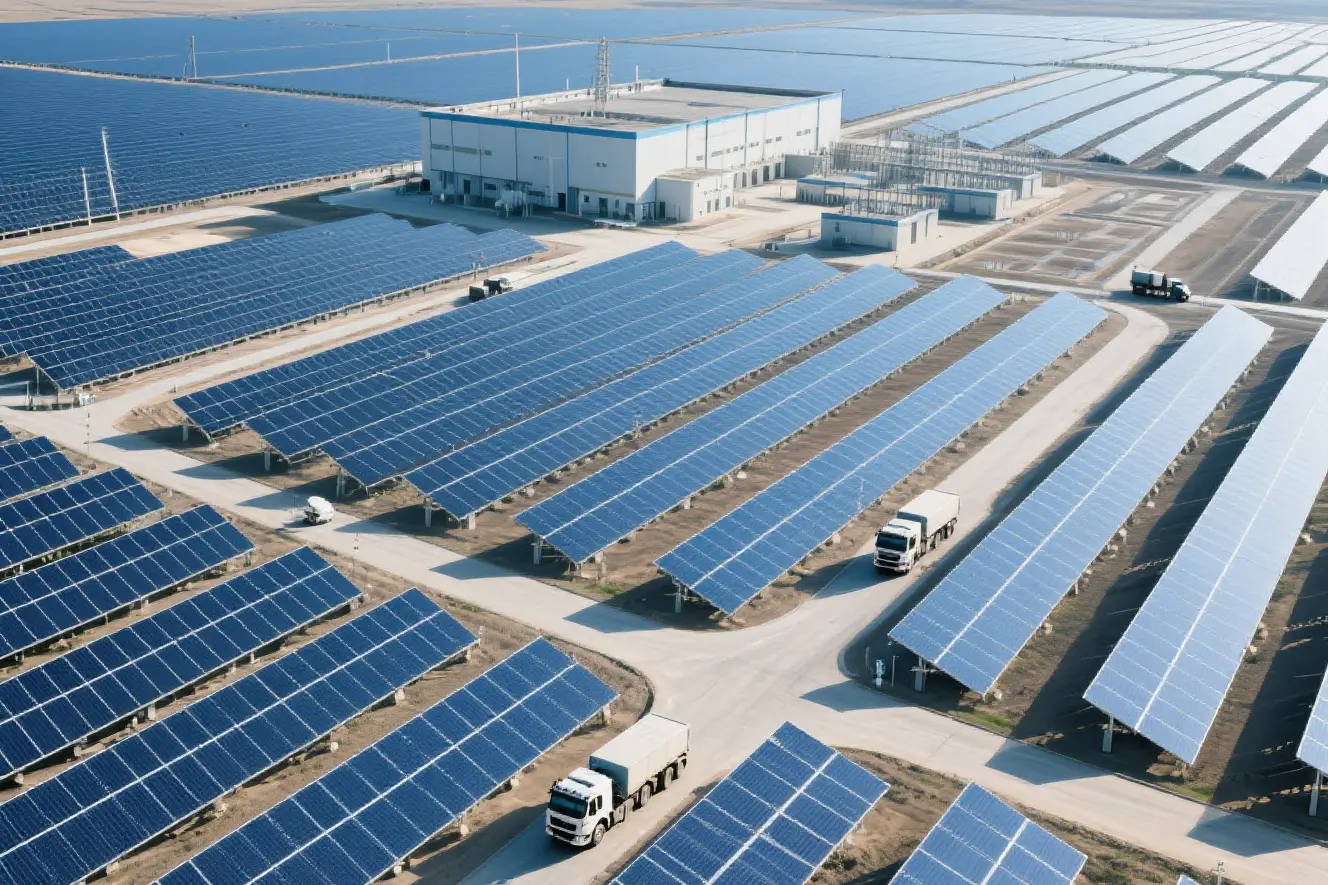
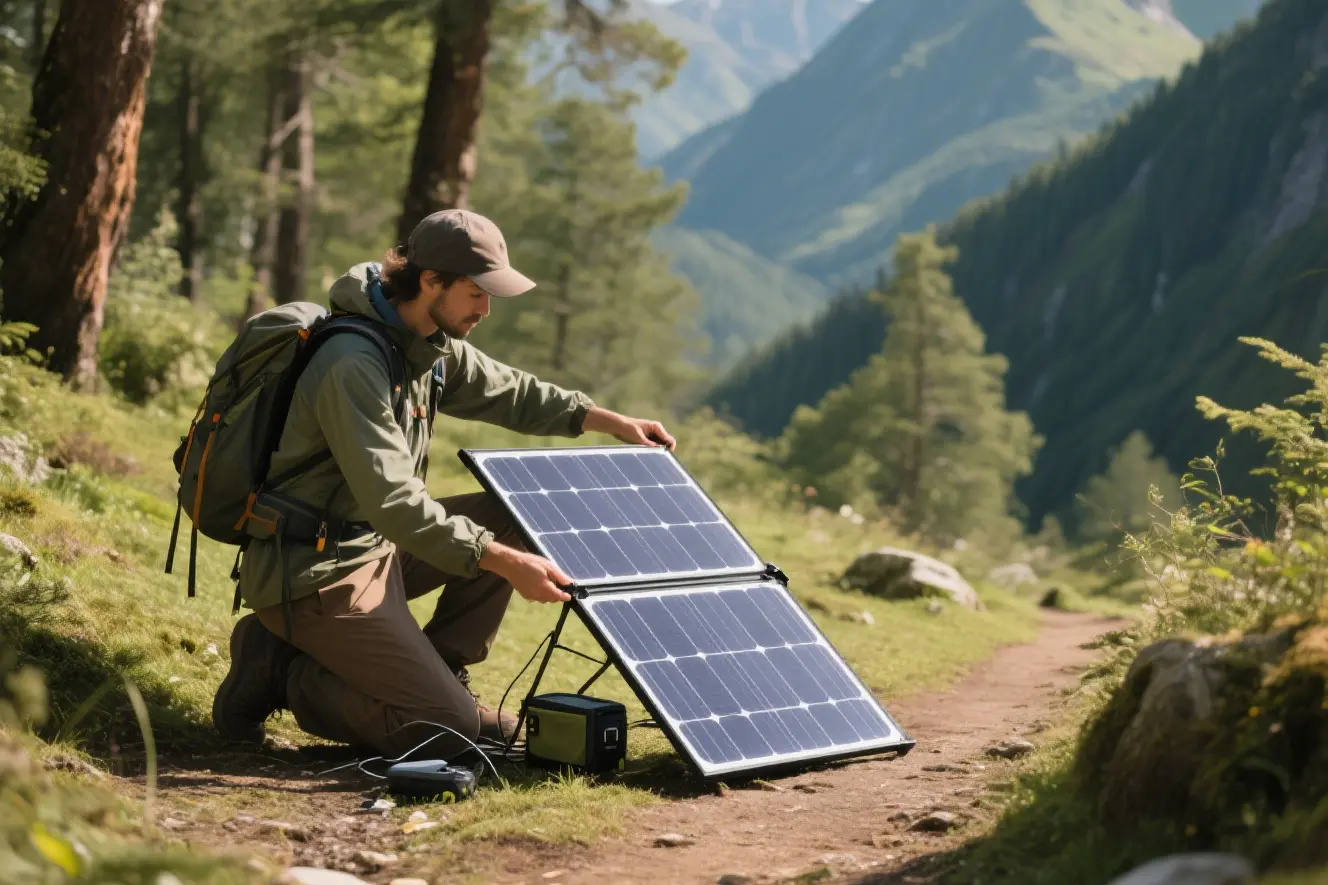
Our products carry global certifications to ensure safety, reliability, and grid compliance across international markets.
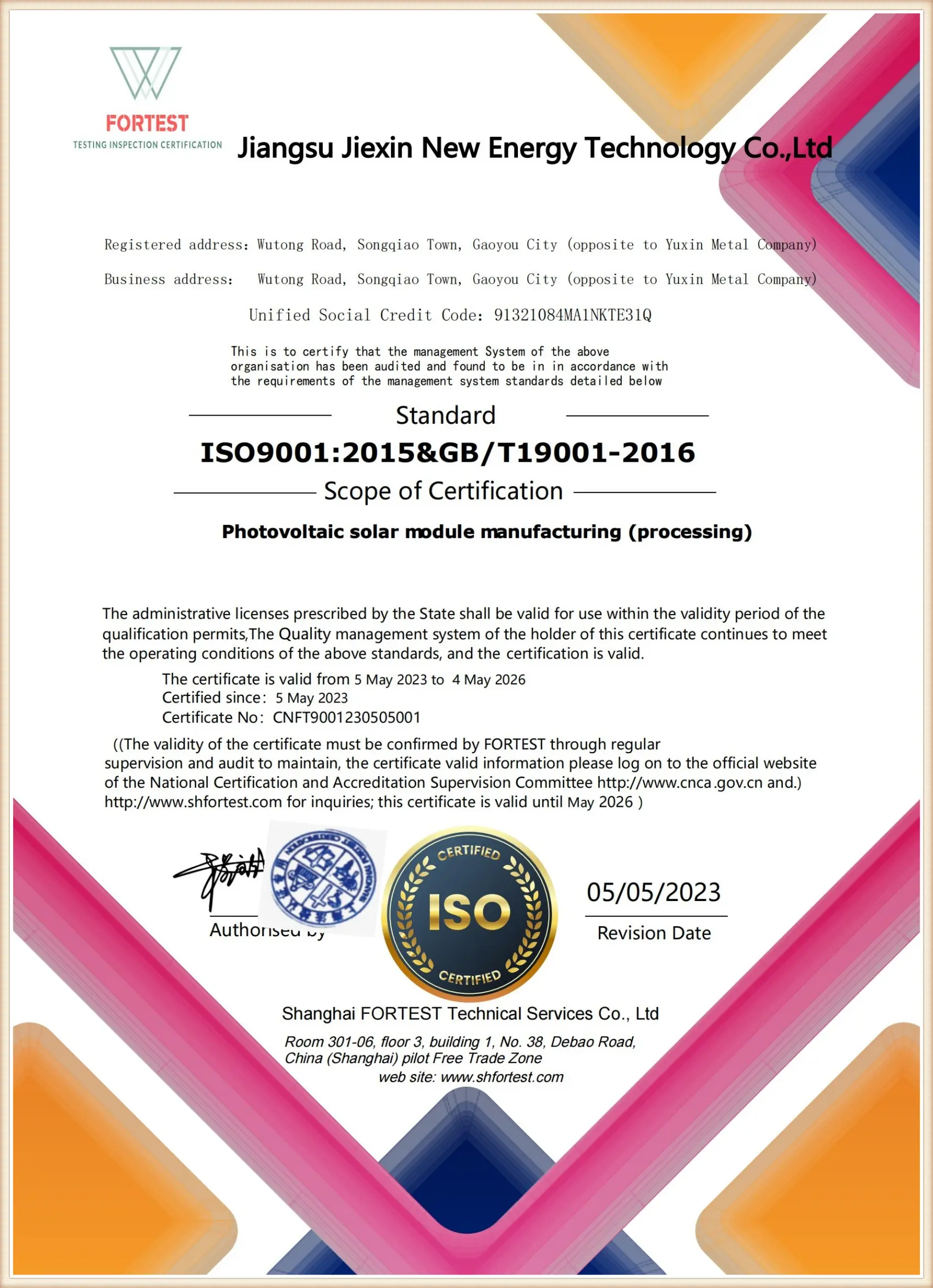
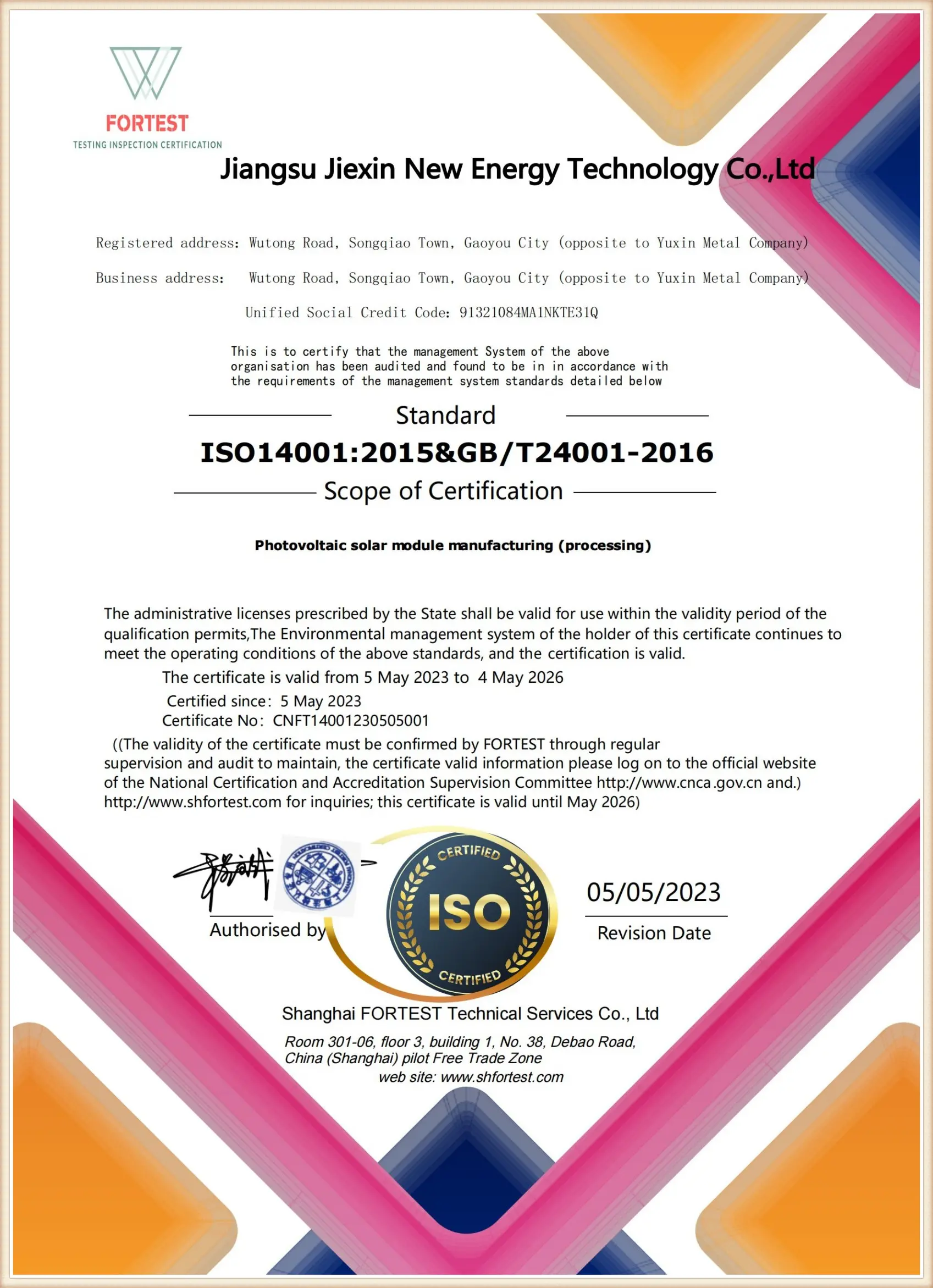
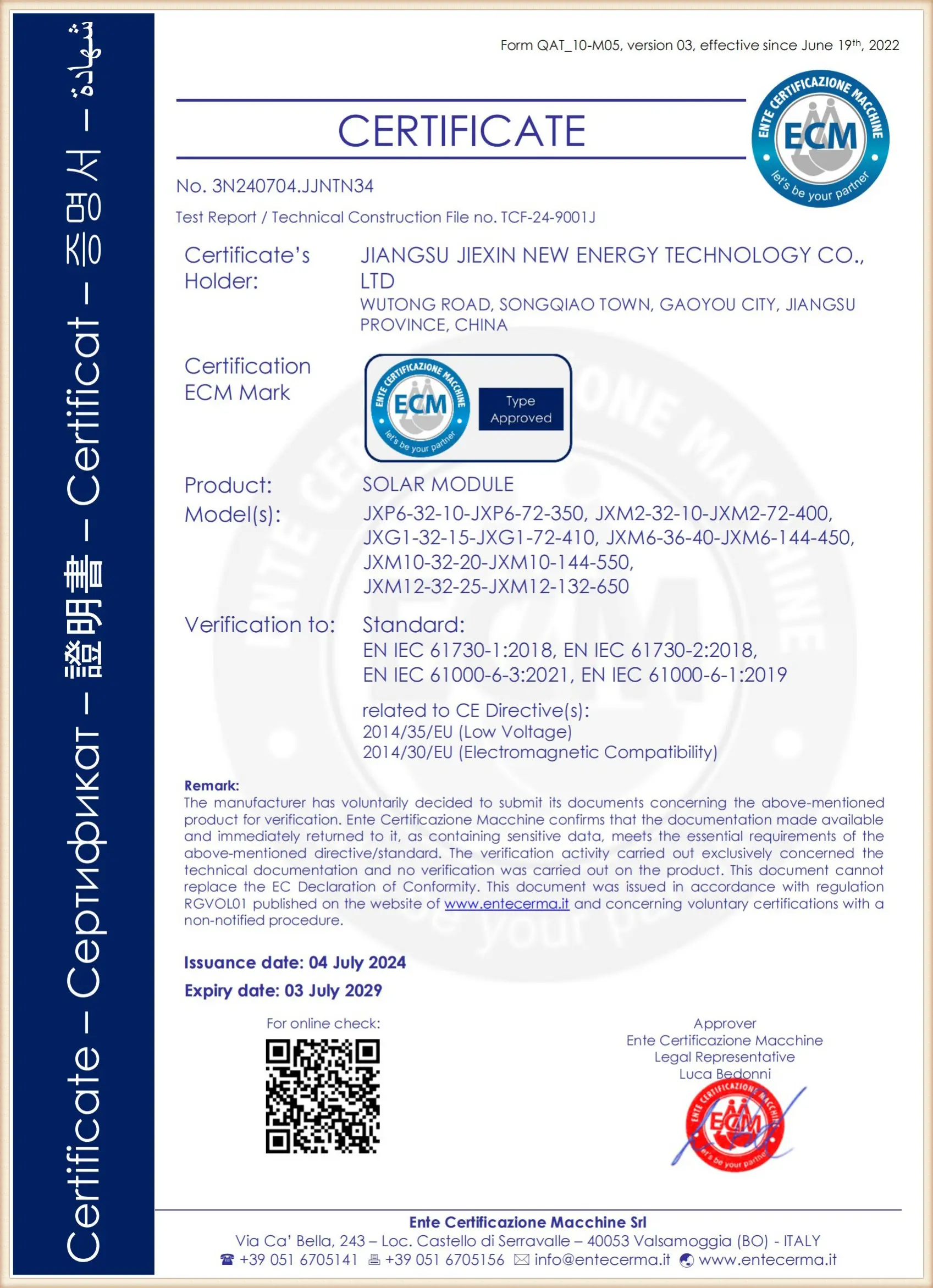
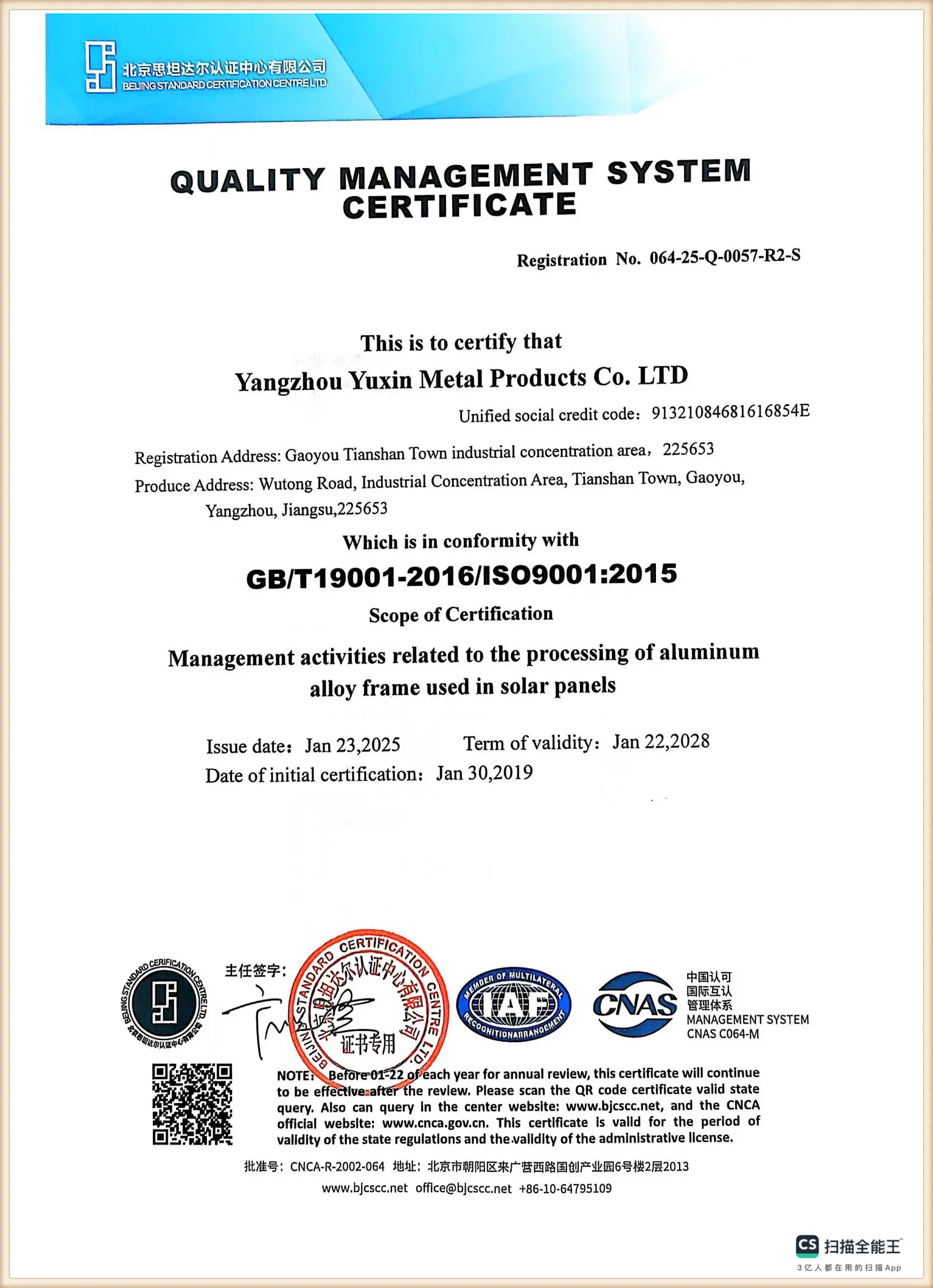
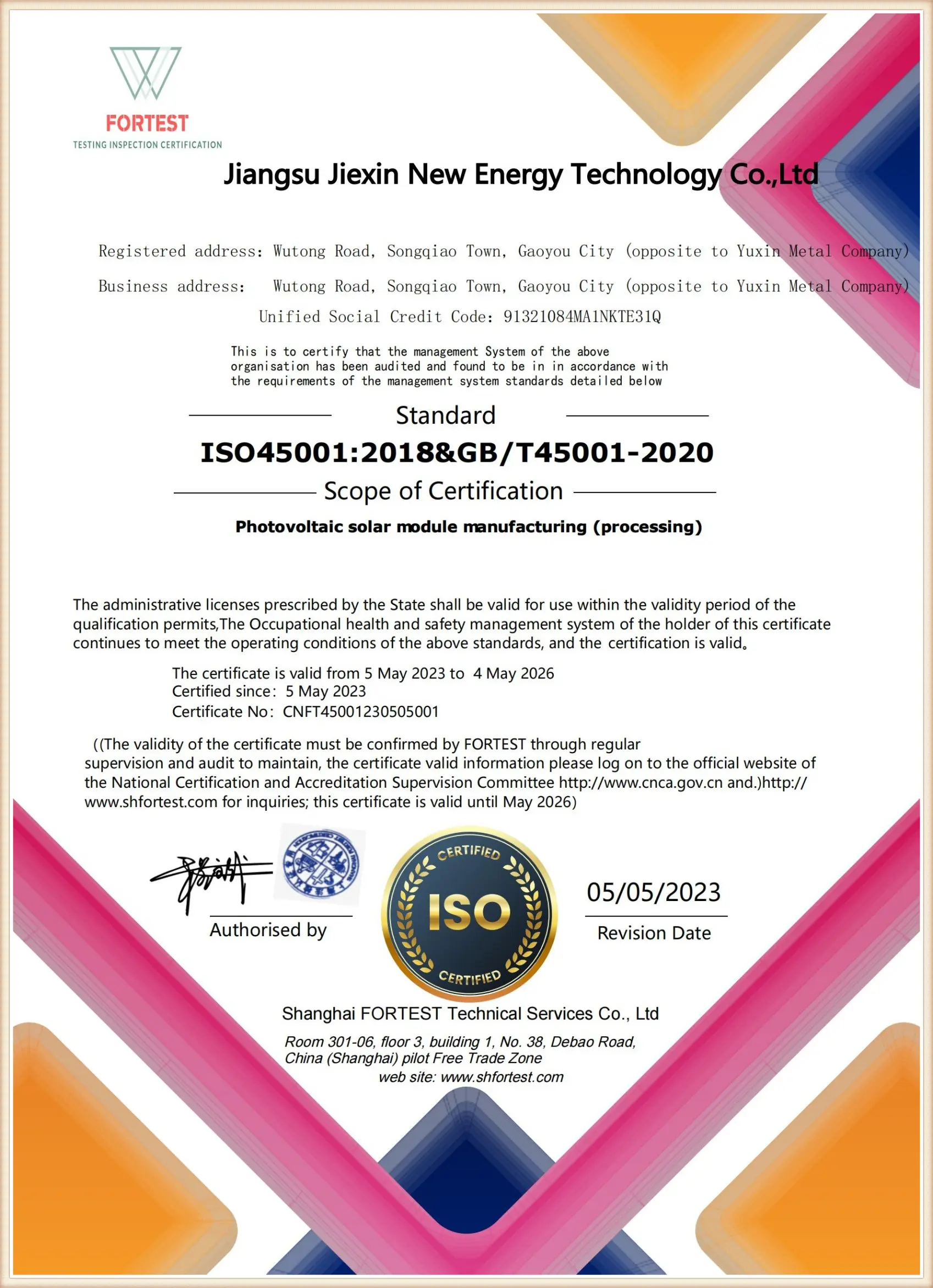
When deploying energy systems in regions prone to load shedding, compliance with international standards is vital for safety and legal operation. Our manufacturing lines are certified to ISO 9001, ISO 14001, and ISO 45001. The photovoltaic panels undergo testing to meet CE, TUV, and IEC standards, ensuring electrical insulation, wind load stability, and resistance to PID (Potential Induced Degradation).
For energy storage systems, our modular lithium battery packs carry UN38.3, MSDS, and CE certifications. These standards verify that our integrated Battery Management Systems (BMS) protect cells from over-charging, thermal runaway, and short circuits, ensuring safe indoor and outdoor installation.
To assist procurement directors and engineers when sourcing custom energy systems, we recommend verifying the following parameters:
An outlook on technological advancements shaping the next generation of decentralized power networks.
The solar sector is transitioning from PERC technology to N-type TOPCon (Tunnel Oxide Passivated Contact) bifacial designs. These modules deliver higher power outputs, lower degradation rates in the first year of operation, and an improved temperature coefficient, which increases overall energy yield.
Modern energy management systems now integrate machine learning algorithms. By analyzing historical consumption patterns and real-time utility rates, the system dynamically schedules charging and discharging to optimize savings and protect against power cuts.
While LFP remains the industry standard for safety and cycle life, researchers are developing solid-state batteries. These future systems promise higher energy densities, faster charging rates, and elimination of liquid electrolytes to reduce fire hazards.
Technical answers to common questions about our custom load shedding energy systems.
Collaborating with global energy operators and industrial distributors to deliver reliable backup power.
Insights on engineering best practices, solar component materials, and quality inspection protocols.
Select your required specification and contact our technical team for custom configurations and bulk quotes.