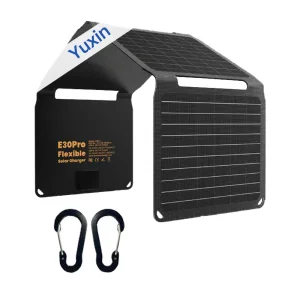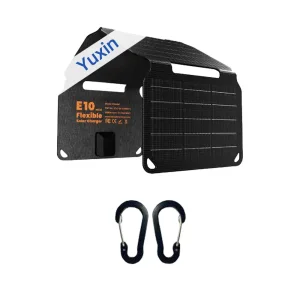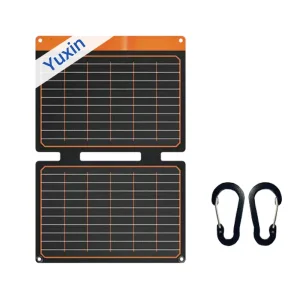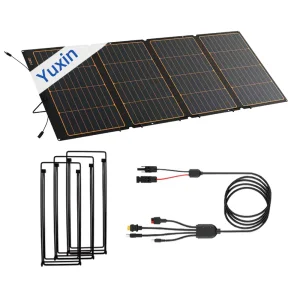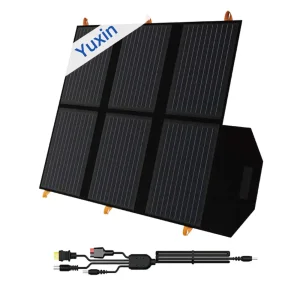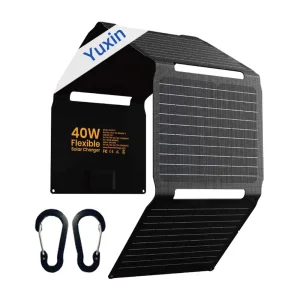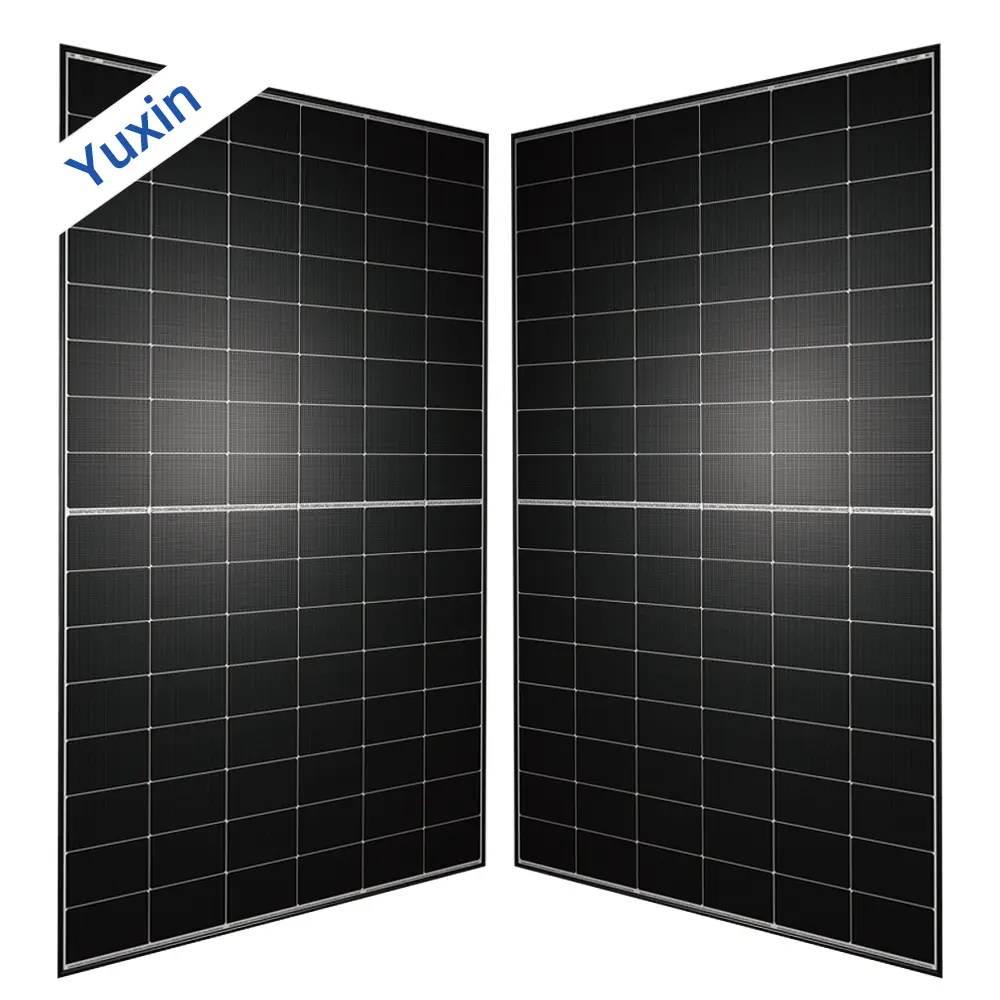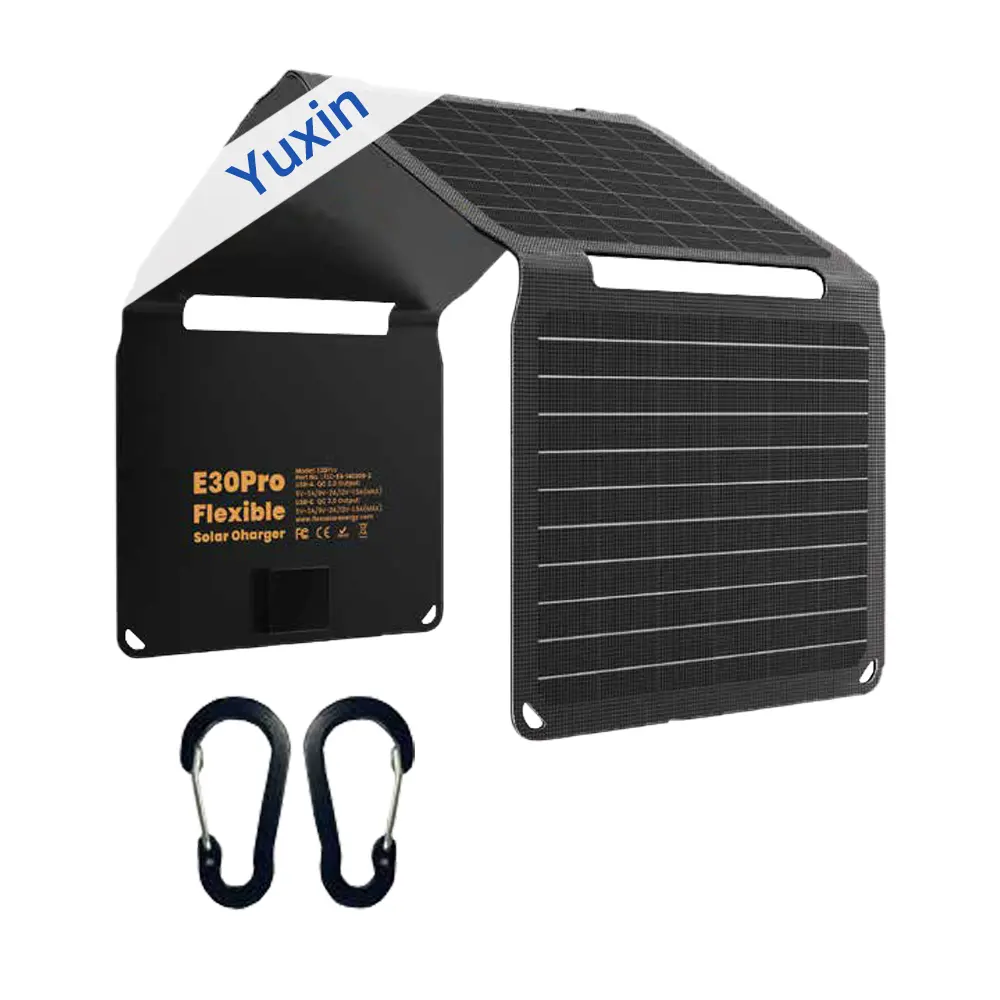
Explore our high-efficiency solar modules, energy storage systems, and specialized framing hardware designed to minimize Balance of System (BOS) costs.
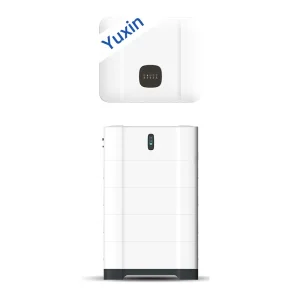
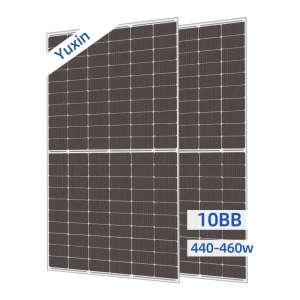
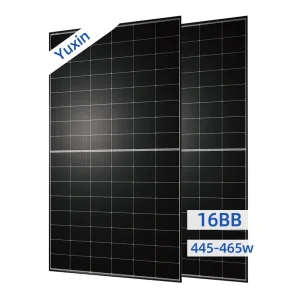
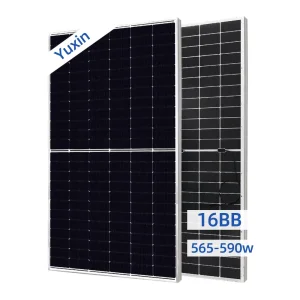
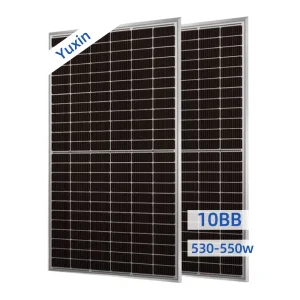
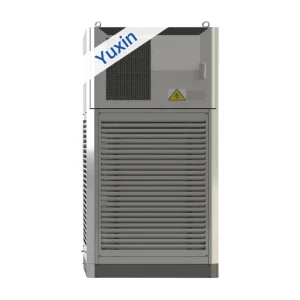
The global renewable energy landscape is transitioning at an unprecedented rate. Developers, Engineering, Procurement, and Construction (EPC) companies, and localized distributors are looking beyond standard component sourcing. The focus has moved toward Original Design Manufacturer (ODM) distribution partnerships. ODM distribution offers the agility required to customize module parameters, frame designs, and integrated energy storage systems to meet regional electrical standards, local environment profiles, and structural load constraints.
This comprehensive document evaluates the economic and engineering structures of solar PV procurement. It offers practical guidance on negotiating pricelists, optimizing China-based manufacturing supply chains, securing local compliance, and utilizing next-generation PV module developments.
Selecting between Tunnel Oxide Passivated Contact (TOPCon) and Passivated Emitter and Rear Cell (PERC) technologies determines the Levelized Cost of Energy (LCOE) over a plant's 25 to 30-year lifecycle.
The photovoltaic sector is moving rapidly from P-type cell architectures to N-type substrate designs. While PERC panels served as the industry standard for a decade, N-type TOPCon modules achieve higher conversion efficiencies (typically 22.5% to 24.5%) by integrating an ultrathin silicon oxide tunnel layer with heavily doped polycrystalline silicon. This structure minimizes surface recombination losses.
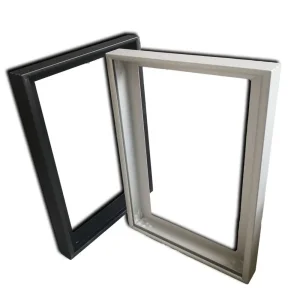
While standard anodized aluminum frames (alloys 6063-T5 and 6005-T6) remain the baseline for lightweight, structural strength, new polyurethane (PU) pultruded composite material frames offer key advantages in harsh environments:
Global procurement requires navigating varying local regulatory landscapes. An ODM partner must align production lines with the import rules and grid connection requirements of target markets.
To reduce risk, top-tier ODM distributors offer localized support systems. These include regional warehousing for spare parts, local technical offices to support EPCs during project installation, and pre-sales engineering to customize electrical junction boxes and wiring configurations to match regional grid requirements.
Yangzhou and the surrounding Jiangsu province serve as hubs for the solar supply chain. Working with vertically integrated Chinese manufacturers gives ODM distributors clear cost and quality control advantages.
Proximity to key raw materials—including polysilicon refineries, wafer slicing plants, glass manufacturers, and aluminum extrusion mills—eliminates inter-provincial shipping costs. This proximity enables prompt responses to changes in demand. Integrated production lines allow transition from raw aluminum ingots to finished, anodized, and pre-punched frames in a single facility. This process reduces transport risks, preserves surface finishes, and keeps production costs competitive.
High-quality manufacturing relies on rigorous QA/QC processes. Modern factories integrate online testing directly into production lines:
Commercial and industrial (C&I) buyers, utility developers, and sovereign wealth investors prioritize Total Cost of Ownership (TCO) and long-term project viability over initial price points.
A solar panel pricelist represents the initial capital expenditure (CAPEX), but must be evaluated alongside Balance of System (BOS) costs, shipping expenses, and labor costs. High-wattage panels (such as 590W+ TOPCon modules) reduce the number of modules required per megawatt. This lowers mounting structure costs, reduces the amount of DC cabling needed, and cuts down on labor hours for installation, resulting in a lower overall BOS cost.
Sourcing agreements should clearly define quality standards and performance guarantees:
How customized ODM solar technology adapts to diverse global industrial and geographic conditions.
By elevating racking structures and using bifacial modules with customized light transmittance, developers can dual-use land for both crop cultivation and clean energy generation. This design shields crops from excessive heat while producing electricity.
This design integrates solar cells directly into building facades, curtain walls, and roofing structures. Using lightweight frameless glass-glass panels or customized anodized aluminum framing options ensures structural integrity while generating power directly on-site.
Large-scale solar parks demand durable components. We optimize these projects using N-type TOPCon double-glass modules, heavy-duty 35mm anodized frames, and high-capacity central or string inverters to maximize grid injection efficiency and system reliability.
For rural electrification and off-grid communication repeaters, we customize high-efficiency portable solar systems, rugged composite frames, and modular battery energy storage (BESS) systems to ensure stable power delivery under extreme, isolated conditions.
Uninterruptible remote power systems for mobile networks, microwave links, and satellite ground stations. Using durable solar panels and localized commercial storage solutions reduces generator run times and cuts operational costs.
Integrating solar power into sound barriers, EV charging stations, highway lighting, and transport depots. This design supports clean mobility solutions by providing localized power generation and battery back-up systems.
Established in 2008, YUXIN New Energy Technology Co., Ltd. is located in the historical city of Yangzhou, Jiangsu Province. Positioned close to major transport links like the Beijing-Shanghai Expressway, Runyang Yangtze River Bridge, and Ningqi Railway, the group enjoys logistics connections that support timely shipping of materials globally.
With 14 specialized companies under our jurisdiction, Yuxin has grown into a National High-tech Enterprise, a Technology-based Enterprise, and has been recognized as one of Gaoyou City's Top 100 Private Enterprises. We integrate research, design, production, and distribution to supply global markets with durable, certified solar PV frames, monocrystalline modules, and comprehensive household energy storage systems.
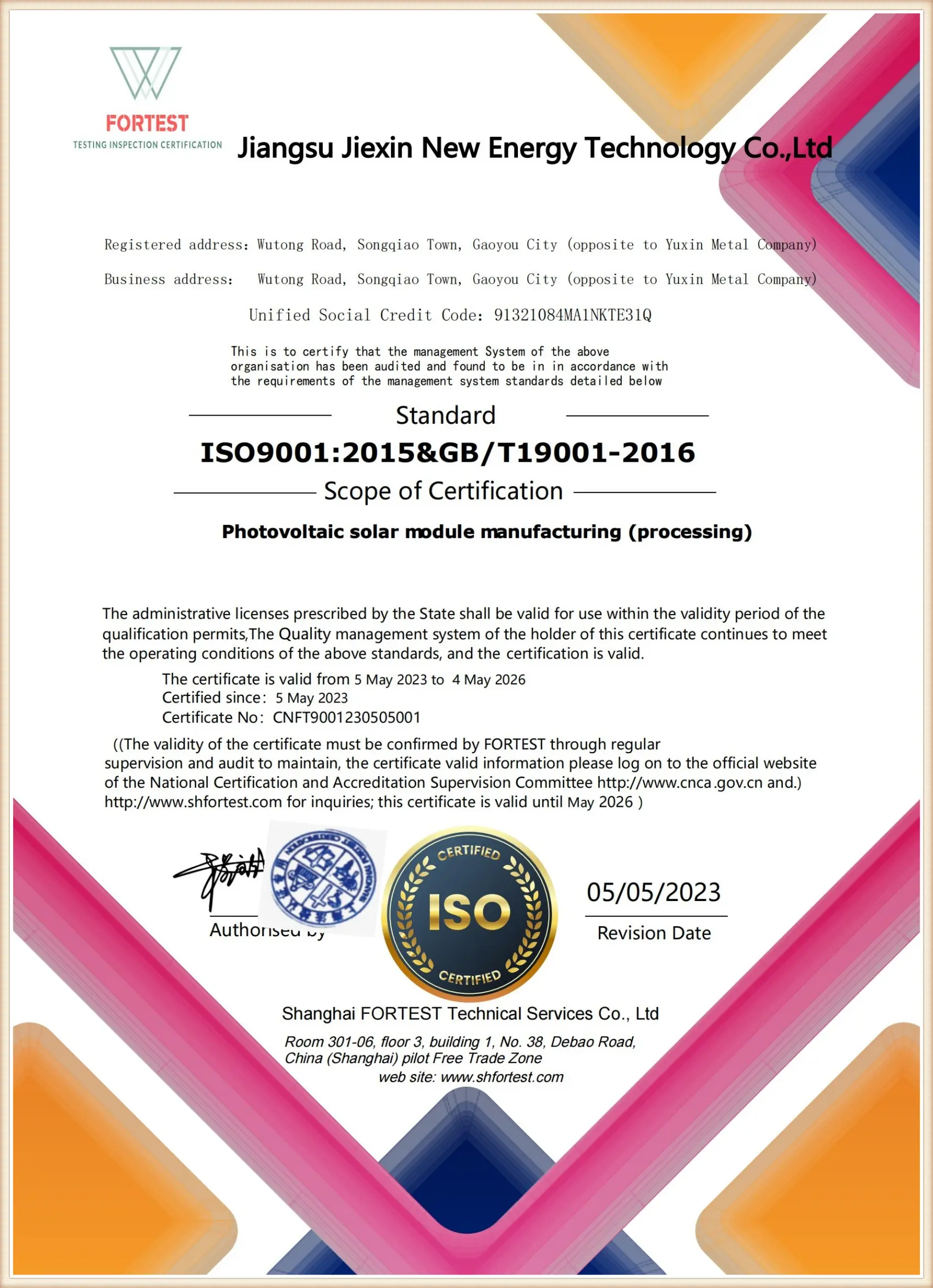
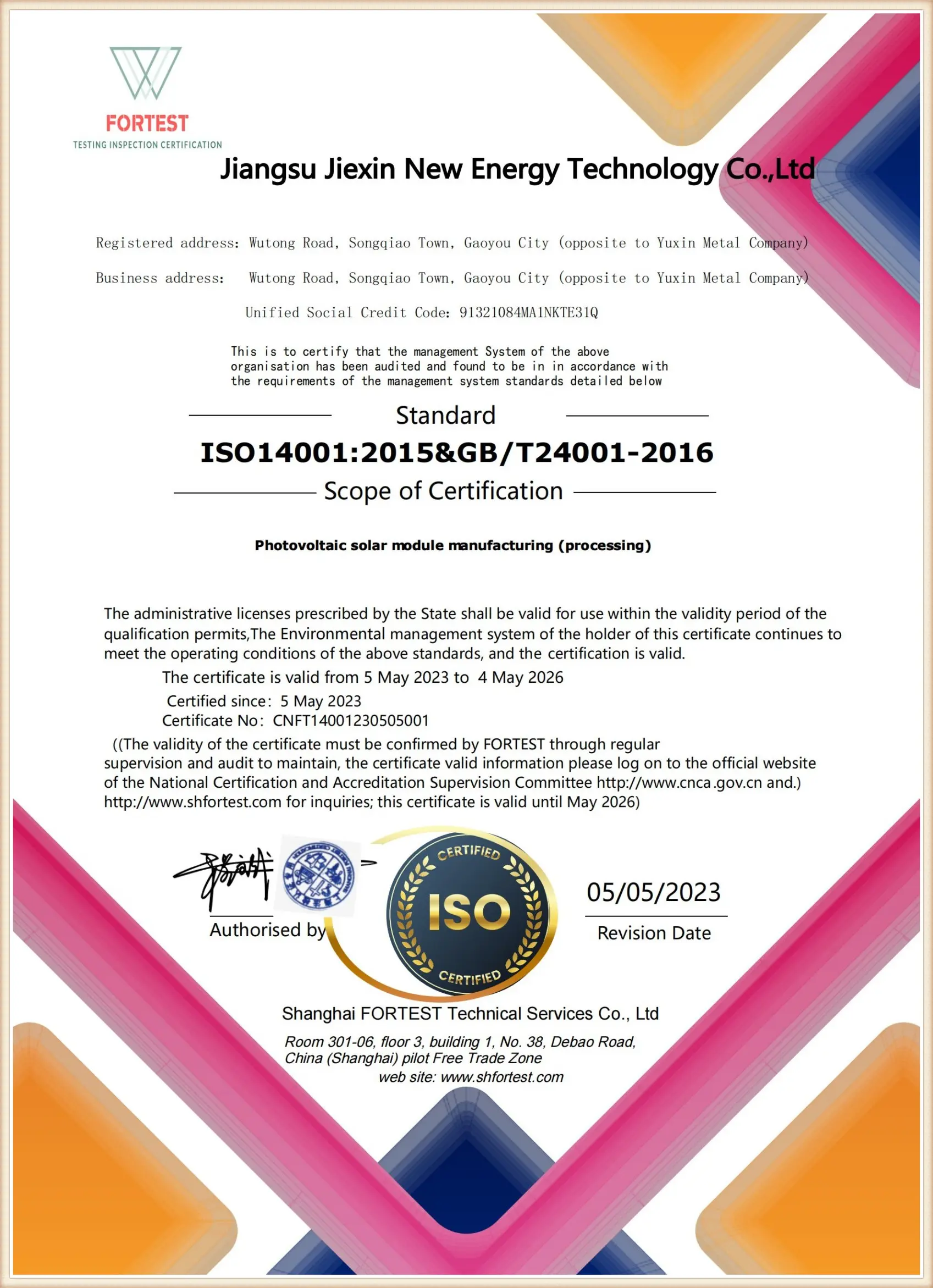
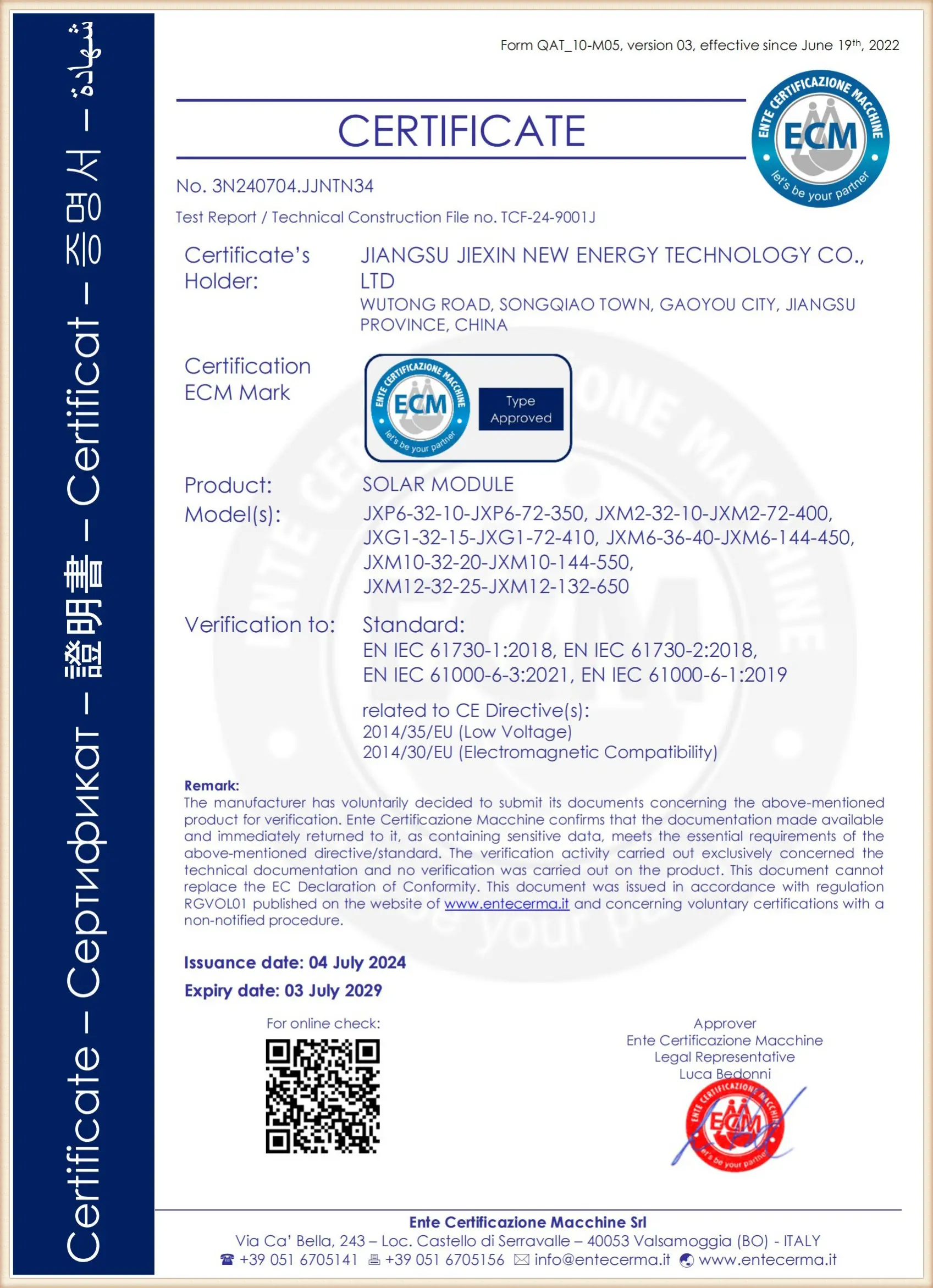
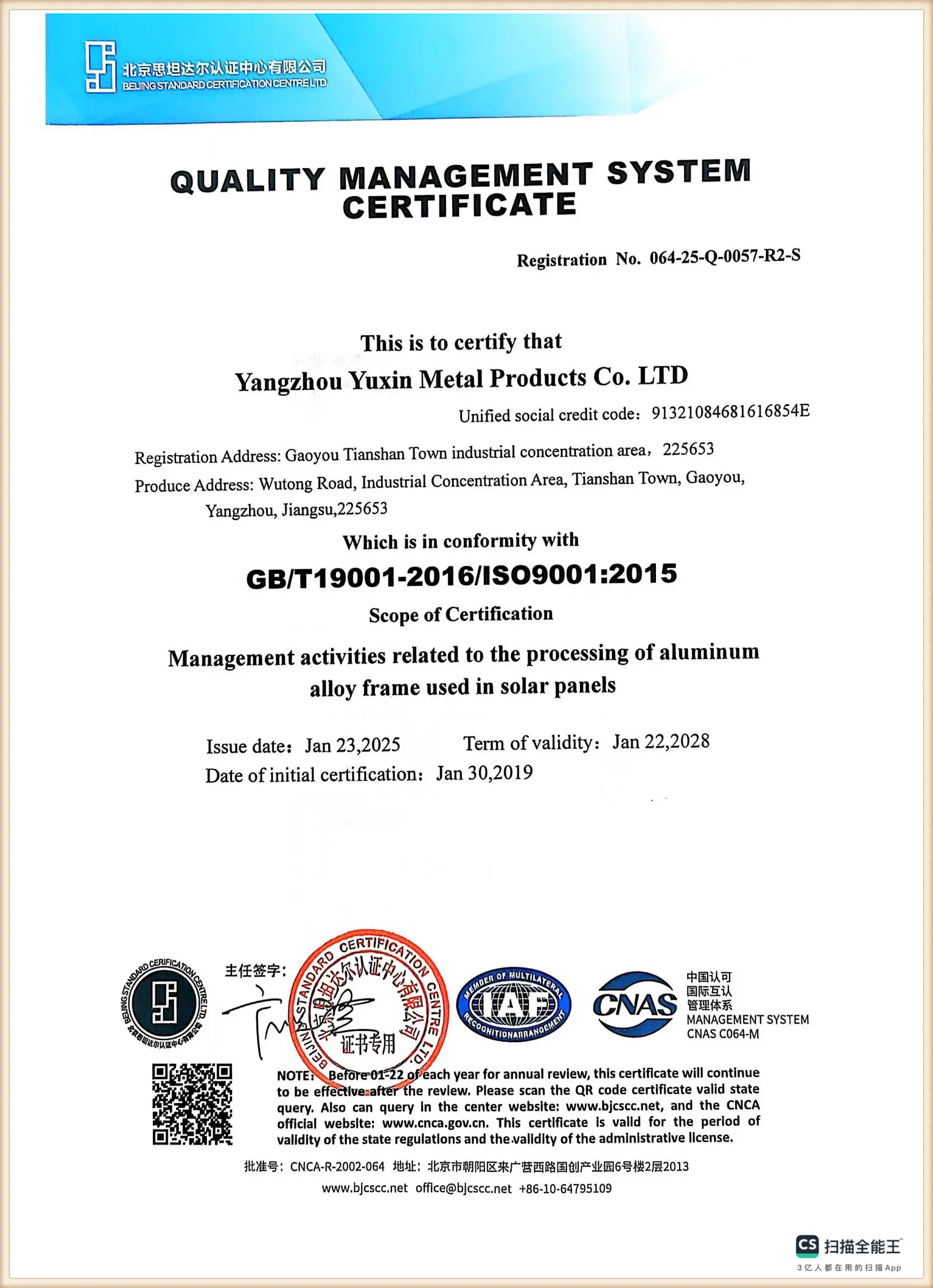
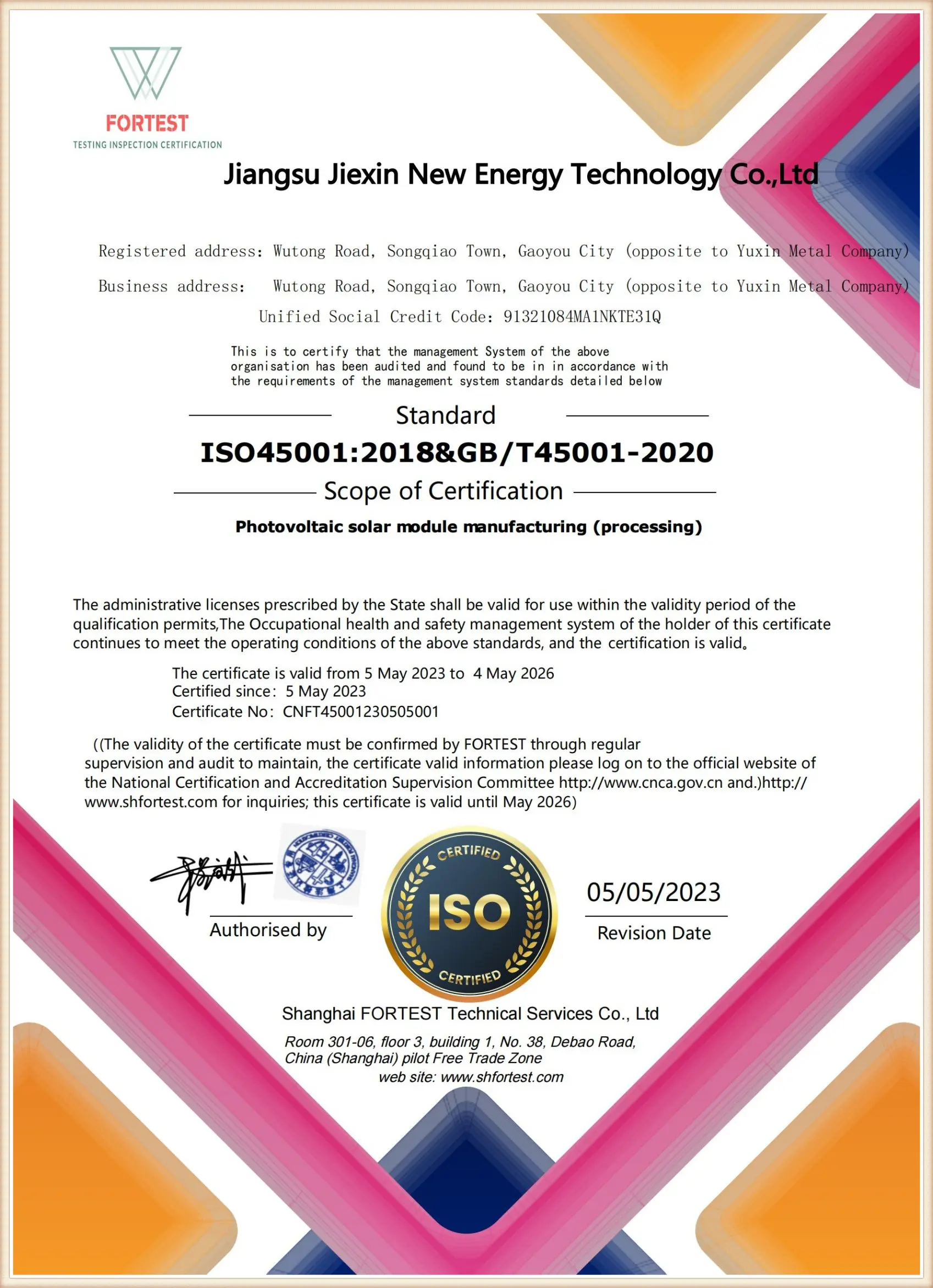
Our production and management systems are fully certified to major international standards.
Developing diversified partnerships to supply clean energy components across international markets.

Stay informed with the latest technical briefs, standard updates, and material science developments in PV frames.
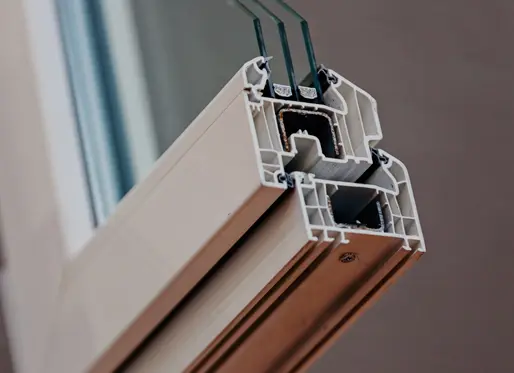
An investigation into alloy types, anodization thickness, and structural engineering tolerances required for modern bifacial solar installations.
View More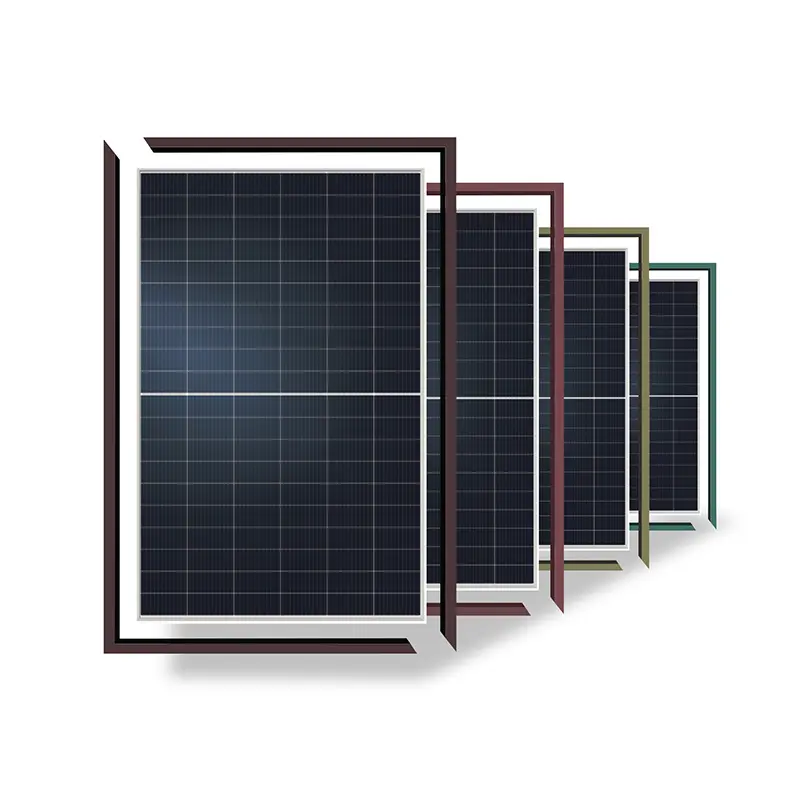
A checklist for evaluating factories, from checking composite material quality to auditing quality control systems.
View More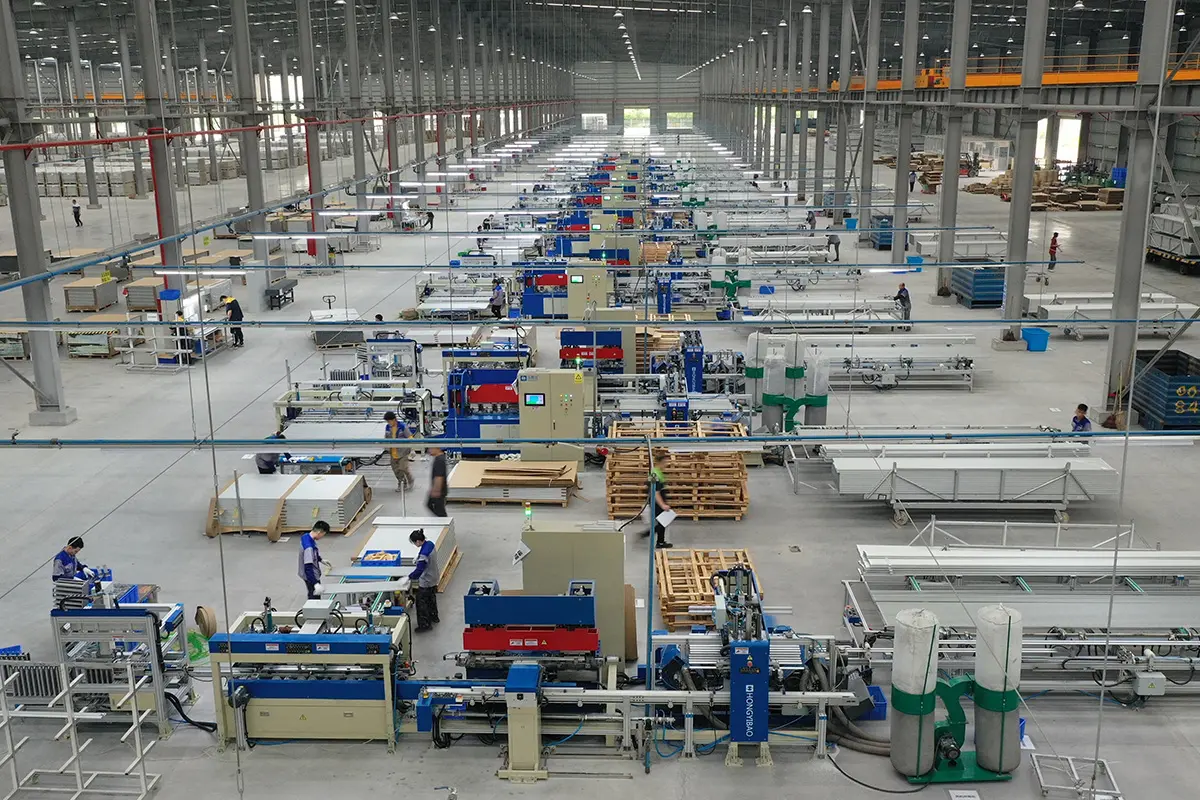
Understanding mechanical stress tests, wind load resilience metrics, and salinity chamber testing for solar PV frames.
View MoreGet detailed answers regarding ODM pricing, manufacturing timelines, compliance, and material engineering.
Explore lightweight, weather-resistant outdoor power solutions, specialized off-grid modules, and solar-integrated equipment.