Germany leads Europe's transition to localized green energy generation. From residential roofs operating under strict VDE guidelines to commercial systems, the applications require specific parameters. Commercial rooftops are designed with Mieterstrom models in mind, supplying clean energy directly to tenants.
Meanwhile, rural regions leverage Agri-PV systems (compliant with DIN SPEC 91434 standards) to concurrently farm and generate clean solar electricity, maximizing arable land efficiency. For residential settings, balcony solar modules (*Balkonkraftwerk*) have become highly popular, restricting output to standard VDE-compliant limits.
The solar market is swiftly transitioning from P-Type PERC cells to next-generation N-Type architectures. N-Type TOPCon (Tunnel Oxide Passivated Contact) and Heterojunction (HJT) technologies minimize recombination losses and boost bifaciality coefficients to over 85%.
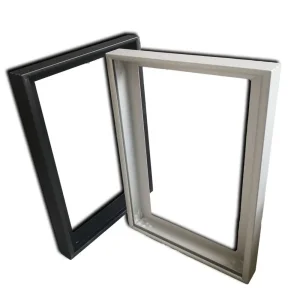
To combat high wind and heavy snow loads in regions like Bavaria and Schleswig-Holstein, dual-glass structural configurations provide high rigidity. In parallel, sustainable framing technologies, such as lightweight polyurethane composites, offer high corrosion resistance, reducing the system's carbon footprint.
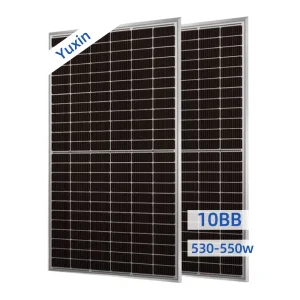
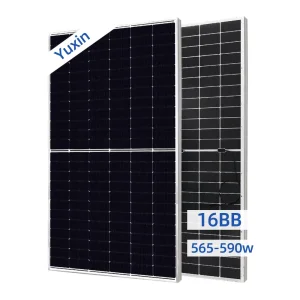
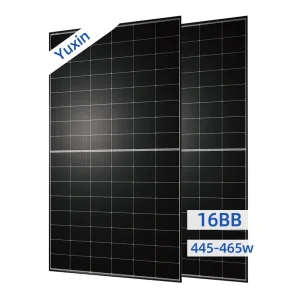
Securing Tier-1 raw materials, polysilicon wafers, and standardized solar frames is essential for uninterrupted PV projects. Our manufacturing base in China utilizes integrated production facilities, automated 16BB stringers, and precise framing assembly lines.
This supply chain integration allows us to optimize manufacturing cost per watt, manage delivery timelines, and offer flexible OEM/ODM options. Combining efficient marine shipping routes with European logistics partnerships ensures timely delivery to regional distribution centers.
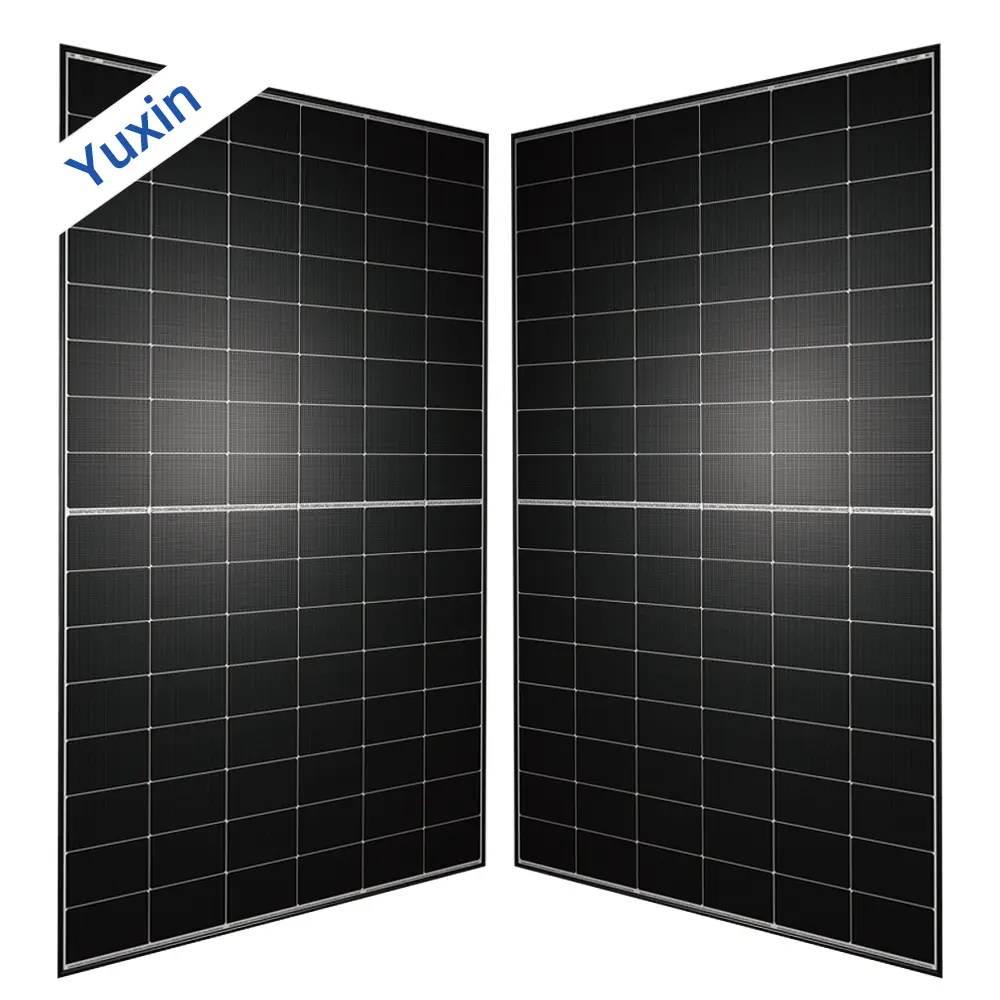
Lightweight design with transparent back panel for easy installation and reduced BOS costs.
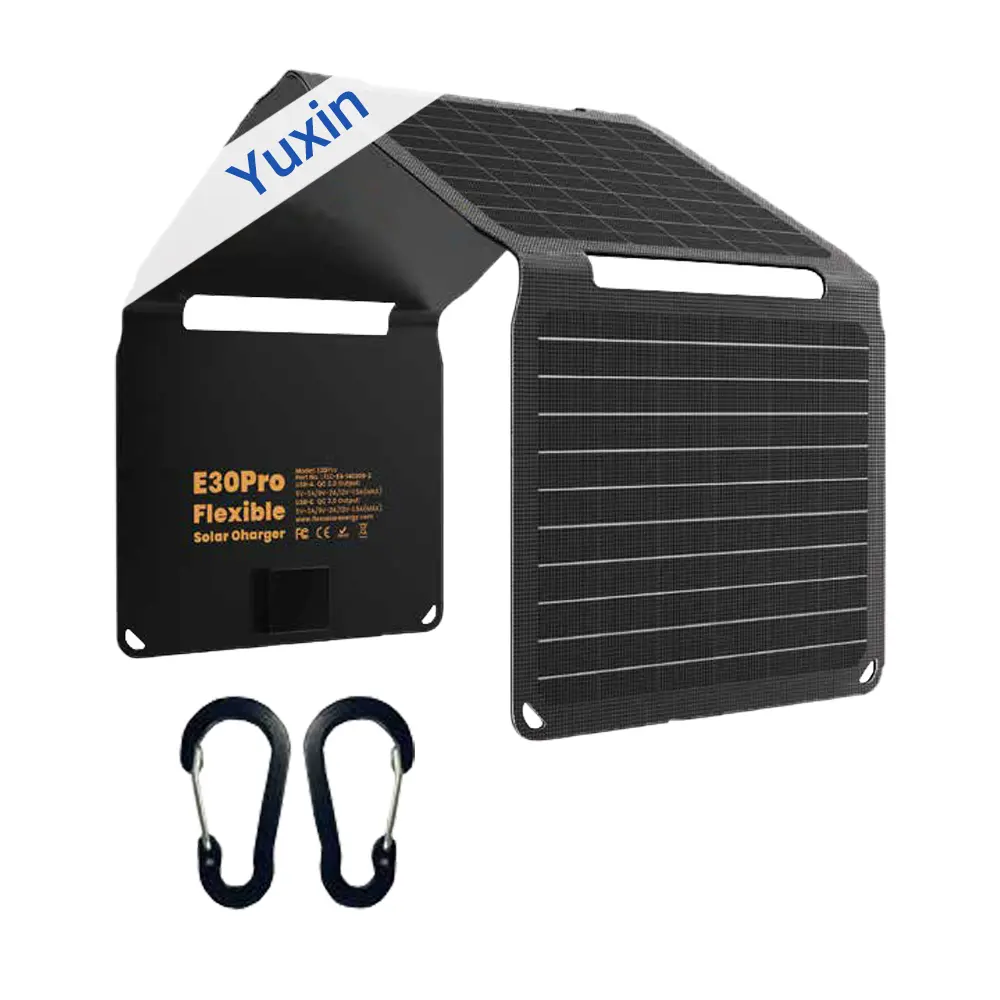
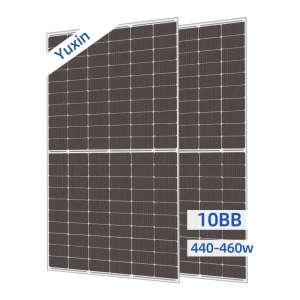
Utilizing advanced monocrystalline silicon cells, it achieves a high energy conversion efficiency of 24%.
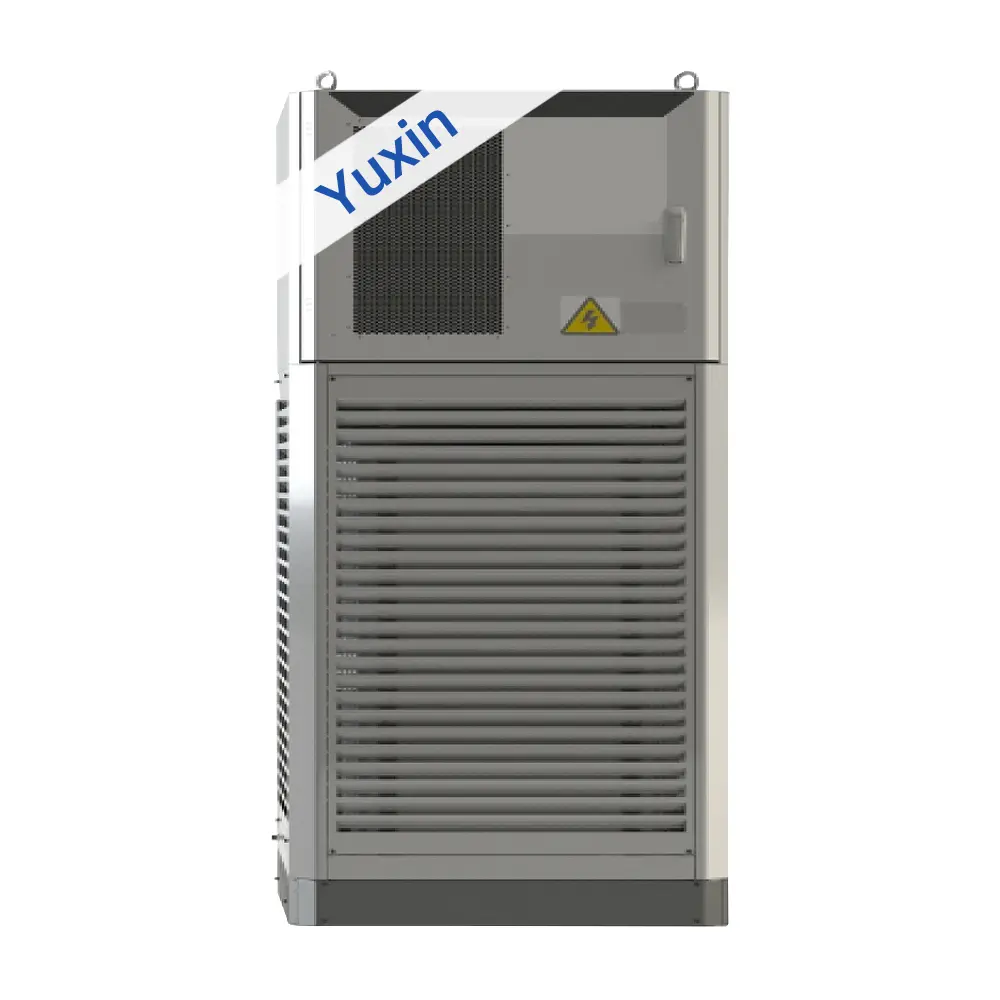
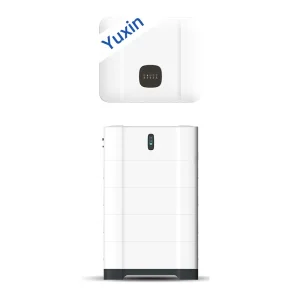
Application modes include grid-connected mode, off-grid mode, and integrated grid-connected/off-grid mode.
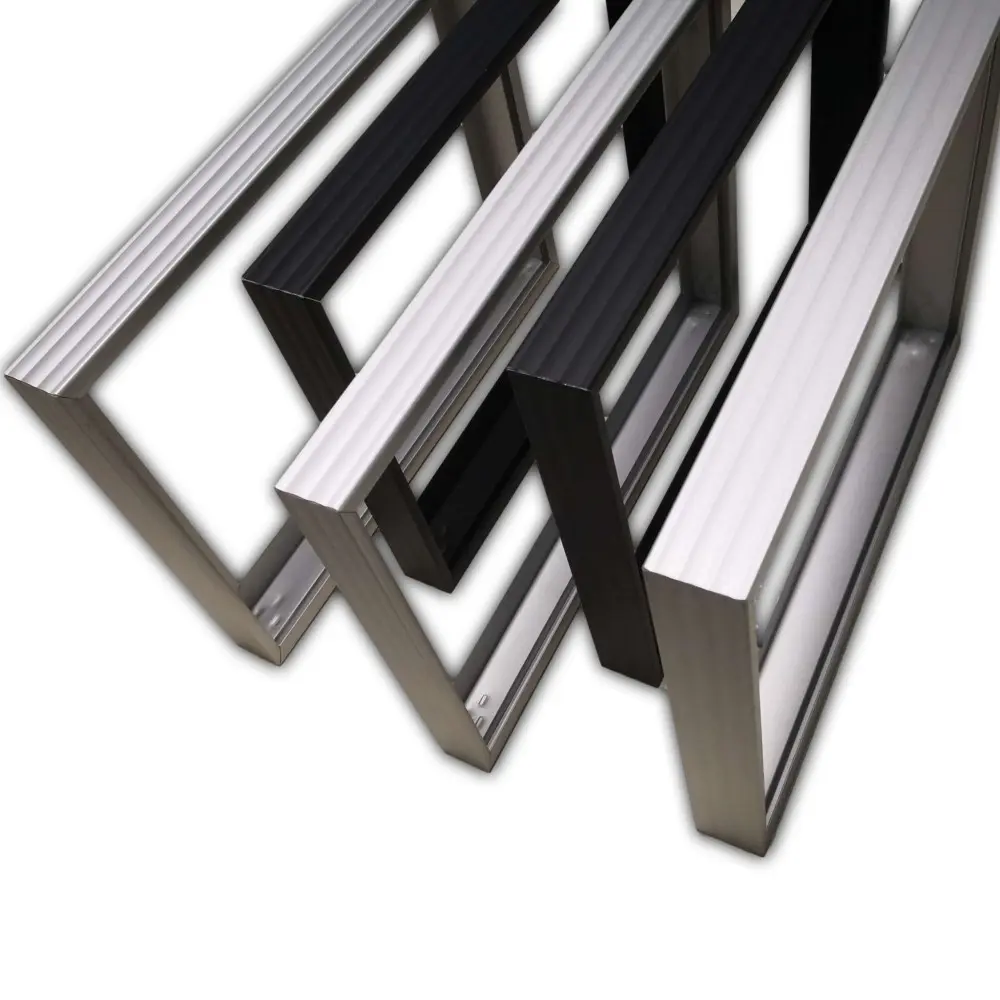
Made of high-quality anodized aluminum, it ensures superior weather resistance and a smooth, long-lasting finish.
Precision, Quality, and Safety - Your Photovoltaic Materials Expert
Located in the scenic historical and cultural ancient city of Yangzhou, close to the Beijing-Shanghai Expressway, Runyang Yangtze River Bridge, and Ningqi Railway, the group has a superior geographical location and convenient transportation. The group was established in 2008 and has 14 multi-field companies under its jurisdiction, including Jiangsu Yuxin New Energy Technology Co., Ltd., and has won many titles such as National High-tech Enterprise, Technology-based Enterprise, and Gaoyou City Top 100 Private Enterprises.
Global Grid Compliance & Technical Excellence since 2008
Delivering solar structural framing components, modules, and storage configurations across multi-sector systems.
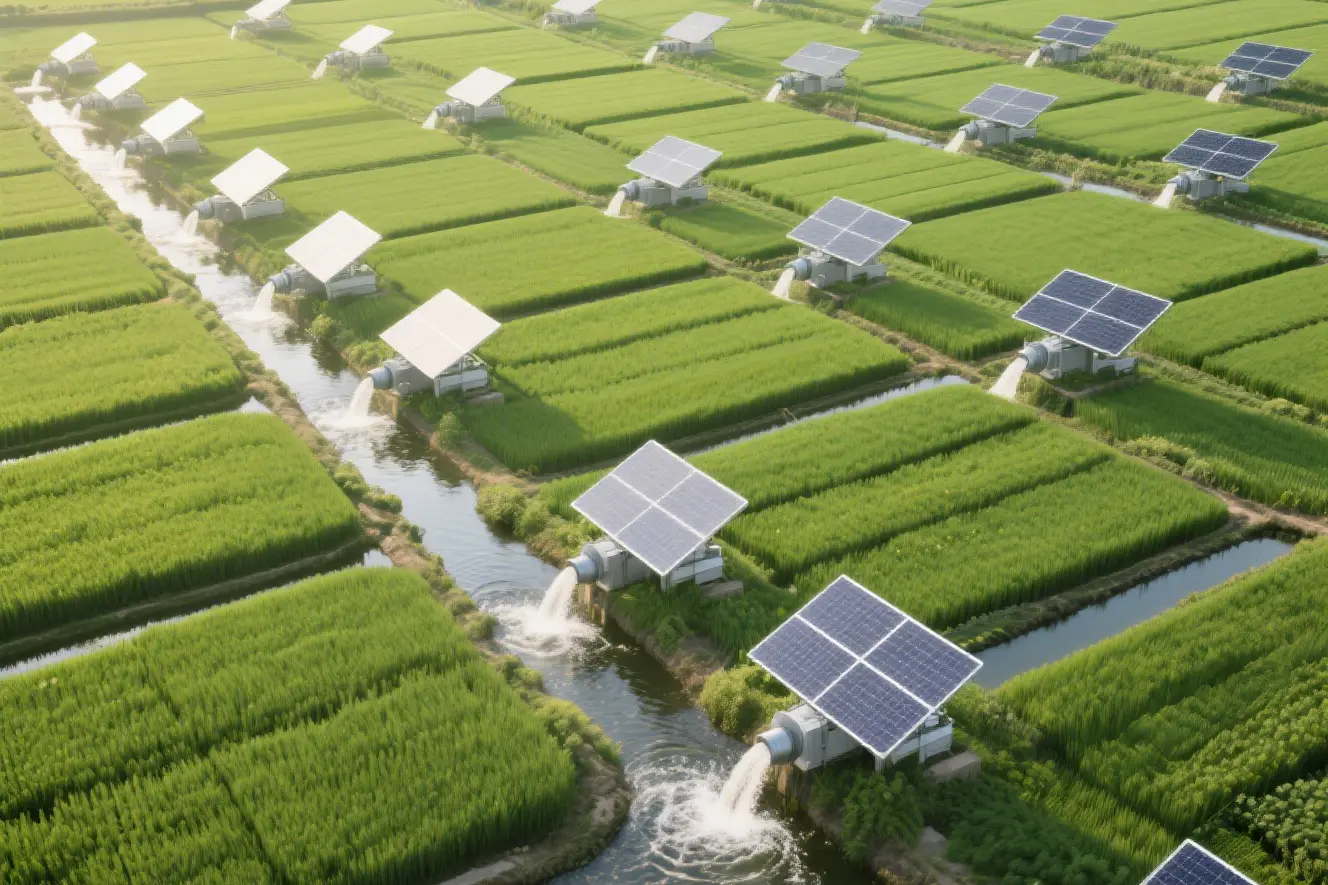
Maximizing land output by integrating Agrophotovoltaics. Dual-glass bifacial panels let light reach crops while generating stable grid revenue under local renewable policies.
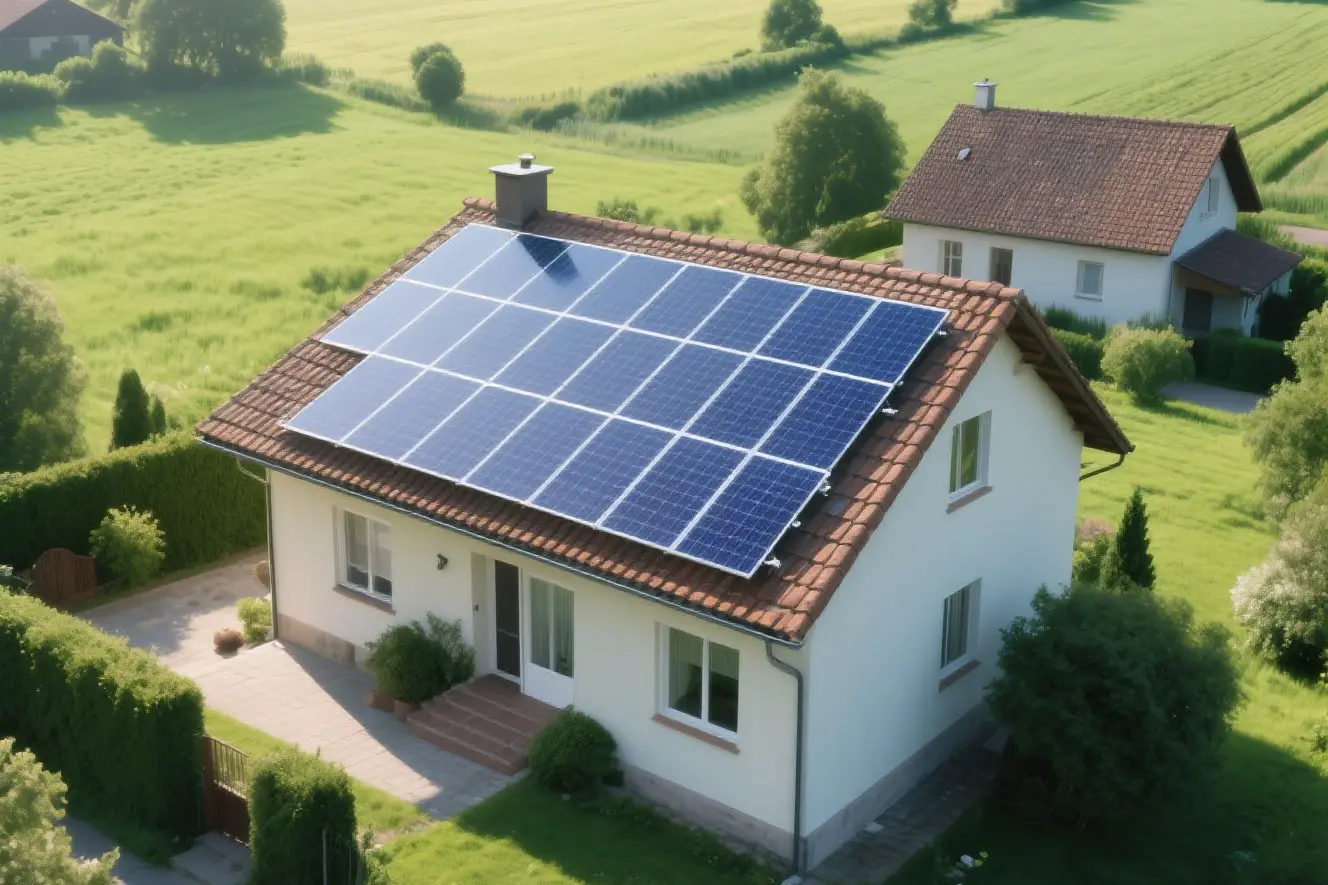
Building Integrated Photovoltaics (BIPV) require precise structural calculations. Customized aluminum and composite framing profiles secure structural integrity.
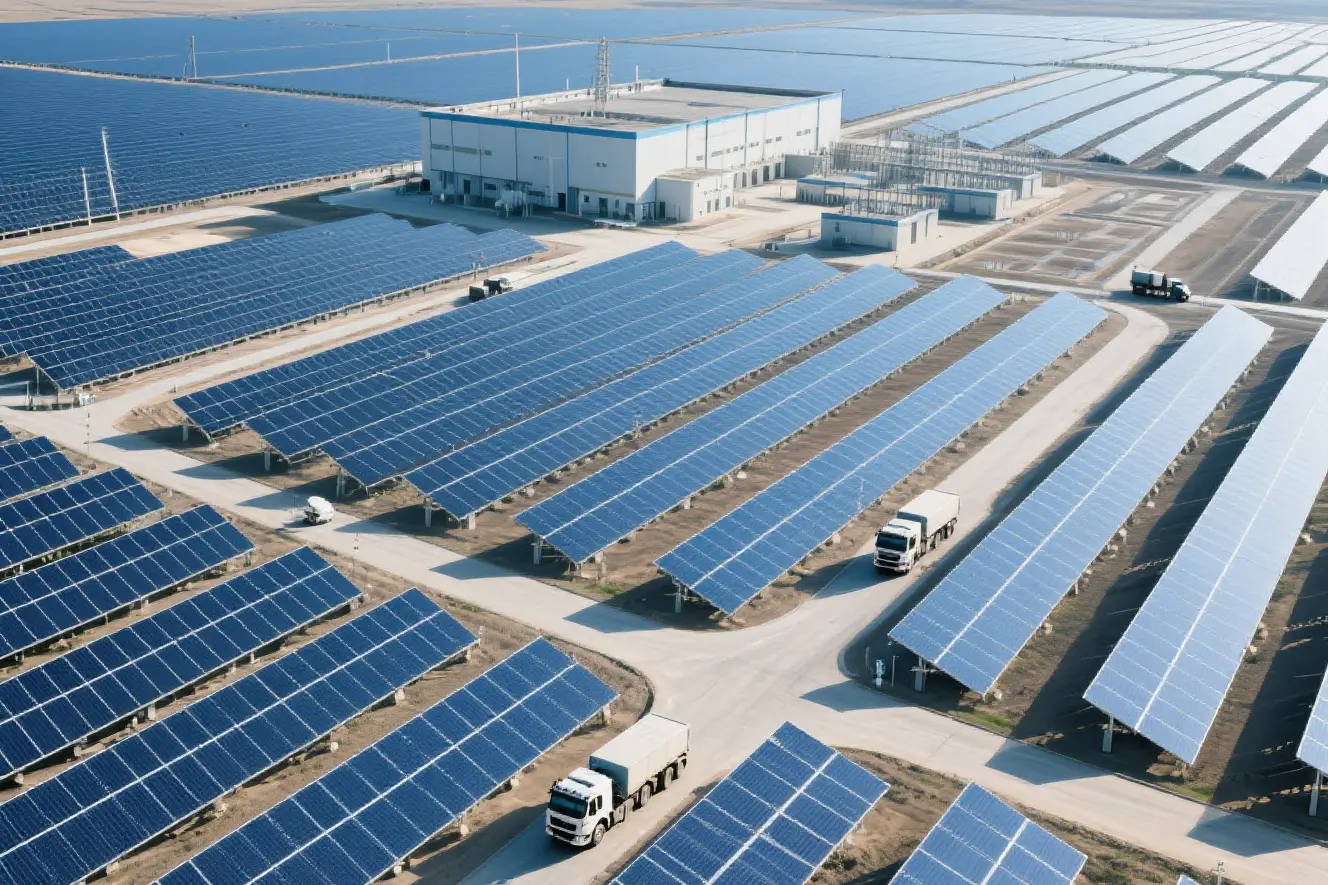
Utility-scale solar farms demand high reliability. TOPCon double-glass modules coupled with commercial storage systems optimize power injection profiles.
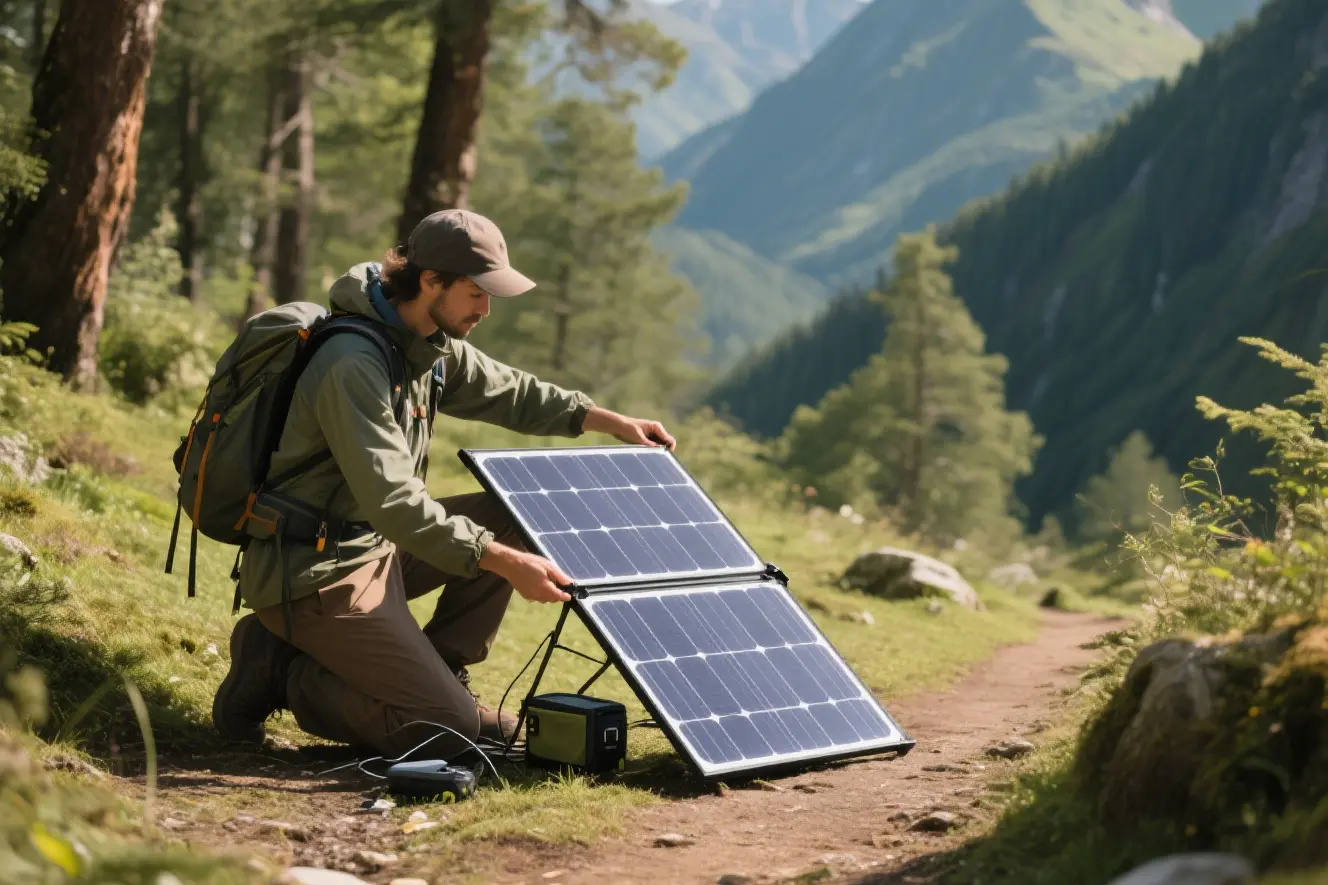
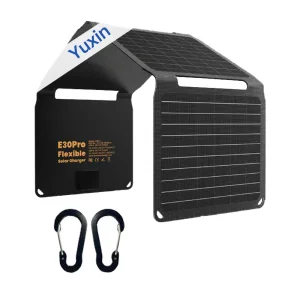
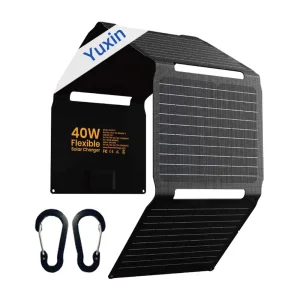
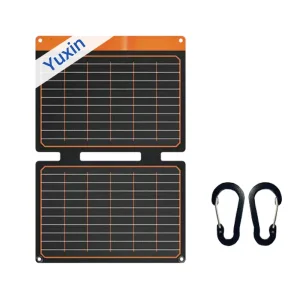
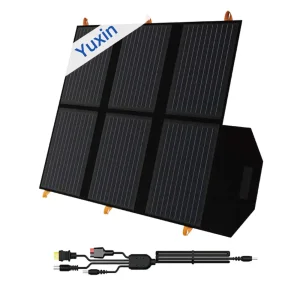
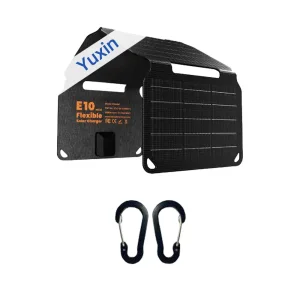
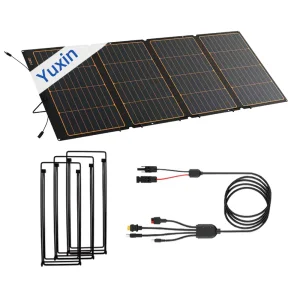
Portable off-grid power solutions. High-efficiency foldable solar chargers and waterproof smart backpacks supply power on the go.
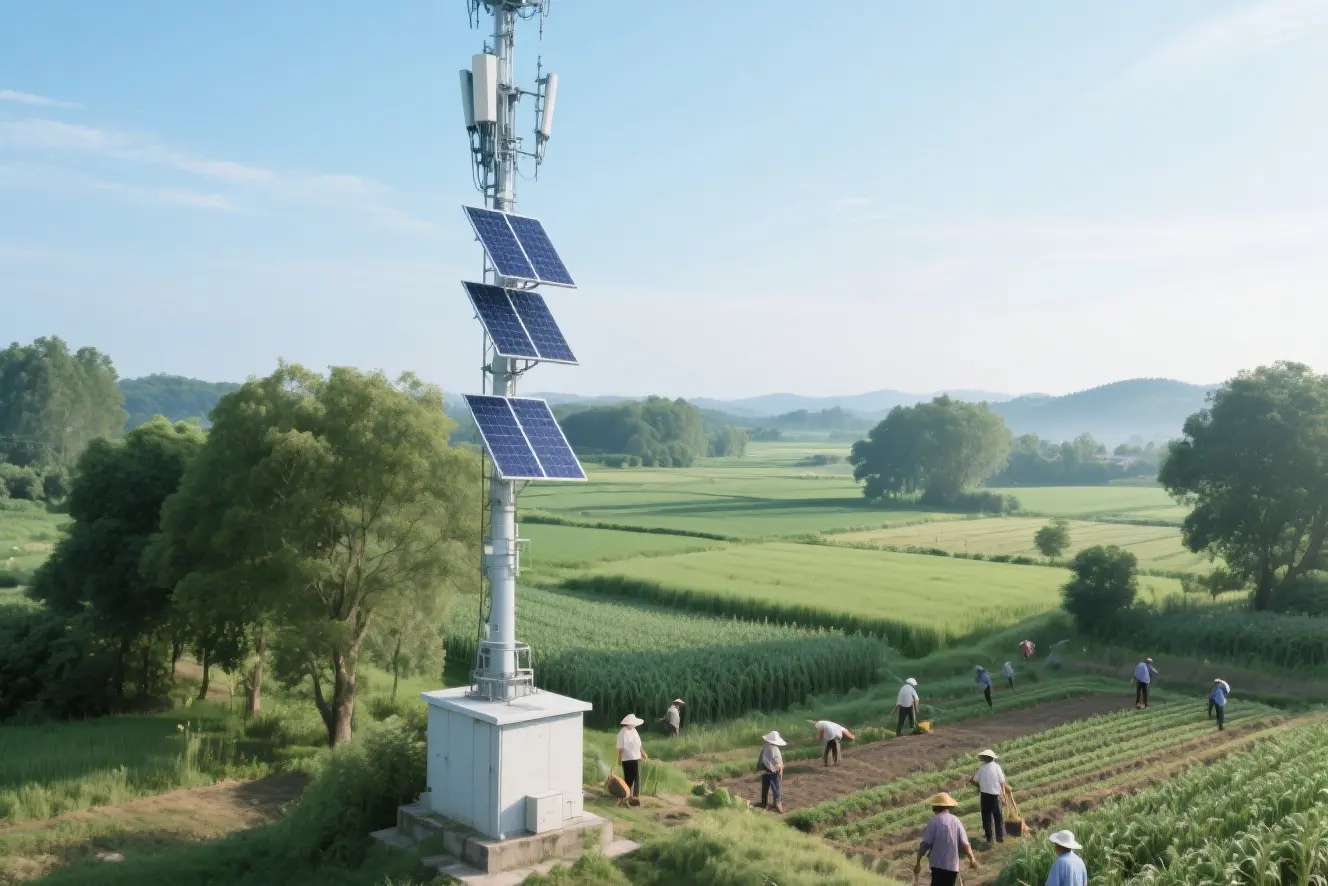
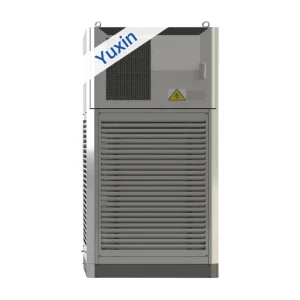
Off-grid energy systems for remote stations. Durable battery cabinets coupled with industrial PV panels ensure 24/7 telecommunications uptime.
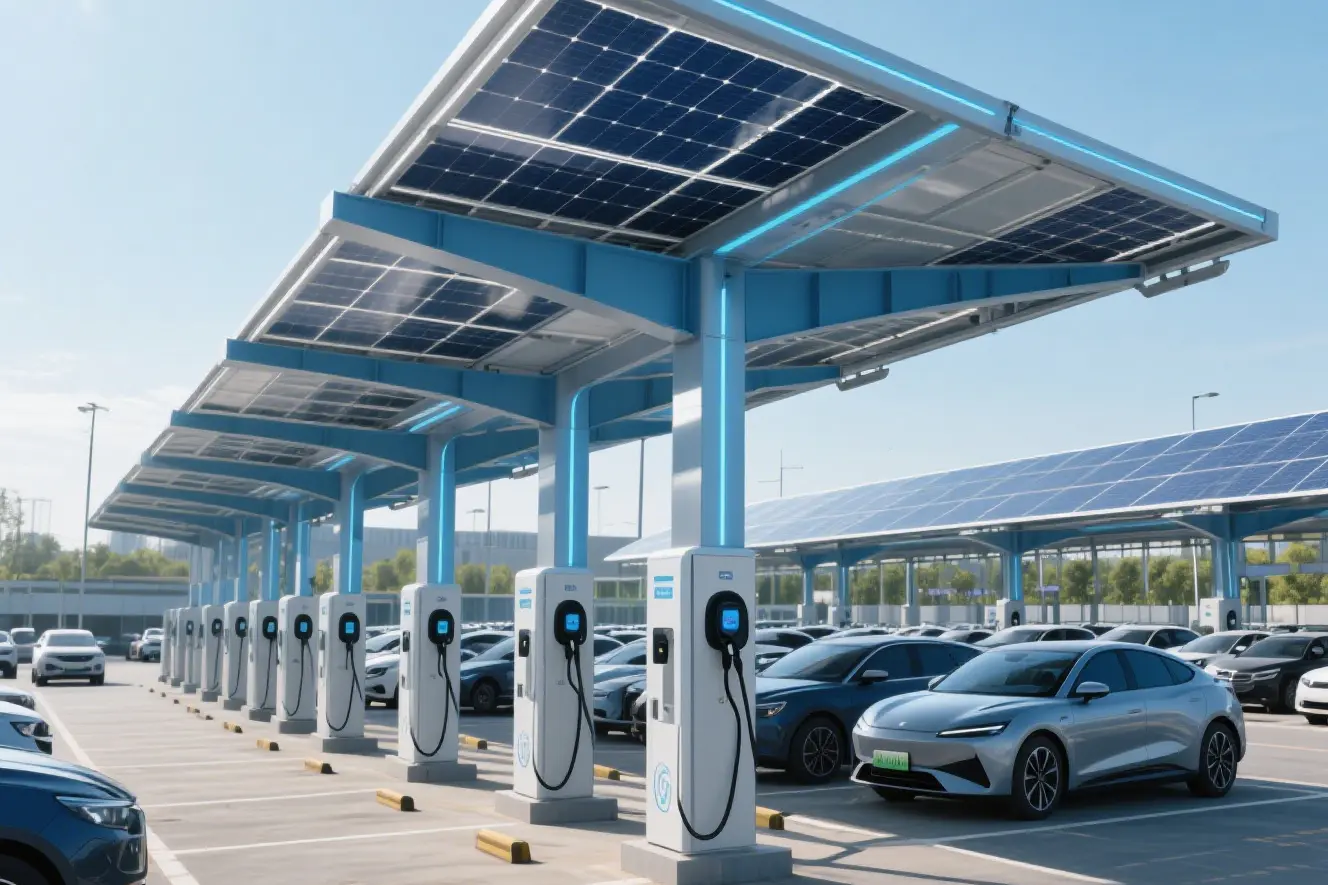
Smart infrastructure integration, powering noise barriers, highway lighting, and EV charging hubs with structural solar systems.
Engineered to meet European directives: TÜV, CE, RoHS, and VDE grid standards.
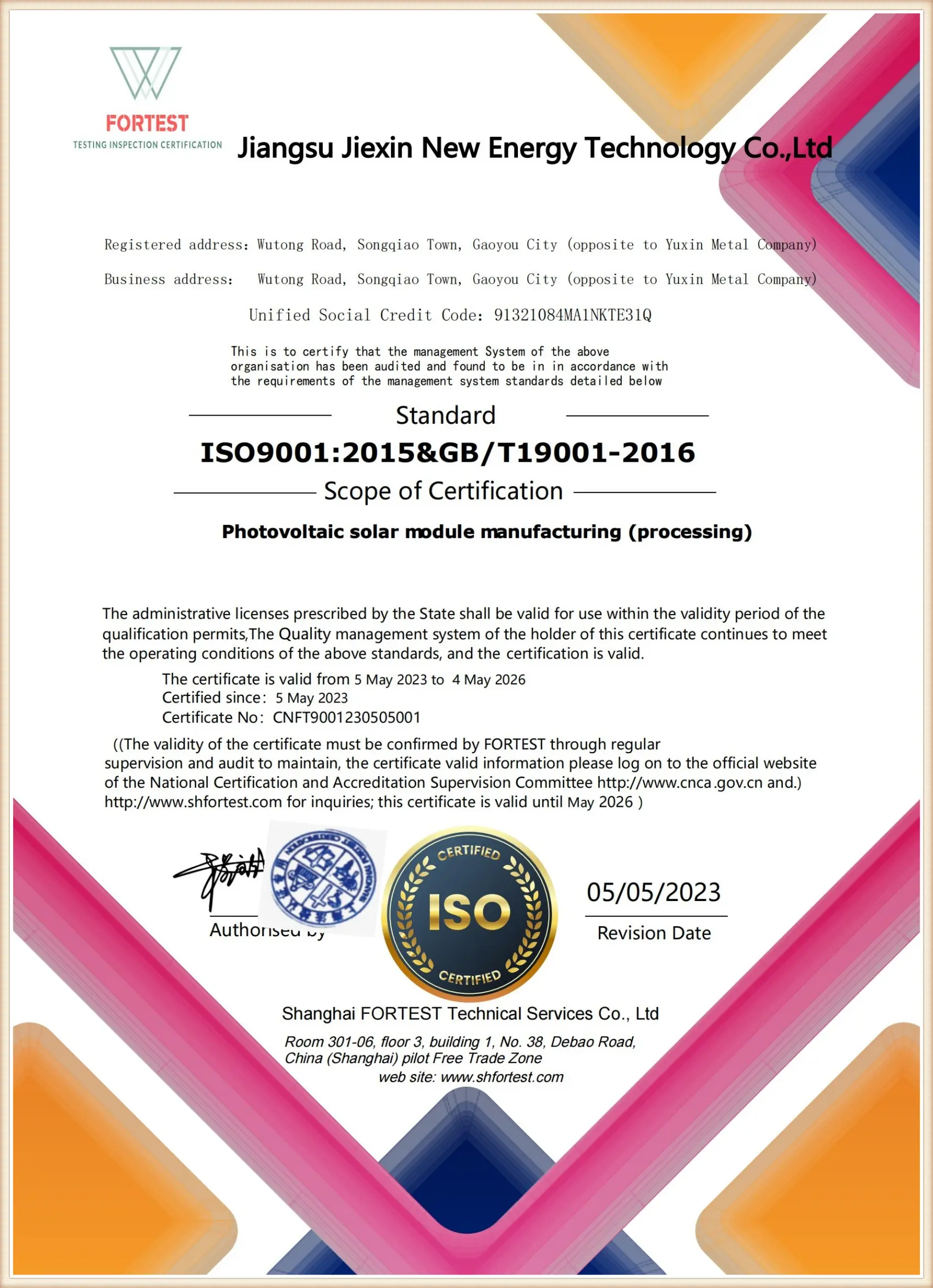
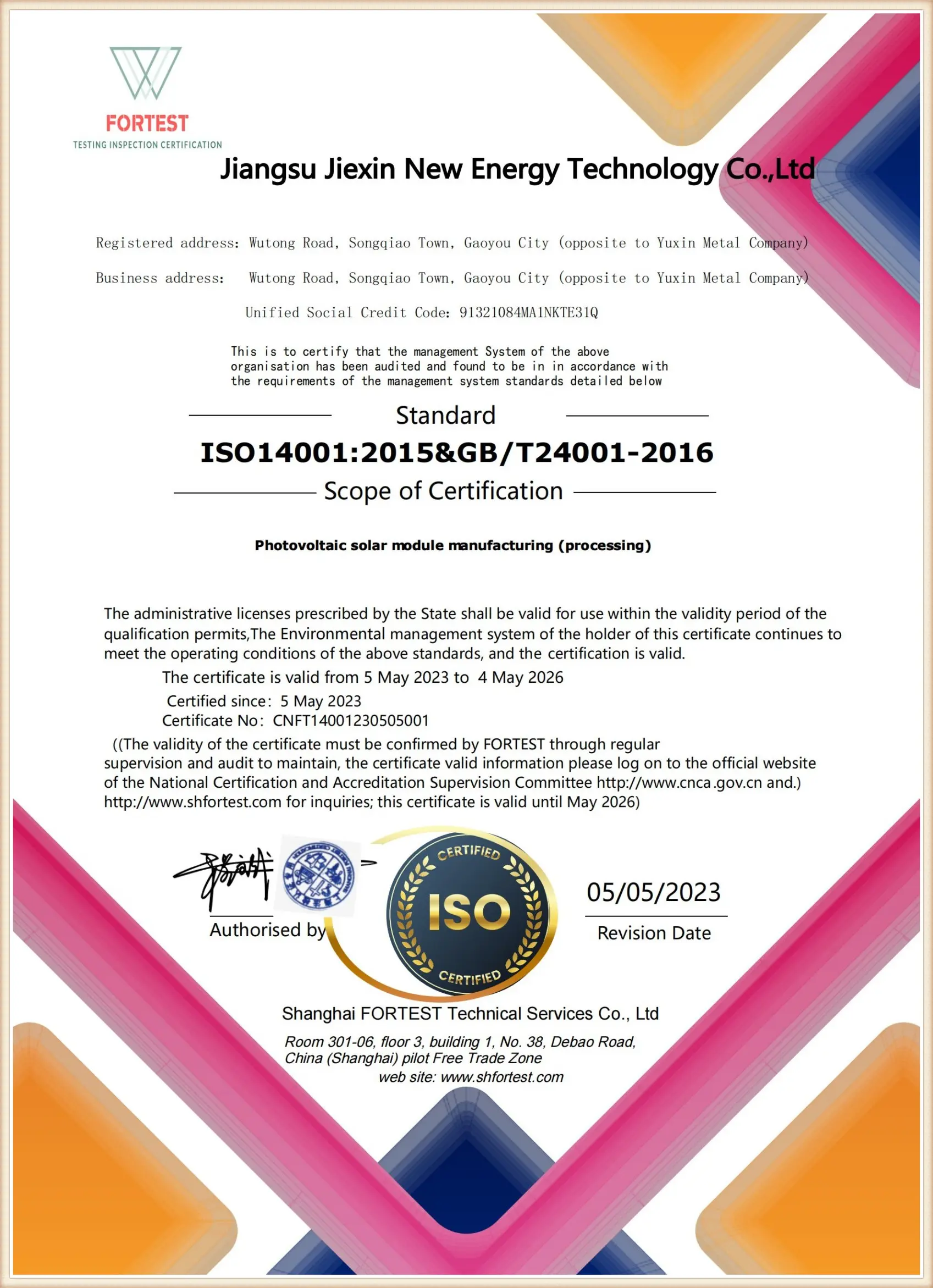
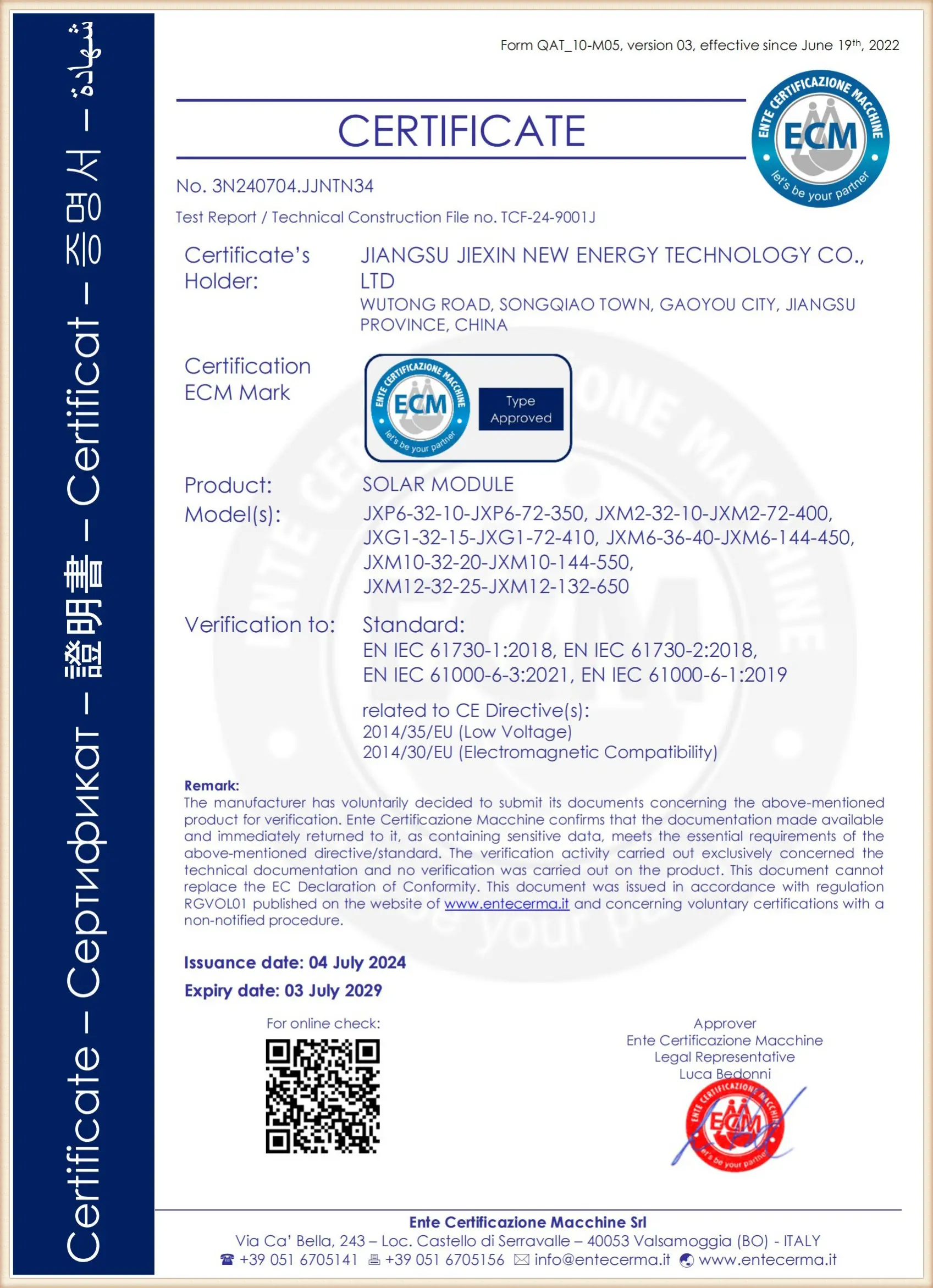
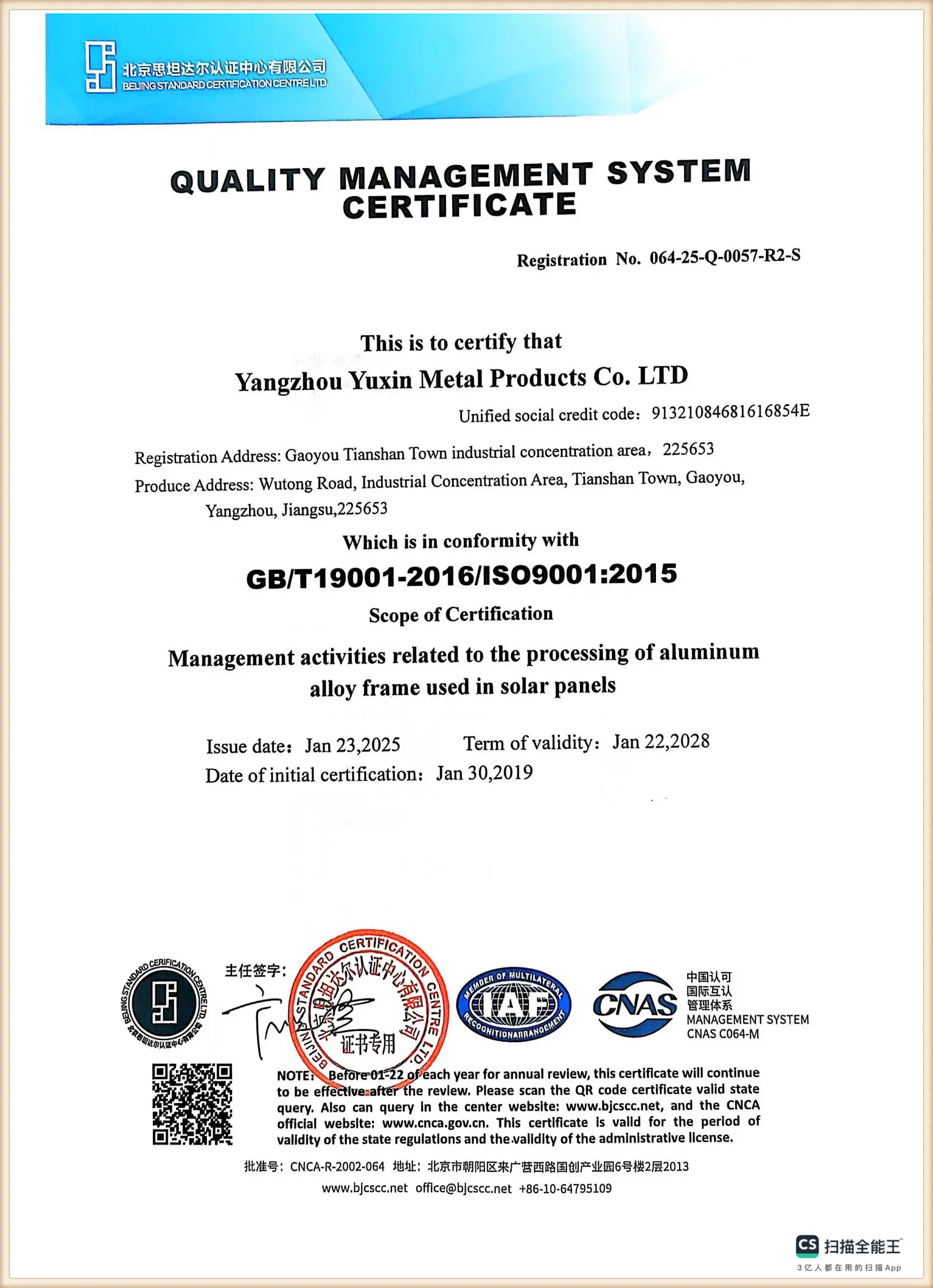
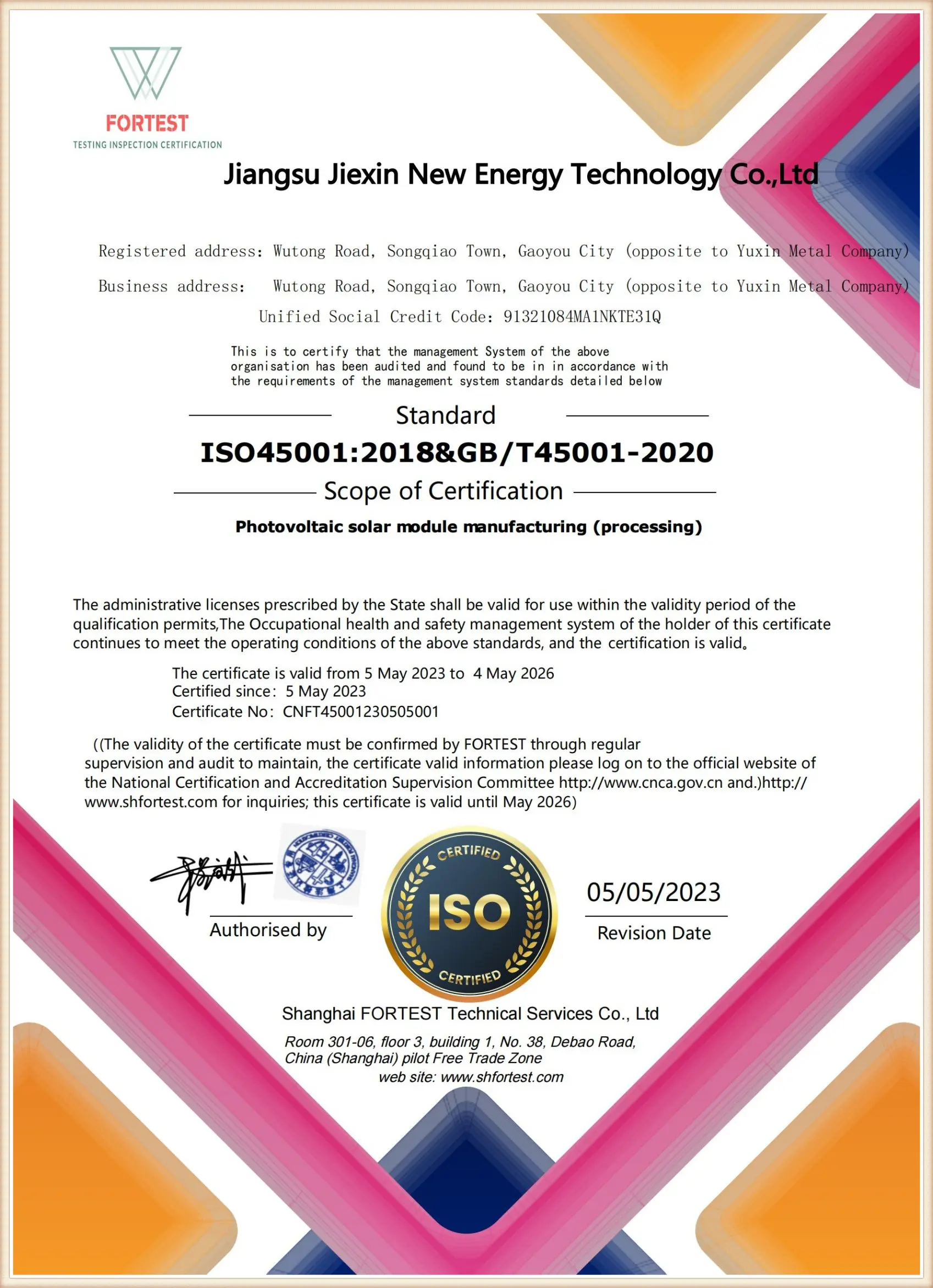
Collaborating with top enterprises globally to deliver end-to-end solar supply chain integration.



Key engineering, certification, and regulatory queries answered by our compliance team.
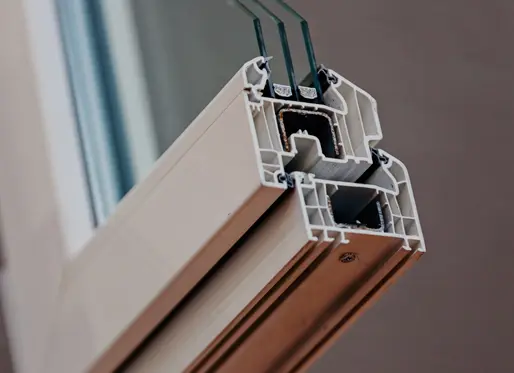
Discover the engineering requirements behind high-strength structural profiles, focusing on alloy composition, mechanical tolerance, and anodizing density.
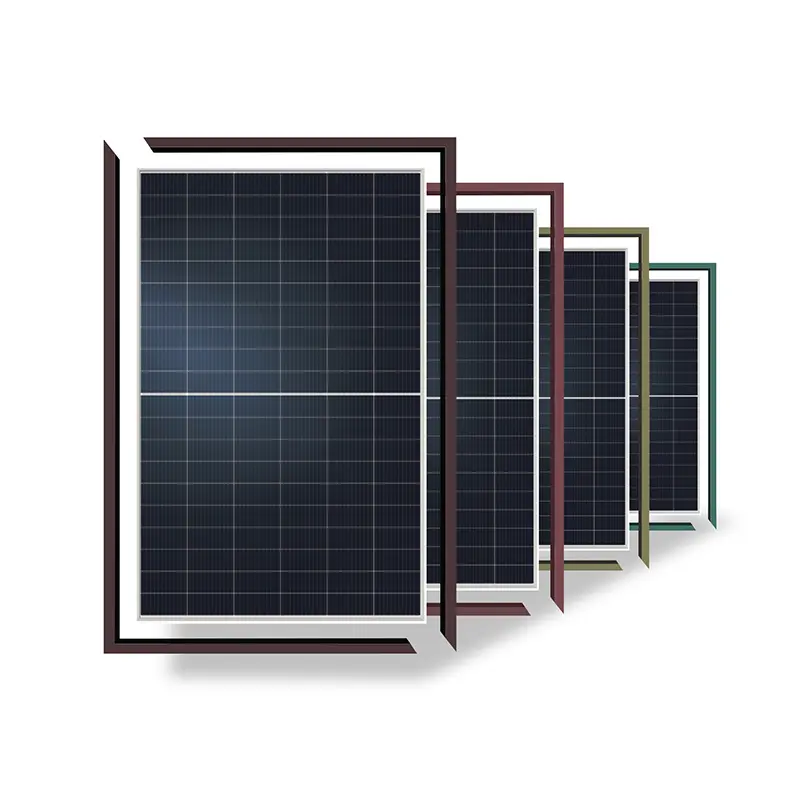
An analysis of factory audits, material standards, QA testing protocols, and logistical arrangements for global utility projects.
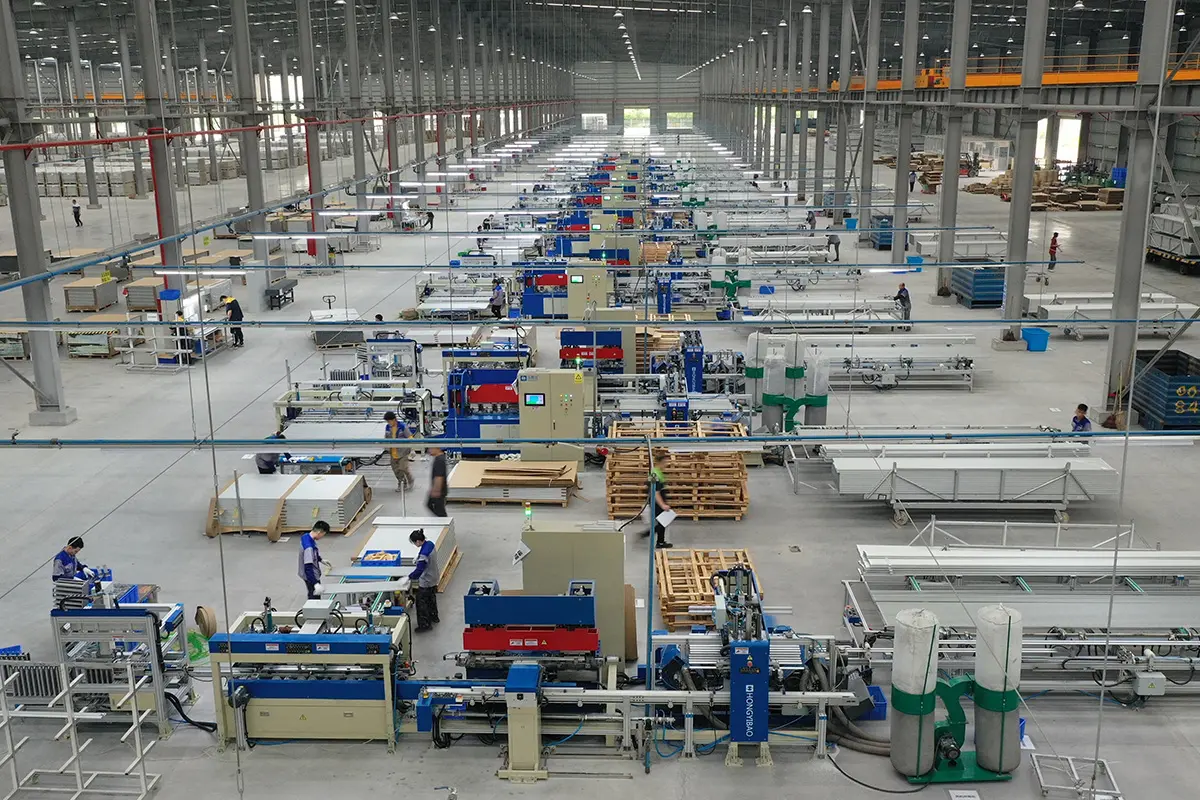
A review of standard quality procedures, micro-crack prevention methods, and structural testing standards.