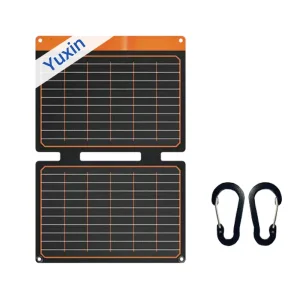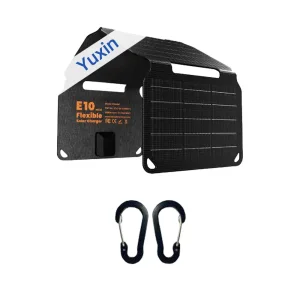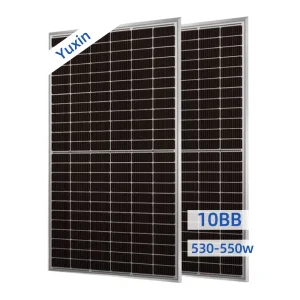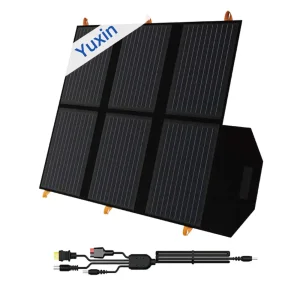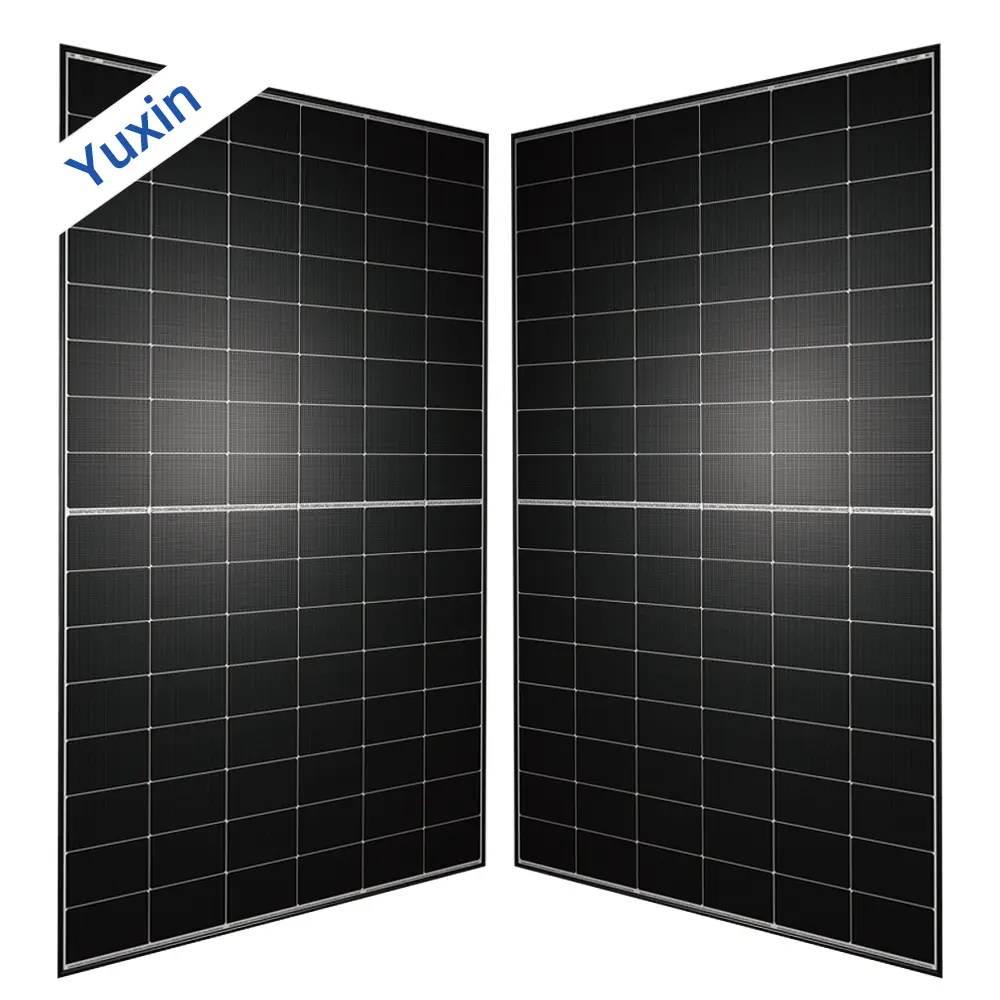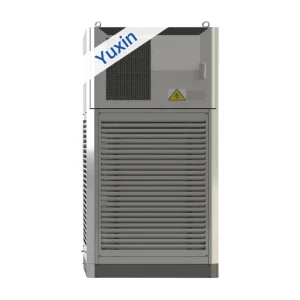
Explore high-capacity energy capture and modular storage units tailored to mitigate rolling blackouts and grid vulnerability.
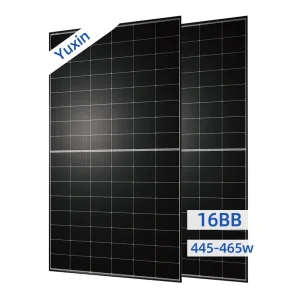
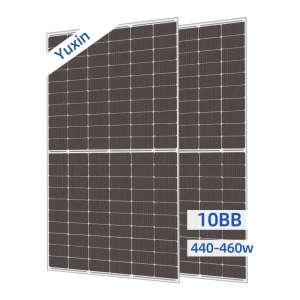
Global commerce is confronting an unprecedented challenge: grid degradation. As localized blackouts—commonly referred to as load shedding—escalate from rare emergency interventions to scheduled operations, companies require clean, reliable power systems. This document details the technical standards, supply chain dynamics, and product design criteria that help infrastructure projects maintain stability during severe grid disturbances.
Uninterrupted power operations rely on three main sub-systems: High-Efficiency Solar Capture (photovoltaic modules), Smart Energy Management (inverters and microgrid controllers), and Electrochemical Energy Storage (ESS battery racks). To build system resilience, designers must transition from simple backup generator sets to clean solar energy storage setups. Modern energy configurations focus on reducing levelized cost of storage (LCOS) while ensuring quick power handoffs (under 10ms) to protect sensitive electronics.
Deploying energy infrastructure requires careful alignment with local grid standards. Each region has specific requirements for grid connection, safety protocols, and structural engineering:
Precision, Quality, and Safety - Your Photovoltaic Materials Expert Since 2008
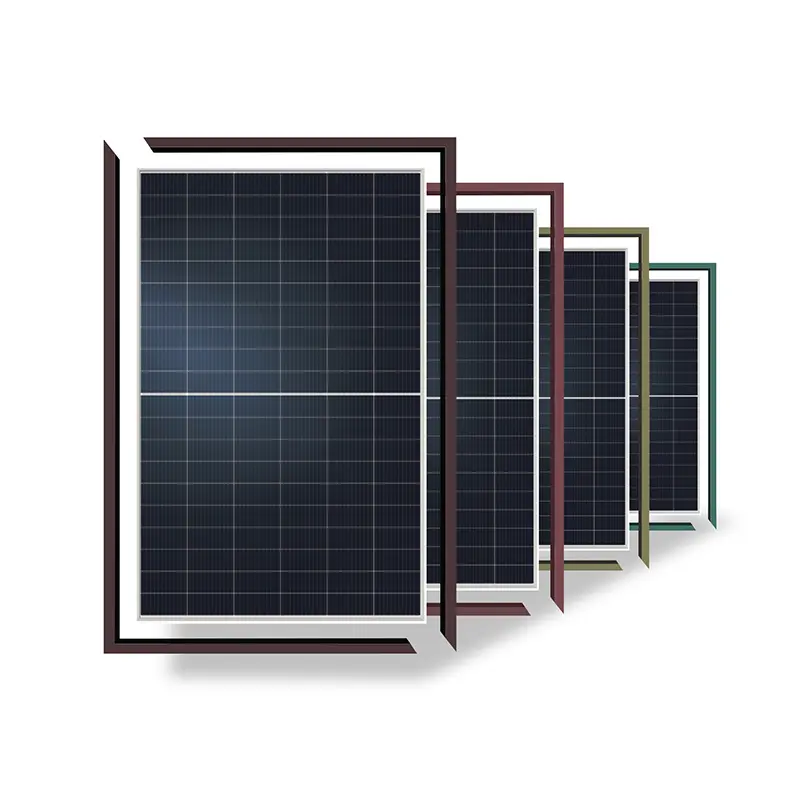
Located in the historic city of Yangzhou, near key transit networks like the Beijing-Shanghai Expressway and Runyang Yangtze River Bridge, the group operates 14 specialized subsidiaries, including Jiangsu Yuxin New Energy Technology Co., Ltd. Recognized as a National High-tech Enterprise and a Top 100 Private Enterprise in Gaoyou, we supply durable solar structural frames and complete energy solutions worldwide.
Rigorous verification metrics matching IEC, CE, and ISO compliance standards.
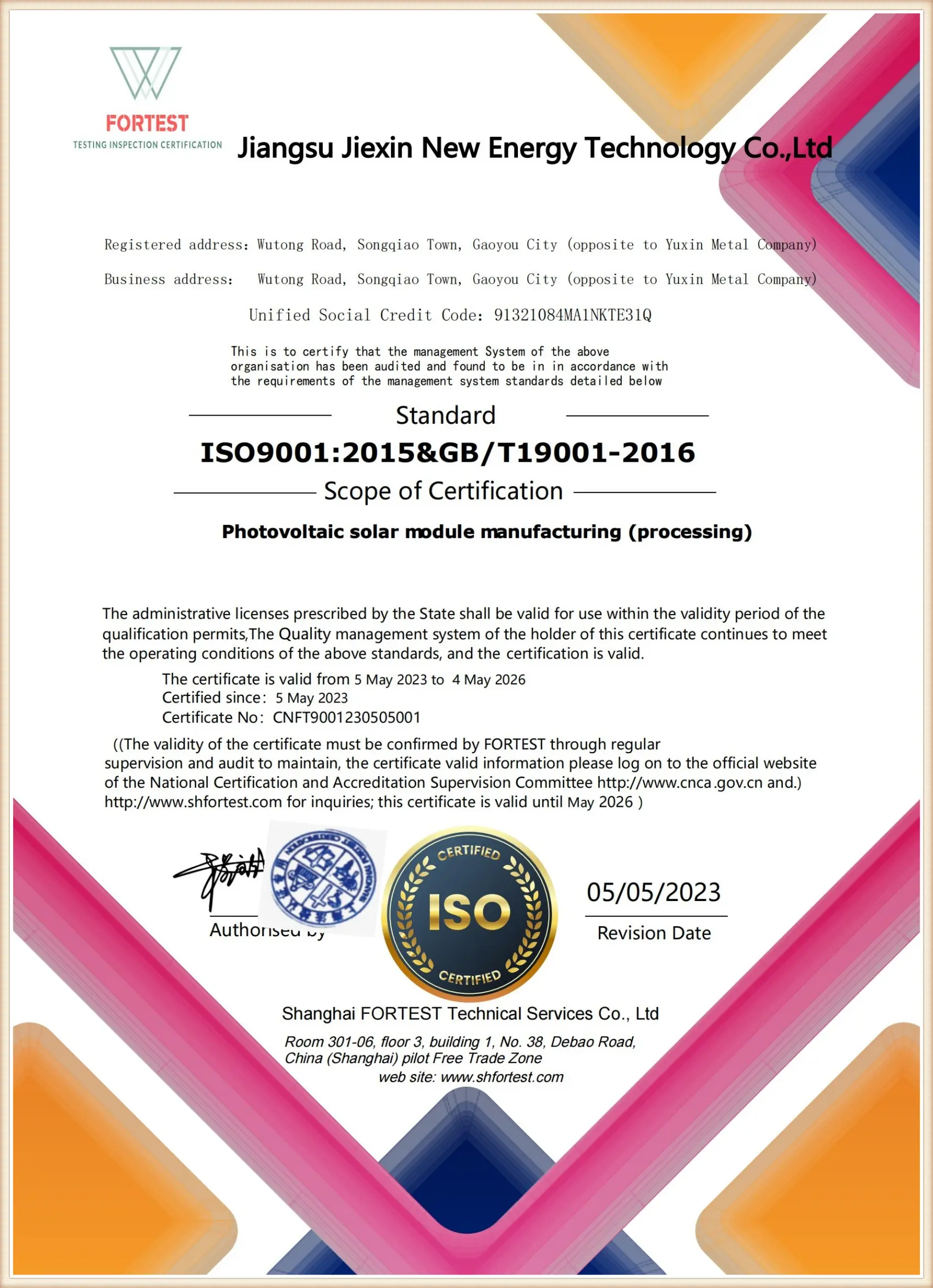
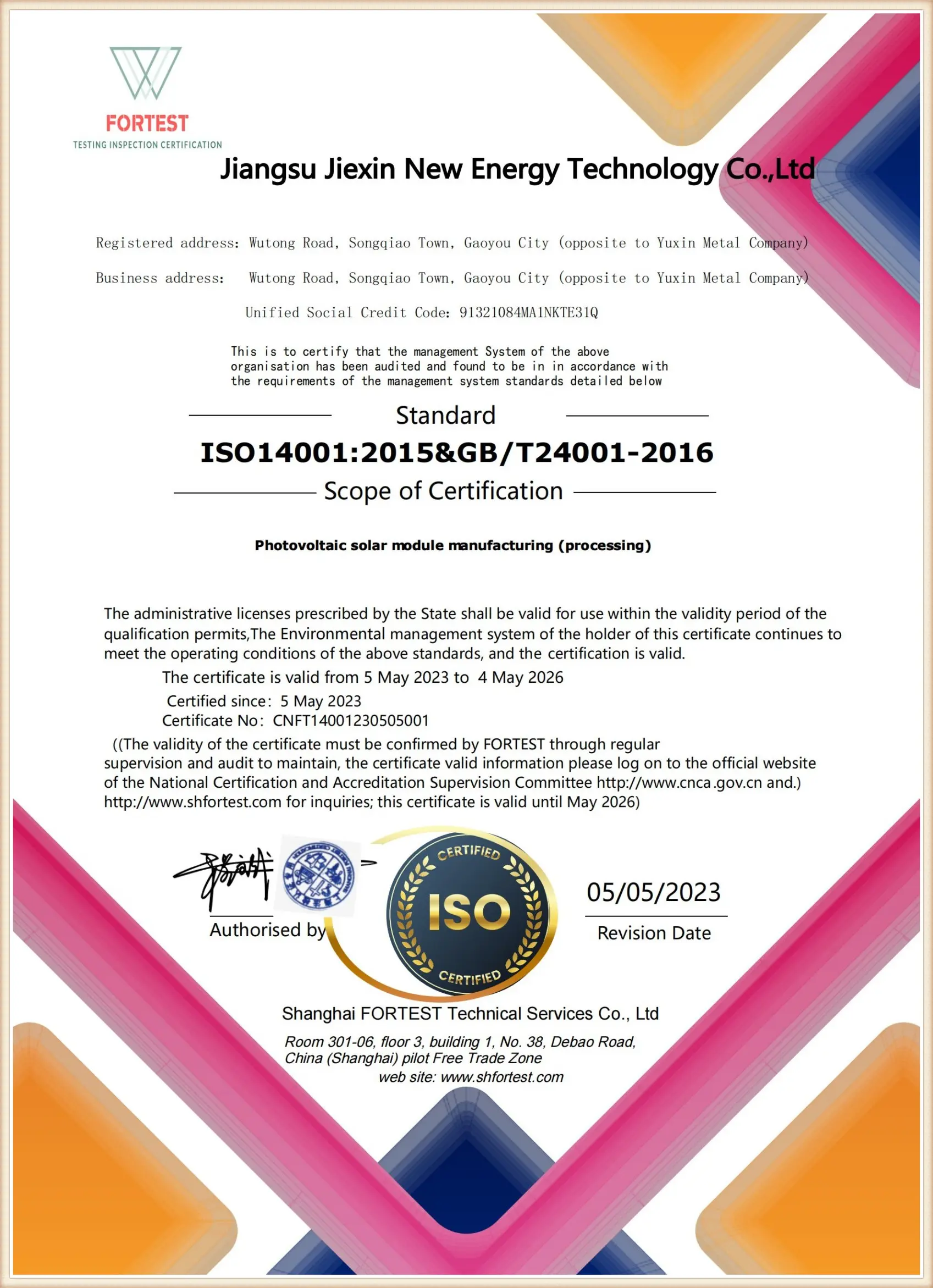
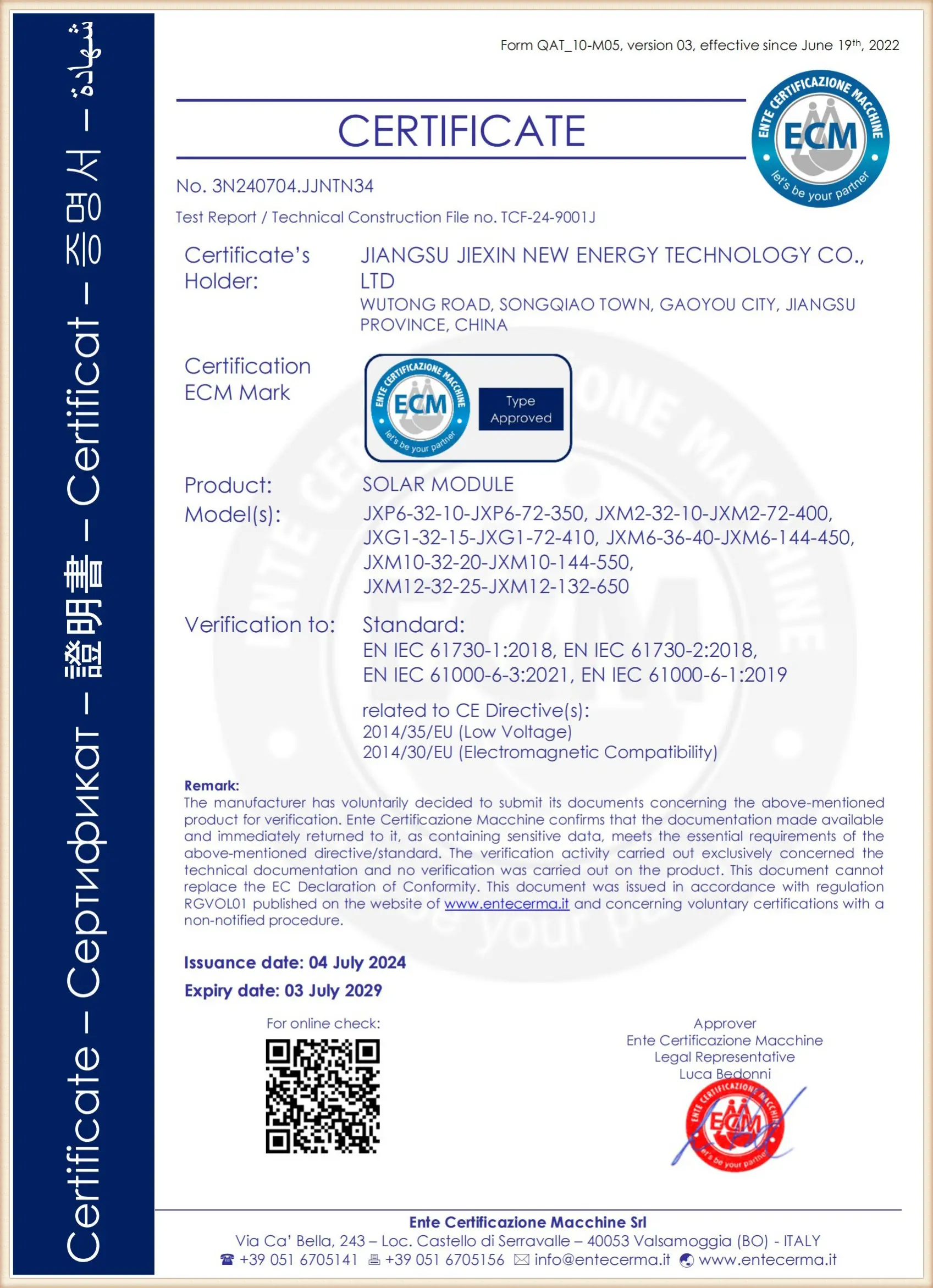
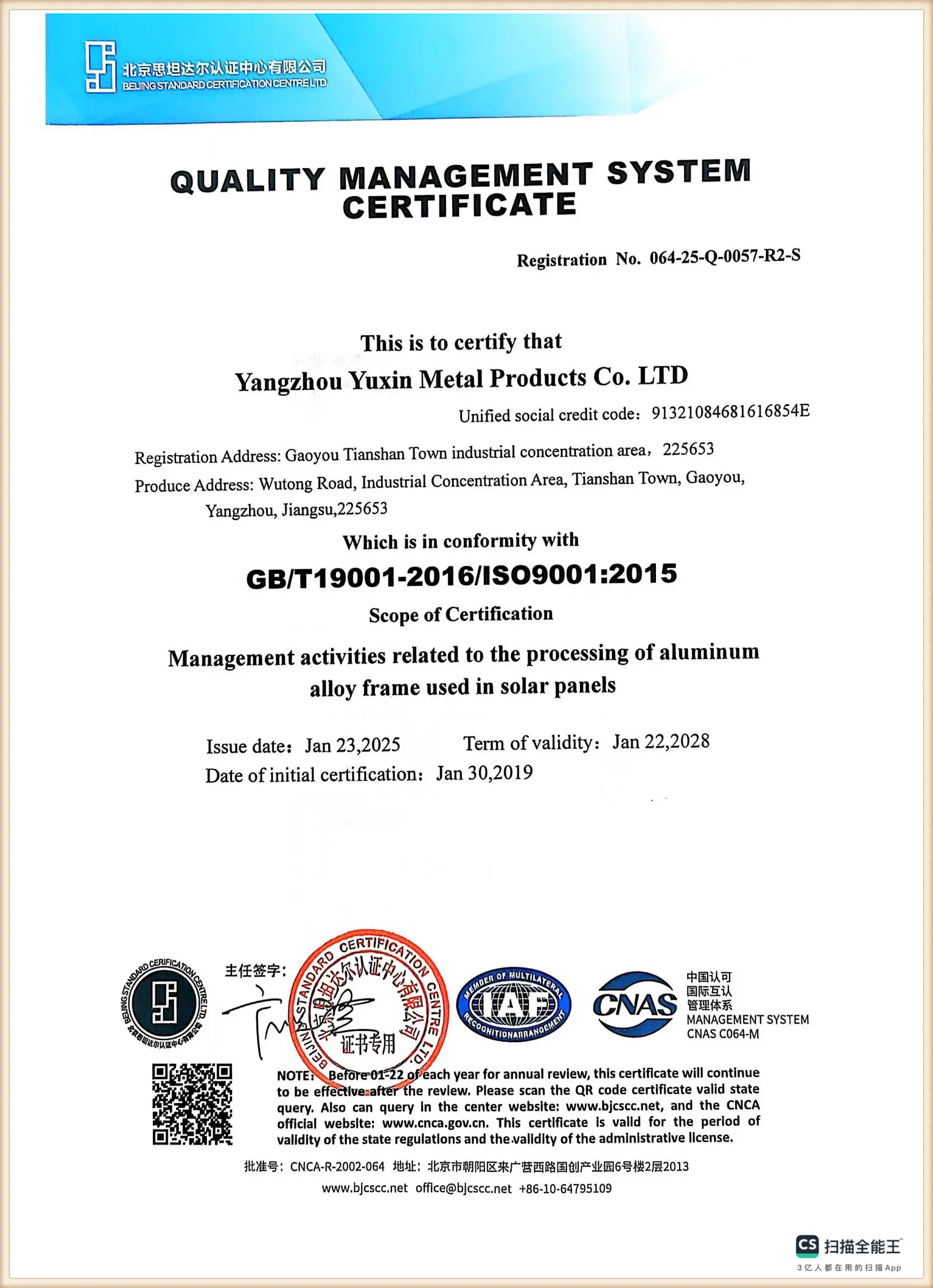
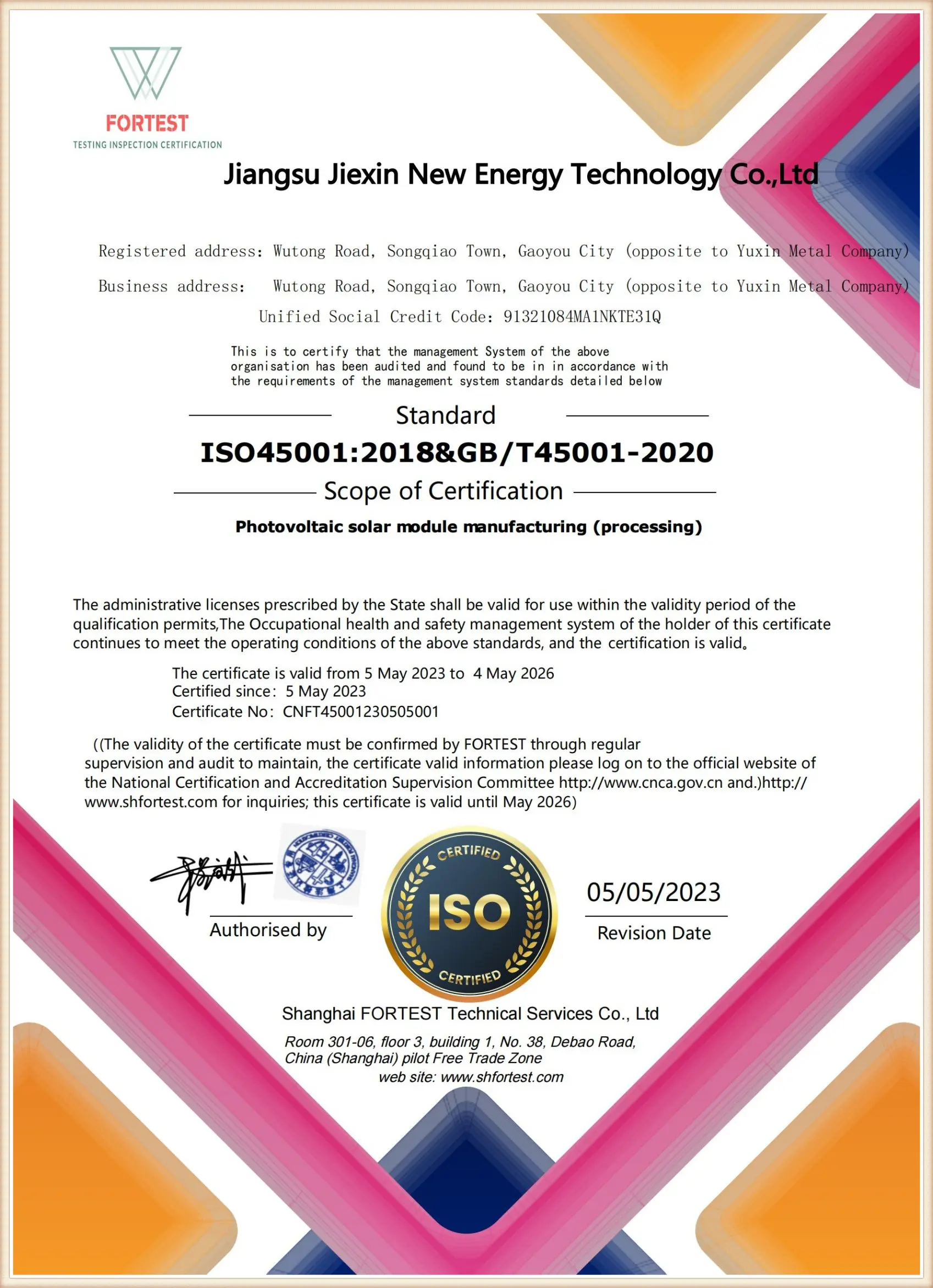
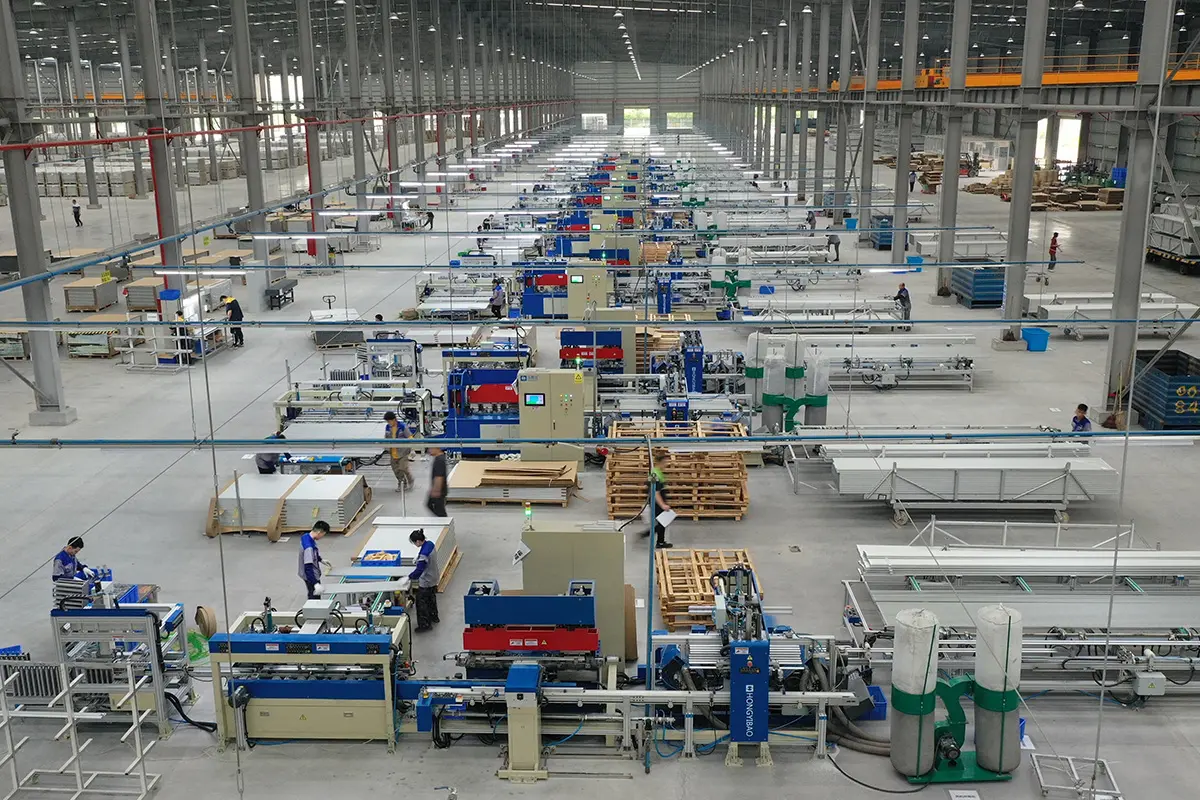
For large utility scale solar projects, supply chain reliability is just as important as cell efficiency. Operating out of Yangzhou, YUXIN leverages raw material access and advanced processing lines to deliver highly reliable components. Combining specialized aluminum extrusion factories with dedicated assembly facilities ensures short manufacturing lead times, even for custom configurations.
Our centralized manufacturing hub reduces internal transport steps, keeping shipping costs low. By working with direct steel and aluminum mills, we maintain consistent raw material quality and pricing, protecting buyers from market volatility during multi-stage projects.
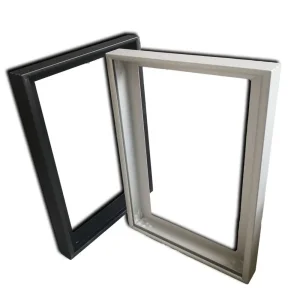
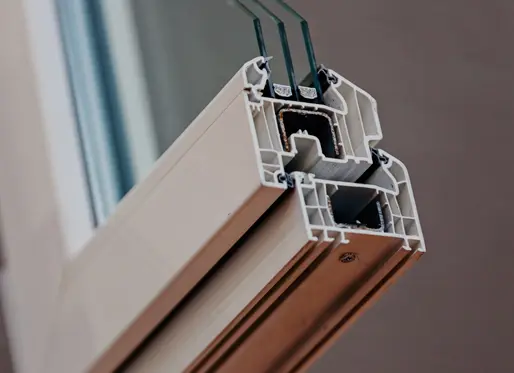
Purchasing managers must plan for varying regional requirements. Systems deployed in harsh environments require specialized materials. For instance, solar structures near marine environments require anodized aluminum (6063-T5 or 6005-T6) or composite polyurethane frames to resist corrosion. In high-snow regions, mechanical load-bearing capacity must support up to 5400 Pa to prevent micro-cracking in TOPCon silicon wafers.
Reliable power systems tailored to support critical sectors during rolling grid outages.
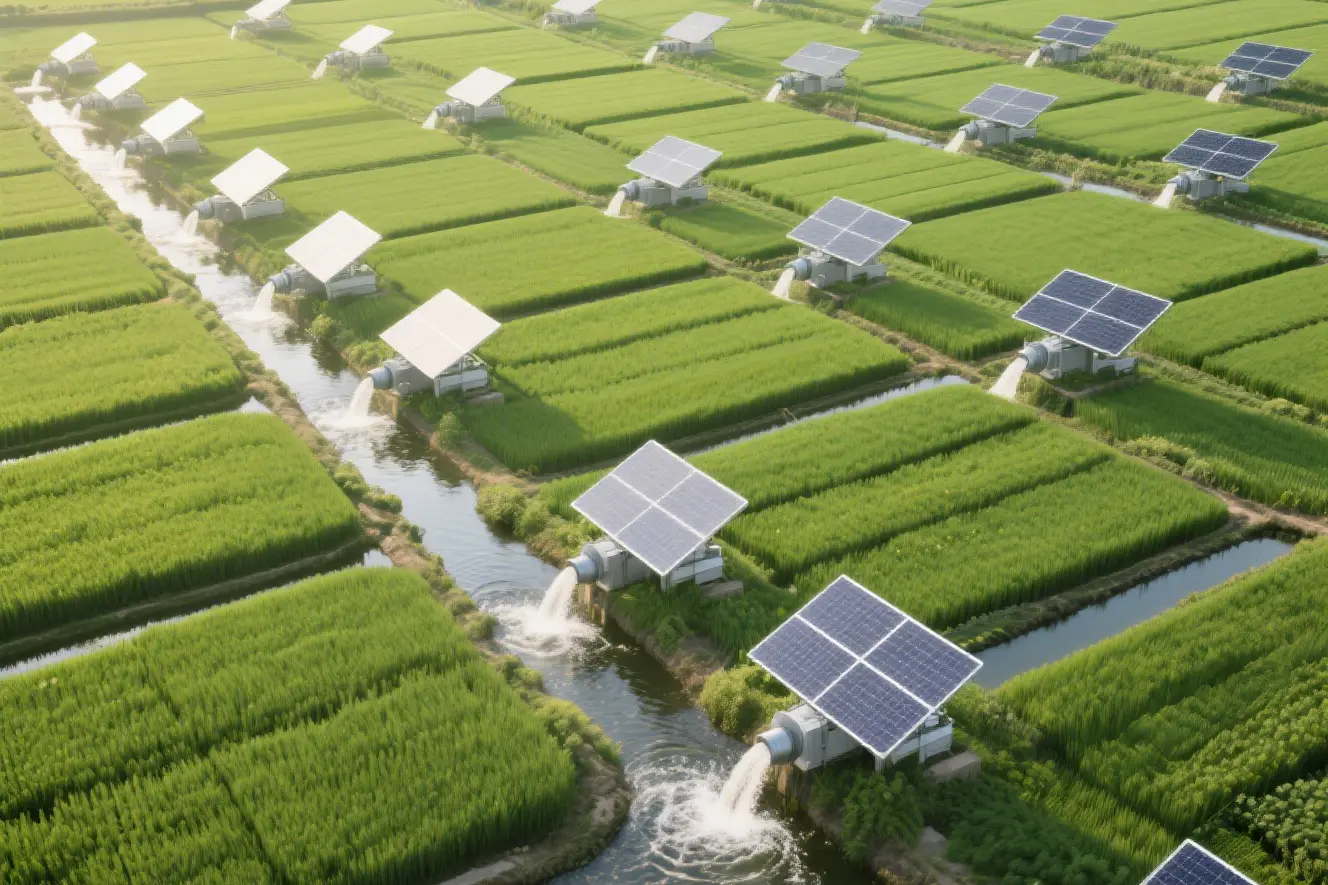
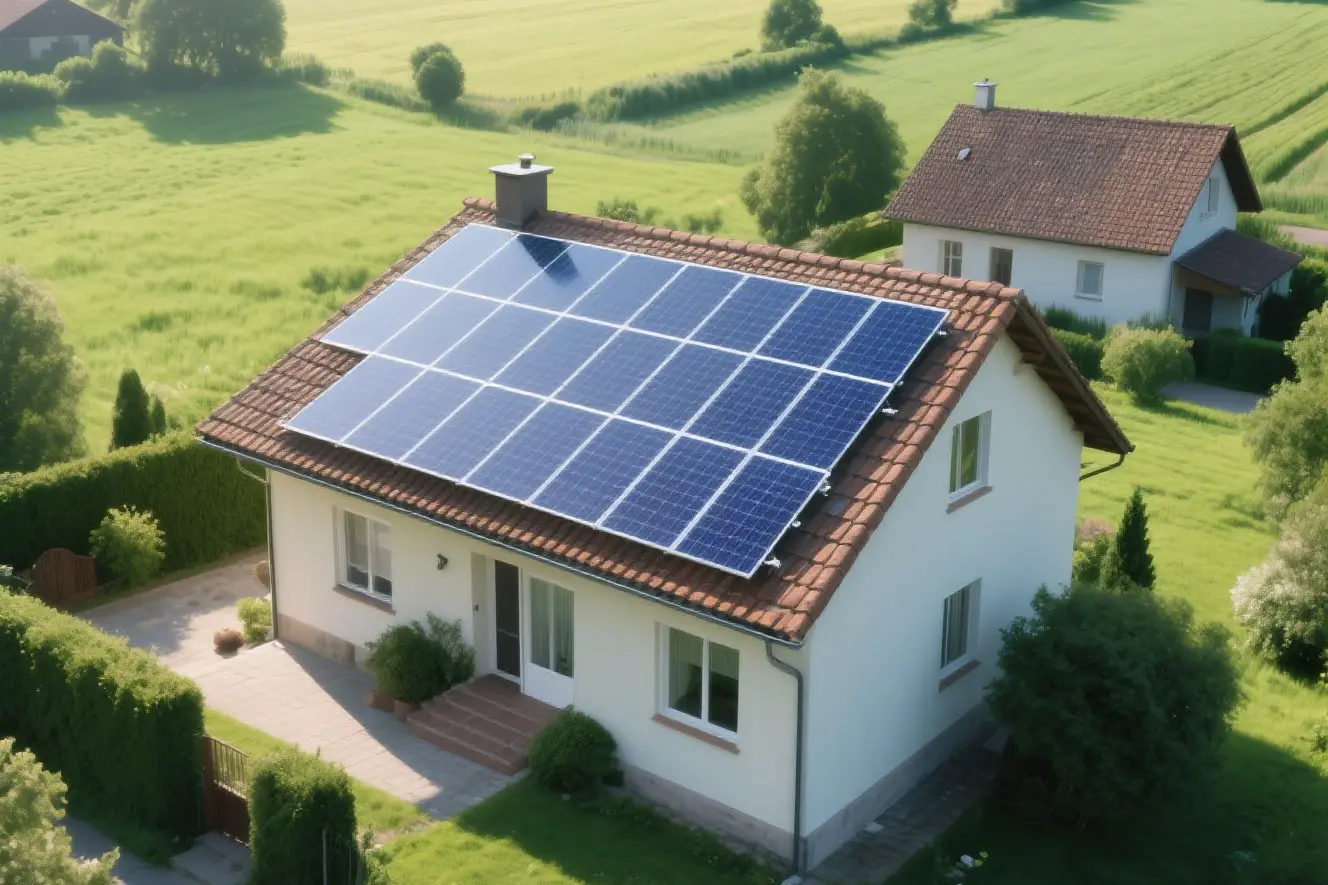
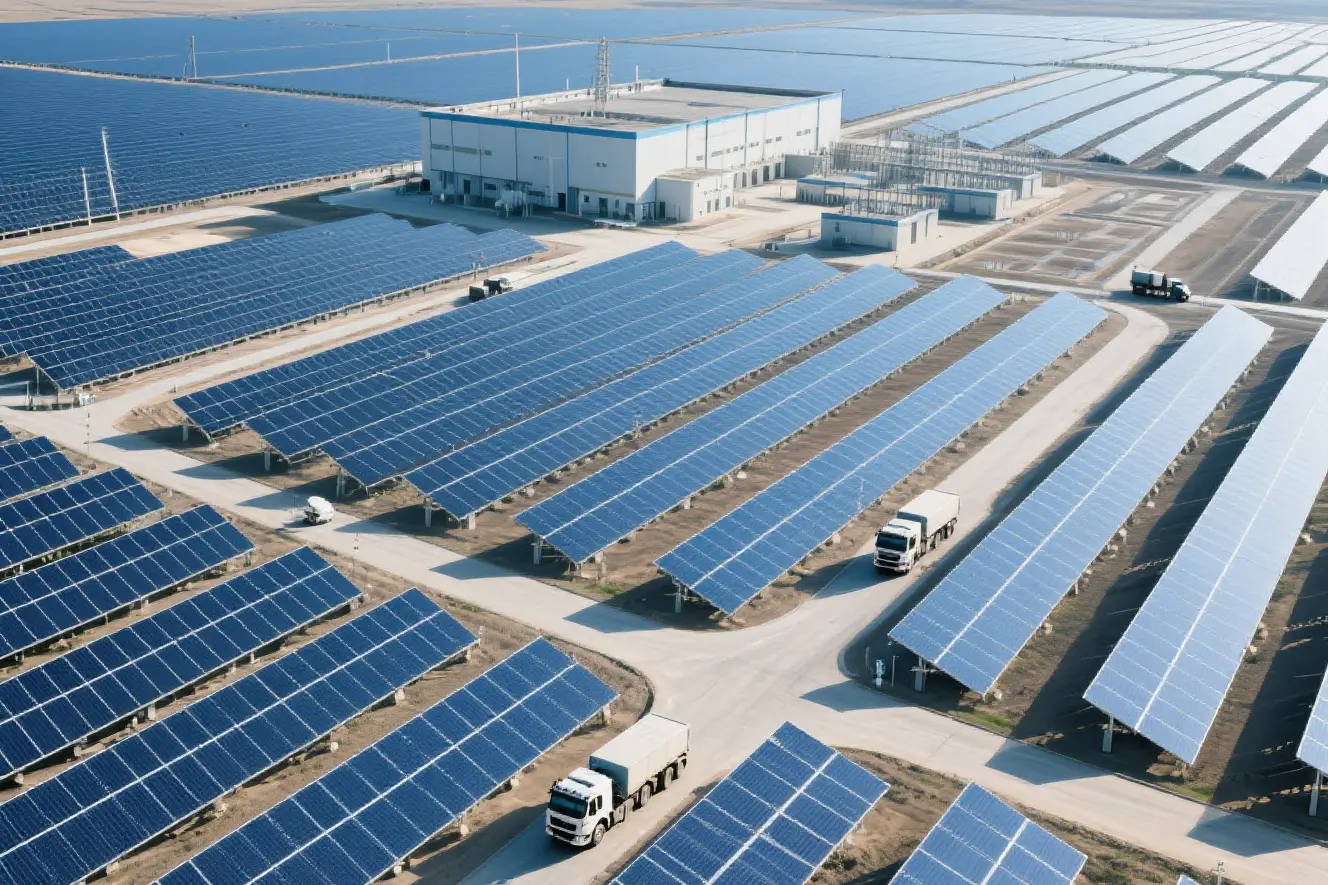
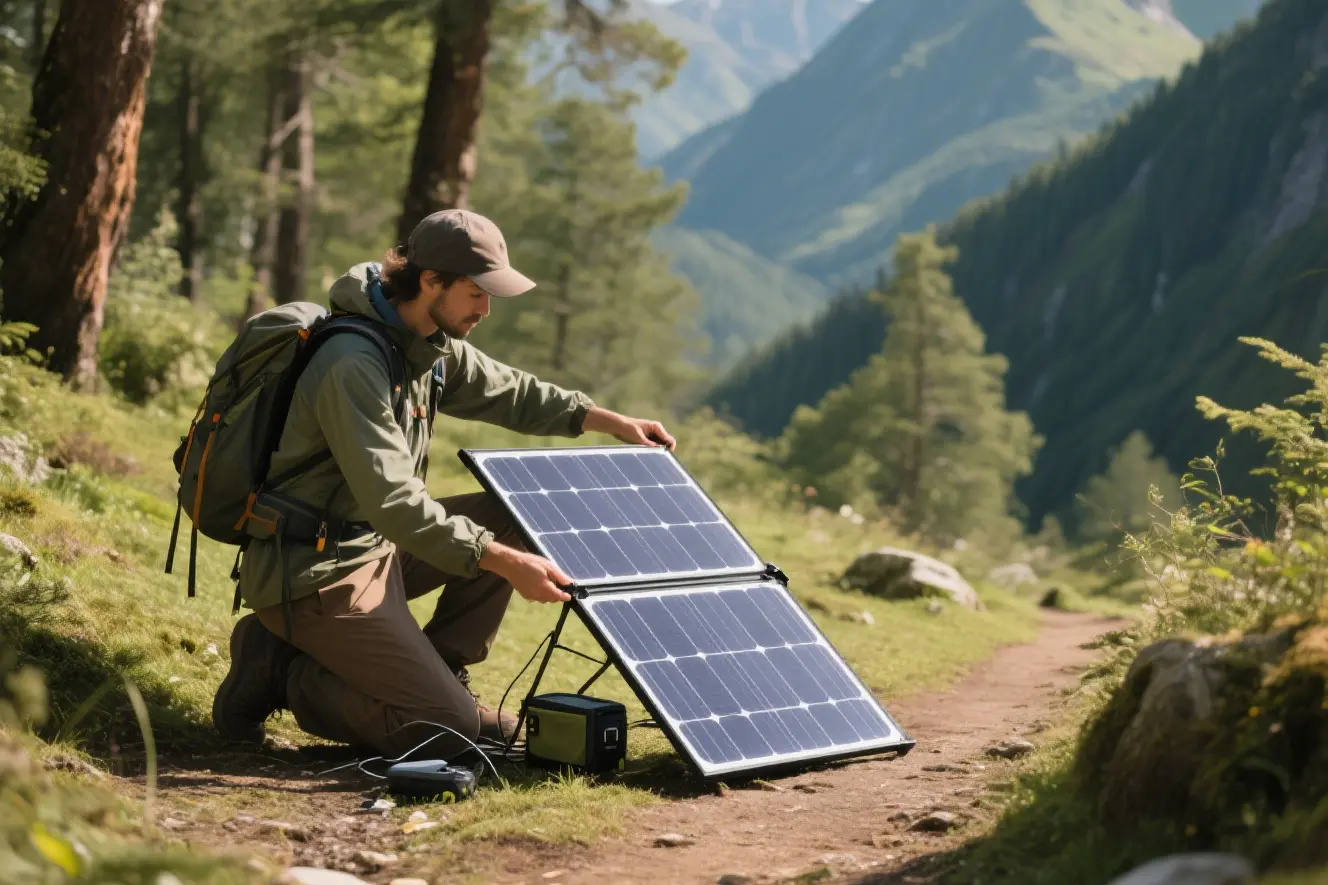
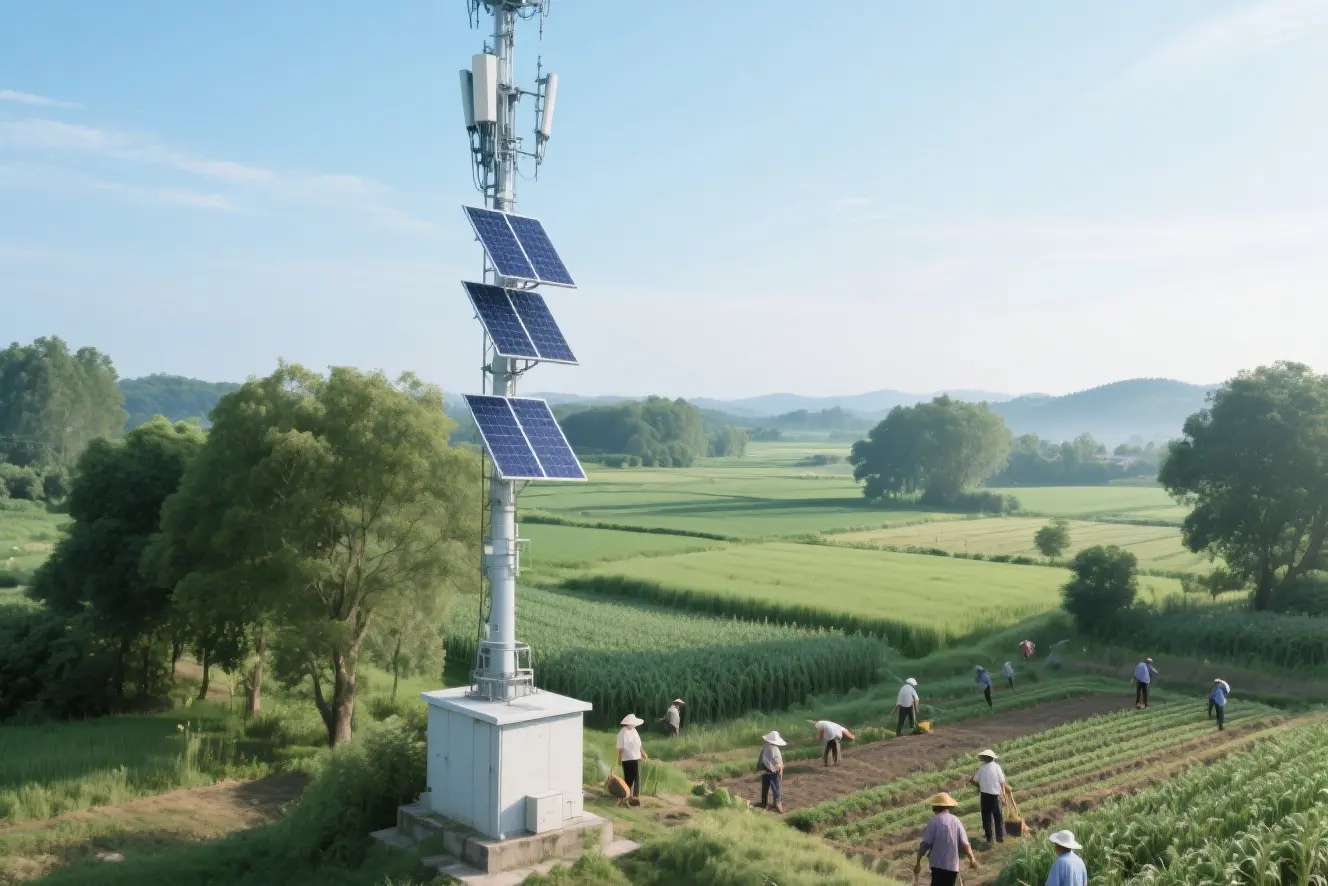
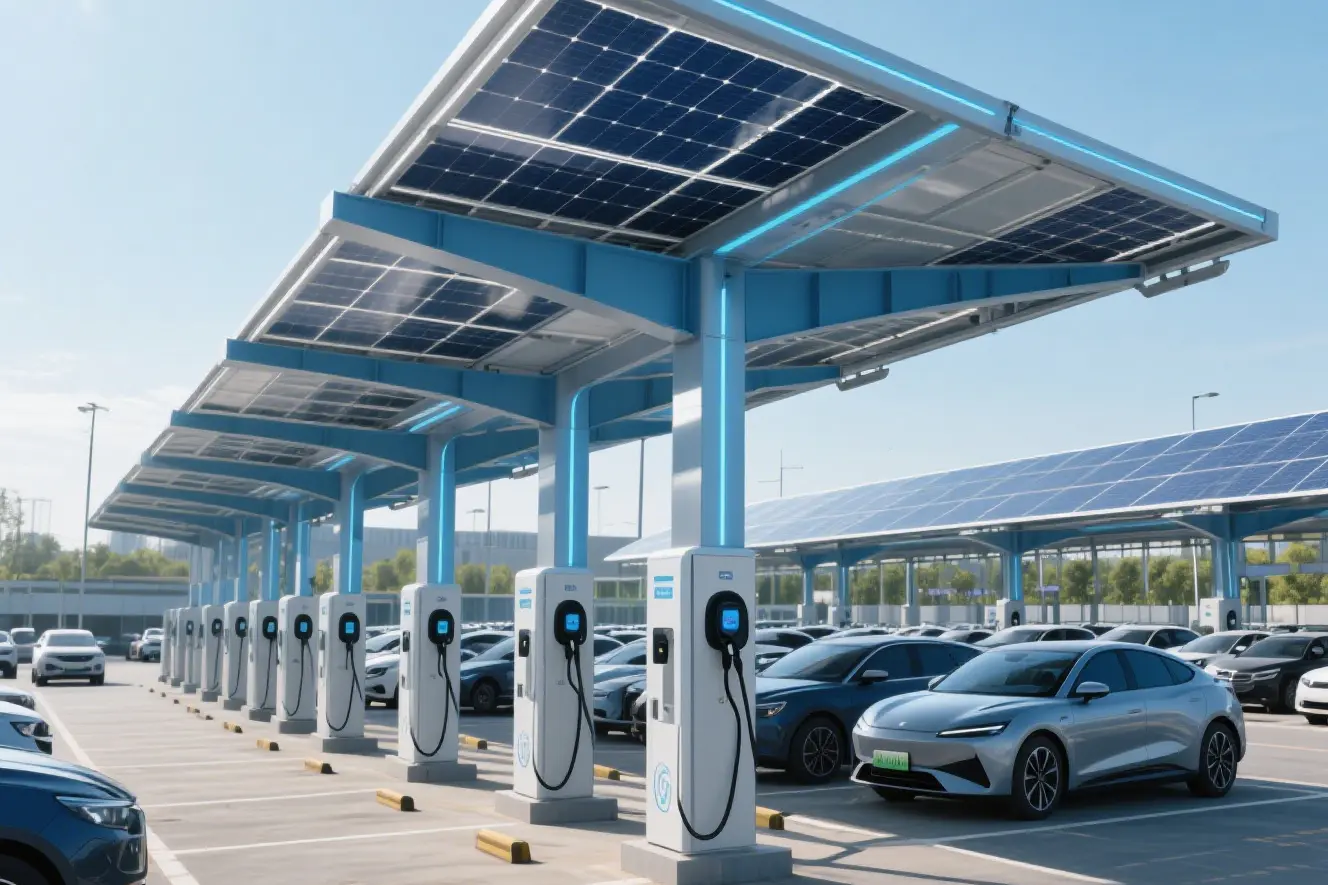
How the market is adapting to chronic grid failures and decentralized power generation.
The transition from p-type PERC to n-type TOPCon monocrystalline cells continues to accelerate. With cell efficiencies now reaching 24.5% to 25.5%, these panels generate more electricity per square meter, making them ideal for spaces with layout constraints during load shedding.
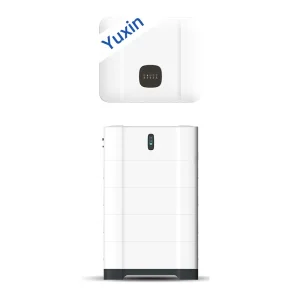
Standard static batteries are being replaced by modular commercial energy storage systems. Modular setups allow businesses to scale their storage capacity alongside growing operations, matching battery sizing to regional load shedding schedules.
Alternative structural materials like polyurethane pultruded composites are growing in popularity. These alternatives reduce structural weight while offering excellent corrosion resistance, helping to lower total cost of ownership in demanding environments.
Connecting with industrial installers, EPC contractors, and distribution partners worldwide.
Keep pace with emerging solar frame materials, inspection criteria, and supply chain choices.
Expert answers regarding project design, material selection, and procurement parameters.
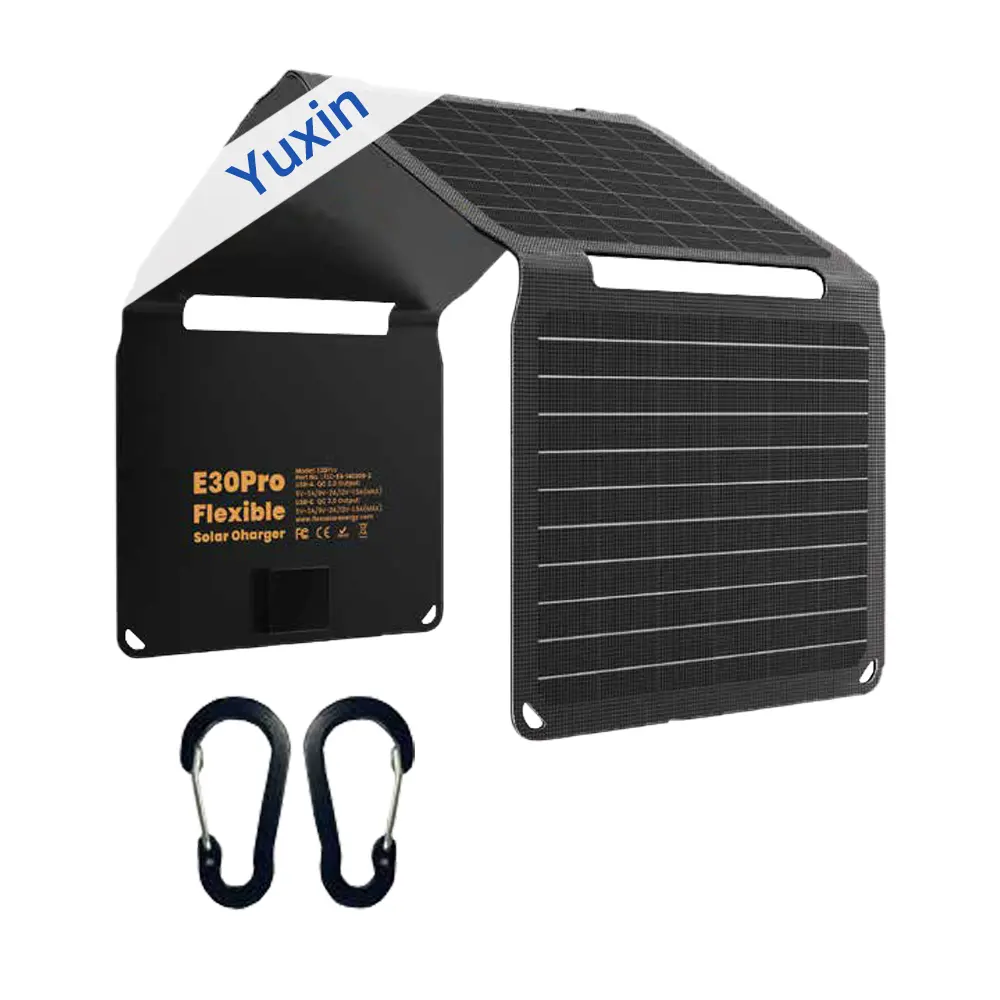
Explore auxiliary equipment, mounting systems, and mobile power components.