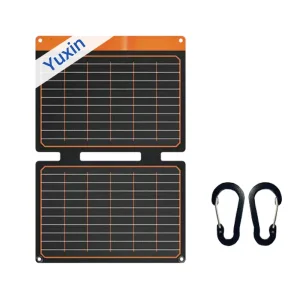
Engineered for absolute resilience, high efficiency, and rapid deployment in non-grid-connected regions.
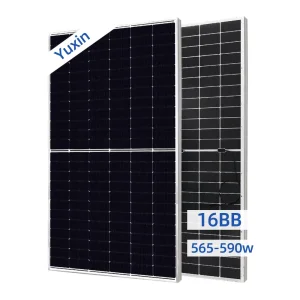
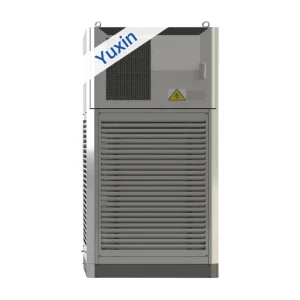
A deep technical guide on designing, pricing, and manufacturing high-performance off-grid photovoltaic power plants, energy storage nodes, and support profiles.
Utilizing N-type Tunnel Oxide Passivated Contact (TOPCon) silicon cells to achieve up to 24% conversion rates. Minimal temperature coefficients guarantee steady off-grid output in extreme temperature conditions.
Smart LFP (Lithium Iron Phosphate) battery chemistry combined with hybrid high-efficiency inverter topologies. System scales dynamically from 10kWh residential micro-grids up to 60kW commercial backup arrays.
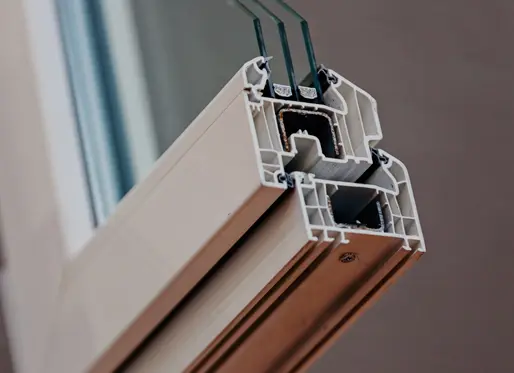
Engineered pultruded polyurethane composite frames and 6063-T5 anodized aluminum structures. Specially developed to handle high wind shear, salt fog marine corridors, and high snow loads.
In the contemporary landscape of decentralized utility models, planning off-grid power solutions is no longer a matter of simply pairing a standard photovoltaic panel with a generic lead-acid battery block. The modern approach is characterized by systemic intelligence, strict load forecasting, and micro-grid architecture designed to sustain high operations over long timelines (typically 25+ years).
Whether configuring remote cabin power for custom mountain residential properties, emergency telecommunication arrays, or agricultural water pumping grids, designers must address the fundamental constraints of seasonal solar variance. Our research-driven approach centers around minimizing the Balance of System (BOS) installation costs while maximizing energy output per square meter. To do this, integrating high-efficiency N-type Bifacial cells with multi-busbar (MBB) topology has become standard practice.
The transition from conventional p-type PERC (Passivated Emitter and Rear Cell) structures to advanced n-type TOPCon (Tunnel Oxide Passivated Contact) arrays represents a significant leap forward in off-grid power engineering. N-type silicon wafers show virtually zero Light-Induced Degradation (LID) and LeTID (Light and Elevated Temperature Induced Degradation). This is crucial for remote sites where scheduled maintenance calls represent high labor expenses.
Furthermore, the bifaciality factor of our dual-glass n-type TOPCon modules exceeds 80–85%. This allows installers to harvest ground-reflected albedo light on the rear panel surface. When combined with snow cover, light-colored sand, or gravel, back-side yield can generate up to 25% additional power. This significantly shortens the capital return period and ensures stable battery charging even when the front surface is partially obscured by snowfall or dust.
A professional guide for developers to select configuration classes based on daily load requirements and system budgets.
| System Type | Target Application | Solar Panel Config | Storage Capacity | Inverter Spec | Est. Unit Cost (FOB) |
|---|---|---|---|---|---|
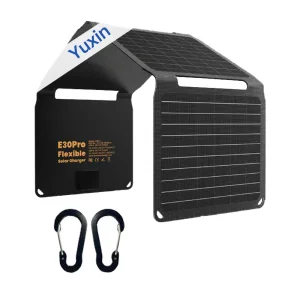
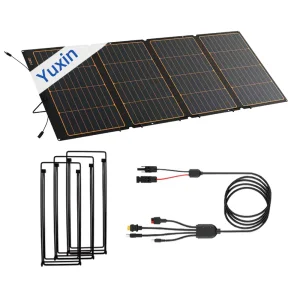
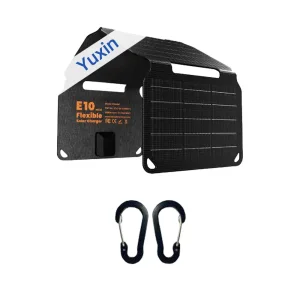
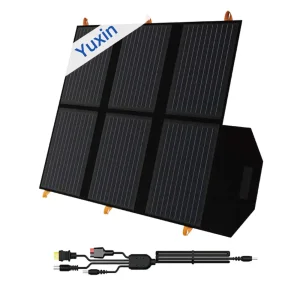
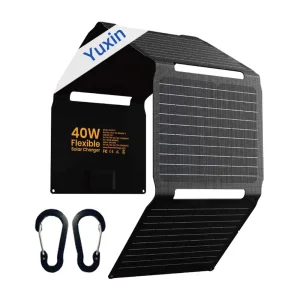
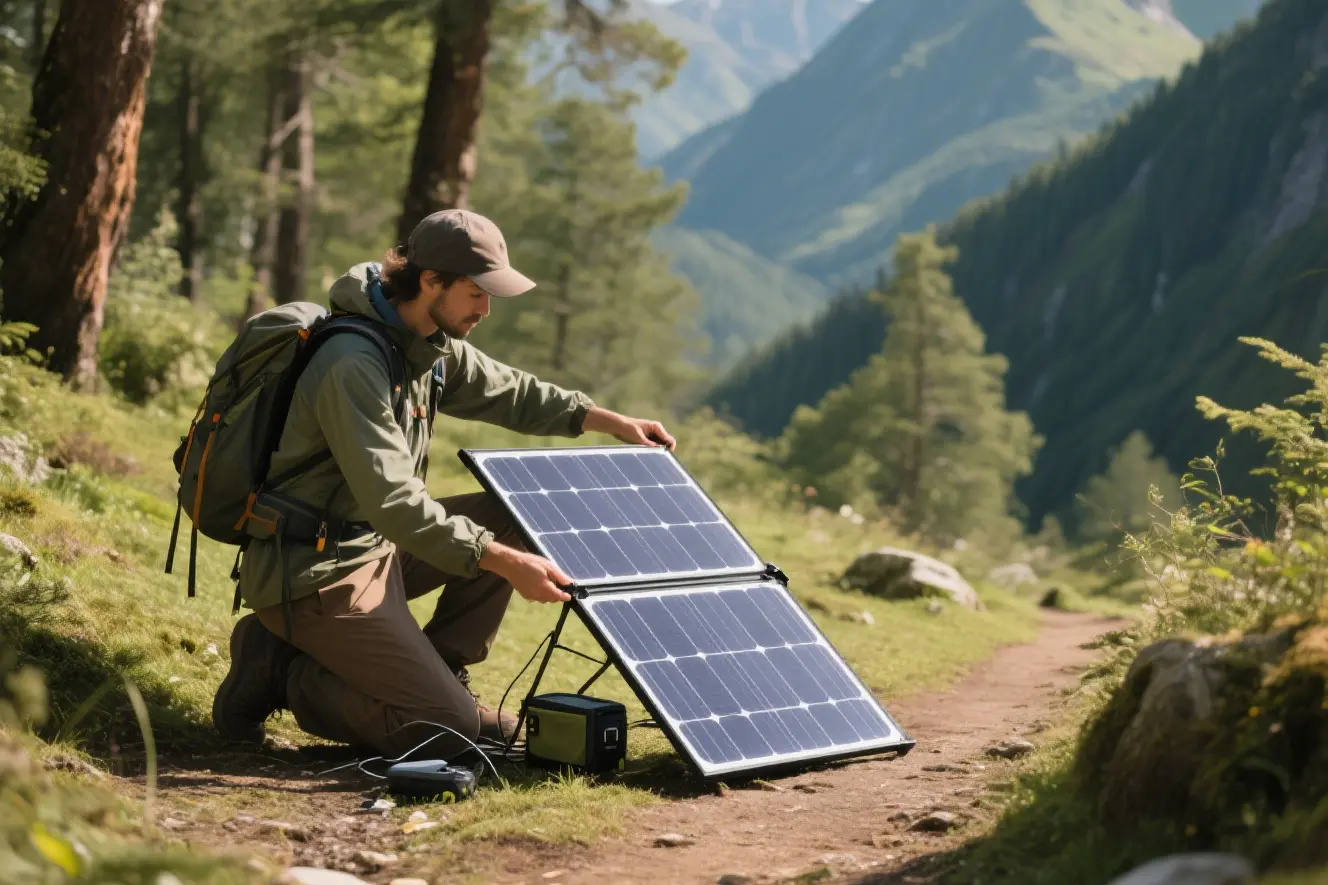
| Micro-Outdoors | Backpacking, Smart Device Charging | 10W - 60W Foldable Pack | Direct Output / Powerbank | Built-in USB / DC 5V | $25 - $95 |
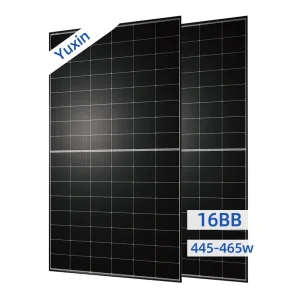
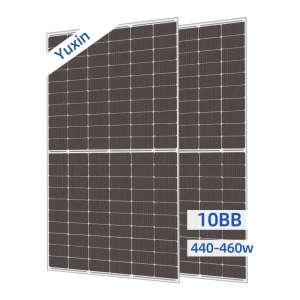
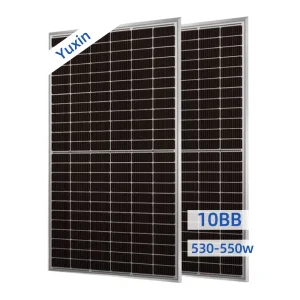
| Basic Cabin | Lighting, Small Appliances, Starlink | 445W - 550W Mono Module | 5.12 kWh LiFePO4 | 3 kW Off-Grid Pure Sine Wave | $1,200 - $1,800 |
| Medium Off-Grid Res | Water Pump, Refrigeration, HVAC | 3 kWp - 5 kWp TOPCon Array | 15 kWh - 30 kWh Stacked | 8 kW Hybrid Split Phase | $4,500 - $7,200 |
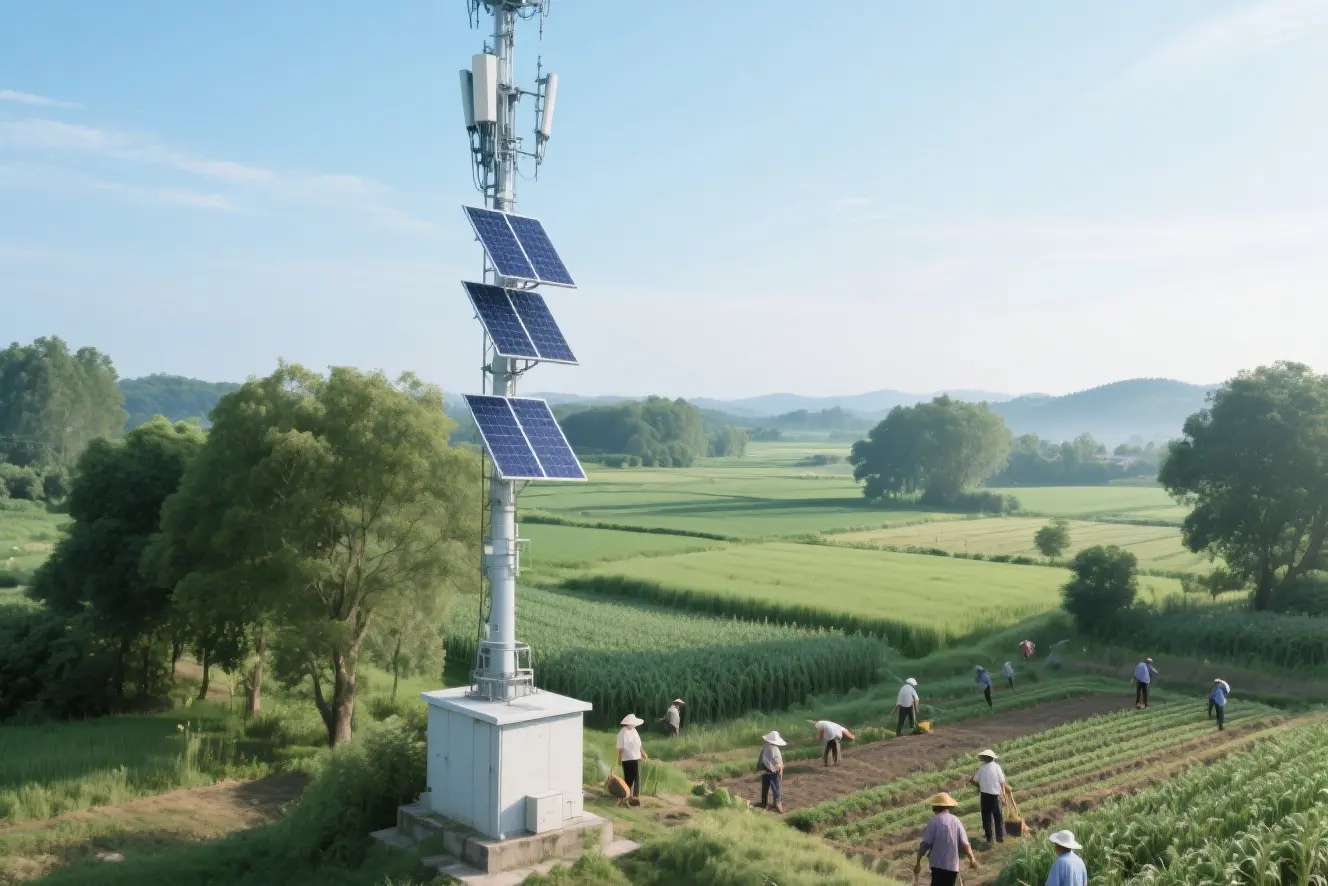
| Industrial / Agri Node | Telecommunications, Eco-Resorts | 10 kWp - 30 kWp Dual Glass | 60 kWh - 120 kWh Containerized | 30 kW - 60 kW Three Phase | $15,000 - $45,000 |
China continues to sit at the absolute center of the global green energy supply chain. Jiangsu province, particularly the historical hub of Yangzhou, has established itself as an epicenter for photovoltaic components, structural aluminum pultrusion, and advanced lithium battery assembly. This localized industry cluster yields dramatic cost and logistical advantages for international procurement teams.
In Yangzhou, raw materials like silicon ingots, solar glass, composite frame binders, and anodized aluminum profiles are produced within a 50-kilometer radius. This geographic proximity drastically reduces the carbon footprint and transportation costs associated with intermediate manufacturing stages. The logistical ease of shipping via the Yangtze River ports straight to global trade routes helps reduce Lead Time and Freight Cost overhead.
Unlike single-line production facilities, large Chinese consortiums support a high mix of manufacturing options. Whether a buyer needs custom-colored anodized aluminum frames for high-end architectural cabins or high-durability composite materials for salt-mist coastal applications, the tooling, extrusion, and testing infrastructure are already in place. This flexibility makes rapid prototyping and volume scaling simple to coordinate.
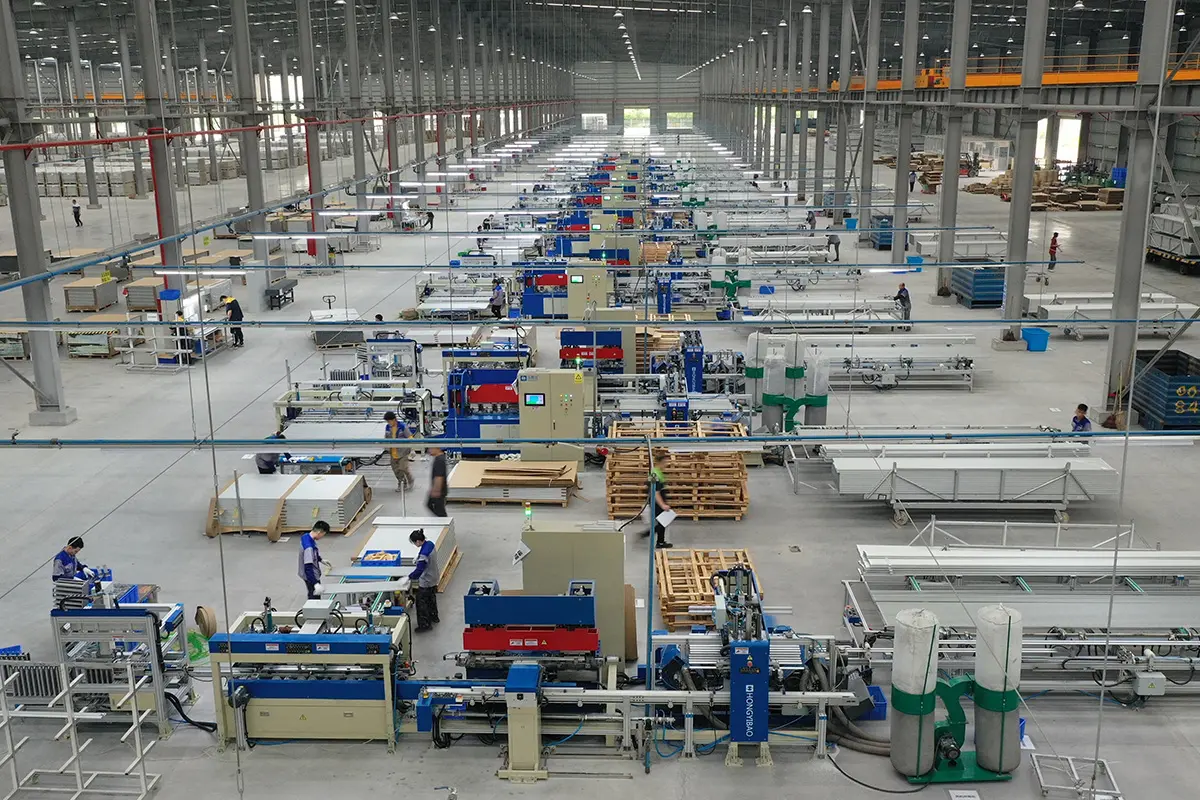
Experience our advanced manufacturing environment in Jiangsu, China.
Our products conform to globally recognized testing protocols, ensuring safe operation and long lifetimes.
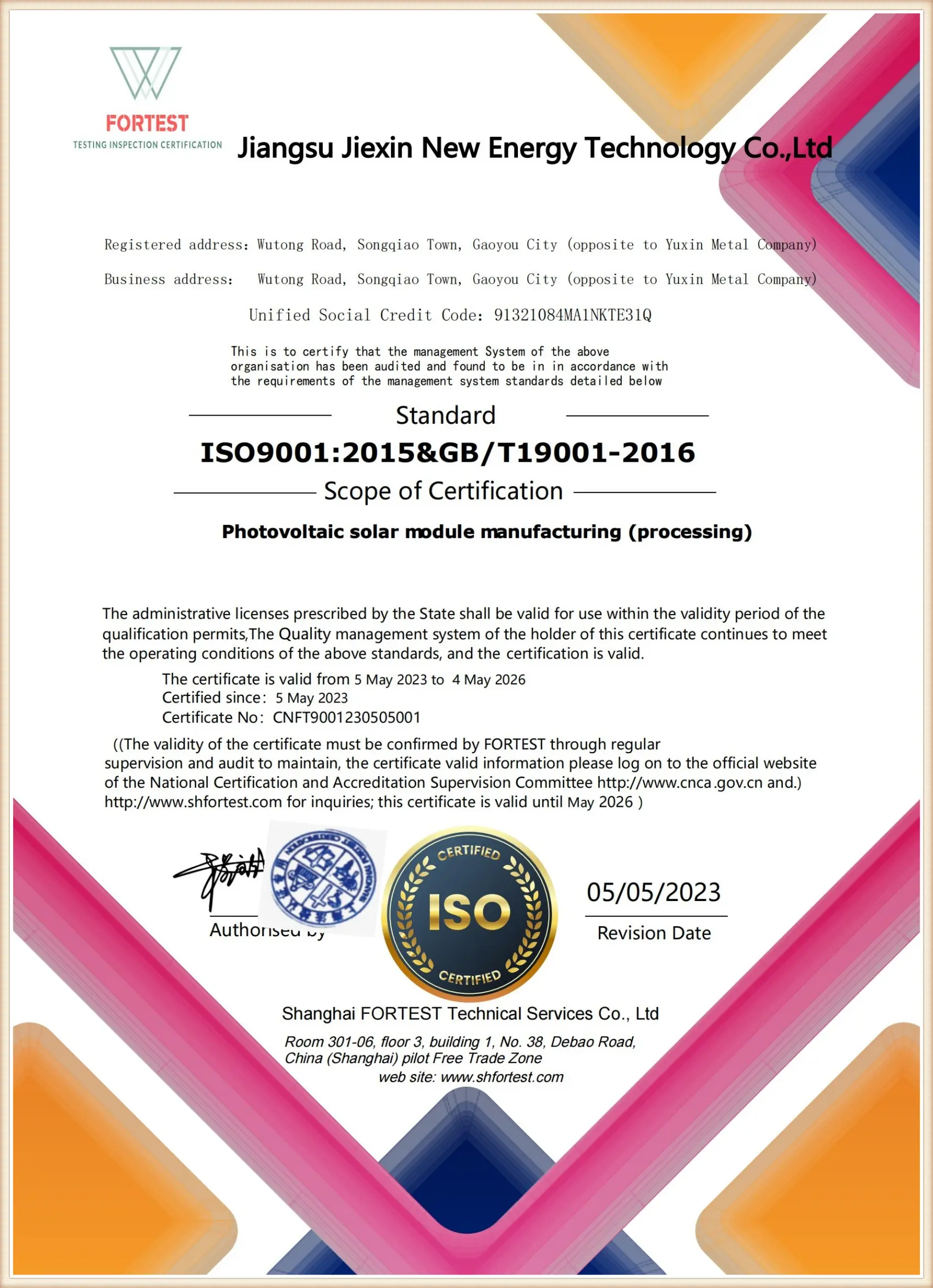
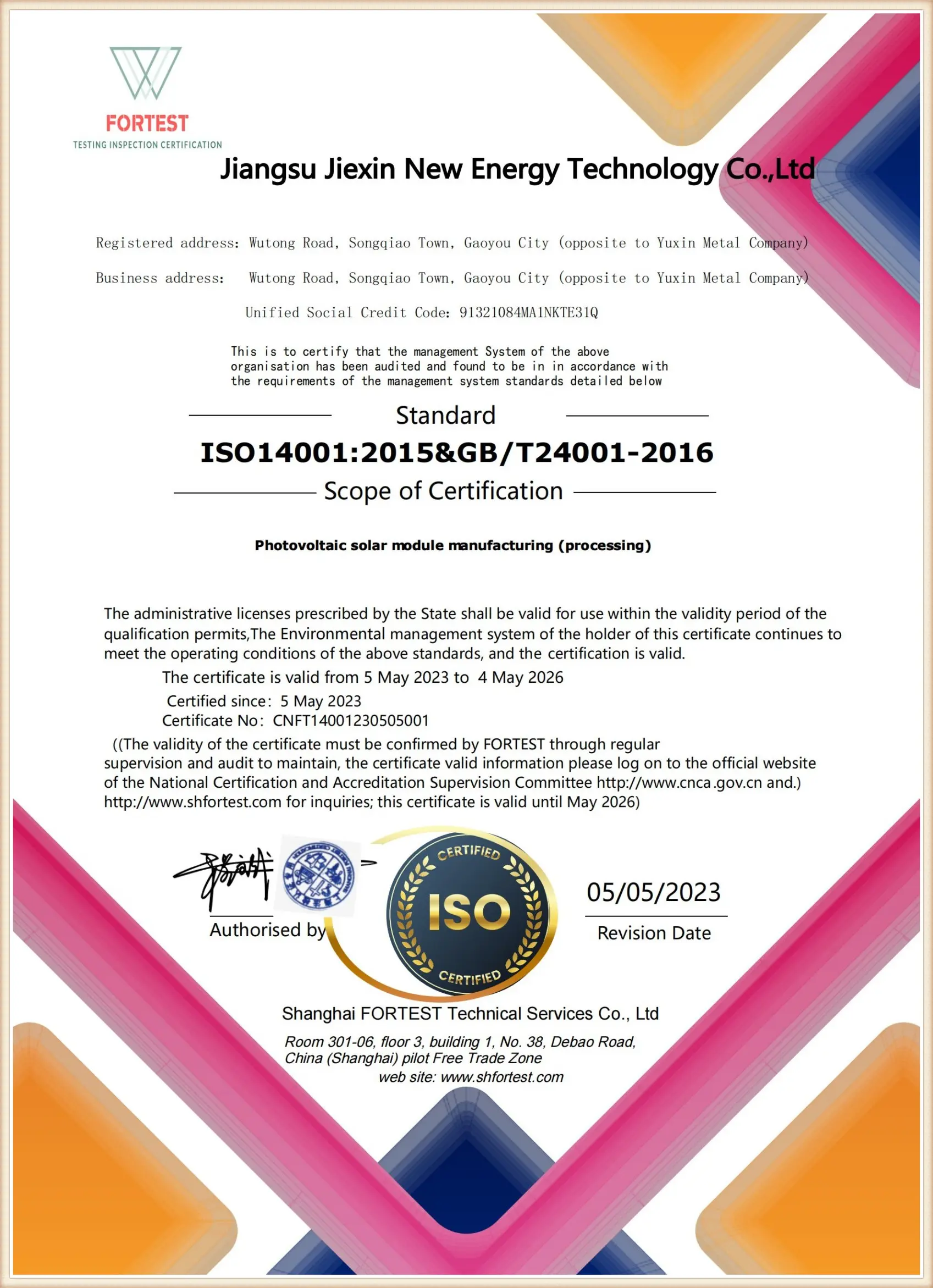
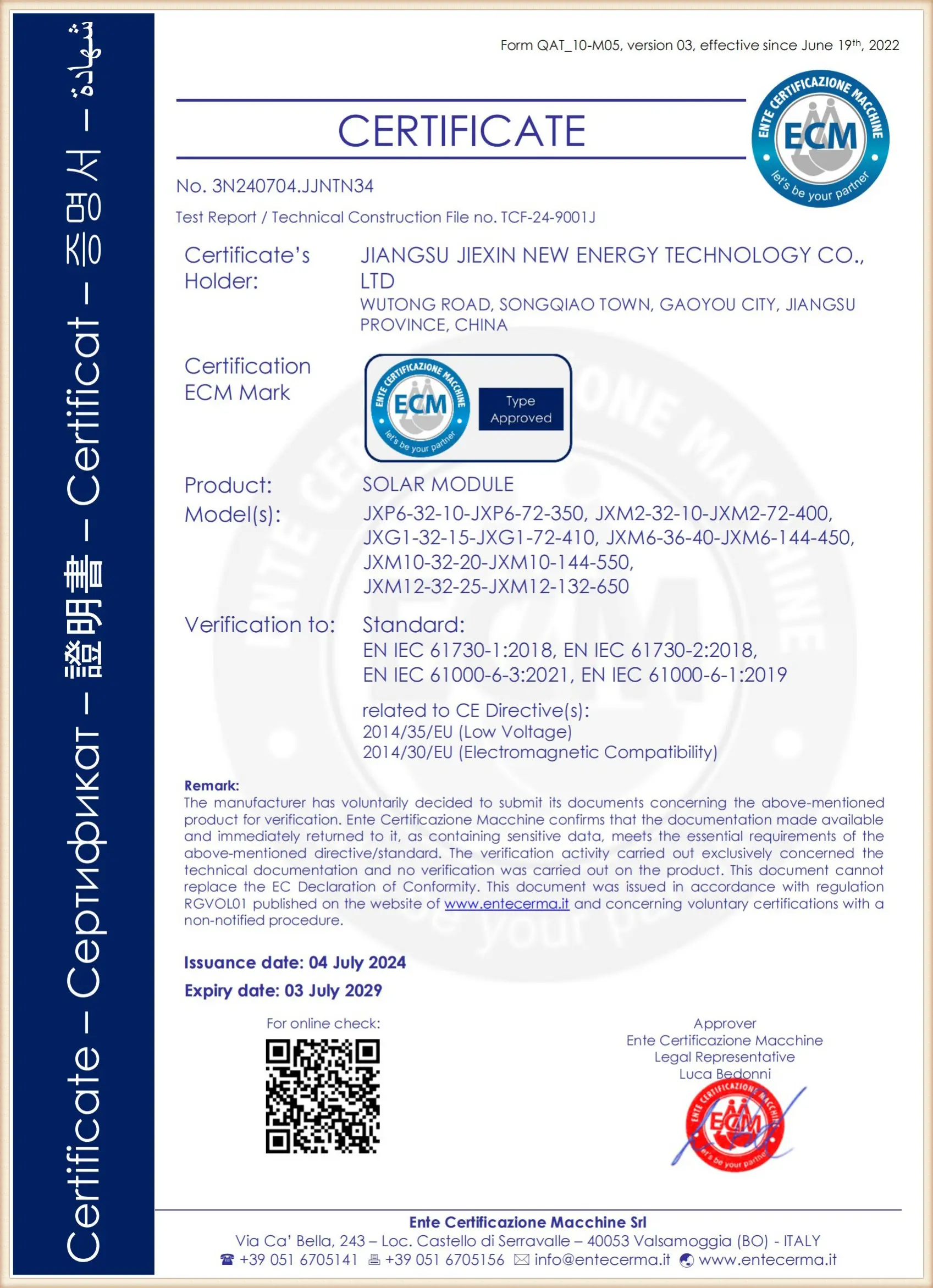
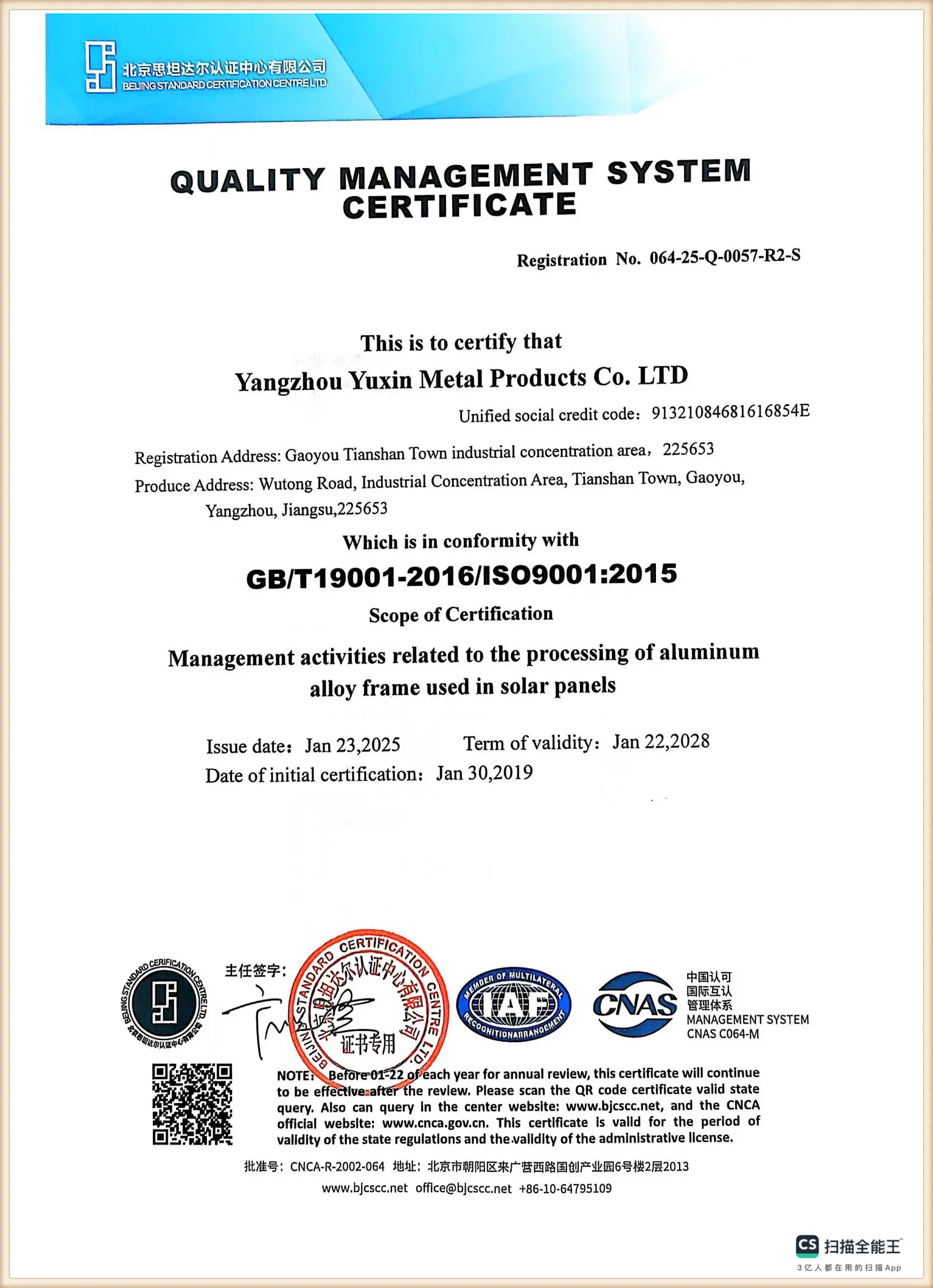
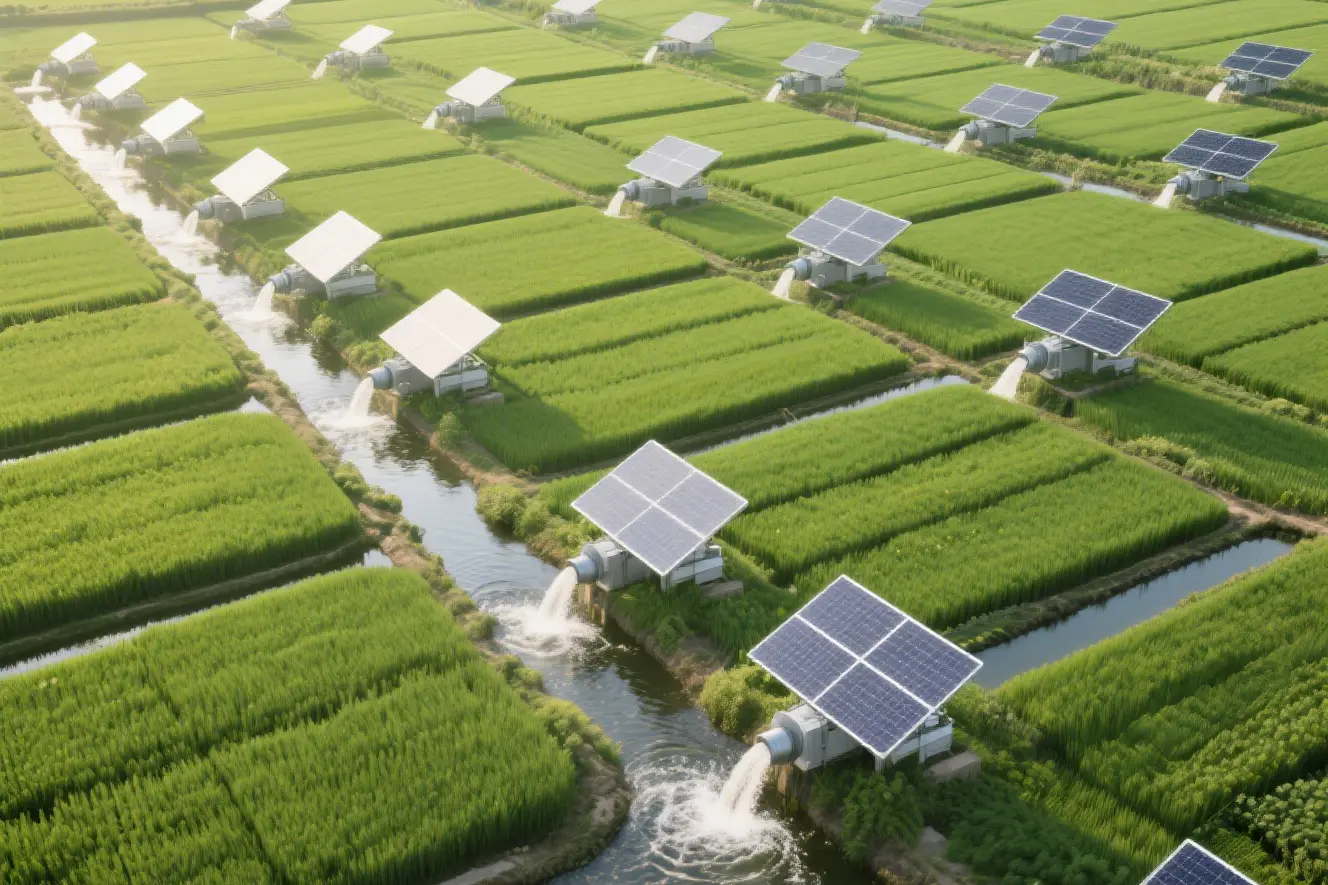
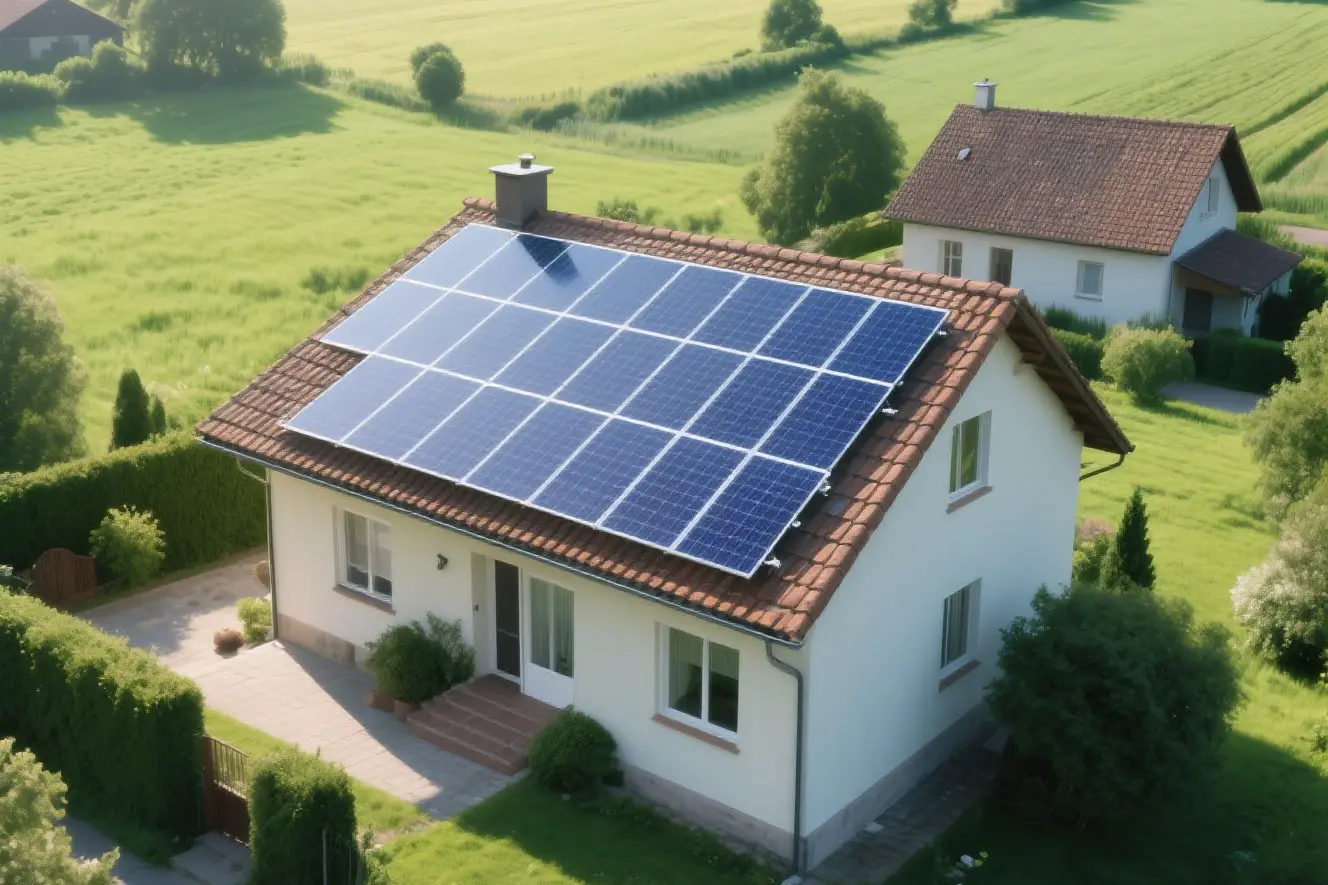
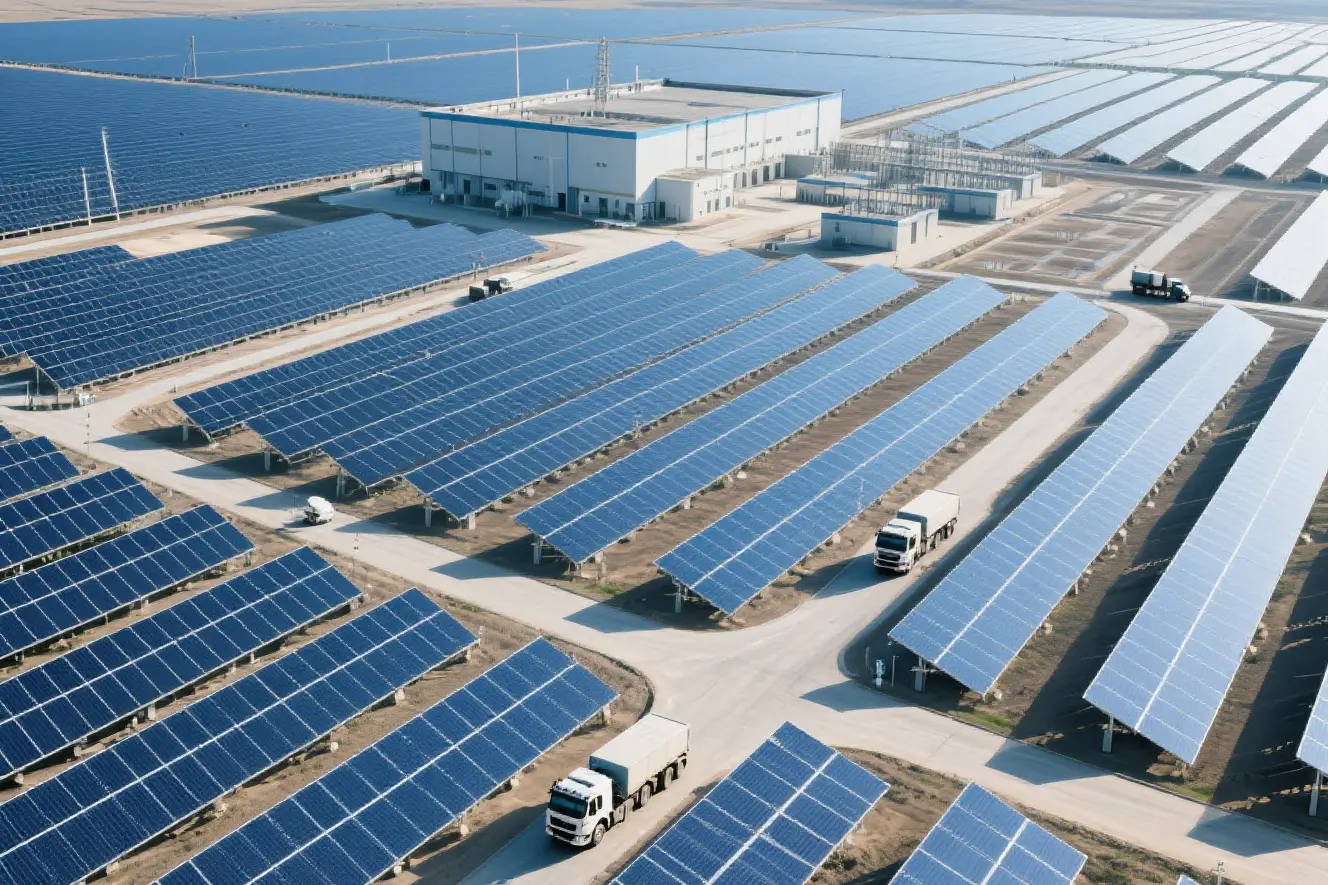
Optimized solar technologies deployed across key industrial verticals, remote cabins, and infrastructure projects.
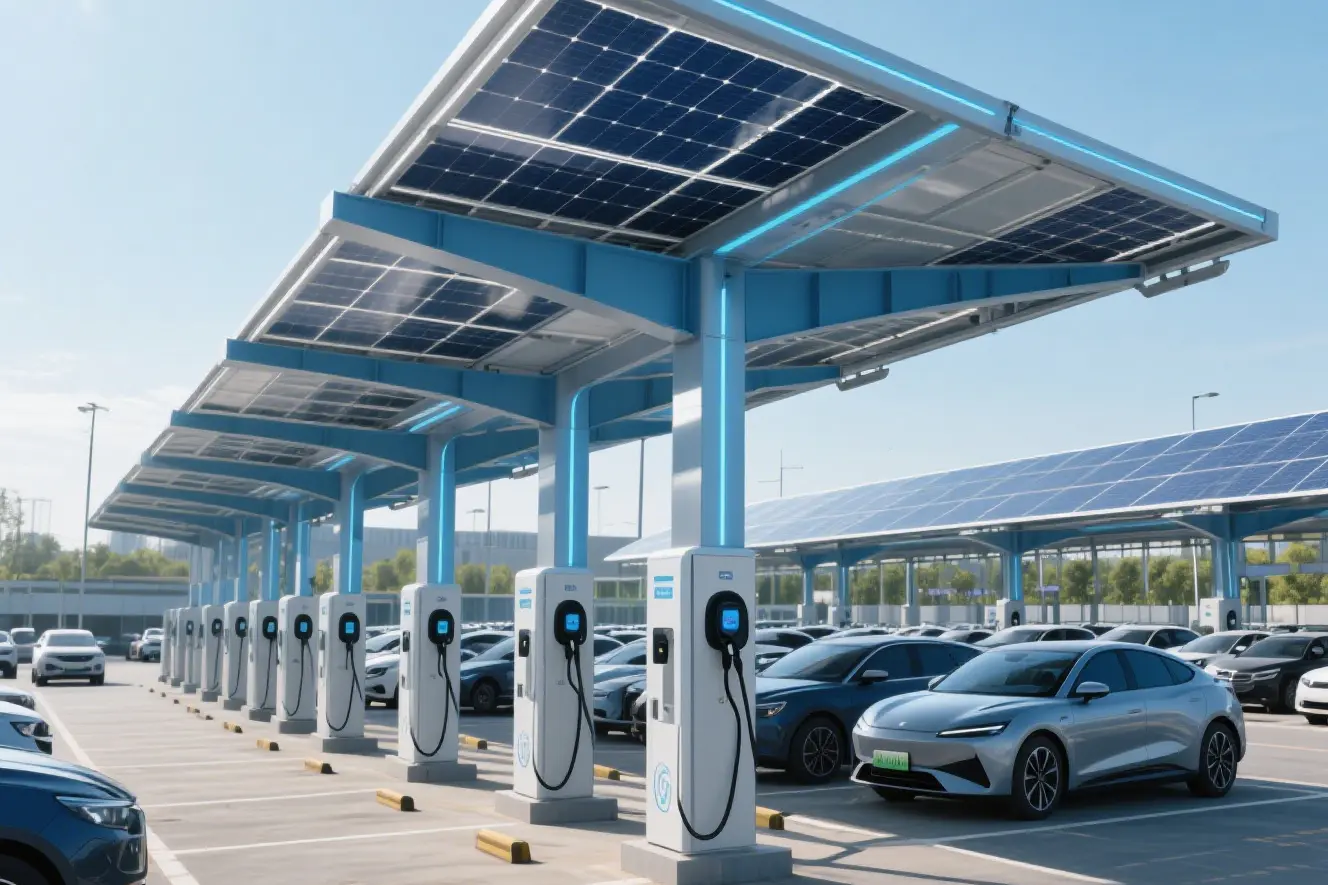
The global shift towards decentralization has accelerated the convergence of solar power, intelligence, and energy storage systems (ESS). Several macro trends are currently reshaping the industry:
Procuring off-grid components at scale requires careful balance-sheet consideration. Corporate procurement departments should evaluate prospective manufacturers using key performance metrics:
Through dedicated effort, Yuxin has built deep supply relationships with leading global energy enterprises.


Technical answers regarding sizing, performance, materials engineering, and shipping logistics.
Stay updated with research findings, manufacturing updates, and structural engineering insights.
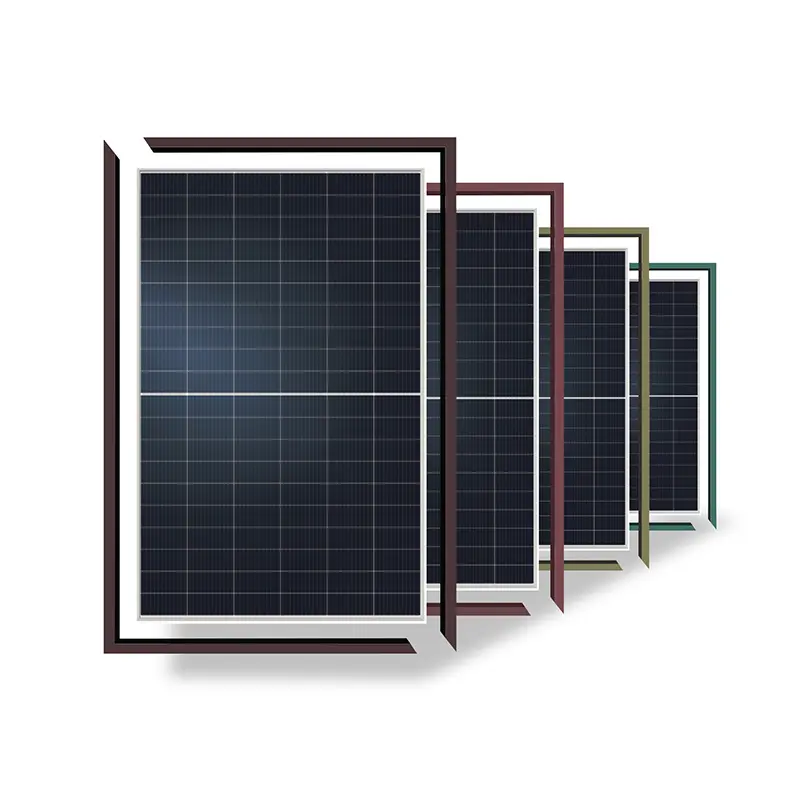
Extended catalog featuring PERC modules, portable outdoor kits, frames, and domestic solar solutions.
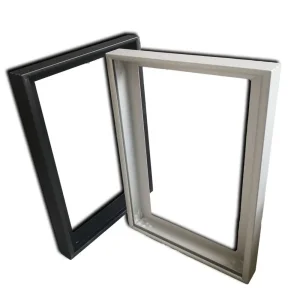
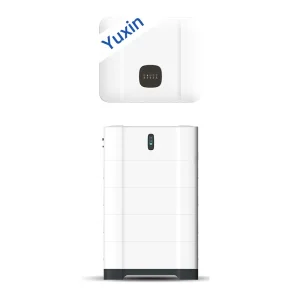
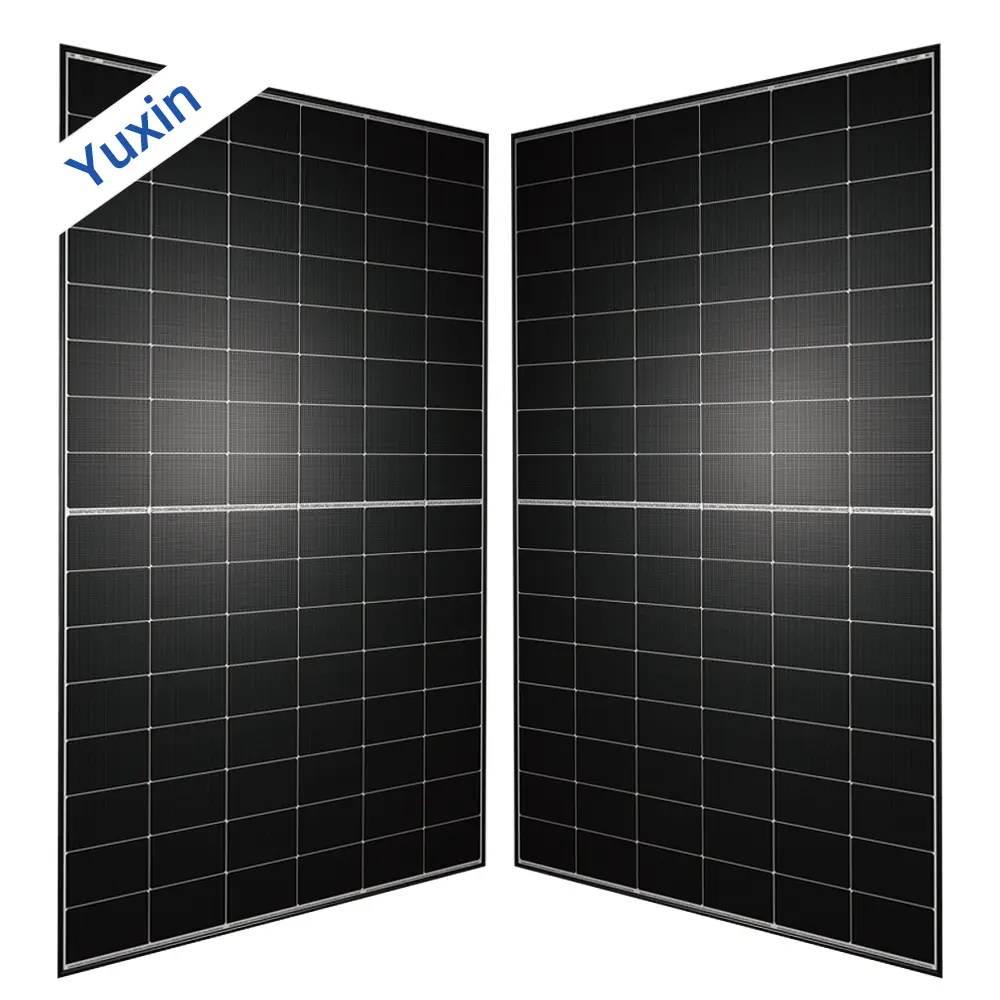
Lightweight design with transparent back panel for easy installation and reduced BOS costs.
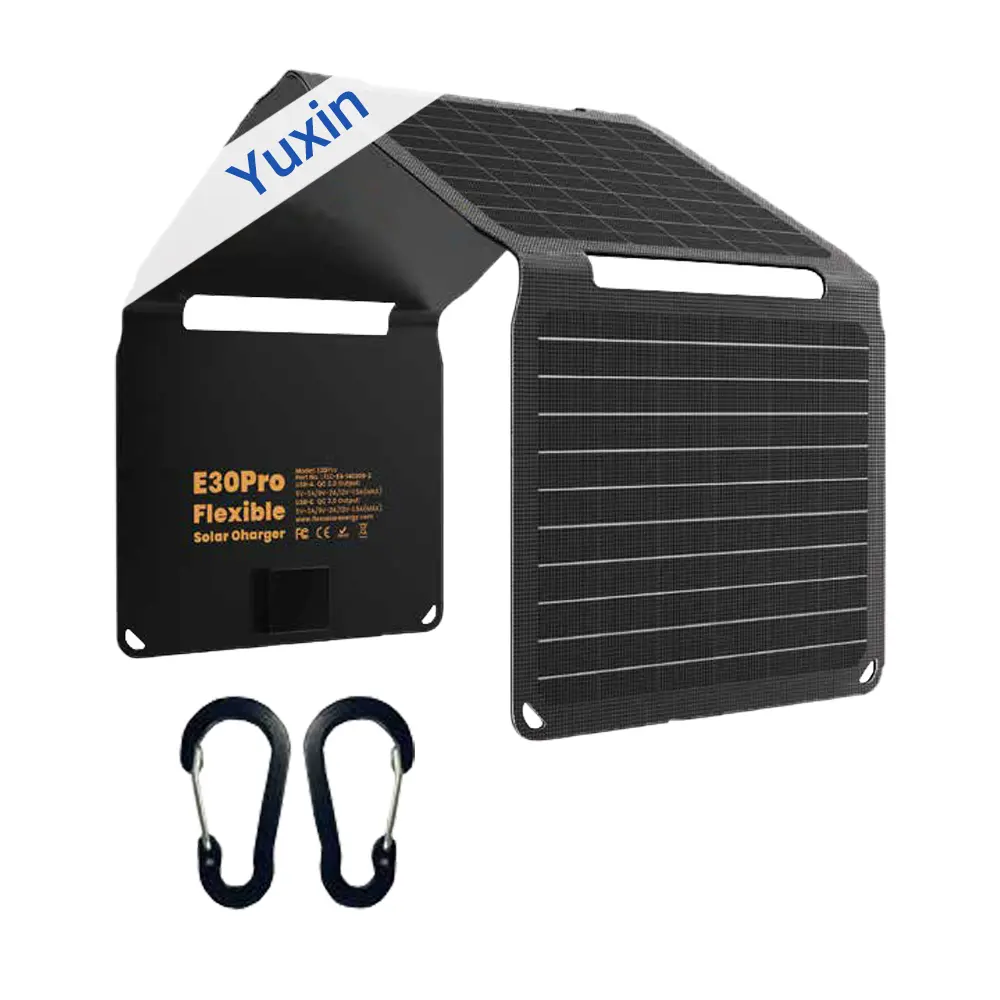
Utilizing advanced monocrystalline silicon cells, it achieves a high energy conversion efficiency of 24%.
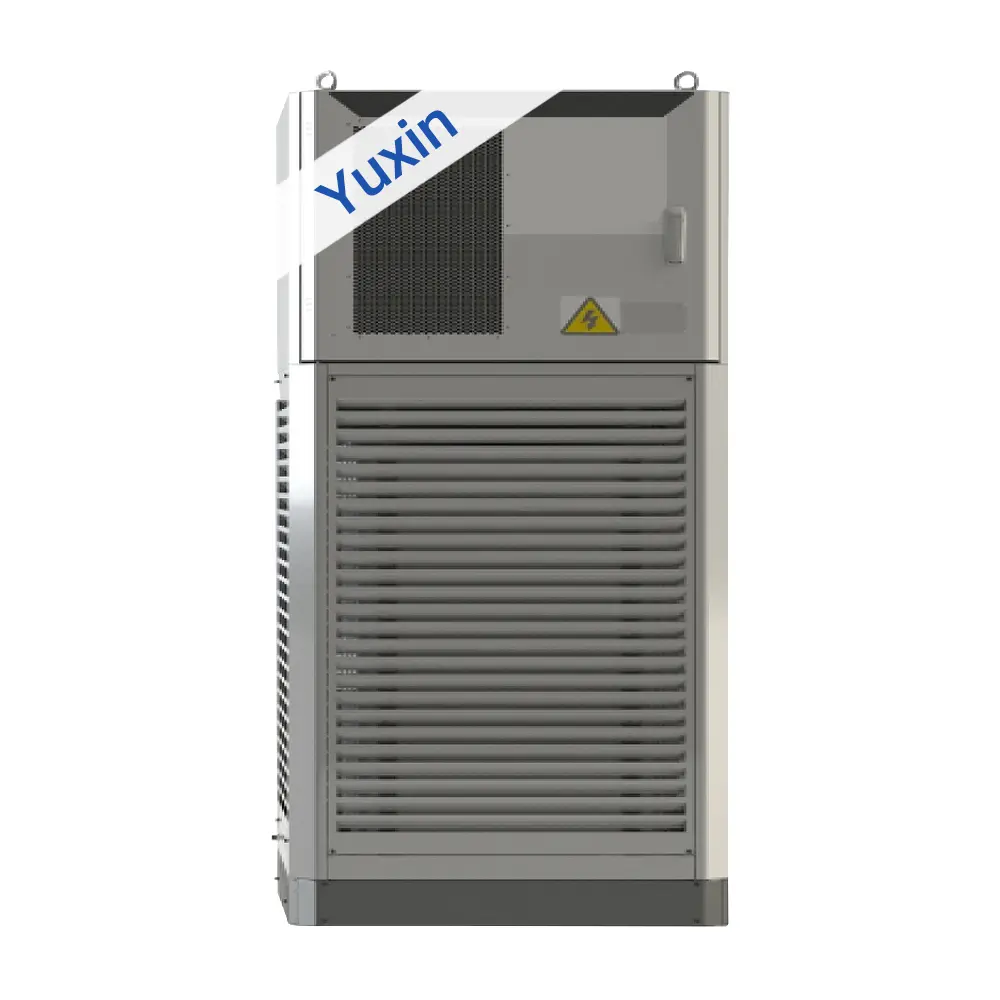
Application modes include grid-connected mode, off-grid mode, and integrated grid-connected/off-grid mode.
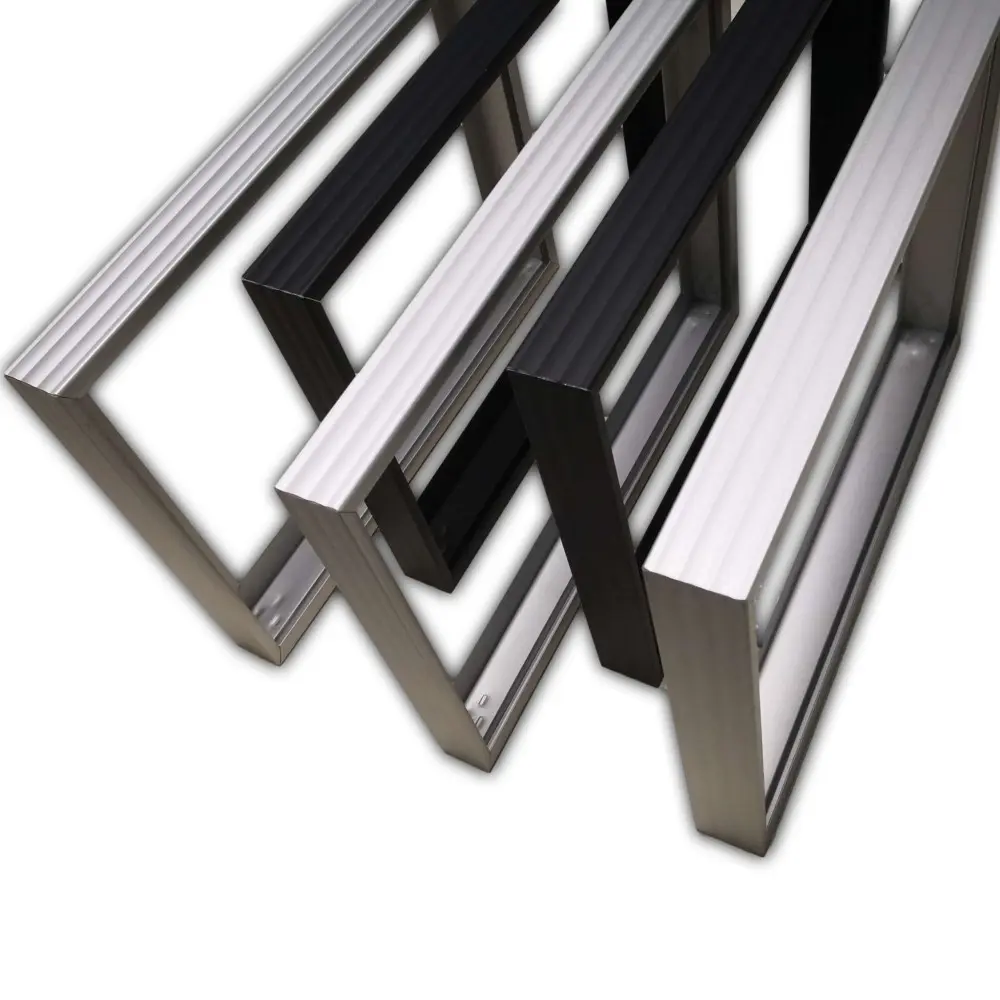
Made of high-quality anodized aluminum, it ensures superior weather resistance and a smooth, long-lasting finish.