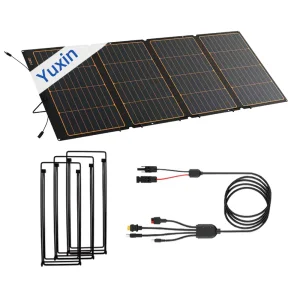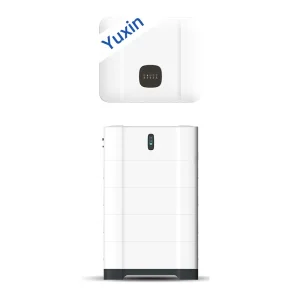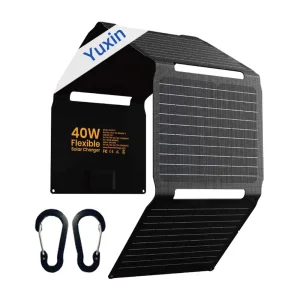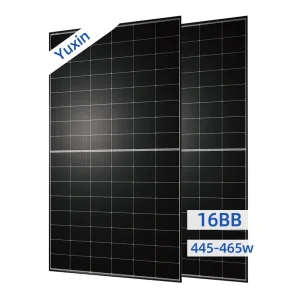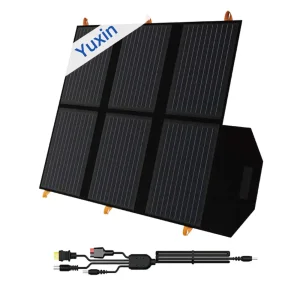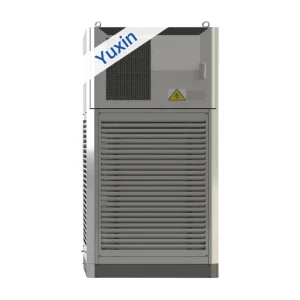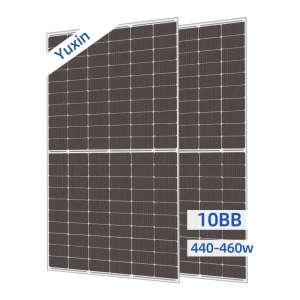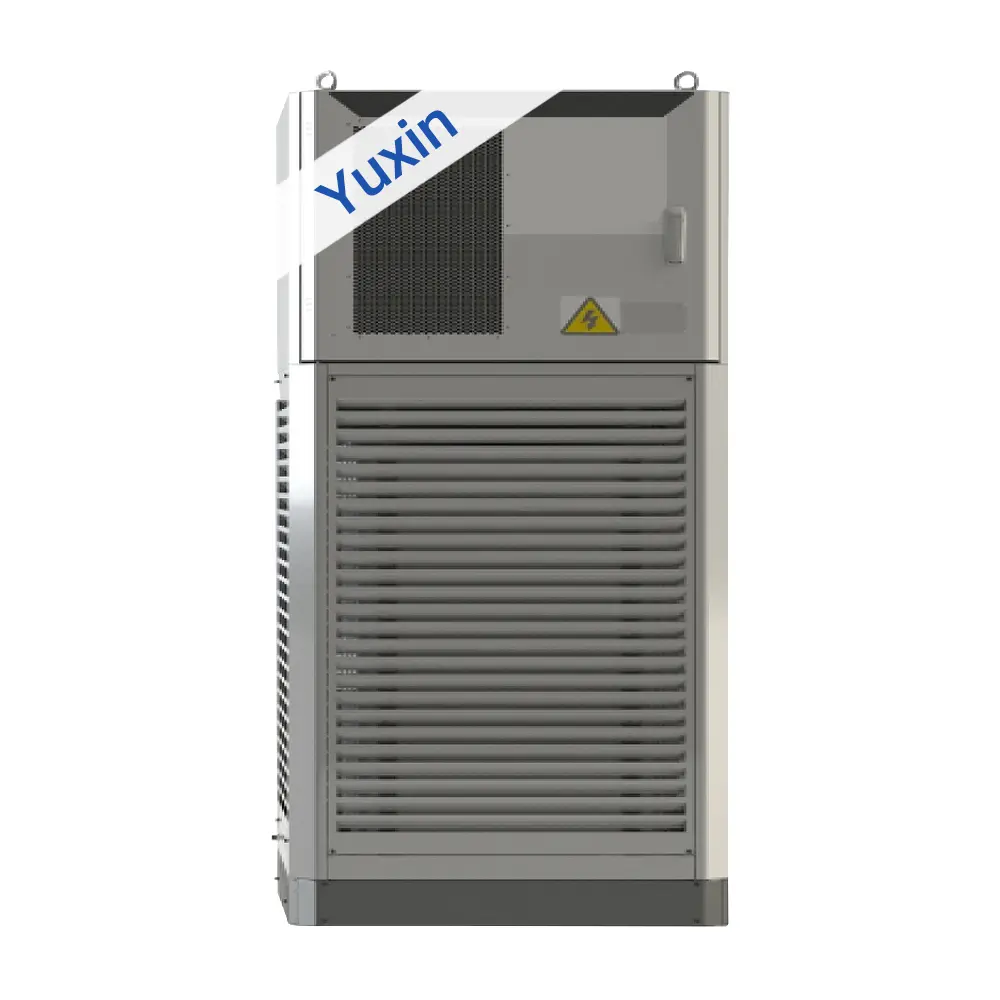
Engineered for absolute reliability during grid contingencies. Discover our high-performance solar generation and integrated portable back-up technologies.
The global landscape of energy distribution is undergoing an unprecedented structural transition. Grid instability, caused by aging electrical infrastructure, severe weather anomalies, and rapid industrialization in developing markets, has made regular power interruptions, or "load shedding," a chronic economic hurdle. In regions like South Africa, parts of Latin America, and South Asia, load shedding has transformed from an occasional inconvenience into an operational crisis for businesses.
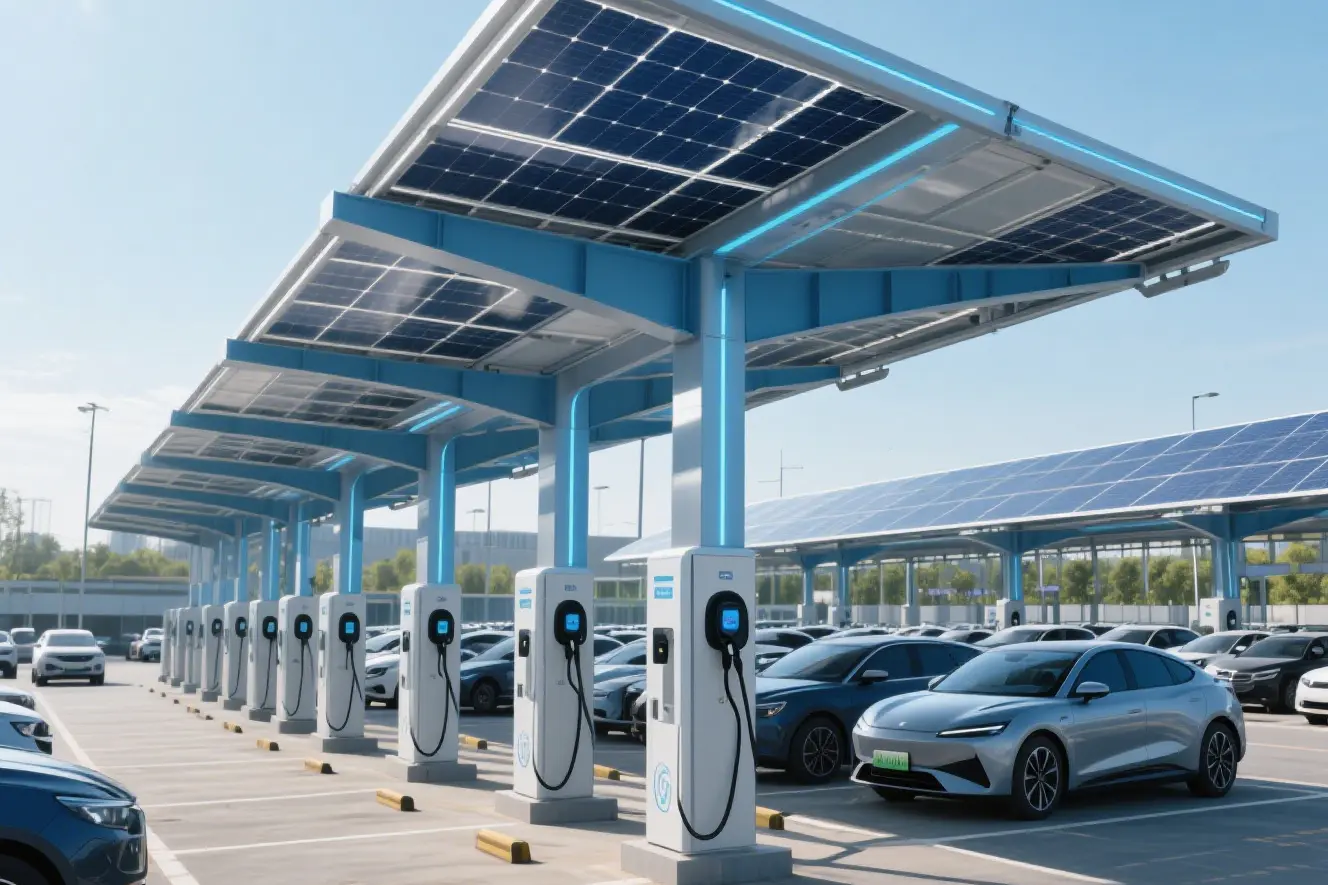
To combat this, the energy sector has witnessed a massive shift from traditional fossil-fuel backup generators (which are noisy, high-emission, and subject to volatile fuel pricing) toward clean, integrated Battery Energy Storage Systems (BESS) combined with high-efficiency photovoltaic modules. State-of-the-art systems utilize high-capacity monocrystalline solar panels with N-type TOPCon or PERC half-cell technologies, providing superior temperature coefficients and conversion efficiencies (up to 24%) that ensure systems charge quickly, even on overcast days. Modern microgrid configurations prioritize hybrid inverters and smart energy management software to transition from grid to battery power in less than 20 milliseconds, providing seamless operation for critical facilities.
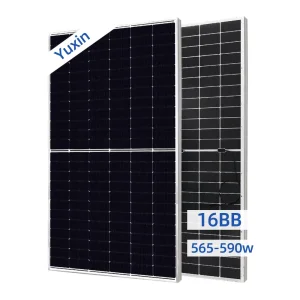
By upgrading from standard solar modules to N-type half-cell dual glass designs (with 16BB configurations generating up to 590W), operators can achieve lower annual degradation rates (~0.4% compared to 0.7% for older modules) and higher bifaciality, making them ideal for high-stress load shedding environments where maximizing energy yield in short durations is essential.
For procurement officers in commercial and industrial sectors, sourcing power backup systems is a long-term capital allocation decision. Enterprise customers must evaluate options through the lens of Total Cost of Ownership (TCO), lifetime cycle ratings, and structural durability. This involves looking beyond battery capacity to evaluate solar panel structural integrity, such as utilizing anodized 6063-T5 aluminum frames to withstand wind loads of up to 2400Pa and snow loads of 5400Pa.
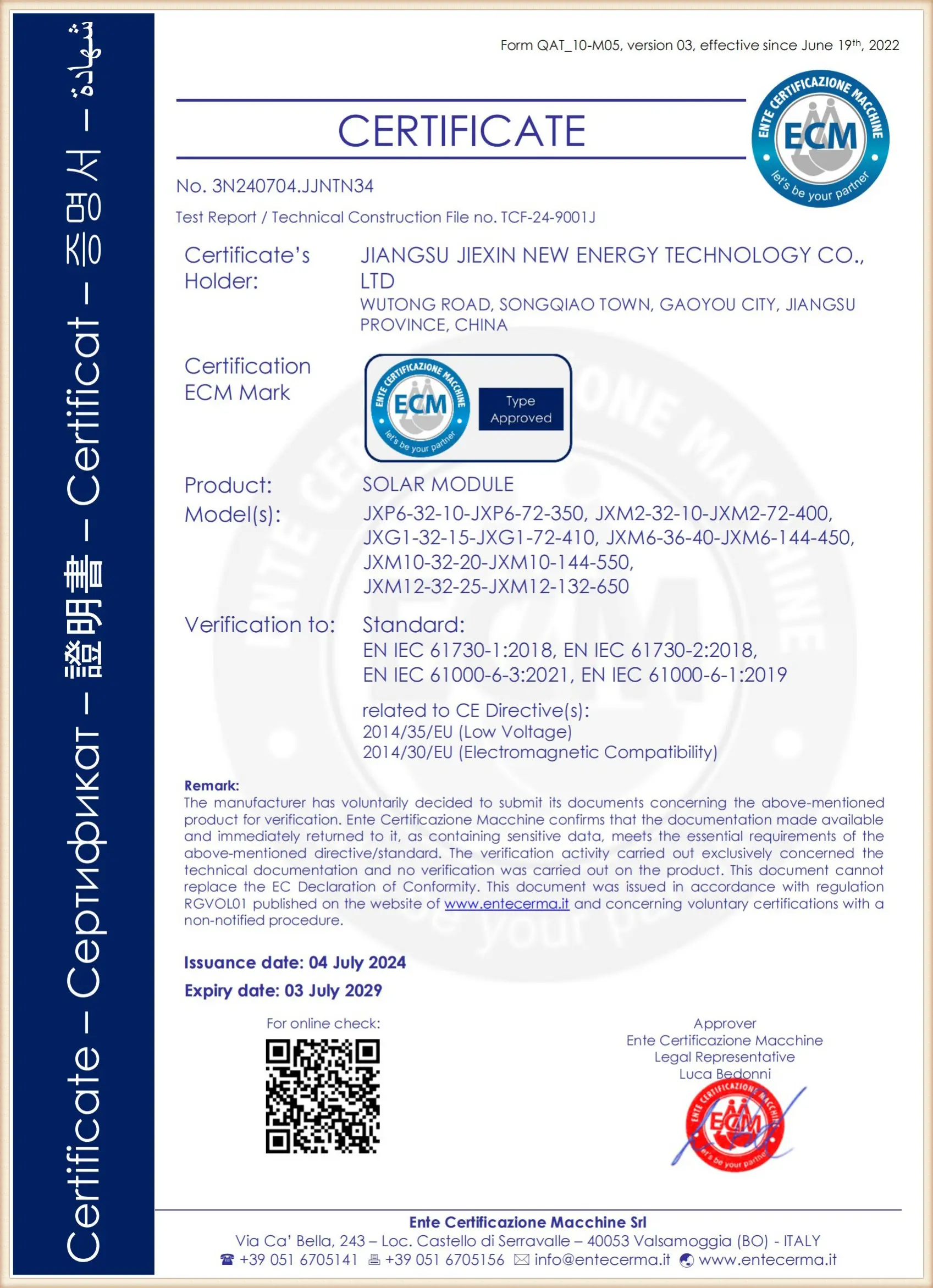
Furthermore, system interoperability is crucial. A typical corporate microgrid requires robust modules that easily integrate into standard building management systems (BMS). The integration of certifications, such as CE and TUV, serves as a non-negotiable benchmark verifying that these systems adhere to strict safety, electromagnetic compatibility, and structural integrity metrics. For large-scale distributed setups, exporters must offer robust custom packaging, verified logistical supply lines, and tier-1 component sourcing to guarantee minimal maintenance costs over a 25-year operational lifecycle.
The efficiency of Chinese manufacturing is no longer driven solely by labor economics, but rather by the implementation of Factory 4.0 principles. High-end manufacturers like Yuxin New Energy leverage advanced automation, AI-driven optical inspection, and vertical integration to deliver high-quality, zero-defect products. Operating from historical manufacturing centers like Yangzhou, these operations integrate raw extrusion of aluminum frames, precision chemical treatment of silicon wafers, and high-speed automated cell stringing in a unified, optimized loop.
With over 21 automated production lines, the integration of real-time material tracking and stress-testing under simulated environmental conditions ensures that every batch of PERC and N-type solar panels matches exact specifications. This vertical integration buffers the supply chain against market volatility, enabling exporters to maintain stable pricing and rapid production times for major commercial and industrial backup installations worldwide.
Our manufacturing capabilities and global export reach build absolute resilience into international supply chains.
From robust monocrystalline cell packages to heavy-duty anodized structural framing, explore our core component systems.
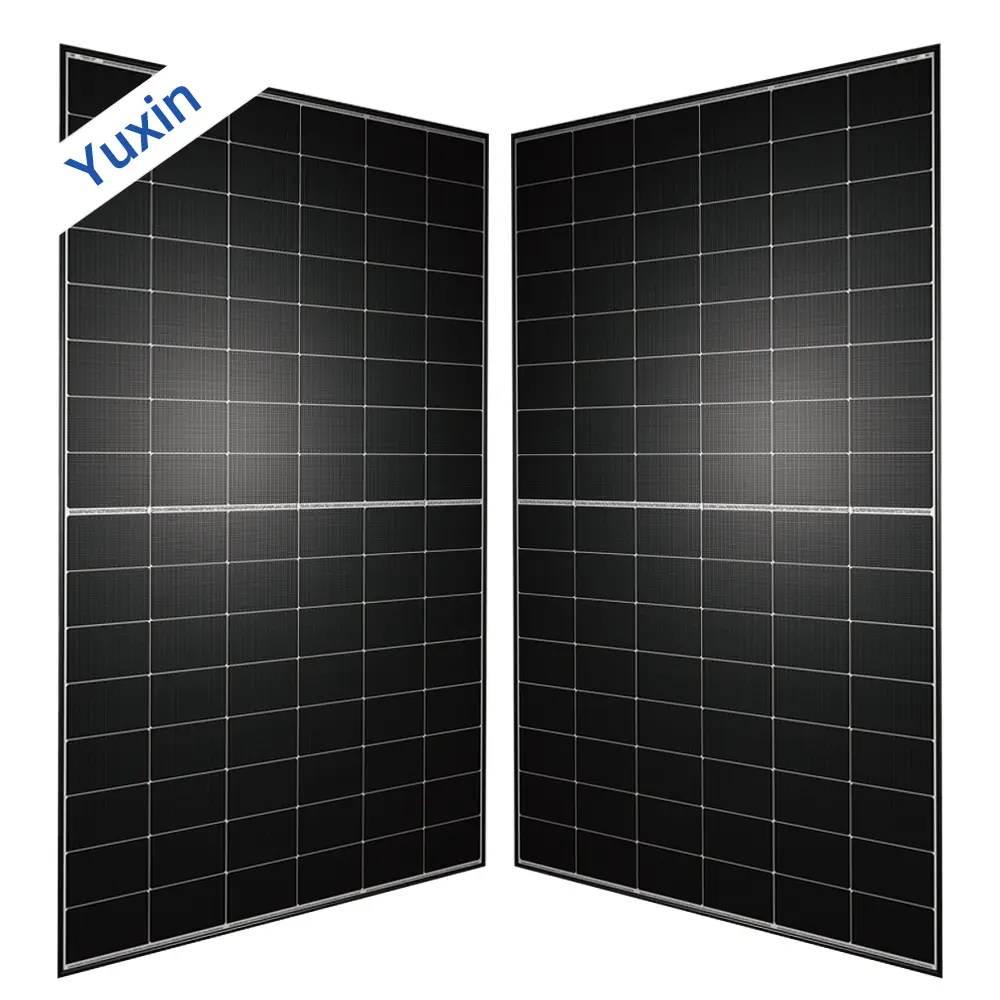
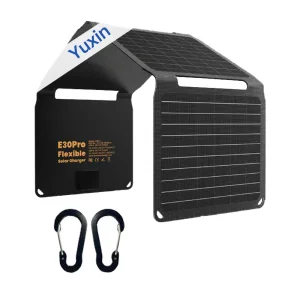
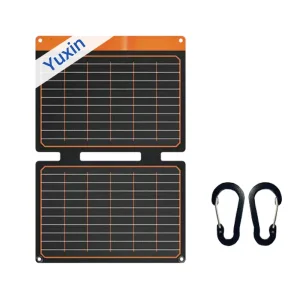
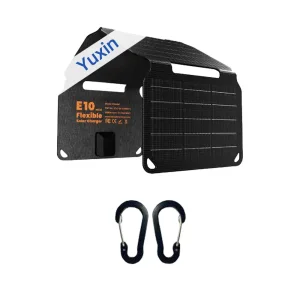
Lightweight design with transparent back panel for easy installation and reduced BOS costs.

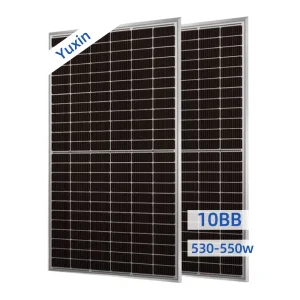
Utilizing advanced monocrystalline silicon cells, it achieves a high energy conversion efficiency of 24%.
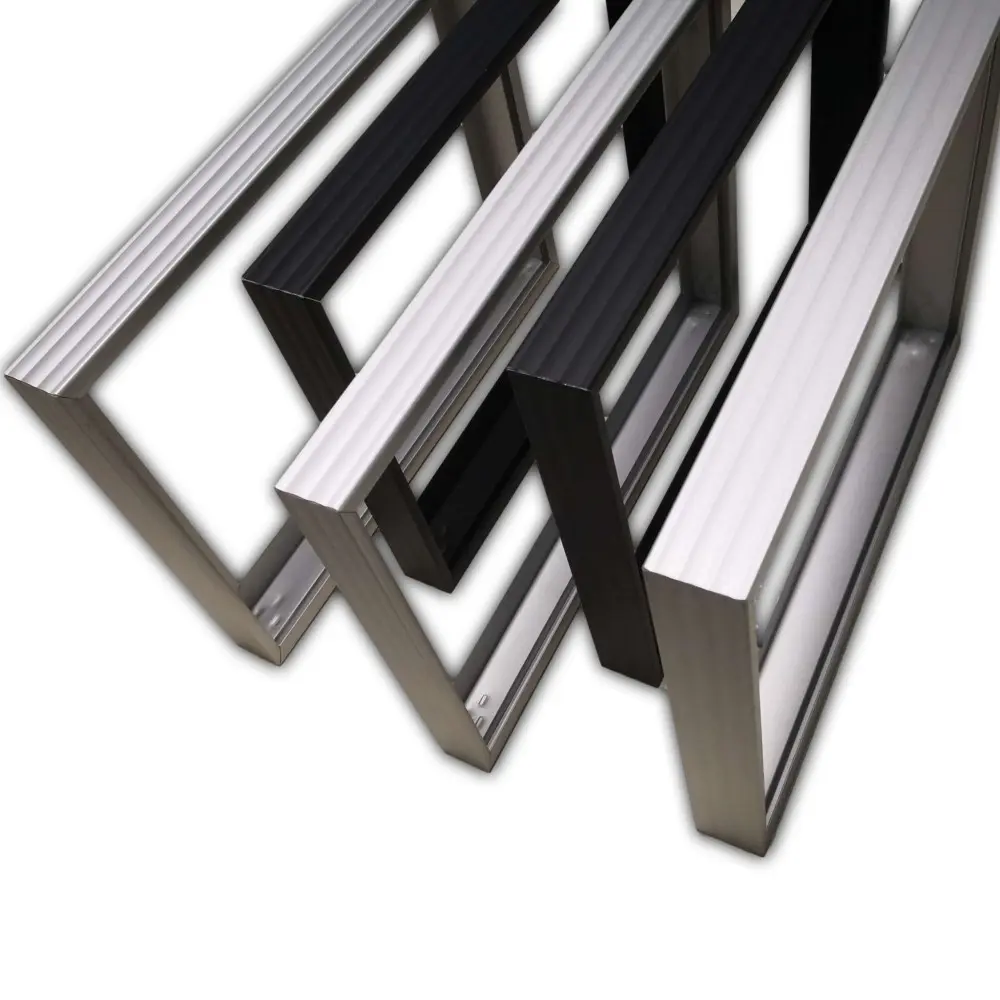
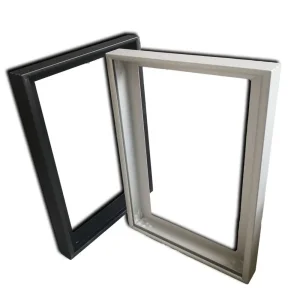
Made of high-quality anodized aluminum, it ensures superior weather resistance and a smooth, long-lasting finish.
Deploying solar-backup hybrid technology across essential infrastructure, primary production, and extreme outdoor environments.
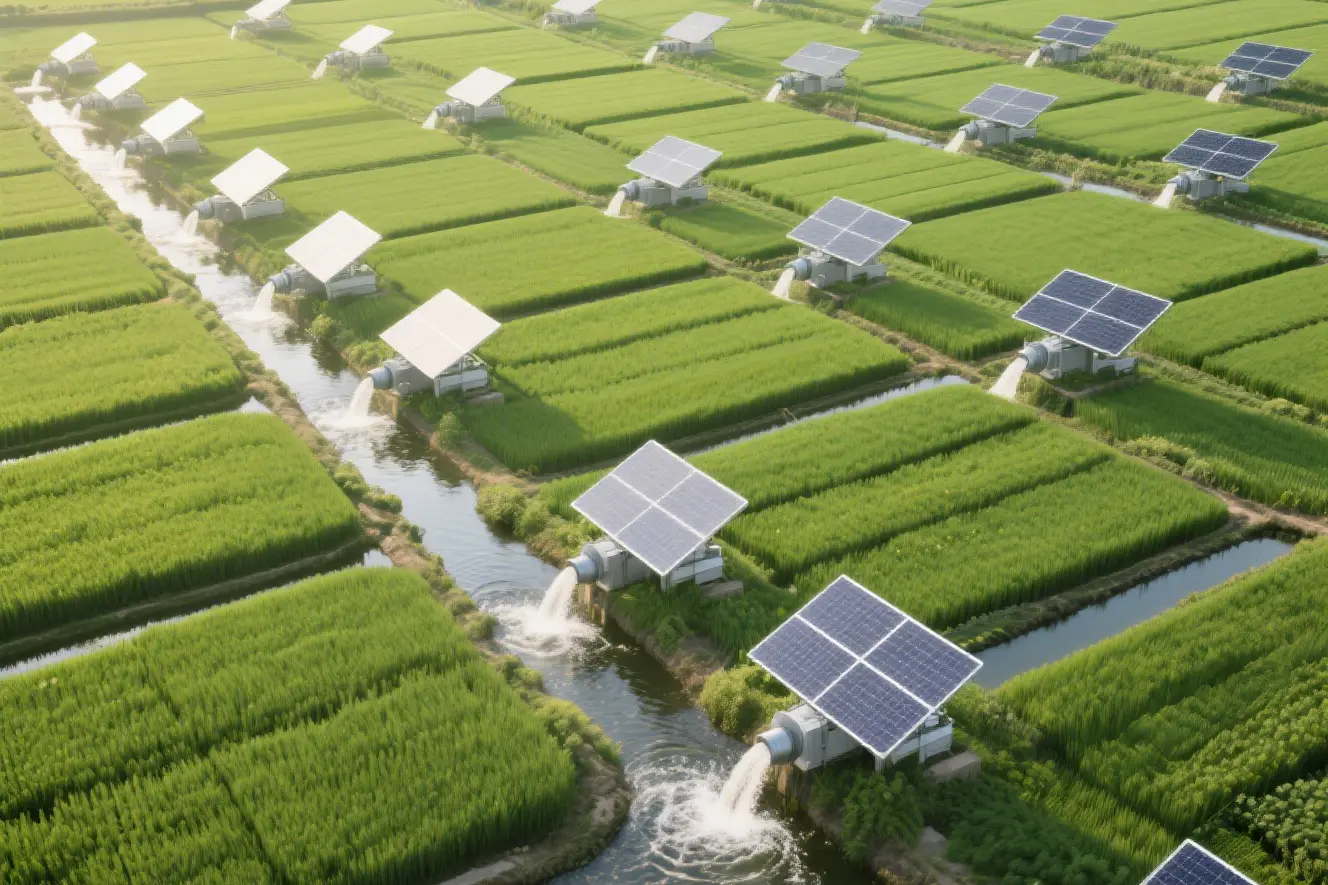
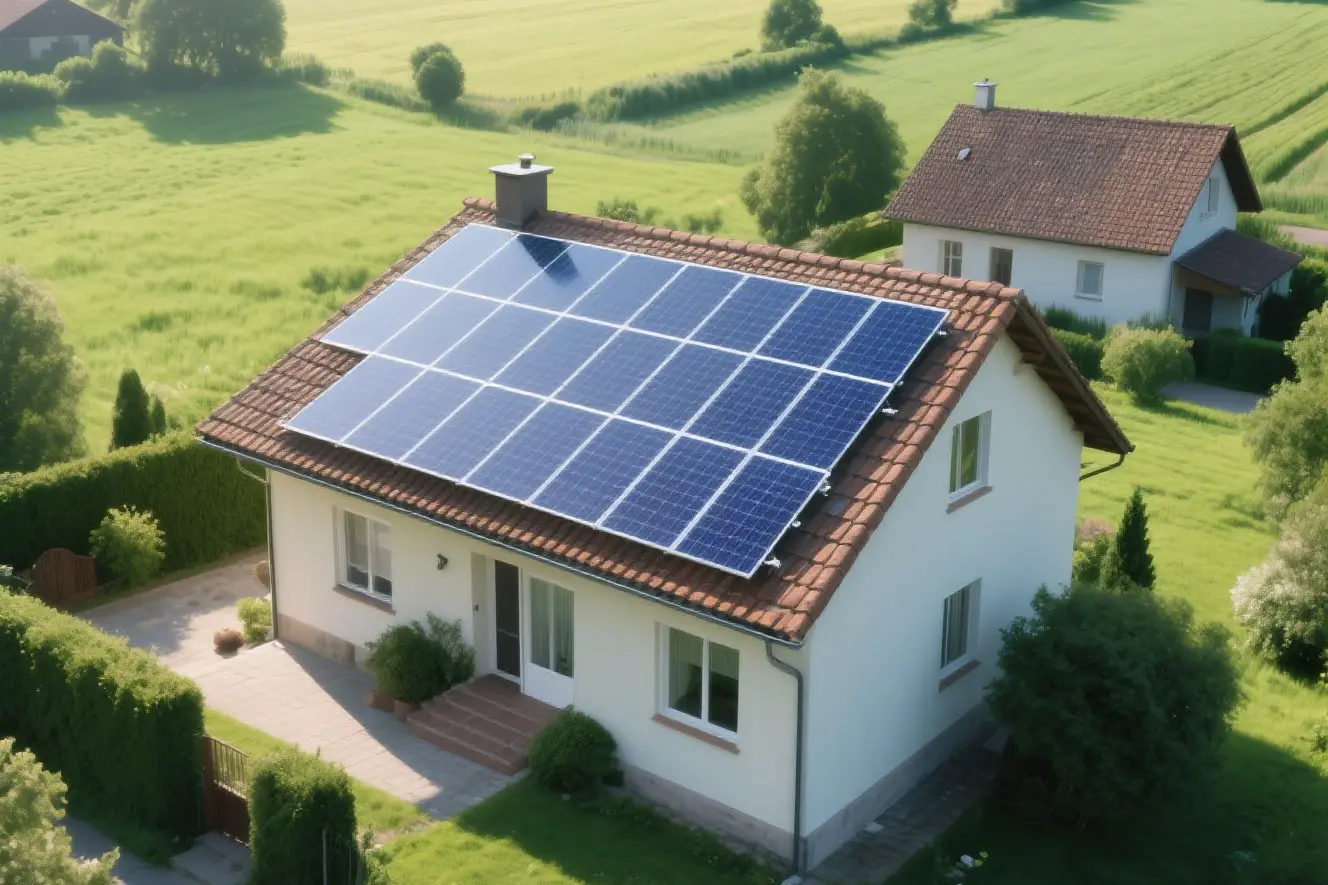
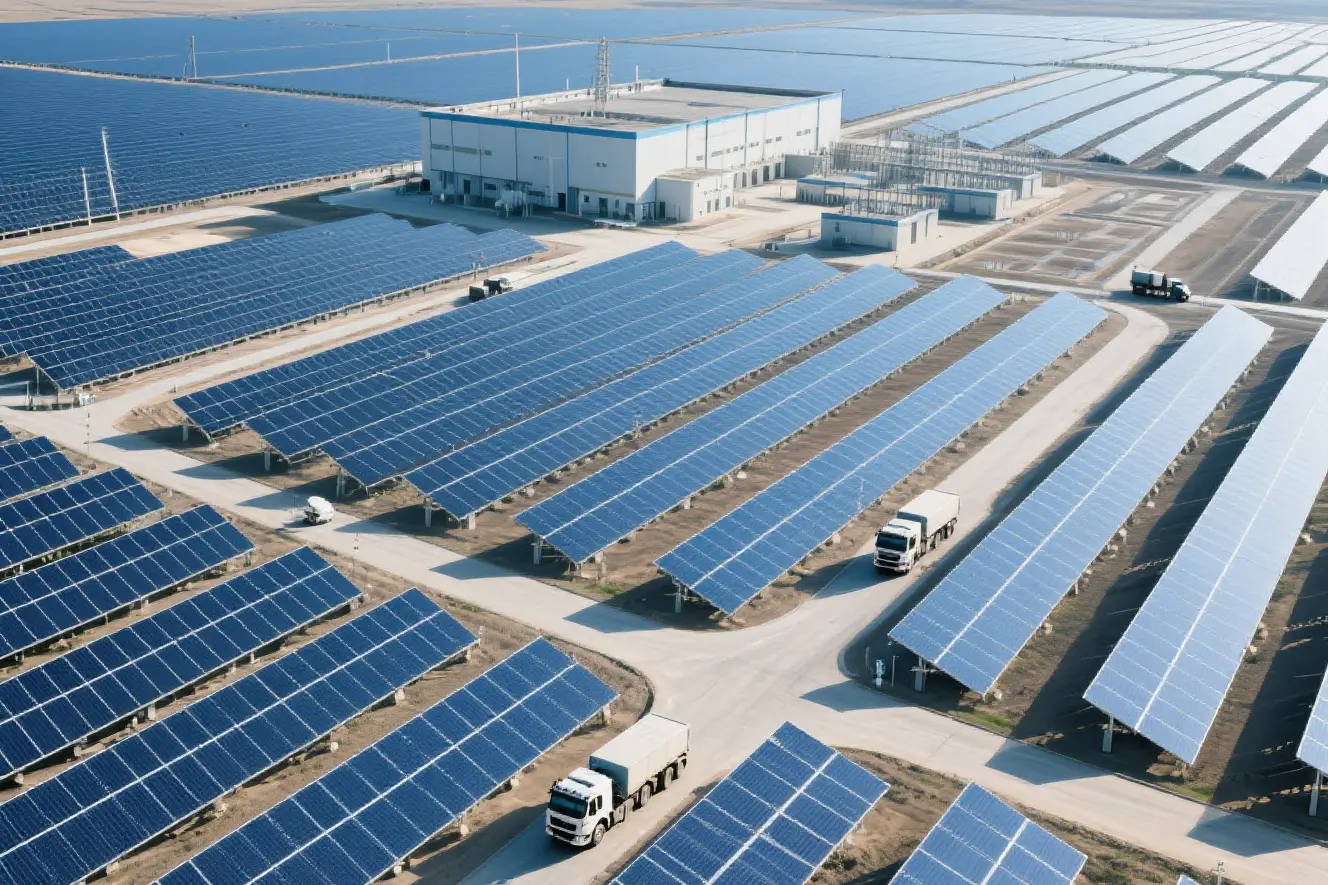
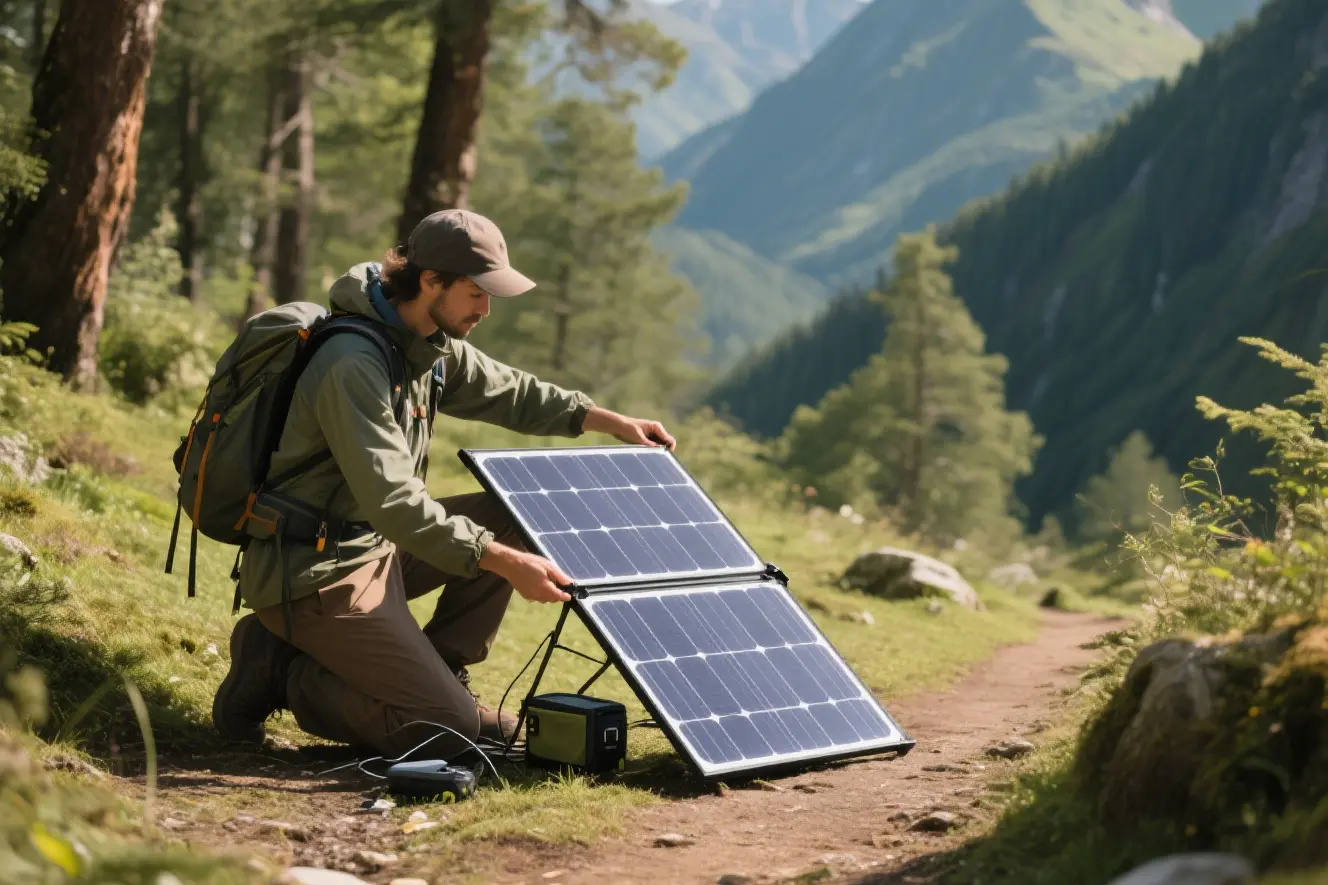
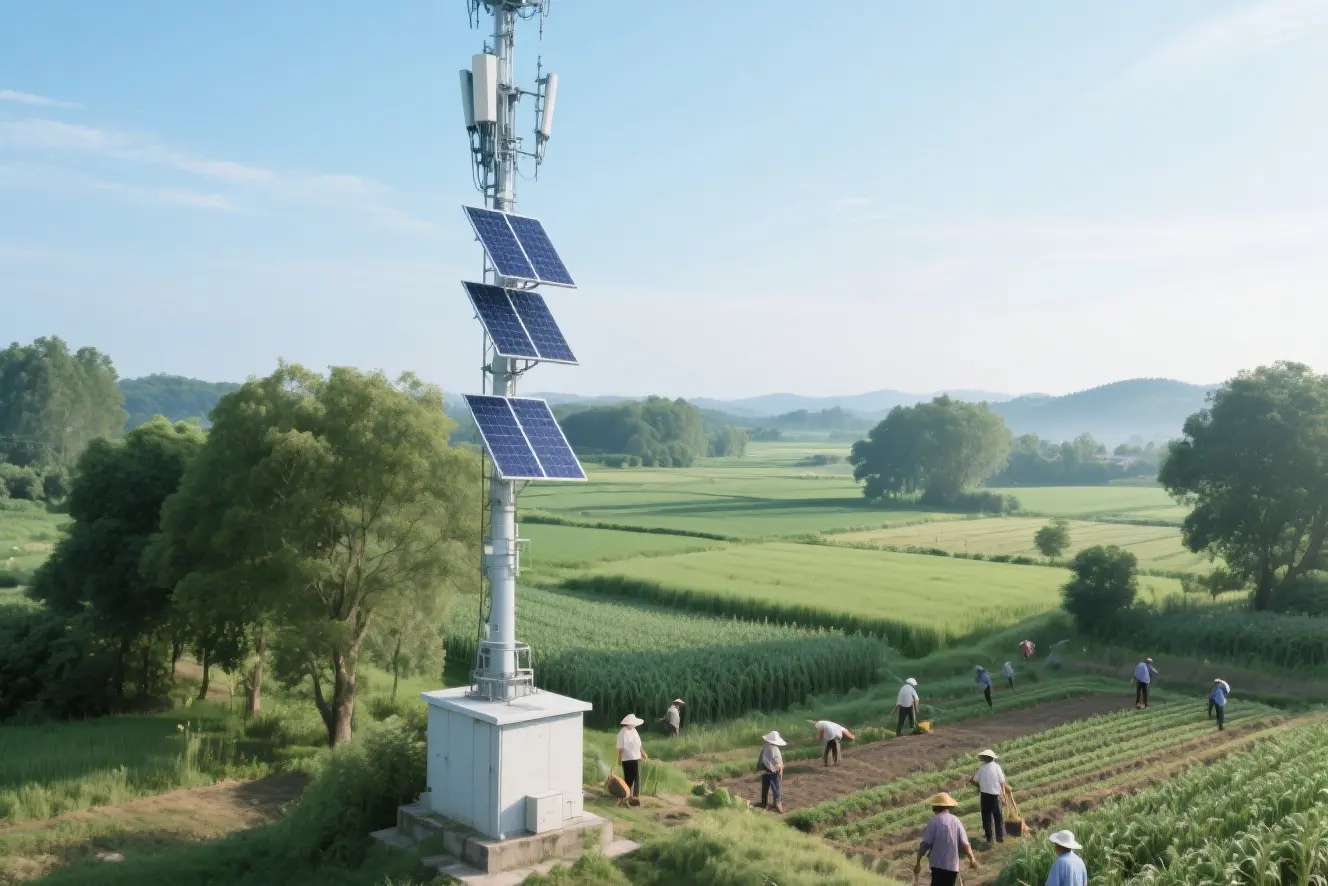
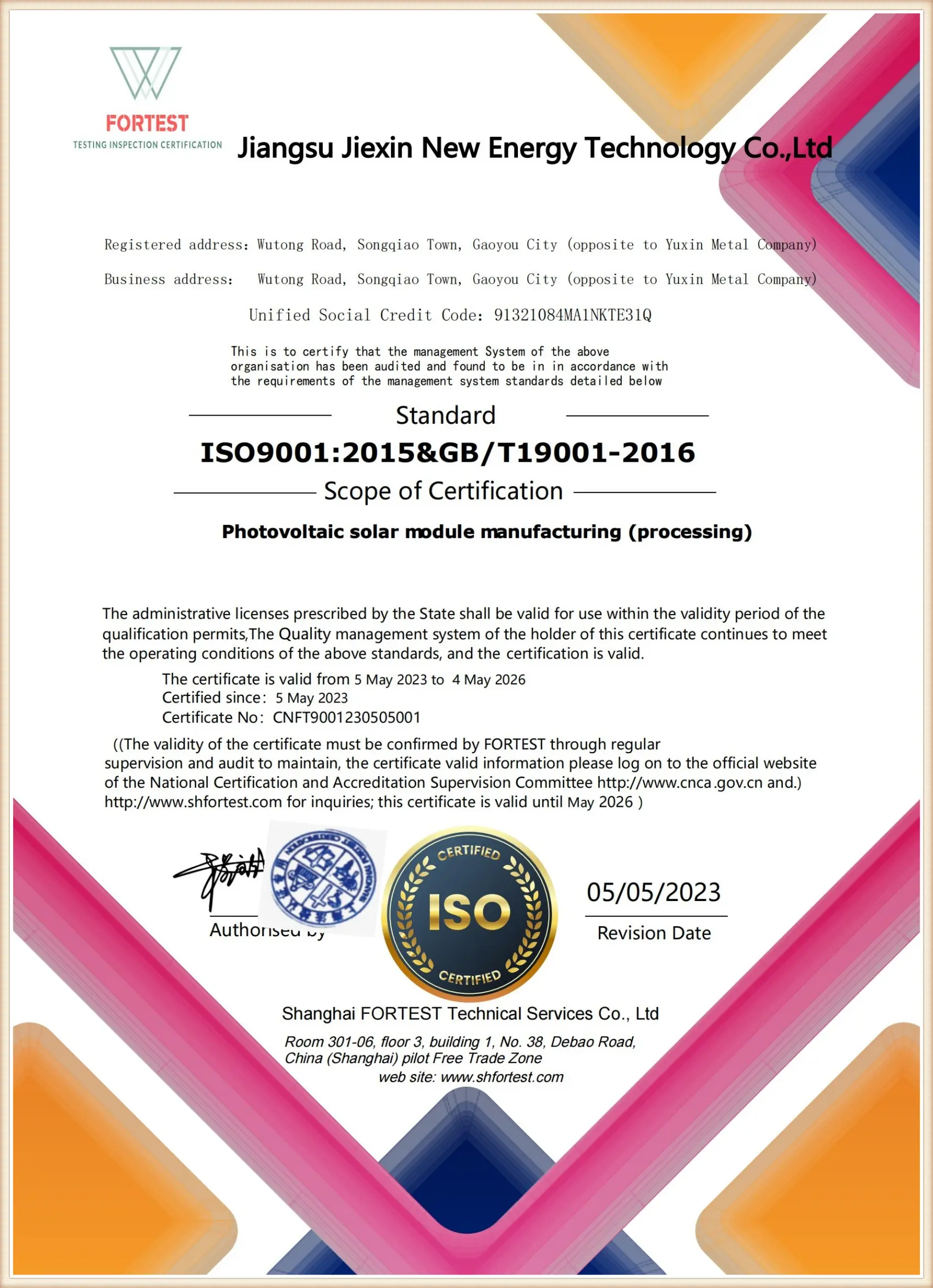
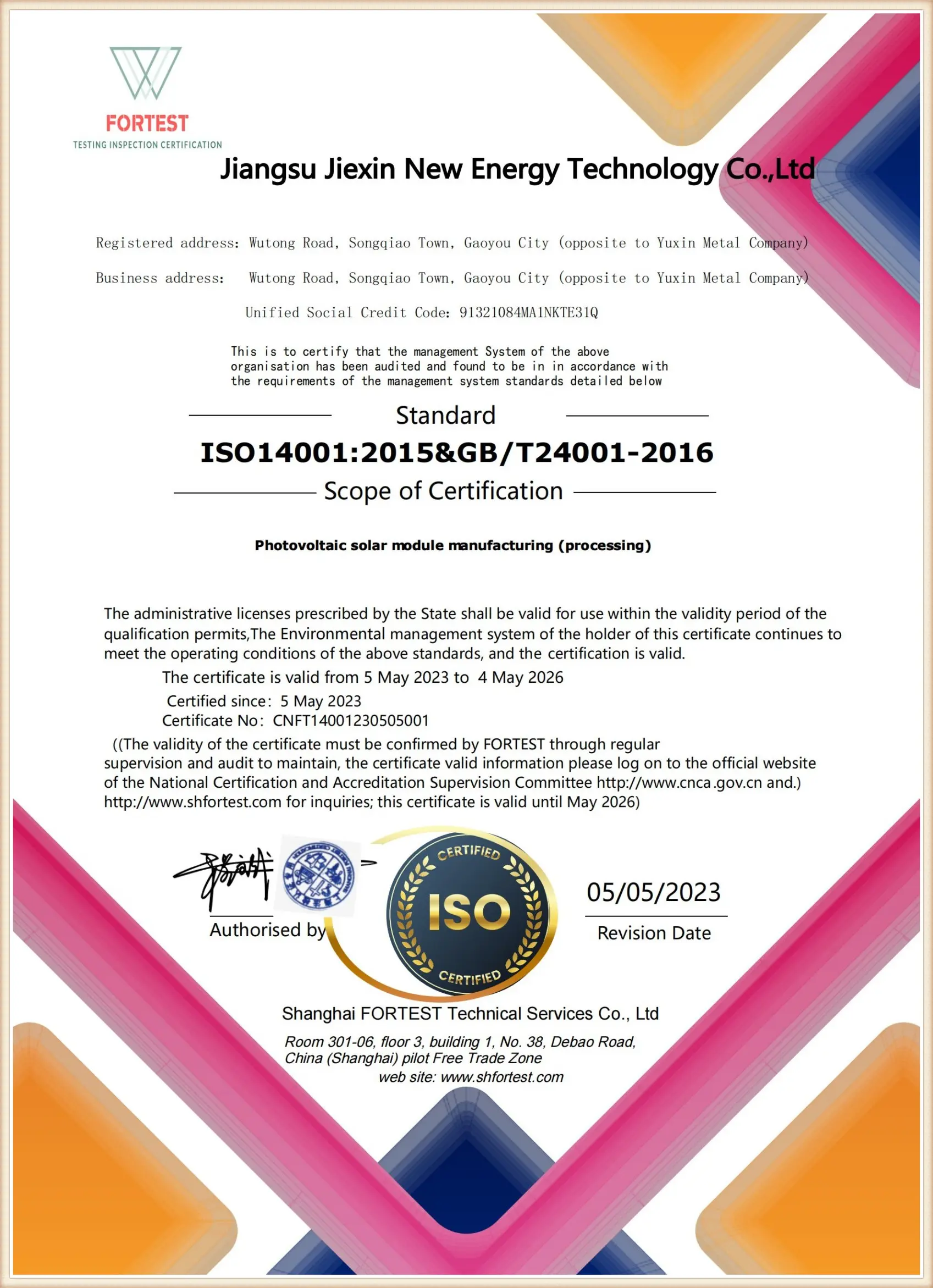
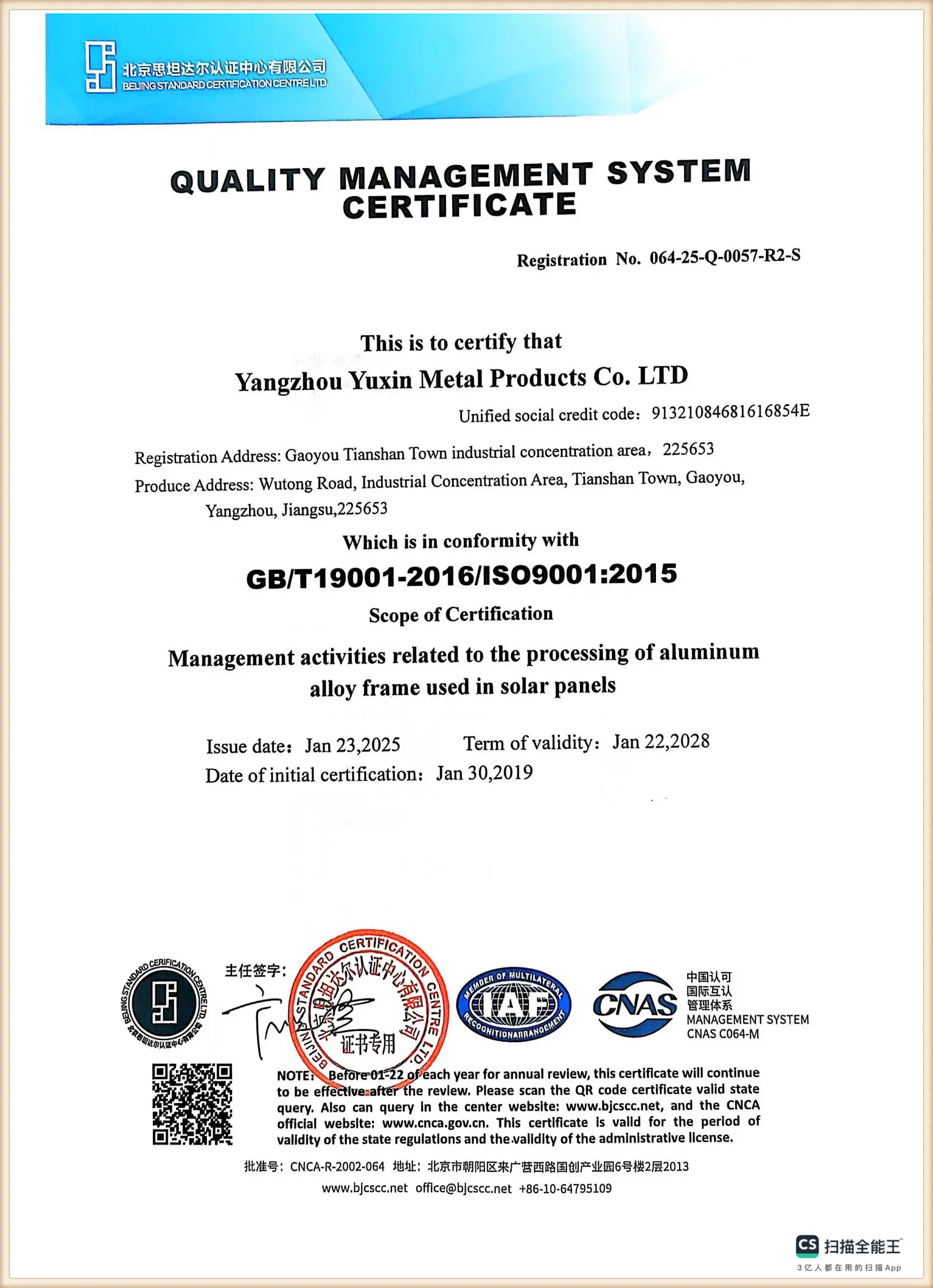
Rigorous quality control processes tested and approved by global certifying bodies.
Collaborating with global energy infrastructure developers and commercial entities to build high-availability microgrid networks.

Expert technical insights regarding components, sourcing, and performance optimization for commercial power projects.
Technical insights, manufacturing guidelines, and quality standards directly from our engineering team.
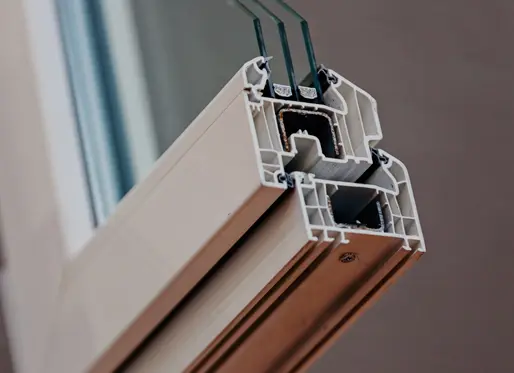
Discover the key material factors, alloy requirements, and anodizing standards that allow structural frames to withstand extreme environmental wind and snow loads.
View Article →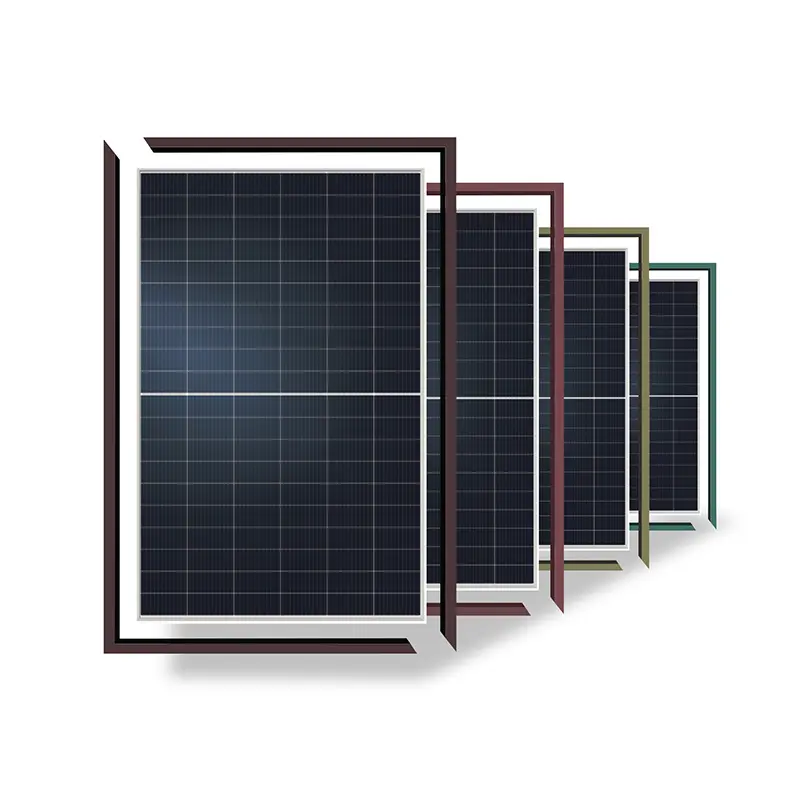
A complete procurement guide evaluating Factory 4.0 automation, raw material sourcing, scale metrics, and cost-to-performance advantages.
View Article →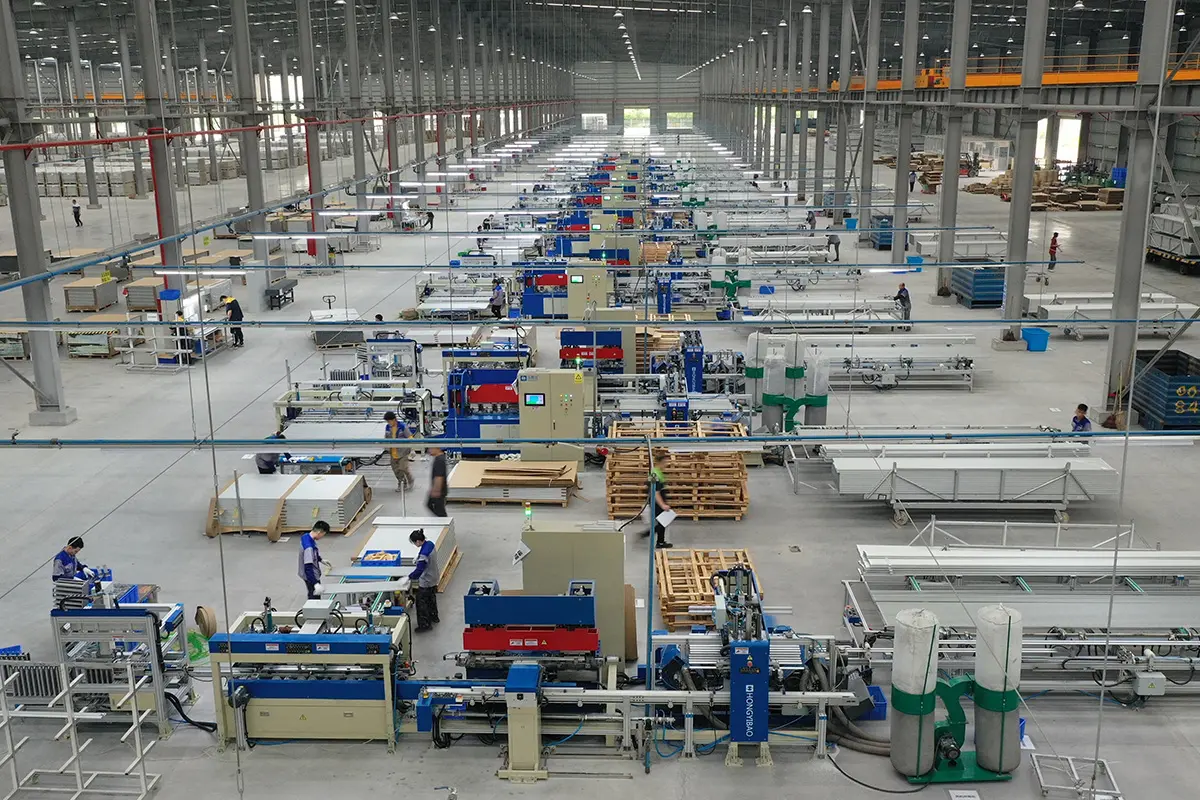
An in-depth look at visual inspections, dimensional tolerances, film thickness checks, and mechanical stress tests performed at our automated Yangzhou plants.
View Article →High-reliability mono-crystalline modules, modular energy storage setups, and lightweight charging platforms.