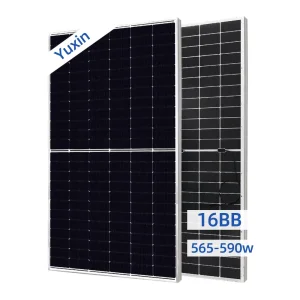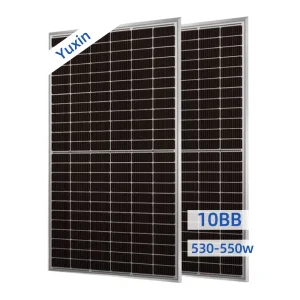
Explore our foundational solar components, backup power units, and portable PV accessories manufactured to rigorous industrial standards.
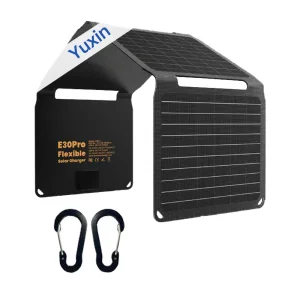
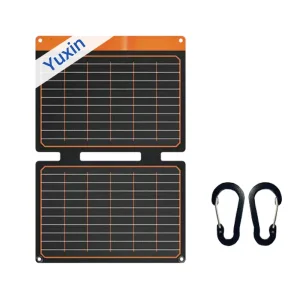
Whitepaper on variable frequency MPPT controllers, dynamic pump optimization, and next-generation power infrastructure.
Modern commercial agriculture faces double-sided pressure: dwindling water tables demanding precise resource conservation, and escalating diesel/grid energy costs. The deployment of a solar submersible pump control system bridges this gap by transforming intermittent photovoltaic energy into highly consistent hydrodynamic power. An automatic controller acts as the central processor of this architecture, constantly assessing solar irradiance and adjusting the dynamic operating parameters of three-phase AC or brushless DC submersible pumps.
To maximize hydraulic output, modern controllers leverage Maximum Power Point Tracking (MPPT) algorithms. By continuously varying the motor frequency (Variable Frequency Drive or VFD technology), the controller prevents motor stalling under low light conditions while optimizing current delivery during peak sun hours. This ensures that the water-pumping cycle begins earlier in the morning and terminates later in the evening compared to traditional direct-coupled systems.
Underground water levels are inherently dynamic. If a submersible pump runs dry, the motor can burn out rapidly due to thermal buildup. High-quality controllers utilize sensorless dry-run algorithms. By observing the voltage-to-current ratio and monitoring power-factor changes, the controller instantly determines when the pump is sucking air instead of water. It safely shuts down the drive sequence and schedules automatic restart routines after a programmed duration, allowing the well or borehole to naturally recharge. This system requires no extra cables down the borehole, dramatically increasing long-term operational reliability.
Sourcing comprehensive photovoltaic materials, structural mount framing, and off-grid residential storage assets.
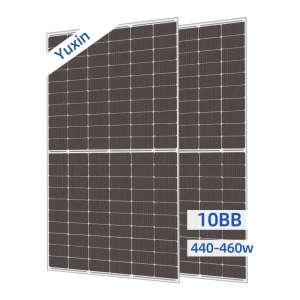
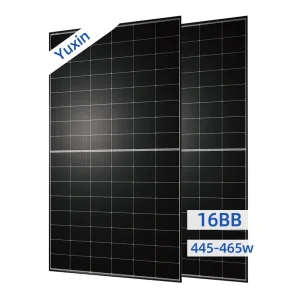
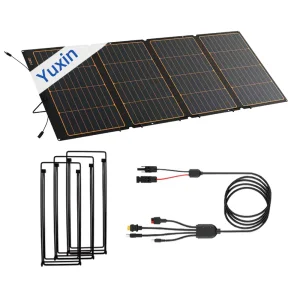
Lightweight design with transparent back panel for easy installation and reduced BOS costs. Engineered for excellent thermal coefficients and higher output under diffuse light.
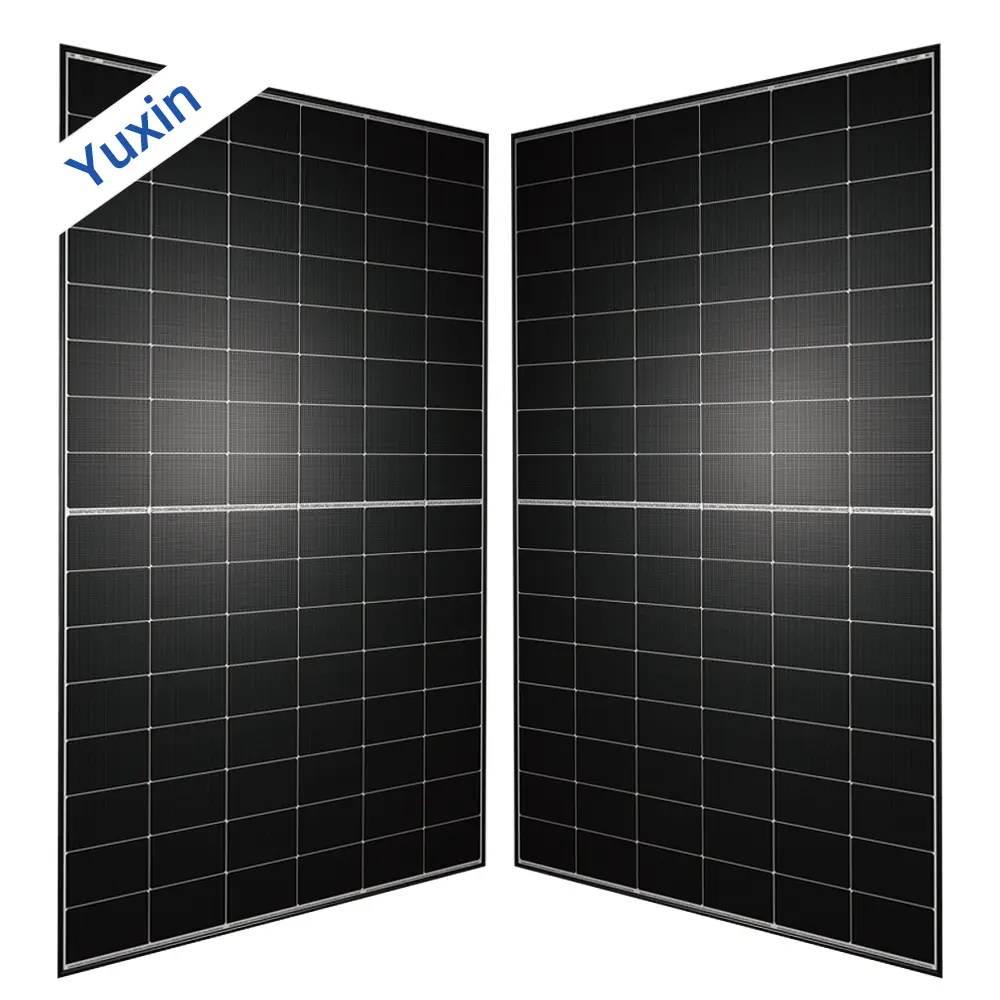
Utilizing advanced monocrystalline silicon cells, it achieves a high energy conversion efficiency of 24%. Compact form factor, perfect for modular scaling in remote field arrays.

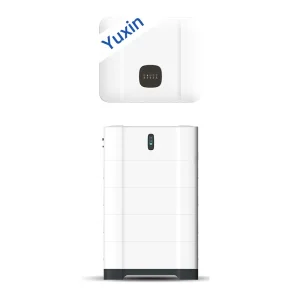
Application modes include grid-connected mode, off-grid mode, and integrated grid-connected/off-grid mode. Optimized for direct solar integration with zero switch-over latency.

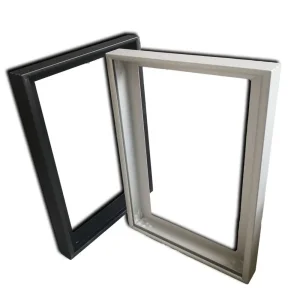
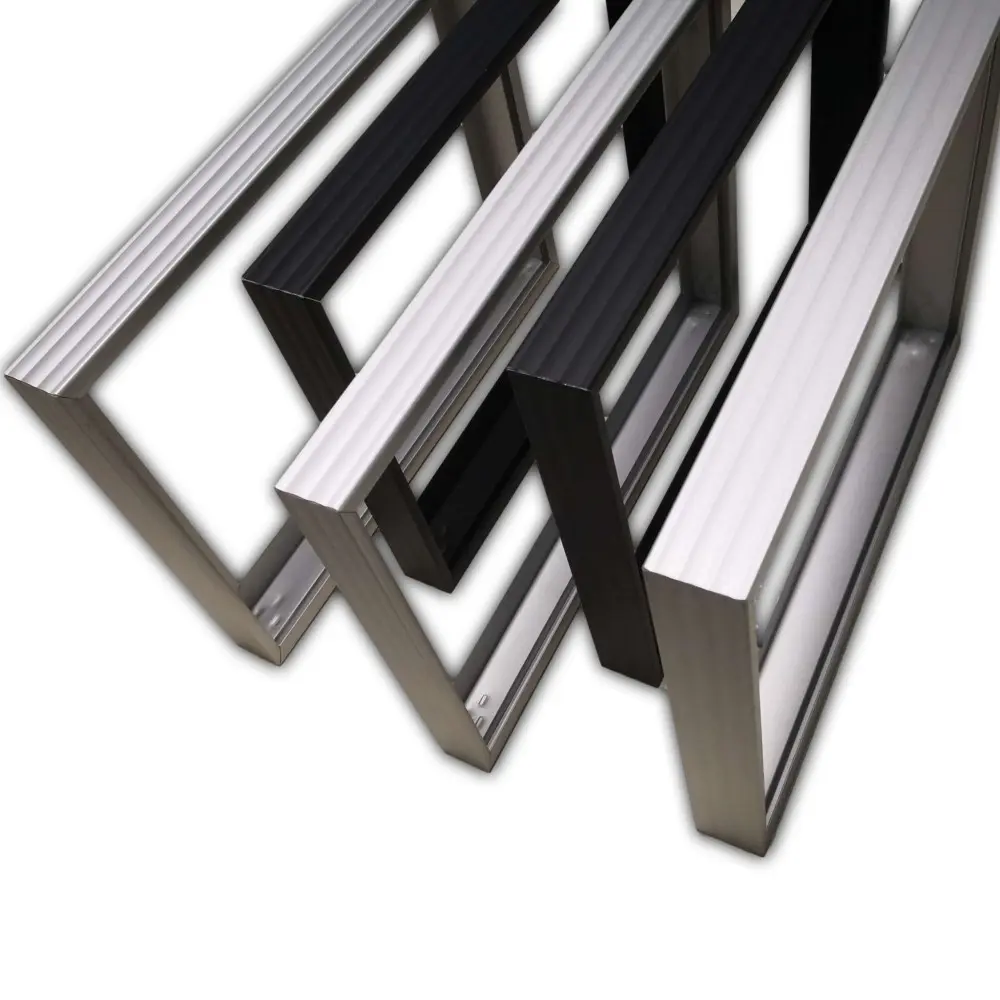
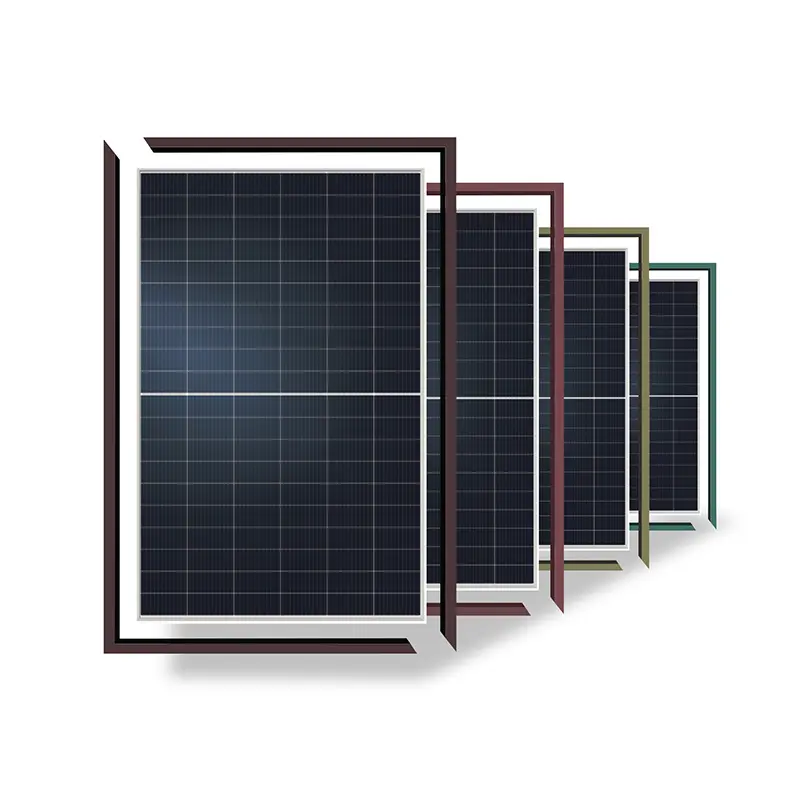
Made of high-quality anodized aluminum, it ensures superior weather resistance and a smooth, long-lasting finish. Standardized mounting parameters for simple frame configurations.
Navigating varying regional grid demands, high-ambient environments, and international engineering requirements.
For deployment in regulated commercial schemes, agricultural controllers must adhere to safety benchmarks. Our control units conform to IEC 62109-1 and IEC 62109-2 standards, certifying the safety parameters of power converters in photovoltaic installations. Additionally, for North American markets, UL508A certifications are satisfied to match the expectations of professional electrical installations and local inspectors.
Field controllers must operate seamlessly under soaring ambient temperatures. High-end devices integrate isolated thermal management chambers that separate delicate processing logic boards from high-heat components (e.g., IGBT modules). In arid regions such as the Middle East or Central Australia, fine particulate dust creates static risks; this requires enclosures configured with IP66 dust-ingress barriers and breathable Gore-Tex pressure venting plugs.
When weather conditions remain overcast, crop irrigation requirements do not cease. Integrated smart controllers execute real-time power blending. Standardizing inputs from both the direct-current PV generator and the AC utility grid (or field diesel generator), the system automatically offsets PV shortfalls. With integrated sub-cycle transfer switches, the motor experiences zero voltage sag or phase drift, guaranteeing safe mechanical execution.
Precision, Quality, and Safety - Your Photovoltaic Materials Expert
Located in the scenic historical and cultural ancient city of Yangzhou, close to the Beijing-Shanghai Expressway, Runyang Yangtze River Bridge, and Ningqi Railway, the group has a superior geographical location and convenient transportation. The group was established in 2008 and has 14 multi-field companies under its jurisdiction, including Jiangsu Yuxin New Energy Technology Co., Ltd. We are proud to have won many titles such as National High-tech Enterprise, Technology-based Enterprise, and Gaoyou City Top 100 Private Enterprises.
Vertical manufacturing, high volume efficiencies, and comprehensive quality assurance protocols.
For global engineering agencies and regional distributors of solar hardware, supplier consistency defines business continuity. Leveraging China's integrated solar manufacturing supply chain allows for significant cost advantages, rapid tooling modifications, and extensive testing pipelines. In Yangzhou, where our facilities reside, access to raw aluminum stock, precision CNC machining, and electrical chip assemblies is centralized. This eliminates massive intermediate shipping logistics and shortens the design cycle from concept validation to physical delivery.
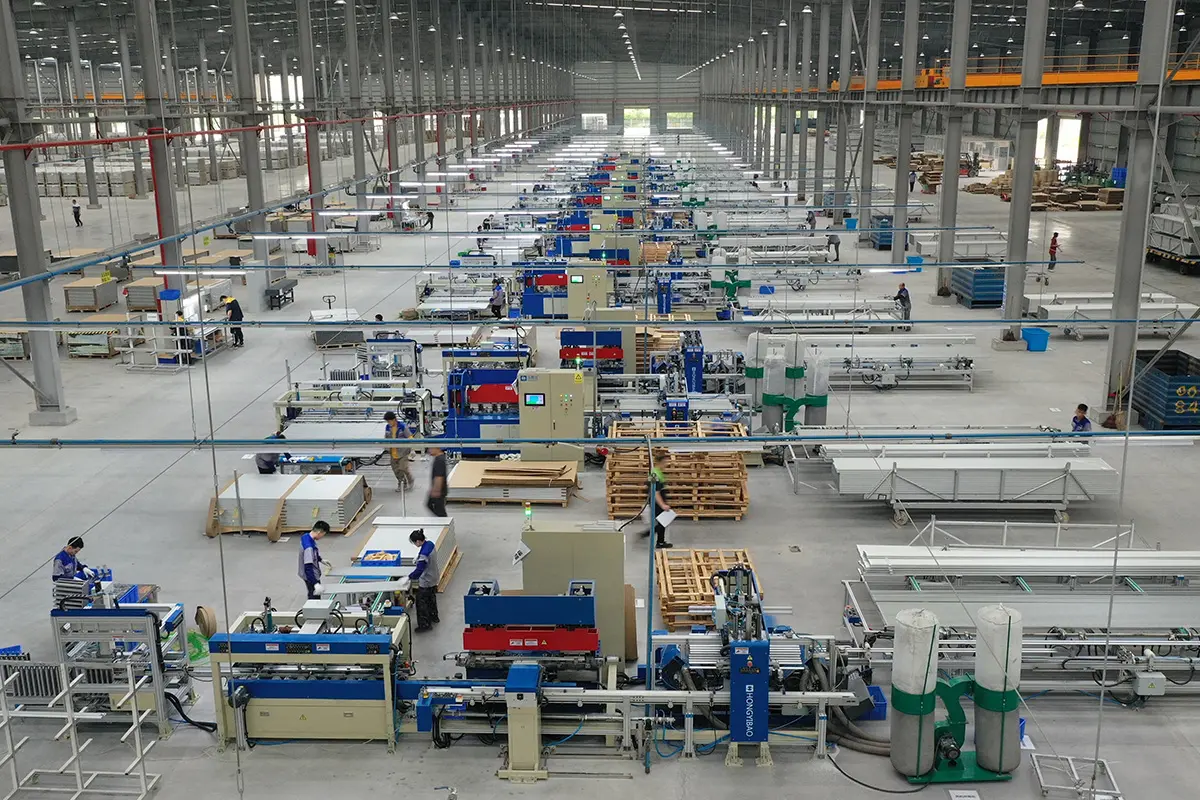
Our 21+ production lines are set up to handle rapid shifts in specification parameters. Whether a project calls for specialized 6063-T5 aluminum framing dimensions, unique N-type TOPCon dual glass pane integration, or custom firmware parameters within a submersible controller, the production steps flow seamlessly under one QC structure. This vertical alignment ensures that every component performs optimally together, minimizing mechanical failures in the field.
Every production lot is subjected to thermal cycling chambers (ranging from -40°C to +85°C), high-pressure water spray simulators (certifying IP integrity), and full-load motor simulators. By validating electrical output curves under artificial sunlight configurations, we guarantee that when a solar pump control reaches your project site, it is pre-configured to deploy without delays.
Validating compliance, safety, and high-efficiency metrics through global testing boards.
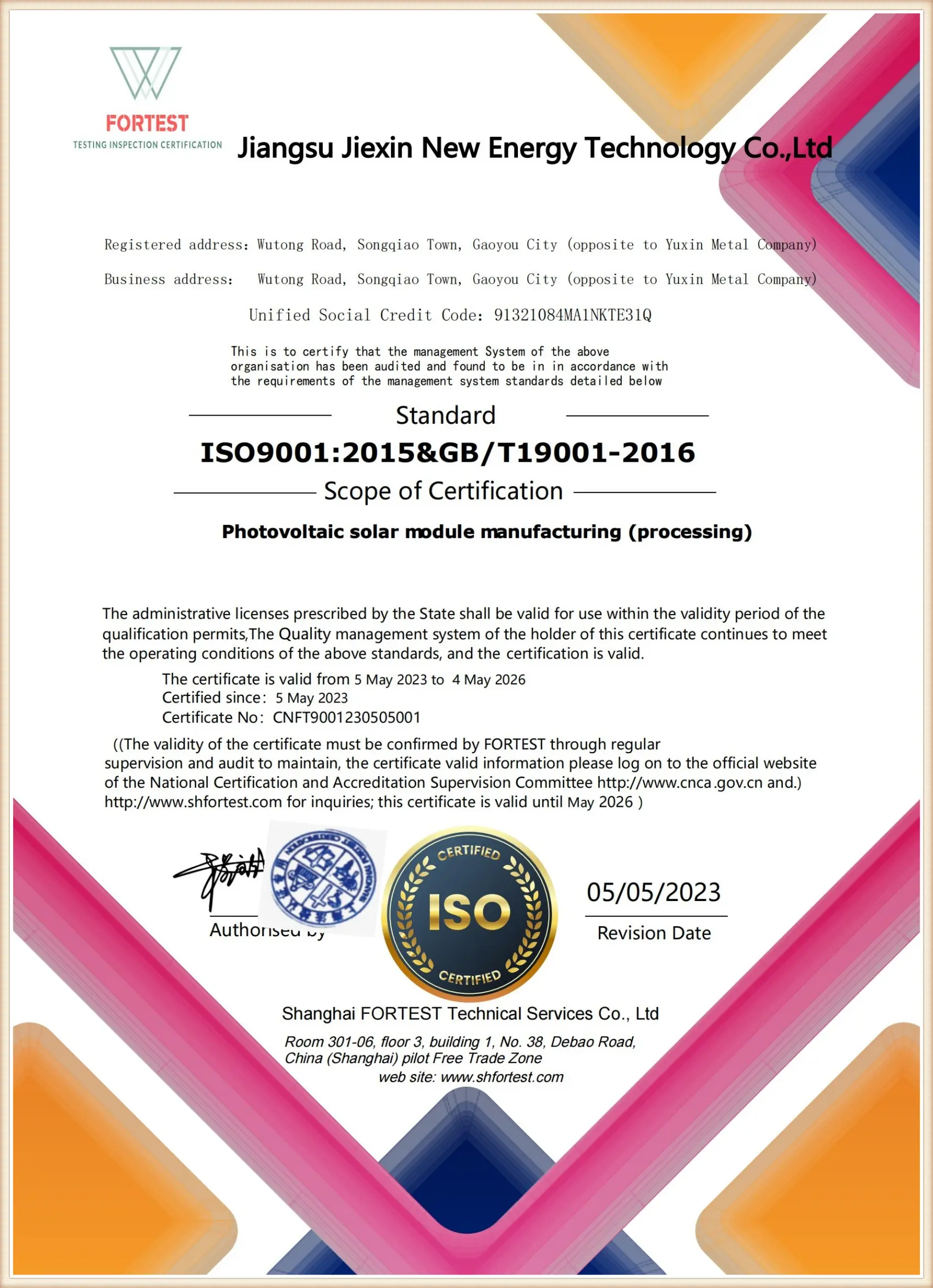
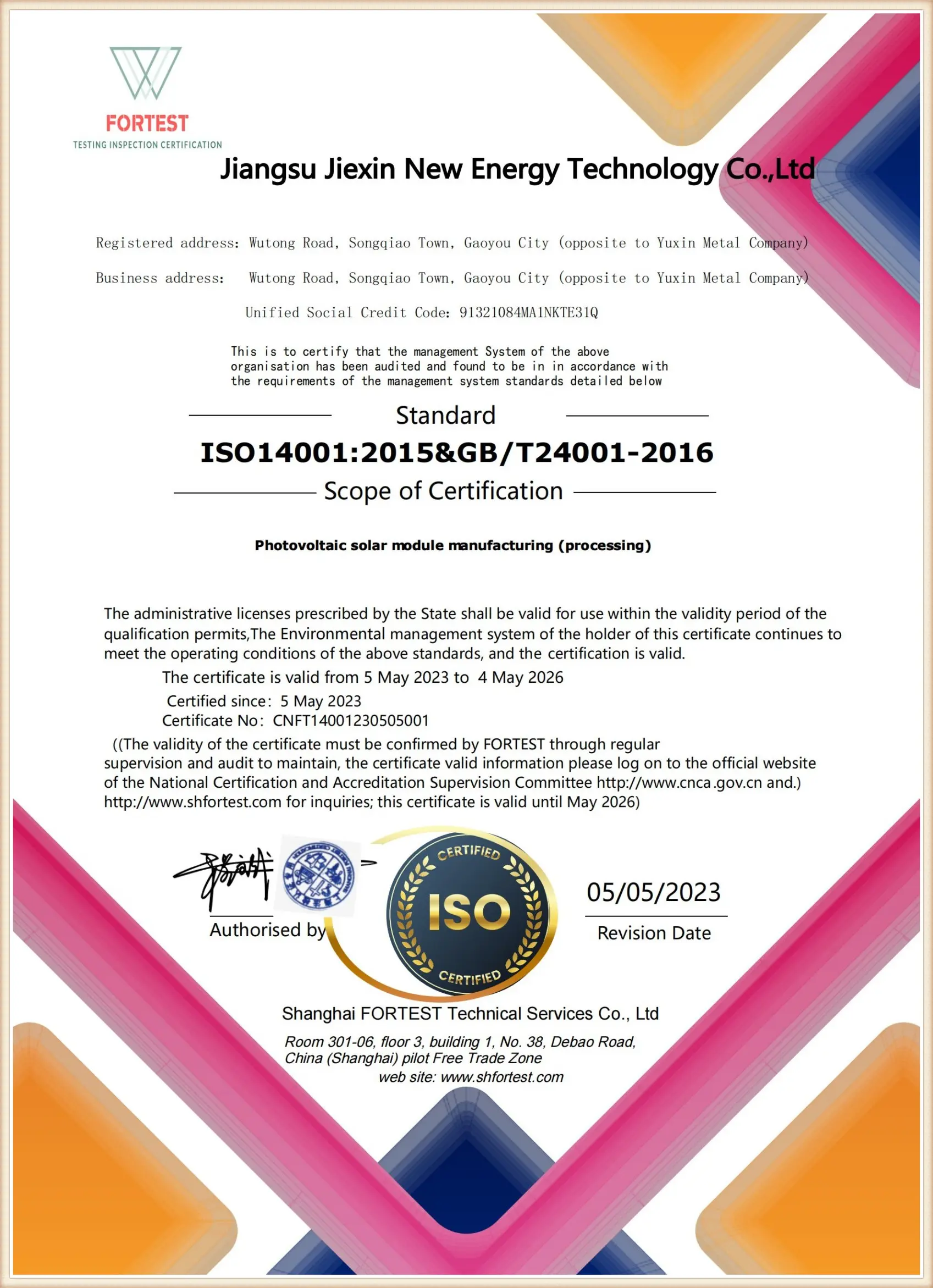
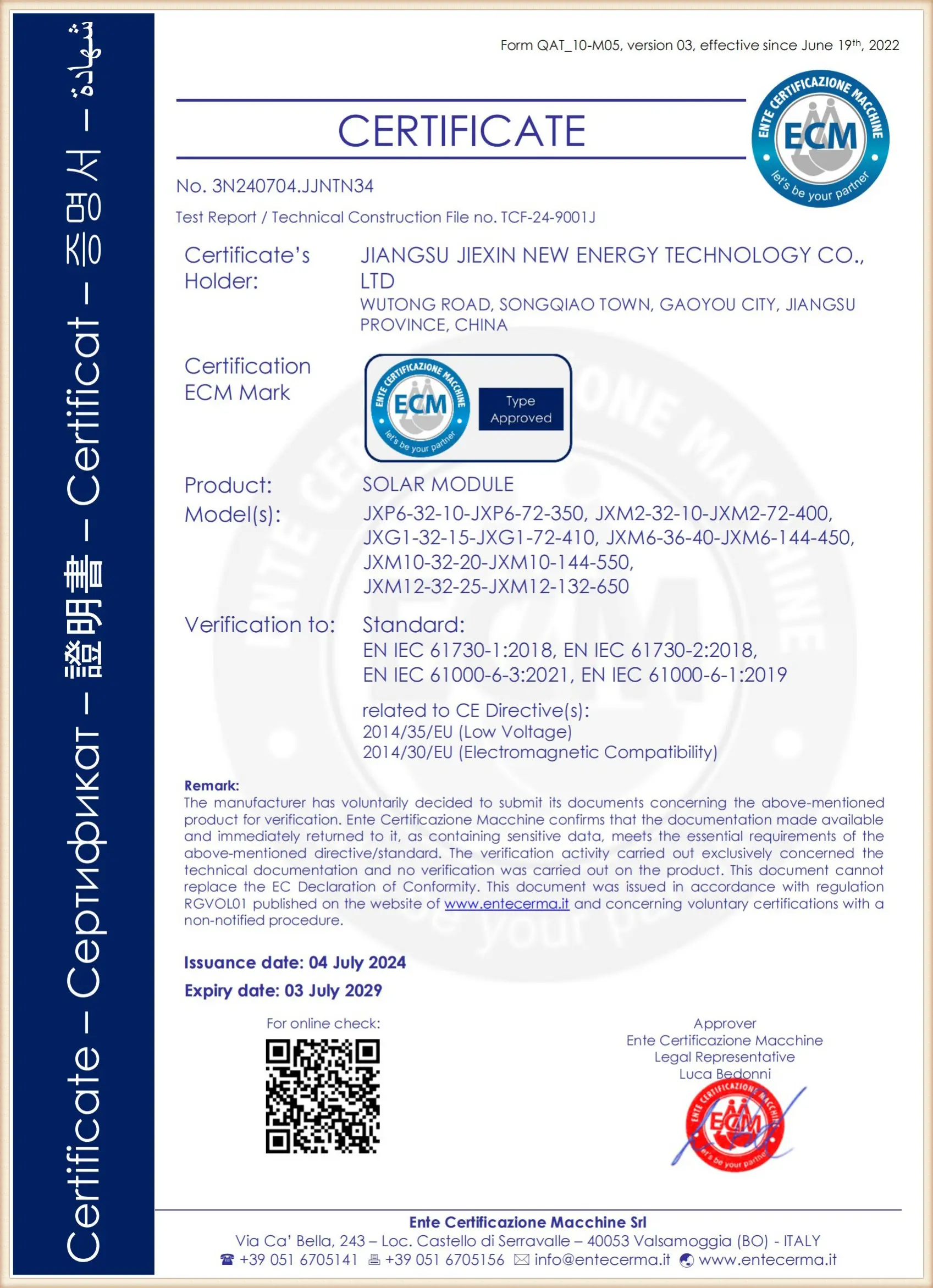
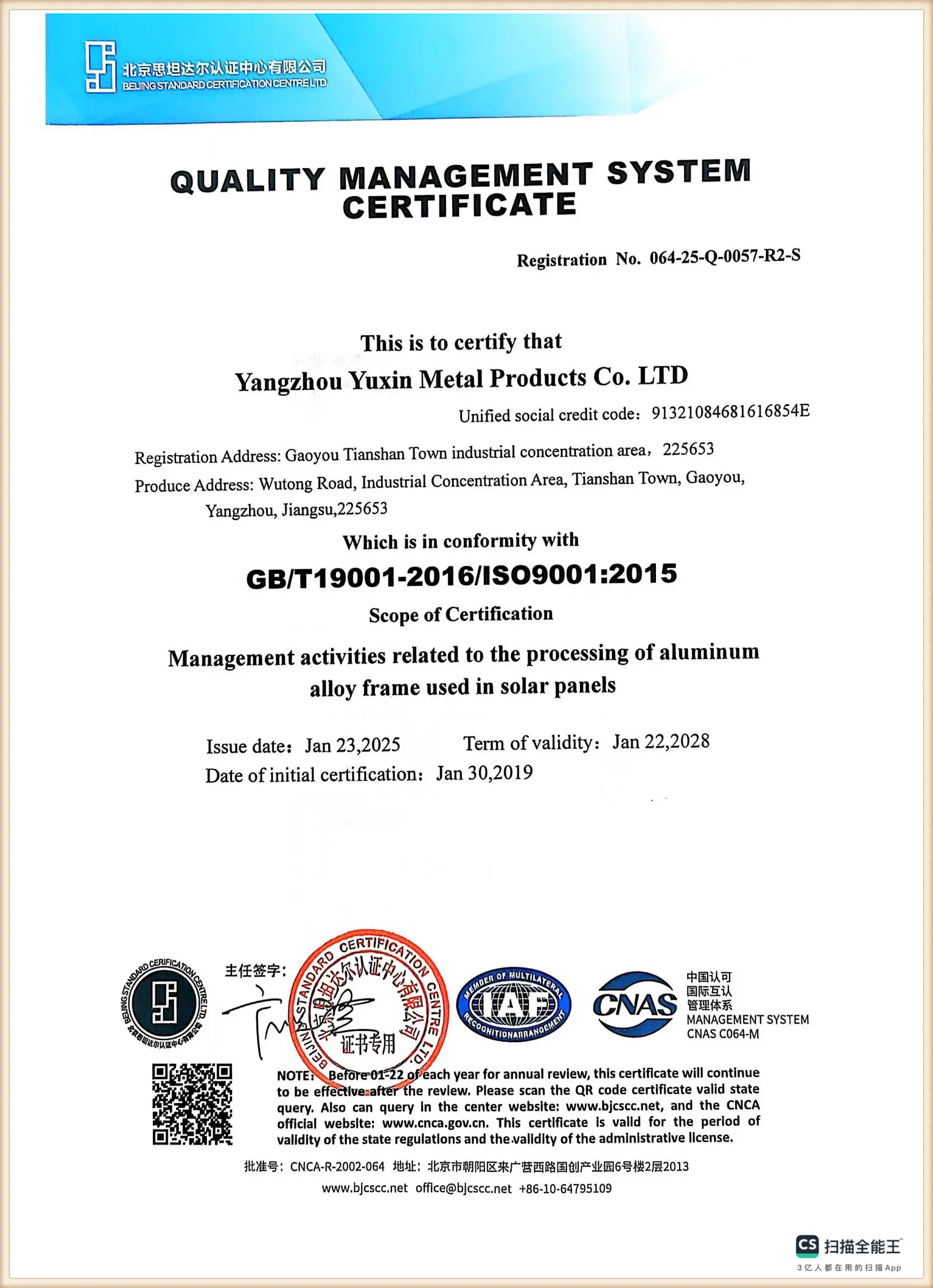
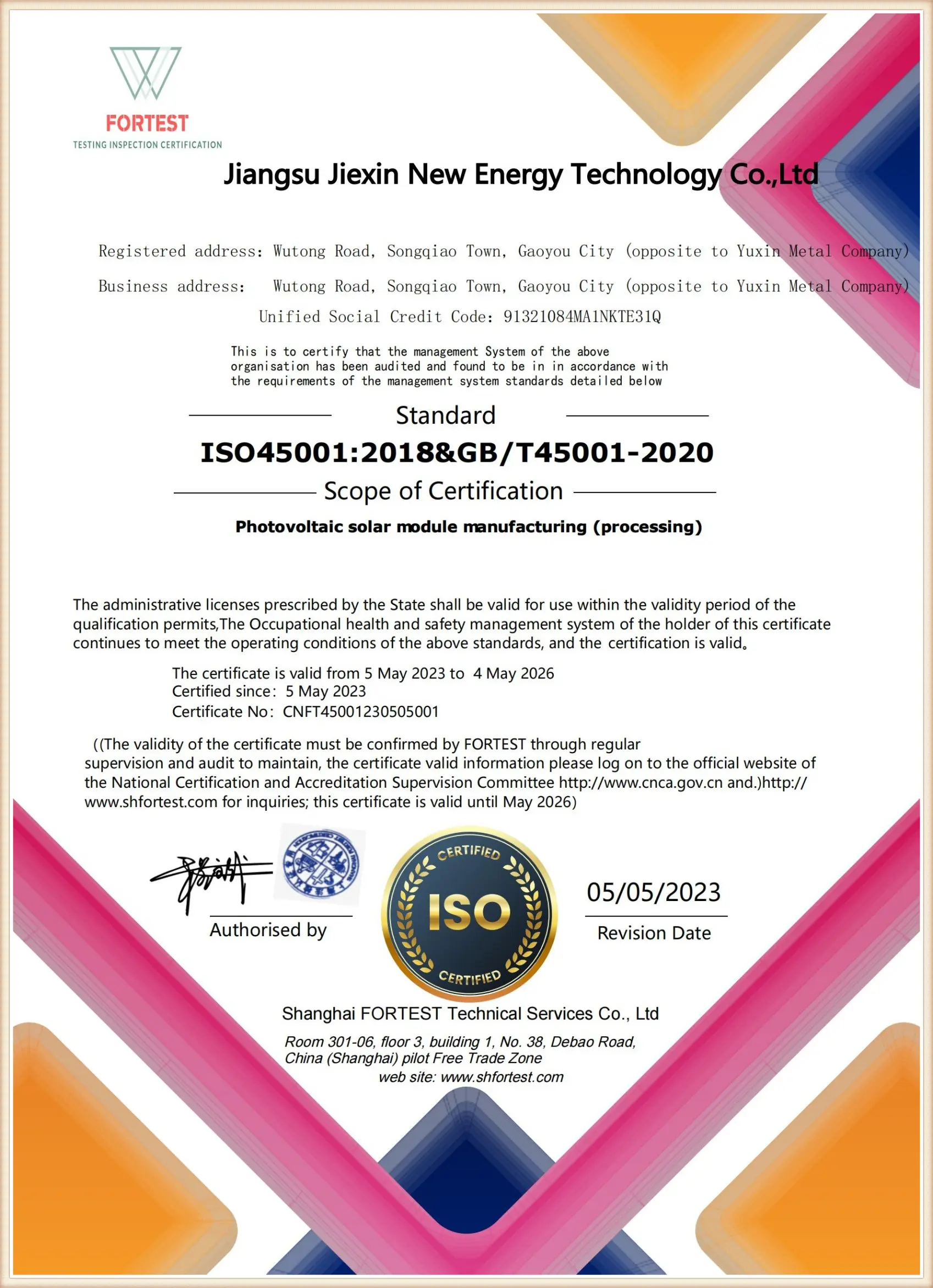
Addressing core pain points for EPC contractors, governmental irrigation projects, and agricultural distributors.
Every dollar spent on balance-of-system (BOS) items shifts project feasibility. By incorporating high-voltage solar inputs (up to 800V DC) into our controller architectures, the length and thickness of field cabling run are reduced. Integrated DC fuses, lightning surge arrestors, and bypass terminals remove the need for auxiliary outer junction panels.
Modern farm management relies on data. Our automatic pump controllers feature RS485 Modbus, GPRS, and LoRa wireless connectivity protocols. Project managers can monitor borehole recovery metrics, hourly output trends, motor power profiles, and physical security triggers from anywhere in the world, mitigating localized system checks.
Upgrading operational diesel-powered pumps into clean energy hubs can be complex. High-quality controllers feature dual-mode interface compatibility, permitting direct swaps without replacing the existing AC submersible pump. The drive profile adjusts voltage output dynamically to safeguard old motor windings.
Deploying photovoltaic structural components and controller hardware across crucial industries.


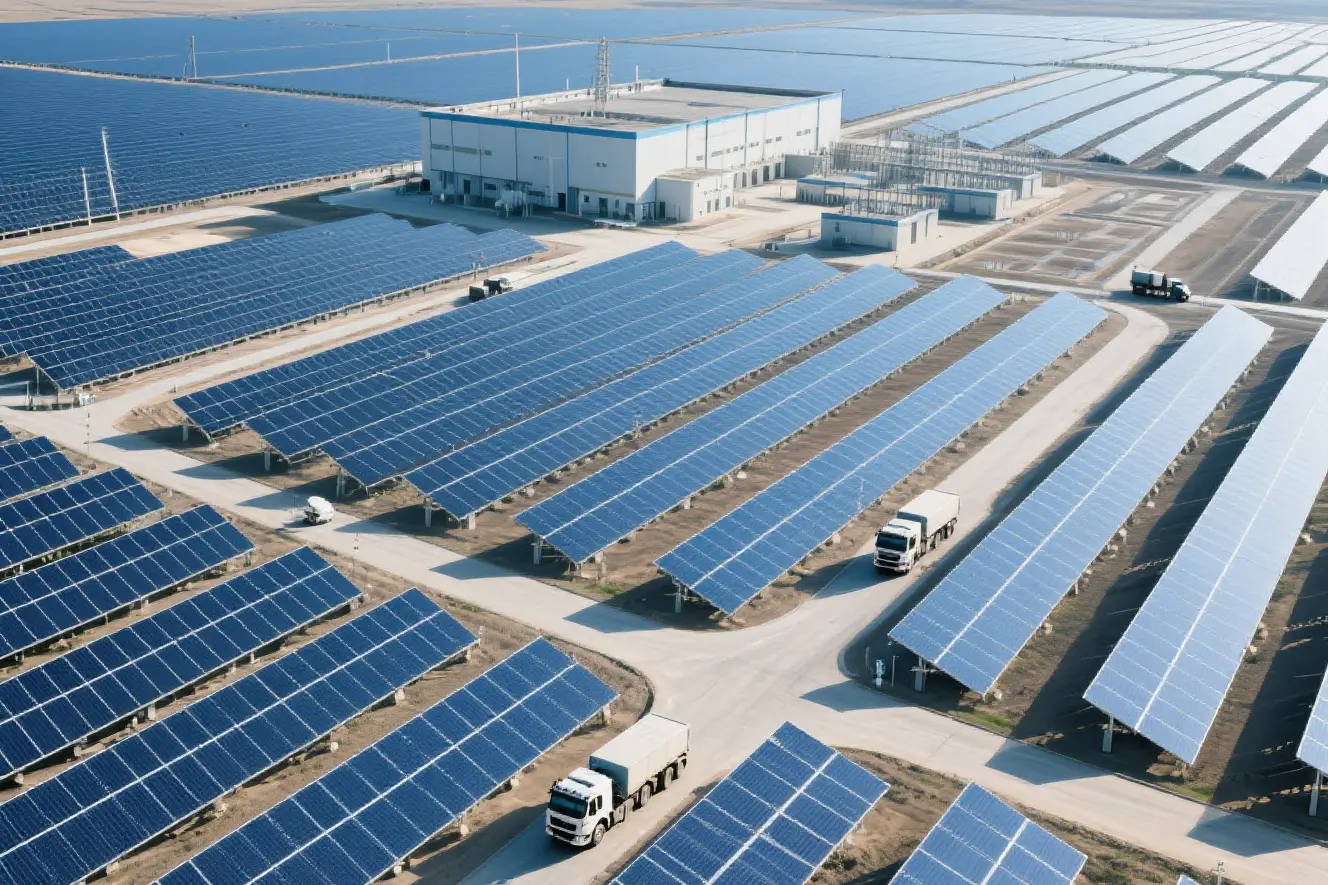

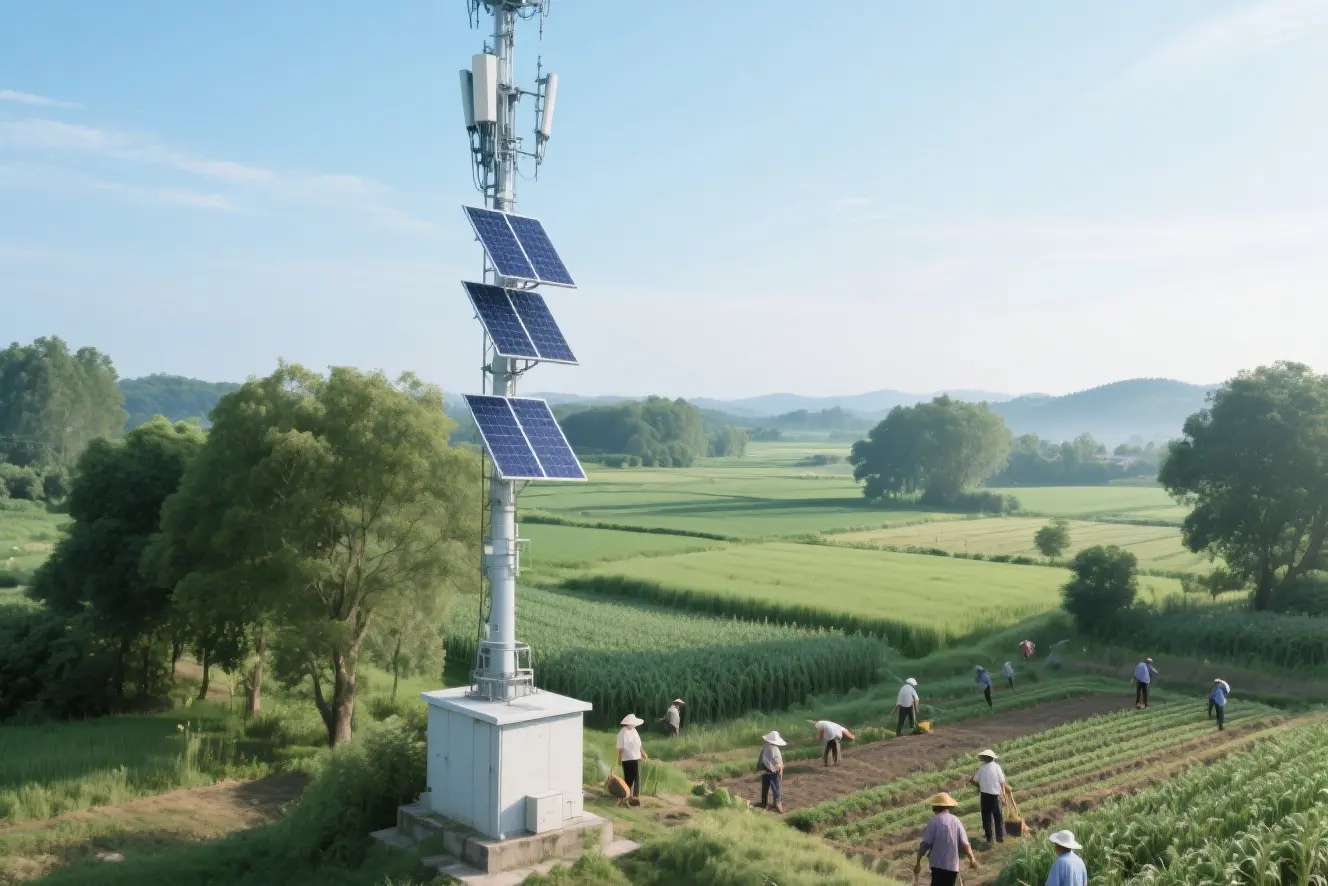
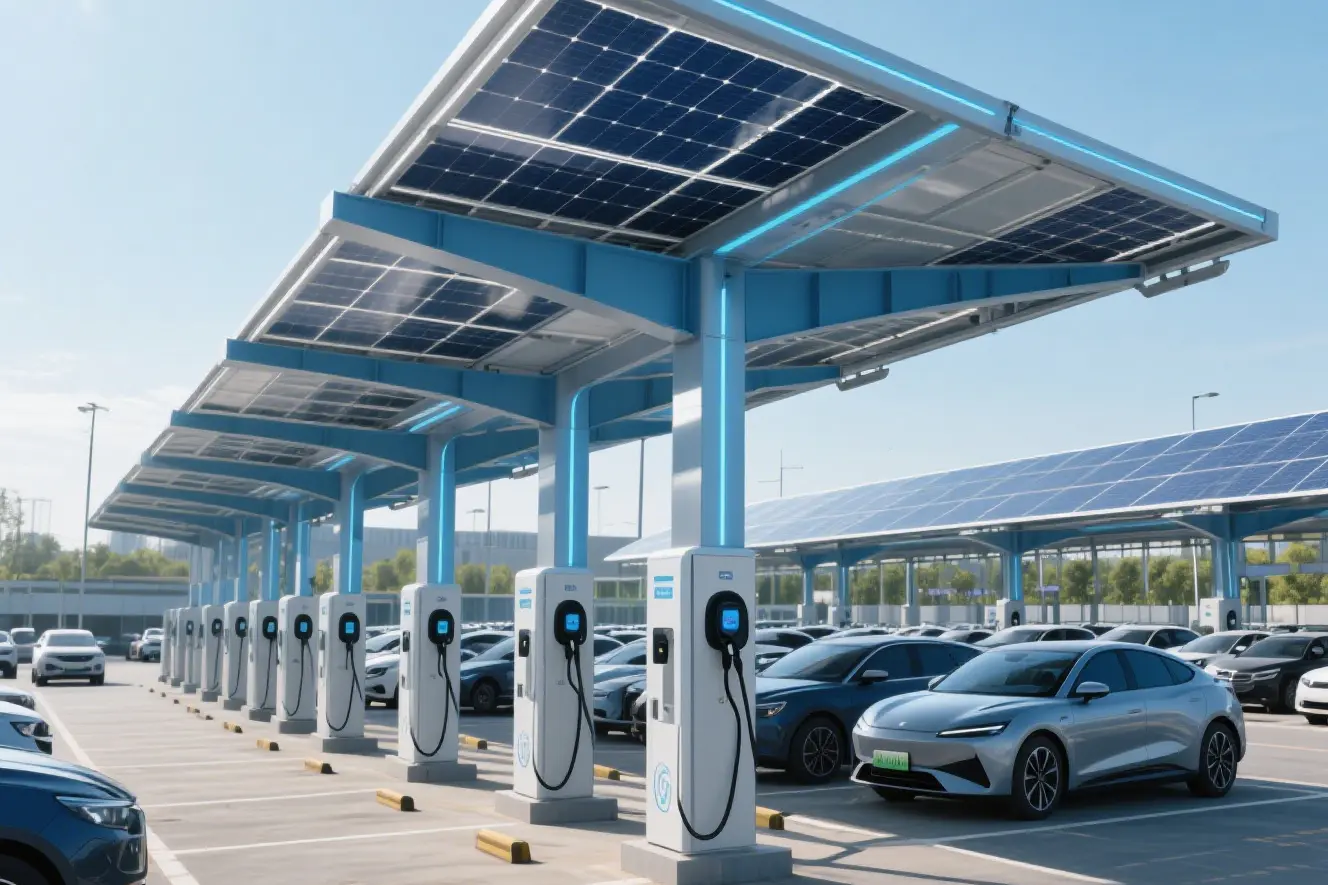
The convergence of carbon-neutral materials, smart grids, and AI-enabled pump diagnostics.
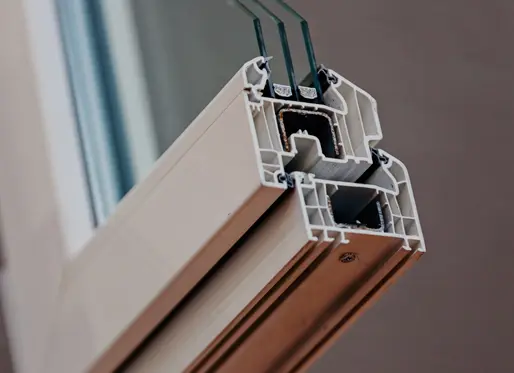
For mounting systems situated in damp or corrosive coastal agricultural regions, traditional anodized aluminum can exhibit localized galvanic corrosion over decades of service. To solve this, manufacturers are pivoting toward advanced composite materials. Cheap sustainable polyurethane pultruded composite material structures are stepping in to replace traditional aluminum frames in highly saline or humid areas. They offer superior UV durability, extreme wind loads resistance, and zero corrosion concerns.
In terms of driver development, permanent magnet synchronous motors (PMSM) are rapidly taking the place of standard induction motors in submersible configurations. Because of their high flux density and high torque-to-volume ratio, PMSM pumps can push up to 30% more water per day under identical solar irradiance profiles compared to induction setups. The automatic solar pump controller must possess advanced sensorless field-oriented control (FOC) mathematical software pipelines to run these motors smoothly without mechanical feedback loops.
In-depth responses to the most critical design and deployment questions faced by irrigation engineers.
Forming strong collective and diversified advantages alongside industry-leading clean energy organizations.


Keep pace with societal and technological shifts. We prioritize pragmatic progress and win-win partnerships.
Browse our extended catalog of modular commercial storage, PERC & N-type monocrystalline solar modules, and structural frames.