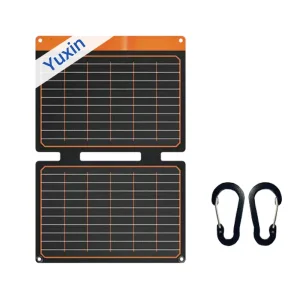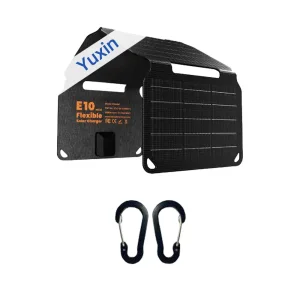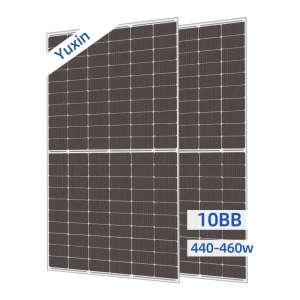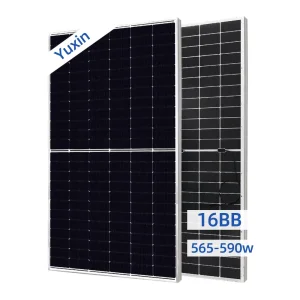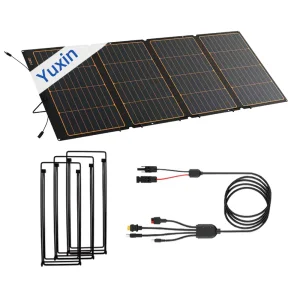
Browse our core selection of high-efficiency camping accessories and heavy-duty structural profiles.
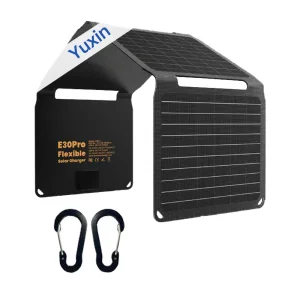
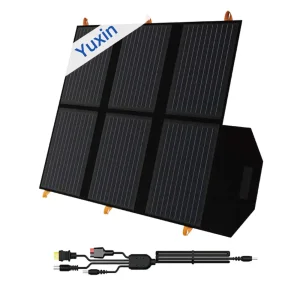
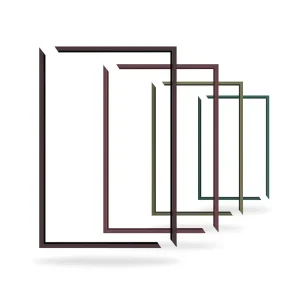
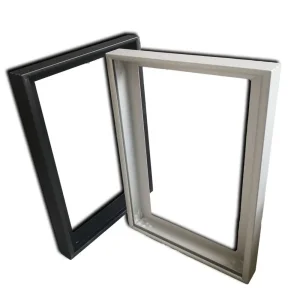
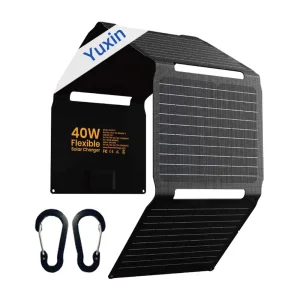
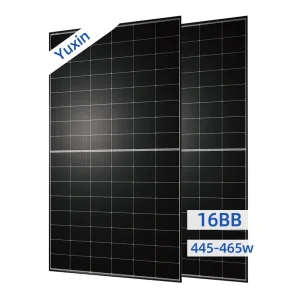
The global market for travel solar panel kits and portable energy harvesting infrastructure is witnessing an unprecedented CAGR expansion, driven by decentralized energy initiatives, eco-tourism booms, and strategic preparations for emergency contingencies. Historically categorized as recreational novelty items, contemporary portable photovoltaic systems are currently recognized as essential elements in defense logistics, remote scientific operations, and agricultural monitoring frameworks.
Geopolitically, the production capability is highly clustered within advanced high-tech zones in East Asia, notably in regional clean technology hubs such as Yangzhou, Jiangsu. These territories leverage vertically integrated supply chains—ranging from monocrystalline silicon ingot casting to precise robotic assembly of pultruded polyurethane and anodized aluminum structural frames. The convergence of ultra-light micro-inverters, resilient materials chemistry, and smart battery storage integration has elevated travel-focused PV units from low-power consumer devices (10W–30W) to highly reliable industrial emergency generators (240W and above).
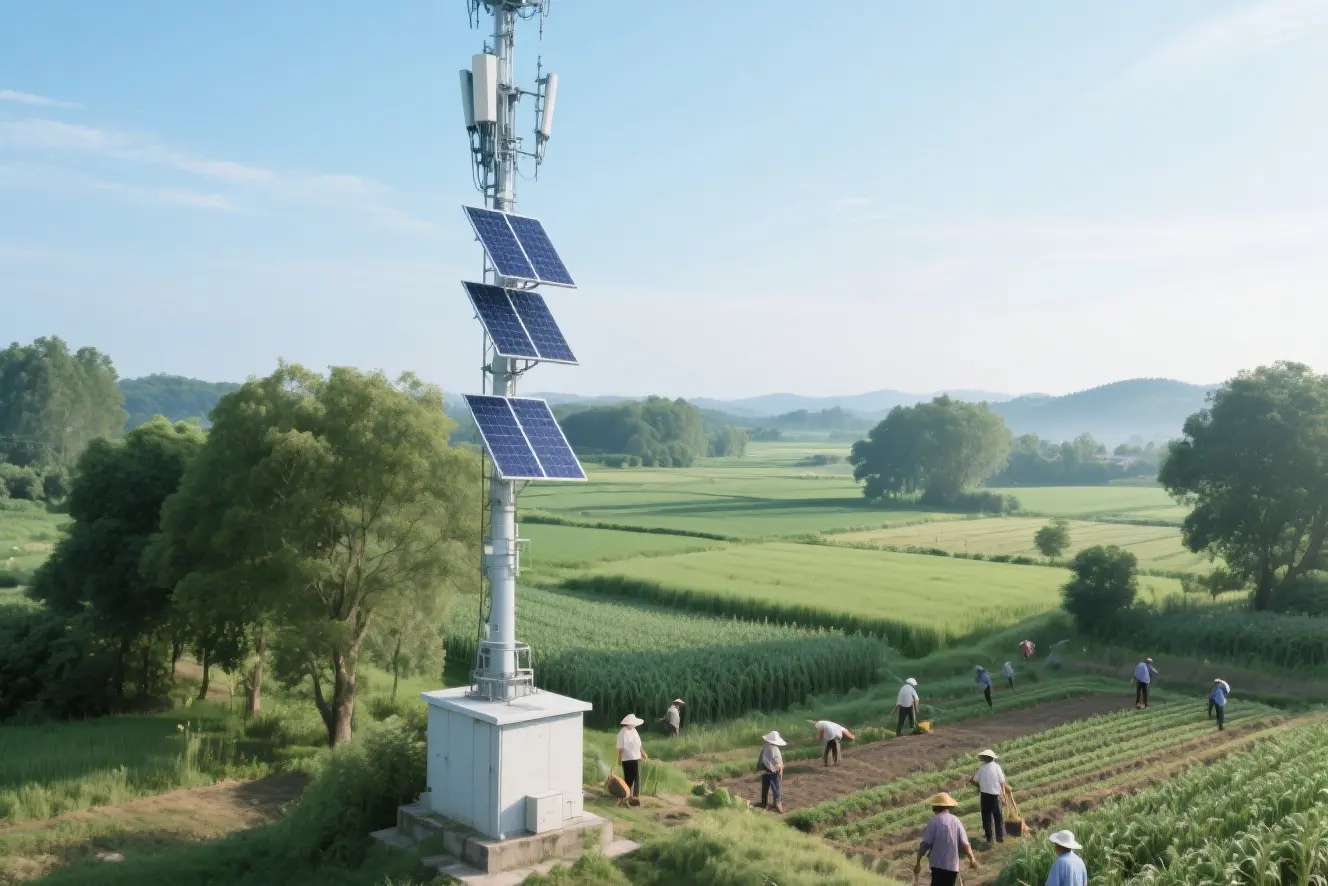
Micro-engineered portable solar grids provide continuous, grid-independent electricity. They are critical for localized off-grid telecommunication towers, field-medical kits, and distributed smart agriculture sensors.
Standard frames are shifting from traditional heavy aluminum alloys to lightweight, non-corrosive polyurethane composites. This enhances chemical and electrical resistance, which is essential for marine and extreme environmental deployments.
Adopting advanced 10BB/16BB N-type half-cell architectures guarantees high yields even under partial shading or high ambient temperatures, raising standard portable efficiency levels close to 24%.
Located in the scenic historical and cultural ancient city of Yangzhou, close to the Beijing-Shanghai Expressway, Runyang Yangtze River Bridge, and Ningqi Railway, the Yuxin group enjoys a superior geographical location and convenient logistical transport routes. Established in 2008, the group operates 14 specialized multi-field subsidiaries, including Jiangsu Yuxin New Energy Technology Co., Ltd.
As an accredited National High-tech Enterprise and a prominent player among Gaoyou City's Top 100 Private Enterprises, YUXIN specializes in high-durability anodized aluminum frame fabrication, composite solar frame materials, and advanced portable energy systems.
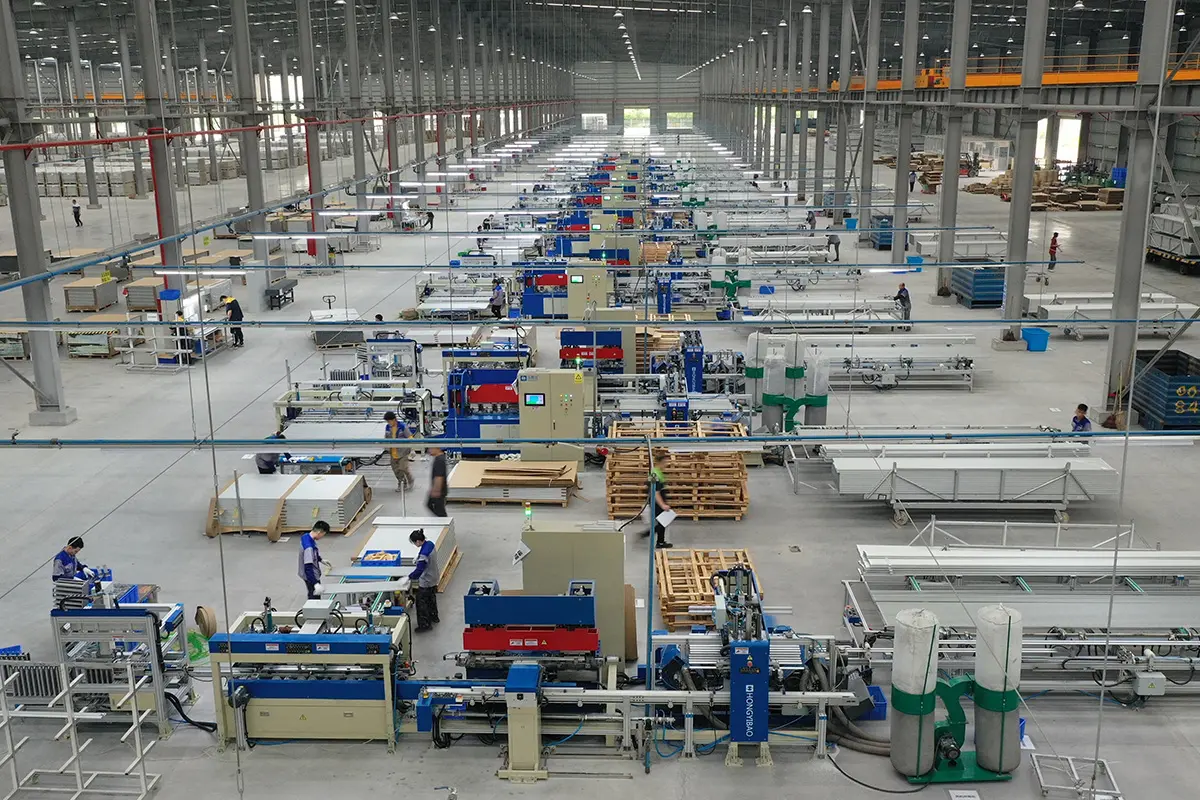
Advanced Production Lines
Annual Sales Revenue ($76.1M+ base)
Export Volume (Tons)
Annual Manufacturing Capacity
The trajectory of travel-centric solar kits is shaped by three key technology changes: structural integration, chemical efficiency optimization, and intelligent power management. As modern consumers and industrial operators demand higher performance with less weight, manufacturers are forced to rethink structural chemistry and cell technology.
First, bifacial dual-glass TOPCon solar panels are migrating from standard residential rooftops to heavy-duty mobile applications. By utilizing ambient ground albedo reflection, bifacial portable kits capture up to 25% more energy than single-sided modules. Second, the structural frames of portable panels are shifting. Traditional 6063-T5 aluminum, though highly durable, is being augmented in specialized coastal or highly acidic environments by polyurethane pultruded composite material. This new material reduces structural weight while offering excellent electrical insulation and mechanical strength. Third, the incorporation of high-efficiency USB-PD protocols and direct DC-to-AC micro-inverters enables travelers to charge advanced equipment, such as cell phones, power banks, and portable generators, without needing heavy external charge controllers.
By leveraging dual-glass monocrystalline structures, contemporary travel kits harvest energy from both sides, maximizing utility in snow-covered, sandy, or concrete-laden environments.
Pultruded polyurethane frames offer high resistance against salt spray, chemical corrosion, and UV-degradation, ensuring a longer product lifespan than aluminum in maritime settings.
Innovative ETFE/PET laminates replace heavy glass tops on travel panels, cutting weight by up to 60% while maintaining durability against physical impact and rain.
Engineered for maximum resilience and high conversion metrics.
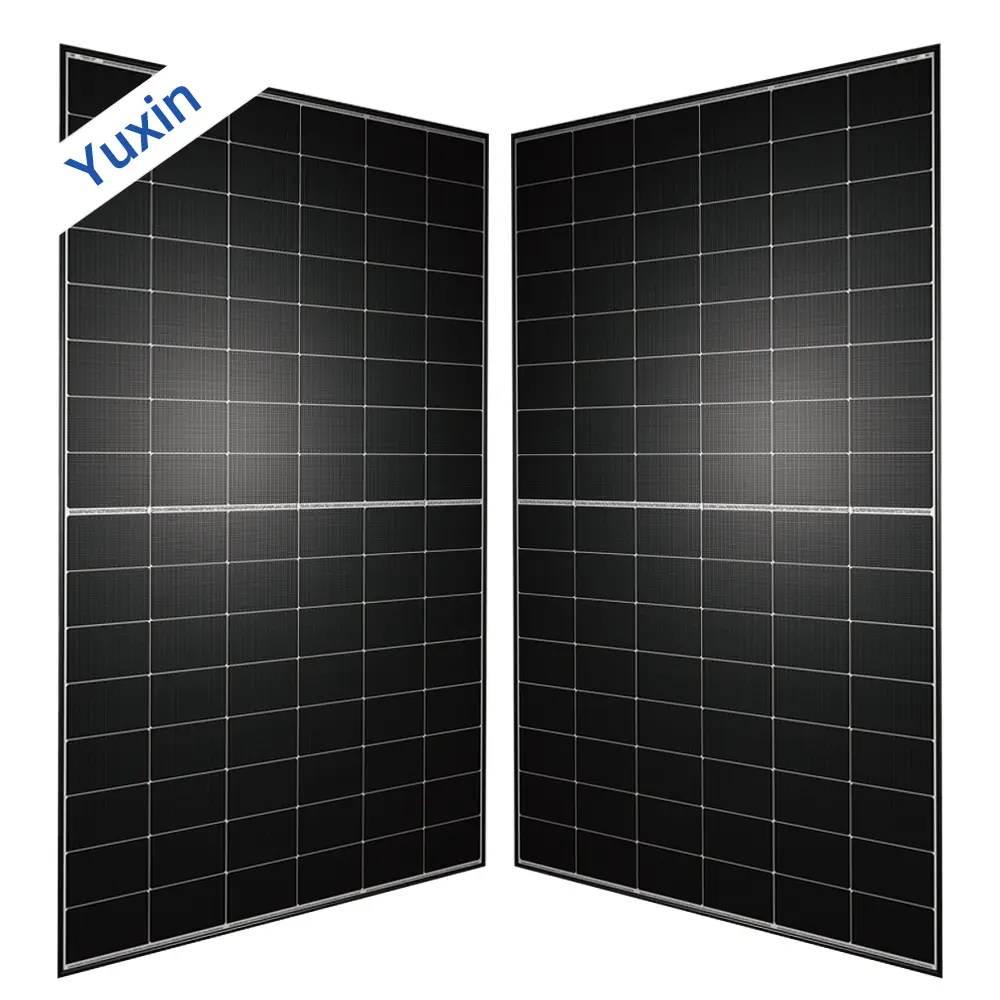
Lightweight design with transparent back panel for easy installation and reduced BOS costs.
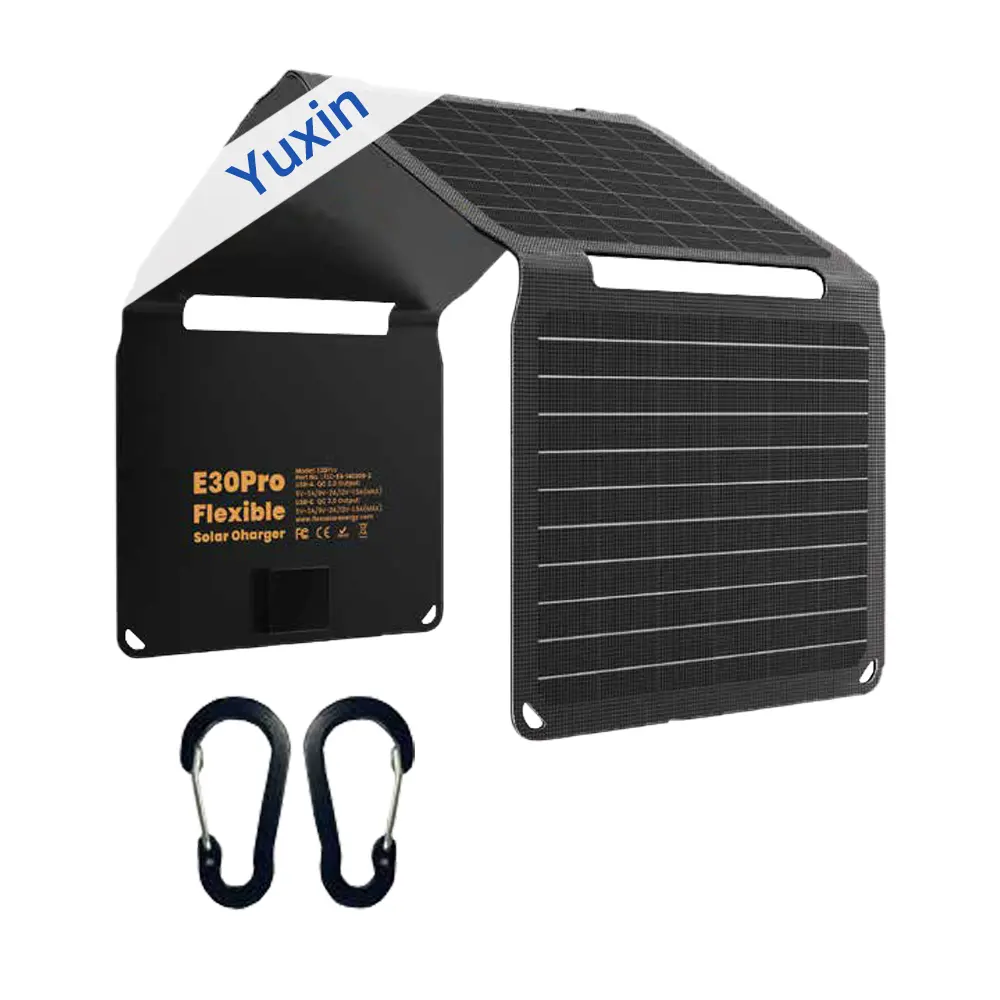
Utilizing advanced monocrystalline silicon cells, it achieves a high energy conversion efficiency of 24%.
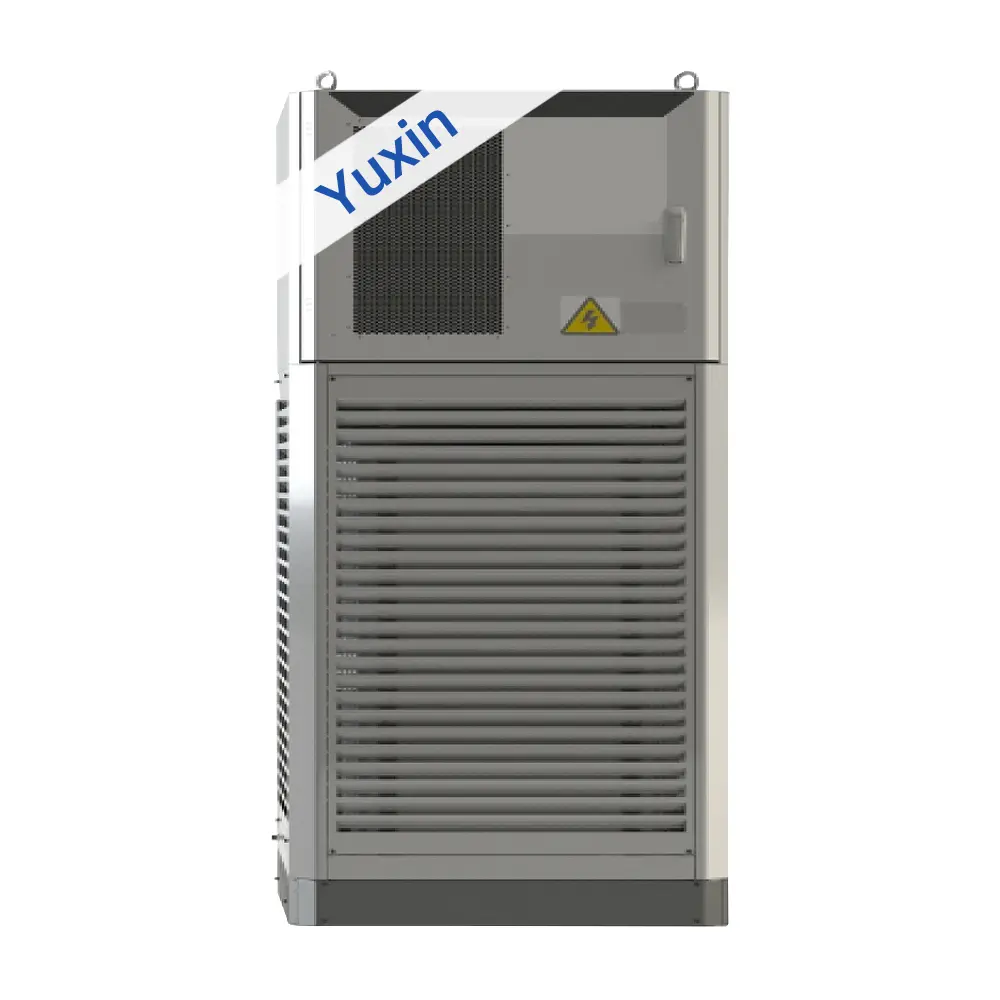
Application modes include grid-connected mode, off-grid mode, and integrated grid-connected/off-grid mode.
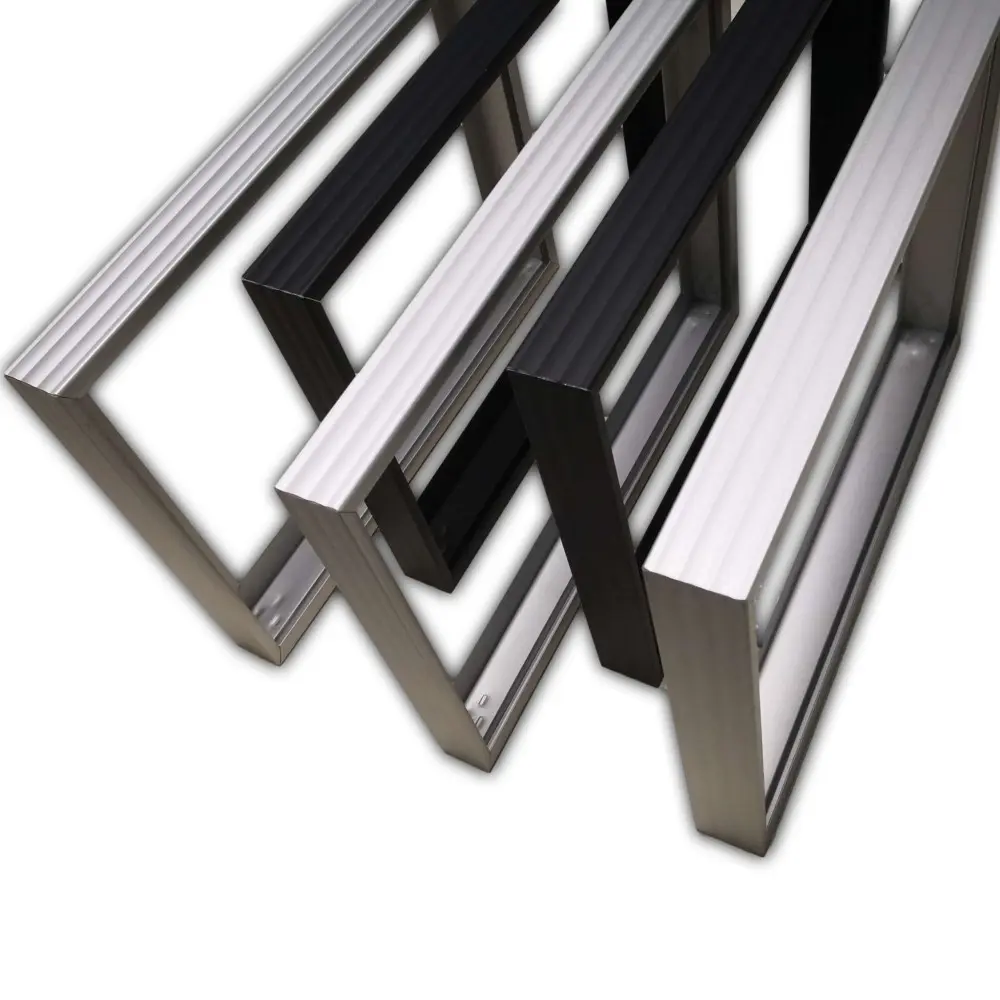
Made of high-quality anodized aluminum, it ensures superior weather resistance and a smooth, long-lasting finish.
Travel solar panel kits must adapt to different climates and regional requirements worldwide. What works in the dry, high-UV environments of Western Australia might fail in the high-humidity, salt-laden air of Southeast Asian coastal archipelagos. Therefore, localizing product specifications is critical for long-term product viability.
In North America and Europe, outdoor recreation (such as wilderness backpacking and RV camping) drives demand for highly durable, flexible solar backpacks and portable chargers. Users expect fast charging for cell phones, GPS receivers, and portable lithium generators. Meanwhile, in off-grid rural areas in Africa and parts of Latin America, portable 240W travel kits serve as emergency generators, powering medical refrigeration, school classrooms, and agricultural pump sensors. To withstand these diverse environments, solar panel structural designs rely heavily on either premium 6063-T5 aluminum frames or polyurethane composite coatings, offering long-lasting protection against rust and mechanical wear.
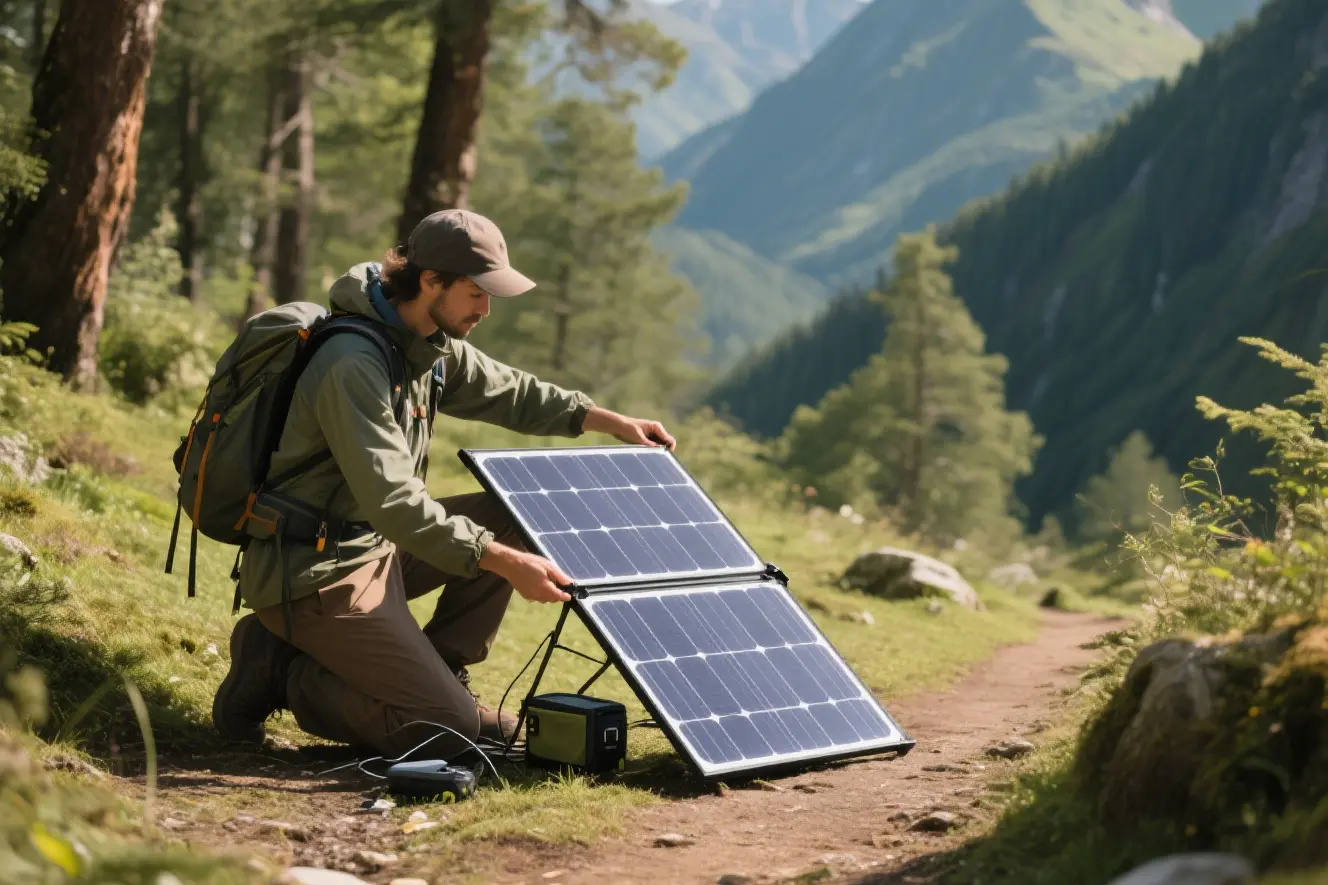
Lightweight 10W–60W water-resistant backpack panels enable hikers to maintain communication in remote areas, supporting safe wilderness exploration.
Leveraging non-conductive polyurethane and anti-corrosive aluminum frames, these kits endure continuous exposure to marine salt and high moisture.
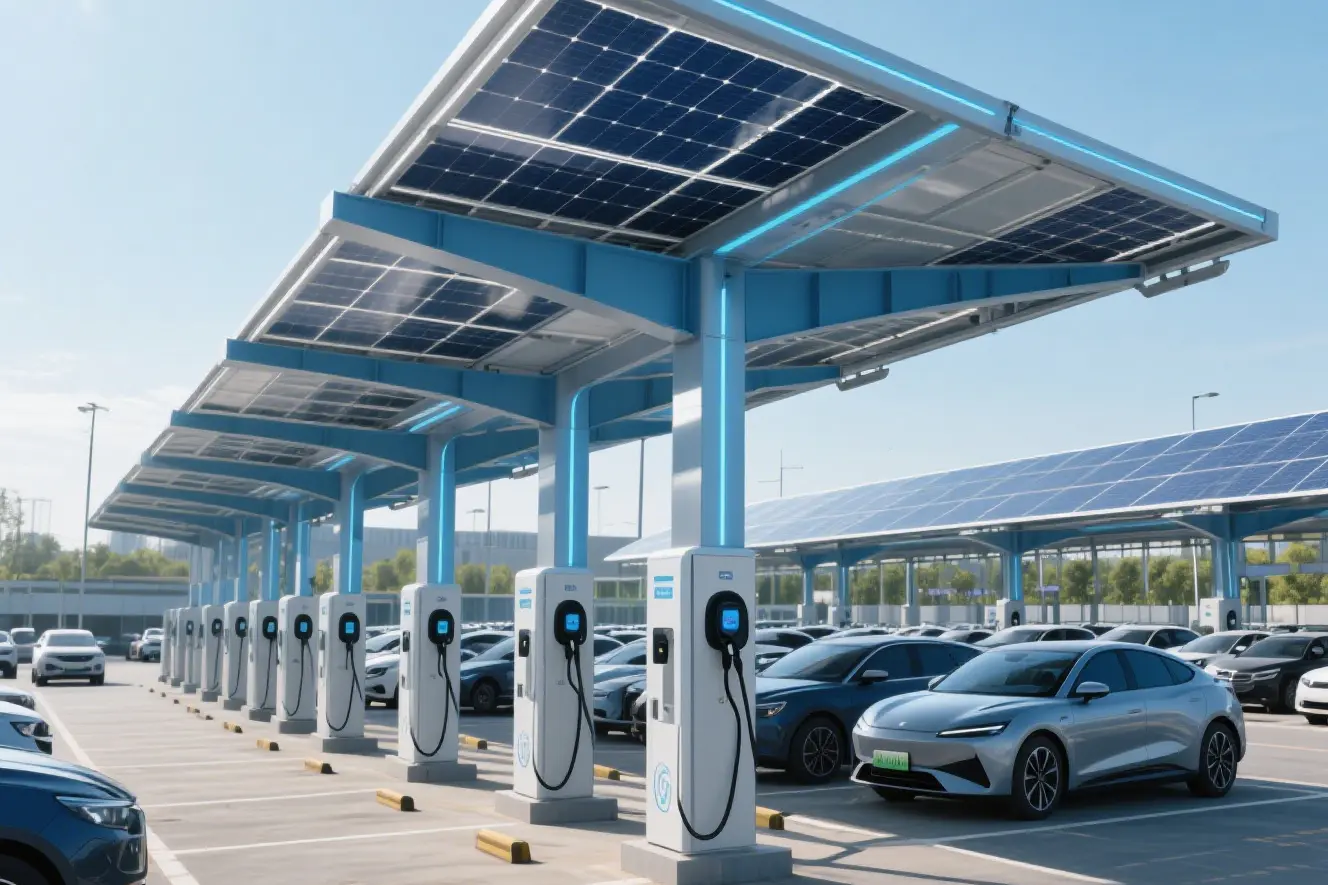
High-wattage (240W) folding kits function as rapid-deployment generators during natural disasters, supplying clean energy when the grid fails.
Our technologies support diverse global business sectors.

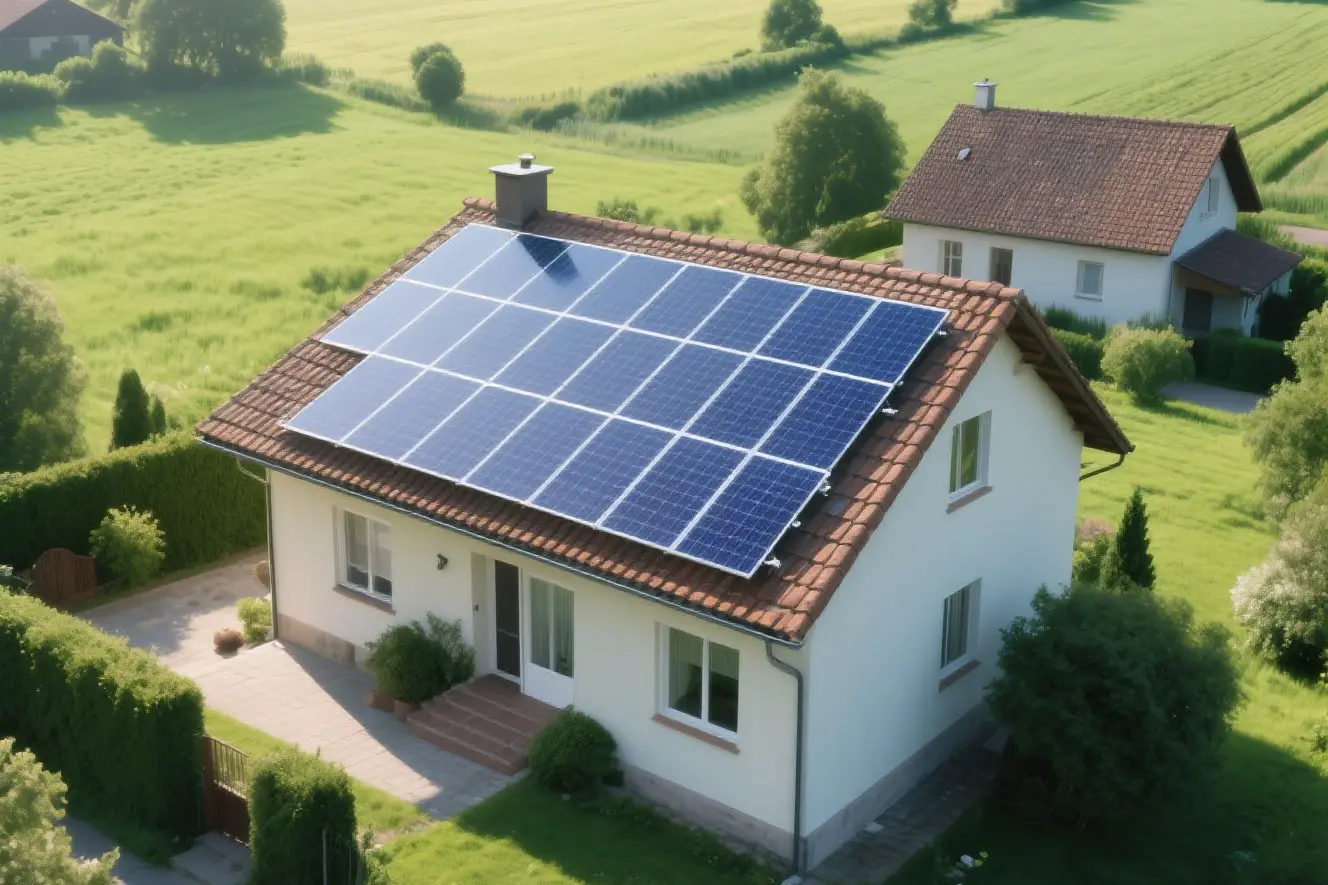
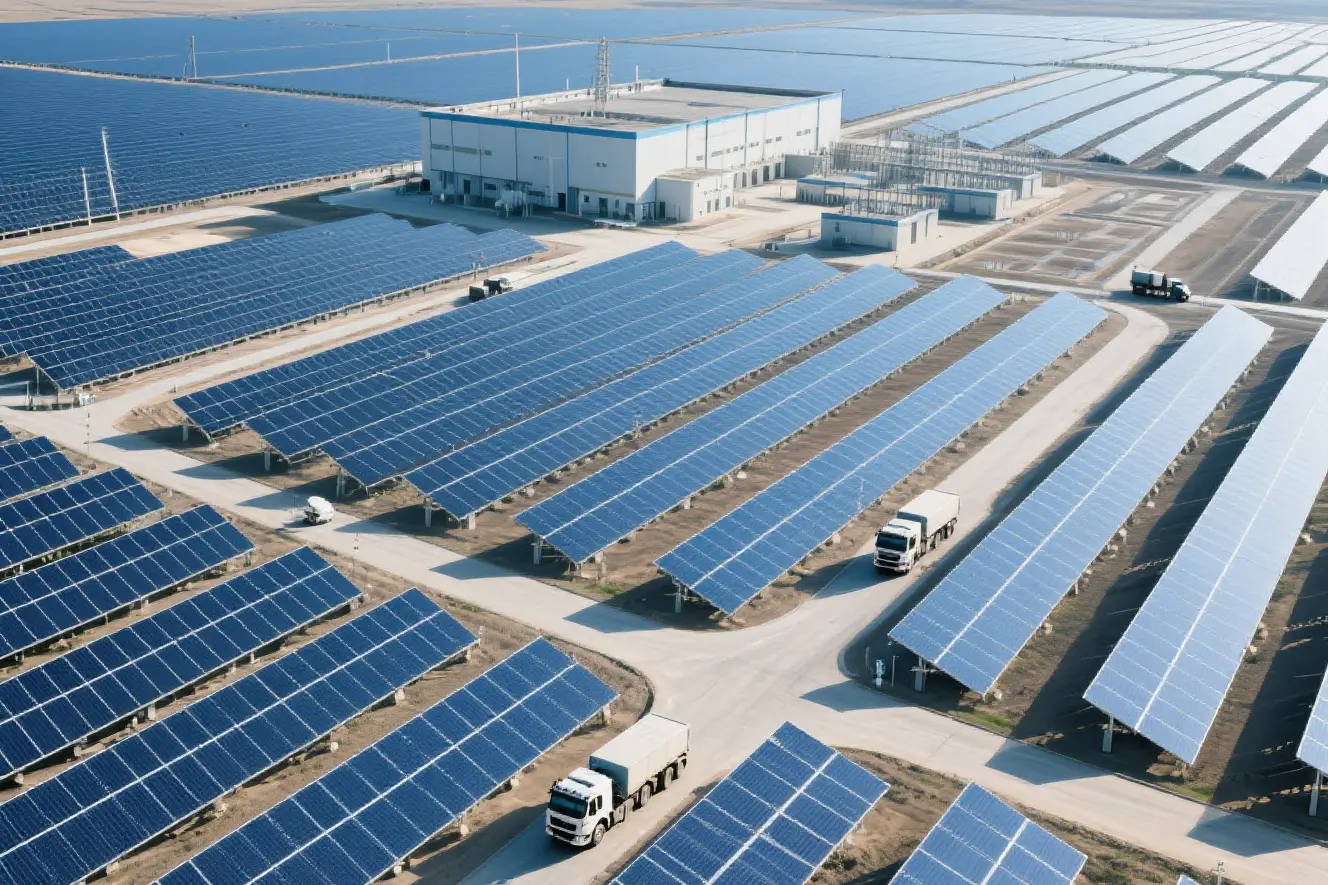
The next decade of portable solar developments will center on perovskite-silicon tandem solar cells and advanced smart energy storage (ESS) systems. Transitioning from single-junction monocrystalline structures to tandem architectures should raise potential solar conversion efficiencies past 30%. This advancement will allow developers to design smaller, lighter, and more portable panels.
Additionally, manufacturing technologies are focusing on lifecycle sustainability. Circular economy designs demand that materials like aluminum, composite polyurethane, glass, and copper be easy to separate and recycle. Advanced coating technologies will also improve dust resistance (soiling mitigation), helping panels stay clean and perform efficiently in dry or dusty desert conditions.
For B2B buyers, purchasing individual solar chargers is less important than acquiring reliable, scalable energy ecosystems. Modern commercial sites, relief organizations, and telecom operators require integrated packages that combine solar power generation, battery storage, and structural durability.
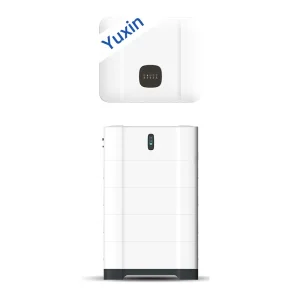
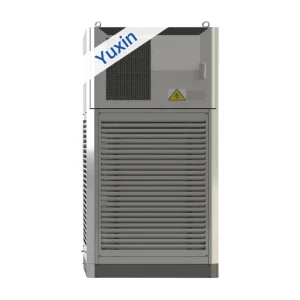
YUXIN offers comprehensive energy system solutions that bundle lightweight portable panels with advanced home or commercial energy storage systems. By matching high-efficiency mono panels with modular storage boxes (such as our 8000T~15KT-10HS~30HS units), companies can set up dependable off-grid hubs. Additionally, our high-quality solar frames (made from 6063-T5 aluminum or polyurethane composite materials) provide strong protection, ensuring structural stability under wind and snow loads worldwide.
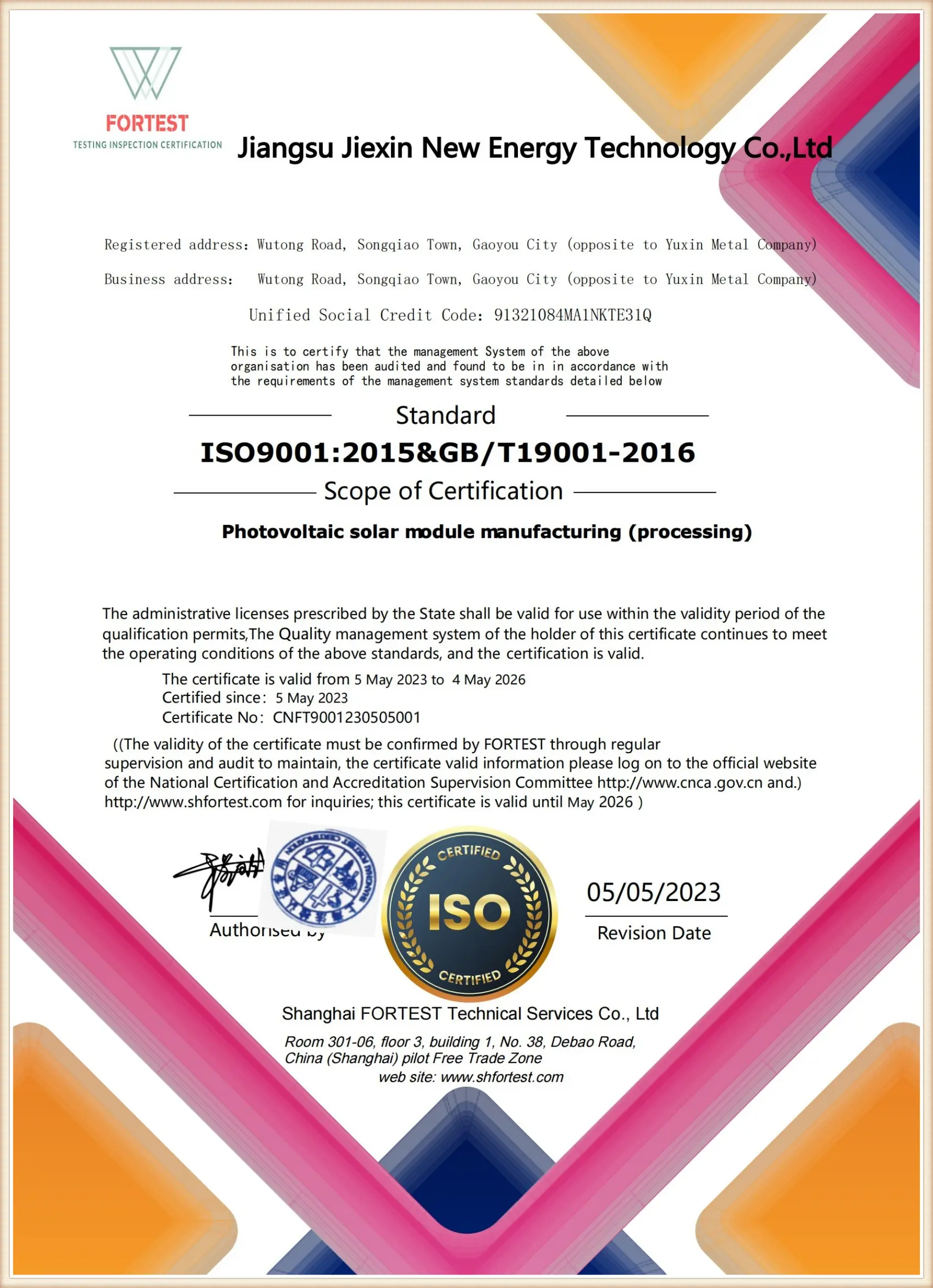
Meeting global quality and safety standards to guarantee performance.
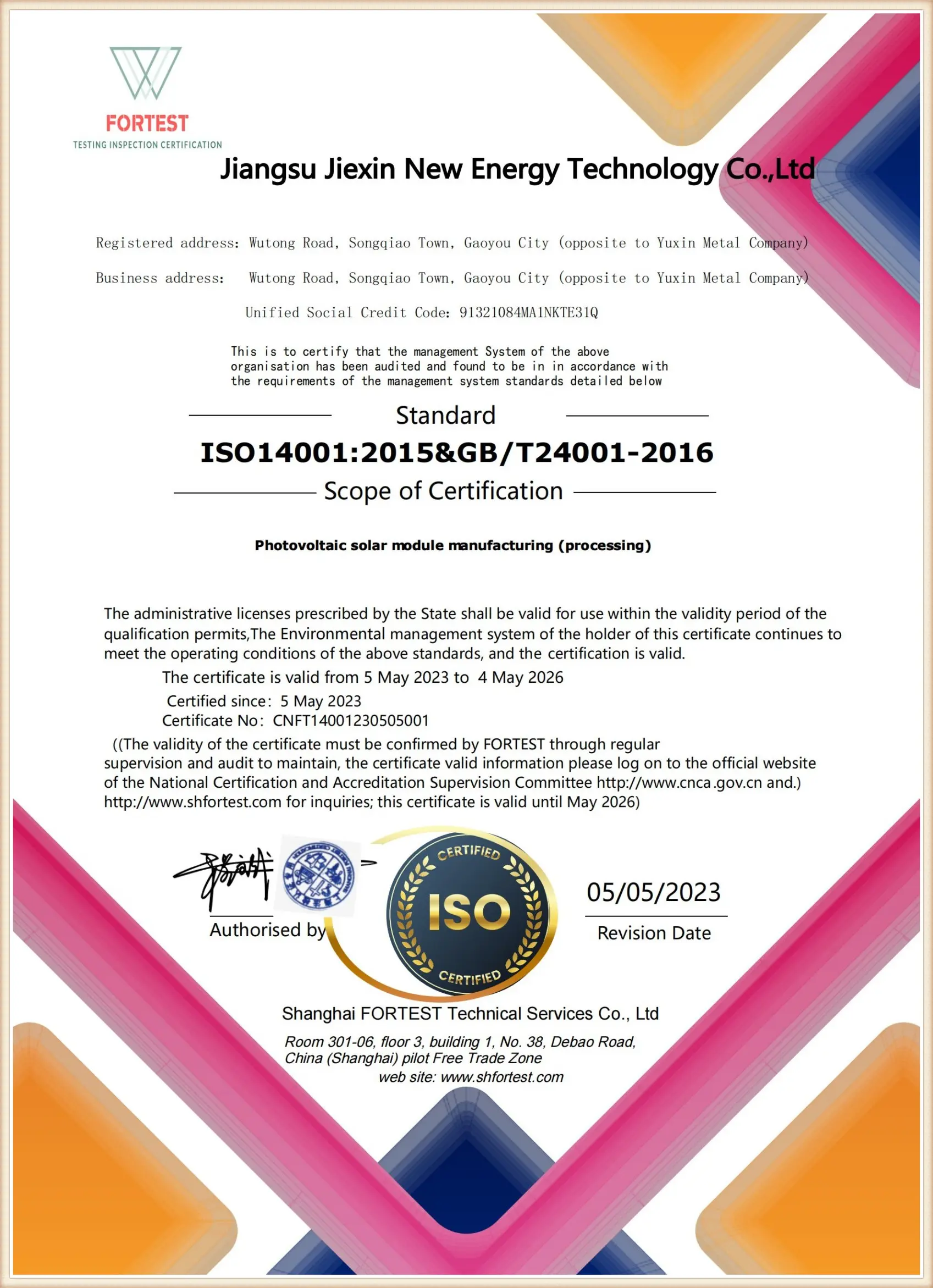
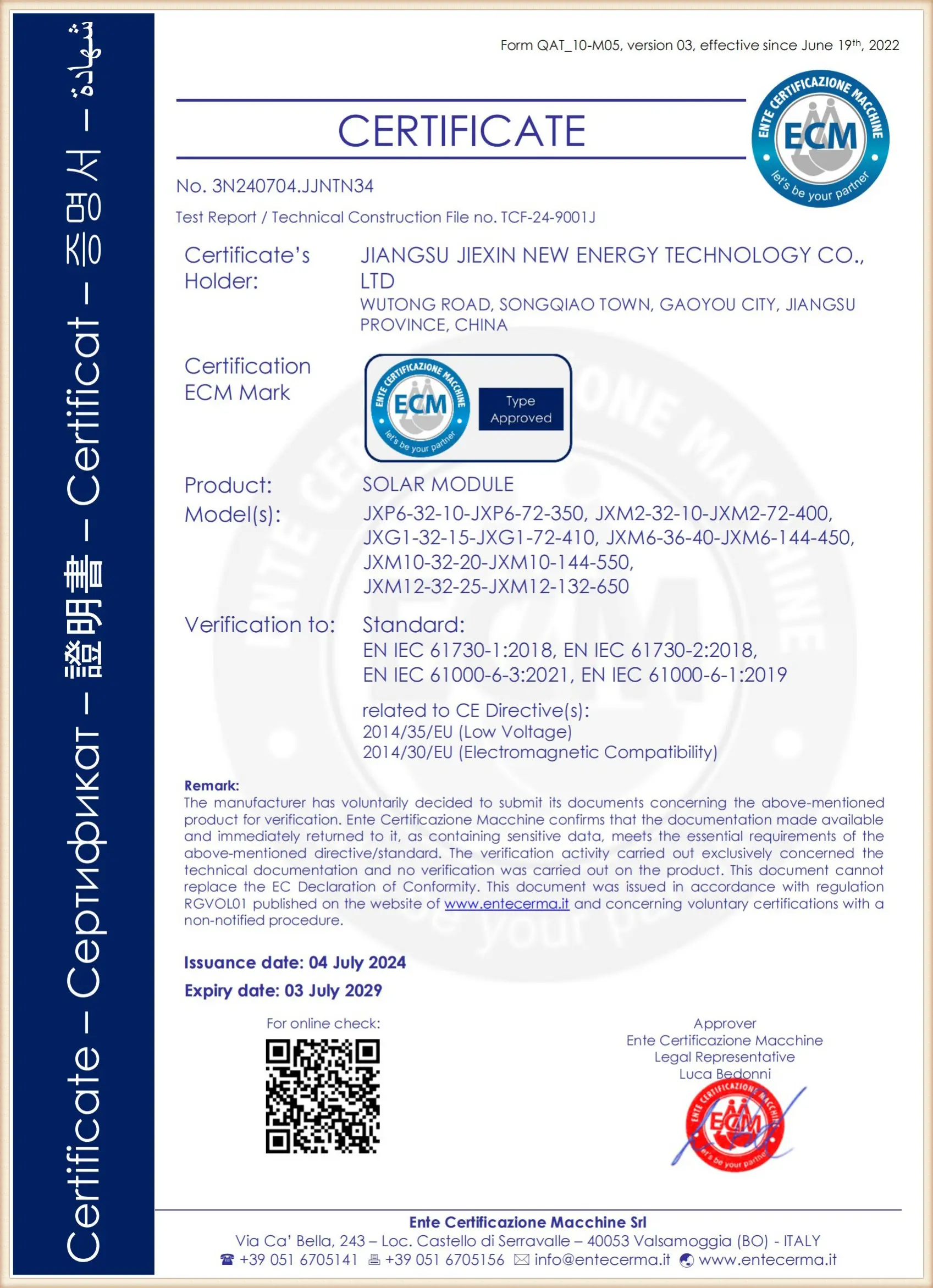
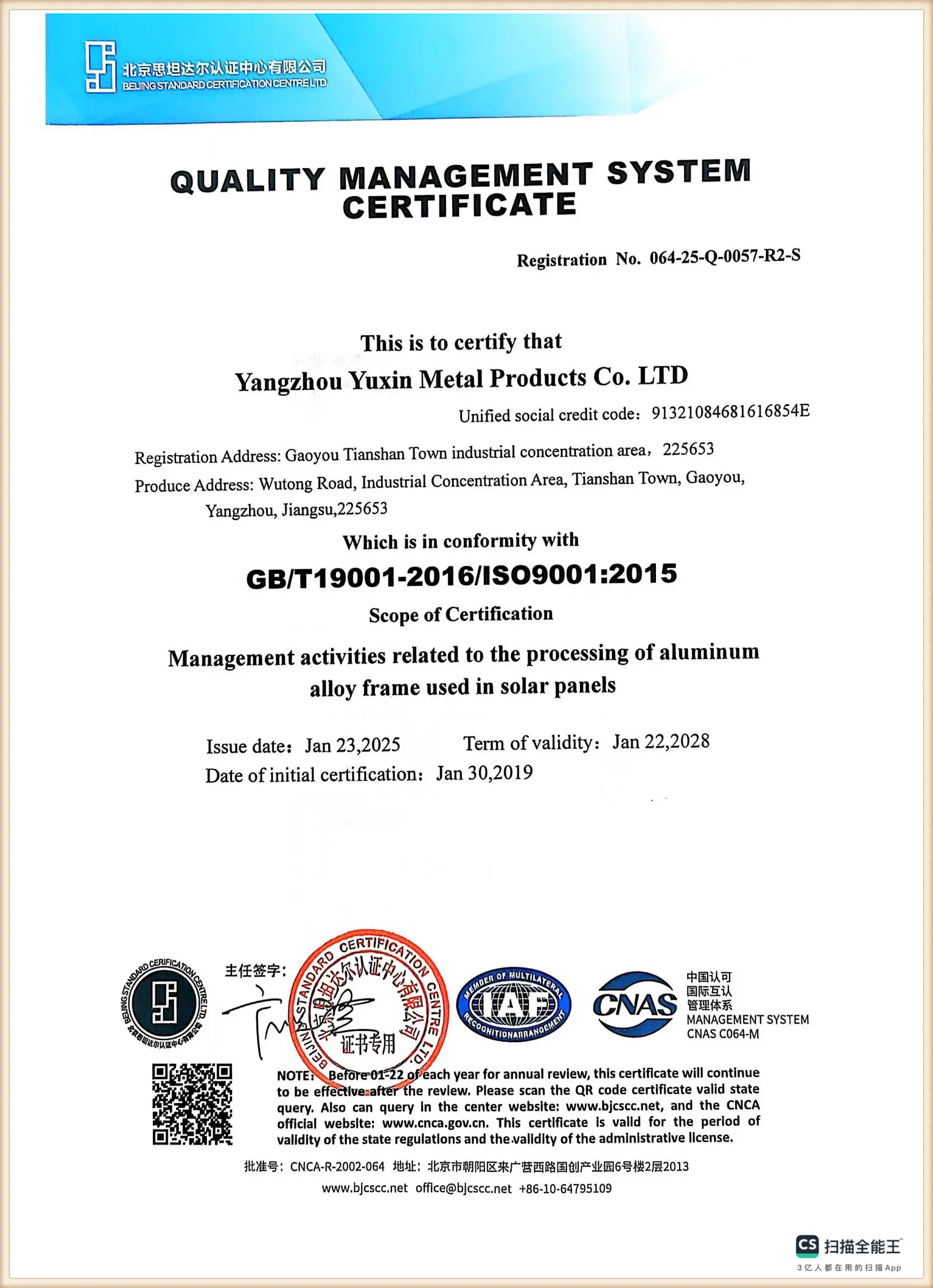
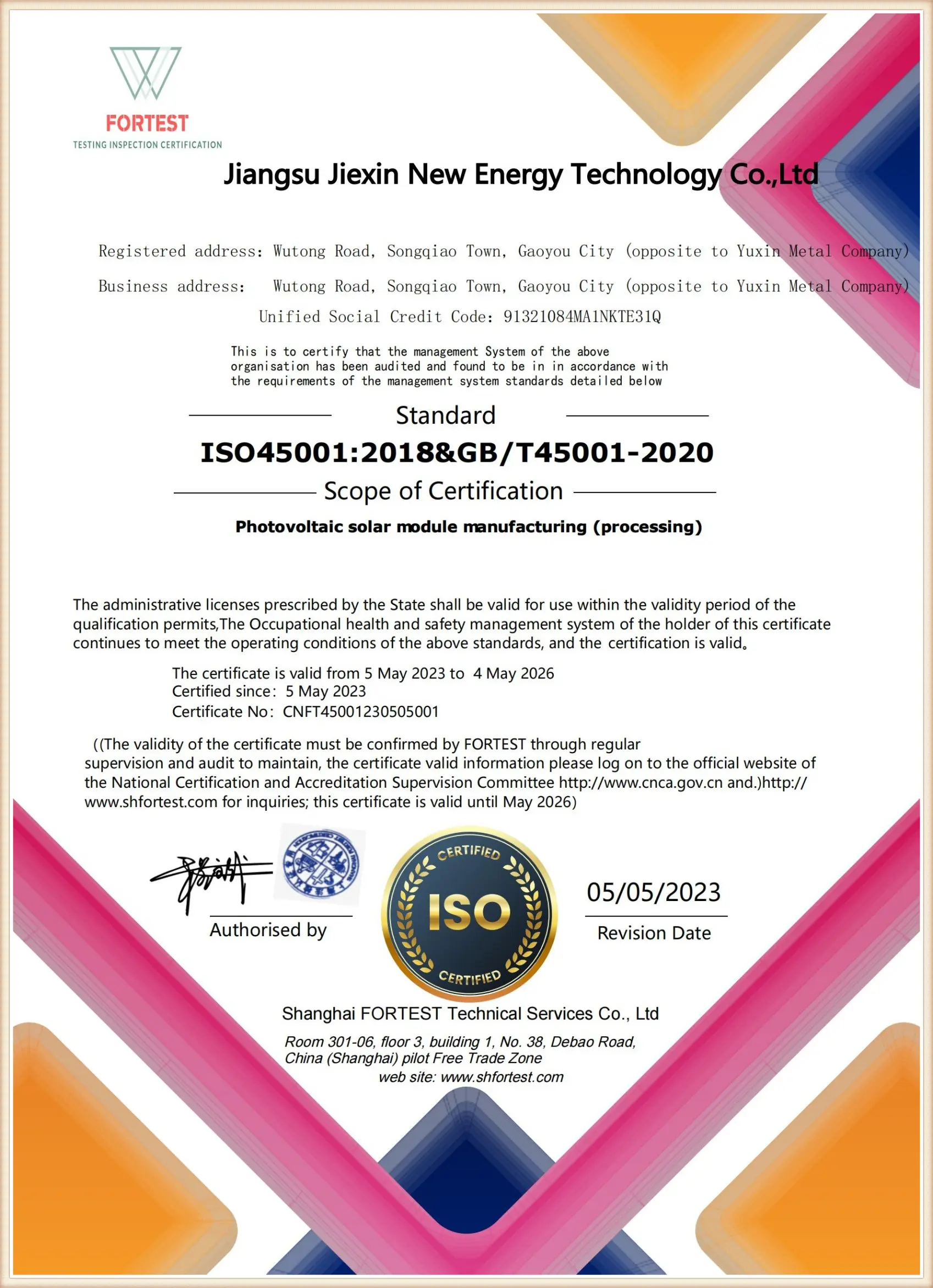
Collaborating with leading global enterprises to build a sustainable future.


Key technical insights regarding mobile photovoltaic hardware, structural durability, and custom design processes.
Polyurethane composites provide exceptional electrical isolation, eliminating Potential Induced Degradation (PID) concerns without grounding wires. In addition, polyurethane composite materials exhibit a lower thermal expansion coefficient than aluminum. This reduces structural stress on silicon wafer layers during severe temperature swings. They also offer superior corrosion resistance, making them ideal for coastal, high-humidity, and marine environments.
N-type TOPCon cells have a low temperature coefficient and minimal Light Induced Degradation (LID). Utilizing a half-cell, multi-busbar (10BB/16BB) design minimizes resistive power losses. It also ensures the panel maintains high energy generation even under partial shade from trees, tents, or vehicles.
Yes. Our portable solar kits feature built-in voltage regulators and smart IC chips. They support USB-A, USB-C (Power Delivery), and direct DC outputs (typically 18V-24V). This allows them to safely charge mobile devices, power banks, and portable battery generators without causing over-voltage issues.
YUXIN adheres to strict international standards, including CE, ISO 9001, and IEC 61215 certifications. Our 21+ advanced production lines use automated optical inspection (AOI), EL testing for micro-cracks, and structural load simulations. These tests ensure that every panel, composite profile, and battery component meets strict industrial durability criteria.
Updates on technology advancements and international manufacturing standards.
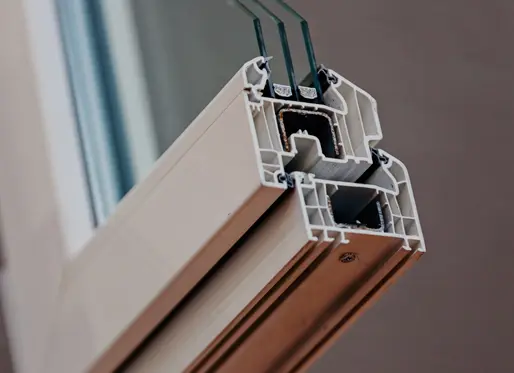
Exploring mechanical stress tolerances, anodized layers, and thermal stability in modern aluminum profiles...
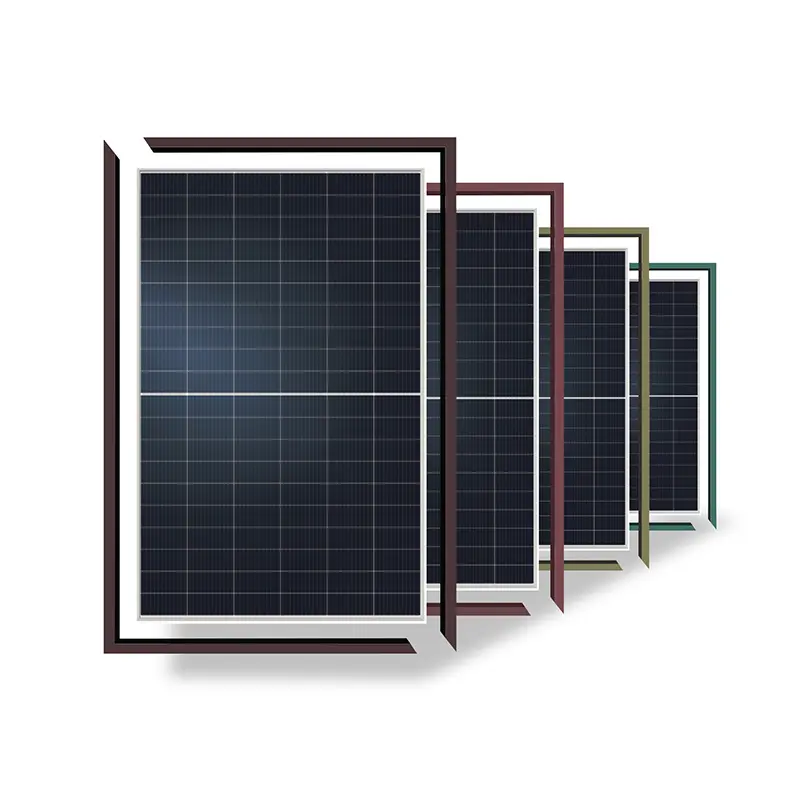
Key verification checkpoints including raw material supply chains, structural tolerances, and certification audits...
Deep dive into mechanical tensile testing, anti-corrosion salt spray testing, and geometric dimensional tolerances...
Explore our full range of solar power kits, residential storage systems, and premium framing solutions.