Industry-leading photovoltaic modules and energy storage systems designed for high-efficiency outdoor and commercial deployment.
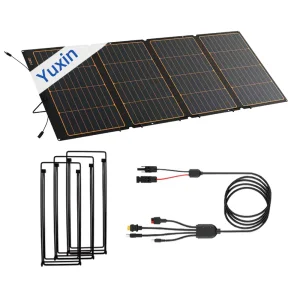
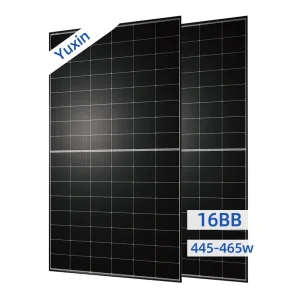
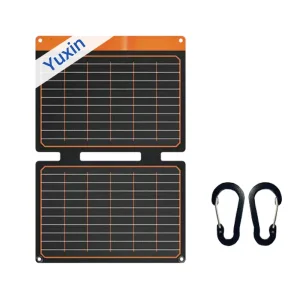
The global demand for portable photovoltaic systems has transformed from a niche outdoor interest to a multi-billion-dollar industrial and commercial ecosystem. Driven by the convergence of the overland travel industry, the rise of the digital nomad lifestyle, and a collective shift toward decentralized energy sources, car camping solar panels represent the frontier of micro-power engineering. In key regions such as North America, Europe, and Australia, consumers and enterprise fleet buyers are prioritizing rugged, high-efficiency solar architectures capable of weathering diverse microclimates while maximizing power output per square meter.
For industrial buyers, outdoor recreation suppliers, and distributors, finding reliable exporters involves looking beyond basic wattage ratings. It requires assessing raw material specifications, structural frame integrity, and cell-level efficiency. Modern car camping configurations no longer rely on delicate, rigid structures. Today's commercial-grade camping arrays leverage highly resilient materials, including ETFE (Ethylene Tetrafluoroethylene) laminations, N-type TOPCon (Tunnel Oxide Passivated Contact) silicon architectures, and specialized pultruded polyurethane structural frames to withstand off-road vibrations and high mechanical loads.
Utilizing N-type tunnel oxide passivated contacts dramatically decreases electron recombination, pushing cell efficiencies past 24.5%. This allows camping systems to generate significant energy even in partially shaded forest canopies.
Our focus on micro-off-grid architectures aims to minimize BOS (Balance of System) costs through lightweight, plug-and-play wiring harnesses and highly integrated micro-inverters suitable for quick vehicle deployment.
To operate reliably in remote, rough conditions, solar panels must be engineered at the molecular level for durability. Standard residential glass panels are too heavy and fragile for vehicle mounting or mobile camping applications. Consequently, specialized manufacturers have developed lightweight composite panels, incorporating flexible fiberglass backings and highly transparent fluoropolymer protective coatings.
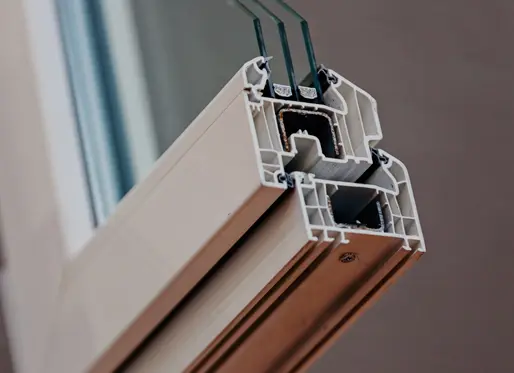
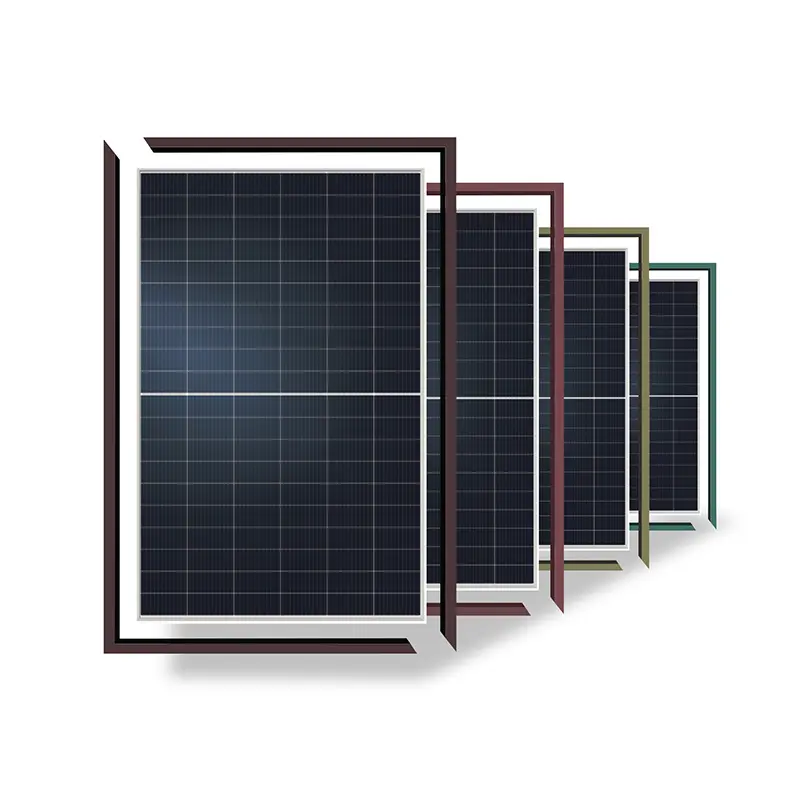
A key innovation in this space is the use of high-strength structural frames. The framing system must withstand continuous aerodynamic drag when mounted on a vehicle roof rack, as well as mechanical twist during off-road travel. Anodized 6063-T5 aluminum frames have long set the standard for lightweight, corrosion-resistant structures. More recently, sustainable polyurethane pultruded composites have emerged, offering excellent electrical insulation, thermal resistance, and structural stability in a lighter package than traditional alloys.
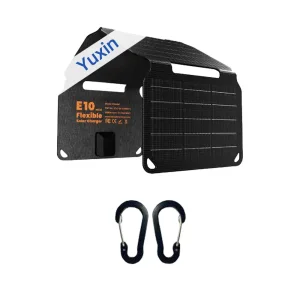
Explore our engineered structural components, high-capacity residential backups, and high-efficiency portable PV chargers.
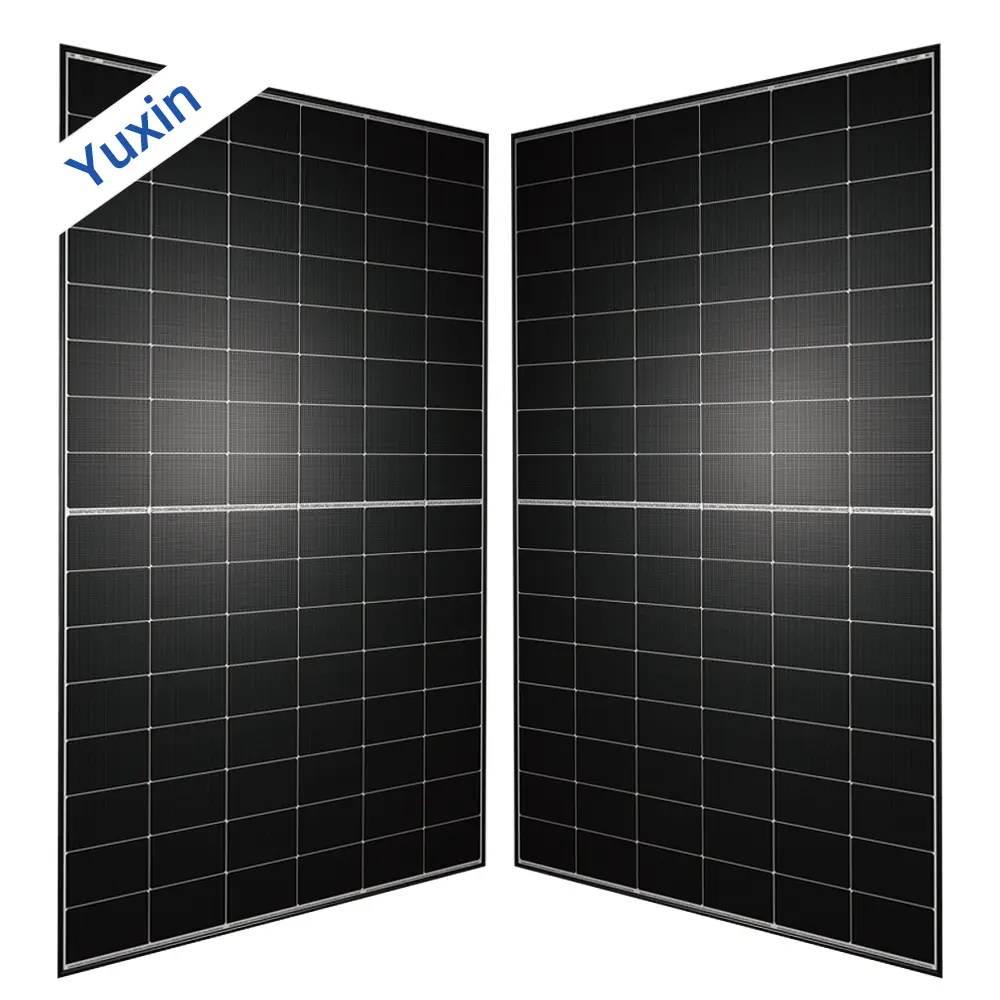
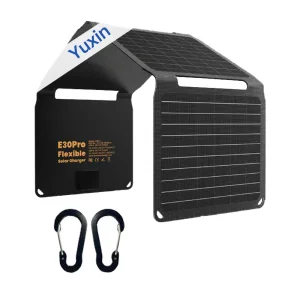
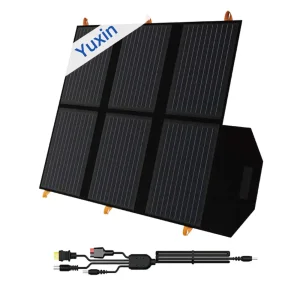
Lightweight design with transparent back panel for easy installation and reduced BOS costs.
View Specifications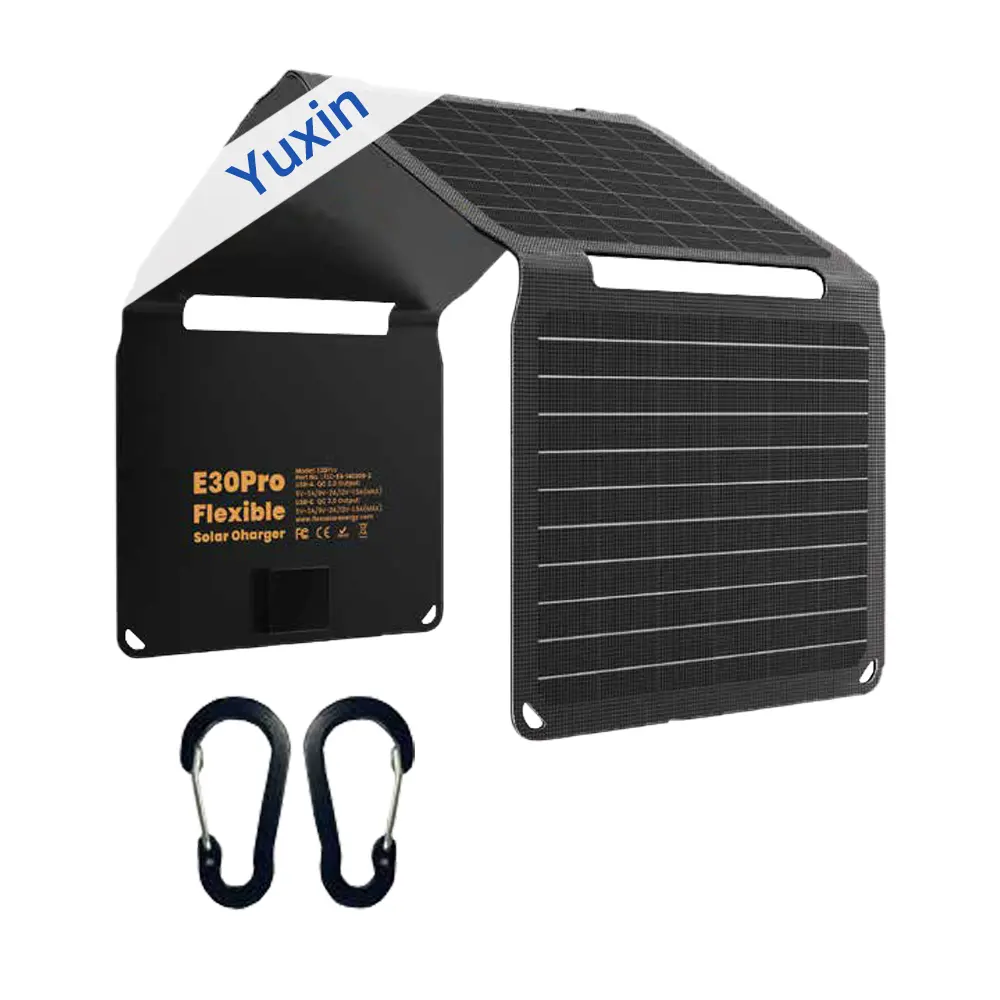
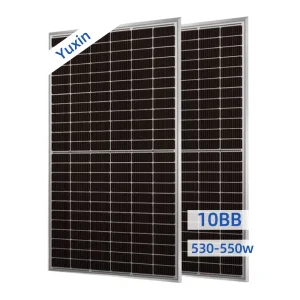
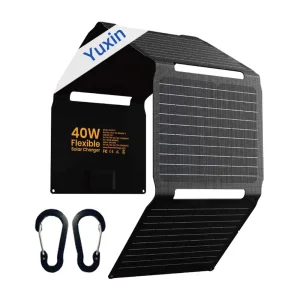
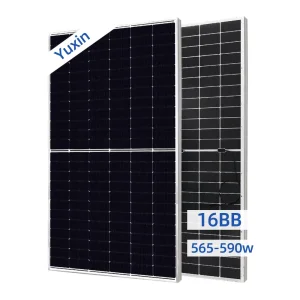
Utilizing advanced monocrystalline silicon cells, it achieves a high energy conversion efficiency of 24%.
View Specifications
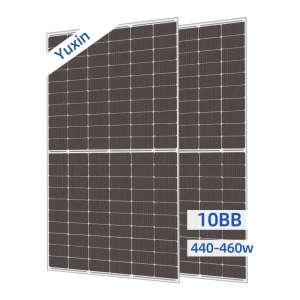
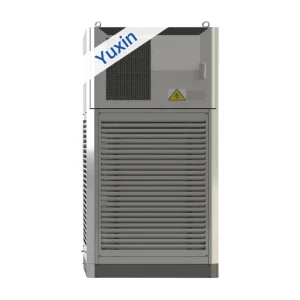
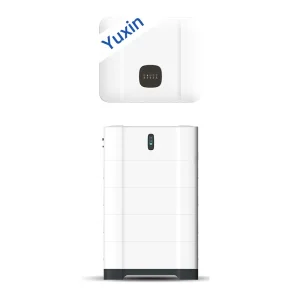
Application modes include grid-connected mode, off-grid mode, and integrated grid-connected/off-grid mode.
View Specifications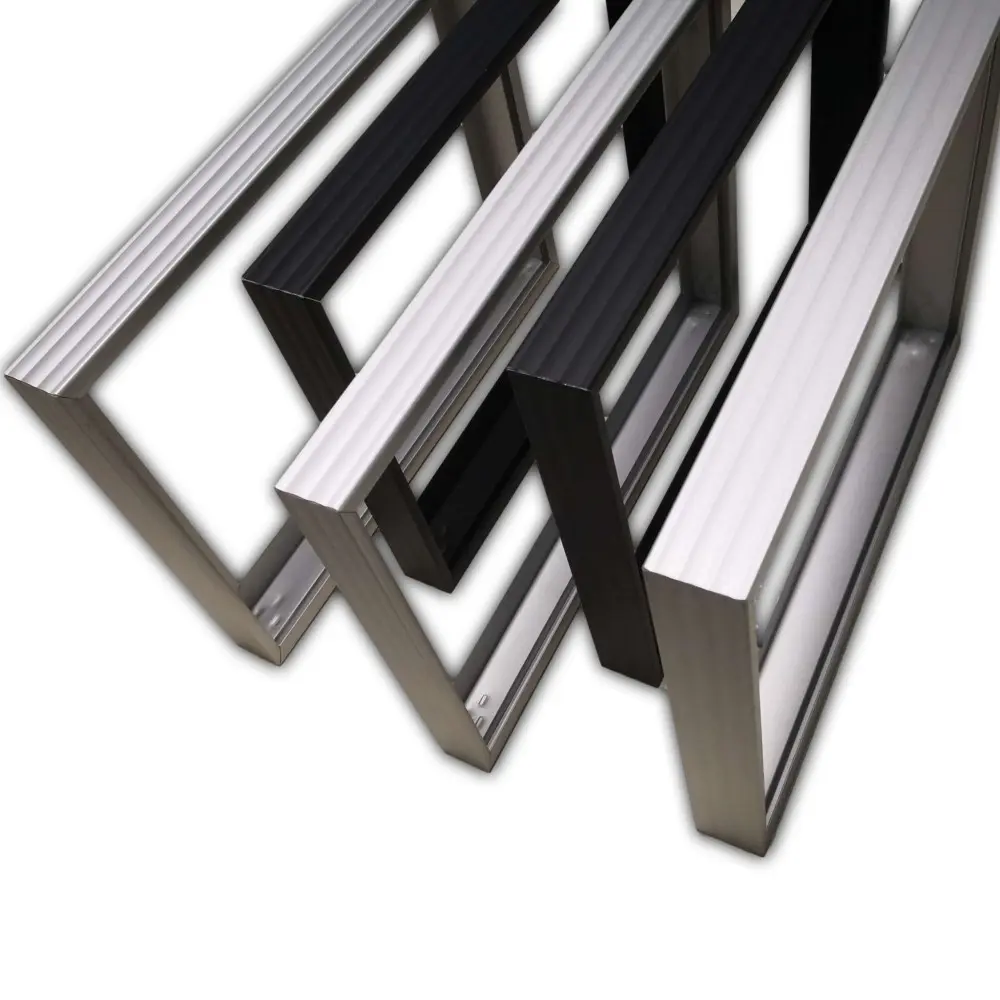
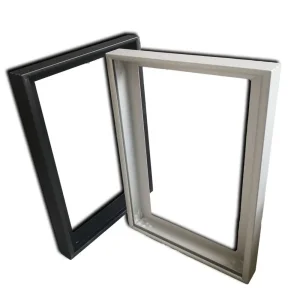
Made of high-quality anodized aluminum, it ensures superior weather resistance and a smooth, long-lasting finish.
View SpecificationsWhy global Tier-1 solar distributors choose YUXIN for B2B procurement and custom ODM manufacturing.
Fully sealed junction boxes and high-quality potting agents shield internal bypass diodes from moisture and high-humidity environments.
Our N-type half-cell modules achieve minimal micro-cracking and standard degradation rates of less than 0.4% annually over a 25-year lifecycle.
We leverage thin-film fiberglass backsheets to cut solar panel weight by up to 60%, simplifying vehicle rooftop logistics and dynamic handling.
Whether using precision-anodized 6063-T5 aluminum or eco-friendly polyurethane composite frames, our designs are optimized for heavy wind and snow loads.
Established in 2008 in the historic industrial hub of Yangzhou, Jiangsu, China, YUXIN New Energy Technology Co., Ltd. has developed into a leading diversified green energy enterprise. Our strategically located manufacturing campus offers direct access to prime transportation routes, including the Beijing-Shanghai Expressway, the Runyang Yangtze River Bridge, and key rail networks, ensuring efficient global freight logistics.
Across our 14 specialized subsidiary companies, we focus on rigorous research and development, strict quality management, and efficient supply chain integration. As a recognized National High-Tech Enterprise and recipient of the Gaoyou Top 100 Private Enterprises distinction, YUXIN delivers high-grade solar modules, precision mounting systems, and raw materials to clients worldwide.
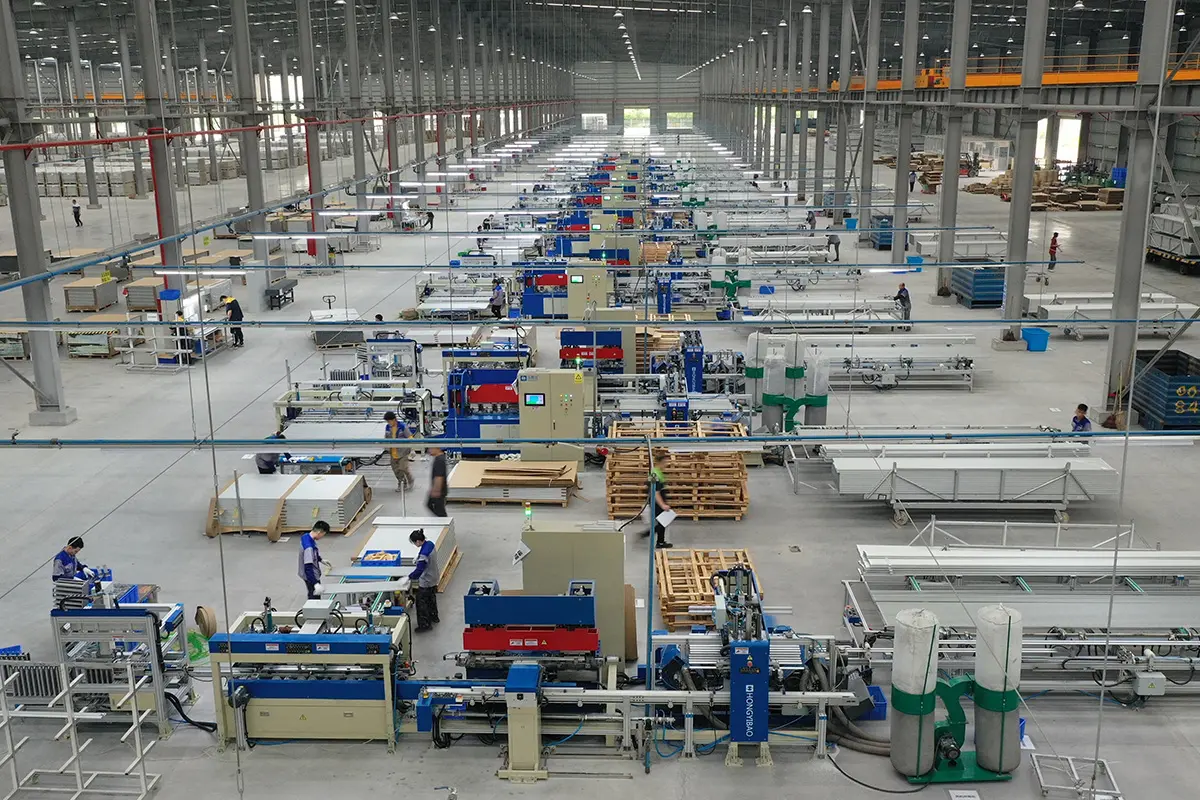
Take a virtual tour of our 21 automated production lines, testing laboratories, and extrusion workshops in Yangzhou, China.
The global competitiveness of Chinese solar manufacturers stems from complete supply-chain integration rather than just labor cost dynamics. In Yangzhou and surrounding industrial clusters, factories like YUXIN maintain vertically integrated manufacturing ecosystems that cover every step from raw aluminum billet casting and silicon ingot slicing to automated assembly and testing. This close proximity of raw materials, frame manufacturing, and chemical packaging significantly reduces transportation costs, shortens lead times, and allows for rapid prototyping of custom solar solutions.
Additionally, advanced automation plays a crucial role in maintaining quality. Our production facilities utilize high-precision robotics for cell stringing, multi-busbar alignment, vacuum lamination, and automated optical inspections (AOI). This level of automation minimizes human error, ensures consistent cell spacing, and reduces the risk of internal micro-cracks—which can lead to hot spots and premature failure in the field. B2B buyers benefit from this advanced infrastructure through consistent quality, stable supply, and competitive pricing.
Our quality assurance program features double electroluminescence (EL) testing, conducted before and after lamination, to verify that every module shipped is free from micro-defects or cell cracks.
All production lots comply with IEC 61215/61730 international standards and hold CE, TUV, and UL certifications, streamlining custom clearance and market access for global importers.
In response to global decarbonization mandates and the demand for lighter structural components, we have integrated sustainable polyurethane pultruded composites into our frame options. Polyurethane composite frames offer several advantages over traditional aluminum, including superior thermal efficiency, zero electrical conductivity (eliminating the need for grounding), and a lower carbon footprint during manufacturing. This technological shift meets the needs of forward-looking buyers looking to lower Scope 3 emissions while sourcing high-performance equipment for off-grid applications.
Our compliance with strict international quality and performance metrics ensures access to major global markets.
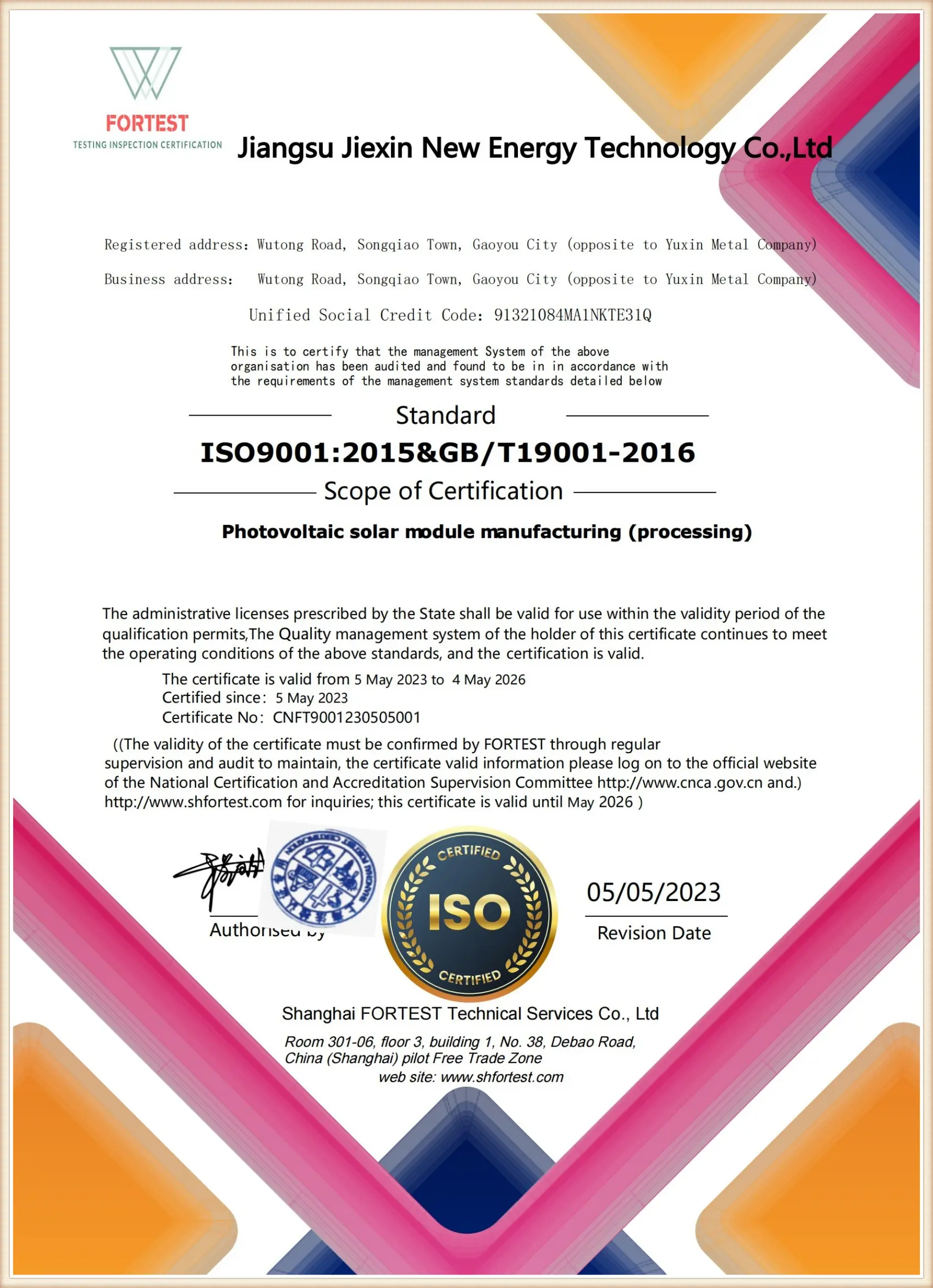
ISO 9001:2015
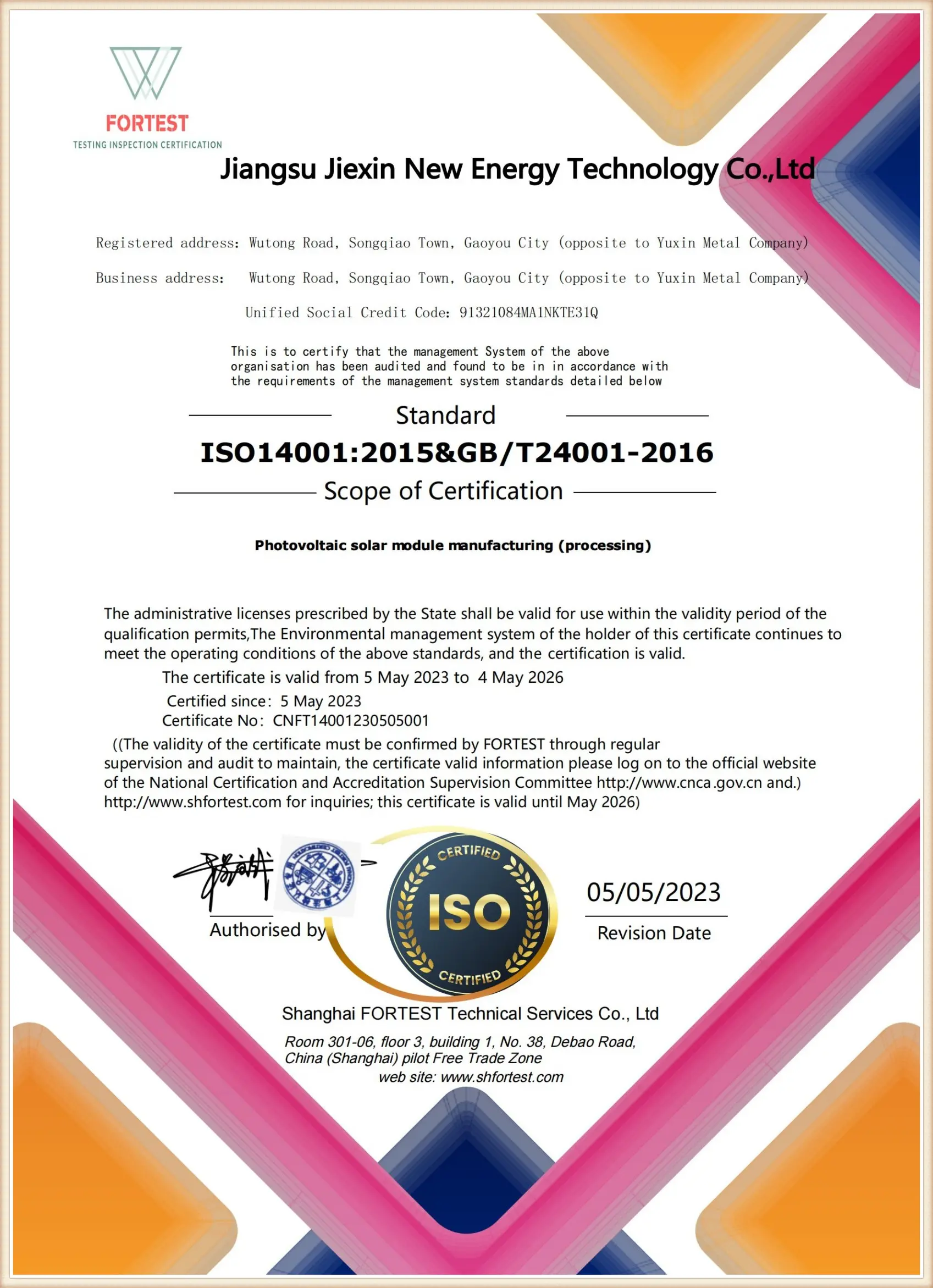
TUV Rheinland
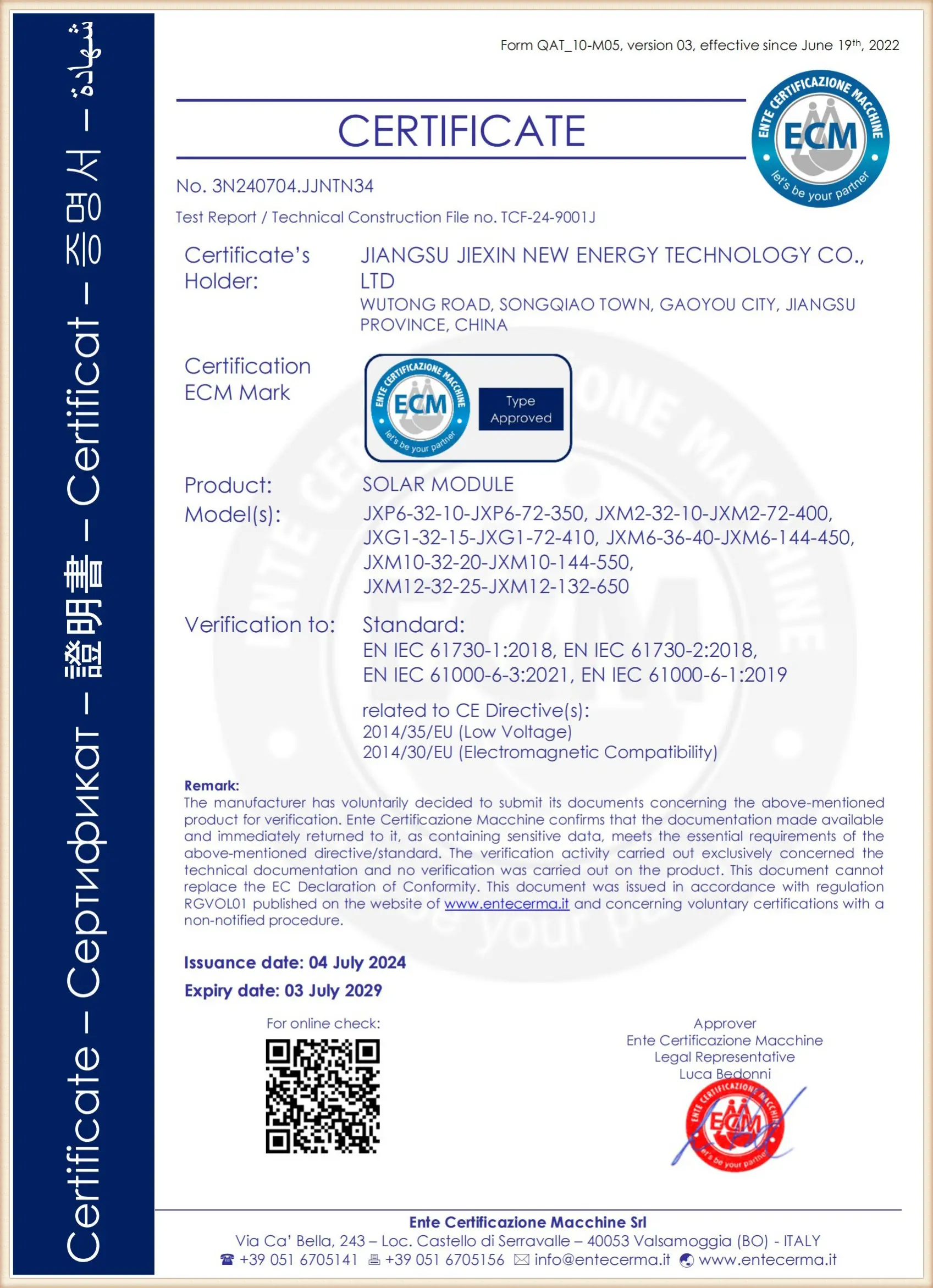
CE Compliance
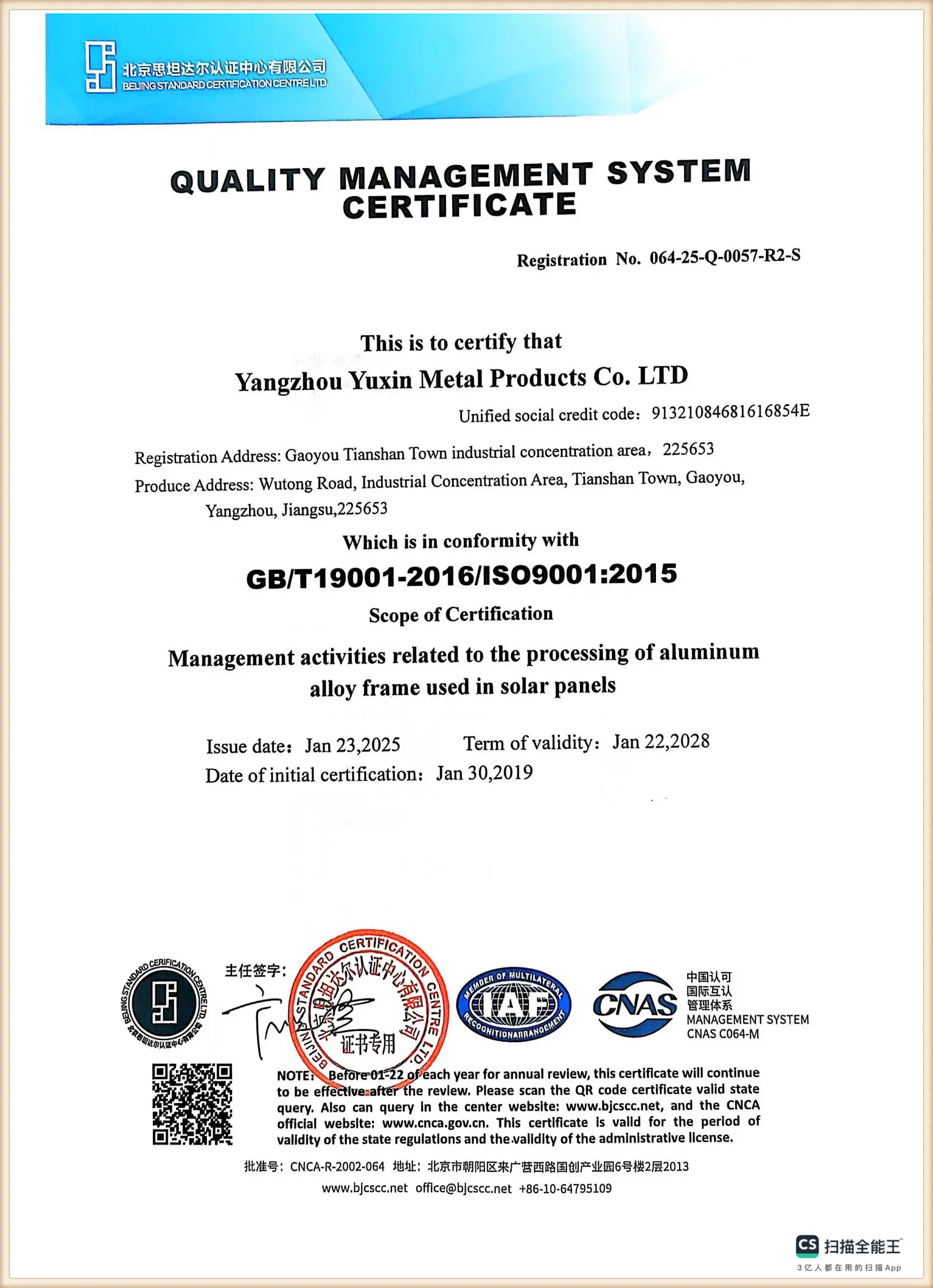
UL Quality Standards
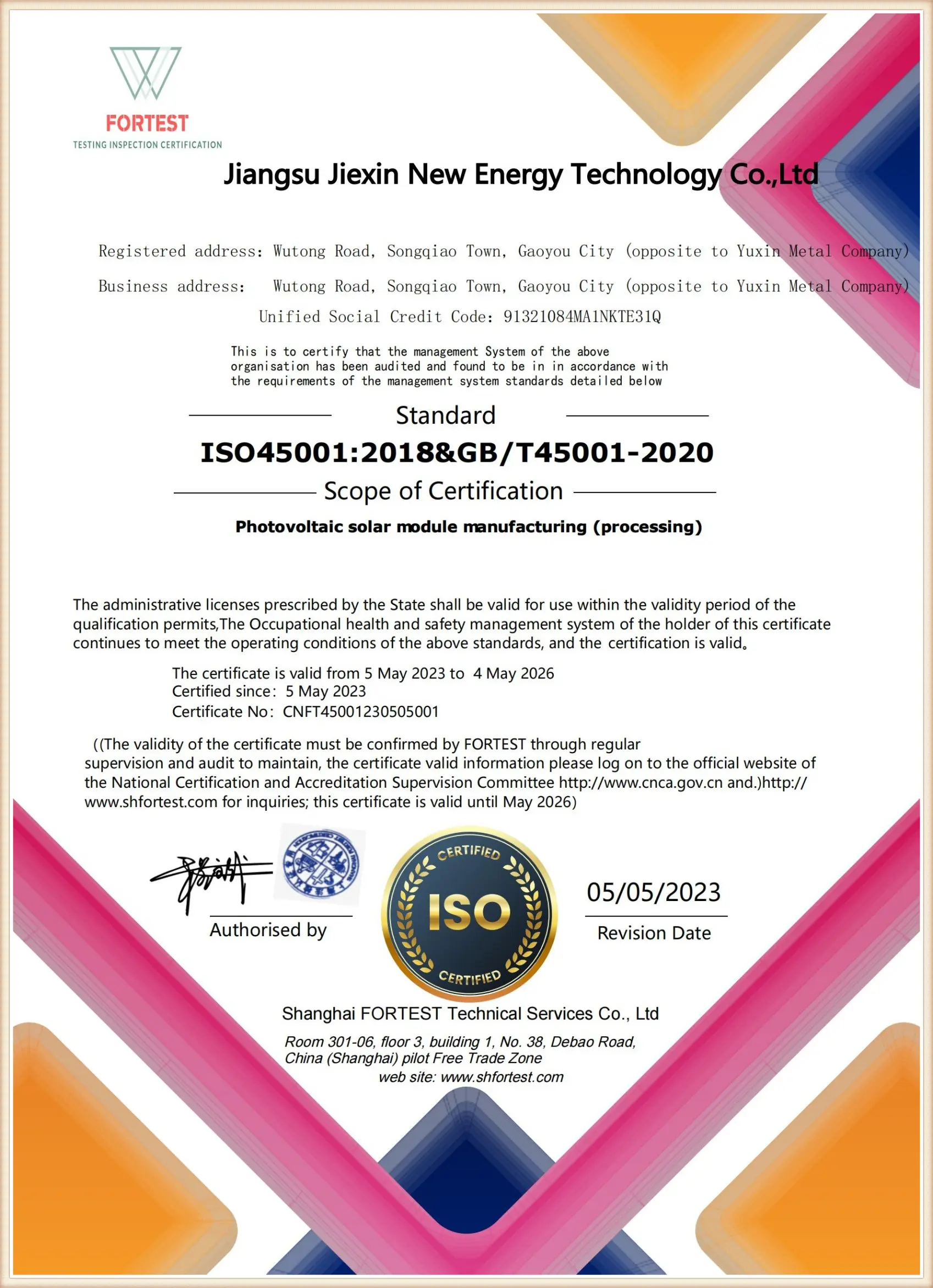
SGS Verification
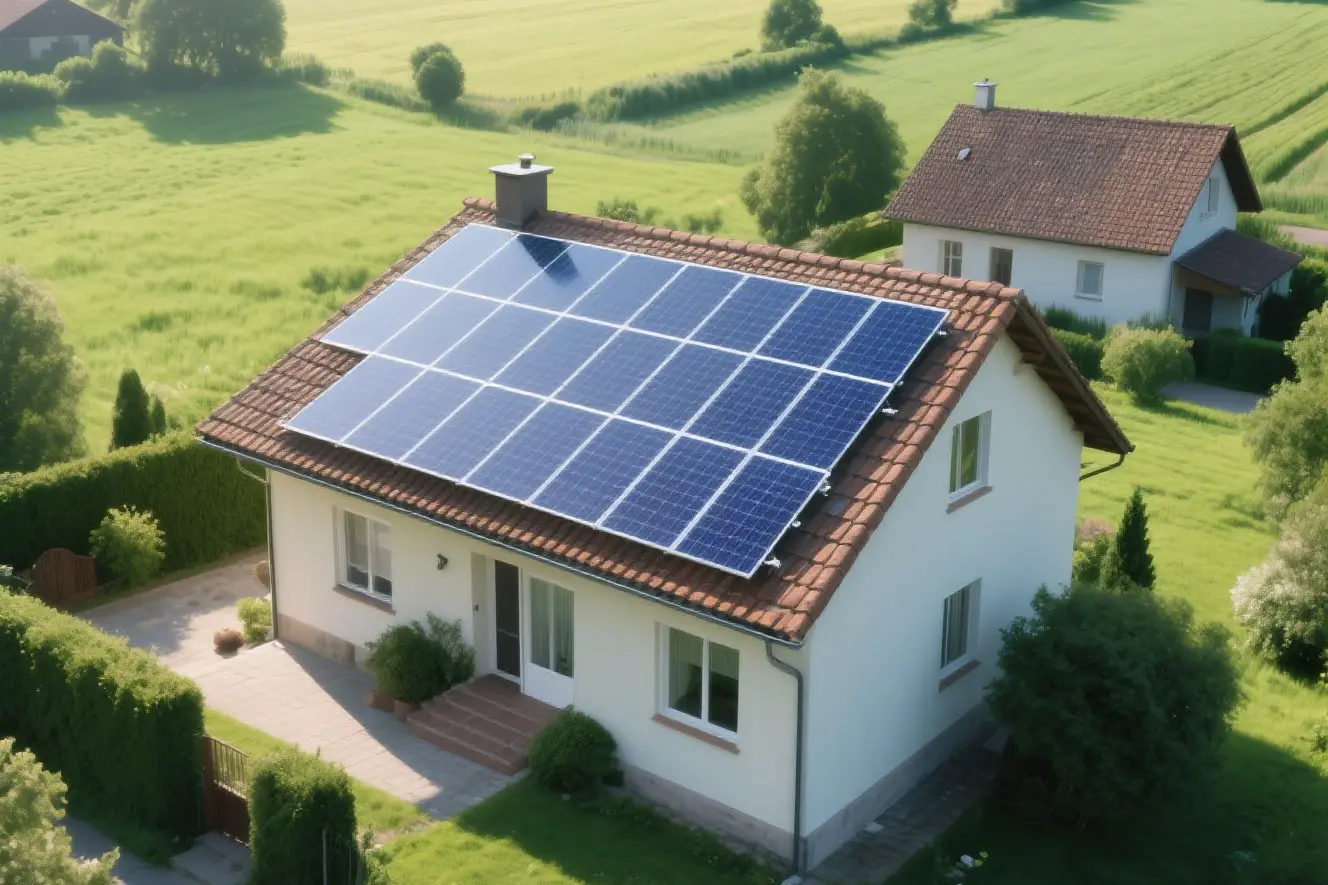
Our solar assemblies and framing materials are engineered to perform in demanding commercial, industrial, and recreational environments.

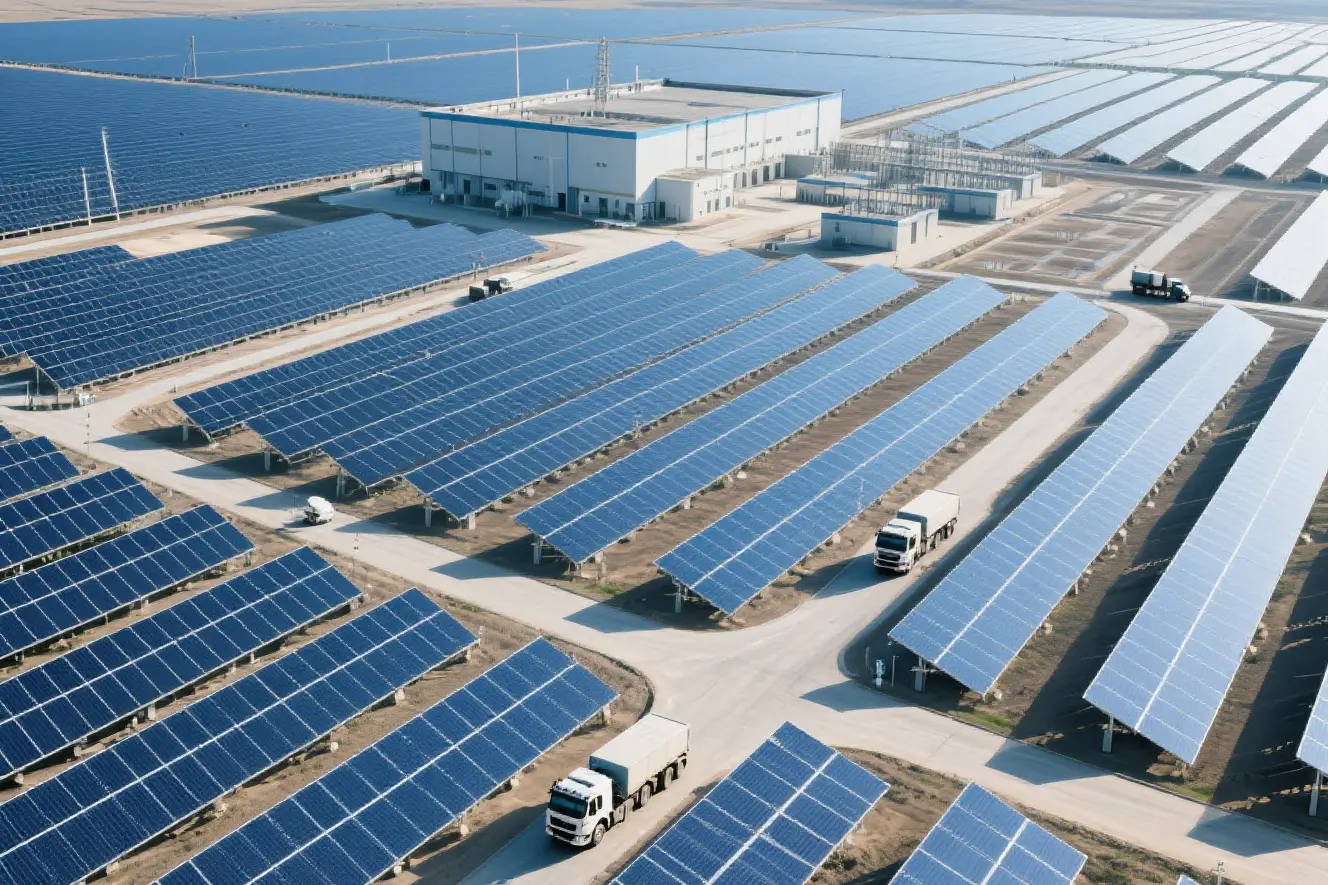
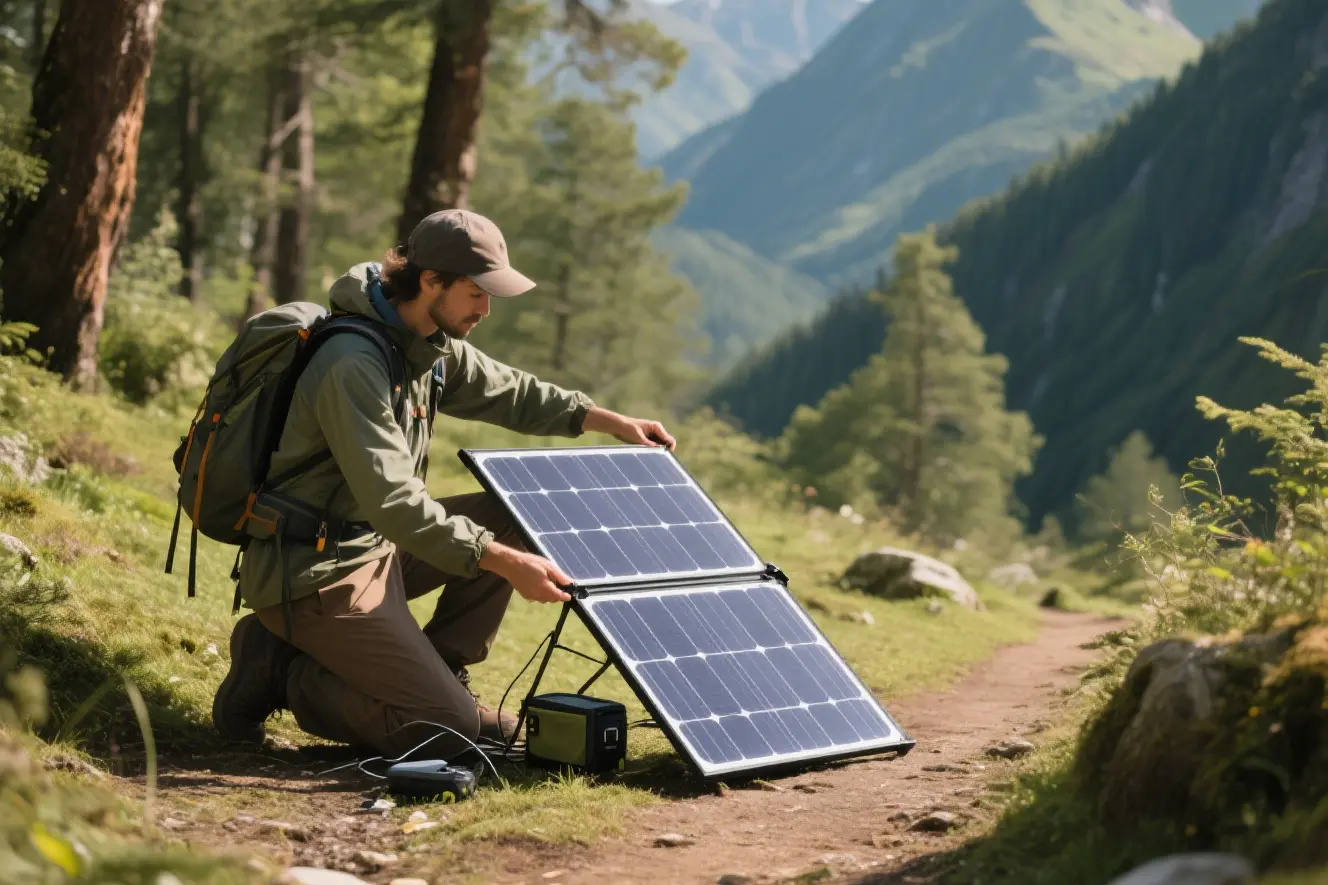
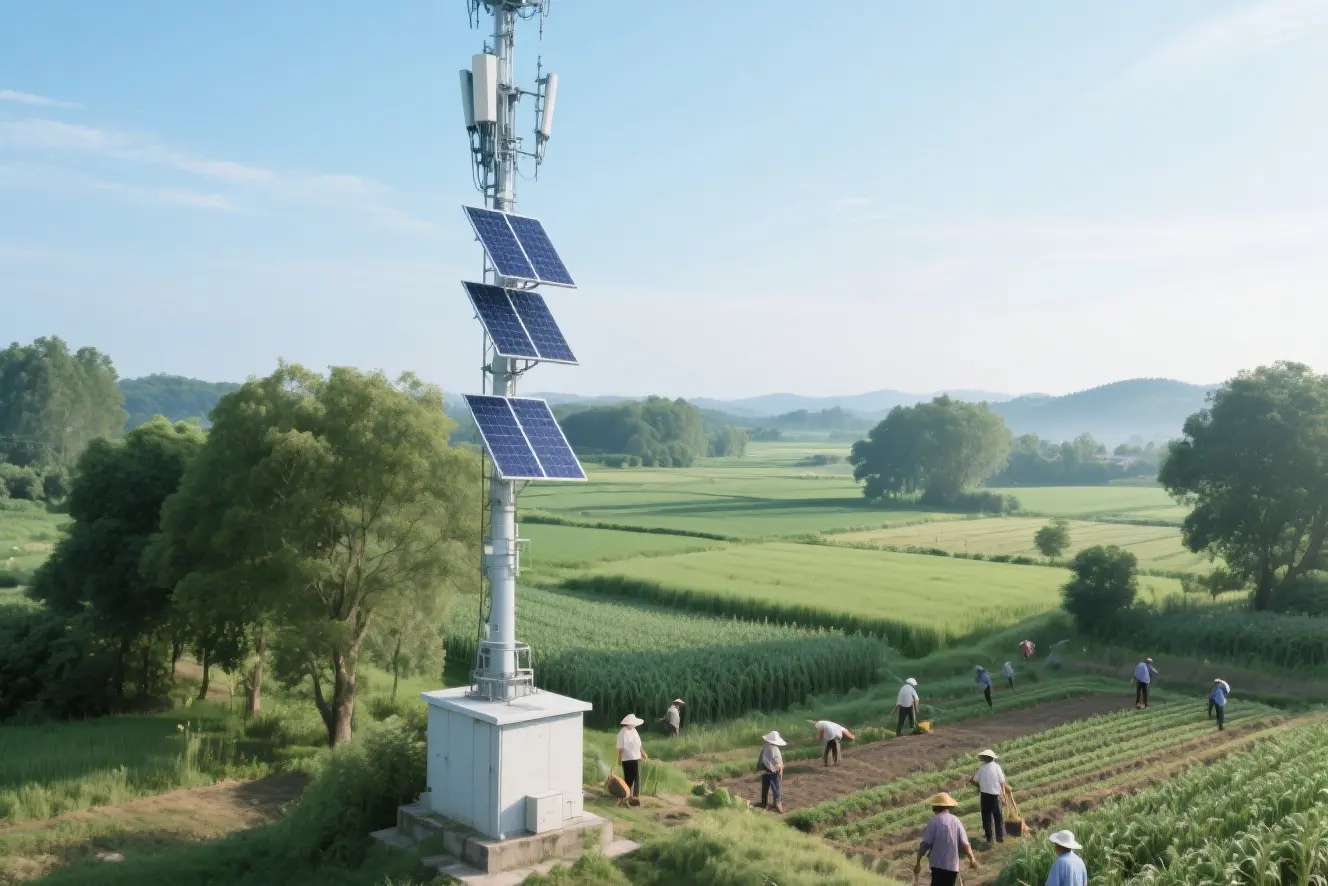
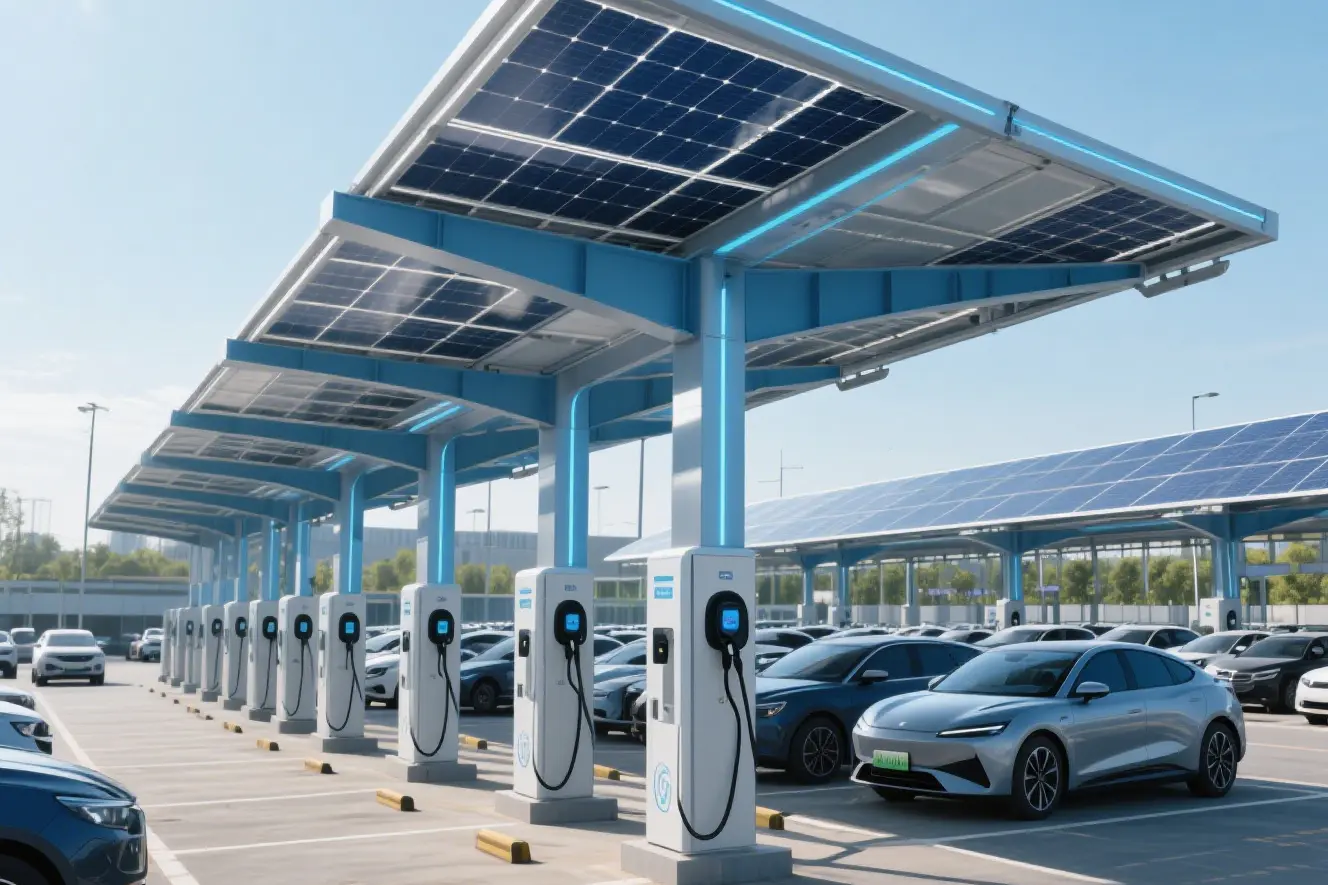
Over two decades, YUXIN has established strong, long-term partnerships with leading energy brands and distributors worldwide.


Stay updated with research, manufacturing developments, and technical analyses from the YUXIN engineering team.
Purchasing photovoltaic equipment in volume requires balancing strict regulatory compliance, transport logistics, and technical specifications. Importers must evaluate manufacturing partners based on their capability to provide comprehensive certifications (CE, TUV, UL), trace supply chain origins (crucial for compliance with the Uyghur Forced Labor Prevention Act and regional import guidelines), and deliver reliable aftermarket engineering support.
At YUXIN, we simplify international procurement through dedicated compliance teams, clear customs documentation, and durable transport packaging. By using optimized shipping configurations that maximize container space and deploying custom-engineered transport crating, we minimize transit damage. This ensures that every shipment of folding camping panels, structural aluminum profiles, or commercial energy storage systems arrives in ready-to-deploy condition.
We provide full design customization, including custom junction box placement, bespoke wiring configurations, laser-etched partner branding, and tailored structural mounting points to fit specific vehicle platforms.
Our solar modules are engineered to resist Potential Induced Degradation (PID). This ensures long-term power stability even under continuous high voltage, temperature, and humidity conditions.
While often used for recreational camping, portable solar panels play an important role in critical infrastructure applications. In remote field locations, they power telecommunications repeaters, mobile meteorological stations, agricultural monitoring arrays, and off-grid environmental sensors. These applications require high conversion efficiency, weather resistance, and simple, tool-free installation.
For mobile setups like overlanding vehicles, marine systems, and military field gear, modules must withstand exposure to saltwater, high winds, and severe weather. The integration of high-performance N-type half-cell modules with robust structural frames ensures that these critical systems maintain operation in challenging environments, keeping essential communication and monitoring equipment online.
Technical answers to common questions about portable camping solar systems, structural frames, and global shipping.
A comprehensive selection of certified solar modules, structural framing profiles, and off-grid power solutions ready for global distribution.