Industrial-grade micro-generation systems, monocrystalline modules, and high-precision structural alloys.
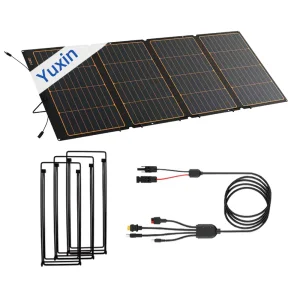
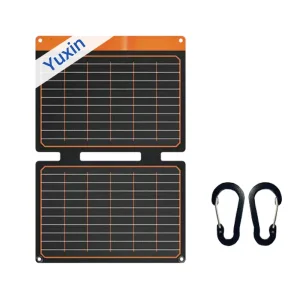
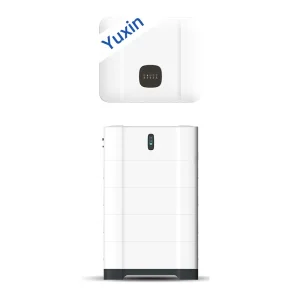
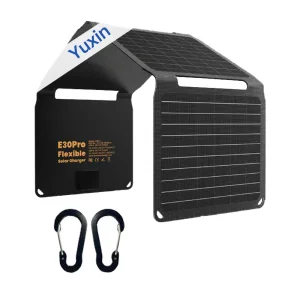
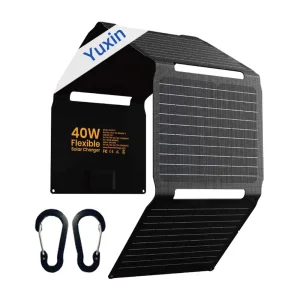
In the contemporary era of distributed clean energy networks, the integration of high-performance materials and intelligent hardware is not merely a design alternative but a strategic necessity. A famous portable solar power battery charger serves as a crucial point of convergence for field telemetry, emergency backup infrastructure, defense operations, and commercial operations. These systems represent the micro-scale realization of the solar value chain, transforming ambient electromagnetic radiation into immediate, stabilized direct current (DC) power.
To understand the utility of these systems, we must analyze the entire photovoltaic architecture. The energy chain begins with cell-level conversion (utilizing monocrystalline silicon matrices with N-Type TOPCon or PERC architectures) and ends with structural stability, achieved through structural frames (specifically 6063-T5 and 6005-T6 anodized aluminum extrusion frameworks) and integrated battery management systems (BMS).
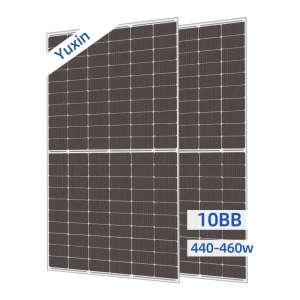
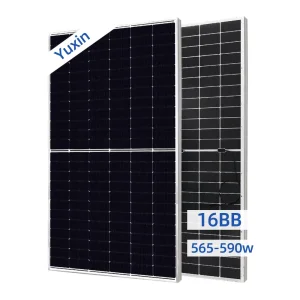
Achieving up to 24% conversion rates by implementing passivated emitter rear cell (PERC) and advanced tunnel oxide passivated contact (TOPCon) architectures on monocrystalline substrates.
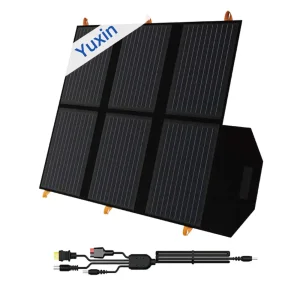
Seamless integration with high-density lithium iron phosphate (LiFePO4) chemistries, regulated by dual-stage micro-BMS with multi-protocol DC charging capabilities.
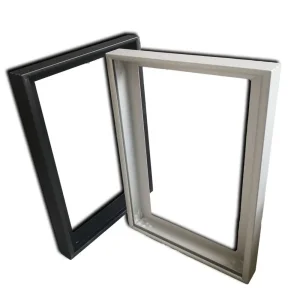
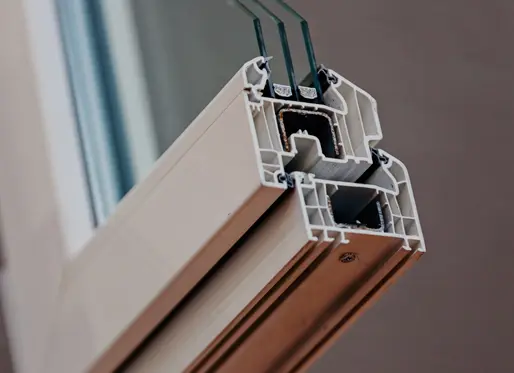
Engineered via precision-extruded aluminum structural profiles, protecting the active PV materials against tortional loads and severe weather anomalies.
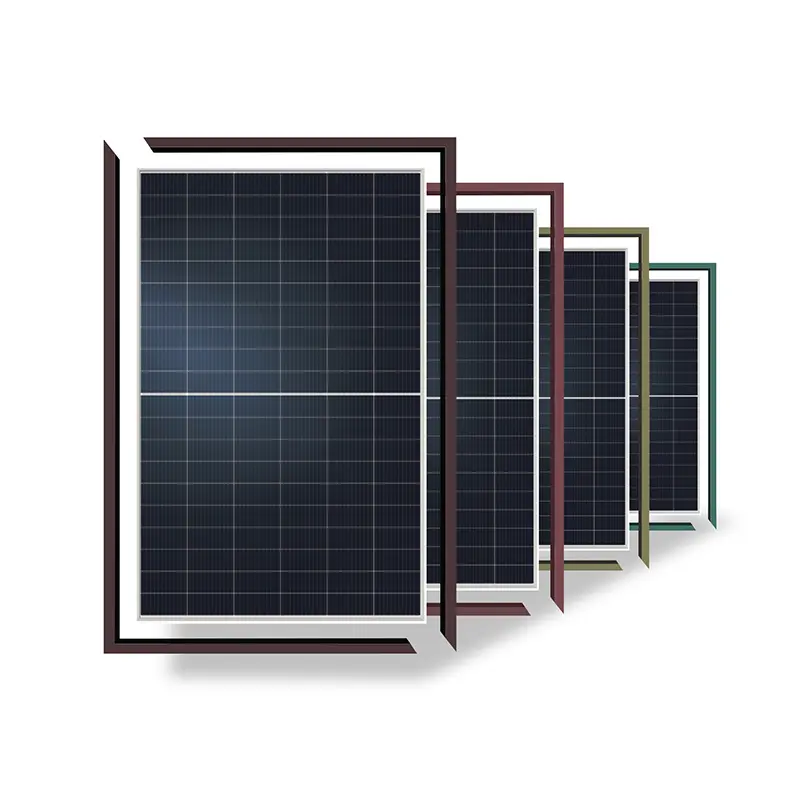
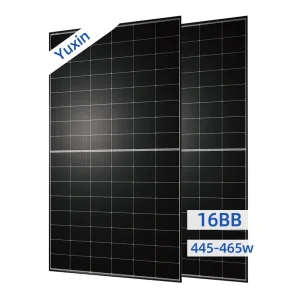
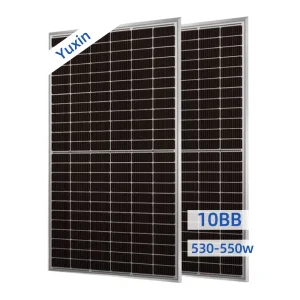
Standardized components forming the backbone of micro and macro utility-scale off-grid installations.
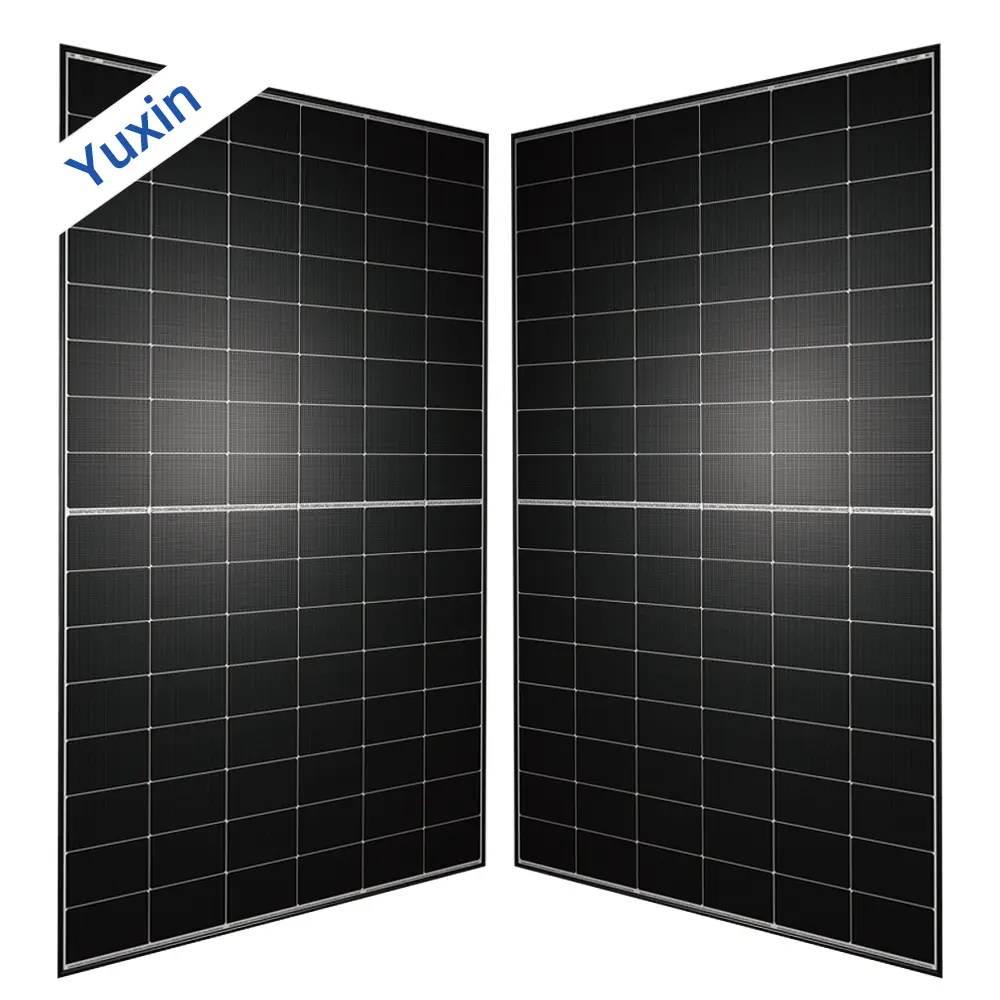
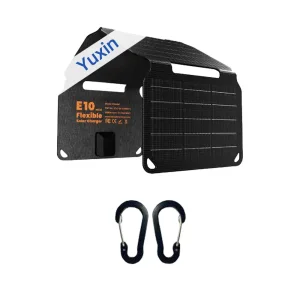
Lightweight design with transparent back panel for easy installation and reduced BOS costs.
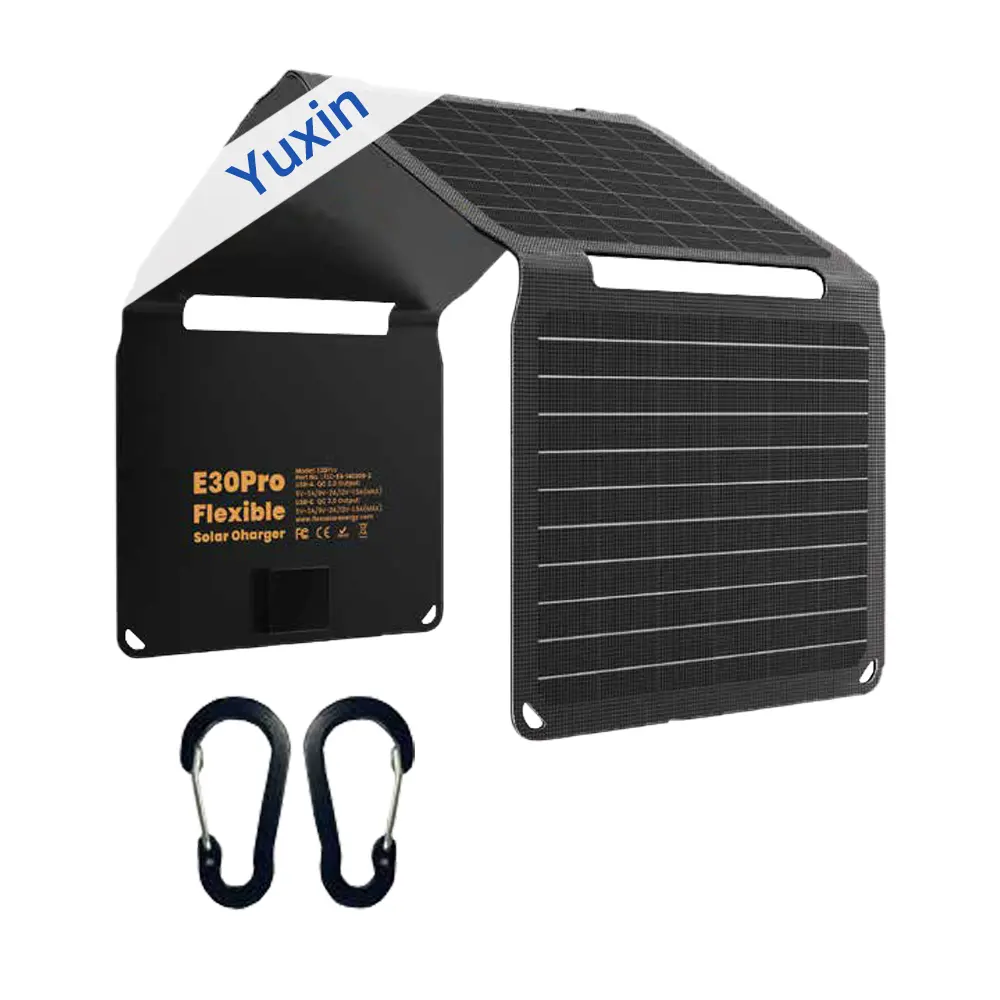
Utilizing advanced monocrystalline silicon cells, it achieves a high energy conversion efficiency of 24%.
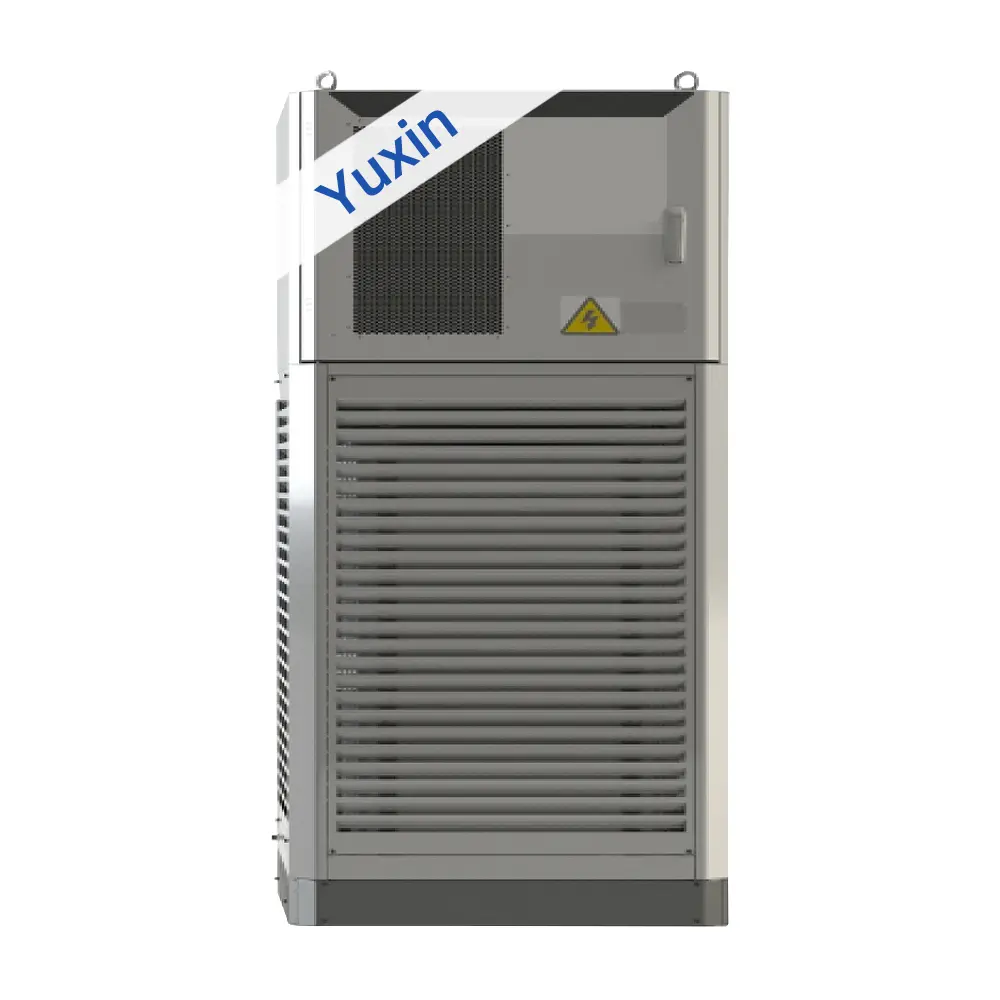
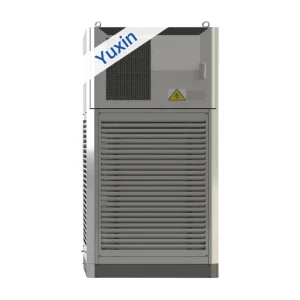
Application modes include grid-connected mode, off-grid mode, and integrated grid-connected/off-grid mode.
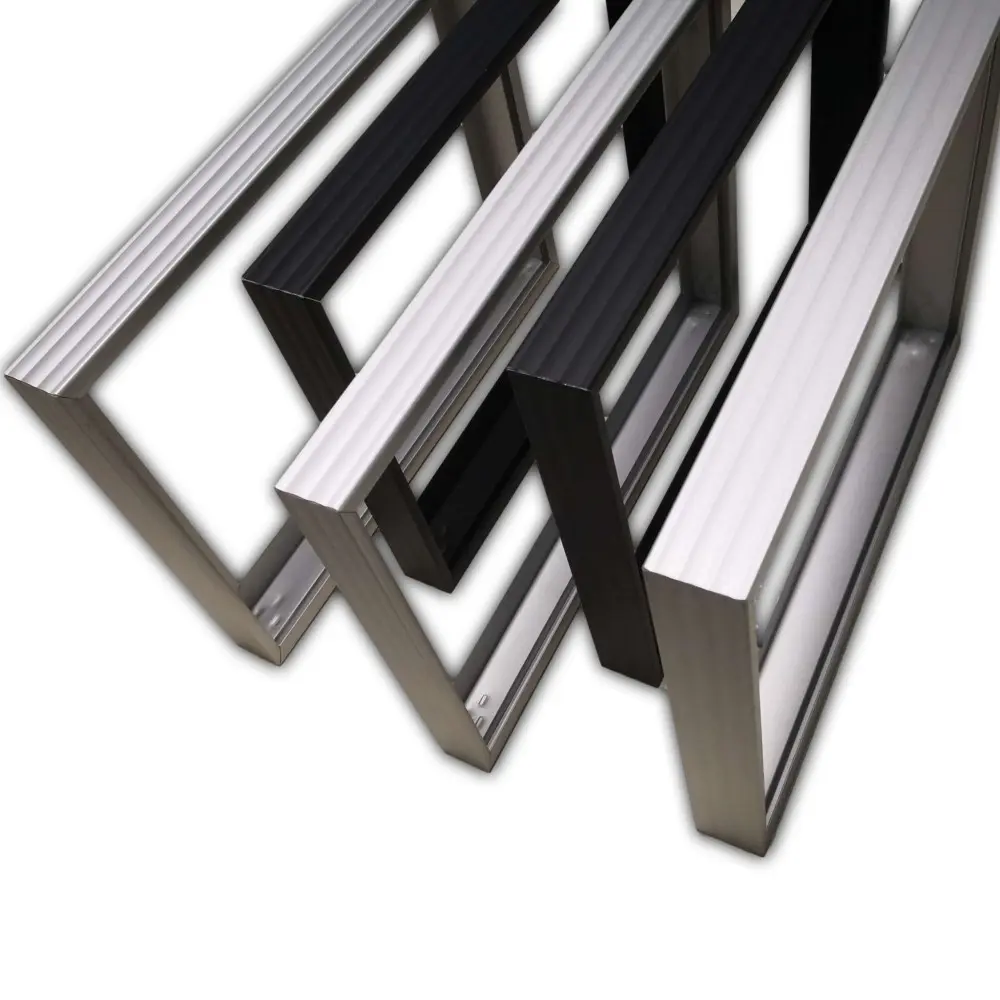
Made of high-quality anodized aluminum, it ensures superior weather resistance and a smooth, long-lasting finish.
The roadmap for portable solar battery chargers is defined by the pursuit of higher power density and structural flexibility. Traditional systems utilized heavy glass-laminated panels, which limited portable deployments. Current technological advancements focus on three main areas:
By shifting from standard PERC cells to N-Type TOPCon (Tunnel Oxide Passivated Contact), we have successfully addressed the issues of Light-Induced Degradation (LID) and LeTID. The thin silicon oxide layer paired with heavily doped polycrystalline silicon minimizes carrier recombination at the contacts, raising the cell-level efficiency limit beyond 26%. Furthermore, our active R&D is exploring Perovskite-on-Silicon tandem configurations, which promise theoretical conversion efficiencies of over 30% by absorbing different spectra of solar radiation.
Conventional metal frames are increasingly supplemented by sustainable polyurethane pultruded composite material aluminum frames. These composite frameworks deliver equivalent tensile strength to structural aluminum alloys while reducing the overall weight by up to 35% and drastically lowering the carbon footprint of production. For portable systems integrated into tactical gear and consumer backpacks, this transition unlocks enhanced durability under cyclical mechanical stress.
Integration of low-loss Maximum Power Point Tracking (MPPT) micro-controllers within the compact form factor of portable chargers ensures that even under partial shading, the system continues to charge at maximum capacity. These chips interface with IoT-enabled monitoring applications via Bluetooth low energy (BLE), allowing users to track real-time generation metrics and thermal profiles.
Precision, Quality, and Safety - Your Photovoltaic Materials Expert
Located in the scenic historical and cultural ancient city of Yangzhou, close to the Beijing-Shanghai Expressway, Runyang Yangtze River Bridge, and Ningqi Railway, the group enjoys a superior geographical location and convenient logistics connections. Established in 2008, the group operates 14 specialized subsidiaries, including Jiangsu Yuxin New Energy Technology Co., Ltd.
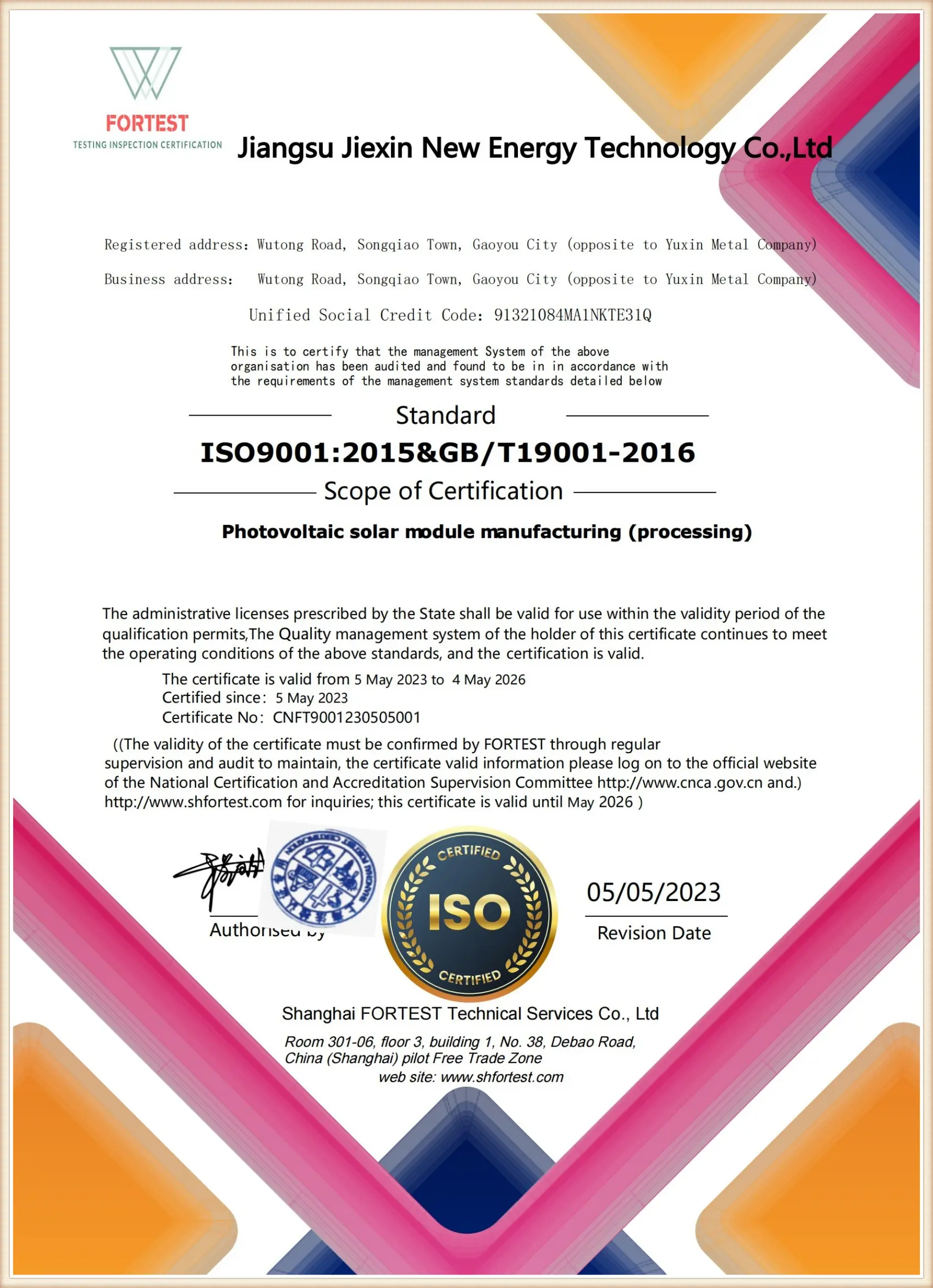
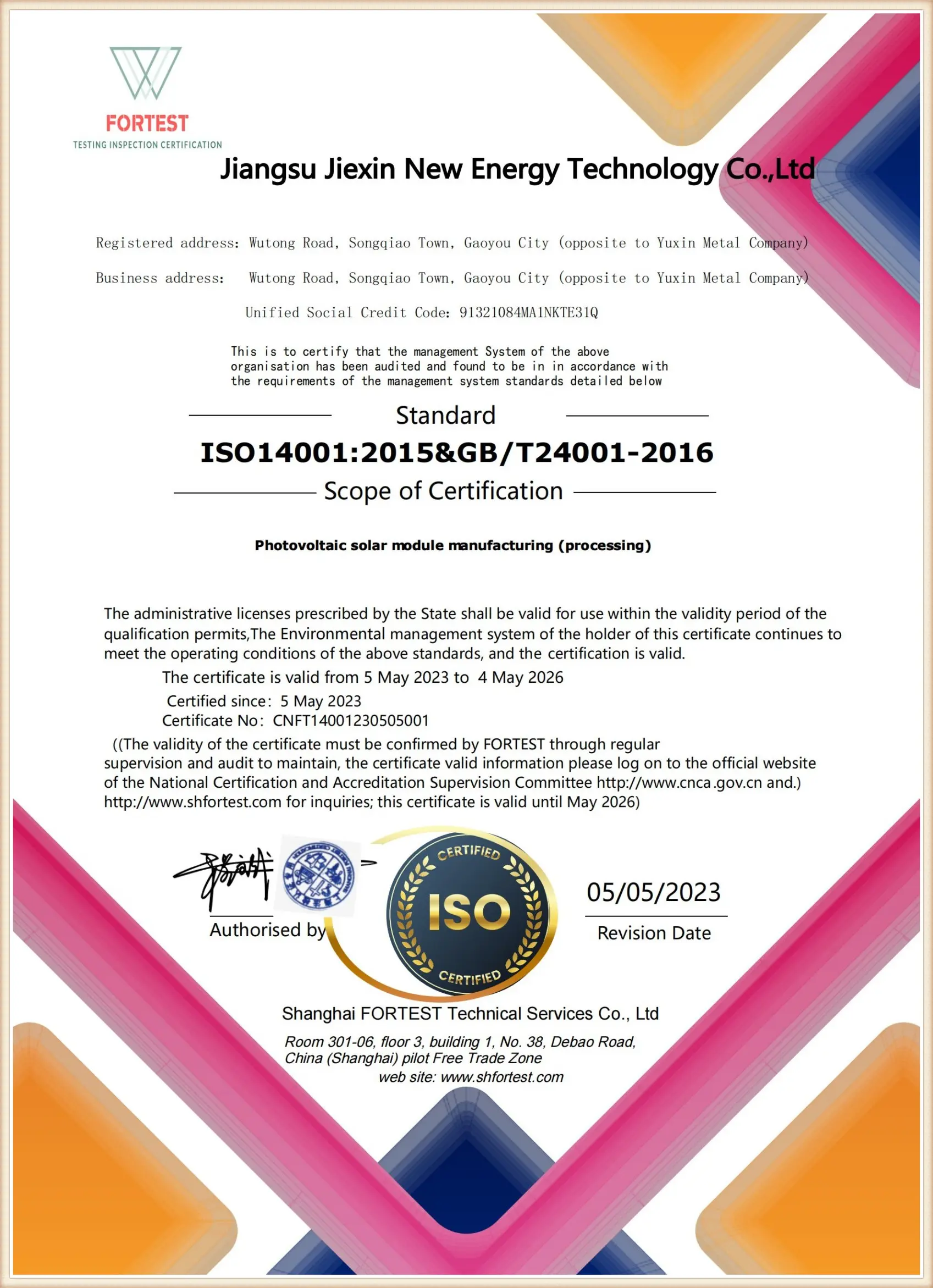
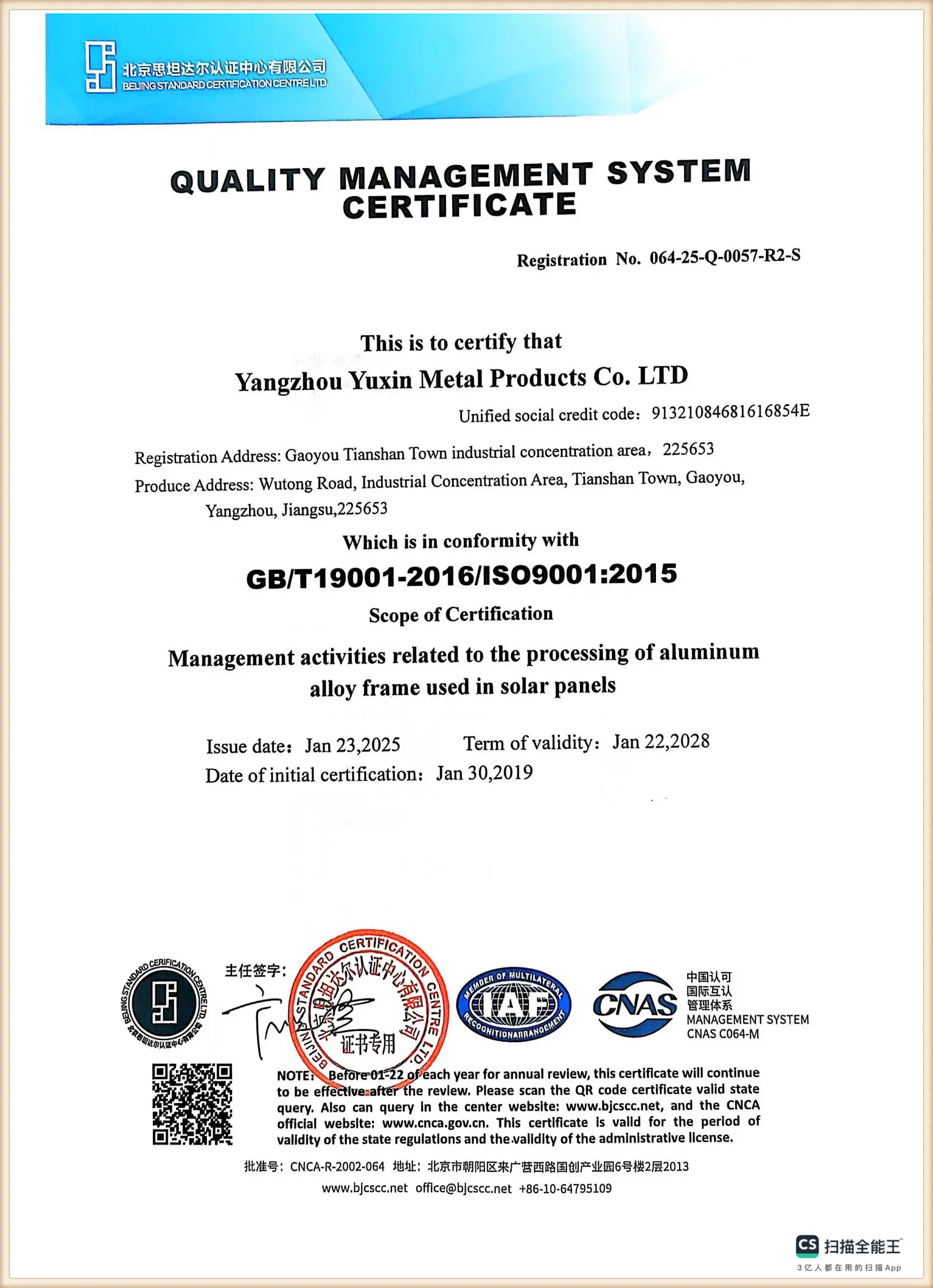
Over nearly two decades of research and manufacturing excellence, YUXIN has secured multiple national recognition titles, including the status of National High-tech Enterprise, Technology-based Enterprise, and has been ranked within the Gaoyou City Top 100 Private Enterprises. Our manufacturing ecosystem integrates raw metal extrusion, surface treatments, precise cell-cutting, and cleanroom assembly under strict ISO-9001 and ISO-14001 guidelines.
Providing off-grid power infrastructure across demanding global industries.
Powering remote soil moisture sensors, autonomous irrigation controllers, and automated livestock fencing systems via weatherized portable monocrystalline solar arrays.
Providing heavy-duty, impact-resistant 240W generator packs to supply uninterrupted energy for spatial mapping equipment, power tools, and temporary lighting setups.
Ensuring grid resilience. Backup power banks and foldout portable panels act as reliable redundancies for critical communication networks and satellite terminal arrays.
Operational validation across diverse environments and logistical networks.

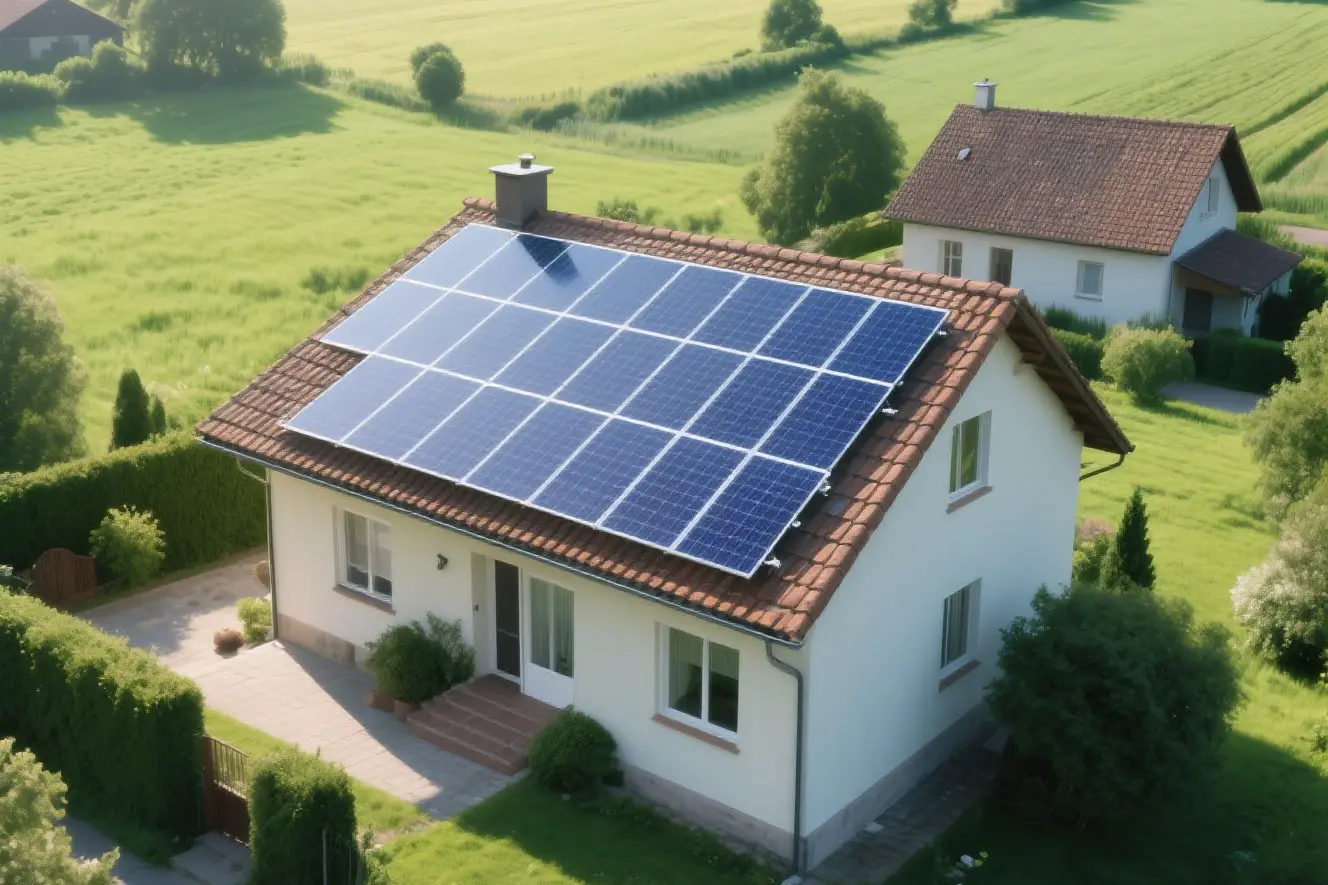
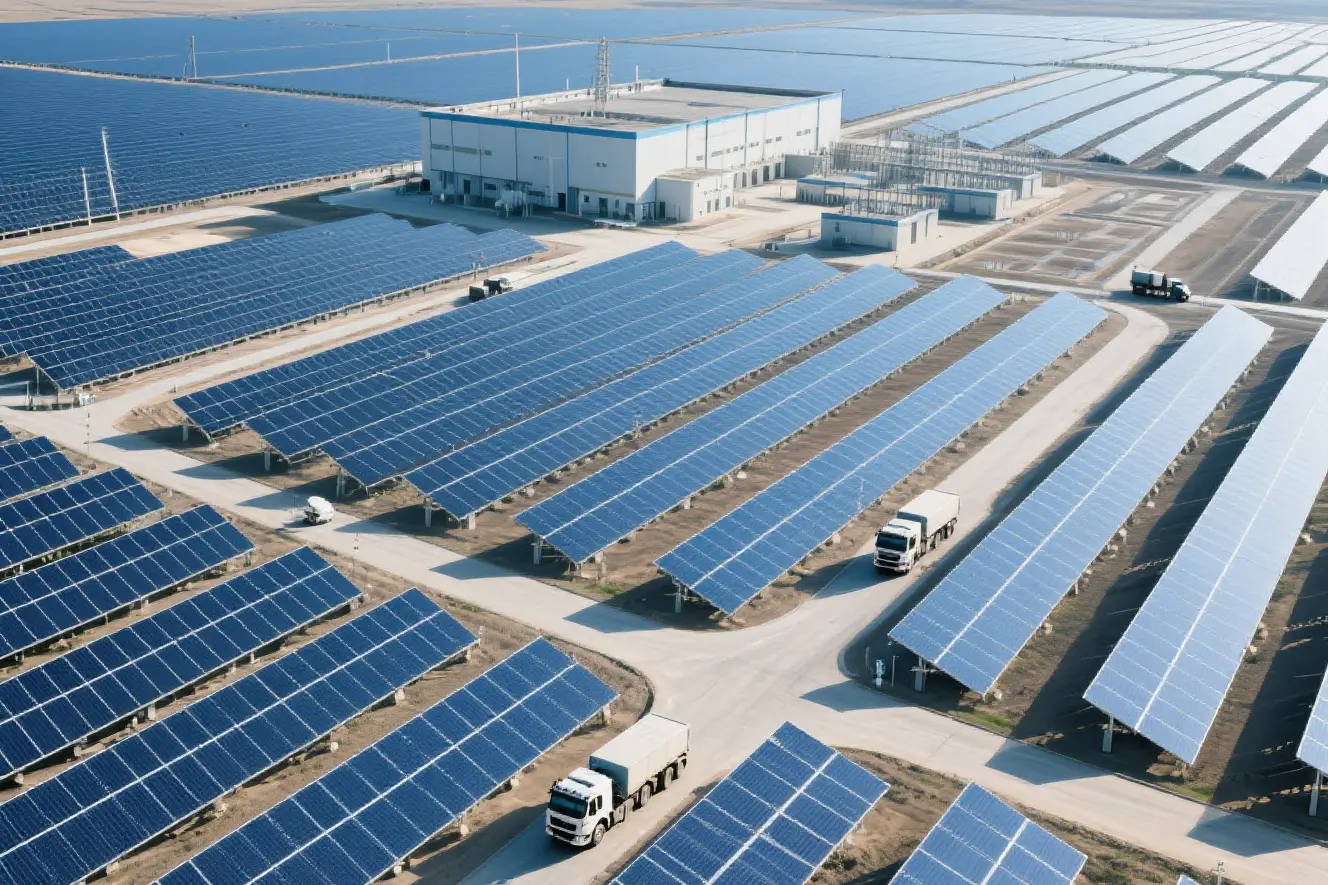


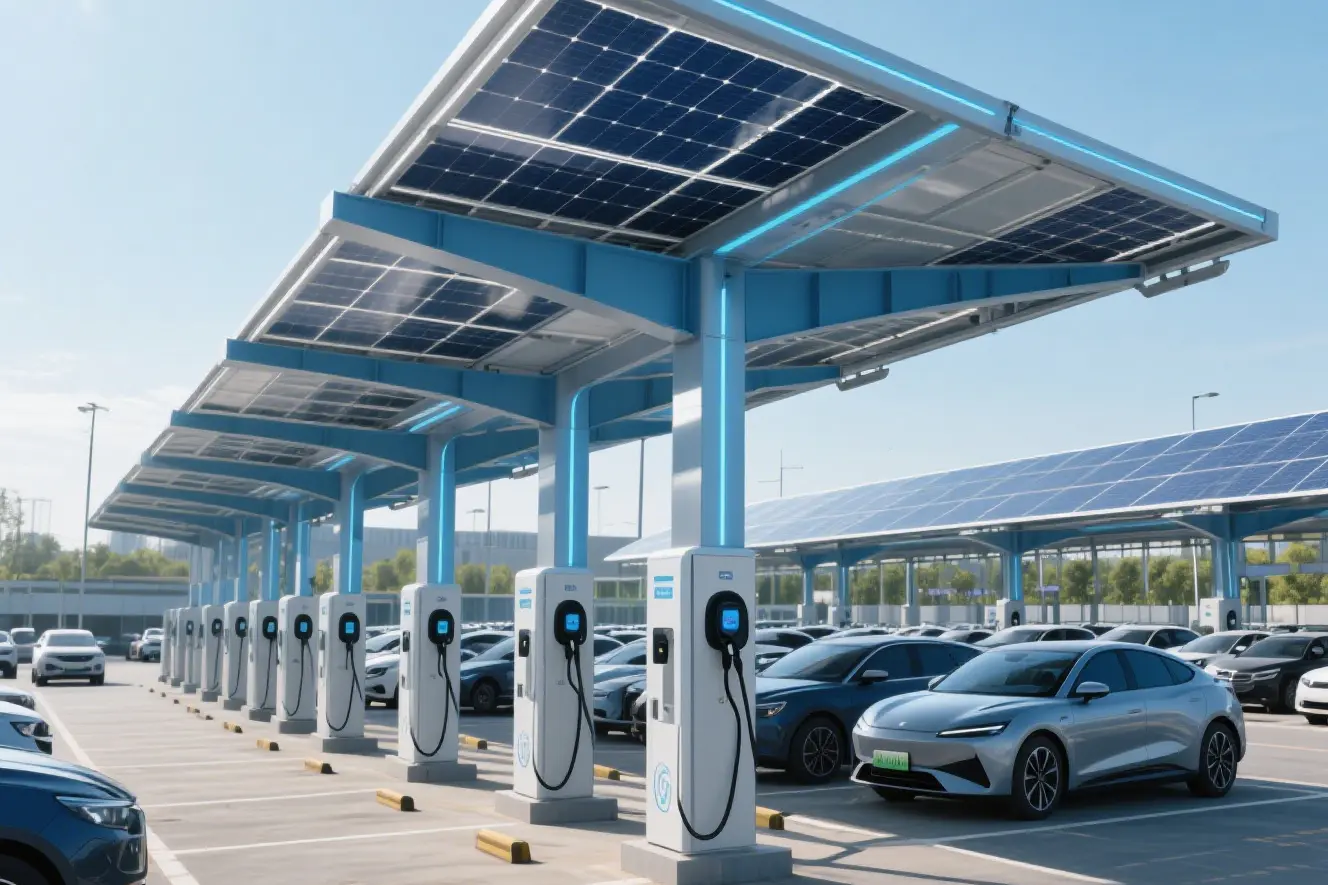
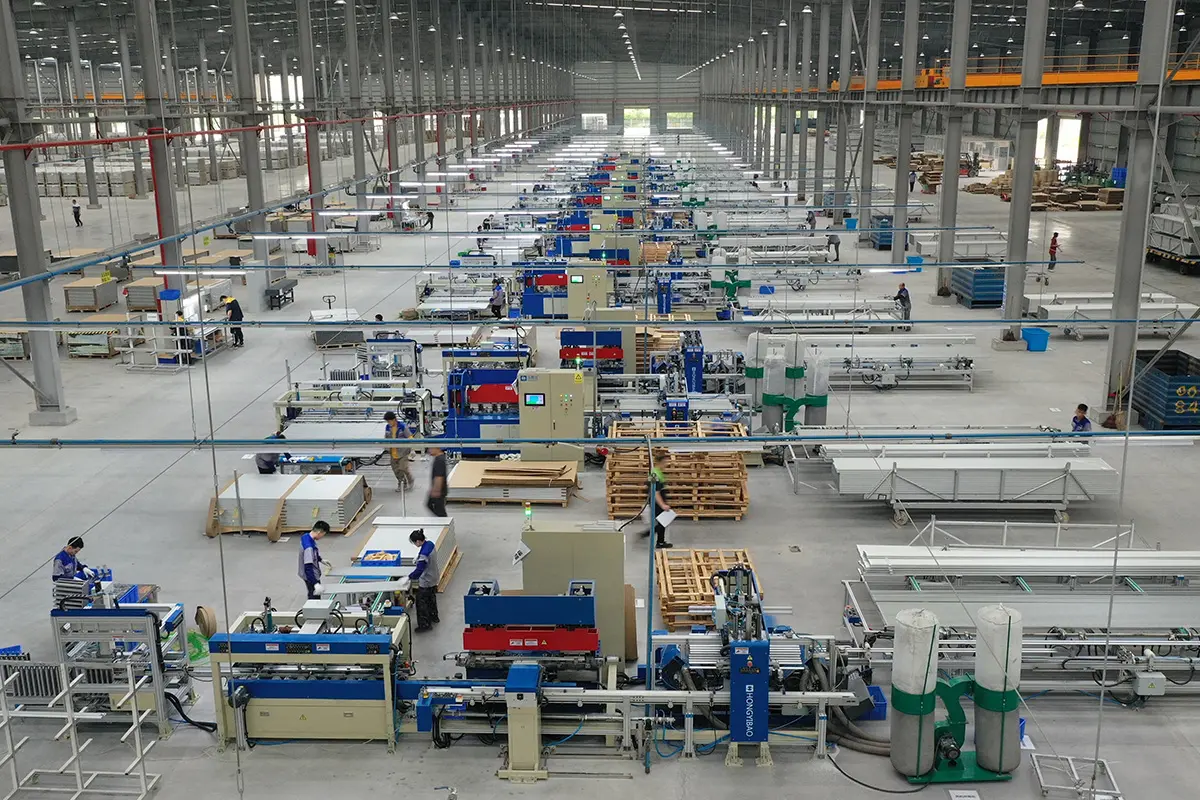
The manufacturing infrastructure of Yuxin New Energy Technology Co., Ltd. represents the cutting edge of industrial automation in Jiangsu. Our smart production floors integrate IoT logistics tracking and robotic cell layout systems to minimize manual intervention. This ensures consistent electrical contacts, precise cell alignment, and robust laminations.
Through our vertically integrated supply chain, we control quality from the extrusion of 6063-T5 aluminum framing directly to the testing of final mono-silicon bifacial dual-glass modules. By keeping structural frame extrusion and module assembly under one roof, we eliminate intermediate shipping costs and maintain consistent quality metrics. This helps protect international partners from price fluctuations in raw materials.
Each production run undergoes rigorous optical, thermal, and electrical performance tests. We utilize advanced electroluminescence (EL) imaging to eliminate micro-cracks before lamination, ensuring a reliable product with long-term durability.
By producing our own structural components, including pultruded composites and anodized aluminum, we reduce the total Bill of Materials cost for our commercial partners.
With 21+ automated lines, we can scale operations rapidly to fulfill large bulk orders without compromising lead times, ensuring your project timeline remains on track.
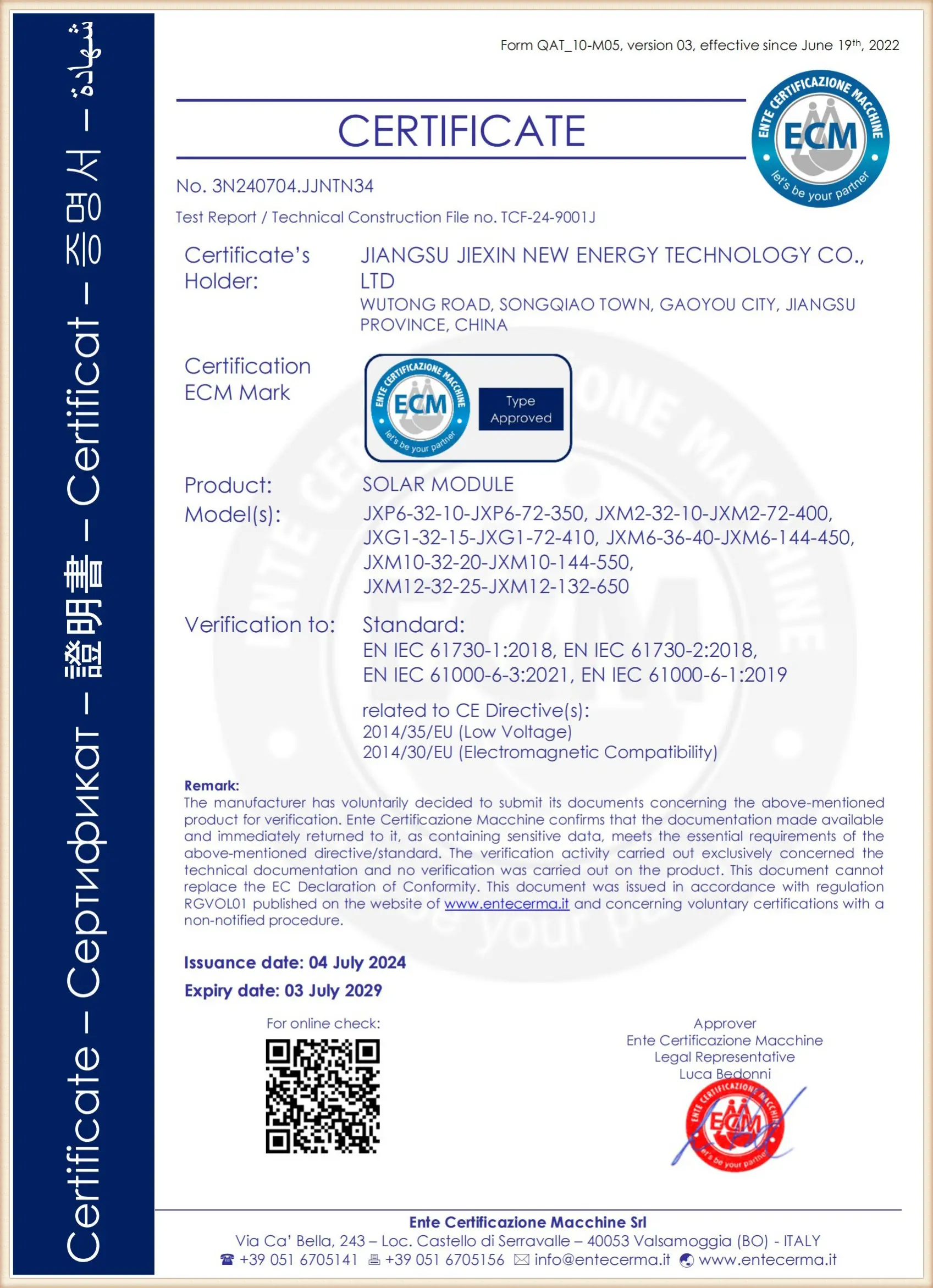
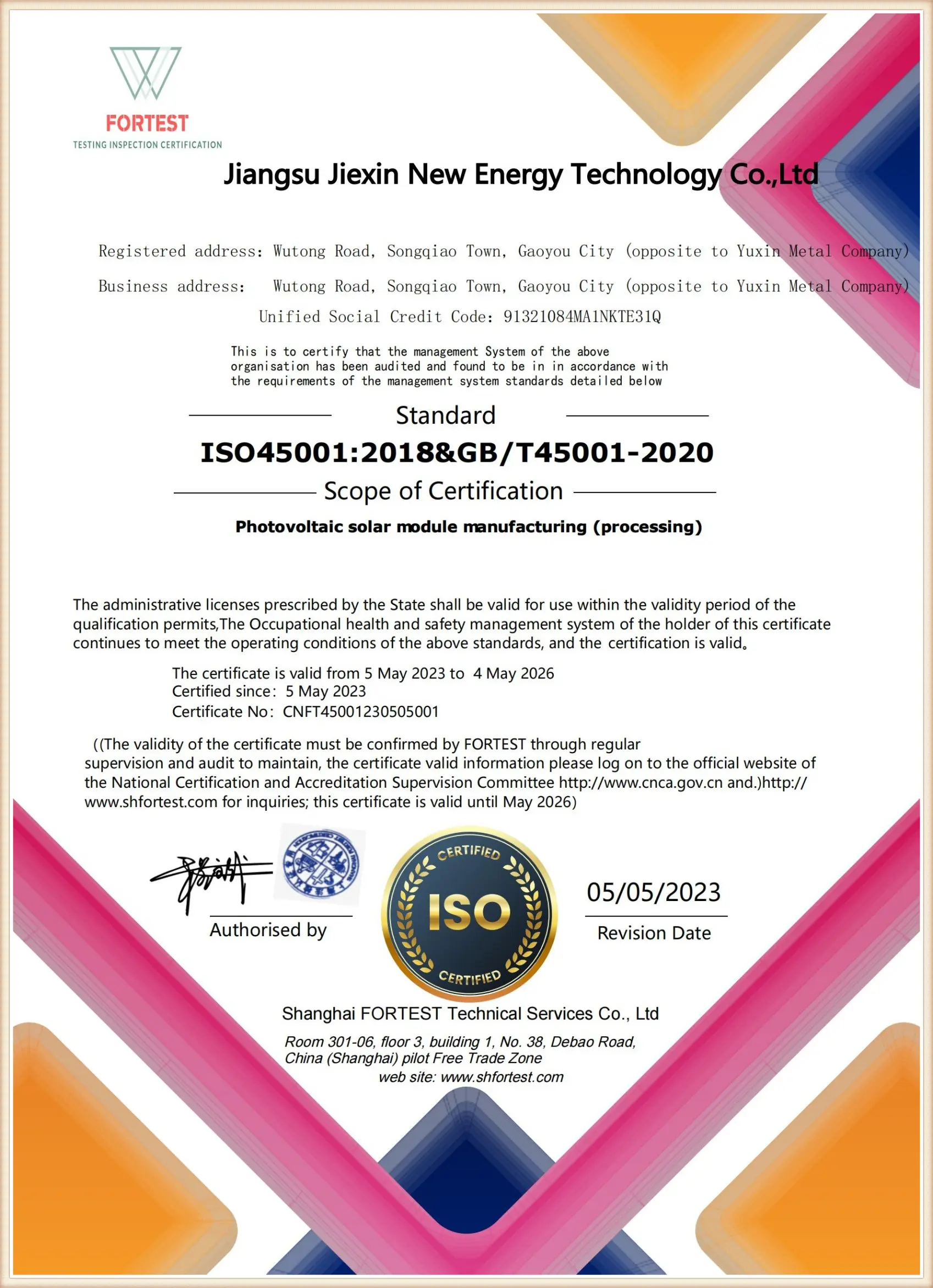
Procuring micro-generation systems and mounting solutions requires careful alignment with international regulations. At YUXIN, we maintain rigorous global compliance to support smooth customs clearance and local system integrations.
Our solar modules, structural frames, and battery chargers meet standard compliance criteria including CE, UL, RoHS, and IEC, ensuring smooth operations in North American, European, and Asia-Pacific markets. We offer tailored B2B solutions, including custom mechanical designs (OEM/ODM), optimized pallet packing to reduce shipping damages, and complete customs documentation.
Insights on the role of solar materials in the global energy transition.
"The future of clean energy reliance depends on structural stability and modularity. Choosing materials like 6063-T5 aluminum and high-efficiency N-type silicon ensures off-grid equipment can withstand harsh field conditions for decades."
"A high-quality portable solar battery charger requires high energy density cells and durable casing. Integrating composite polyurethane frames helps optimize system weight and durability for remote deployments."
"Off-grid systems are key to industrial telemetry. Transitioning from PERC to TOPCon technology provides the performance boost required for mission-critical remote operations."
Detailed technical specifications and design considerations for purchasing agents and engineers.
Working closely with clean energy developers and engineering groups worldwide.


Insights on materials science and developments in solar frame technology.
Complete B2B catalog covering mono-silicon panels, composite frames, and power systems.