Famous OEM Solar Mounting Systems Factories & Products

High-yield photovoltaic engineering solutions, advanced structural stability, and premier factory direct OEM capabilities for global energy providers.

Expert Structural Engineering: The Core of Modern Solar Mounting Systems

As utility-scale photovoltaic infrastructure progresses, the performance demand on solar racking systems has transitioned from simple mechanical supports to high-integrity structural components. Modern solar mounting platforms are tasked with maintaining optimal static alignment for decades under diverse environmental pressures, including sustained high wind velocities, intense snow loads, and corrosive atmosphere exposures.

YUXIN stands at the forefront of this manufacturing evolution. Grounded in advanced material science, our product portfolio combines optimized aluminum framing solutions (featuring top-grade 6063-T5 and 6005-T6 anodized alloys) with structural developments like pultruded polyurethane composite frames. These composites deliver exceptional flexural stiffness and galvanic corrosion protection, eliminating electrical risk factors at the panel interface and minimizing balance of system (BOS) installation footprints.

💡 Industry-Leading Engineering Standards (Information Gain):

  • Structural Rigidity and Load Design: Configured for high static wind limits up to 240 km/h and localized snow accumulation designs reaching 2.0 kN/m² in accordance with AS/NZS 1170.2 and ASCE 7-16 guidelines.
  • Galvanic Isolation Mastery: Advanced polyurethane pultrusions eliminate standard aluminum-to-copper ground faults and optimize total system longevity in maritime coastal zones.
  • Alloy Precision Processing: Utilization of targeted thermal tempering cycles ensures tensile stress yields exceed standard requirements, maintaining framing alignment over a 25-year structural service cycle.

Why Partner With YUXIN?

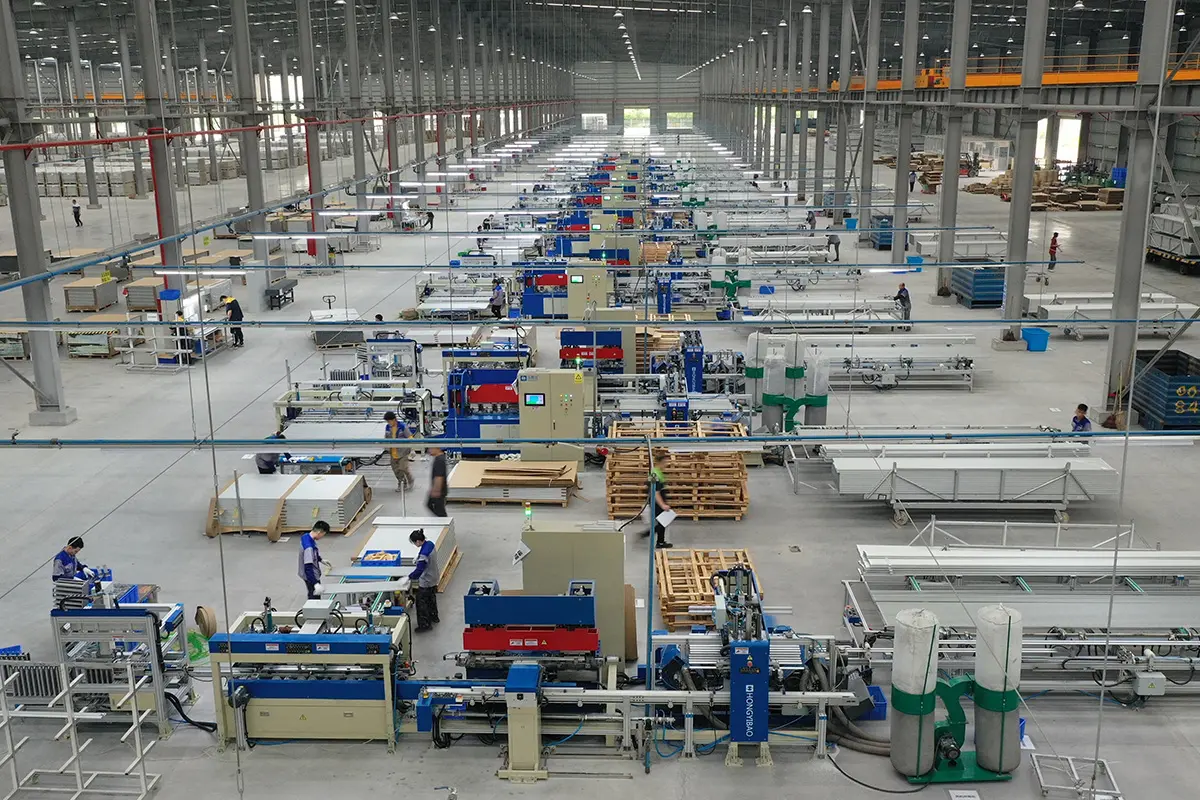
Established in 2008 in the Yangzhou logistics and industrial corridor, YUXIN New Energy Technology leads 14 specialized engineering operations. As an accredited National High-Tech Enterprise, our production ecosystem is built around precision, safety, and scalable capacity.

Production Lines 21+ Lines
Annual Sales Revenue $86,000,000+
Global Export Volume 12,000 Tons+
Total Production Capacity 25,000 Tons / Year

🏭 Strategic Advantages of China's OEM Manufacturing Base

How localized supply chain integration, material sourcing efficiencies, and rapid engineering prototyping minimize total cost of ownership (TCO) for global energy developers.

⛓️

1. Vertically Integrated Supply Chain

From aluminum smelting and custom profile extrusion to advanced anodization and pre-assembly, our localized manufacturing network reduces transit times, stabilizes raw material costs, and minimizes logistics overhead.

🔬

2. Advanced Material Science & R&D

Our advanced laboratories focus on composite engineering. By refining polyurethane structural compositions and utilizing precise multi-axis CNC machining, we deliver durability profiles tailored to harsh marine, desert, and high-latitude installations.

📋

3. Stringent Quality Control Protocol

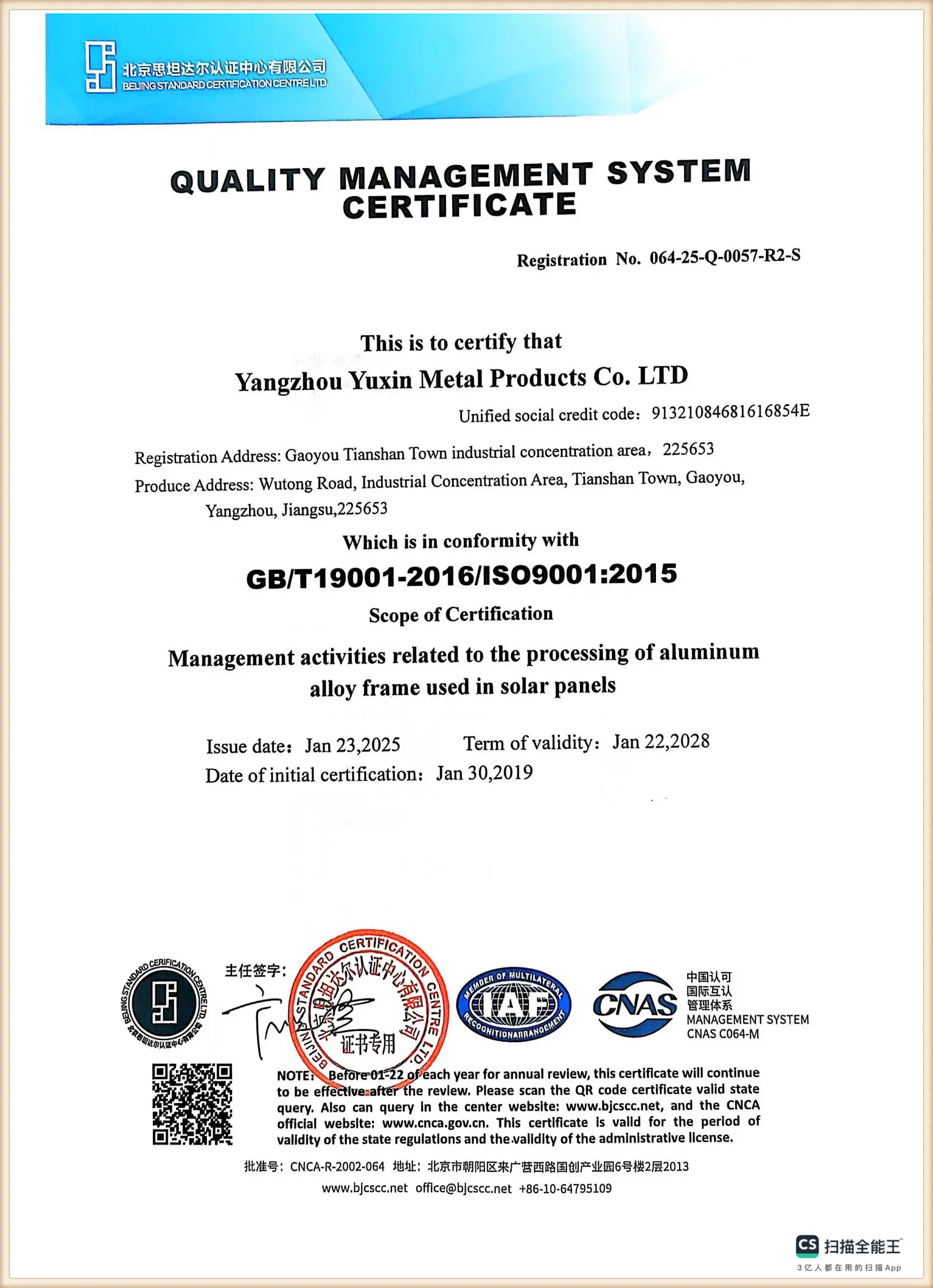
Every batch undergoes rigid testing, including salt spray corrosion checks (reaching Class C5-M levels), tensile strength audits, and precise profile dimension matching. Each shipment is fully documented to meet global compliance and insurance requirements.

🛠️ Core Photovoltaic Systems & Frames

A look at the key component groups manufactured to the highest technical tolerances by YUXIN.
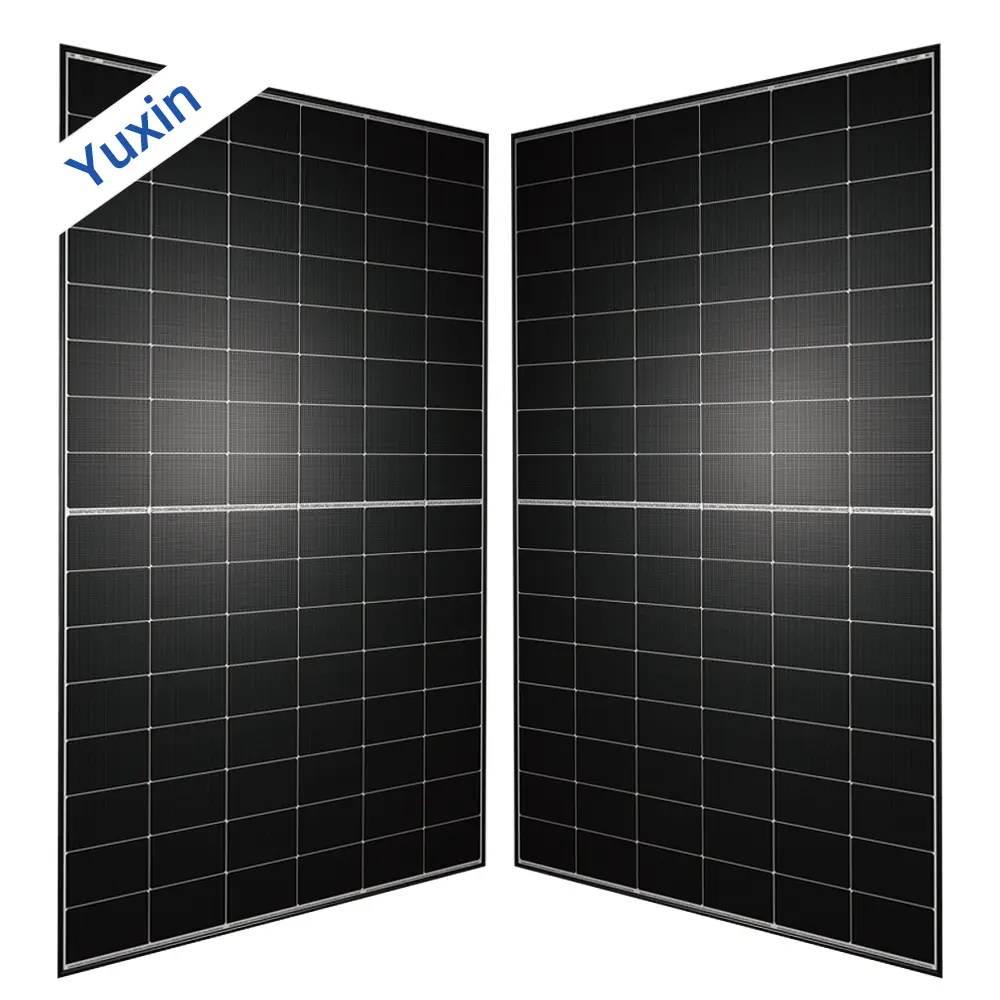
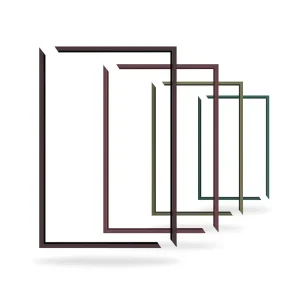
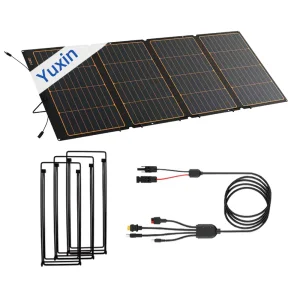
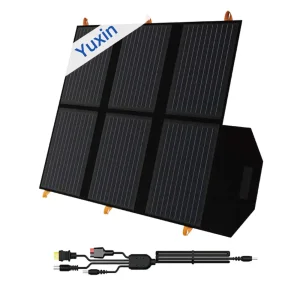
Solar Panel Framing Component

Solar Panel

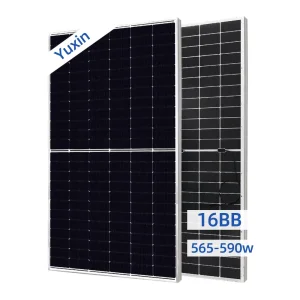
Lightweight design with transparent back panel for easy installation and reduced BOS costs.
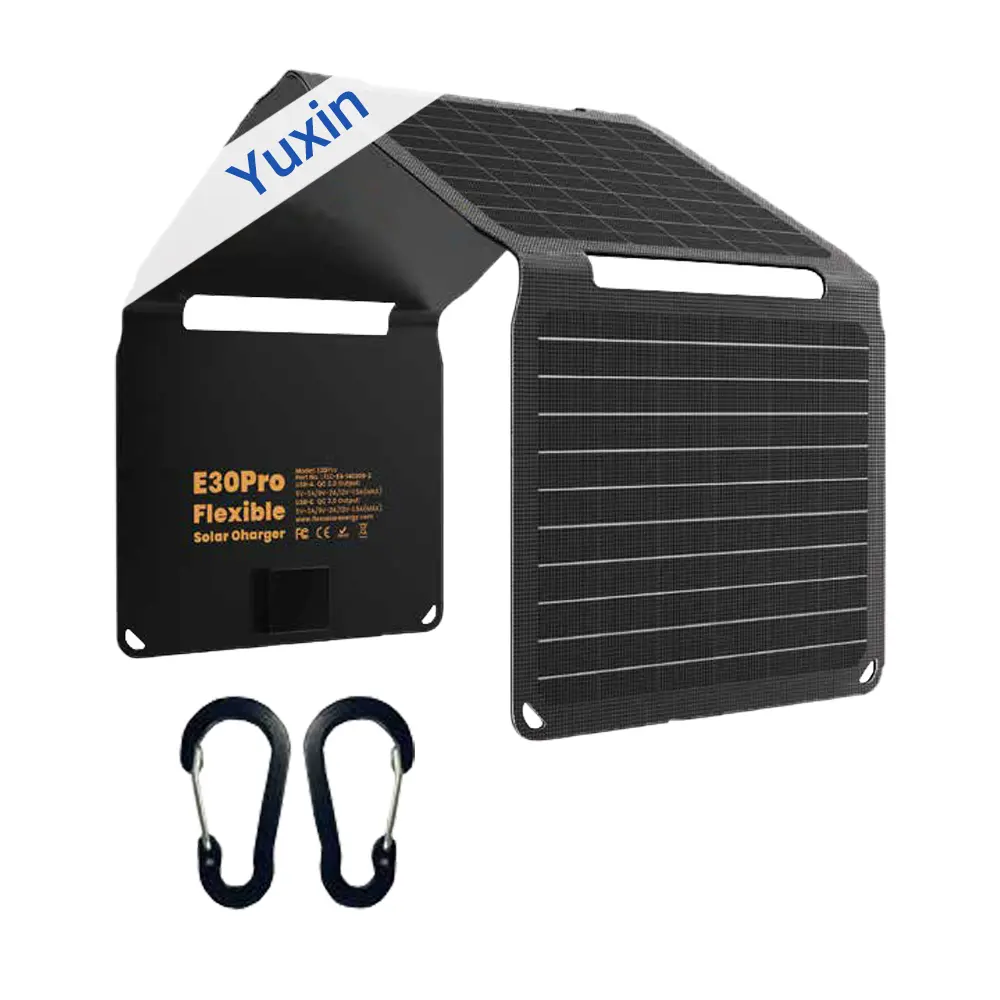
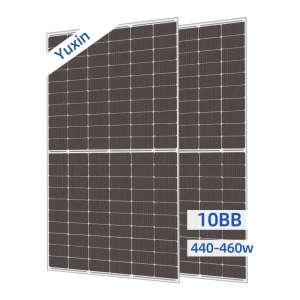
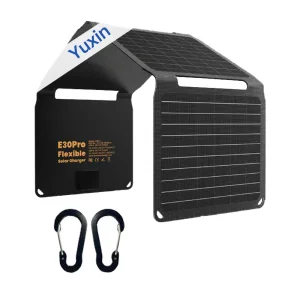
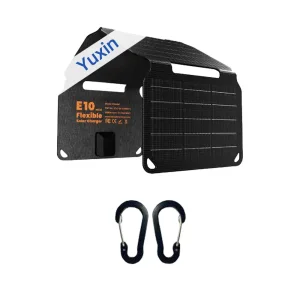
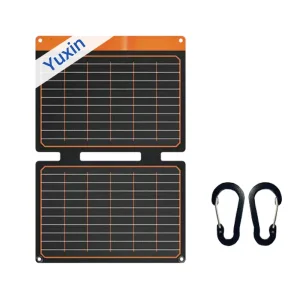
Portable Solar Charger Component

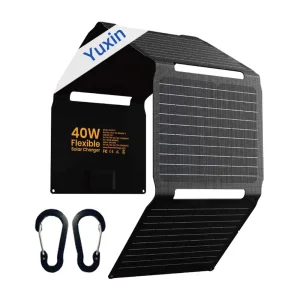
Portable Solar Charger

Utilizing advanced monocrystalline silicon cells, it achieves a high energy conversion efficiency of 24%.
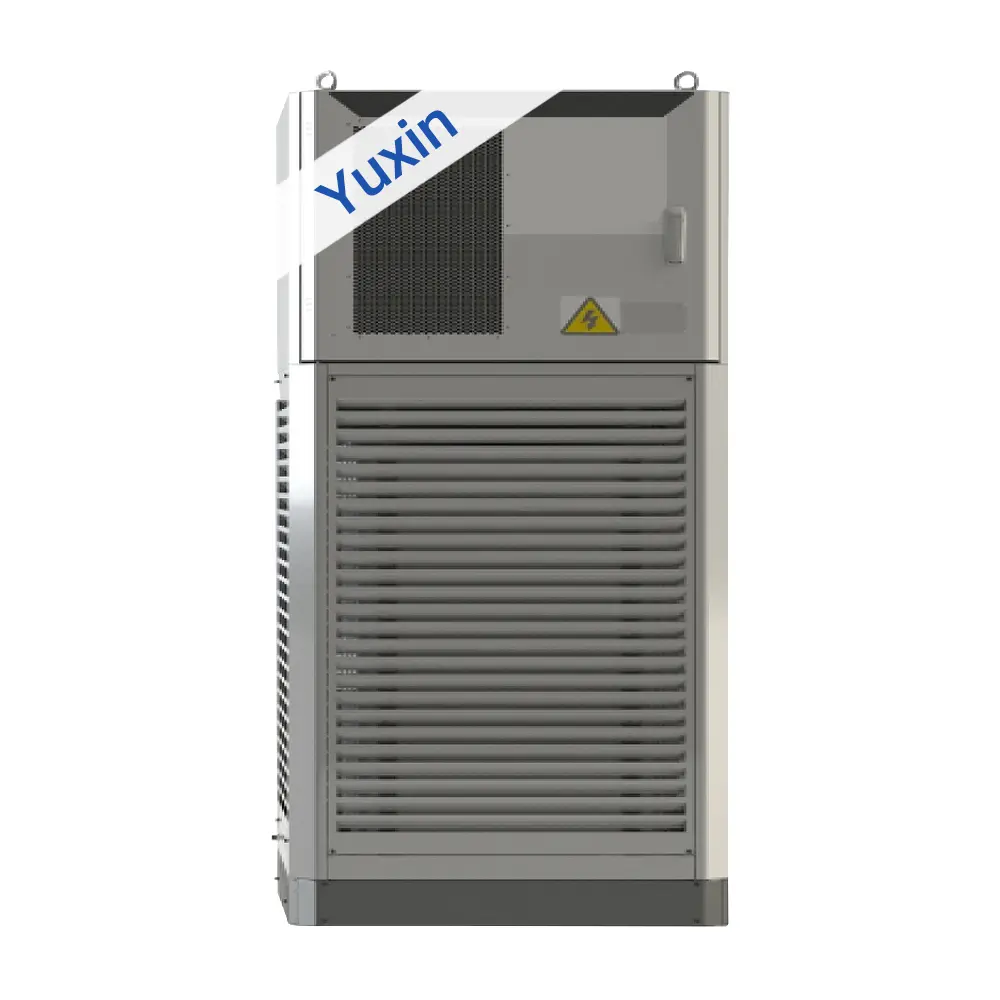
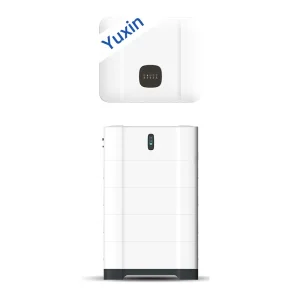
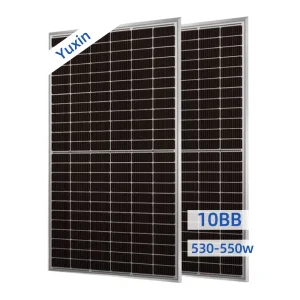
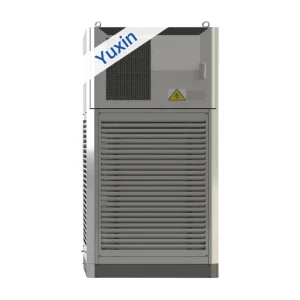
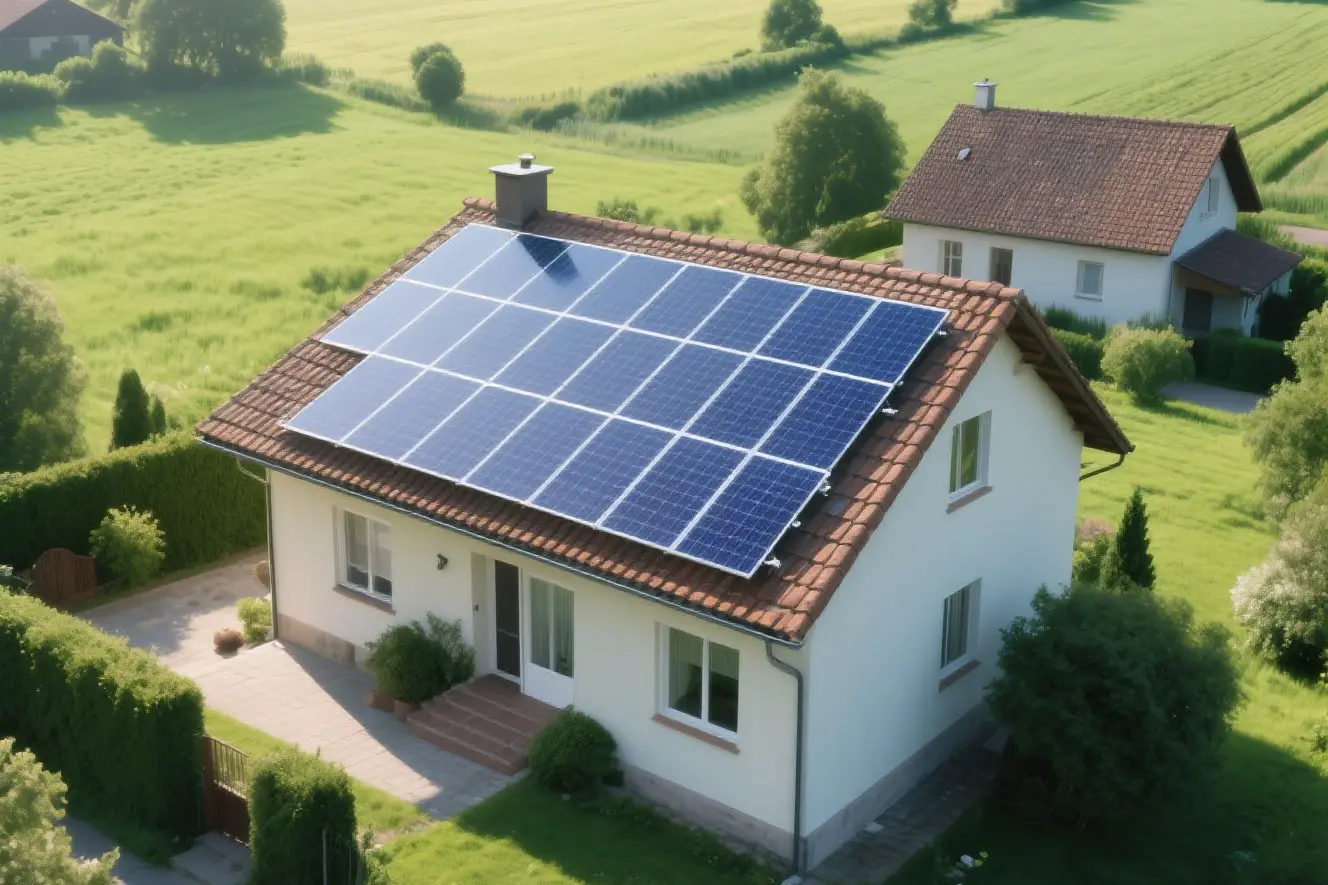
Solar System For Home Component

Solar System For Home

Application modes include grid-connected mode, off-grid mode, and integrated grid-connected/off-grid mode.
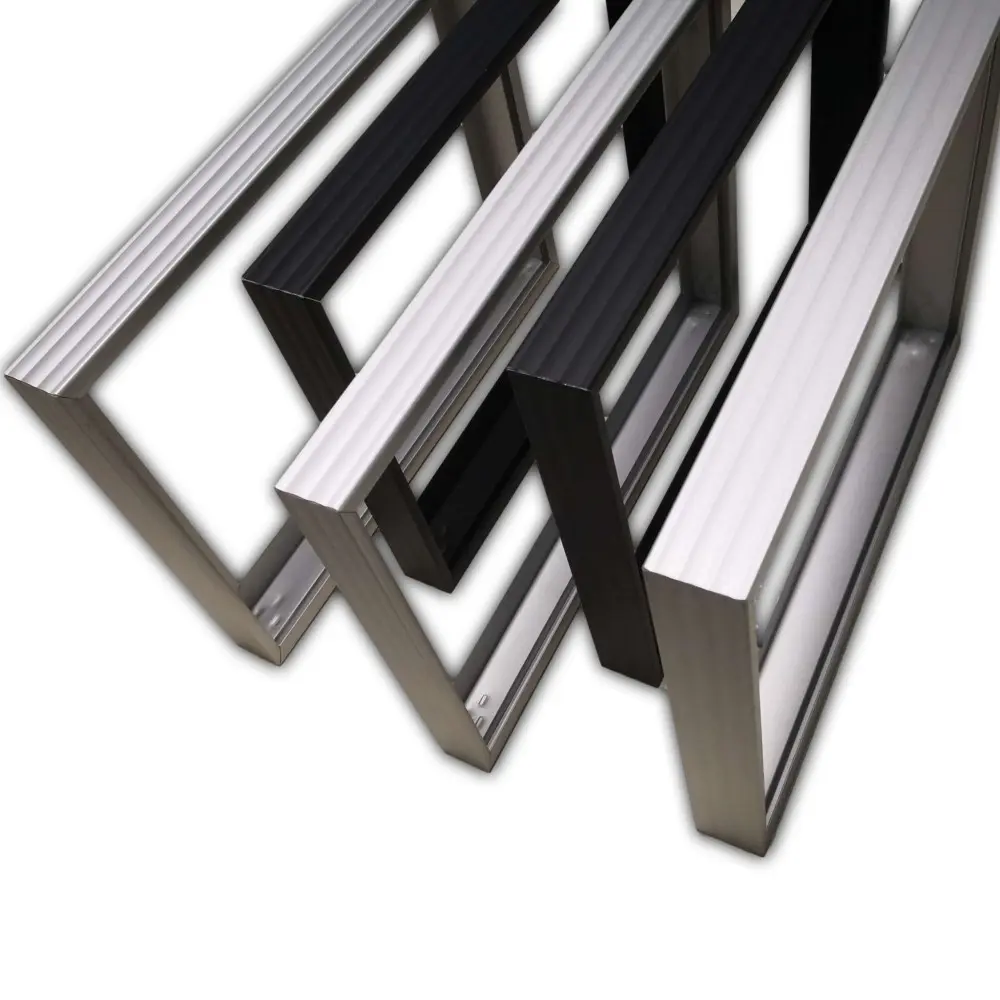
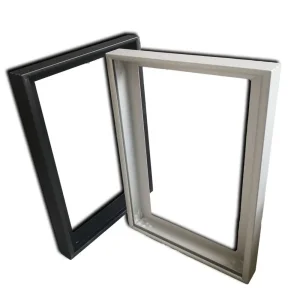
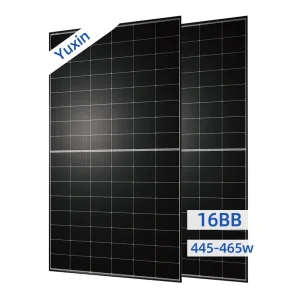
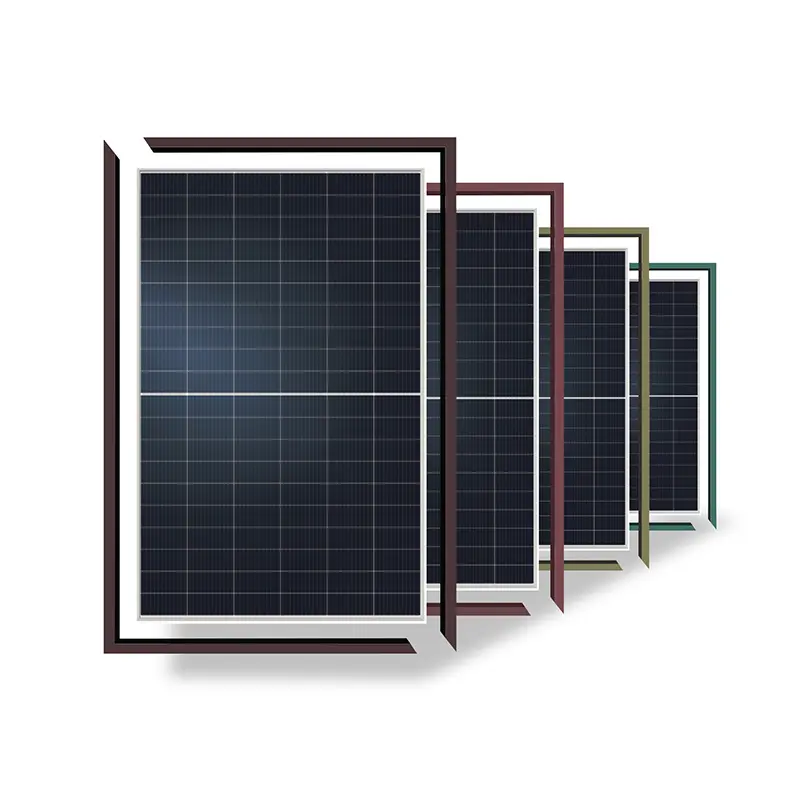
Aluminum Frames Component

Aluminum Frames

Made of high-quality anodized aluminum, it ensures superior weather resistance and a smooth, long-lasting finish.

🌐 Tailored Applications Across Global Verticals

Our structures and storage solutions are deployed across complex infrastructure applications to maximize durability and generation yields.

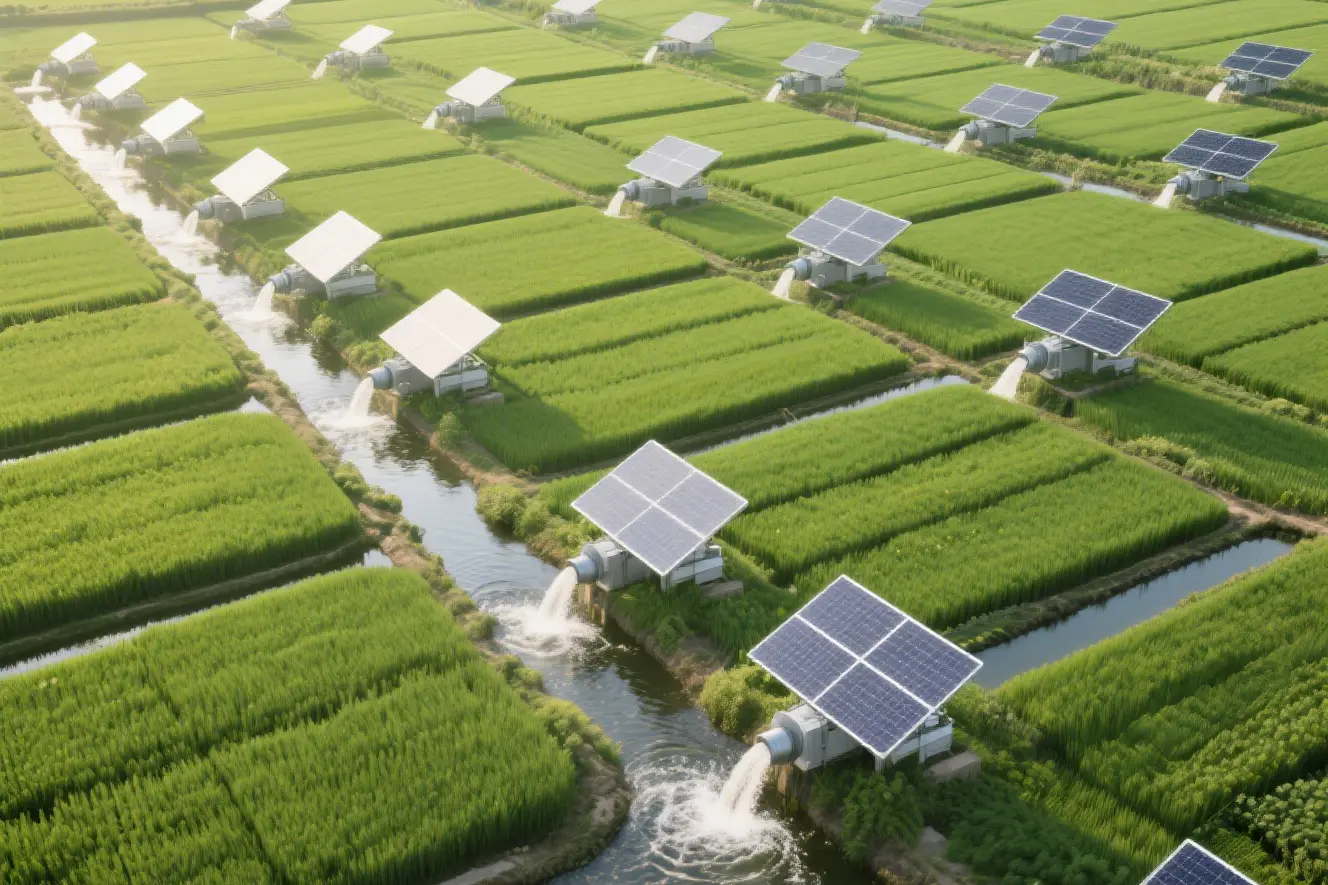
Agriculture Applications

Agricultural Photovoltaics (Agri-PV)

Supporting optimal crop microclimates while generating renewable power, requiring lightweight, corrosion-free structural mount geometries.

Construction Industry Applications

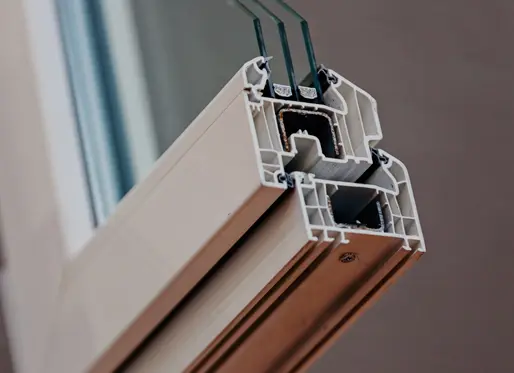
Building-Integrated PV (BIPV)

High-precision architectural framing and clamping systems engineered to withstand structural loads on modern high-rise facades.

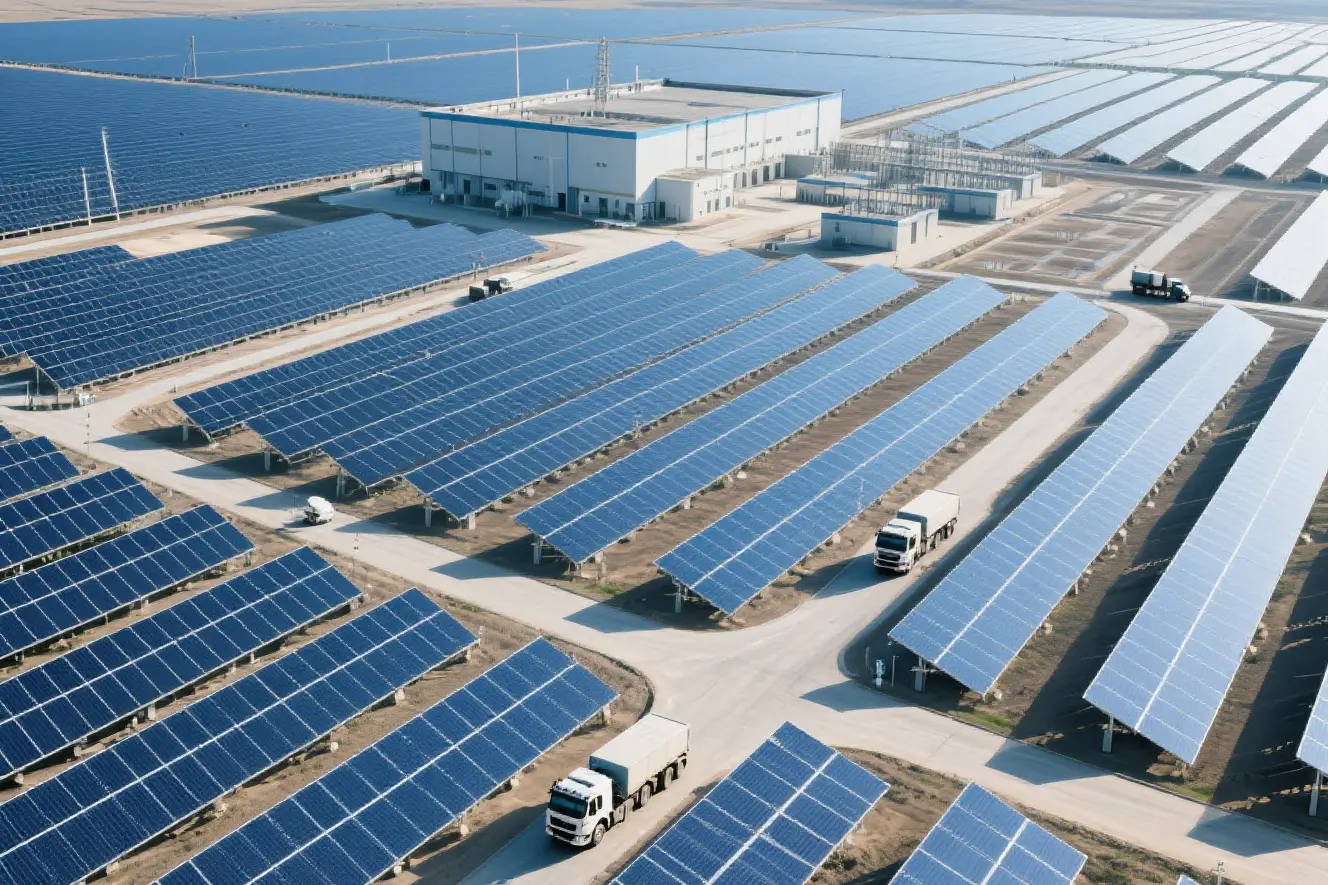
Electric Power Industry Applications

Utility-Scale Power Generation

High-strength racking systems compatible with ground-mount trackers, optimizing panel angles to increase annual generation yield.

Outdoors Applications

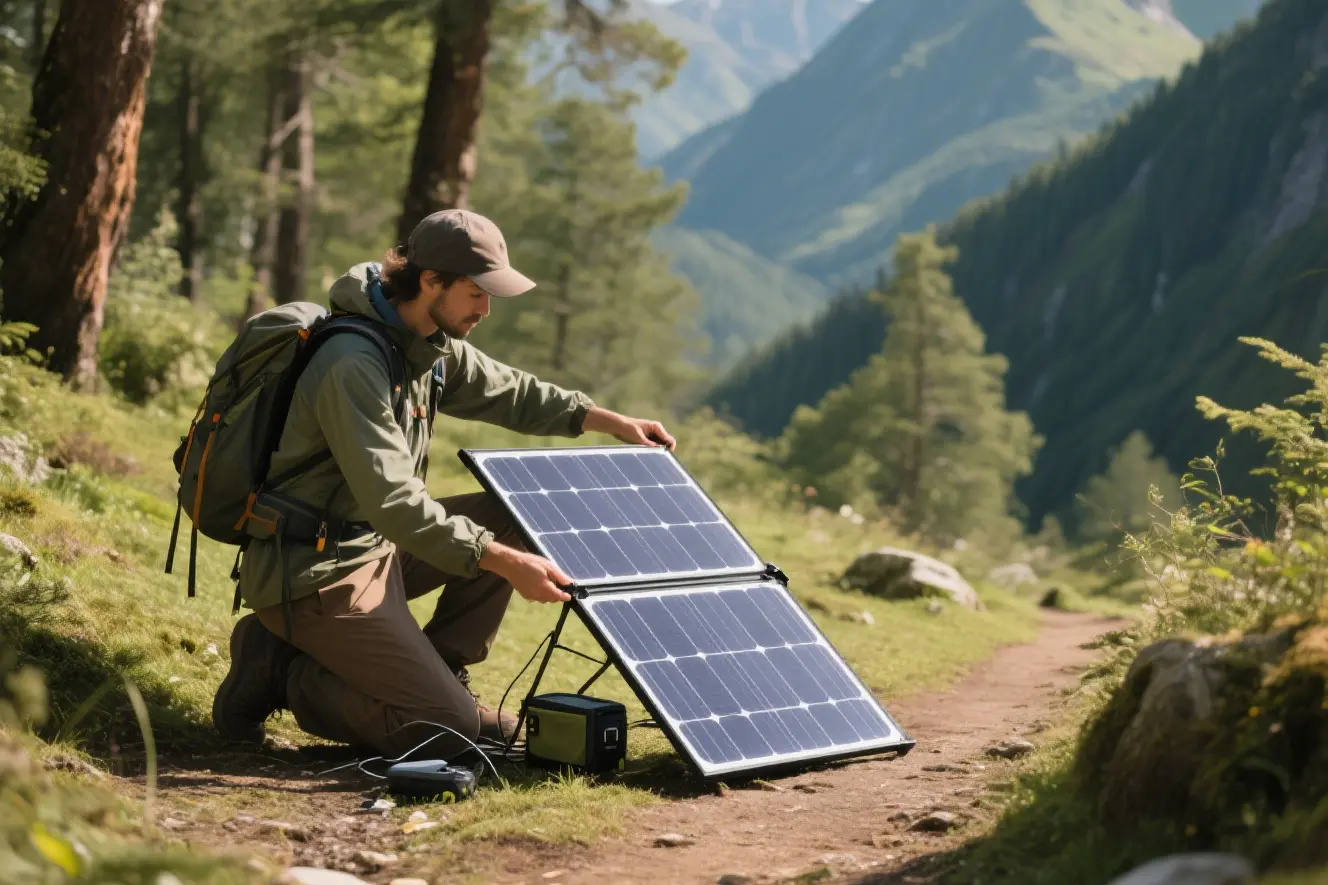
Off-Grid Portable Power Solutions

Durable, lightweight folding structures and wear-resistant solar backpacks designed for expeditions and critical field research.

Telecommunications Field Applications

Telecommunications Infrastructure

Highly resilient racking installations that support continuous energy storage for remote cellular towers and microwave repeater stations.

Transportation Industry Applications

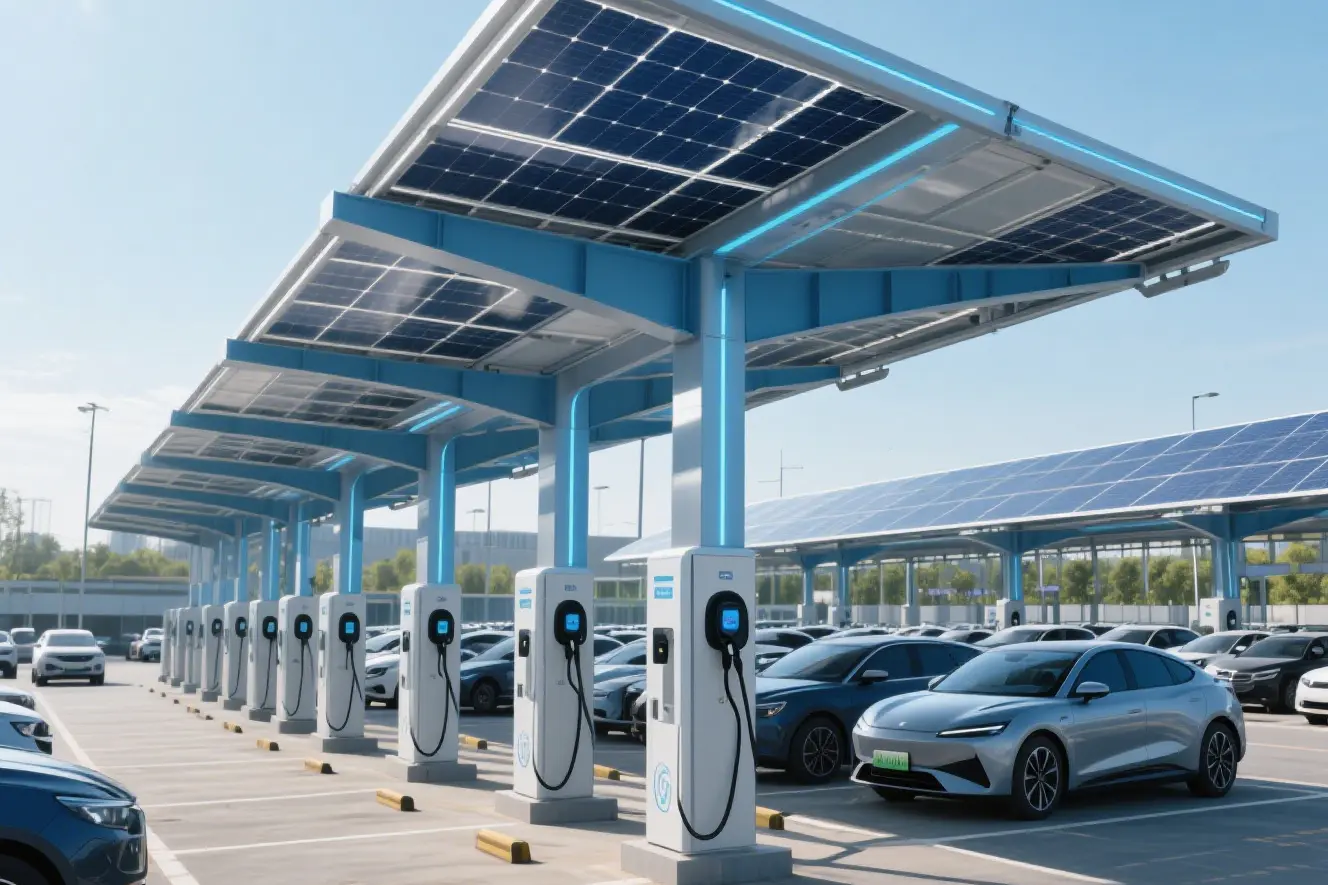
Transportation & Smart Infrastructure

Anodized solar mounts built for highway sound barriers, toll stations, and high-frequency railway signage networks.

Macro Procurement: Structuring Low-Risk Racking Supply Chains

Engineering, Procurement, and Construction (EPC) firms face complex supply chain dynamics when sourcing solar structures. Beyond base material costs, variables like engineering verification, factory delivery speeds, and quality audits significantly impact project timelines.
Key Steps for Technical Procurement Audits

  1. Metallurgical Validation: Verify that the chemical composition and mechanical properties of 6063-T5 or 6005-T6 aluminum alloys meet ASTM or EN international standards.
  2. Anodization Layer Depth: Ensure the protective anodic oxide layer meets class standards (minimum 15 microns for standard setups, 25 microns for marine environments) to prevent pitting corrosion.
  3. System Load Approvals: Request localized FEA (Finite Element Analysis) documents confirming static and dynamic safety factors for high wind and heavy snow conditions.
  4. Traceable Manufacturing Quality: Look for end-to-end trace documentation, from raw aluminum billet analysis to final component stamping, ensuring consistent quality across large-volume utility shipments.

Accredited Structural Compliance & Certifications

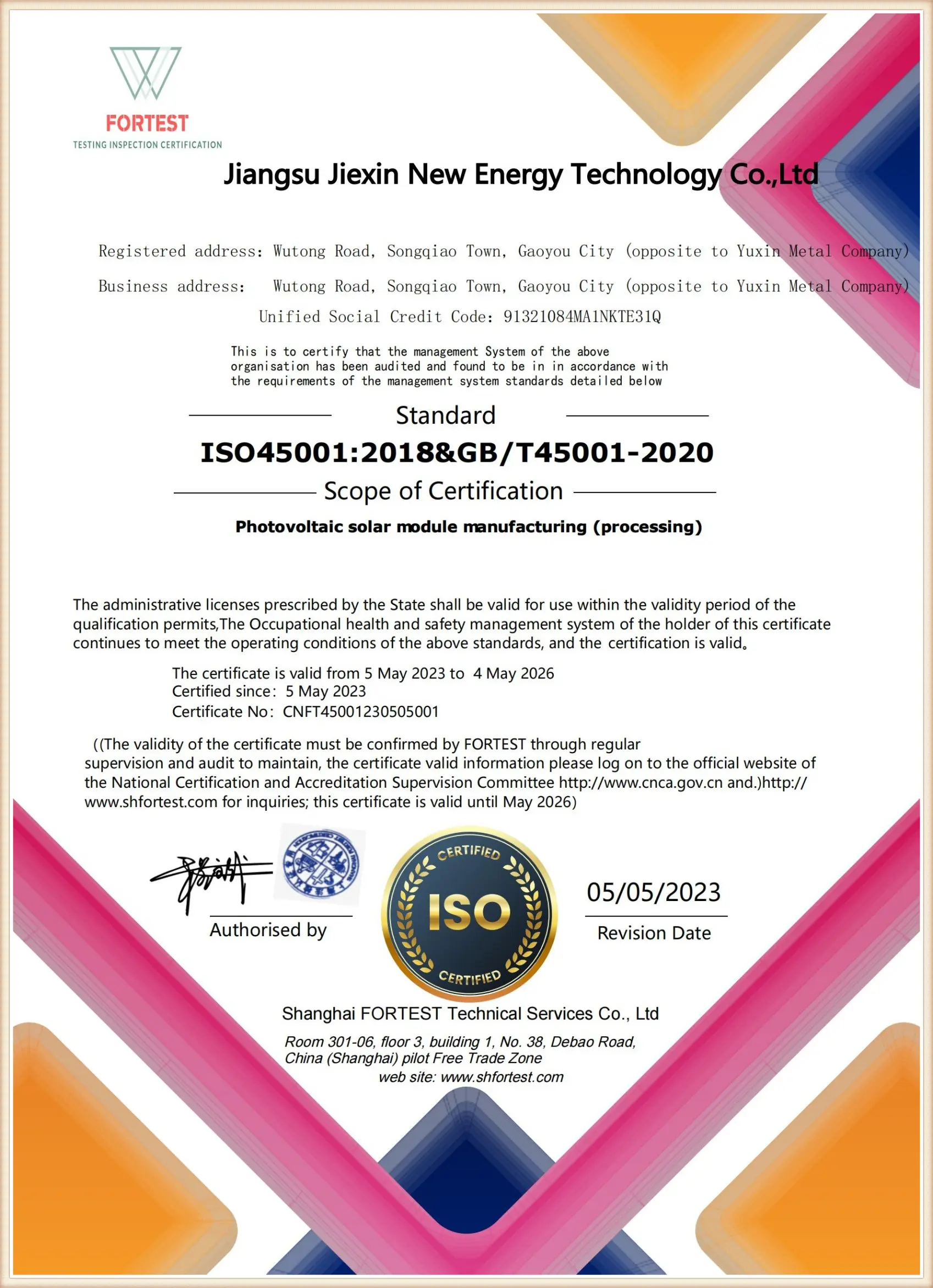
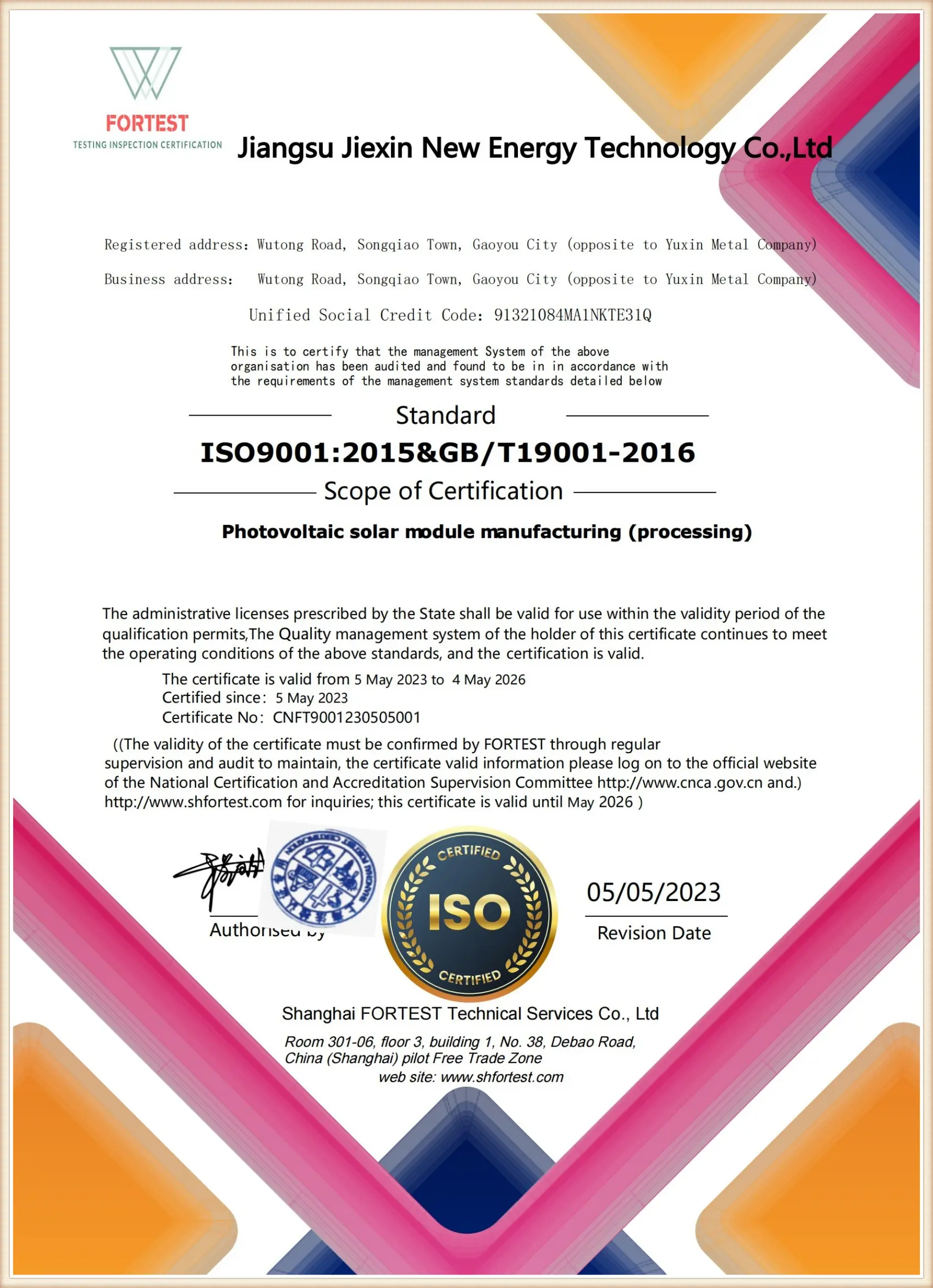
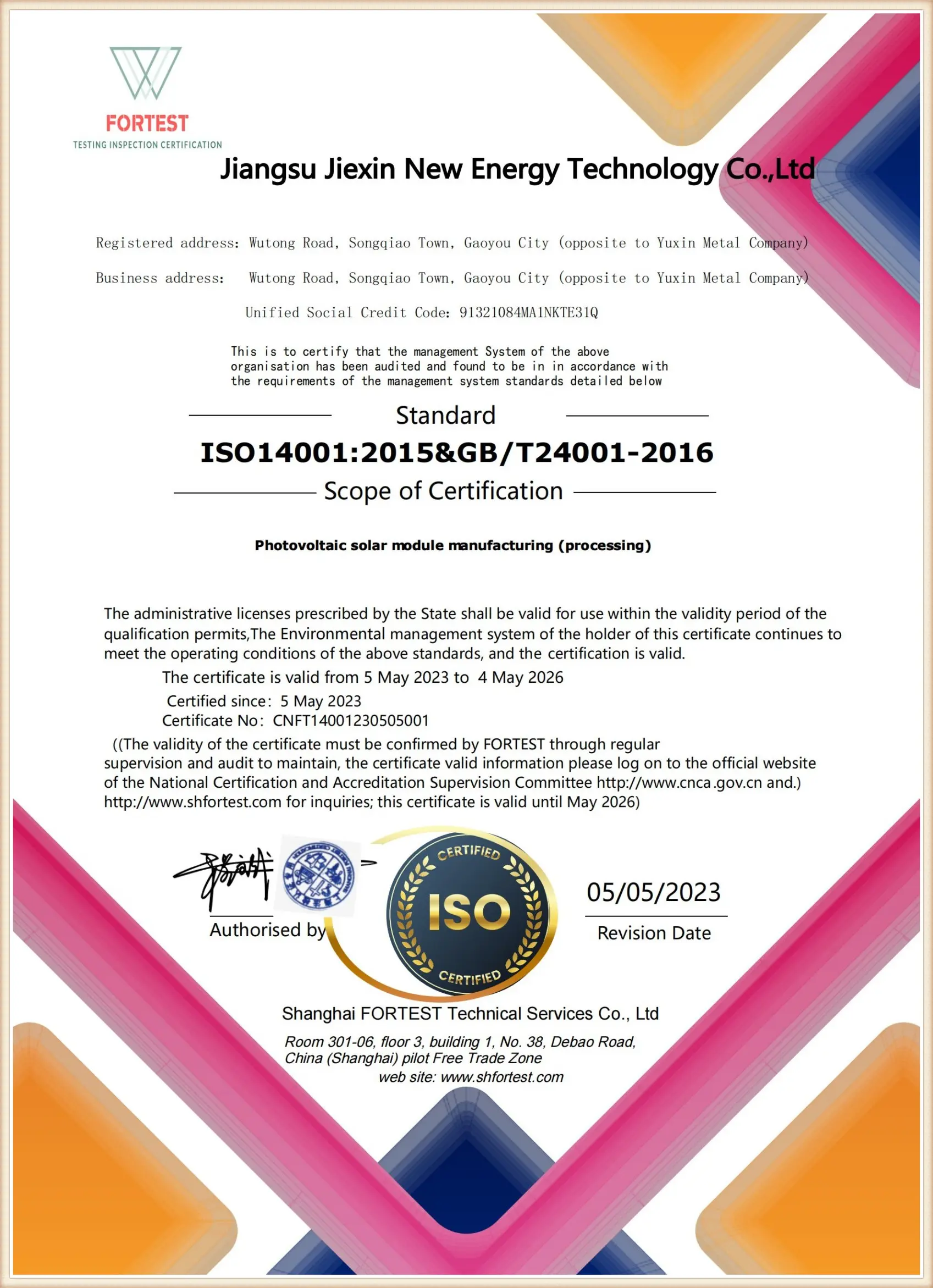
ISO Certification
TUV Certificate
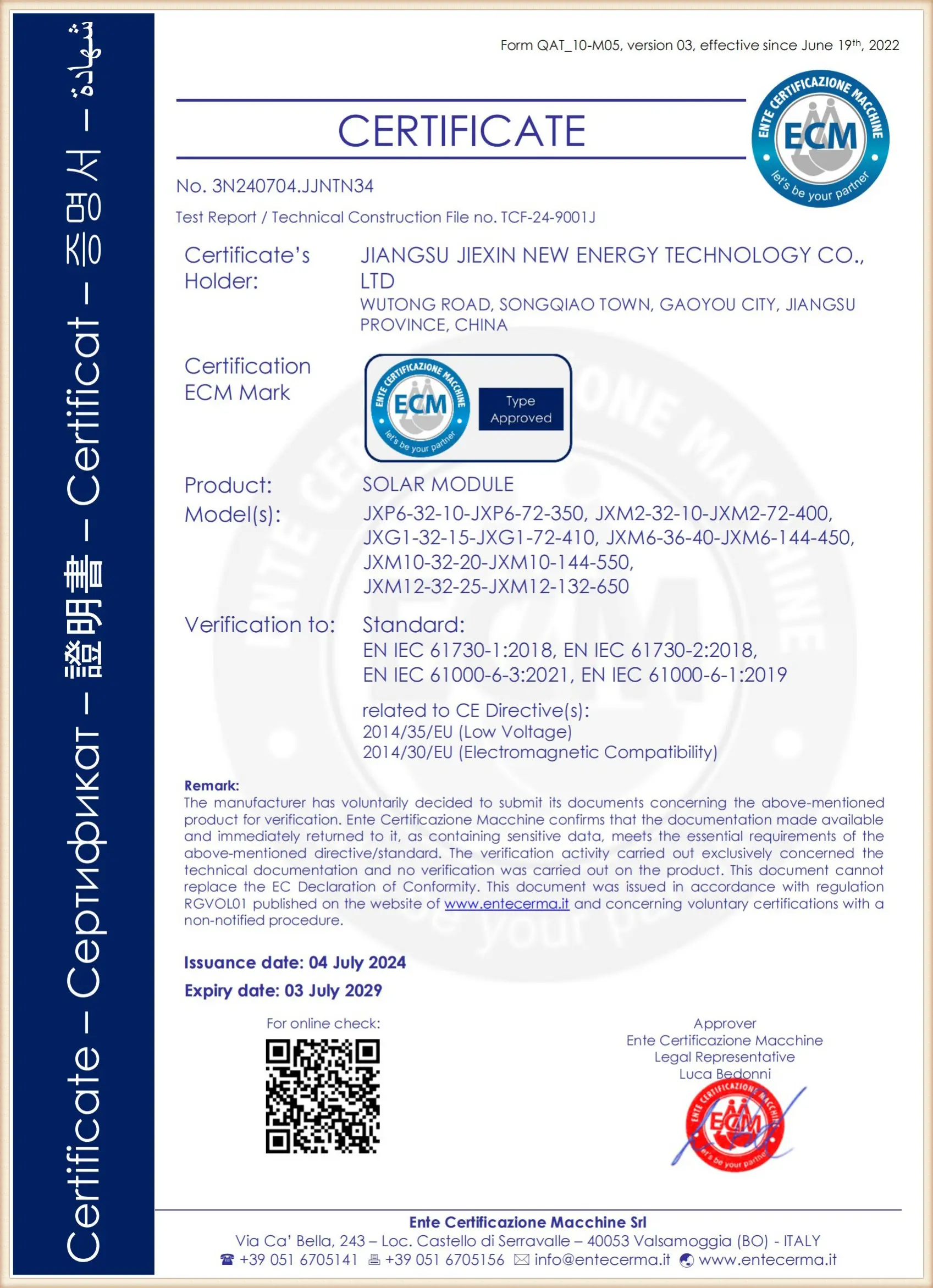
CE Mark Certificate
UL Component Certificate
SGS Performance Verification

🤝 Partnering With Leading Global Brands

Years of research and manufacturing dedication have made YUXIN a trusted structural partner for top tier energy brands.
FAQ: Mechanical & Material Technical Guide

Get answers to common technical, material, and structural procurement questions from our engineering team.

Q1. What is the advantage of 6063-T5 vs. 6005-T6 aluminum alloys for solar mounting frames?
6005-T6 aluminum features higher tensile strength and yield limits compared to 6063-T5, making it suitable for long-span rafter supports and high-wind environments. Meanwhile, 6063-T5 offers excellent extrudability, a smooth surface finish, and highly effective anodizing, making it the preferred choice for standard module frame configurations.
Q2. How do polyurethane composite frames prevent potential induced degradation (PID)?
Unlike metal, pultruded polyurethane is non-conductive, which prevents leakage currents from the active silicon cells to the ground. This structural insulation reduces potential induced degradation (PID) and simplifies grounding requirements across the PV array.
Q3. What standard thickness should be selected for anodized layers in marine locations?
For locations within 5 km of salt water, we recommend a Class I anodizing thickness (20 to 25 microns). This helps prevent pitting and galvanic corrosion in high-salinity air. For inland locations, a standard thickness of 12 to 15 microns is sufficient to meet a 25-year structural service cycle.
Q4. Can these mounting profiles be customized for smart utility tracker systems?
Yes, our OEM facility specializes in custom extrusions and multi-axis CNC drilling. This allows us to manufacture custom torque tubes, bearing mounts, and linkages designed to integrate directly with major global tracker configurations.
Q5. How does factory quality control guarantee structural integrity over time?
We follow strict ISO 9001 guidelines at every stage of production. This includes mechanical testing of each raw aluminum batch, regular checking of the chemical solutions in our anodizing tanks, and precision optical inspection of extruded profile dimensions.