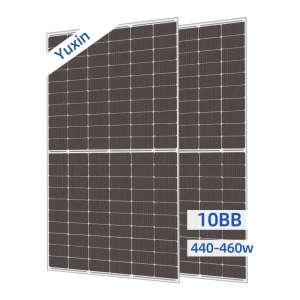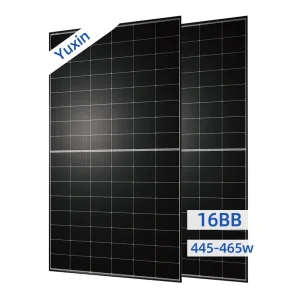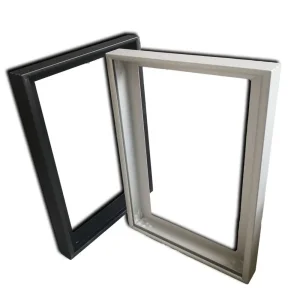
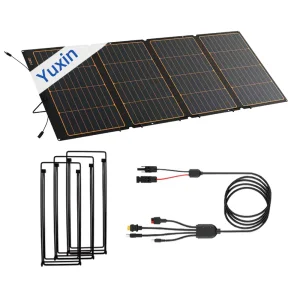
Explore our core engineering portfolio designed for reliable off-grid integration, load shedding mitigation, and smart home microgrids.
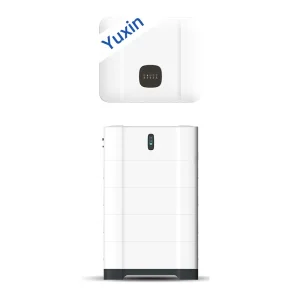
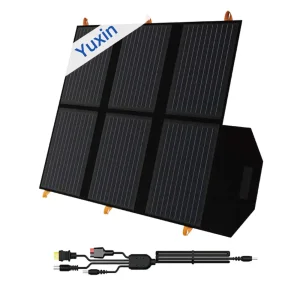
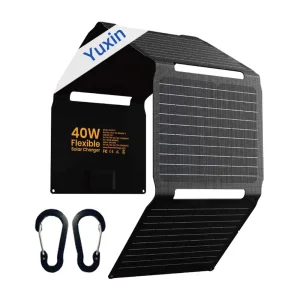
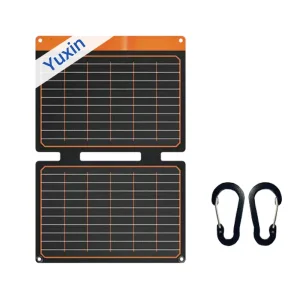
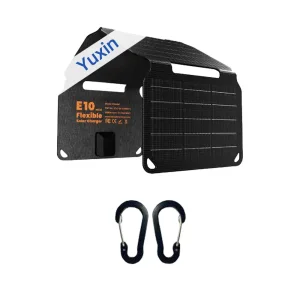
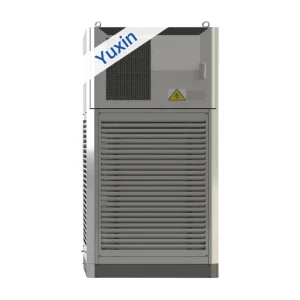
In an era characterized by unprecedented global grid vulnerabilities, localized energy resilience has transitioned from an environmental aspiration to a macroeconomic necessity. Load shedding—the systematic, planned power outages executed to prevent catastrophic grid failures—costs emerging and developed markets billions of dollars in lost productivity annually. Under the guidance of our advanced E-E-A-T research initiatives, this industry whitepaper provides global procurement departments, EPC contractors, and distribution partners with a clear technological framework for integrating resilient home solutions.
“True energy independence requires a transition from passive backup power reserves to intelligent hybrid microgrids. Real-time diagnostic systems, low-latency automatic transfer switches (ATS), and optimized monocrystalline photovoltaic conversion form the bedrock of grid-independent residential infrastructure.”
Modern electrical grids face dual pressures: aging transmission infrastructure and the complex integration of variable renewable resources. In regions such as Sub-Saharan Africa, parts of Latin America, and South Asia, load shedding stages can alternate multiple times a day, disrupting home cooling, communication networks, and critical water filtration systems. Relying solely on fossil-fuel backup generators is increasingly unfeasible due to fuel price volatility, environmental regulations, and high local noise levels. Consequently, modern residential energy storage systems (BESS) coupled with high-efficiency photovoltaic hardware have emerged as the primary alternative.
Our residential load shedding solutions integrate high-yield photovoltaic generation with smart, decentralized lithium iron phosphate (LiFePO4) storage chemistry. Key specifications of our hybrid configurations include:
Featuring dual MPPT inputs and automatic grid-to-battery transfer times of less than 10 milliseconds, preventing electronic resets during sudden load shedding cycles.
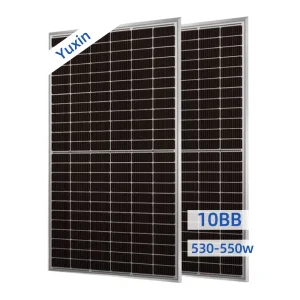
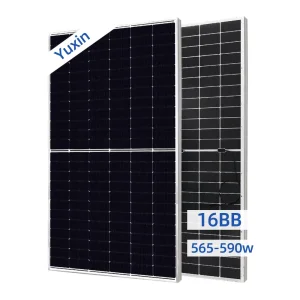
Utilizing high-density N-type monocrystalline silicon modules (such as our 445W–590W dual glass modules) to ensure optimal space utilization and performance in low-light environments.
Our battery management systems balance individual cell voltages in real-time, preventing overcharging, thermal runaway, and extending operational life up to 6,000 charge cycles.
Precision, Quality, and Safety - Your Photovoltaic Materials Expert
Located in the scenic historical and cultural ancient city of Yangzhou, close to the Beijing-Shanghai Expressway, Runyang Yangtze River Bridge, and Ningqi Railway, the group has a superior geographical location and convenient transportation. The group was established in 2008 and has 14 multi-field companies under its jurisdiction, including Jiangsu Yuxin New Energy Technology Co., Ltd. We have earned prestigious titles such as National High-tech Enterprise, Technology-based Enterprise, and Gaoyou City Top 100 Private Enterprises.
With high-quality material processing, modular system assembly, and rigorous testing standards, YUXIN delivers critical electrical components and photovoltaic framing to installers and commercial projects globally. Our focus on engineering excellence and raw material traceablity ensures durability and sustained energy production across decades of deployment.
In our advanced manufacturing facility in Yangzhou, we utilize Industry 4.0 principles to balance quality with production efficiency. Operating 21 automated production lines, we monitor manufacturing stages using real-time IoT sensors. By managing critical supply chain steps in-house—including aluminum frame extrusion (using high-grade anodized 6063-T5/6005-T6 aluminum) and composite polyurethane pultrusion—we maintain complete traceability and quality control. This integration helps minimize Balance of System (BOS) costs while ensuring consistent physical alignment during panel assembly, providing long-term reliability in varying climatic conditions.
Providing global energy solutions requires adherence to specific regional standards. For European and African regions characterized by localized grid codes, our systems are pre-programmed to meet NRS 097-2-1 compliance standards for residential grid integration. In North American and Australian markets, safety and performance benchmarks are secured through CE, IEC, and UL listing protocols. We maintain logistics hubs and strategic distribution partnerships to provide prompt technical support, replacement parts, and engineering consultation services globally.
Each component undergoes rigorous testing protocols to confirm safety, load resilience, and electrical isolation integrity.
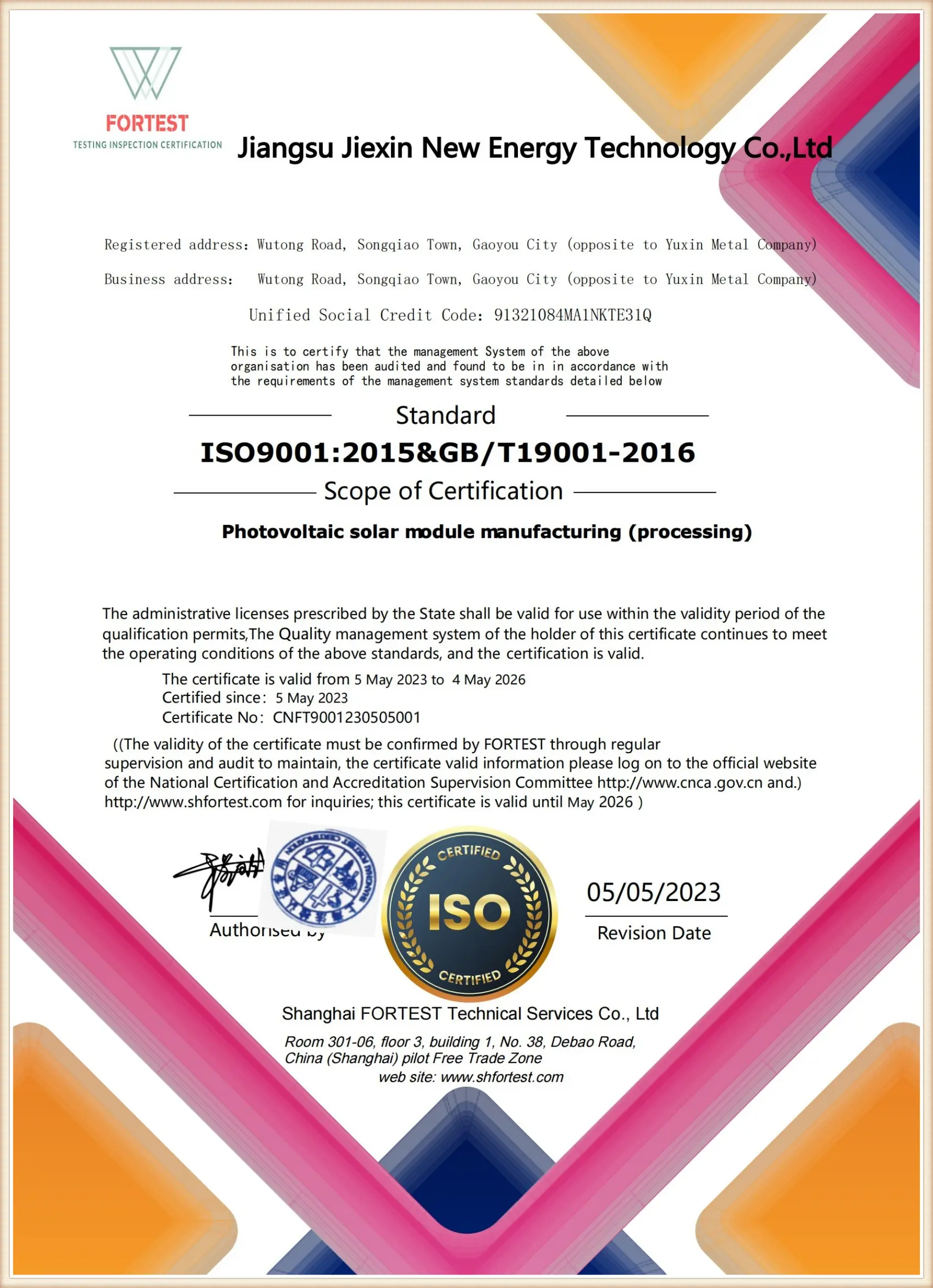
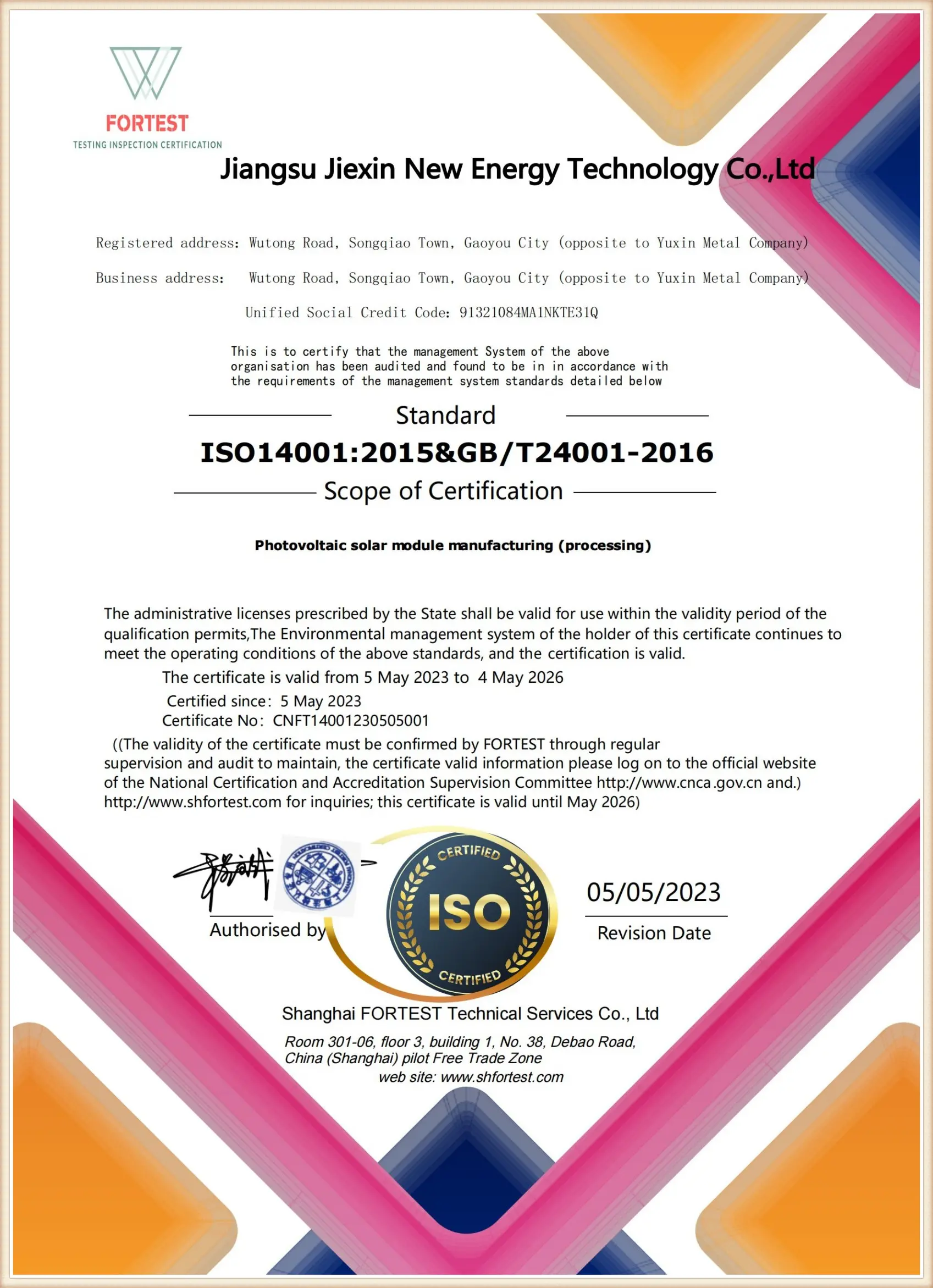
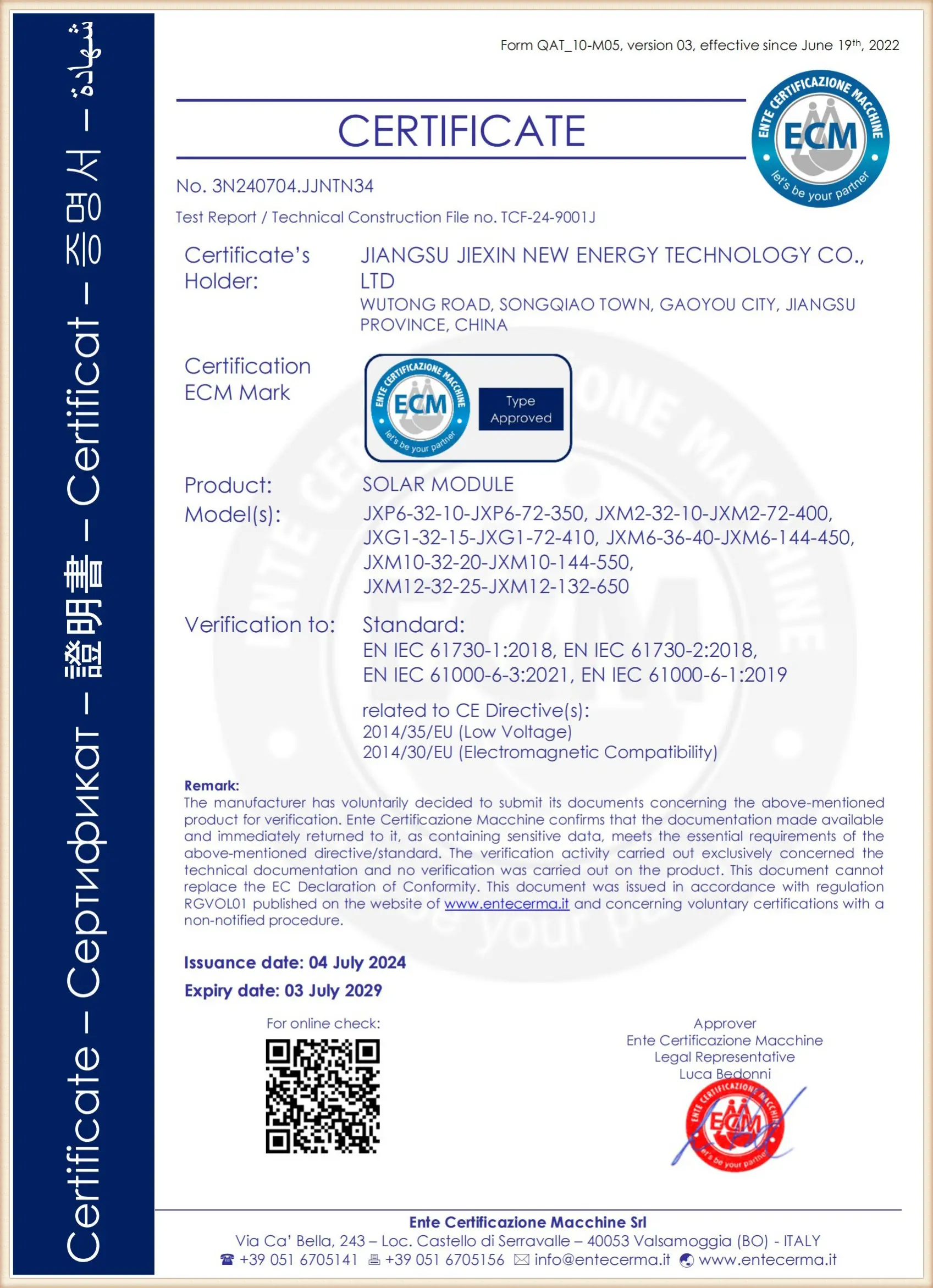
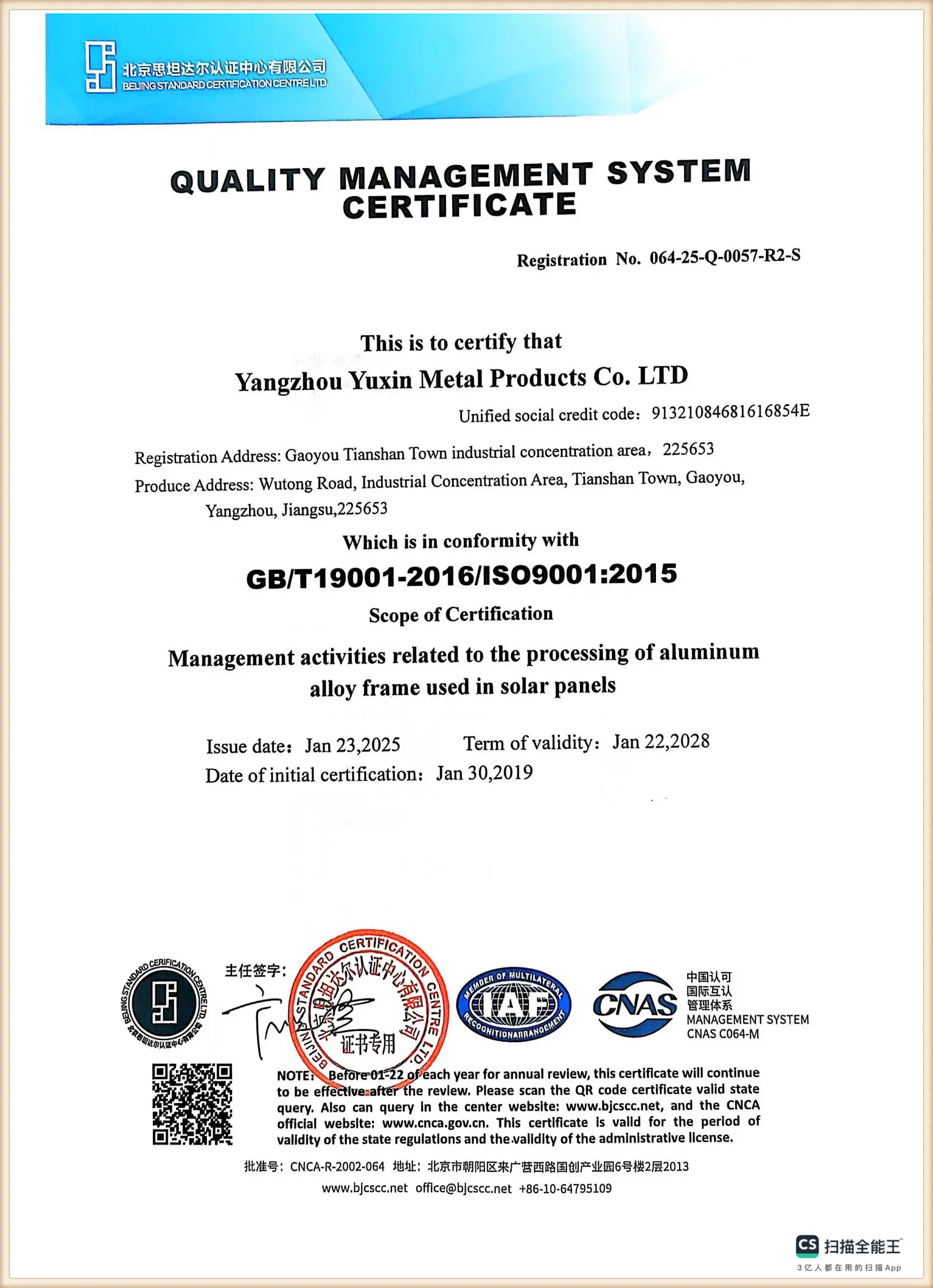
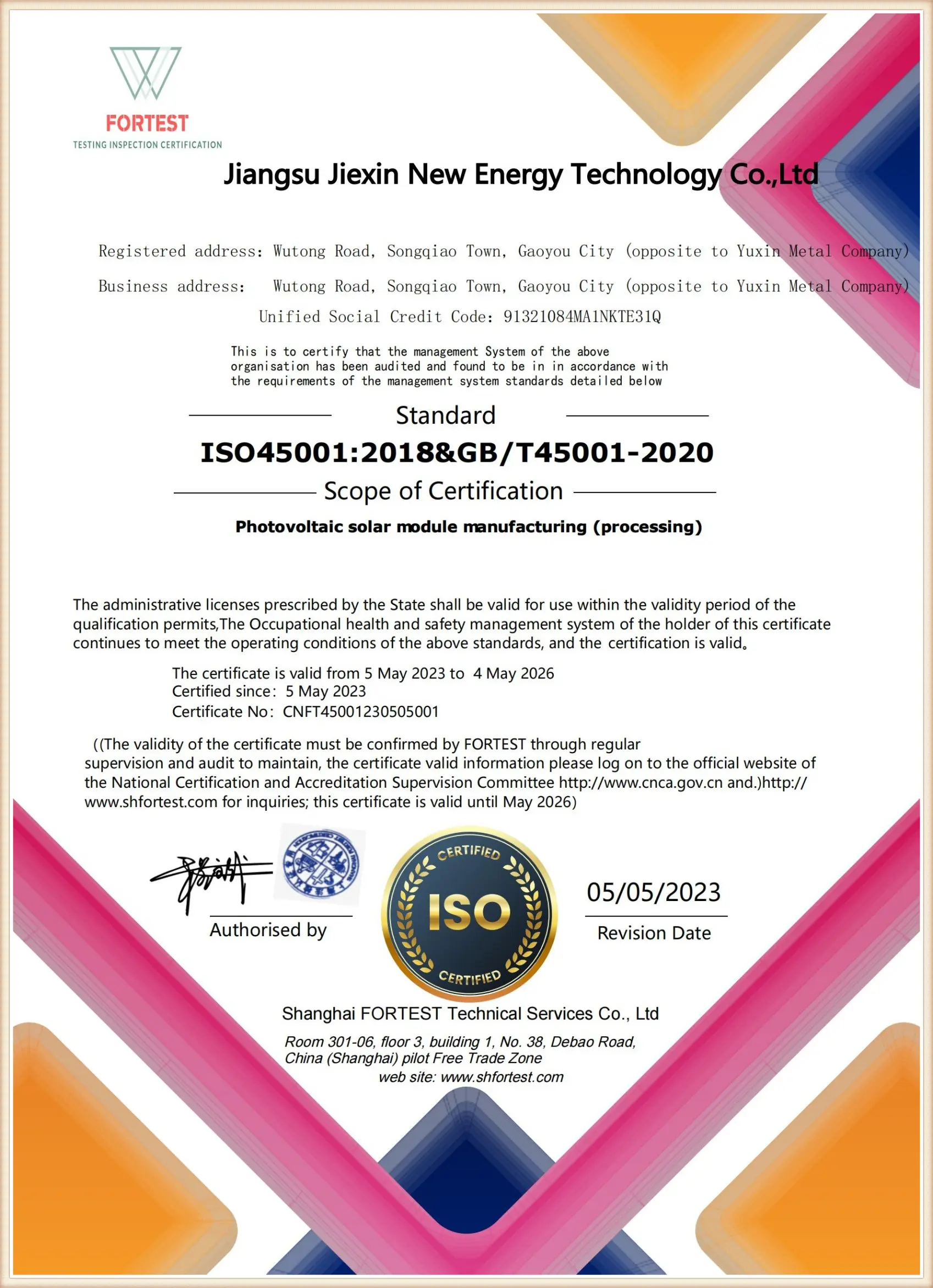
Providing reliable power distribution and structural support systems across diverse modern industries.

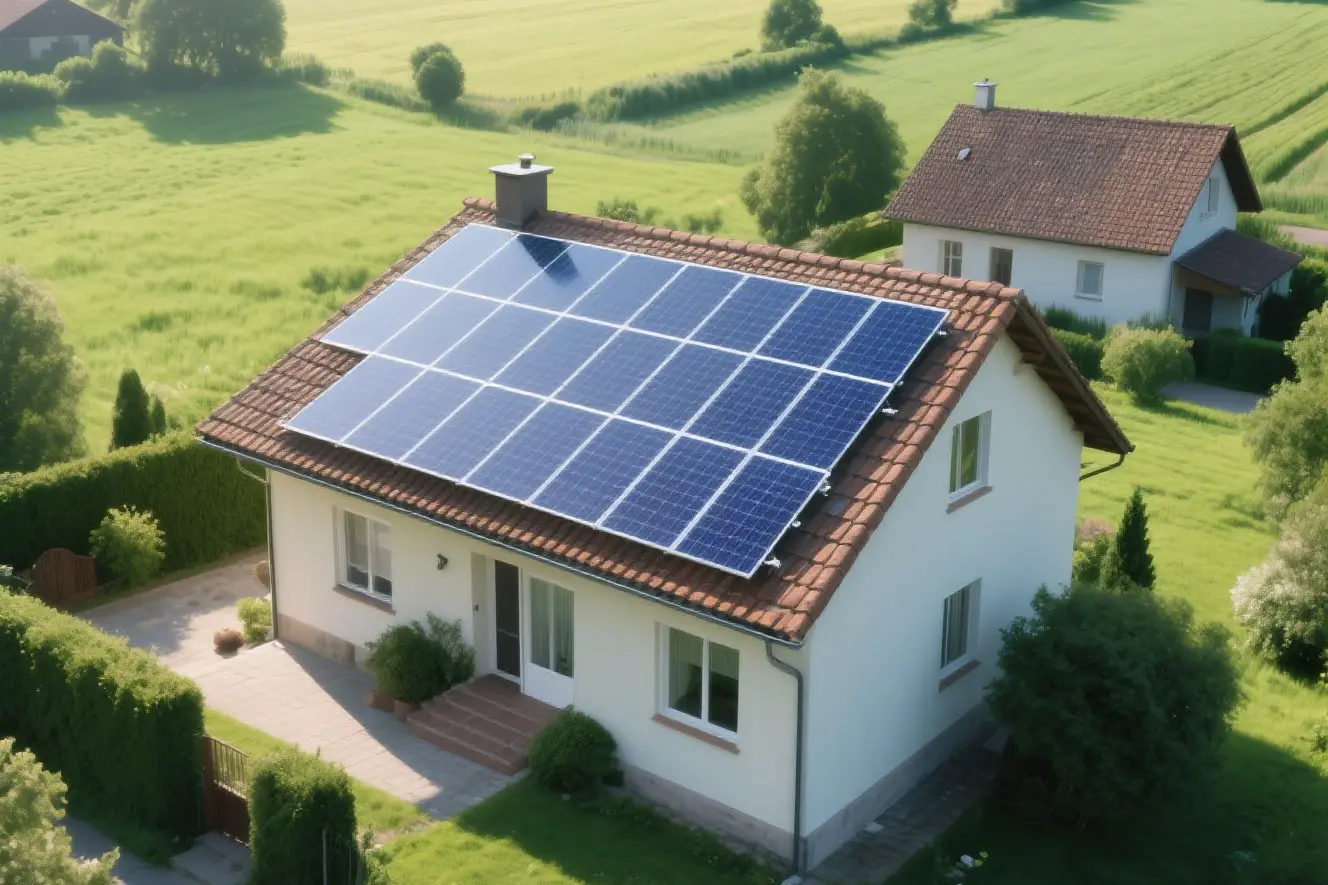
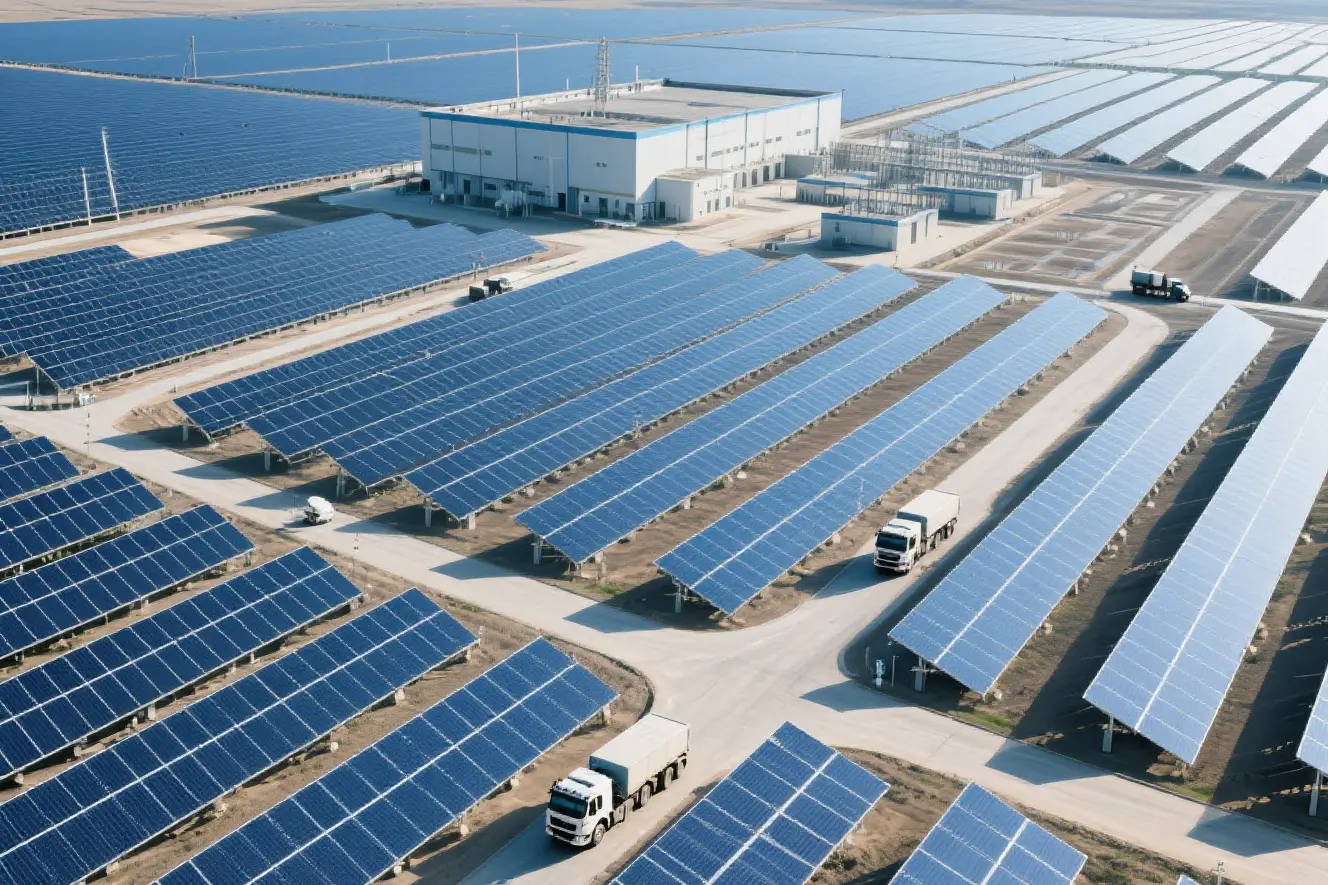
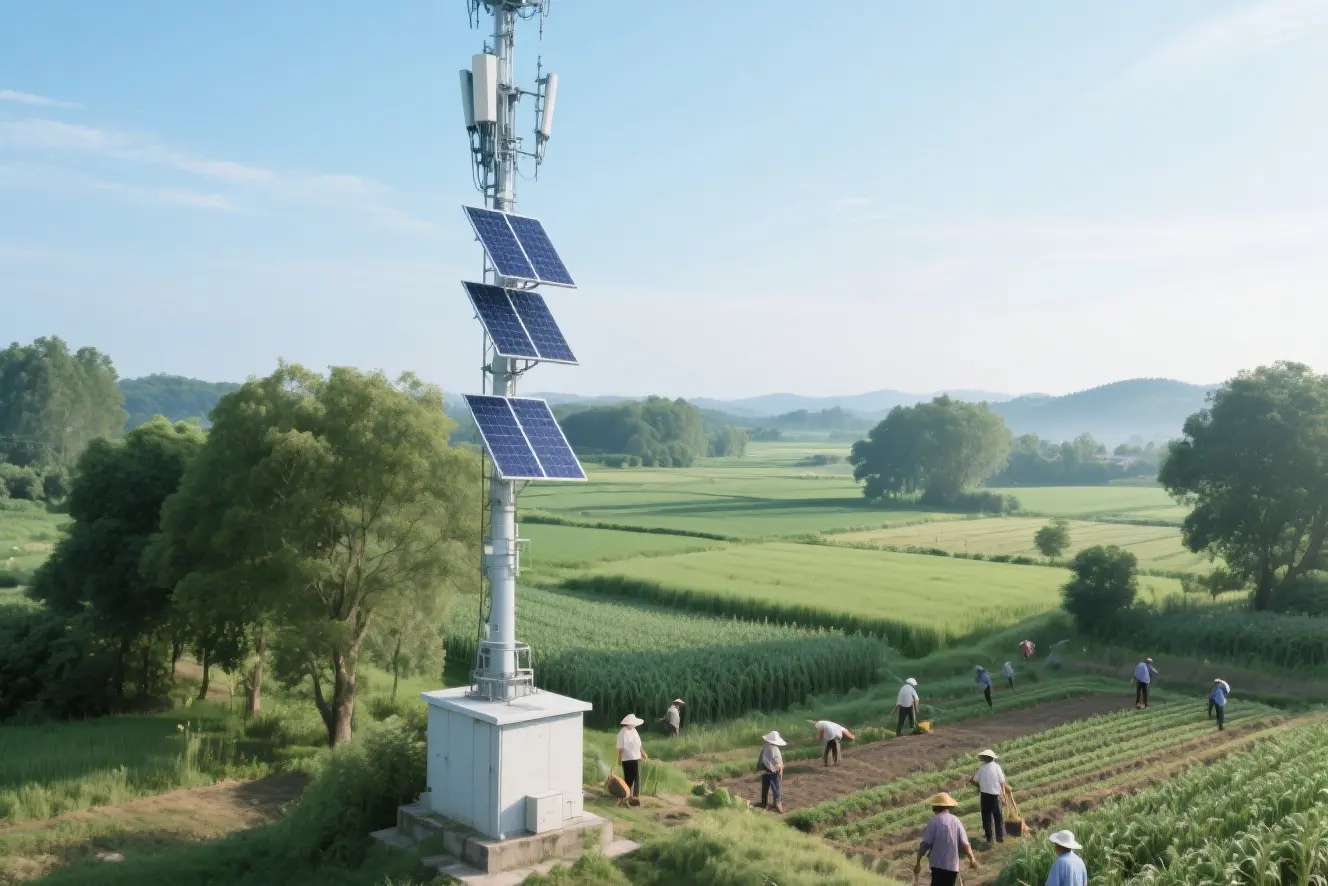
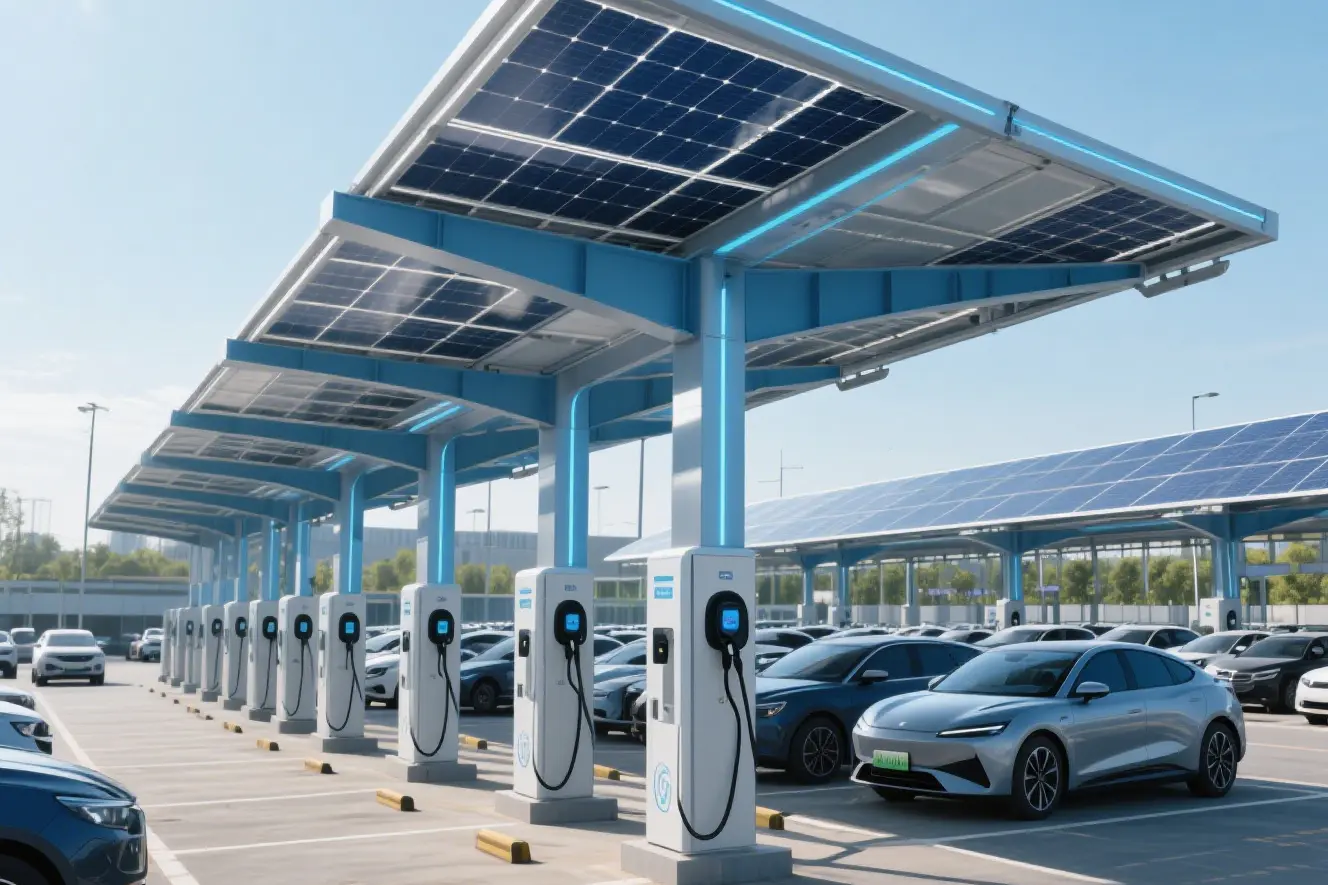
Purchasing components for utility-scale deployment or municipal residential contracts requires a comprehensive evaluation of lifetime Levelized Cost of Storage (LCOS) and Levelized Cost of Energy (LCOE). Relying on lowest-bid suppliers often risks compromised thermal stability, micro-cracks in monocrystalline solar cells, and premature degradation of aluminum framing under mechanical load. When evaluating procurement suppliers, key factors to consider include frame structural integrity (6063-T5 aluminum vs. composite materials), cycle life validation (such as 6000 cycles at 80% Depth of Discharge), and automated quality inspection protocols like EL testing (Electroluminescence) to identify hidden defects.
“Sourcing directly from our Yangzhou manufacturing facility streamlines supply chains, reduces intermediary margins, and provides EPC partners with customized frame designs and modular energy configurations tailored to specific wind and snow loading conditions.”
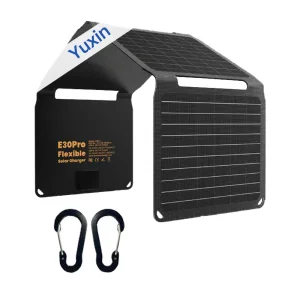
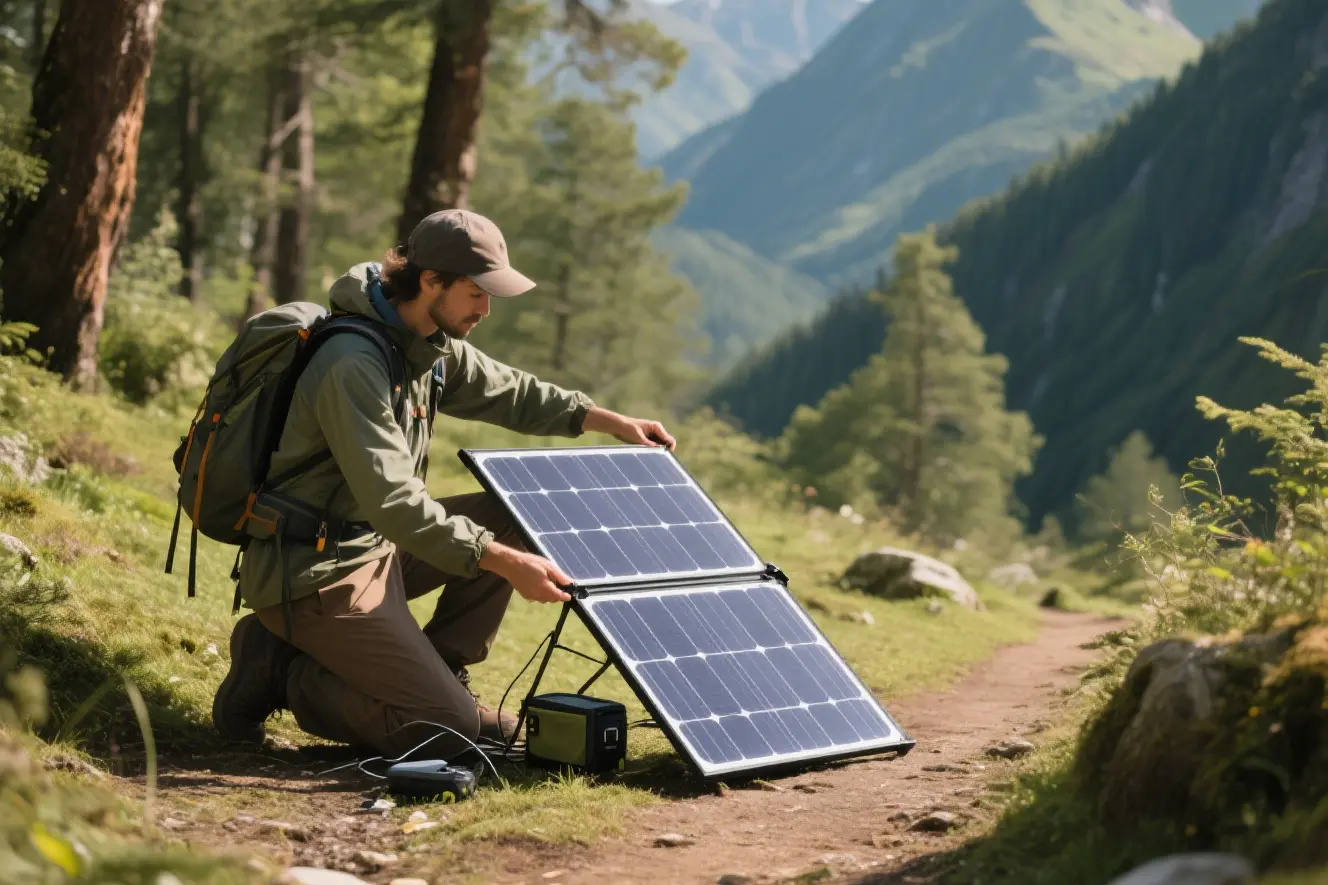
Furthermore, our integrated supply chain offers structural customization options. Whether deploying systems in coastal environments requiring marine-grade anodized aluminum coating (up to 15-20μm depth) or installing portable off-grid components in rugged terrains (utilizing waterproof hiking and backpacking emergency power products), YUXIN's engineering team provides tailored design solutions. This helps distributors optimize packaging volume, minimize ocean freight expenses, and shorten regional shipping times.
Collaborating with global distributors and engineering firms to deliver stable clean energy solutions.


Technical guidance from our research and design team on installation, component chemistry, and system sizing.
Stay updated on technical developments, compliance updates, and factory-level solar frame manufacturing trends.
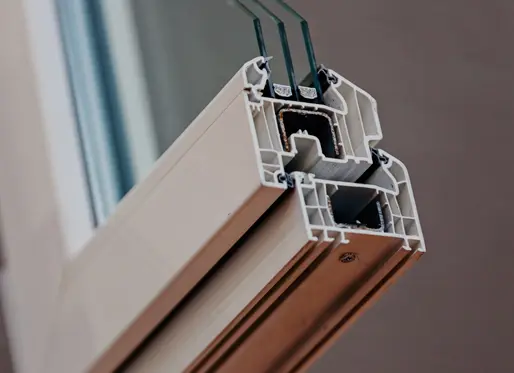
Explore the metallurgy, anodization depth, and mechanical tolerances required to build solar frames capable of withstanding extreme environmental loading...
View Article Details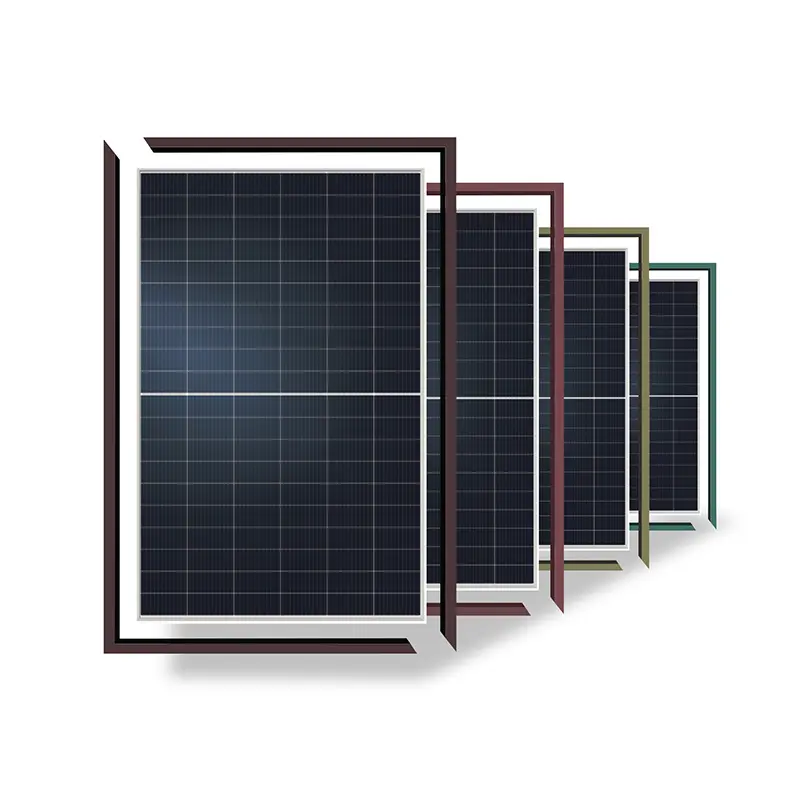
An in-depth guide covering factory verification steps, quality certifications, raw material testing, and logistical capabilities for B2B buyers...
View Article Details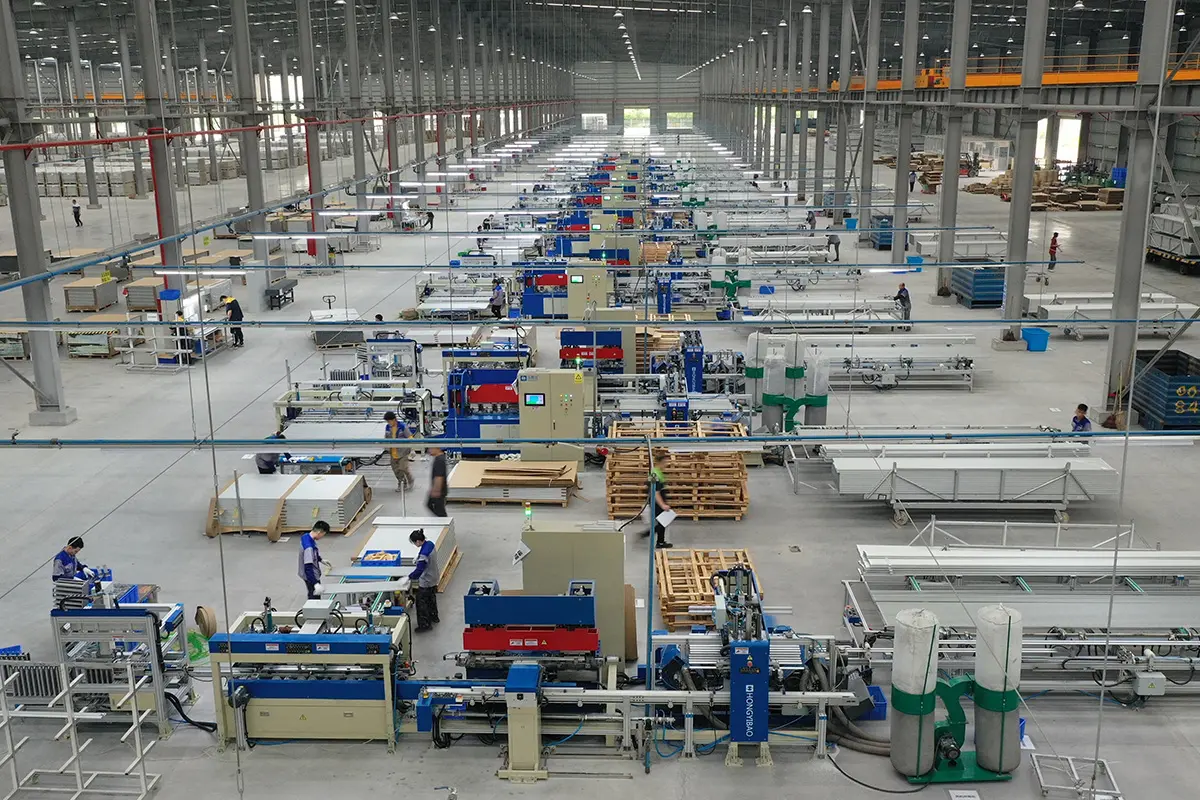
Understand the critical inspection steps, from cross-cut adhesion tests to tension strength testing, that ensure structural longevity in PV projects...
View Article DetailsDirect supply of components, high-efficiency solar modules, and portable emergency kits for infrastructure systems.