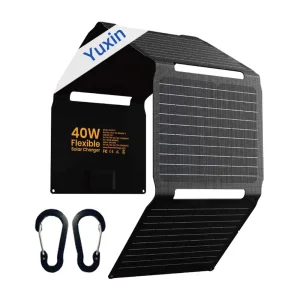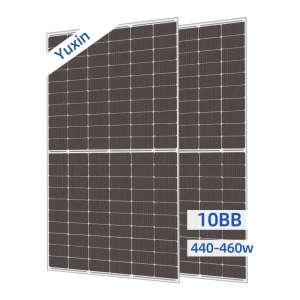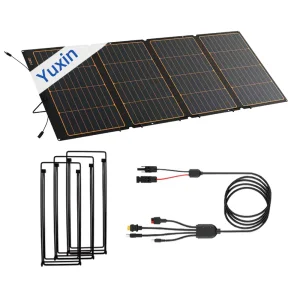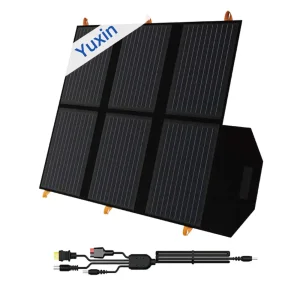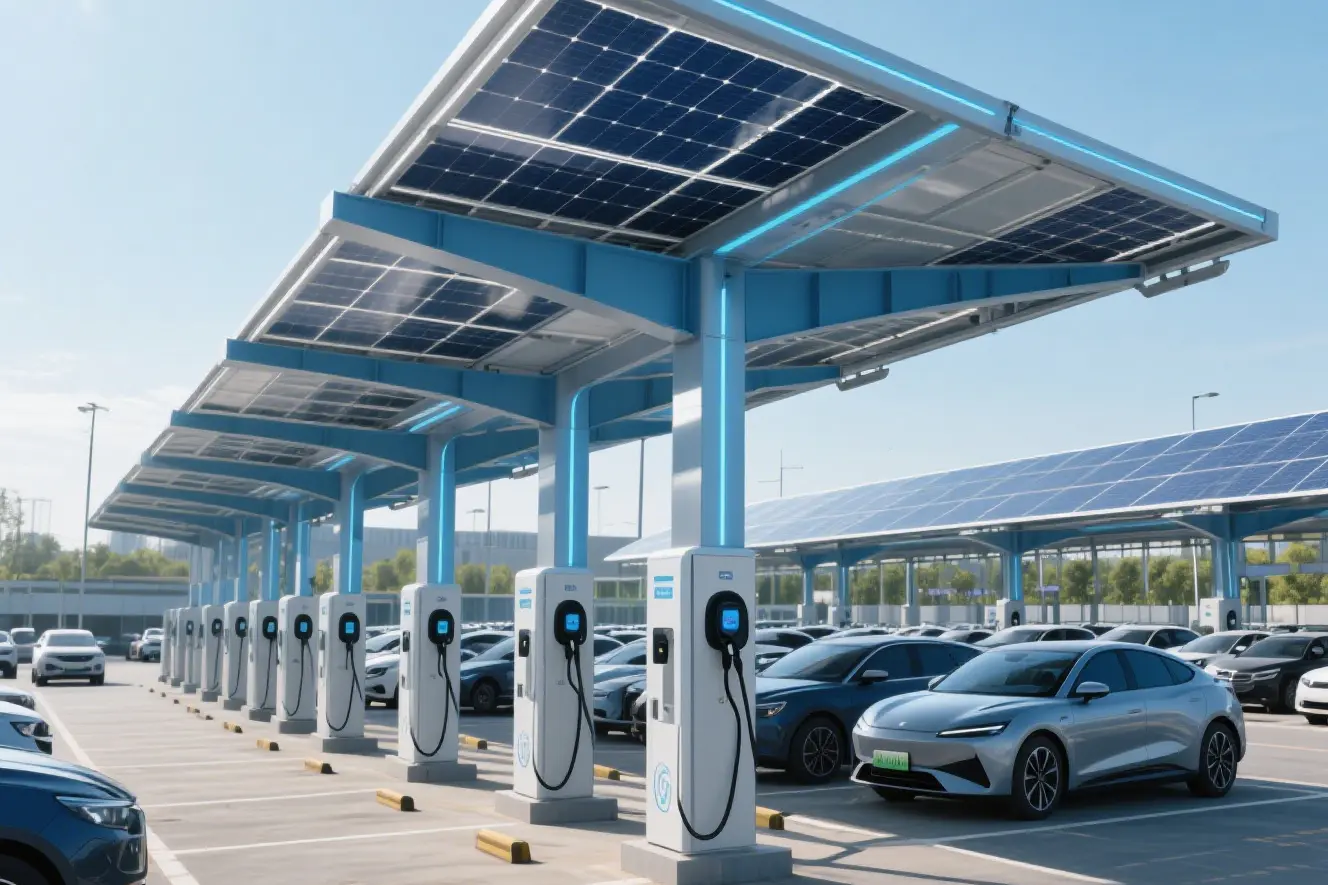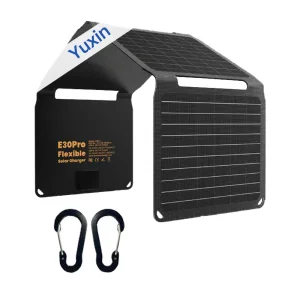
The global renewable energy landscape is transitioning from standardized solar arrays to highly integration-specific applications. The demand for Custom-Sized Photovoltaic Modules is accelerating, driven by architects, industrial designers, and infrastructure developers who refuse to allow structural limitations to dictate energy output. Custom module design has shifted from a niche specialty service to an essential utility, facilitating BIPV (Building-Integrated Photovoltaics), light-weight transportation systems, specialized infrastructure, and off-grid technological ecosystems.
Traditional solar panel installations rely on rigid sizing conventions designed for open ground-mount or standard residential roofs. However, modern engineering requirements dictate modular adaptation. The integration of PV cells directly into structural glass, flexible backsheets, and unique aspect ratios has established a new paradigm in cell manufacturing.
Key technical trends include the rapid adoption of N-Type TOPCon and ultra-efficient HJT (Heterojunction) cells configured into tailor-made frame configurations. By customizing the layout of the electrical grids, manufacturers can produce modules that deliver high performance even when sized to fit unusual, curved, or narrow surfaces. Furthermore, smart material configurations—such as Polyurethane Pultruded Composites and anodized structural aluminum—ensure these modules survive severe mechanical loading and corrosive environments for decades.
Procuring custom PV panels is complex, requiring structural calculation, electrical matching, and regulatory compliance. Global EPC contractors and procurement managers assess manufacturers using rigorous checklists. System compatibility is paramount; custom voltage and current matching must be carefully calculated to prevent issues when connecting to commercial grid-tied inverters.
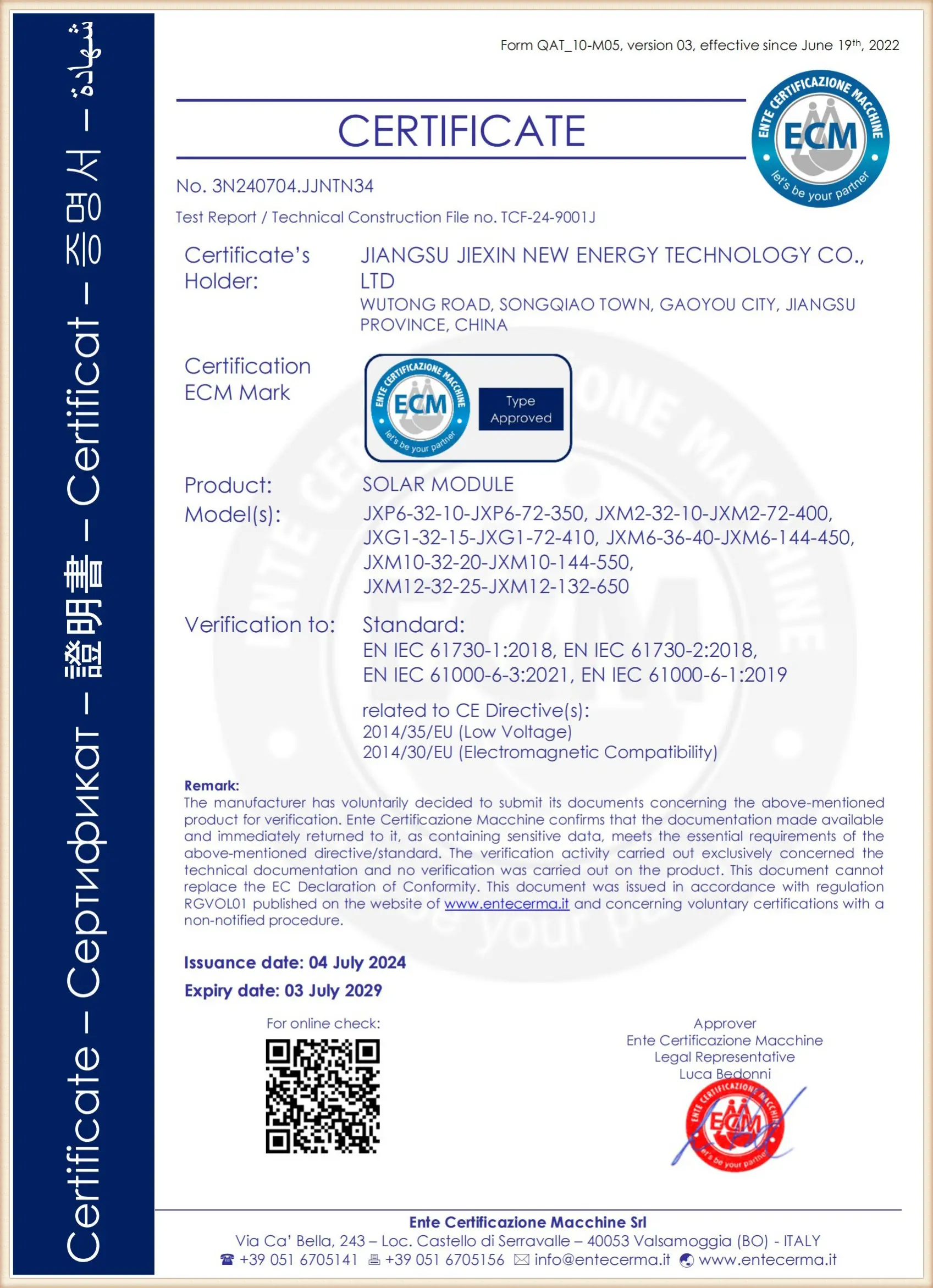
Furthermore, structural compatibility is essential. The modules must integrate seamlessly into curtain walls, transport chassis, or specialized outdoor equipment without creating thermal bridges or physical stress points. Mechanical reliability is validated through stringent international standards (such as CE Certification, TÜV, and UL certifications), guaranteeing fire resistance, electrical insulation, and wind-load performance.
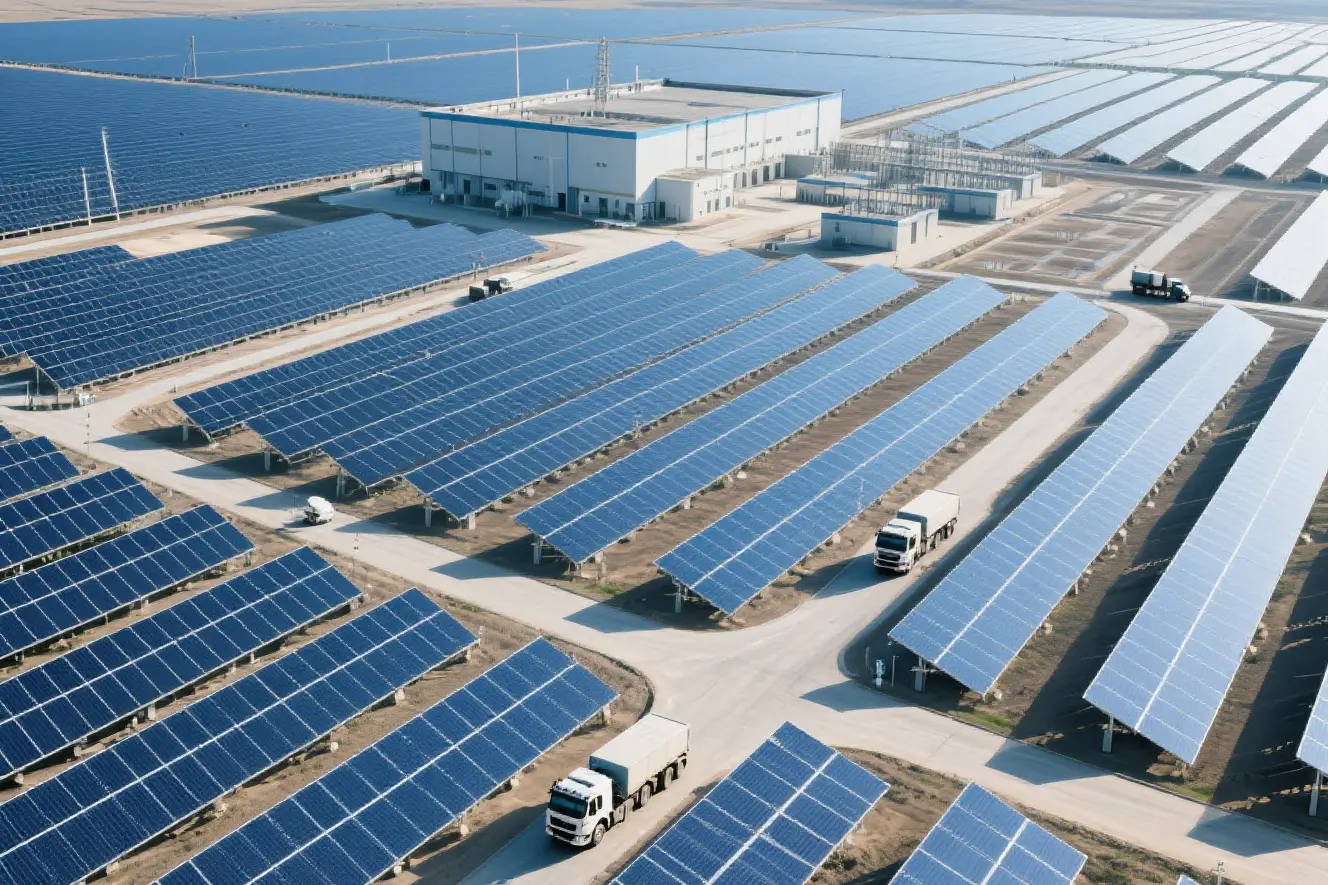
In commercial and industrial sectors, space efficiency is the primary driver of ROI. Standardized utility panels often fail to optimize rooftop or facade footprints due to HVAC vents, skylights, and structural architectural features. Custom photovoltaic module services allow businesses to capture maximum solar radiation per square meter of available surface.
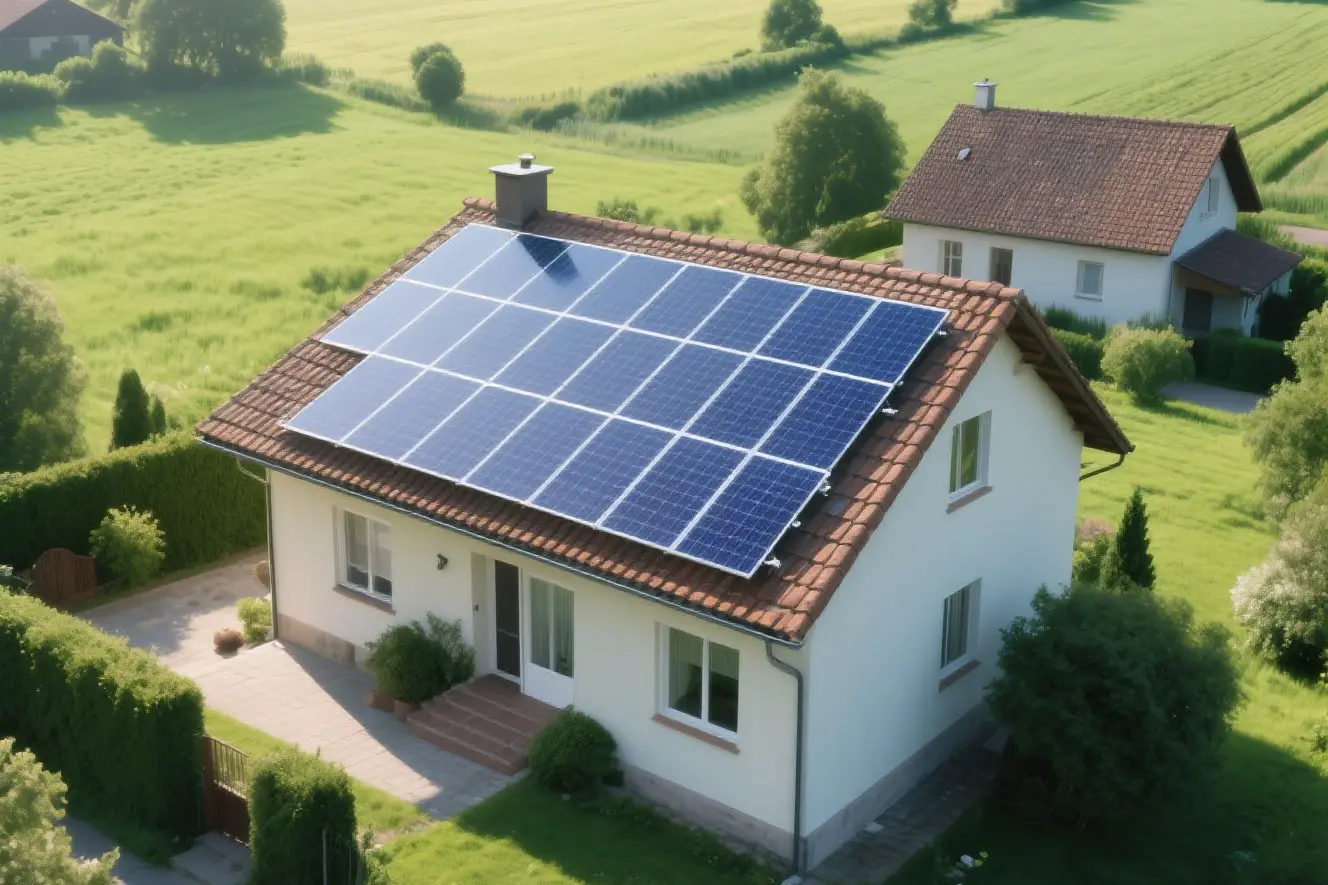
In urban regions, Building-Integrated Photovoltaics (BIPV) are transforming structural facades into active clean-power generation plants. These solar panels act as the building skin, providing thermal insulation, weather proofing, and aesthetic customization while meeting onsite net-zero building codes.
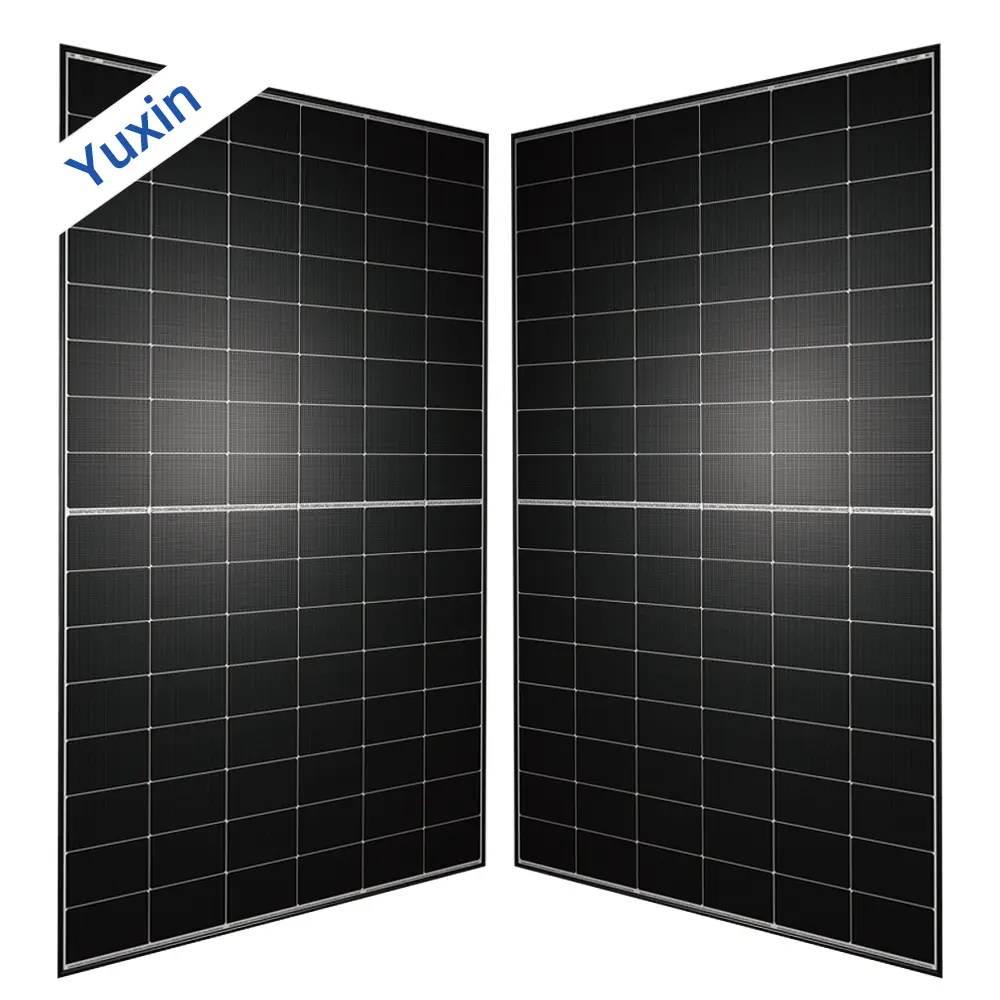
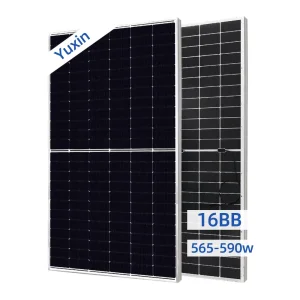
Lightweight design with transparent back panel for easy installation and reduced BOS costs.
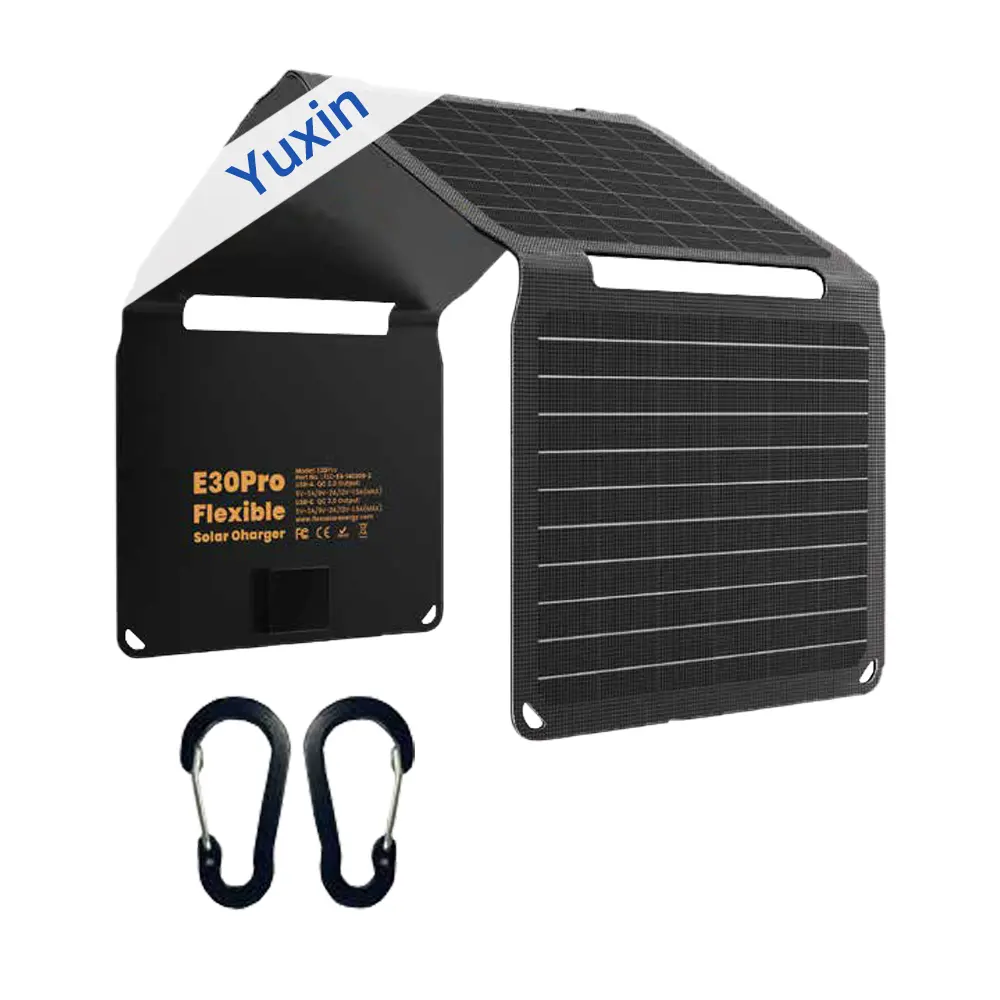
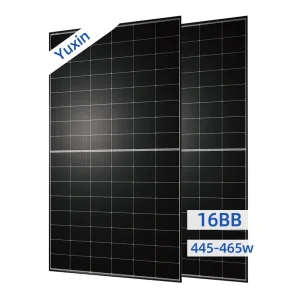
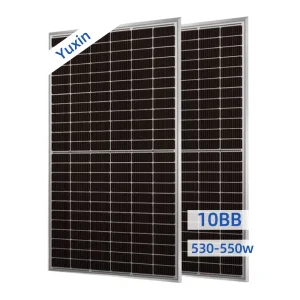
Utilizing advanced monocrystalline silicon cells, it achieves a high energy conversion efficiency of 24%.
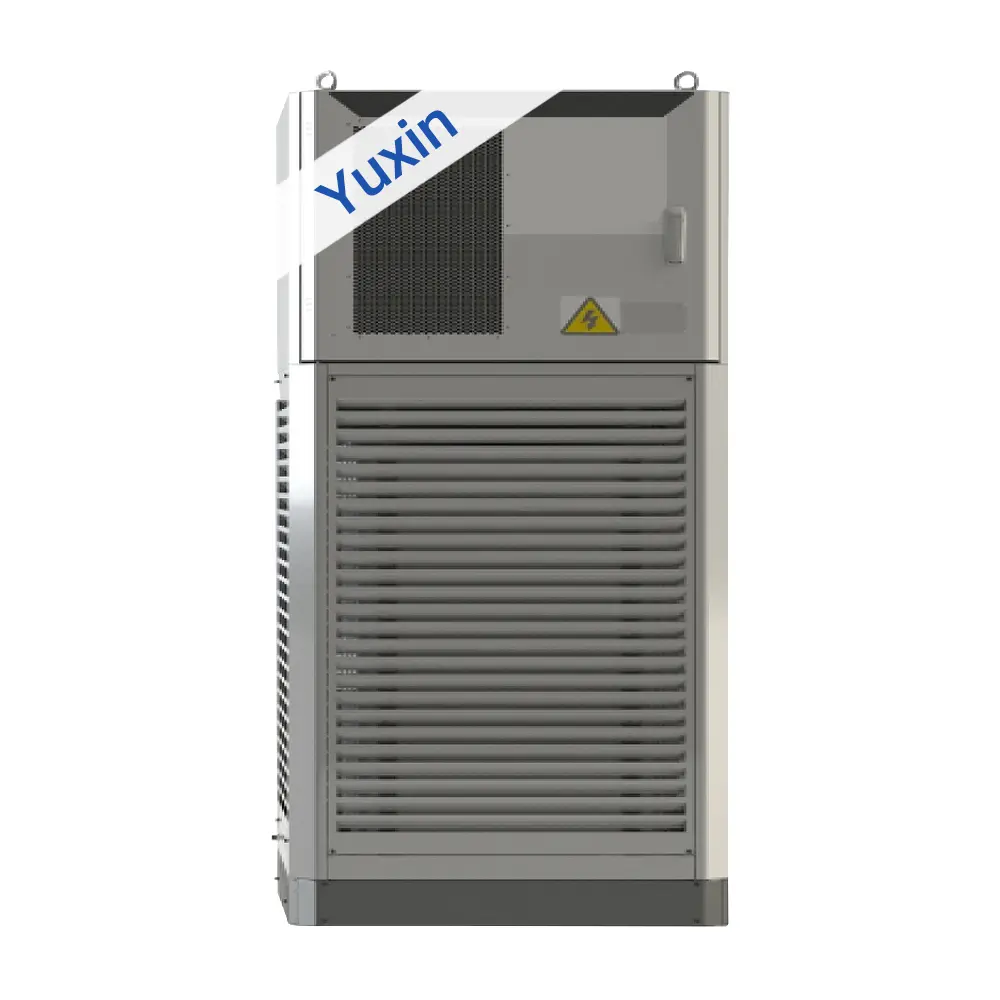
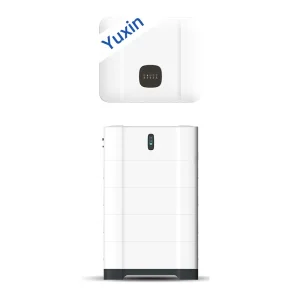
Application modes include grid-connected mode, off-grid mode, and integrated grid-connected/off-grid mode.
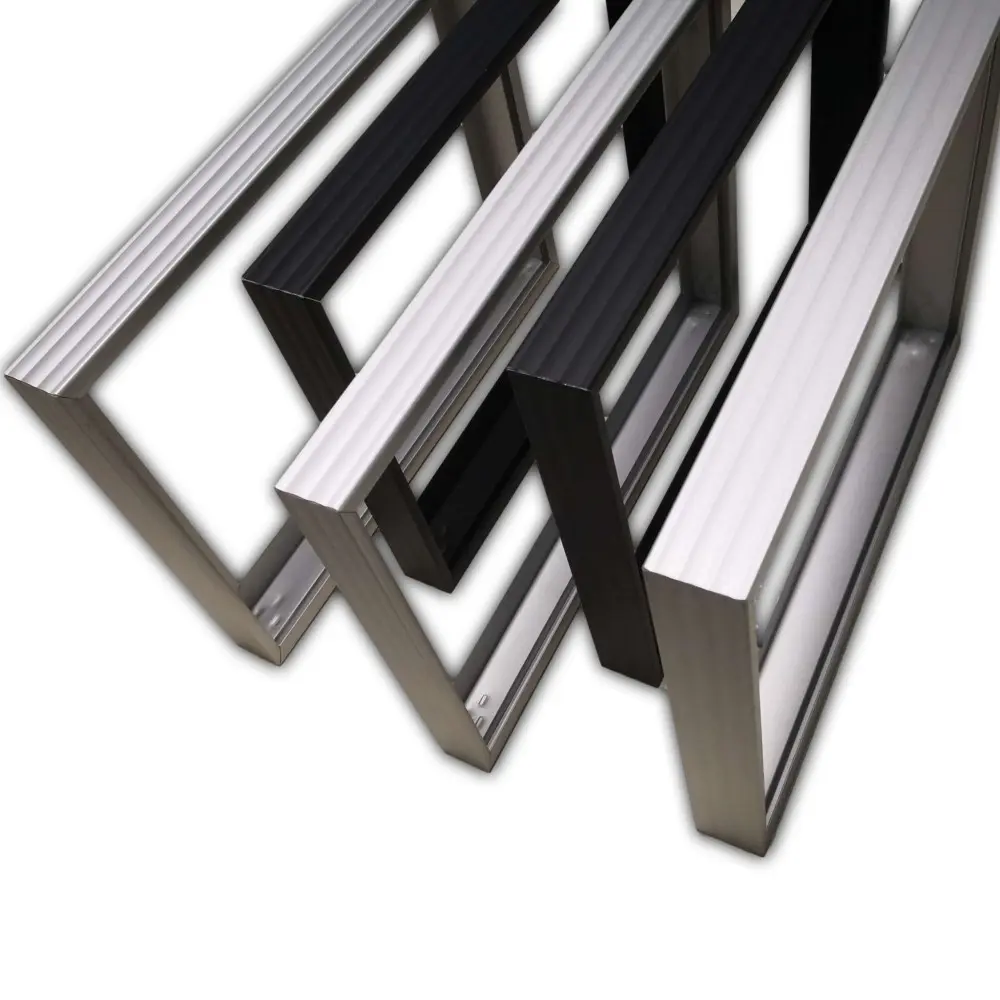
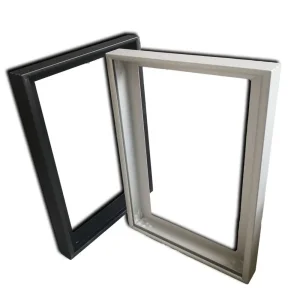
Made of high-quality anodized aluminum, it ensures superior weather resistance and a smooth, long-lasting finish.
Established in 2008, Jiangsu Yuxin New Energy Technology Co., Ltd. has evolved into an agile manufacturing powerhouse. Located in the historic and logistical node of Yangzhou, adjacent to major regional expressways, deep-water ports, and rail links, Yuxin maintains a highly responsive logistics network.
Recognized as a National High-tech Enterprise and a Top 100 Private Enterprise in Gaoyou City, Yuxin operates 14 specialized industrial subsidiaries. Through our advanced factory infrastructure, we combine high automation with strict quality controls to ensure reliable customization at scale.
Our production facilities utilize automated cutting, automated laminator integration, dynamic electro-luminescence (EL) micro-defect screening, and precise frame assembly lines. This automated workflow maintains tight structural tolerances, fast lead times, and reliable quality control for custom projects.
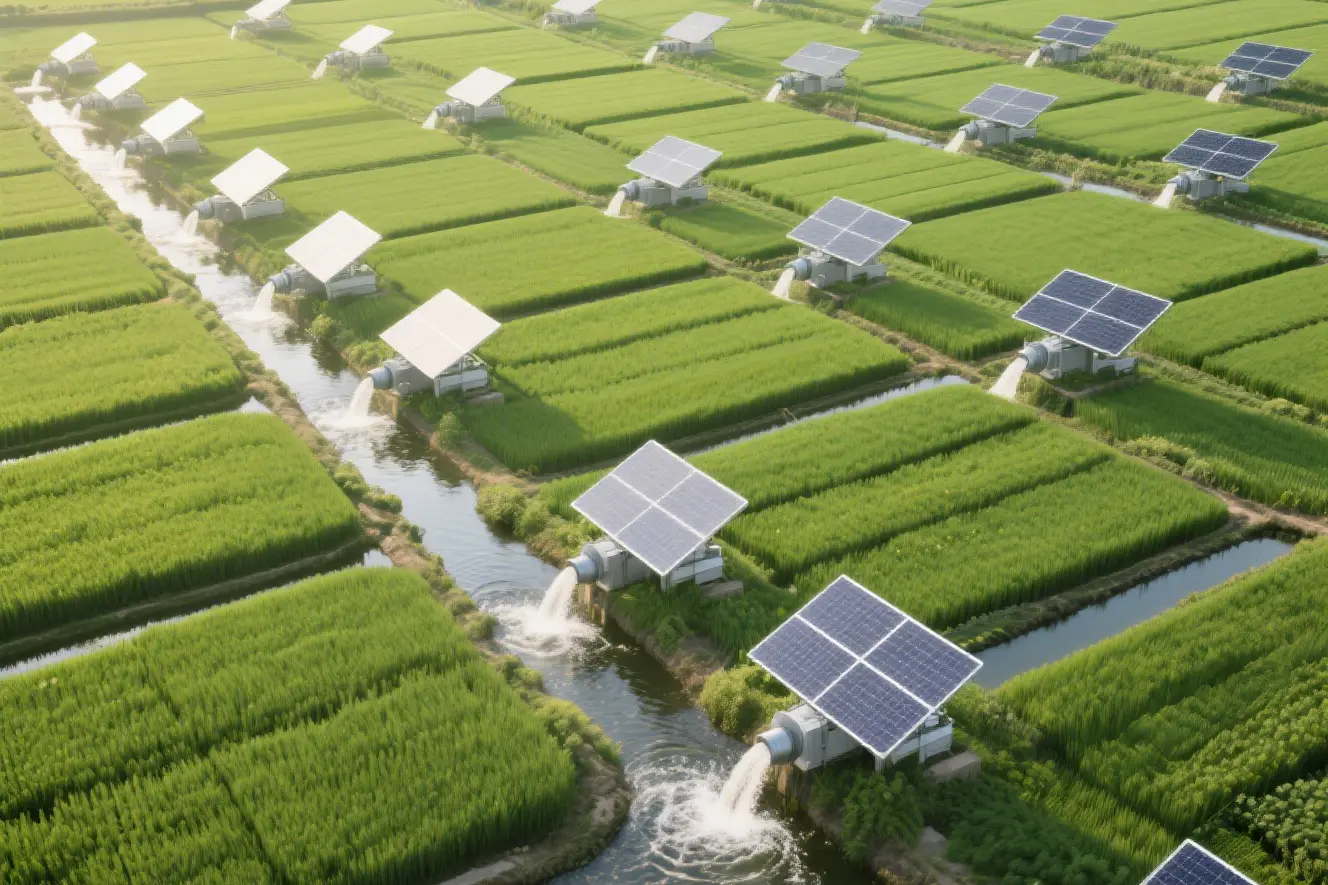
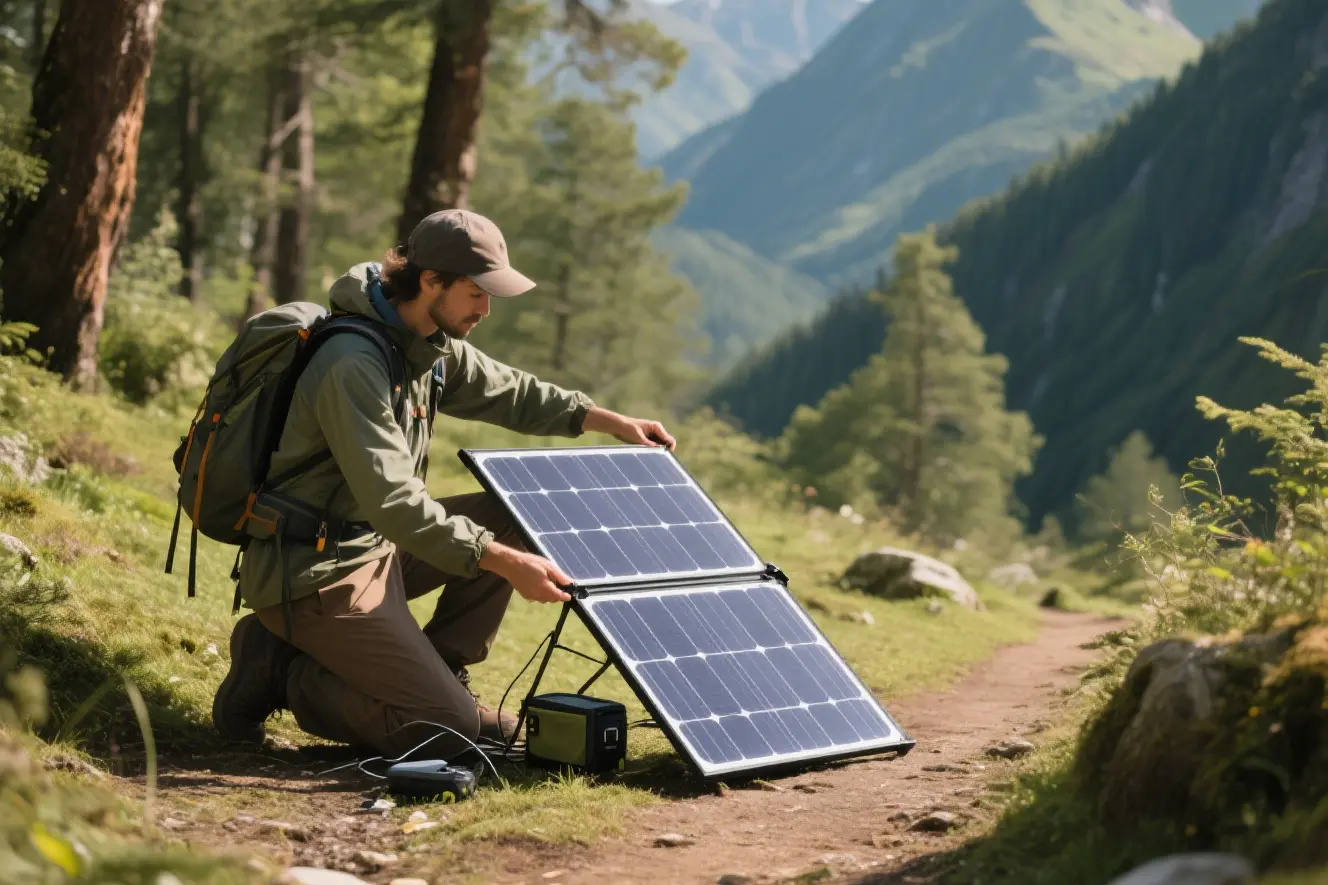
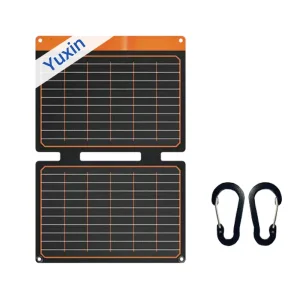
Customizing solar modules enables clean energy integration across diverse agricultural, commercial, and industrial settings.
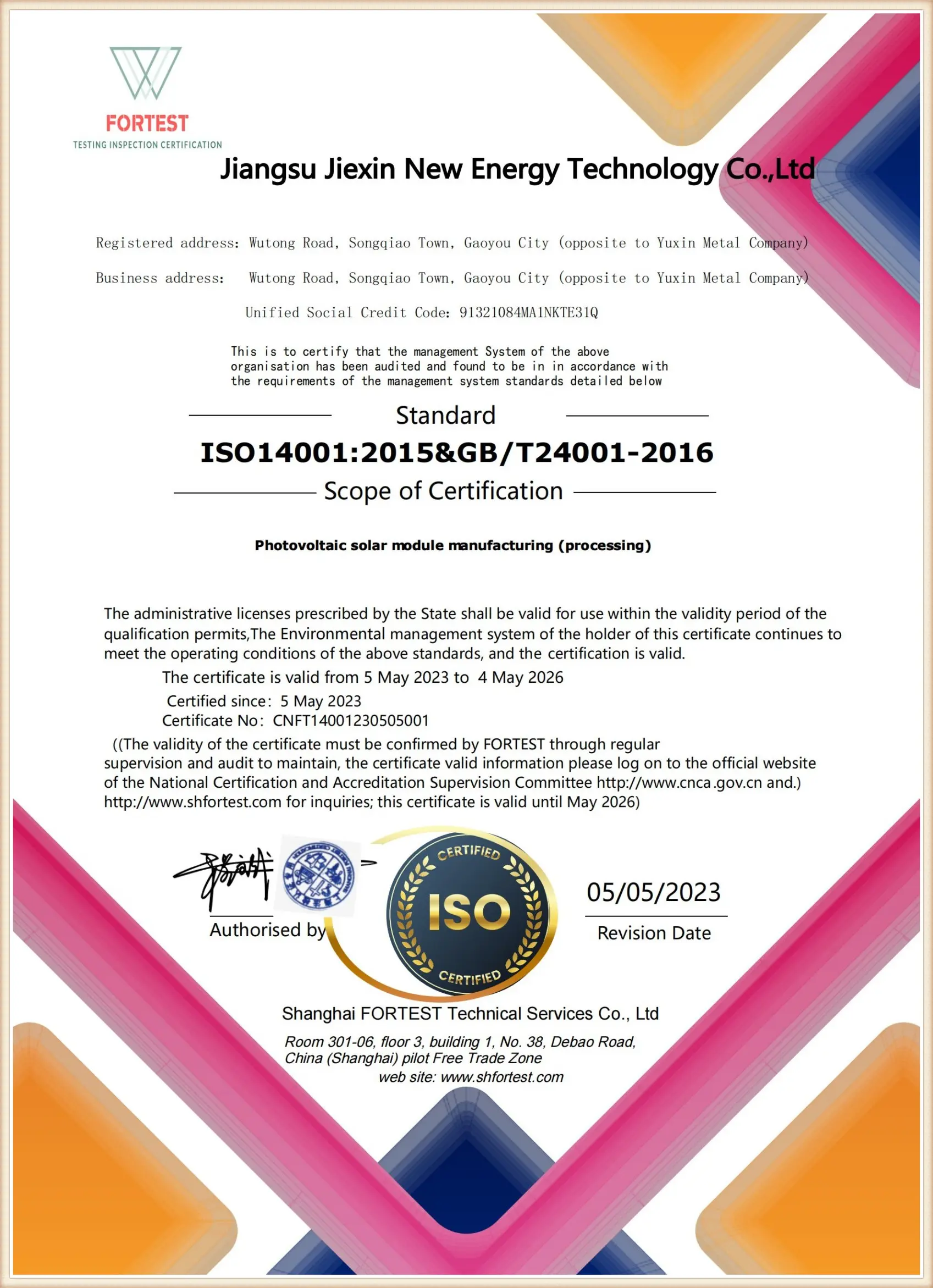
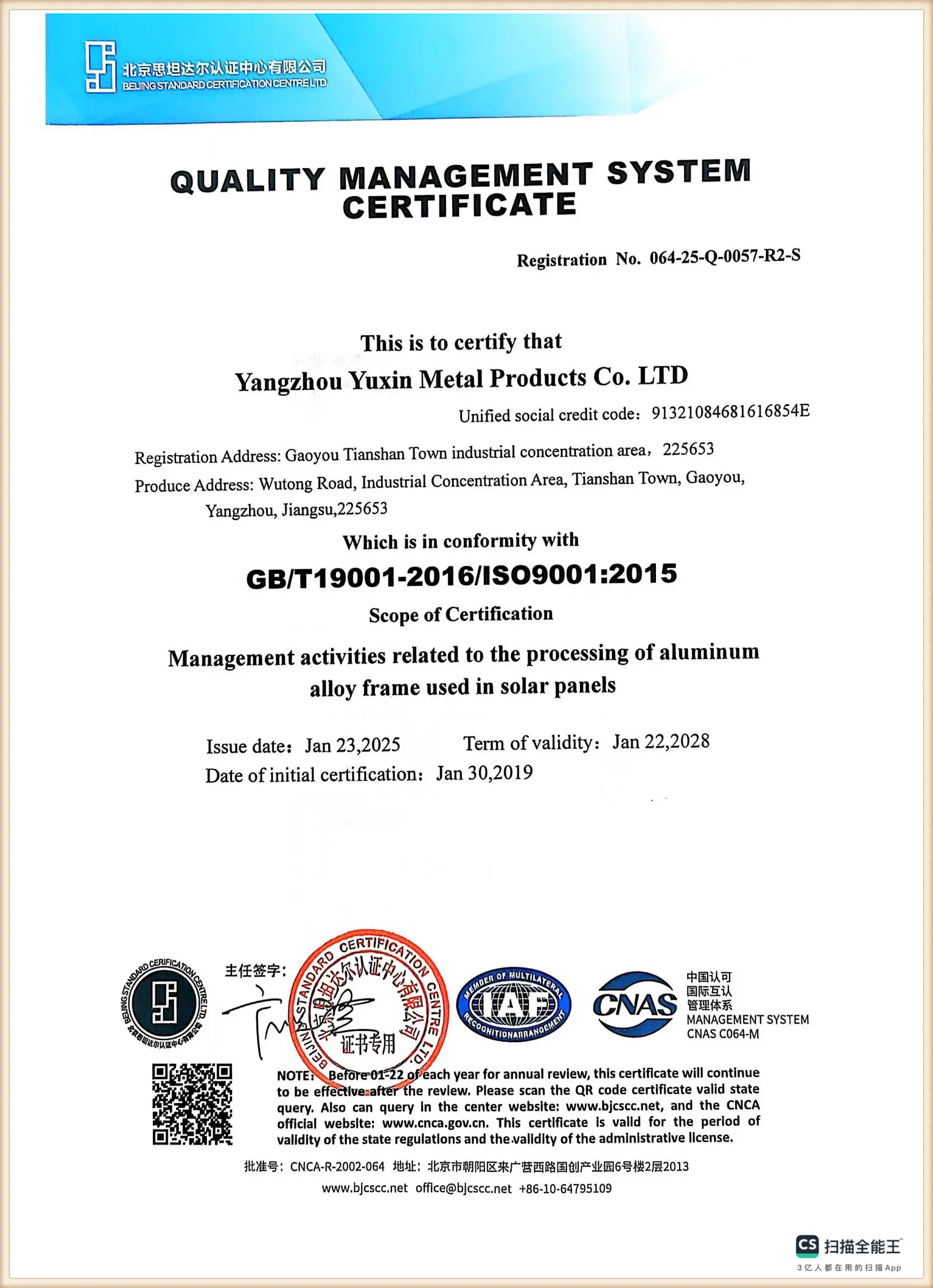
Yuxin maintains an ISO 9001 certified QA process, validating raw materials and conducting mechanical stress tests on finished custom-sized panels.
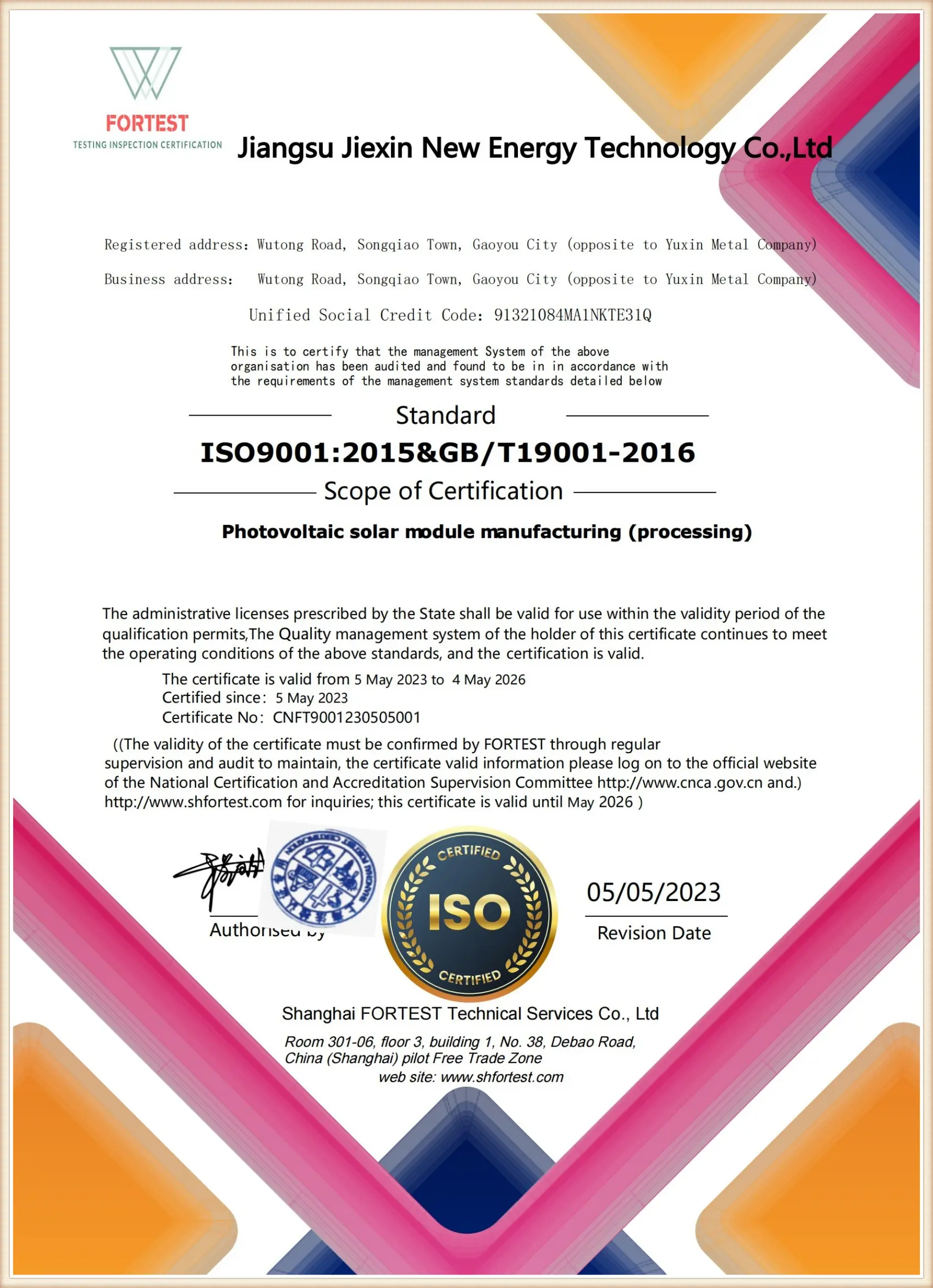


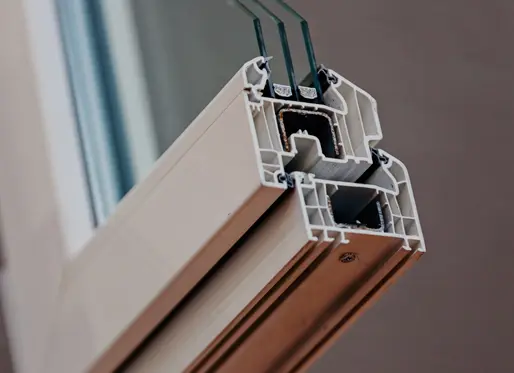
An in-depth analysis of materials, profiles, and structural load testing for high-performance solar installations.
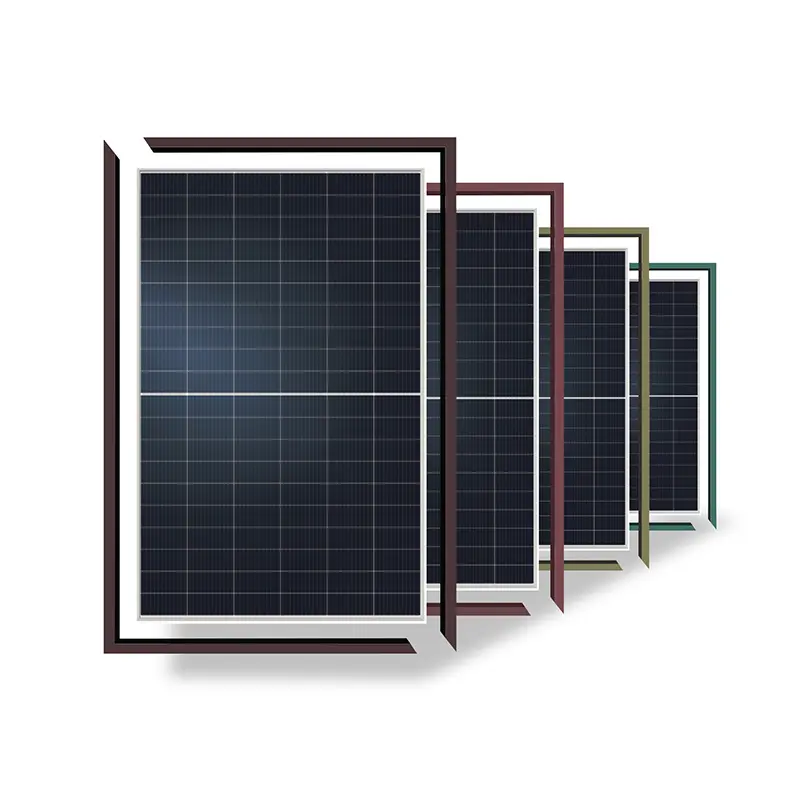
Key metrics for auditing Chinese manufacturing facilities, covering extrusion capabilities and quality control protocols.
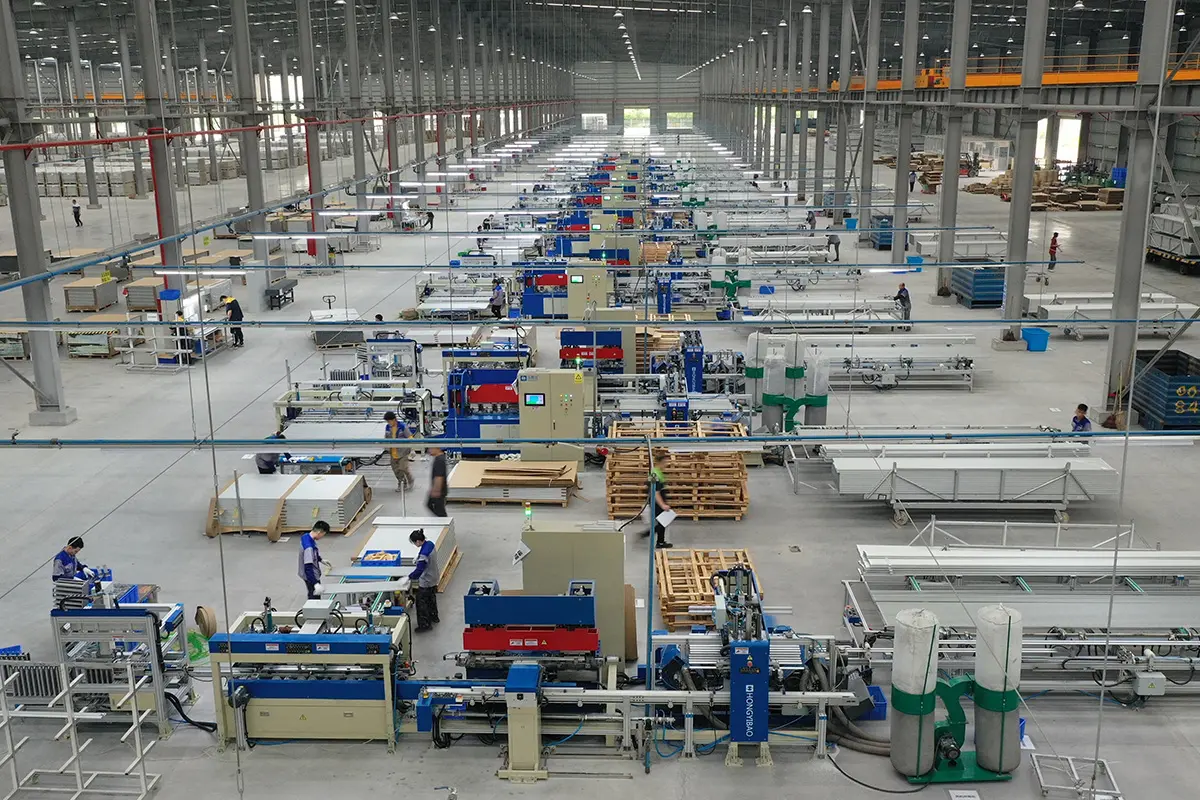
Evaluating thickness tolerances, anodizing quality, and tensile strength standards across custom production lines.