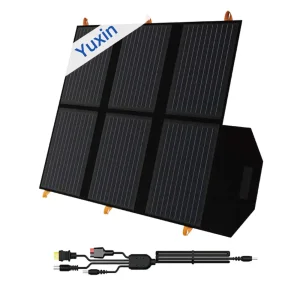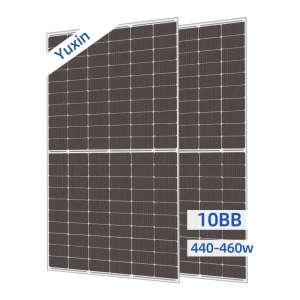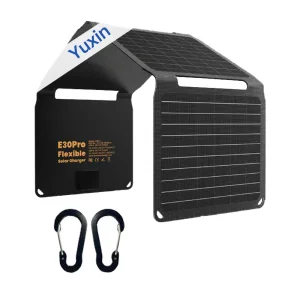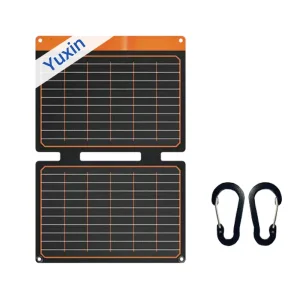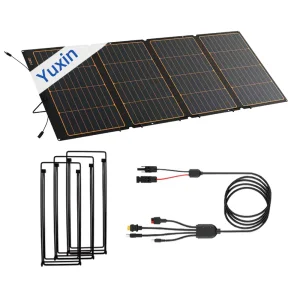
Explore our premium grade off-grid solar equipment, featuring TOPCon bifacial modules, custom battery systems, and durable framework components.
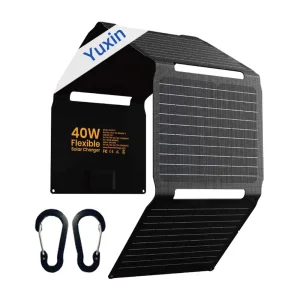
Analyzing global shifts in off-grid photovoltaic generation, advanced component engineering, and total cost of ownership minimization.
The global transition towards off-grid decentralized energy systems is accelerating under the dual pressures of regional grid instability and aggressive corporate sustainability mandates. Within the residential and light commercial off-grid sector, buyers are abandoning low-voltage legacy lead-acid structures in favor of high-voltage Lithium Iron Phosphate (LiFePO4) storage chemistry paired with high-efficiency PV arrays.
Key technological shifts currently defining the off-grid market include:
Designing power solutions for off-grid applications requires rigorous engineering that balances structural durability, conversion efficiency, and energy storage capacity. An off-grid installation is only as strong as its weakest component. Systems deployed in remote mining operations, agricultural irrigation fields, and off-grid communication stations require zero-maintenance configurations.
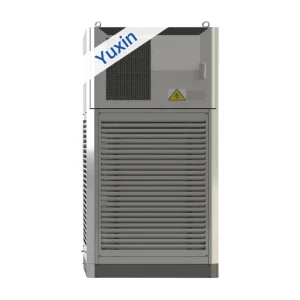
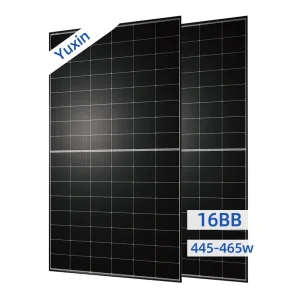
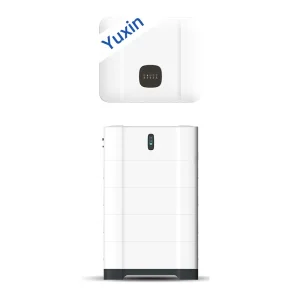
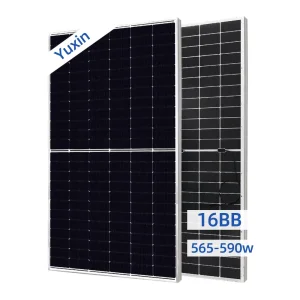
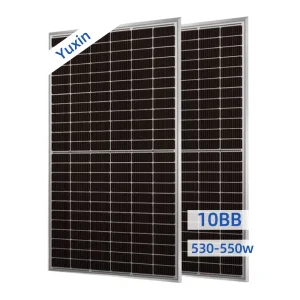
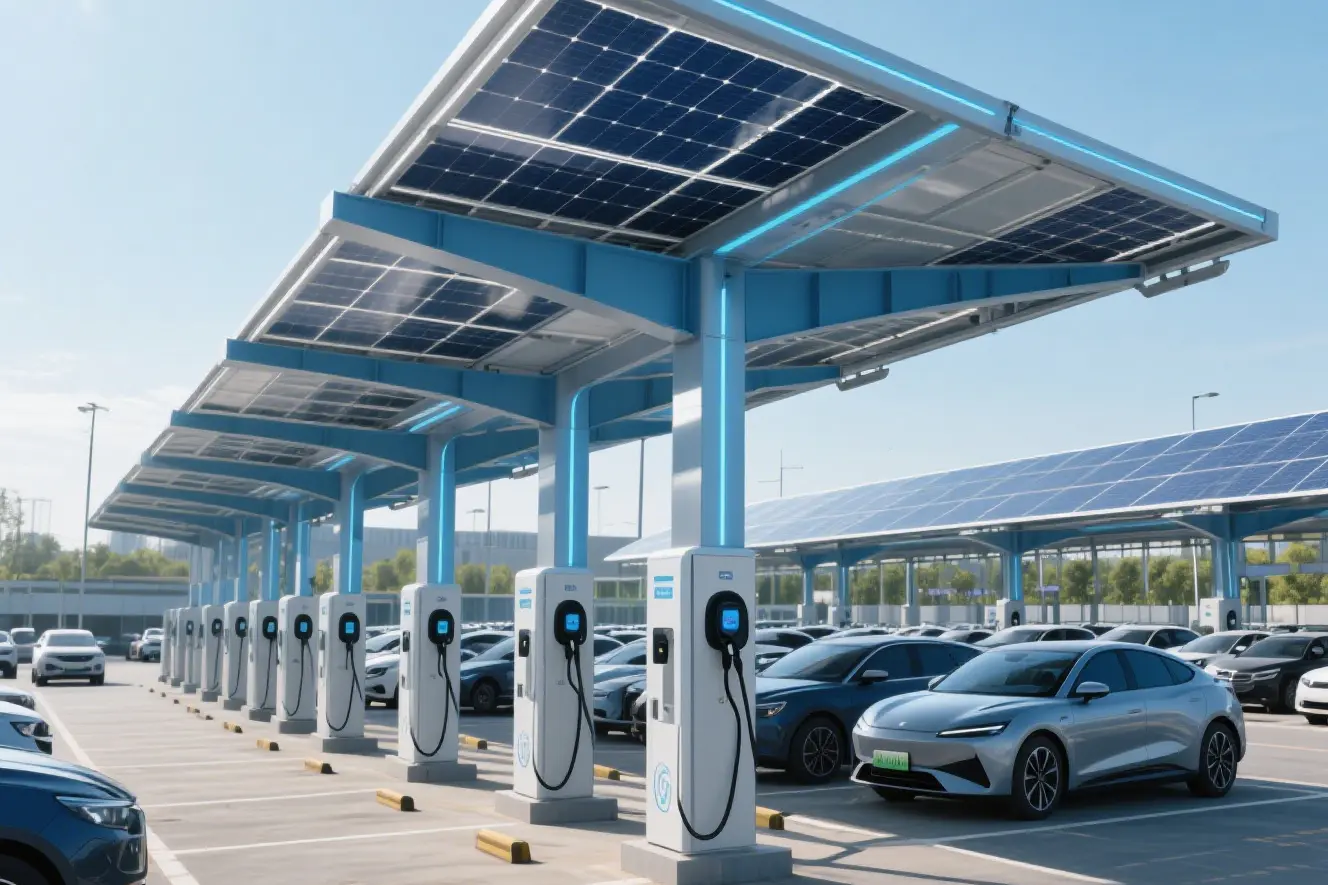
To support global developers, industrial planners utilize modular energy storage platforms (such as the China Modular Commercial Energy Storage System P01-EC60-30K) that interface dynamically with large-format mono-crystalline arrays (like the N-type Bifacial 590W modules). These combined installations provide continuous peak-shaving, frequency regulation, and emergency backup services, drastically reducing dependency on diesel-powered thermal generators.
| Technology Class | Core Application | Efficiency Range | Thermal Stability (Coeff.) | Typical Lifespan |
|---|---|---|---|---|
| N-type TOPCon Monocrystalline | High-density off-grid residential/commercial power | 22.5% – 24.8% | -0.30% / °C | 30 Years |
| P-type PERC Monocrystalline | Standard residential rooftops, cost-conscious utility | 20.8% – 22.3% | -0.35% / °C | 25 Years |
| Hybrid LFP Energy Storage (8-30HS) | Decentralized household load balancing, microgrids | > 95% round-trip | Stable up to 60°C | 6000+ Cycles |
| Polyurethane Pultruded Frame | Marine, coastal, high-humidity corrosive locations | N/A (Structural) | High Tensile Strength | 35 Years |
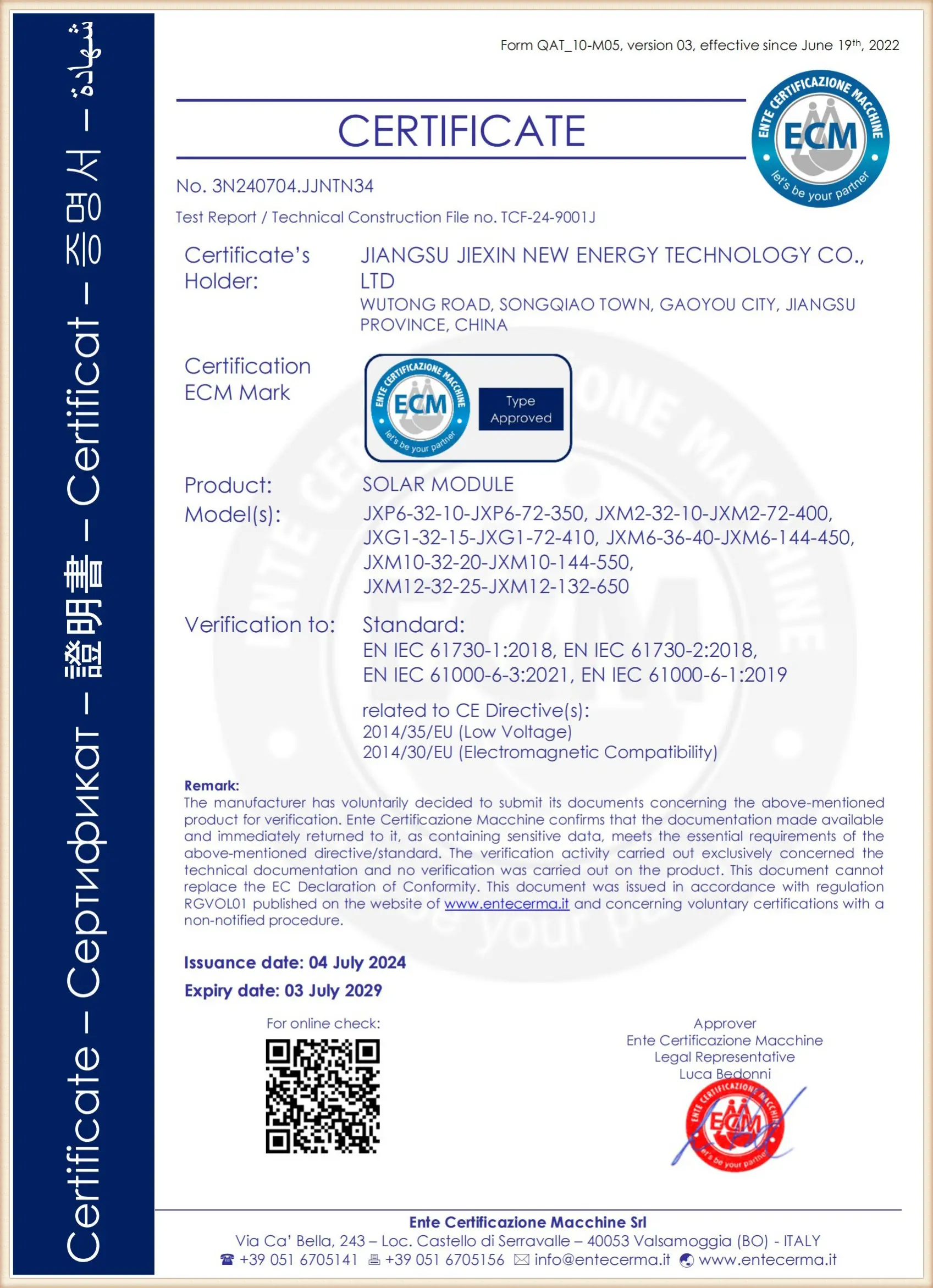
For international distributors, EPC contractors, and global sourcing departments, procurement involves optimizing total balance of system (BOS) costs while satisfying local structural codes. Purchasing discount off-grid solar equipment requires verifying compliance with international mechanical load and wind resistance certifications.
Sourcing strategies must balance direct unit pricing against system longevity. For instance, selecting anodized aluminum frames with a minimum thickness of 1.5mm and a 15-micron anodizing film guarantees that the structural integrity of the solar array matches the electrical lifespan of the photovoltaic cells. In areas prone to heavy typhoons or deep winter snow loads (up to 5400 Pa mechanical load), investing in premium sub-framework components prevents catastrophic wind-uplift failures and subsequent insurance claim rejections.
Over the next five years, the off-grid sector will transition from passive energy generation to active, intelligent microgrid hubs. The integration of Edge-AI in hybrid inverters will facilitate predictive battery management by analyzing localized meteorological data feeds in real time, optimizing battery depletion rates ahead of storm fronts.
Furthermore, the commercialization of Perovskite-Silicon Tandem cells promises to push commercial solar panel efficiencies past the 30% barrier within the decade. As these advanced technologies scale, the need for robust, durable framing materials (such as pultruded composites and structural 6063-T5 aluminum) will remain a critical constant to protect the sensitive semiconductor junctions from physical deflection and micro-cracking.
Precision, Quality, and Safety - Your Photovoltaic Materials Expert
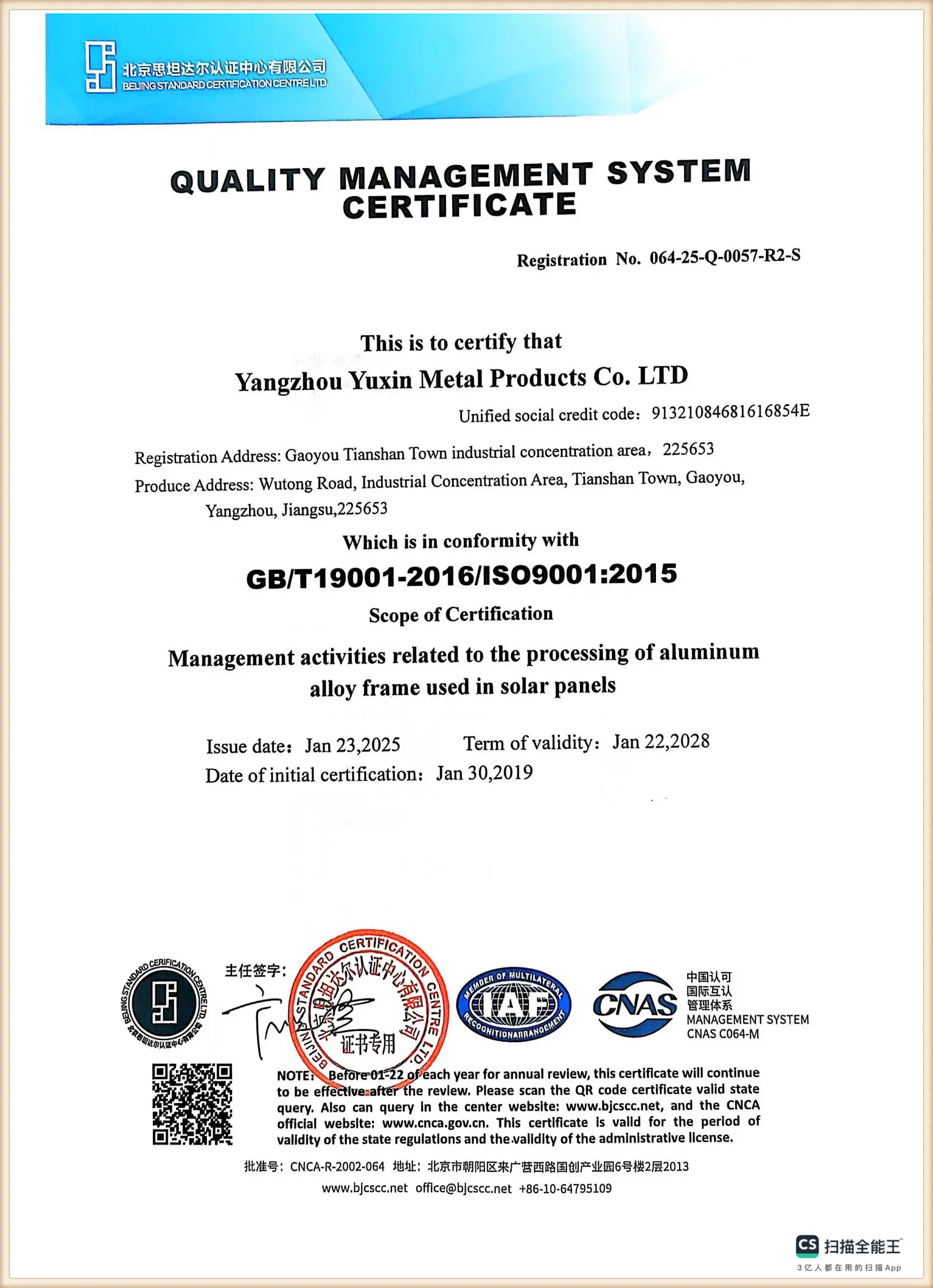
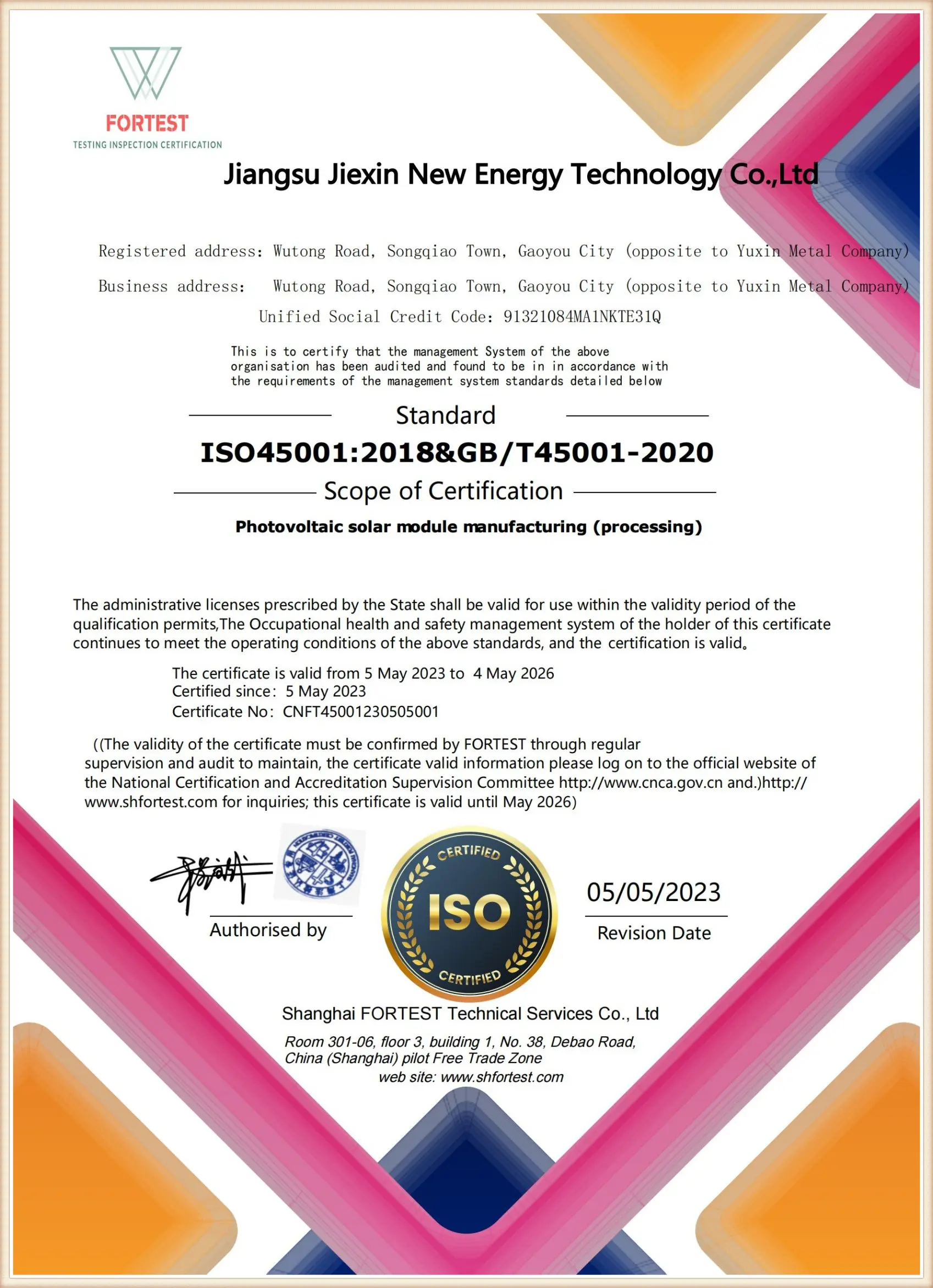
Located in the scenic historical and cultural ancient city of Yangzhou, Jiangsu Province, near major expressways, ports, and railways, Yuxin Group enjoys prime logistical advantages for global shipping. Established in 2008, the group operates 14 specialized multi-field subsidiaries, including Jiangsu Yuxin New Energy Technology Co., Ltd.
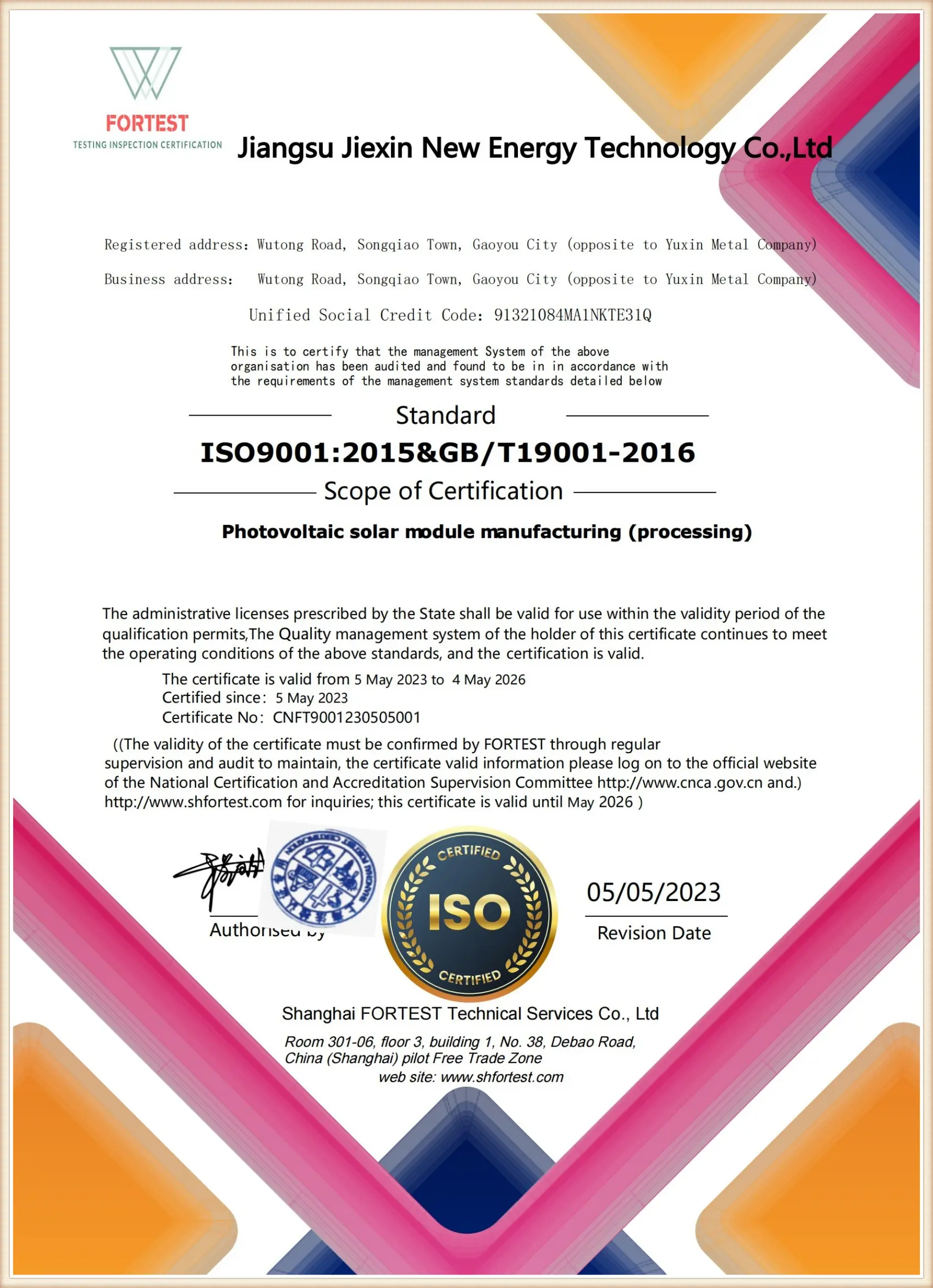
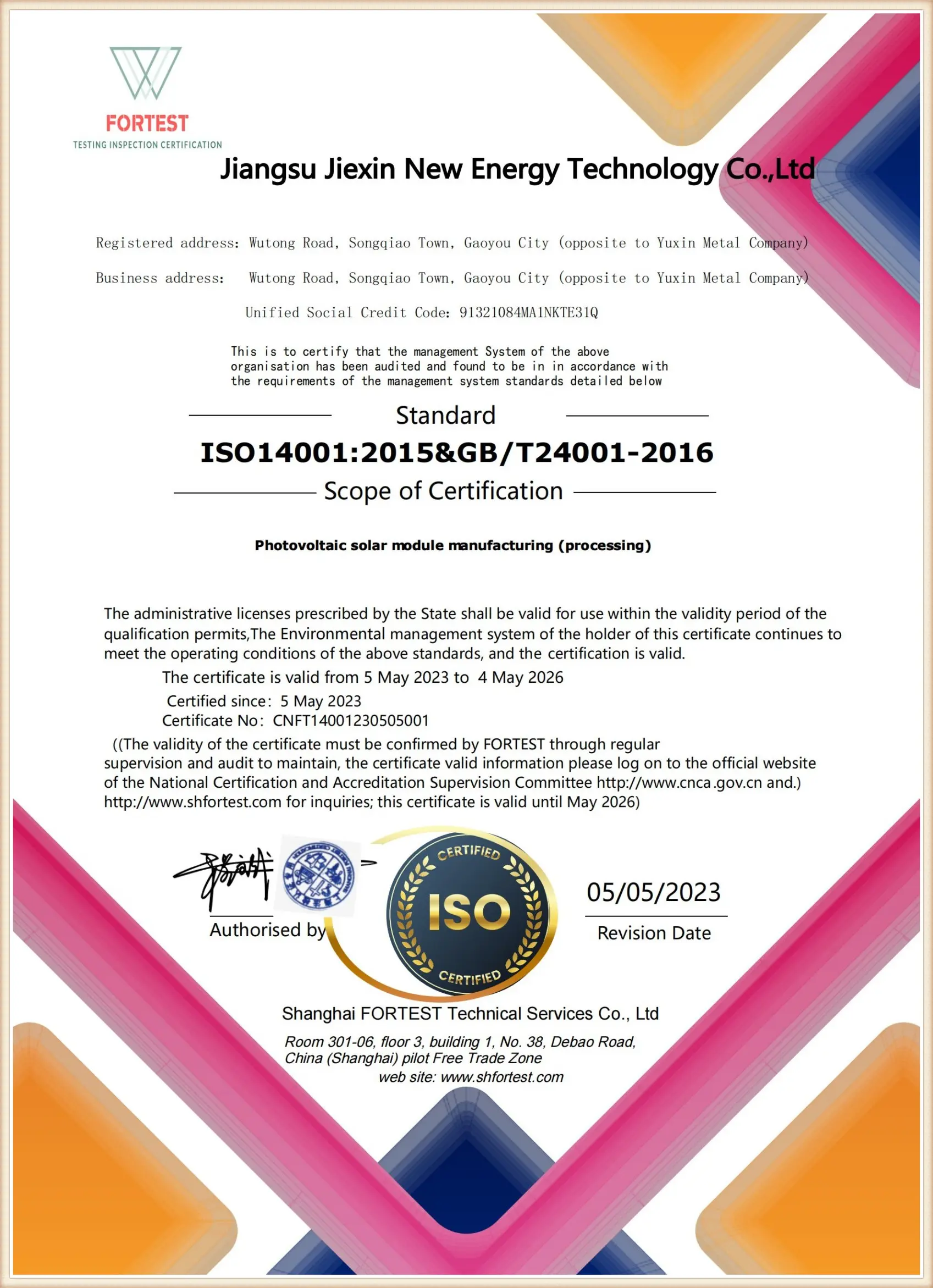
As a designated National High-tech Enterprise and a prominent player in China's advanced manufacturing sector, Yuxin maintains strict quality controls on raw materials and automated production processes to supply high-reliability solar components to over 60 countries.
Comprehensive manufacturing capabilities spanning architectural mounting frameworks to modular off-grid residential kits.
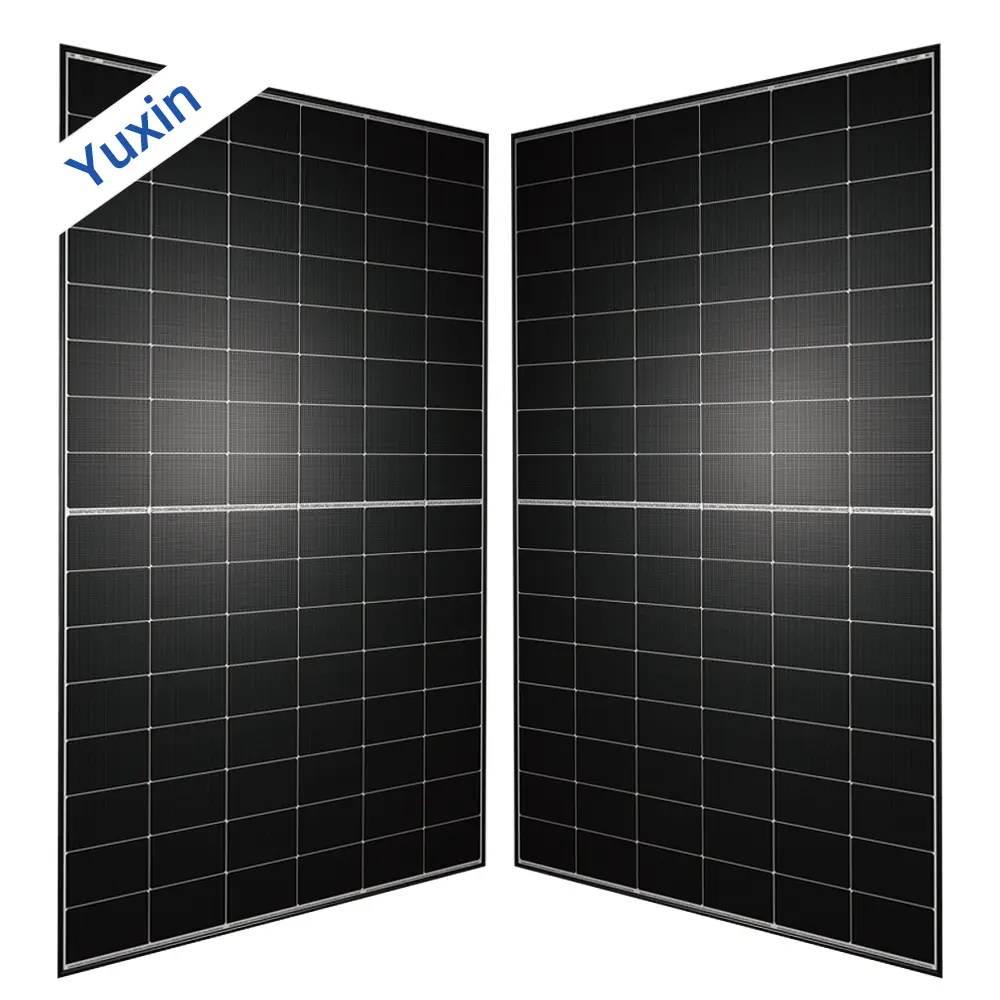
Lightweight design with transparent back panel for easy installation and reduced BOS costs.
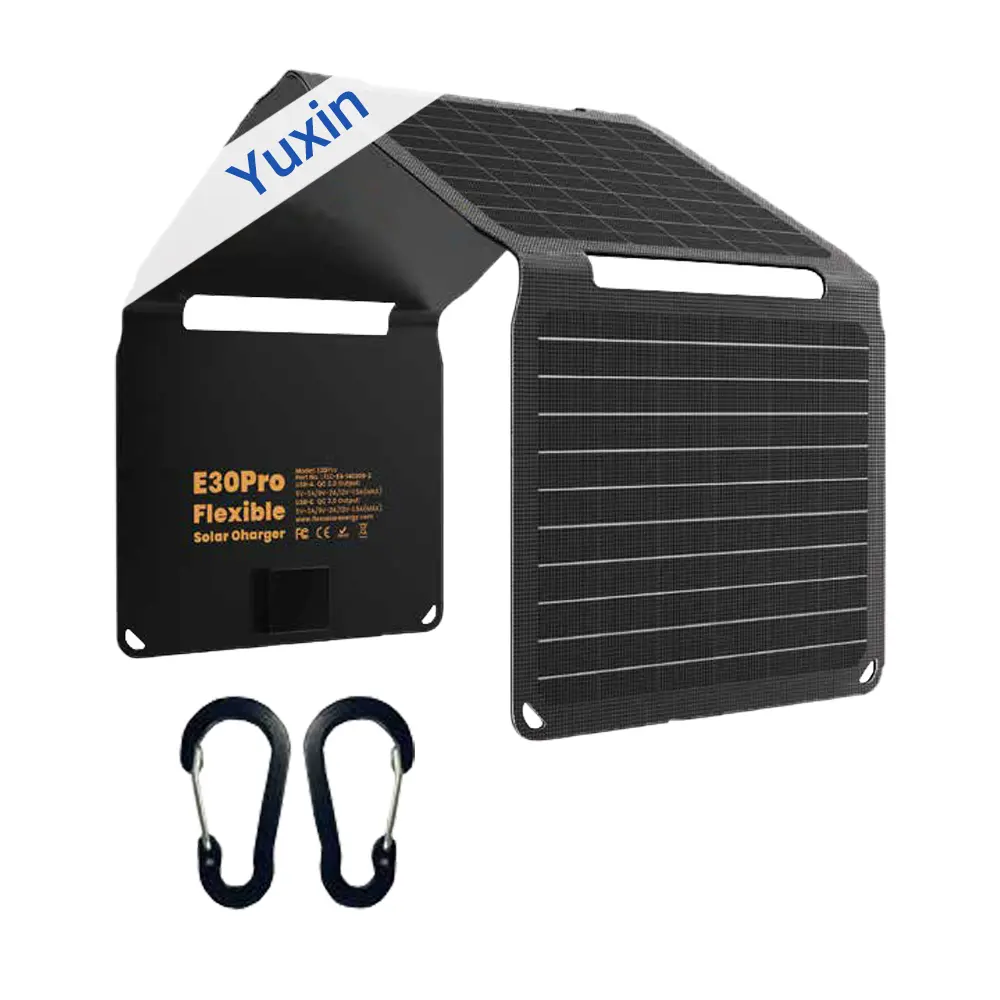
Utilizing advanced monocrystalline silicon cells, it achieves a high energy conversion efficiency of 24%.
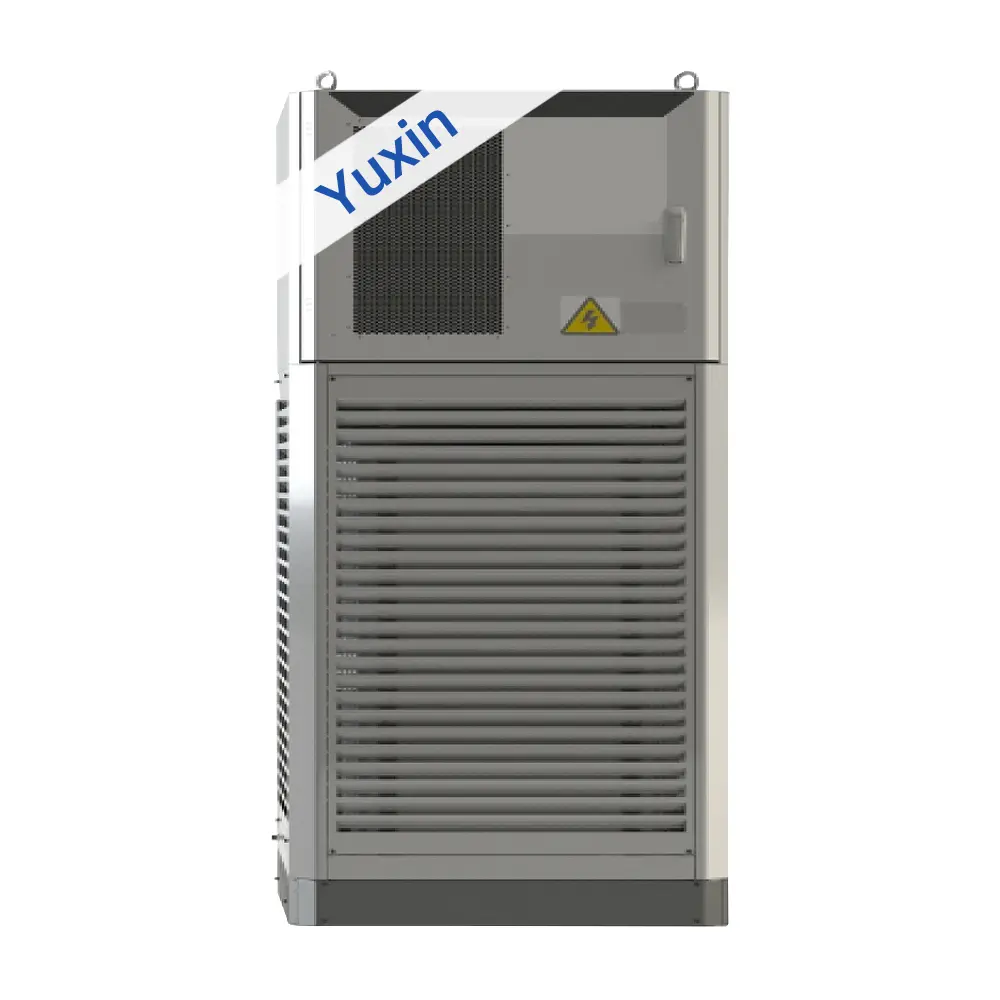
Application modes include grid-connected mode, off-grid mode, and integrated grid-connected/off-grid mode.
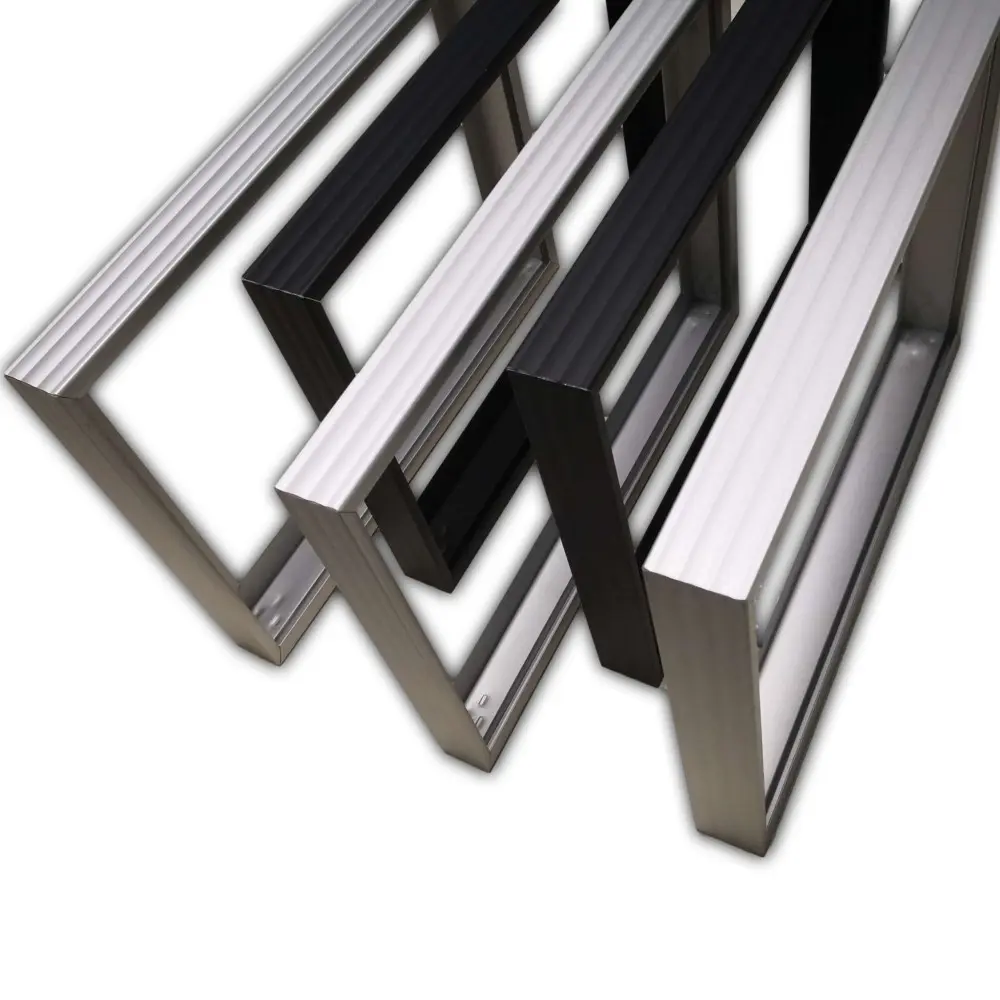
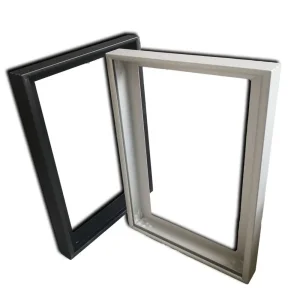
Made of high-quality anodized aluminum, it ensures superior weather resistance and a smooth, long-lasting finish.
Supplying robust energy hardware across standard civil infrastructure, outdoor field operations, and high-performance telecom terminals.

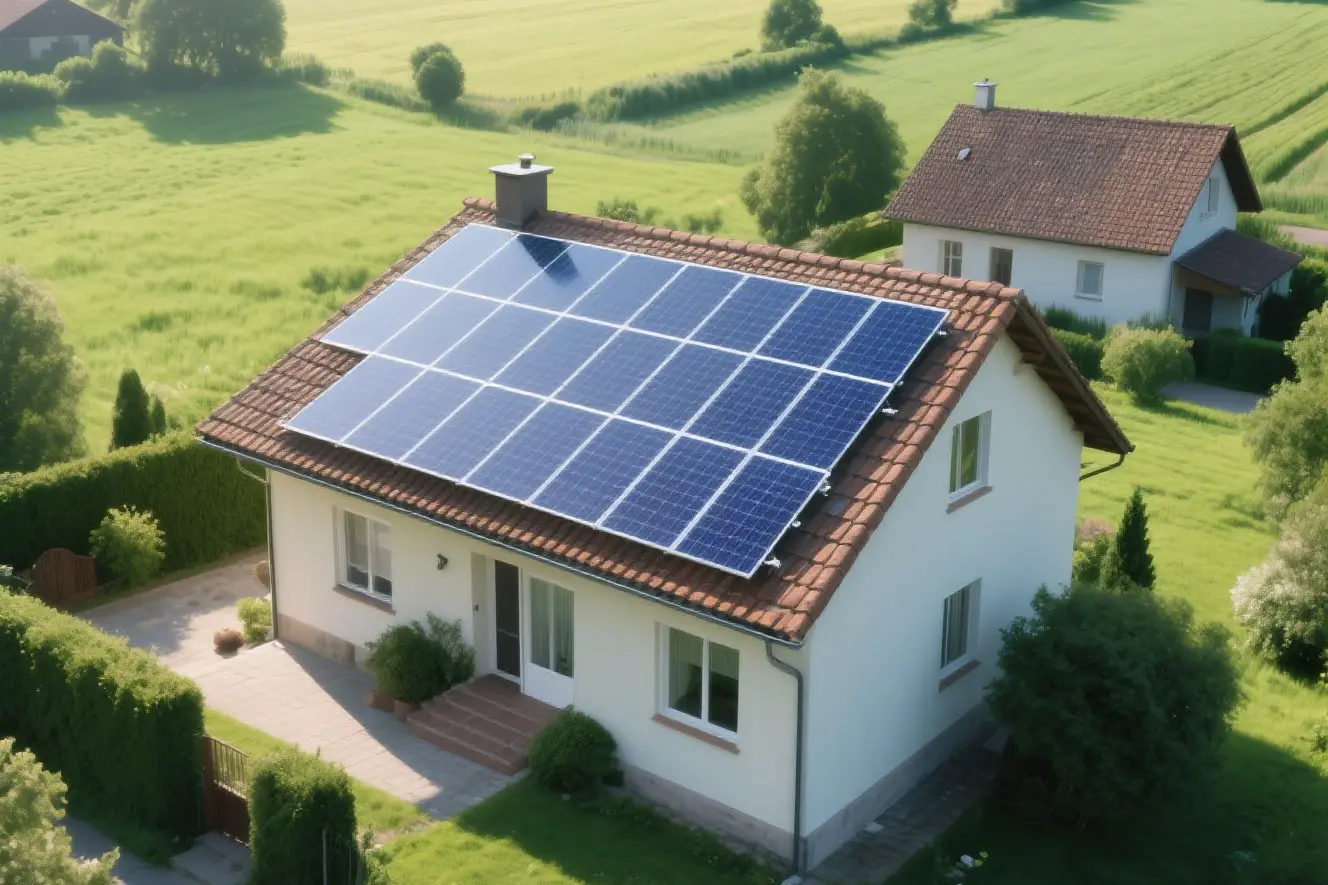
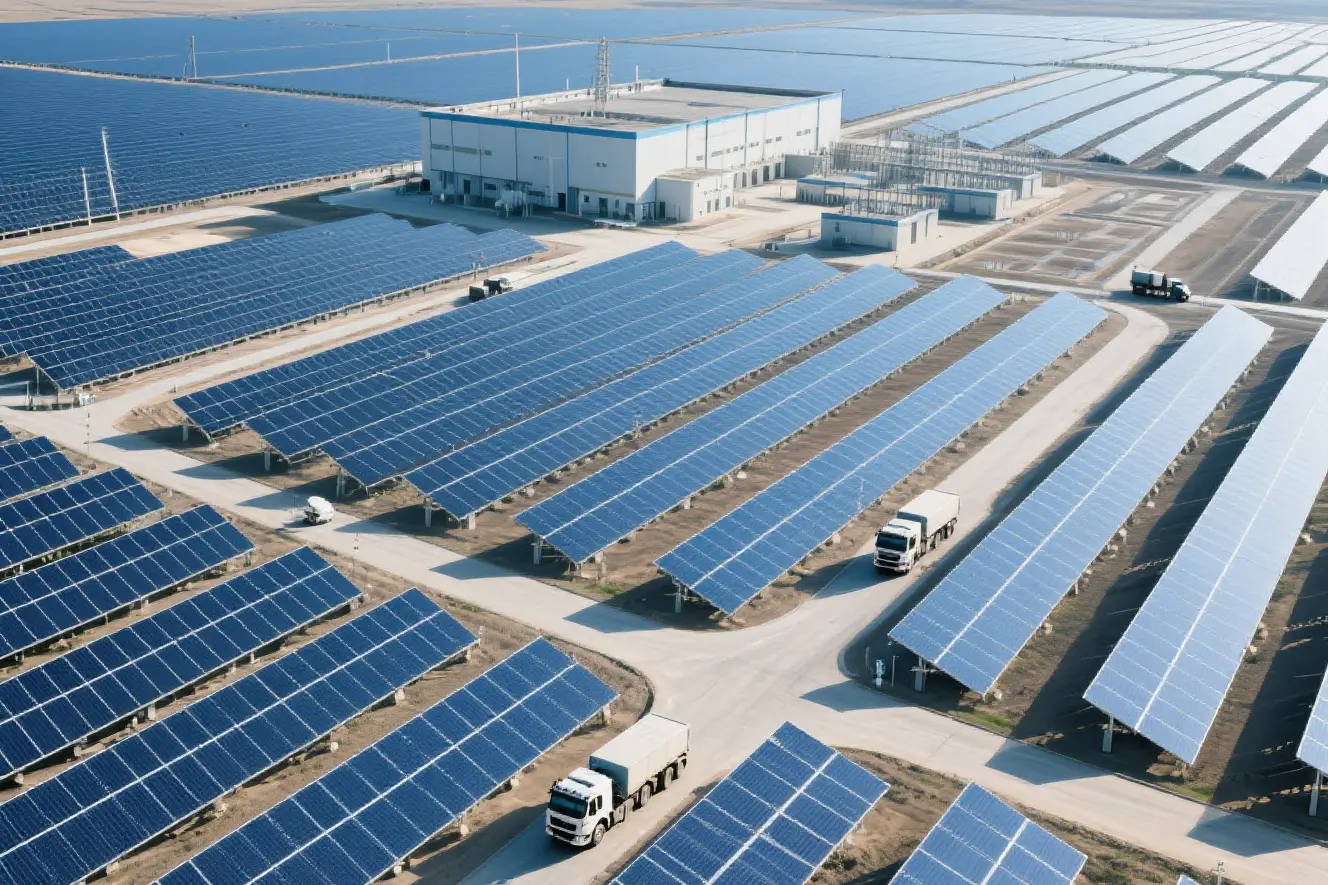






Stay up to date with metallurgical breakthroughs, quality standards, and market updates from Yuxin New Energy.
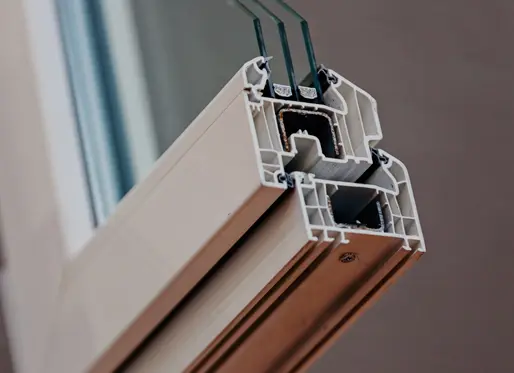
Exploring the critical role of anodized coating depth and mechanical extrusion standards in off-grid field resilience.
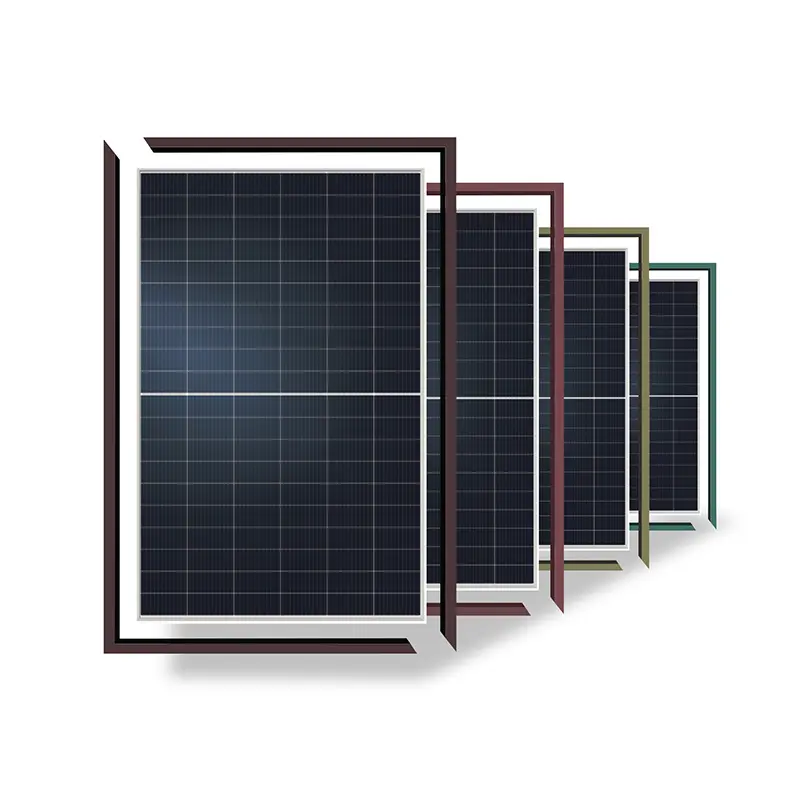
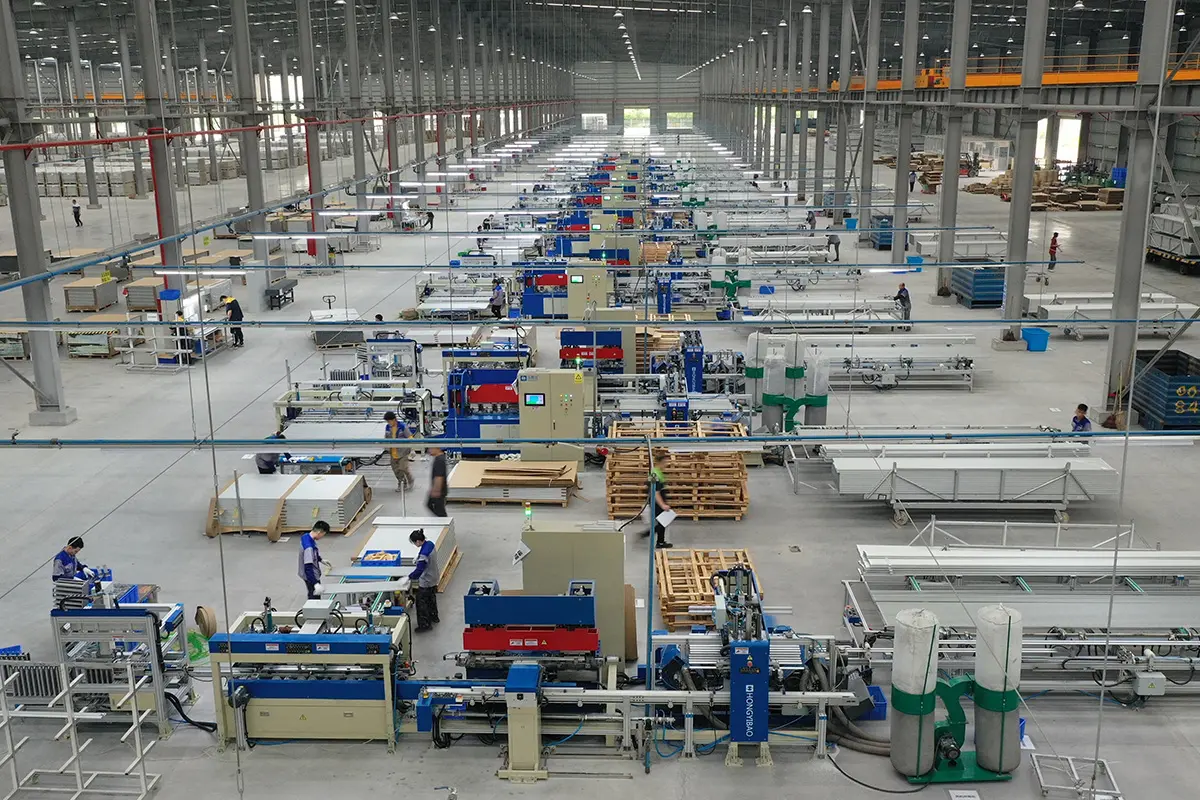
Critical indicators of operational scale, environmental compliance, and pultrusion machine automation capacity.
A breakdown of hardness, tensile strength, and salt spray exposure tests required for regional compliance.
Expert answers addressing the design, installation, procurement, and lifetime performance of off-grid solar equipment.
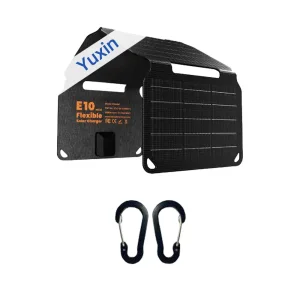
Complete your off-grid infrastructure with heavy-duty structural parts and field-tested portable power packs.