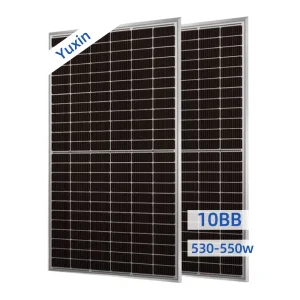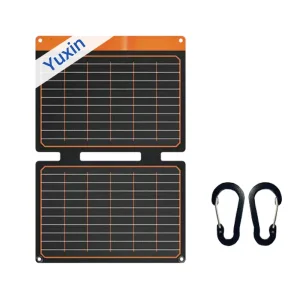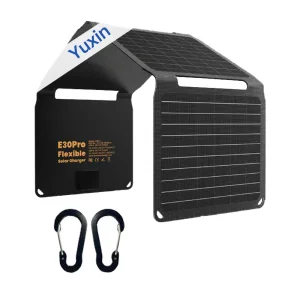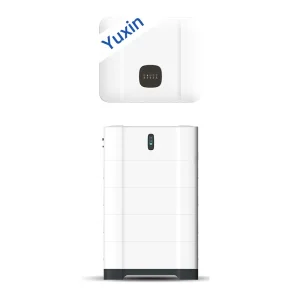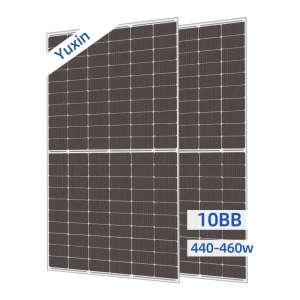
Factory-direct solutions optimizing energy density and system performance for remote cabin habitats.
When implementing solar power solutions for off-grid cabins, engineers and purchasers must look beyond raw panel costs to examine the total system levelization. A complete off-grid solar infrastructure involves balancing multiple systems: solar photovoltaic (PV) generation, energy storage systems (ESS), solar charge controllers (MPPT), power inversion (pure sine wave inverters), and structural mounting components.
Determining daily load involves listing all household appliances, wattage, and average hours of use. For example:
Total Daily Load Requirement: 3,295 Wh. Accounting for efficiency losses in inversion (~10%) and battery degradation, the actual generation target must be approximately 3.8 kWh to 4.2 kWh per day.
| System Capacity | Average Daily Yield | Recommended Battery (LiFePO4) | Target Cabin Type | Estimated Factory Quote (FOB Range) |
|---|---|---|---|---|
| 1.5 kW DC System | 5 - 6 kWh | 4.8 kWh (100Ah 48V) | Weekend Hunting Cabin / Basic Lighting | $1,200 - $1,800 |
| 3.0 kW DC System | 10 - 13 kWh | 9.6 kWh (200Ah 48V) | Medium Off-Grid Cabin (Modest Appliances) | $2,400 - $3,500 |
| 5.0 kW DC System | 17 - 22 kWh | 14.4 kWh (300Ah 48V) | Full-time Cabin Residence / AC usage | $4,200 - $5,800 |
| 10.0 kW DC System | 35 - 44 kWh | 28.8 kWh (600Ah 48V) | Luxury Cabin / Workshop / Deep Autonomy | $8,500 - $11,500 |
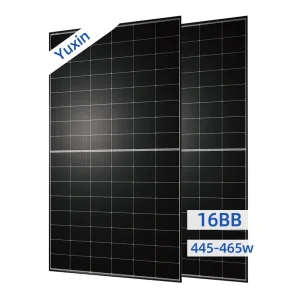
Proven, field-tested components engineered for durability and high solar irradiance absorption.
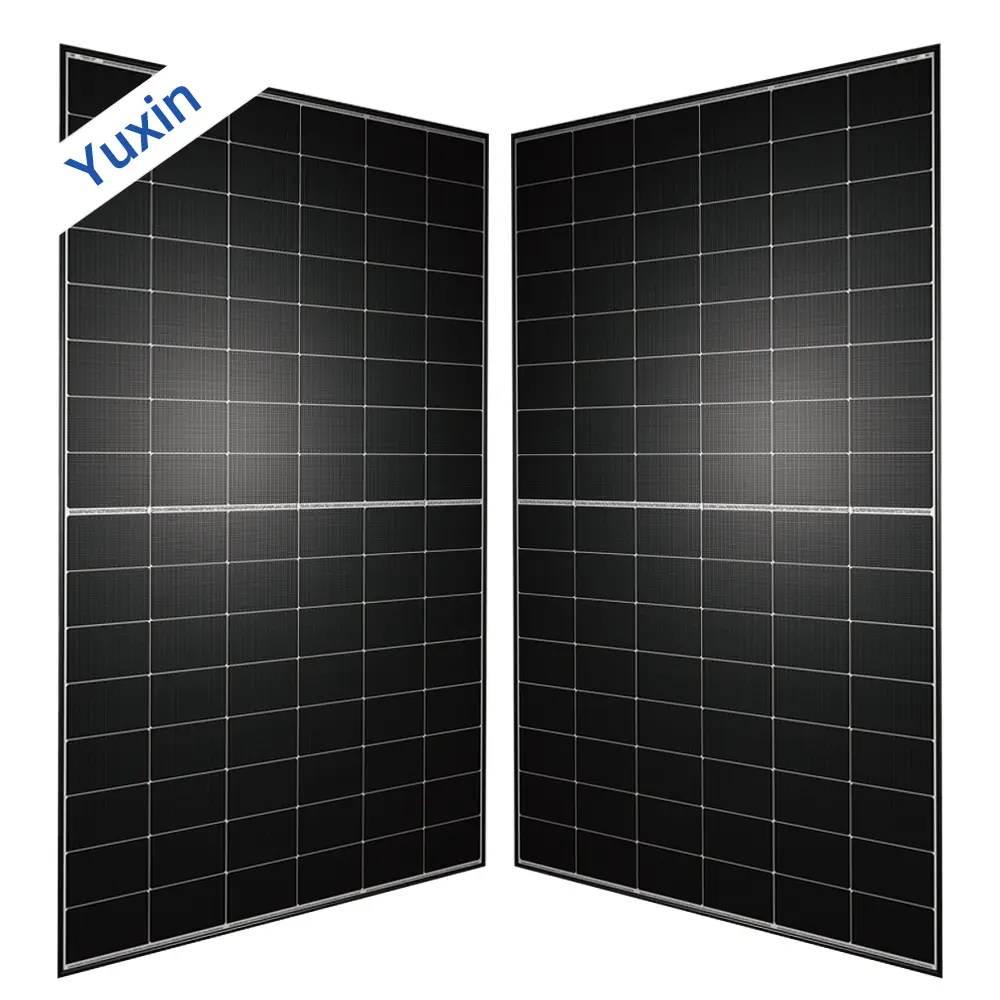
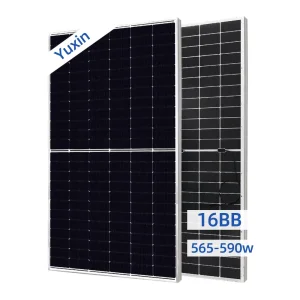
Lightweight design with transparent back panel for easy installation and reduced BOS costs.
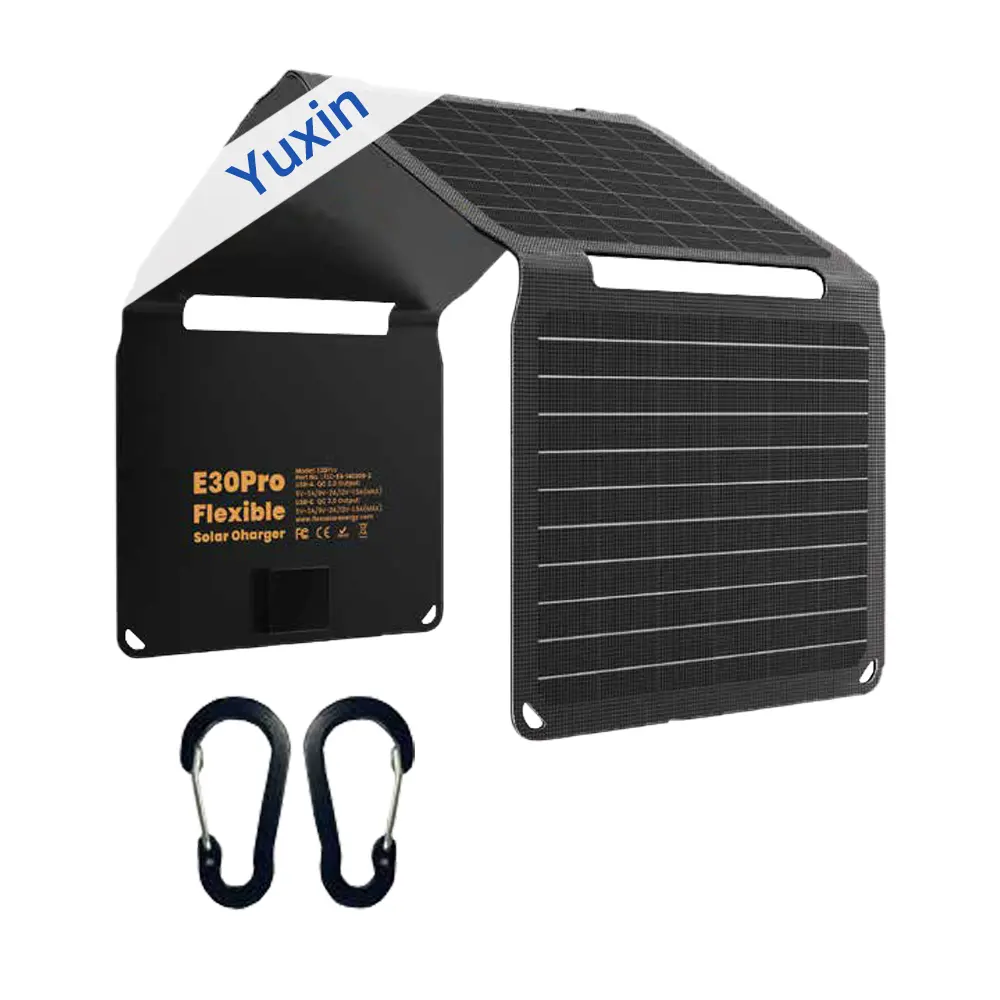
Utilizing advanced monocrystalline silicon cells, it achieves a high energy conversion efficiency of 24%.
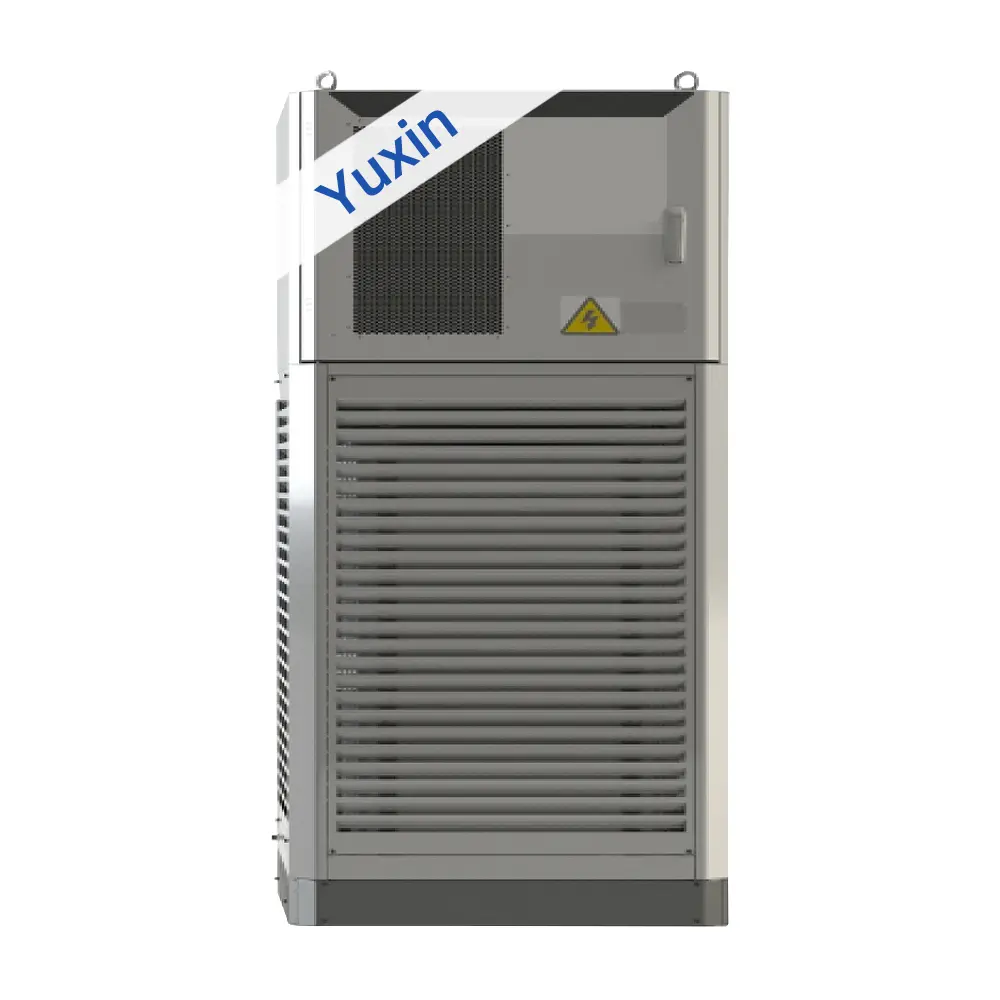
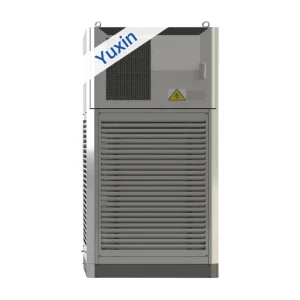
Application modes include grid-connected mode, off-grid mode, and integrated grid-connected/off-grid mode.
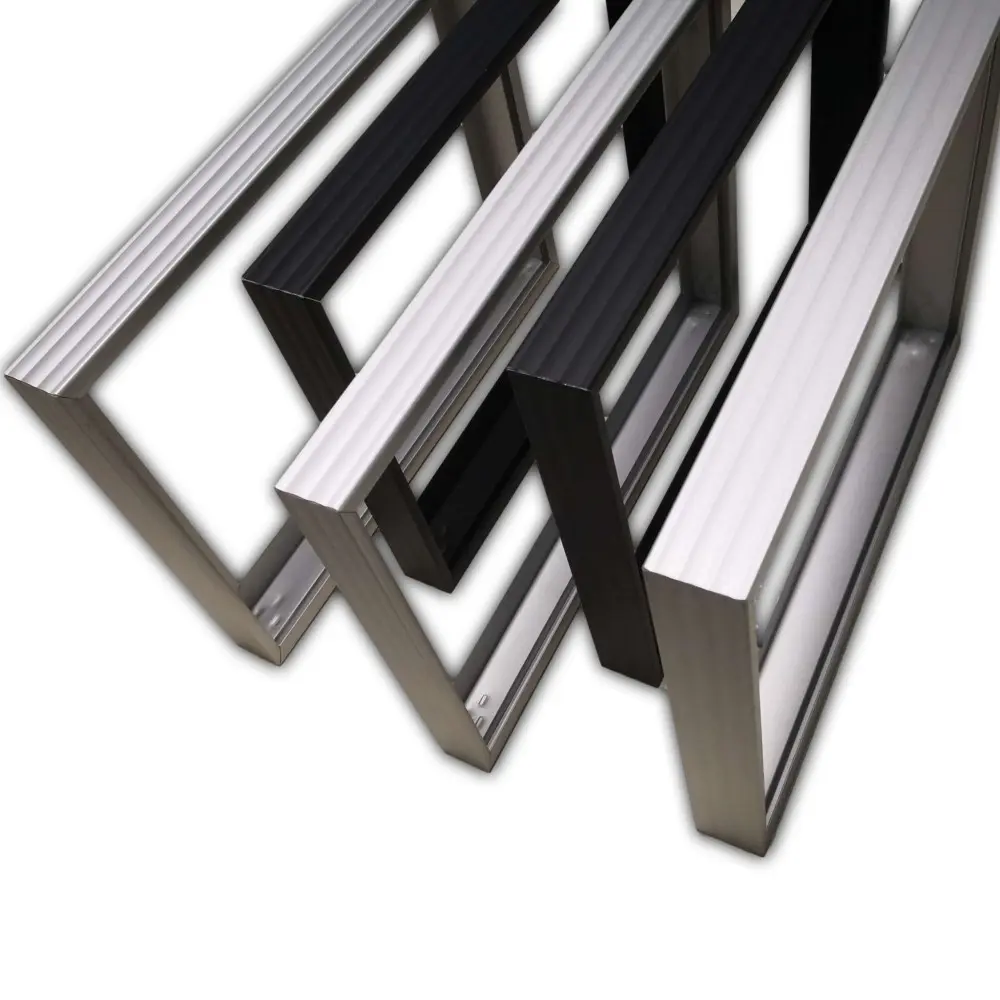
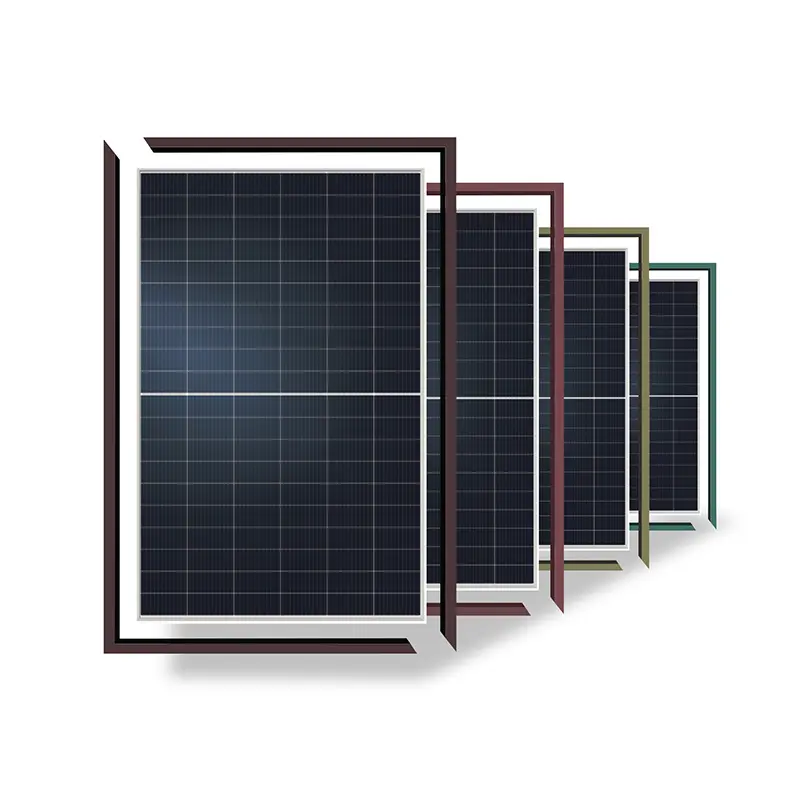
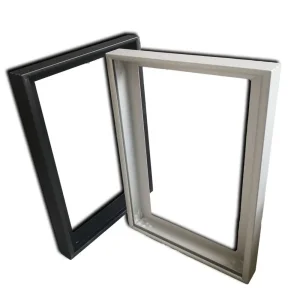
Made of high-quality anodized aluminum, it ensures superior weather resistance and a smooth, long-lasting finish.
Precision, Quality, and Safety - Your Photovoltaic Materials Expert
Located in the scenic historical and cultural ancient city of Yangzhou, close to the Beijing-Shanghai Expressway, Runyang Yangtze River Bridge, and Ningqi Railway, the group has a superior geographical location and convenient transportation. The group was established in 2008 and has 14 multi-field companies under its jurisdiction, including Jiangsu Yuxin New Energy Technology Co., Ltd., and has won many titles such as National High-tech Enterprise, Technology-based Enterprise, and Gaoyou City Top 100 Private Enterprises.
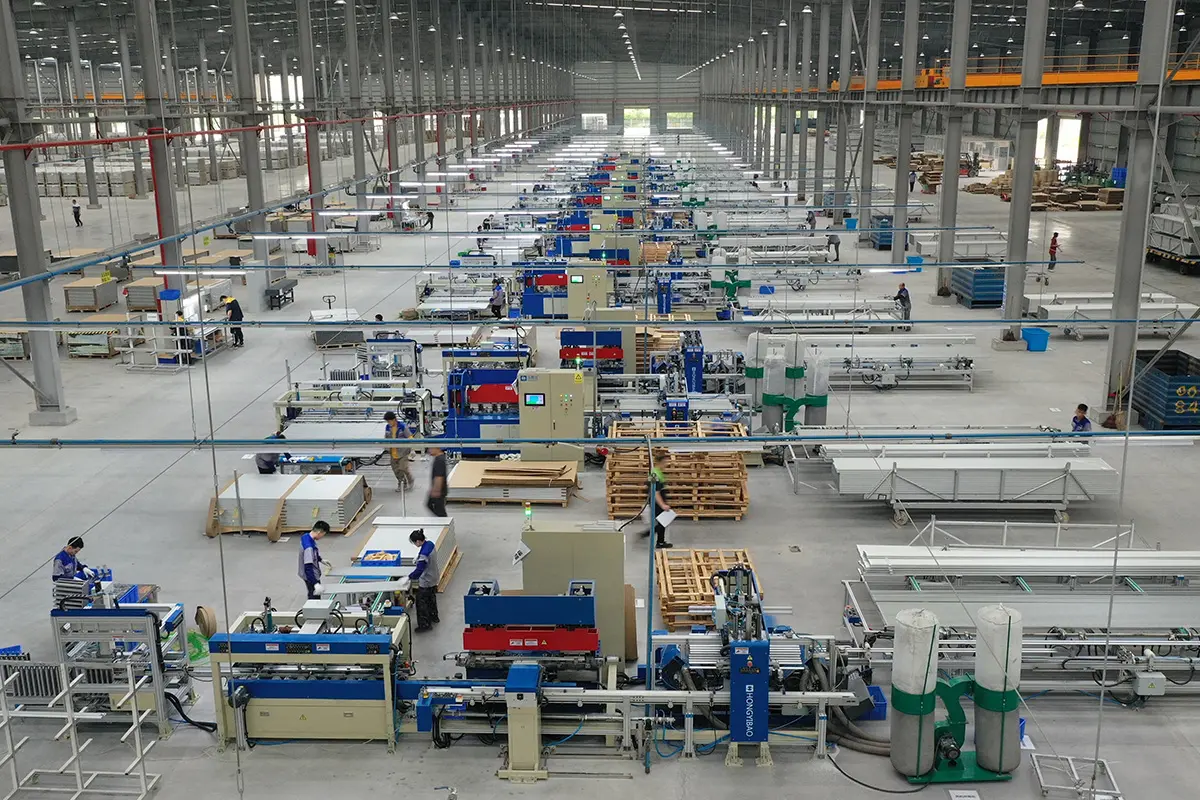
Sourcing solar components and complete off-grid systems directly from Chinese manufacturing bases offers profound economic and technological structural advantages. Jiangsu province, specifically the industrial clusters surrounding Yangzhou, represents the global epicenter of photovoltaic cell fabrication, frame extrusion, and integrated supply chain management.
By co-locating silicon ingot slicing, module assembly, and aluminum/polyurethane framing plants within a single industrial corridor, transshipment time and raw material transportation logistics are dramatically reduced, saving up to 15% in operational costs.
With massive automated extrusion units, factories achieve unmatched thickness uniformity. The implementation of 6063-T5 and 6005-T6 aluminum extrusion systems ensures frames resist maximum wind loads (up to 2400 Pa) and snow loads (5400 Pa).
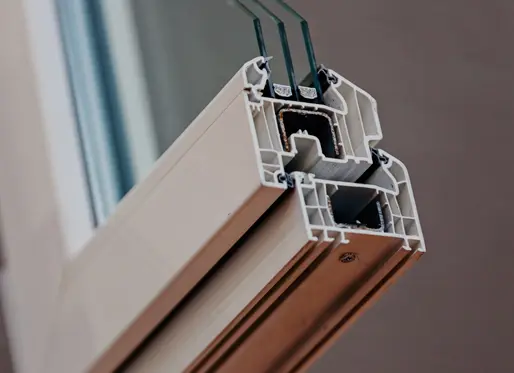
Innovation in composite frames, such as Sustainable Polyurethane Pultruded materials, offers superior tensile strength, excellent chemical resistance against acid rain, and exceptional electrical insulation compared to anodized aluminum frames.
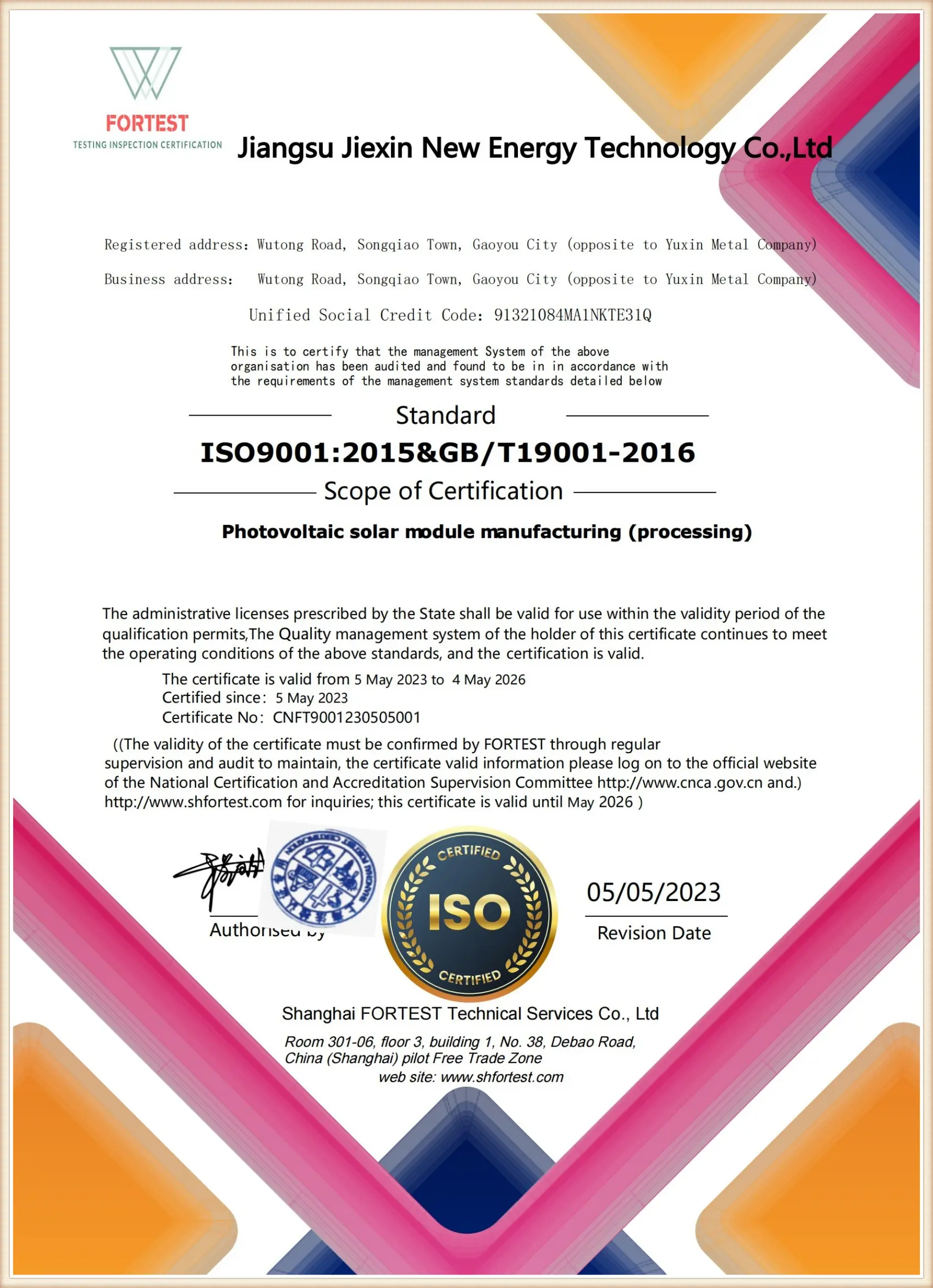
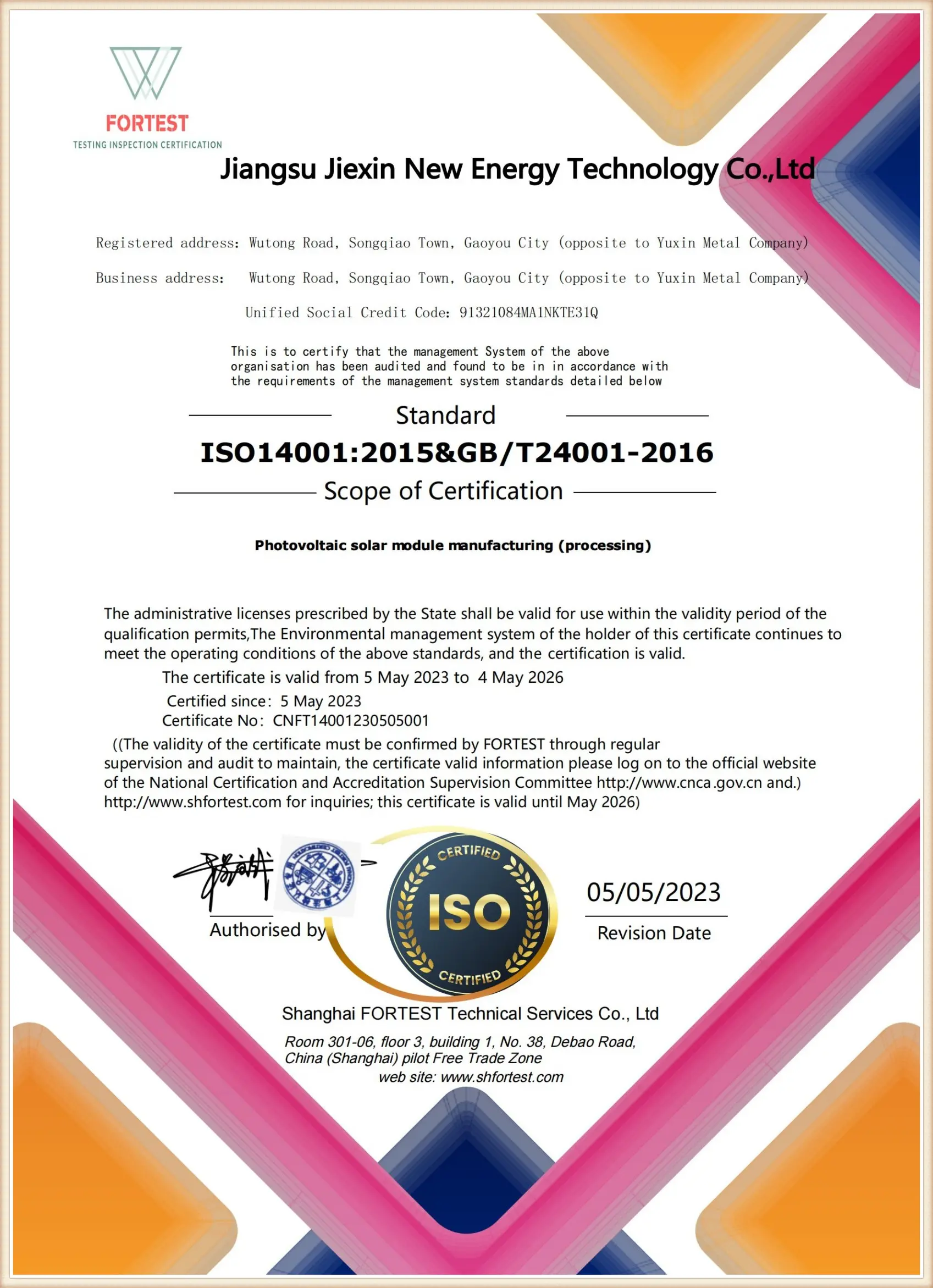
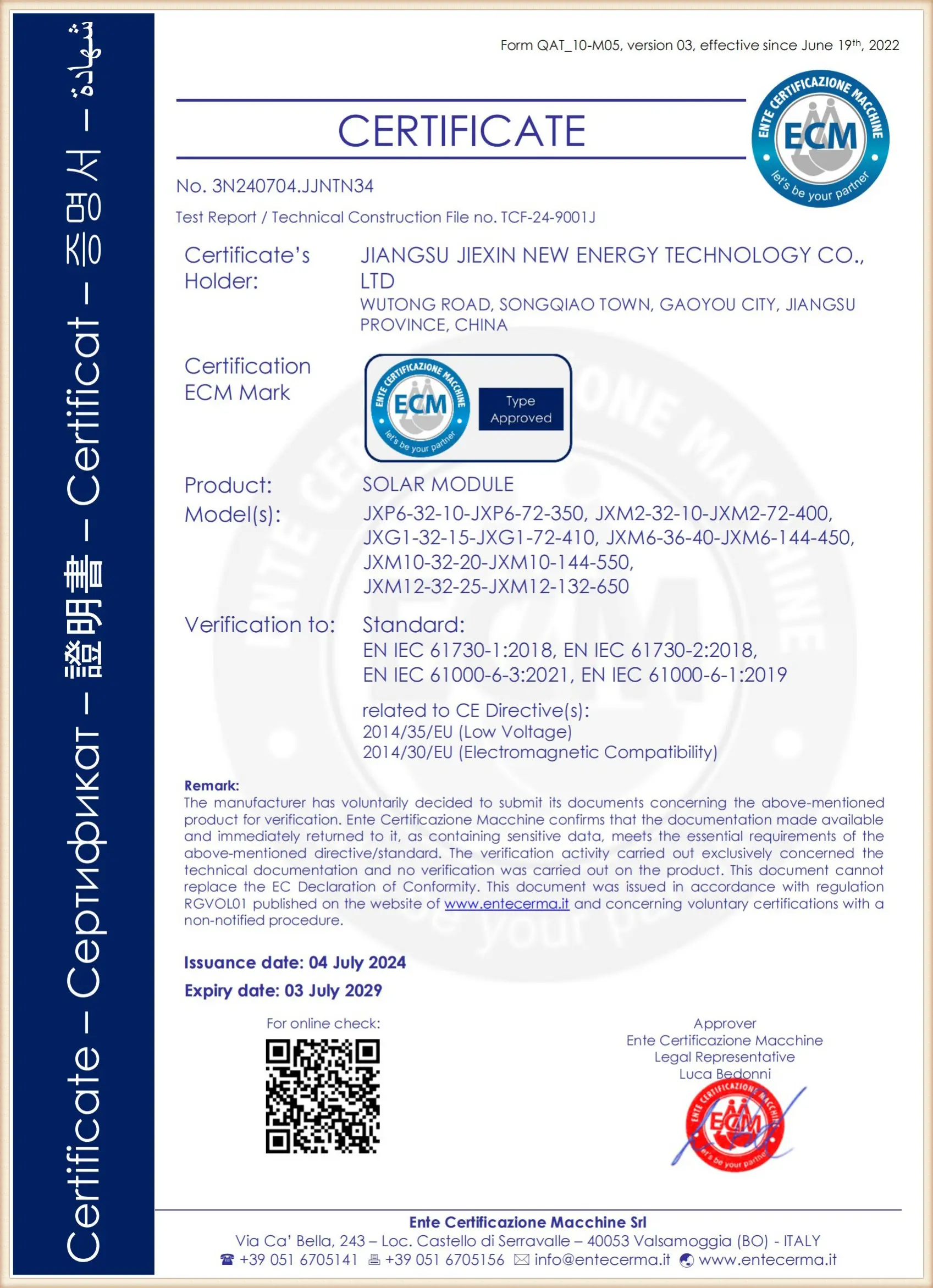
For international buyers looking to secure contracts for cabin development projects, utility-scale off-grid assets, or commercial distributor channels, navigating MOQ (Minimum Order Quantity), port logistics, and quality assurance is critical. Direct OEM/ODM partnerships with established Chinese manufacturers assure adherence to ISO 9001, CE, TUV, and UL certifications.
A cabin's geographical position dictates its component requirements. Implementing a standard home solar configuration in an alpine, desert, or maritime setting without customized modifications risks premature system breakdown.
Challenges: Sub-zero temperatures, intense snow cover, short winter days.
Solution: High-angle dual-glass N-Type bifacial solar panels to capture ground-reflected albedo light. Lithium batteries must feature built-in smart heating systems or be placed in climate-controlled utility spaces to prevent lithium plating during sub-zero charges.
Challenges: Salt mist corrosion, Potential Induced Degradation (PID).
Solution: Monocrystalline glass-glass modules with polyurethane composite or heavy-anodized 6005-T6 aluminum frames. All electrical enclosures should carry IP67/IP68 ratings, paired with anti-PID PV modules to resist performance degradation.
Challenges: Elevated temperature coefficients, persistent dust, high UV index.
Solution: N-Type TOPCon panels which have a lower temperature coefficient (-0.30%/°C) compared to standard PERC (-0.35%/°C). Standardizing dust-shedding frame designs helps prevent dust gathering at module corners, mitigating hot-spot formations.
Our products deliver reliable power generation across multiple sectors worldwide.
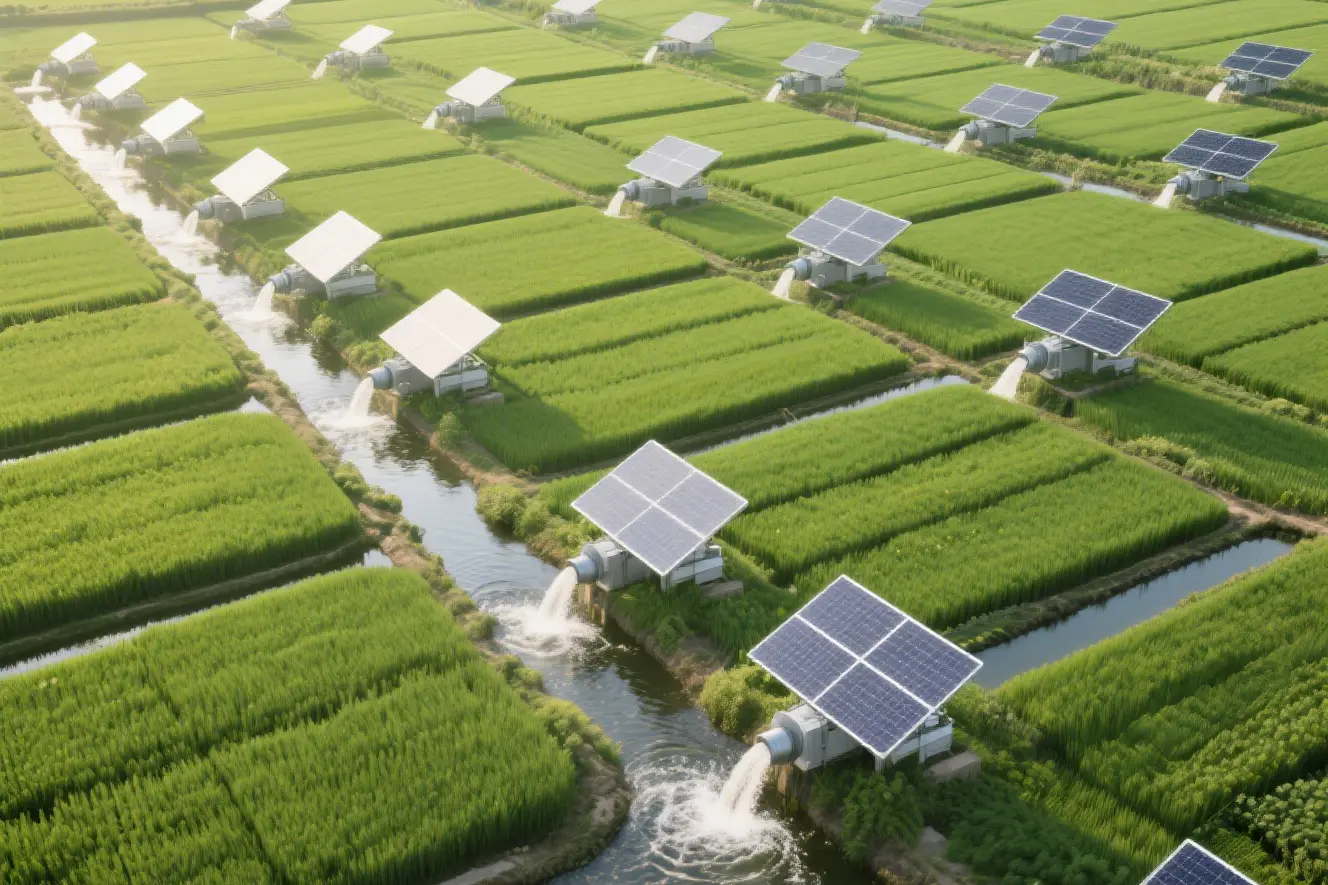
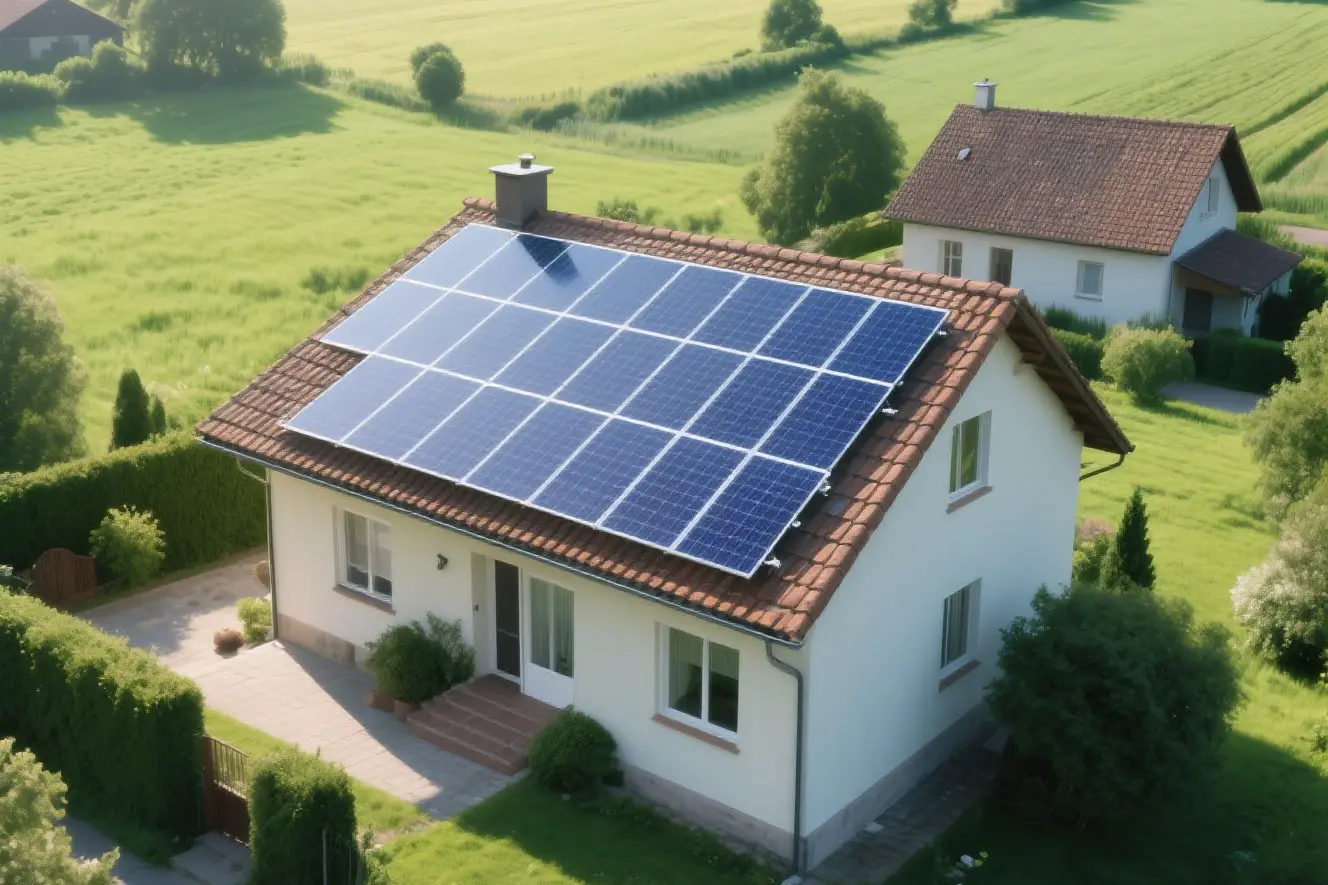
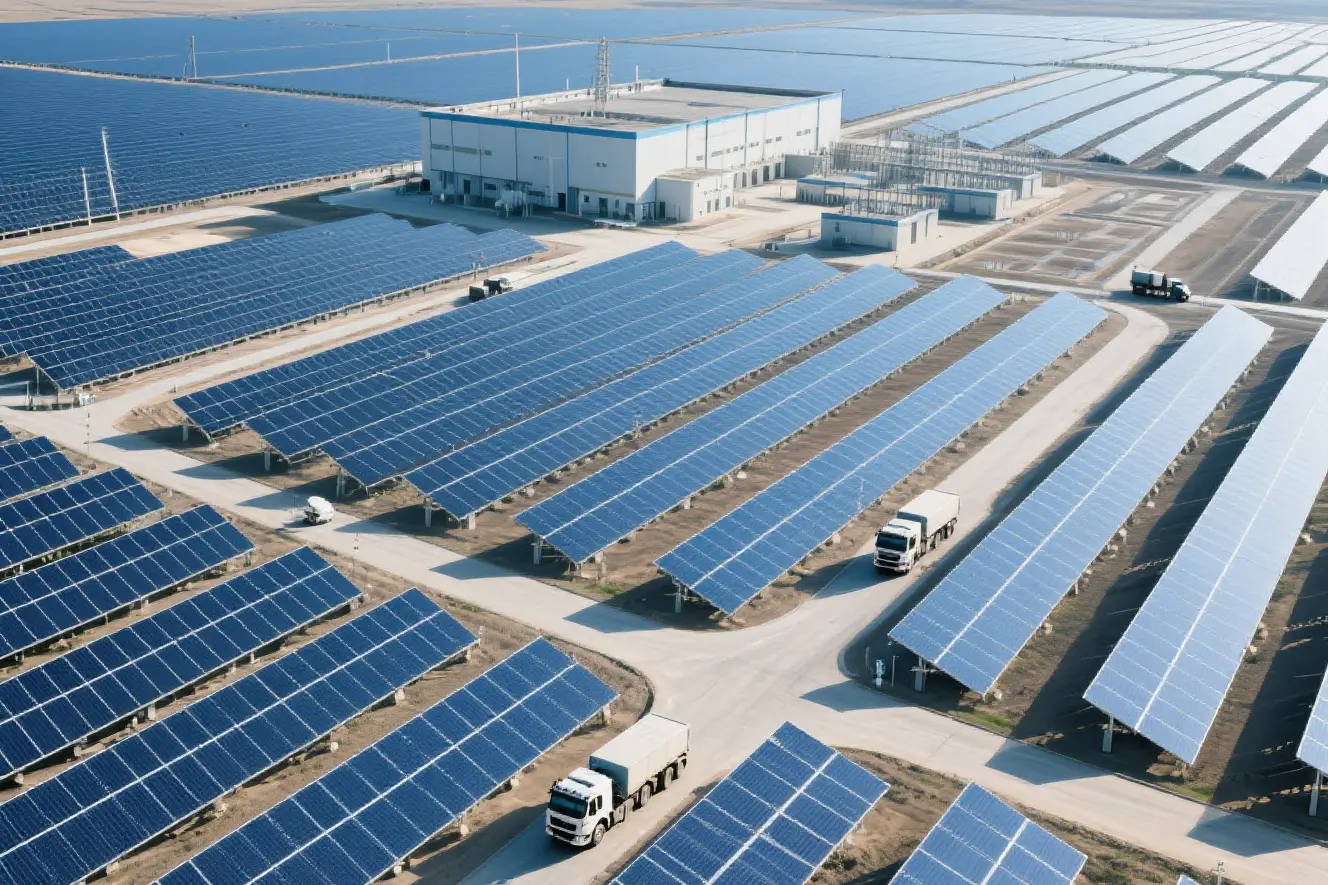
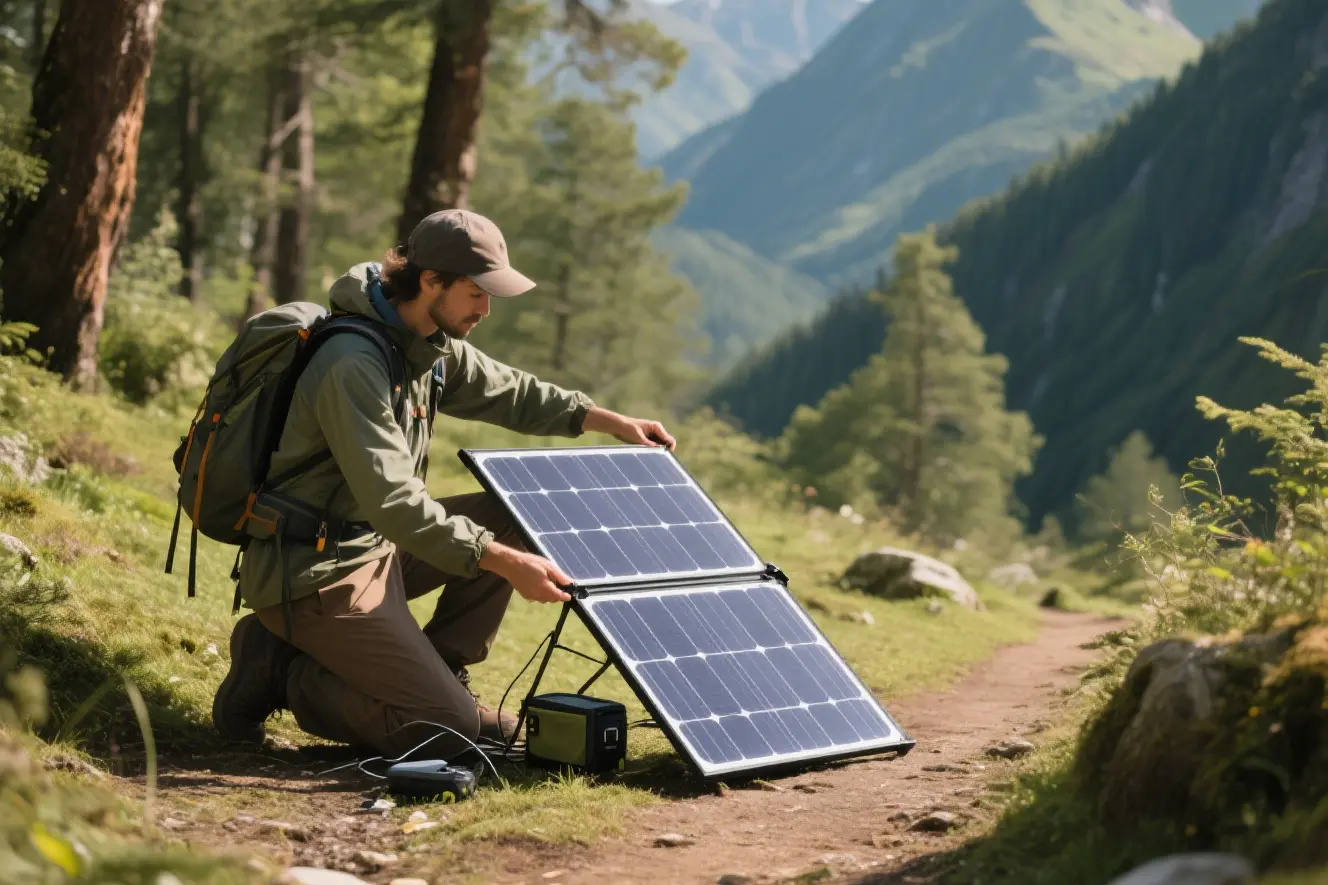
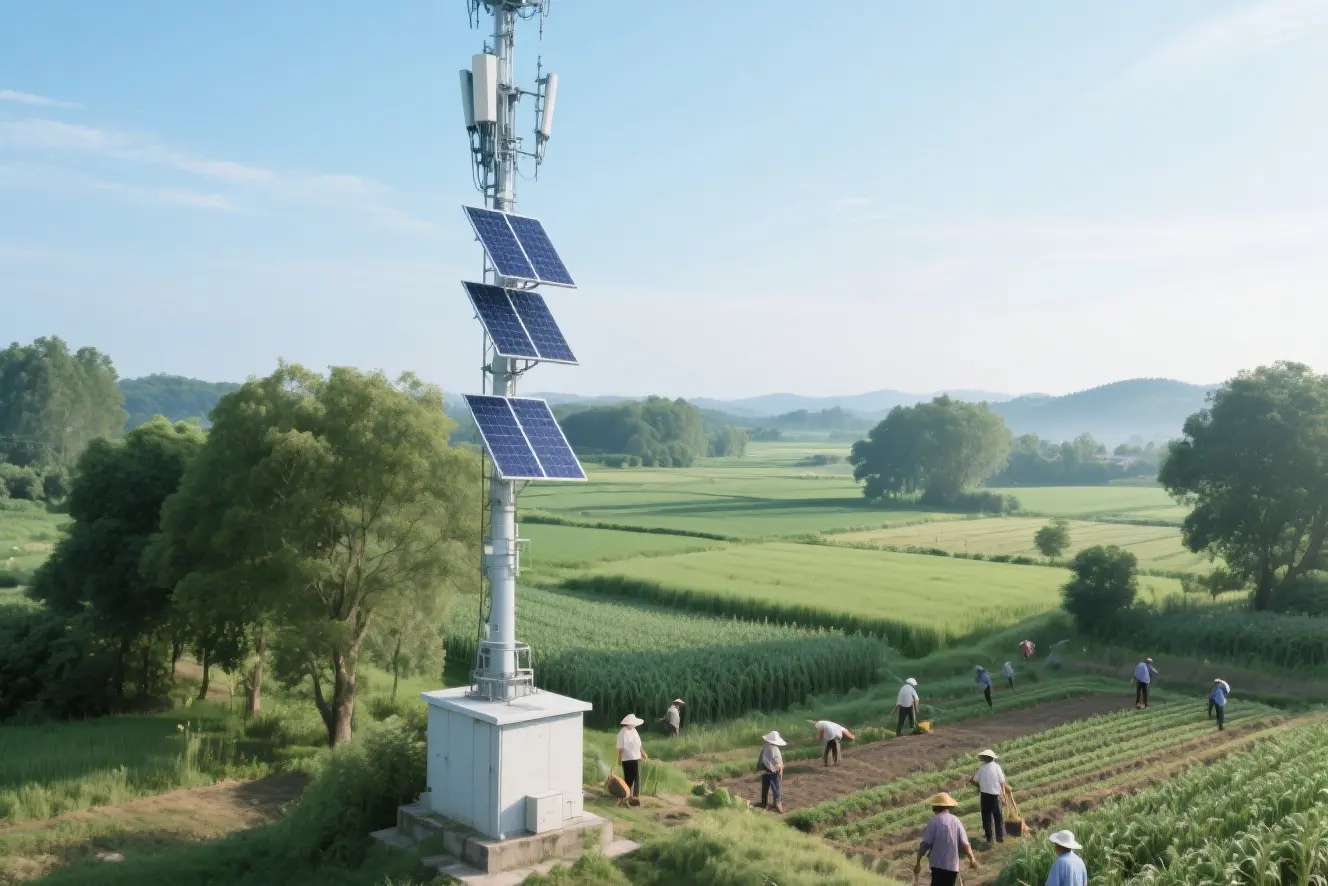
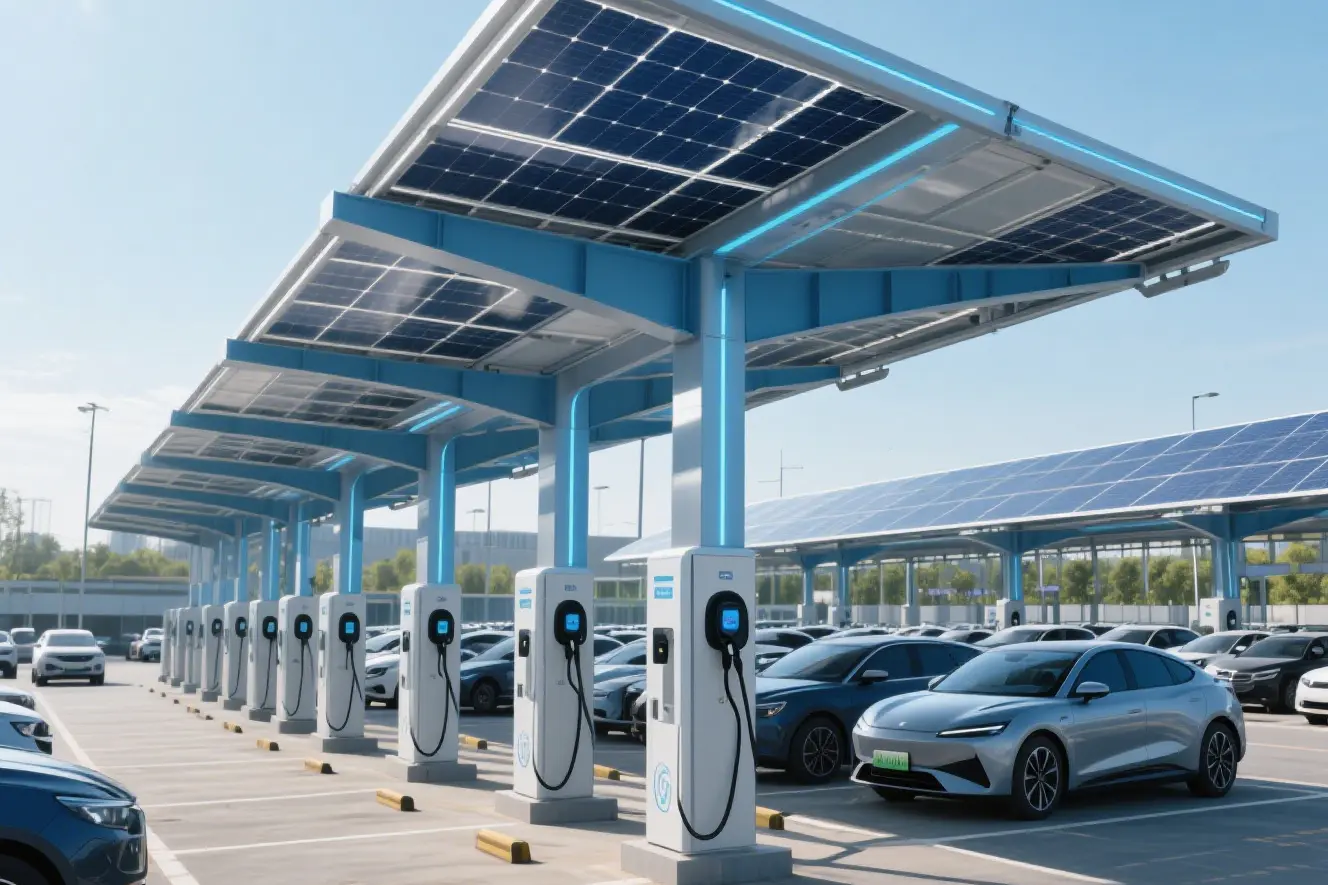
After years of hard work by Yuxin people, it has gradually formed a collectivist and diversified advantage.

International conformity and rigorous quality assurance standards validated by global test houses.
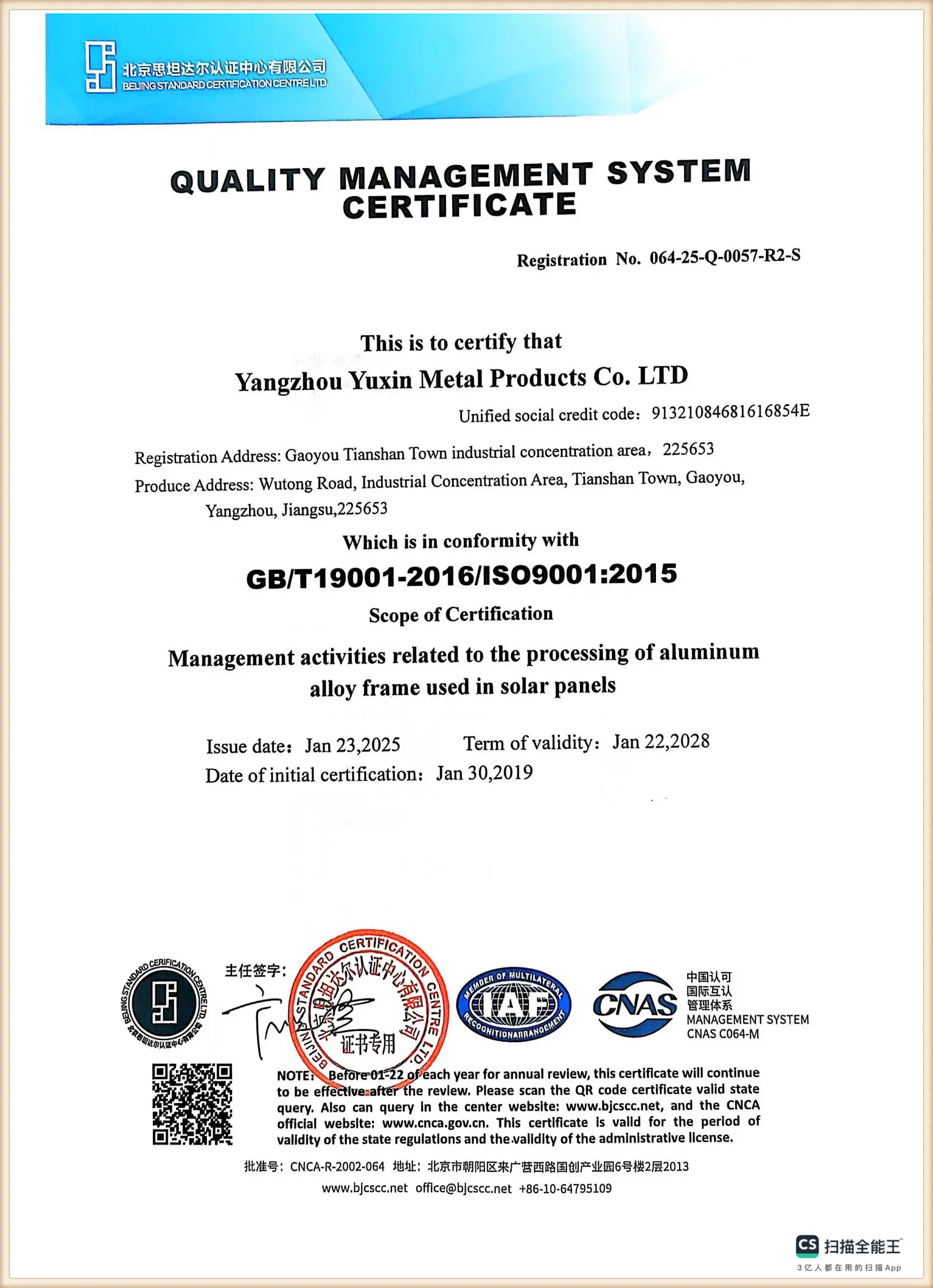
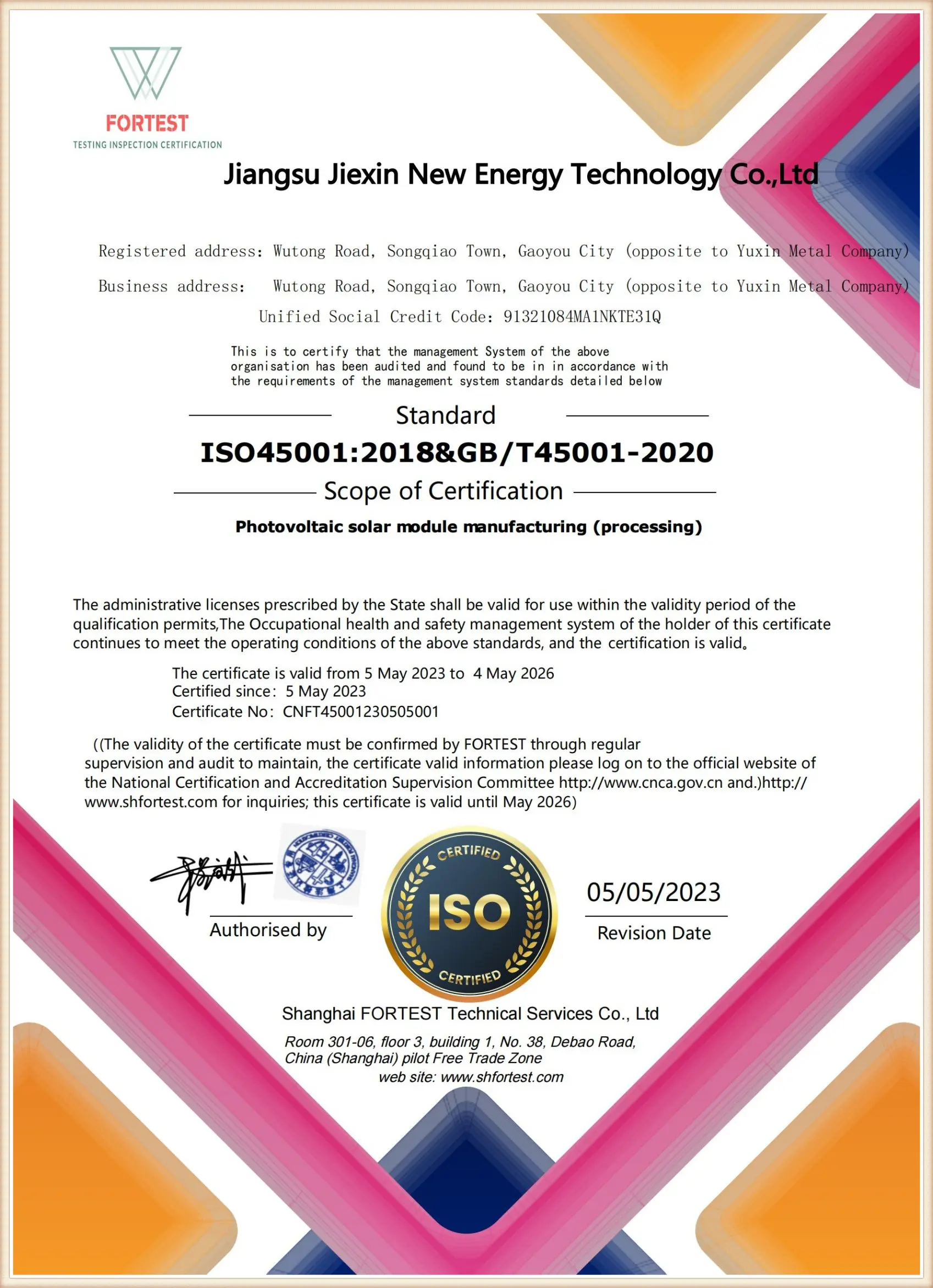
Answering critical technical and economic queries from system installers, distributors, and buyers.
To determine the target panel capacity, calculate your daily energy consumption in watt-hours (Wh), divide by the average peak sun hours of your location, and multiply by a system inefficiency factor (typically 1.25 to 1.30 to cover inverter, cabling, and battery losses). Sizing should also consider winter solar availability, which is generally 50-70% lower than summer values.
N-type TOPCon modules offer higher efficiency ratings (up to 22.5%+) and lower degradation rates over time (less than 1% in year one and 0.4% annually thereafter). They perform better in low-light and high-temperature conditions, resulting in higher power yields during overcast winter days and hot summer afternoons.
Traditional anodized aluminum frames (such as 6063-T5 or 6005-T6) provide strong structural rigidity for general setups. However, for coastal, forest, or highly humid cabin locations, Sustainable Polyurethane Pultruded Composite frames provide superior chemical resistance, eliminate the risk of frame-induced galvanic corrosion, and offer excellent electrical insulation.
For major export orders, standard manufacturing timelines range between 15 to 25 days depending on the customization requested. Standard shipping configurations are arranged via FOB (Free On Board) or CIF (Cost, Insurance, and Freight) from major ports like Shanghai or Ningbo, with full compliance documentation provided for custom clearance.
Stay informed with the latest technological developments in solar framing and module manufacturing.
Jiangsu Yuxin will keep pace with the society and the times, adhering to the core values of "pragmatic and enterprising, reform and change, people-oriented, and win-win cooperation", creating a future for employees, creating benefits for partners, and creating value for society.
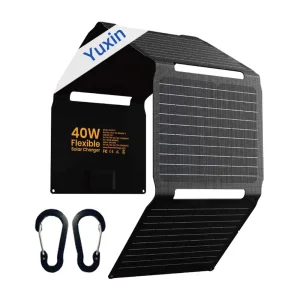
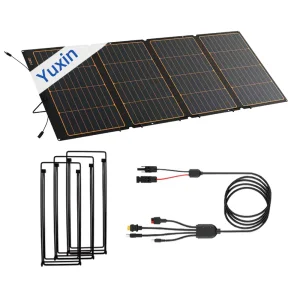
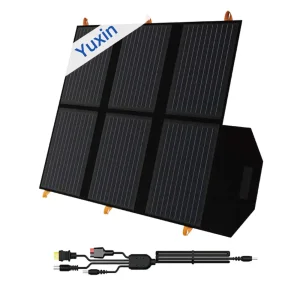
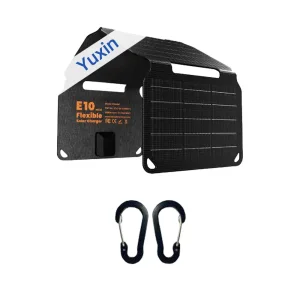
Essential structures, composite frames, and lightweight camping backup kits for complete system integrity.