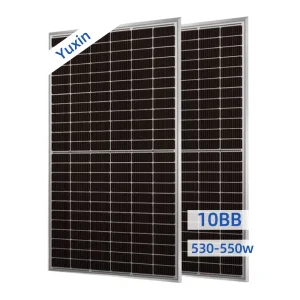
Explore our leading-edge solar panels, modular batteries, and systems designed to withstand heavy cyclic loads during persistent grid failure.
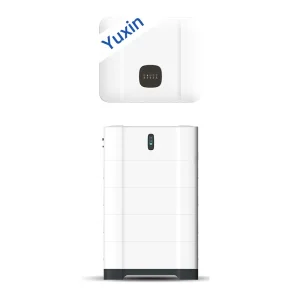
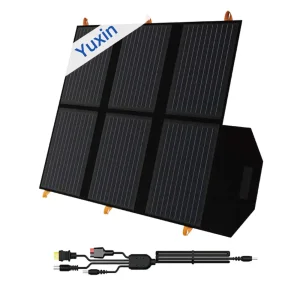
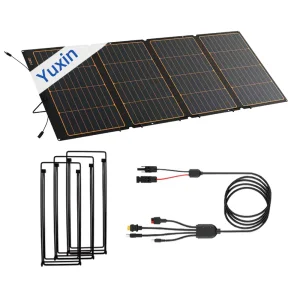
An in-depth look at load shedding mitigation, cost dynamics, and critical grid integration strategies.
As transmission infrastructure lags behind rapid urbanization and industrial development, utility grids globally face unprecedented capacity constraints. In regions like sub-Saharan Africa, parts of South Asia, and sections of South America, scheduled rolling power blackouts—commonly termed load shedding—have evolved from a temporary crisis management mechanism to a permanent threat to business continuity. The economic cost of load shedding is massive, damaging heavy manufacturing, telecommunications, cold chain storage, and critical commercial complexes. Finding a stable, affordable, and high-capacity system has become a survival imperative for businesses.
A "Discount Battery System For Load Shedding" is not just about cheaper batteries; it represents a manufacturing breakthrough in maximizing Levelized Cost of Storage (LCOS). By utilizing standard cell form factors, vertical supply chain integration, and automated production, manufacturers can deliver industrial-grade energy storage systems (ESS) at a competitive cost. This enables grid-tied enterprises, small-to-medium manufacturing companies, and infrastructure managers to deploy reliable backup systems without high upfront costs.
The reliance on national power grids without localized backup has become a high-risk operational strategy. In South Africa, Eskom's load shedding cycle has historically cost the economy billions of Rands daily, forcing companies to look for commercial-scale backup installations. Similarly, in South Asia and Latin America, grid instability, high transmission losses, and extreme weather events create sudden voltage drops and frequency variations. Modern automated manufacturing facilities—such as CNC machining, plastics extrusion, and pharmaceutical production—cannot tolerate even millisecond-level power fluctuations. A sudden outage can cause raw material wastage, damage high-precision equipment, and lead to days of system re-calibration.
Historically, diesel generators were the primary solution. However, rising fuel costs, strict emissions regulations, high maintenance needs, and noise pollution make diesel generators less viable for long-term use. Consequently, hybrid systems combining solar PV, high-performance battery systems, and intelligent energy management systems (EMS) are taking over. Implementing a high-performance battery storage system allows businesses to store cheap solar energy or off-peak grid energy and deploy it instantly when load shedding occurs, cutting peak demand charges and providing zero-millisecond transfer times.
LFP chemistry remains the preferred choice for stationary C&I energy storage. With thermal runaway thresholds exceeding 270°C and a cycle life often reaching over 6,000 cycles at 80% Depth of Discharge (DoD), LFP systems offer safety and long-term cost benefits for repetitive daily backup cycles.
Advanced Microgrid Controllers facilitate seamless switching between grid-interactive and islanding modes. Integrating intelligent EMS keeps the facility online during grid drop-offs by managing load prioritization in real-time.
LCOS measures the total lifetime cost of a battery system divided by its cumulative energy output. Selecting optimized manufacturing structures, such as Yuxin's consolidated supply chains, lowers initial CAPEX, reducing overall LCOS for a faster ROI.
To evaluate a battery system for load shedding, engineering teams must look closely at battery chemistry, thermal management, and integration capabilities. While lead-acid batteries have a low initial cost, they fail under load shedding conditions due to slow recharge rates and a short cycle life (typically 500-1500 cycles at 50% DoD). Running lead-acid batteries through multiple daily load-shedding cycles leads to rapid capacity loss, requiring replacement within 18 to 24 months.
In contrast, modern Lithium Iron Phosphate (LiFePO4) technology supports rapid charging (often 0.5C to 1C), allowing the battery to fully recharge in 2-4 hours between outages. LFP also features a flat discharge curve, ensuring stable voltage output to high-frequency inverters even at low states of charge. Additionally, emerging technologies like Sodium-ion (Na-ion) are gaining interest for B2B applications due to their safety at low temperatures and supply chain stability. For heavy-duty C&I load shedding applications, LFP remains the standard for safety, cycle life, and value.
Modern battery designs also integrate advanced liquid cooling or forced-air thermal management. Because charging and discharging generate heat, maintaining cells within their optimal temperature zone (15°C to 30°C) is critical. Effective thermal management prevents local hot spots, halts chemical aging, and avoids thermal runaway, ensuring the system remains safe and reliable over years of high-demand use.
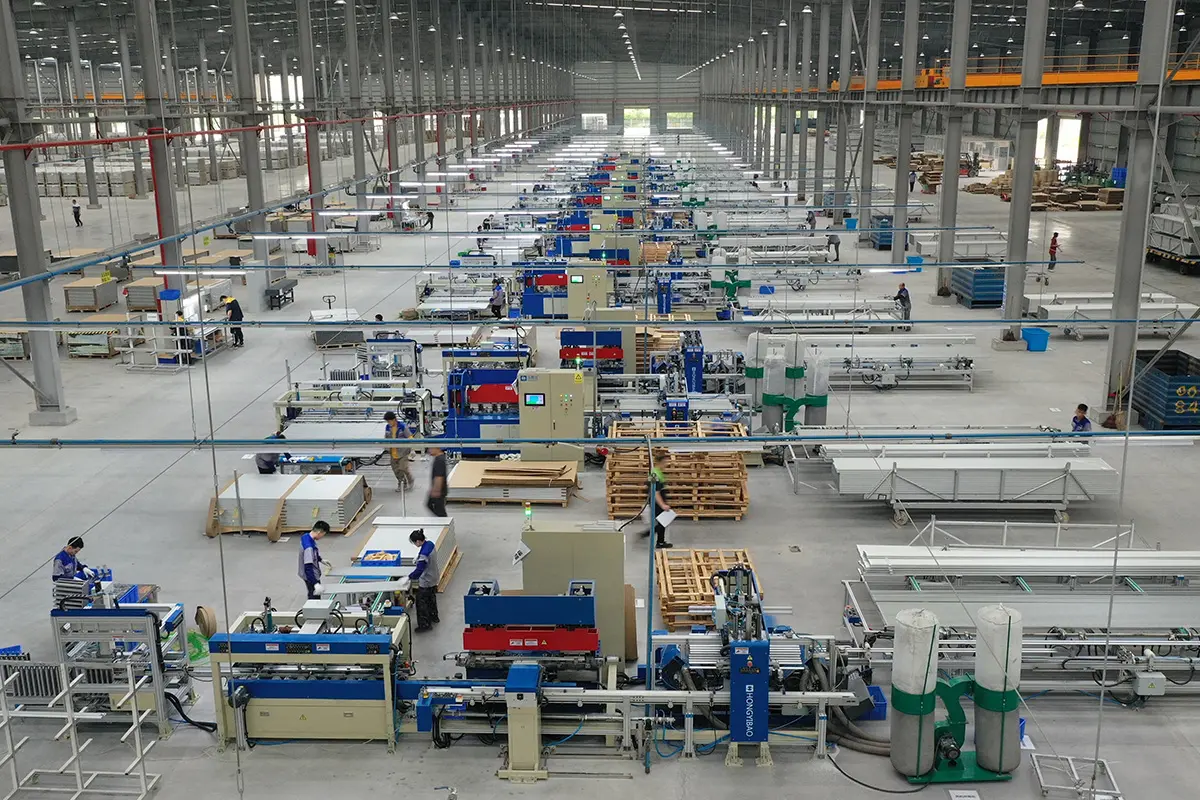
Advanced Production Lines
Annual Sales Revenue
Annual Export Volume
Maximum Production Capacity
Battery backup installations must be configured based on the specific load profiles of the application. Below are four key scenarios where commercial battery systems protect businesses during grid outages:
Large manufacturing plants use battery storage to lower peak demand charges by drawing power during cheaper off-peak hours and discharging it during peak times. When load shedding strikes, the system transitions to backup power instantly, keeping automated assembly lines running and preventing costly downtime.
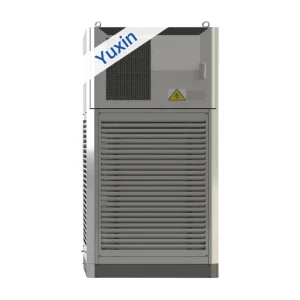
Telecom towers in remote or grid-unstable areas require continuous power. Small, ruggedized modular battery cabinets are installed to maintain connectivity, designed to withstand wide outdoor temperature ranges and run reliably with minimal maintenance.
Farms and processing plants rely on constant power to run irrigation pumps and preserve perishables. Coupling solar PV with battery storage ensures cold storage facilities remain operational through extended outages, protecting inventory and maintaining supply chain stability.
For corporate headquarters and localized data storage, high-voltage battery racks connected to hybrid central inverters provide clean, filtered power, protecting sensitive IT infrastructure from voltage surges and grid dropouts.
The energy storage industry is shifting toward higher energy density, smarter thermal systems, and software-defined battery packs. Key trends include:
Direct supply of components and systems from our state-of-the-art manufacturing facility.
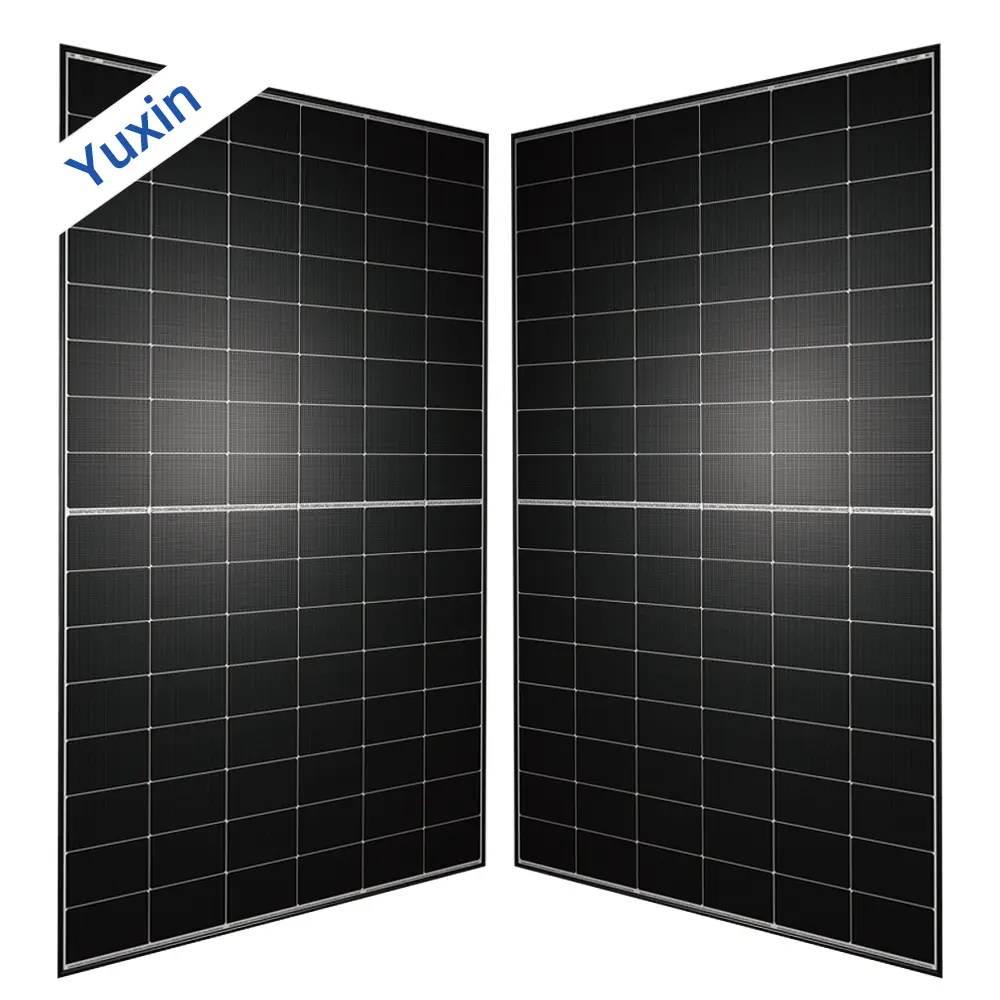
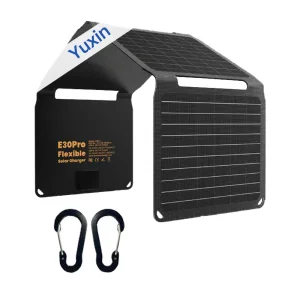
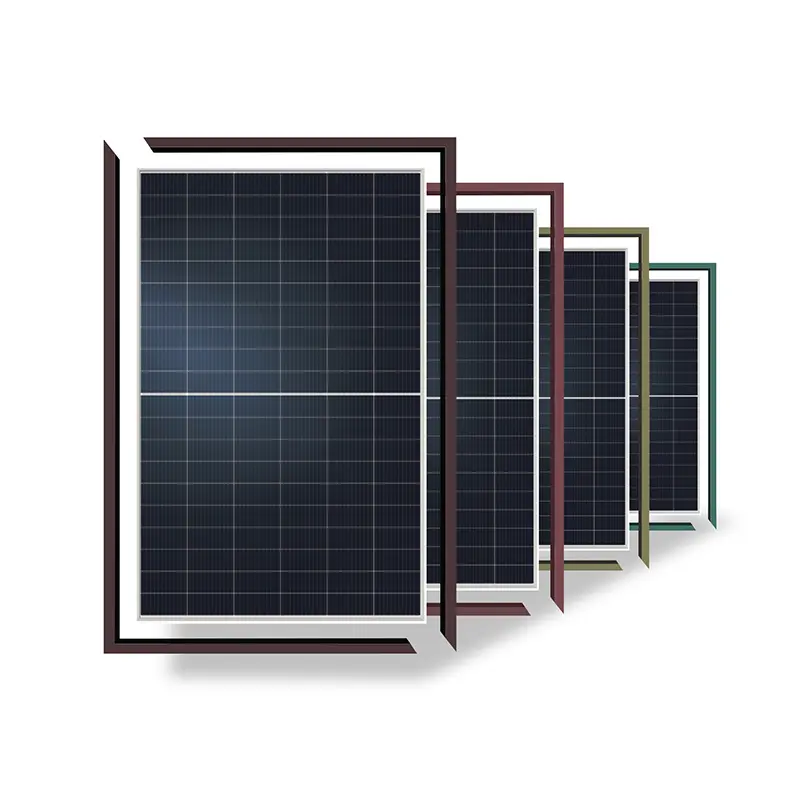
Lightweight design with transparent back panel for easy installation and reduced BOS costs.
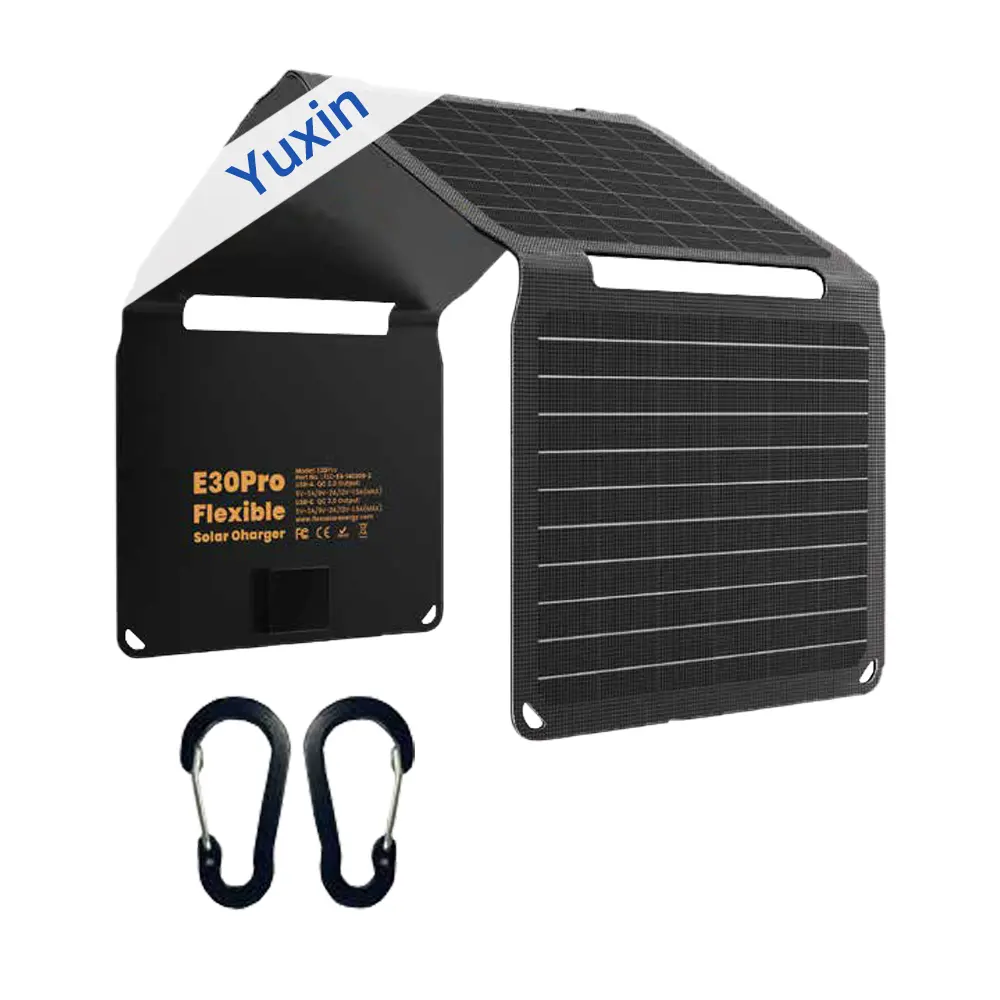
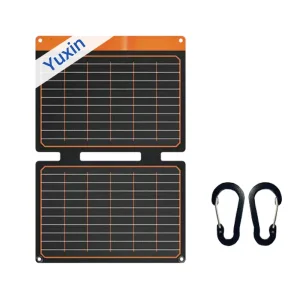
Utilizing advanced monocrystalline silicon cells, it achieves a high energy conversion efficiency of 24%.

Application modes include grid-connected mode, off-grid mode, and integrated grid-connected/off-grid mode.
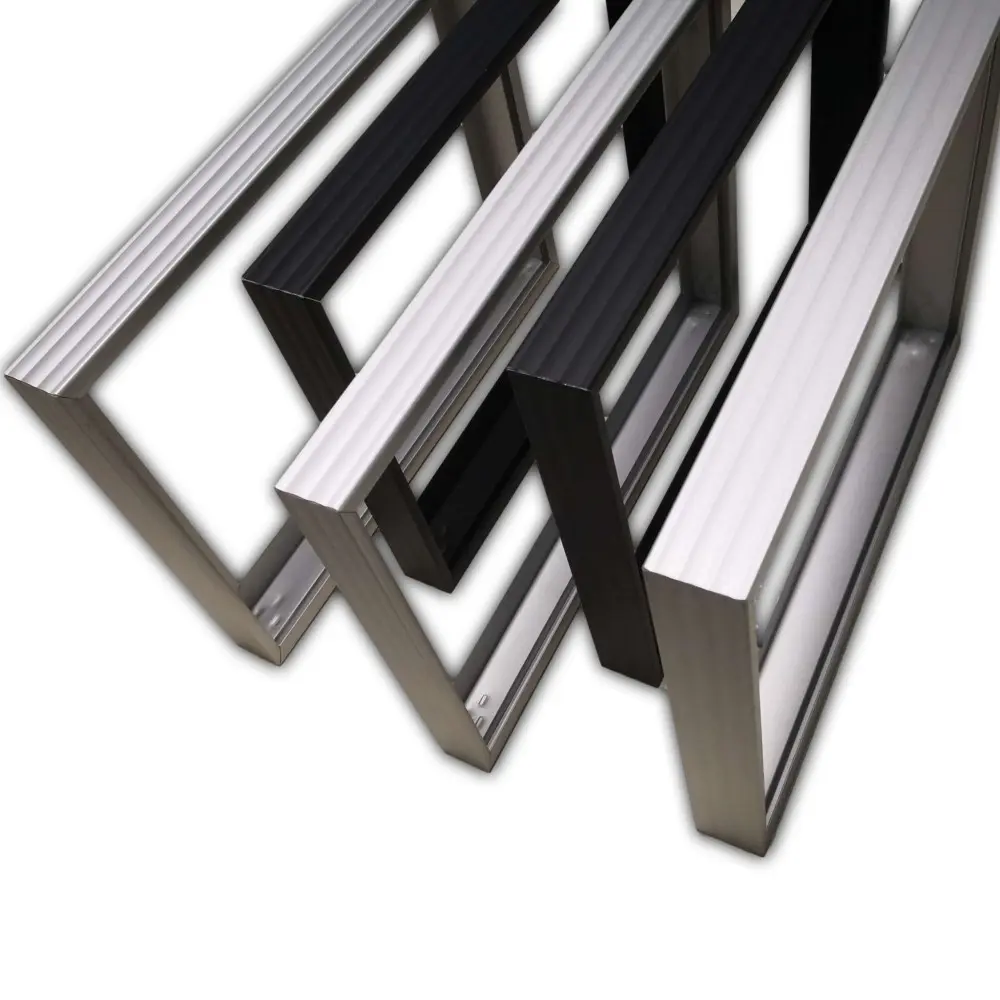
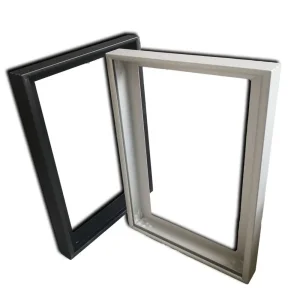
Made of high-quality anodized aluminum, it ensures superior weather resistance and a smooth, long-lasting finish.
Located in the scenic historical and cultural ancient city of Yangzhou, close to the Beijing-Shanghai Expressway, Runyang Yangtze River Bridge, and Ningqi Railway, the group has a superior geographical location and convenient transportation. The group was established in 2008 and has 14 multi-field companies under its jurisdiction, including Jiangsu Yuxin New Energy Technology Co., Ltd., and has won many titles such as National High-tech Enterprise, Technology-based Enterprise, and Gaoyou City Top 100 Private Enterprises.
Energy Storage Technology
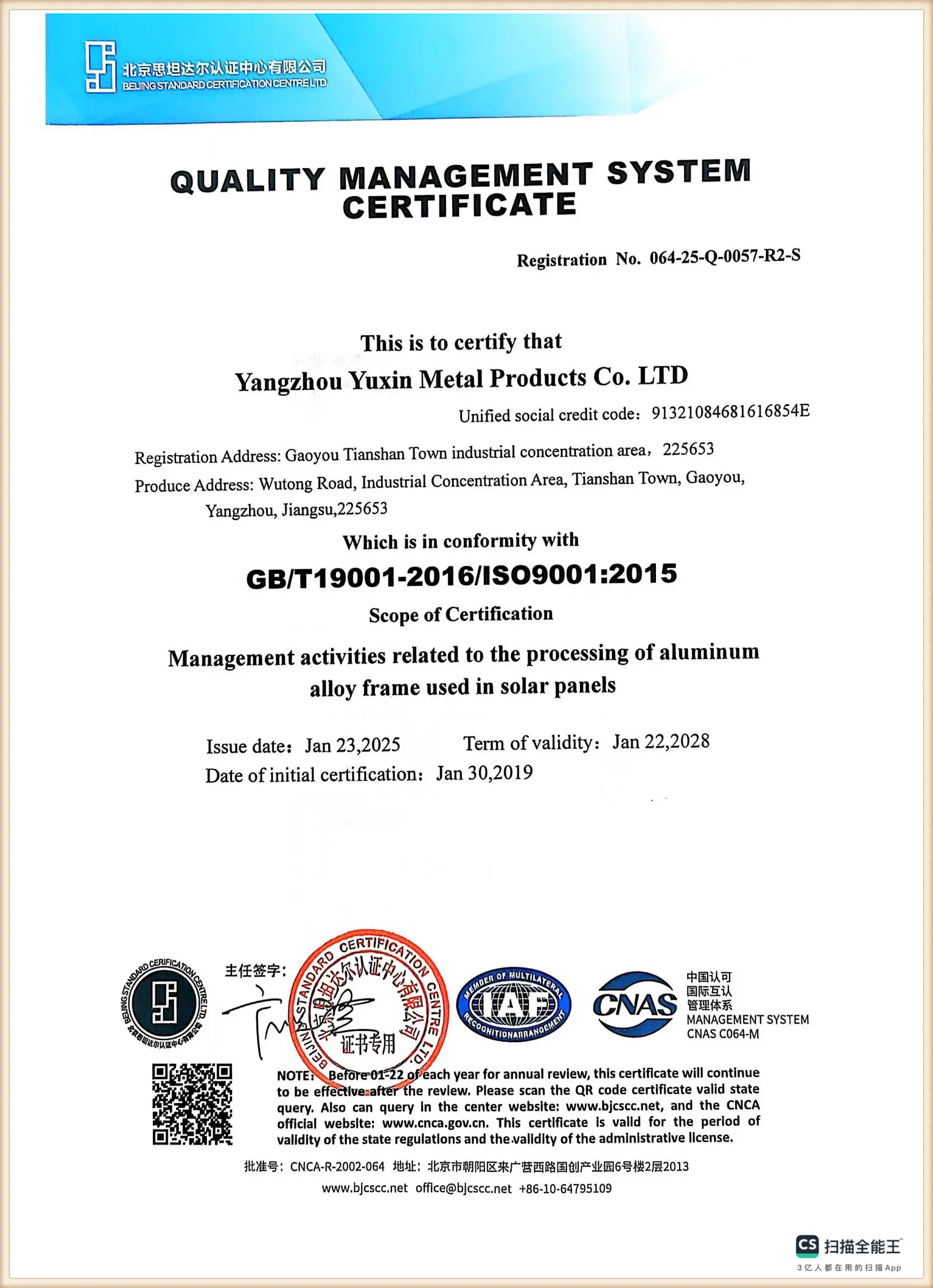
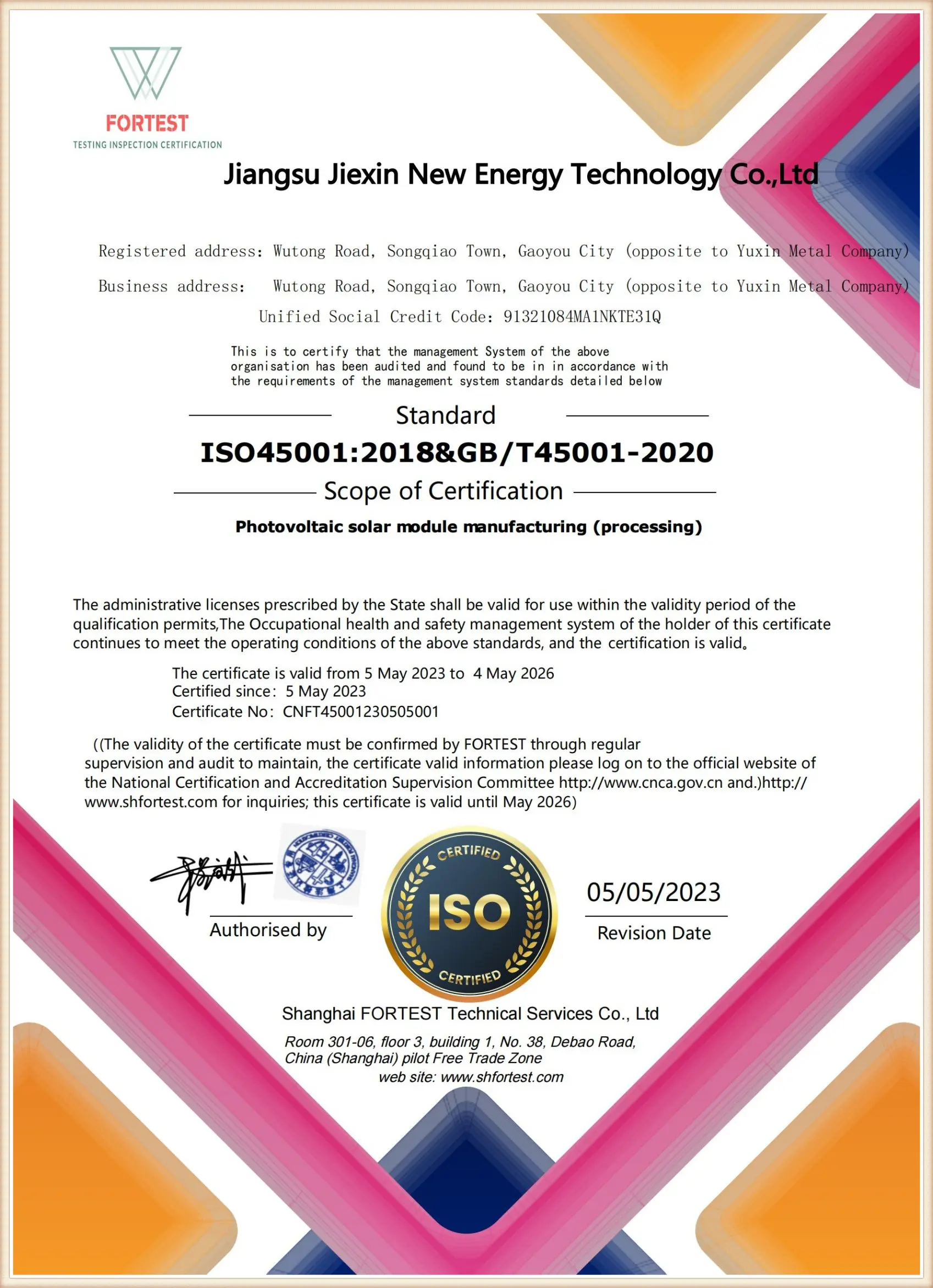
Our products conform to major international testing standards, ensuring safety and compliance across global grids.
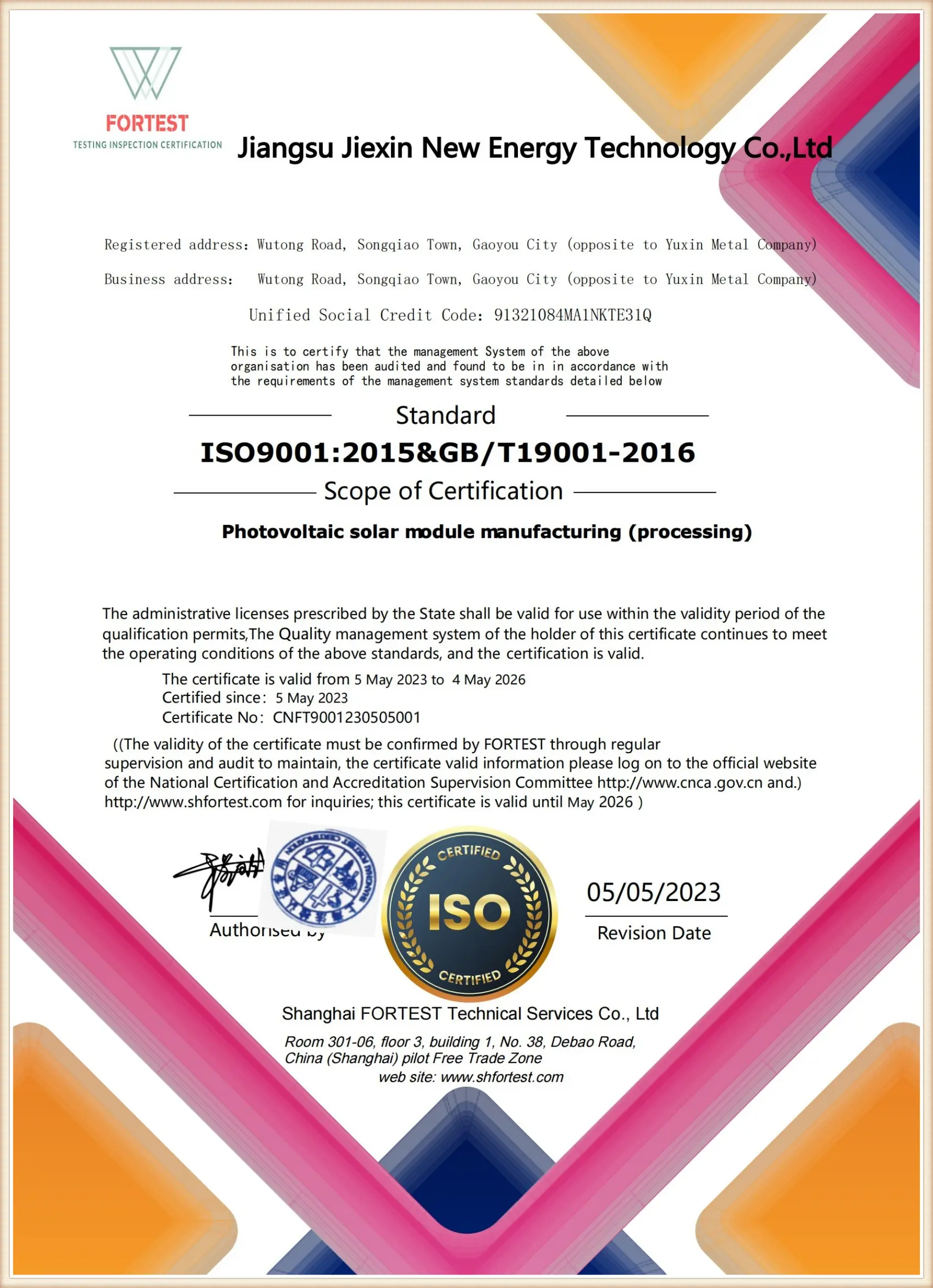
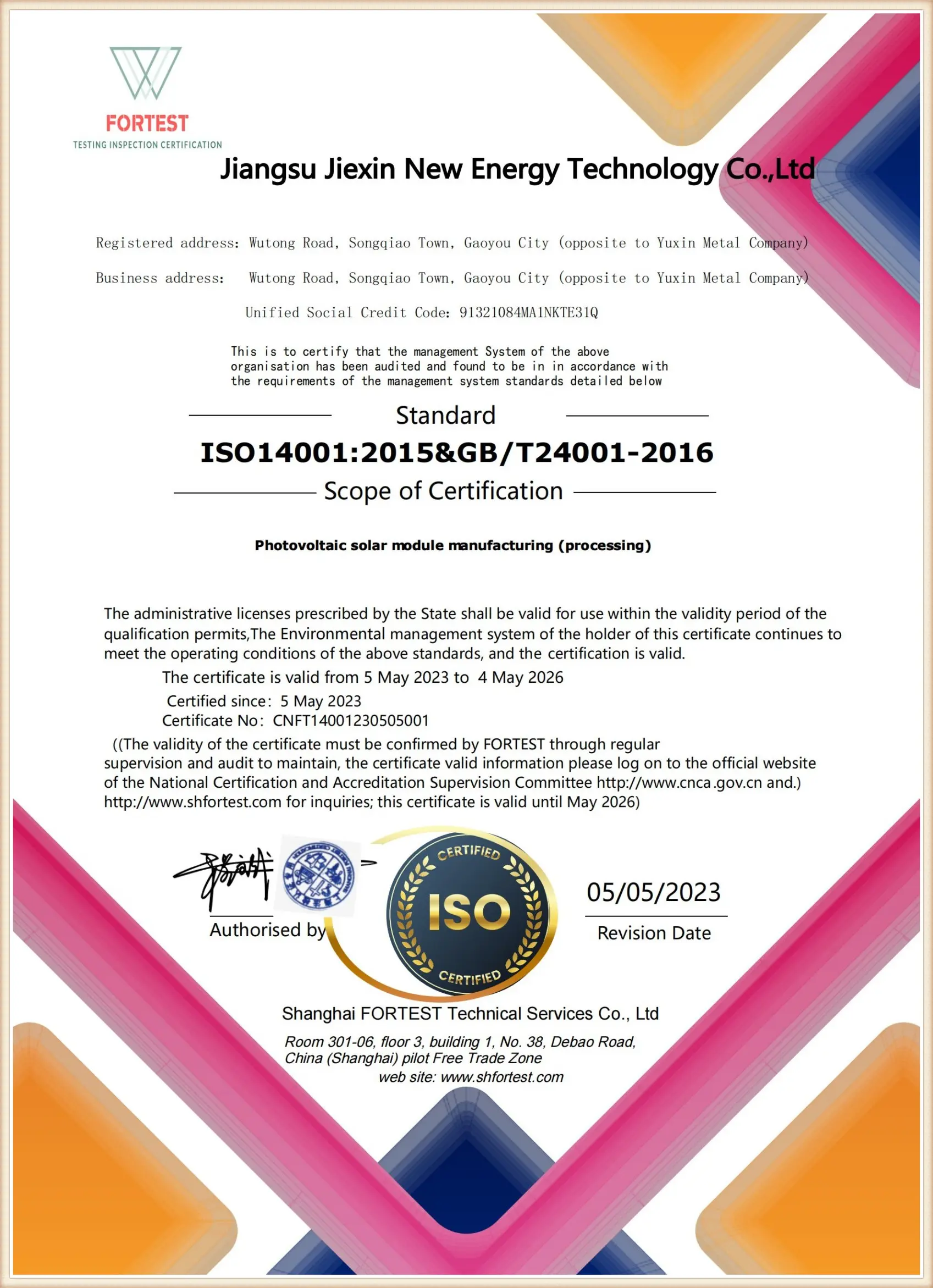
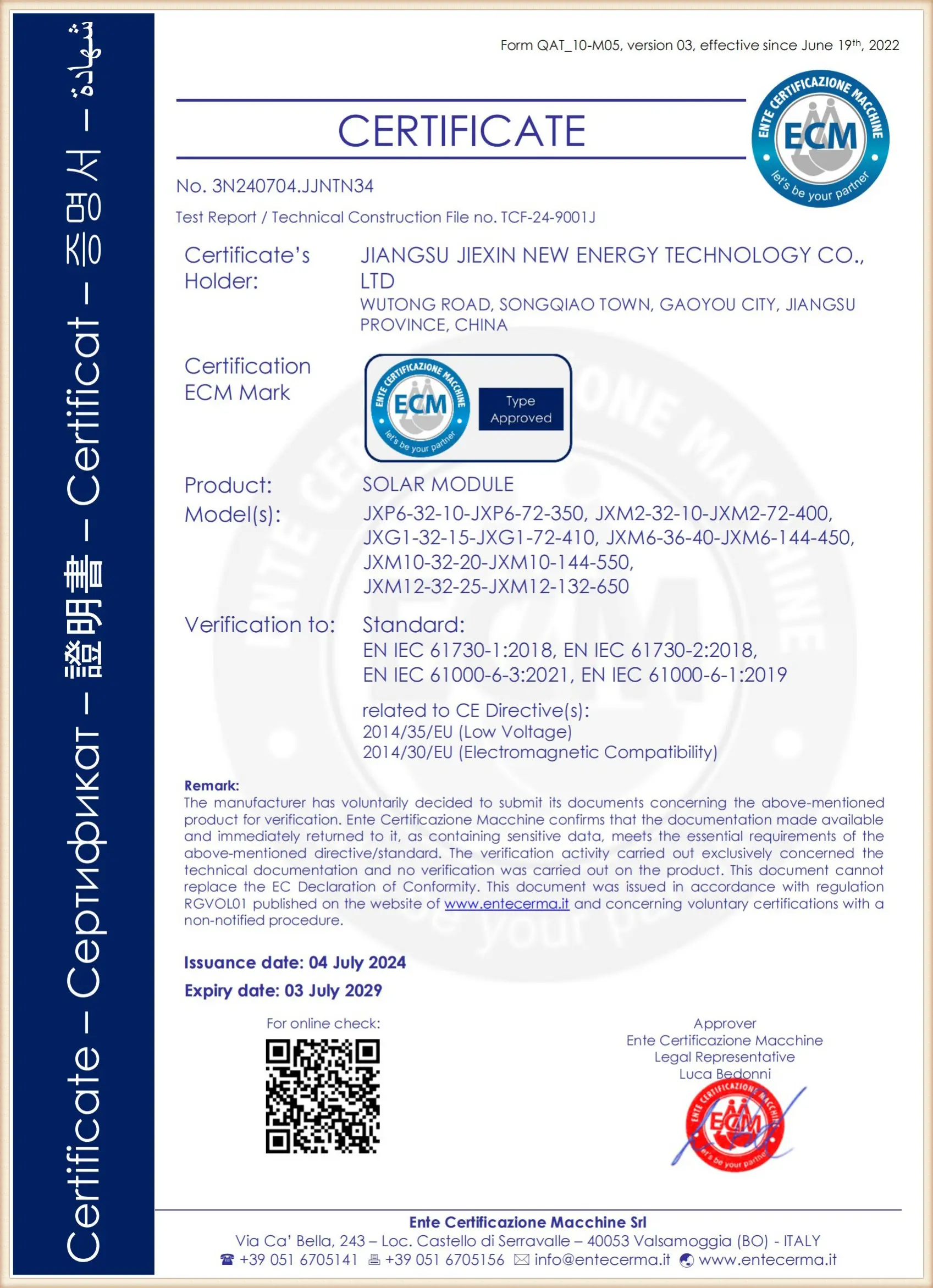
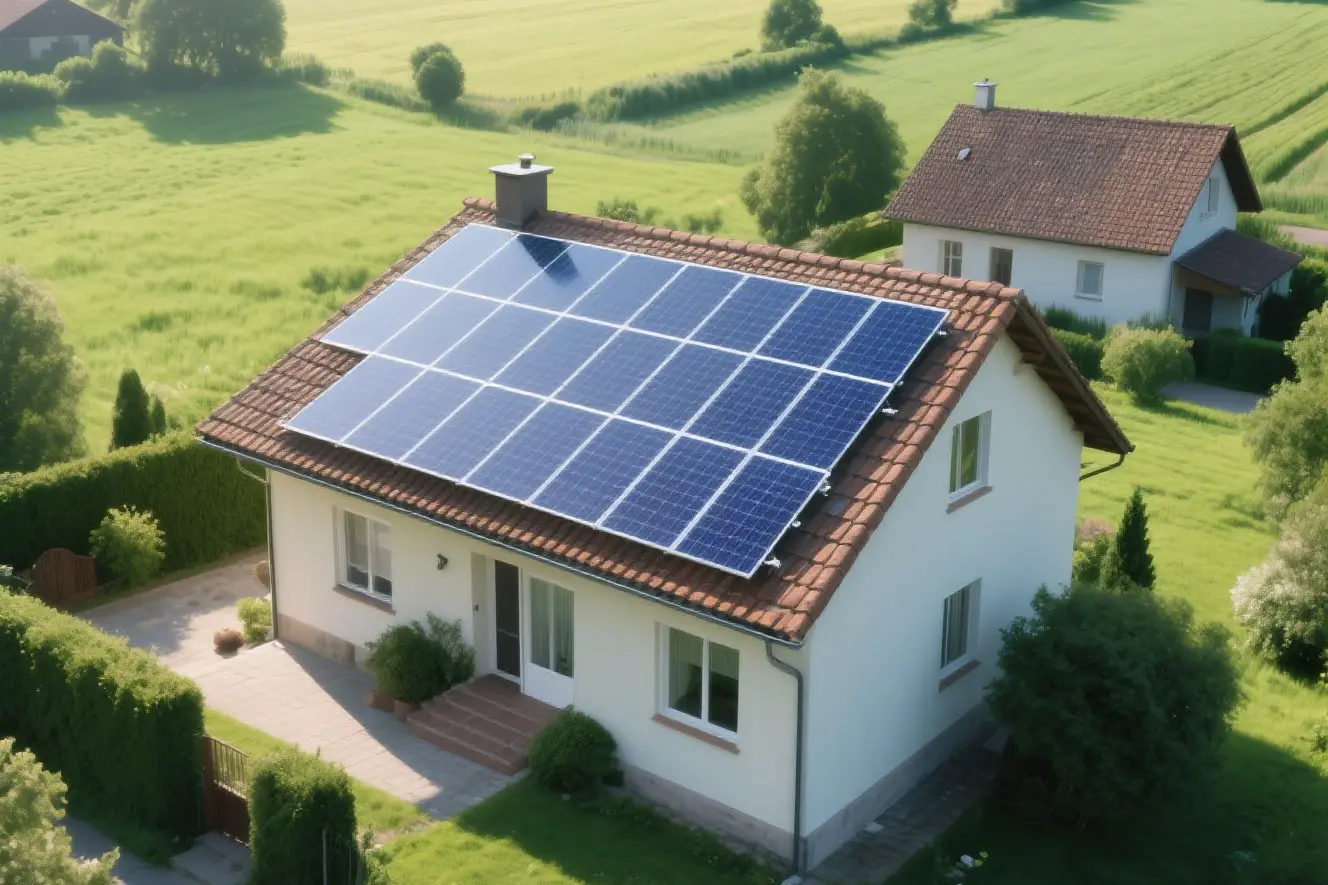
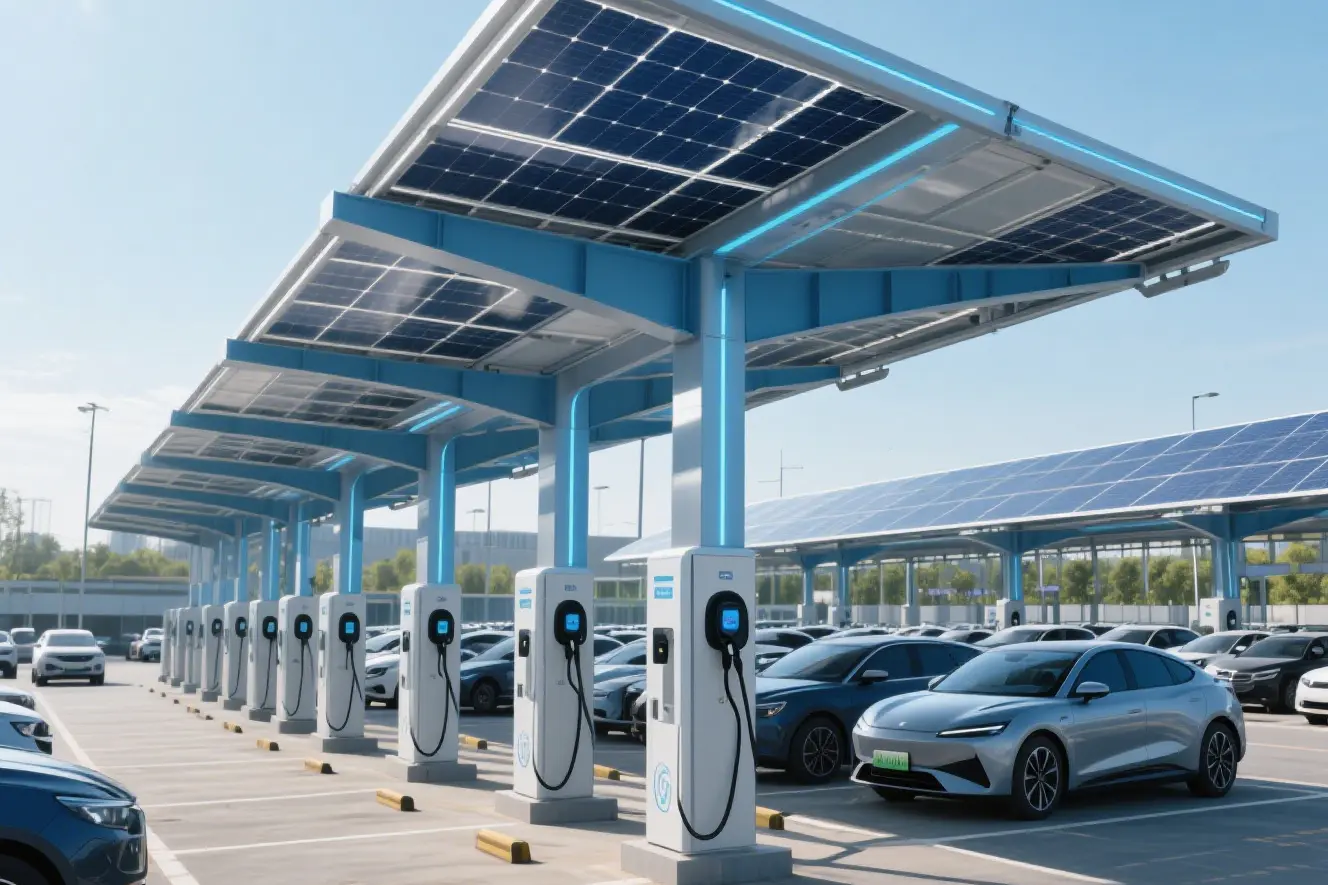
Enabling energy independence and security across diverse economic sectors.

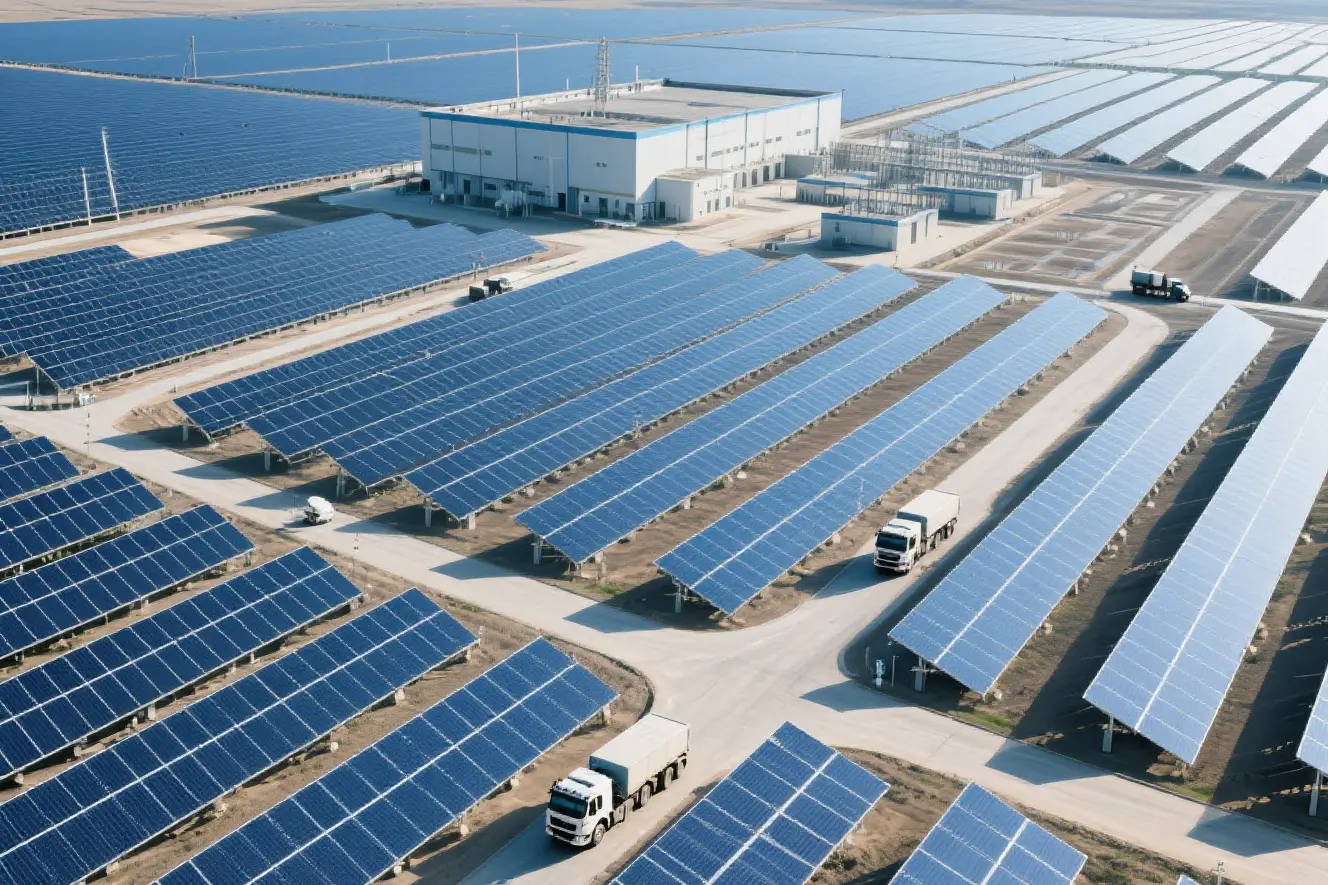

Working alongside leading industry partners to build high-performance energy infrastructure.

Stay updated on renewable technology trends, product innovations, and grid stability solutions.
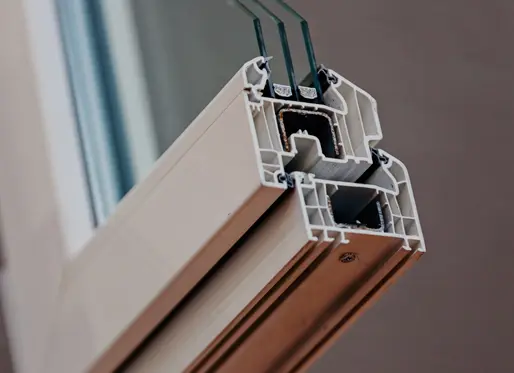
Explore the mechanical and structural requirements for long-lasting solar panel frames under severe environmental stress.
Key criteria for auditing energy storage supply partners, focusing on quality control, material standards, and scalability.
An in-depth look at testing methods for mechanical load, corrosion resistance, and geometric tolerances in solar frames.
Get answers to common technical, commercial, and operational questions about load shedding battery installations.
Lithium Iron Phosphate (LiFePO4) is the current standard for commercial load-shedding applications. Compared to ternary lithium (NMC) and lead-acid batteries, LiFePO4 offers superior safety, high thermal runaway thresholds, and a long cycle life (typically over 6,000 cycles at 80% Depth of Discharge). These batteries support rapid charging and discharging, which is essential during frequent outages, and maintain stable voltage output even at low charge levels.
Peak shaving allows businesses to draw and store electricity from the grid during off-peak hours when rates are lower, or use clean solar energy generated during the day. The battery system then discharges this stored energy during peak-demand periods. This lowers peak demand charges, which are calculated based on the maximum power drawn during peak windows, significantly reducing utility bills.
Levelized Cost of Storage (LCOS) calculated the total lifetime cost of a battery system divided by the cumulative energy it delivers. This includes initial CAPEX, ongoing maintenance, replacement costs, charging energy costs, and disposal. LCOS provides a more accurate metric for long-term economic returns than simple upfront battery purchase costs, allowing businesses to make informed investment decisions.
An intelligent EMS monitors grid status in real-time. In the event of a grid failure, the EMS isolates the facility's local microgrid and switches to battery backup in milliseconds, preventing equipment shutdown. Additionally, it optimizes energy distribution by prioritizing critical loads, such as servers and manufacturing machinery, over non-essential systems like decorative lighting or heating.
Key safety certifications for battery modules and systems include UN38.3 for transport safety, IEC 62619 for industrial applications, and CE or UL1973 compliance. These certifications verify that the battery cells and management systems have undergone rigorous testing for electrical, thermal, and mechanical durability, ensuring safe operation under heavy-duty cyclic use.
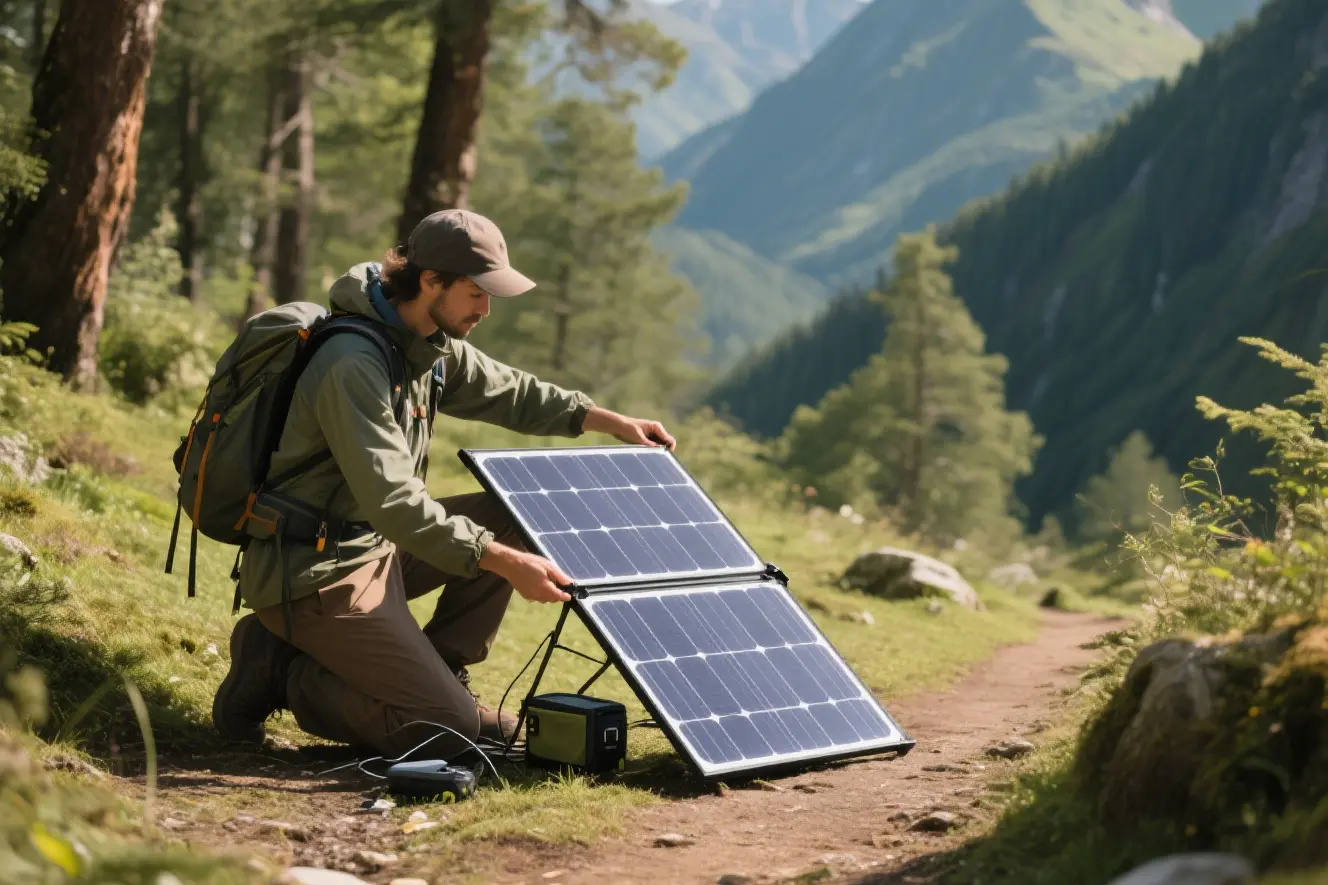
Explore our selection of off-grid modules, high-efficiency solar panels, and portable power systems.