Discount Backup Power For Load Shedding Factory & Quotes

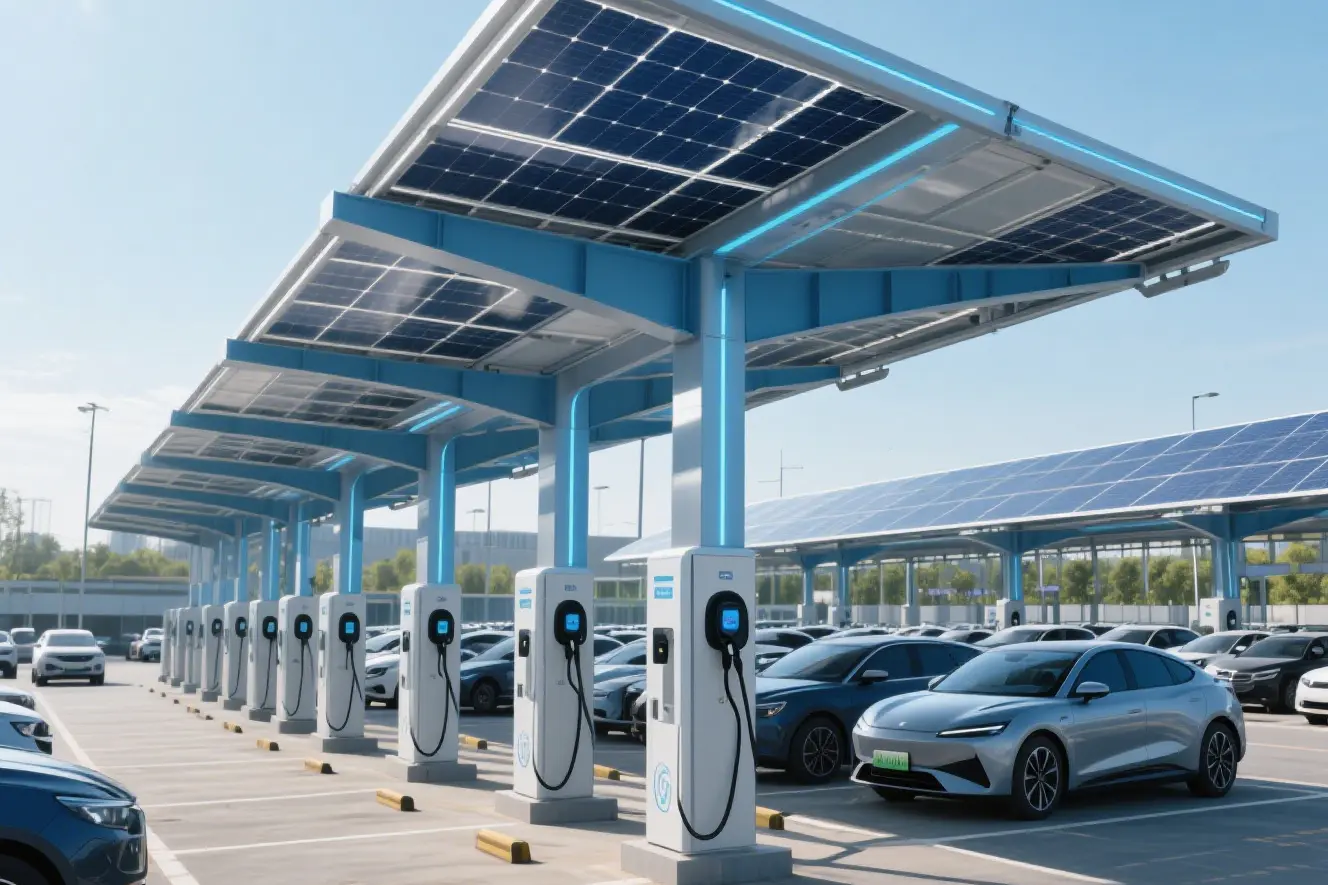
Industrial-Grade Energy Resiliency: Multi-Megawatt Storage Systems & High-Efficiency Solar Architecture Engineered for Uninterrupted Manufacturing Continuity.

Featured Photovoltaic & Backup Infrastructure

Engineered for seamless integration, high conversion efficiency, and extreme weather resilience.
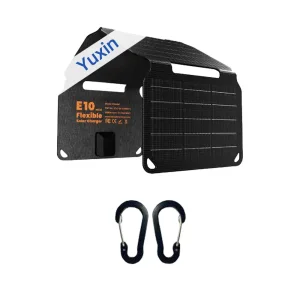
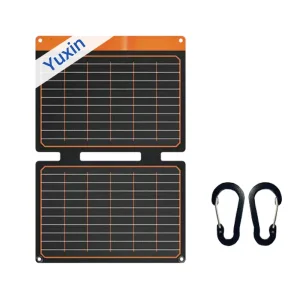
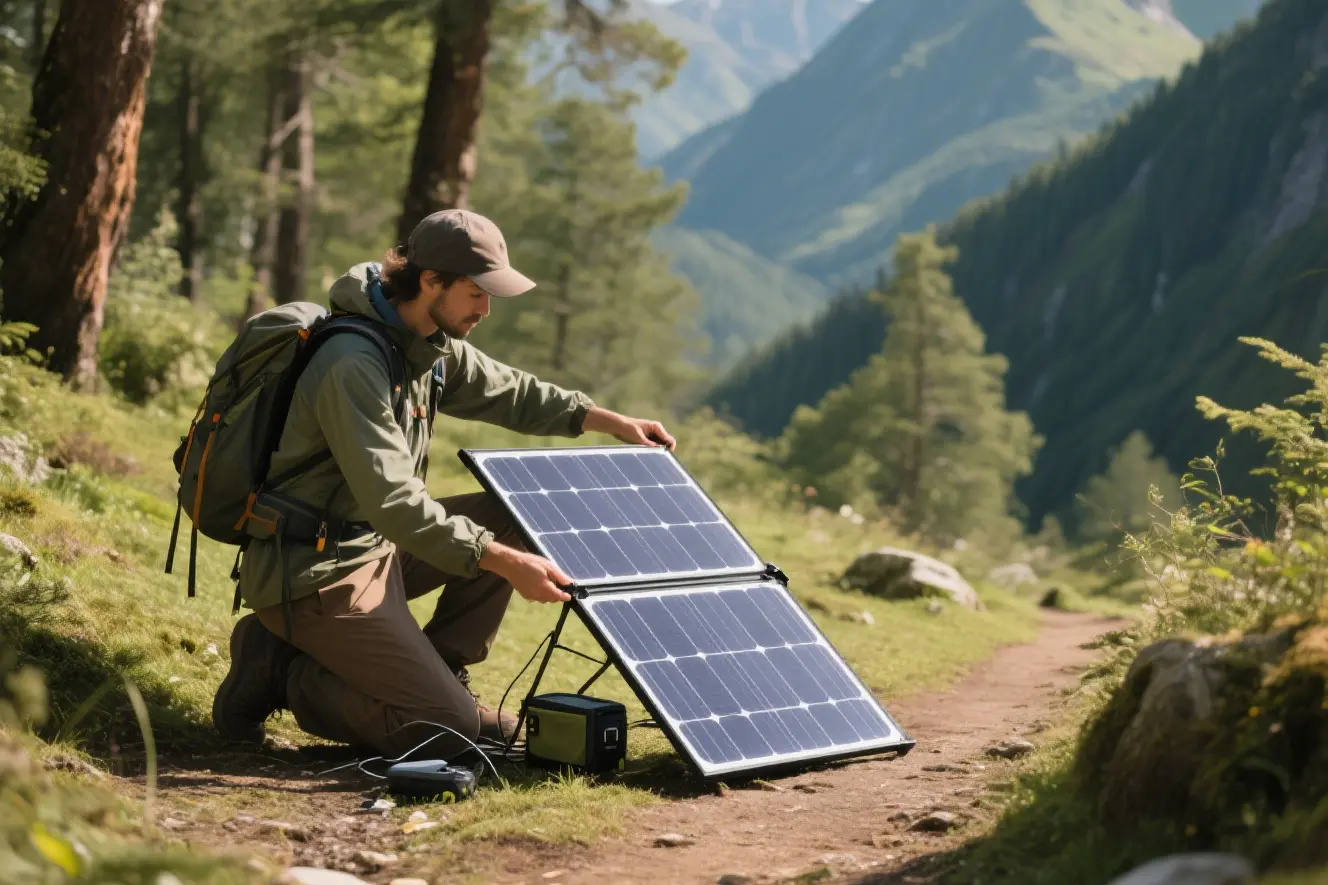
Custom 10W Waterproof Camping Backpack Power Banks

Custom 10W ‎High Efficiency Waterproof Camping Backpacking Hiking for Cell Phone Power Banks

Request Quote
Famous 20W Waterproof Camping Backpack

Famous 20W ‎High Efficiency Waterproof Camping Backpacking Hiking for Cell Phone Power Bank

Request Quote
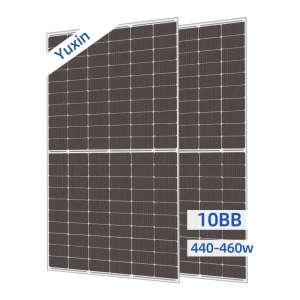
Cheap Mono Silicon PERC Solar Panel

Cheap Half-Cell 10BB 440W 445W 450W 455W 660W PERC Solar Panel Mono Silicon (120)

Request Quote
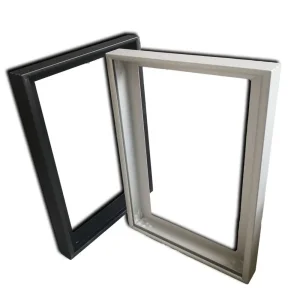
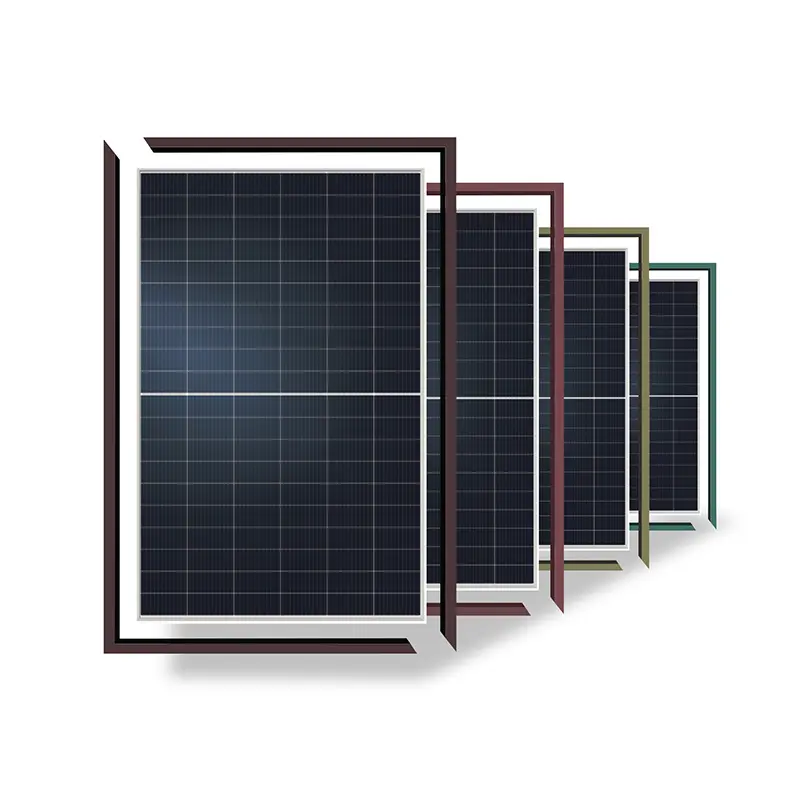
Aluminum Frames for Solar Panel

Famous 6063-T5/6005-T6 Aluminum Frames for Solar Panel Suppliers, Products

Request Quote
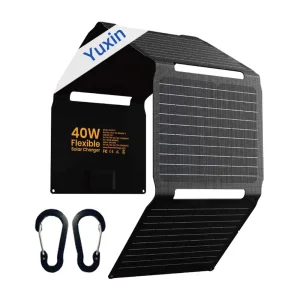
ODM 40W Camping Backpack

ODM 40W ‎High Efficiency Waterproof Camping Backpacking Hiking for Cell Phone Power Banks

Request Quote
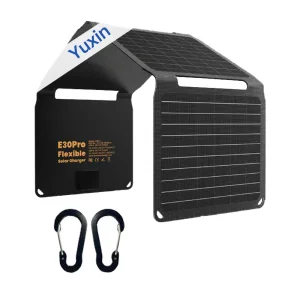
OEM 30W Waterproof Hiking Backpack

OEM 30W ‎High Efficiency Waterproof Camping Backpacking Hiking for Cell Phone Power Banks

Request Quote
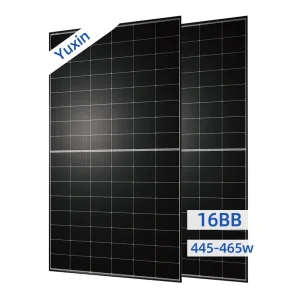
CE N-type Dual Glass Solar Panel

CE Certification N-type Half-cell Dual Glass 16BB 445W 450W 455W 460W 465W Solar panel

Request Quote
Polyurethane Composite Frames

Cheap Sustainable Polyurethane Pultruded Composite Material Aluminum Frames for Solar Panel

Request Quote

Executive Summary: Mitigating Industrial Energy Volatility

In the modern manufacturing landscape, grid stability is no longer a given. Emerging economies and heavily loaded national grids face unprecedented strain, culminating in frequent, planned, and unplanned load shedding events. For high-output factories, processing plants, and cold chain distribution centers, a power disruption of even a few milliseconds can translate to millions in capital losses, ruined raw materials, tool damage, and safety liabilities. This document functions as an industry whitepaper, exploring the economics, engineering architectures, procurement dynamics, and cost optimization opportunities for integrating discount backup power systems specifically tailored for factories mitigating load shedding.

Leveraging high-efficiency monocrystalline solar architectures, advanced structural aluminum frames, and modular BESS (Battery Energy Storage Systems), enterprises can transition from reactive emergency operations to proactive, grid-interactive financial hubs. This paradigm shift utilizes *peak shaving*, *load shifting*, and *arbitrage opportunities* to turn a cost-heavy backup necessity into a self-amortizing asset class.

1. Macroeconomic Drivers: The True Cost of Load Shedding

To properly size and justify the capital expenditure (CAPEX) of industrial backup infrastructure, procurement officers must calculate the Value of Lost Load (VOLL). VOLL is a metric that defines the economic impact of power interruptions per megawatt-hour (MWh) of unserved energy. In sectors such as precision machining, semiconductor fabrication, and metallurgy, VOLL can reach upwards of $20,000 to $150,000 per hour of downtime.

Relying solely on diesel gensets is rapidly becoming financially and environmentally unviable due to high fuel costs, strict local emissions caps, and volatile carbon tax pricing. Implementing a hybrid microgrid solution combining high-performance PV (Photovoltaic) arrays and large-scale battery storage offers the most competitive LCOE (Levelized Cost of Energy) and LCOS (Levelized Cost of Storage).

2. Advanced System Architecture for Factory Microgrids

Designing a factory backup power system that survives persistent load shedding requires a multi-layered hardware approach. The key components include:

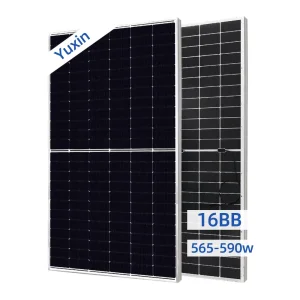
  • High-Efficiency Photovoltaic Arrays: Utilizing N-type half-cell bifacial dual glass TOPCon modules (operating up to 590W+) allows factories to capture energy from both direct sunlight and albedo reflections off warehouse roofing.
  • Anodized & Composite Framing Systems: Outdoor solar panels must withstand structural wind loads and corrosive industrial emissions. The choice of structural frame—such as 6063-T5 anodized aluminum or sustainable polyurethane composite materials—directly impacts the system lifecycle.
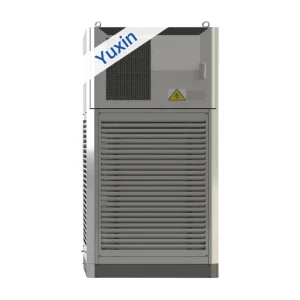
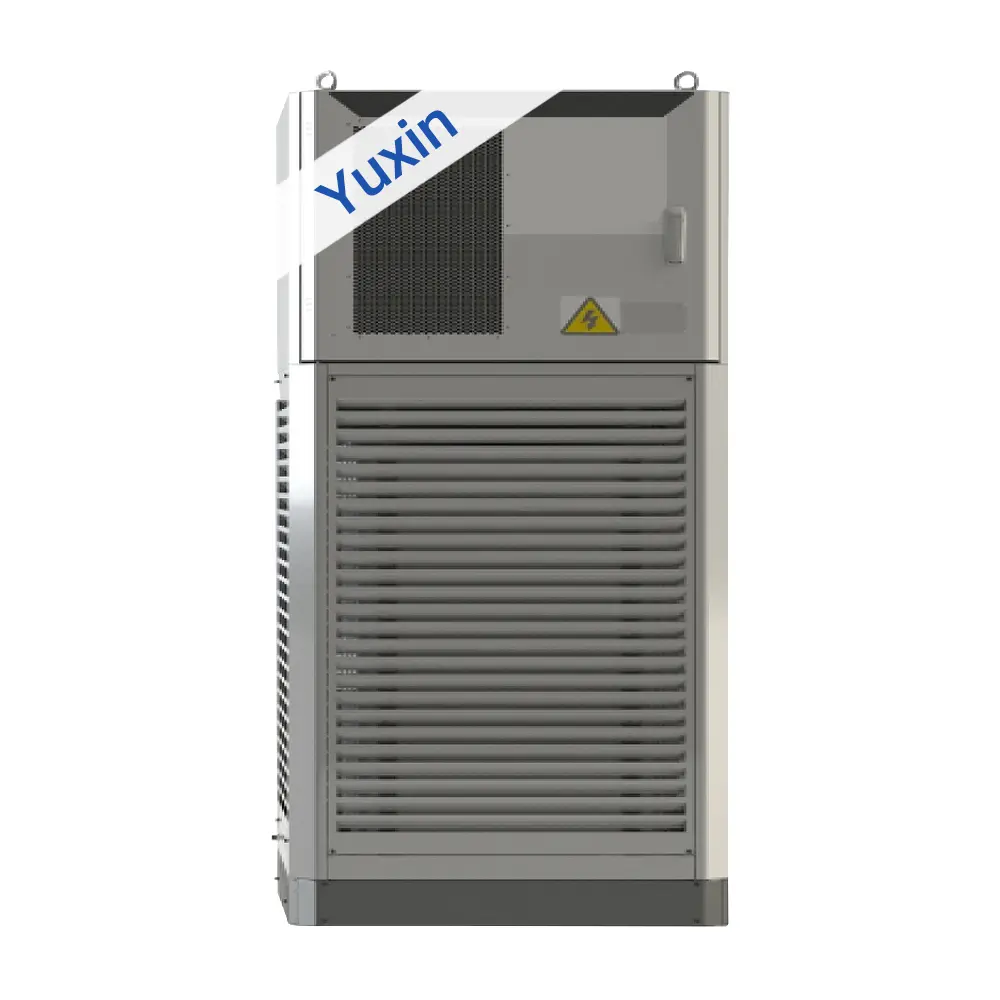
  • Modular Battery Energy Storage Systems (BESS): Utility-scale lithium iron phosphate (LiFePO4 or LFP) battery assemblies, like the China Modular Commercial Energy Storage System P01-EC60-30K, provide long cycle life (>6000 cycles at 80% Depth of Discharge) and high thermal runaway threshold safety parameters.

"A robust commercial microgrid doesn't just switch on during grid outages; it works continuously to shave peak loads, reducing maximum demand charges from utilities by up to 40%."

3. Procurement Optimization: Securing Discount Factory Quotes

Enterprise procurement departments must look beyond standard retail distribution channels to optimize cost-per-watt metrics. Securing factory-direct pricing involves evaluating Tier-1 manufacturing pipelines, volume-weighted raw material index pricing (such as LME aluminum index and lithium carbonate spot prices), and negotiating OEM or ODM contracts.

By establishing long-term off-take agreements with leading manufacturers, developers can obtain bulk discounts on critical structural items (like custom aluminum extrusion solar frames) and high-density cell modules. This lowers overall balance of system (BOS) capital costs and accelerates the project's Return on Investment (ROI).

4. Industry Trends: Decarbonization and Smart Grids (2026-2030)

The global backup power sector is evolving from passive battery cabinets to highly active, AI-optimized energy nodes. Integration of machine learning algorithms allows modern industrial controllers to predict load patterns, analyze weather forecast models, and optimize battery charging cycles. Over the next five years, key market updates will include:

  • Virtual Power Plants (VPPs): Factories with significant battery storage assets will feed excess power back into municipal grids during peak pricing brackets, generating a secondary, recurring revenue stream.
  • Sustainable Materials: Heavy industrial demand for low-carbon construction products is shifting the solar mounting frame market toward sustainable polyurethane composite frames, reducing the overall carbon footprint of large-scale arrays.
  • Higher System Voltages: Systems are transitioning from 1000V configurations to 1500V designs, reducing DC cable power losses and optimizing the footprints of hybrid central inverters.

Precision Photovoltaic Material Profiles

High performance solar products engineered for industrial microgrids and home power systems.
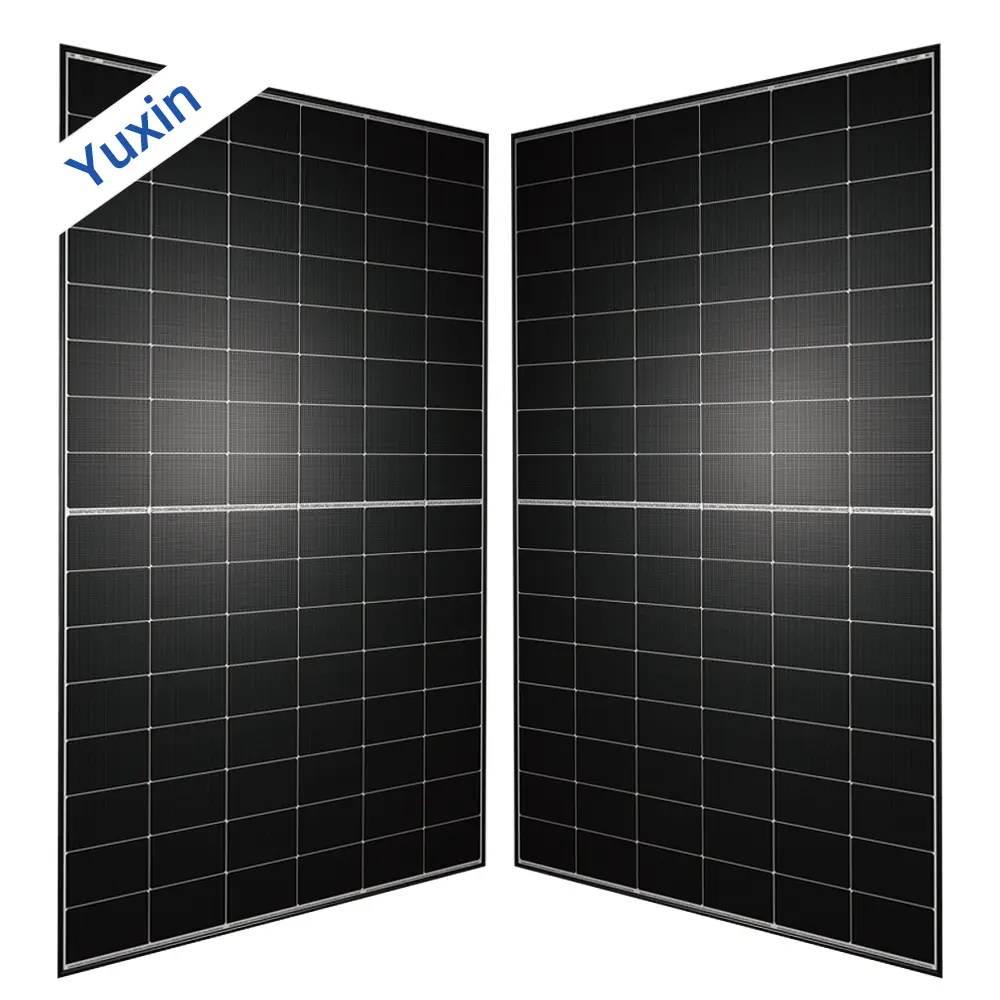
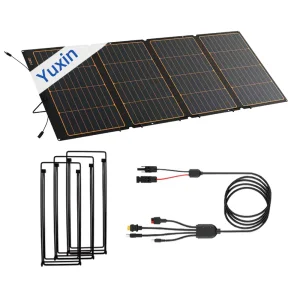
Solar Panel

Solar Panel

Lightweight design with transparent back panel for easy installation and reduced BOS costs.
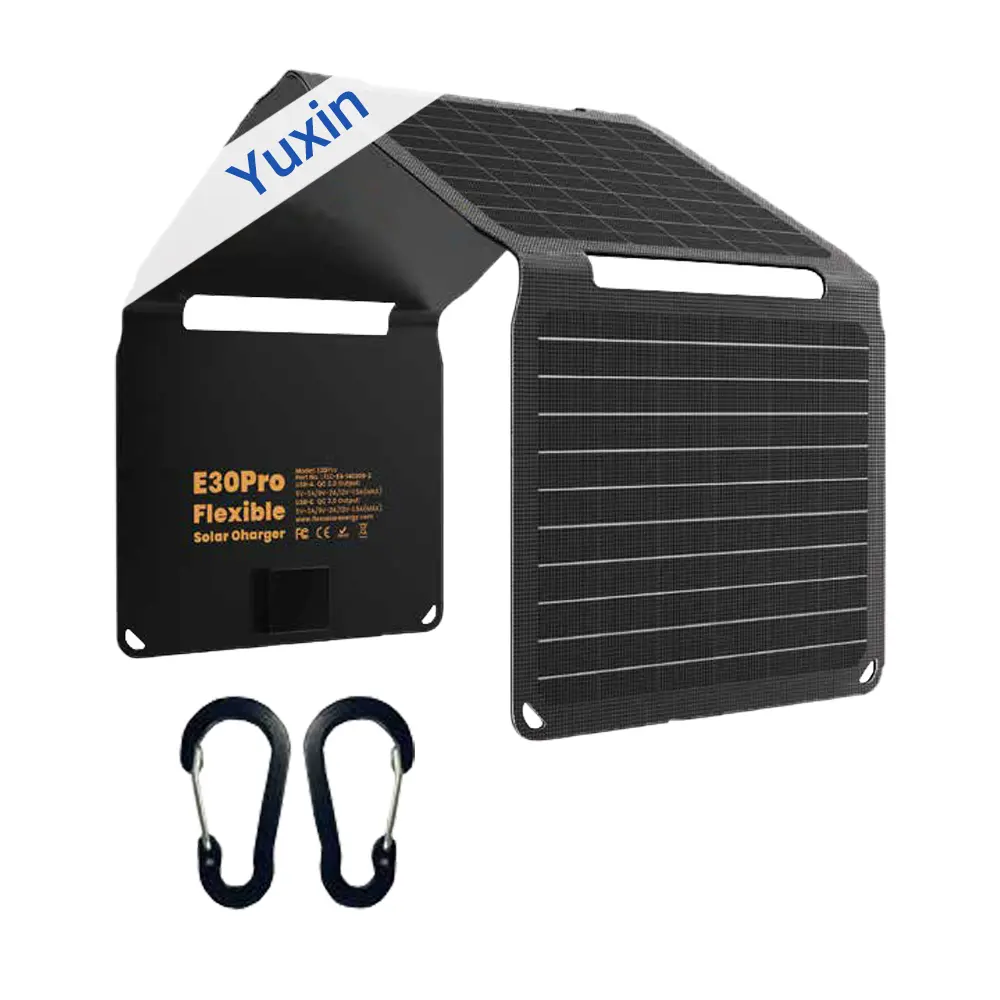
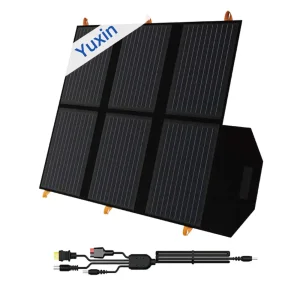
Portable Solar Charger

Portable Solar Charger

Utilizing advanced monocrystalline silicon cells, it achieves a high energy conversion efficiency of 24%.
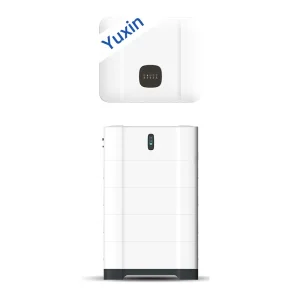
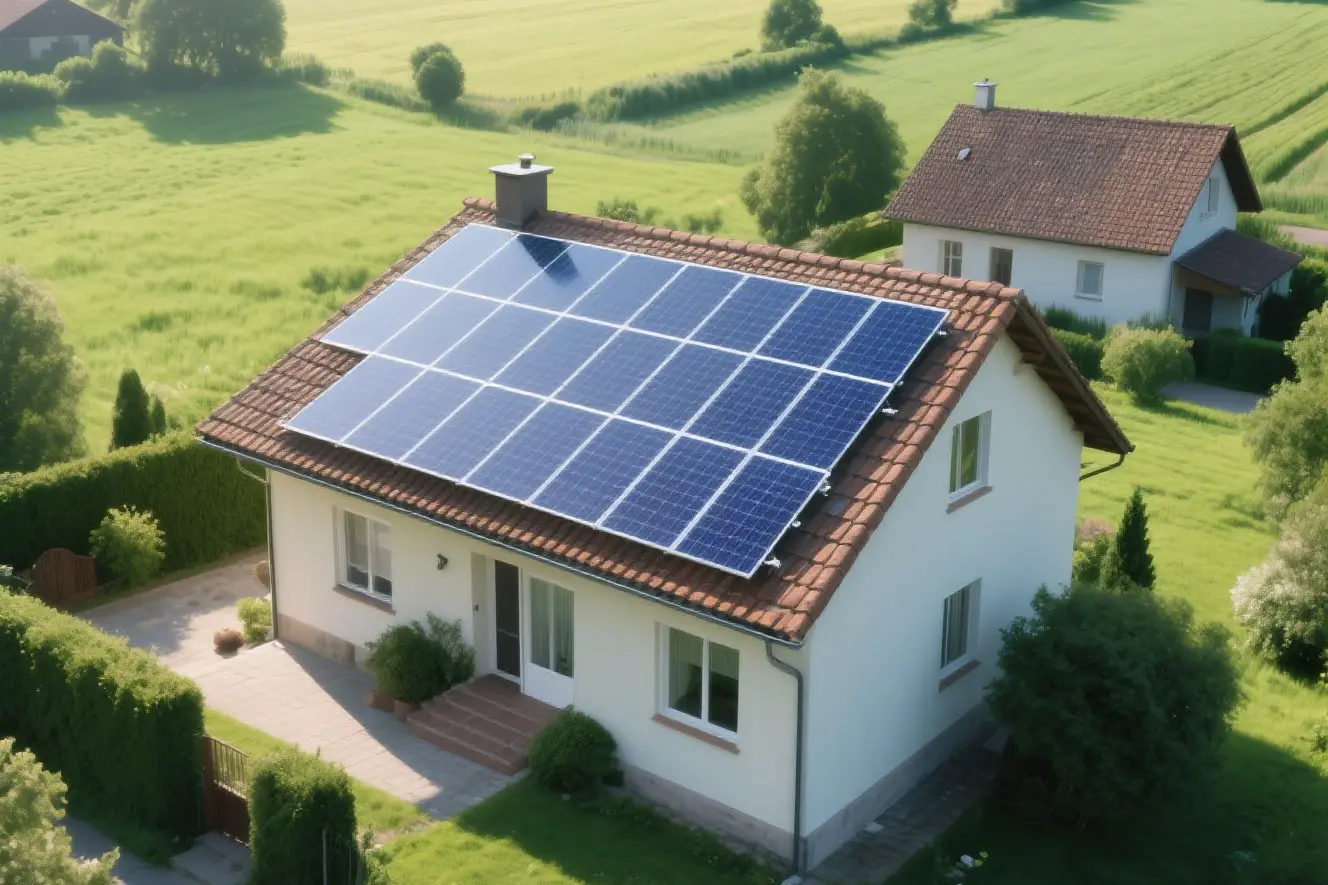
Solar System For Home

Solar System For Home

Application modes include grid-connected mode, off-grid mode, and integrated grid-connected/off-grid mode.
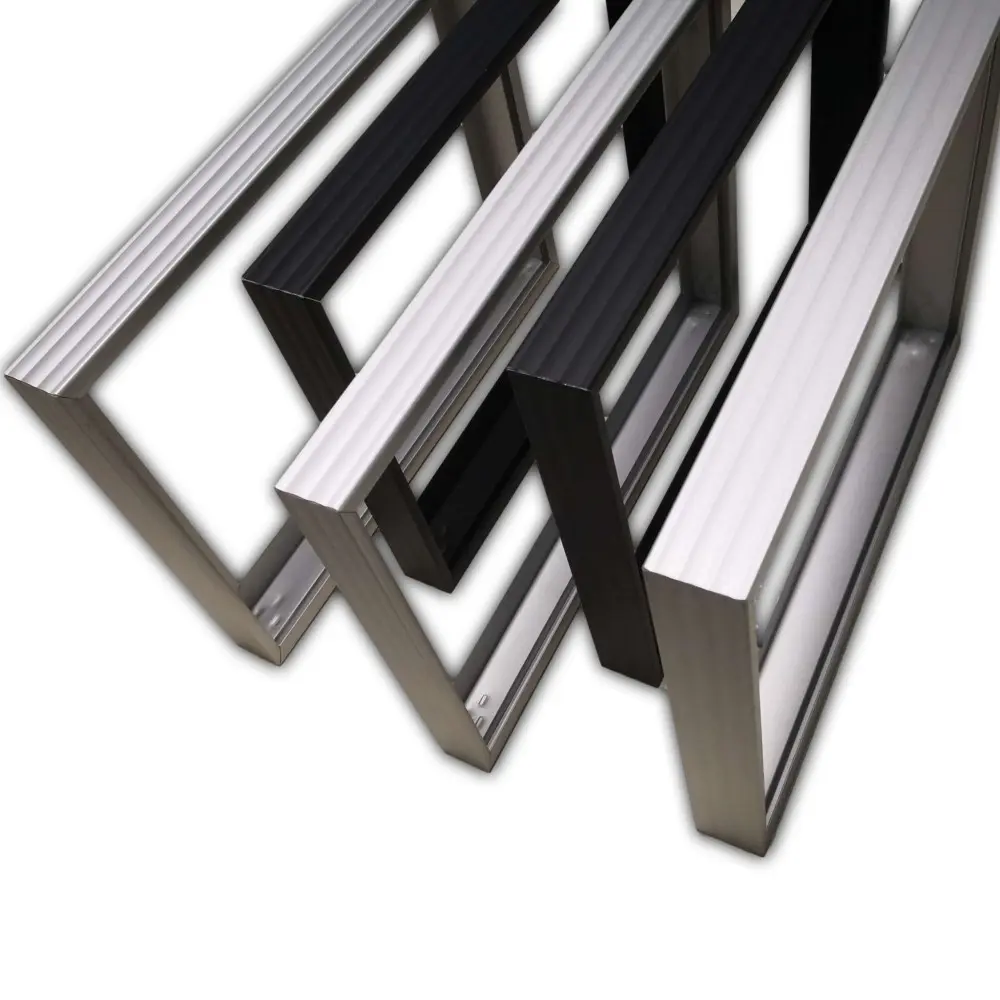
Aluminum Frames

Aluminum Frames

Made of high-quality anodized aluminum, it ensures superior weather resistance and a smooth, long-lasting finish.

About YUXIN Group

Precision, Quality, and Safety - Your Photovoltaic Materials Expert

Located in the scenic historical and cultural ancient city of Yangzhou, close to the Beijing-Shanghai Expressway, Runyang Yangtze River Bridge, and Ningqi Railway, the group has a superior geographical location and convenient transportation.

The group was established in 2008 and has 14 multi-field companies under its jurisdiction, including Jiangsu Yuxin New Energy Technology Co., Ltd. Over the years, the group has won many titles such as National High-tech Enterprise, Technology-based Enterprise, and Gaoyou City Top 100 Private Enterprises.

21+
Production Lines
$86M+
Sales Revenue (76M+ export)
12K t
Export Volume (Tons)
25K t
Annual Output (Tons)

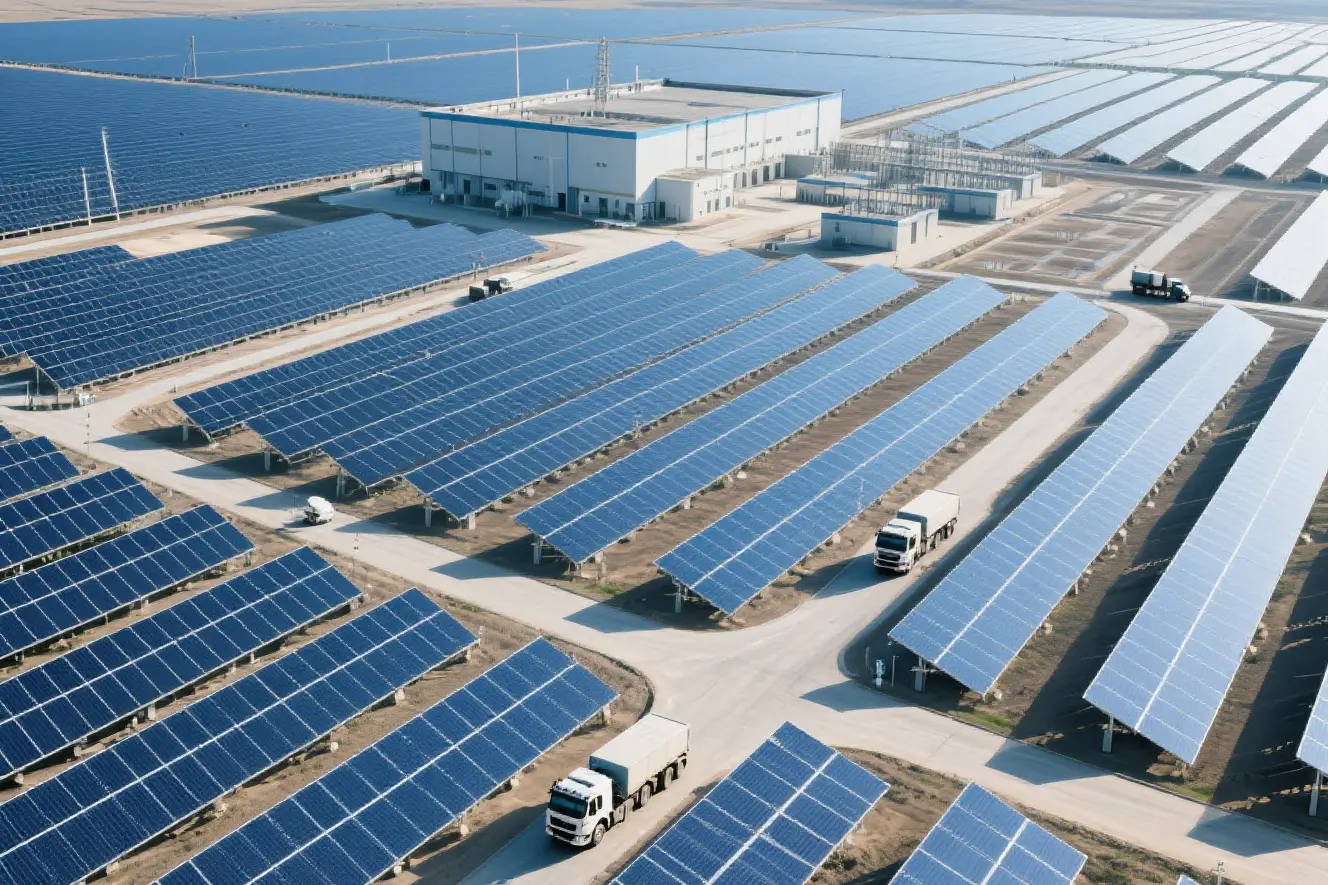
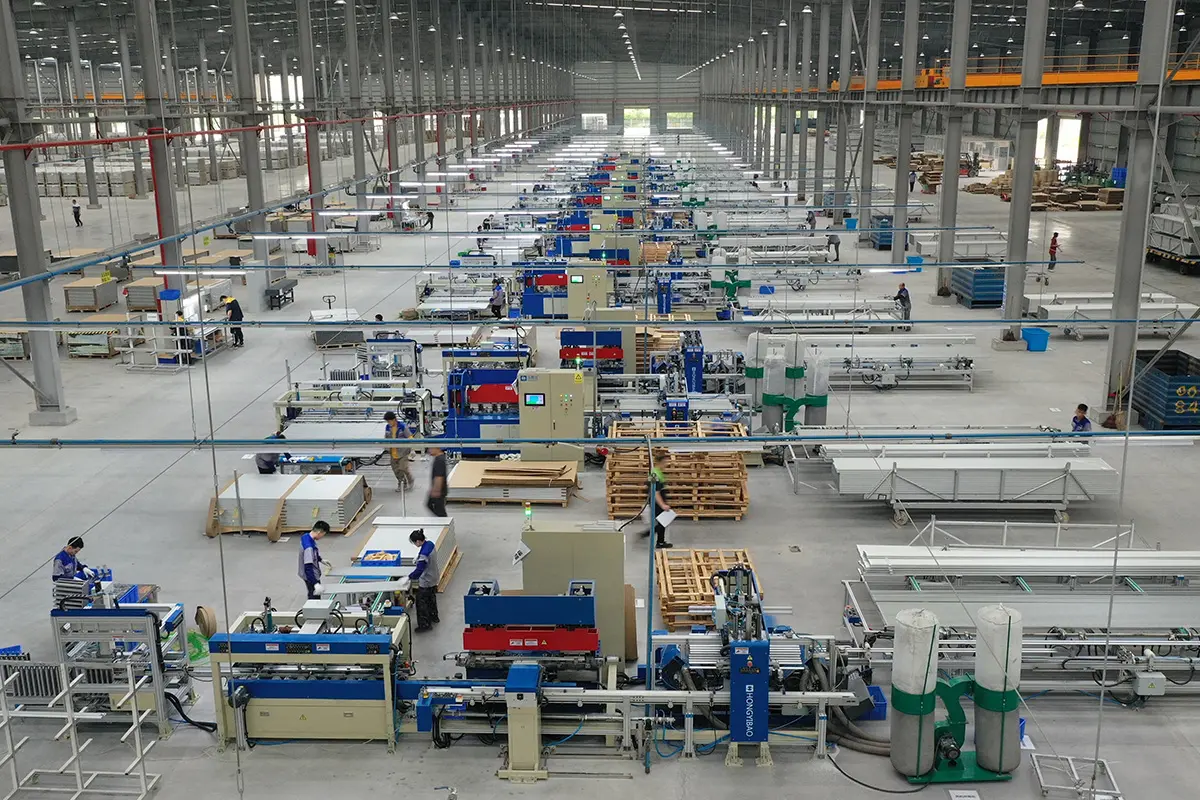
Yuxin Production Facilities Video

Discover our manufacturing scale and processes.

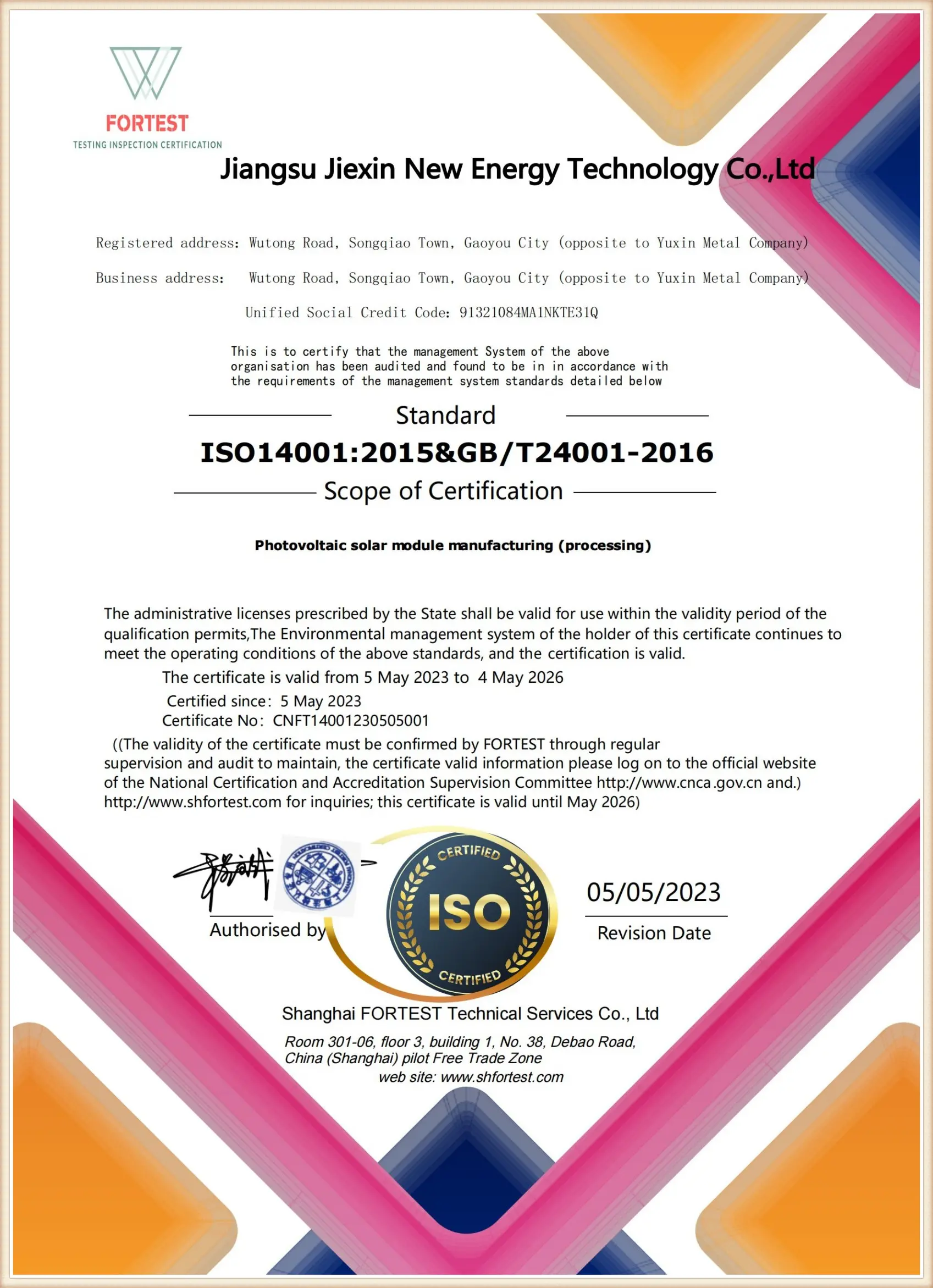
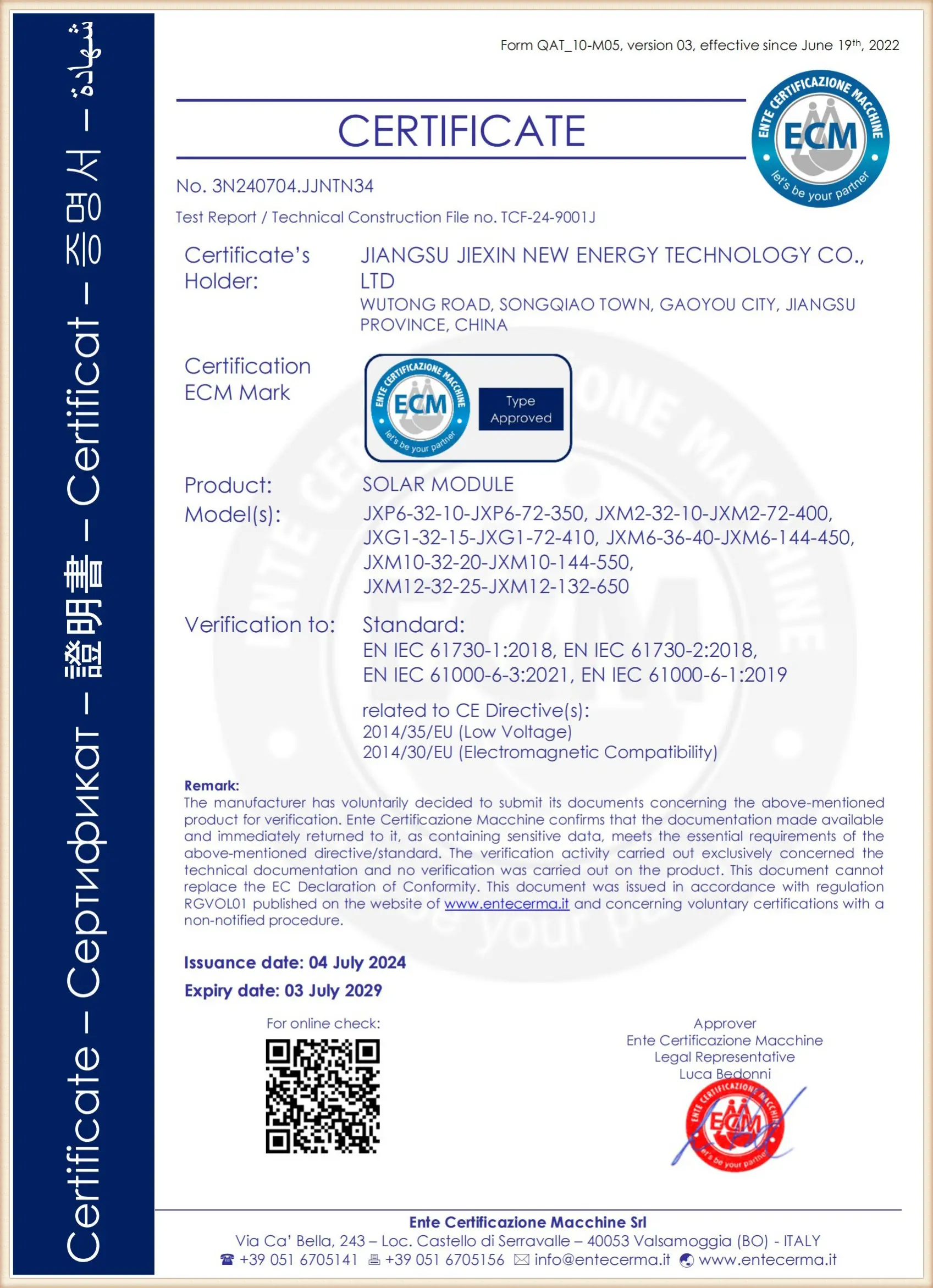
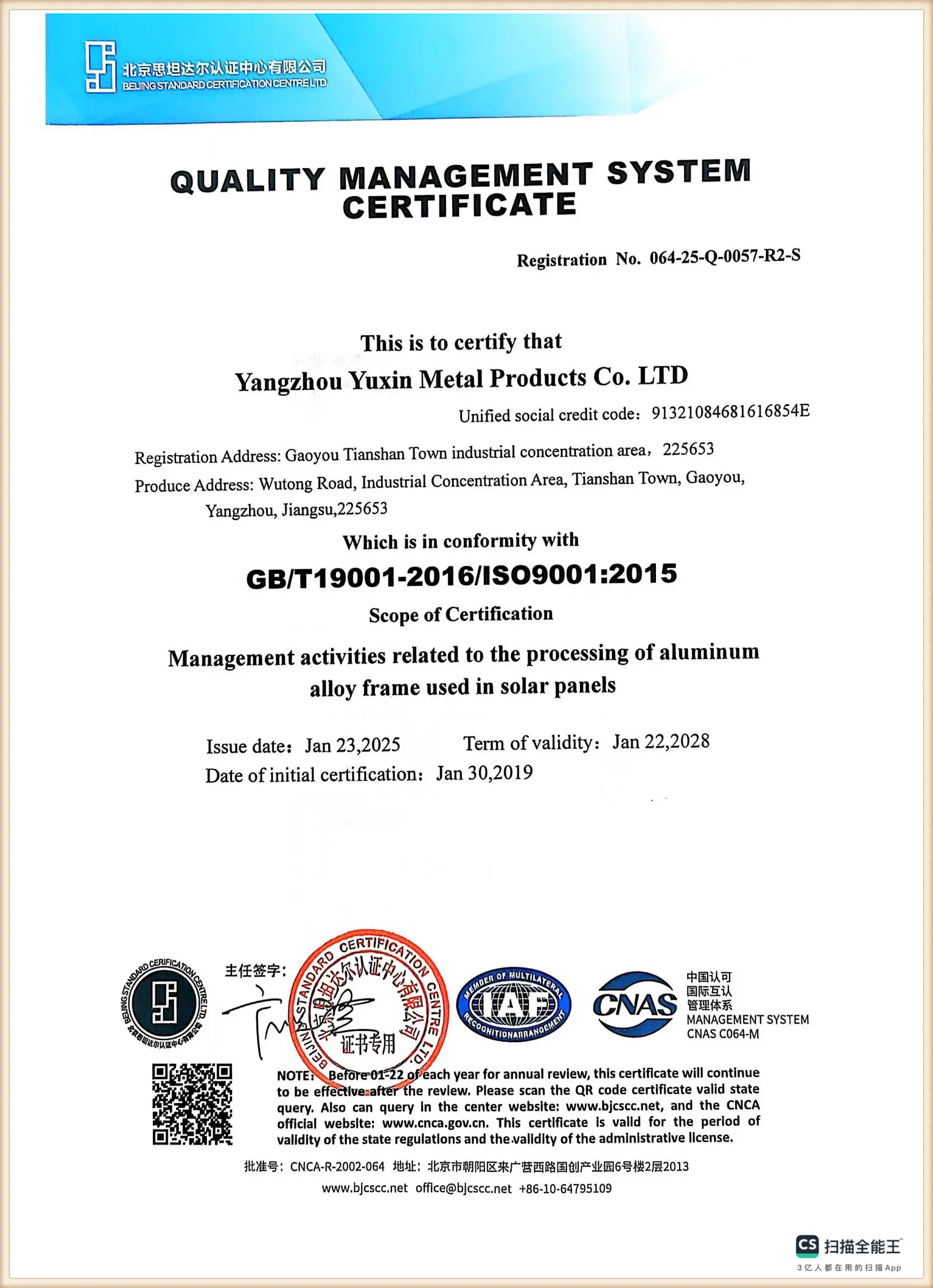
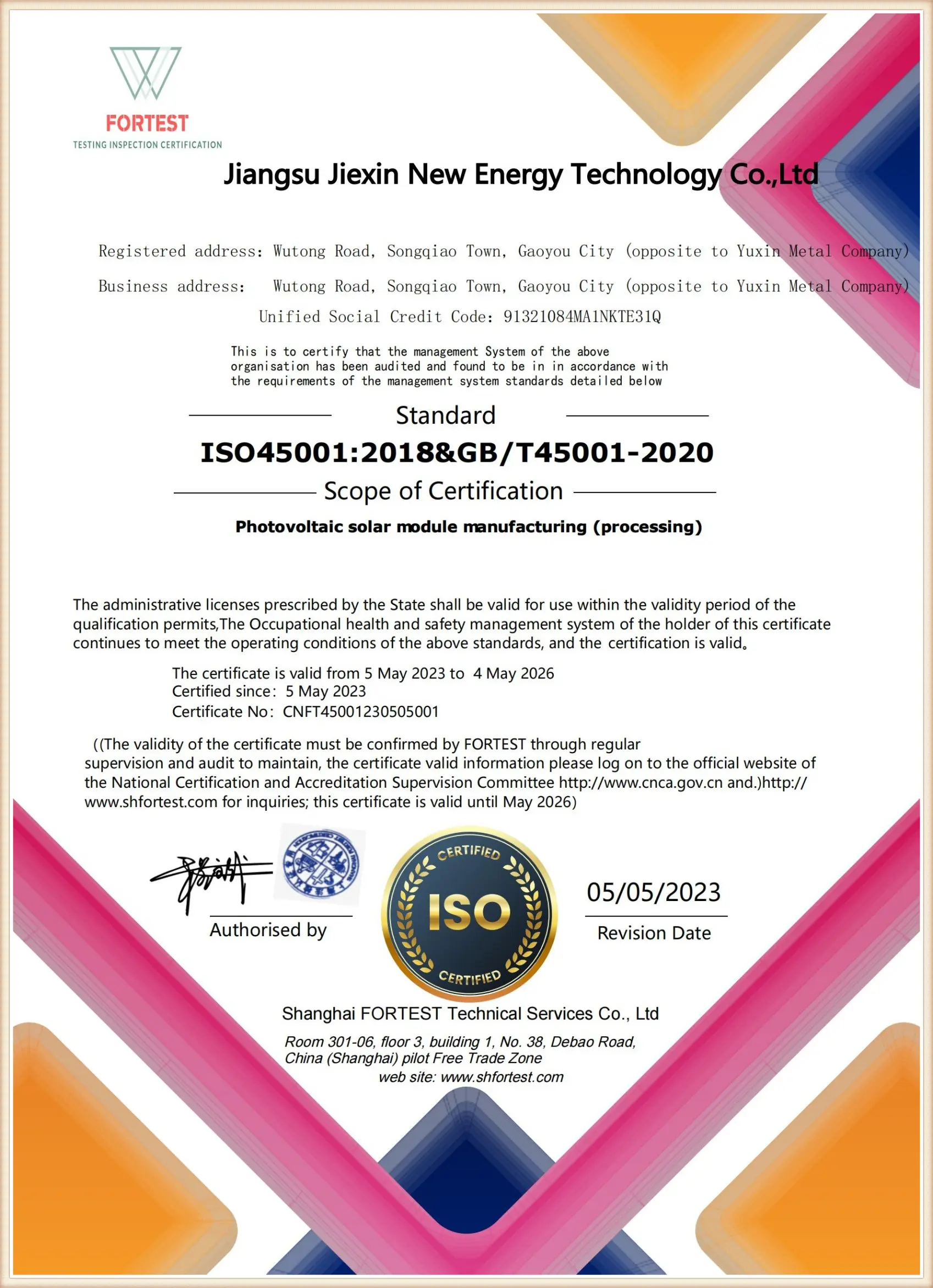
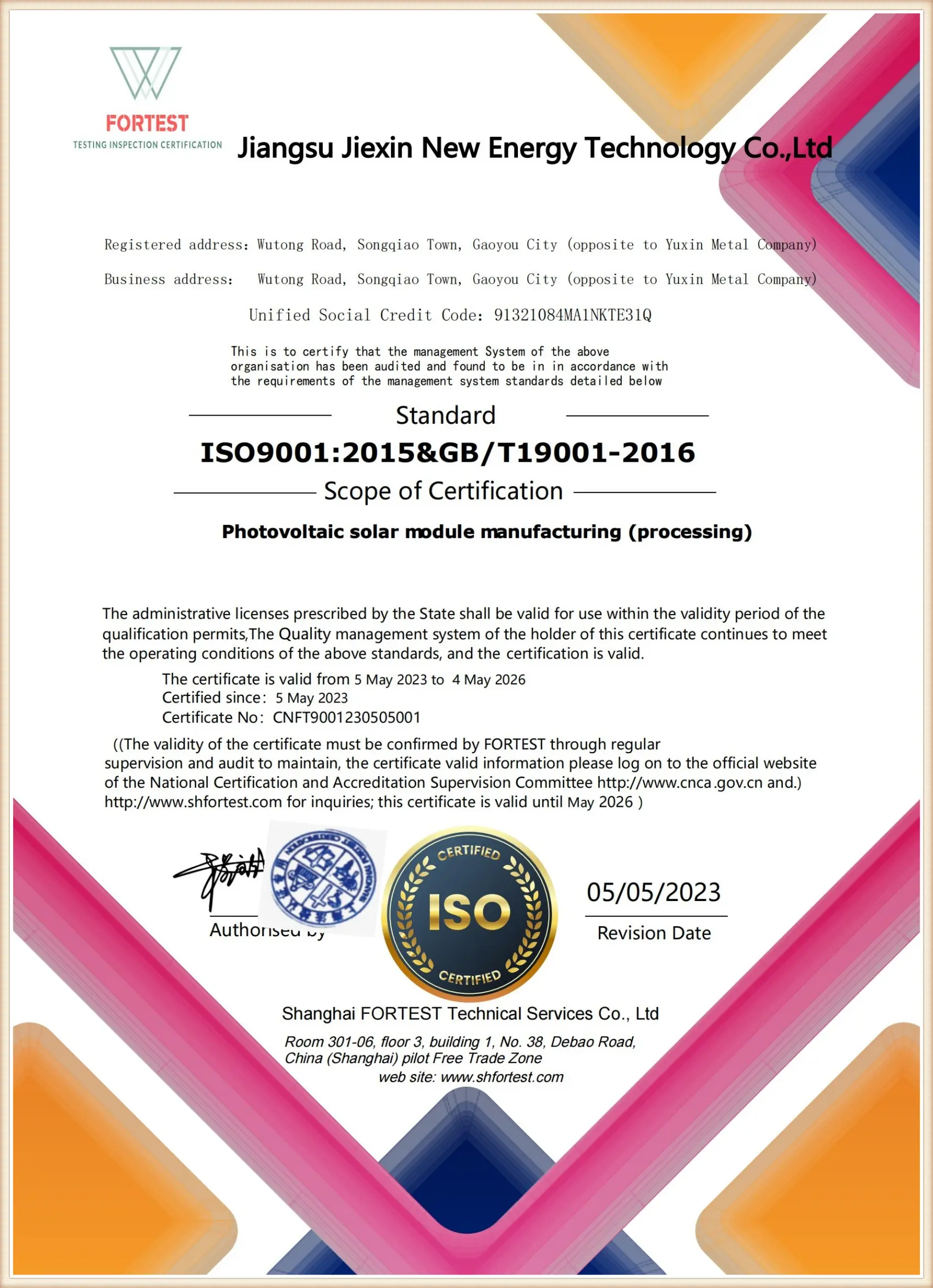
Certified International Quality Standards

Our solutions conform to global standards, ensuring safety, efficiency, and project bankability.
Broad Spectrum Industry Integration

Our solar structures and energy storage components are deployed across major industrial sectors.

Agriculture

Agriculture

Construction Industry

Construction Industry

Electric Power Industry

Electric Power Industry

Outdoors

Outdoors

Telecommunications Field

Telecommunications Field

Transportation Industry

Transportation Industry

Our Business Partners

Forging strong long-term relationships across the global renewable energy supply chain.
Latest Technical Insights & Industry News

Read about the latest developments in solar mounting technology, aluminum frames, and utility microgrids.
High-Quality Solar Panel Frame Details
June 16, 2026

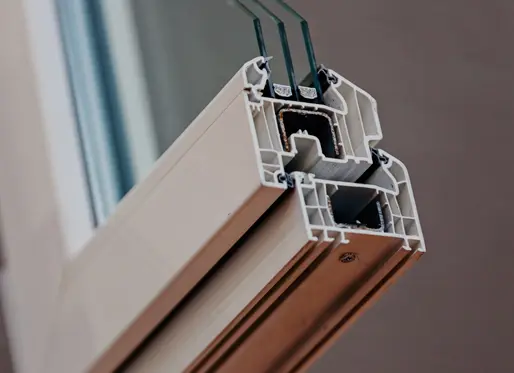
What Makes a High-Quality Solar Panel Frame?

View Article Details
Choosing Reliable OEM Frame Manufacturers
June 15, 2026

How to Choose a Reliable OEM Solar Frame Manufacturer in China

View Article Details
Solar Panel Frame QC Standards
June 14, 2026

Solar Panel Frame Quality Control: Key Inspection Standards Explained

View Article Details

Industrial Backup Power & Grid Integration FAQ

Answers to crucial technical and commercial questions from enterprise energy managers.

What is the average timeline for amortizing a factory-scale hybrid storage backup system?
Depending on grid dynamics and local energy tariff structures, factory systems integrating high-efficiency solar and BESS arrays typically yield a full return on investment (ROI) within 3.5 to 5.5 years. Amortization is accelerated by mitigating peak demand charges and preventing production line downtime.
Why are anodized aluminum frames preferred over galvanized steel for solar panels in industrial zones?
Industrial atmospheres contain high concentrations of chemical particulates and moisture that accelerate the oxidation of galvanized steel. Anodized aluminum frames (6063-T5) and polyurethane composite frames offer significantly superior corrosion resistance, structural longevity, and weight savings.
How does N-type TOPCon technology compare to standard PERC cells under real-world factory configurations?
N-type TOPCon modules exhibit lower LID (Light Induced Degradation) curves and a superior temperature coefficient (-0.30%/°C vs -0.34%/°C for PERC). This translates to 3% to 6% more cumulative power output annually, especially in high-temperature environments.
What factors affect high-volume quotes for commercial battery systems?
Key pricing variables include battery raw materials index costs, integrated thermal management architecture (liquid cooling vs forced air), control management protocols (EMS/BMS integration), global transport regulations, and total capacity sizing.

Factory Direct Energy Storage & Module Quotes

Secure volume pricing on high-yield solar modules, frames, and commercial backup batteries.
CE PERC Solar Panel 530W-550W

CE Certification 144 Half-Cell 10BB 530W 535W 540W 545W 550W PERC Solar Panel Mono Silicon Products

Request Quote
Discount TOPCon Solar Panel

Discount N-type Half-cell Bifacial Dual Glass TOPCon 16BB 565W 570W 575W 580W 585W 590W Solar Panel

Request Quote
China Modular Energy Storage System

China Modular Commercial Energy Storage System P01- EC60-30K Supplier, Quotes

Request Quote
Household Storage Solar System

High-Quality 8000T~15KT-10HS~30HS Household Energy Storage Solar System Suppliers, Exporters

Request Quote
Wholesale 60W Backpack

Wholesale 60W ‎High Efficiency Waterproof Camping Backpacking Hiking for Cell Phone Power Banks

Request Quote
Cheap 240W Power Generator

Cheap 240W ‎‎High Efficiency Waterproof Power Emergency Camping for Small Power Station Generator

Request Quote
Cheap Mono Silicon PERC Solar Panel

Cheap Half-Cell 10BB 440W 445W 450W 455W 660W PERC Solar Panel Mono Silicon (120)

Request Quote
CE N-type Dual Glass Solar Panel

CE Certification N-type Half-cell Dual Glass 16BB 445W 450W 455W 460W 465W Solar panel

Request Quote