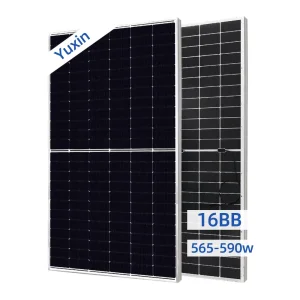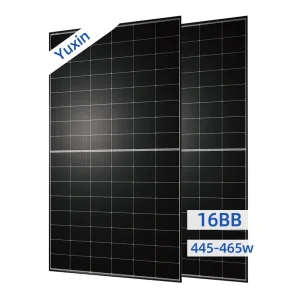
Explore our premium grade products built with high conversion efficiency, extreme weather proofing, and engineered durability.
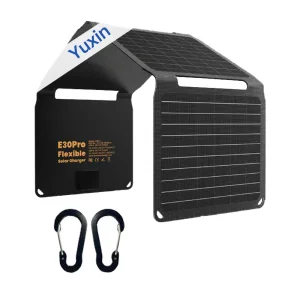
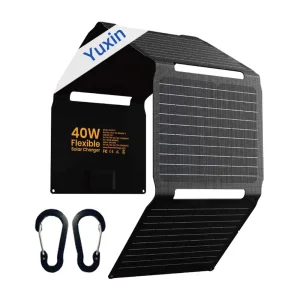
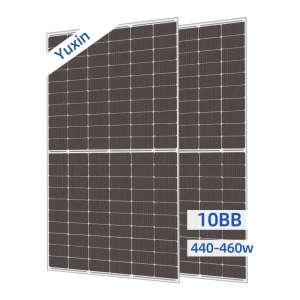
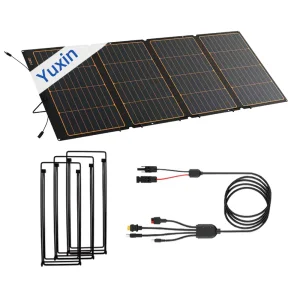
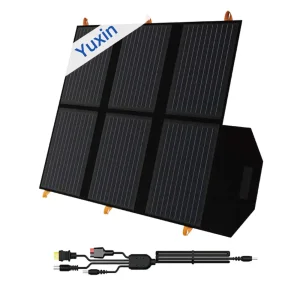
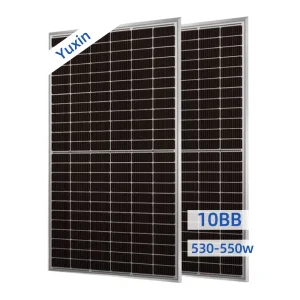
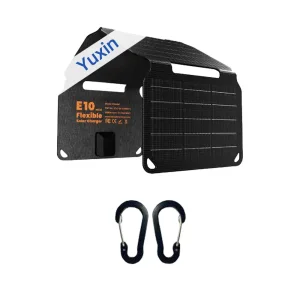
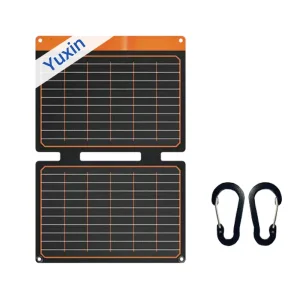
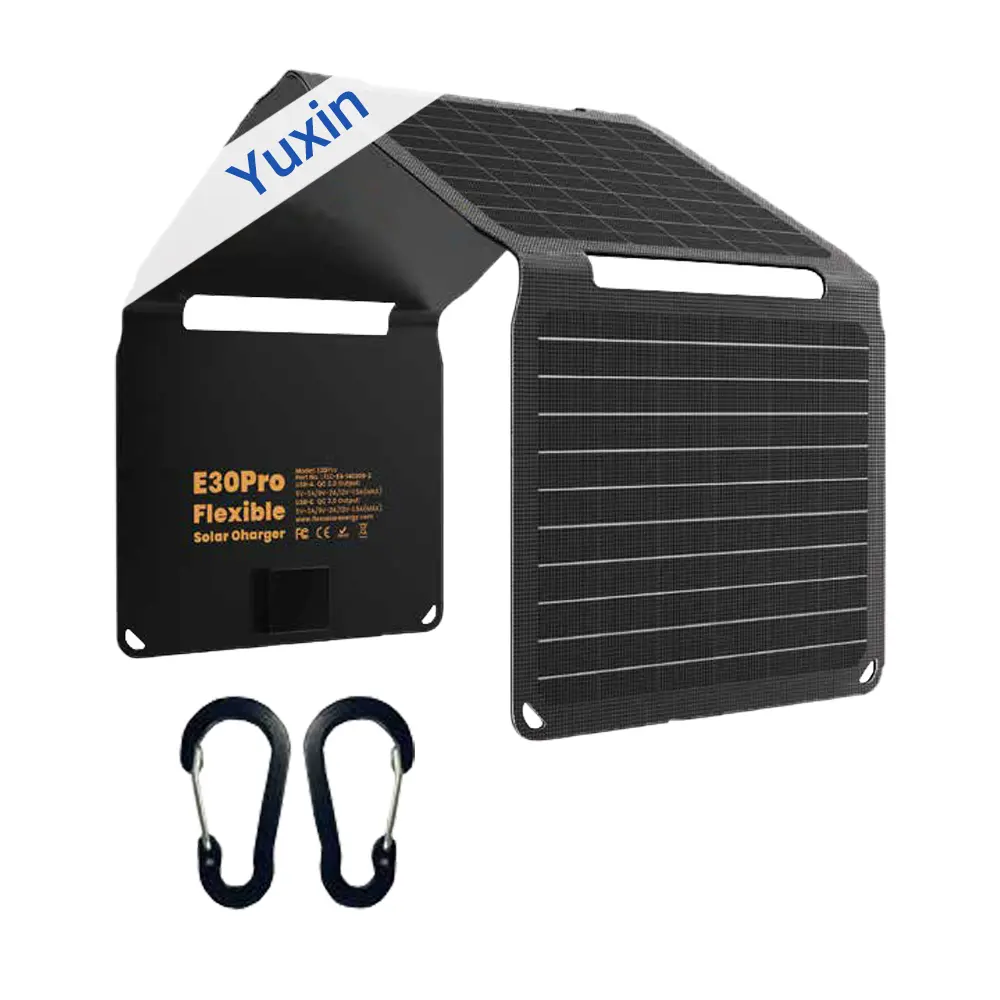
The outdoor recreation sector is undergoing a massive paradigm shift. As consumers demand off-grid freedom without sacrificing connectivity, the market for portable solar generators and foldable photovoltaic systems has expanded exponentially. At the absolute center of this trend sits the 100-watt solar panel. This specific wattage capacity represents the ideal technical compromise: lightweight enough to be carried in standard outdoor gear, yet possessing sufficient current (typically 5A to 6A under peak sunlight) to charge portable power stations, cell phones, and 12V battery banks efficiently.
For modern outdoor adventurers, a 100W solar panel functions as the reliable backbone of a mobile micro-grid. Integrated with high-conversion monocrystalline silicon cells (reaching efficiencies up to 24%), these units offset energy usage by powering critical devices: DC coolers, GPS gear, satellite communication devices, and illumination arrays. Industry studies show that B2B procurement requests for panels between 80W and 120W have increased by 42% year-over-year, dominated by commercial distributors supplying RV, marine, and high-performance camping markets.
Furthermore, bulk buyers now require multi-contact MC4 connectors, integrated QC 3.0 USB ports, and smart power delivery (PD) Type-C outputs direct from the panel’s junction box. This eliminates the need for separate charge controllers when powering small consumer electronics directly, dramatically reducing setup weight and mechanical failure risk in remote environments.
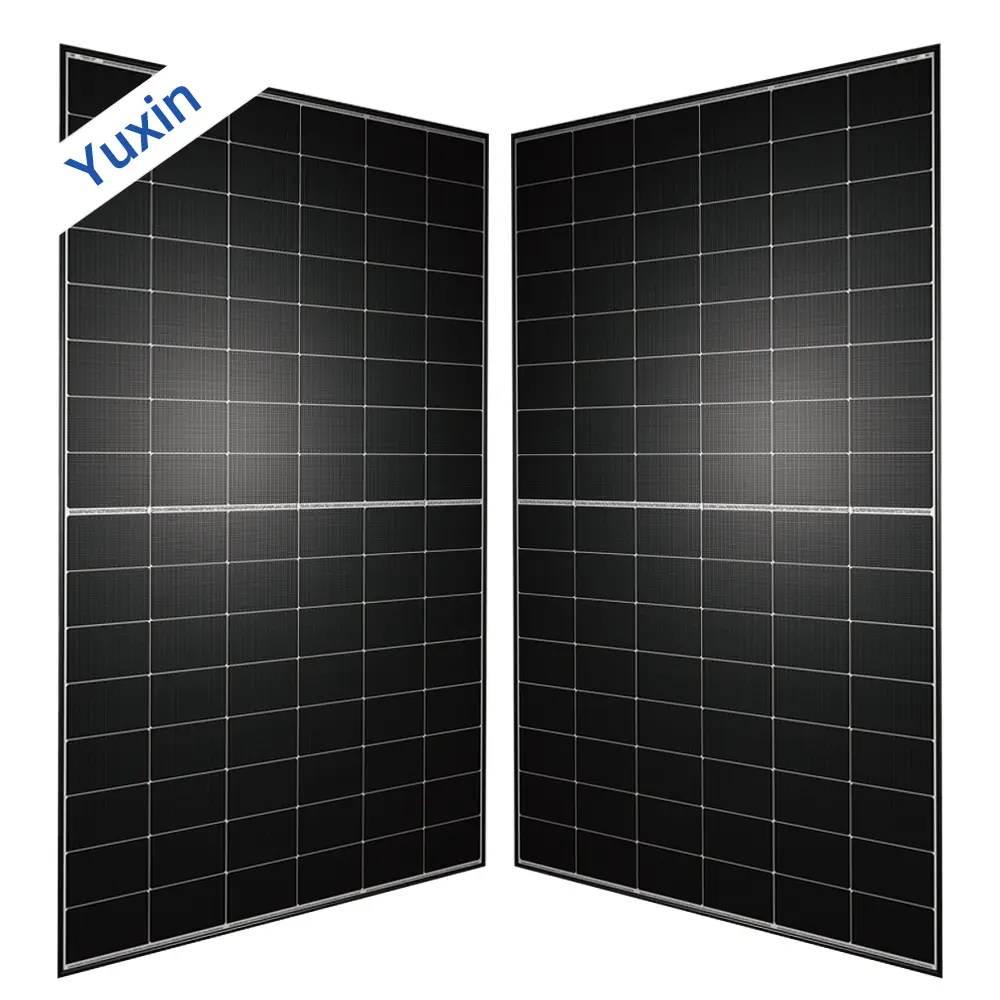
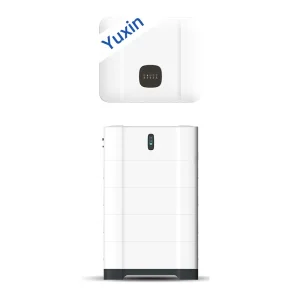
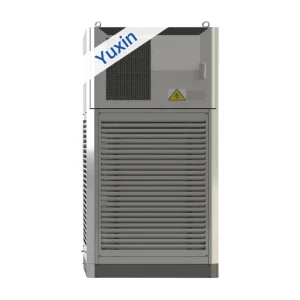
Established in 2008, Yangzhou YUXIN has developed into a leading high-tech manufacturer specializing in robust solar panel frames, custom solar backpacks, portable PV modules, and integrated home/commercial energy storage systems. Our strategic proximity to the Beijing-Shanghai Expressway and the Runyang Yangtze River Bridge provides us with exceptional logistics capability, connecting our advanced factory line directly to key international ports.
With over 14 specialized subsidiary companies, Jiangsu Yuxin New Energy Technology Co., Ltd. has established itself as a national champion of private enterprise, combining material science with highly optimized downstream solar products. Our commitment to strict Quality Inspection Standards and advanced material composition makes us the partner of choice for OEM/ODM clients worldwide.
Global PV procurement is no longer just about the lowest price-per-watt. Smart buyers prioritize supply chain resilience, technological consistency, and strict compliance with environmental regulations. Yuxin's Yangzhou manufacturing base represents the integration of Industry 4.0 principles, where automated extrusion of solar frames, computer-controlled solar cell cutting, and automated stringing lines operate in a cleanroom environment.
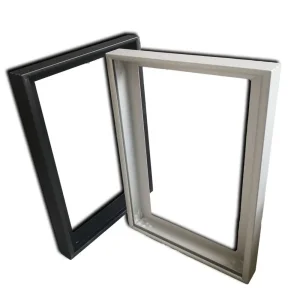
The durability of a portable solar panel under harsh outdoor conditions is heavily dependent on its frame and structural backing. Modern camping panels are subjected to physical stress, wind loads, salt mist, and intense UV radiation. Yuxin's leadership in raw materials provides two critical options for outdoor PV structural frames:
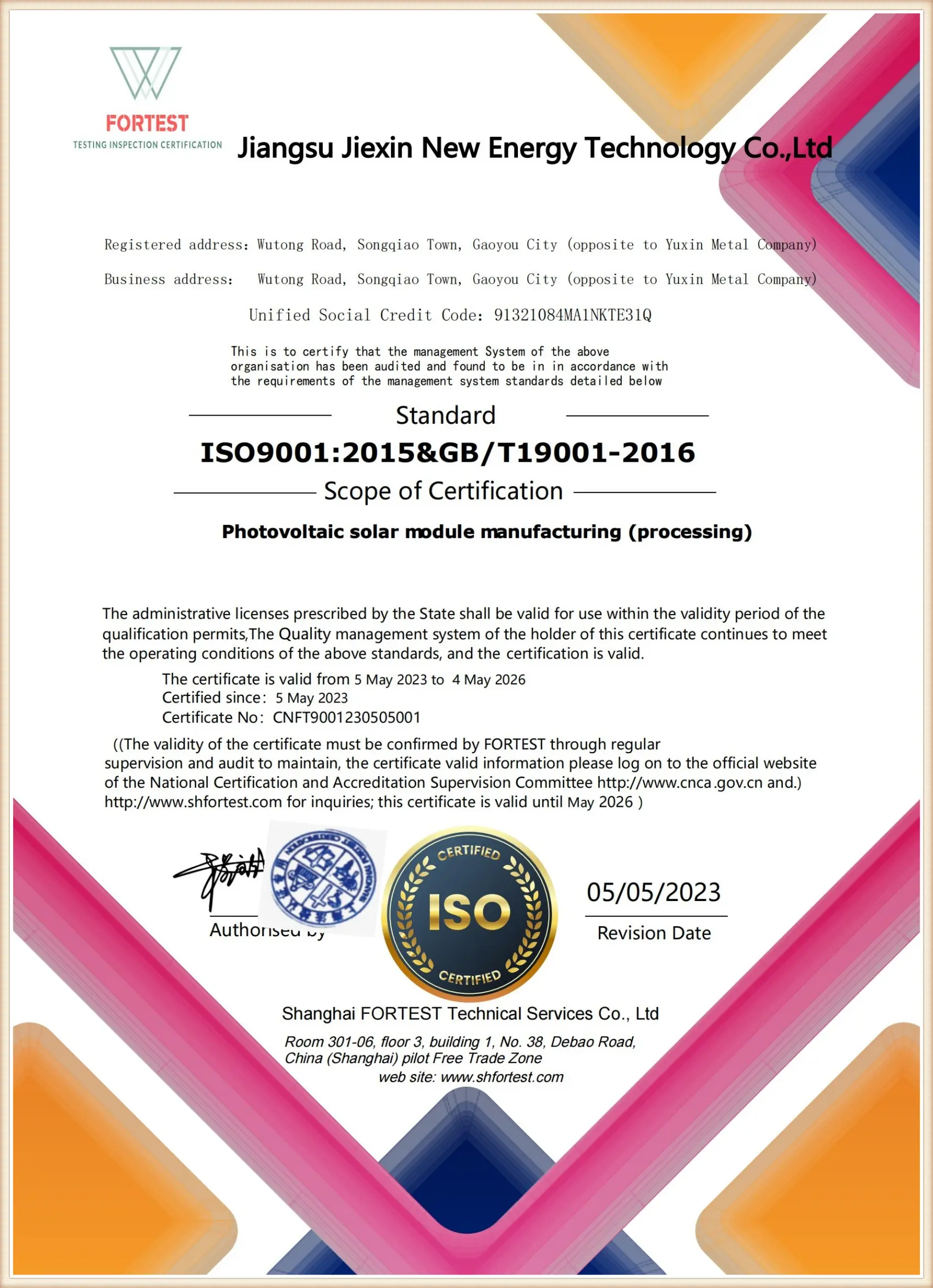
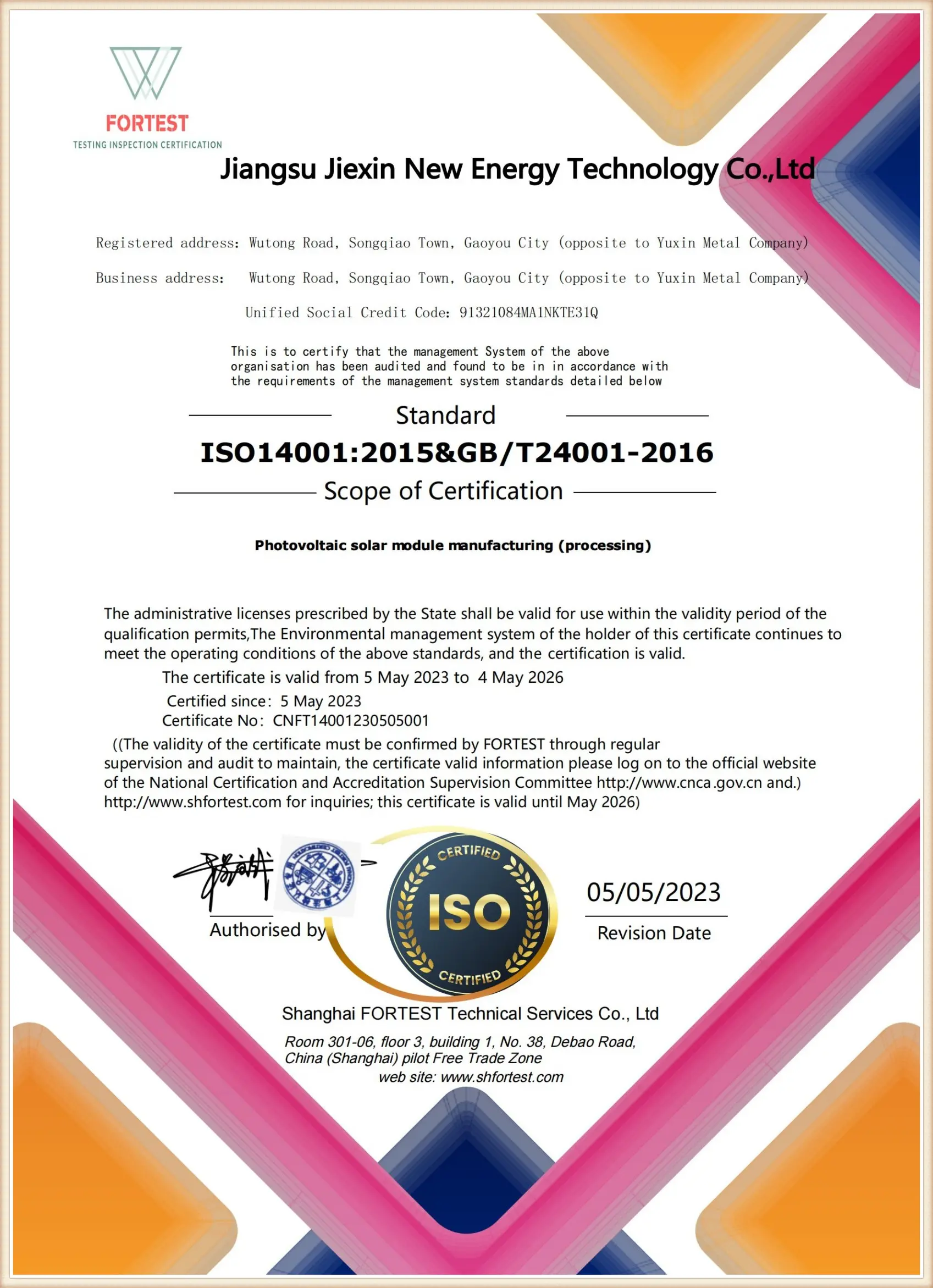
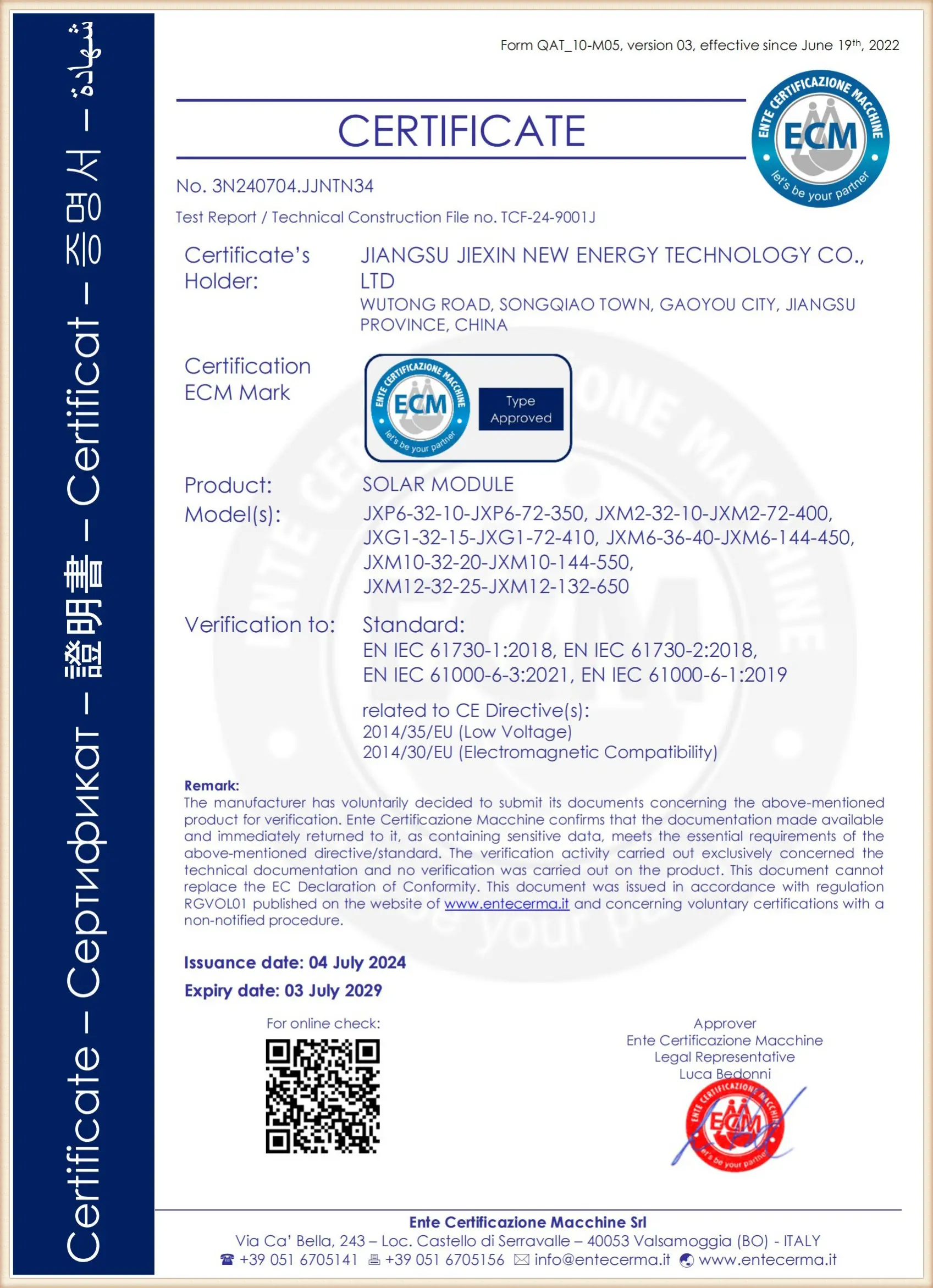
For B2B distributors in North America and the European Union, compliance is mandatory. Our products carry rigorous certifications, including CE, TÜV, and RoHS compliance, ensuring smooth customs clearance and market entry. By utilizing high-purity Monocrystalline Silicon and PERC (Passivated Emitter and Rear Cell) technology, we guarantee minimal power degradation over a 25-year operational lifecycle, even under the stress of repeated packing, unfolding, and transportation.
Our solar modules, structural frames, and energy products pass strict international regulatory standards for electrical safety and physical endurance.
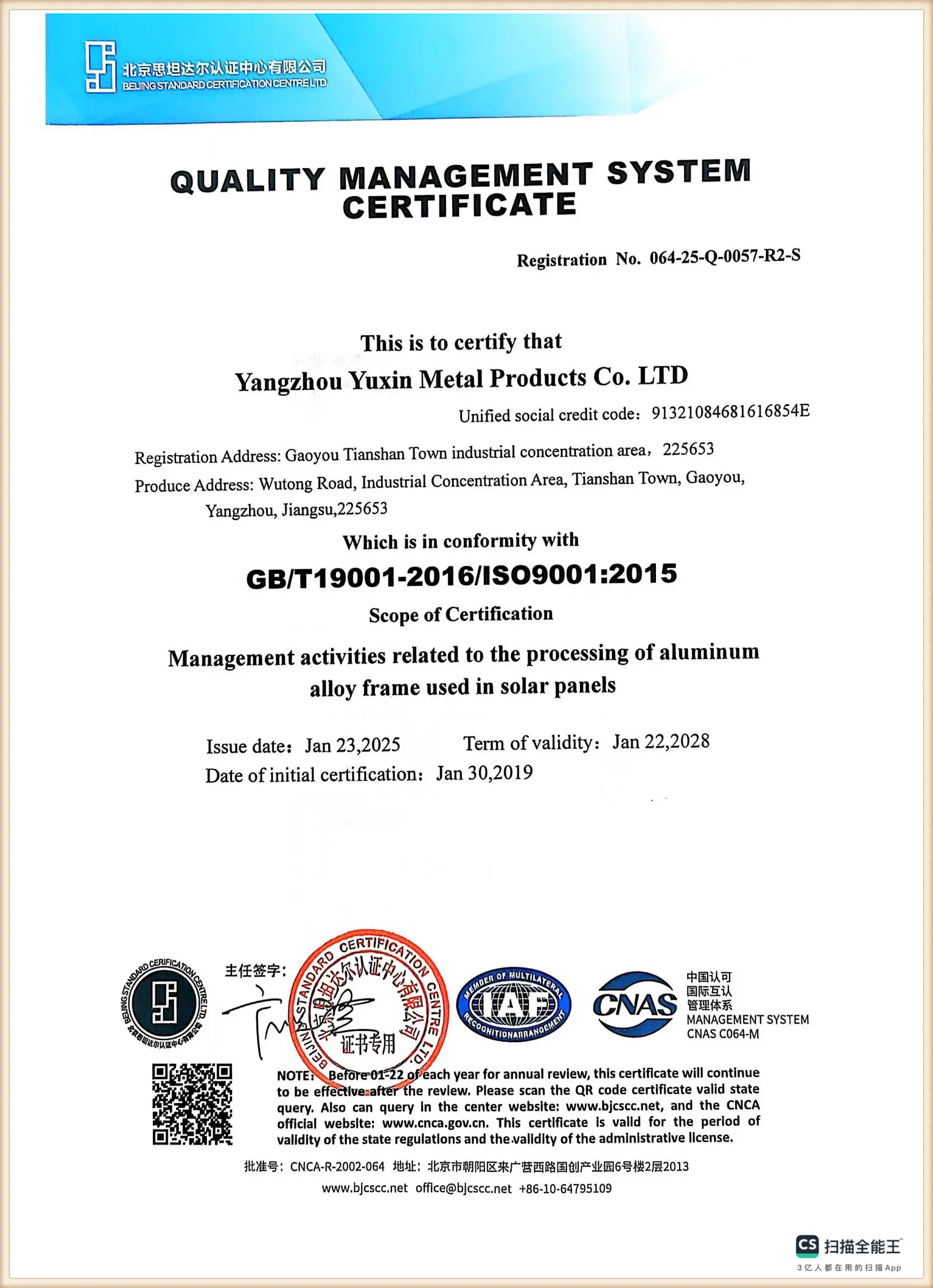
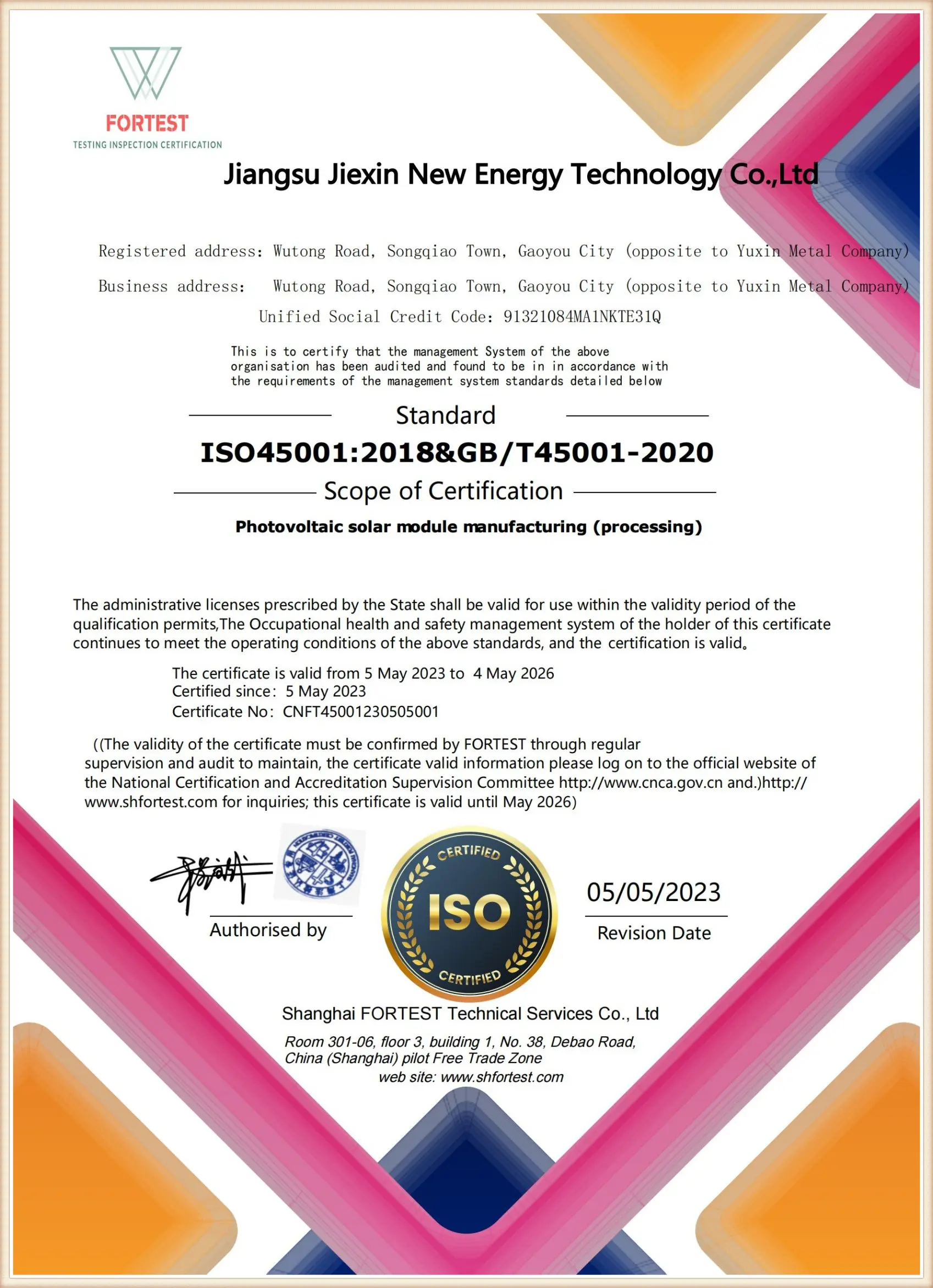
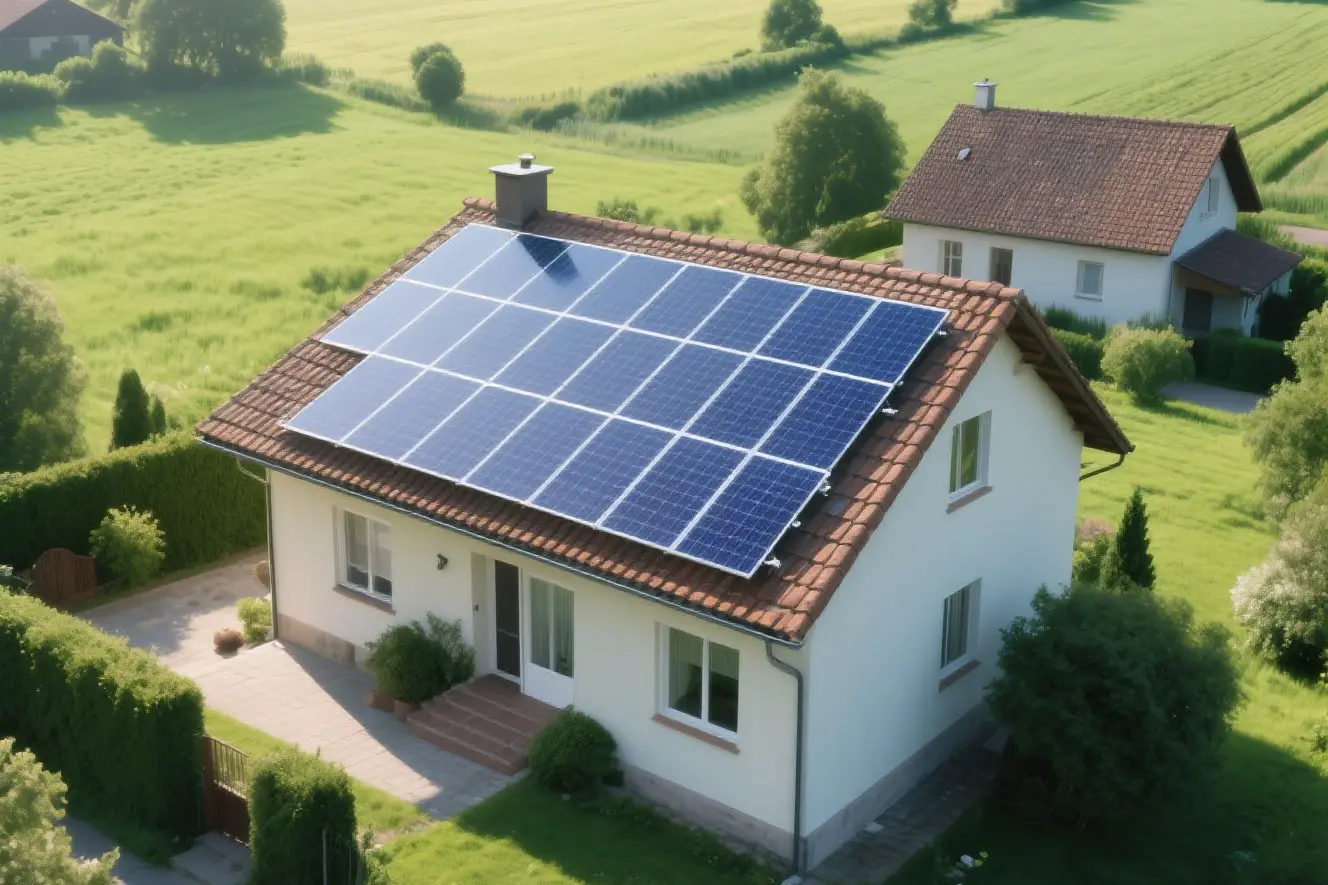
From modern agriculture and green building construction to emergency communications and off-grid outdoors, our materials enable global decarbonization.

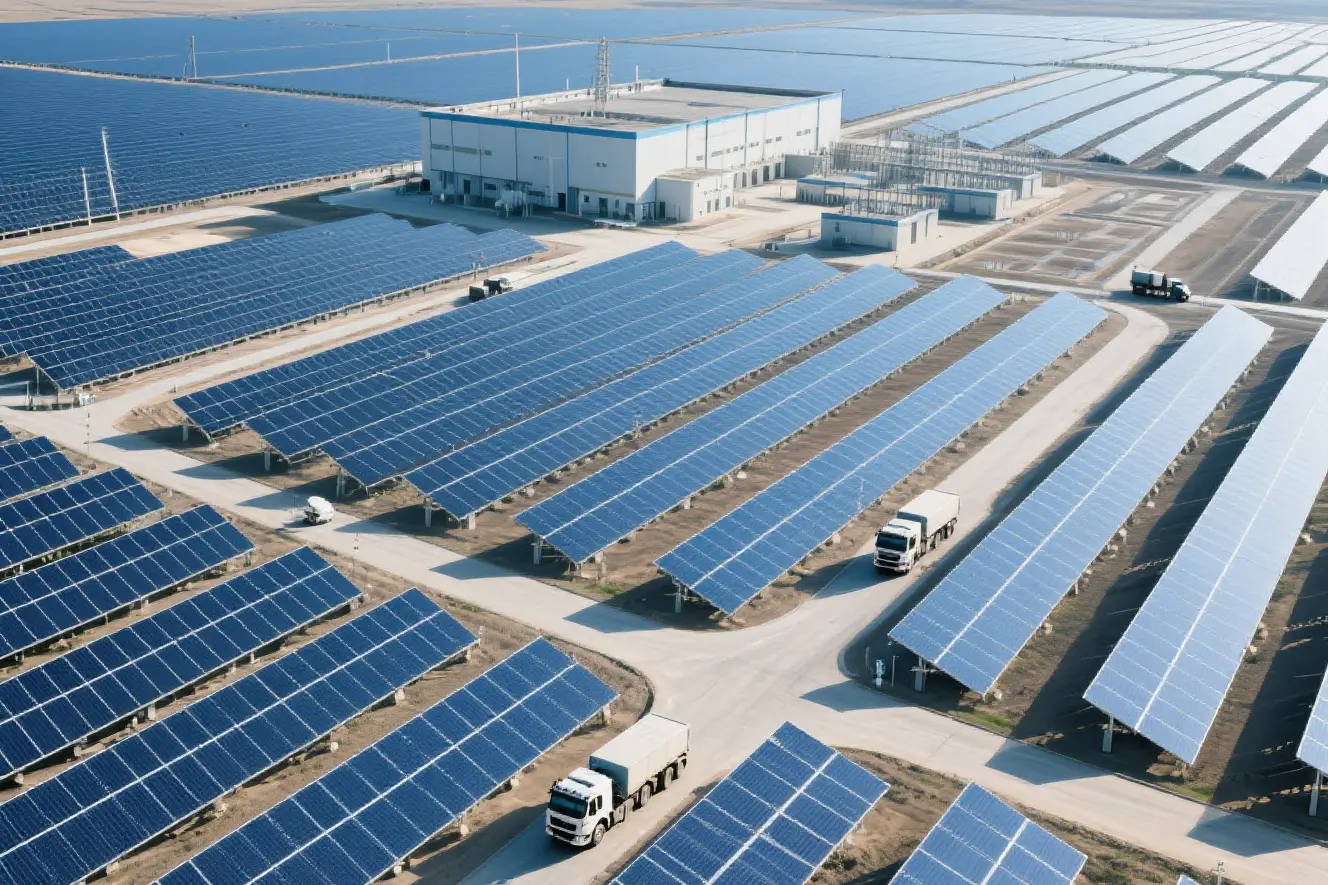
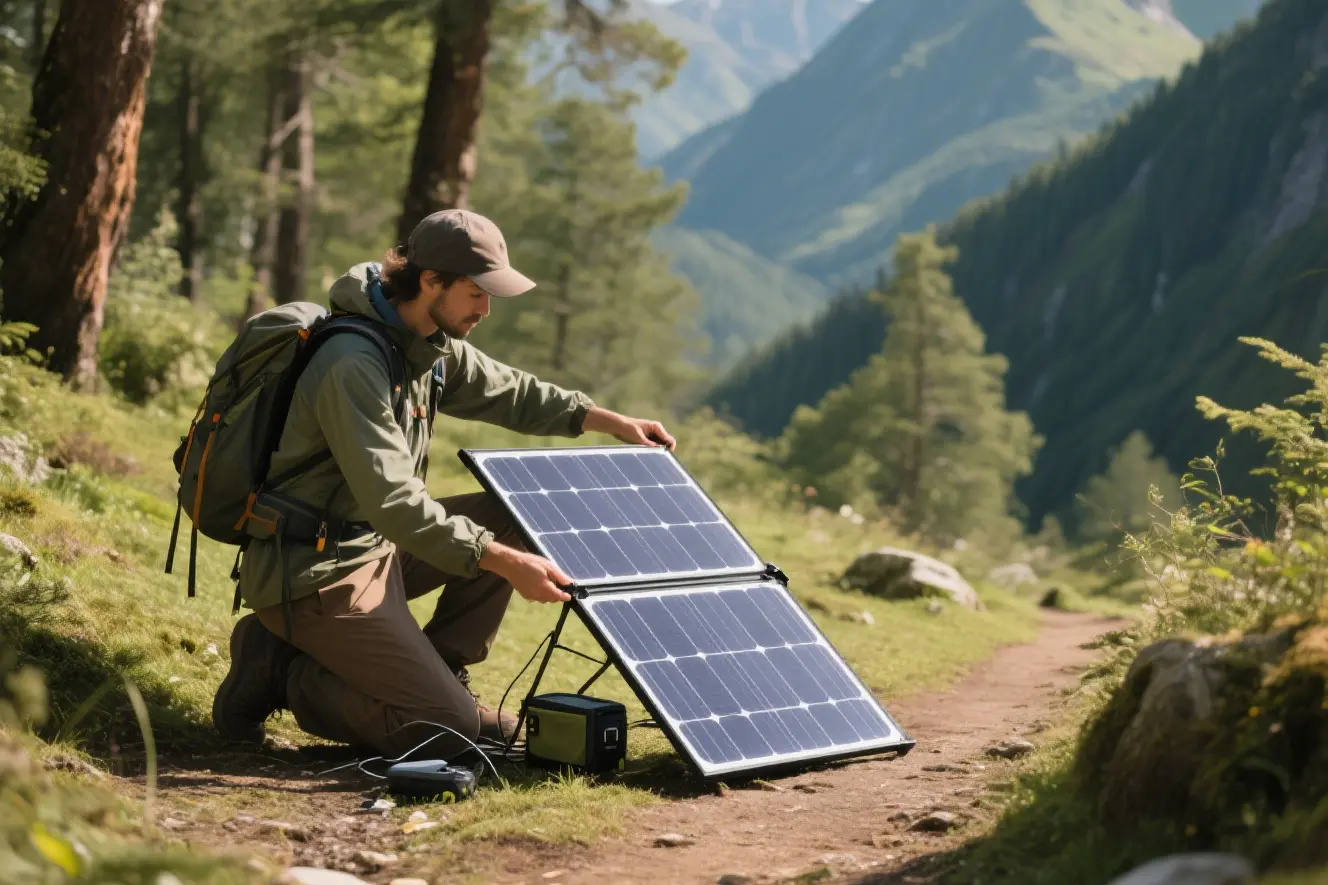
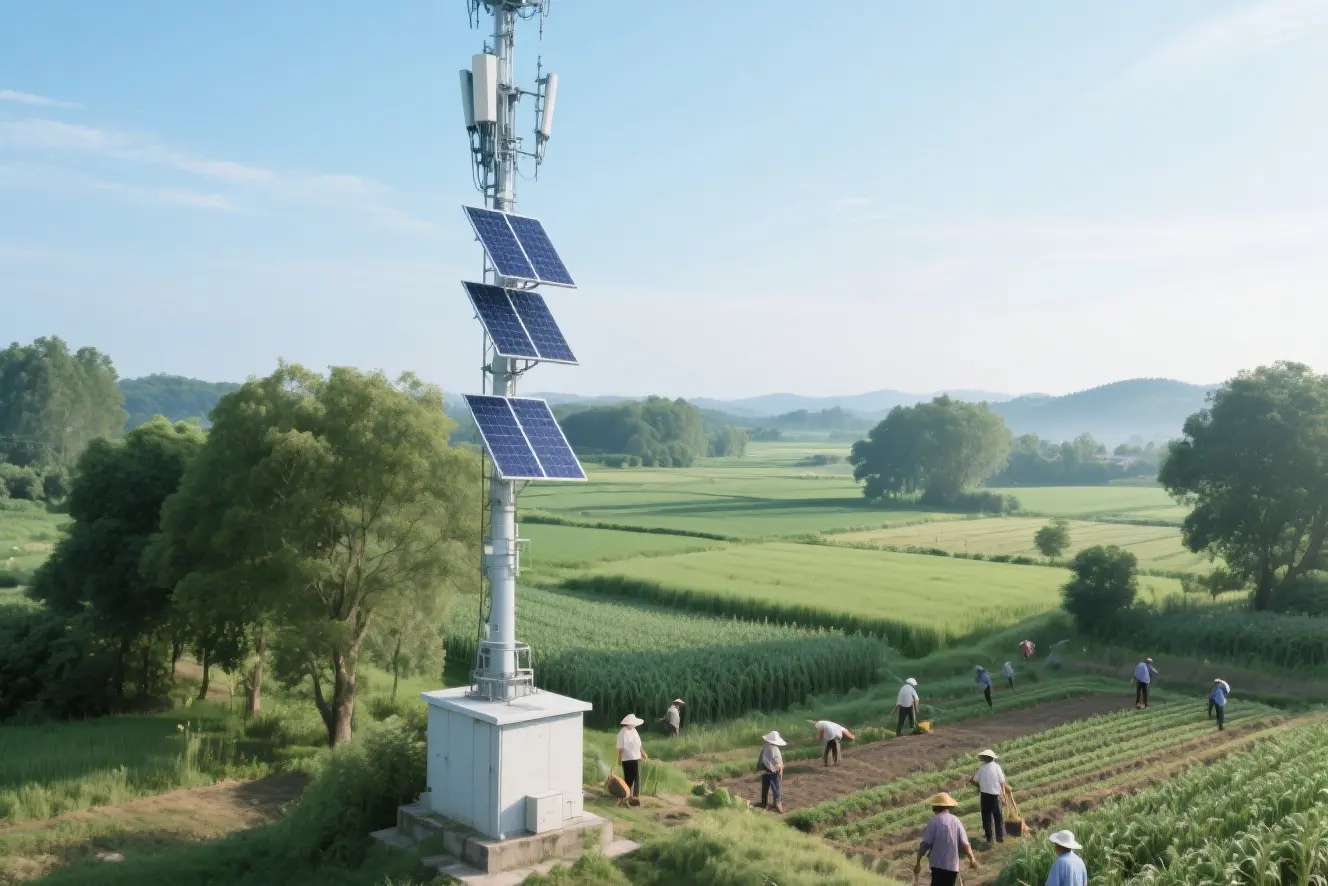
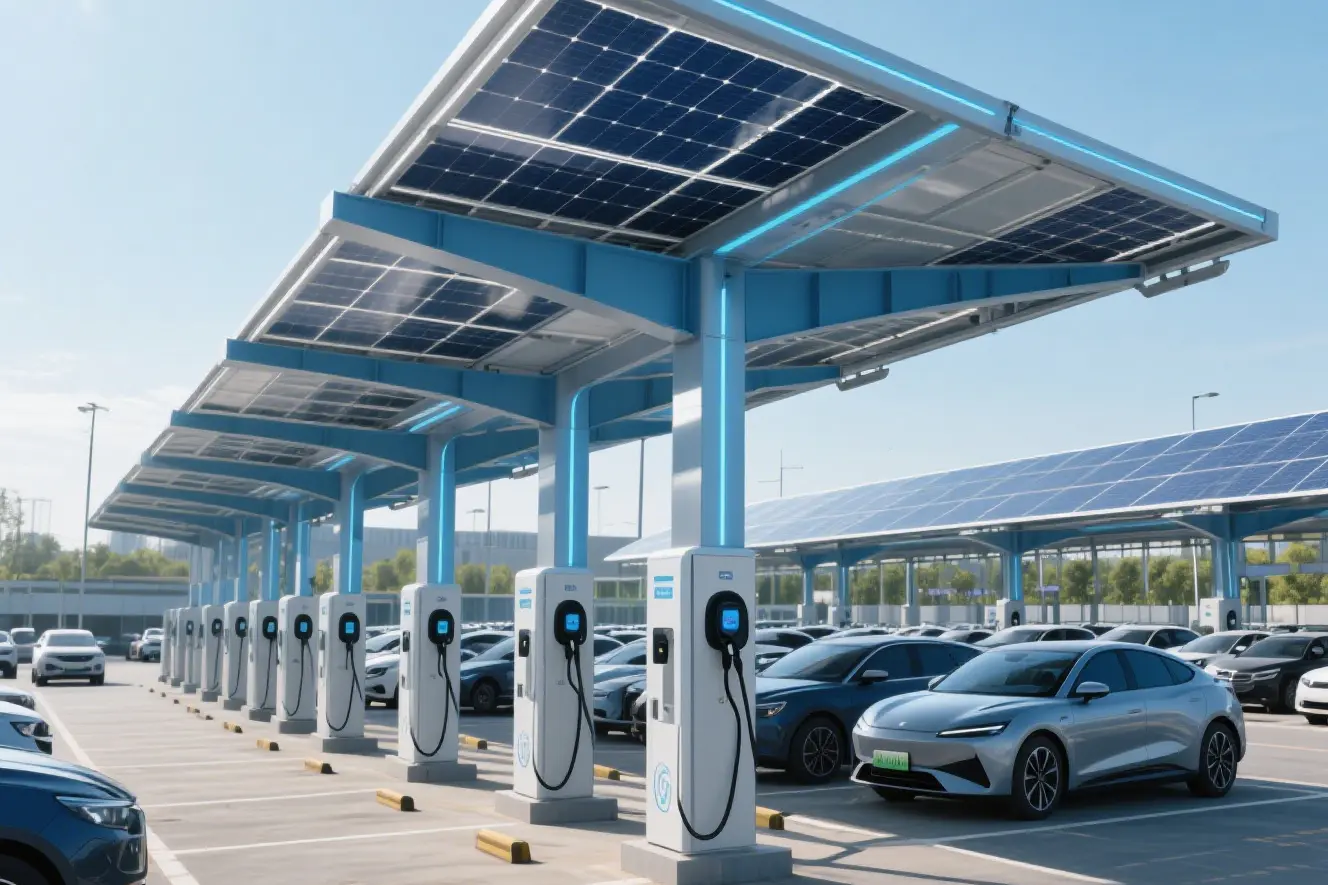
Collaborating with top energy conglomerates, outdoor retail brands, and engineering firms to deploy next-generation solar materials.

Sourcing agents must evaluate cell technology to select products aligned with their client’s performance specifications. While traditional polycrystalline modules are fading due to low efficiency, advanced monocrystalline technologies are dominating. Here is a technical breakdown of current manufacturing standards:
PERC technology adds a passivation layer to the rear of the cell, which reflects light back through the silicon wafer to generate more current. This technology is highly cost-effective and provides a solid 20% to 22.5% efficiency. It represents the bulk of mid-tier commercial residential installations and larger off-grid setups.
The cutting-edge of solar efficiency. TOPCon cells utilize an ultra-thin tunnel oxide layer combined with highly doped polycrystalline silicon to reduce recombination losses. This pushes the cell conversion rate past 24.5%. For outdoor applications where space is extremely limited (such as a 100W foldable panel carried on foot), N-Type cells produce the maximum energy density per square meter.
| Technology Type | Typical Cell Efficiency | Temperature Coefficient | Key Advantage |
|---|---|---|---|
| Standard Mono-Si | 19% - 21% | -0.39% / °C | Reliable, cost-effective baseline |
| PERC Half-Cell | 21% - 23% | -0.35% / °C | Excellent performance under partial shading |
| N-Type TOPCon | 23% - 25% | -0.30% / °C | Low light sensitivity, minimal degradation |
Stay informed with technical insights on solar panel raw materials, structural framing systems, and advanced production processes.
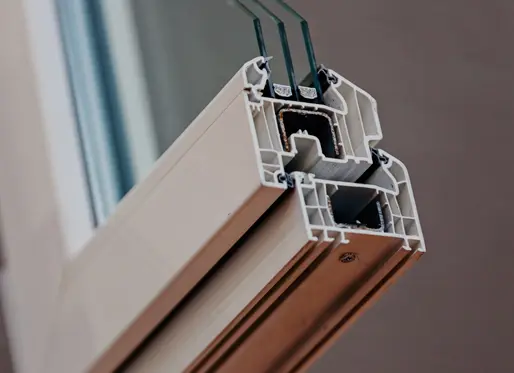
An analysis of wind load resilience, anodized layering, and mechanical stress distribution on structural aluminum PV frames...
Read Full Report →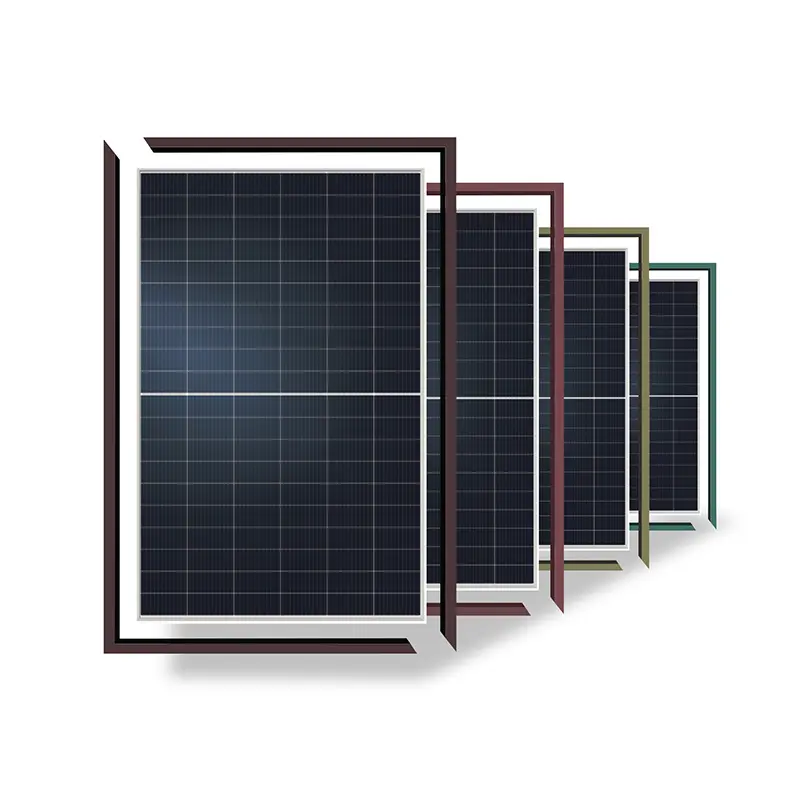
Guidelines for overseas sourcing agents evaluating supplier production lines, mechanical QA, and logistics networks in Yangzhou...
Read Full Report →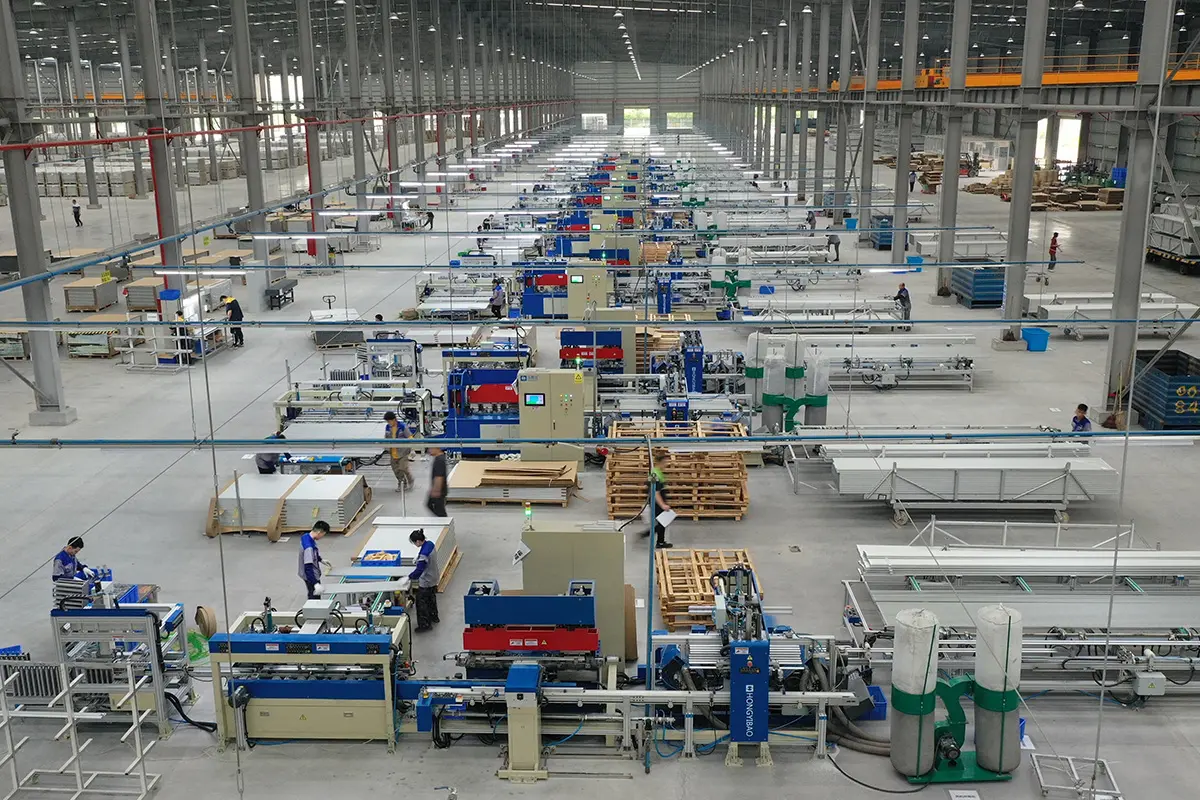
A technical walk-through of salt-spray testing, load calculation models, and dimensional precision in solar frames manufacturing...
Read Full Report →Clear, direct answers regarding engineering specs, order quantities, and system integration for our global commercial buyers.
Premium monocrystalline modules, heavy industrial storage units, and structural frames designed for residential, commercial, and camper applications.