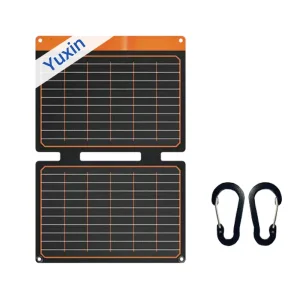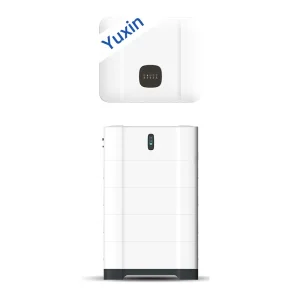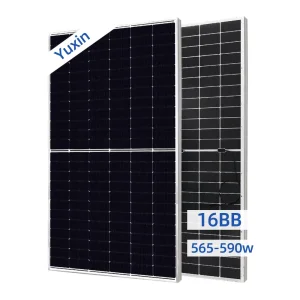
Explore our industrial-grade off-grid power solutions, high-efficiency solar modules, and portable outdoor equipment manufactured to stringent quality standards.
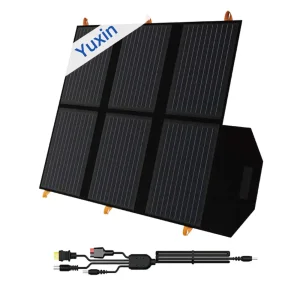
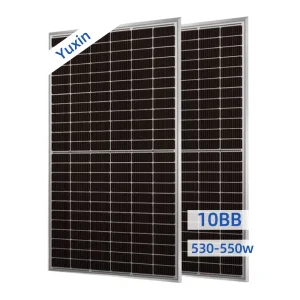
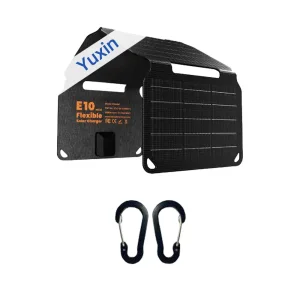
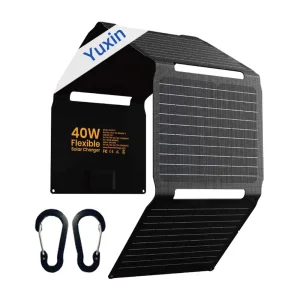
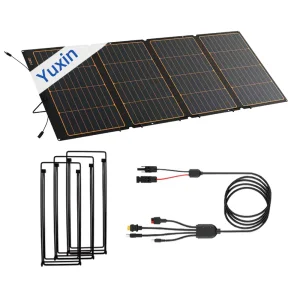
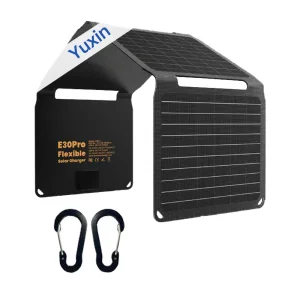
A comprehensive analysis of design methodologies, energy optimization, and hardware orchestration in modern solar-powered sprinkler controller technology.
Within contemporary municipal, agricultural, and commercial landscaping projects, implementing zero-emission and self-powered automation equipment has shifted from a novelty to an operational imperative. The Custom Solar Powered Sprinkler System Controller sits at the intersection of photovoltaic conversion, low-latency microcontrollers, wireless IoT routing, and heavy-duty solenoid valve actuation. Historically, remote landscape irrigation suffered from high installation overheads, primarily driven by long-distance copper wiring trenching to deliver utility AC grid power. Modern solar controllers alleviate this restriction entirely, providing continuous, autonomous operation powered by solar energy harvests.
To design an industrial-grade solar sprinkler system, engineers must execute precise system-level balancing. The design cycle starts by evaluating the diurnal solar radiation curve against the daily energy budget of the system. A typical system contains three primary power consumers: the MCU during active polling/transceiver cycles, the wireless radios (such as LoRaWAN, 4G LTE, or NB-IoT), and the inrush current demanded by latching solenoid valves (often 9V–24V DC). Integrating high-grade monocrystalline silicon solar cells with highly optimized Maximum Power Point Tracking (MPPT) circuits guarantees that even during overcast periods, the controller can sustain battery reserves without dipping below critical thresholds.
Our control units incorporate advanced MPPT algorithms to dynamically track the optimal current-voltage curve of the PV module. By transforming high-voltage/low-current input into target battery charging parameters, solar conversion efficiency is boosted by 20–30% compared to traditional PWM systems. This ensures reliable operation even under heavy cloud covers.
The core intelligence operates on deep-sleep cycle configurations. The controller remains in a low-power hibernation state (~μA draw) and triggers active status only for sensor polling, real-time clock valve schedules, and cloud data synchronizations. This minimizes battery drainage, ensuring a lifetime of up to 10 years without requiring replacement.
Deployments in open agricultural fields require exceptional durability. Using reinforced polycarbonate housings or anodized structural aluminum frames, the controllers exhibit extreme UV resistance, dust-tight sealing, and protection against heavy moisture, meeting IP67 and IP68 industrial ratings.
From high-temperature desert agriculture to sprawling suburban parkways, examine how solar-powered irrigation operates under diverse conditions.
The operational demands of irrigation control systems vary significantly depending on localized microclimates and environmental stresses. To address these variations, custom controller designs incorporate features tailored to specific environmental conditions:
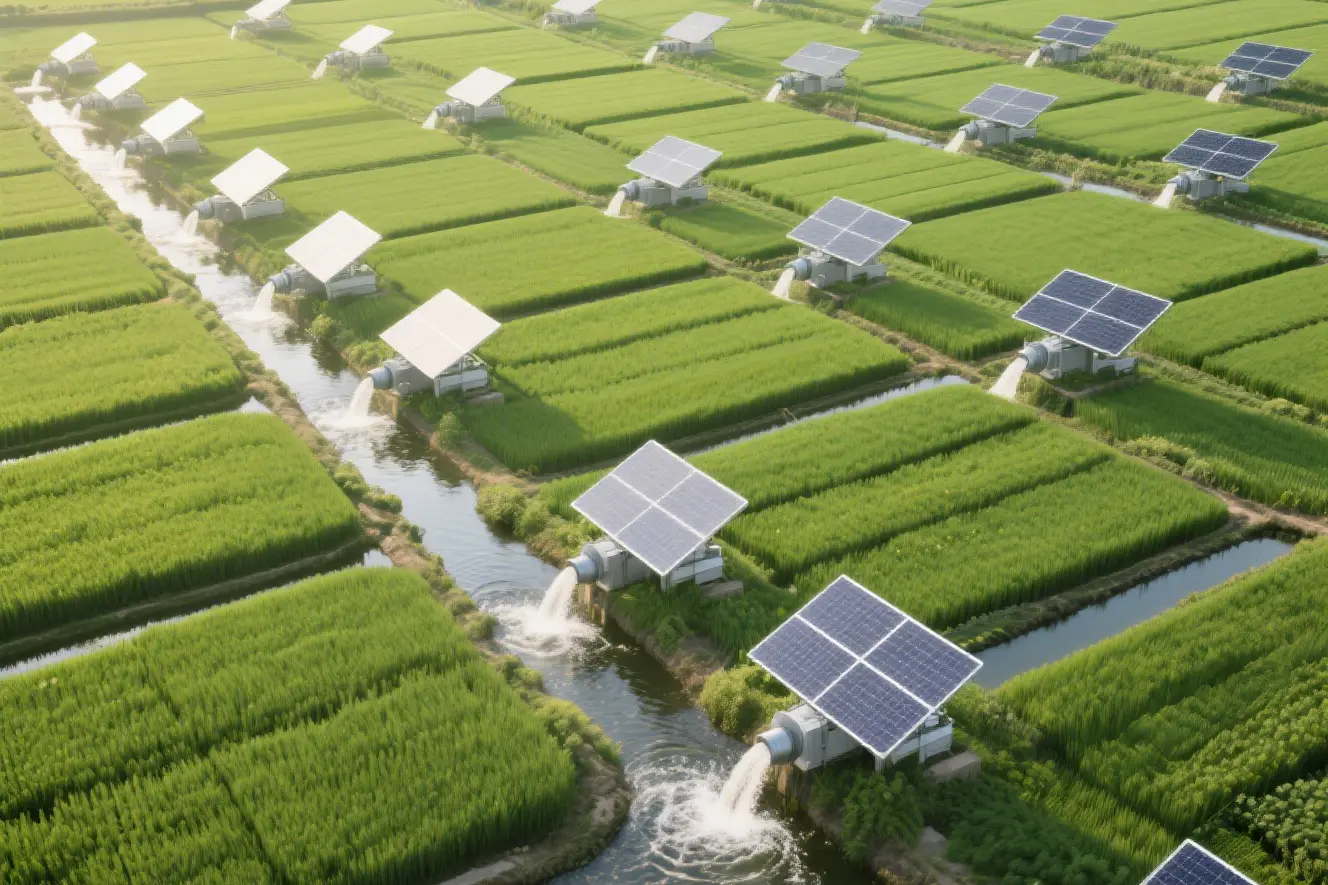
In locations with high solar radiation and low rainfall (such as the Middle East and Northern Africa), controllers must withstand constant high ambient temperatures (up to 55°C). The internal battery chemistry shifts to specialized LiFePO4 cells to prevent thermal runaway. The system works in tandem with soil moisture sensors, dynamically adjusting water release rates to prevent excessive evaporation loss.
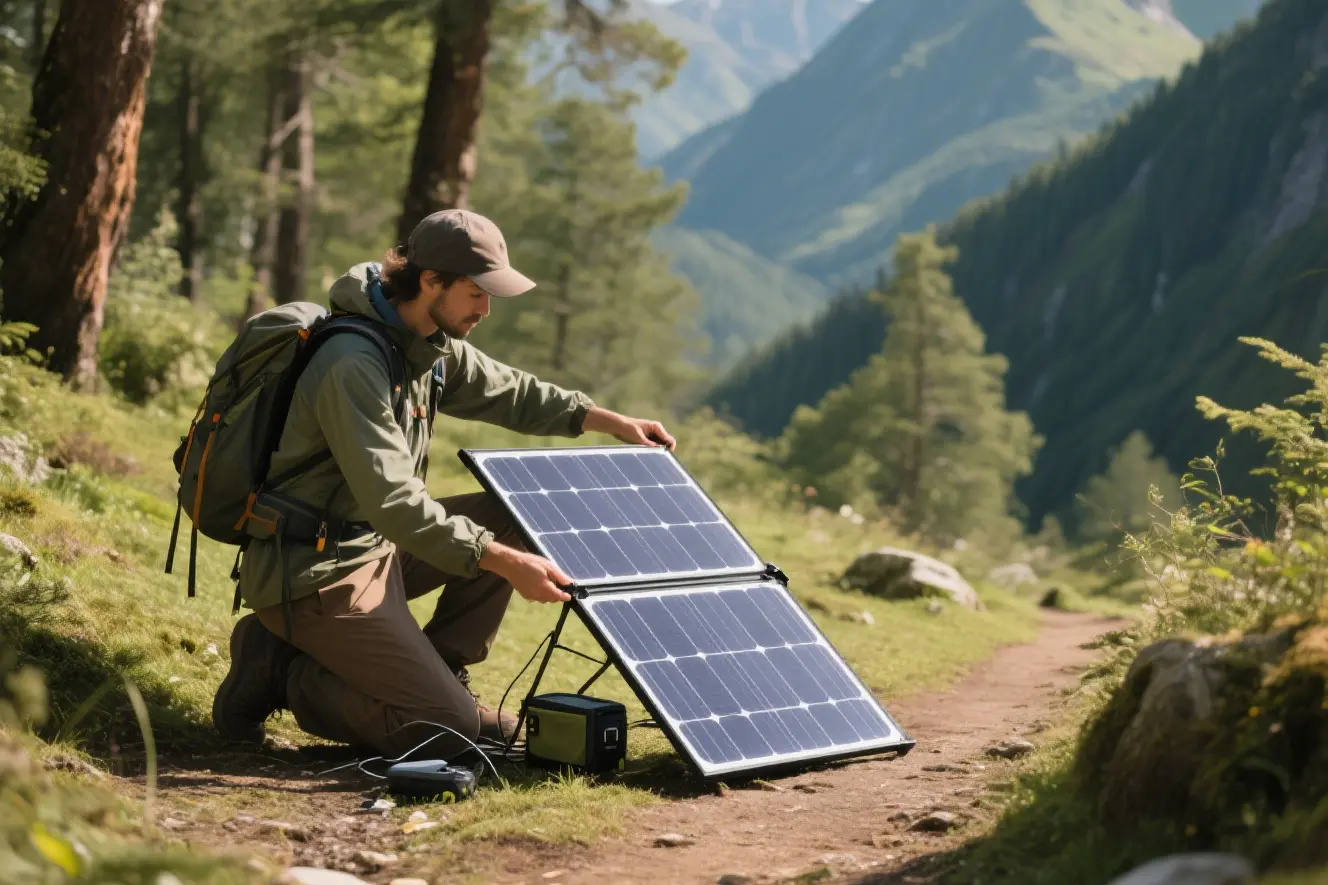
Urban parkways, roundabouts, and isolated highway medians present serious challenges for traditional wired grids. Solar-powered controllers eliminate the need to break asphalt for power lines. Furthermore, integrated GPS and cellular links allow municipal staff to monitor flow parameters and schedule watering routines remotely from a centralized smart-city dashboard.
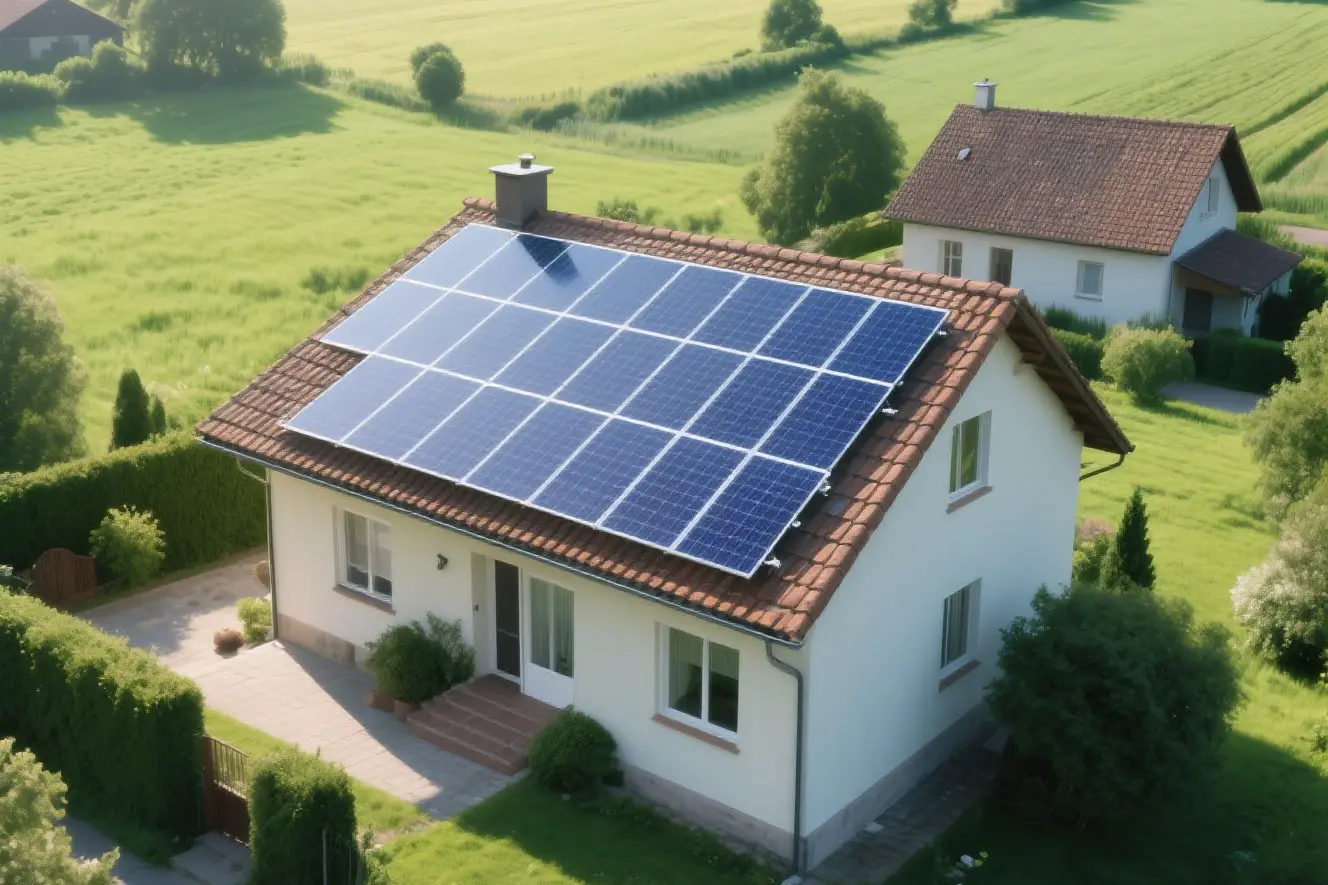
For large athletic fields and golf courses, maintaining visual appeal is closely tied to operational margins. Our smart solar controllers connect over long-range LoRaWAN channels to form integrated mesh networks. If a single solar unit detects a localized leak, it can automatically trigger shut-off protocols and alert managers, preventing costly property damage.
A strategic vision detailing the transition toward AI-driven evapotranspiration modeling, advanced IoT communication protocols, and new photovoltaic integrations.
The next generation of solar-powered controller development centers around three primary advancements: intelligent autonomous decision-making, expanded wireless coverage, and advanced power harvesting. As climate change increases weather unpredictability, static, pre-programmed irrigation schedules are becoming obsolete. The modern controller must operate as an edge-computing device, analyzing localized sensor data in real time to optimize water usage.
By connecting to local micro-weather feeds and incorporating soil temperature/moisture history, controllers can run localized algorithms to calculate water loss. Instead of simple daily schedules, the unit applies the exact volume of water lost through transpiration, cutting municipal water waste by up to 45% annually.
For installations in deep valleys, vast pasturelands, or remote restoration areas where cellular networks are unavailable, integrating next-generation NTN (Non-Terrestrial Network) satellite modems ensures continuous communication. This allows controllers to upload system metrics and receive firmware updates globally, without relying on regional infrastructure.
Utilizing high-efficiency bifacial solar cells mounted on structural frames allows the system to harvest reflected light from ground surfaces. As perovskite solar technology matures, integration with standard silicon cells will push unit efficiency beyond 30%, shrinking the required physical footprint of the controller module.
Your Trusted Global Photovoltaic Materials and Solar System Integration Expert.
Established in 2008, YUXIN has developed a comprehensive manufacturing ecosystem, growing into a national high-tech enterprise with 14 specialized subsidiaries under its jurisdiction. This includes Jiangsu Yuxin New Energy Technology Co., Ltd. Our facilities are located in the historic city of Yangzhou, offering convenient logistical access via the Beijing-Shanghai Expressway, Runyang Yangtze River Bridge, and Ningqi Railway. This location enables rapid dispatching to international shipping hubs.
Over the past decade, we have focused on core research and development in solar energy systems, high-efficiency solar panel manufacturing, premium structural aluminum framing, and portable solar accessories. Our vertically integrated production model allows us to control the entire manufacturing process, from raw ingot processing and frame extrusion to final automated circuit testing. This approach ensures consistent quality for custom B2B projects.
Analyzing the structural advantages that allow us to guarantee lead times, maintain stable raw material costs, and ensure consistent quality.
The global electronic and solar component market has experienced significant volatility in recent years. In this environment, the resilience of our factory supply chain serves as a key advantage for our global partners. By centering our production facilities in the Yangtze River Delta industrial hub, YUXIN benefits from close proximity to raw material suppliers, including high-purity polysilicon refiners and advanced smelting mills. This local network minimizes transportation bottlenecks, stabilizes material sourcing, and insulates production schedules from global disruptions.
To ensure structural integrity and corrosion resistance, our solar controllers utilize custom-extruded aluminum enclosures and mounting brackets. The raw aluminum is processed in-house using automated press lines, anodizing baths, and precision CNC milling. This integration reduces dependency on external suppliers, allowing us to manage quality and costs directly. Additionally, by maintaining strategic reserves of key electronics—such as microcontrollers, charge-management ICs, and wireless transceivers—we protect our clients from sudden market shortages.
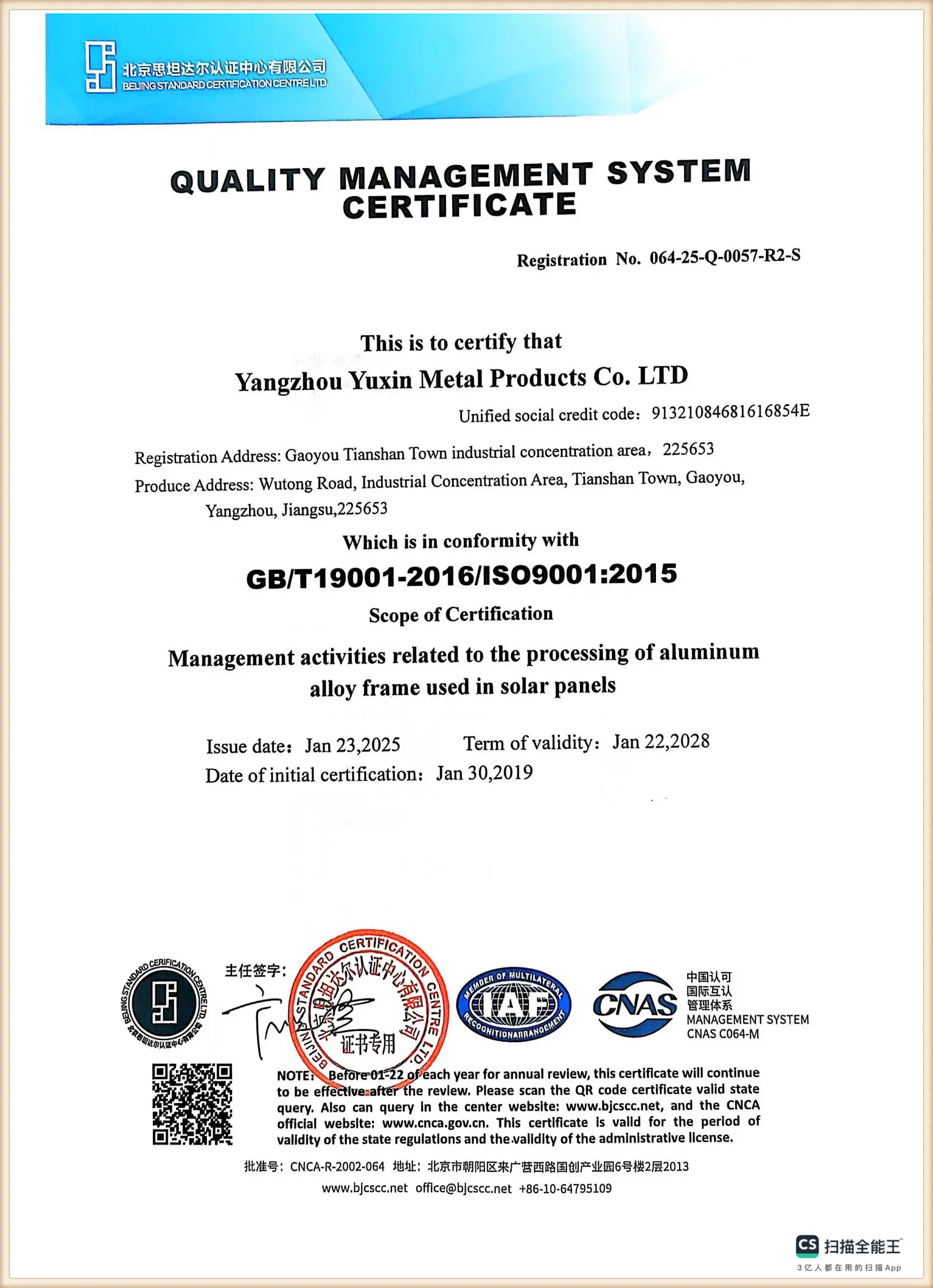
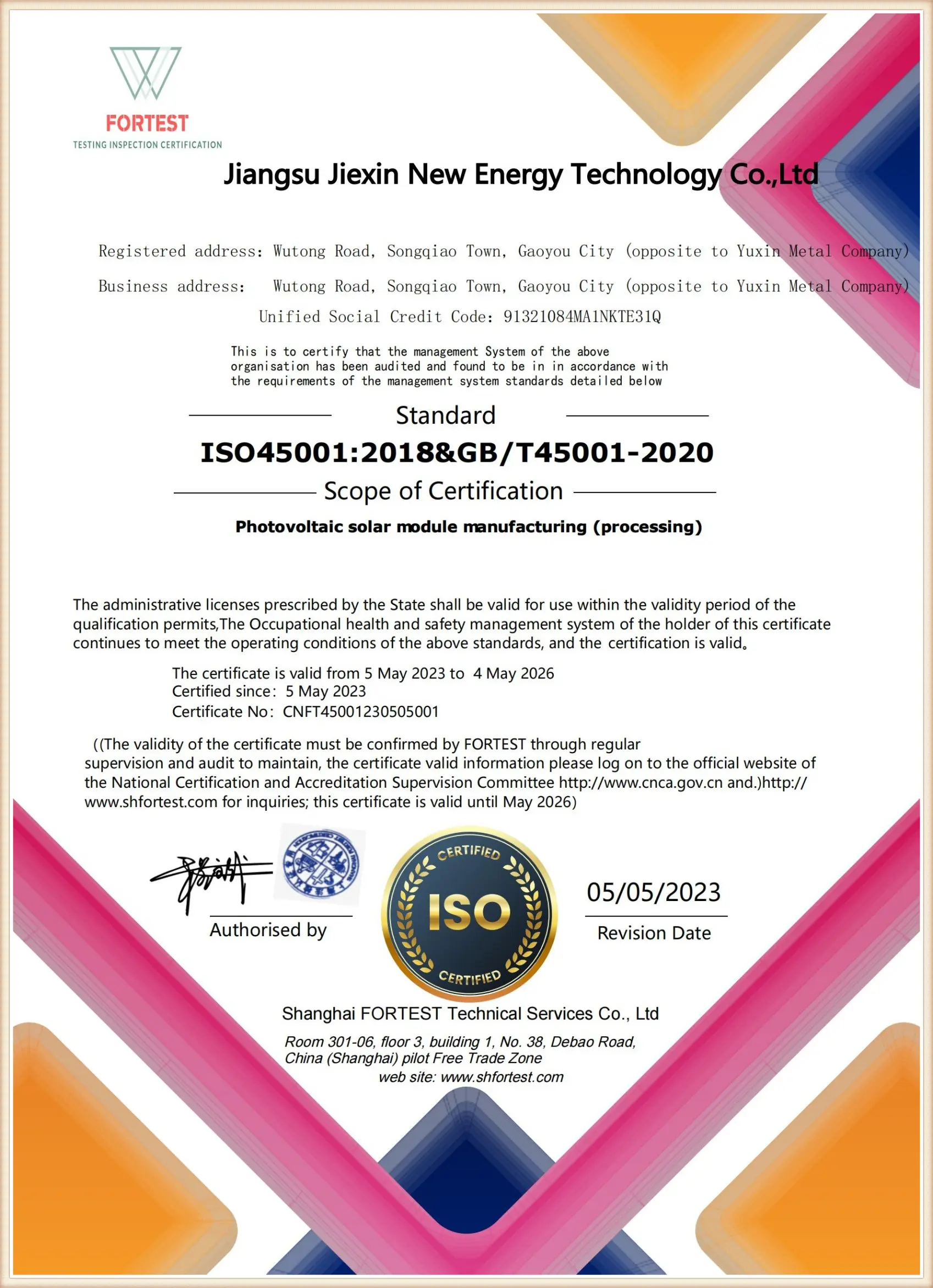
Our commitment to rigorous testing and international quality compliance is backed by accredited industry certifications.
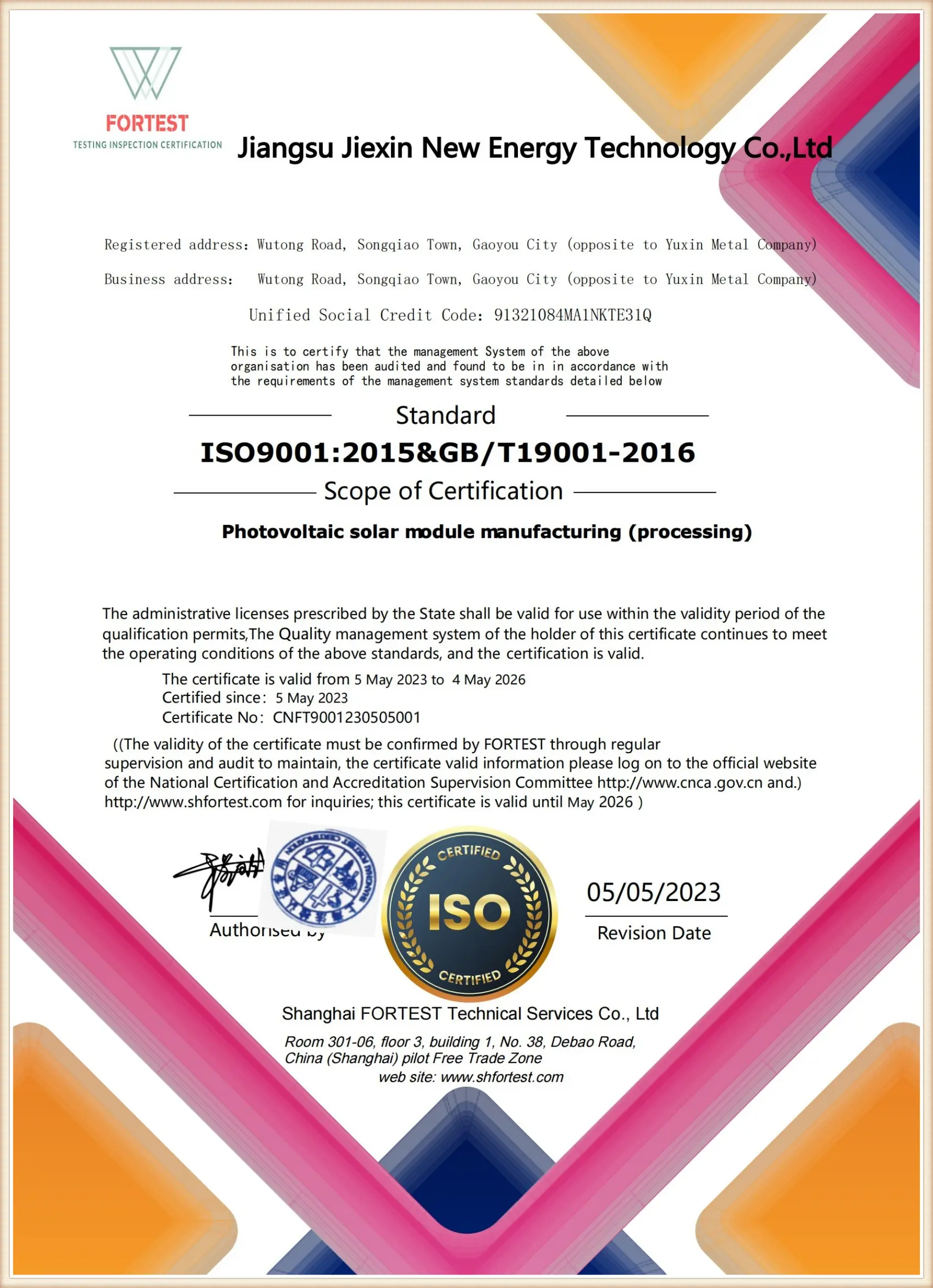
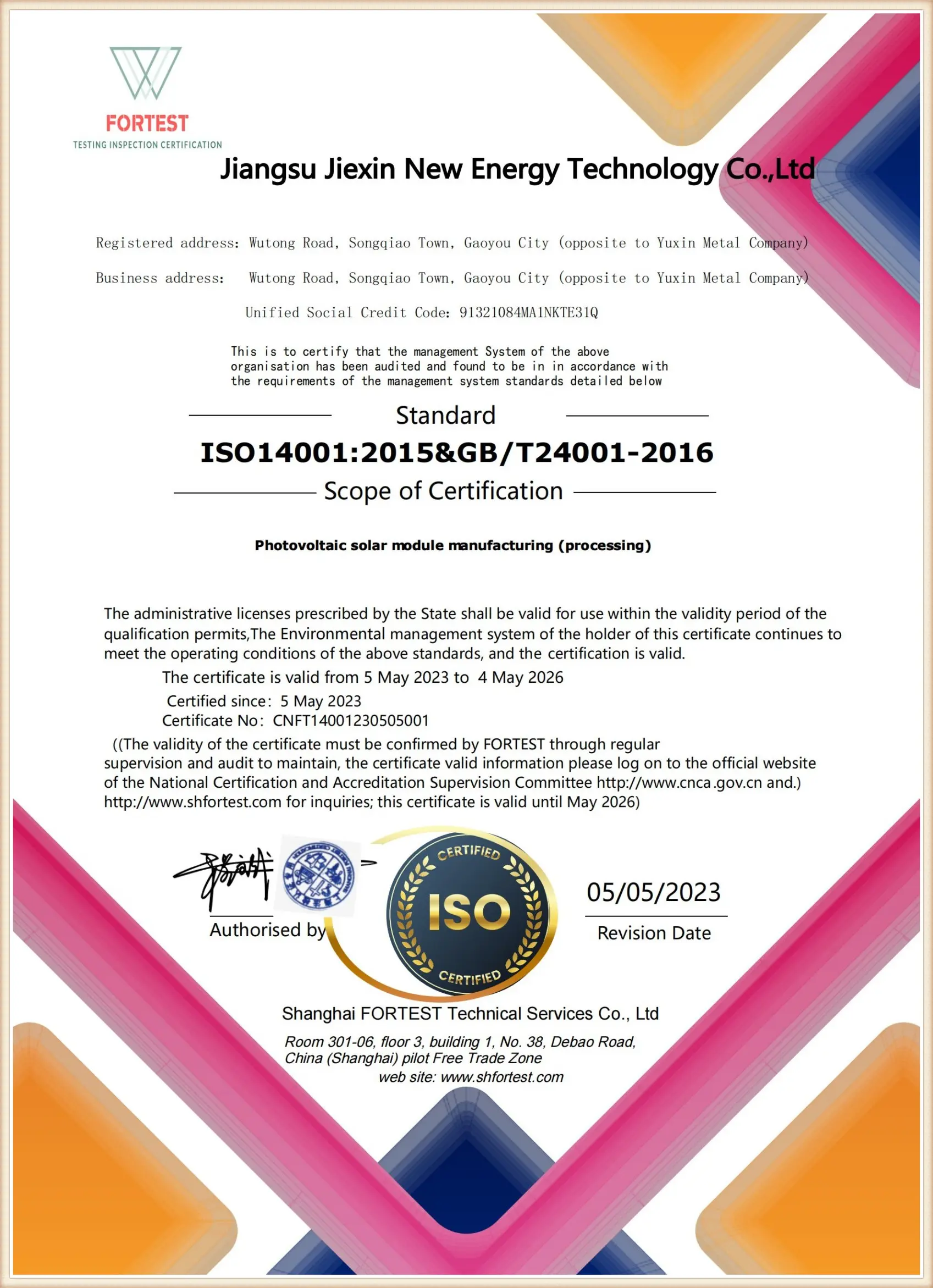
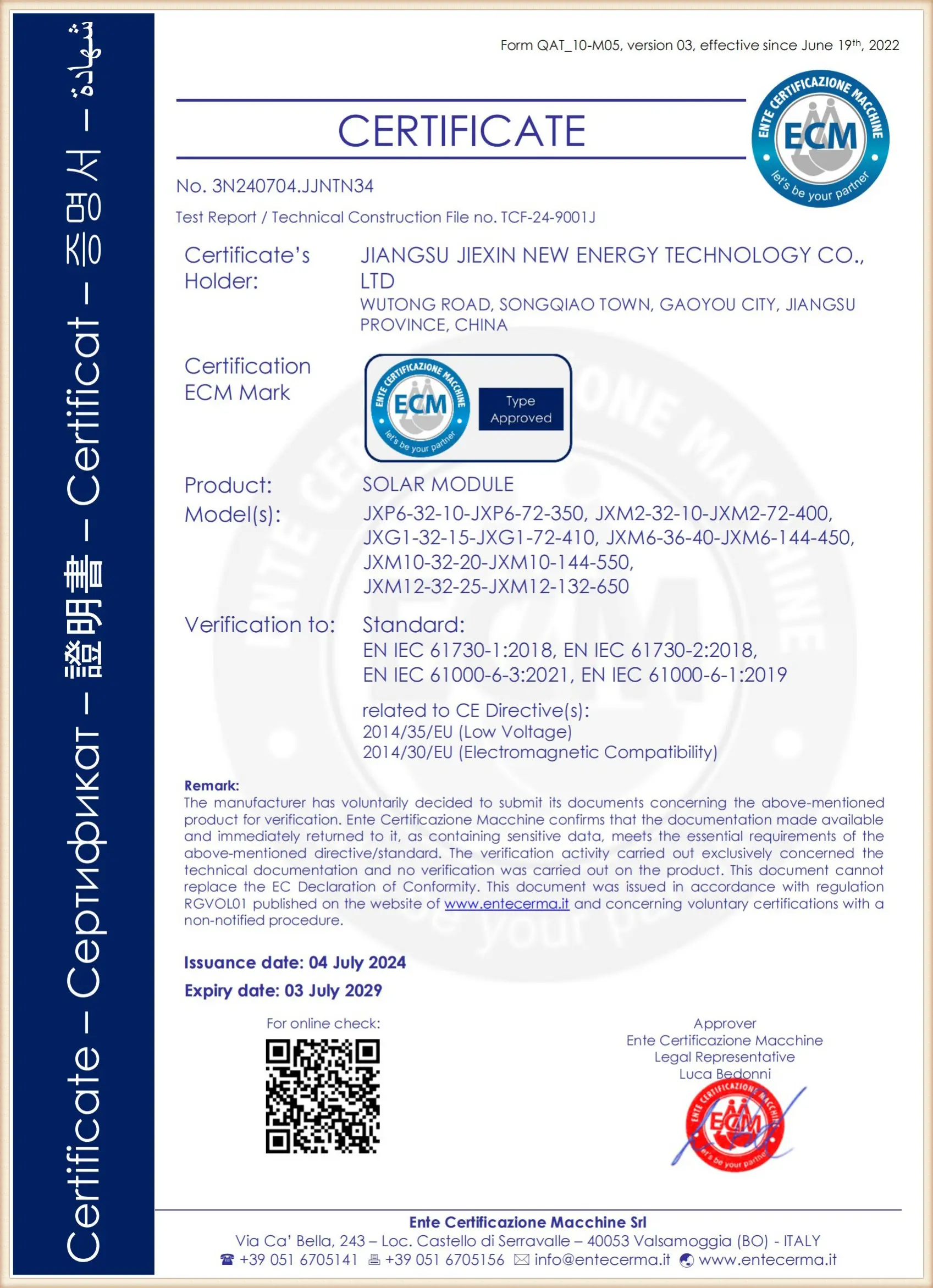
Collaborating with leading enterprises worldwide to deliver sustainable energy and intelligent automation solutions.


Stay informed with technical insights and operational guides written by our senior engineering teams.
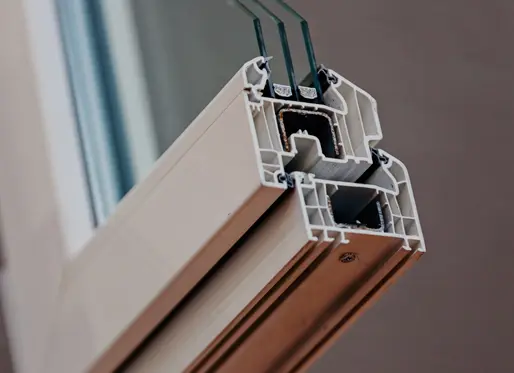
An in-depth analysis of structural integrity, alloy choices, anodizing standards, and thermal expansion properties in outdoor environments.
View Article →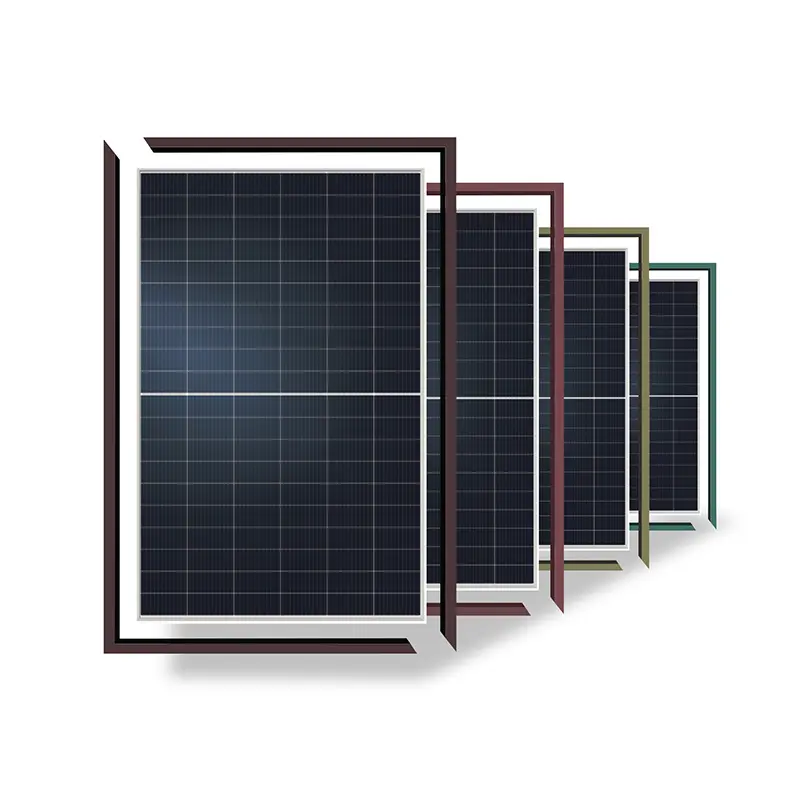
Key indicators of factory competency, including extrusion line capacities, quality control facilities, and supply chain logistics.
View Article →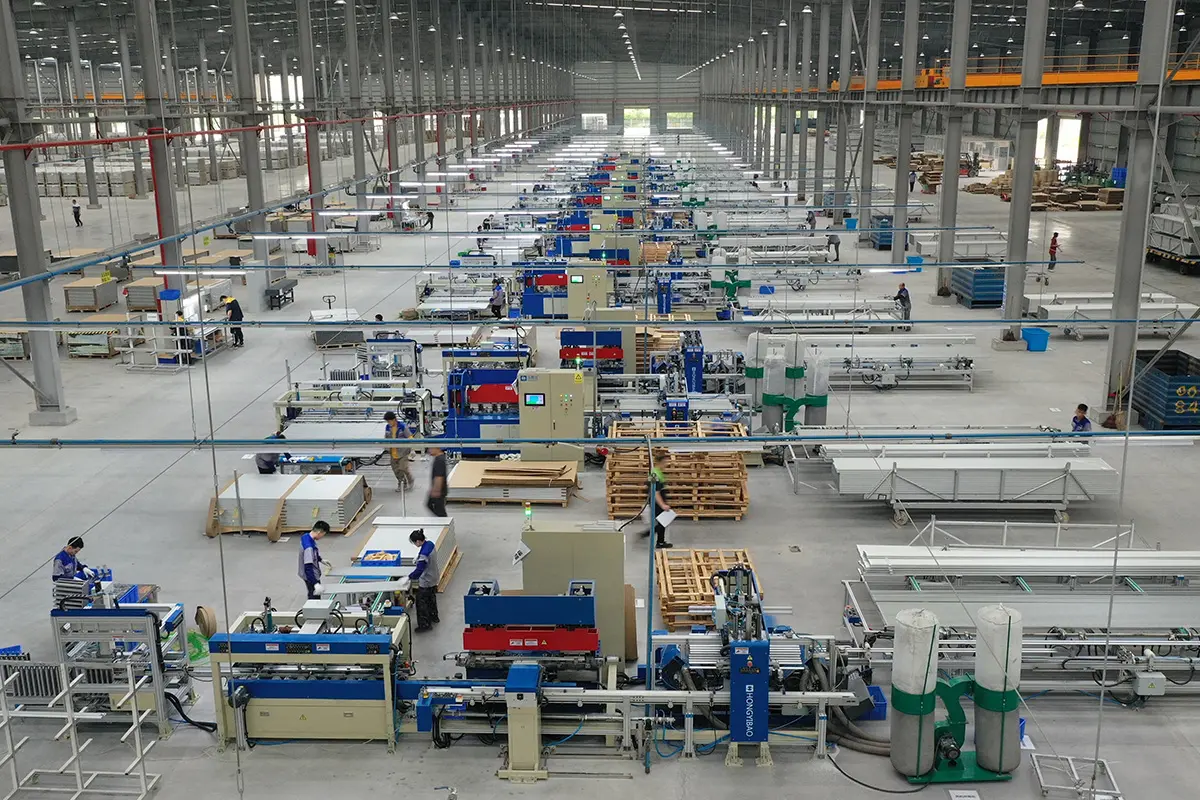
Understanding critical tolerances, tensile testing, coating thickness verification, and environmental stress profiling.
View Article →Detailed answers to common questions from project developers, procurement officers, and system integrators.
We analyze localized solar radiation data (using PVGIS database statistics) for the specific installation coordinates. We then run simulations under worst-case scenarios, such as consecutive overcast days in winter. The PV panel capacity and battery reserves are scaled to ensure continuous system operation, even during extended periods of low sunlight.
Our systems are designed to interface with major industrial solenoid valves, with a focus on DC latching models (typically 9V to 12V DC). By utilizing short, low-energy electrical pulses rather than constant current to open and close valves, we significantly extend battery life.
We construct our outer enclosures using high-grade polycarbonate (PC) resins or anodized structural aluminum alloys. The sealing gaskets are made of Viton or EPDM rubber, which resist damage from agricultural chemicals, UV exposure, and ozone breakdown, protecting internal electronics over years of service.
We supply modular network interfaces to match local infrastructure, supporting LoRaWAN for private networks up to 15km, NB-IoT or LTE-M for cellular installations, and Bluetooth/WiFi for localized commissioning and diagnostic monitoring.
Our ISO-certified manufacturing facility operates 21+ automated lines, keeping primary processes in-house. Strategic warehousing of critical microchips, combined with local raw material sourcing, protects our production schedules from global supply disruptions and allows us to meet delivery commitments.
Broaden your integration capabilities with our high-power solar panels, modular commercial energy storage, and premium structural frames.