Explore our elite selection of high-efficiency solar modules, protective frames, portable energy generators, and complete off-grid solar equipment designed for remote applications.
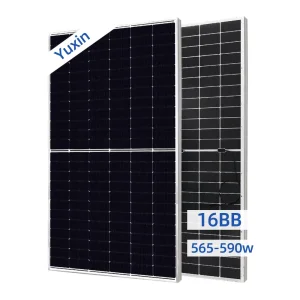
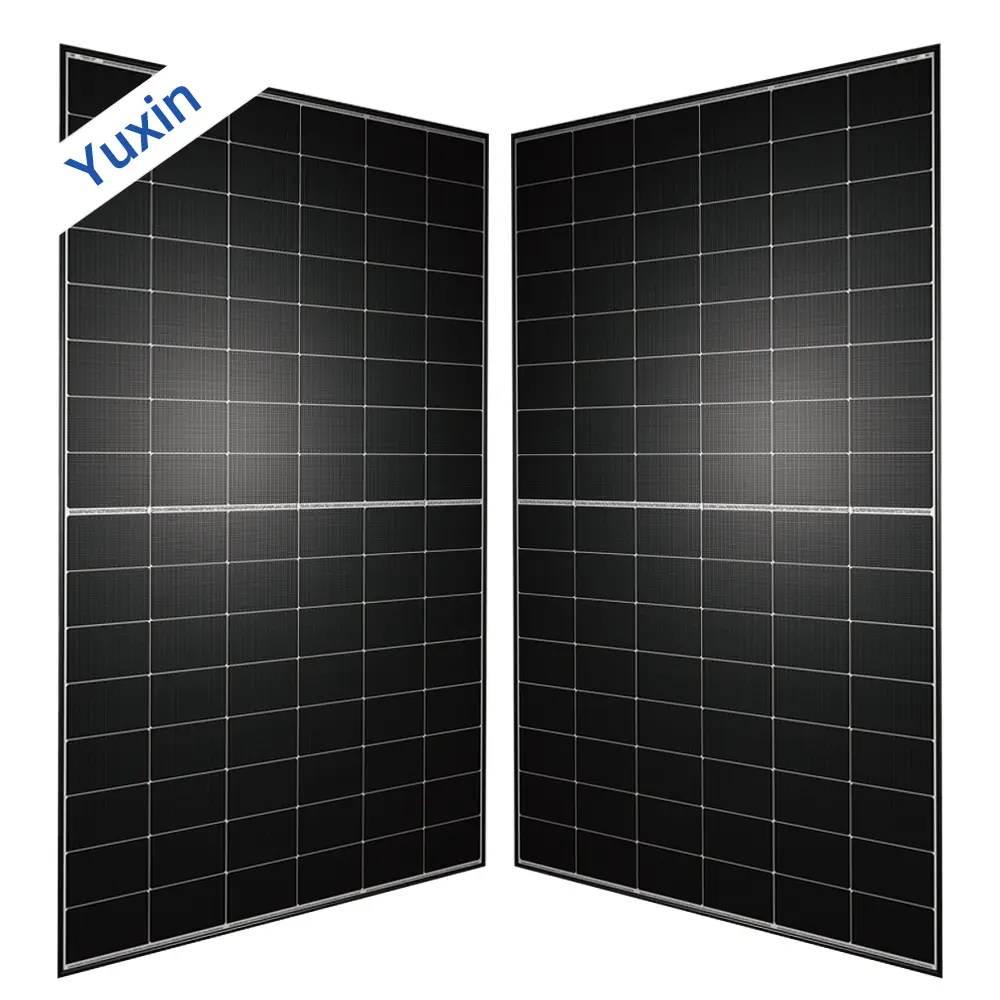
Monocrystalline silicon (144 cells) module featuring ultra-low LID, superior bifacial gain, and 16BB design for maximum light collection.
Inquire Now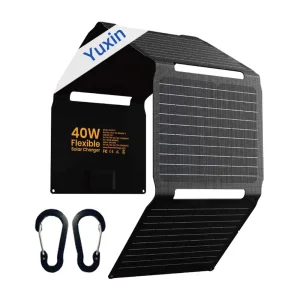
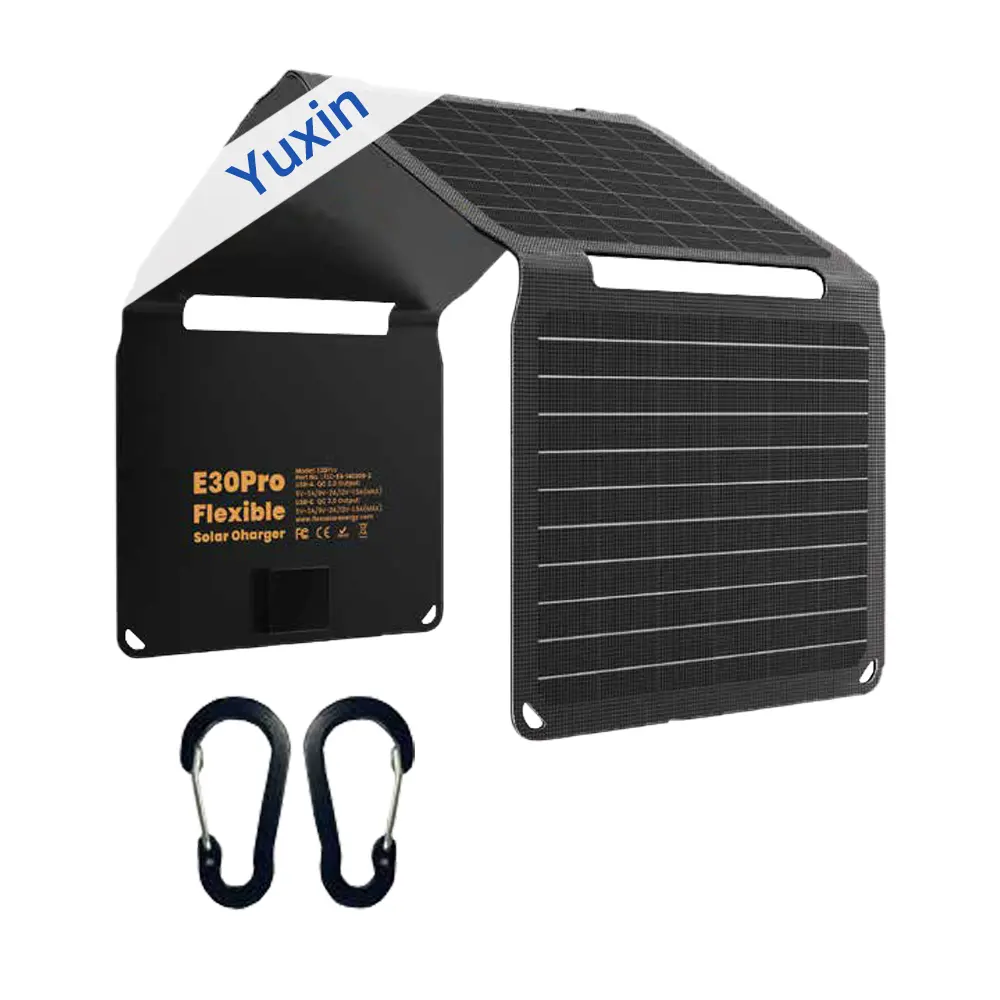
Ruggedized off-grid charging solution for mobile field devices, integrating smart voltage regulation and weatherproof textiles.
Inquire Now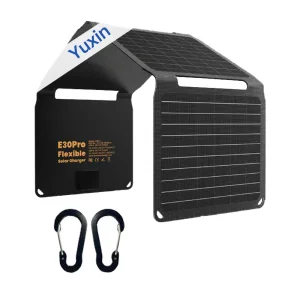
Optimized for lightweight trekking and wilderness exploration, featuring flexible, crack-resistant monocrystalline cells.
Inquire Now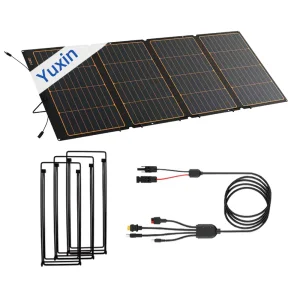
High-output deployable solar array ideal for powering miniature portable stations, satellite systems, and rescue gear.
Inquire Now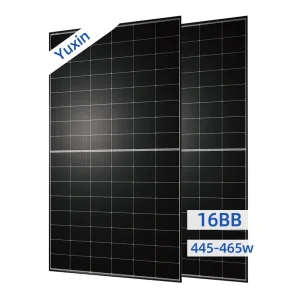
Black frame aesthetics combined with double glass mechanical load capability. Optimized for alpine snowfall and high-wind environments.
Inquire Now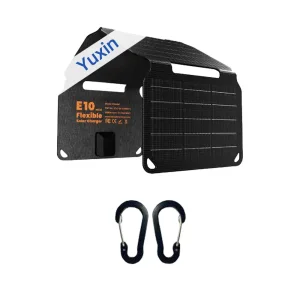
Compact solar integration for hikers and micro-grid monitoring personnel. Durable denier shell with clean power output.
Inquire Now
Next-generation structural material providing extreme salt spray resistance, electrical insulation, and reduced thermal expansion.
Inquire Now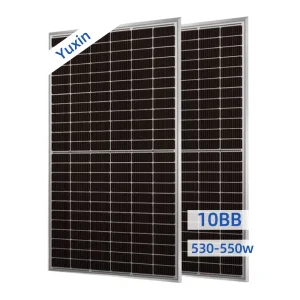
High-density packing technology paired with standard PERC efficiency curves, offering a highly economical price-to-performance ratio.
Inquire NowDirect integration of solar panels, portable charging systems, energy storage networks, and structural support frames.
Lightweight design with transparent back panel for easy installation and reduced BOS costs.
Utilizing advanced monocrystalline silicon cells, it achieves a high energy conversion efficiency of 24%.
Application modes include grid-connected mode, off-grid mode, and integrated grid-connected/off-grid mode.
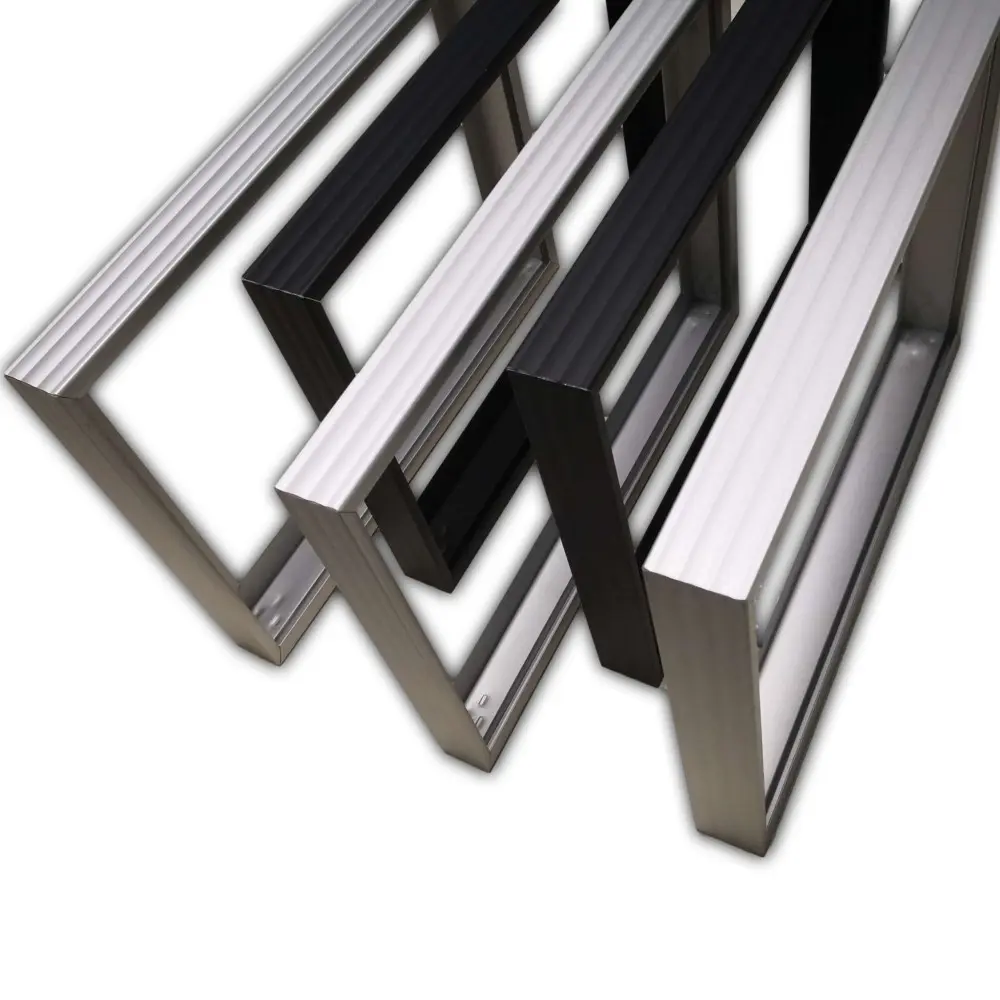
Made of high-quality anodized aluminum, it ensures superior weather resistance and a smooth, long-lasting finish.
Engineering off-grid architectures for extreme thermal variations, physical loads, and complex power topologies.
The global transition to off-grid remote cabin configurations demands solar modules with exceptional energy density and temperature coefficients. Standard PERC technology, while historically reliable, is rapidly giving way to N-Type TOPCon (Tunnel Oxide Passivated Contact) architectures. This technological pivot is crucial for off-grid operations in high-latitude or mountain regions where diffuse solar radiation dominates.
By integrating N-type silicon wafer bases with thin tunnel oxide layers and highly doped polycrystalline silicon, TOPCon modules realize open-circuit voltages (Voc) exceeding 720mV. This allows the system to generate power earlier in the morning and later in the evening compared to conventional structures. For remote cabins, where winter day lengths are limited, this 16BB (16 busbar) technology reduces carrier recombination losses, optimizing the micro-grid’s daily power profile.
Simultaneously, bifacial dual-glass integration utilizes reflected light from ground snow cover, wet rock, or sand to provide a bifaciality factor up to 85%. This bifacial gain translates to an additional 10% to 30% power generation from the rear side, mitigating the need for oversized arrays and significantly lowering the Balance of System (BOS) capital costs.
Mechanical stability is a major vulnerability point in remote cabin installations. Mountain cabins must withstand heavy snow loads (up to 5400 Pa) and coastal installations face high salt-spray corrosion index classifications (C5-M). To address this, structural design must leverage state-of-the-art metallurgy and chemical engineering.
The classic 6063-T5 and 6005-T6 anodized aluminum extrusion frames remain industry benchmarks due to their strength-to-weight ratios and high micro-hardness. A protective anodizing coating of ≥15 μm isolates the aluminum core from atmospheric acids, preventing galvanic corrosion at structural joints.
For extreme sub-zero, highly corrosive, or high-humidity micro-climates, Sustainable Polyurethane Pultruded Composite Materials represent a critical breakthrough. These composite frames exhibit a thermal expansion coefficient near that of the silicon glass laminate itself, neutralizing internal shear stress during extreme freeze-thaw cycles. Crucially, they offer complete electrical insulation, preventing Potential Induced Degradation (PID) without requiring complex ground loops—a significant installation advantage on rocky terrains where traditional ground rod installation is difficult.
A cabin power plant is only as reliable as its battery storage system (BESS). Integrated off-grid cabin solar systems incorporate modular commercial and residential energy storage units utilizing Lithium Iron Phosphate (LiFePO4) chemistry. LiFePO4 cells are preferred due to their high thermal stability, safety profile, and service life exceeding 6000 cycles at 80% Depth of Discharge (DoD).
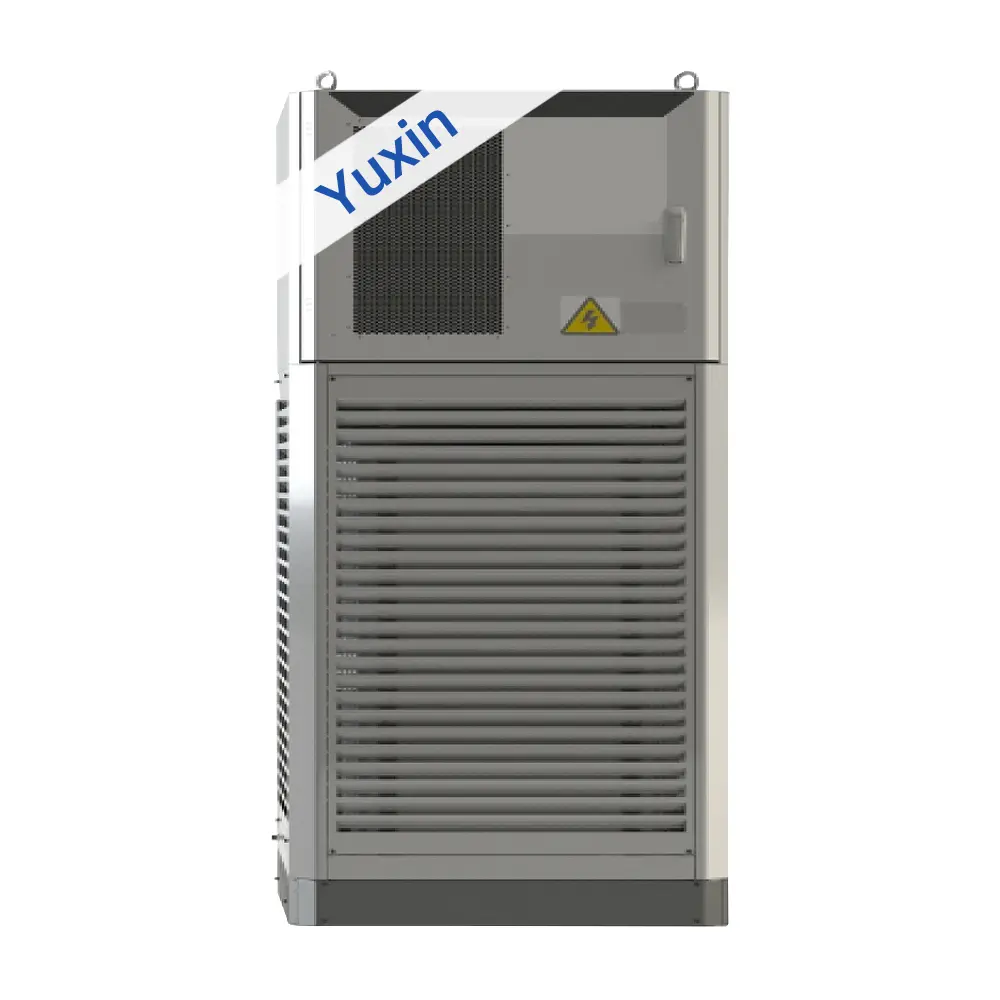
Advanced configurations utilize modular energy storage cabinets, such as the P01-EC60-30K, which combine battery packs, modular hybrid inverters, and battery management systems (BMS) with built-in thermal propagation prevention. The system architecture supports dual operation: standard off-grid mode with automatic diesel generator start-stop logic, and smart grid-interactive mode if utility grids are extended. This system versatility allows remote monitoring over cellular or satellite networks, ensuring performance visibility even in deep wilderness.
Precision, Quality, and Safety - Your Photovoltaic Materials Expert
Located in the scenic historical and cultural ancient city of Yangzhou, close to the Beijing-Shanghai Expressway, Runyang Yangtze River Bridge, and Ningqi Railway, the group has a superior geographical location and convenient transportation. The group was established in 2008 and has 14 multi-field companies under its jurisdiction, including Jiangsu Yuxin New Energy Technology Co., Ltd., and has won many titles such as National High-tech Enterprise, Technology-based Enterprise, and Gaoyou City Top 100 Private Enterprises.
Yuxin maintains deep control over the entire supply chain, from the raw material procurement of 6063-T5 aluminum ingots to the advanced extrusion and final anodizing processes. This end-to-end management guarantees that our custom cabin solar modules and support structures are certified for long-term structural integrity in challenging off-grid environments.
How our integrated industrial layout guarantees quality consistency, cost control, and steady supply lines.
By overseeing raw ingot smelting, custom shape extrusion, surface treatments, and electronic assembly in-house, we eliminate intermediate markup margins and maintain strict quality control.
Every structural frame and electrical cell undergoes continuous optoelectronic testing and automated dimensional verification to ensure compliance with export standards.
Our facilities in Yangzhou are situated near major logistics highways and river ports, streamlining global shipping corridors and cutting down transit time for bulk orders.
From remote agricultural pumps to mountain telecom towers, our custom solar packages deliver reliable, long-term power.

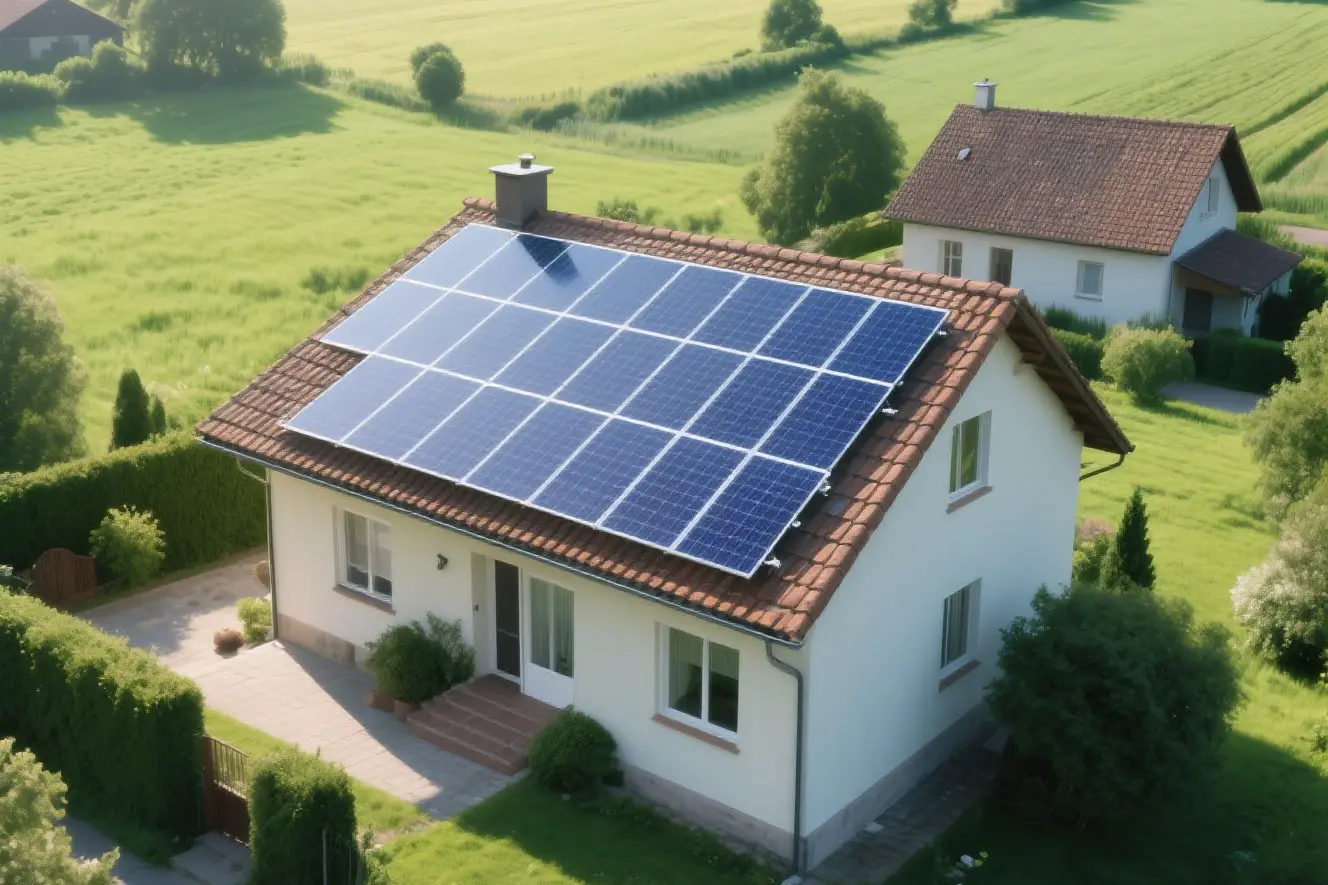
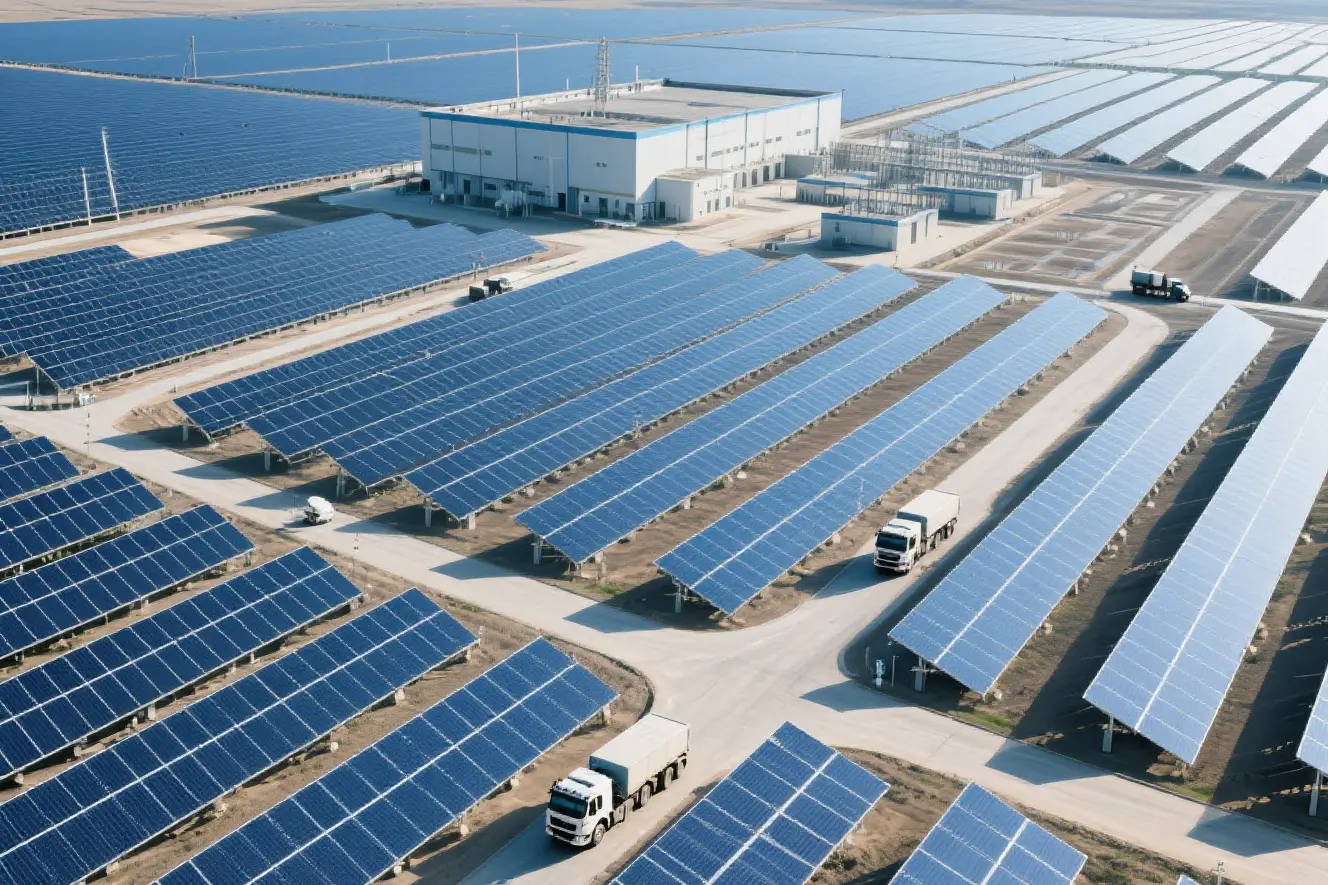
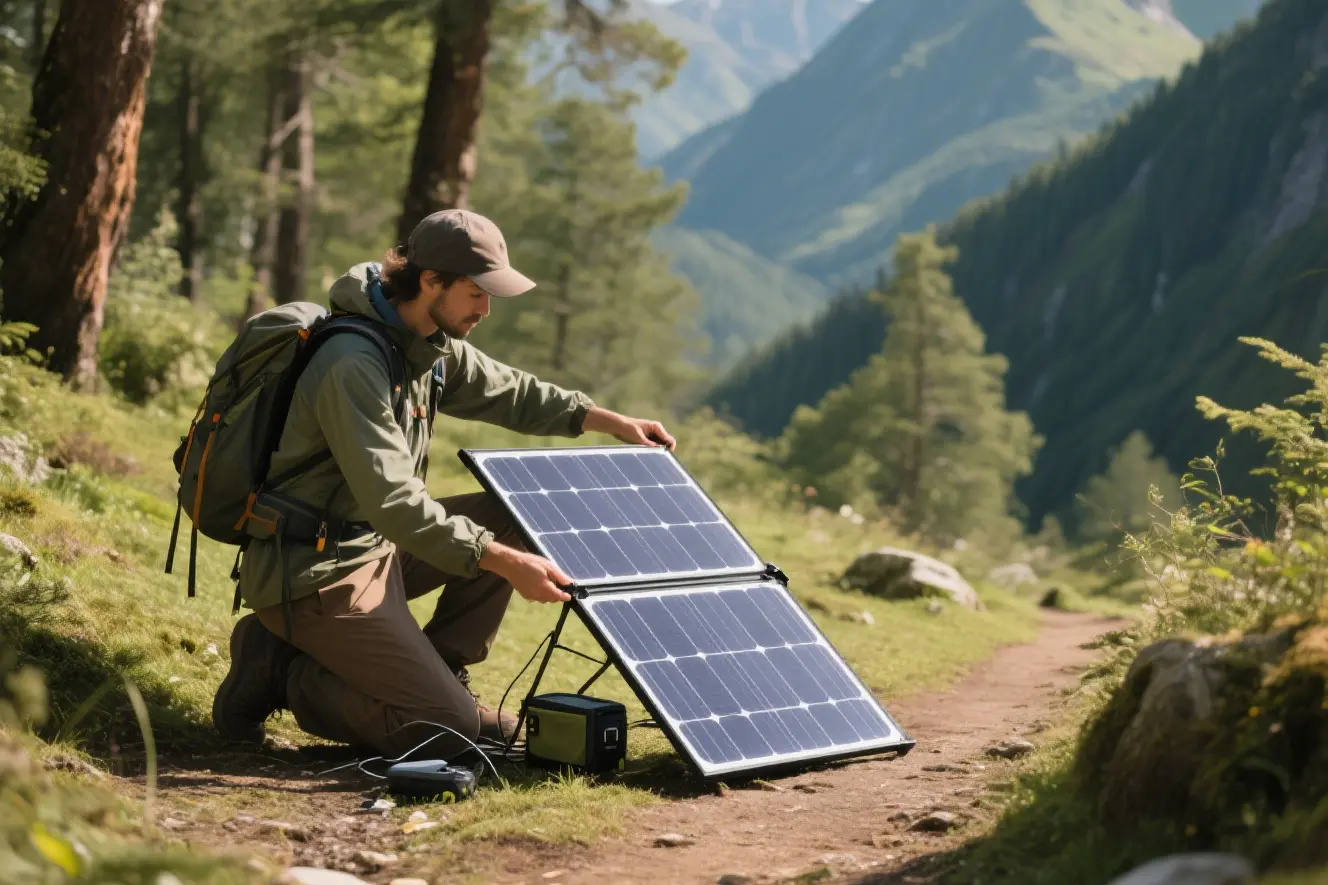
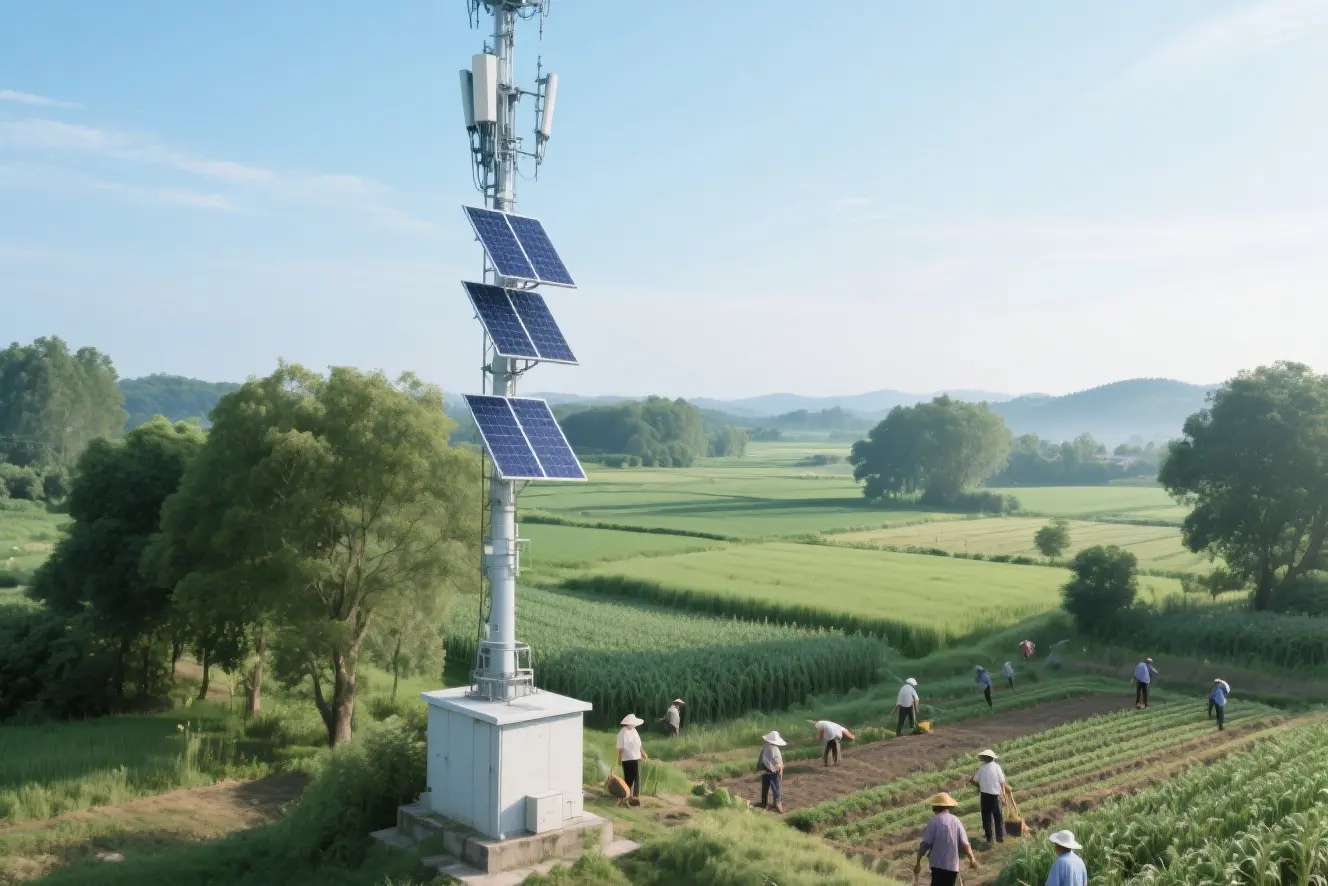
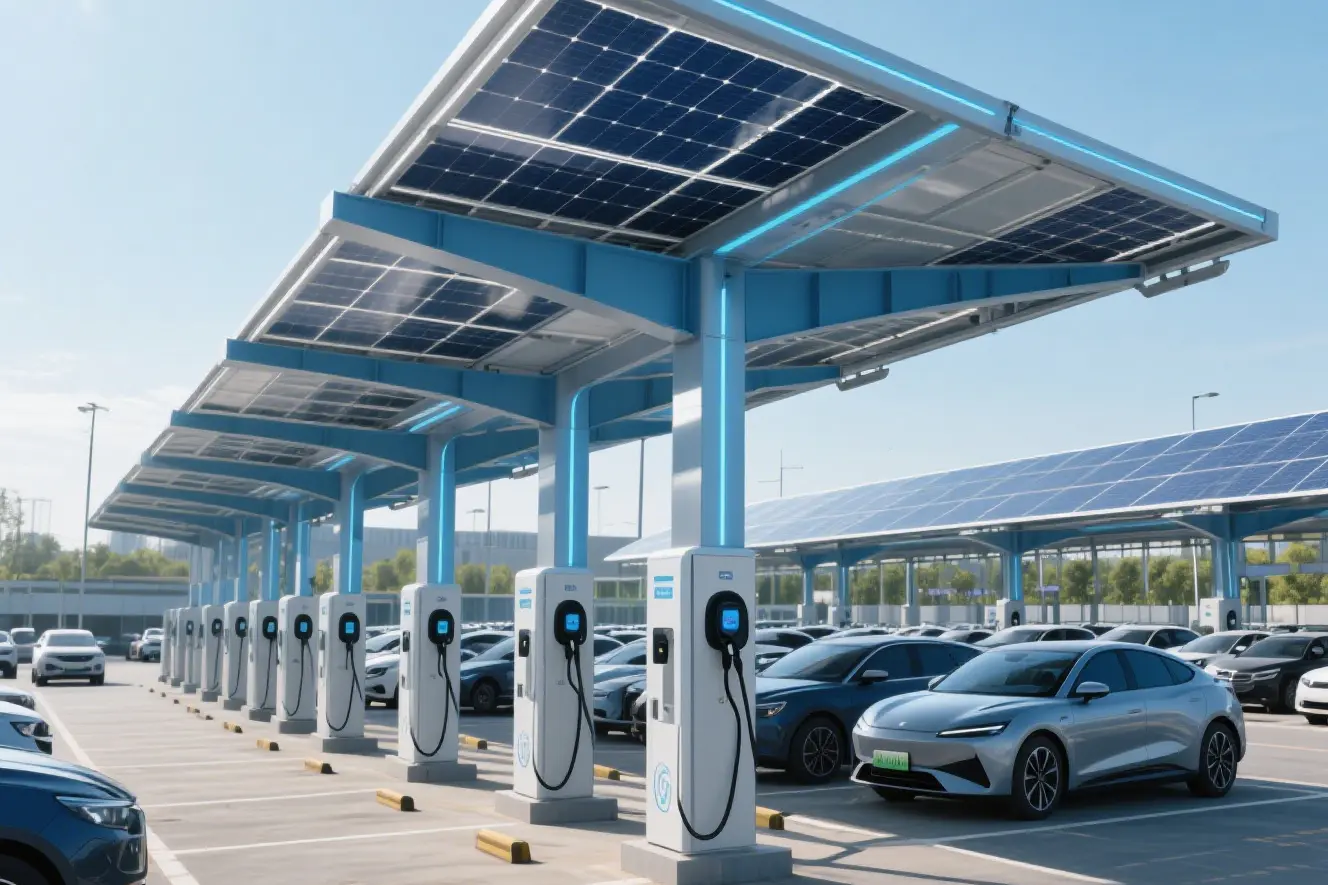
Procuring solar equipment for large-scale remote operations requires satisfying strict compliance guidelines. Technical buyers look for manufacturers that can supply full material test certificates, wind tunnel data, and third-party verified mechanical load certificates.
At YUXIN, we specialize in high-efficiency, corrosion-resistant solar solutions tailored for remote installations. We assist international procurement managers by providing comprehensive documentation, detailed CAD drawings, and custom structural configurations designed to handle extreme environmental demands.
Need a tailored off-grid PV solution for a telecommunications array or a remote cabin community? Get in touch with our engineering team for sizing estimates, structural layouts, and customized system options.
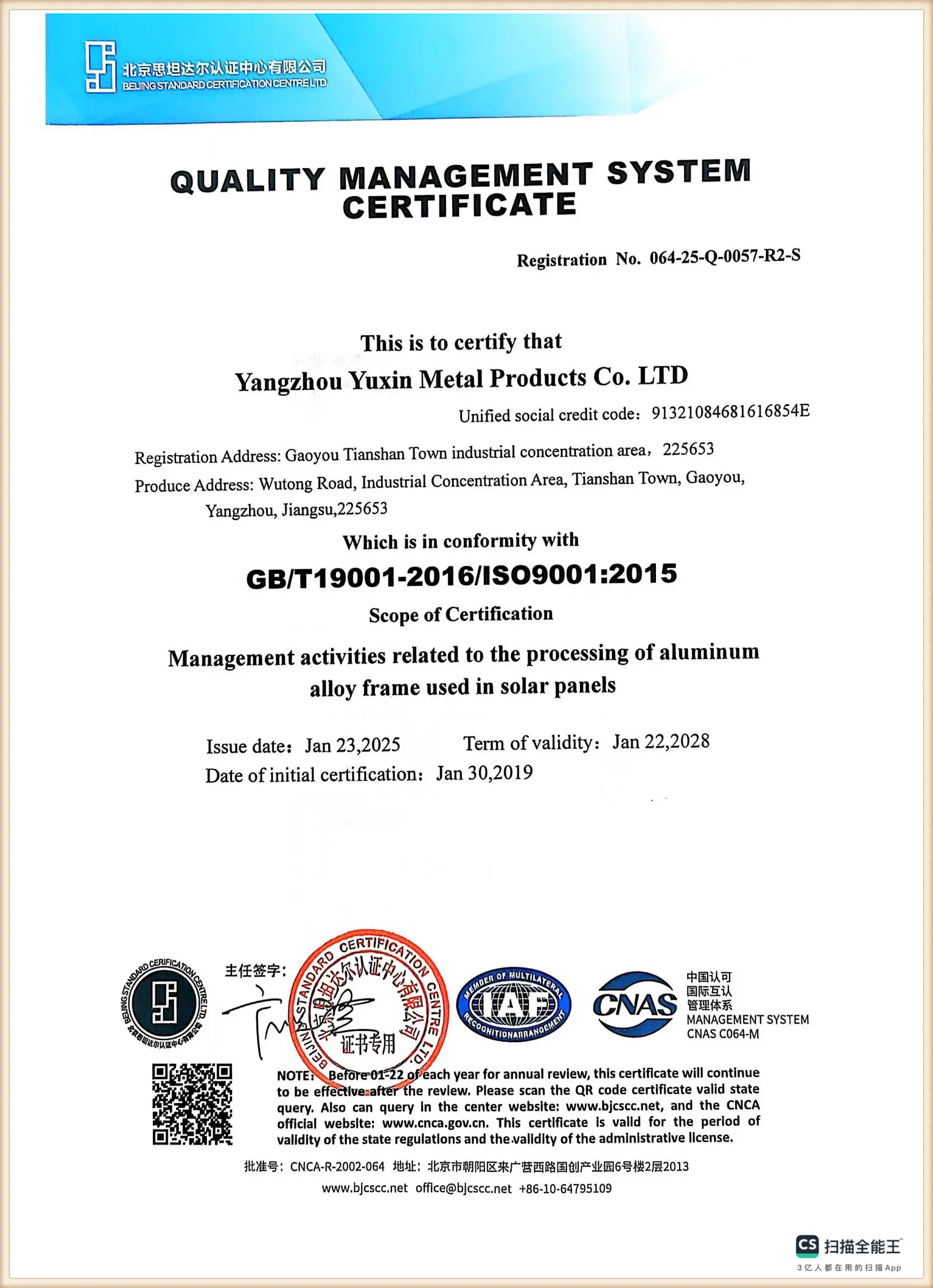
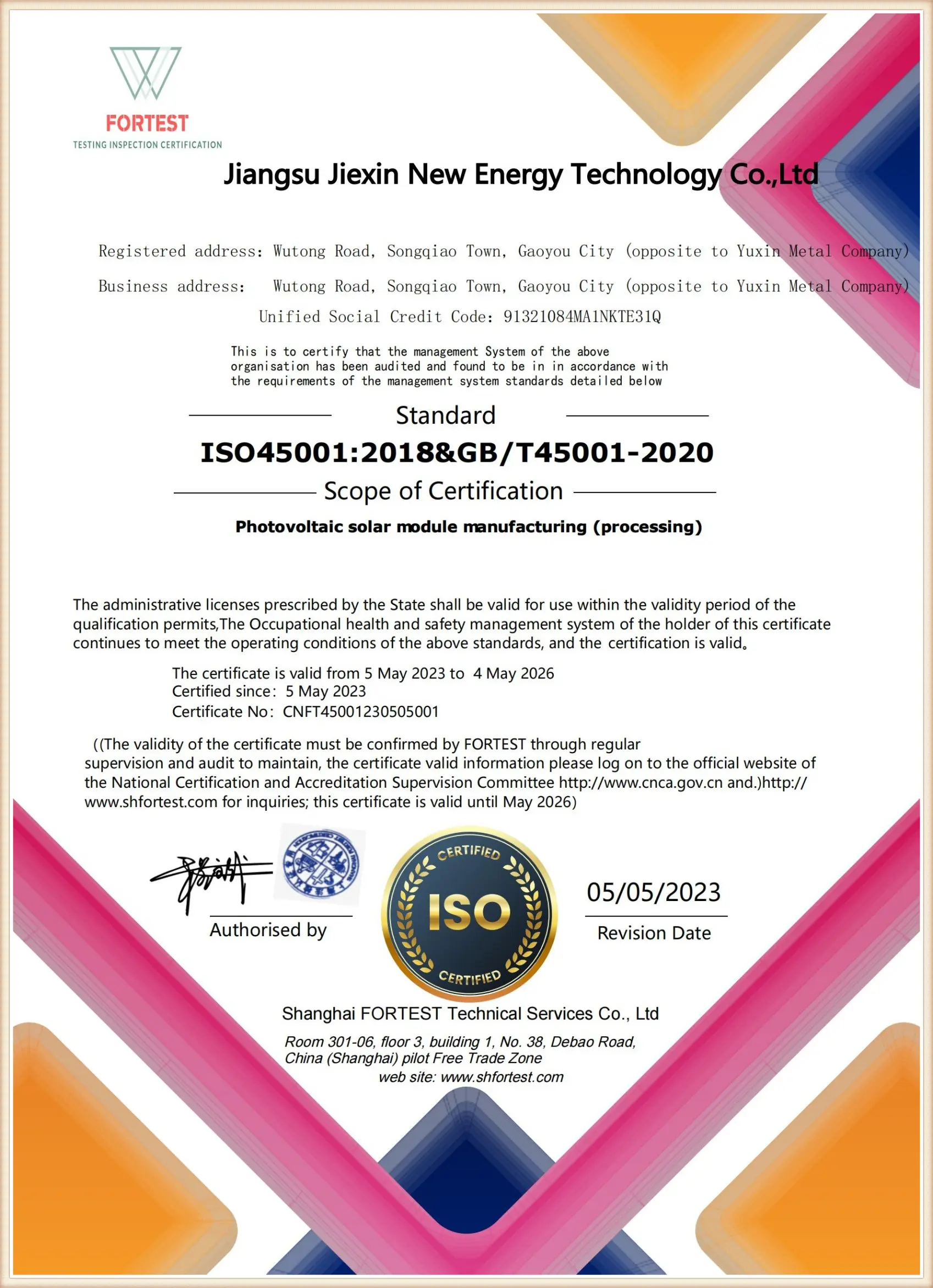
Request Custom QuotationRigorous quality testing processes verified by international certification bodies.
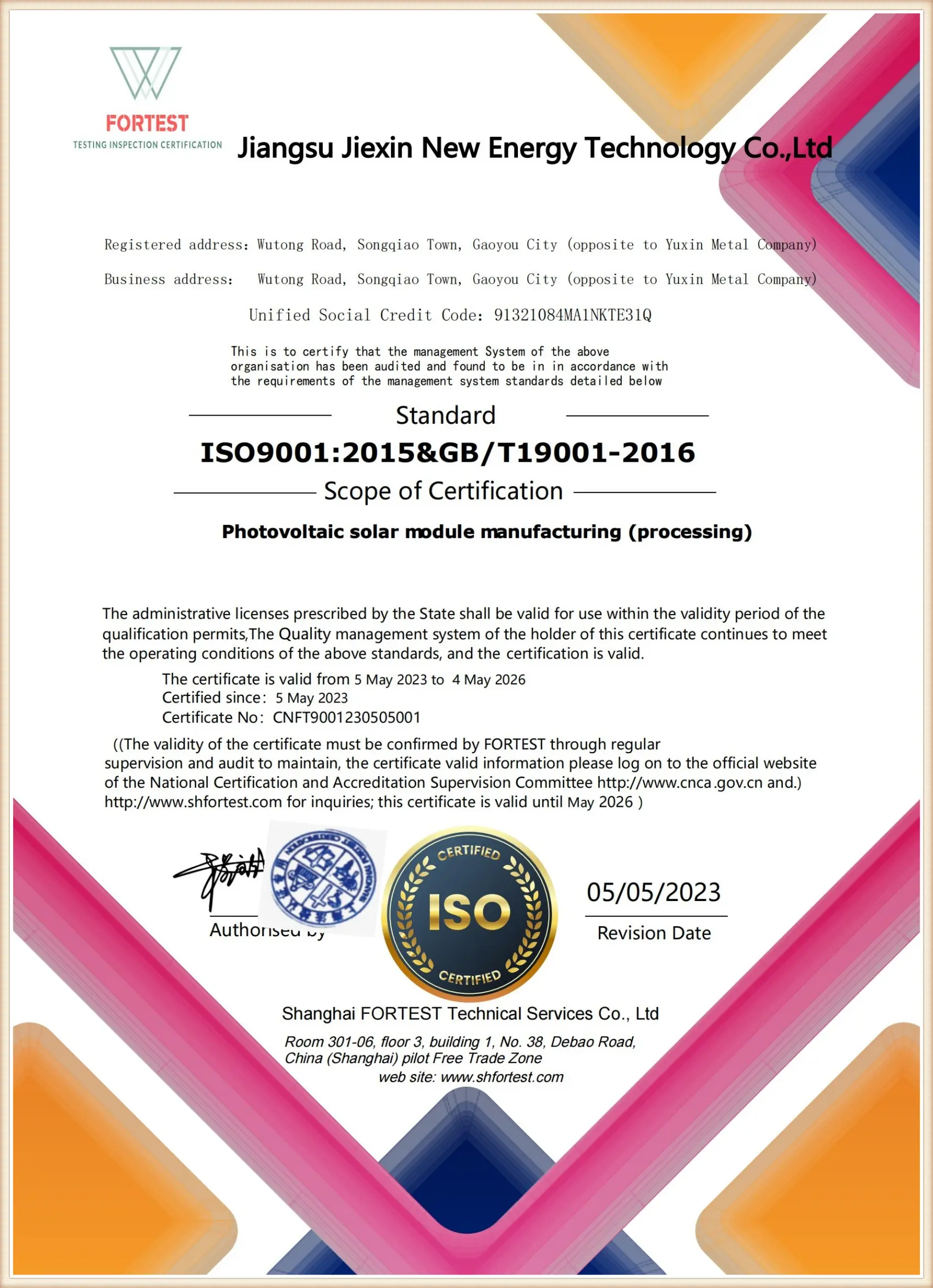
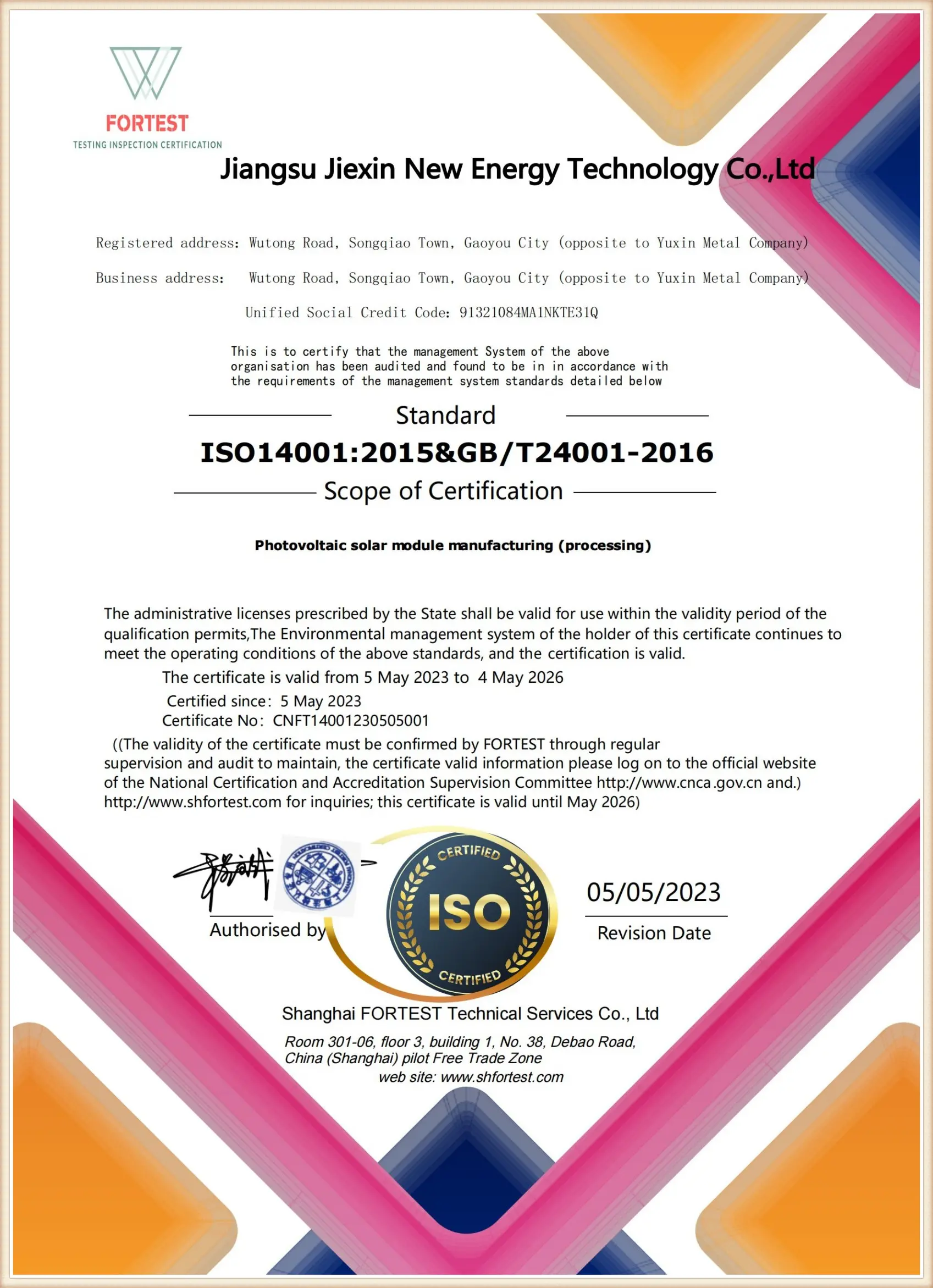
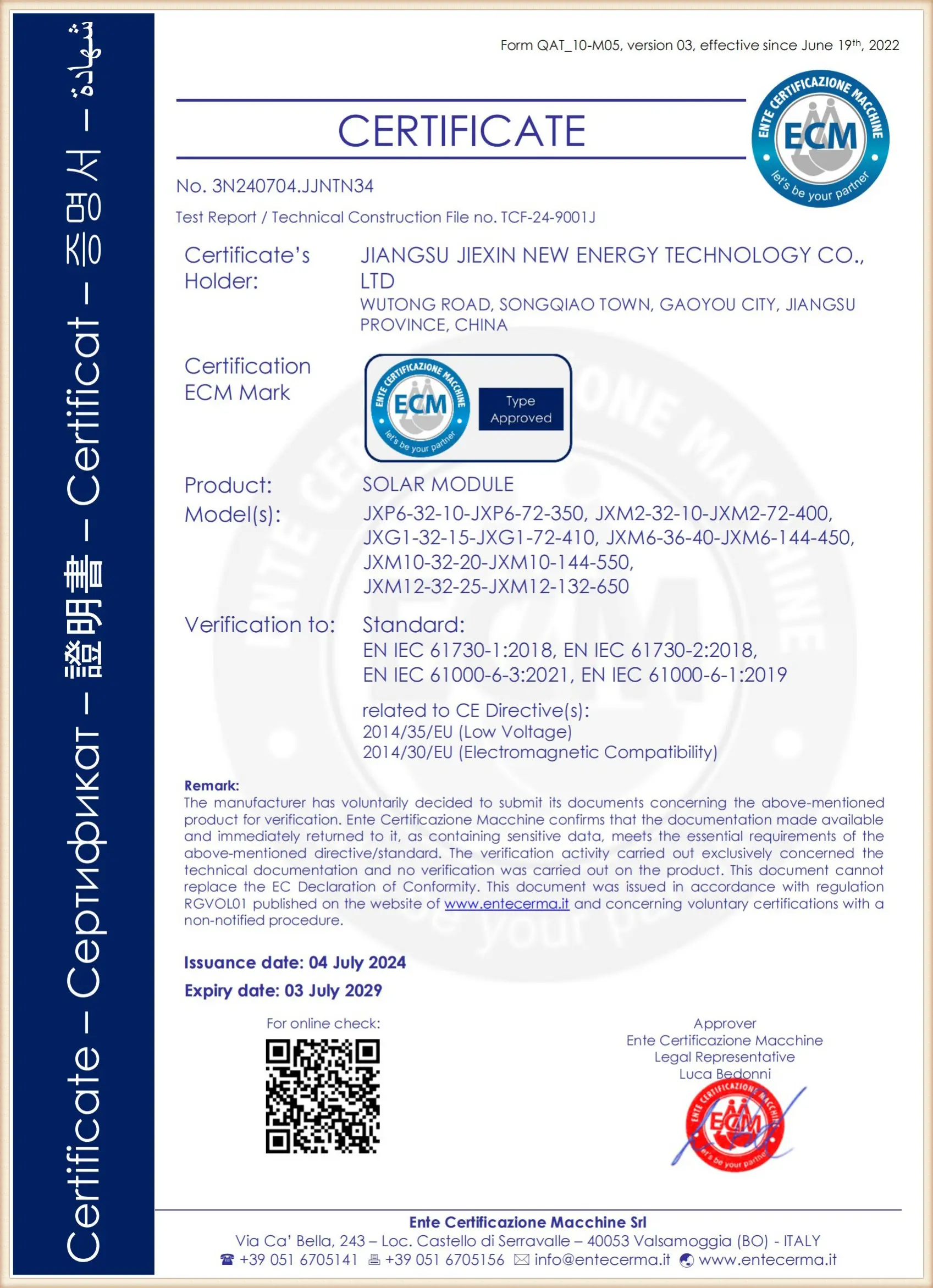
Collaborating globally to expand solar energy infrastructure across various industries.

Follow updates on PV frame engineering, materials science advances, and manufacturing quality control.
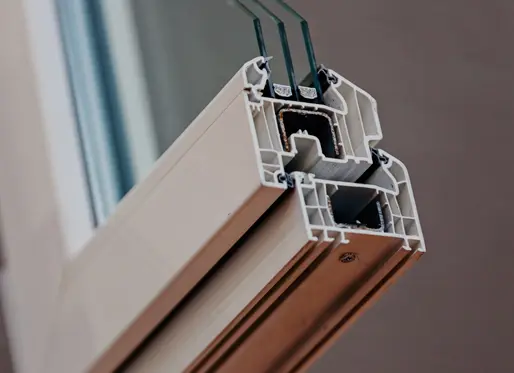
Discover the key properties of anodized coatings, alloy compositions, and load profiles that protect modules from structural deformation.
Read Article →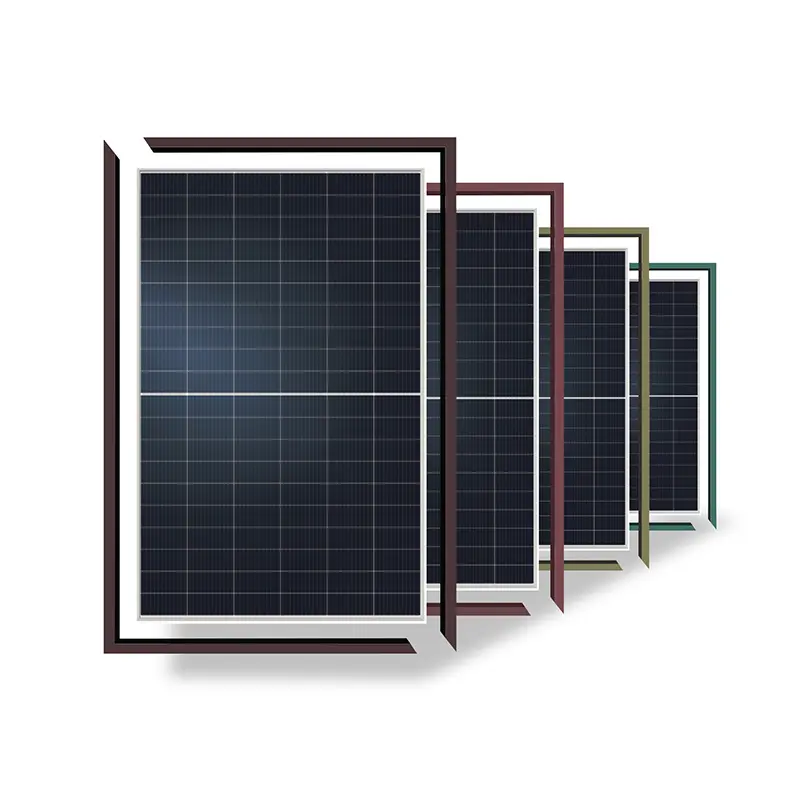
A procurement guide covering factory audit steps, tolerance checks, and supply chain logistics for custom solar projects.
Read Article →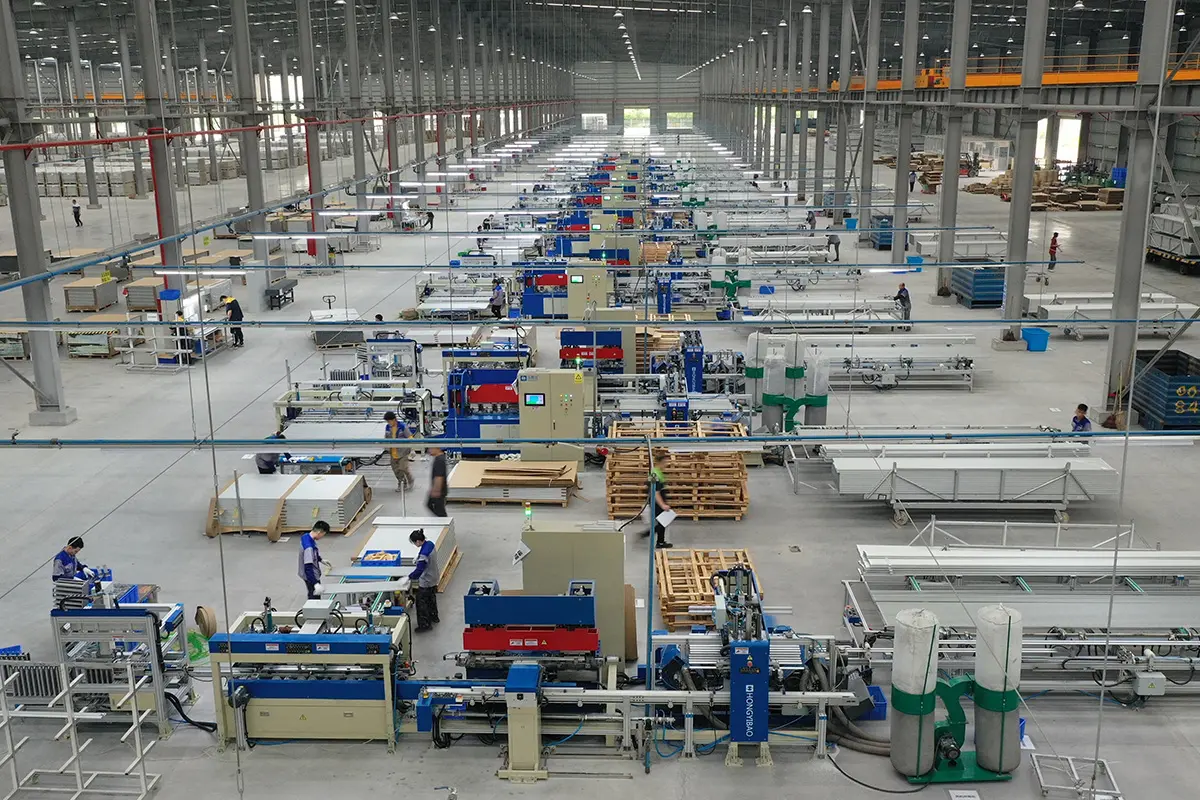
An in-depth look at testing methods for mechanical stress, corrosion resistance, and thickness verification in solar frames.
Read Article →Technical answers to help engineers, purchasers, and project managers design and source remote cabin solar systems.
Examine our broader range of modules, storage arrays, frames, and accessories for comprehensive project configuration.
High-reliability monocrystalline panels optimized for commercial off-grid arrays. Features anti-PID performance and robust wind load ratings.
Inquire Now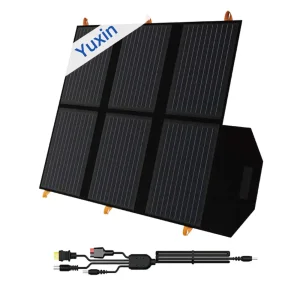
Heavy-duty power-generating backpack featuring a 60W multi-paneled array, designed for long-term off-grid utility and communications work.
Inquire Now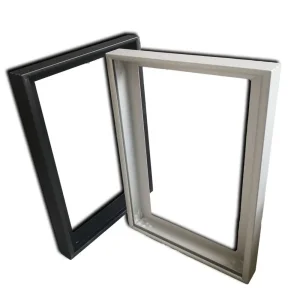
Precision-engineered extruded aluminum framing systems, designed to secure solar modules against heavy snow and wind loads.
Inquire Now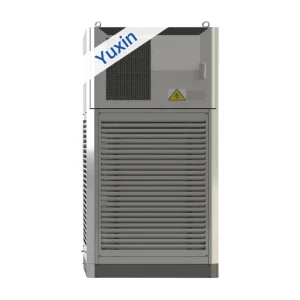
Industrial-grade energy storage solution that integrates inverters and LiFePO4 batteries to ensure reliable power for remote systems.
Inquire Now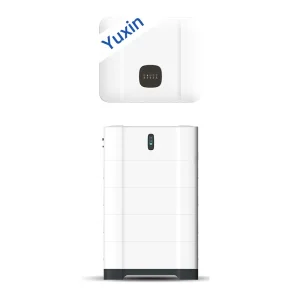
Turnkey off-grid energy storage solution featuring high-voltage battery management systems and quick-connect terminals.
Inquire Now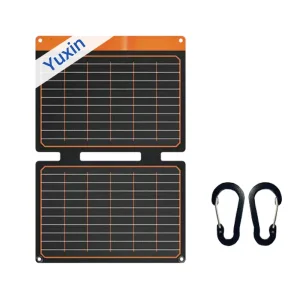
Compact 20W wearable charging panel built with highly durable, weather-resistant fabric. Ideal for lightweight field operations.
Inquire Now
Monocrystalline silicon (144 cells) module featuring ultra-low LID, superior bifacial gain, and 16BB design for maximum light collection.
Inquire Now
Ruggedized off-grid charging solution for mobile field devices, integrating smart voltage regulation and weatherproof textiles.
Inquire Now