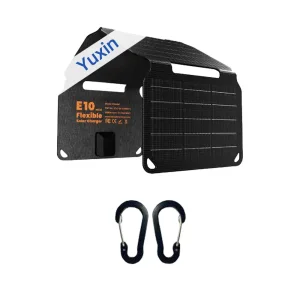
Explore our core technological elements engineered for sustainable off-grid integration and extreme structural durability.
The global demand for decentralized energy solutions is experiencing an unprecedented structural shift. Historically, off-grid systems were relegated to remote scientific outposts or basic rural installations. Today, the convergence of high-capacity energy storage systems (BESS), modern power electronics, and structural innovations has transformed custom off-grid solar setups into critical assets for commercial, industrial, and high-end residential applications globally.
Rapid changes in remote work landscapes, combined with the increasing vulnerability of municipal grids to extreme weather events, have driven a surge in the off-grid residential sector. Concurrently, businesses operating in remote locations—such as telecommunication hubs, agricultural operations, eco-tourism projects, and mining facilities—require highly customized off-grid installations that deliver grid-like reliability without carbon-intensive diesel generators. Meeting these demands requires robust engineering expertise from supply chain partners capable of delivering custom brackets, structurally stable frames, and advanced photovoltaic modules.
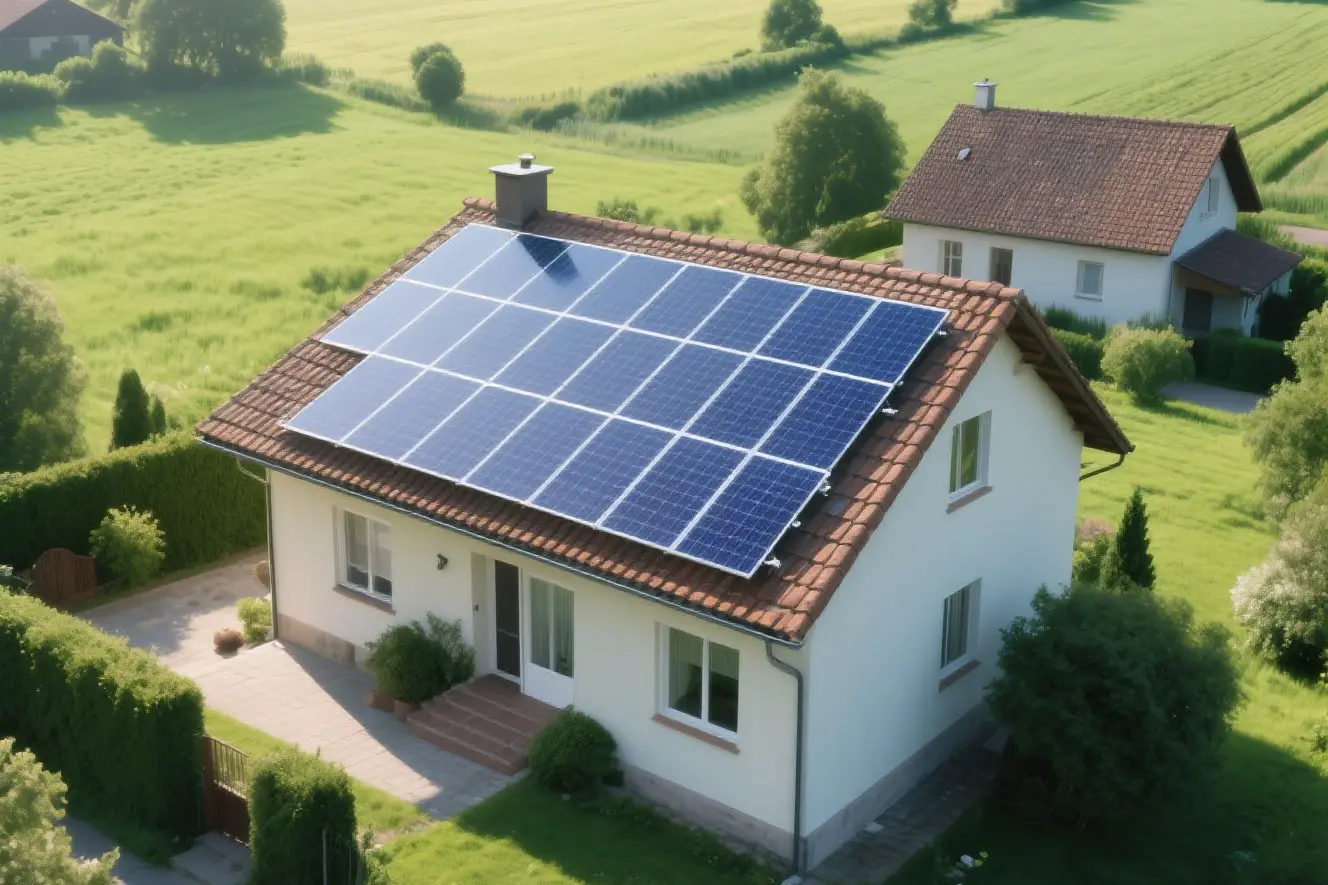
In North America and Europe, stringent environmental compliance guidelines and the quest for complete energy independence are driving cabin owners and small business operators toward micro-grid architectures. Highly customizable solar arrays, utilizing dual-glass TOPCon or high-output PERC modules, are paired with advanced lithium-iron-phosphate (LFP) energy systems to ensure uptime in sub-zero alpine climates or coastal high-wind areas.
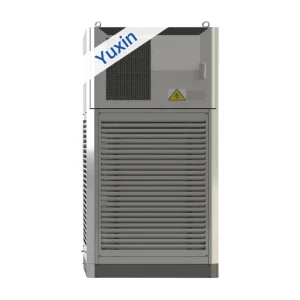
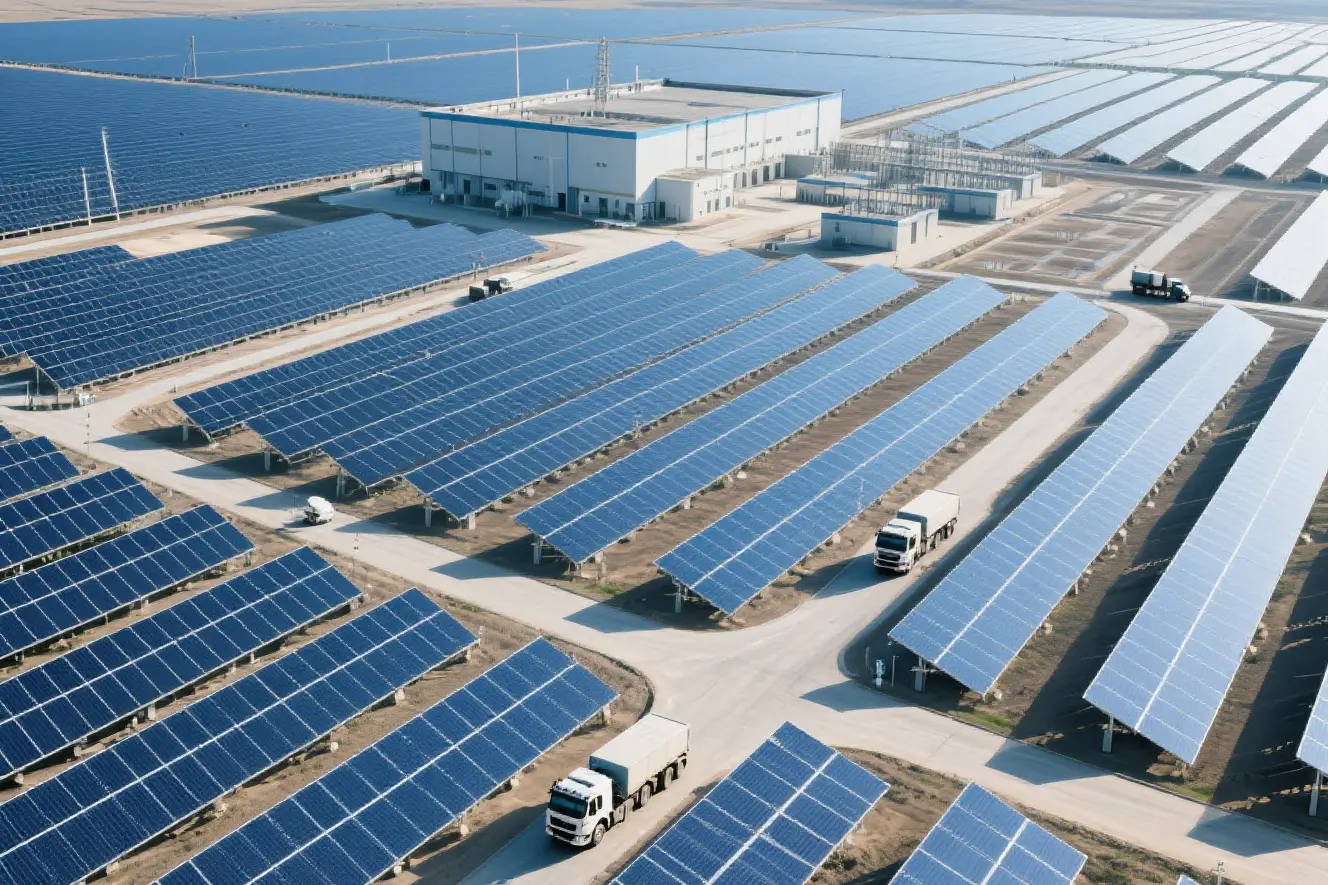
Across emerging economies in Latin America, Asia-Pacific, and Sub-Saharan Africa, off-grid systems serve as primary infrastructure. By integrating modular, commercial-scale storage systems (such as the China Modular Commercial Energy Storage System P01-EC60-30K), suppliers can rapidly deploy micro-utilities. These setups power water-pumping systems, agricultural storage, and local communications networks, bypassing the high costs of grid construction.
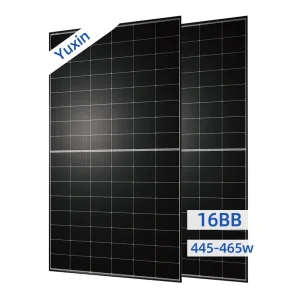
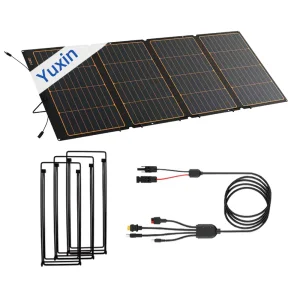
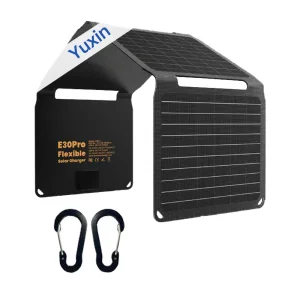
High-reliability energy components engineered for continuous operation in demanding environments.
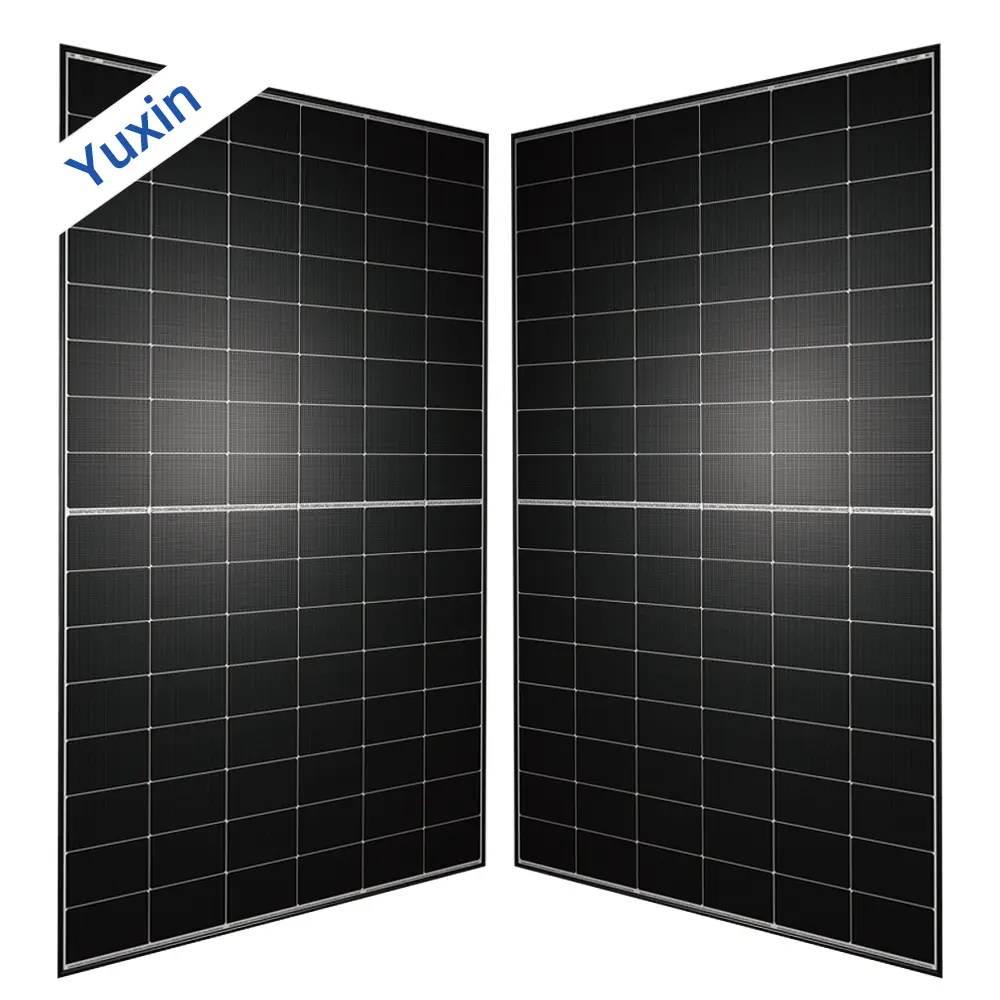
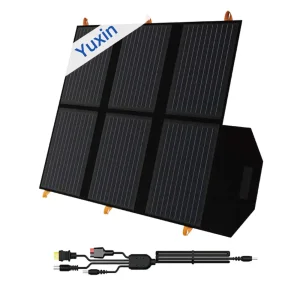
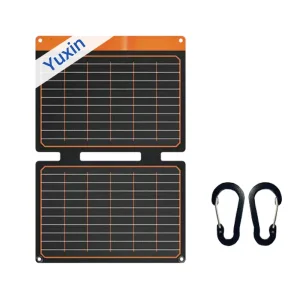
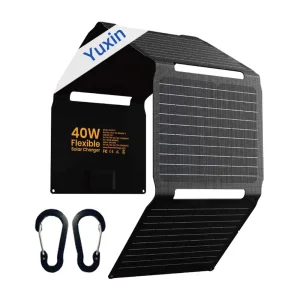
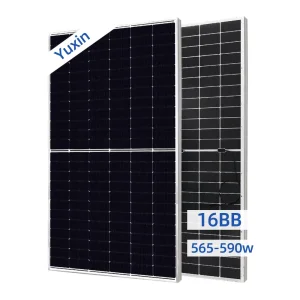
Lightweight design with transparent back panel for easy installation and reduced BOS costs.
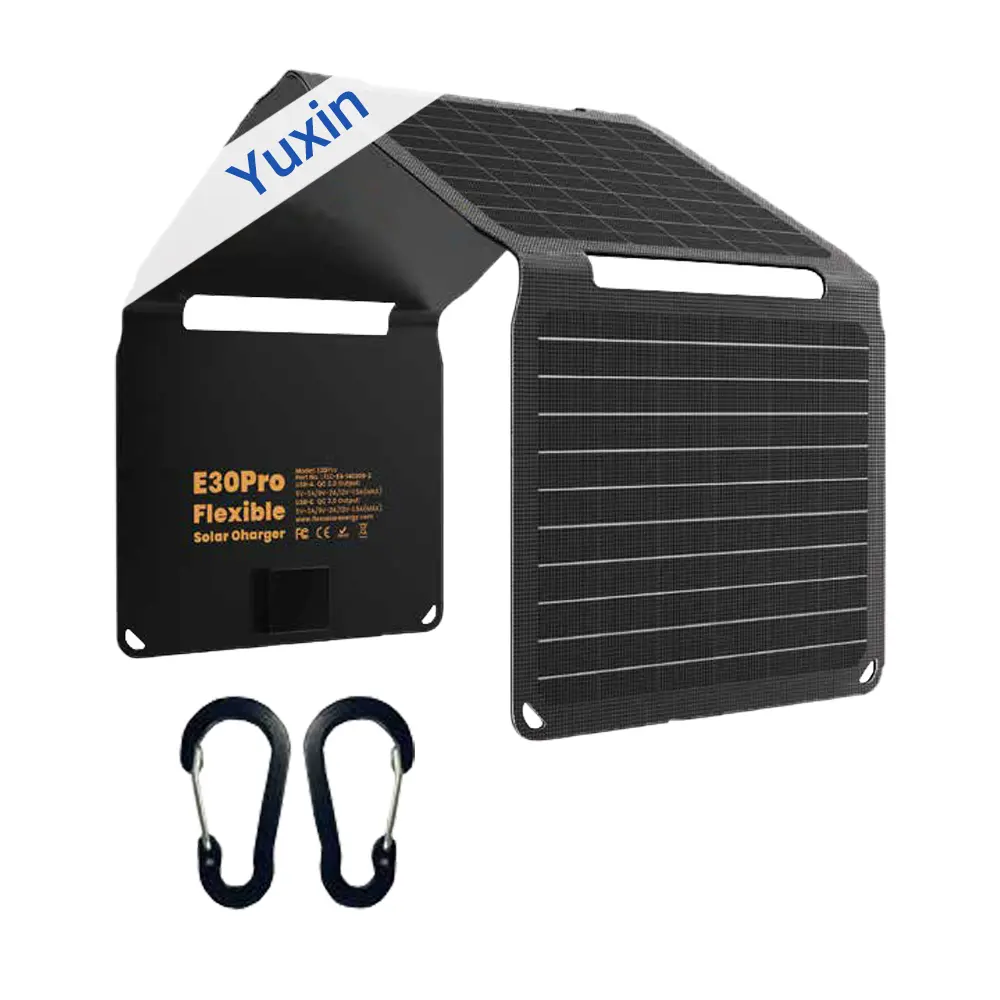
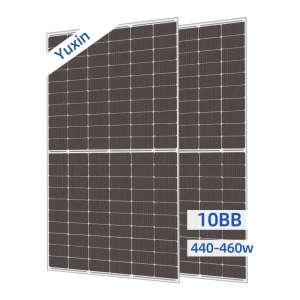
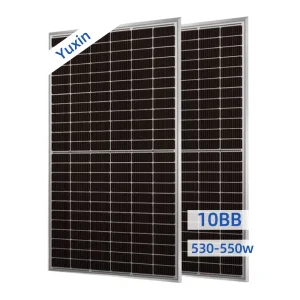
Utilizing advanced monocrystalline silicon cells, it achieves a high energy conversion efficiency of 24%.
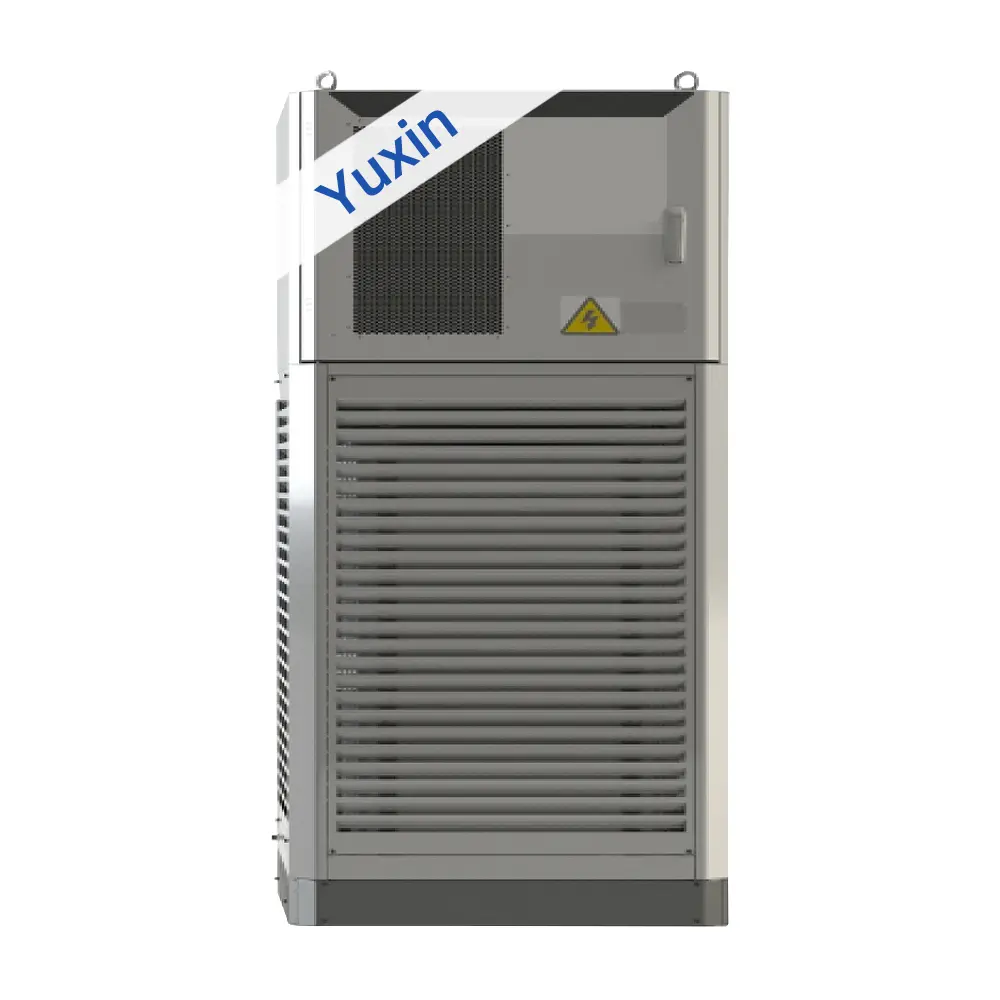
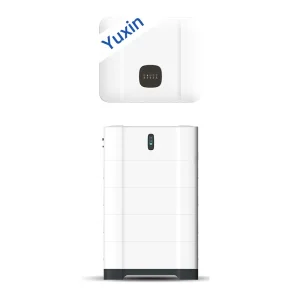
Application modes include grid-connected mode, off-grid mode, and integrated grid-connected/off-grid mode.
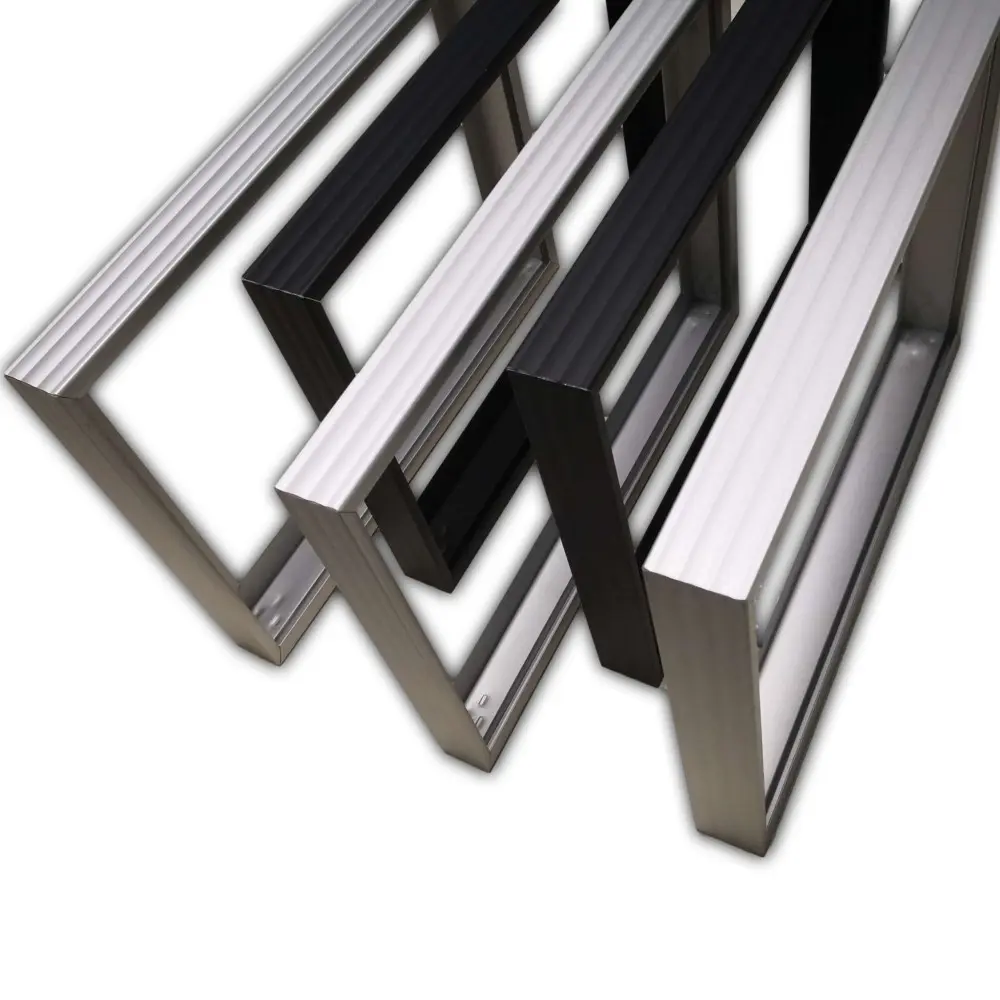
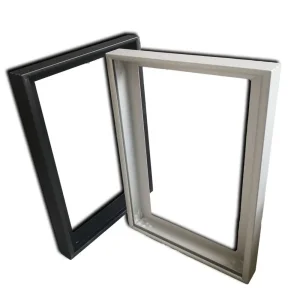
Made of high-quality anodized aluminum, it ensures superior weather resistance and a smooth, long-lasting finish.
Designing a system that operates reliably for over 25 years requires careful material engineering. Key failure points in off-grid solar systems are not only the silicon wafers but also structural integrity under load. This is where advanced structural frame technology plays a critical role.
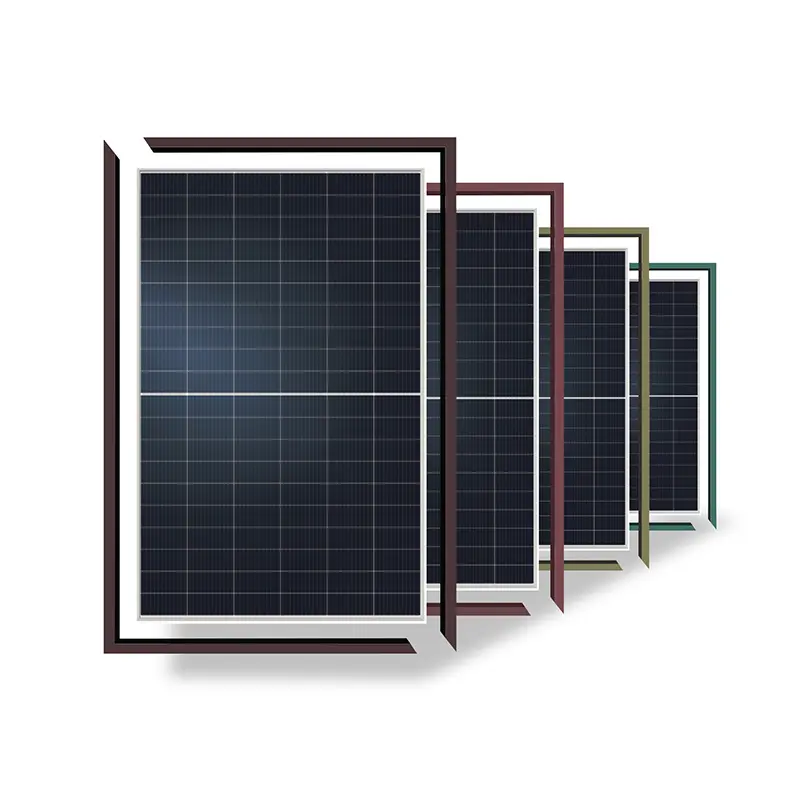
Aluminum remains the core alloy for utility-scale and premium off-grid projects. Utilizing high-grade 6063-T5 or 6005-T6 anodized aluminum guarantees exceptional torsional strength and corrosion resistance. Anodizing forms an oxide layer that prevents oxidation in humid, coastal, or high-salinity conditions. The precision-engineered frames support rapid integration, simple grounding pathways, and wind loads exceeding 2400 Pa and snow loads of 5400 Pa.
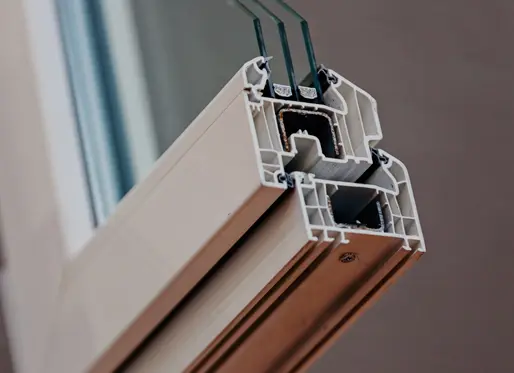
Recent developments in material science have introduced polyurethane composite pultruded frames. This technology delivers a lightweight structural framework that outperforms metal in specific environments. Key technical benefits include:
To optimize power yield within limited roof spaces on cabins, the selection of silicon cells is critical. While P-Type PERC technology remains a cost-effective, high-reliability solution with efficiencies around 21-22%, N-Type TOPCon (Tunnel Oxide Passivated Contact) represents the next technological step. With cell conversion efficiencies exceeding 25%, lower temperature coefficients (-0.30%/°C), and virtually zero light-induced degradation (LID), N-type modules generate more kilowatt-hours per square meter, especially in hot or overcast climates.
Precision, Quality, and Safety - Your Photovoltaic Materials Expert
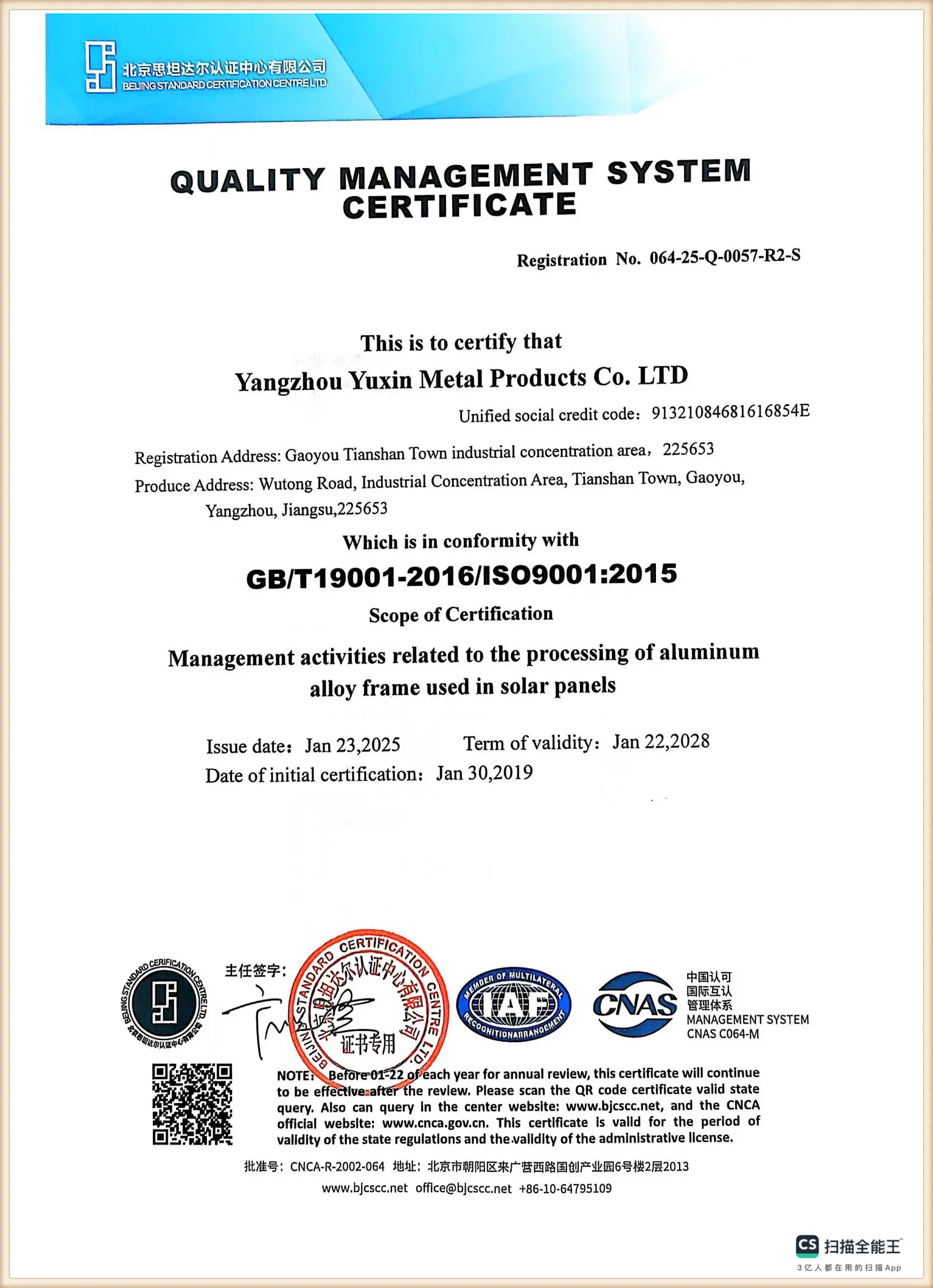
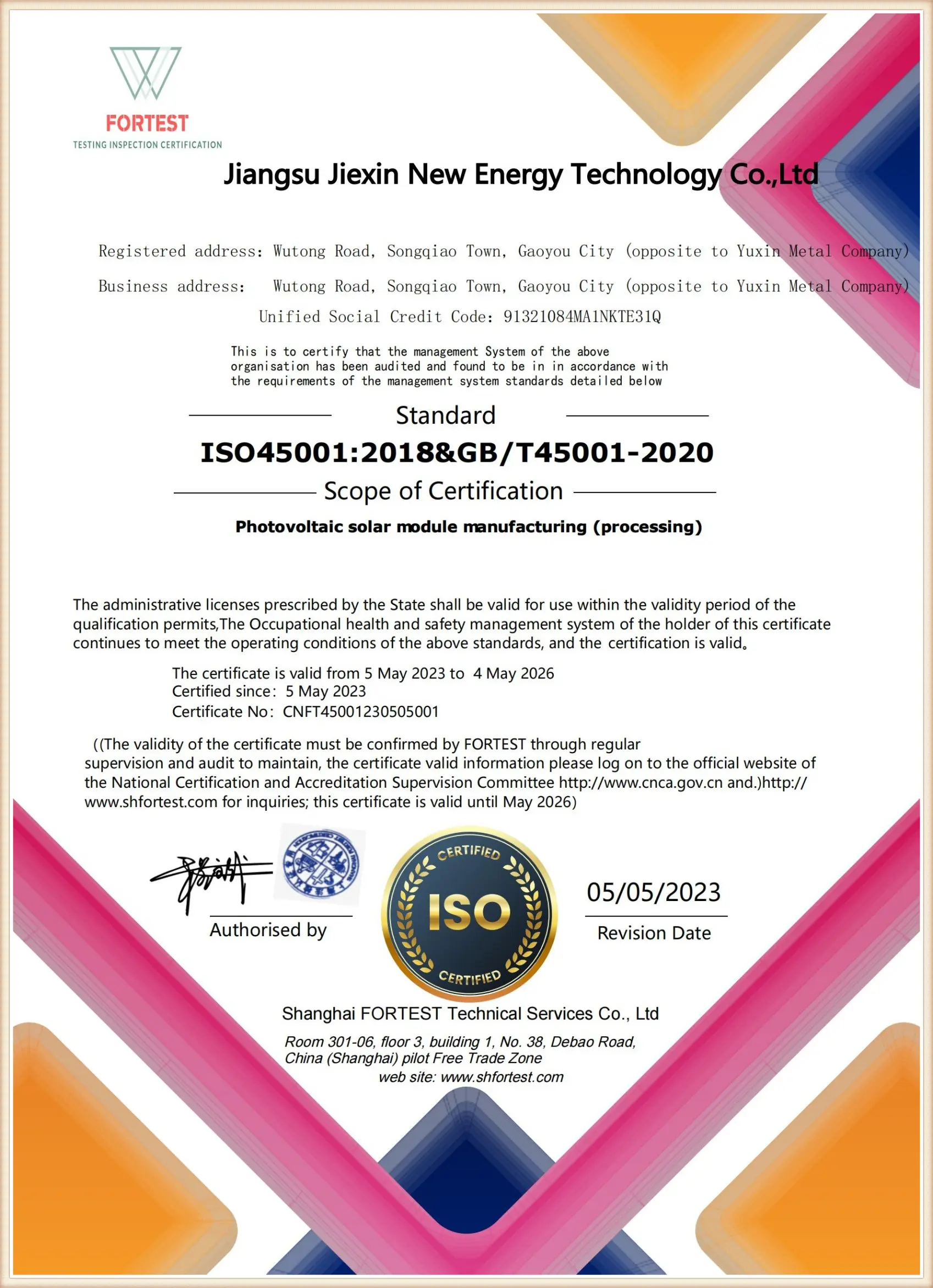
Located in the scenic historical and cultural ancient city of Yangzhou, close to the Beijing-Shanghai Expressway, Runyang Yangtze River Bridge, and Ningqi Railway, the group has a superior geographical location and convenient transportation. The group was established in 2008 and has 14 multi-field companies under its jurisdiction, including Jiangsu Yuxin New Energy Technology Co., Ltd., and has won many titles such as National High-tech Enterprise, Technology-based Enterprise, and Gaoyou City Top 100 Private Enterprises.
View Detailed BrochureOur products conform to rigorous international testing schemes, ensuring prolonged system lifespans.
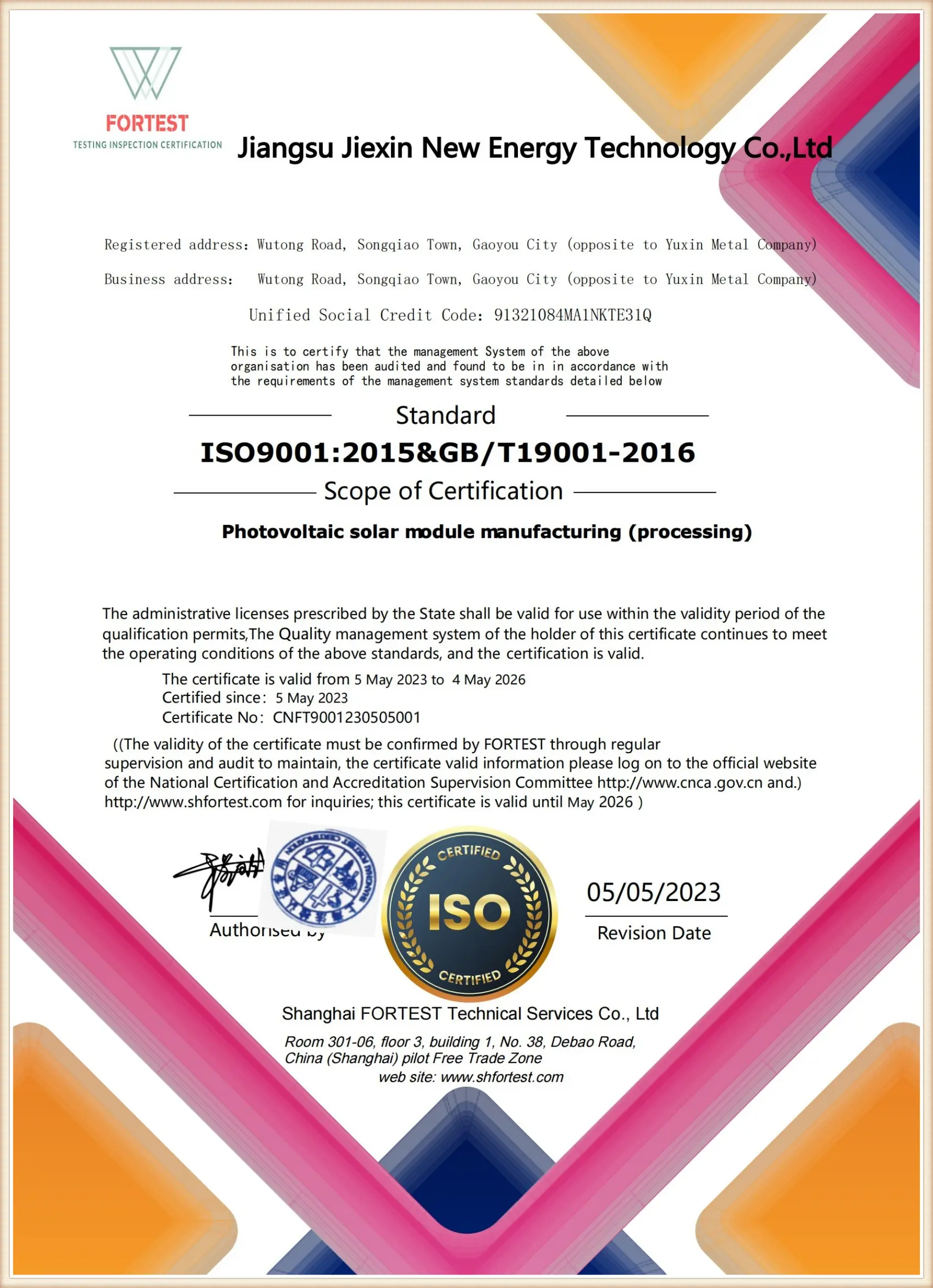
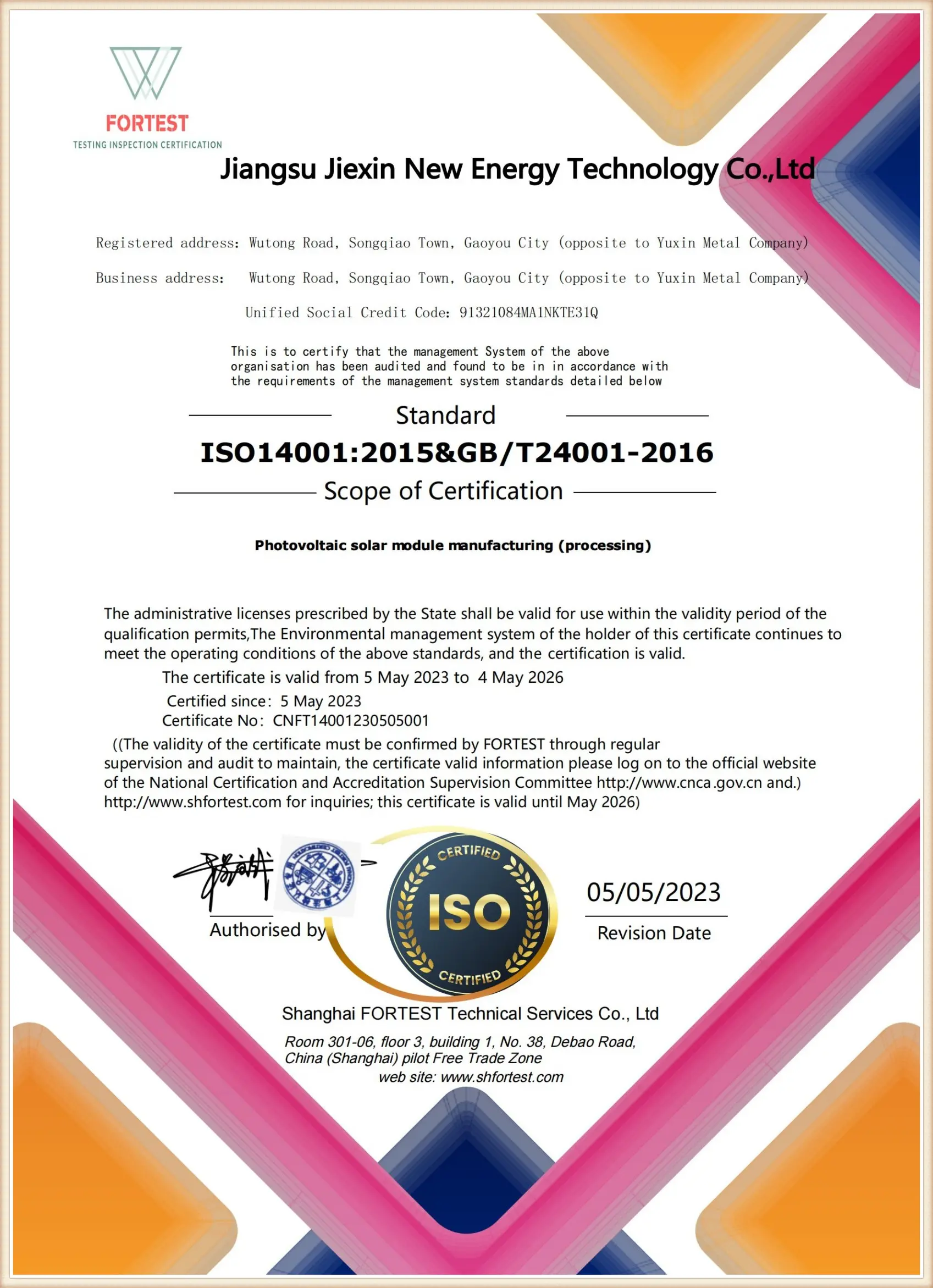
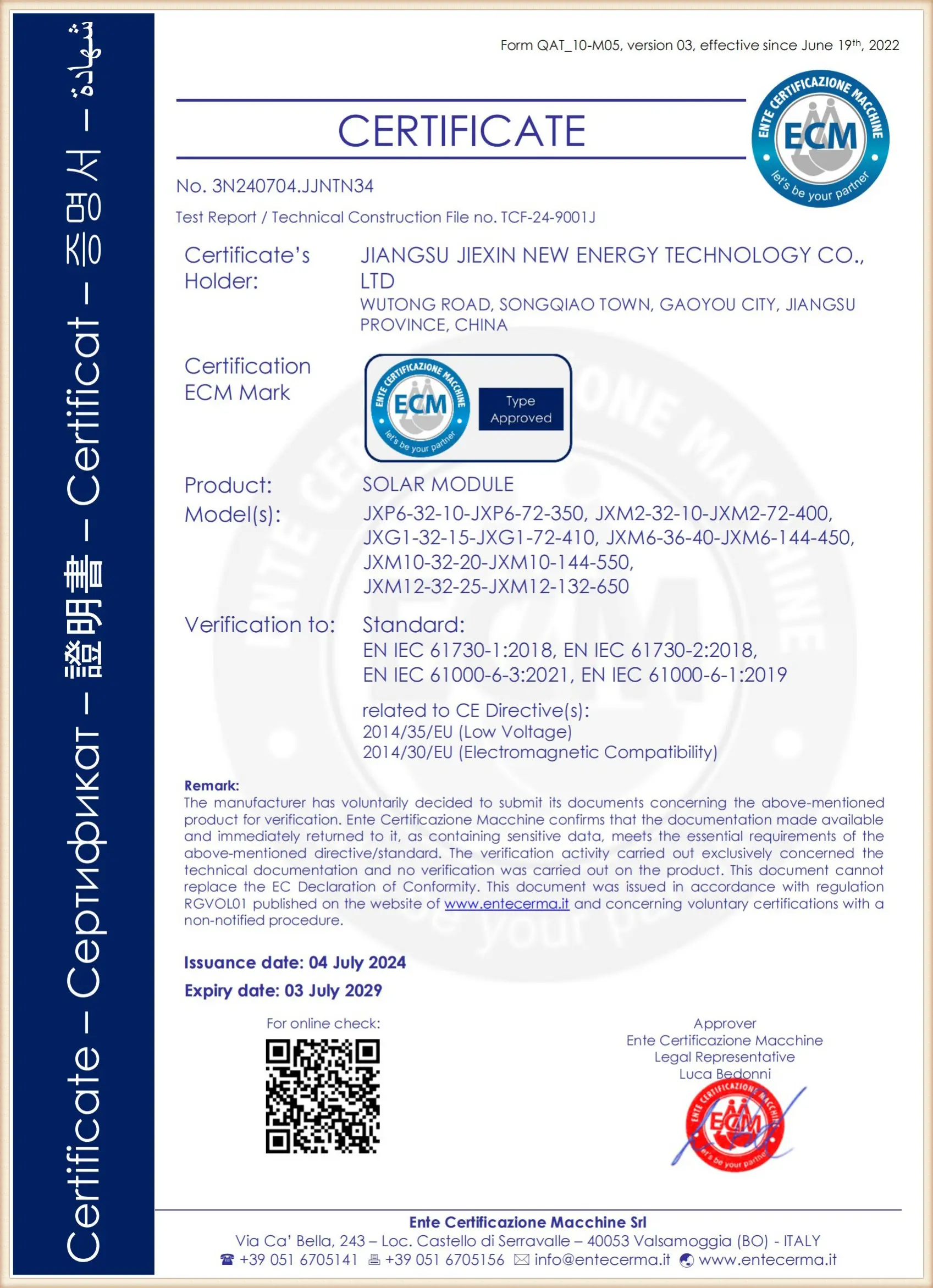
Custom solar designs must adapt to local environments. Temperature, solar irradiation, snow loads, wind speeds, and chemical exposures require specific adjustments to both modules and support frameworks.
These regions feature heavy snow loads and low temperatures. High-yield, bifacial dual-glass modules are configured on steep mounts to allow snow shedding. Reflection from surrounding snow boosts power yield on the back of bifacial panels. Structurally stable 6005-T6 aluminum frames are required to handle dynamic snow loads.
Coastal areas present high winds, humidity, and salty air. Systems require wind resistance ratings over 150 mph. Polyurethane composite frames or anodized aluminum with high-thickness oxide coatings are selected. These options prevent salt-spray galvanic corrosion, ensuring 25+ years of operational durability without structural degradation.
Desert regions experience high daytime temperatures and frequent dust storms. Systems must utilize N-Type TOPCon panels due to their low temperature coefficient, which limits efficiency drops in hot weather. Integrated dust-shedding systems and IP68-rated junction boxes prevent fine sand penetration and system faults.
Custom solar solutions engineered for diverse global industrial domains.

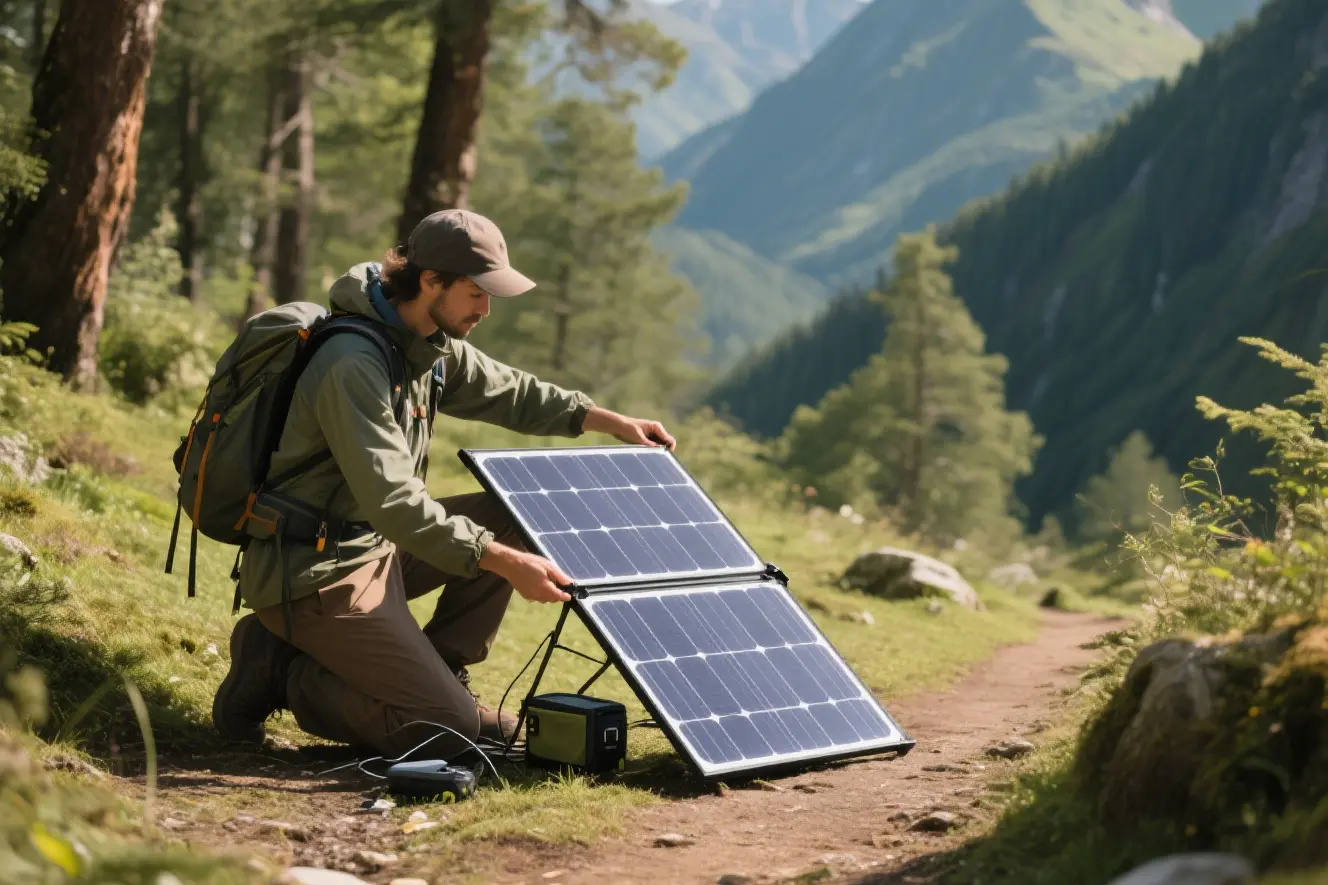
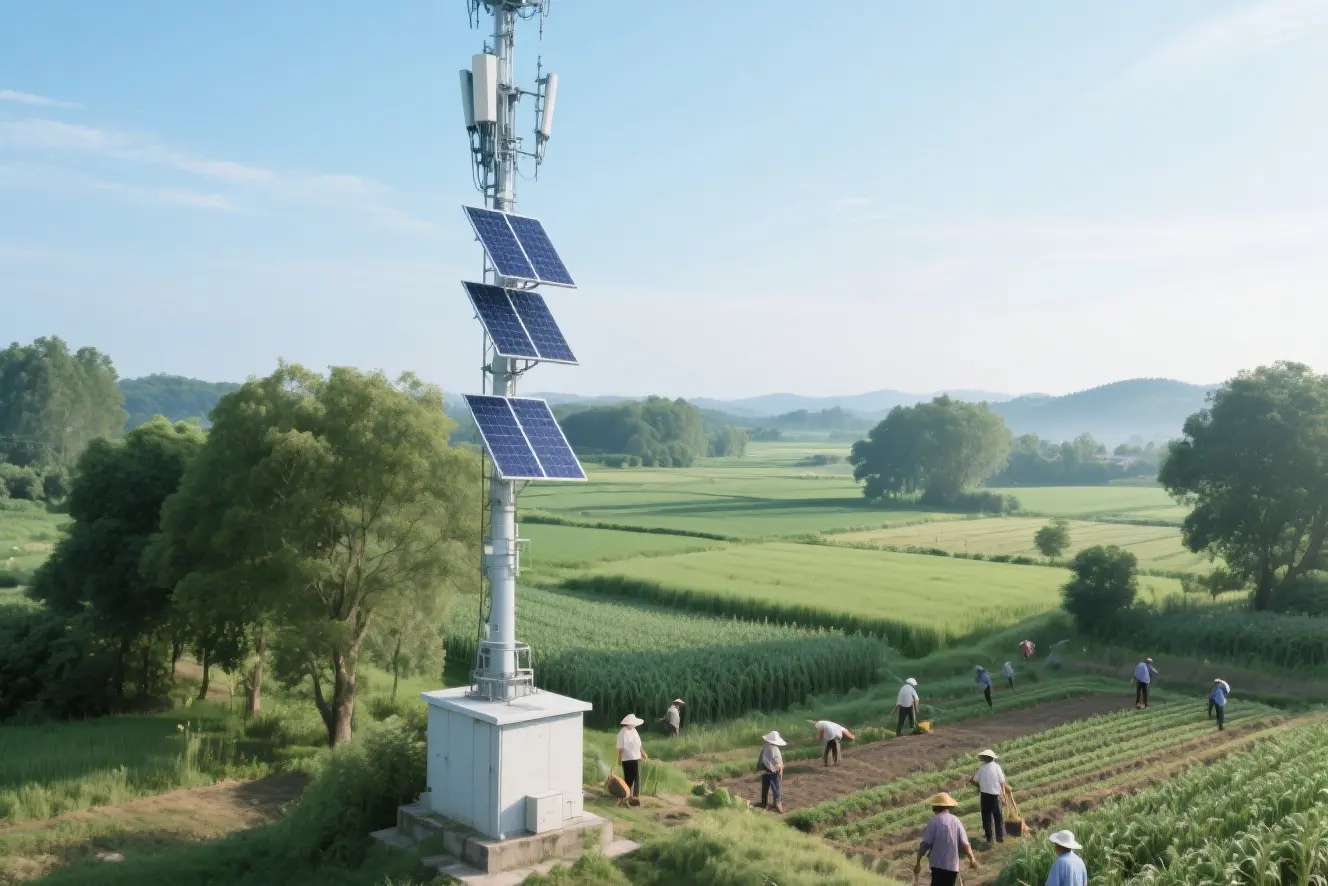
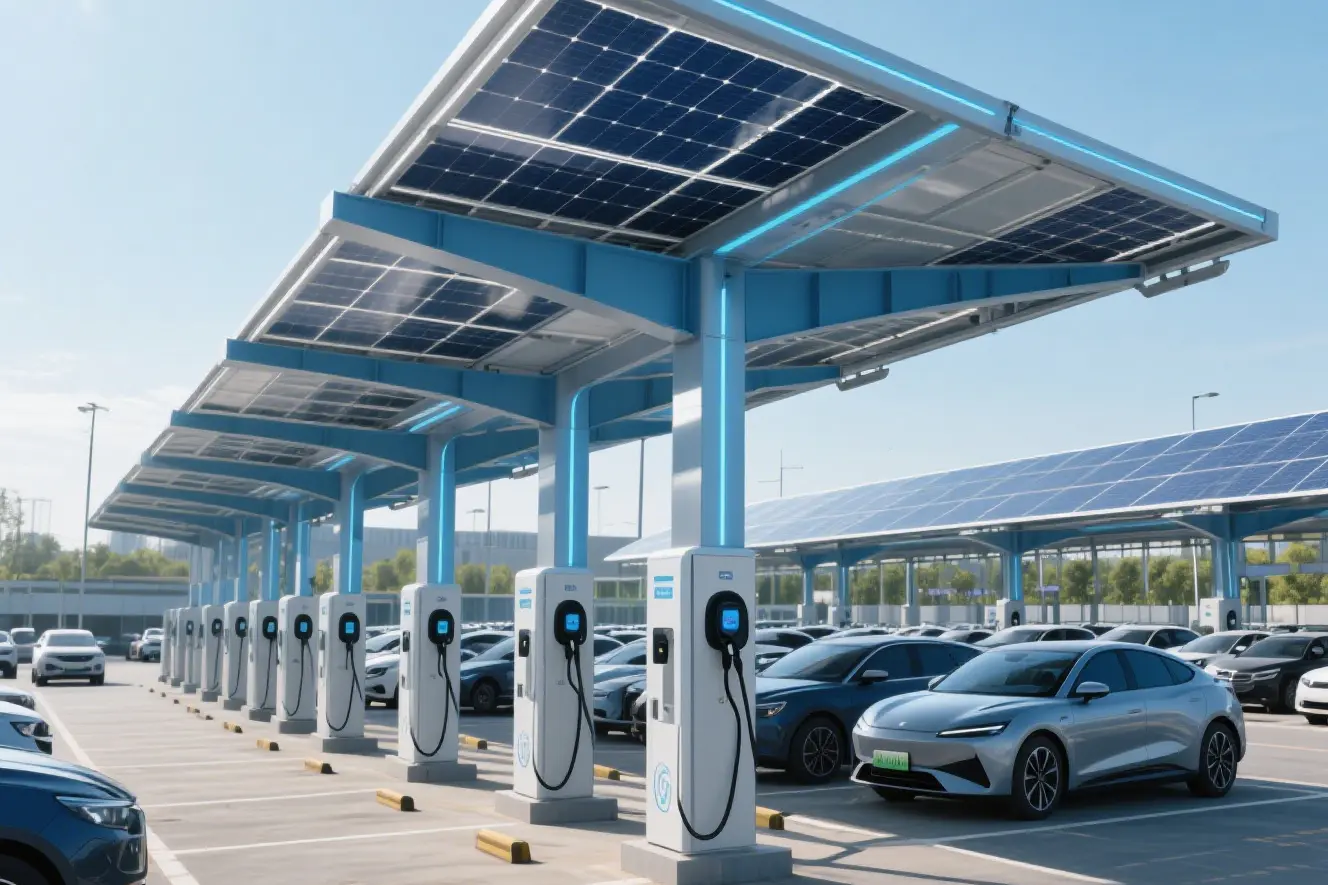
Deploying solar energy systems in off-grid setups requires balancing generation, storage, and loads. A robust off-grid architecture integrates multiple power electronics and structural elements to ensure reliability.
A smart micro-grid integrates PV arrays, MPPT charge controllers, a central BESS, and bi-directional smart inverters. High-efficiency solar arrays convert solar radiation to DC power, which is managed by MPPT controllers to charge the LFP battery bank. The smart inverter converts the DC storage to utility-grade AC power. An integrated EMS (Energy Management System) manages load shedding and generator start-up during extended bad weather, maintaining high system uptime.
Proper system sizing is crucial to avoid power failures. System engineering begins with load calculations: calculating total daily watt-hour demands alongside peak power draw. Daily energy requirements, combined with local solar irradiance data, determine the necessary PV array capacity (including a safety buffer). The battery system is sized to provide 2 to 3 days of autonomy, ensuring reliable power during low-sunlight periods.
Forming long-term collaborations to drive global solar energy initiatives forward.





Keep up with the latest technological developments and industry updates from our engineering teams.
Addressing deep engineering queries on the deployment, sizing, and structural integration of off-grid solar systems.
As a general rule, your battery storage system should be large enough to handle 2 to 3 days of autonomy (power supply during consecutive days without sun). For example, if your cabin consumes 5 kWh per day, you need a usable storage capacity of 10 to 15 kWh. Assuming a typical depth of discharge (DoD) of 80% for Lithium Iron Phosphate (LiFePO4) batteries, your nominal capacity should be approximately 12.5 to 18.7 kWh. Your solar array should generate enough energy to fully recharge this capacity during a single day of average peak sun hours (typically 3 to 4 hours in winter, meaning you need a 3.5 to 5 kW solar array).
N-Type TOPCon panels feature a lower temperature coefficient (-0.30%/°C compared to -0.35%/°C for P-Type PERC), which increases energy generation in warm weather. Additionally, TOPCon cells exhibit higher bifaciality (up to 85%), which allows them to generate more power from light reflected off surrounding snow. They also suffer from virtually zero light-induced degradation (LID), resulting in higher lifetime energy output.
Off-grid systems are often deployed in harsh environments with high wind and heavy snow loads. Frames made of high-quality 6063-T5 or 6005-T6 aluminum alloys provide the mechanical strength needed to support modules and prevent twisting or bending. This protects the delicate silicon cells from micro-cracking and maintains weather seal integrity to protect internal circuits from moisture.
In highly corrosive coastal environments, composite polyurethane frames offer distinct advantages. Since they are non-metallic, they are completely immune to salt spray corrosion, galvanic oxidation, and chemical weathering. Additionally, they have a lower coefficient of thermal expansion, which reduces physical stress on the solar glass during temperature shifts, preventing degradation of the laminate edge seals.
Complete your deployment with off-grid accessories and certified high-output components.