Engineered hardware and custom energy storage devices to resolve ongoing grid interruptions globally.
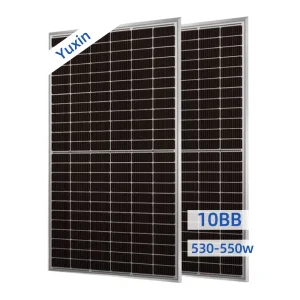
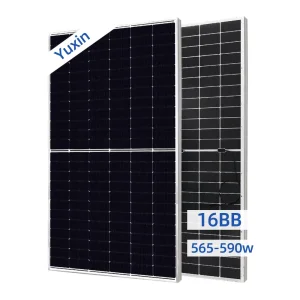
Whitepaper on engineered resilience pathways for businesses confronting grid volatility.
Loadshedding is no longer a localized operational hazard confined to emerging economies. In the contemporary industrial landscape, power grid instabilities caused by aging transmission infrastructure, sudden weather extremes, and rapid decarbonization have made blackout mitigation a key priority. For commercial and industrial (C&I) organizations, unexpected outages translate to costly operational pauses, equipment depreciation, and compromised data integrity. Modern custom loadshedding backup companies are shifting away from simple standby diesel generators. Instead, they are moving toward complex hybrid models that combine high-yield photovoltaic generation, heavy-duty battery energy storage systems (BESS), and intelligent energy management systems (EMS).
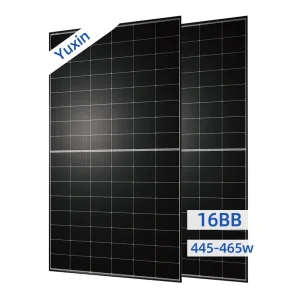
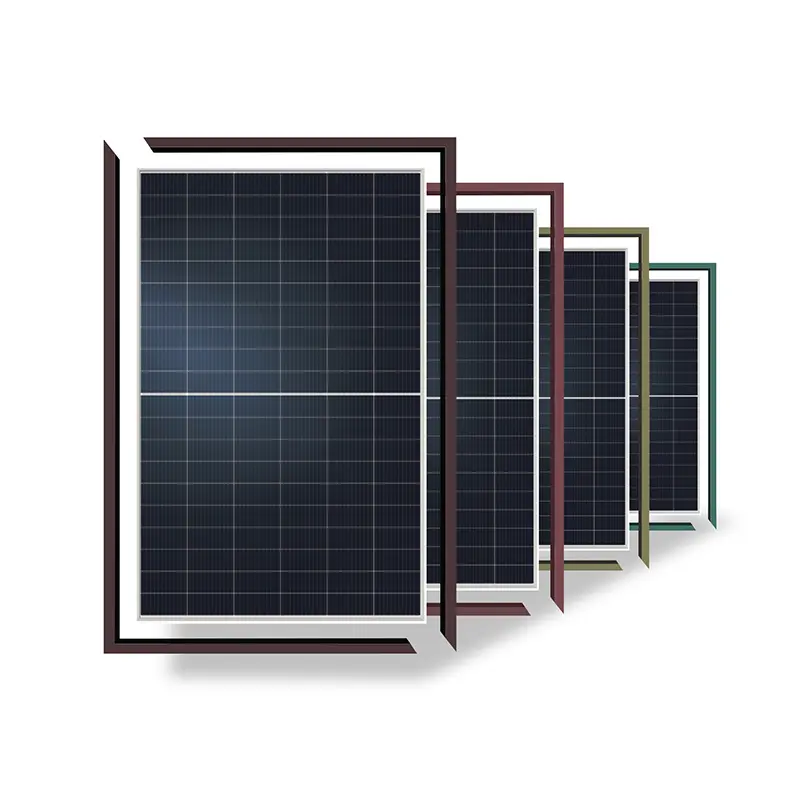
This architectural paradigm requires high-density monocrystalline solar arrays, rugged mounting structures, and reliable power distribution units. This ensures continuous production during sudden power losses, providing a seamless transition to backup power.
"True energy independence is not merely about alternative power generation, but about the intelligent orchestration of localized generation, storage, and demand-side load shifting."
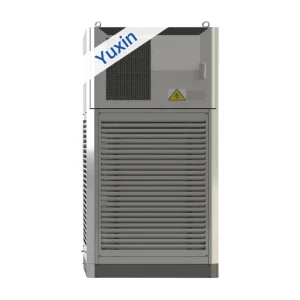
Standard, off-the-shelf energy storage systems often fail to meet the distinct load profiles of specific facilities. A chemical processing plant requires a zero-millisecond uninterruptible power supply (UPS) to prevent hazardous process failures. In contrast, an agricultural cold chain facility focuses on deep cycle capacity and high thermal tolerances. This is where customized loadshedding backup configurations become essential.
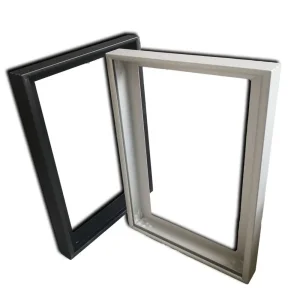
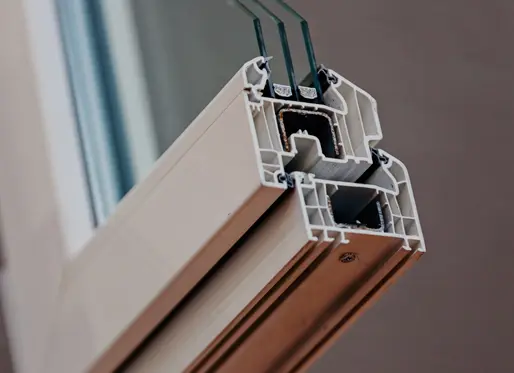
Custom systems utilize advanced lithium iron phosphate (LiFePO4) chemistry to deliver over 6,000 cycles at 80% Depth of Discharge (DoD). By pairing these battery units with N-type TOPCon or bifacial PERC solar arrays, systems capture maximum irradiance even in low-light environments. Additionally, anodized aluminum (6063-T5/6005-T6) or composite frames ensure that the hardware withstands environmental stresses, maintaining long-term physical integrity.
The evolutionary timeline of localized microgrids and smart power management.
Integrating traditional solar arrays with local battery banks. Standardizing transition times below 15ms using smart hybrid inverters, shielding operational machinery from voltage sags.
Deploying AI algorithms to analyze local weather forecasts, historic consumption data, and national loadshedding schedules. This dynamically adjusts reserves to optimize cost and performance.
Adopting solid-state energy storage technologies and ultra-high-efficiency cell designs (TOPCon/HJT) to reduce system footprints while extending operational lifespans past 15 years.
Precision, Quality, and Safety - Your Photovoltaic Materials Expert
Located in the scenic historical and cultural ancient city of Yangzhou, close to the Beijing-Shanghai Expressway, Runyang Yangtze River Bridge, and Ningqi Railway, the group has a superior geographical location and convenient transportation. The group was established in 2008 and has 14 multi-field companies under its jurisdiction, including Jiangsu Yuxin New Energy Technology Co., Ltd., and has won many titles such as National High-tech Enterprise, Technology-based Enterprise, and Gaoyou City Top 100 Private Enterprises.

Leveraging vertical integration, technological scale, and robust logistics to build global resilience.
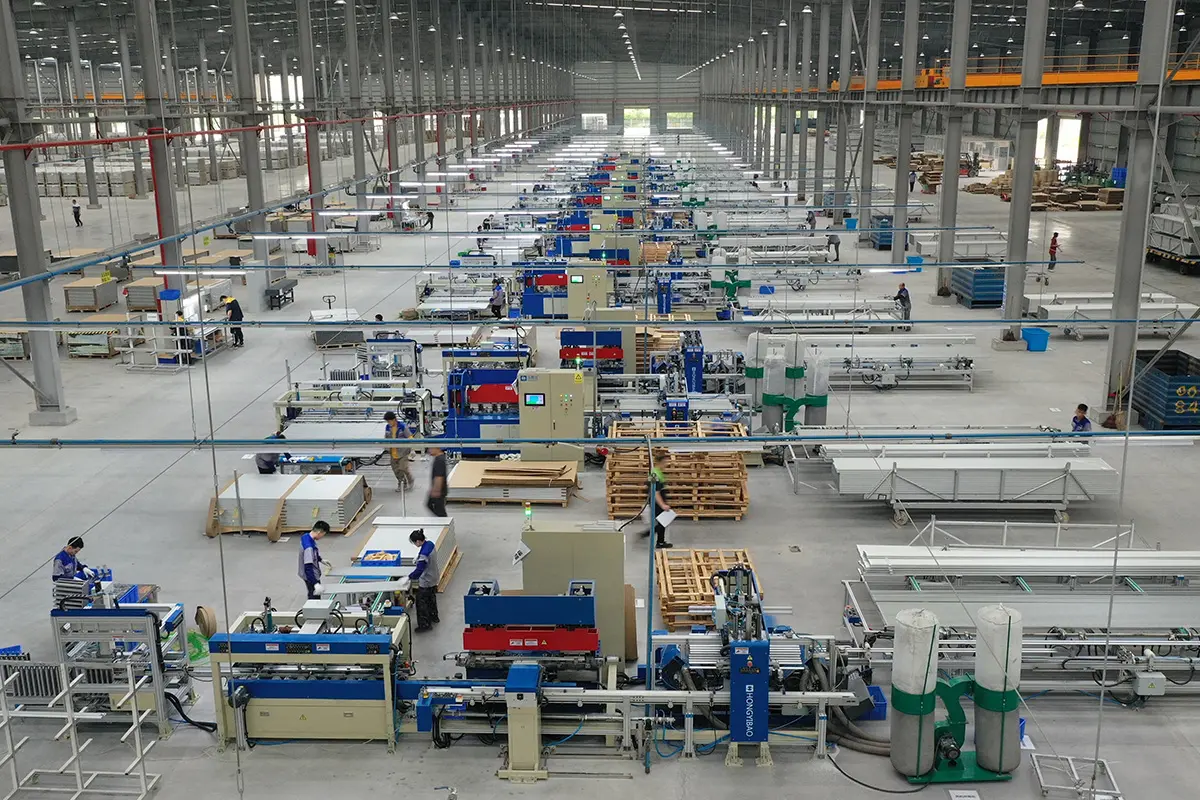
The hub of China's renewable energy supply chain, located in Gaoyou, Jiangsu, offers clear advantages in manufacturing efficiency. Industrial operations like YUXIN integrate raw materials processing directly with component assembly. Anodizing extrusions, applying composite materials, assembling solar cells, and wiring commercial storage cabinets occur in a unified regional ecosystem. This vertical integration reduces logistics friction, stabilizes raw material sourcing, and guarantees consistent assembly tolerances.
High-throughput automation allows for continuous quality testing. Every step, from verifying the structural integrity of pultruded composites to checking solar cell efficiency under simulated sunlight, is strictly monitored. Consequently, large-scale systems are delivered with certified lifespans, fully complying with IEC, CE, and ISO international standards.
Compliance documentation ensuring reliable entry and performance across global markets.
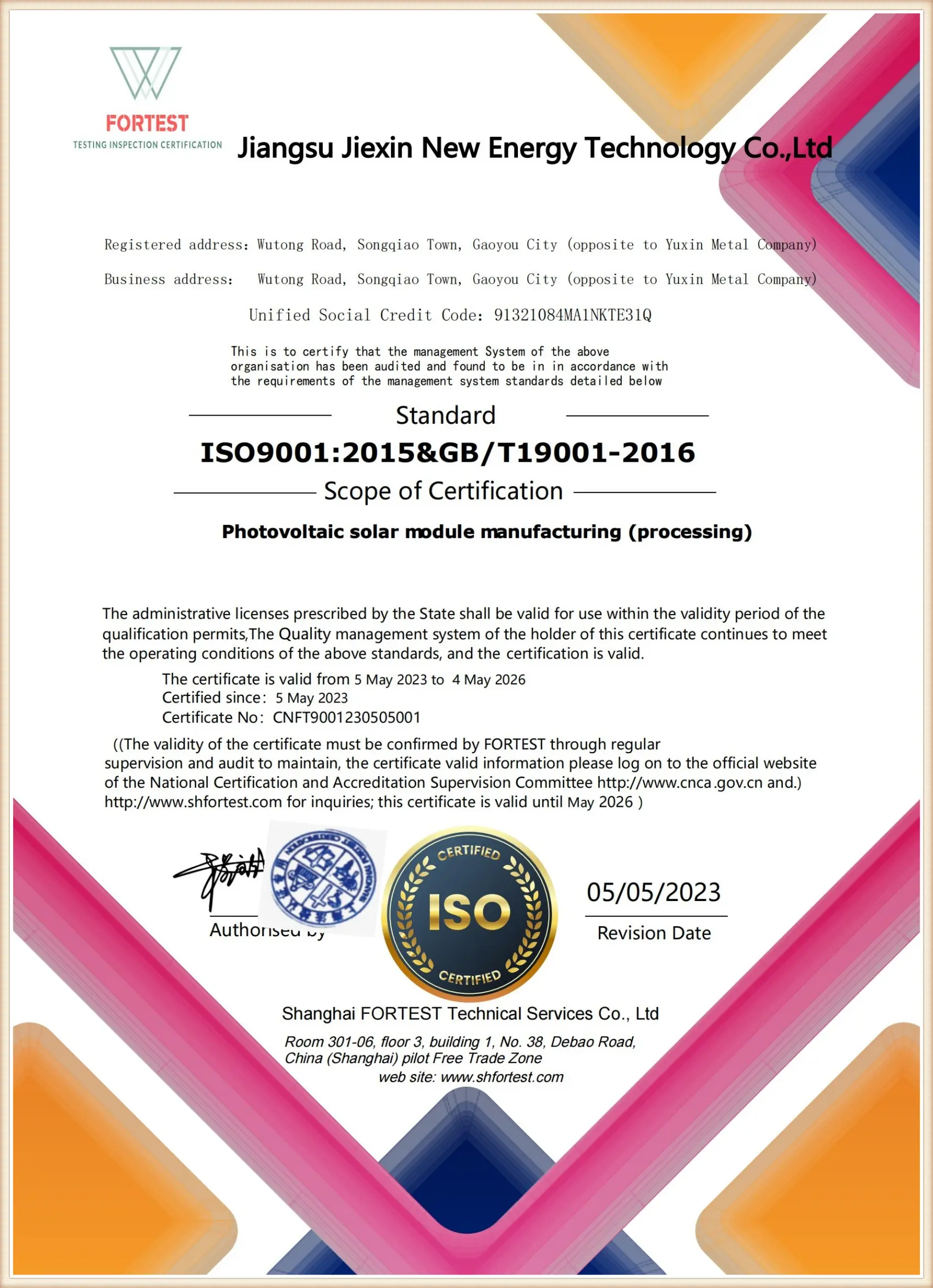
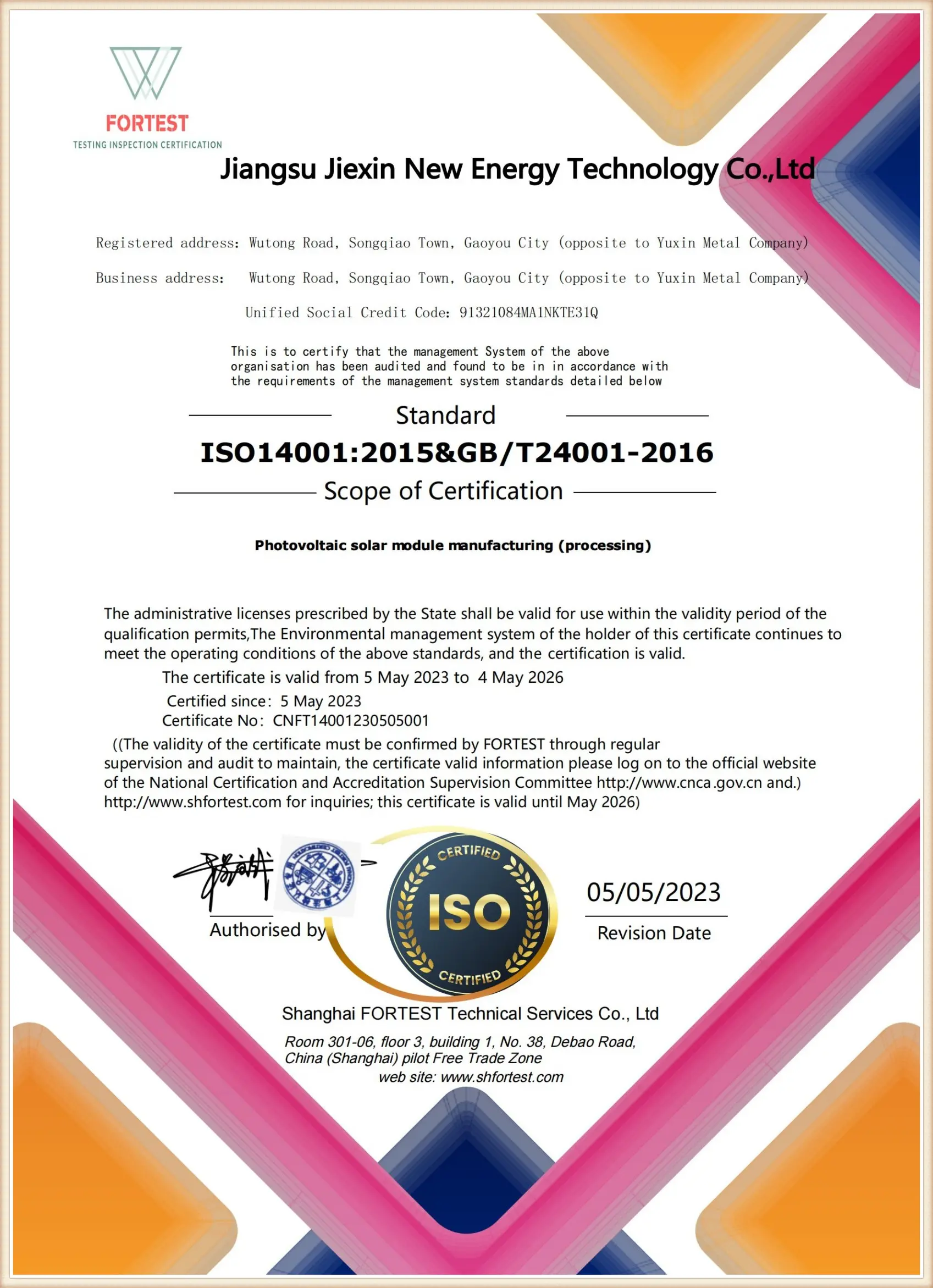
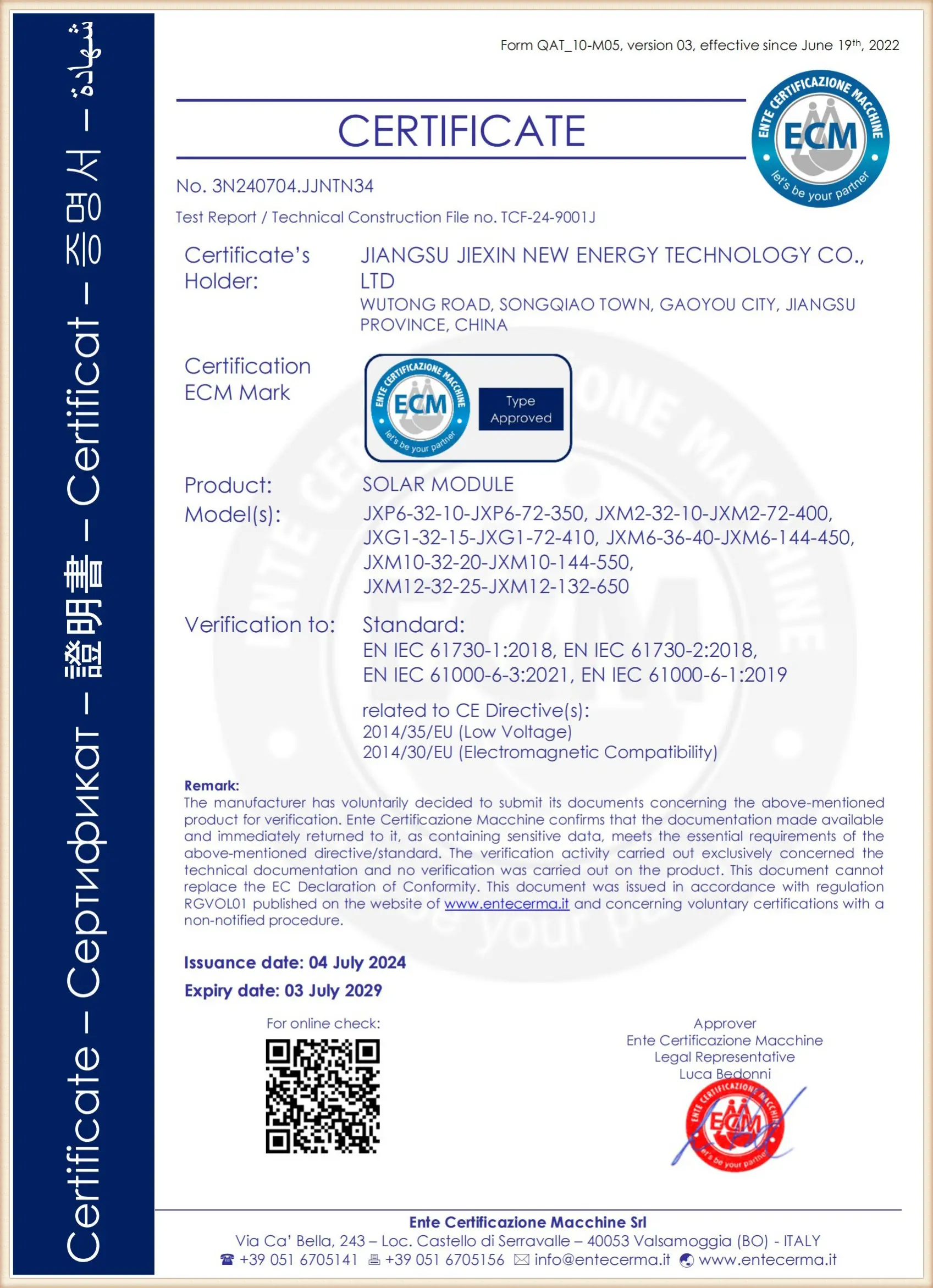
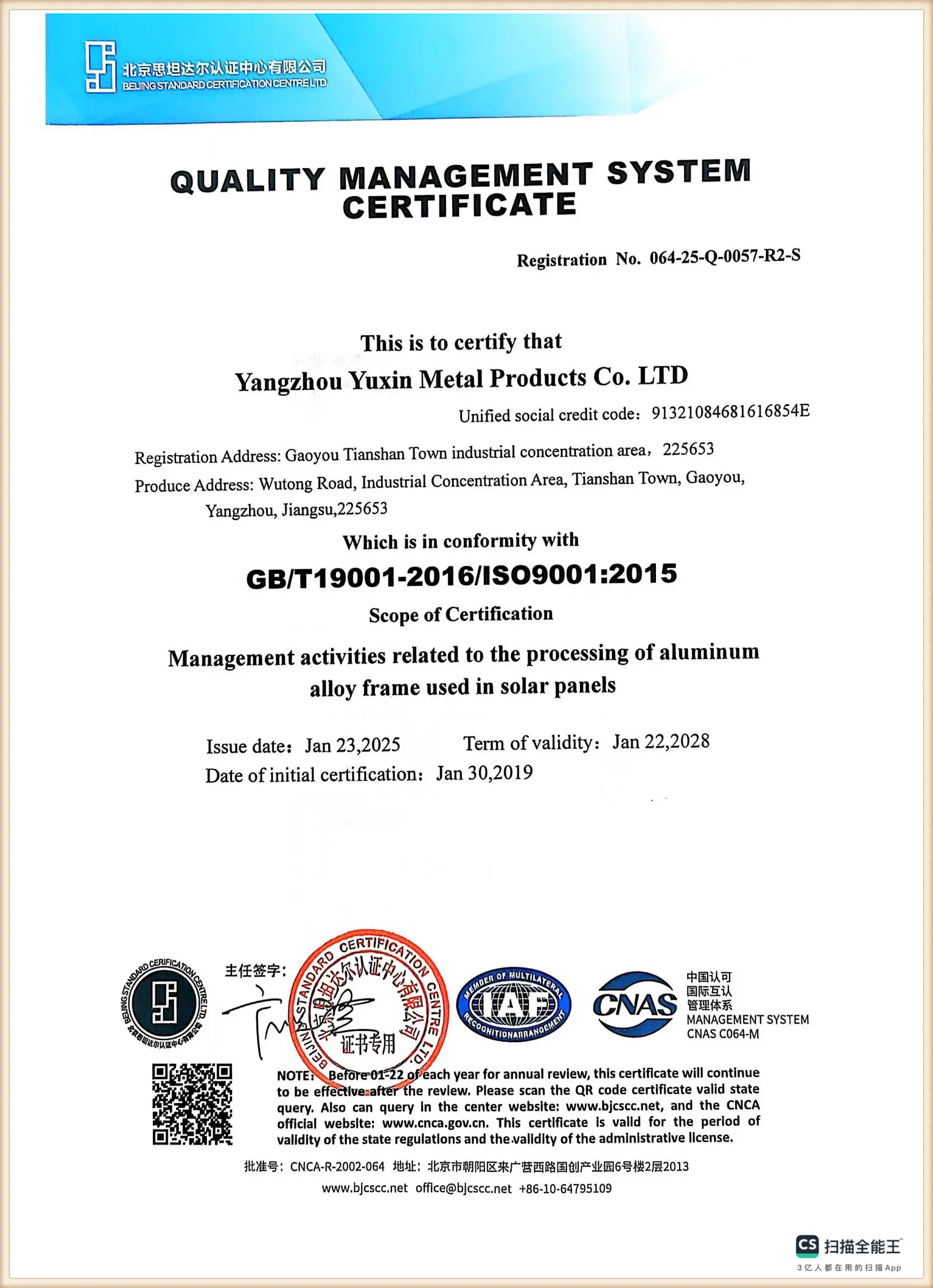
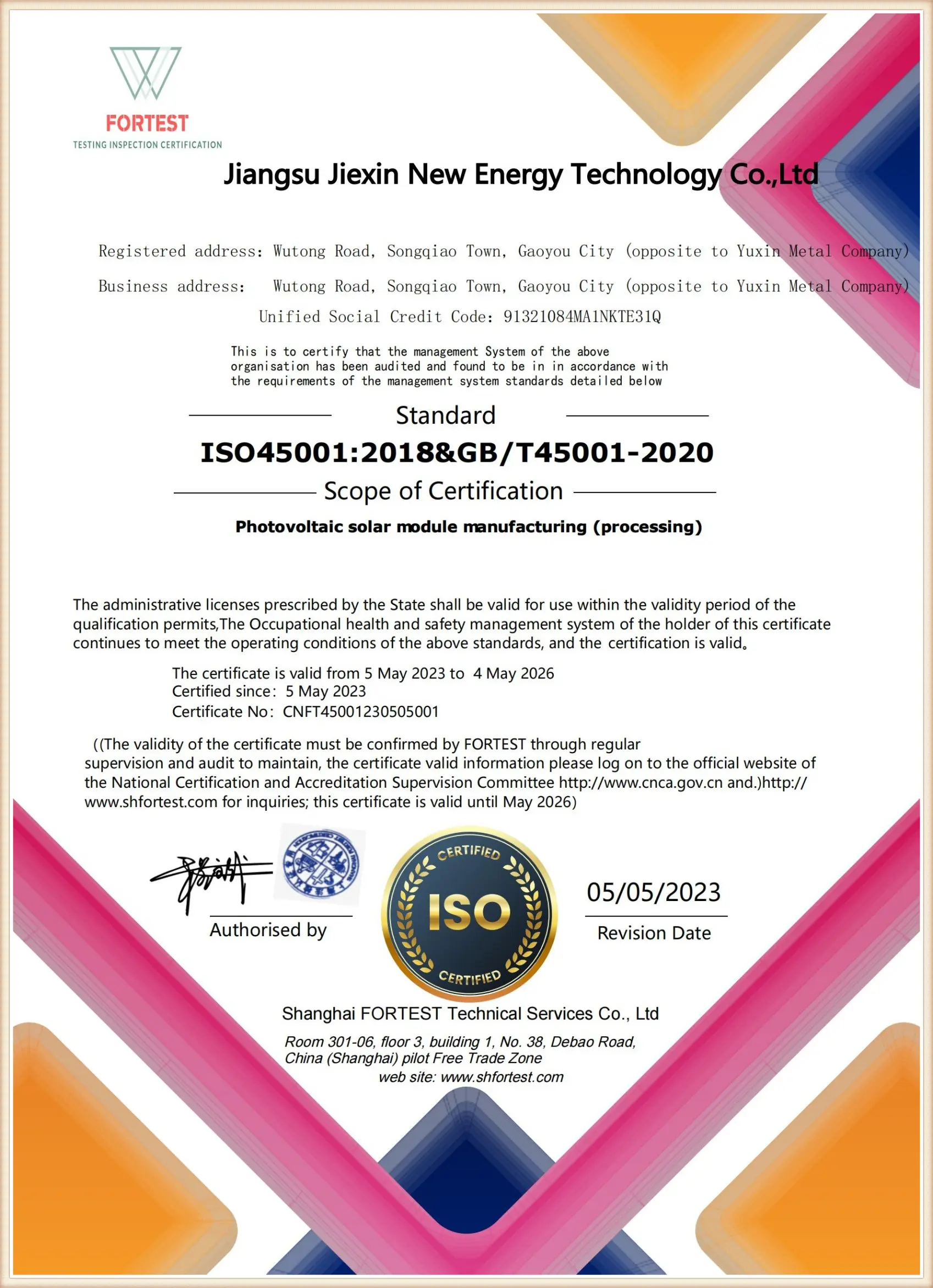
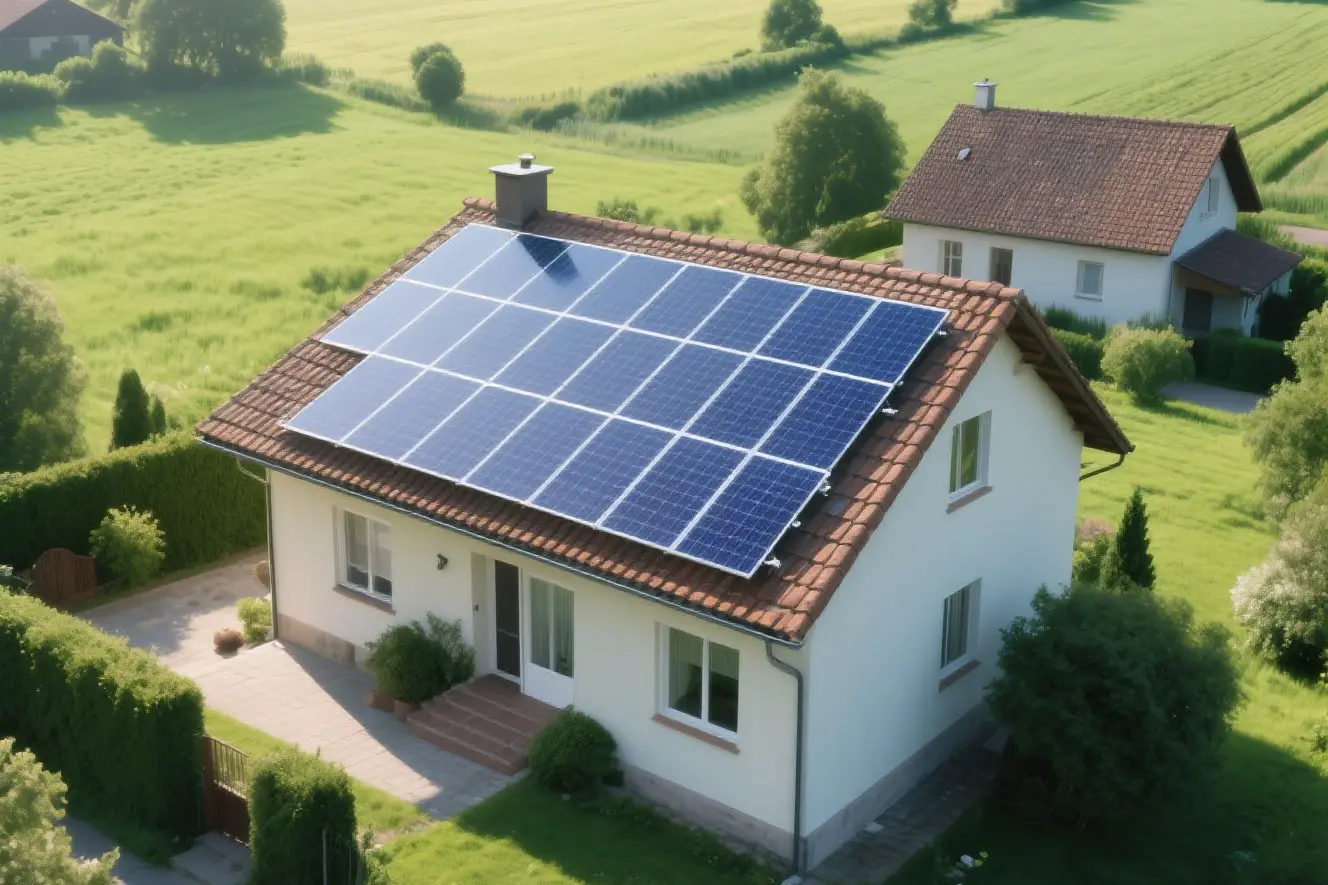
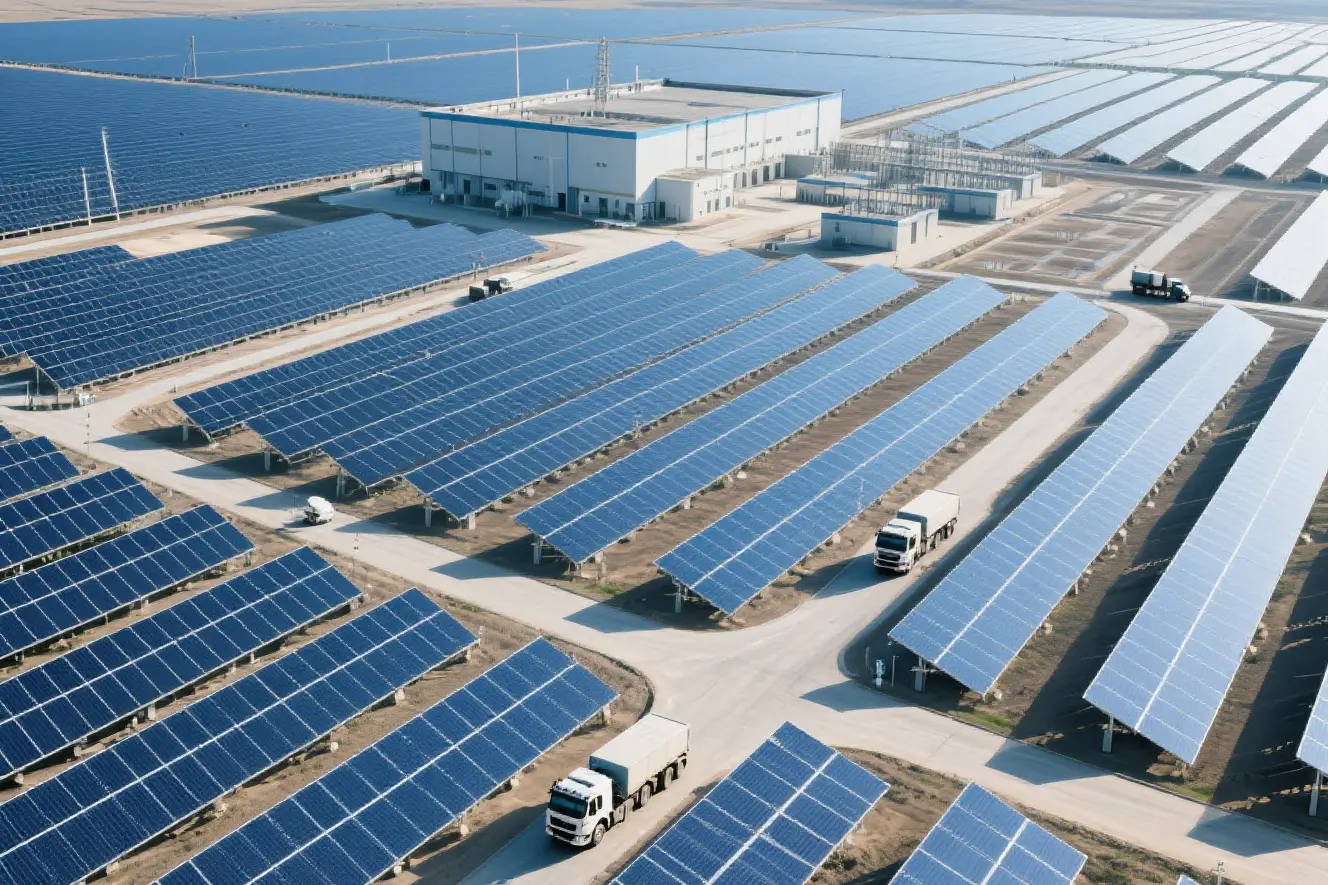
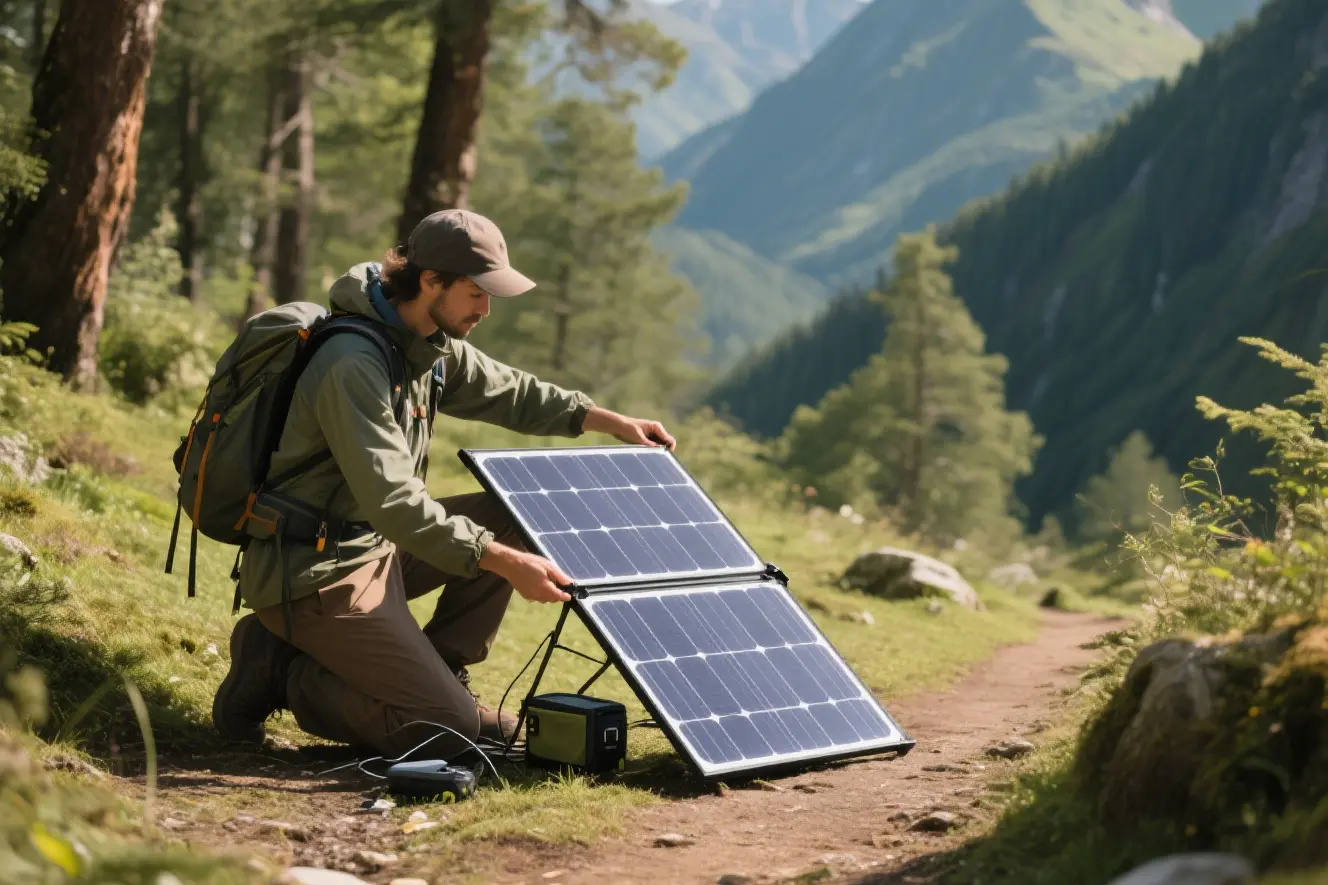
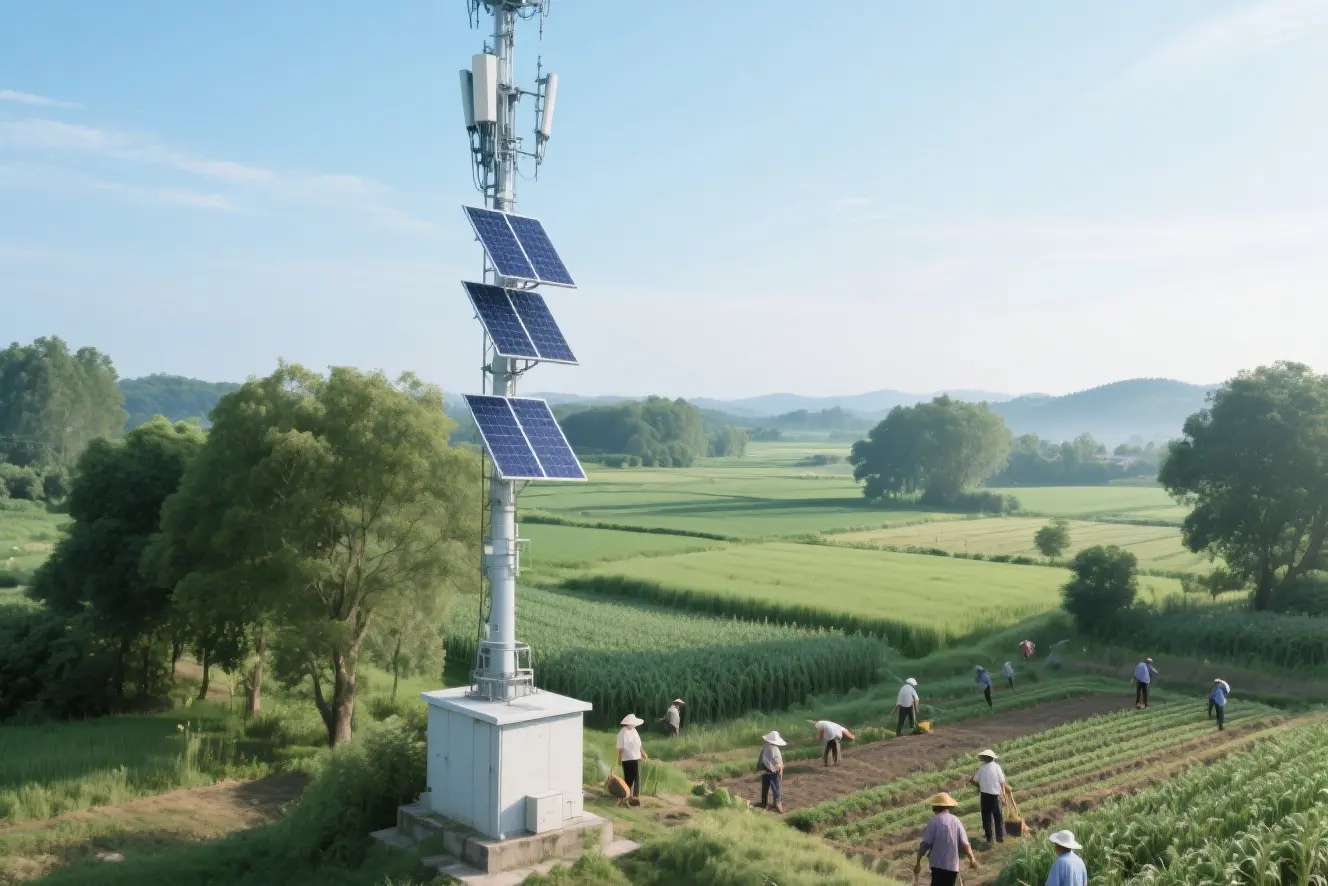
Delivering reliable, custom loadshedding backup infrastructure across critical industries.
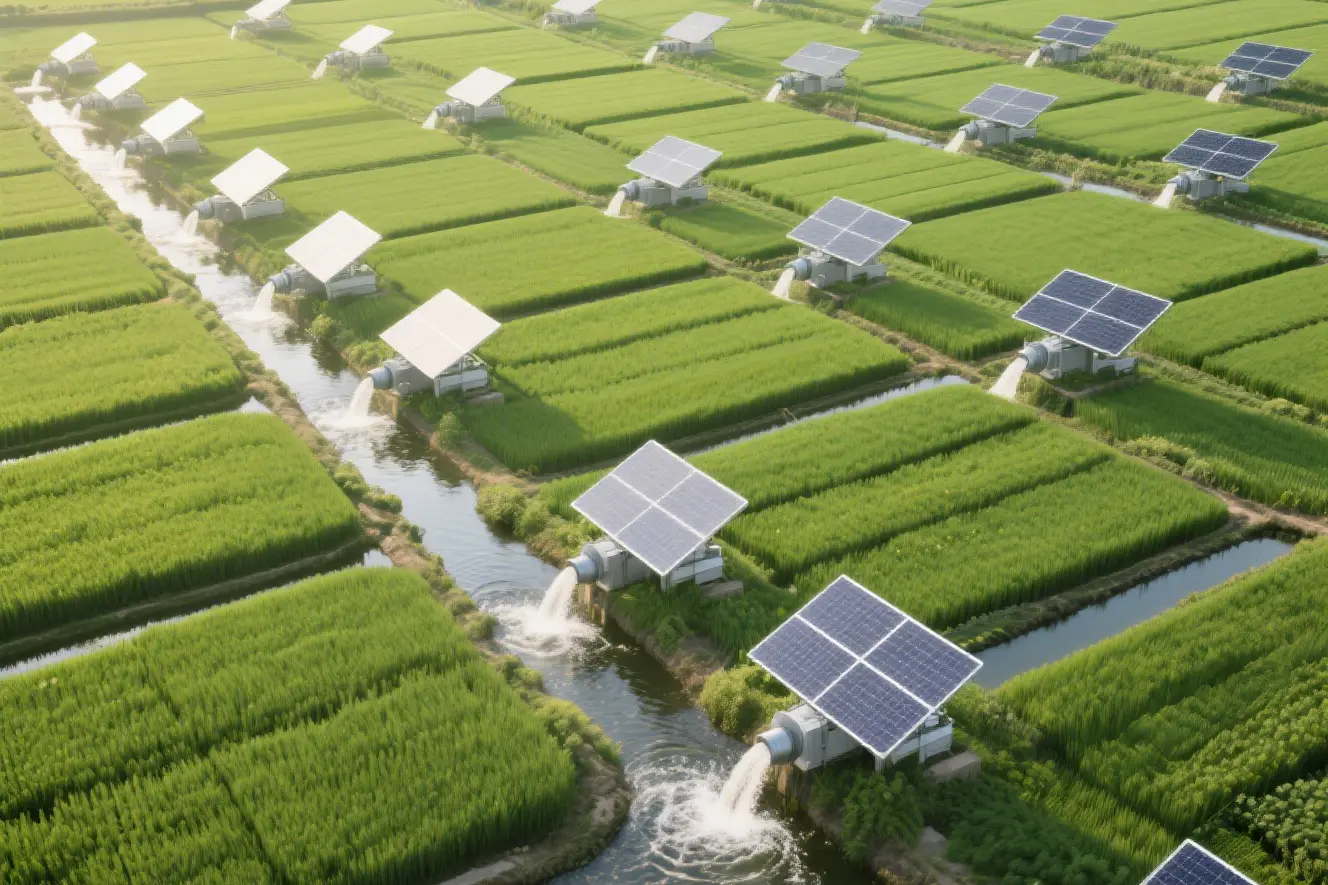
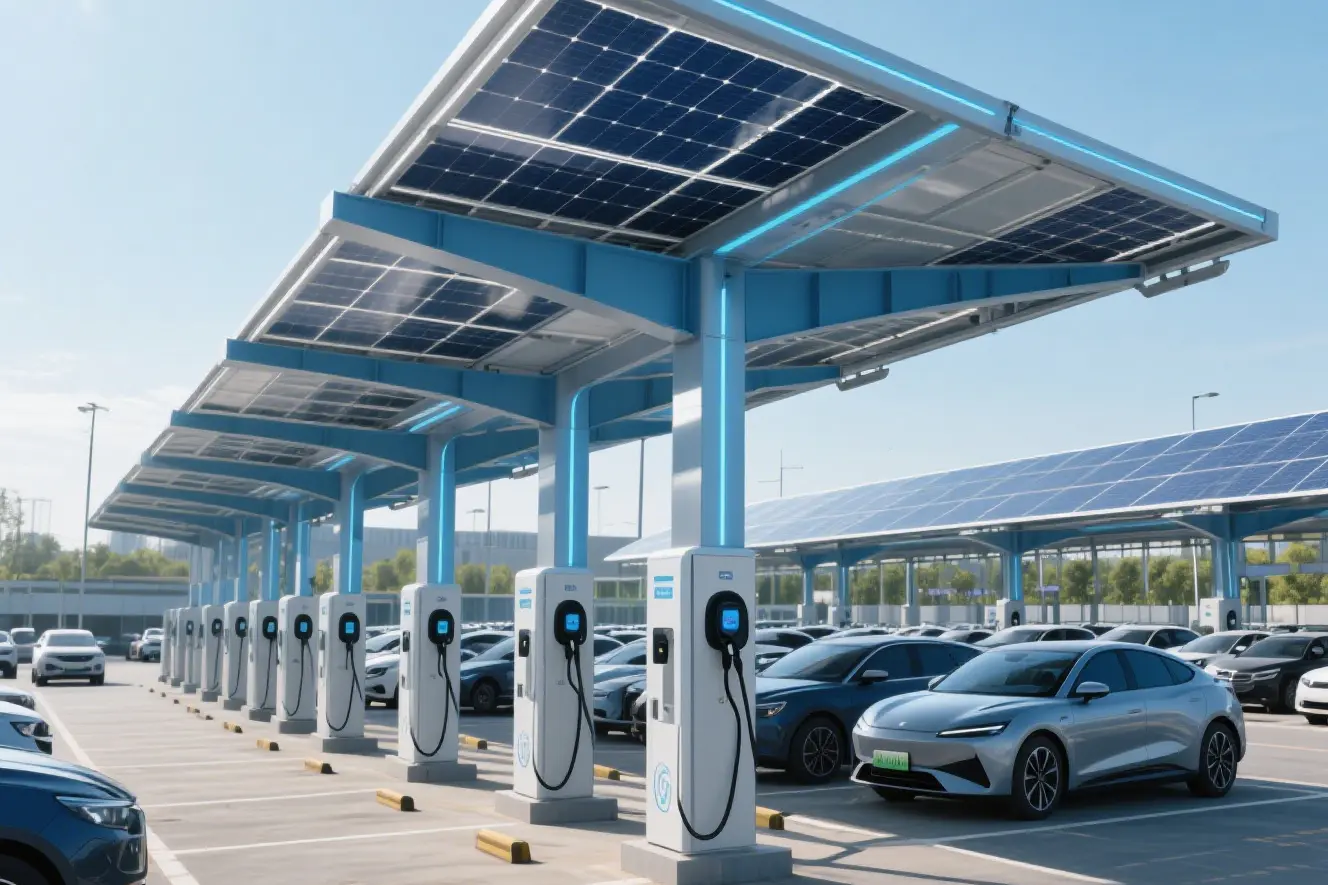
Fostering collaborative growth with international partners to build robust energy infrastructure.



Stay updated with our recent insights, technical analyses, and market developments.
Detailed technical answers to common questions about backup integration, hardware longevity, and deployment costs.
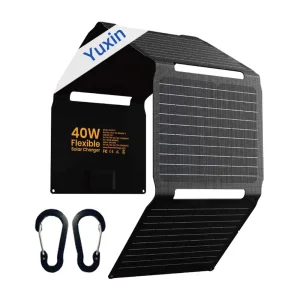
Explore our complete range of certified solar panels, composite framing materials, and industrial backup generators.