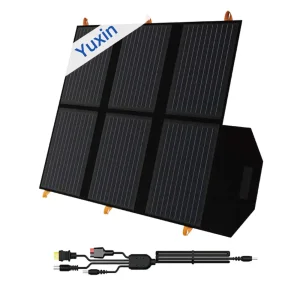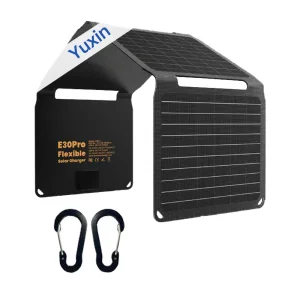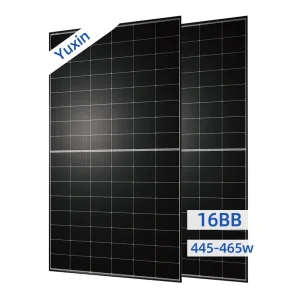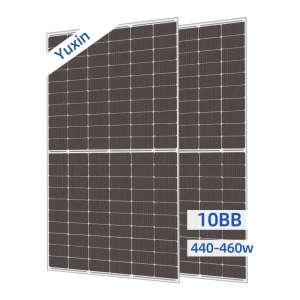
High-efficiency, weather-resistant modules tailored for rapid deployment, camping operations, and portable battery banks integration.
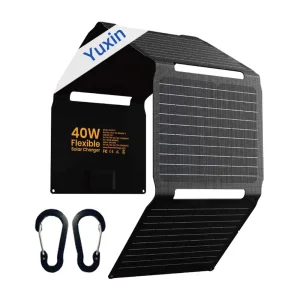
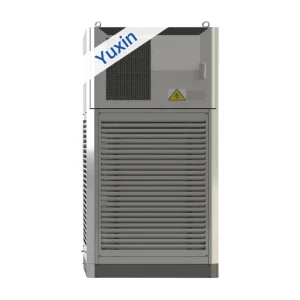
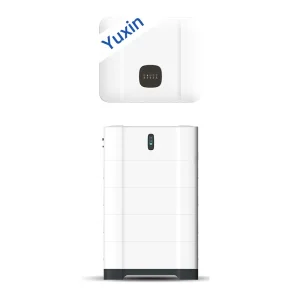
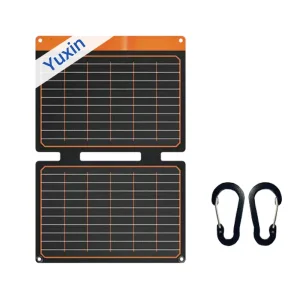
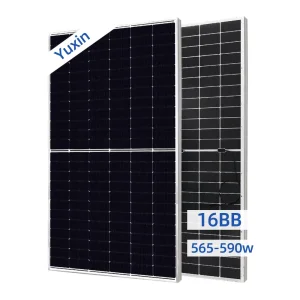
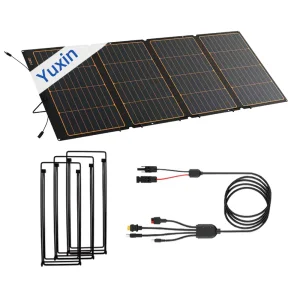
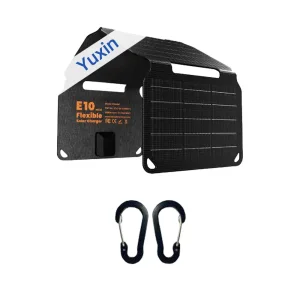
The global transition toward decentralized power infrastructure has shifted from a niche alternative energy initiative to a critical pillar of modern industrial, commercial, and recreational strategic planning. As environmental parameters dictate stricter carbon controls and off-grid utility demand escalates, the integration of high-performance portable photovoltaic systems has grown exponentially. At the center of this technological convergence is the 120 Watt Solar Panel Camping configuration—a strategic power threshold that bridges the gap between ultra-portable individual utilities and high-output commercial setups.
Historically, off-grid energy generation in recreational and military sectors was plagued by structural inefficiencies. Legacy photovoltaic modules struggled with low energy conversion indices, excessive weight profiles, and rapid degradation under harsh environmental stresses. However, recent advances in metallurgical frame architectures, semiconductor engineering, and polymer composites have rewritten performance metrics. Today, commercial-grade 120W systems are expected to deliver consistent output across highly volatile temperature ranges, survive structural stress testing, and maintain electrical integrity under extreme UV exposure.
From a macro perspective, the optimization of portable solar technology is driven not only by recreational outdoor activities but also by systemic demands in humanitarian aid, ecological tracking, emergency grid backups, and agricultural operations. As supply chains globalize and technical expectations increase, selecting a competent, vertically integrated manufacturer like Jiangsu Yuxin New Energy Technology Co., Ltd. becomes the key factor in securing market supremacy and operational stability.
The current global commercial landscape for portable energy products is shaped by diverse regional regulatory landscapes and localized consumer applications. In the North American and European markets, strict safety standards (such as UL 1703 and IEC 61215) require rigorous testing of all photovoltaic sub-components. Meanwhile, the Asia-Pacific region dominates raw material manufacturing and primary refinement pipelines, creating a dynamic where supply chain efficiency dictates end-user pricing and quality.
B2B procurement agents and institutional purchasers are increasingly focusing on the total Cost of Ownership (TCO) rather than upfront unit costs. This paradigm shift highlights the importance of choosing manufacturers that utilize advanced materials, such as polyurethane pultruded composites and premium anodized aluminum structures. These materials significantly reduce Balance of System (BOS) costs while increasing product life by up to 15 years under rugged field conditions.
Furthermore, the demand for custom solutions (such as custom form factors, integrated monocrystalline cells, specialized junction boxes, and dual-glass laminations) has become the industry standard. Large-scale procurement programs, including municipal emergency management plans and military field logistics, require exact electrical configurations. To meet these demands, modern manufacturers must combine high-speed automated extrusion lines with customized R&D operations to deliver tailored products at scale.
Explore our underlying components designed to optimize solar panel frame stability, system conversion efficiency, and energy storage reliability.
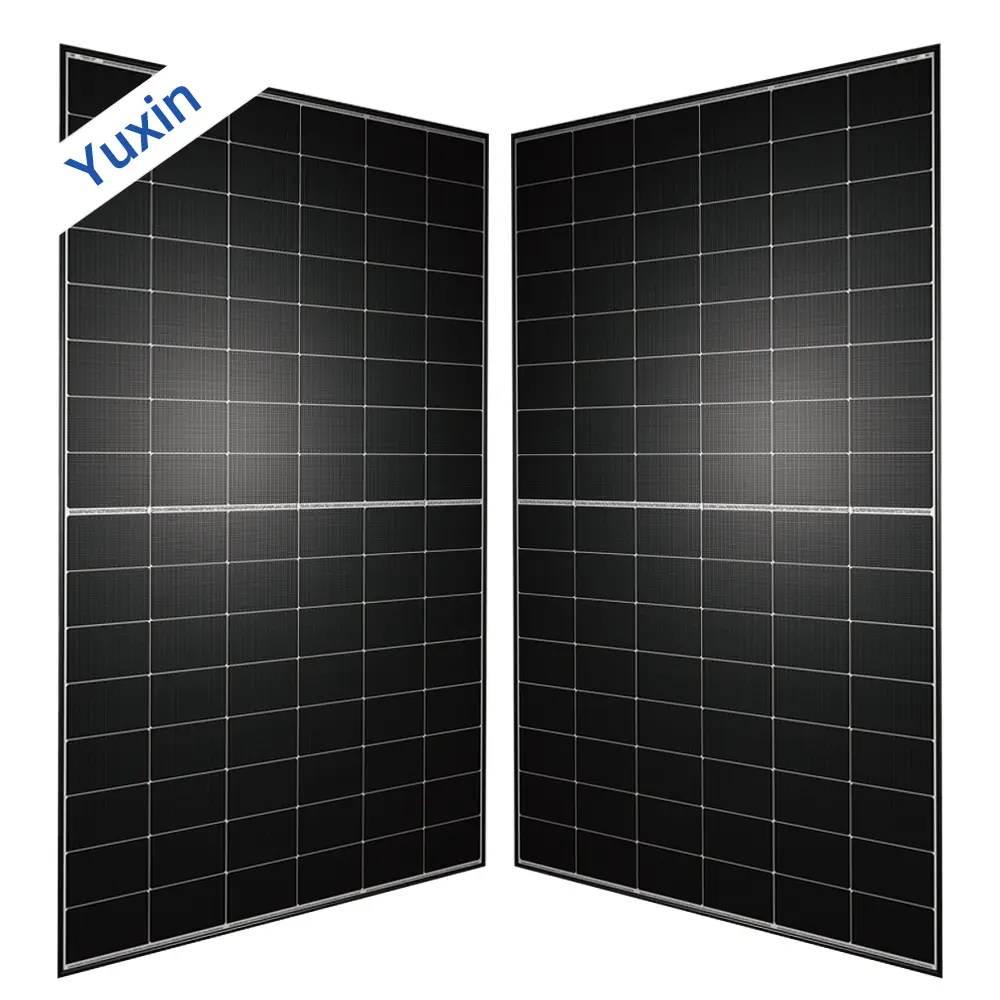
Lightweight design with transparent back panel for easy installation and reduced BOS costs.
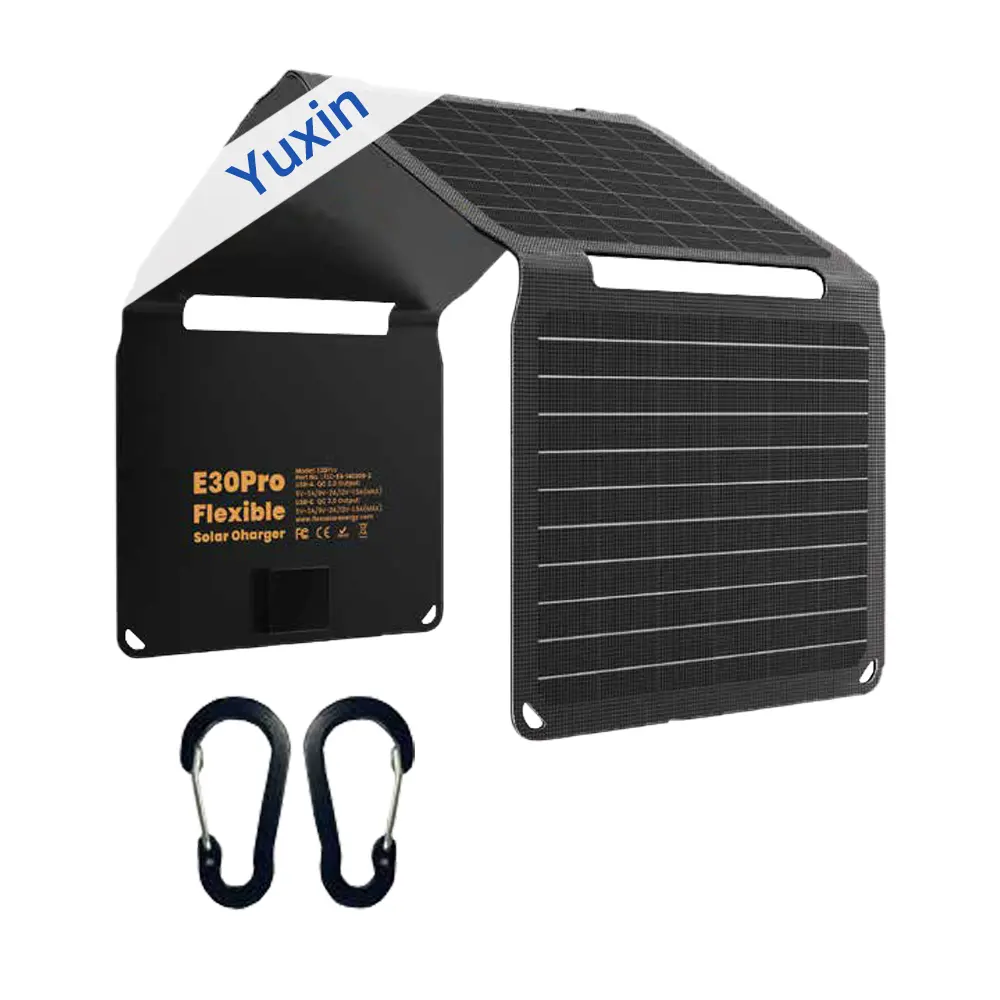
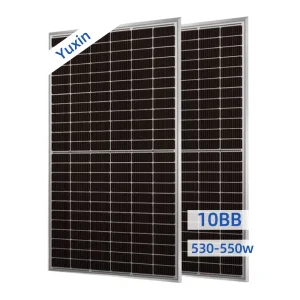
Utilizing advanced monocrystalline silicon cells, it achieves a high energy conversion efficiency of 24%.
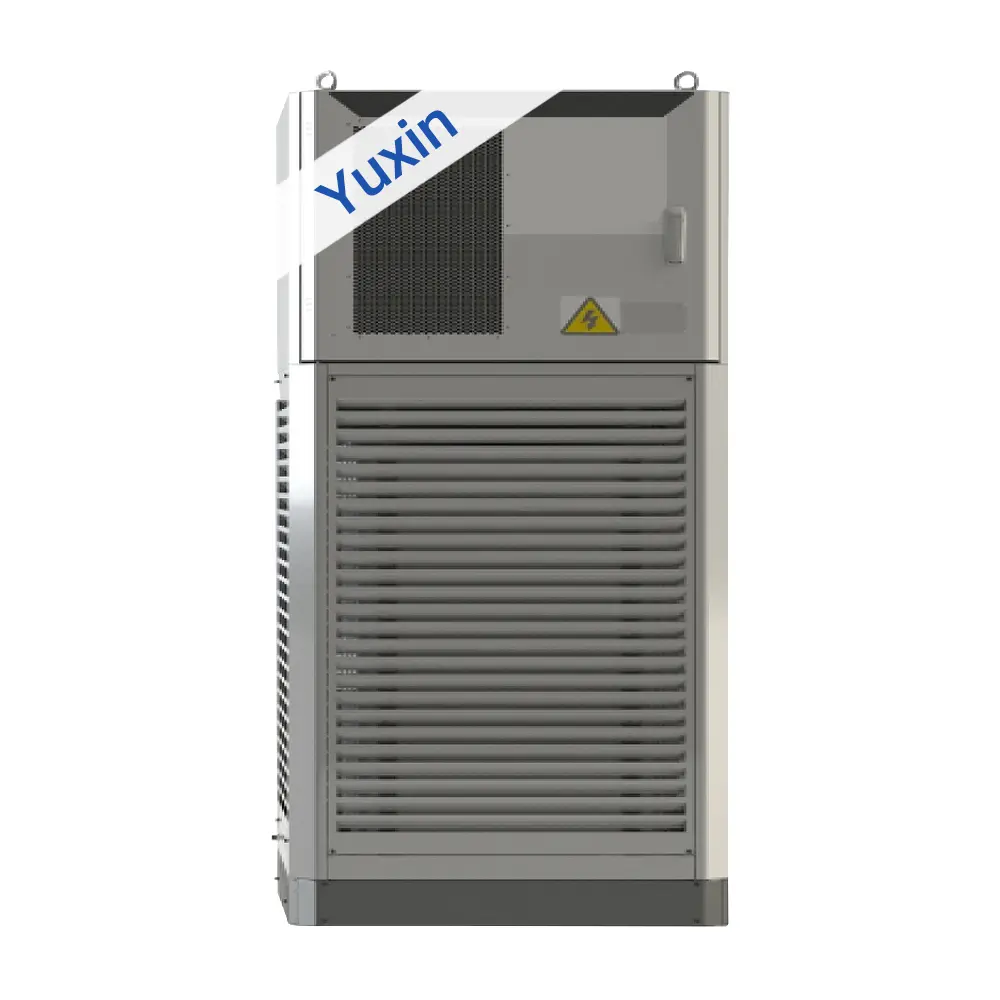
Application modes include grid-connected mode, off-grid mode, and integrated grid-connected/off-grid mode.
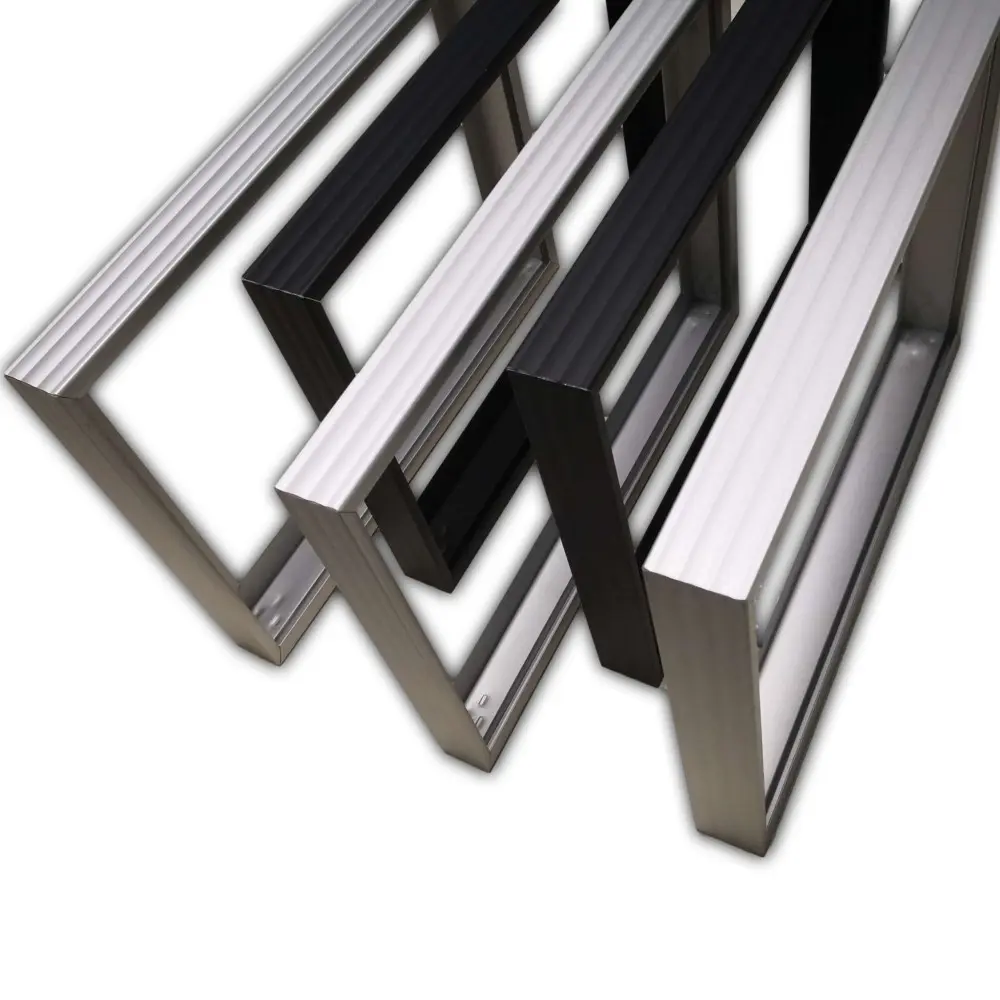
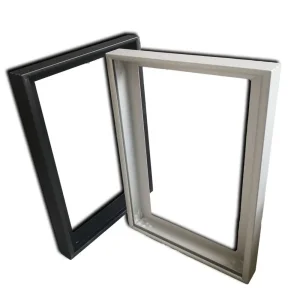
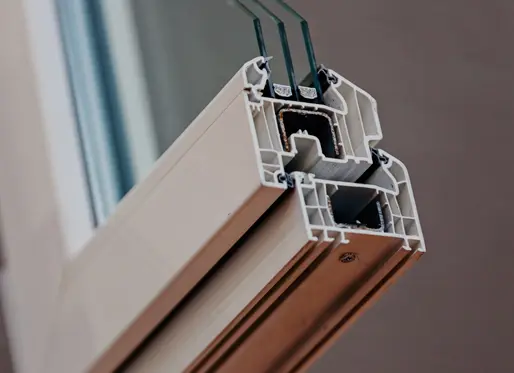
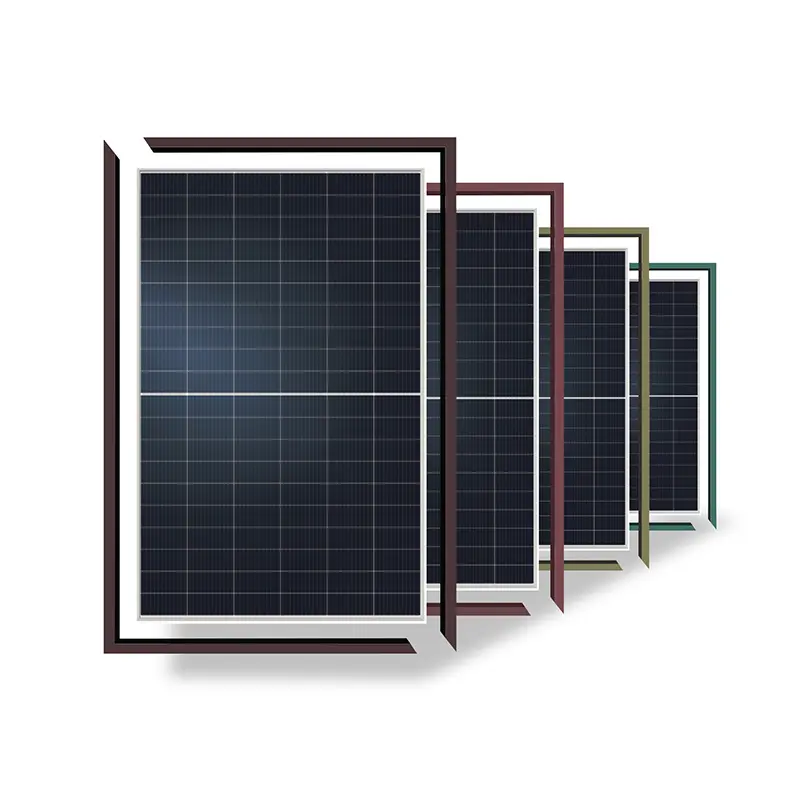
Made of high-quality anodized aluminum, it ensures superior weather resistance and a smooth, long-lasting finish.
Located in the scenic historical and cultural ancient city of Yangzhou, close to the Beijing-Shanghai Expressway, Runyang Yangtze River Bridge, and Ningqi Railway, the group has a superior geographical location and convenient transportation. The group was established in 2008 and has 14 multi-field companies under its jurisdiction, including Jiangsu Yuxin New Energy Technology Co., Ltd., and has won many titles such as National High-tech Enterprise, Technology-based Enterprise, and Gaoyou City Top 100 Private Enterprises.
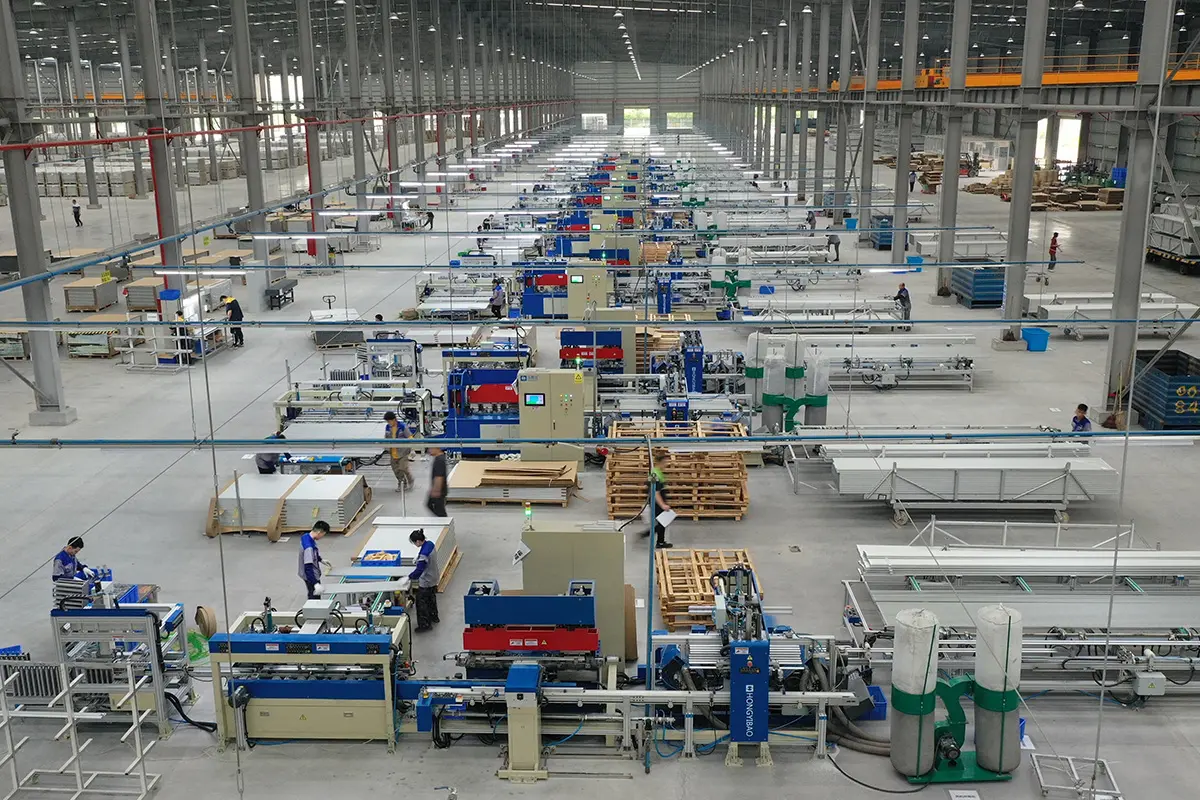
Our production facilities process tens of thousands of tons of metal and polymer composites annually. By utilizing automated extrusion, pultrusion, and precise cell-sorting techniques, we ensure our global partners receive panels and framing components that withstand the toughest elements.
A tracking profile of YUXIN's industrial capacity and commercial footprint:
Compliant with the highest international environmental, mechanical, and electrical safety standards.
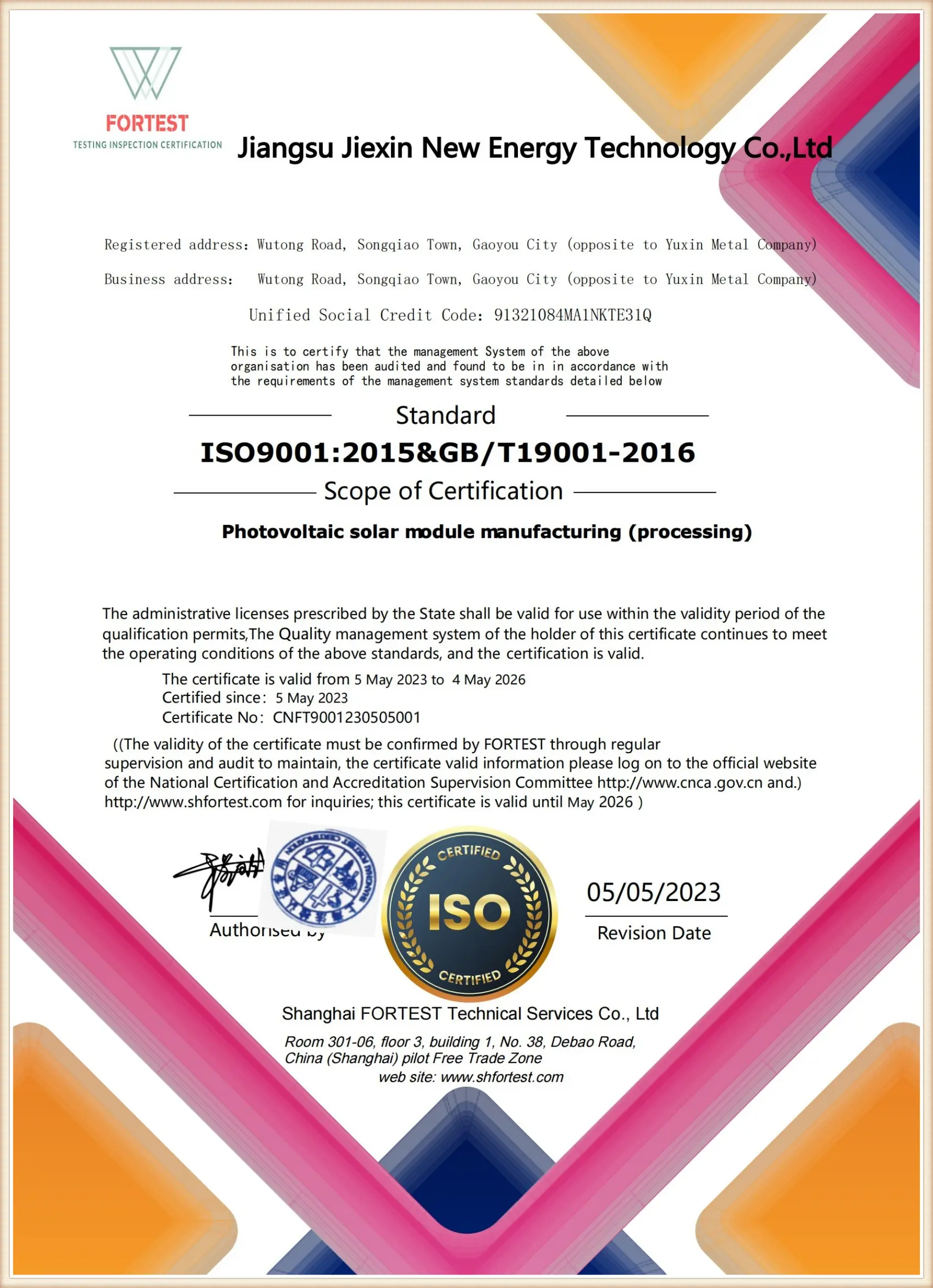
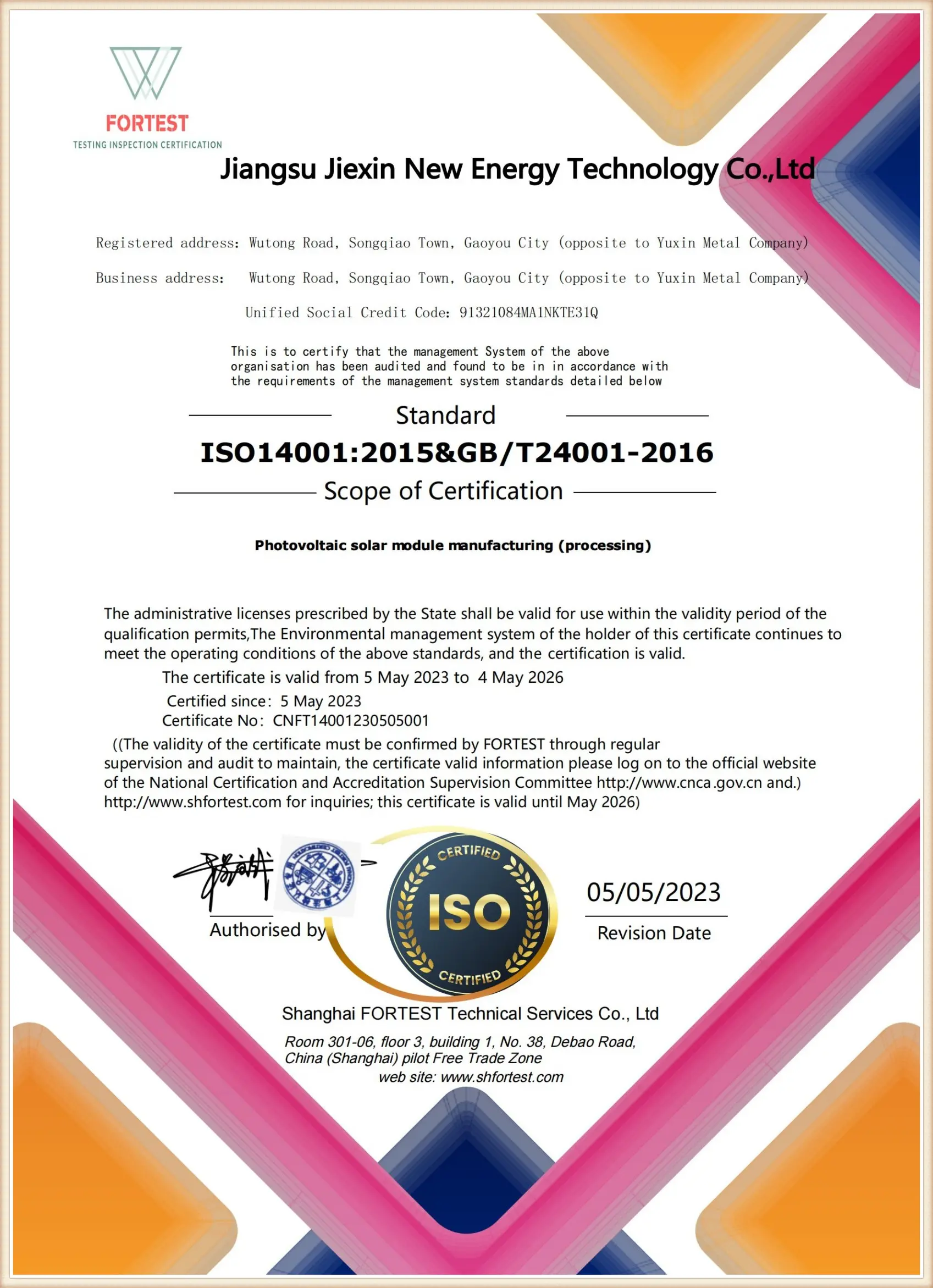
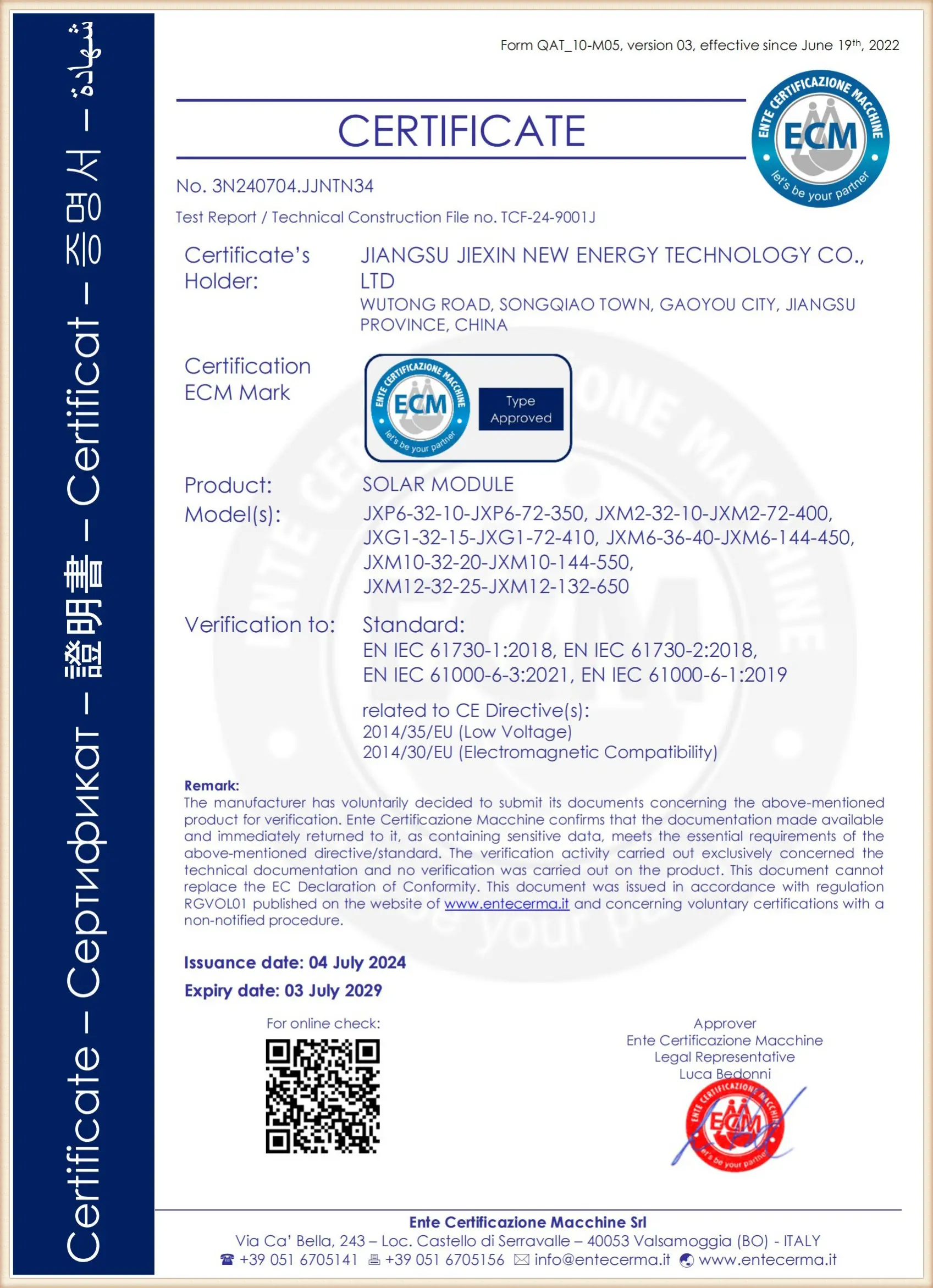
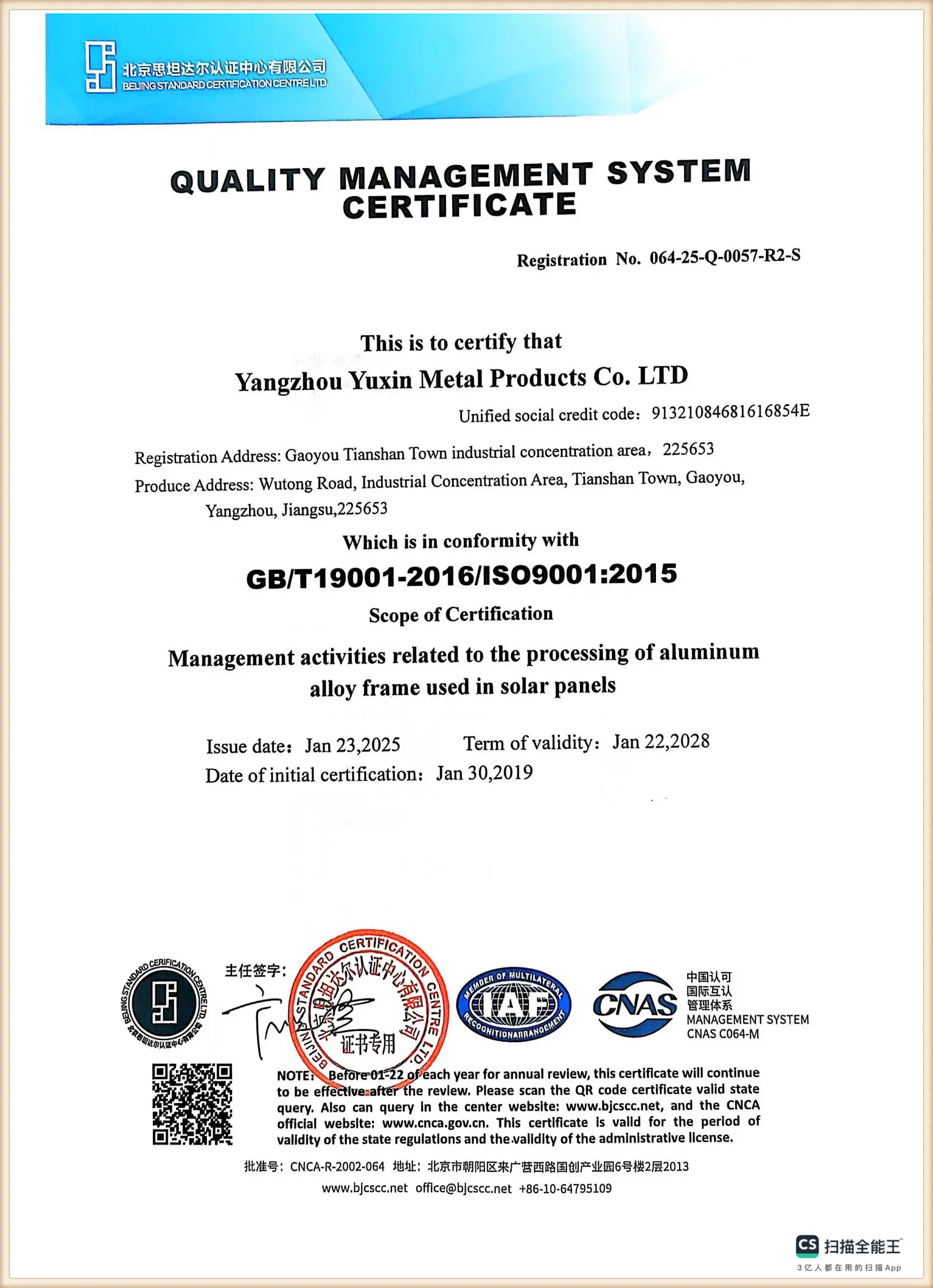
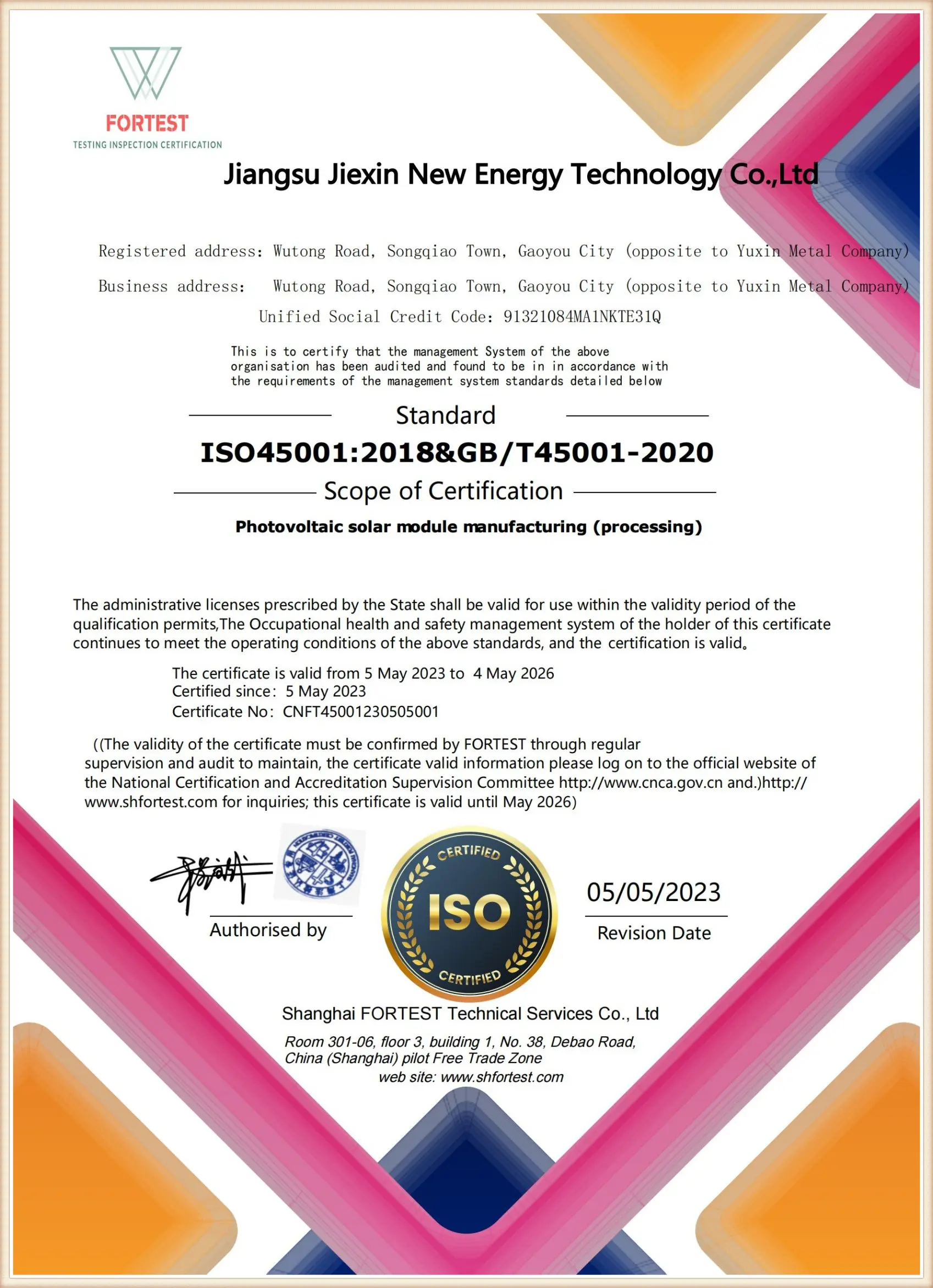
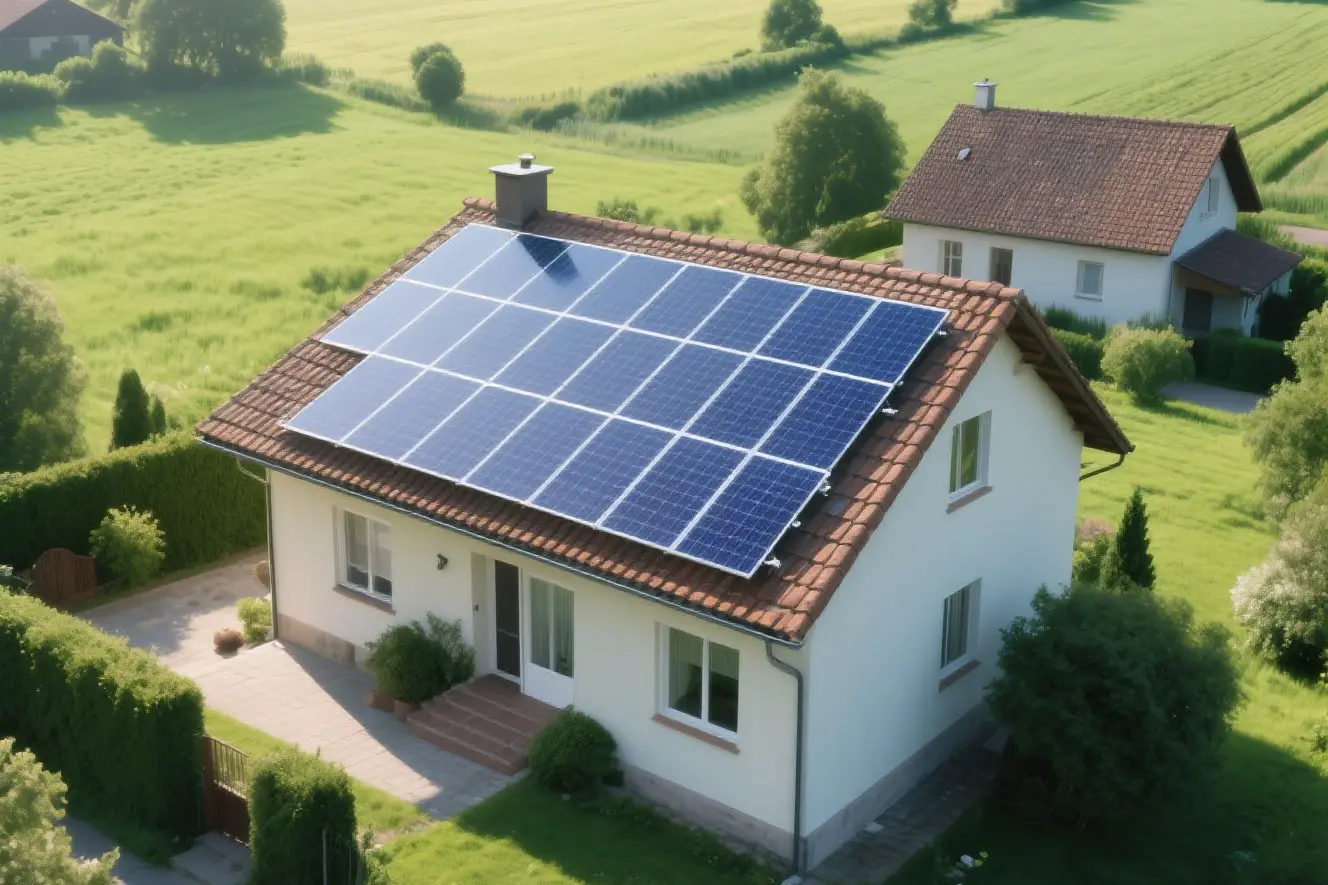
YUXIN components and portable modules are deployed across diverse sectors worldwide, proving their adaptability in extreme conditions.

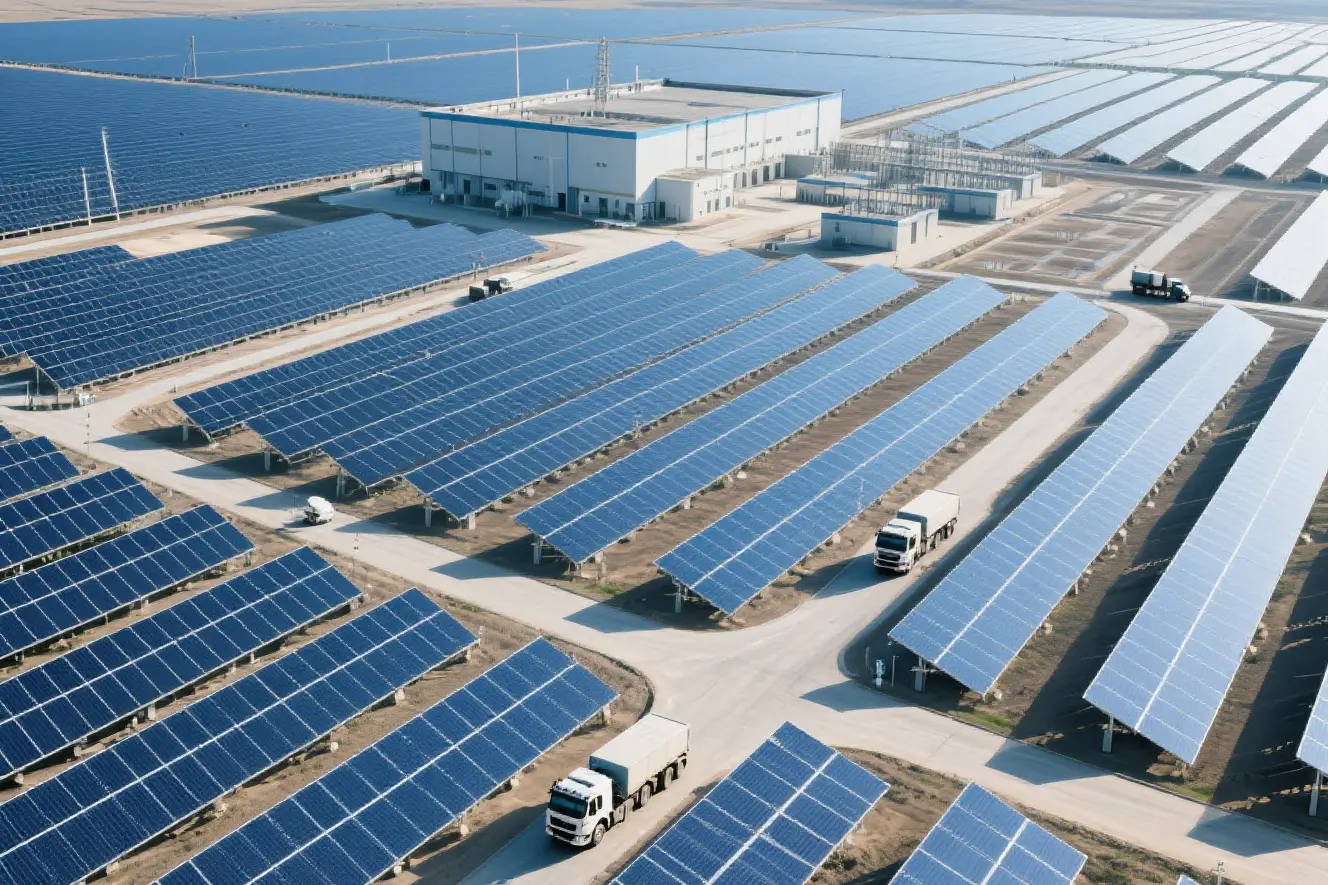
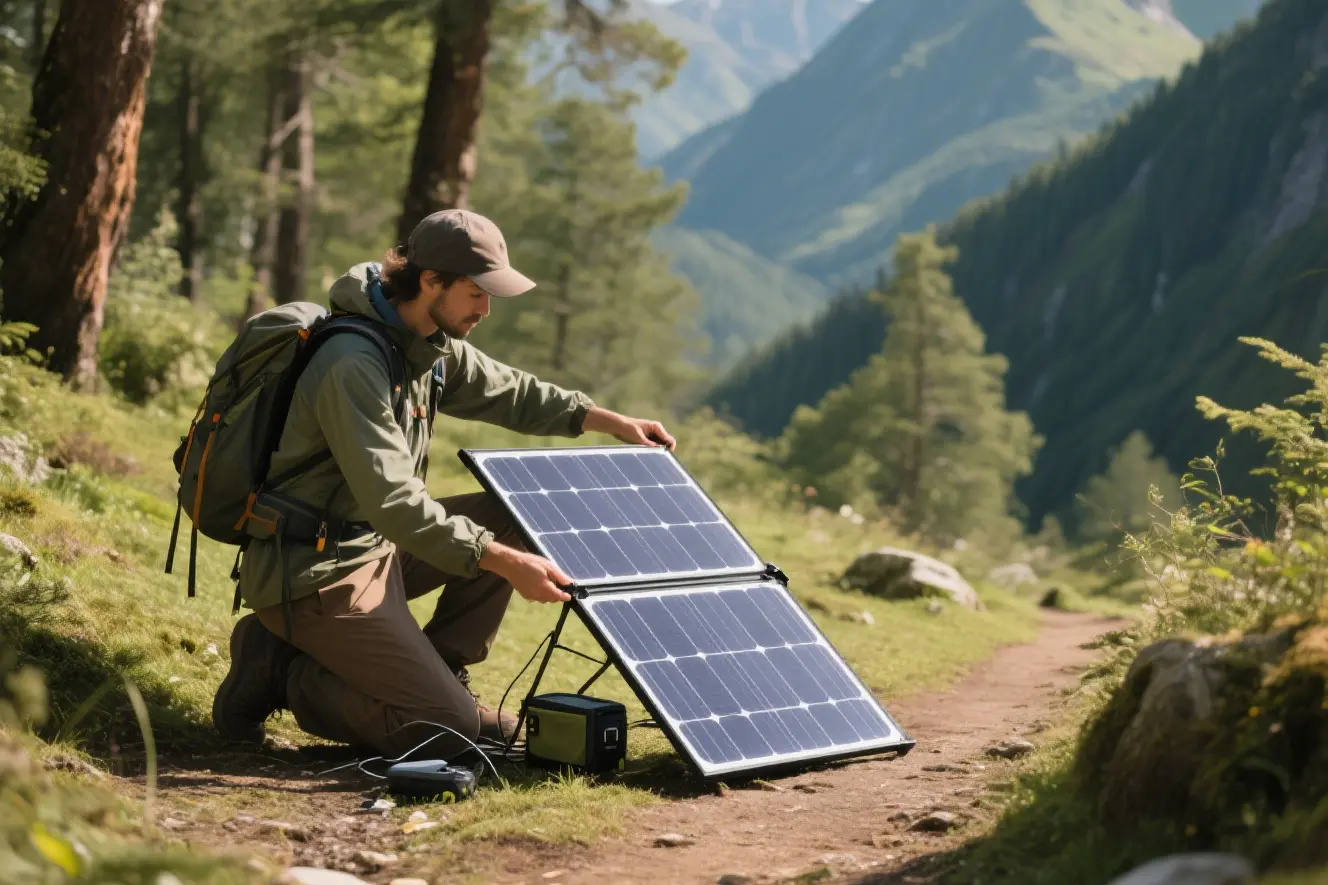
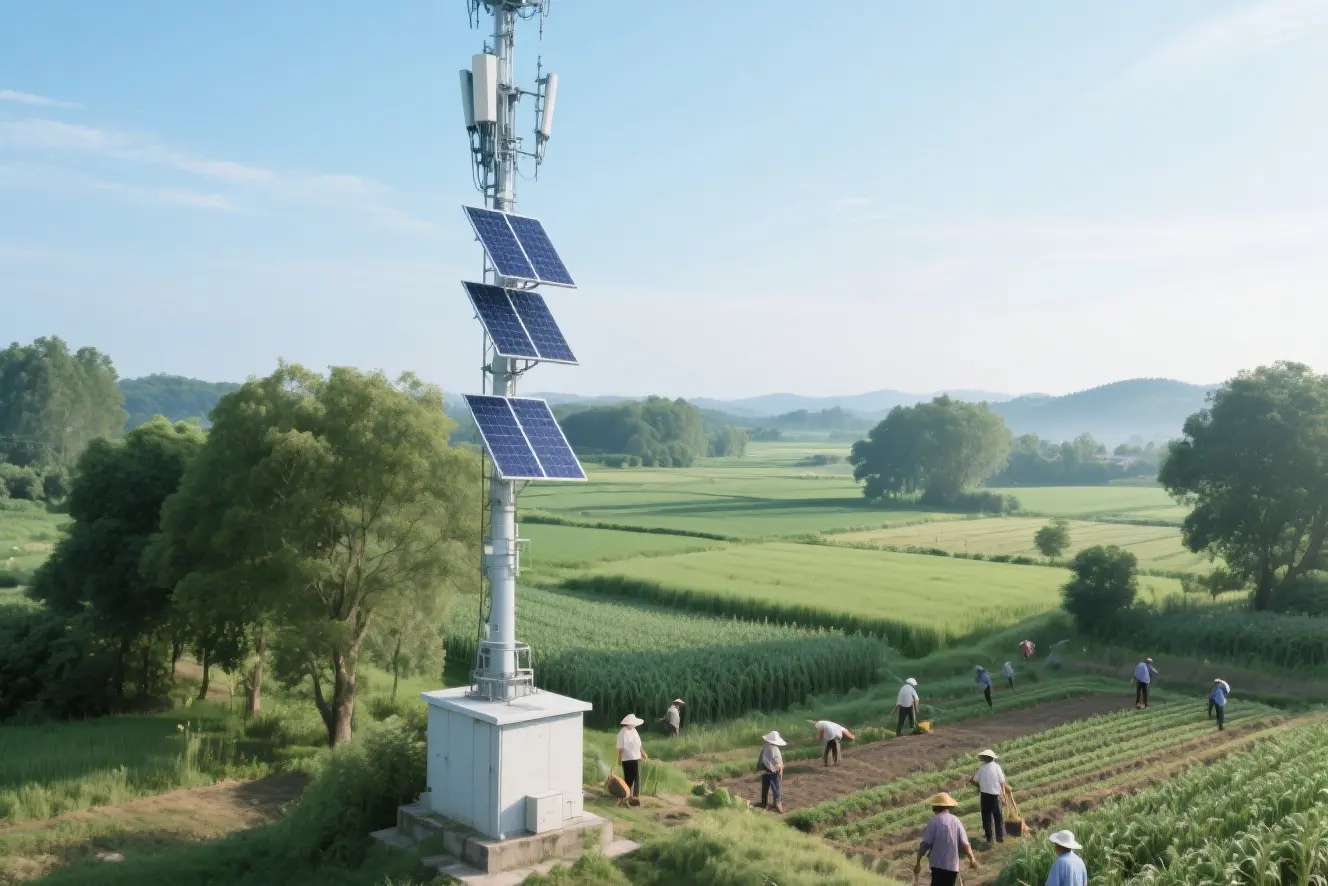
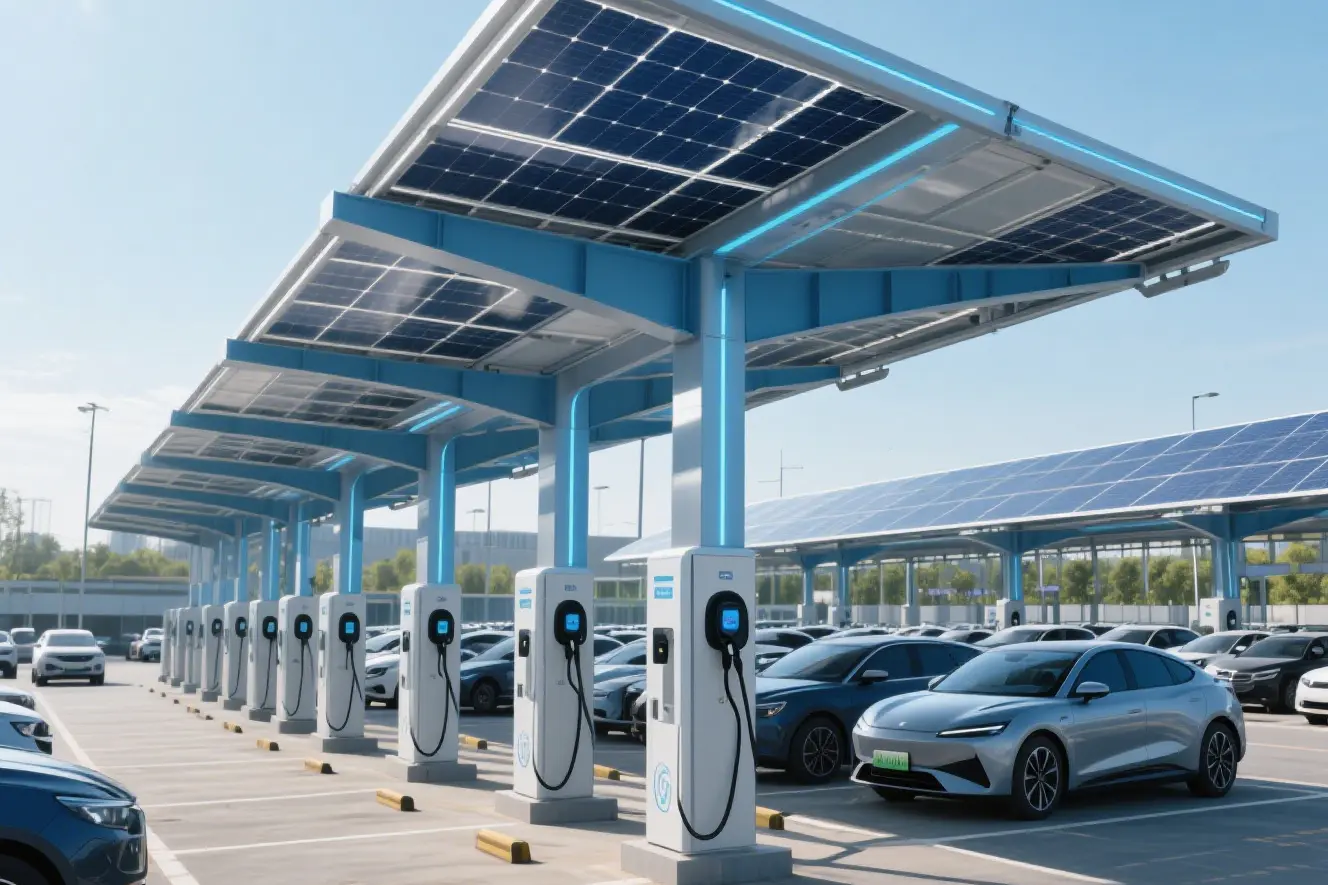
After years of hard work by Yuxin people, it has gradually formed a collectivist and diversified advantage, working with trusted global organizations.



As the renewable energy transition accelerates, the technological path forward for portable and field-ready solar panels focuses on maximizing power density while minimizing footprint and weight. The transition from legacy p-type cells to high-performance n-type TOPCon and heterojunction (HJT) structures is a key part of this strategy. These newer technologies feature lower temperature coefficients and superior performance under low-light conditions, which are critical for outdoor use in overcast or forested environments.
Over the next five years, Yuxin's R&D roadmap focuses on three main technological improvements:
Moving beyond heavy metallic framing to high-durability, pultruded polyurethane composite alloys. This transition maintains mechanical strength while reducing total weight by up to 25% compared to classic aluminum frames.
Integrating smart bypass diodes into parallel circuit pathways. This configuration ensures that if a portion of the 120W array is shaded by foliage or tents, the remaining cells continue to operate at maximum possible efficiency.
Equipping future modular sets with embedded MPPT (Maximum Power Point Tracking) microchips. These chips auto-negotiate charge outputs for USB-C, DC, and portable power stations to eliminate mismatch power losses.
This technical roadmap ensures that Yuxin continues to deliver advanced portable PV equipment to institutional, commercial, and retail buyers worldwide, setting new standards for efficiency, durability, and practical design.
Jiangsu Yuxin will keep pace with the society and the times, adhering to the core values of "pragmatic and enterprising, reform and change, people-oriented, and win-win cooperation."
Answers to key technical questions from procurement agents, engineering partners, and field system operators.
From portable solar chargers to utility-scale frames, Yuxin provides certified off-grid components for international markets.