The global transition towards decentralized renewable energy has elevated off-grid recreational vehicles (RVs) and mobile charging platforms from recreational novelties to critical assets. With modern RVs incorporating highly sophisticated IoT communications, climate control systems, and residential-grade energy setups, the demand for high-capacity, dependable portable RV solar chargers has seen exponential growth. This whitepaper analyzes the manufacturing landscape in China, structural design progress, cell material science, and global pricing models.
Portable RV solar systems act as the bridge between transient mobility and complete off-grid reliability. Historically, solar arrays on trailers were rigid, heavy, and structurally compromised by aerodynamic drag and weather hazards. Today's innovations focus on high-efficiency silicon layers (including TOPCon and advanced PERC cells), composite frame structures, and micro-encapsulations. These advancements deliver lightweight profiles, mechanical durability, and conversion rates exceeding 24%—transforming how mobile energy is harvested, managed, and distributed.
Explore our selection of top-performing portable solar panels, high-output modules, and rugged frames designed for immediate off-grid deployment.
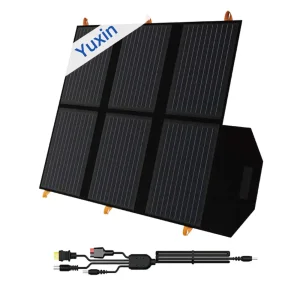
Ultra-durable, weather-sealed backpack integrates monocrystalline cell panels. Ideal for remote trekking, communications personnel, and emergency power backup.
View Details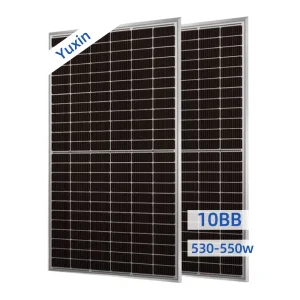
High-power modular silicon panels utilizing 10 Busbar design and half-cell configuration to minimize resistive losses and optimize energy yield.
View Details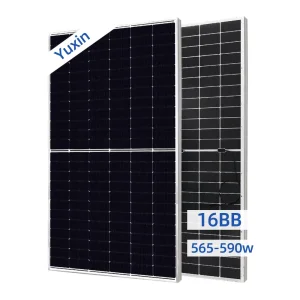
Double glass N-type TOPCon module yielding exceptional front and rear generation efficiency. Maximizes albedo reflection for RV mounts.
View Details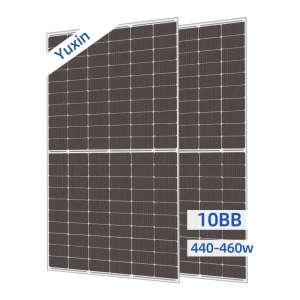
Cost-efficient monocrystalline modules delivering premium reliability metrics. Fully optimized for large-scale utility integration and off-grid setups.
View Details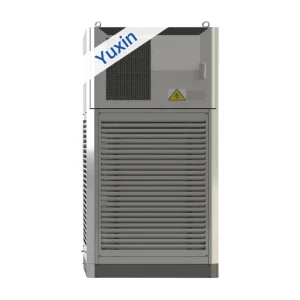
Seamless lithium battery storage solution pairing perfectly with portable off-grid photovoltaic sources to balance peak loads.
View Details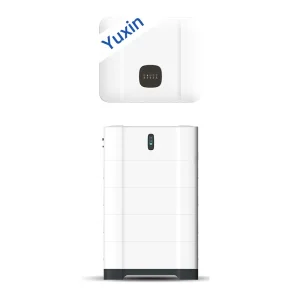
Intelligent hybrid systems designed for dual backup. Ideal for residential solar power management and high-consumption RV sites.
View Details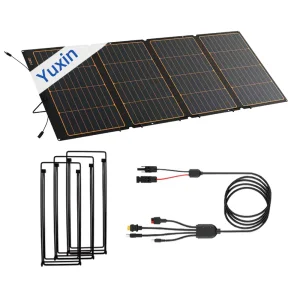
A heavy-duty portable solar array engineered for rapid deployments, emergency management, and utility charging of remote generator systems.
View Details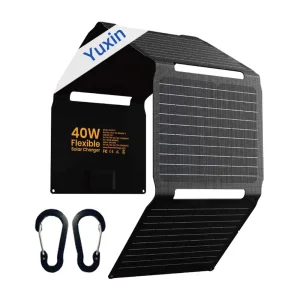
Robust 40W portable backpack design built with shockproof materials, dedicated power ports, and high-transmission layers.
View DetailsOur structured product ecosystem is engineered to support clean energy integration across diverse global operating conditions.
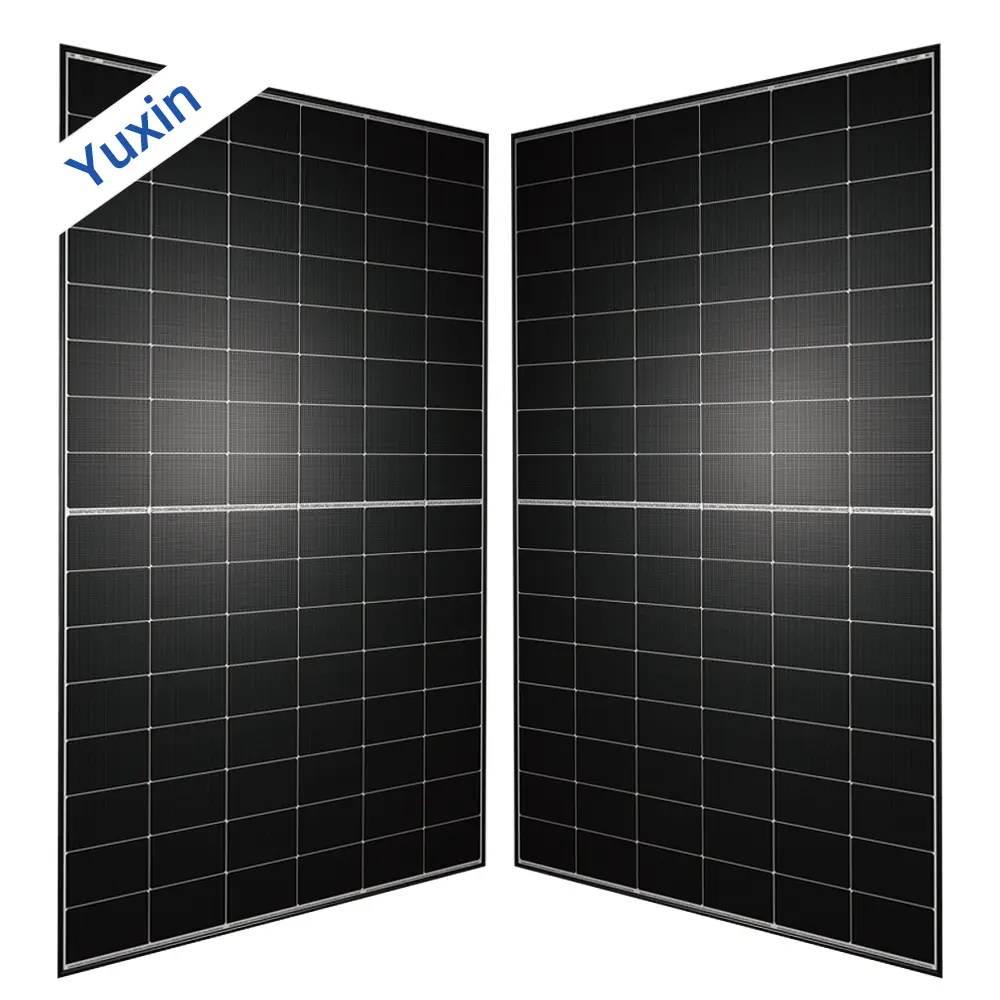
Lightweight design featuring transparent back panels for easy installation and reduced balance-of-system (BOS) costs.
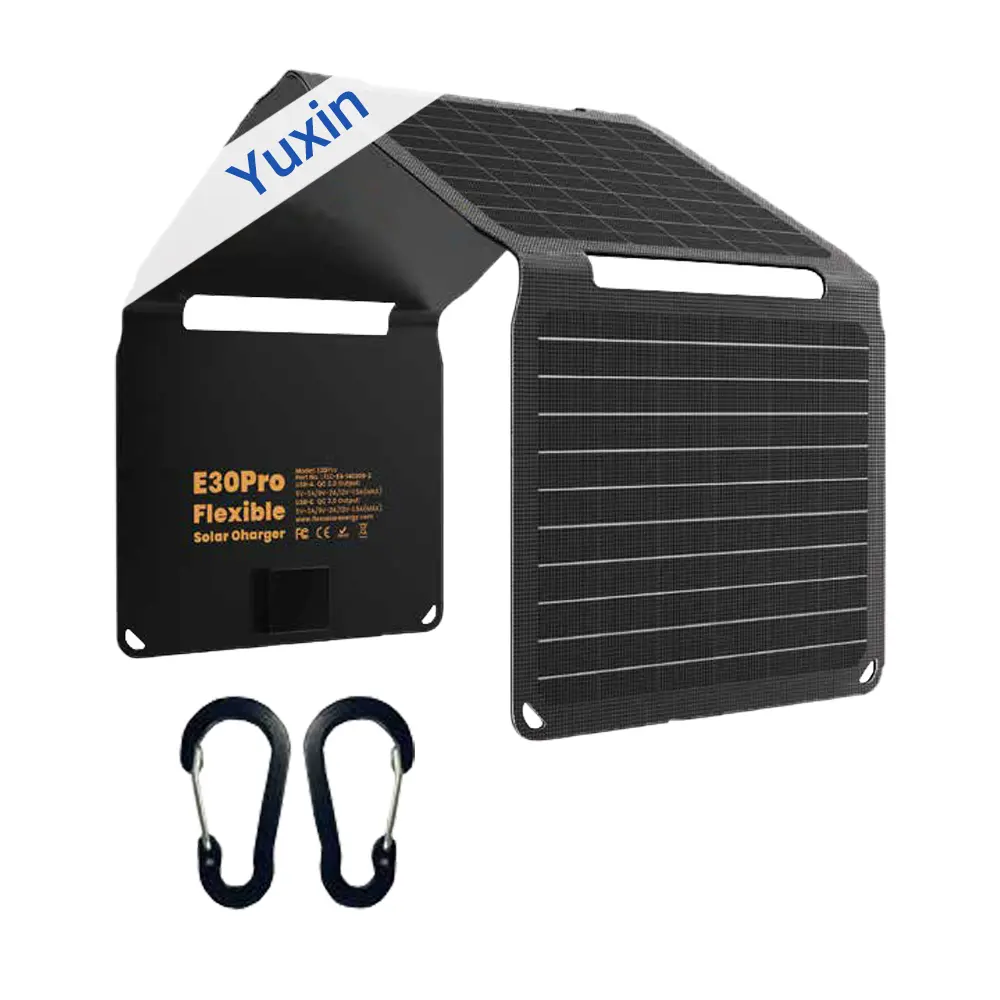
Utilizing advanced monocrystalline silicon cells, it achieves a high energy conversion efficiency of 24% for reliable mobile power.

Application modes include grid-connected mode, off-grid mode, and integrated grid-connected/off-grid setups.
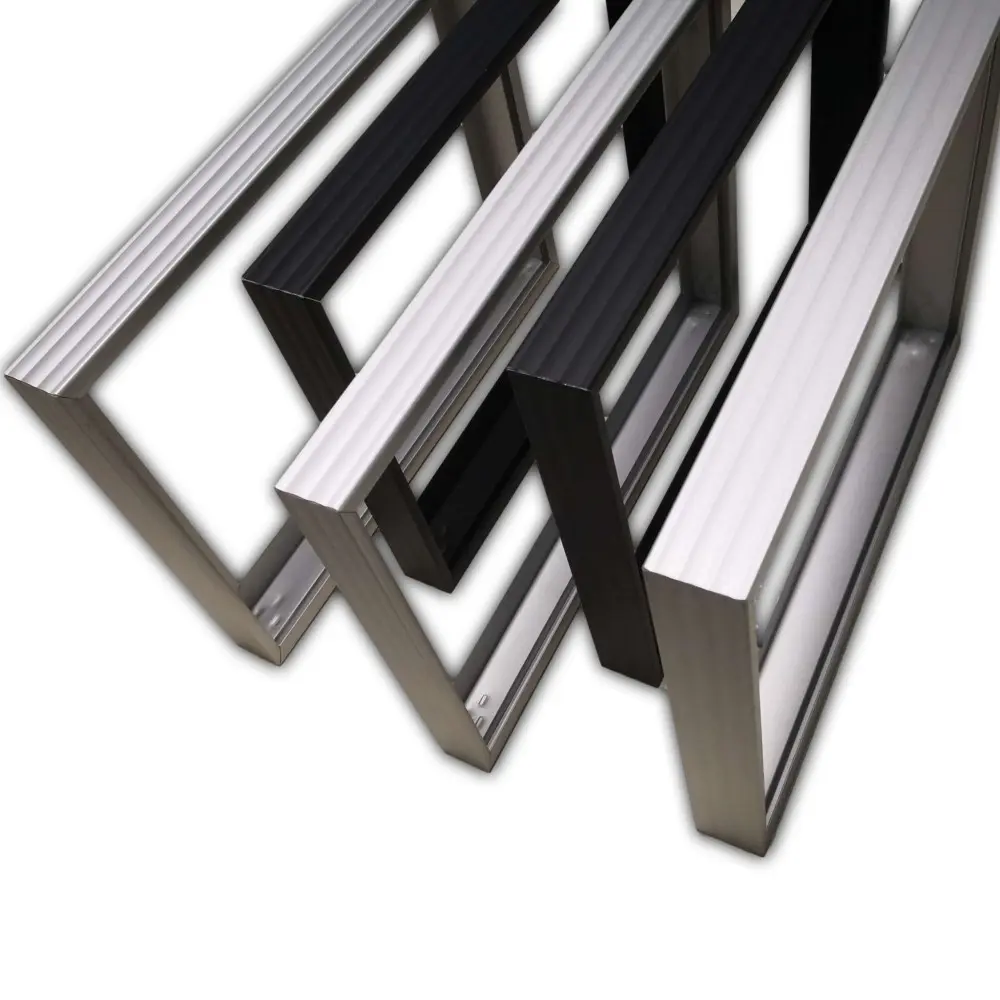
Made of high-quality anodized aluminum to ensure superior weather resistance and a smooth, long-lasting surface finish.
When selecting a portable RV solar charger, the choice of core materials directly impacts efficiency, thermal tolerance, and long-term durability. Modern manufacturers primarily utilize three key cell architectures:
| Cell Architecture | Conversion Efficiency | Temperature Coefficient | Durability / Lifespan | Primary Application |
|---|---|---|---|---|
| N-Type TOPCon | 24.5% - 25.8% | -0.30% / °C | Excellent (30+ Years) | Premium Off-Grid Commercial & RV Fleets |
| Mono-Silicon PERC | 22.0% - 23.5% | -0.35% / °C | High (25 Years) | Standard RV Chargers & Folding Arrays |
| Polyurethane Composite | N/A (Structural Frame) | Extremely Low Expansion | Excellent (Corrosion Proof) | High-Salinity Marine & Corrosive Climates |
N-type Tunnel Oxide Passivated Contact (TOPCon) technology represents a significant leap forward in photovoltaic efficiency. By using an ultra-thin silicon oxide layer combined with heavily doped polycrystalline silicon, these cells minimize recombination losses at the contacts. For RV setups, this translates to higher output per square meter. In practice, a standard folding 200W panel utilizing TOPCon technology can match the output of an older 240W PERC panel under overcast conditions, maximizing limited roof and ground space.
The protective front layer is a key factor in durability. Cheaper portable panels use Polyethylene Terephthalate (PET), which degrades under intense UV exposure, leading to yellowing, delamination, and decreased transmission within 2-3 years. Premium portable RV solar chargers utilize Ethylene Tetrafluoroethylene (ETFE). ETFE features high light transmittance (up to 95%), excellent self-cleaning properties, and resistance to thermal stress and UV radiation, ensuring reliable performance in harsh environments.
Traditional solar systems use anodized 6063-T5 aluminum frames. While strong and lightweight, marine and high-salinity coastal environments can cause galvanic corrosion. Innovators like YUXIN are pioneering Sustainable Polyurethane Pultruded Composite material frames. These composites are non-conductive, offer superior thermal resistance, and prevent micro-cracking in PV modules by closely matching the thermal expansion coefficient of glass.
Located in the ancient city of Yangzhou, Jiangsu Yuxin New Energy Technology Co., Ltd. has established itself as an expert in photovoltaic materials since its founding in 2008. Operating 14 multi-field companies, the group has earned designations as a National High-tech Enterprise and a Gaoyou City Top 100 Private Enterprise.
With direct logistics access via the Beijing-Shanghai Expressway and proximity to key rail lines, YUXIN ensures reliable global shipping. Our focus on quality, precision engineering, and safety underpins all our product offerings, from standard portable solar chargers to advanced commercial energy storage systems (ESS).
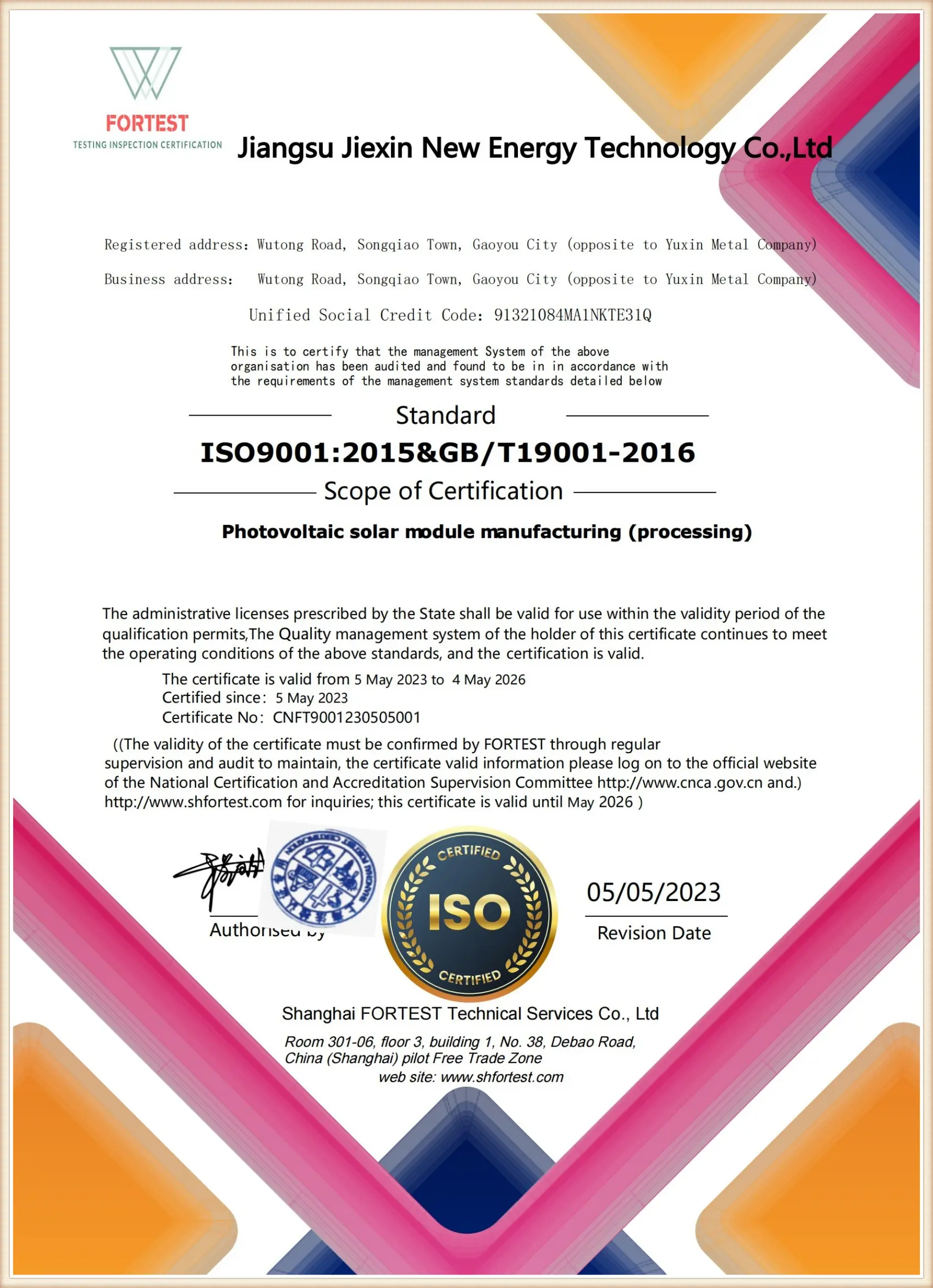
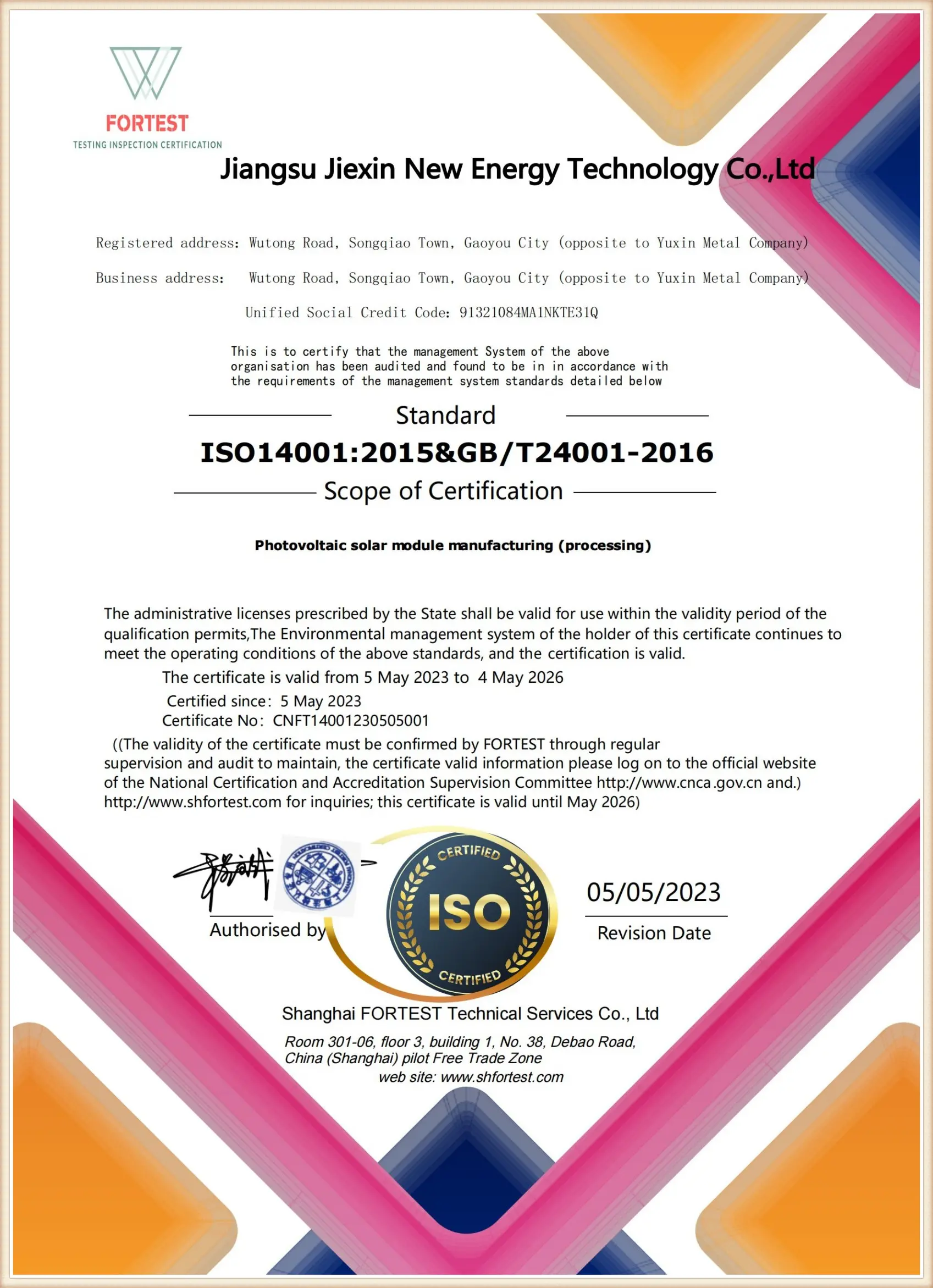
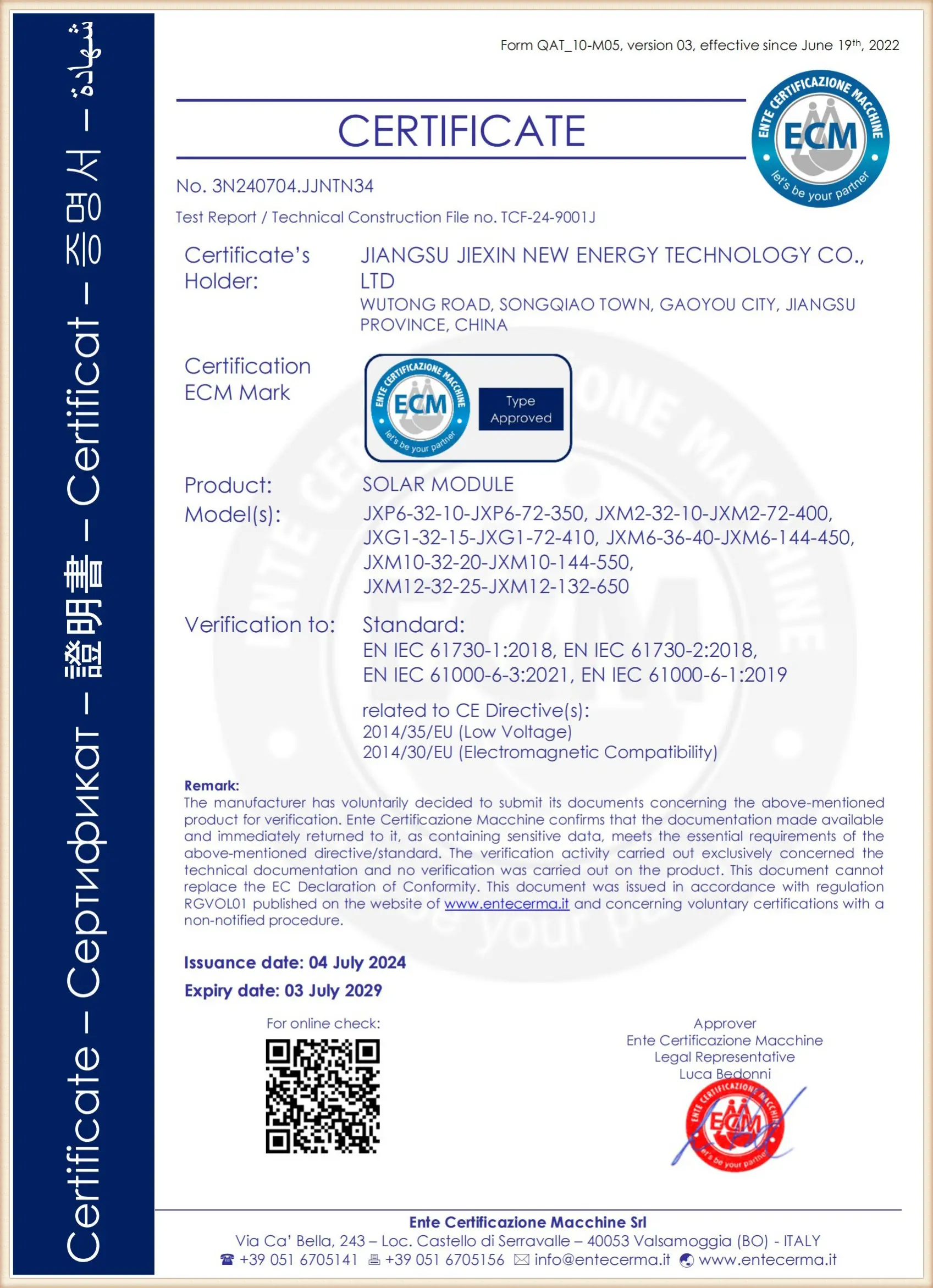
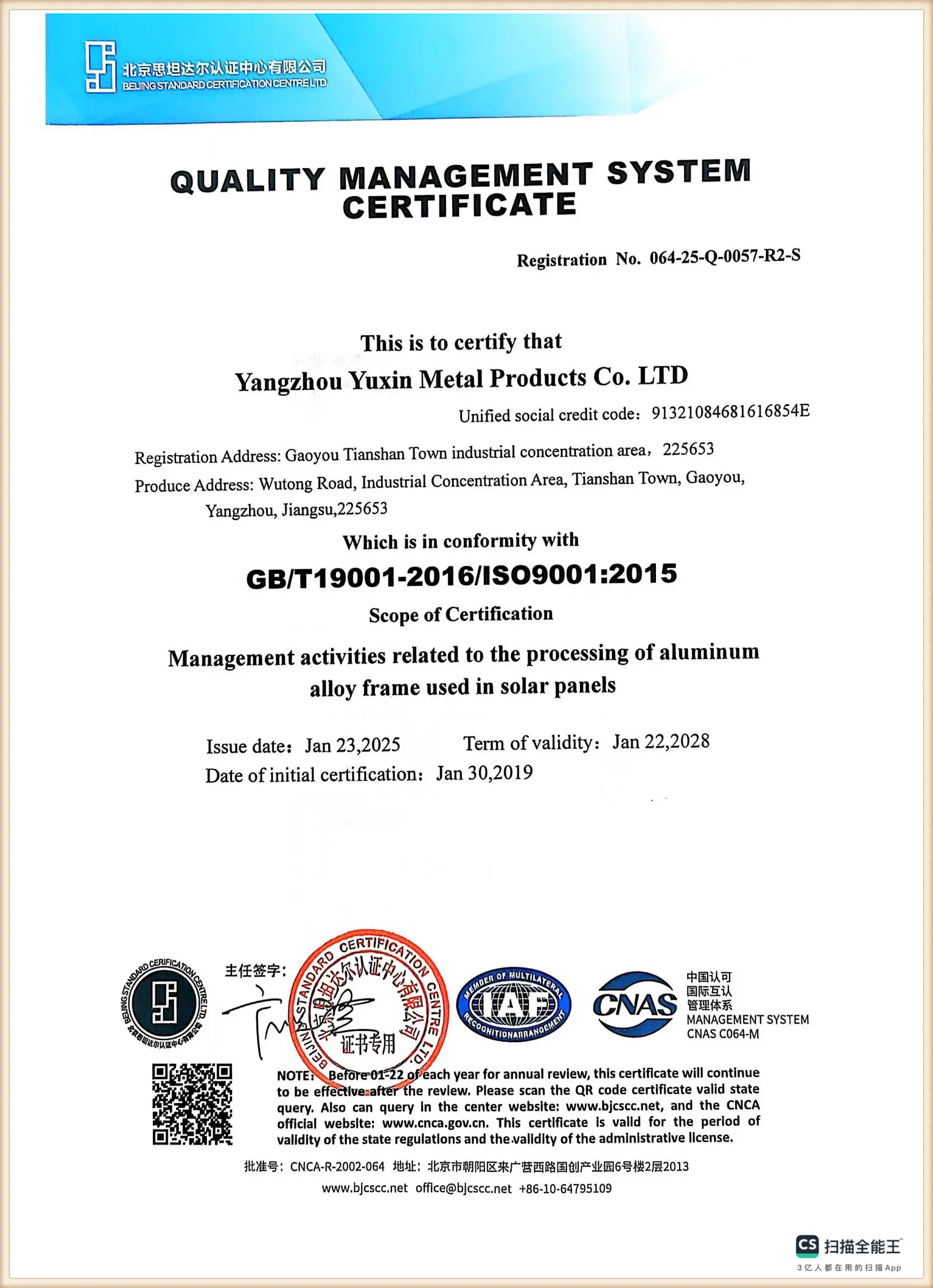
Our manufacturing processes are certified to international quality standards, ensuring compliance, safety, and reliability.
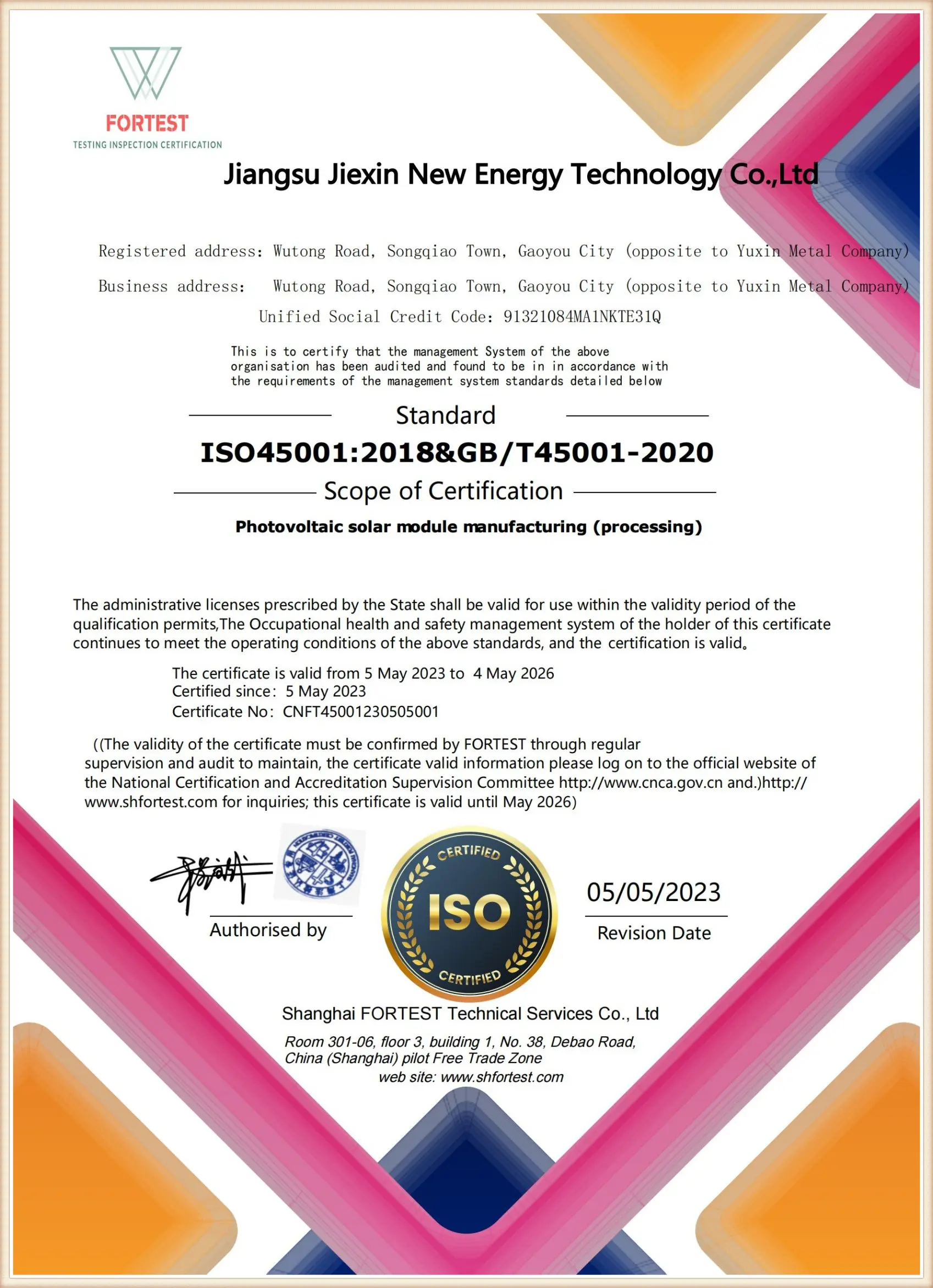
Procurement teams and distributors must understand the cost structures behind Chinese export pricing. Solar product costs are determined by several key components:
The global demand for portable solar energy is expanding beyond traditional RV recreation. Key growth drivers include municipal disaster response, remote telecommunications, and agricultural monitoring. As grid instability increases due to extreme weather, portable and fast-deployable solar setups provide vital energy security. Consequently, production scales in Yangzhou and other manufacturing hubs are rising, helping offset rising material costs through manufacturing efficiencies.
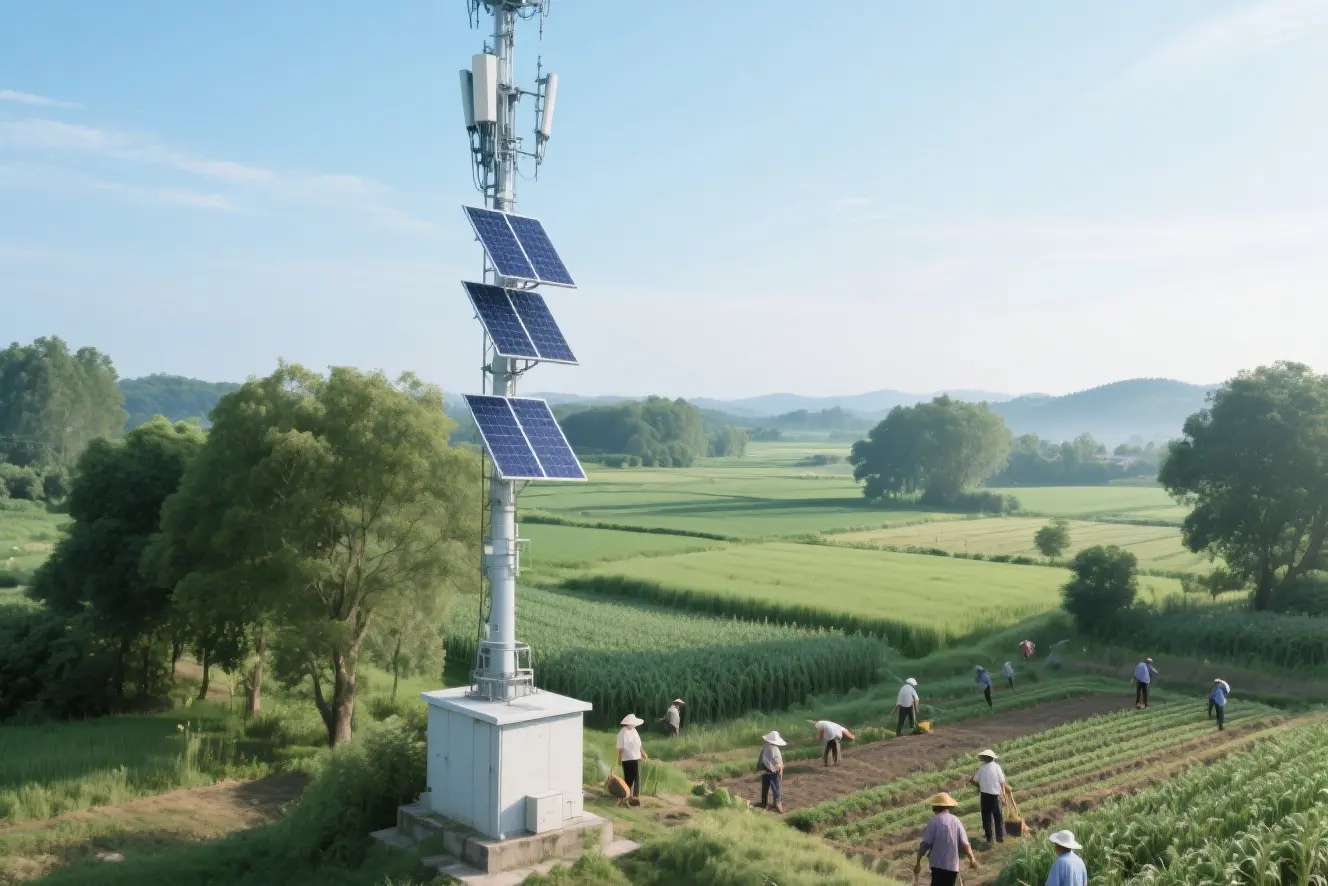
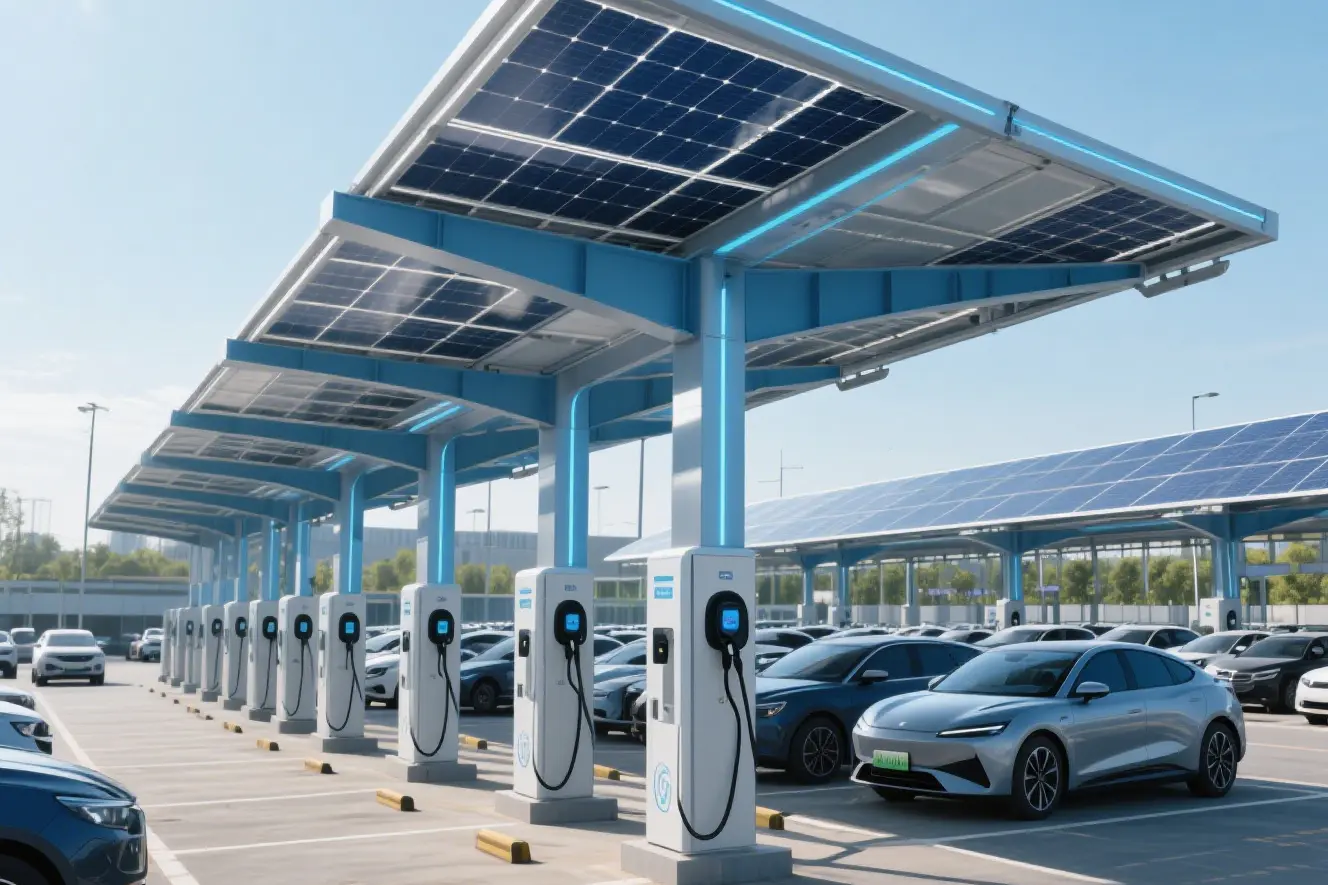
Our portable solar solutions are built to perform across a variety of demanding applications, from marine environments to agricultural projects.

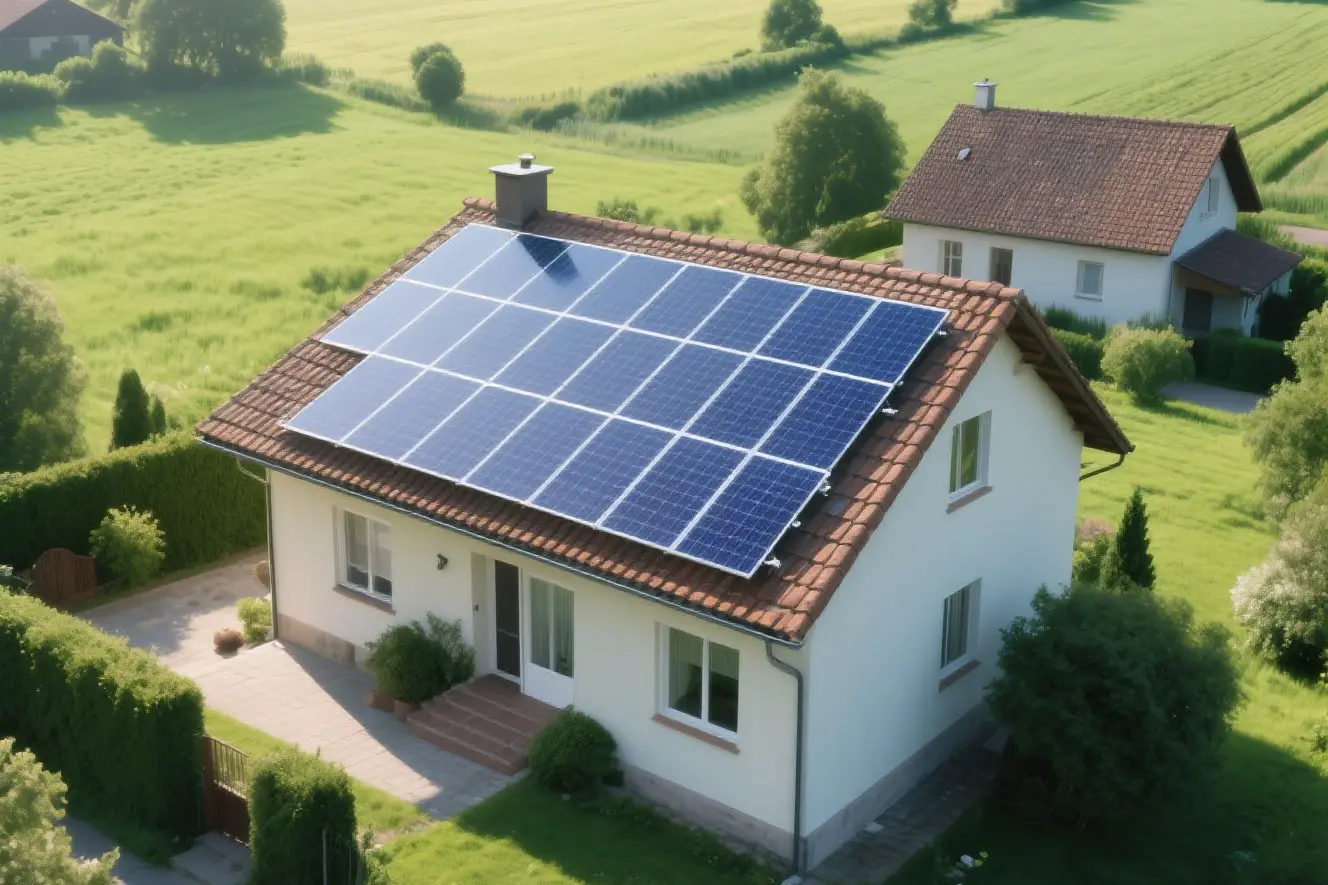
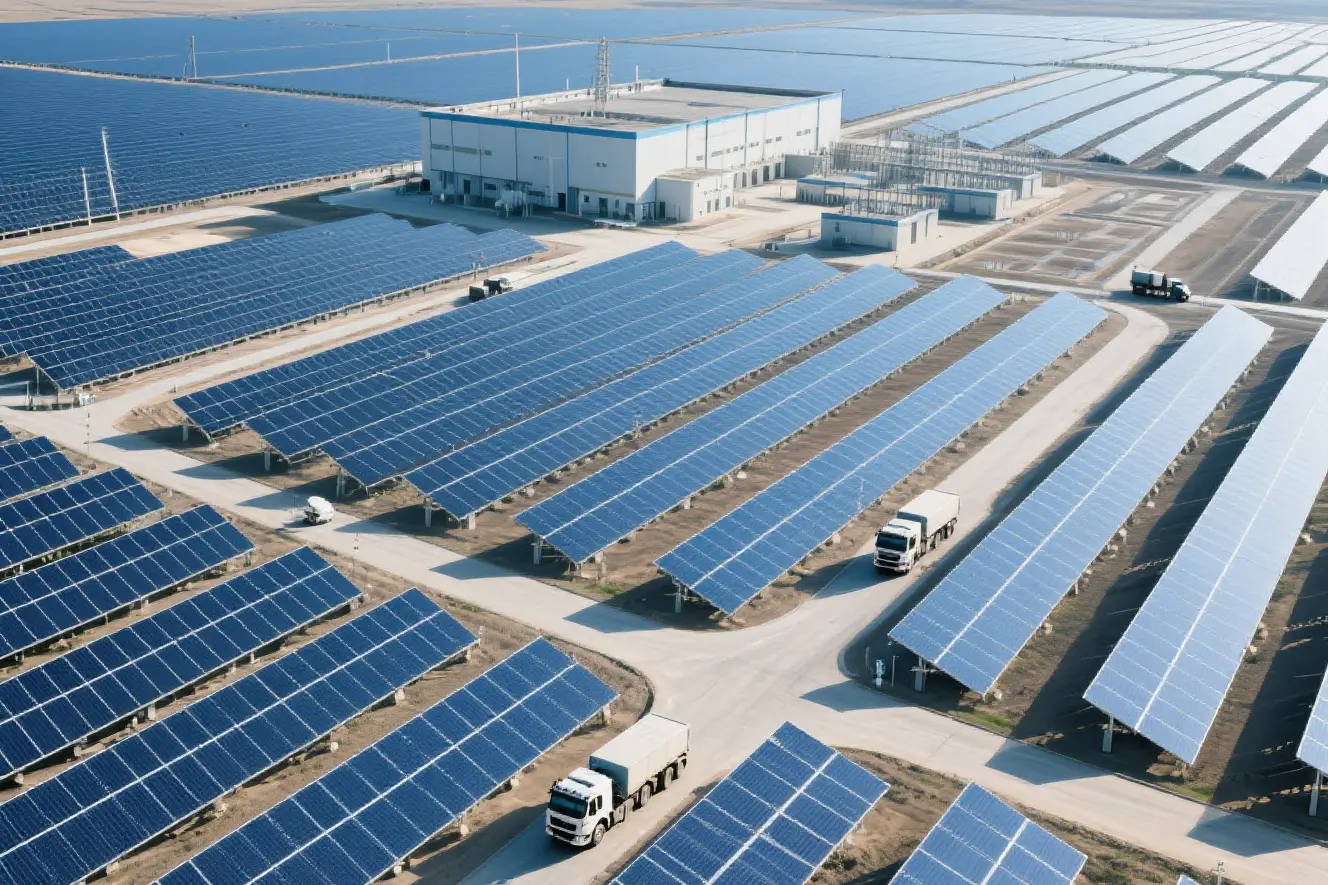
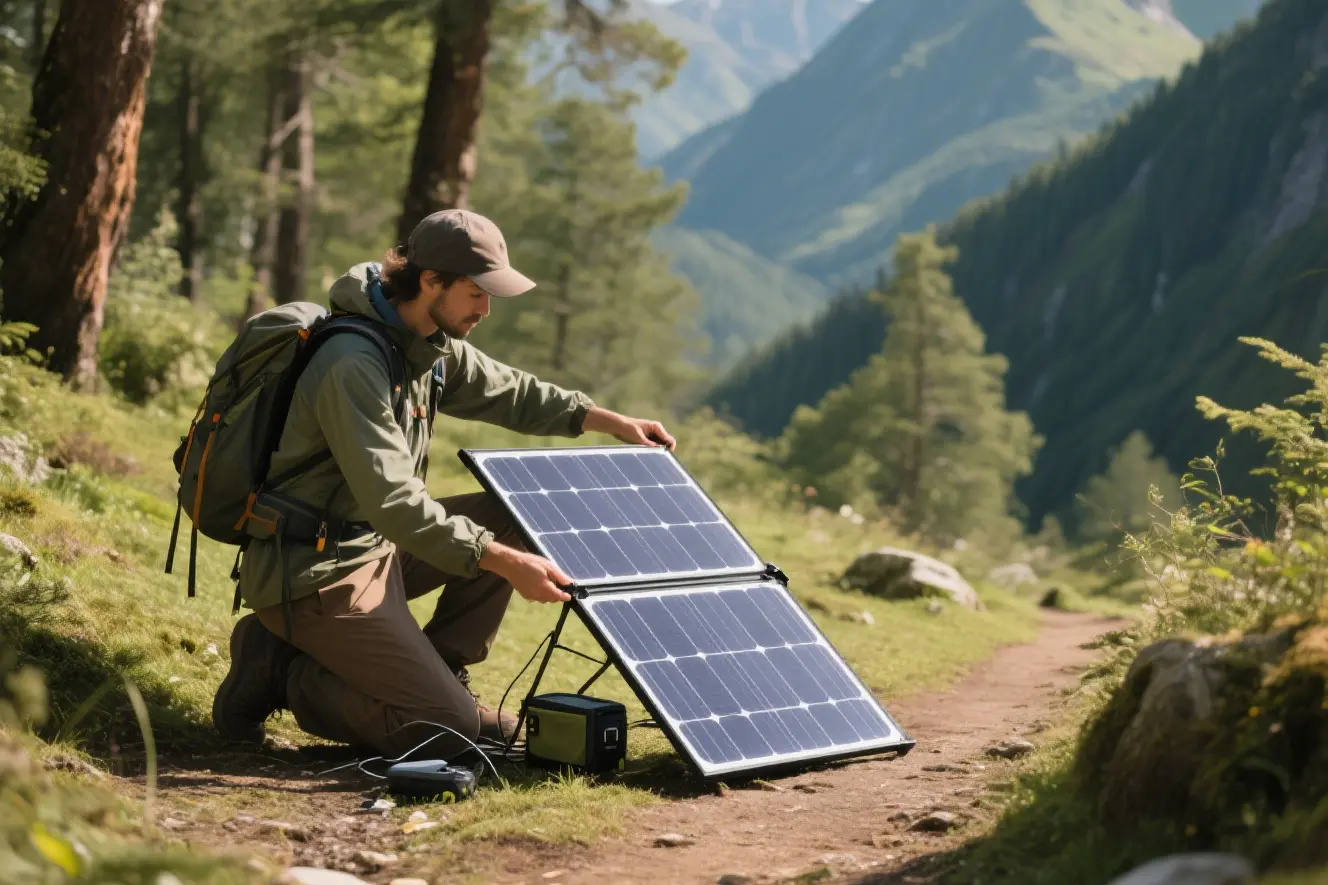
We collaborate with leading global enterprises to deliver reliable, high-performance solar solutions.




Deploying solar energy in mobile setups requires managing variable wind loads, high vibrational stresses, and unpredictable weather conditions. Below are standard engineering approaches for different applications:
Unlike residential roof installations, RV systems experience continuous vibration. Utilizing semi-flexible monocrystalline panels with ETFE encapsulation allows the modules to contour to the RV roof while absorbing mechanical shocks. Integrating MPPT (Maximum Power Point Tracking) charge controllers helps maintain optimal power output despite partial shading from roof fixtures like AC units or vents.
In rural environments, portable solar arrays provide power for automated irrigation valves, soil telemetry sensors, and perimeter monitoring equipment. In these applications, lightweight, high-output folding panels (such as 240W systems) allow maintenance crews to quickly set up temporary power stations without needing permanent structural concrete mounts.
When primary electrical grids fail during natural disasters, rapidly deployable solar arrays combined with modular energy storage systems (ESS) provide vital power for medical equipment, satellite communications, and water filtration devices. The robust construction and waterproof ratings (IP67/IP68) of premium portable chargers ensure dependable operation in challenging conditions.
Key technical and purchasing questions answered by our engineering and product teams.
Stay informed with the latest insights on manufacturing quality, quality control, and new product innovations.
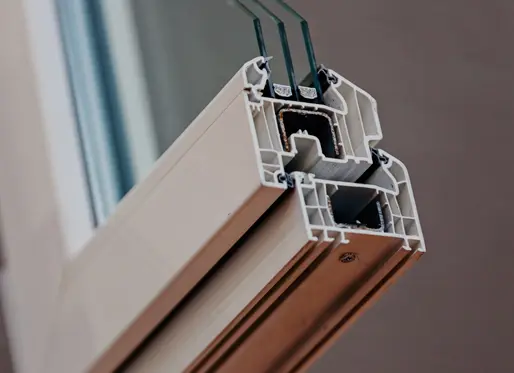
An in-depth look at structural tolerances, wind load ratings, and the material science behind modern anodized aluminum and composite framing systems.
View More →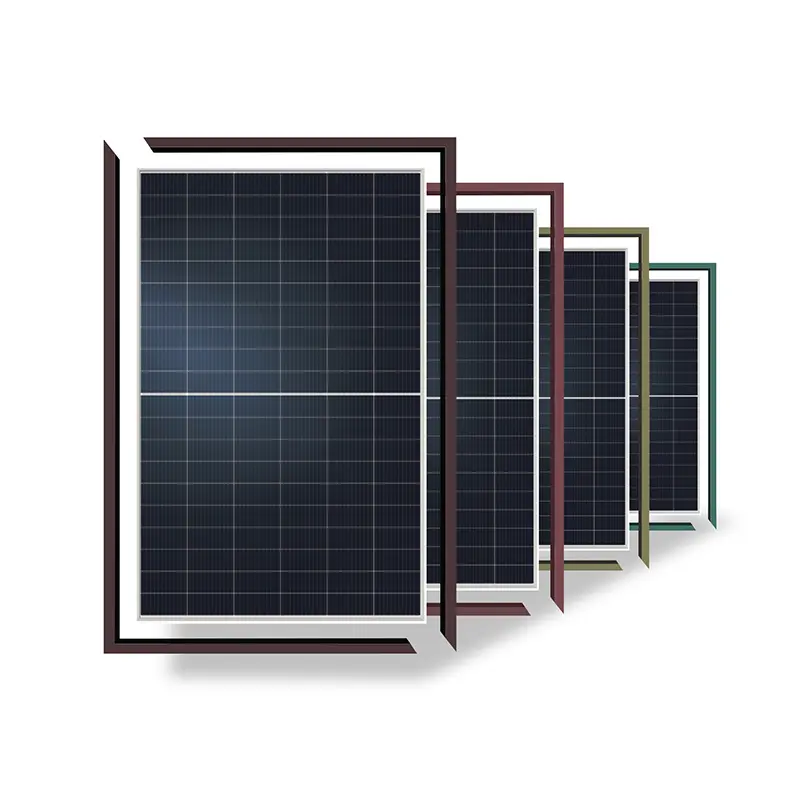
Key supply chain indicators, qualification requirements, and factory audit guidelines for purchasing managers evaluating manufacturing partners.
View More →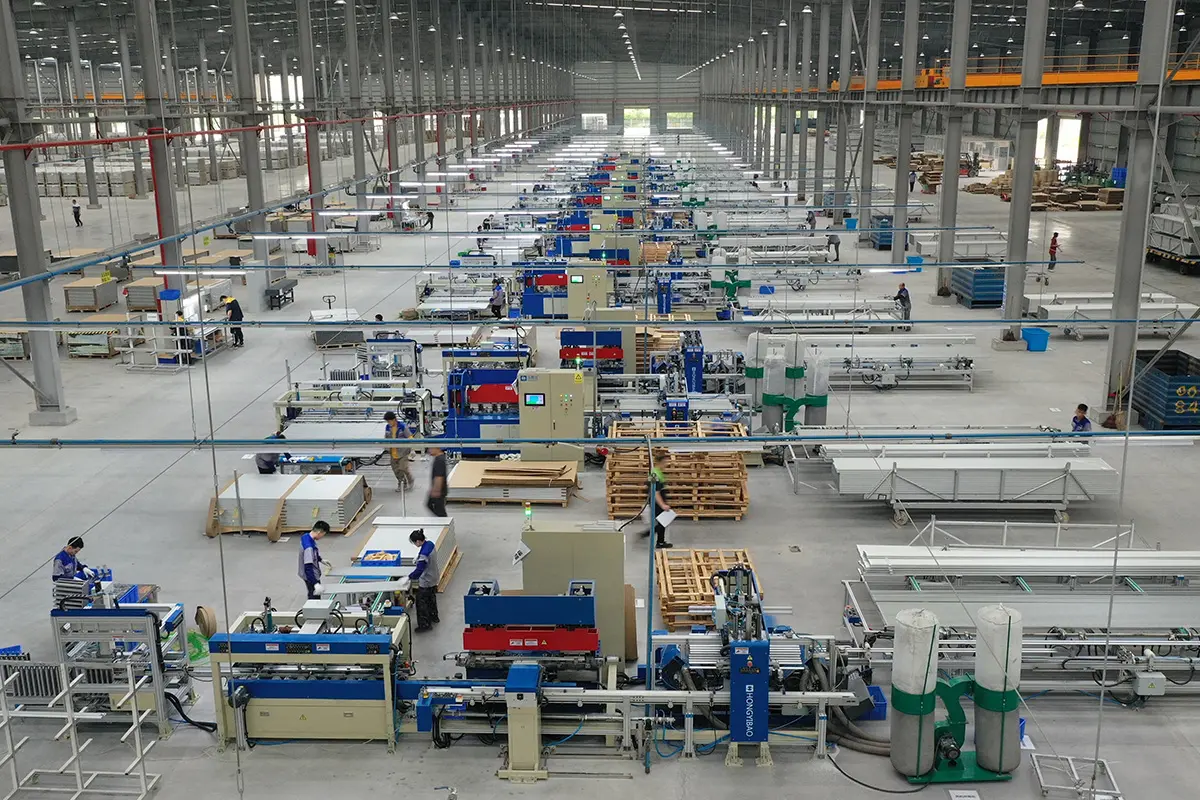
Analyzing testing methods for anodization thickness, tensile strength limits, and wind load capacities in modern solar panel production.
View More →Browse additional specialty modules, lightweight backpacking chargers, and anodized frame selections.
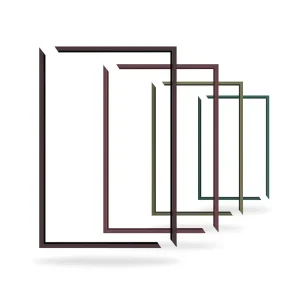
High-strength pultrude polyurethane composite structural components. Delivers outstanding corrosion protection in marine environments.
View Details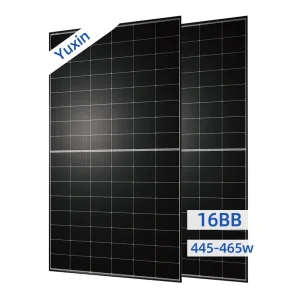
Highly efficient dual-glass monocrystalline modules with solid black frame aesthetics, built for durable structural performance.
View Details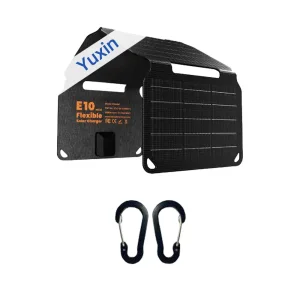
A lightweight, compact backpack integration design built for day hiking, device charging, and outdoor recreation.
View Details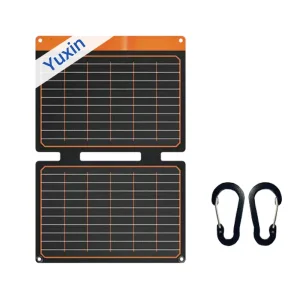
Mid-tier 20W high-efficiency folding solar backpack featuring built-in voltage regulation to safely charge personal devices.
View Details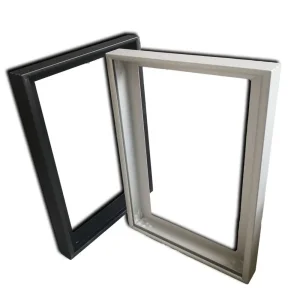
Industrial-grade anodized aluminum frame extrusions, designed for maximum durability and load bearing.
View Details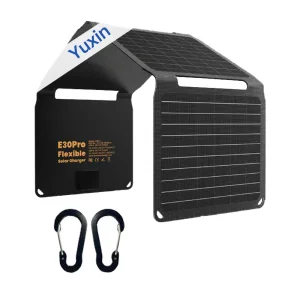
Customizable 30W waterproof solar backpack designed for utility use, outdoor operations, and personal device charging.
View Details
High-output portable emergency power arrays designed for rapid setups and demanding field deployments.
View Details
Shock-resistant, robust 40W portable backpack design optimized for active outdoor work and long treks.
View Details