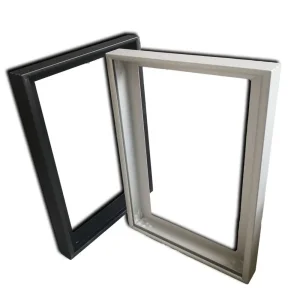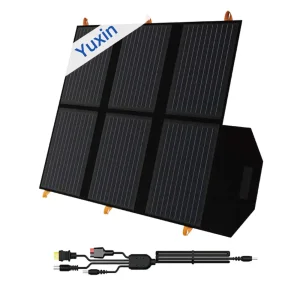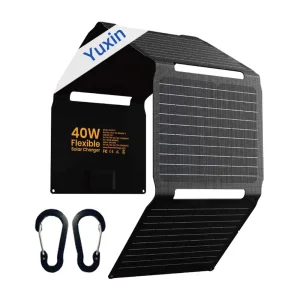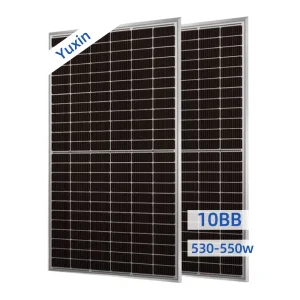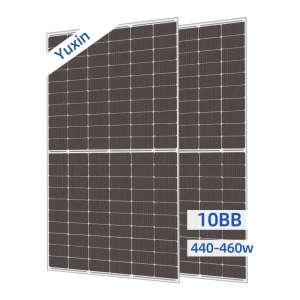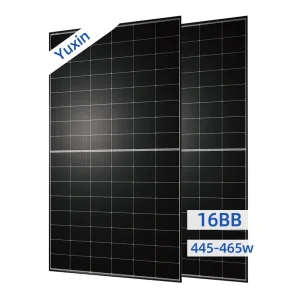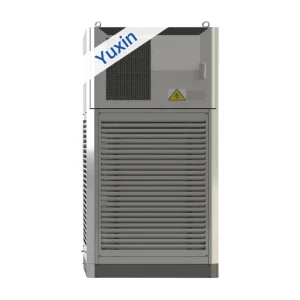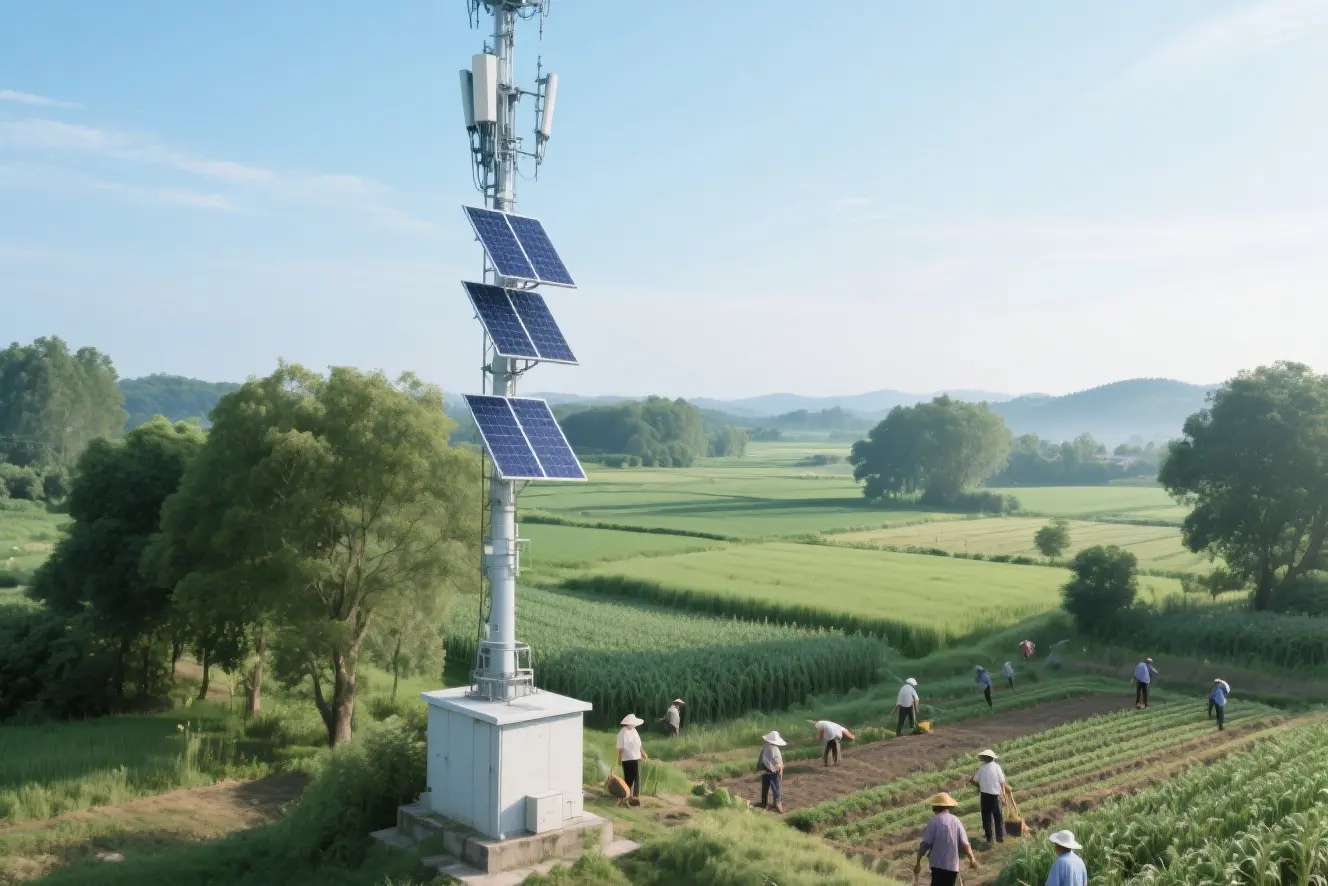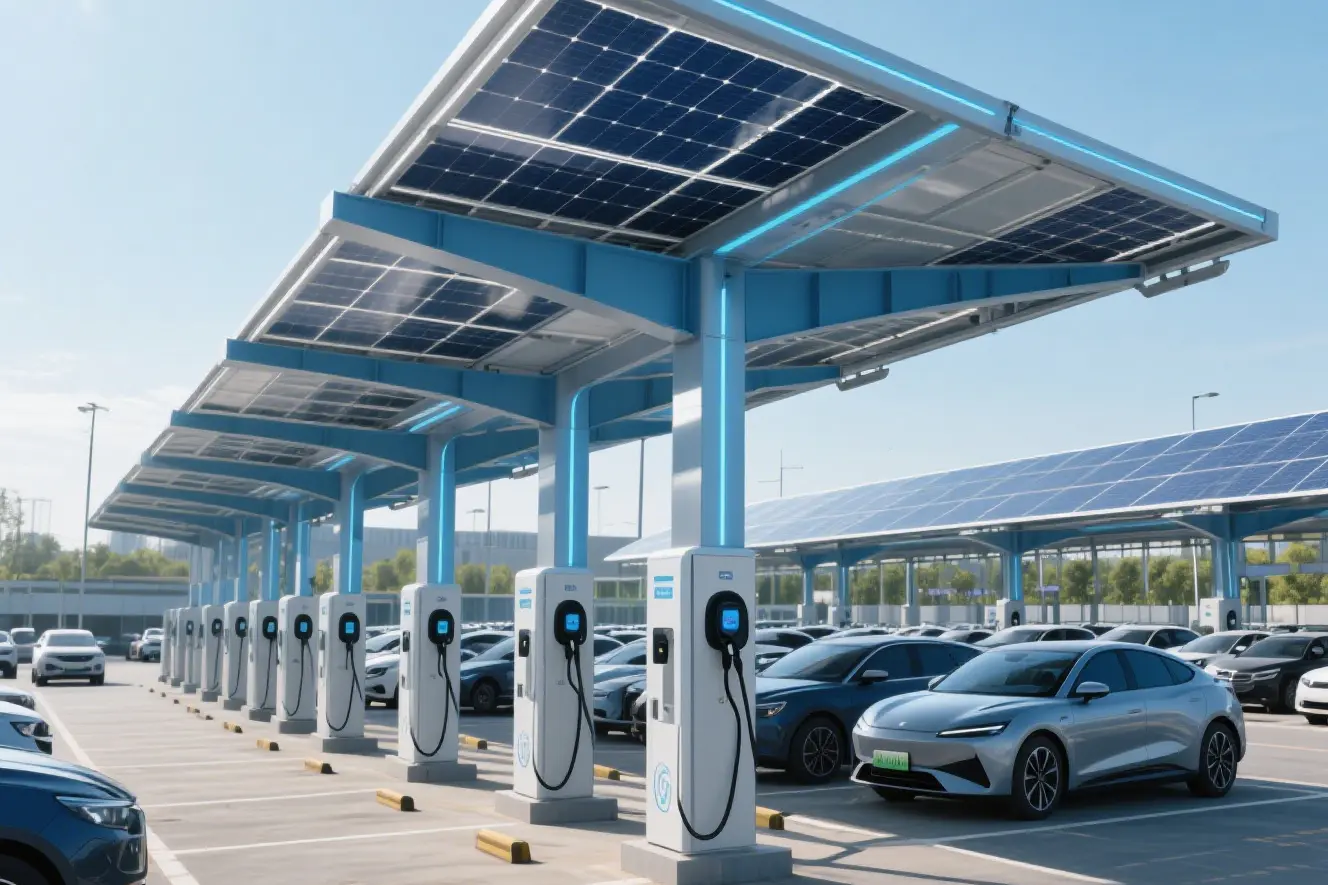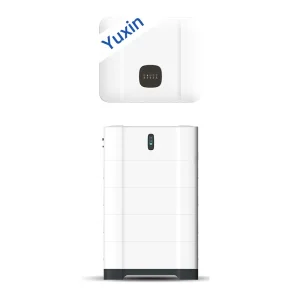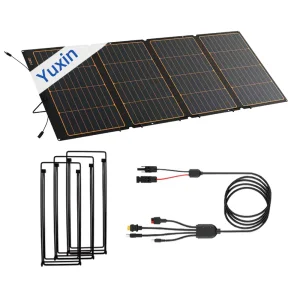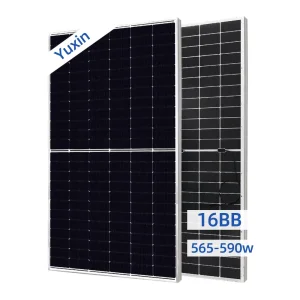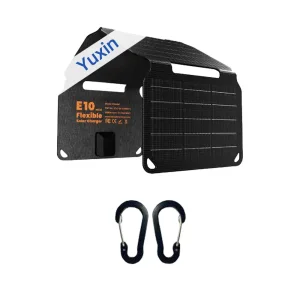
Explore our primary off-grid system architectures, specialized pultruded mounting frames, and high-efficiency portable PV generators designed specifically for cabin microgrids.
Sourcing a cheap solar system for a small cabin presents unique engineering challenges. It requires balancing initial capital expenditure (CAPEX) with long-term operational reliability (OPEX). Micro-off-grid configurations typically operate within the 1kW to 10kW range. They require high efficiency, robust structural protection, and highly integrated energy storage components.
B2B buyers and EPC companies face the challenge of designing systems that withstand harsh weather conditions while keeping Levelized Cost of Energy (LCOE) low. This whitepaper analyzes modern module configurations (such as N-type TOPCon and PERC monocrystalline panels), structural options like composite polyurethane frames, and storage management approaches. We aim to help procurement departments optimize their off-grid supply chains.
Across North America, Northern Europe, and Australia, demand for small cabin off-grid solar kits has grown significantly. Driven by ecotourism, remote telecommunication hubs, and agricultural outposts, developers want prefabricated kits. These kits must be easy to assemble, require low maintenance, and operate reliably in sub-zero temperatures or high-humidity regions.
When sourcing cheap solar systems, procurement managers must evaluate the total system package rather than just buying cheap modules. Integrating Tier-1 monocrystalline panels with smart hybrid inverters and durable Lithium Iron Phosphate (LiFePO4) storage reduces freight, assembly, and maintenance costs over the system's life.
High-precision photovoltaic structural framing, advanced storage, and conversion modules engineering top-tier performance.
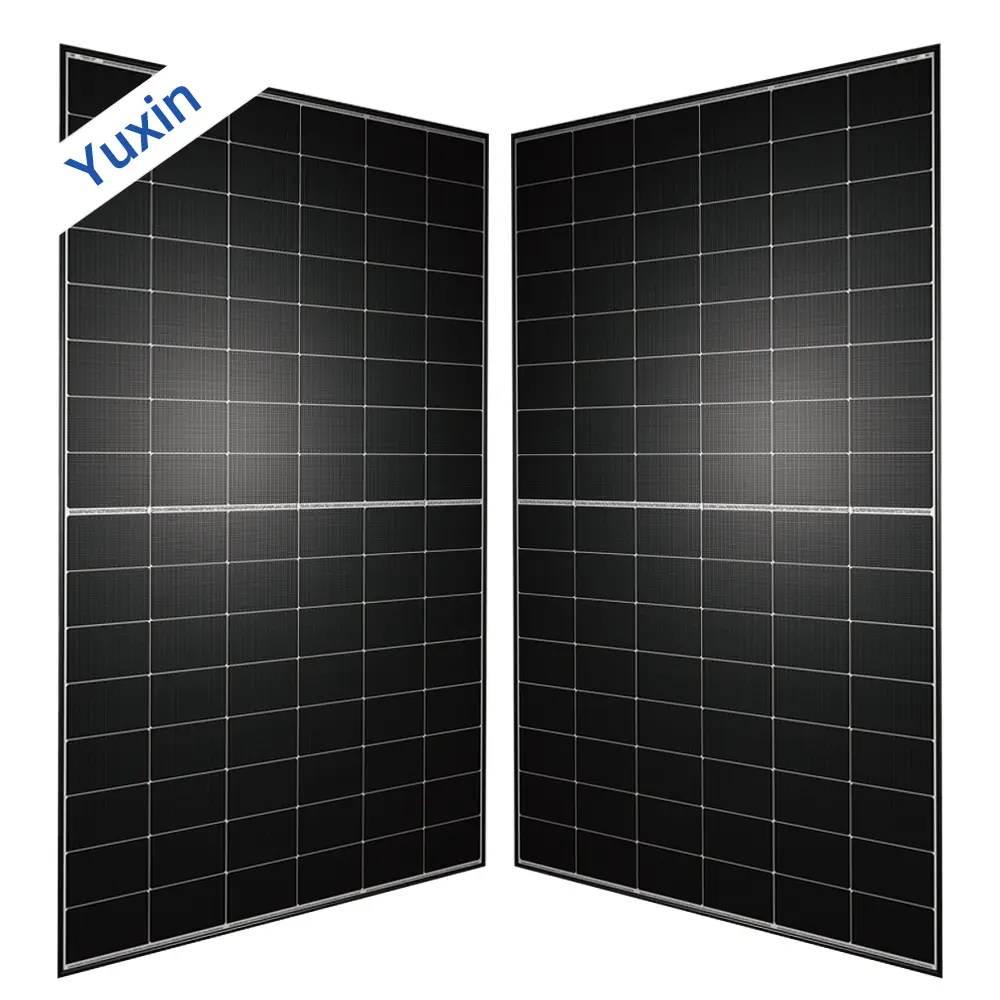
Lightweight design with transparent back panel for easy installation and reduced BOS costs.
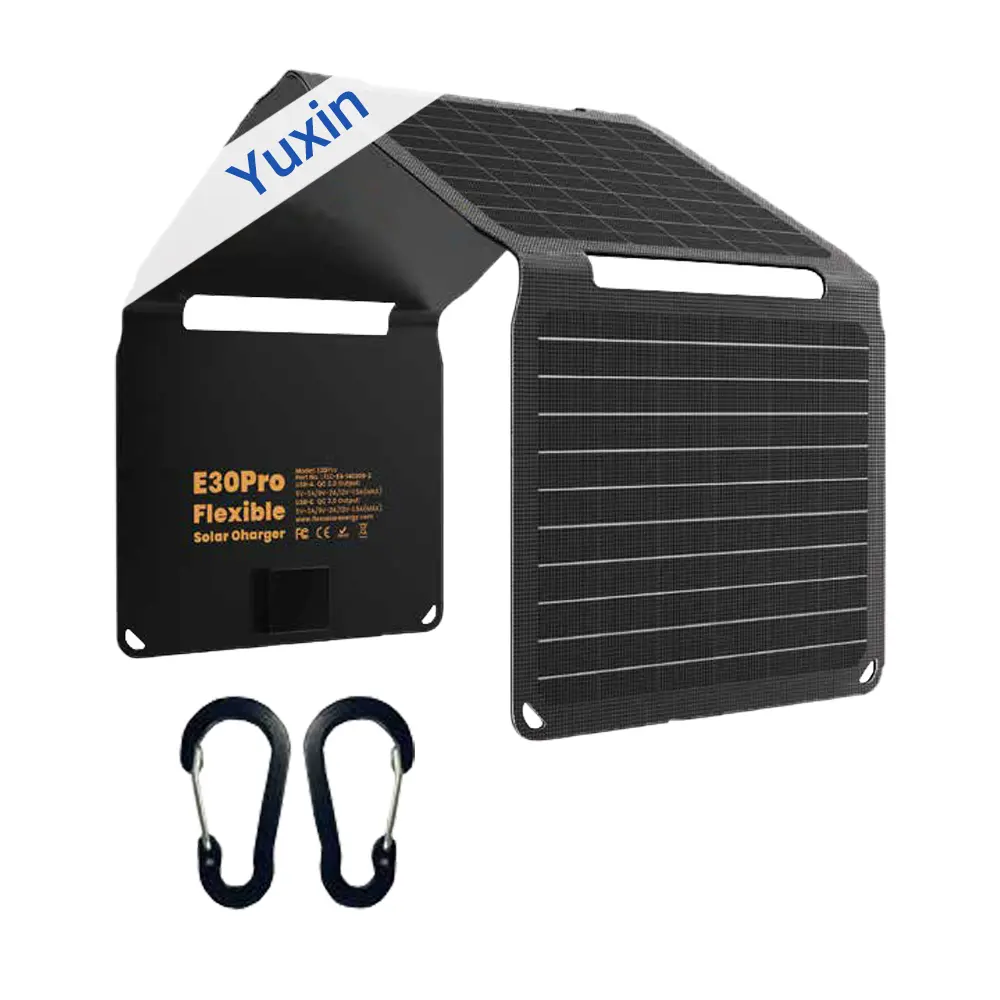
Utilizing advanced monocrystalline silicon cells, it achieves a high energy conversion efficiency of 24%.
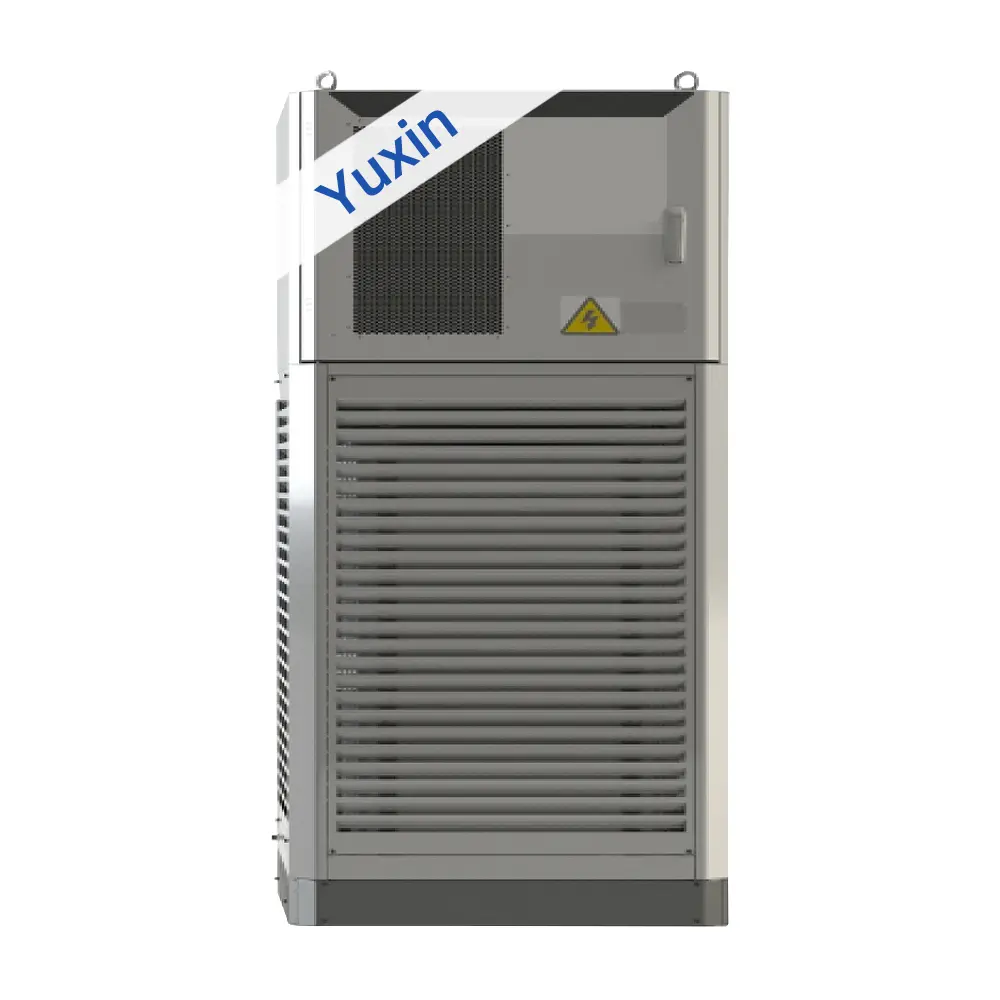
Application modes include grid-connected mode, off-grid mode, and integrated grid-connected/off-grid mode.
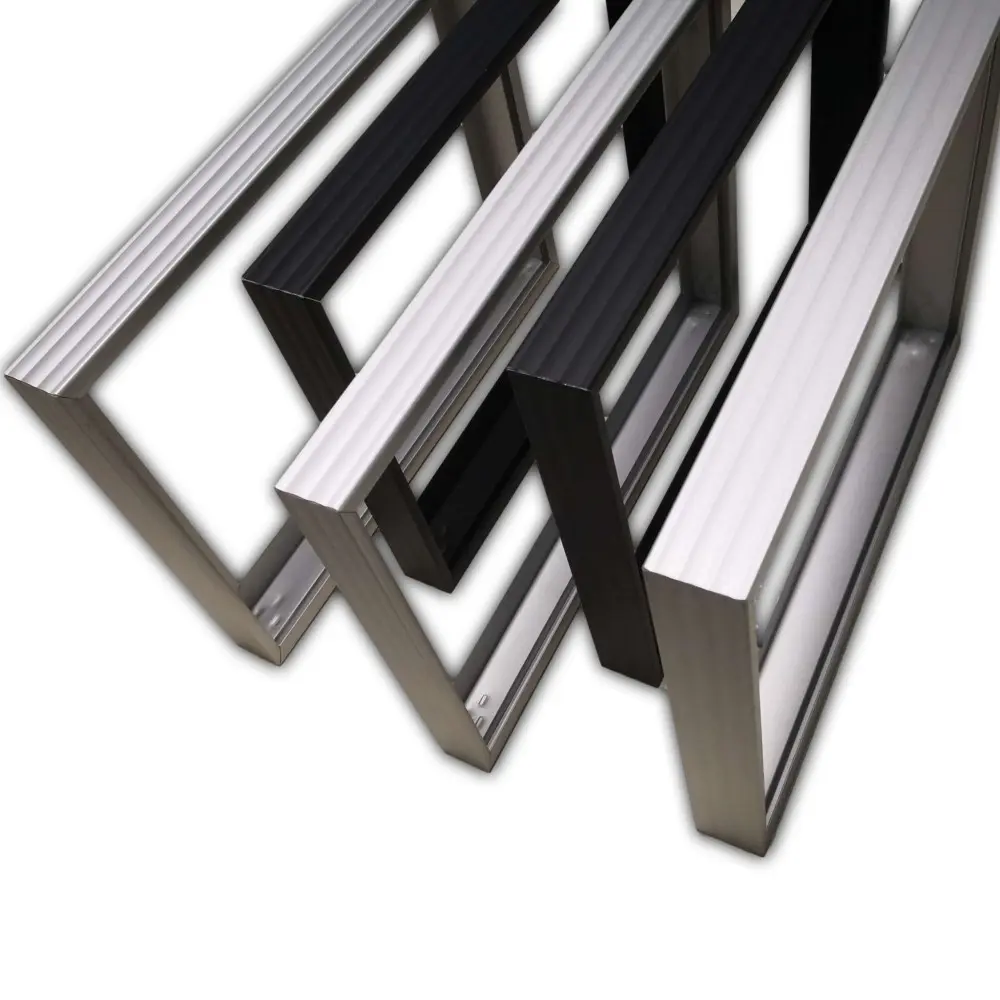
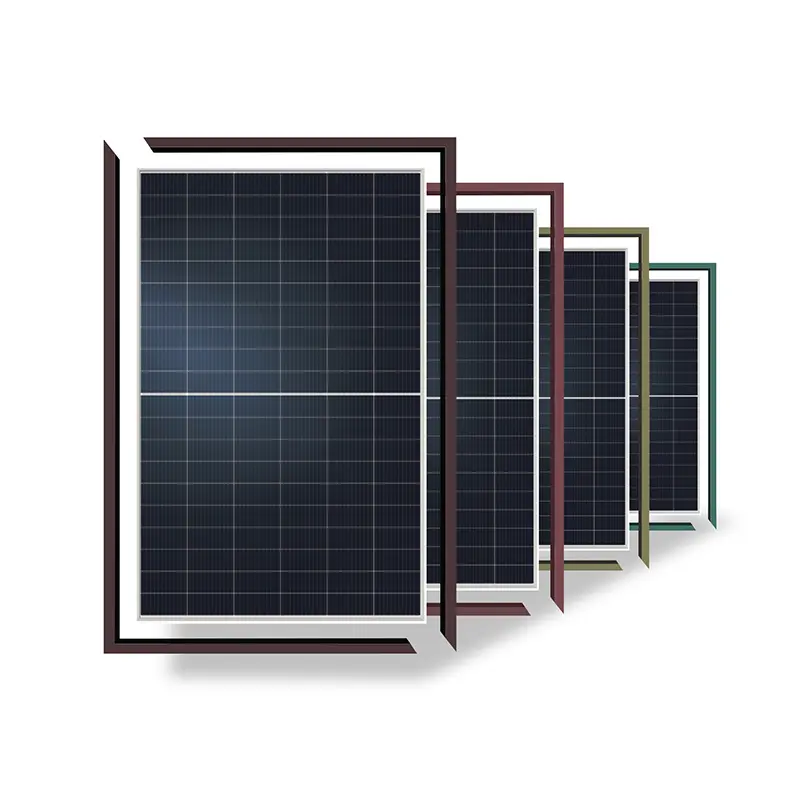
Made of high-quality anodized aluminum, it ensures superior weather resistance and a smooth, long-lasting finish.
Standard cheap solar installations have long relied on P-type PERC cells. However, current global manufacturing capacity is shifting rapidly toward N-type tunnel oxide passivated contact (TOPCon) systems. N-type silicon offers superior degradation profiles (virtually zero Light-Induced Degradation, or LID) and an improved temperature coefficient (-0.30%/°C).
For small cabins in snowy or high-latitude environments, utilizing Bifacial Dual Glass panels maximizes energy collection. Albedo reflection from surrounding terrain, like sand, rocks, or snow, can generate up to 25% extra energy from the back of the panel. This extra generation helps keep small battery banks charged without needing to purchase additional solar modules.
Many off-grid system failures stem from poor structural framing rather than electrical failure. Under high wind loads or heavy snow accumulation, low-quality aluminum frames can warp, breaking the seal on glass modules and letting moisture in.
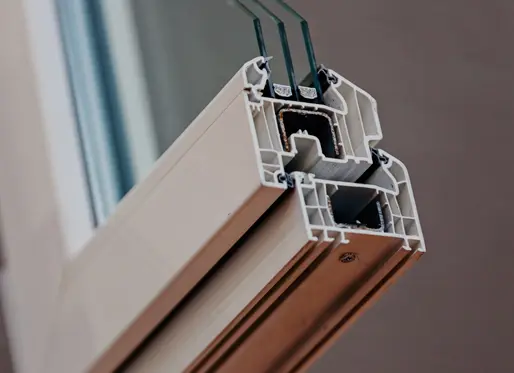
Innovations like Polyurethane Pultruded Composite Frames offer high tensile strength and complete galvanic isolation. This eliminates Potential Induced Degradation (PID) risks and reduces structural weight, making transport and installation at remote cabin sites much easier.
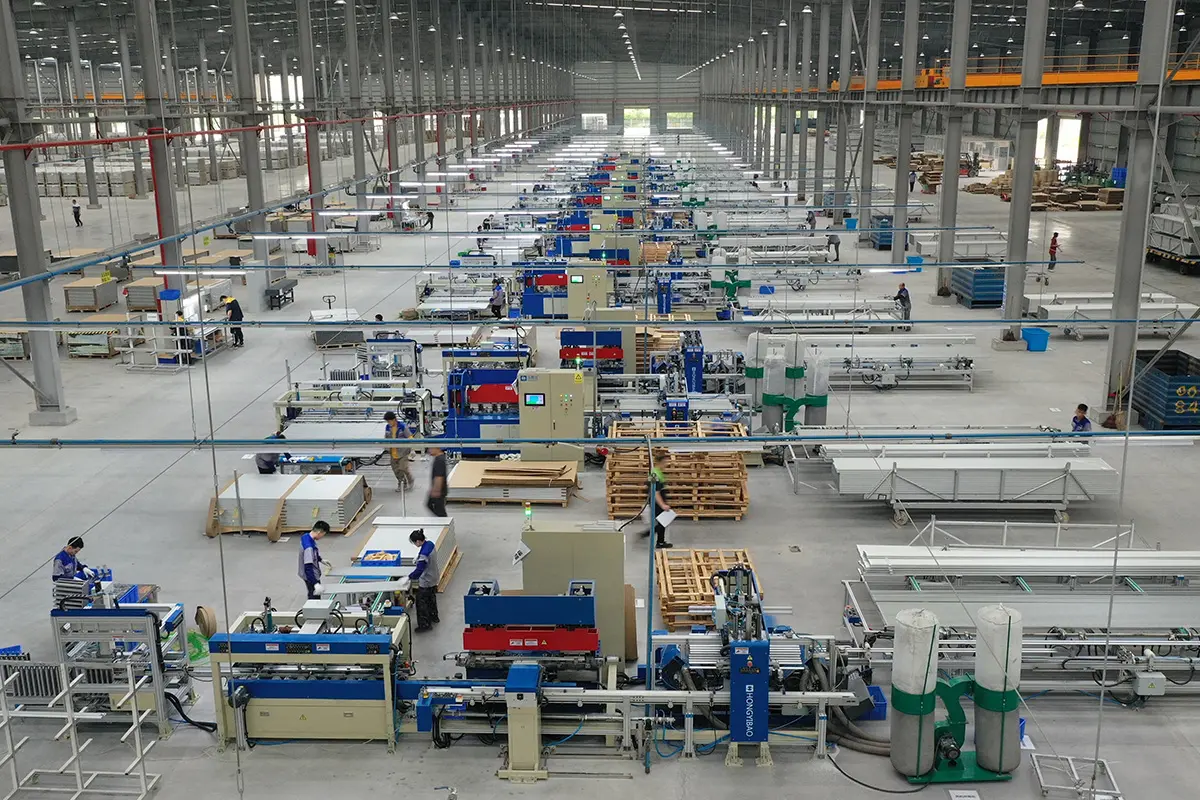
Established in 2008, Yuxin Group is a trusted expert in high-precision photovoltaic materials. Located in the historic city of Yangzhou, we operate 14 multi-field companies, including Jiangsu Yuxin New Energy Technology Co., Ltd.
As a National High-tech Enterprise and a Top 100 Private Enterprise in Gaoyou City, we provide structural integrity and electrical integration for renewable energy systems worldwide.
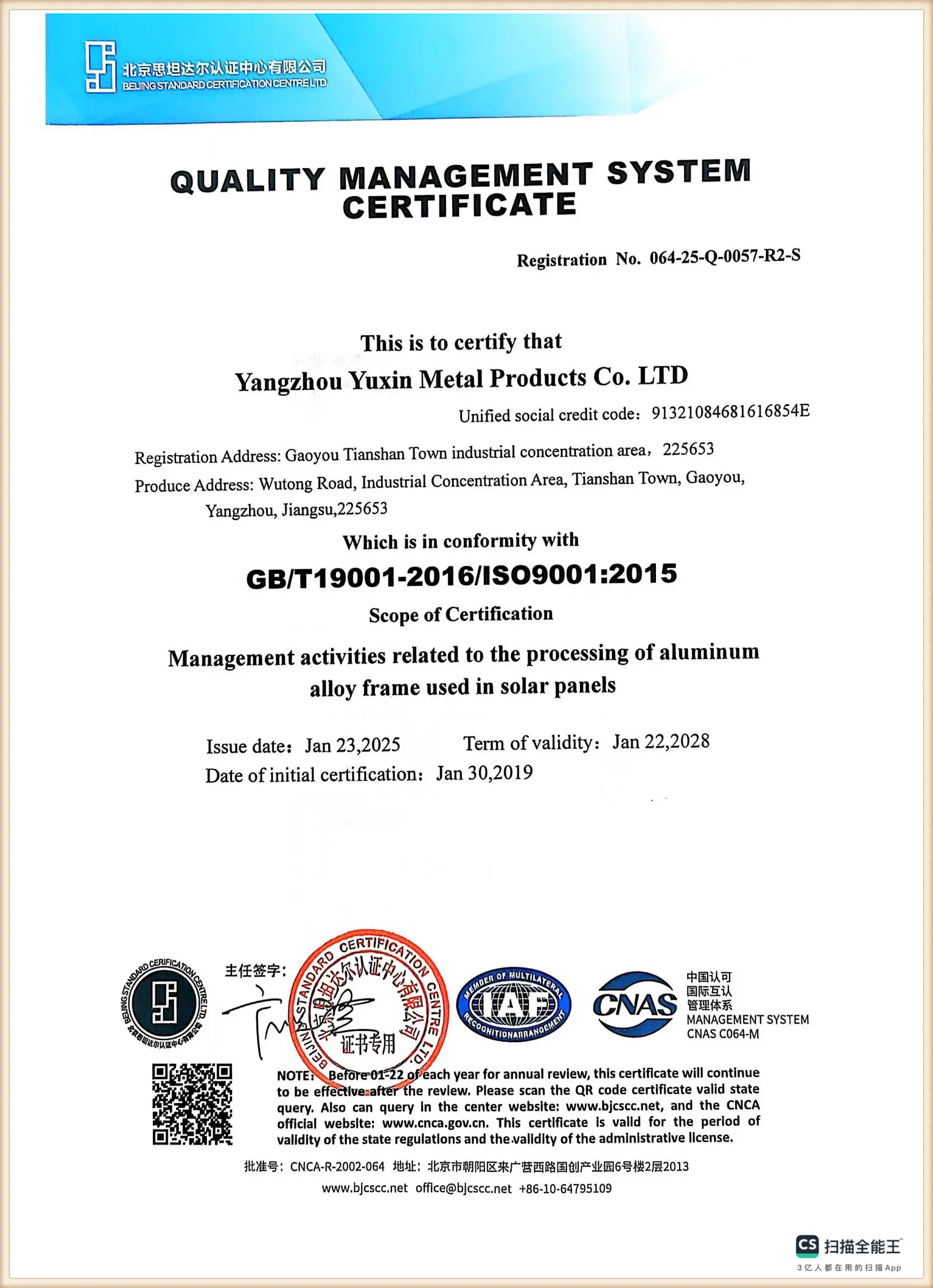
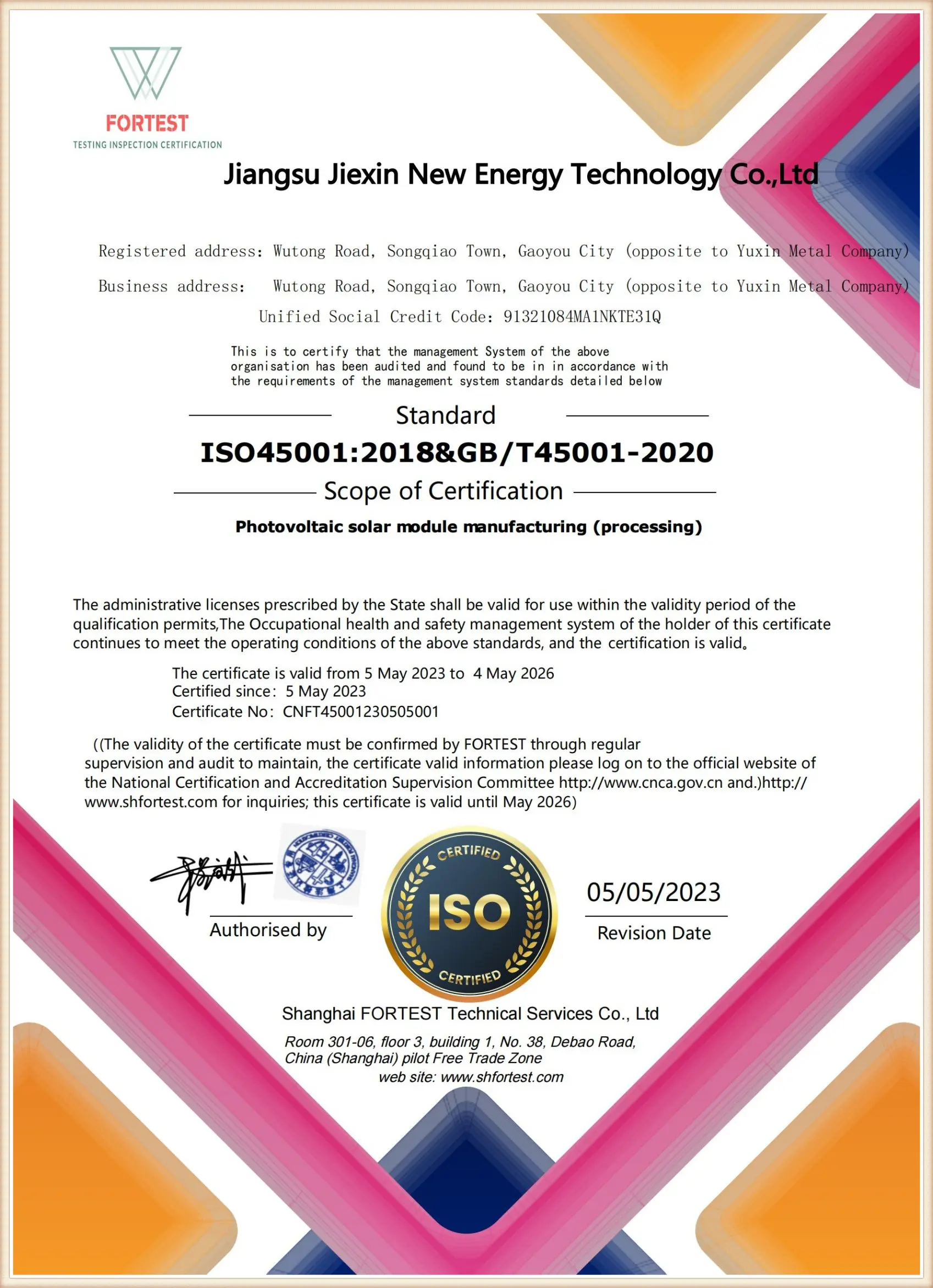
Our products are engineered and tested to meet international standards for safety, performance, and durability.
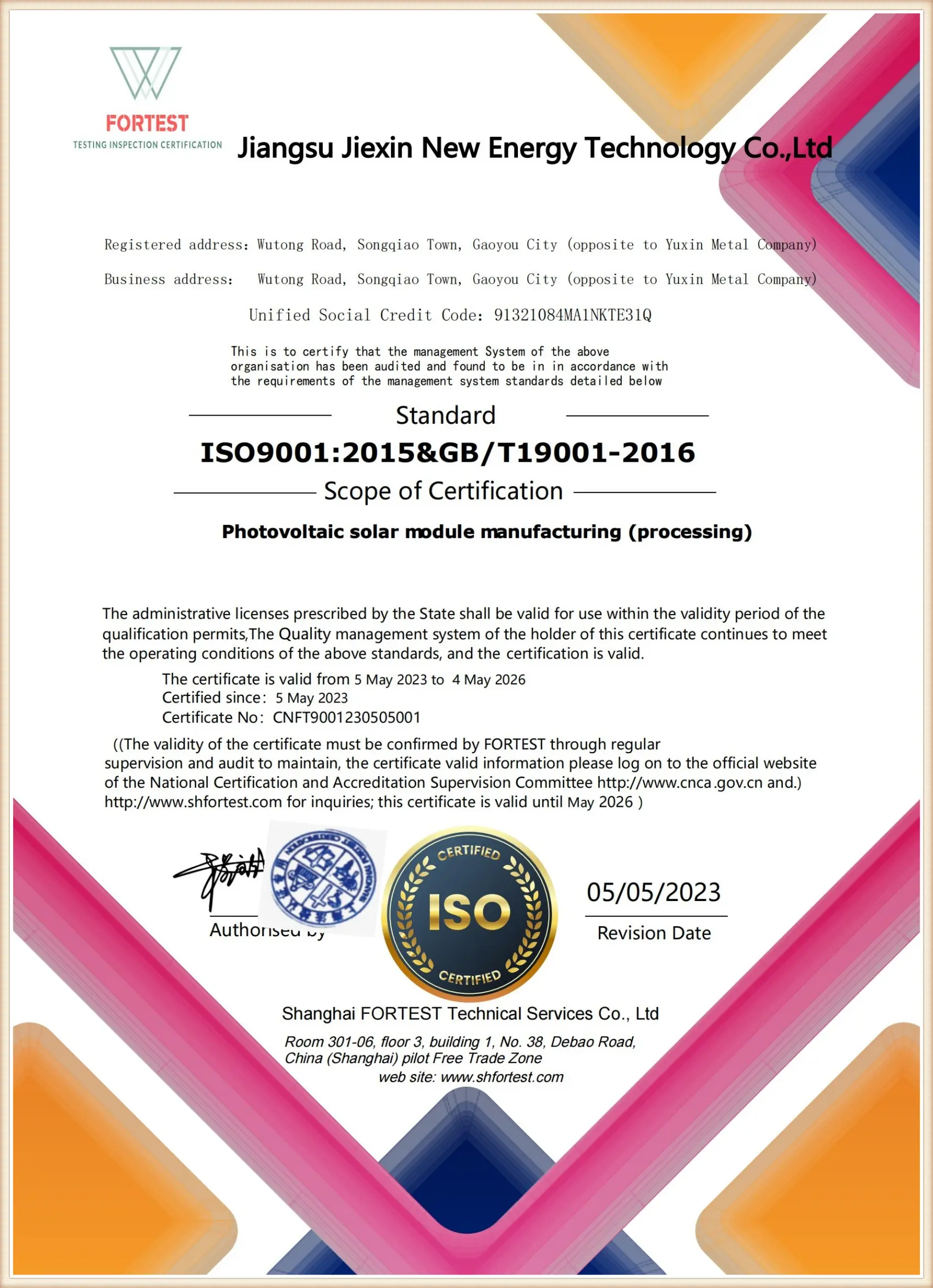
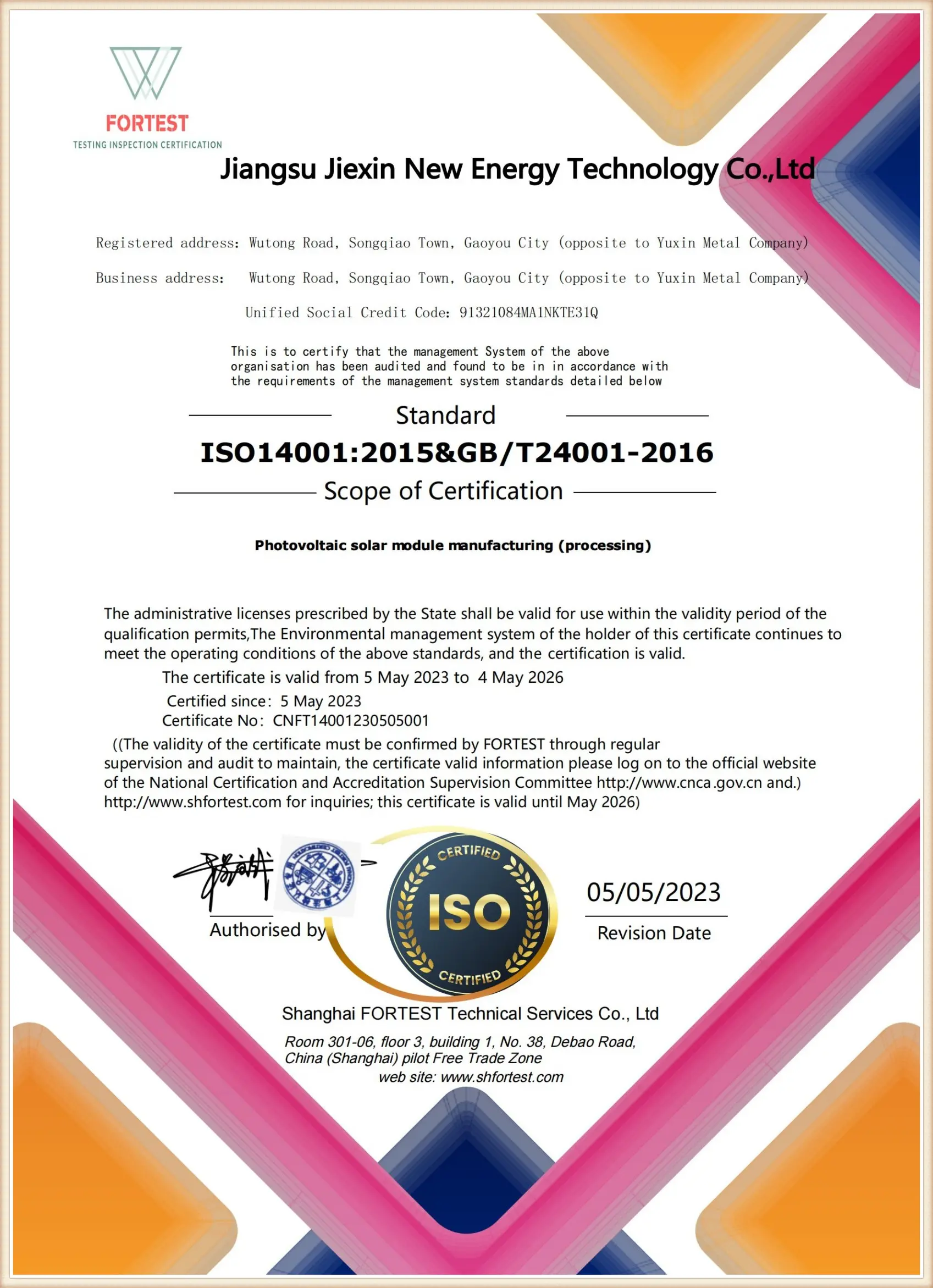
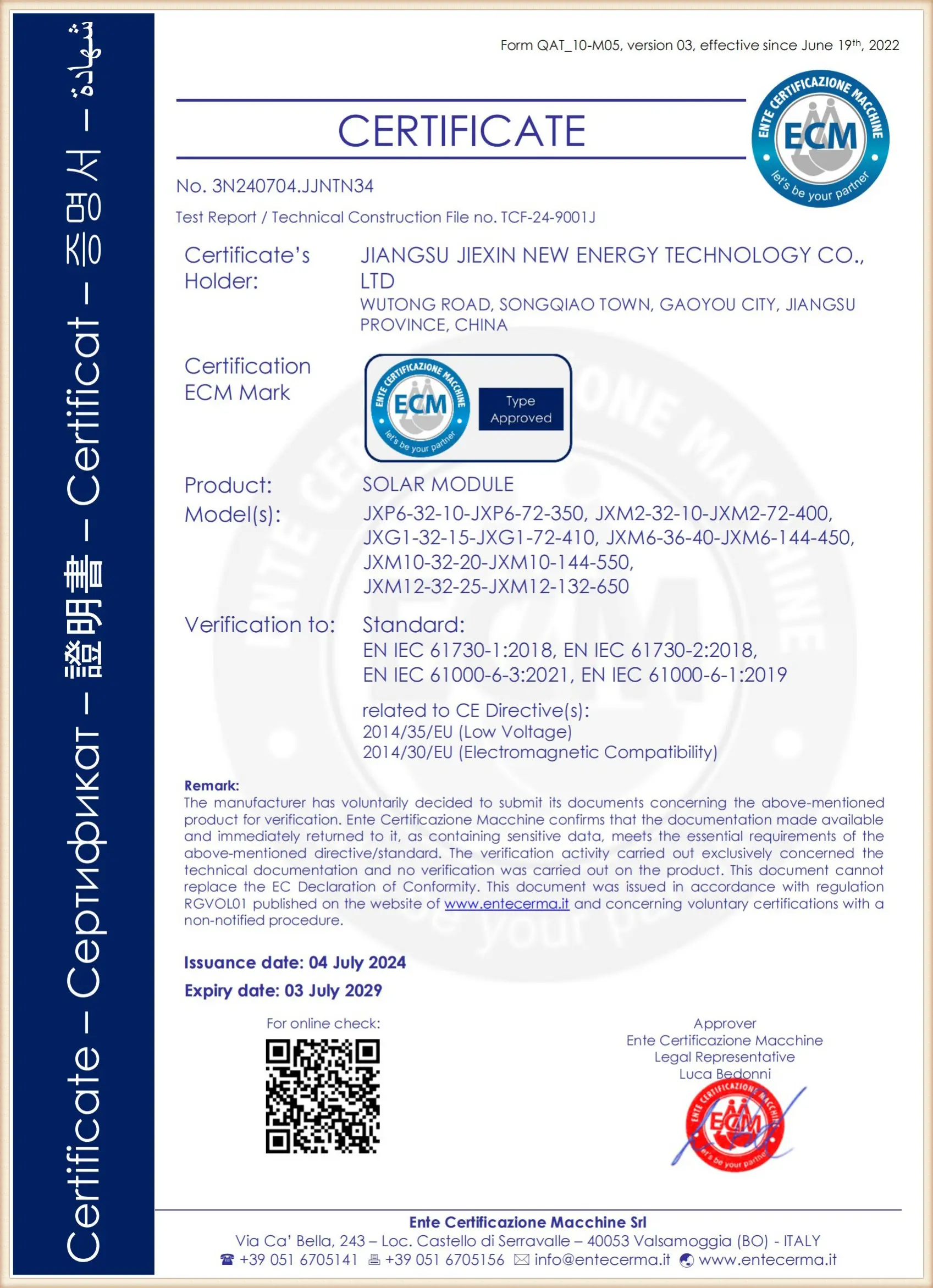
Deploying reliable photovoltaic systems across critical sectors, from industrial settings to remote off-grid environments.
We collaborate with energy developers, EPC contractors, and distributors worldwide to deliver quality PV products.

Engineering sizing guidelines based on typical system capacity profiles and environmental conditions.
| Cabin Class | Load Demand | PV Capacity | Storage Sizing | Inverter Topology | Structural Focus |
|---|---|---|---|---|---|
| Micro Shelter | Lights, Phones, Router | 400W - 800W | 1.2kWh - 2.4kWh | 12V/24V Integrated MPPT | Lightweight anodized frames |
| Standard Cabin | Fridge, Laptop, TV, Pumps | 1.5kW - 3kW | 5kWh - 10kWh | 48V Split-Phase Inverter | Alloy structures with wind-load certificates |
| Full-Time Off-Grid | HVAC, Washer, Kitchen appliances | 5kW - 10kW | 15kWh - 30kWh | Commercial-grade hybrid system | Heavy-duty pultruded composites |
For off-grid developers, the modules themselves make up less than 30% of total system costs. Balance of System (BOS) costs—including mounting brackets, cable runs, combiners, and structural components—account for the rest.
By utilizing high-wattage panels (such as 540W to 590W N-type monocrystalline modules), installers can reduce the number of mounting rails, brackets, and copper interconnects needed. This speeds up installation in remote areas and minimizes potential failure points in the electrical wiring.
Expert insights on planning, sourcing, and installing solar systems for remote cabin properties.
To determine the right size, calculate your daily energy usage in watt-hours (Wh). Add up the wattage of all devices you plan to run and multiply that by their daily run time. For a small cabin with lights, a small refrigerator, and cell chargers, a 1.5kW to 3kW solar system with a 5kWh to 10kWh battery bank is typically sufficient to ensure 2 to 3 days of autonomy during cloudy weather.
Remote cabins are often exposed to harsh elements like heavy snow, coastal salt spray, or high winds. Anodized aluminum frames (such as 6063-T5 or 6005-T6 alloy) provide structural support and resist oxidation. This protects the silicon cells from cracking due to wind stress or heavy snow accumulation.
N-type TOPCon cells offer higher conversion efficiency (often exceeding 22.5%) and perform better in hot weather and low-light conditions. They also degrade much slower over time compared to P-type PERC cells. This makes them a more reliable long-term investment for off-grid cabins where maintenance access is difficult.
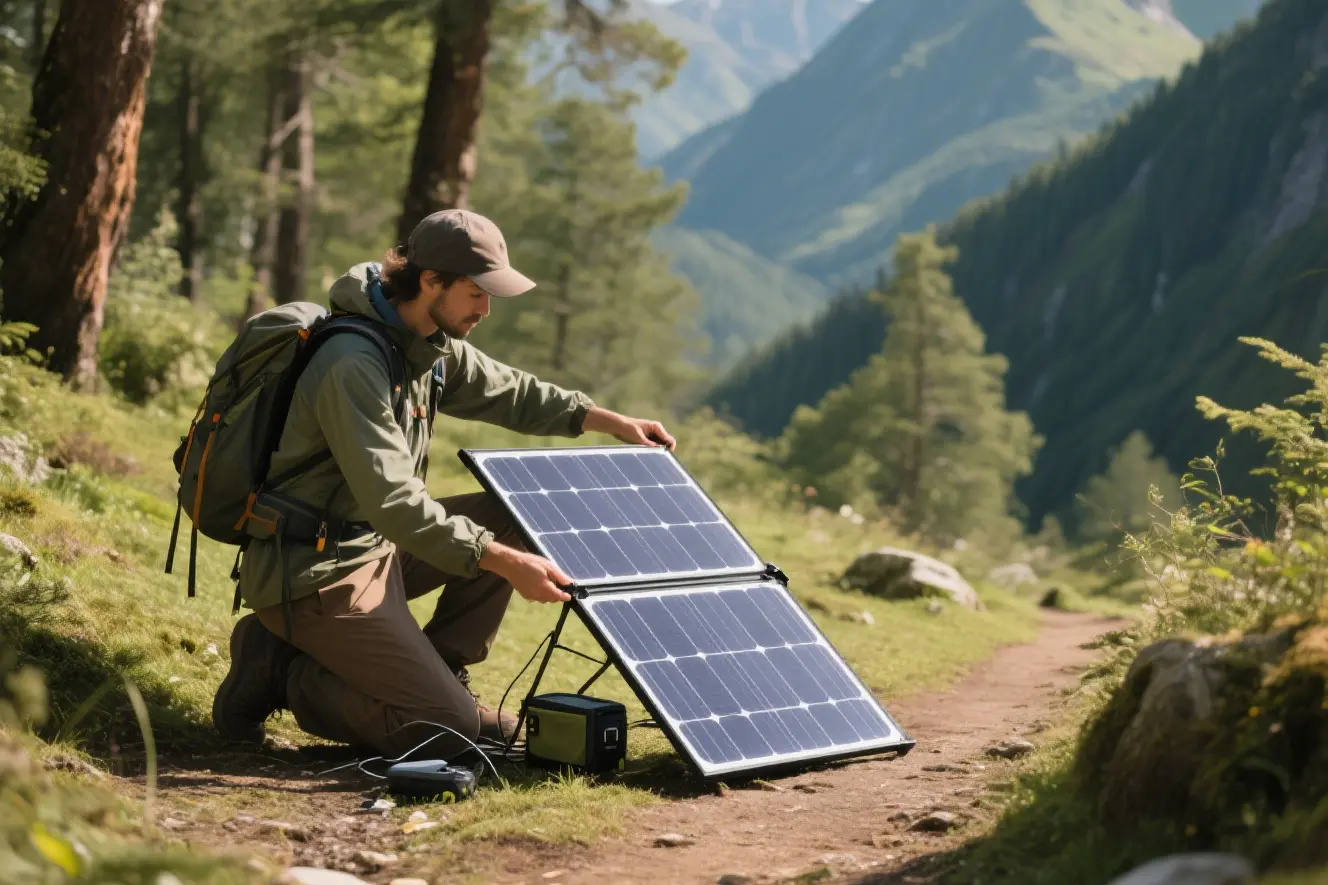
Portable solar chargers and compact solar backpacks (ranging from 10W to 60W) are excellent for charging portable power banks, phones, and emergency communications. However, they are not designed to power heavy appliances like refrigerators, pumps, or cooking equipment. A dedicated roof-mounted or ground-mounted solar array is required for standard household loads.
While lead-acid batteries are cheaper upfront, they have a shorter lifespan (3-5 years) and a shallower safe depth of discharge (50%). Lithium Iron Phosphate (LiFePO4) batteries cost more initially but offer 3,000 to 6,000 charge cycles, can be discharged up to 90%, and last 10+ years. This makes them a more cost-effective choice over the life of the system.
B2B buyers should look for international quality and safety certifications, including CE, IEC 61215 (performance), IEC 61730 (safety), and ISO 9001 for manufacturing consistency. These certifications help ensure the equipment is safe to operate and eligible for local utility connections or government incentives.
Read our recent technical updates on quality control, material engineering, and structural guidelines for solar installations.
Discover our range of mobile power solutions, high-efficiency backpacks, solar generators, and commercial-grade storage systems.