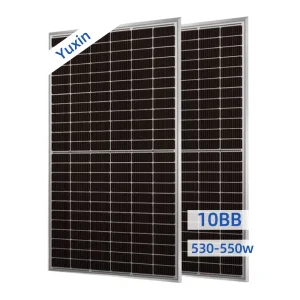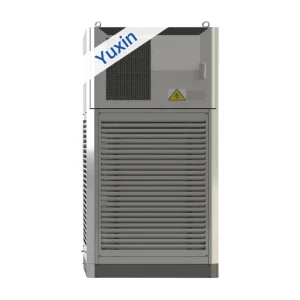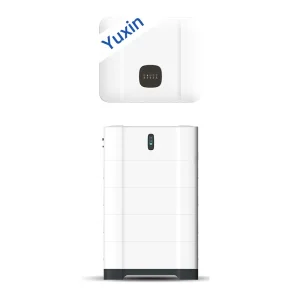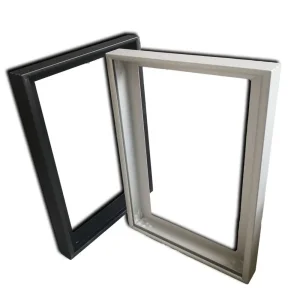
Explore our foundational equipment portfolio featuring high-strength framing, dynamic energy storage modules, and resilient field-ready systems tailored to commercial disaster recovery.
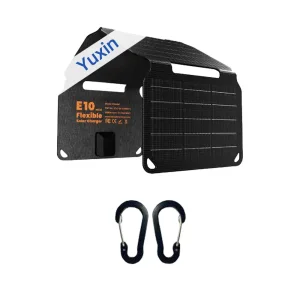
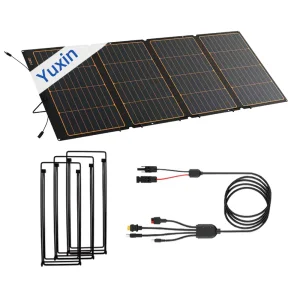
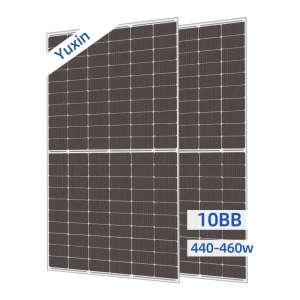
The global transition from fossil-fuel-based reserve generators to solar and battery-backed storage systems is accelerating. Traditional diesel fallback engines present logistical bottlenecks: limited fuel shelf-life, supply disruption hazards during meteorological crises, and extensive upkeep costs. Modern enterprise facilities require immediate micro-generation capability, which is successfully facilitated by modern monocrystalline PERC and TOPCon cell modules integrated with energy management architectures.
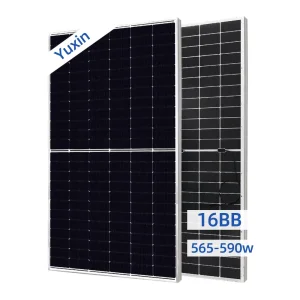
Recent developments show a significant increase in decentralized photovoltaic installations specifically designed to decouple public utilities from critical military, municipal, and healthcare infrastructure during natural disasters. The application of 10BB and 16BB half-cell structures ensures that even under severe shading conditions—a common occurrence when regional distribution networks are compromised—power collection and system operations continue with minimal efficiency loss.
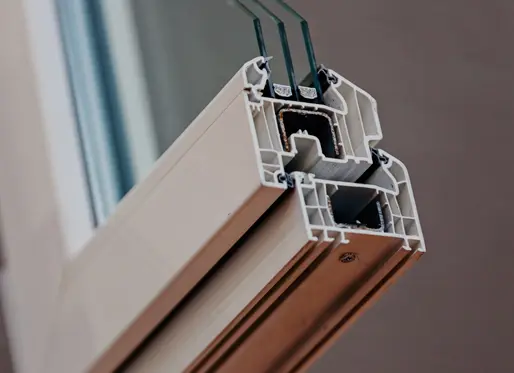
Industrial procurement managers face balancing the initial capital expenditure (CAPEX) of emergency energy hardware with long-term operational efficiency. Sourcing components that offer mechanical longevity—such as advanced polyurethane composite frames instead of standard low-tensile aluminum framing—dramatically changes the depreciation lifecycle. Polyurethane pultruded systems resist chemical exposure and salt-spray erosion, offering mechanical integrity in harsh coastal environments.
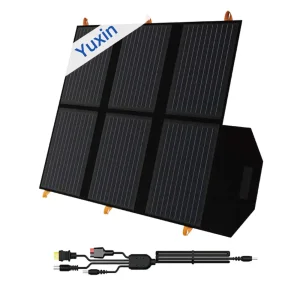
When selecting systems for backup deployment, procurement teams look beyond basic solar panel cost-per-watt values. They evaluate structural longevity, degradation patterns, and integration capability with local commercial grids and isolated energy storage systems. Implementing a dual-tier structure—combining high-yield utility panels with portable, rapid-deployment solar kits—allows logistics hubs to maintain critical communication nodes while maintaining system safety.
Integrating backup power into standard commercial infrastructure requires multi-faceted engineering systems. In the event of a utility grid failure, the control system must transition the facility into island mode in milliseconds to prevent data loss or production line damage. This transition requires high-frequency commercial solar storage units working in tandem with grid-forming smart inverters.
These systems run on three main operating modes: grid-interactive peak shaving (utilizing local battery banks to offset high daytime energy rates), off-grid emergency fallback (isolating the facility and running exclusively on local photovoltaic generation), and hybrid balancing. The integration of high-density lithium iron phosphate (LiFePO4) storage ensures structural reliability over thousands of duty cycles, representing a reliable long-term investment for manufacturing complexes and data centers.
Navigating global photovoltaic markets requires adherence to local building regulations and technical guidelines. Deploying backup arrays on public utility systems requires rigorous compliance certificates like CE, IEC, and UL listing. These standards verify that components can withstand structural wind stress, prevent thermal runaways, and interface safely with local power grids.
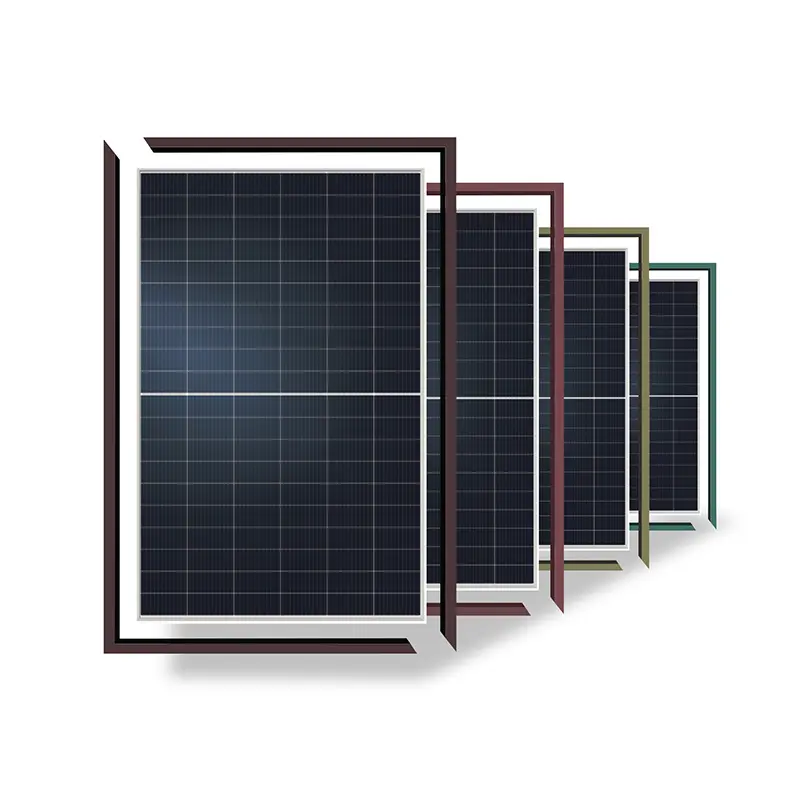
Furthermore, structural components like the mounting profiles and support frames must meet strict load guidelines. High-purity 6063-T5 and 6005-T6 anodized aluminum frames are standard due to their balance of weight and structural load capacity. They provide the necessary support for high-wattage arrays (up to 590W+) operating in regions with severe wind or snow loads, ensuring uninterrupted operation during emergencies.
The transition from p-type PERC structures to n-type TOPCon (Tunnel Oxide Passivated Contact) cell designs represents a major advance in industrial solar technology. TOPCon structures offer higher open-circuit voltages and lower degradation rates over time. This design minimizes LID (Light Induced Degradation) and LeTID (Light and Elevated Temperature Induced Degradation) losses, maintaining system output over years of service.
Additionally, bifacial dual-glass solar panels allow back-surface light collection, leveraging albedo reflection from surrounding grounds or roofs to boost generation by up to 25%. This added production is crucial during emergency scenarios when daylight hours are short or light conditions are poor, ensuring the battery storage remains charged to support critical operations overnight.
Our core manufacturing capabilities cover precision materials, high-density batteries, and robust mounting components.
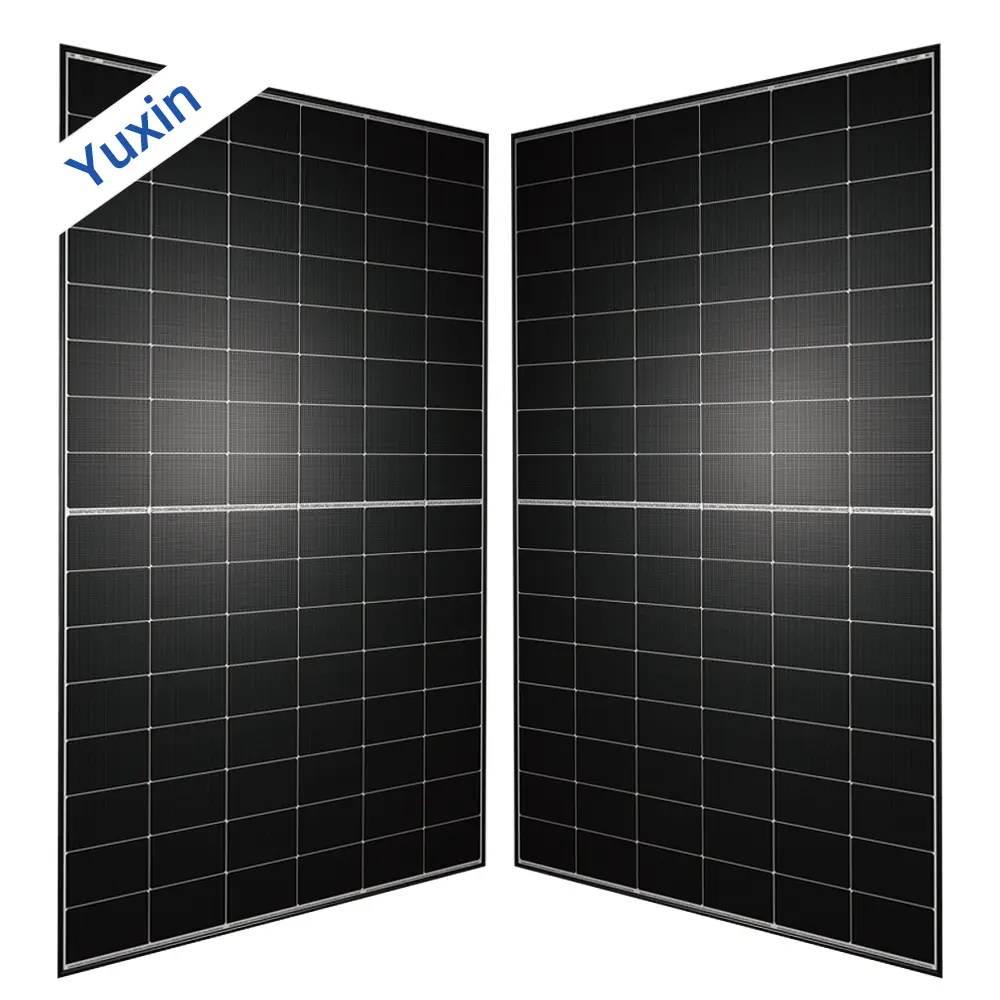
Lightweight design with transparent back panel for easy installation and reduced BOS costs.
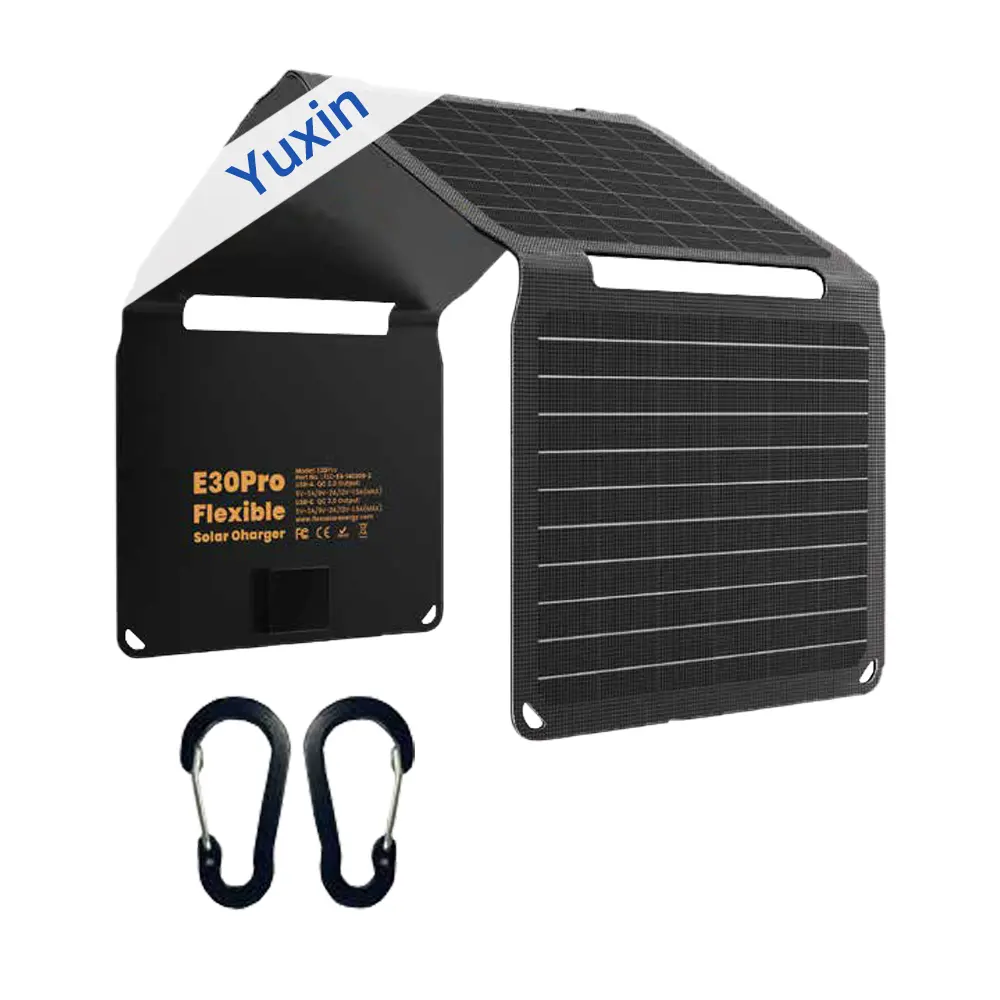
Utilizing advanced monocrystalline silicon cells, it achieves a high energy conversion efficiency of 24%.
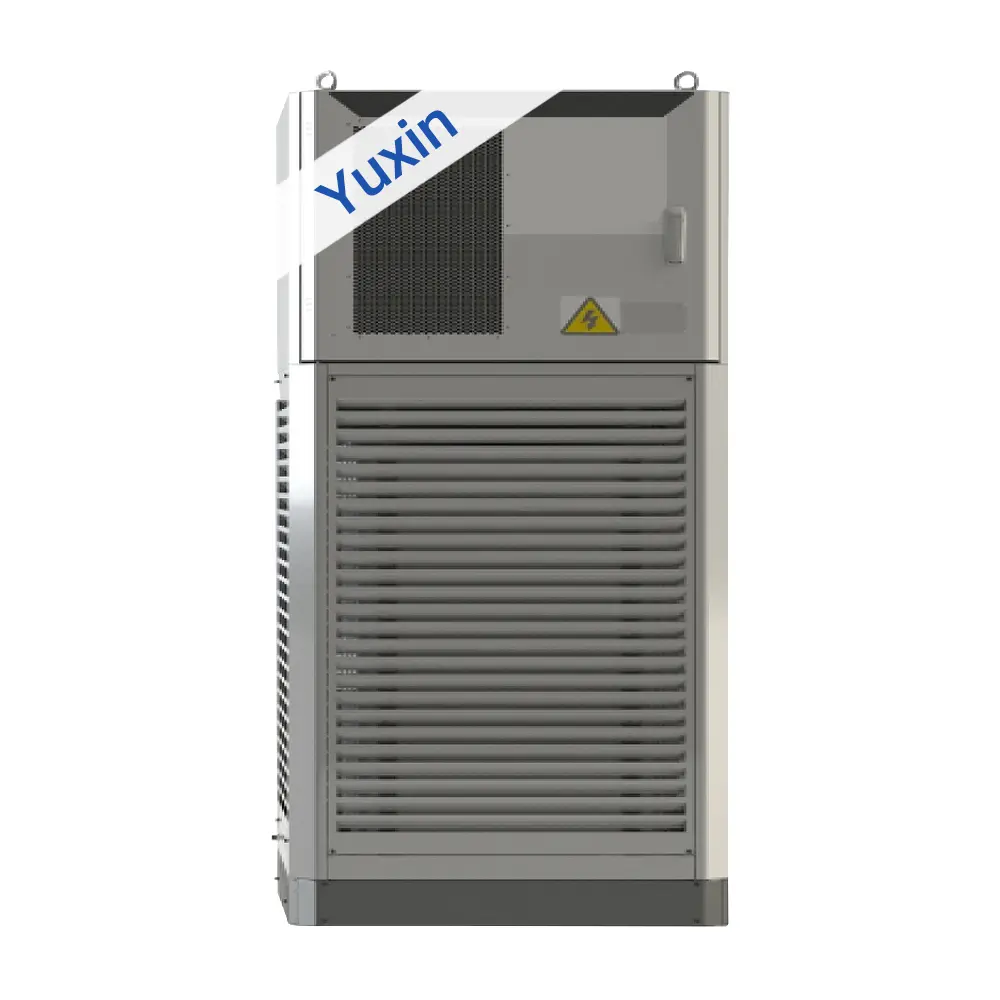
Application modes include grid-connected mode, off-grid mode, and integrated grid-connected/off-grid mode.
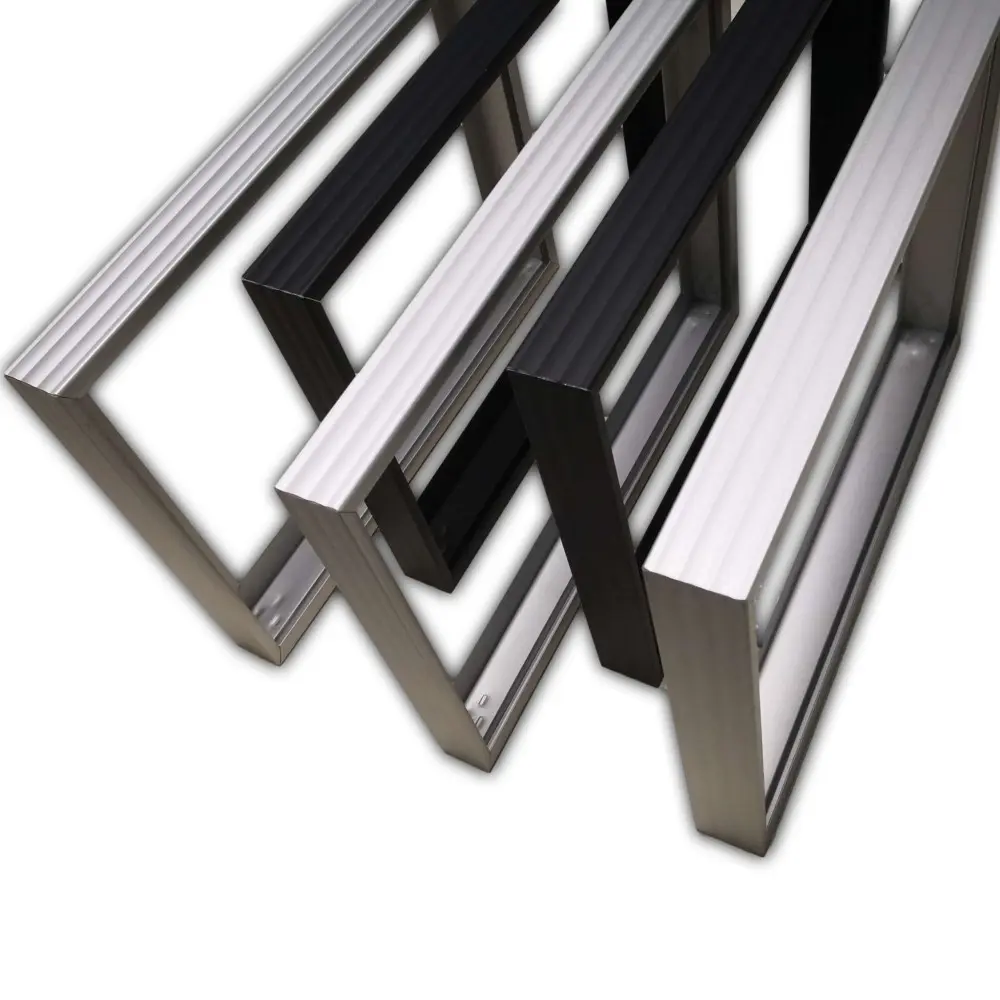
Made of high-quality anodized aluminum, it ensures superior weather resistance and a smooth, long-lasting finish.
Located in the scenic historical and cultural ancient city of Yangzhou, close to the Beijing-Shanghai Expressway, Runyang Yangtze River Bridge, and Ningqi Railway, the group has a superior geographical location and convenient transportation. The group was established in 2008 and has 14 multi-field companies under its jurisdiction, including Jiangsu Yuxin New Energy Technology Co., Ltd., and has won many titles such as National High-tech Enterprise, Technology-based Enterprise, and Gaoyou City Top 100 Private Enterprises.
View MoreProviding custom, high-durability off-grid solutions across key industrial and municipal sectors.
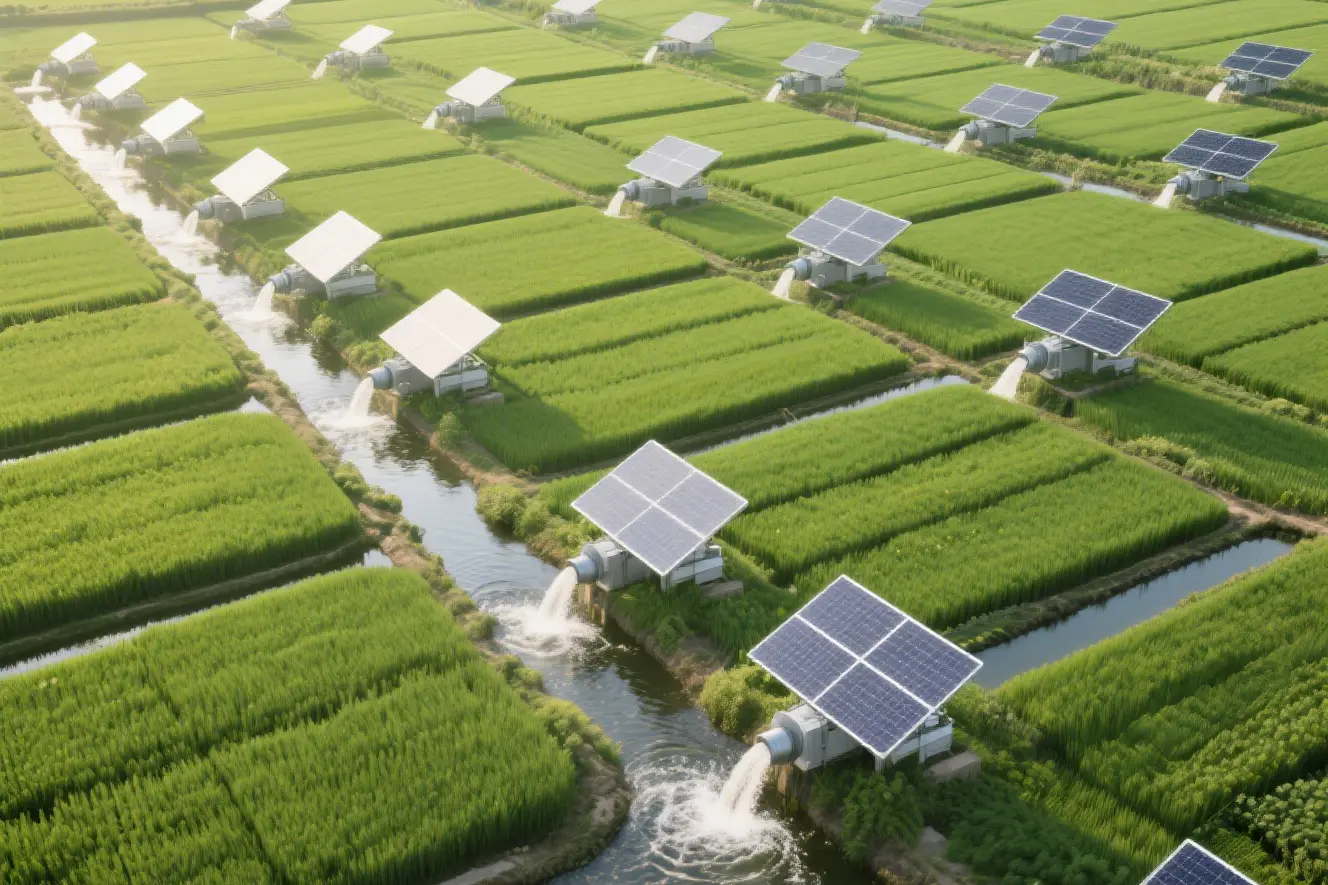
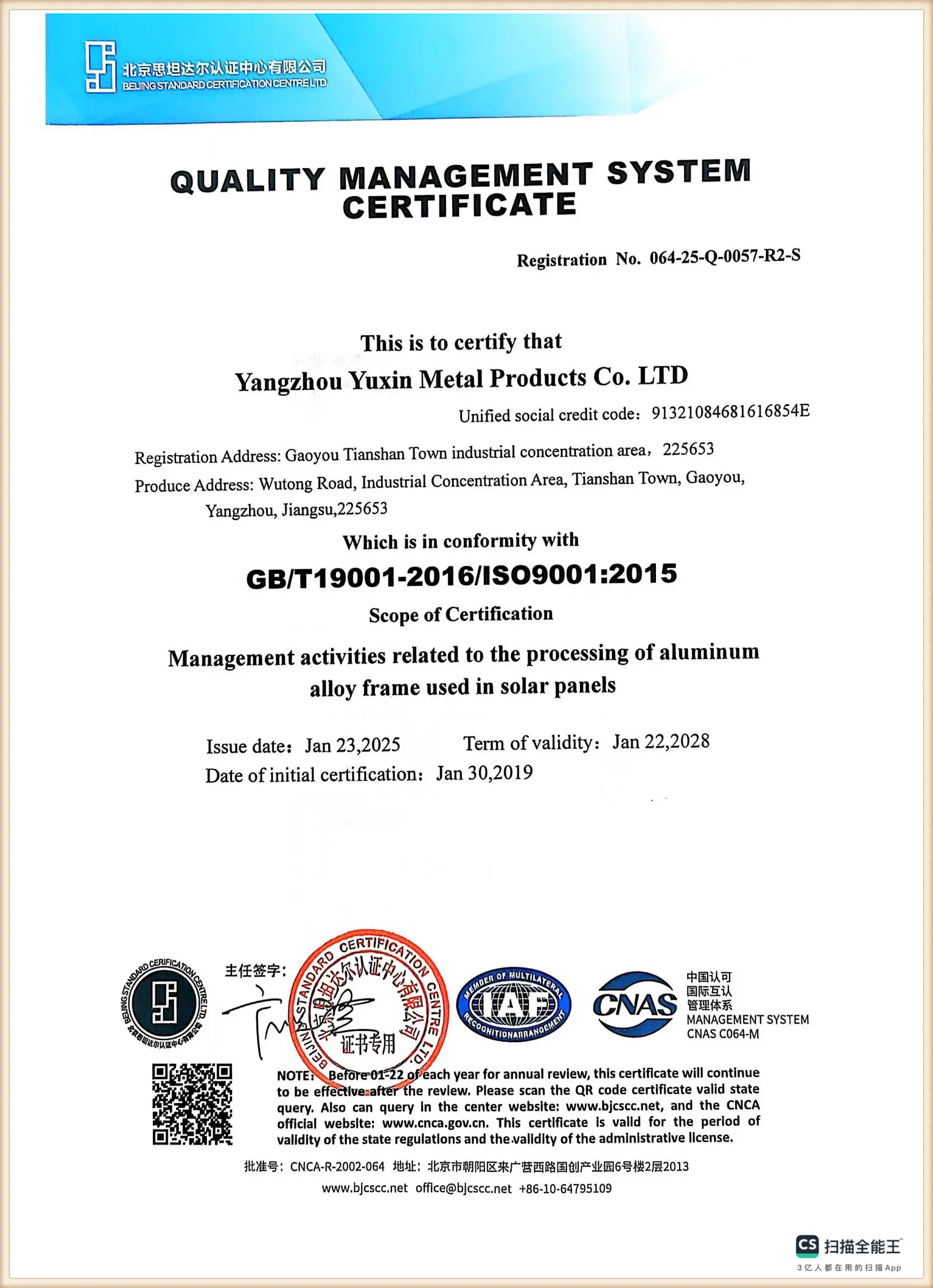
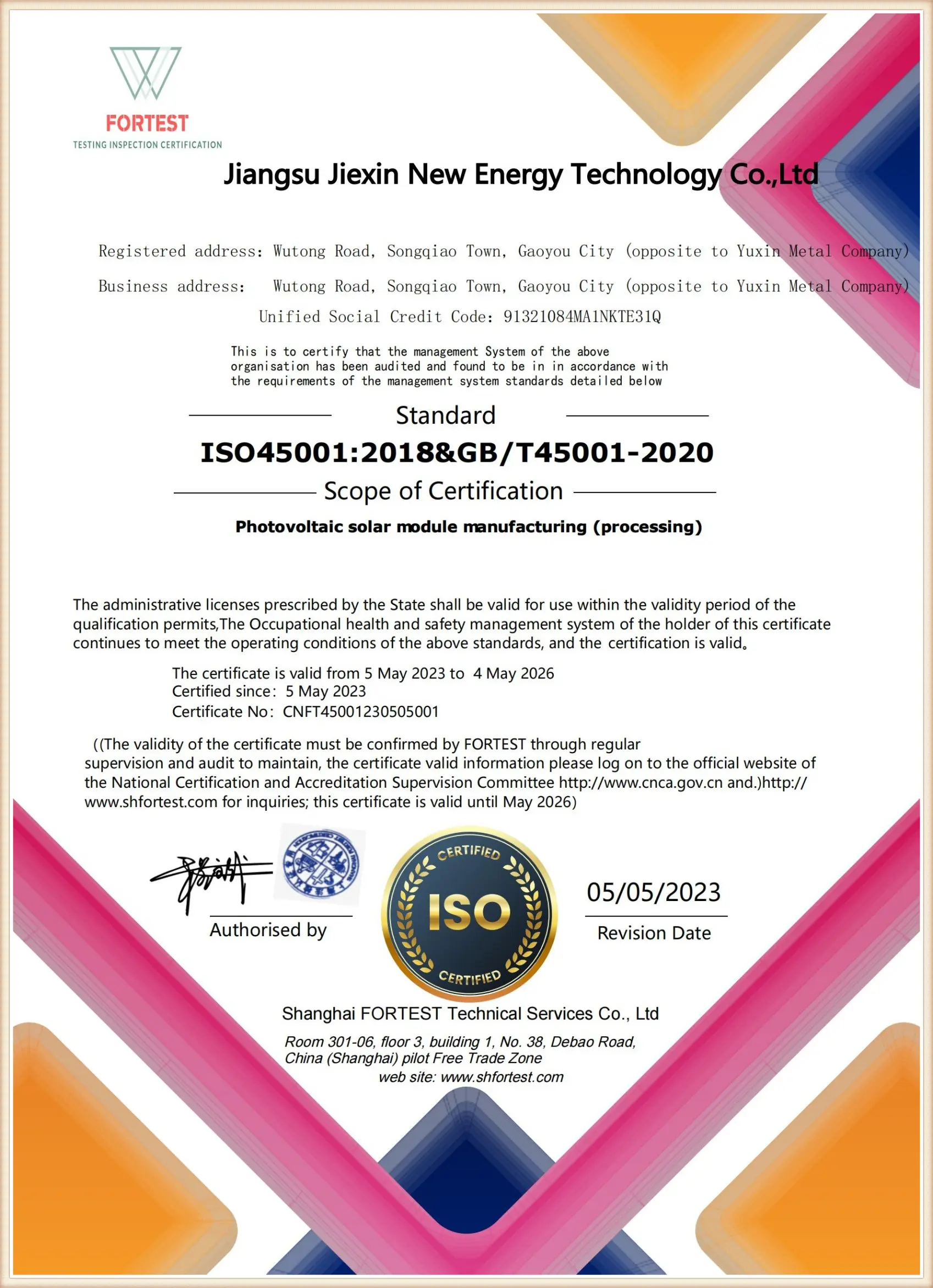
Our solar materials and energy components comply with international quality and testing standards.
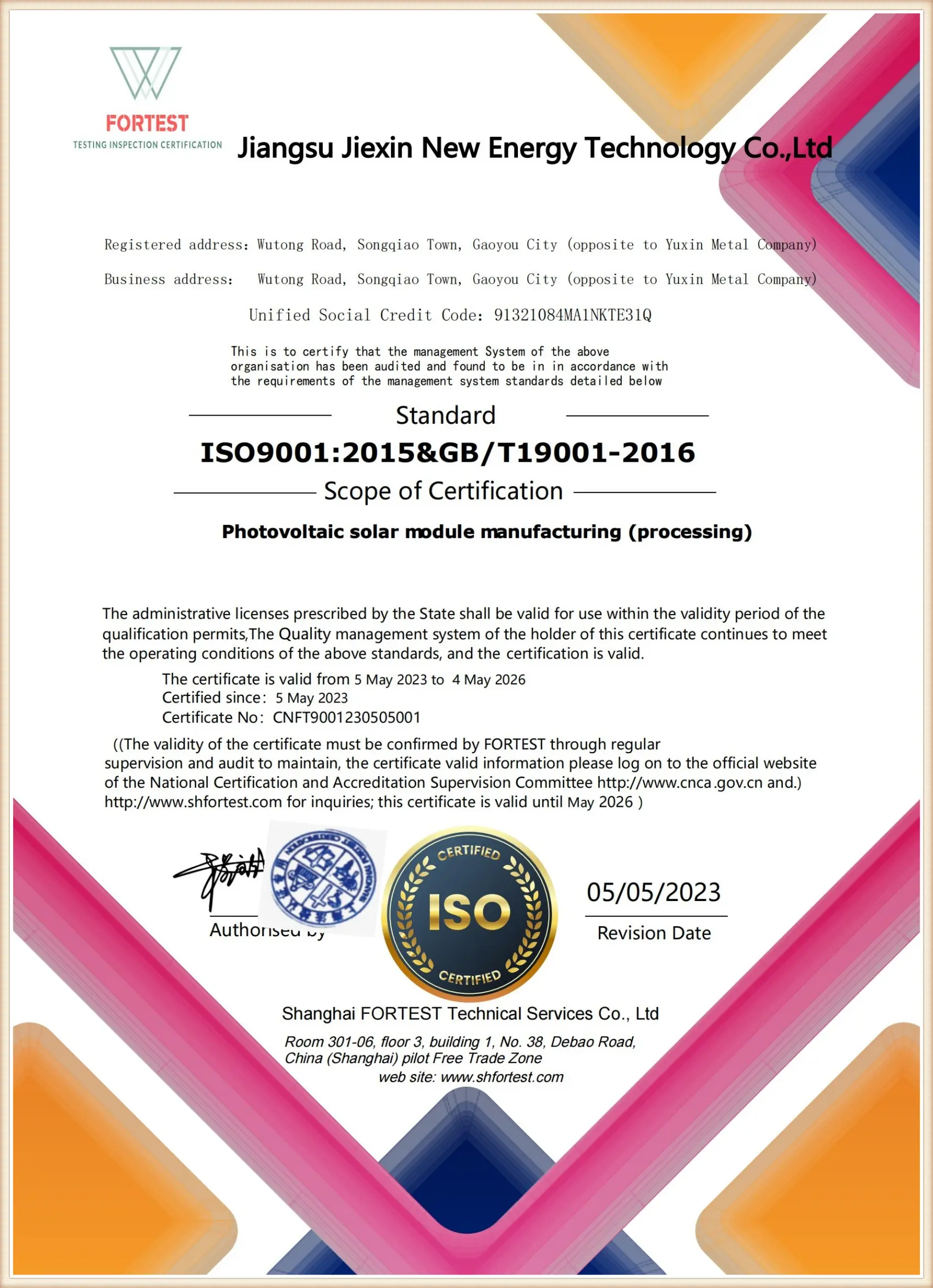
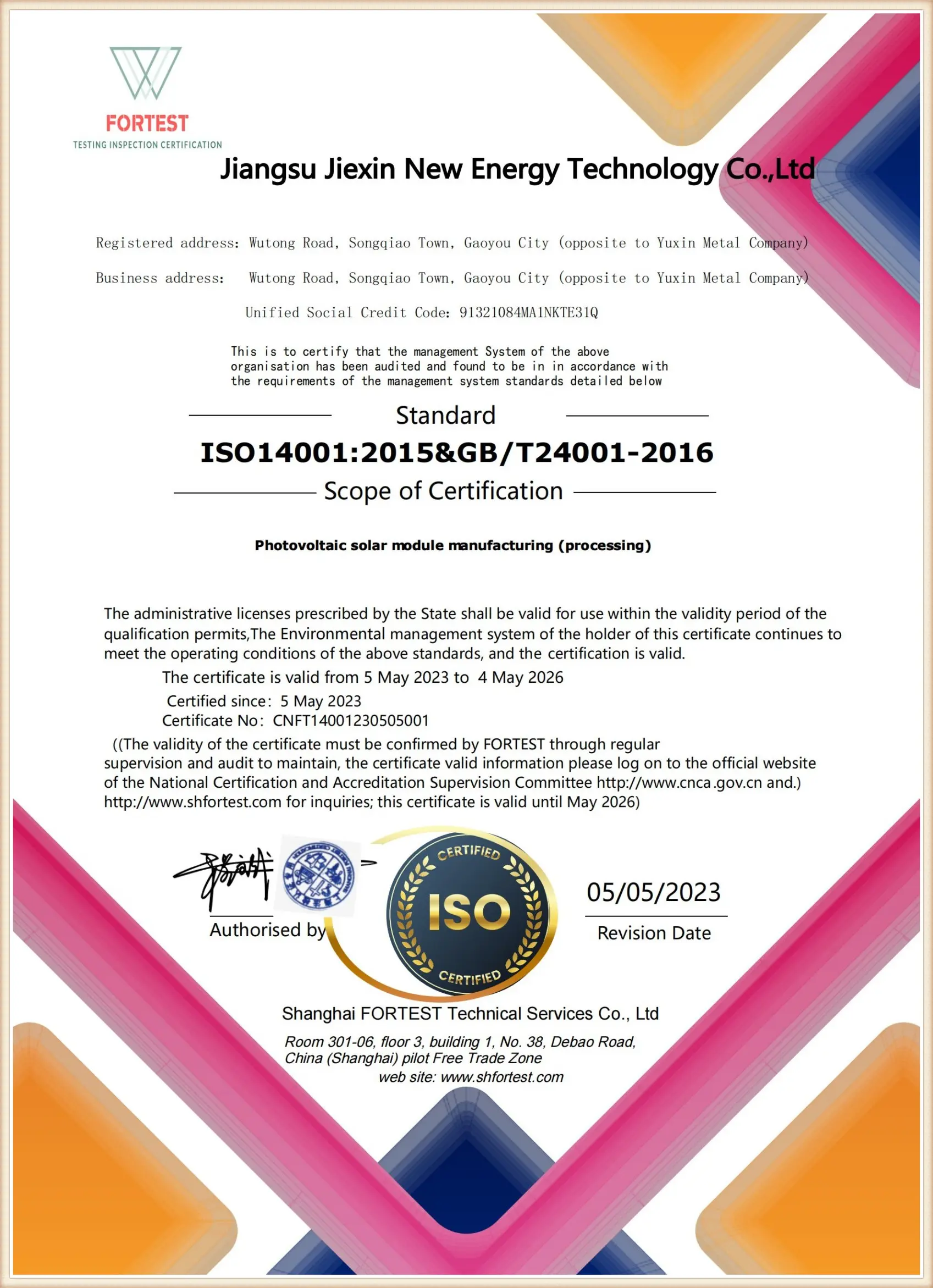
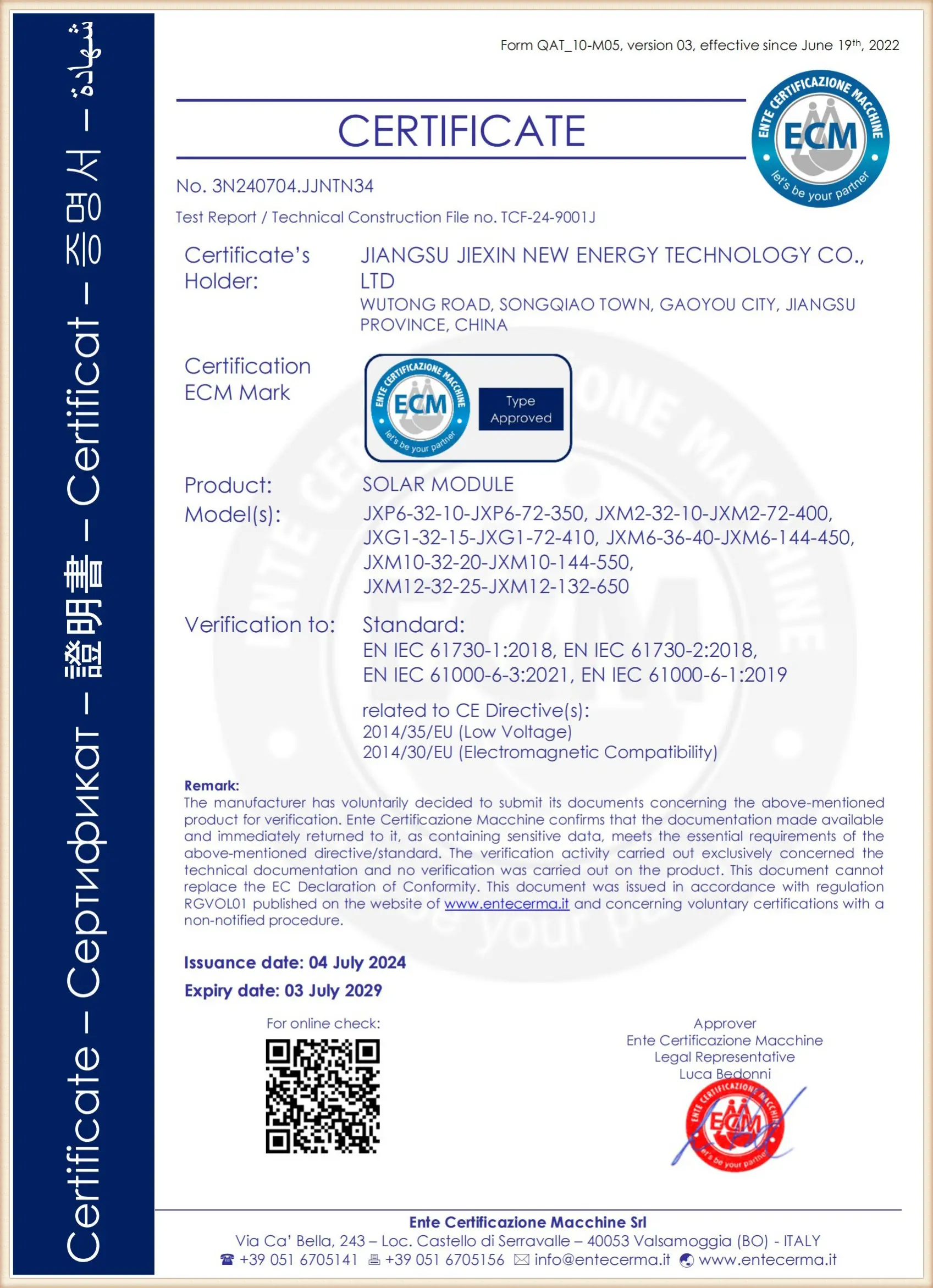
Cooperating with global leaders to deliver dependable photovoltaic energy frameworks.
Get technical insights on emergency solar backup designs, pricing parameters, and material specifications.
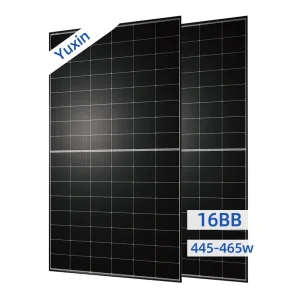
Cost-effective backup solutions optimize the Balance of System (BOS) costs rather than utilizing low-grade PV cells. By using optimized framing systems (such as pultruded polyurethane composites or lightweight aluminum profiles), developers can reduce structural installation costs. Additionally, selecting standard 440W-460W mono-crystalline cells instead of high-premium residential modules offers an optimal ratio of cost to power generation.
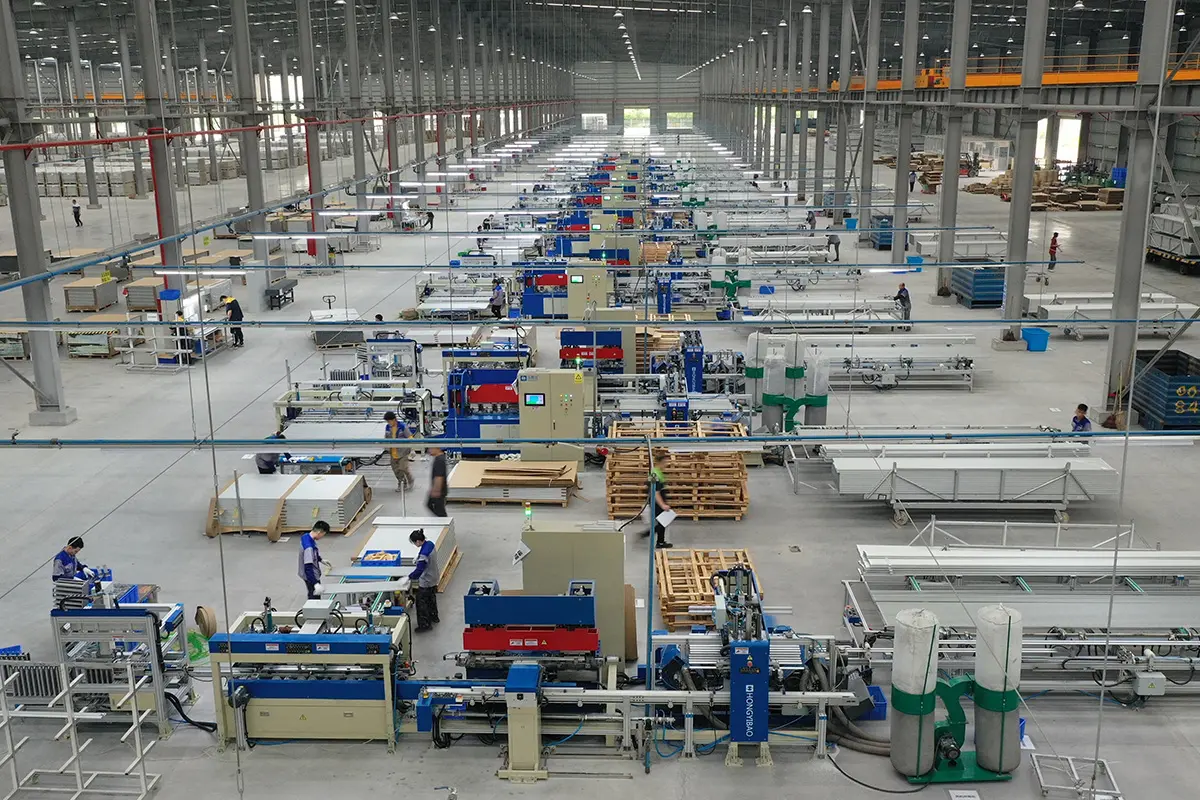
Established in 2008, Yuxin manages 14 specialized industrial facilities, maintaining strict quality control across raw material processing and frame extrusion. Our product range includes anodized 6063-T5 aluminum framing as well as advanced polyurethane composites, providing solutions for standard residential systems and highly corrosive industrial environments.
PERC (Passivated Emitter and Rear Cell) is a proven, cost-efficient technology offering high reliability. TOPCon (Tunnel Oxide Passivated Contact) cell designs represent a newer technological standard, delivering higher efficiency (up to 22.5%+), lower temperature coefficients, and reduced degradation rates over time. This makes TOPCon suitable for regions with limited installation space or extreme weather conditions.
Yes, modular systems (like our P01-EC60-30K) are designed to be scaled in parallel. This allows enterprises to expand battery capacity as emergency backup requirements grow, without needing to replace existing power conversion systems or main distribution boards.
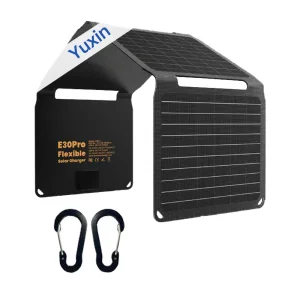
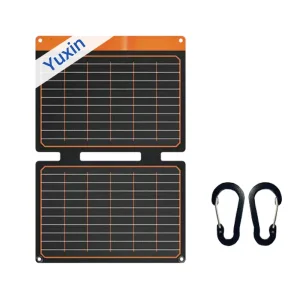
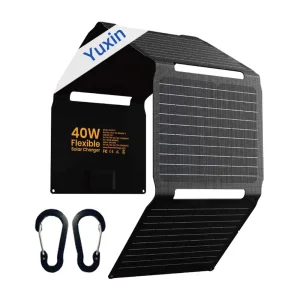
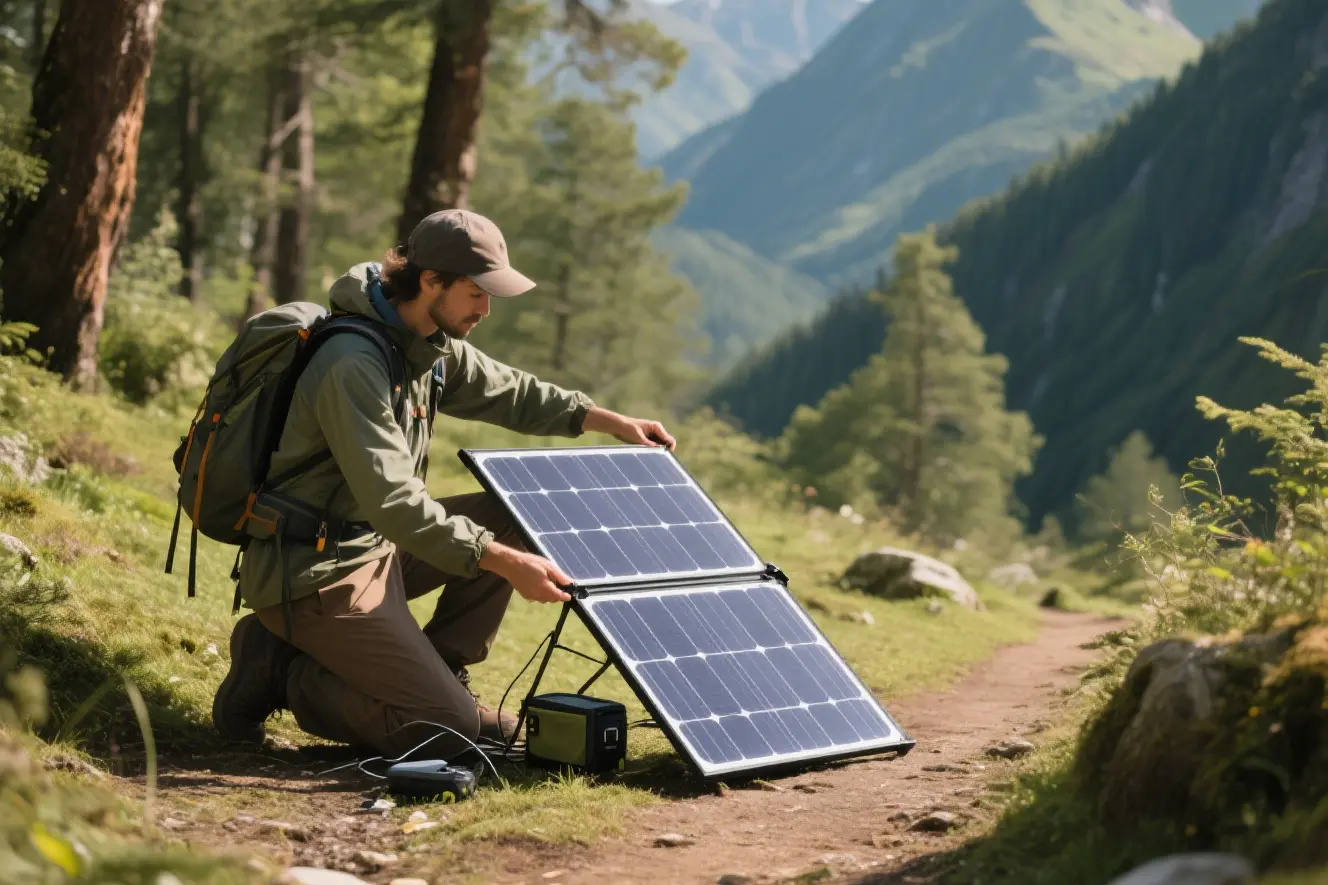
For mobile backup applications (such as solar backpacks and field generator panels), ingress protection is essential. High-efficiency ETFE coatings and waterproof textiles protect the PV junctions from moisture, ensuring reliable operation during search and rescue operations or unexpected weather events.
Keep up with technical standards, material science developments, and global manufacturing best practices.
Review comprehensive material profiles, custom design structures, and high-capacity modules to complete your project quote requests.