Explore our elite selection of waterproof solar backpacks, monocrystalline panels, and household energy systems engineered for maximum yield.
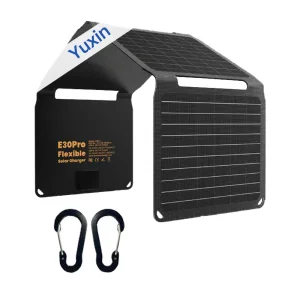
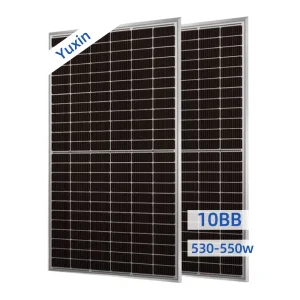
A strategic exploration of structural shifts in mobile PV systems, battery chemistries, and regional procurement optimization.
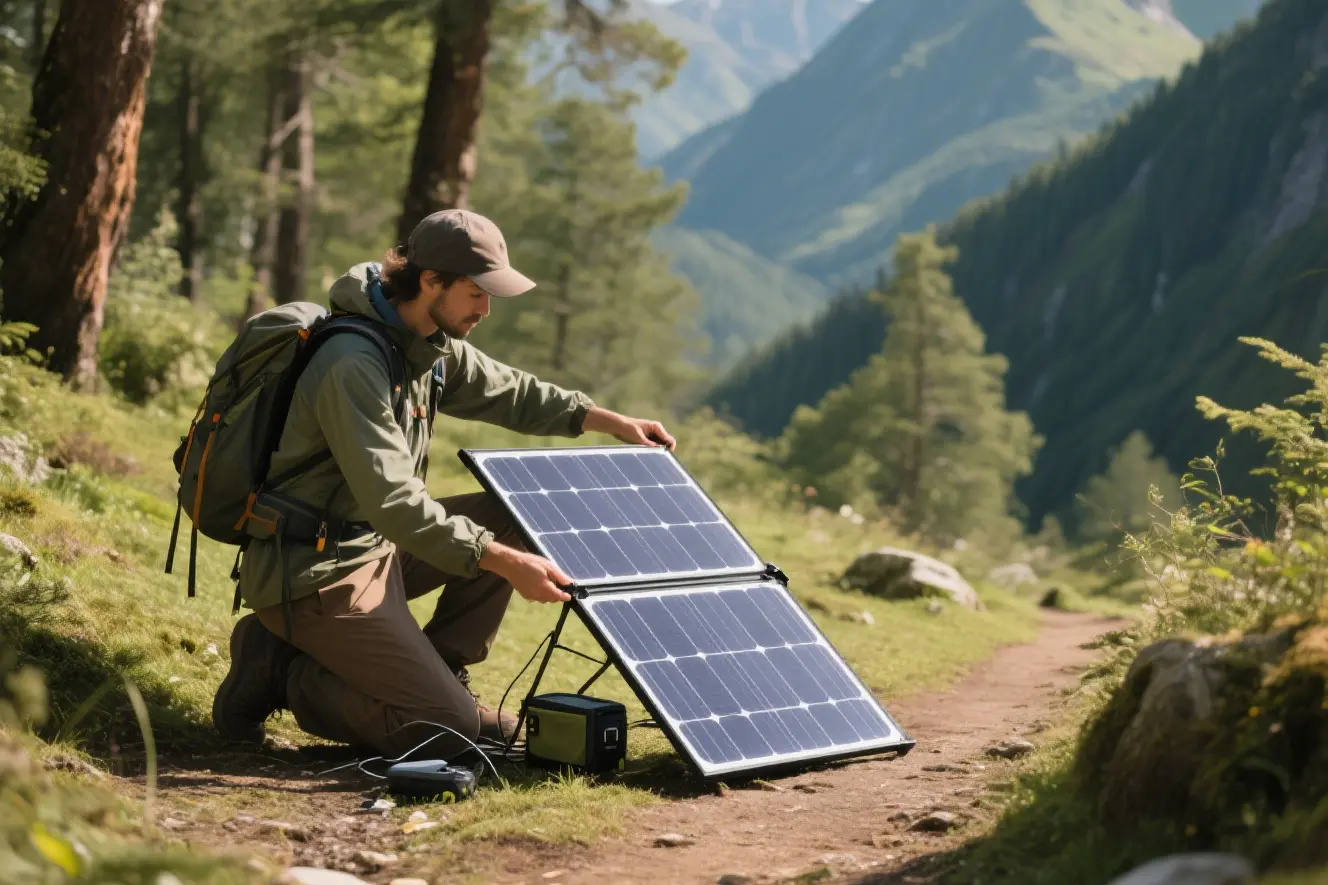
The global demand for portable solar systems coupled with battery storage has moved past the hobbyist recreational space. Today, commercial entities, field research groups, remote military outposts, agricultural developers, and emergency services are treating mobile photovoltaic power generation as a mission-critical infrastructure asset. When analyzing the search query "cheap solar panel with battery camping" through the lens of semantic intent, B2B procurement officers and engineering leaders are searching not for low-grade consumer products, but for cost-efficient, high-yield, rugged, and reliable power systems that yield optimal return on investment (ROI).
This dynamic shift is driven by a convergence of policy push, global supply chain optimization, and technological convergence. Key manufacturers in specialized industrial zones, such as Yangzhou, China, have integrated advanced wafer production, structural framing lines, and battery management system (BMS) design. By vertically combining these technologies, manufacturers can mitigate supply-chain disruptions and drive down Levelized Cost of Energy (LCOE) for mobile operations, offering high-efficiency solutions at price points that were previously unattainable.
Tailoring systems to distinct micro-climates, from extreme alpine environments to high-humidity marine zones, utilizing advanced polymer encapsulation and structural backing.
Leveraging lightweight pultruded polyurethane composites alongside structural 6063-T5 aluminum frames to withstand wind loads up to 2400Pa and snow loads up to 5400Pa.
Integrating Maximum Power Point Tracking (MPPT) with high-density lithium iron phosphate (LiFePO4) storage, allowing for up to 98% charge conversion efficiency.
The technological trajectory of the industry is focused on three main vectors: power density, survivability in harsh environments, and system integration. The transition from p-type PERC monocrystalline cells to n-type TOPCon (Tunnel Oxide Passivated Contact) and HJT (Heterojunction Technology) cells has direct implications for portable camping and field systems. These technologies yield significantly better bifacial rates and lower temperature coefficients (-0.30%/°C compared to -0.35%/°C of traditional PERC). Consequently, portable panels operating in desert-like outdoor temperatures lose far less efficiency under high solar irradiance.
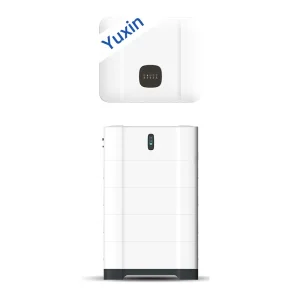
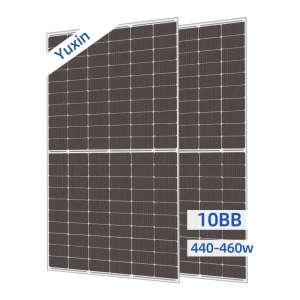
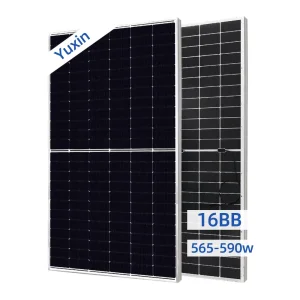
Direct engineering solutions from YUXIN, providing foundational components for systems integration.
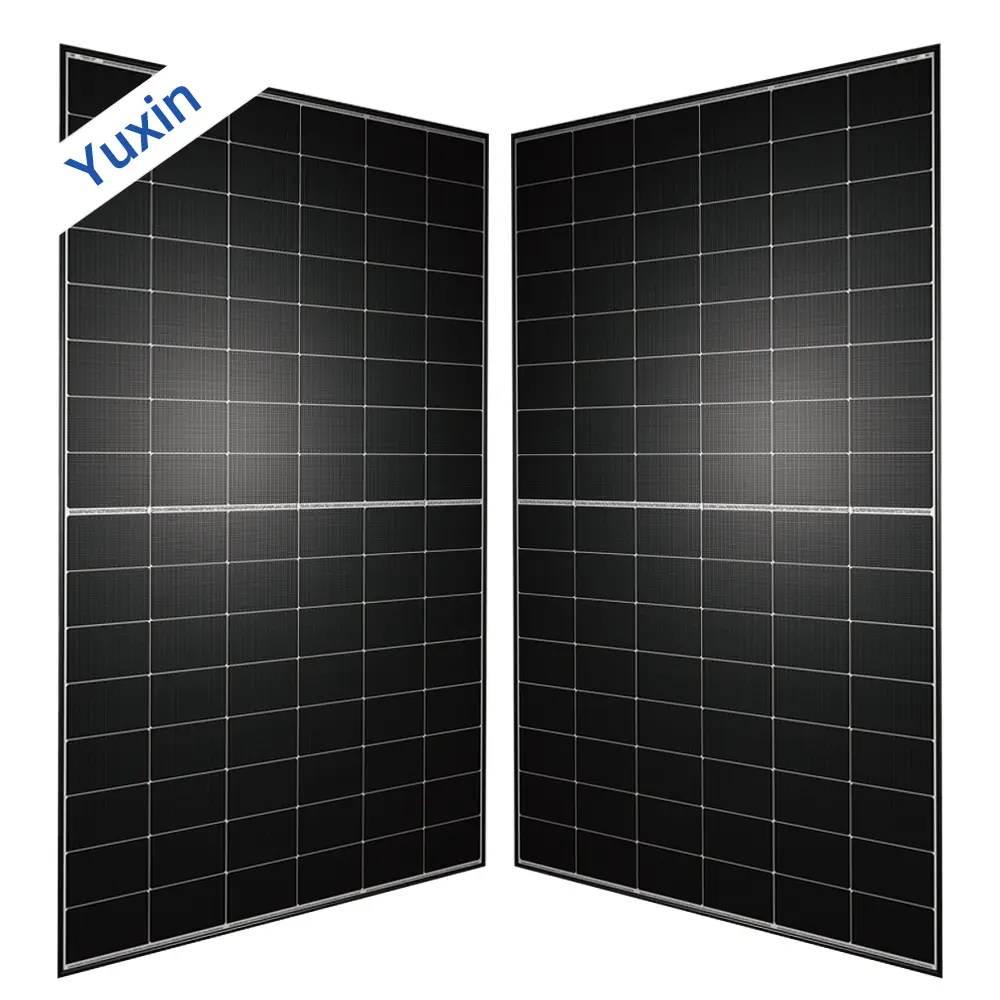
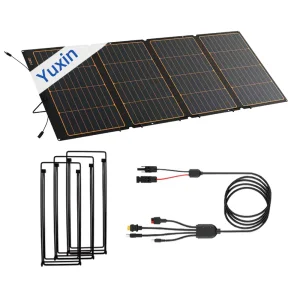
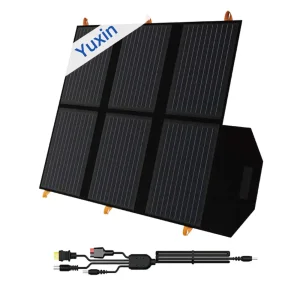
Lightweight design with transparent back panel for easy installation and reduced BOS costs.
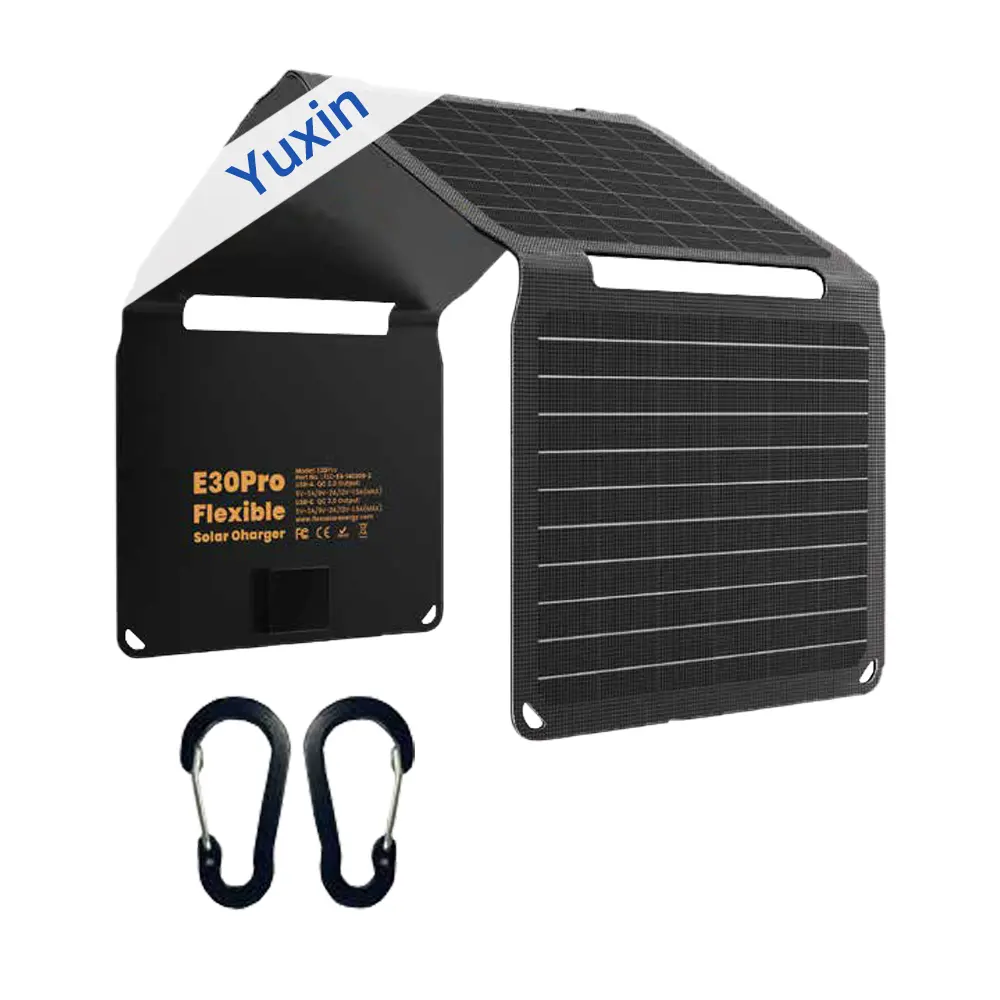
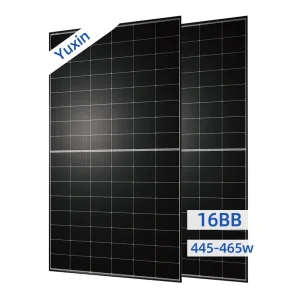
Utilizing advanced monocrystalline silicon cells, it achieves a high energy conversion efficiency of 24%.
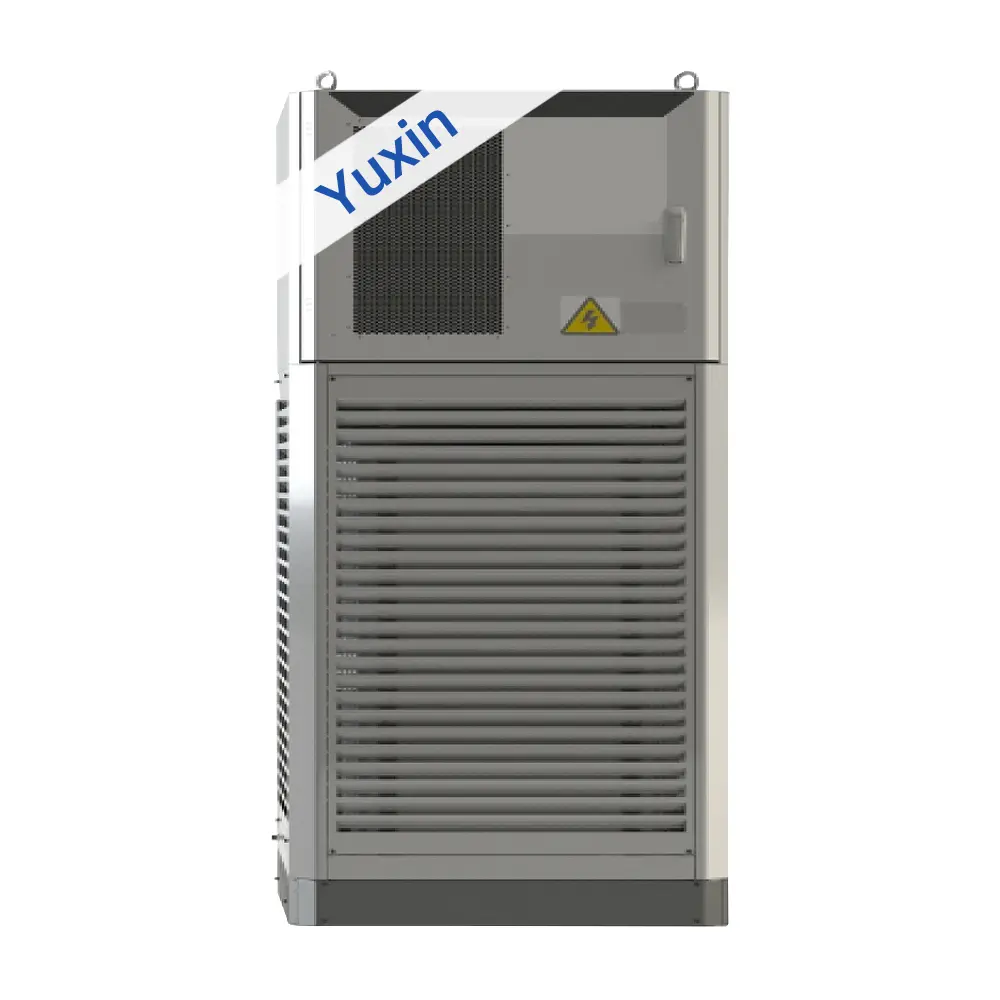
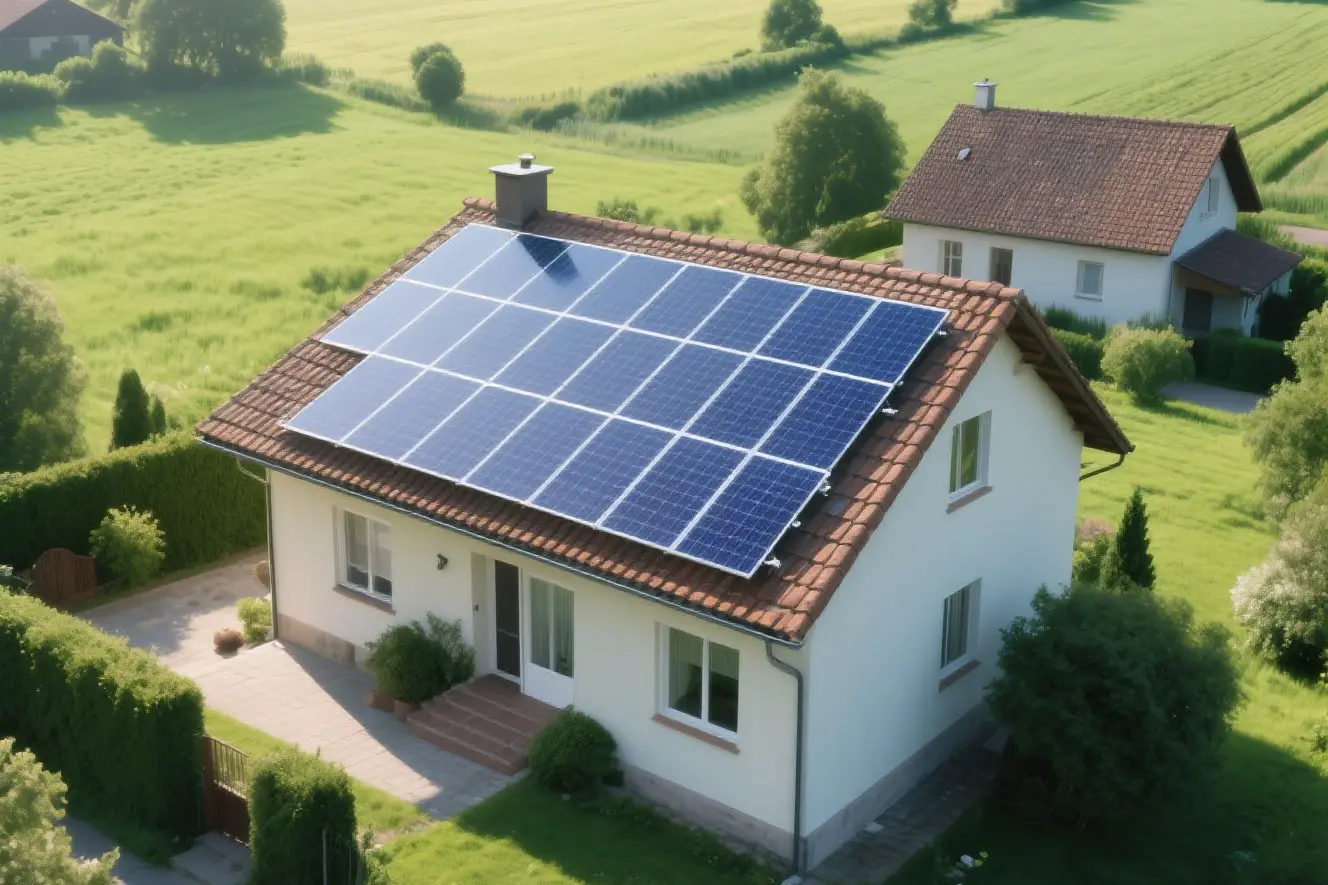
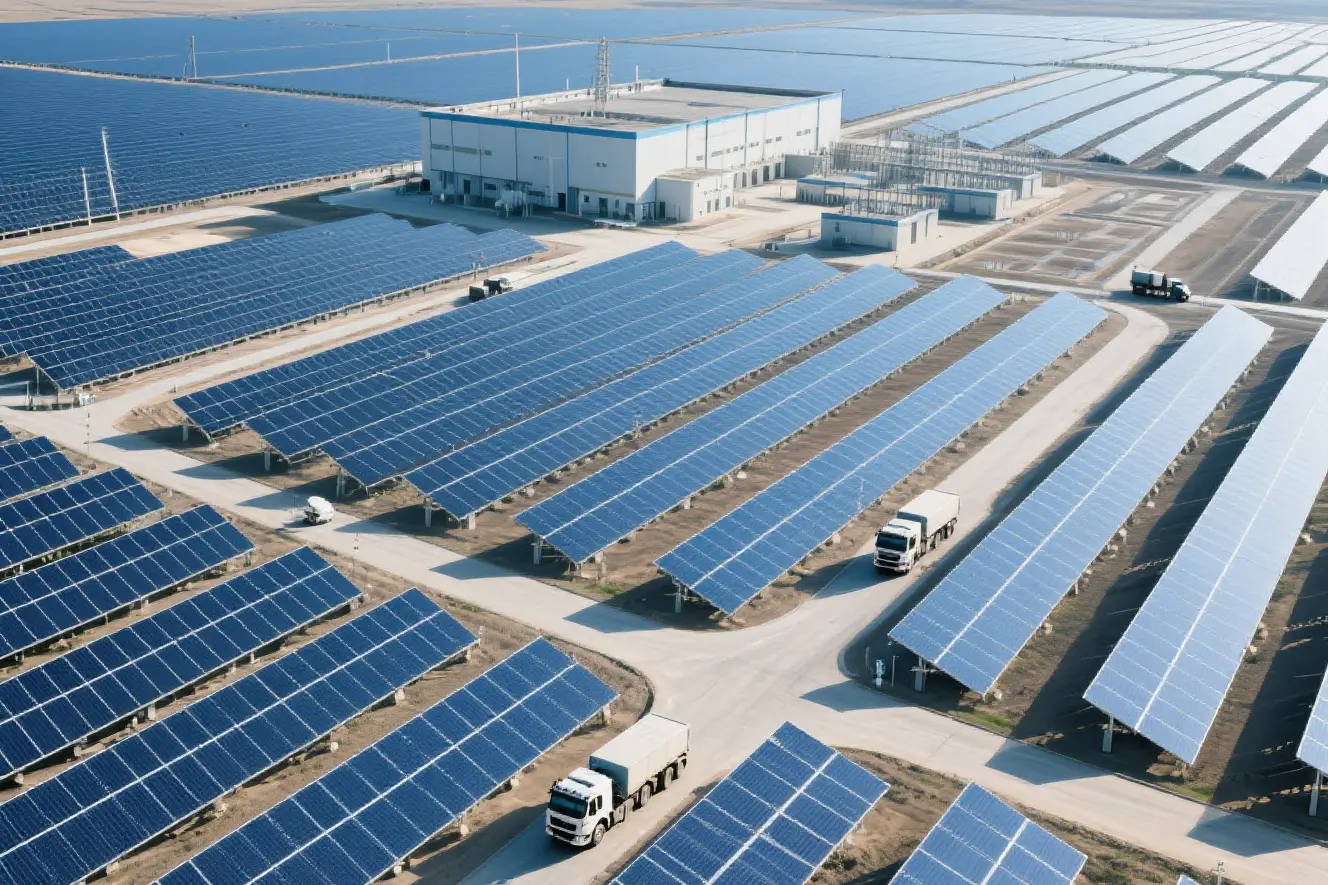
Application modes include grid-connected mode, off-grid mode, and integrated grid-connected/off-grid mode.
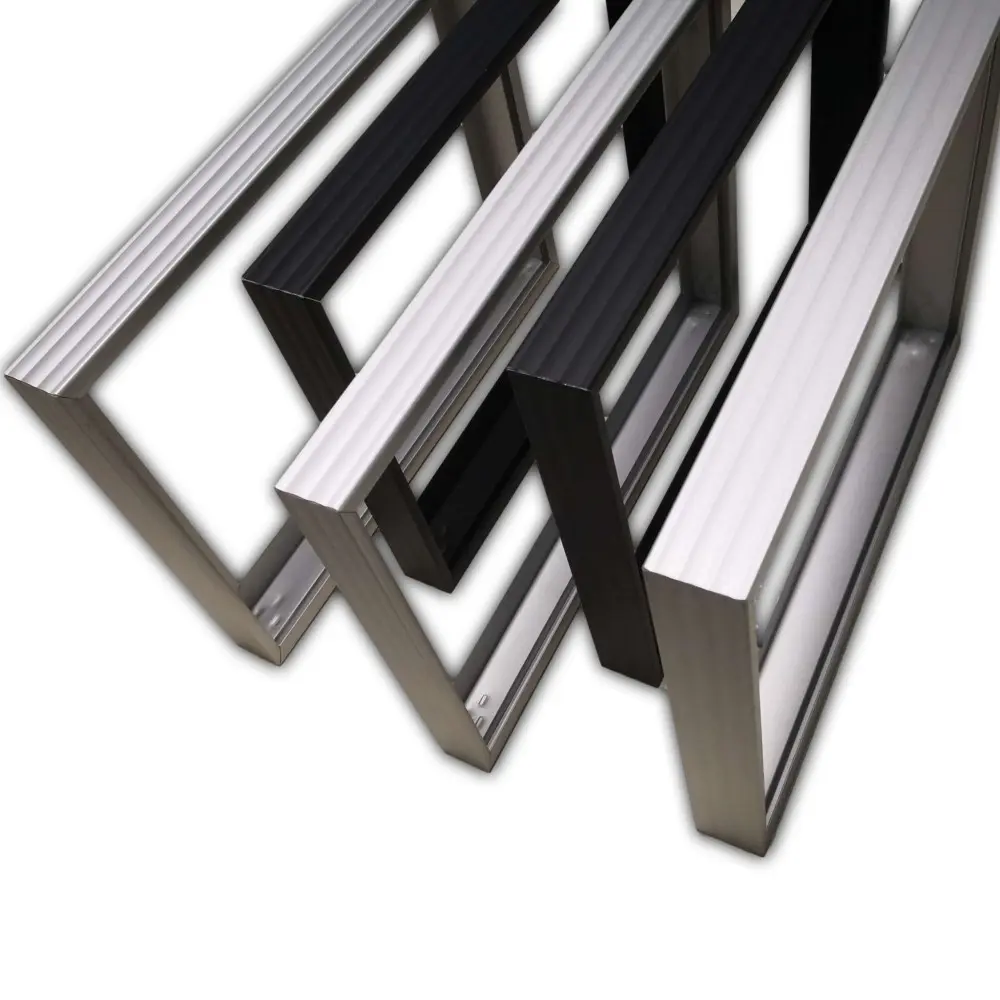
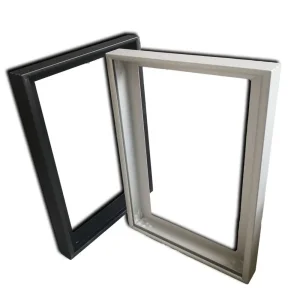
Made of high-quality anodized aluminum, it ensures superior weather resistance and a smooth, long-lasting finish.
Understanding the true components of production pricing and Bill of Materials (BOM) for portable solar setups.
Acquiring portable solar products requires a complete overview of manufacturing specifications and pricing metrics. High-quality outdoor systems require precise chemical structures, light transmission materials, and strong structural frames to maintain functionality over their 10-to-25-year lifespans. The table below outlines standard B2B estimates for wholesale procurement, highlighting how raw materials and structural profiles determine pricing.
| Product System / Component | Core Technical Specs | Material / Construction | Est. B2B Price Range (USD) | Key Performance Multipliers |
|---|---|---|---|---|
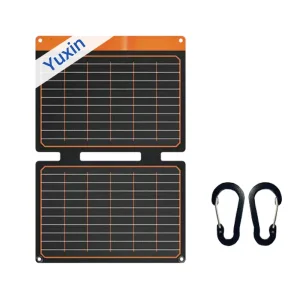
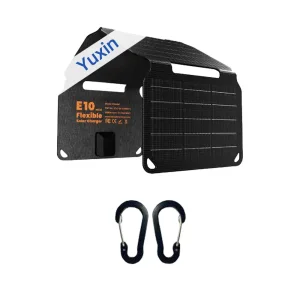
| Lightweight Solar Backpacks (10W - 30W) | 10W/20W/30W output, 5V USB output | Waterproof Oxford cloth, PET lamination | $12.00 - $35.00 | Integrated smart restart chip, dual ports |
| High-Capacity Backpacks (40W - 60W) | 40W/60W, 18V DC & USB QC3.0 output | ETFE coating, rugged composite backing | $40.00 - $85.00 | High temperature resistance, ETFE self-cleaning |
| Emergency Solar Generator (240W) | 240W panel output, 120V AC inverter compatible | Foldable Mono PERC, IP67 junction box | $140.00 - $290.00 | Integrated kickstands, parallel MC4 connectors |
| Anodized Aluminum Frames (6063-T5) | Tensile strength ≥ 160 MPa | Aluminum 6063-T5, anodized ≥ 15µm | $1,800 - $2,300 per Ton | Salt spray resistance ≥ 720 hours |
| Polyurethane Pultruded Frames | Excellent thermal insulation properties | Fiberglass reinforced polyurethane composite | Custom Quote | Zero corrosion, thermal expansion matching glass |
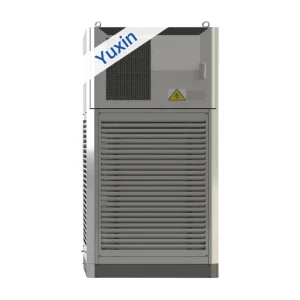
| Commercial Energy Storage (P01-EC60-30K) | 30kW PCS / 60kWh Capacity | Modular liquid-cooled LFP design | Custom Quote | 10,000+ cycle life, remote cloud monitoring |
When selecting portable equipment, relying on cheaper PET laminations instead of ETFE (Ethylene Tetrafluoroethylene) coatings often leads to early failure. PET laminations are prone to delamination under UV rays within 1.5 to 2 years, decreasing power output. Selecting premium ETFE coatings increases initial costs by 15-20%, but extends active field life to 10+ years. This structural choice reduces replacement cycles, delivering better long-term performance and lower operating costs.
Precision, Quality, and Safety - Your Photovoltaic Materials Expert
Located in the scenic historical and cultural ancient city of Yangzhou, close to the Beijing-Shanghai Expressway, Runyang Yangtze River Bridge, and Ningqi Railway, the group has a superior geographical location and convenient transportation. The group was established in 2008 and has 14 multi-field companies under its jurisdiction, including Jiangsu Yuxin New Energy Technology Co., Ltd., and has won many titles such as National High-tech Enterprise, Technology-based Enterprise, and Gaoyou City Top 100 Private Enterprises.
View MoreComplying with international regulatory frameworks to ensure safety, reliability, and export compliance.
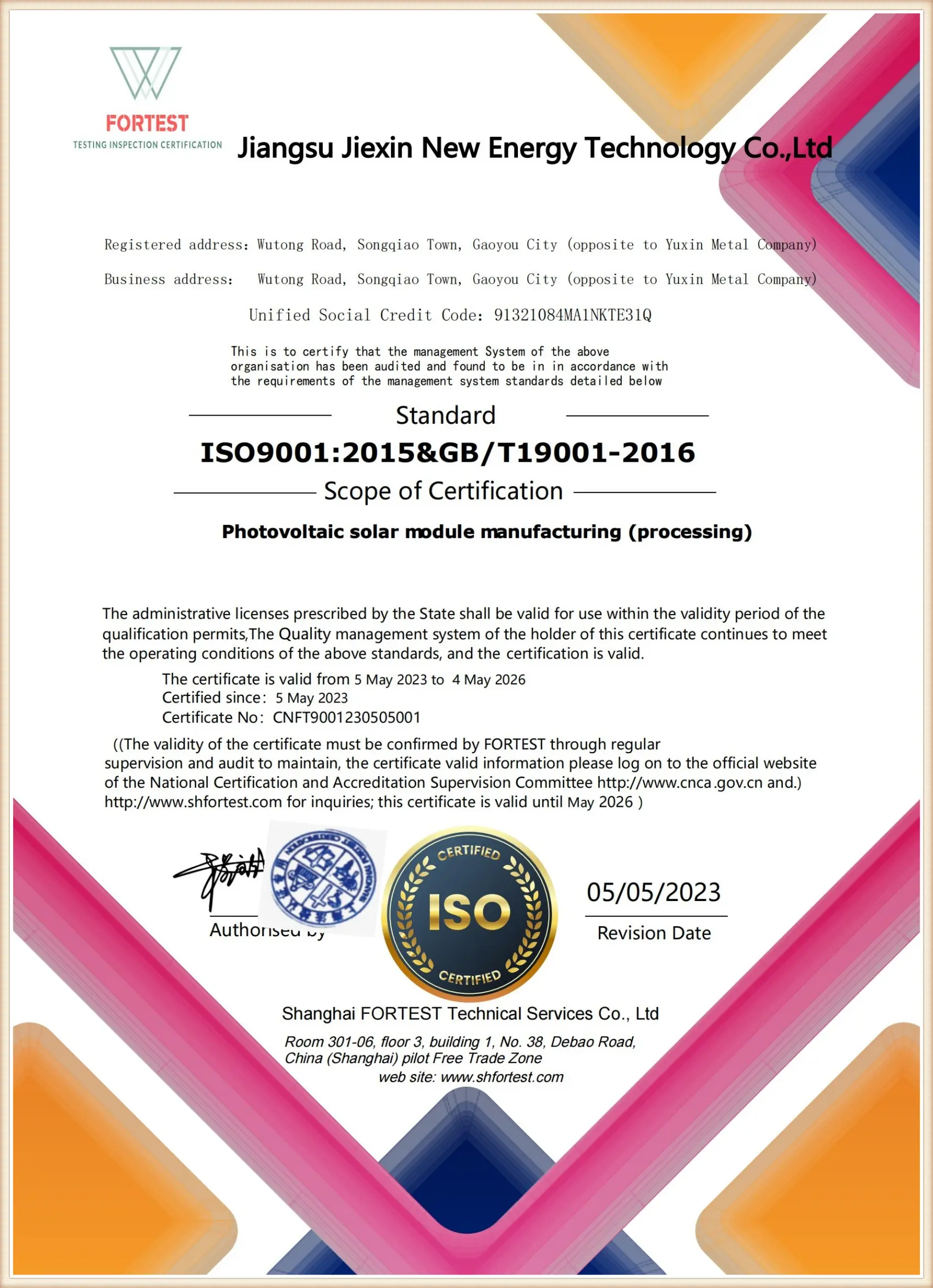
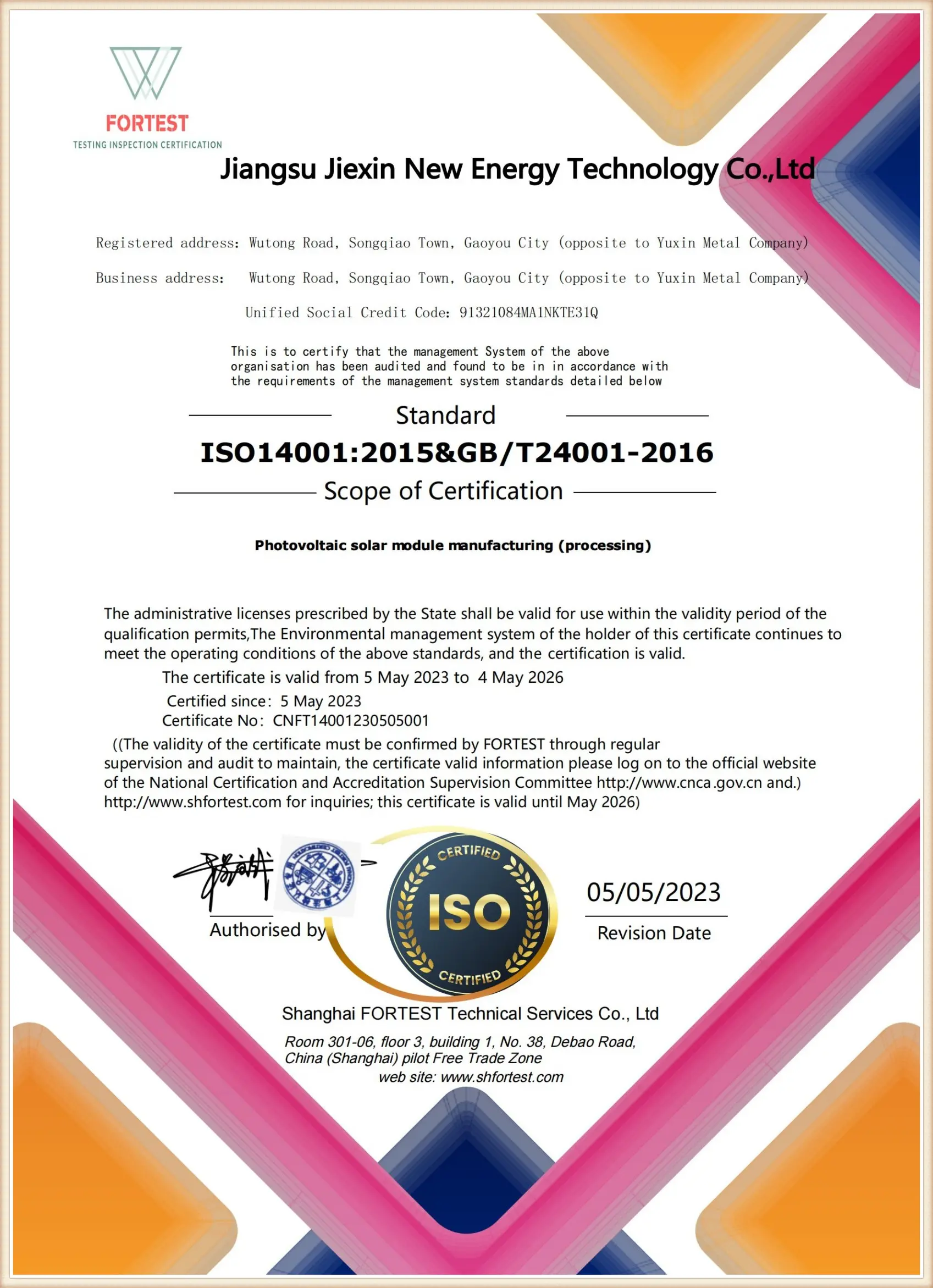
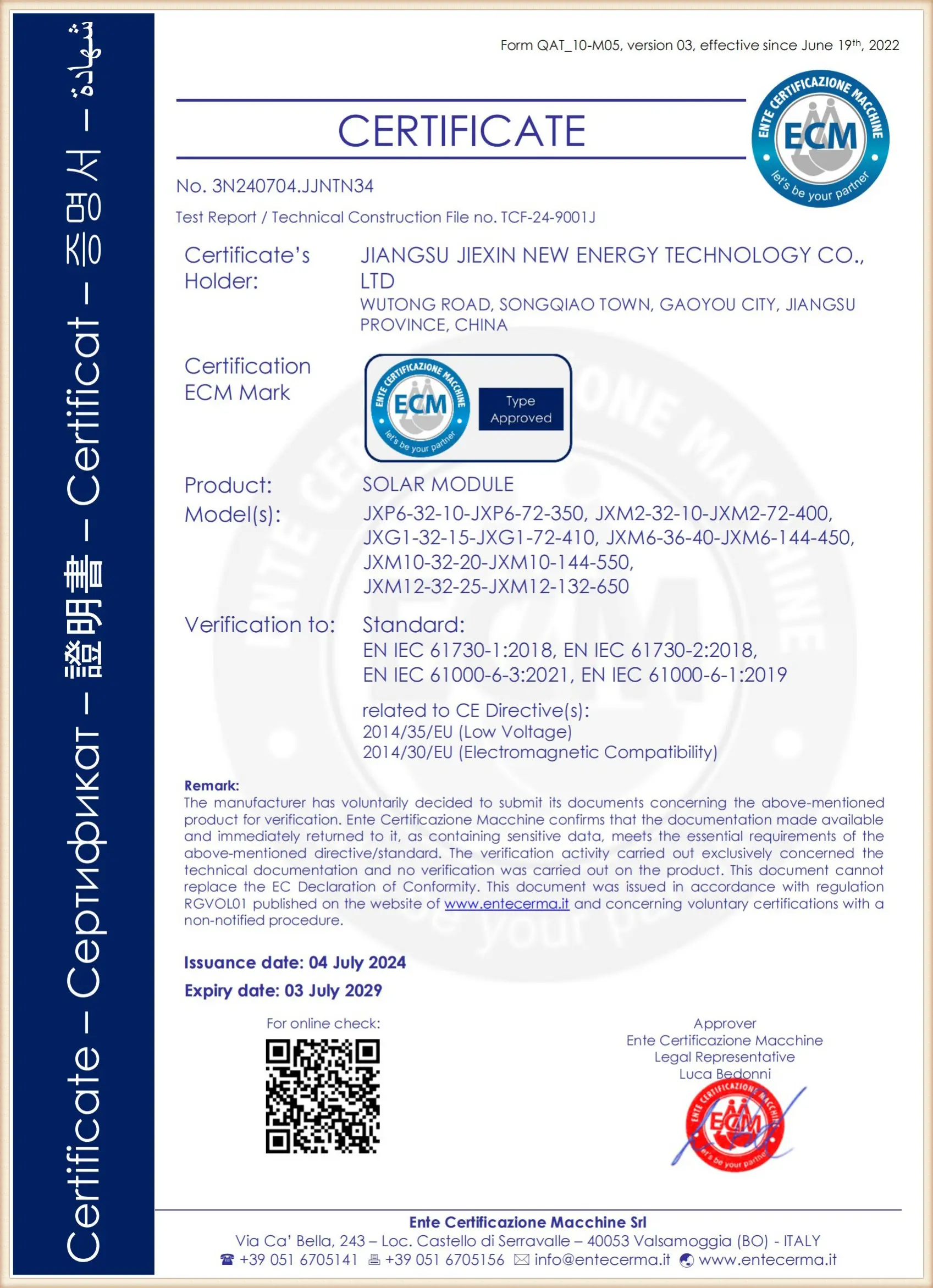
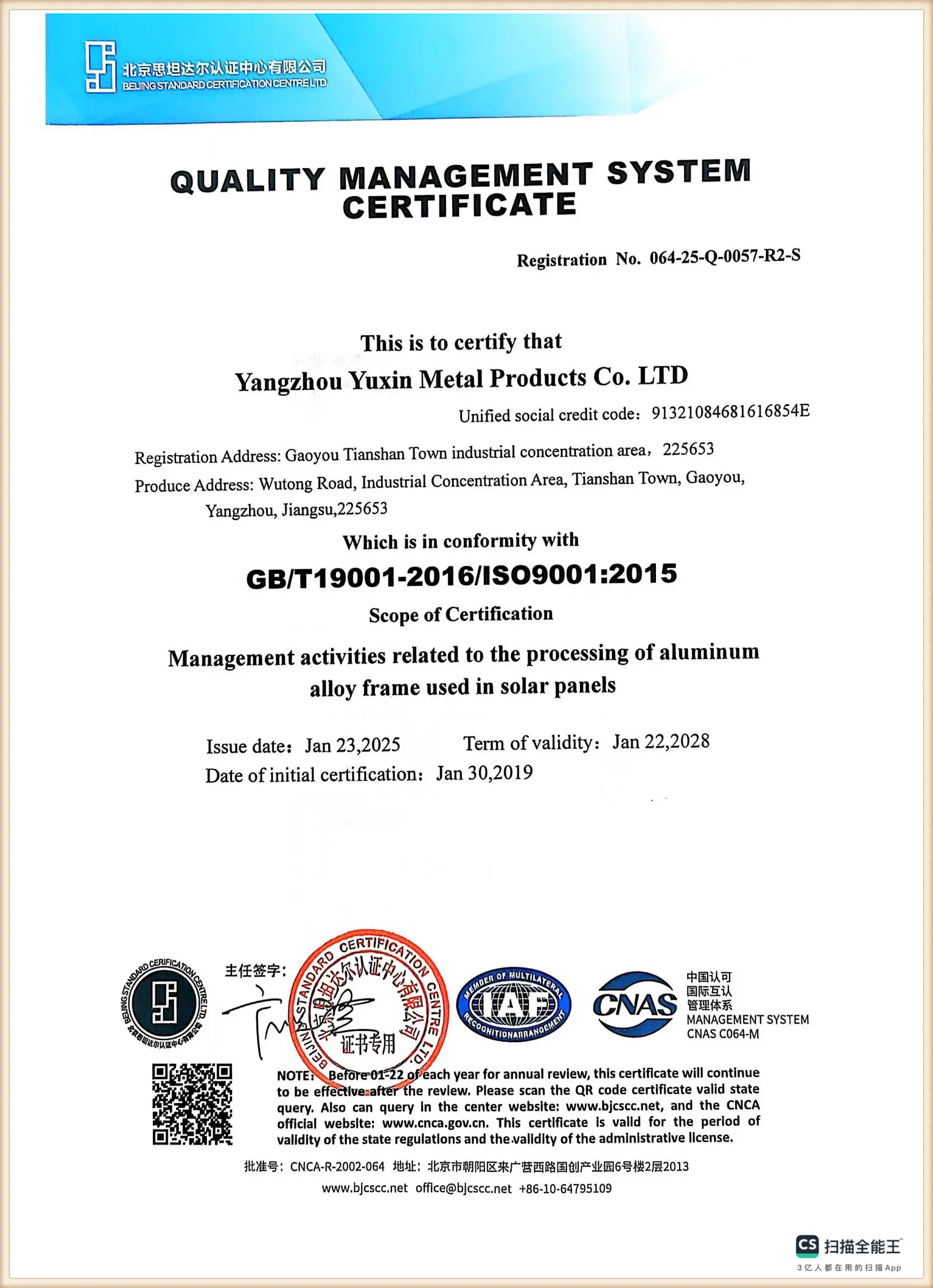
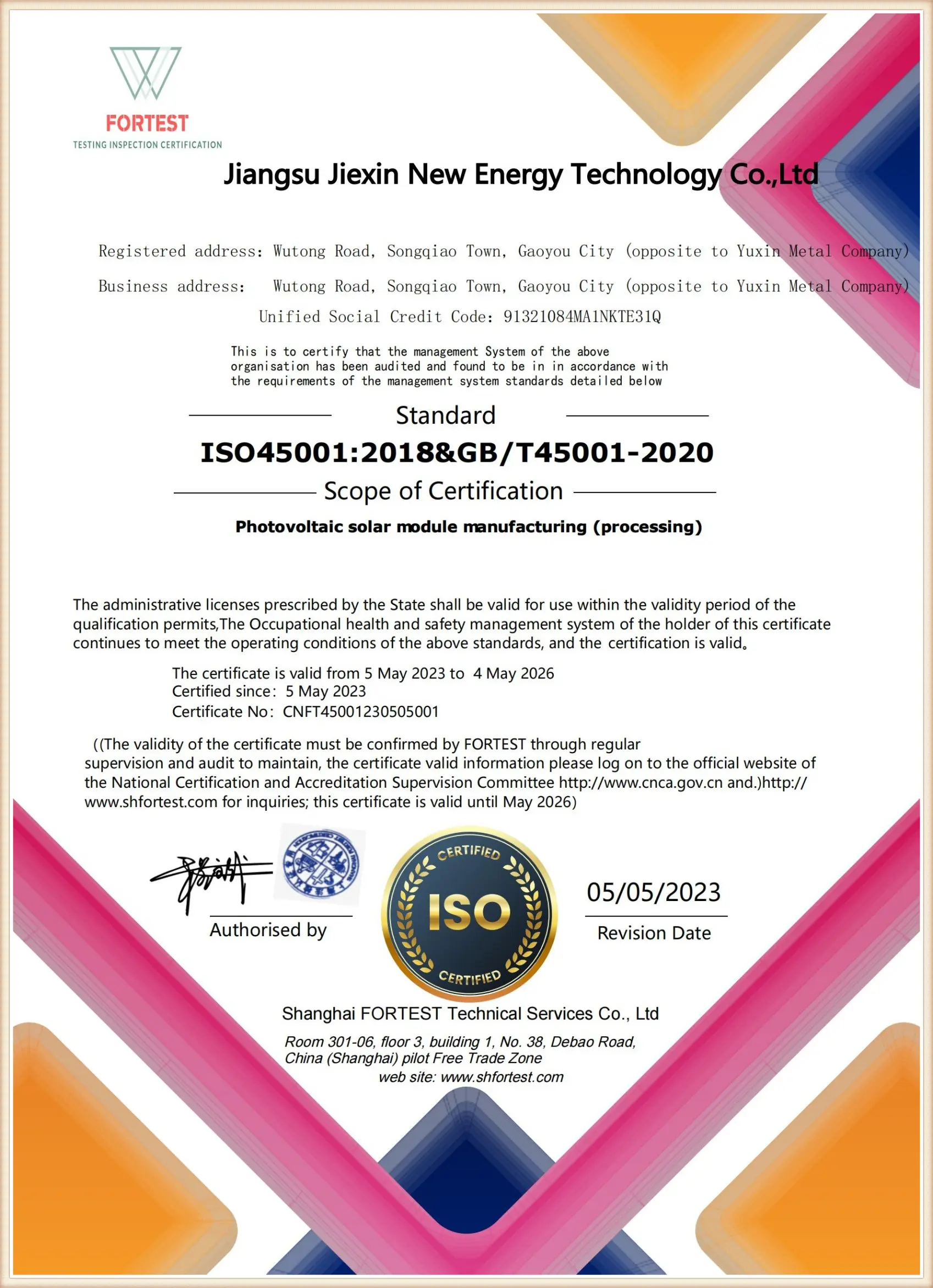
An overview of engineering milestones in battery integration, silicon efficiency, and composite frames.
Adapting portable camping solar arrays for long-term utility applications requires ongoing material improvements. Over the next five years, solar cell development will transition to perovskite-silicon tandem configurations. Tandem cells have achieved laboratory conversion efficiencies exceeding 30%, which will translate to a commercial panel efficiency of roughly 26-28% by 2028. For outdoor operations, this means reducing the footprint of portable folding panels by 15-20% while maintaining the same wattage output. This space-saving improvement simplifies logistics for mobile operations, off-grid research camps, and military deployment.
Simultaneously, portable battery technology is transitioning from liquid-electrolyte Lithium-Ion variants to semi-solid and solid-state Lithium Iron Phosphate (LiFePO4) frameworks. The structural advantages are clear:
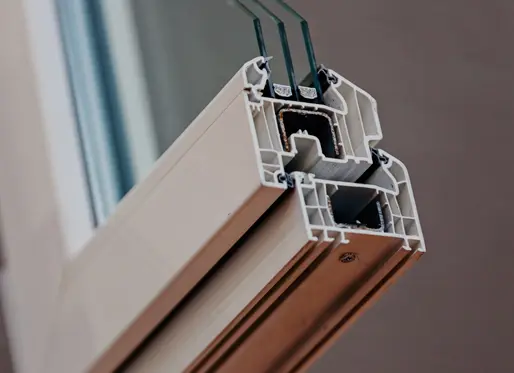
Structural support materials are also undergoing a quiet transformation. Anodized aluminum 6063-T5 has long served as the industry standard for solar panel framing due to its strength-to-weight ratio and corrosion resistance. However, composite pultruded polyurethane structures are carving out a distinct market share. Offering matching thermal expansion to cover glass, zero electrical conductivity (eliminating Potential Induced Degradation - PID), and excellent thermal insulation, these composite frames prevent thermal energy transfers to solar cells, maintaining high efficiency during operation.
Providing technical solutions for complex engineering configurations, packaging, and logistics.
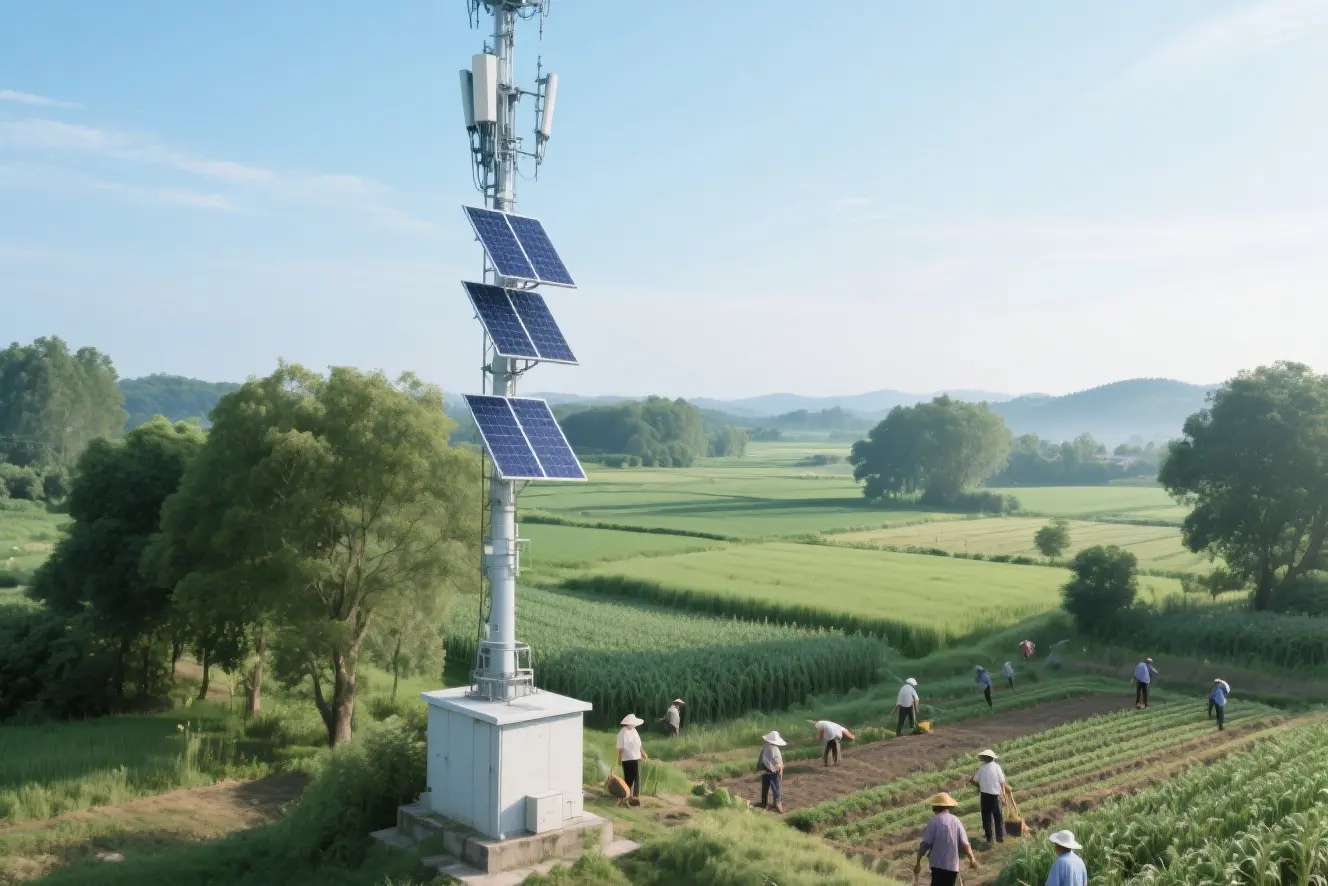
Modern developers require customized options rather than standard retail setups. When designing portable solar power systems for operations like disaster relief, telecom outposts, or construction monitoring, engineers must balance specific components: the PV collection area, BMS battery output curves, structural wind load limits, and transport profiles. A typical mobile system includes monocrystalline cells with conversion rates over 22.5%, protective polymer backing, and a matching charge controller with an LFP battery pack. This integrated configuration delivers reliable power in off-grid conditions.
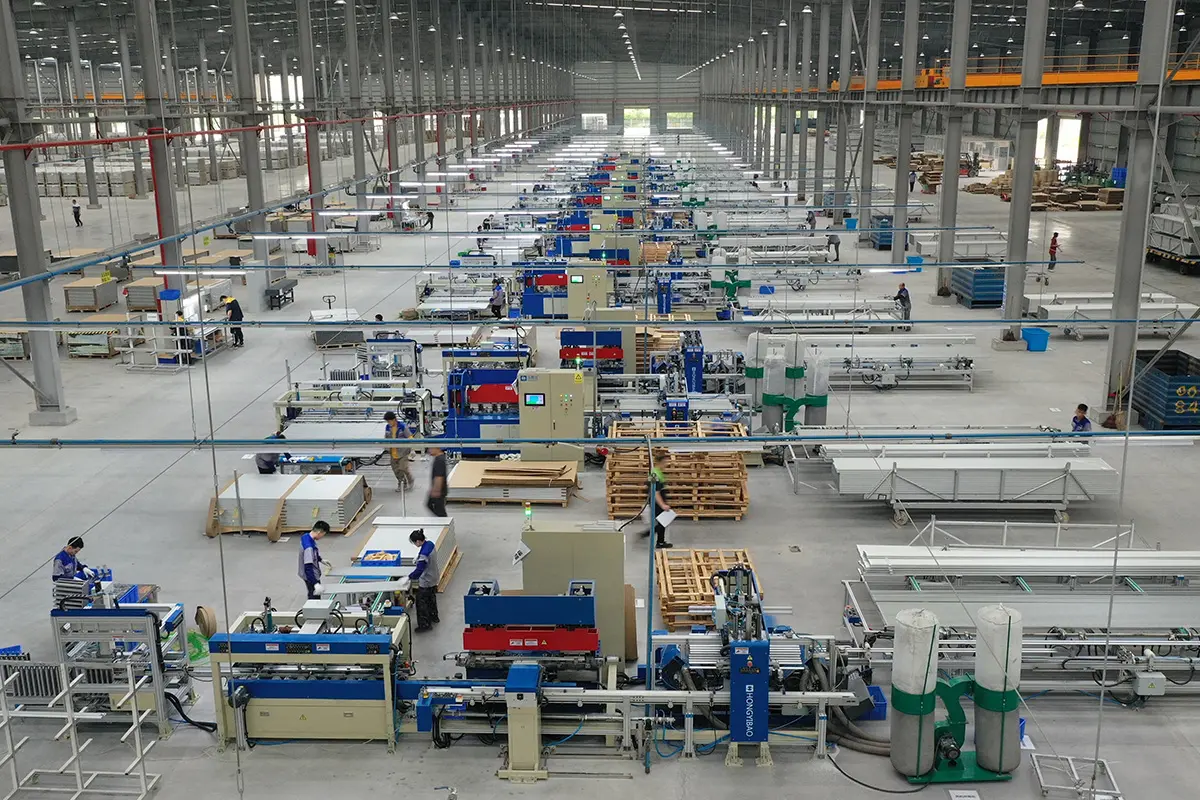
Yuxin's custom OEM services bridge this gap. Our production facilities manufacture anodized aluminum frames, design pultruded polyurethane composite parts, and assemble finished portable panels. These components are developed in our Yangzhou plant to ensure precise fits and reliable joints. This in-house manufacturing process protects the inner components from rain, dust, and physical shocks during transit and field operations, ensuring long-term structural integrity.
Collaborating with global leaders to supply reliable photovoltaic equipment and components.

Stay updated on materials science, QA standards, and manufacturing updates from the YUXIN team.
Providing clear answers to common questions about portable solar technology, cell materials, and manufacturing specifications.
Discover our comprehensive collection of solar panel systems, protective frames, and energy storage options.