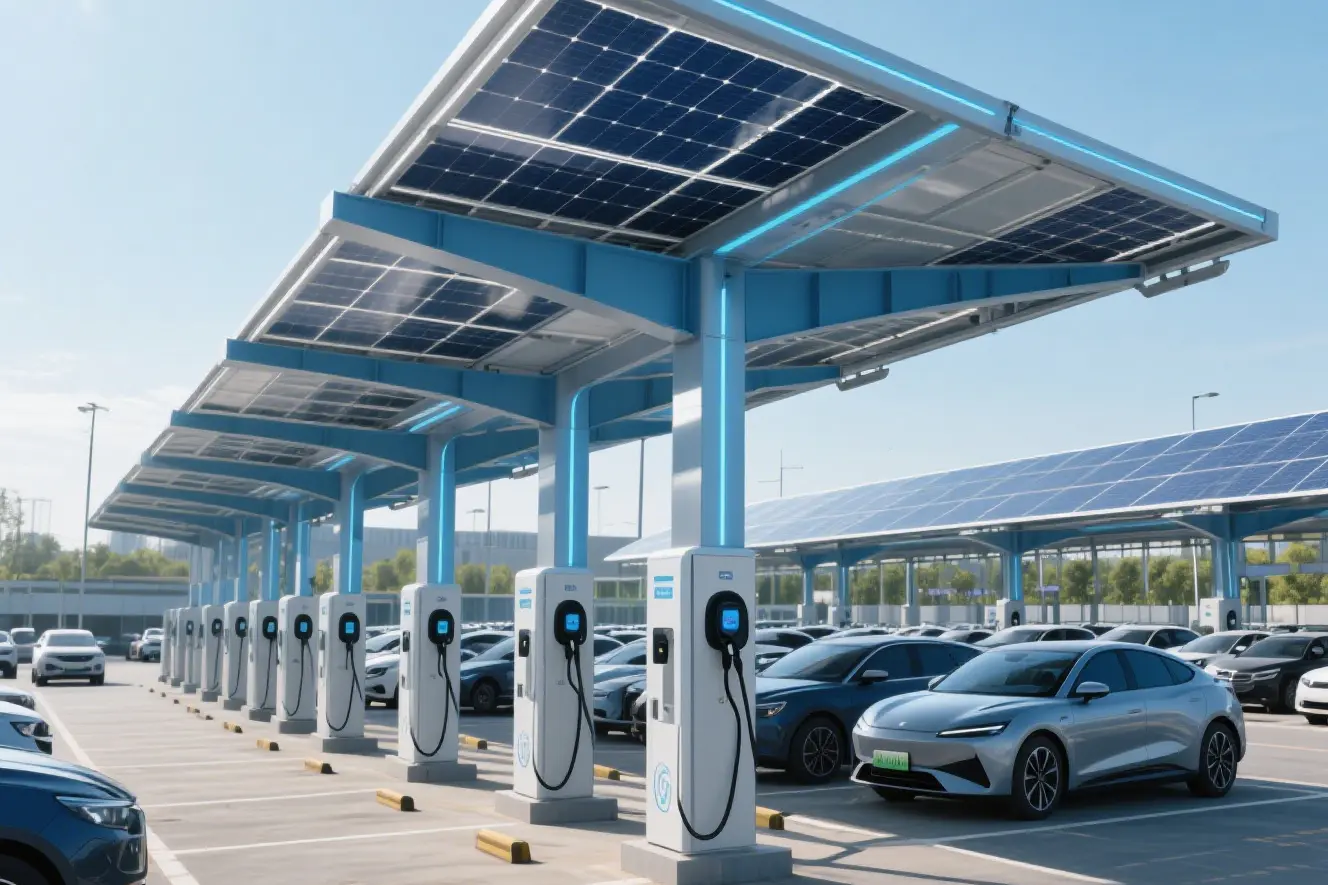
Smart Grid Mitigation Systems

Cheap Power Solution For Load Shedding Manufacturer & Quotes

Reliable Photovoltaic Energy Storage Systems, Monocrystalline TOPCon & PERC Modules, and Structural Aluminum Framing Engineered for Grid Resilience.

Vertical Factory Sourcing

By producing frames, panels, and integrated power racks in the same geographic hub in Jiangsu, we reduce transit, eliminate margin stacks, and deliver unparalleled cost efficiency.

Tier-1 Hardware Reliability

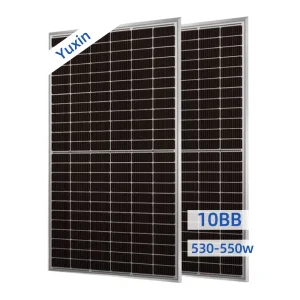
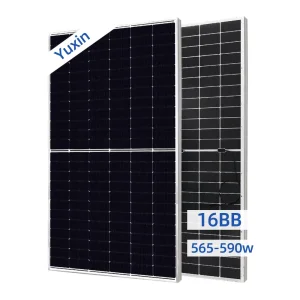
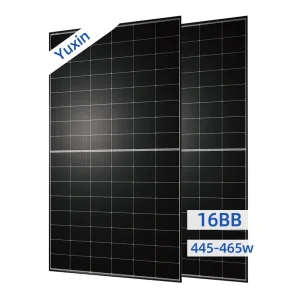
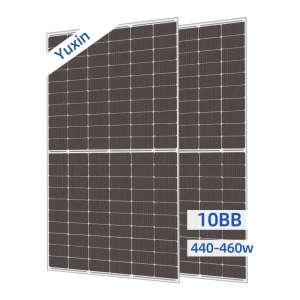
Designed around the requirements of the IEC 61215/61730 certifications. Every batch of monocrystalline modules features premium multi-busbar (MBB) engineering to maximize output under diffused light.

Grid-Code Compliant

All household and commercial BESS solutions come pre-certified to meet European, African, and Central American grid connection requirements, minimizing commissioning times.

The Engineering Approach to Cheap Power Solutions for Load Shedding

Grid instability, rolling blackouts, and localized load shedding are no longer temporal disruptions; they are persistent structural threats to modern industrial, commercial, and residential productivity. Minimizing the levelized cost of energy (LCOE) while securing localized power backup demands a balance of high-performance components and cost-efficient raw material sourcing. For utility procurement directors and developers globally, securing a reliable, cost-effective power solution involves understanding the core components of modern solar and battery architectures.

Information Gain Metric: Standard "cheap" backup power solutions often fail because they rely on low-grade modified sine wave inverters and low-cycle lead-acid batteries. A truly cost-effective system requires modern, high-density Lithium Iron Phosphate (LiFePO4) storage, N-type TOPCon monocrystalline PV modules, and structural 6063-T5 aluminum framing designed to survive maximum wind load velocities up to 2400 Pa.

Chinese Factory & Supply Chain Strengths

Establishing cost advantages without sacrificing mechanical and electrical safety is achievable through consolidated industrial hubs in China. Factories located in Jiangsu leverage proximity to raw aluminum extrusion facilities, silicon refining centers, and marine shipping terminals like Shanghai and Ningbo ports. This cluster effect drastically reduces localized logistics expenses, allows manufacturers to access raw ingot pricing directly, and scales assembly operations to support high-volume OEM orders.

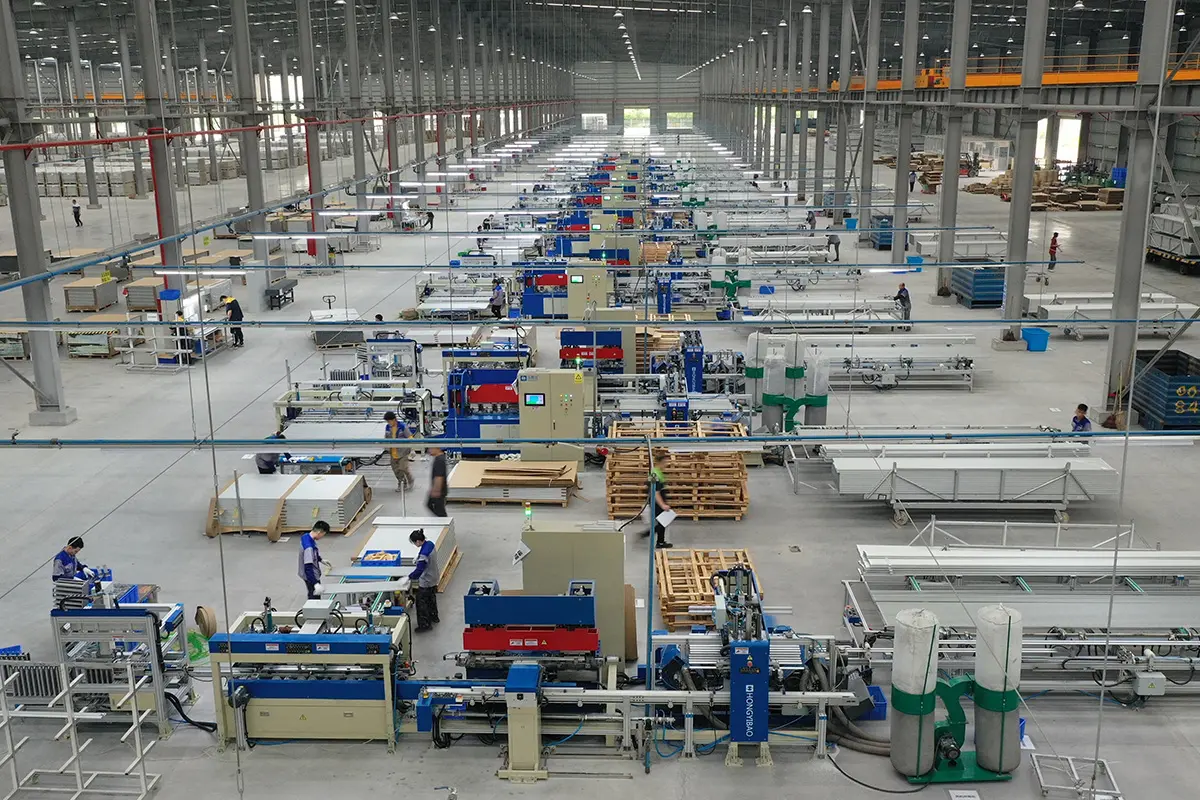
With more than 21 production lines, automated frame welding, and high-efficiency stringer operations, modern Chinese facilities maintain stringent tolerances down to 0.1mm. This systematic automation ensures that the PV components can withstand the mechanical pressures of variable environmental temperatures over a standard 25-year warranty period.

Global Enterprise Procurement Requirements

Enterprise procurement professionals seeking cheap power solutions for load shedding must evaluate critical criteria to ensure long-term return on investment:

  • Certifications & Compliance: Verification of CE, IEC 61215, IEC 61730, and UL standards is essential to guarantee local grid authorization and satisfy corporate liability requirements.
  • DOD & Cycle Lifespan: Industrial storage solutions must provide a minimum of 6,000 charge cycles at 80% Depth of Discharge (DoD) to avoid premature cell degradation.
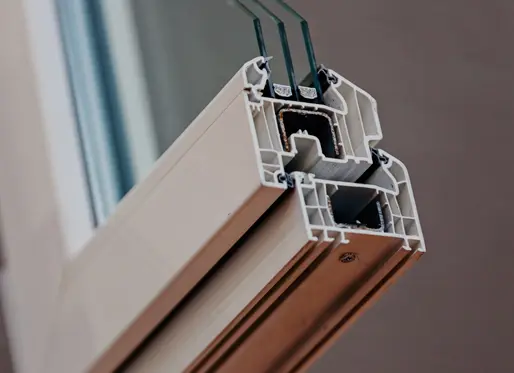
  • Mechanical Integrity: PV structural supports require anodized 6063-T5 aluminum framing, featuring a minimum anodization thickness of 15 microns to survive coastal or high-salinity air profiles.
  • System Scalability: Energy storage options must feature modular expansion capacities (e.g., from 10kWh to 30kWh stacks) to align capital expenditures with increasing load requirements.
Certified Photovoltaic Excellence

About YUXIN

Precision, Quality, and Safety - Your Photovoltaic Materials Expert

Located in the scenic historical and cultural ancient city of Yangzhou, close to the Beijing-Shanghai Expressway, Runyang Yangtze River Bridge, and Ningqi Railway, the group has a superior geographical location and convenient transportation. The group was established in 2008 and has 14 multi-field companies under its jurisdiction, including Jiangsu Yuxin New Energy Technology Co., Ltd. We are proud to have won titles such as National High-tech Enterprise, Technology-based Enterprise, and Gaoyou City Top 100 Private Enterprises.

By streamlining our production pipelines across aluminum extrusion, module framing, and battery cell housing fabrication, we ensure that every solution destined for load shedding relief is structurally sound, certified, and economically competitive on the global stage.

Global Industrial Capabilities

21+
Production Lines
$86M+
Sales Revenue
12k+
Tons Exported
25k+
Tons Output

Core Systems Portfolio

Engineered for off-grid failover, agricultural output management, and commercial peak-shaving applications.

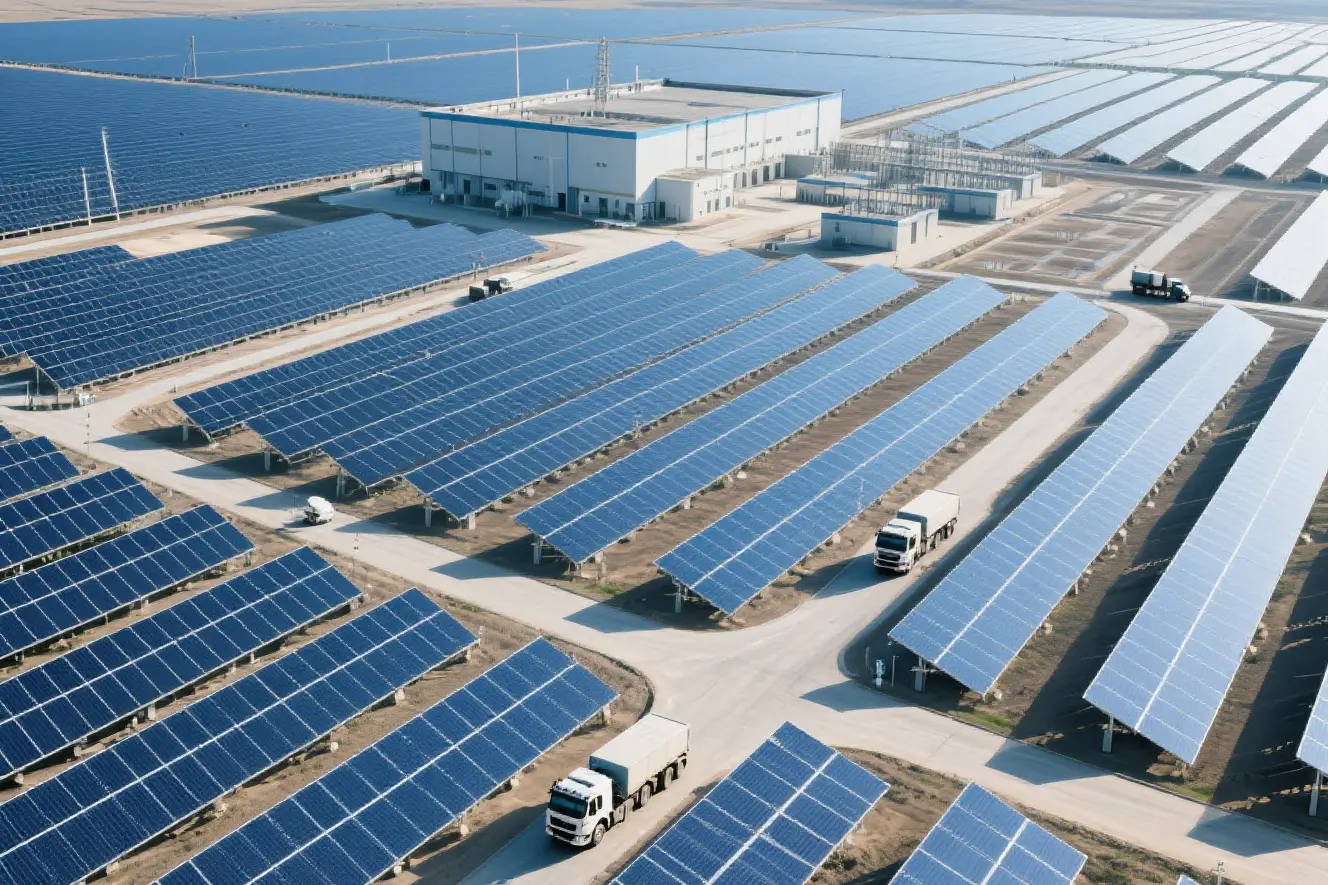
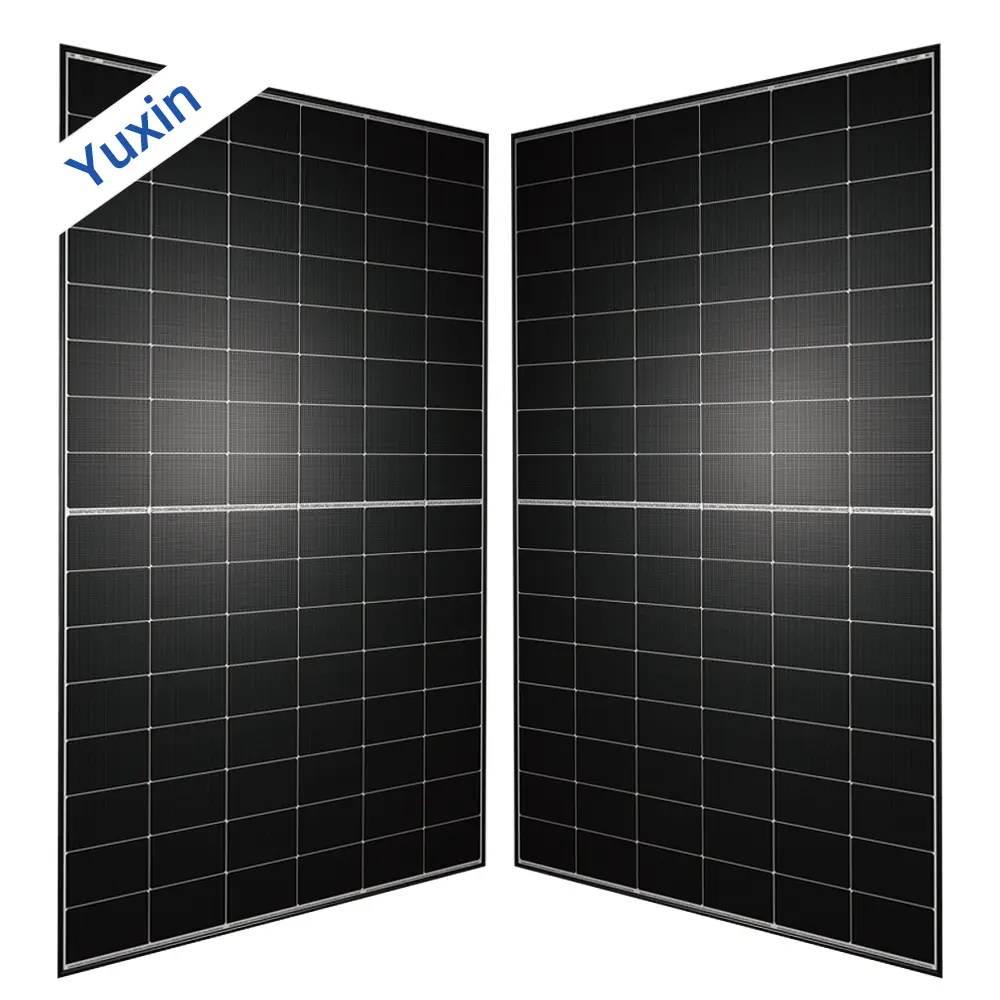
Solar Panel

Solar Panel

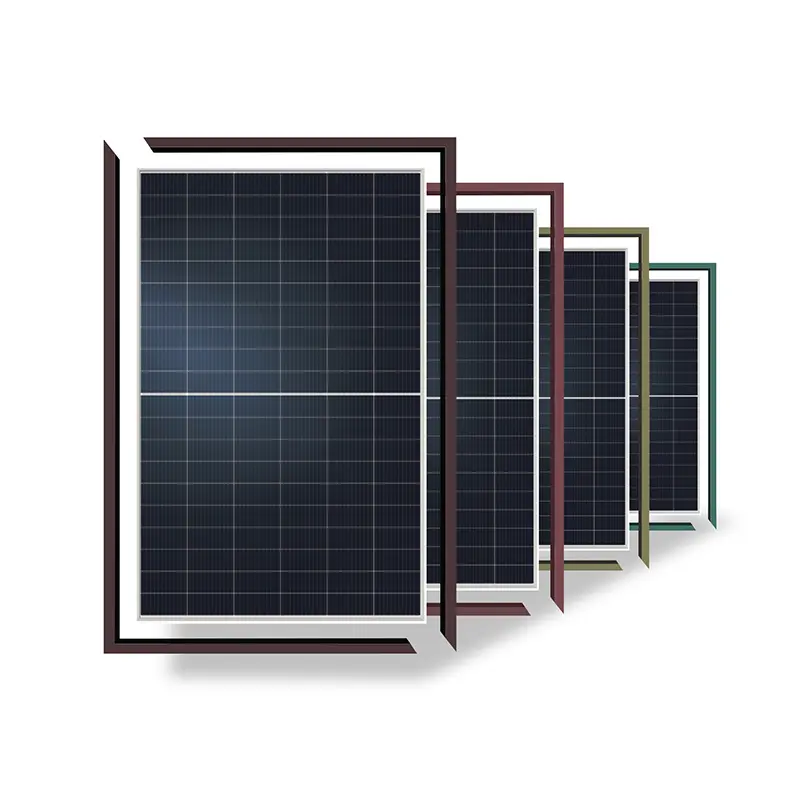
Lightweight design with transparent back panel for easy installation and reduced BOS costs.

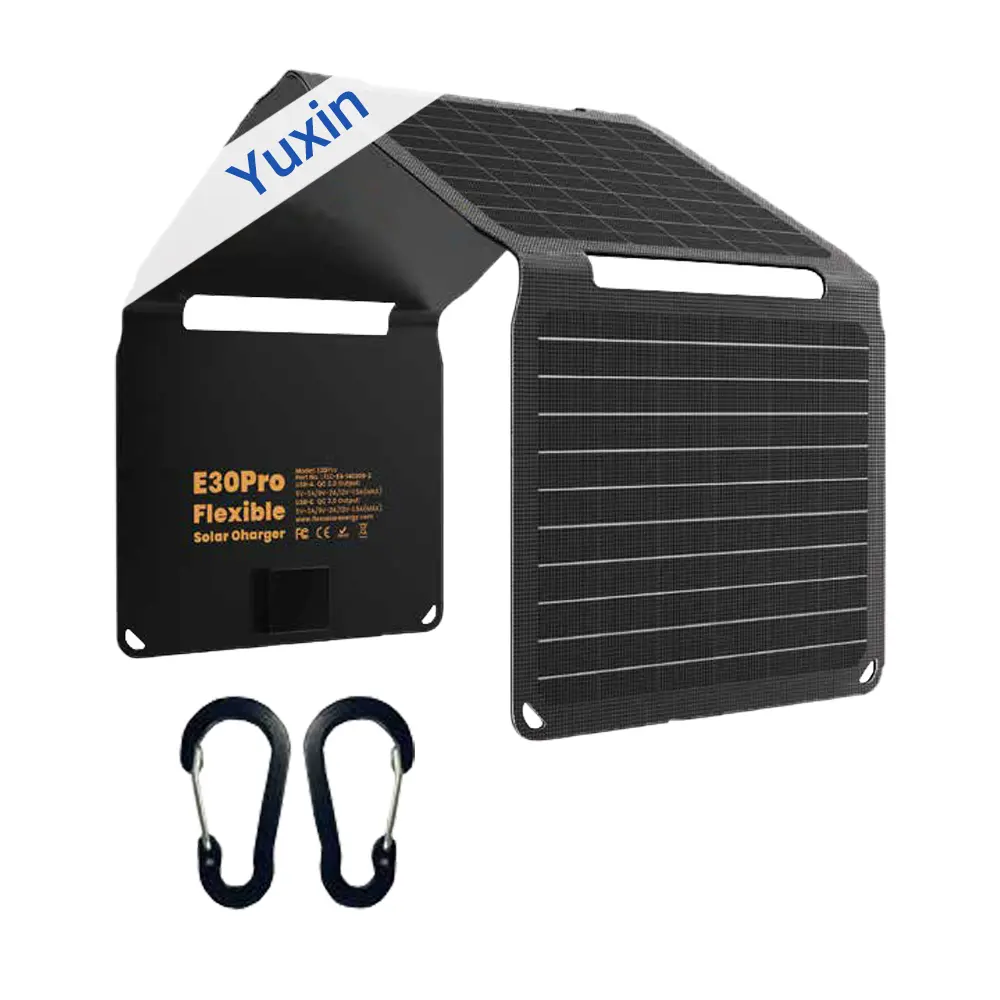
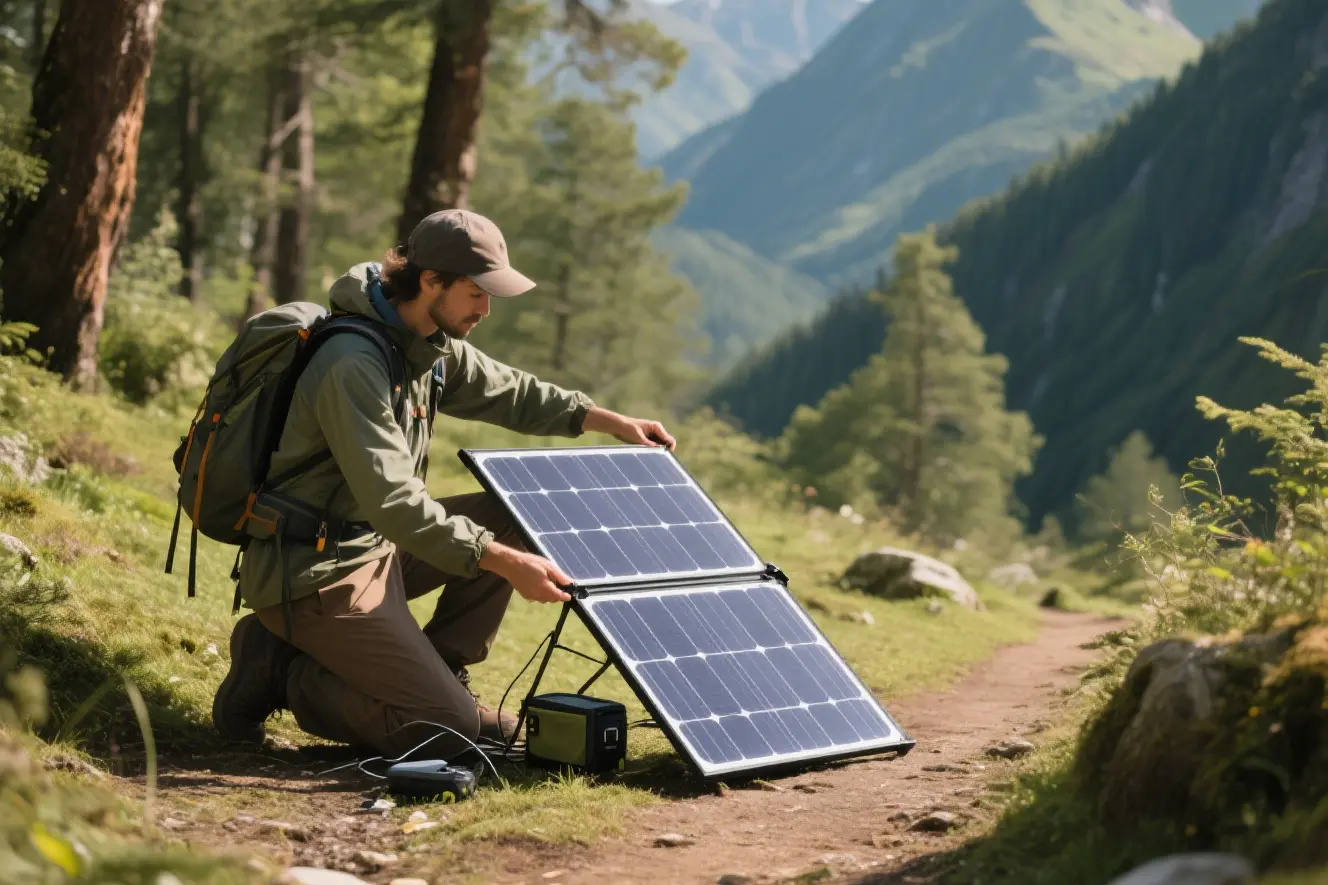
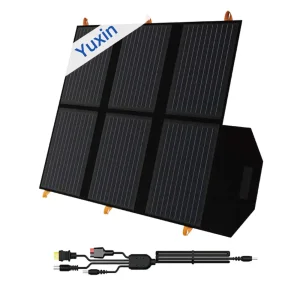
Portable Solar Charger

Portable Solar Charger

Utilizing advanced monocrystalline silicon cells, it achieves a high energy conversion efficiency of 24%.

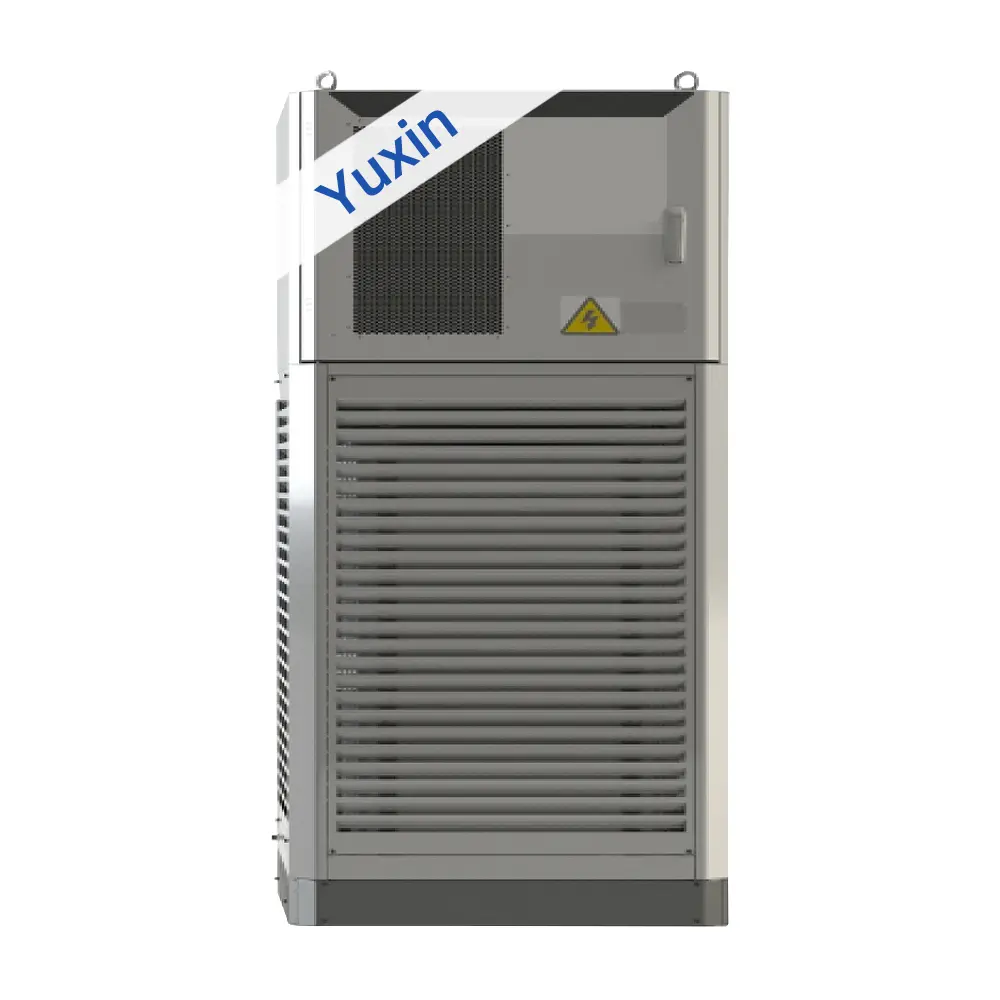
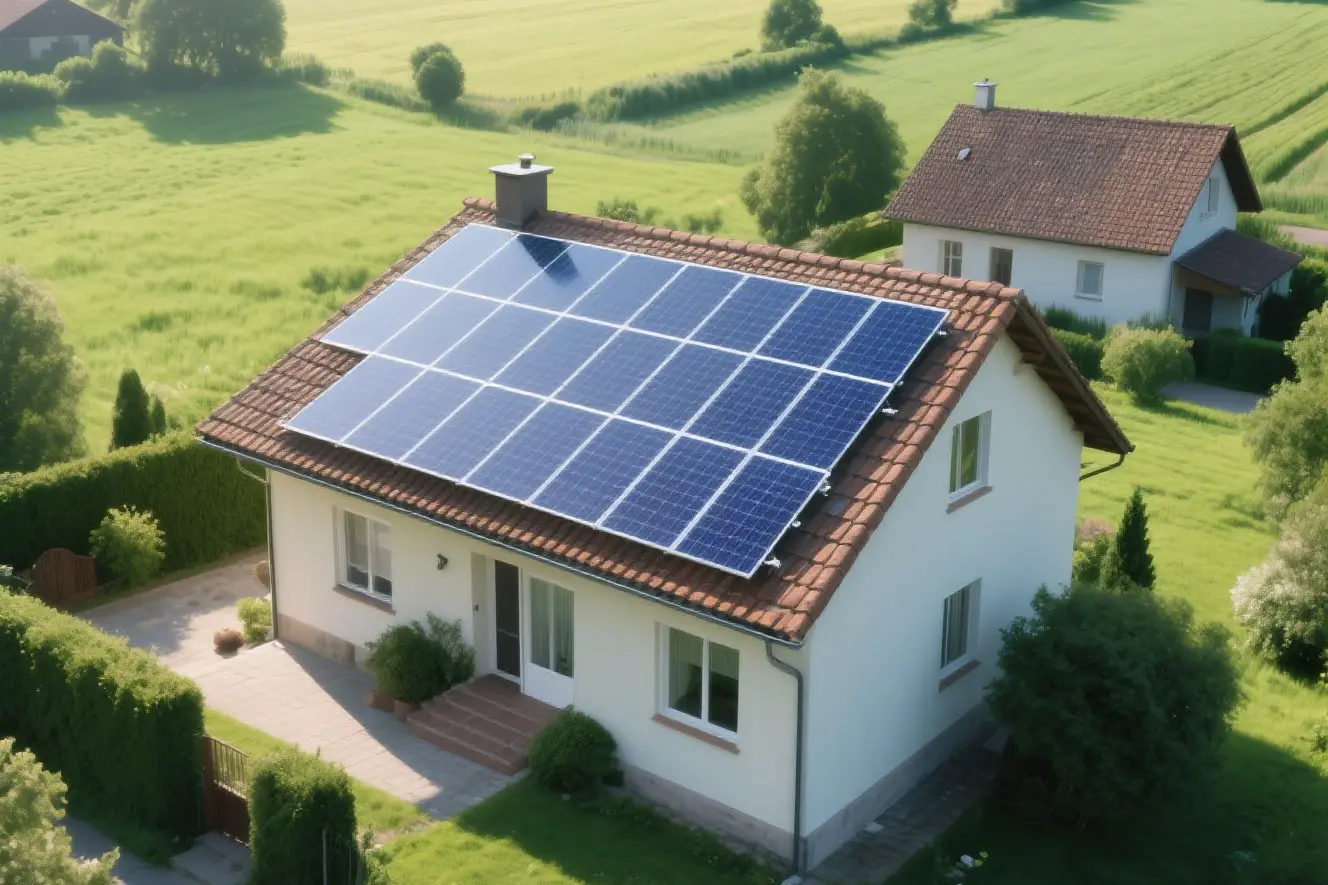
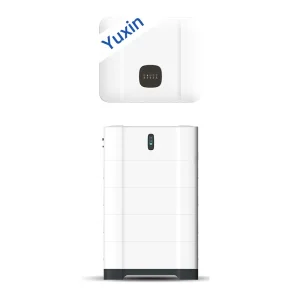
Solar System for Home

Solar System For Home

Application modes include grid-connected mode, off-grid mode, and integrated grid-connected/off-grid mode.

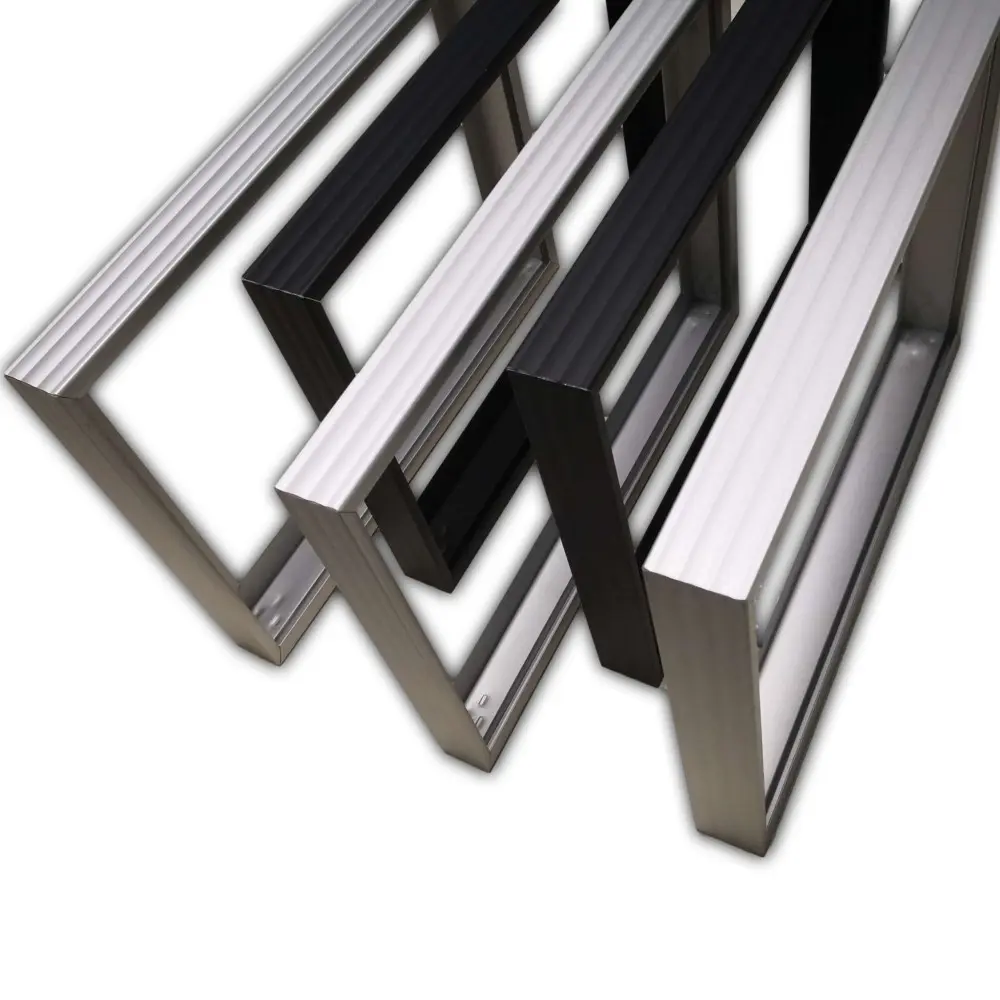
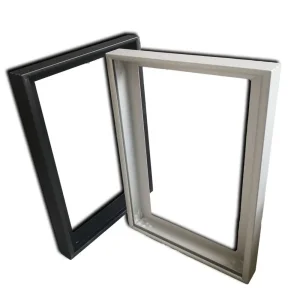
Aluminum Frames

Aluminum Frames

Made of high-quality anodized aluminum, it ensures superior weather resistance and a smooth, long-lasting finish.

Industry Applications

Our components are built to supply continuous, cost-optimized energy across critical socio-economic sectors.

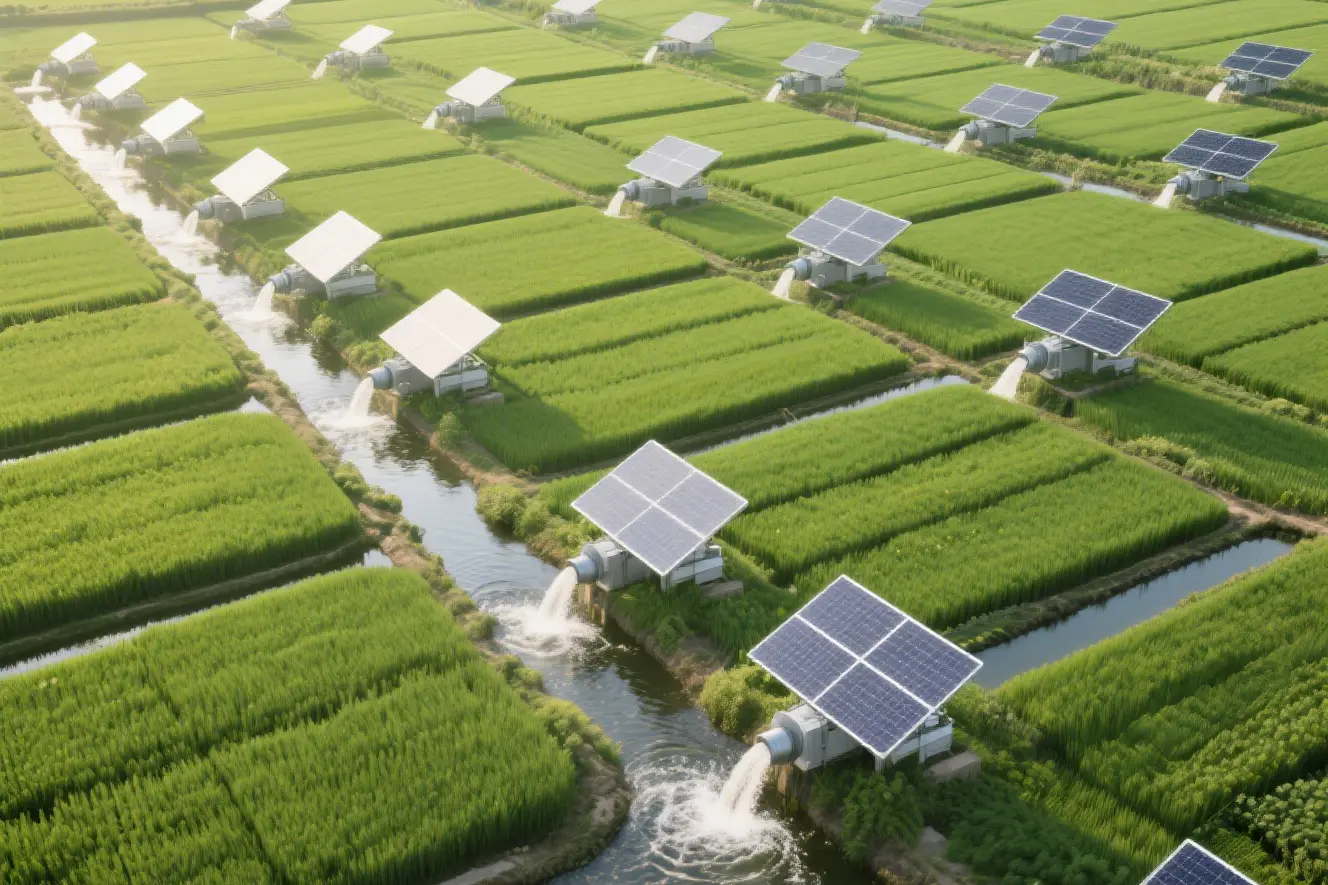
Agriculture
Agriculture
Construction Industry
Electric Power Industry
Outdoors
Outdoors
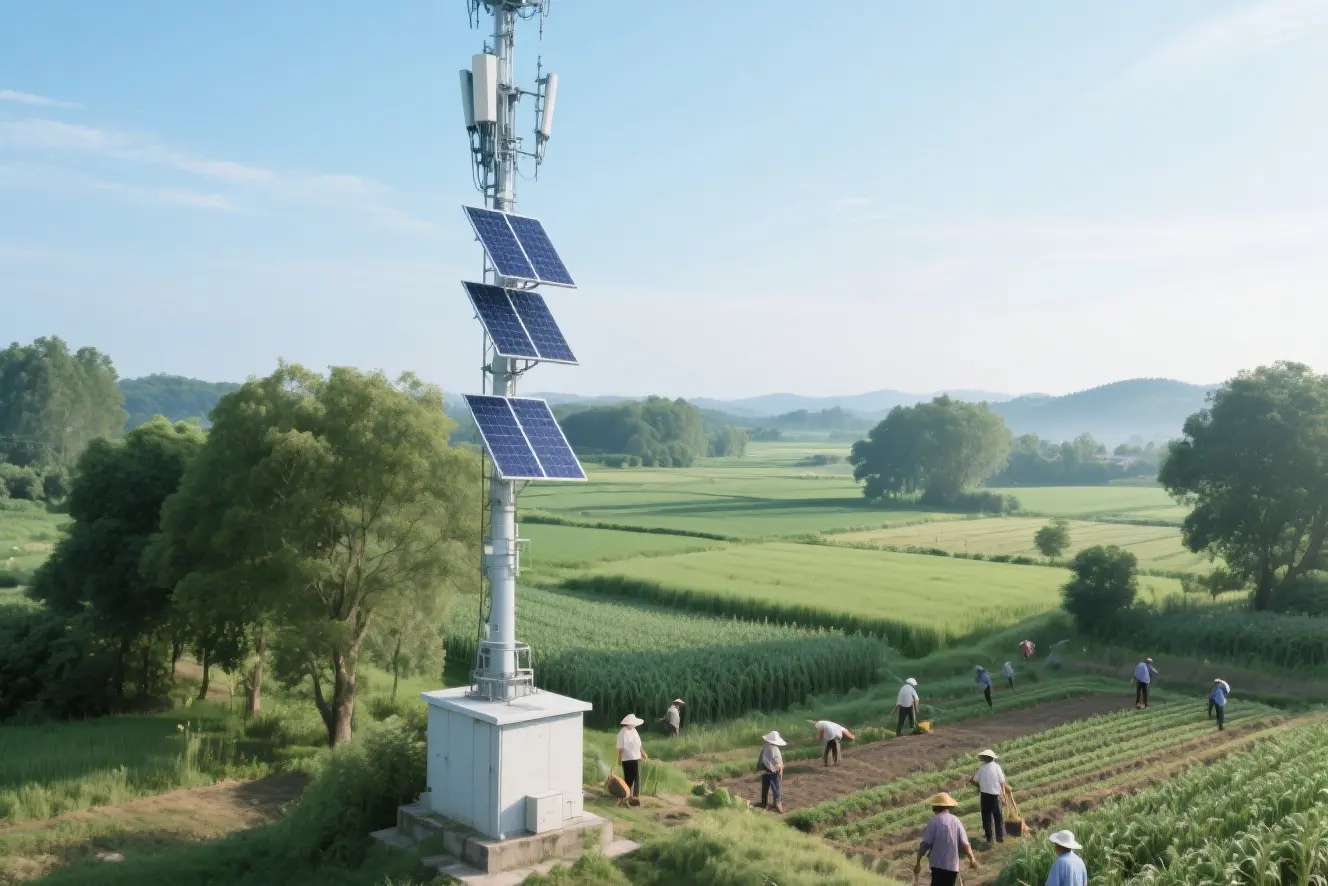
Telecommunications Field
Transportation Industry

Local Compliance & Regulatory Standards for Load Shedding Mitigation

Deploying storage and solar installations to buffer against grid failure requires adherence to regional safety codes. Without local compliance, developers risk grid interconnection rejection and insurance denial. Modern deployments must satisfy distinct parameters depending on the jurisdiction:

1. South African National Standards (SANS) & NRS 097

In South Africa, where load shedding is a daily reality, backup systems must be registered with the local municipality (e.g., City of Cape Town, City Power). Hybrid and grid-tied inverters must be approved under the NRS 097-2-1 standard, which regulates anti-islanding parameters. This ensures that when the national utility goes down for load shedding, the local solar array does not feed power back into the grid, protecting field technicians working to repair lines.

2. CE & European Norms (EN)

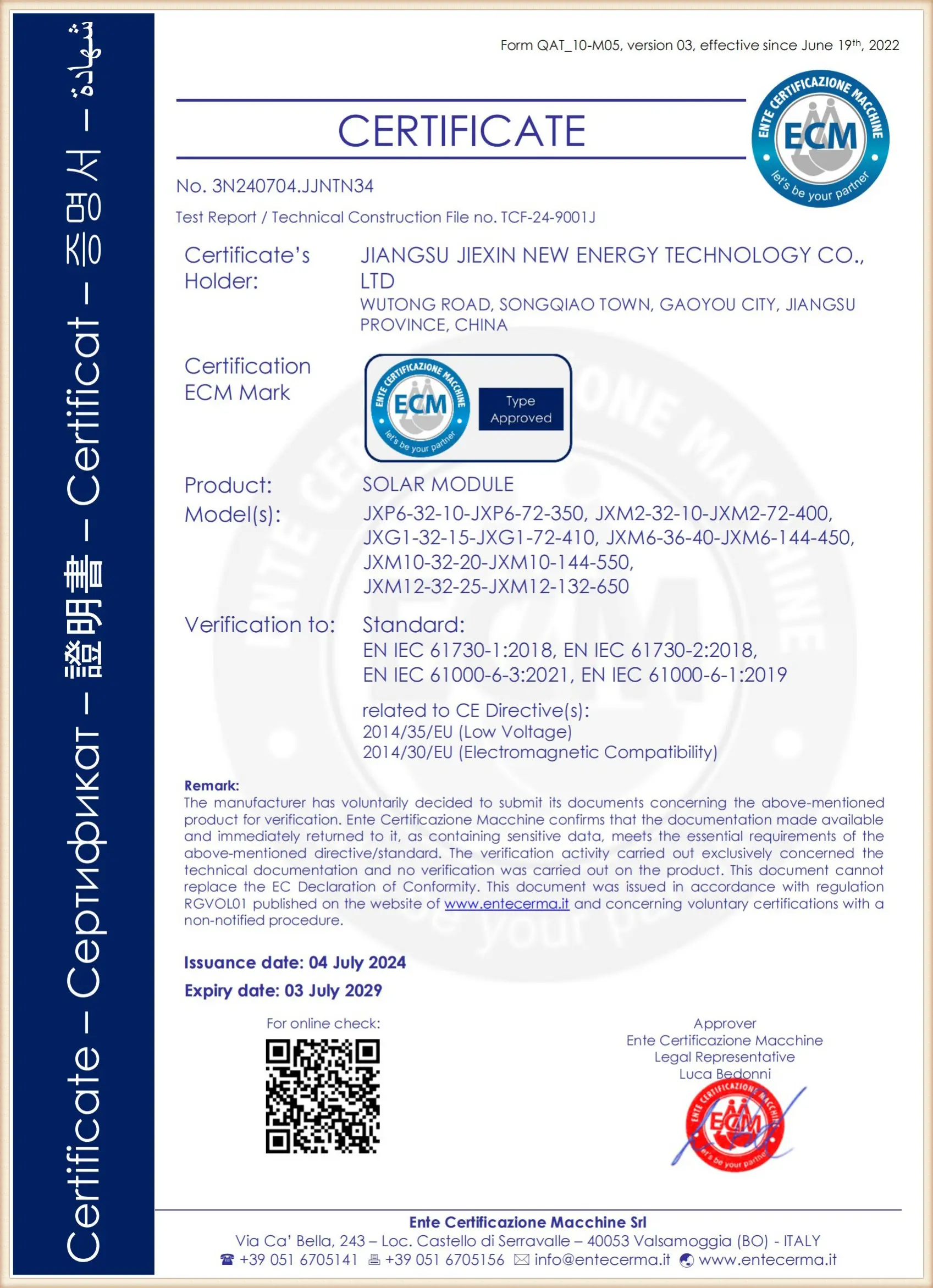
For installations throughout Europe, products must display CE certification, validating conformance to low voltage directive (LVD) 2014/35/EU and electromagnetic compatibility (EMC) directive 2014/30/EU. In addition, battery storage products must conform to safety standard EN 62619, which details safety testing criteria for secondary lithium cells to mitigate thermal runaway risks.

3. Central and North American Code Compliance

In regions affected by storm-induced grid outages, local systems must comply with UL 9540 (energy storage systems and equipment safety) and UL 1741 (inverters and controllers). Solar panel frames must also be grounded using approved UL 467 components, ensuring that transient surges do not damage the building’s main electrical distribution board.

Pro Procurement Tip: Always verify that the manufacturer offers pre-drilled grounding holes and structural analysis certifications (such as wind tunnel test certificates) for their aluminum mounting rails. This guarantees that your installation team can secure municipal electrical sign-offs without delay.

Comparative Analysis: TOPCon vs. PERC Solar Technology

A side-by-side engineering comparison designed to guide procurement teams selecting modules for load-shedding backup applications.

Specification Metric N-Type TOPCon Mono Silicon P-Type PERC Mono Silicon Impact on Load Shedding Setup
Typical Efficiency Range 22.5% - 24.5% 20.5% - 21.8% More power per square meter; ideal for tight roof layouts.
Bifaciality Factor 80% - 85% 70% - 75% Higher backside energy yield when ground-mounted.
Temperature Coefficient -0.30% / °C -0.35% / °C Improved performance in hot climates (e.g., Middle East/Africa).
LID (Light Induced Degradation) ~0.5% in Year 1 ~2.0% in Year 1 N-type is immune to boron-oxygen defects, maintaining yield.

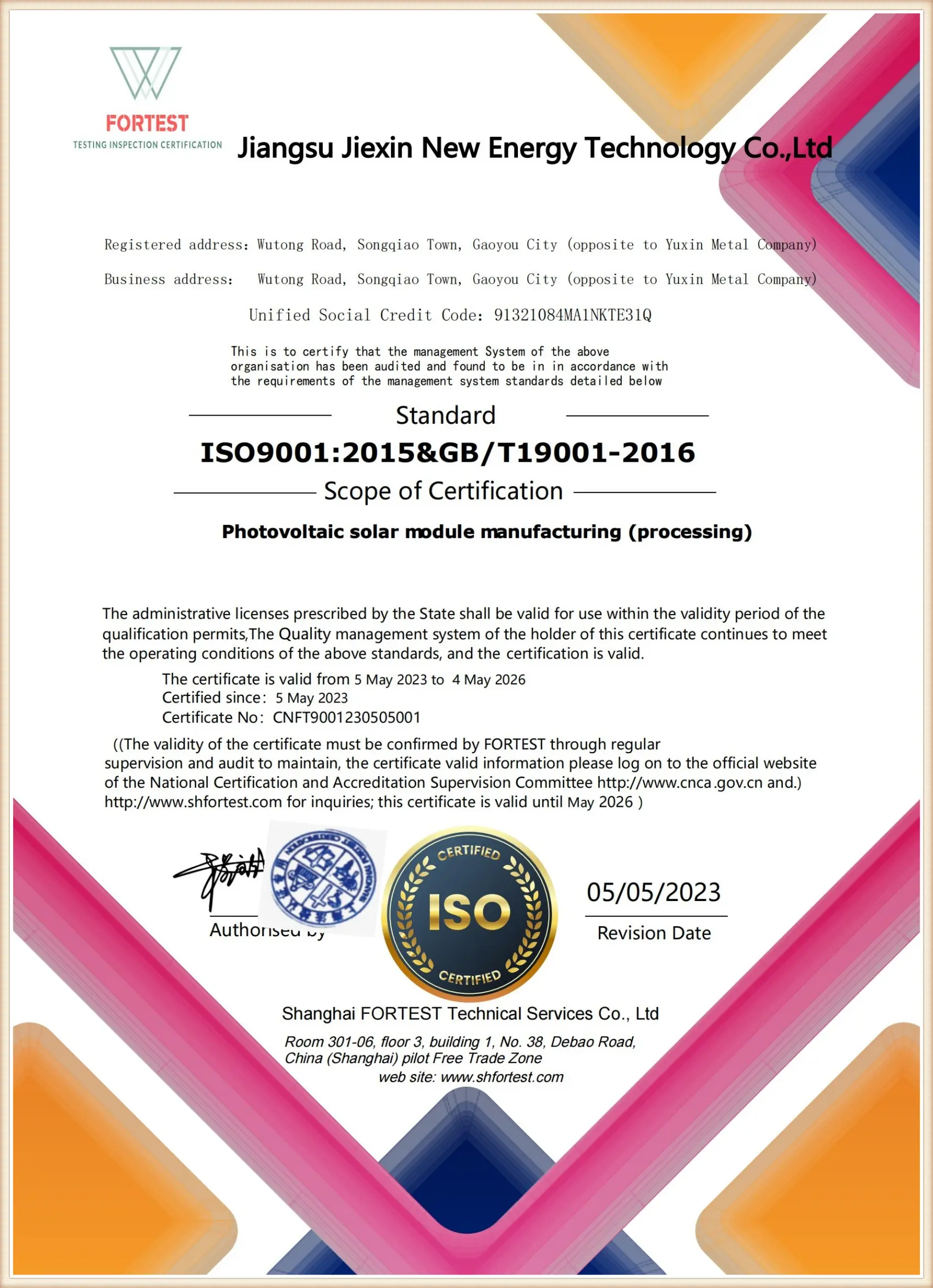
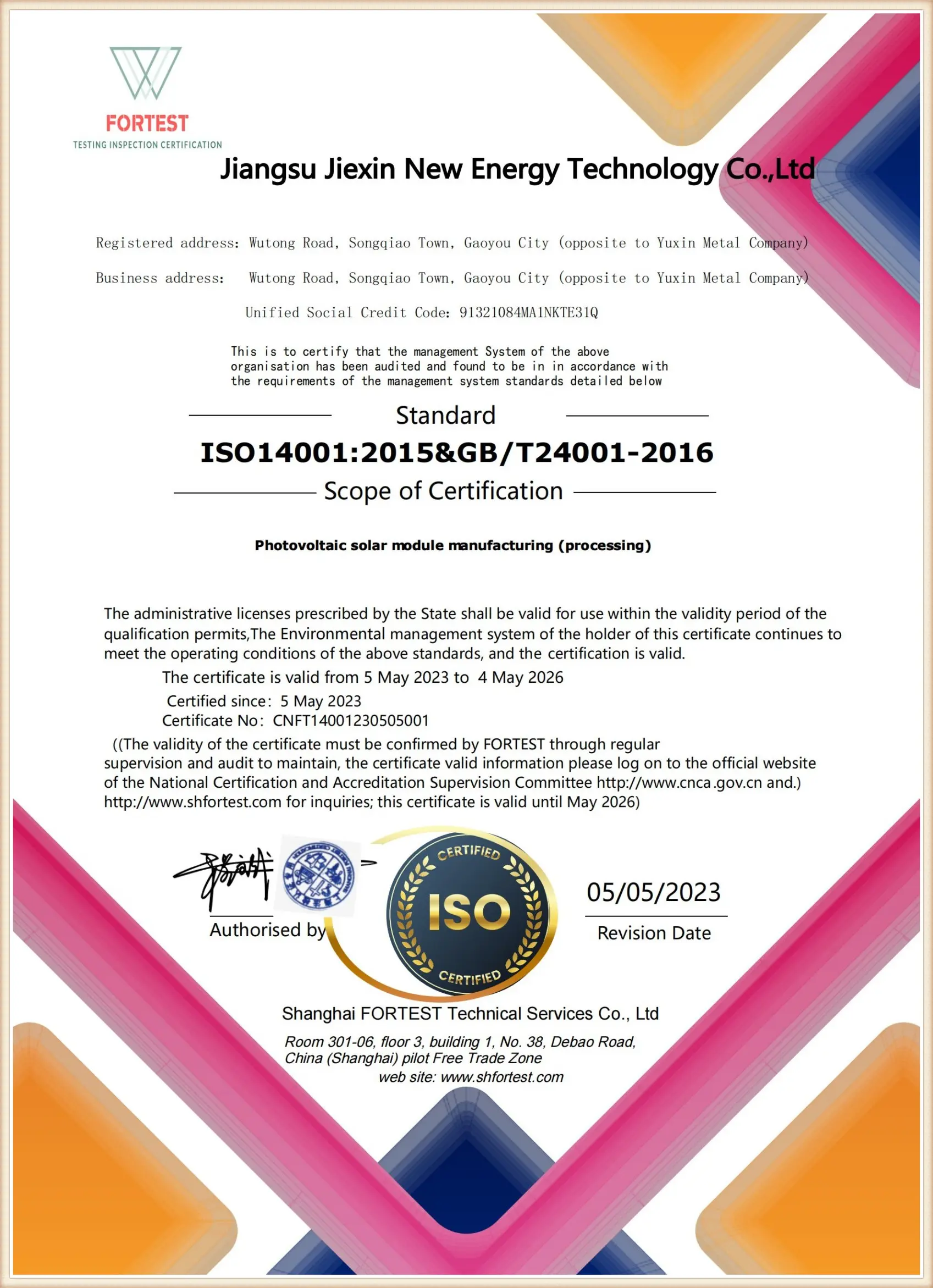
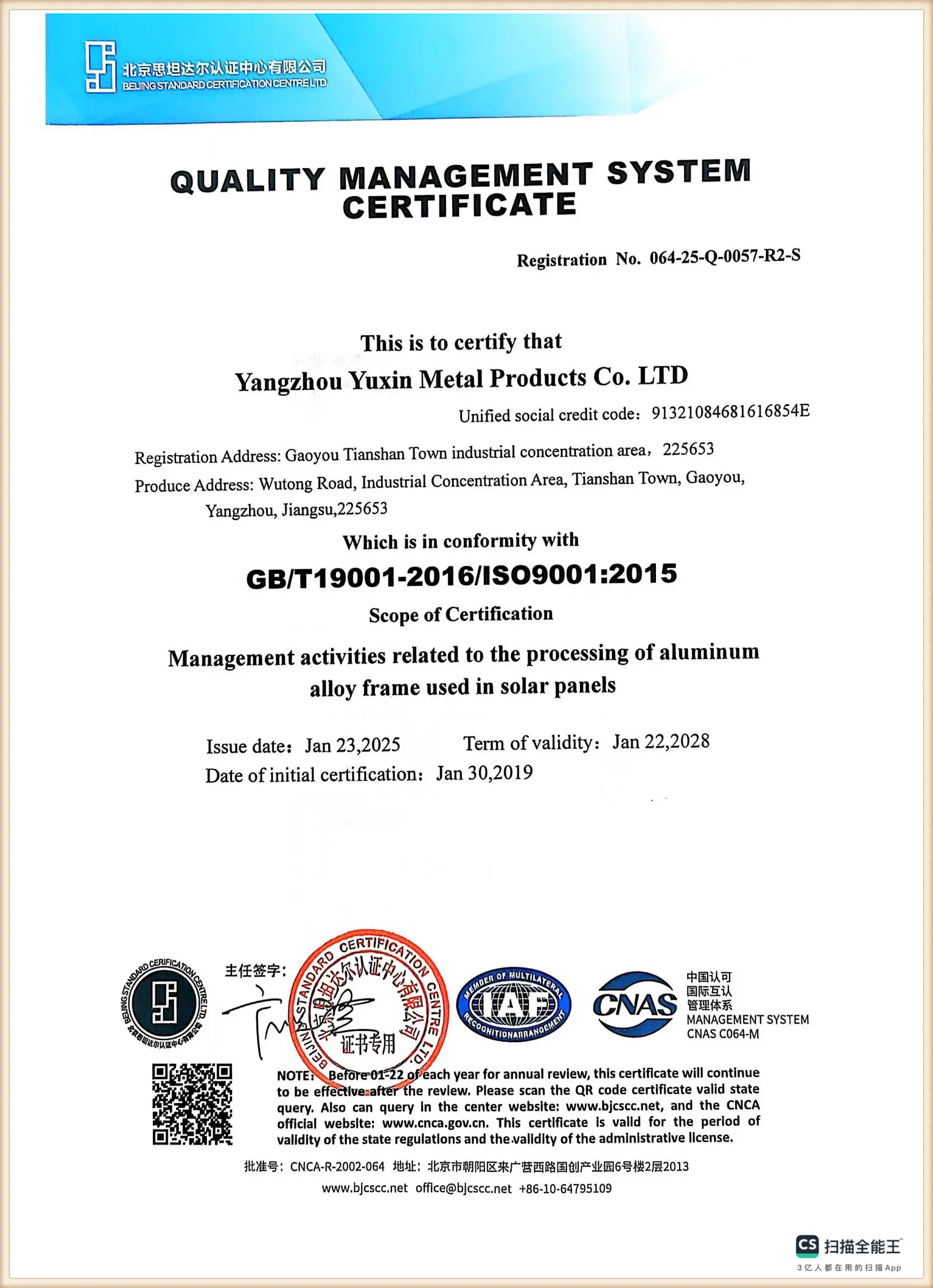
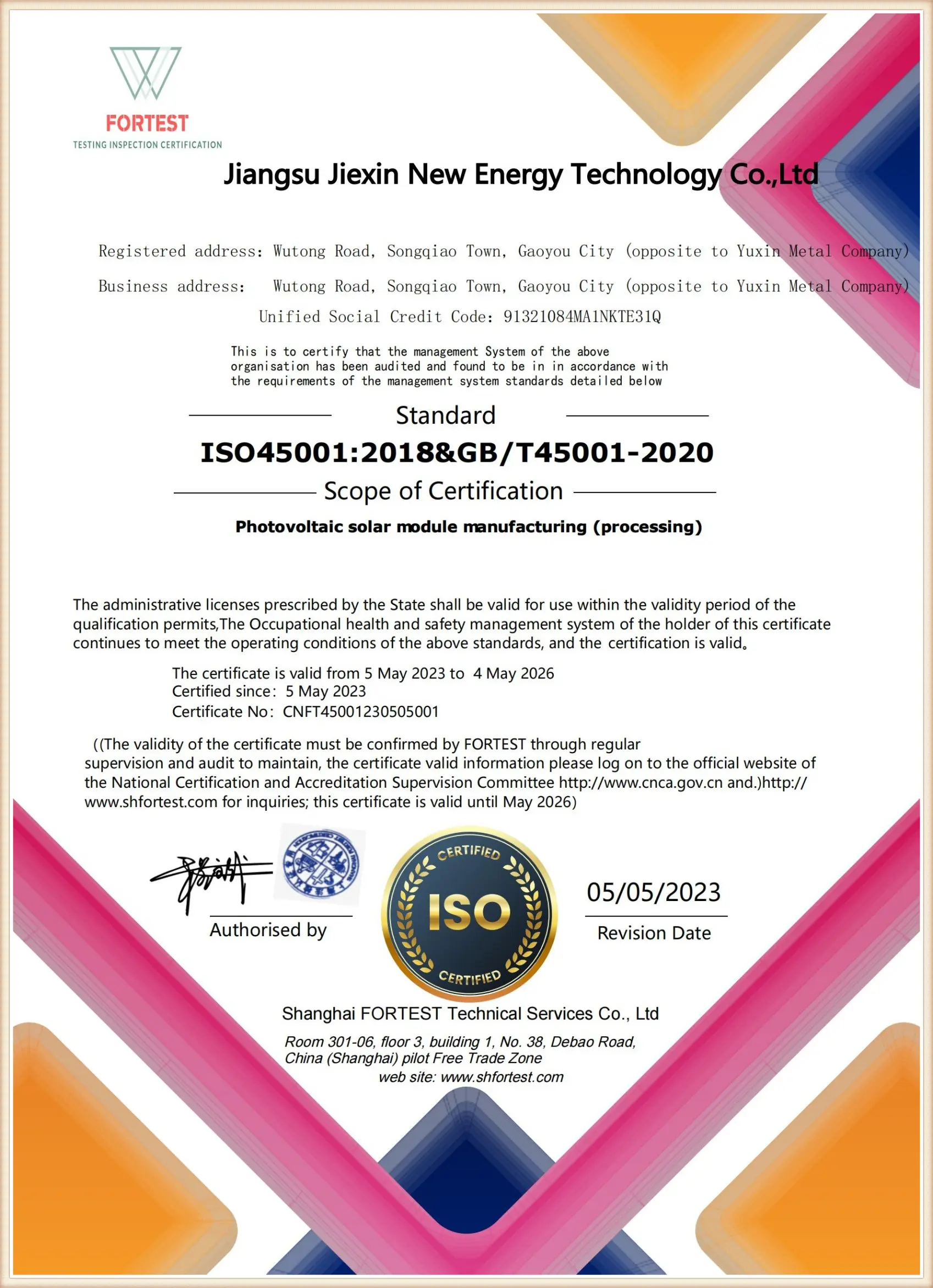
Verified Qualifications

Our manufacturing processes are verified against global standards to ensure long-term durability and grid safety compliance.

Certification Documents 1
Certification Documents 2
Certification Documents 3
Certification Documents 4
Certification Documents 5

Frequently Asked Questions

Direct engineering answers regarding our production lines, sourcing options, and technical compliance.

What is the standard lead time for wholesale energy storage orders from Yuxin?
Standard production lead times for containerized or palletized energy storage solutions range between 25 and 35 working days from deposit confirmation. Custom OEM aluminum framing designs require an additional 7–10 working days for profile extrusion die customization.
How do TOPCon panels improve performance during rolling blackouts?
N-type TOPCon panels feature a superior temperature coefficient (-0.30%/°C) and a higher low-light spectral response compared to older PERC technologies. During afternoon load-shedding blocks on overcast days, TOPCon panels extract up to 10% more energy, keeping backup battery arrays topped up.
What alloys are utilized in your solar frames, and why is this critical?
We construct our profiles from structural 6063-T5 and 6005-T6 aluminum alloys. These materials undergo tempering to achieve minimum tensile strengths of 185 MPa, protecting modules from micro-cracking during strong wind loads and localized storm events.
Does YUXIN support local grid registration and commissioning?
Yes. We provide complete technical data sheets, single-line diagrams, and CE/IEC/NRS certification files required by local utility companies to expedite system authorization.

Strategic Commercial Partners

Collaborating across global supply networks to ensure seamless delivery and deployment.

Partner Logo 1
Partner Logo 2
Partner Logo 3
Partner Logo 4
Partner Logo 5
Partner Logo 6
Partner Logo 7
Partner Logo 8
Partner Logo 9
Partner Logo 10
Partner Logo 11
Partner Logo 12
Partner Logo 13
Partner Logo 14

Photovoltaic Insights & Industry Standards

Stay informed with technical bulletins and manufacturing guidelines directly from our engineering team.

What Makes a High-Quality Solar Panel Frame?

An exploration of alloy chemistry, anodization depth, and mechanical stability in high-wind zones.

How to Choose a Reliable OEM Solar Frame Manufacturer in China

Evaluating factory supply chain integration, certification transparency, and extrusion tolerances.

Solar Panel Frame Quality Control: Key Inspection Standards Explained

Understanding ultrasonic inspections, chemical composition reports, and structural validation cycles.