Engineered to support the supply chains of camper trailer OEMs, wholesale distributors, and commercial mobile power fleet administrators globally.
The consumer recreational vehicle sector has experienced a profound shift in consumer values. Camping and overlanding are no longer simply about escaping the grid; they are about bringing high-fidelity grid utility to deep off-grid locations. Modern camper trailers are increasingly outfitted with induction cooktops, dual-zone refrigeration arrays, high-draw climate control, telemetry tracking systems, and satellite communication ports. This growth in power requirements has made fossil-fuel auxiliary generators obsolete due to noise regulations, emission limitations, and weight restrictions.
For camper trailer manufacturers (OEMs), integrating solar infrastructure is no longer a premium add-on option—it is a baseline production requirement. Global camper fleet procurement directors seek cheap portable solar panels that do not compromise on reliability or degradation rates. Optimizing unit pricing is essential, but minimizing the levelized cost of energy (LCOE) and the total cost of ownership (TCOE) over the trailer's active service life is the true benchmark of procurement success.
In B2B solar panel sourcing, "cheap" refers to the optimization of vertical production economics, raw material consolidation, and structural scale. Our factory utilizes cutting-edge production tooling (such as inline stringing, automated EL diagnostics, and advanced polymer compounding) to achieve high yields and lower per-watt material costs. This allows camper trailer builders to deploy highly durable, lightweight mobile solar systems without stretching their Bill of Materials (BOM) budget.
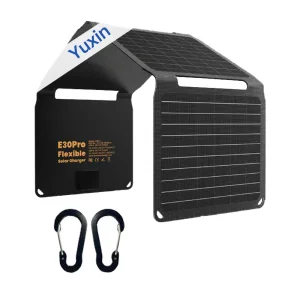
When evaluating suppliers, global buyers inspect the physical design of panels for camper trailers. Standard residential solar panels are heavy, brittle, and highly susceptible to micro-cracking when subjected to the continuous vibrational stress of off-road transit. Consequently, camper factories require specialized portable, semi-flexible, or robust light-frame solar modules engineered to withstand road turbulence, tree limb impacts, and intense wind forces.
To maximize solar yield per square meter on the limited roof footprint of teardrop campers and overland trailers, solar cell technology choice is critical. Our manufacturing facilities produce systems spanning both PERC (Passivated Emitter and Rear Cell) and advanced TOPCon (Tunnel Oxide Passivated Contact) configurations.
While PERC technology remains a cost-effective, high-reliability choice with efficiency thresholds hovering around 21% to 22.5%, N-type TOPCon modules achieve conversion efficiencies of up to 24.5%. This enhancement is driven by a thin tunnel oxide layer that significantly minimizes surface recombination losses. For camper trailers, this means more power generated in low-light environments (early morning, late evening, or under forest canopy coverage), directly translating to smaller battery reserve requirements and reduced overall weight.
| Cell Topology Type | Average Cell Efficiency | Temperature Coefficient | LID (Light-Induced Degradation) | Optimum Target Application |
|---|---|---|---|---|
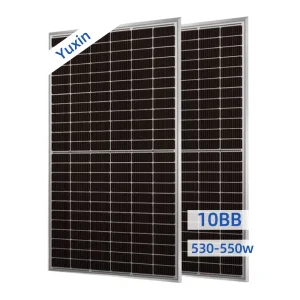
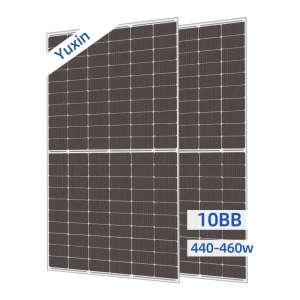
| Mono-Silicon PERC (10BB / 144 Half-Cell) | 21.5% - 22.8% | -0.35% / °C | < 1.5% in Year 1 | Cost-sensitive large footprint campers and off-grid trailer arrays |
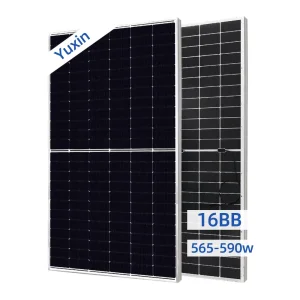
| N-Type TOPCon (16BB Dual-Glass) | 23.5% - 25.0% | -0.30% / °C | Near 0% (~0.4% annualized degradation) | Premium compact overland trailers requiring maximum power-to-area ratio |
| Polyurethane Composite Framed Modules | 20.8% - 22.0% | -0.36% / °C | < 1.8% in Year 1 | Extreme weight-reduction projects demanding structural elasticity |
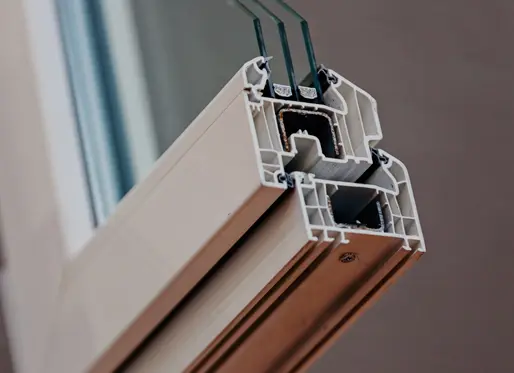
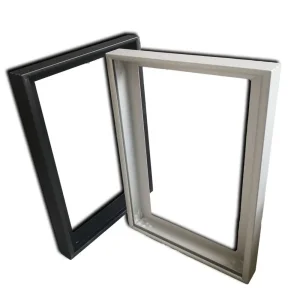
Beyond cell chemistry, the structural framing of portable and rooftop panels is a critical factor for mobile integrations. Traditionally, 6063-T5/6005-T6 anodized aluminum frames have provided structural support. However, for ultra-lightweight designs, our factory manufactures Polyurethane Pultruded Composite Frames. This composite material offers several key performance benefits:
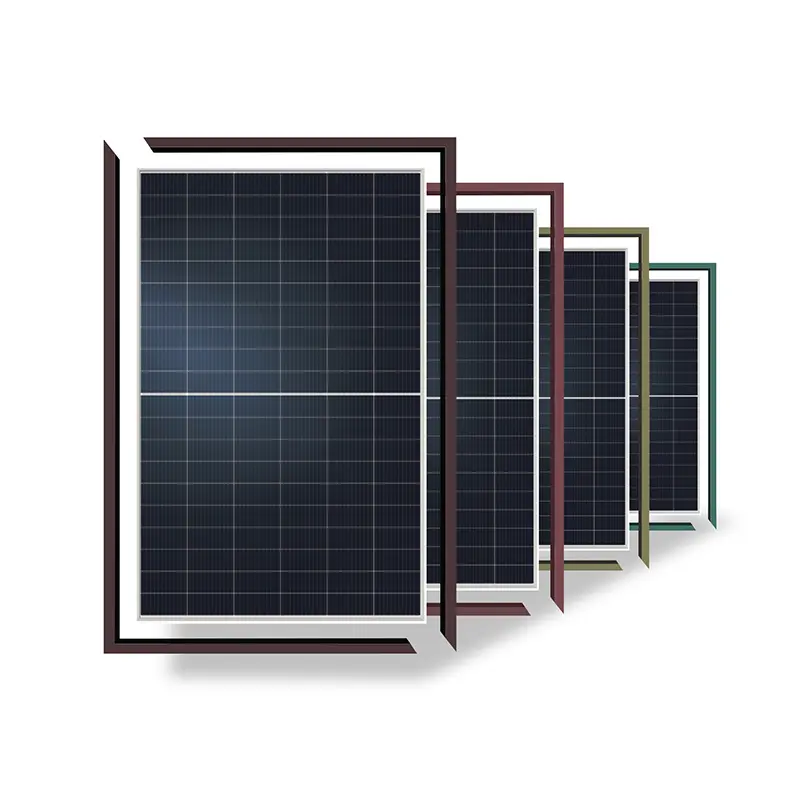
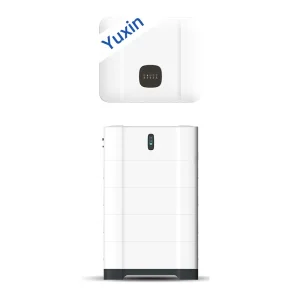
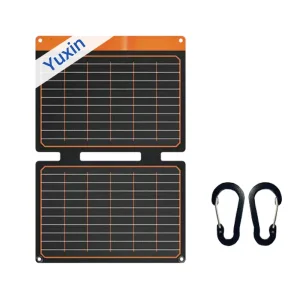
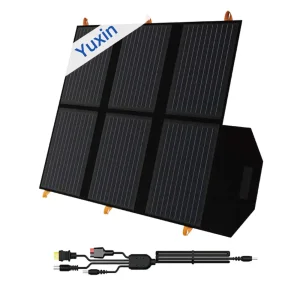
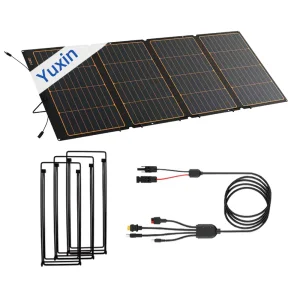
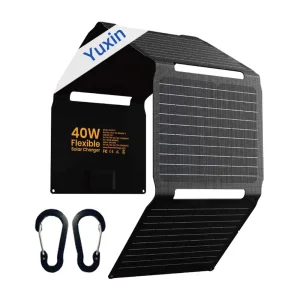
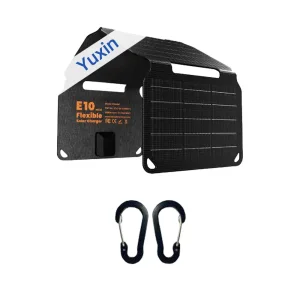
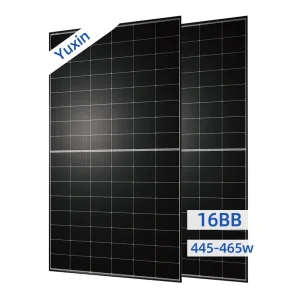
These core products represent our primary design pillars, integrating high efficiency, lightweight structures, and robust performance for camper trailers.
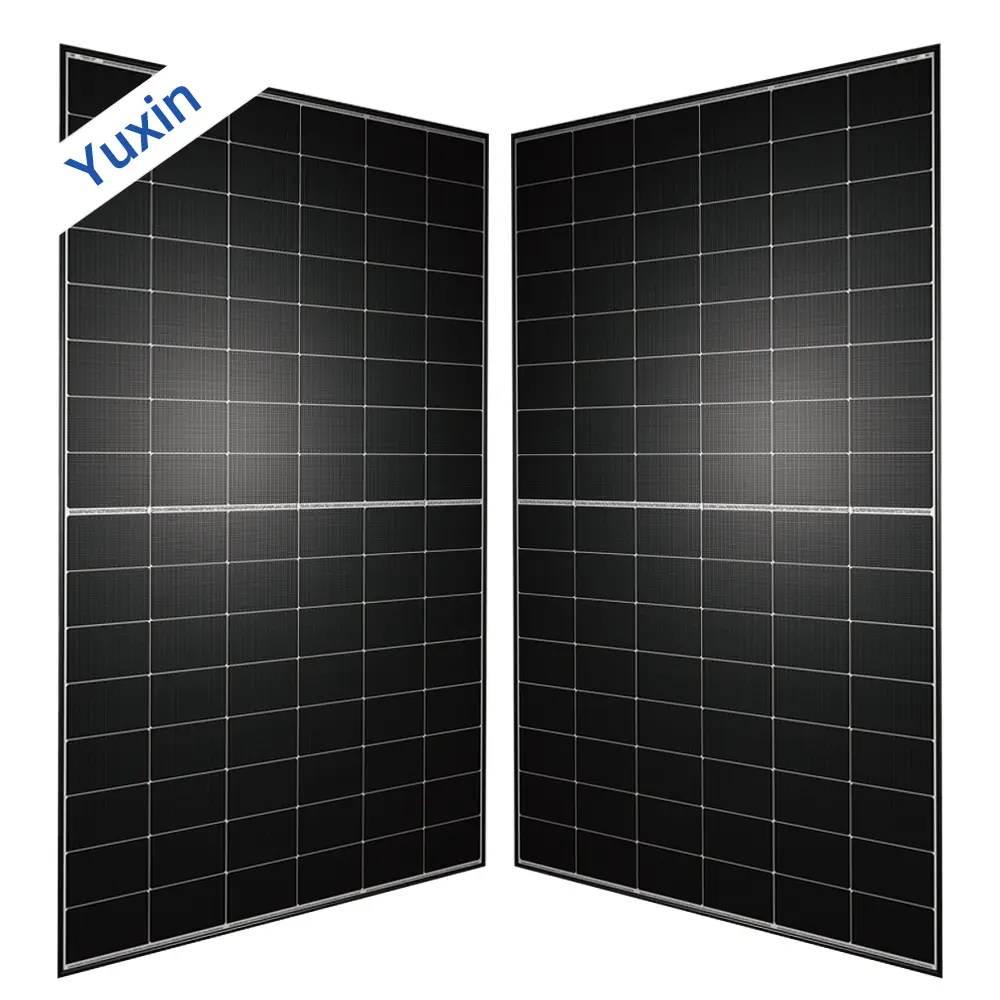
Lightweight design with transparent back panel for easy installation and reduced BOS costs.
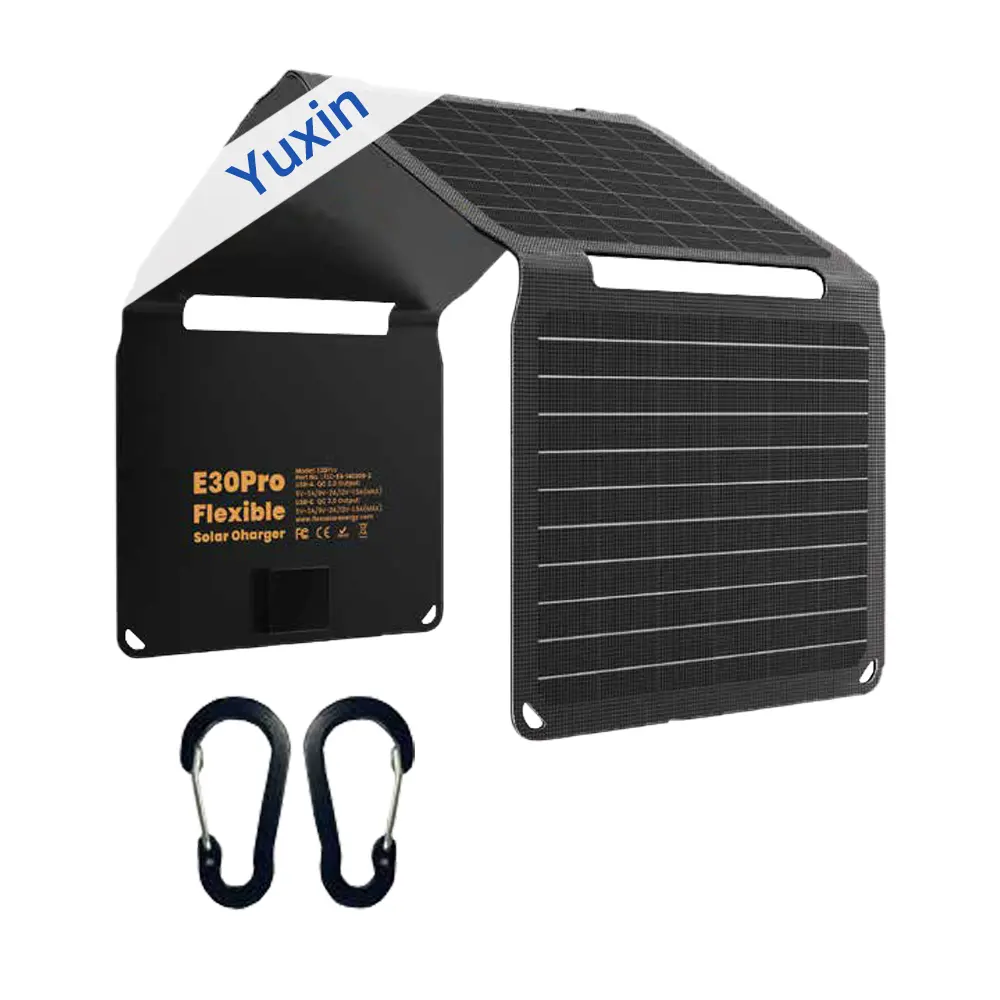
Utilizing advanced monocrystalline silicon cells, it achieves a high energy conversion efficiency of 24%.

Application modes include grid-connected mode, off-grid mode, and integrated grid-connected/off-grid mode.
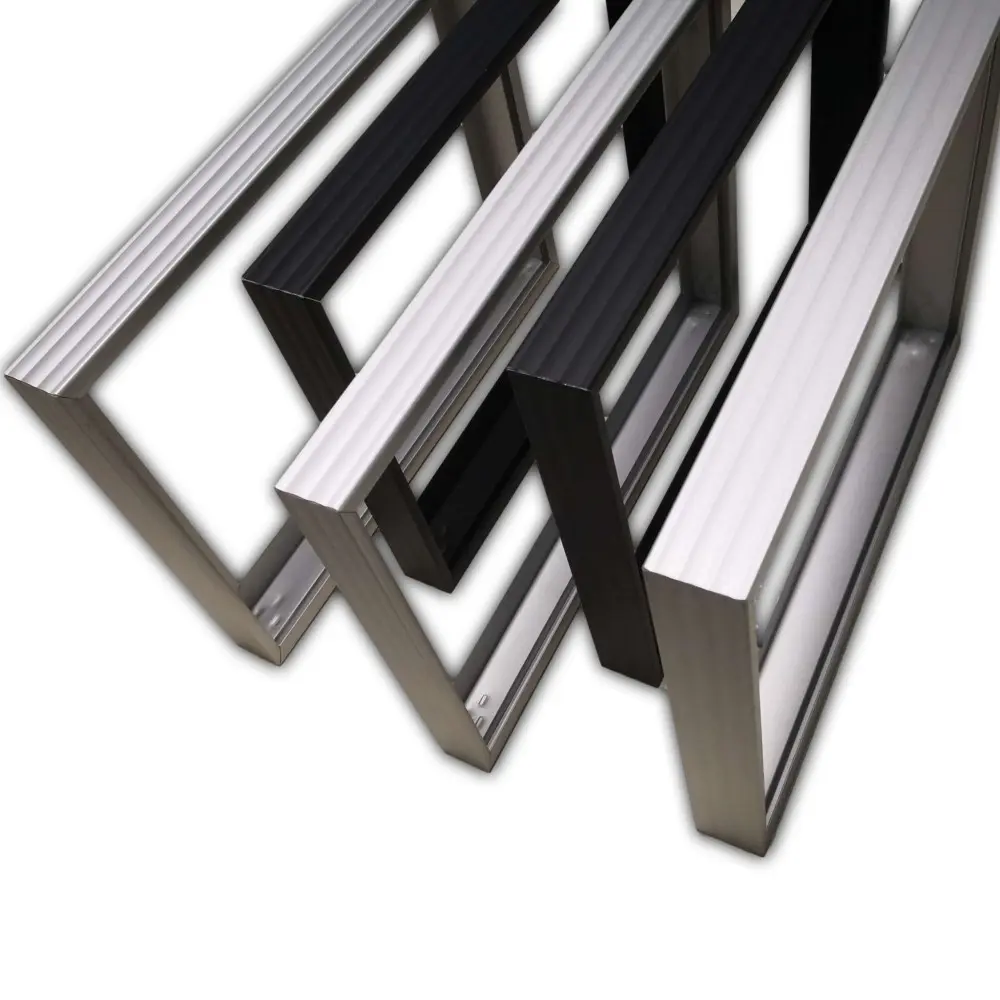
Made of high-quality anodized aluminum, it ensures superior weather resistance and a smooth, long-lasting finish.
Established in 2008, Jiangsu Yuxin New Energy Technology Co., Ltd. (operating within the broader YUXIN Group structure) is a leading designer and manufacturer of photovoltaic materials, framed assemblies, and mobile solar solutions. Located in Yangzhou, Jiangsu Province, near the Beijing-Shanghai Expressway and the Runyang Yangtze River Bridge, YUXIN leverages advanced logistics links to supply global markets.
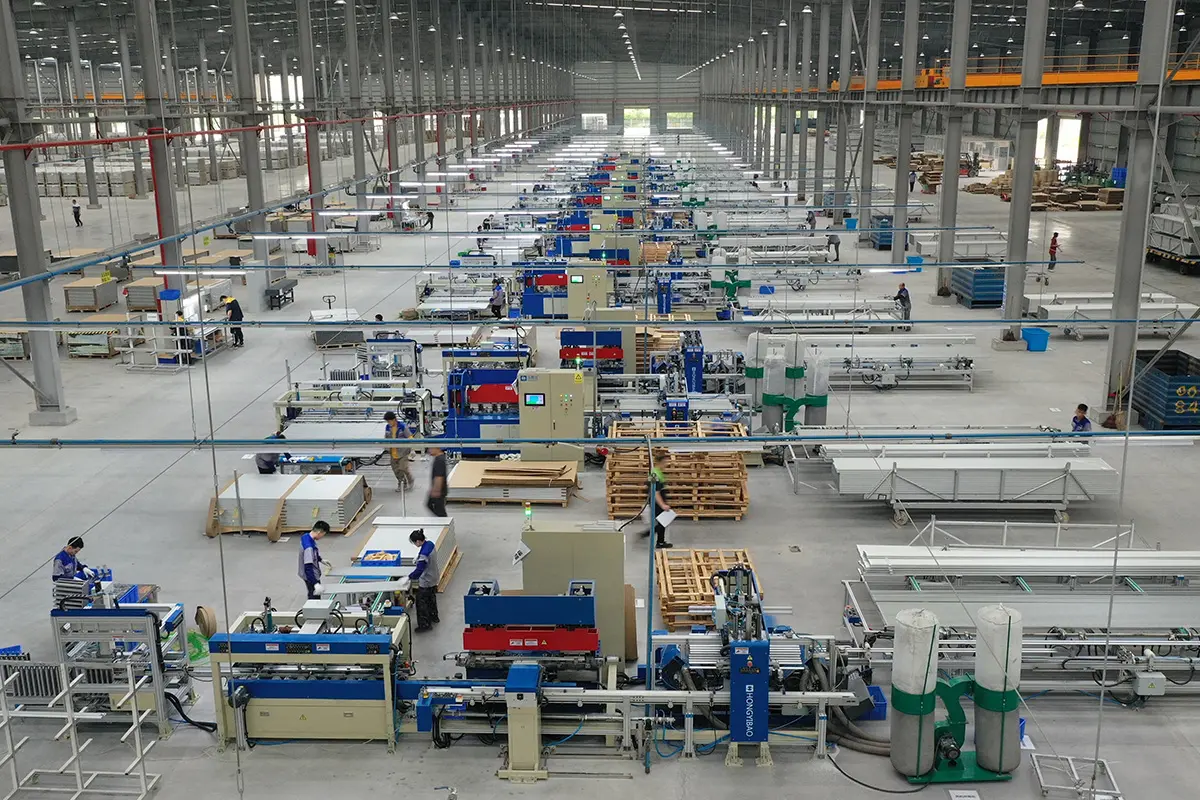
As a National High-Tech Enterprise, our facility spans several advanced manufacturing units. We control the complete process from structural framing extrusions (both high-tensile aluminum and polyurethane pultrusions) to automated glass placement and modular solar laminating. This vertical integration allows us to keep our pricing highly competitive while maintaining strict control over materials, tolerance levels, and overall quality.
For camper trailer OEMs and high-volume wholesale distributors, Yuxin provides a reliable supply chain. Our manufacturing processes utilize inline EL (electroluminescence) diagnostics to scan every single cell before and after lamination, ensuring all panels shipped are free from micro-cracks and hotspots.
Sourcing solar components globally requires balancing production capacity, packaging efficiency, logistics security, and quality assurance. For camper trailer builders in North America, Europe, and Australia, lead times and container loading rates directly affect unit costs.
Our factory employs standardized packaging designs that maximize space utilization in 40-foot High Cube (HQ) containers. By stacking panels with protective corner guards and utilizing moisture-absorbing desiccant systems within heavy-duty double-wall corrugated shipping boxes, we minimize transit-related micro-cracks and physical edge damage.
Our OEM services offer options beyond standard mechanical specifications. Trailer builders can choose pre-installed MC4-compatible cable connectors with custom wire lengths, custom backsheet colors (e.g., matte black backsheets to match modern trailer graphics), and pre-drilled mounting holes designed for specific bracket systems. This simplifies the trailer production line, reducing assembly times and direct labor costs.
Additionally, our procurement programs offer flexible, staged delivery schedules. We understand that camper factories must manage inventory levels based on seasonal demand, so we coordinate with freight forwarders to provide reliable delivery windows, reducing warehouse storage requirements.
While our mobile solar arrays are optimized for camper trailers and recreational vehicles, the underlying PV technology is deployed across multiple industries.

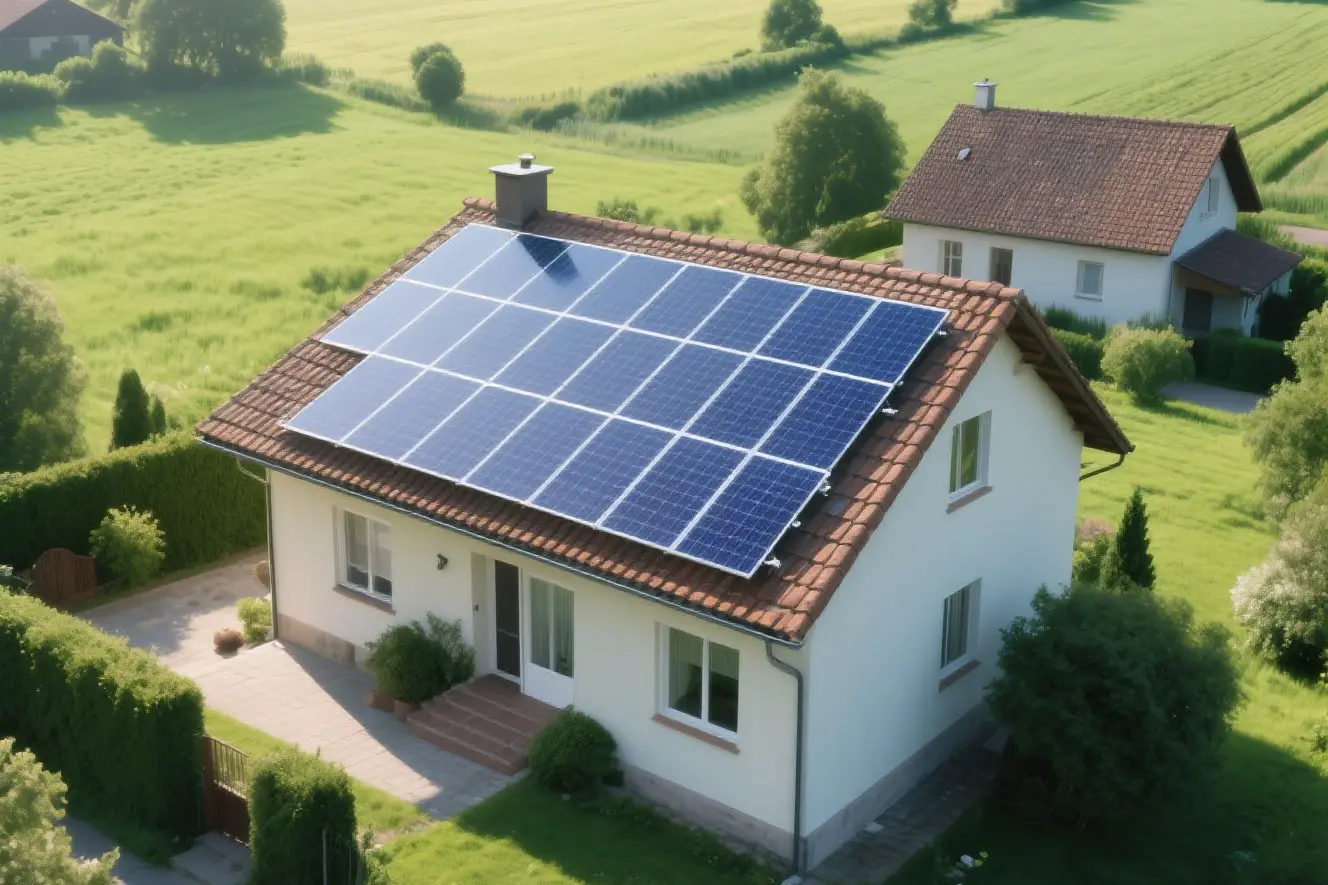
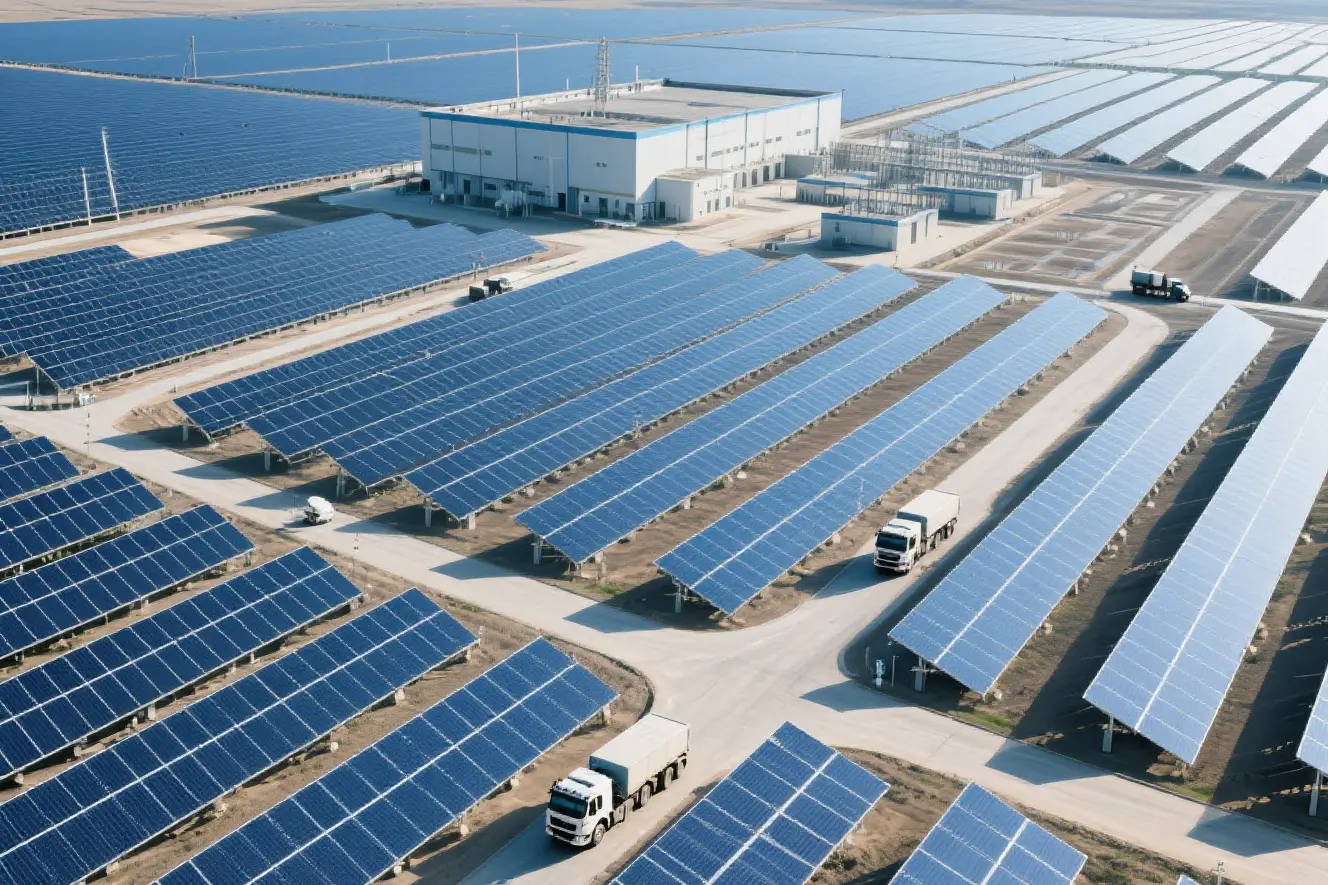
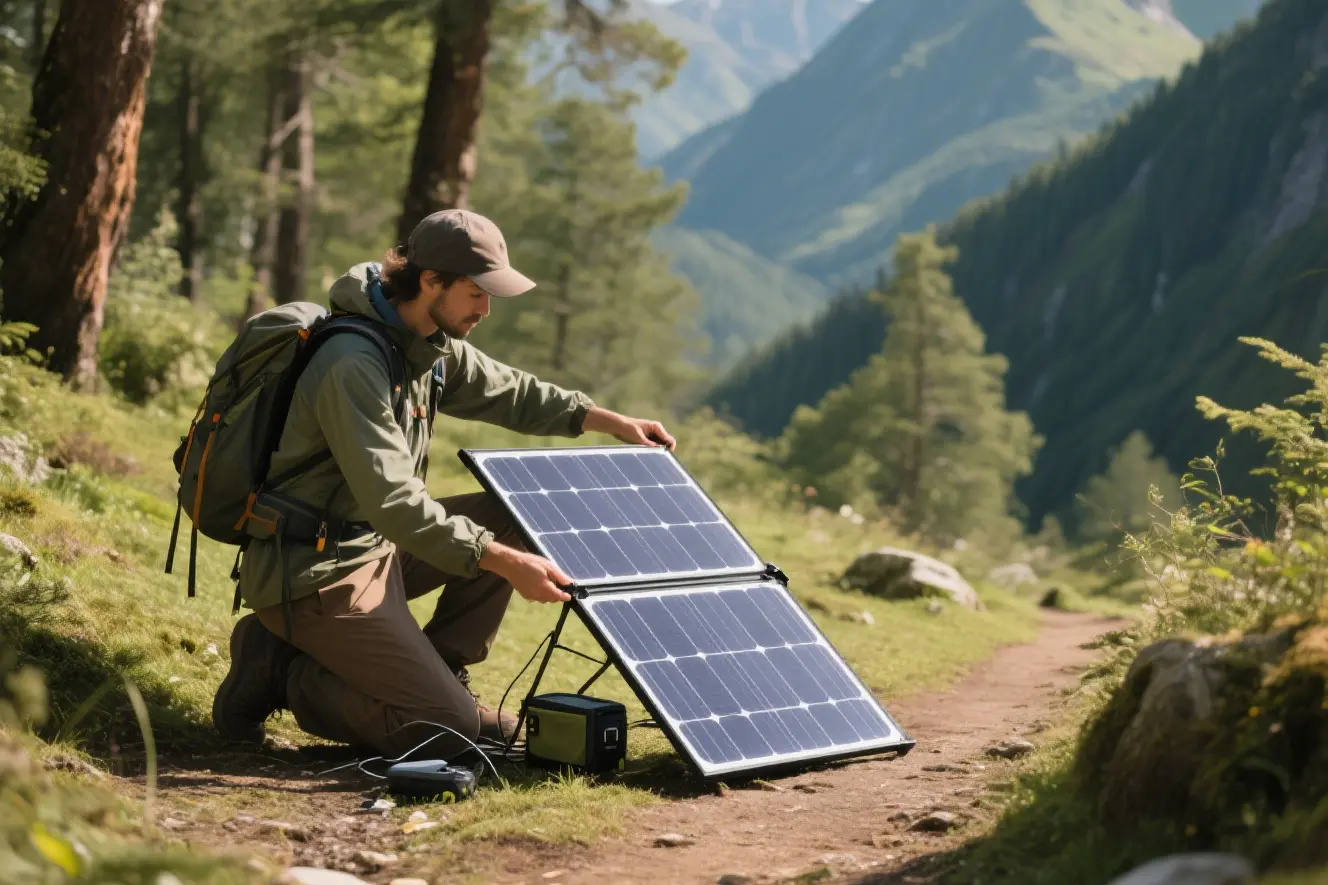
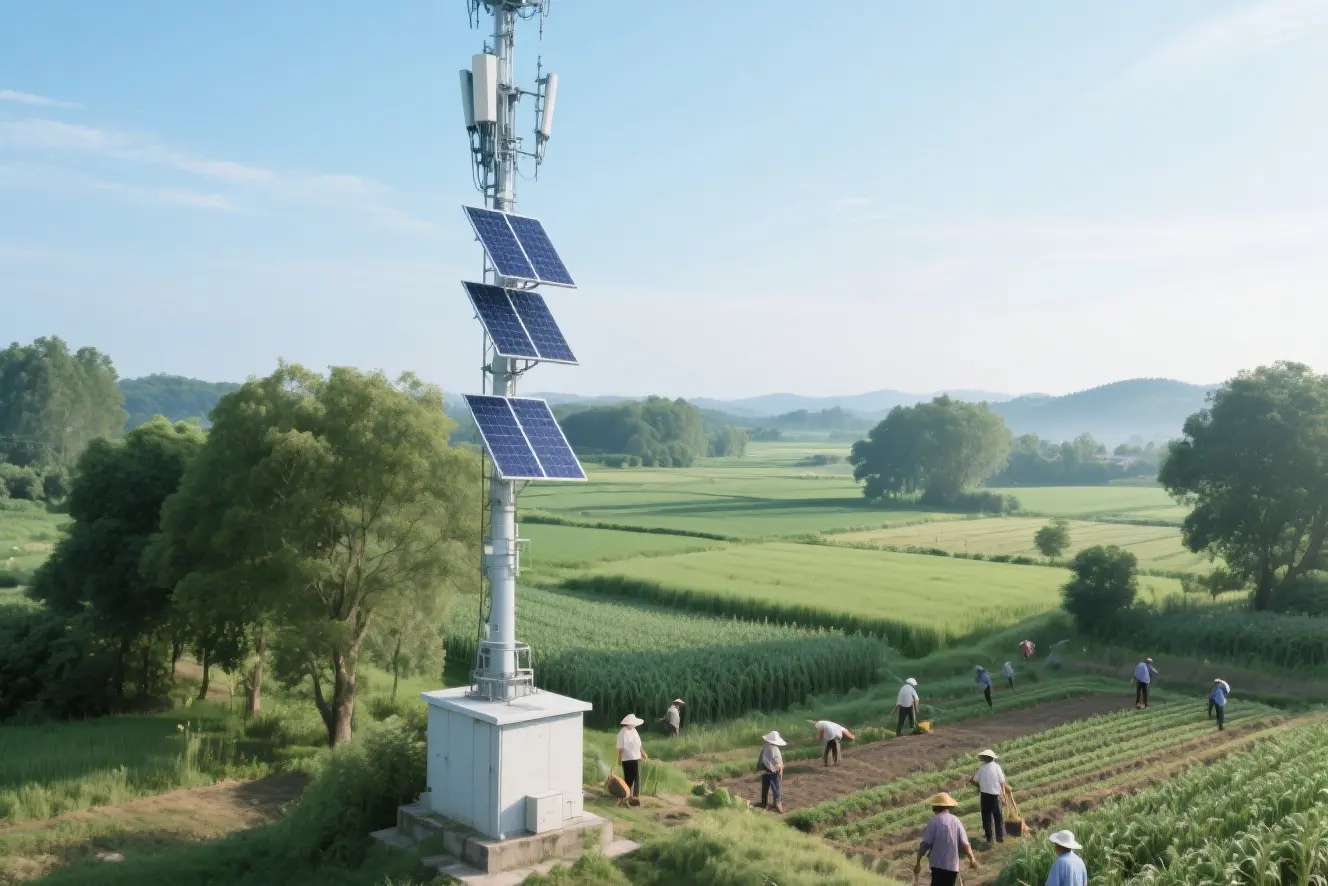
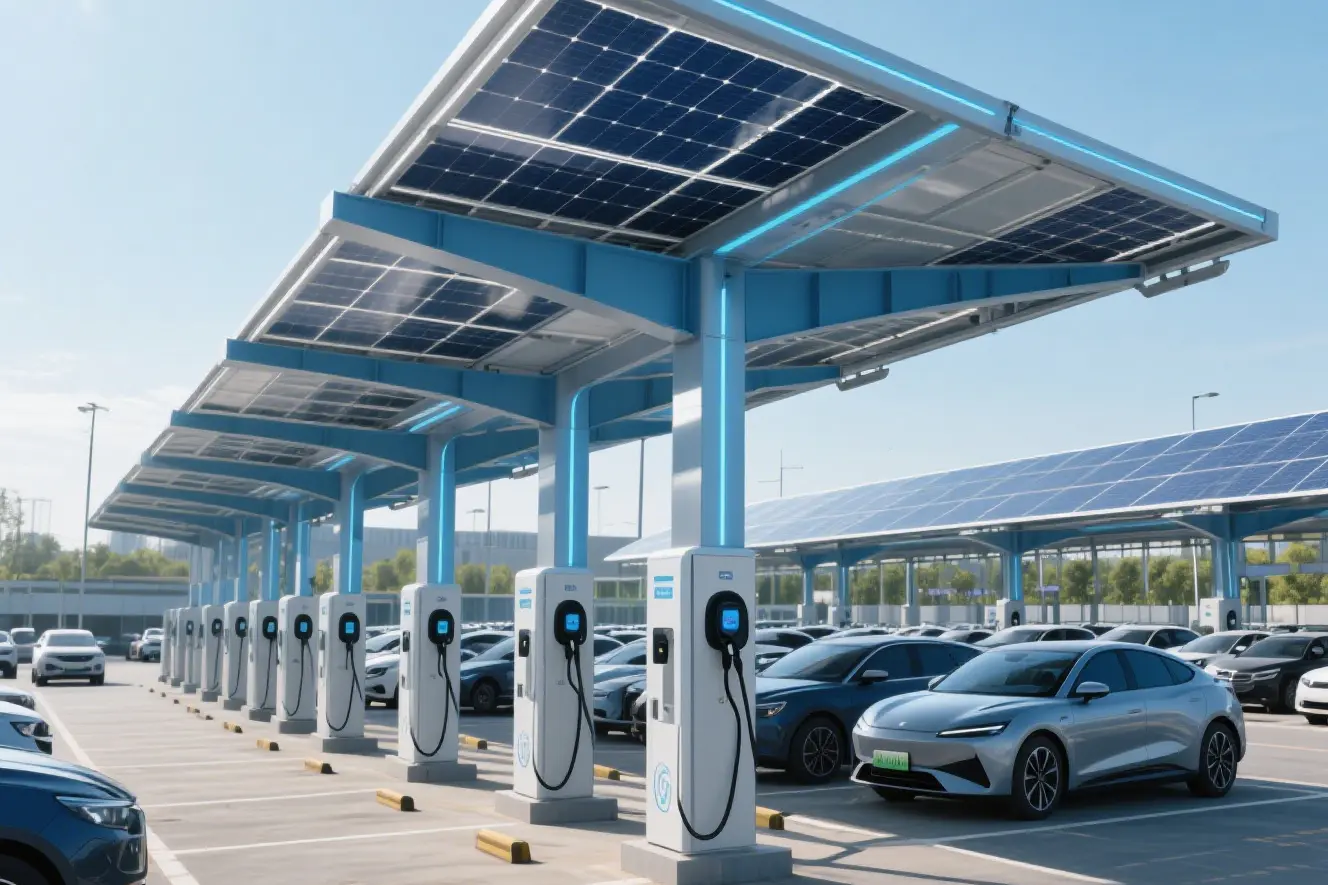
Compliance with global regulatory frameworks is essential for camper trailers destined for export. Our production facilities maintain rigorous quality control systems certified to international standards.
Every solar panel model undergoes a series of stress tests to ensure long-term durability in challenging environmental conditions. This testing includes thermal cycling tests (-40°C to +85°C), damp heat exposures, and dynamic mechanical load testing to simulate high wind resistance and heavy snow loads.
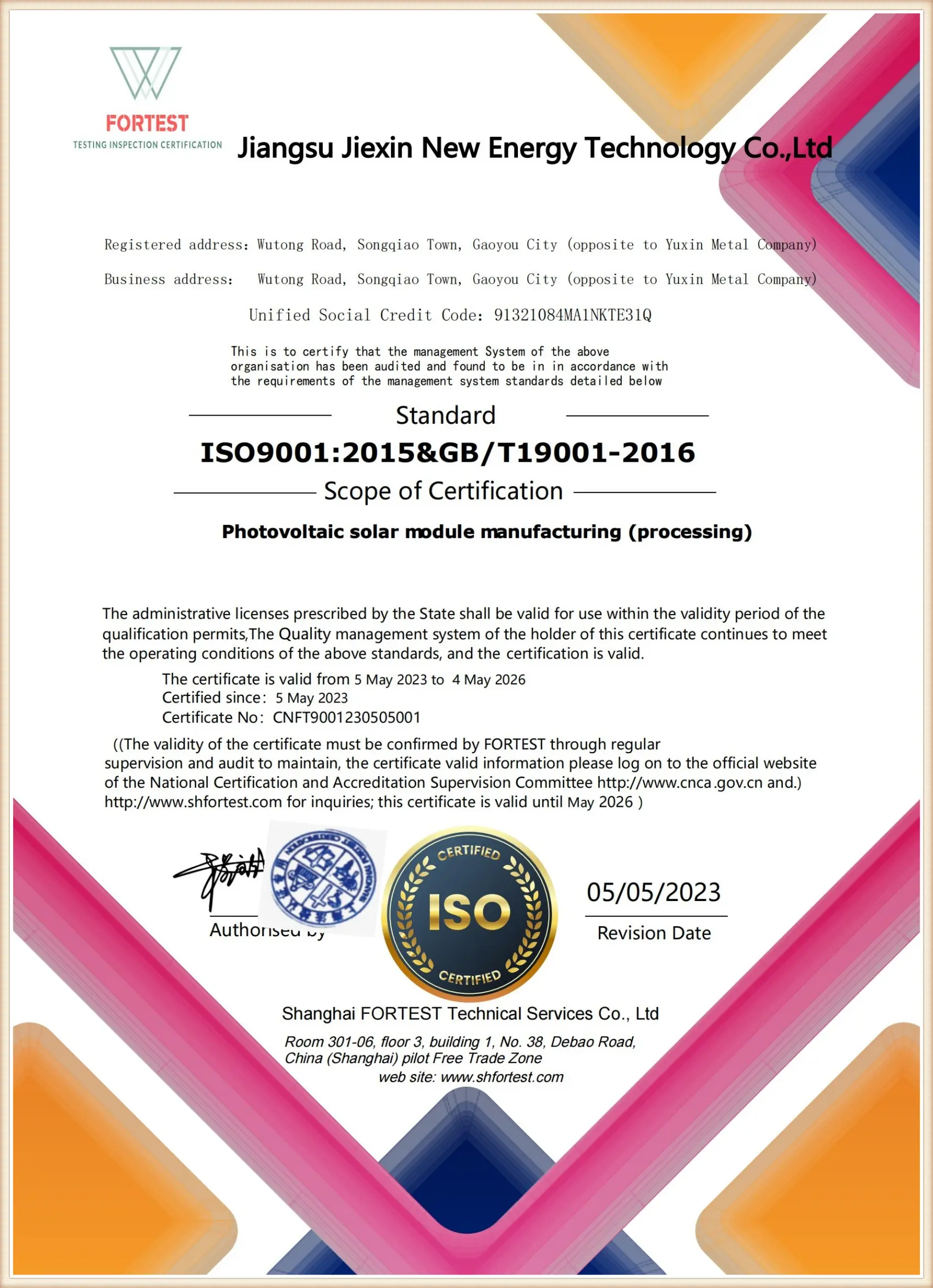
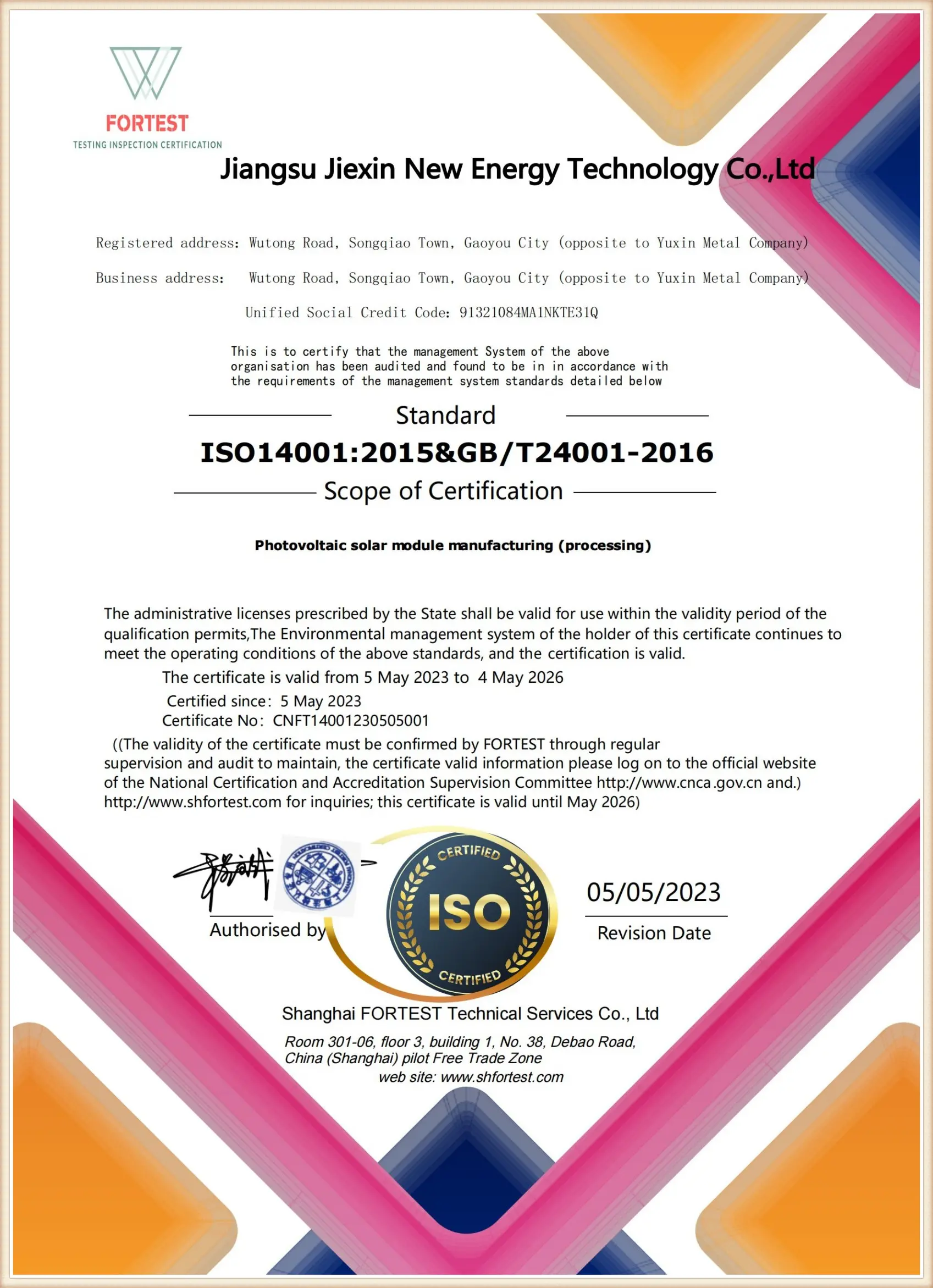
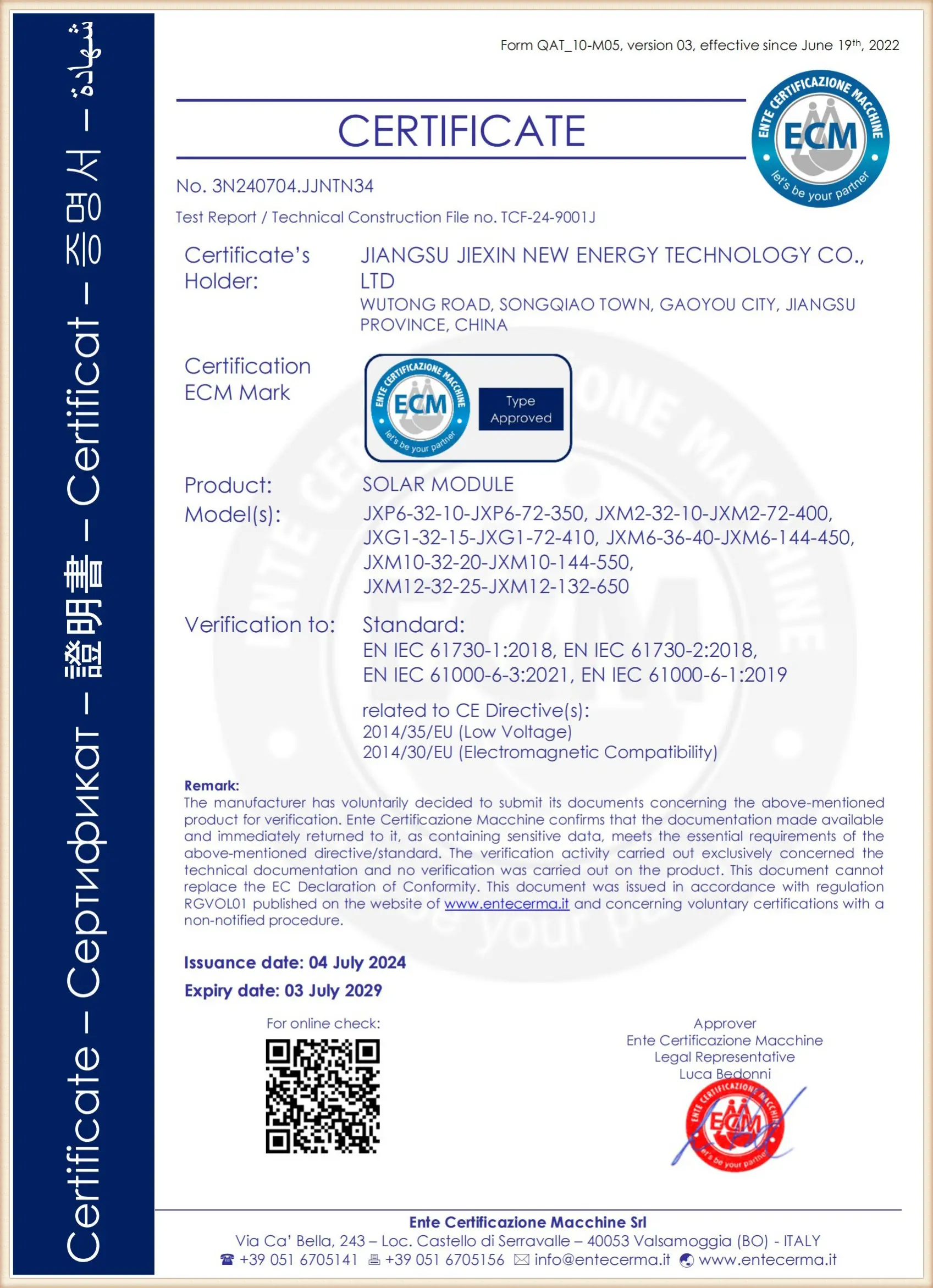
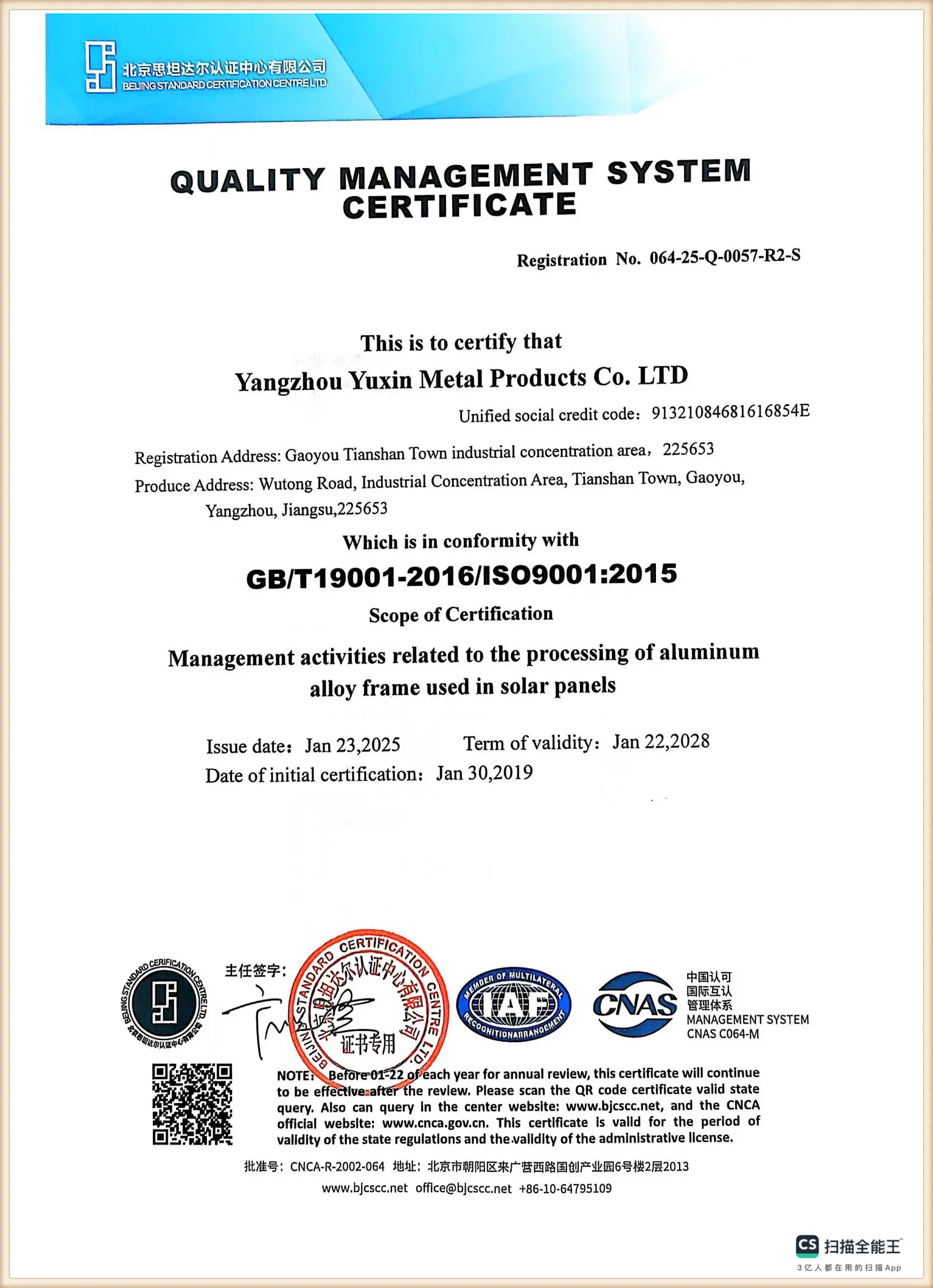
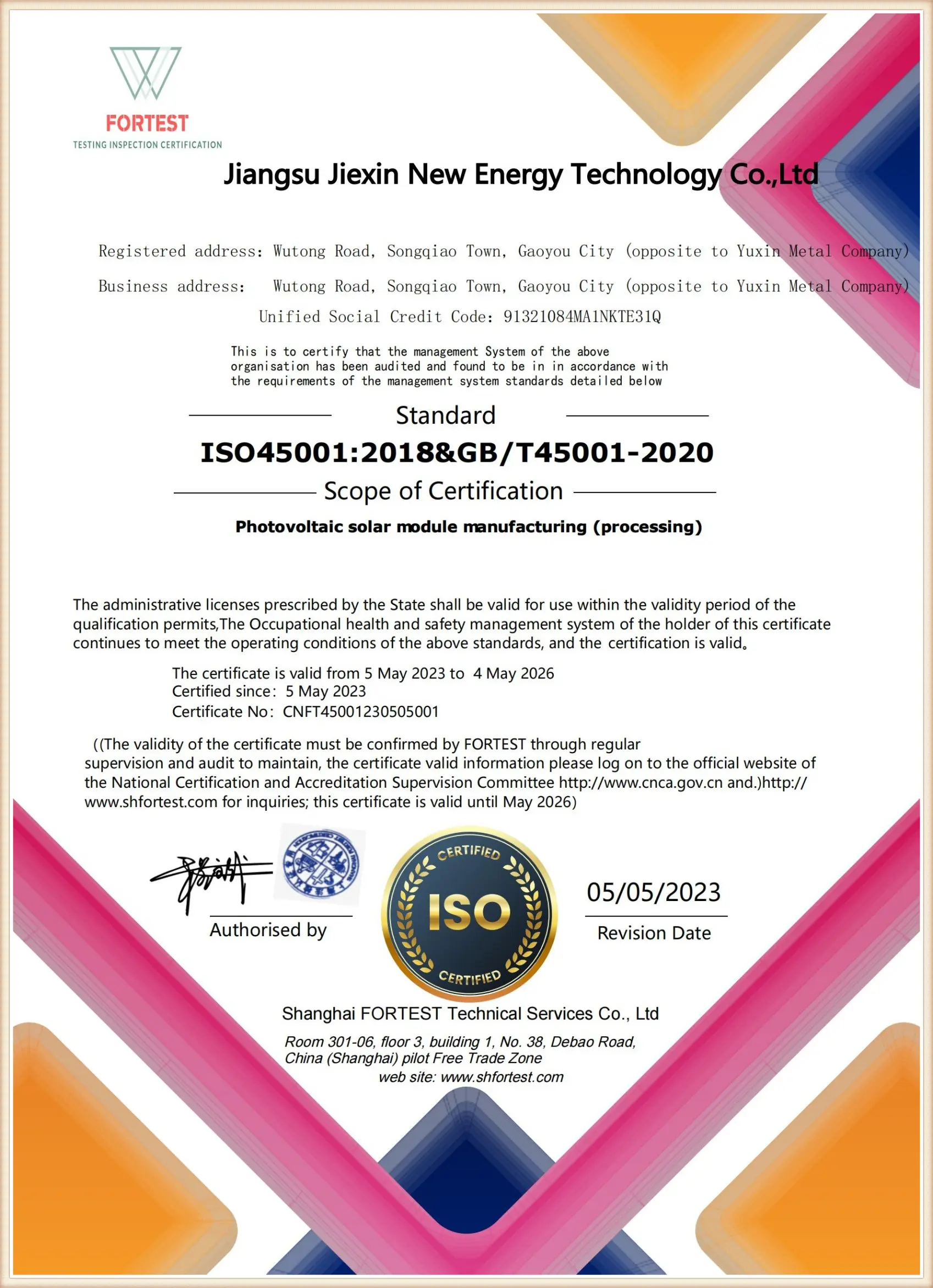
Furthermore, our electrical junction boxes feature IP67 or IP68 waterproof ratings, protecting bypass diodes from water ingress during heavy rainstorms or stream crossings. With TUV, CE, and UL certifications, our partner OEMs can confidently integrate our solar modules, knowing their completed vehicles will meet the safety standards of their target markets.
Over years of cooperation, YUXIN has established strong relationships with leading brands and distributors across the international renewable energy sector.


The future of mobile solar power is centered on materials integration. Over the next five years, we anticipate the shift from roof-mounted solar add-ons to fully integrated Vehicle-Applied Photovoltaics (VAPV). In this design paradigm, the solar cells are encapsulated directly into the composite panels of the camper trailer structure during the shell molding process.
To support this evolution, Yuxin’s R&D team is developing flexible, high-efficiency TOPCon thin-film alternatives and specialized transparent backsheet systems. These advanced materials will allow light-duty utility trailers to generate power from their vertical side walls using ambient scattered light, maximizing solar collection throughout the day.
Furthermore, as battery chemistry shifts toward solid-state and high-voltage configurations, solar integration must adapt. We are developing high-voltage, multi-junction solar panel designs capable of outputting voltages suited for modern 48V and 96V caravan power systems. This minimizes current levels, allowing trailer manufacturers to use thinner cabling, reduce copper weight, and improve system efficiency.
Technical and logistics answers for procurement officers, engineers, and production managers.
Explore our wider catalog of portable solar components, storage batteries, and lightweight mobile accessories.
Stay updated with research findings, manufacturing insights, and engineering guidelines from the Yuxin technical team.