Macro-Industry Solar Solutions & Infrastructure Decarbonization
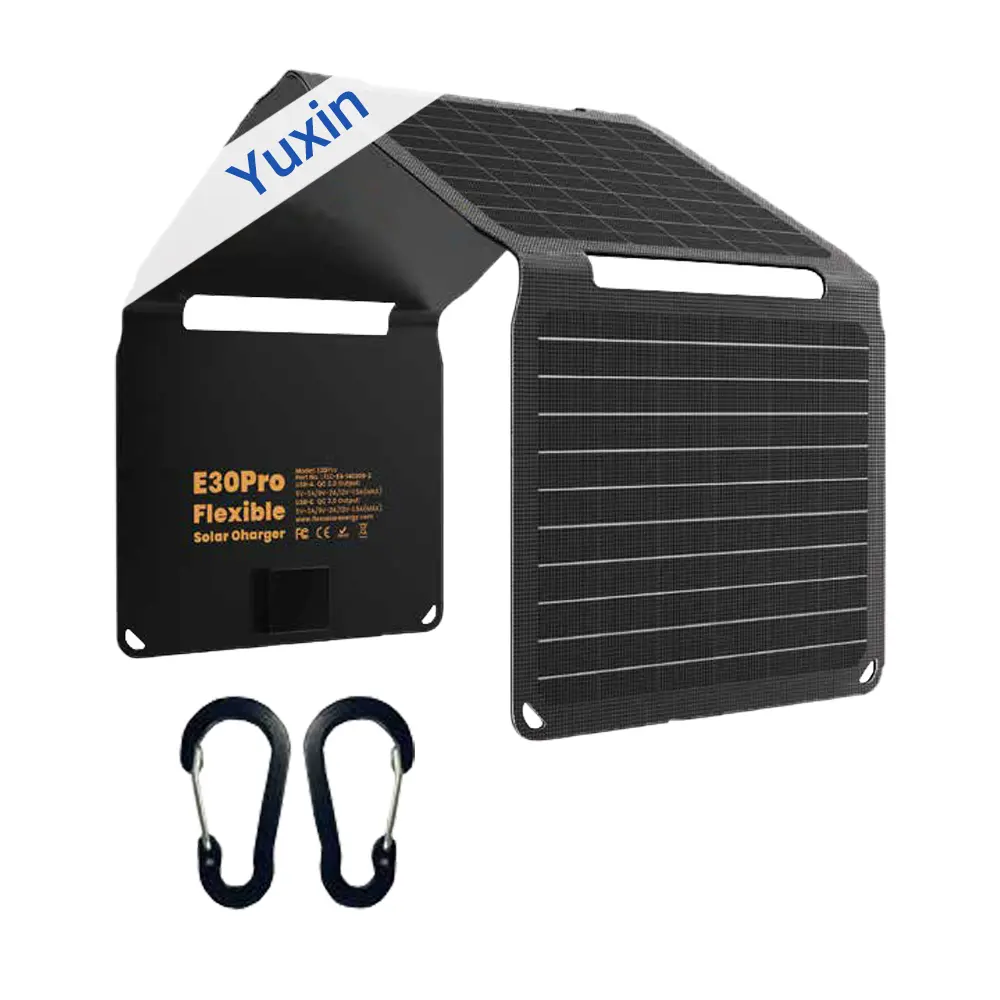
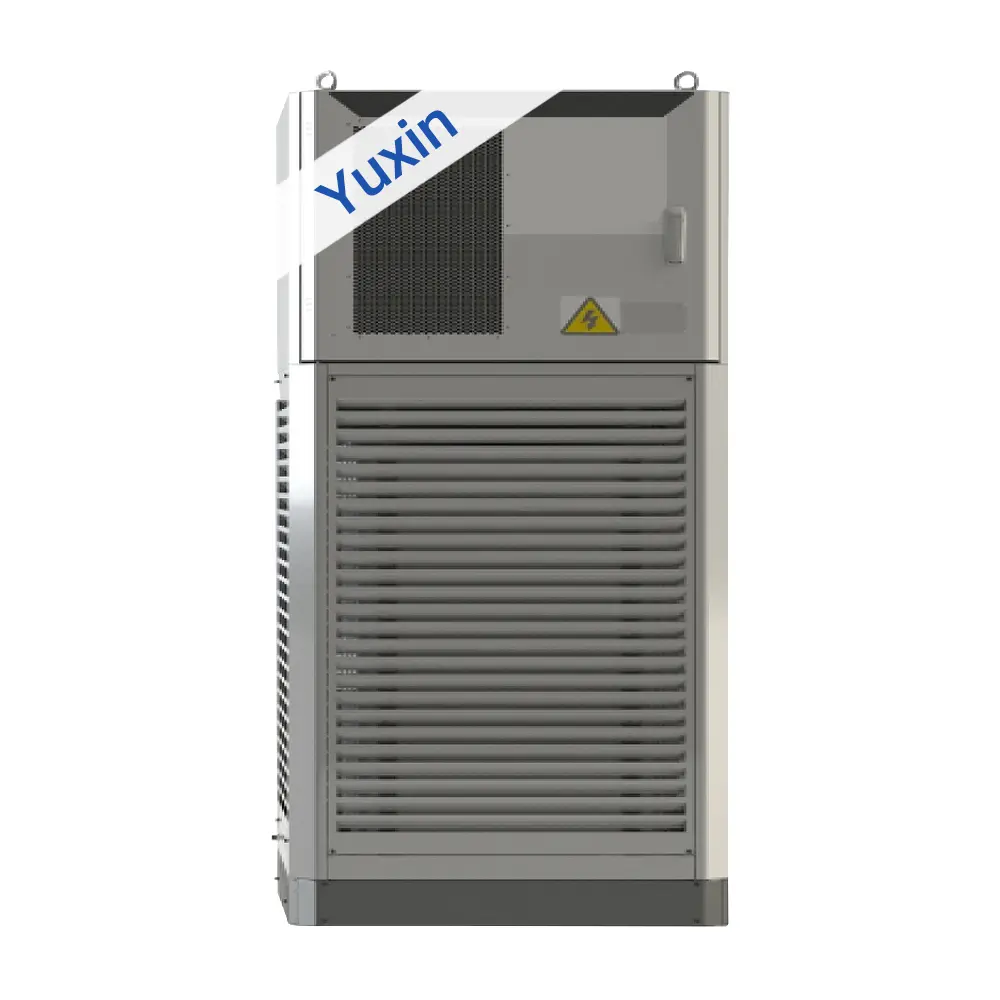
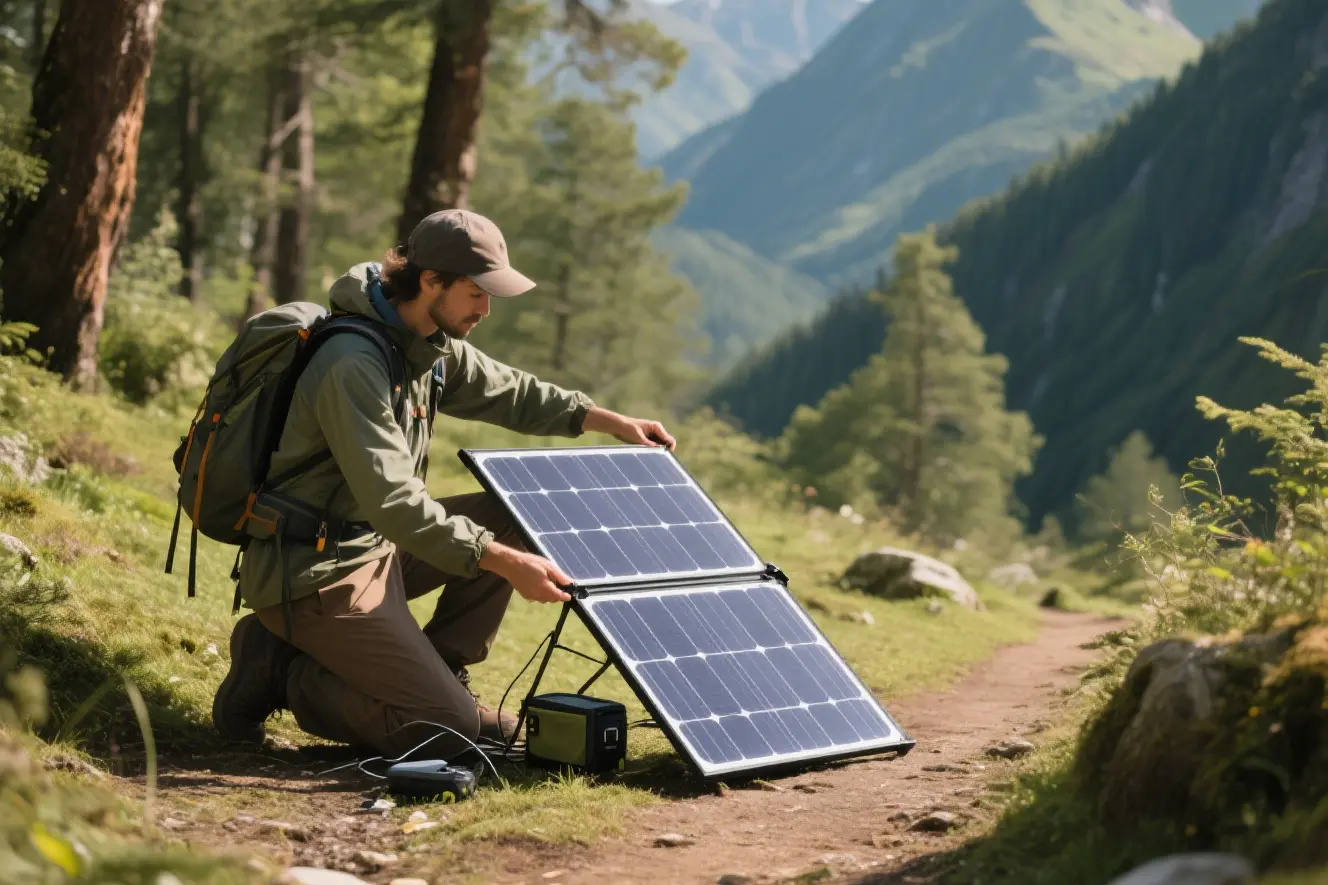
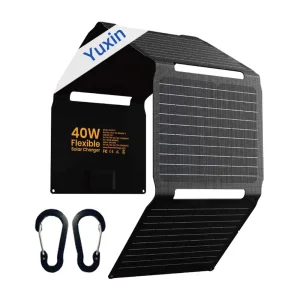
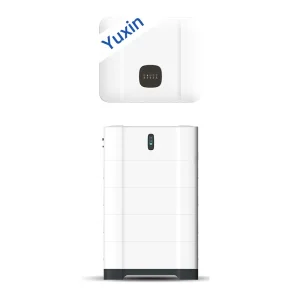
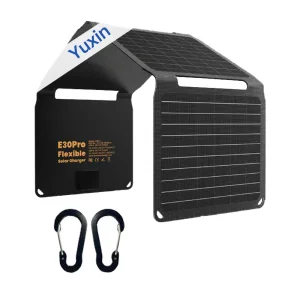
In an era defined by aggressive decarbonization mandates and decentralization trends, clean power systems must evolve from stationary, heavy utility structures to agile, modular configurations. Modern businesses and utility providers face the dual challenge of reducing Capital Expenditures (CAPEX) while establishing extreme resilience under climate volatility. Cheap portable solar panel power companies play a crucial role, providing fast-deployable solar assets, highly integrated energy storage system (BESS) hardware, and lightweight micro-grid composites that perform optimally in high-stress, off-grid settings.
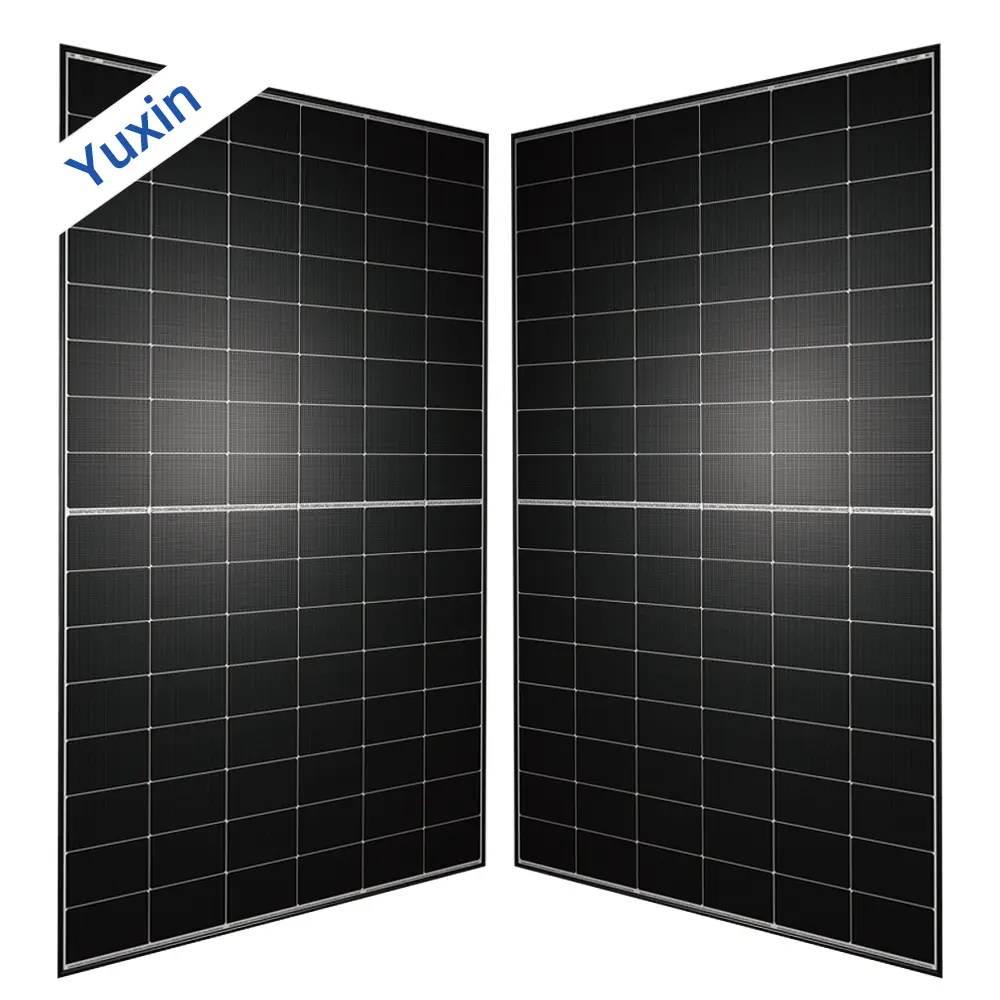
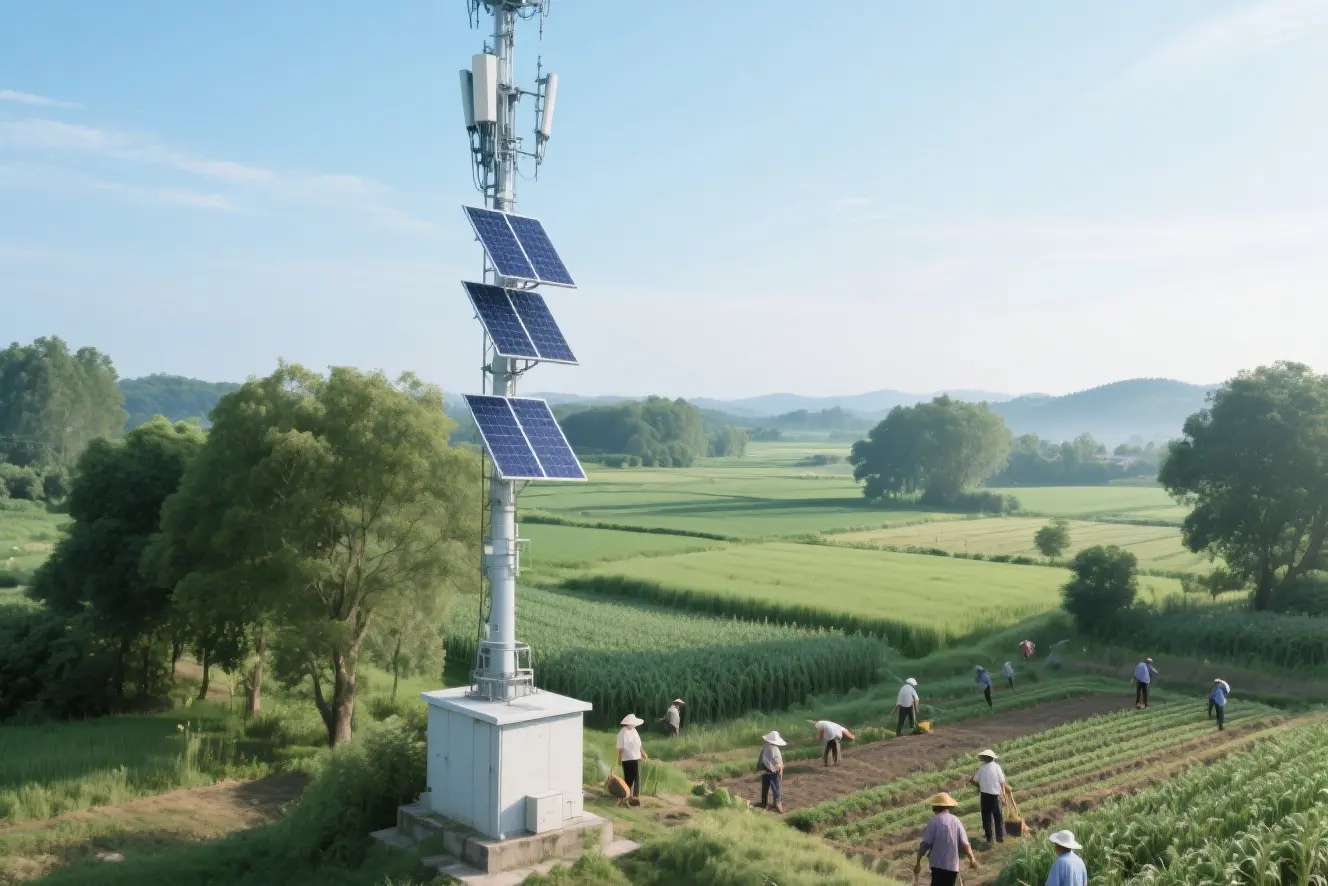
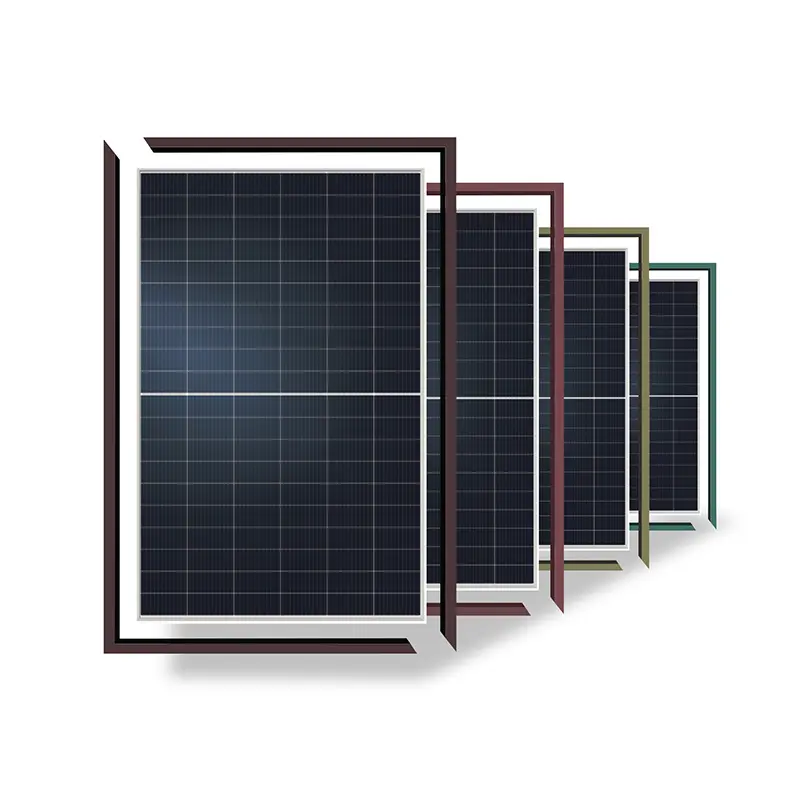
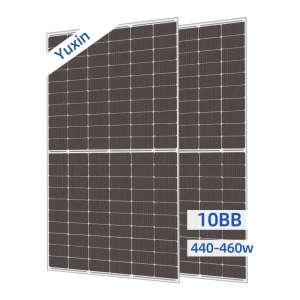
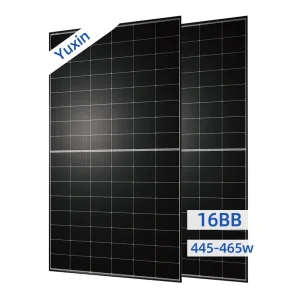
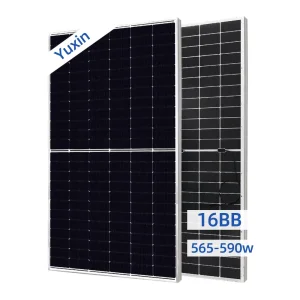
Advanced photovoltaics utilize high-efficiency crystalline silicon, thin-film heterojunctions (HJT), and next-generation N-Type Tunnel Oxide Passivated Contact (TOPCon) architectures. By configuring these technologies into flexible layouts, developers circumvent structural BOS (Balance of System) costs. These lightweight systems offer instant infrastructure protection for critical communication relays, municipal backup, remote farming sensors, and disaster response sites, bypassing long regulatory grid queues.
Global Commercial & Industrial Photovoltaic Outlook
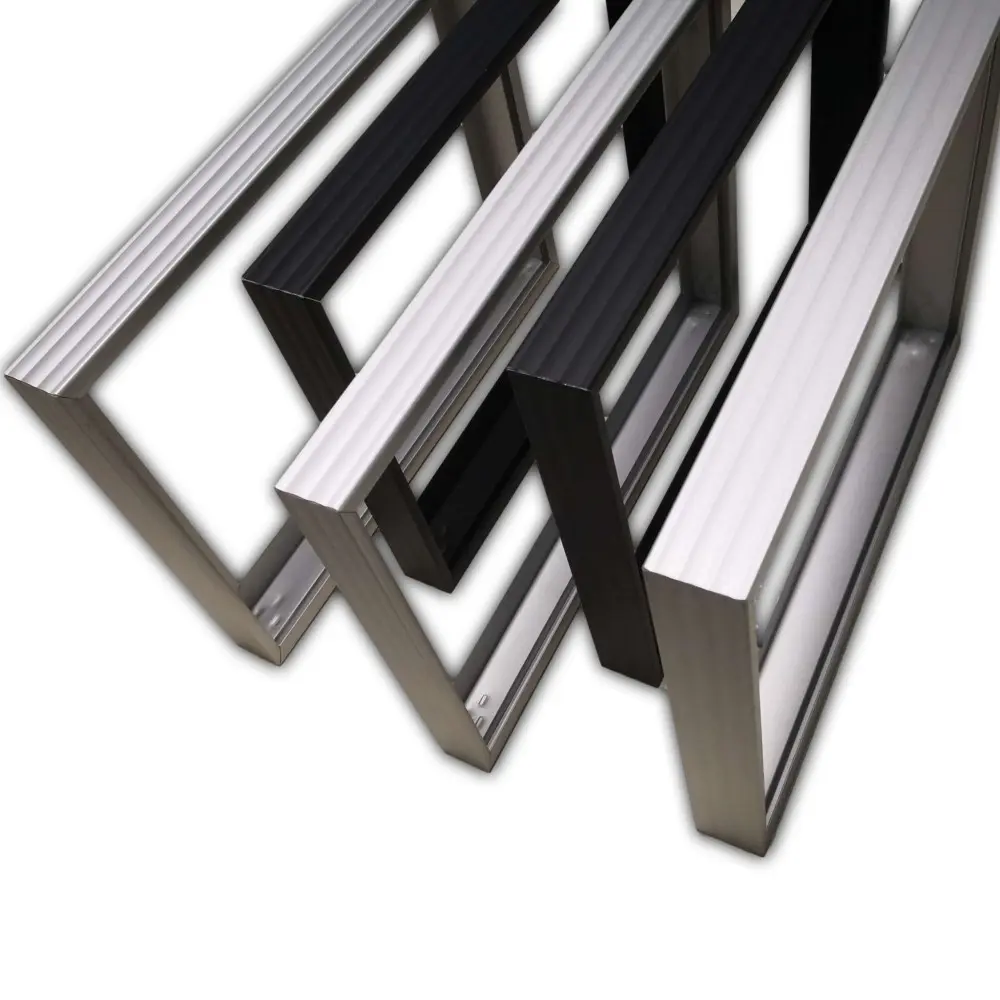
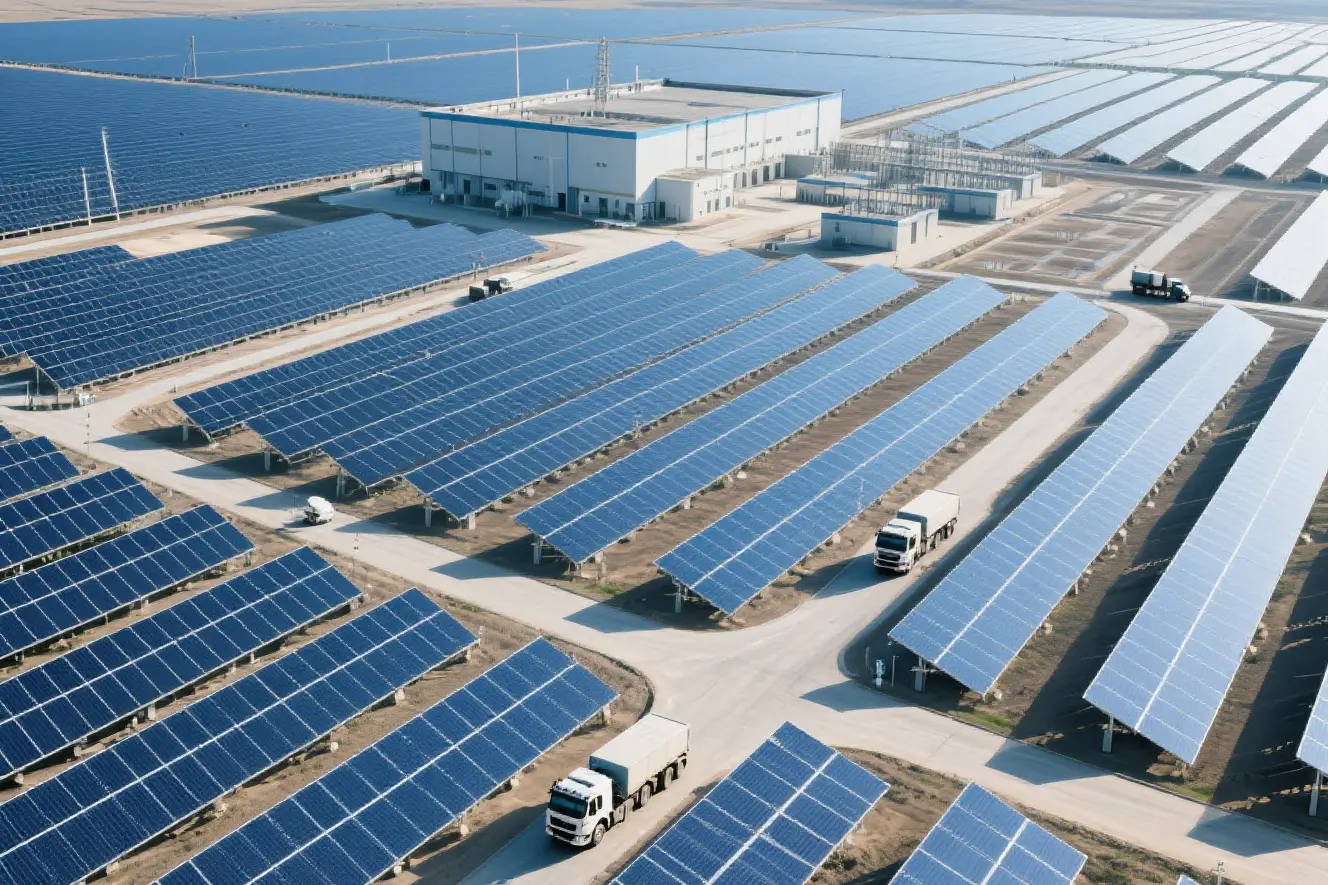
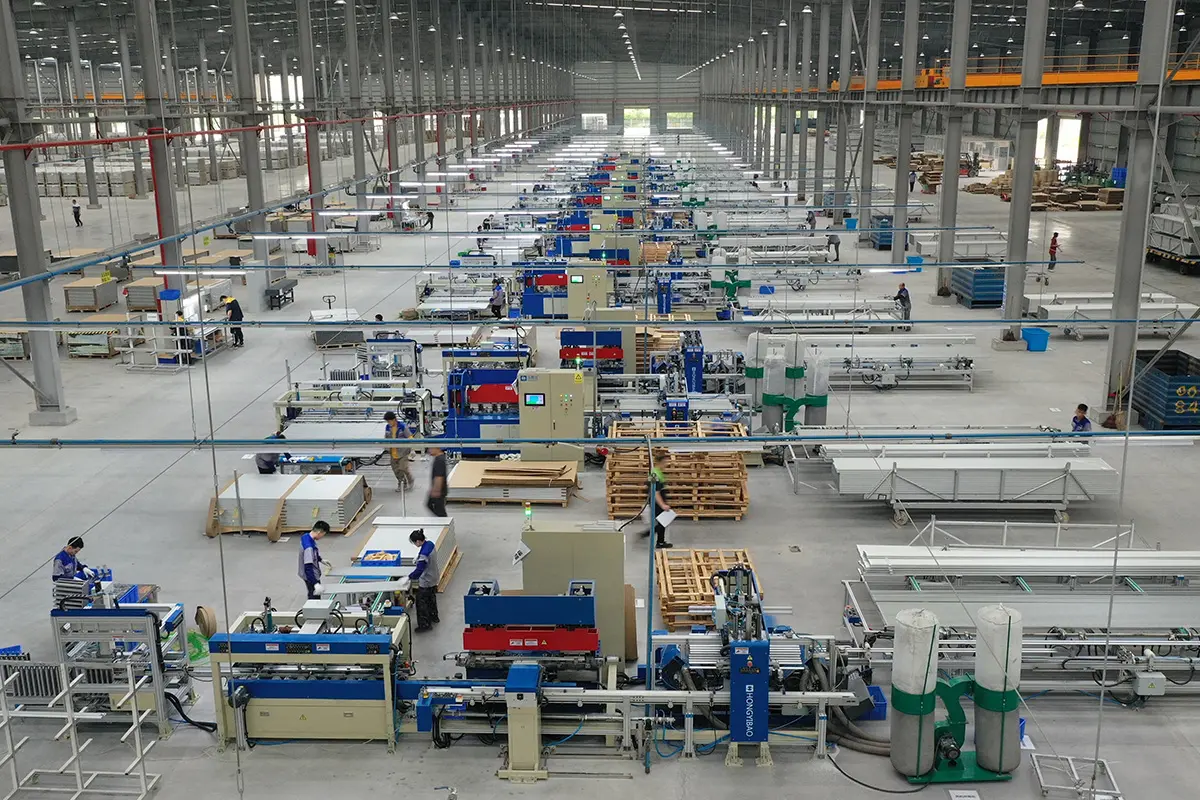
The transition toward distributed energy architectures is driving massive growth in the Commercial and Industrial (C&I) sector. Global supply chains rely heavily on standardized production pathways to control Levelized Cost of Energy (LCOE). Central to this optimization is the integration of premium structural frames that resist mechanical loads without adding deadweight to transport mechanisms.
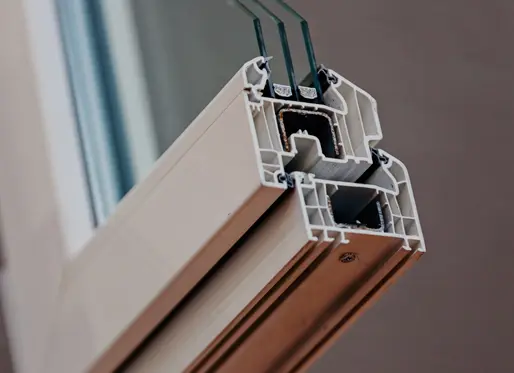
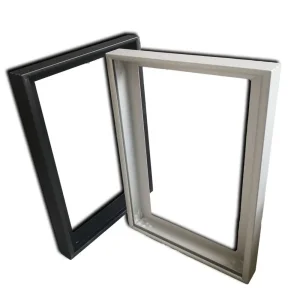
Traditional structural methods are being challenged by novel material compositions, such as polyurethane pultruded composites. These materials match or exceed the structural capacity of 6063-T5 aluminum, offer natural electrical insulation, and are impervious to salt spray and corrosive chemicals. This enables solar projects in marine environments and chemical plants to operate maintenance-free for decades.
Regulatory Compliance & Global Trade Integration
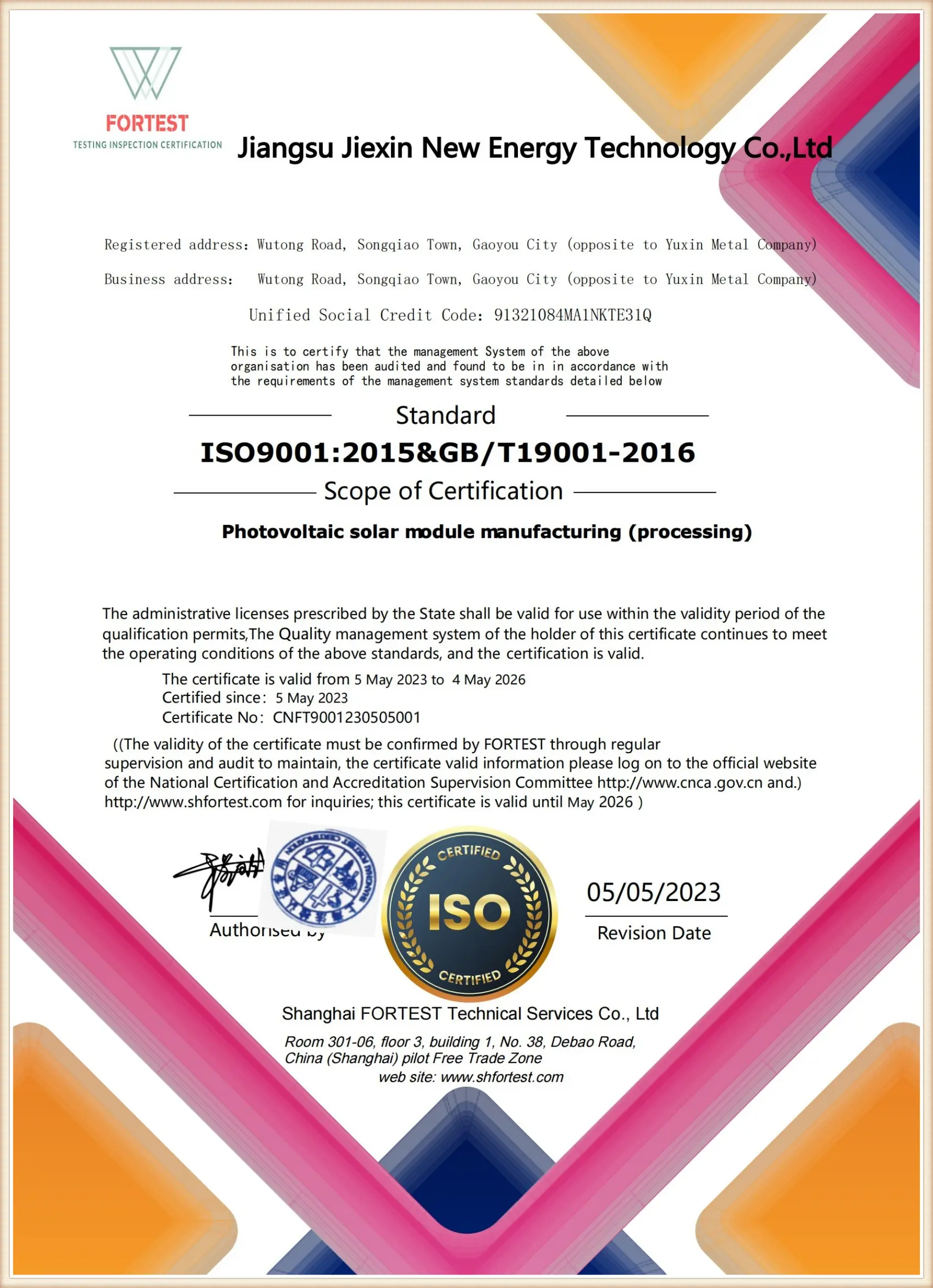
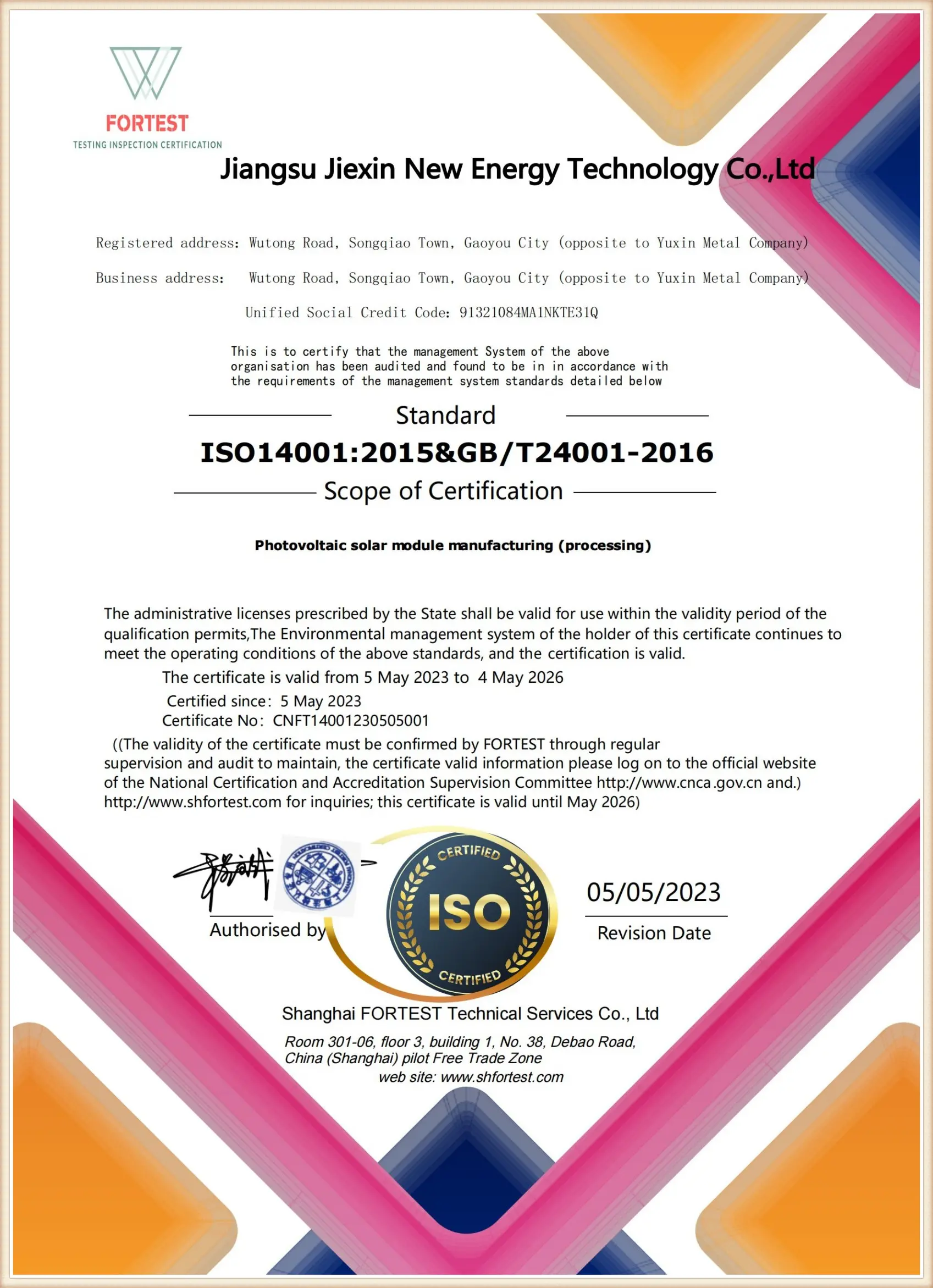
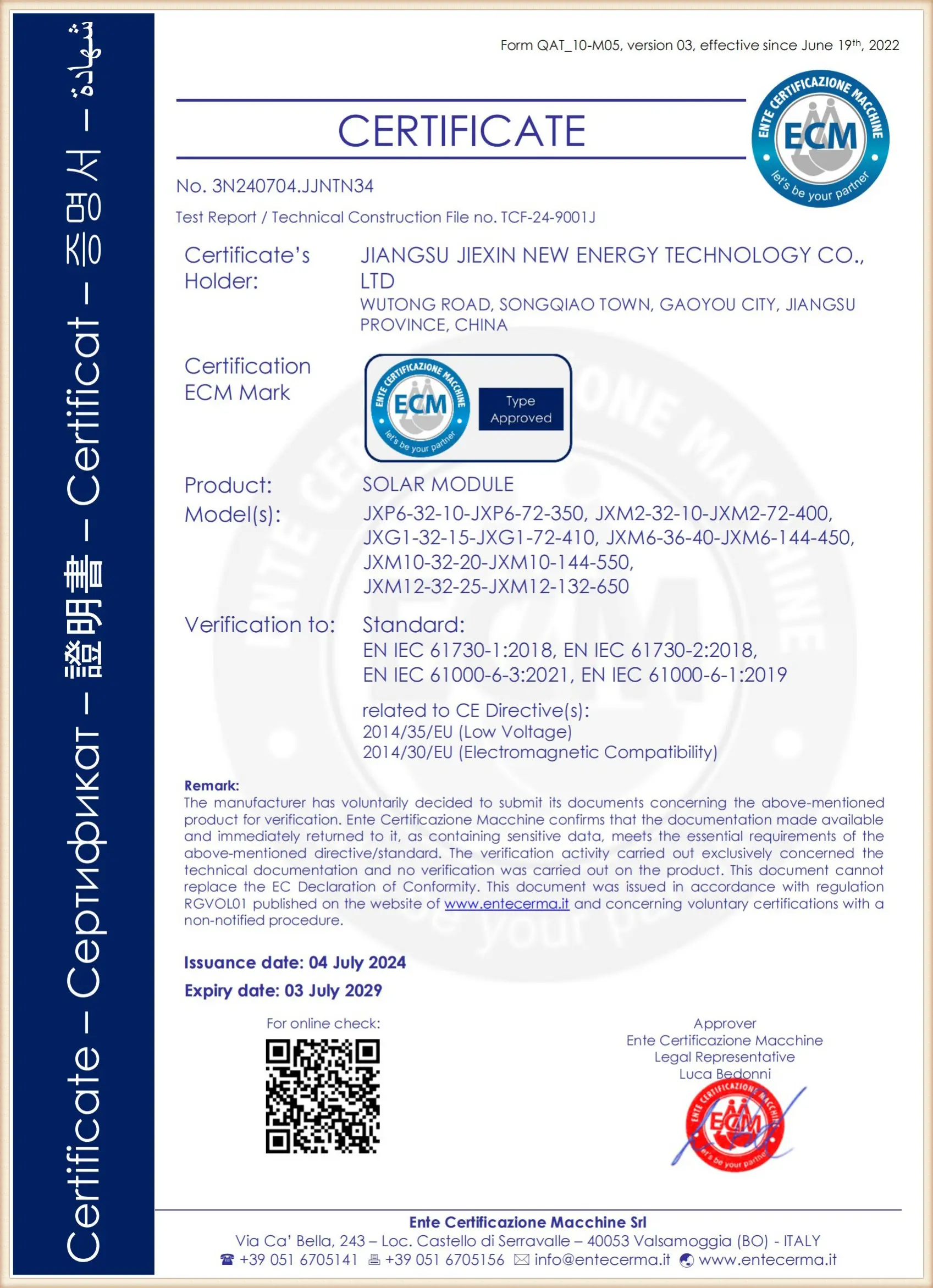
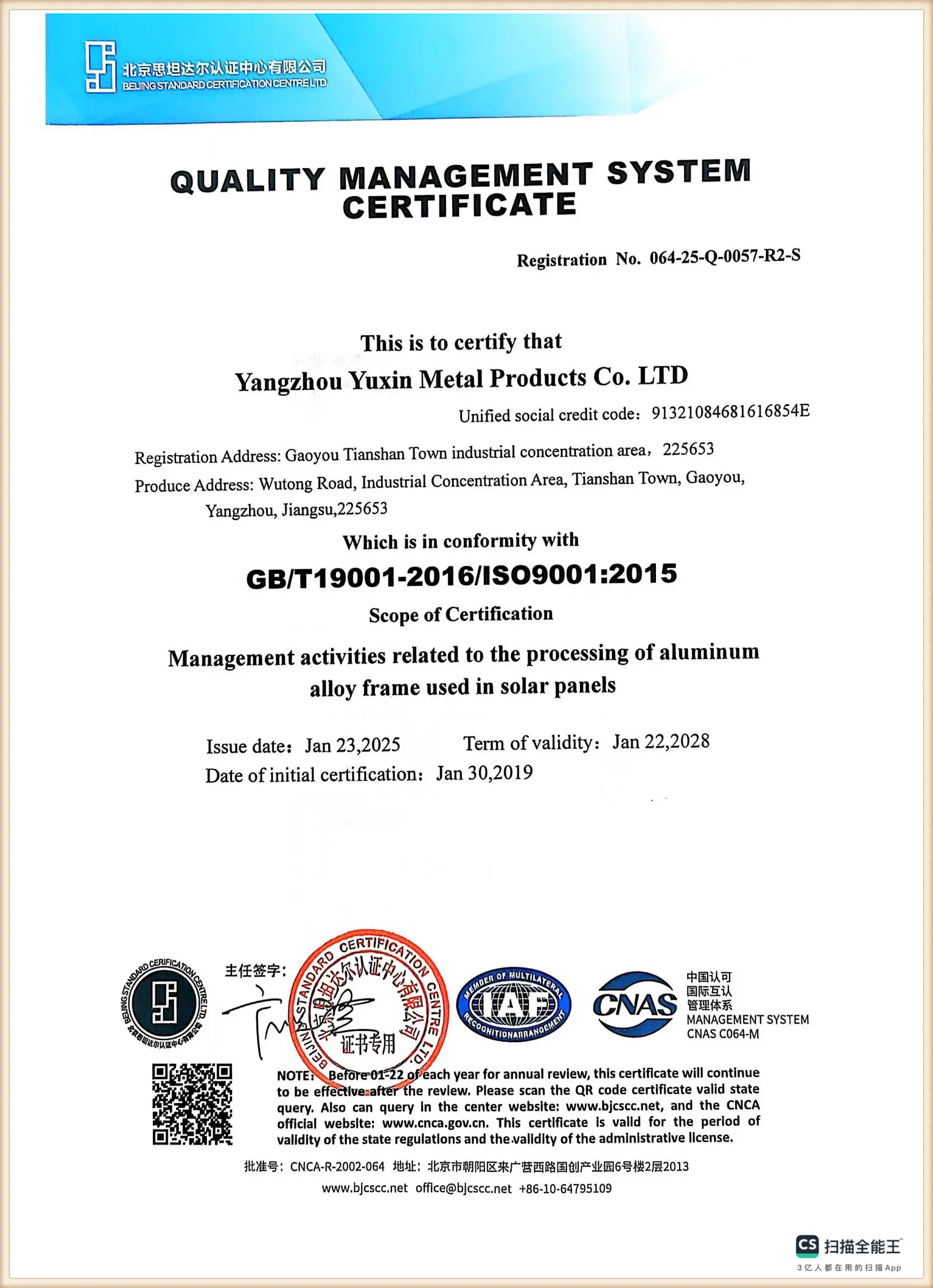
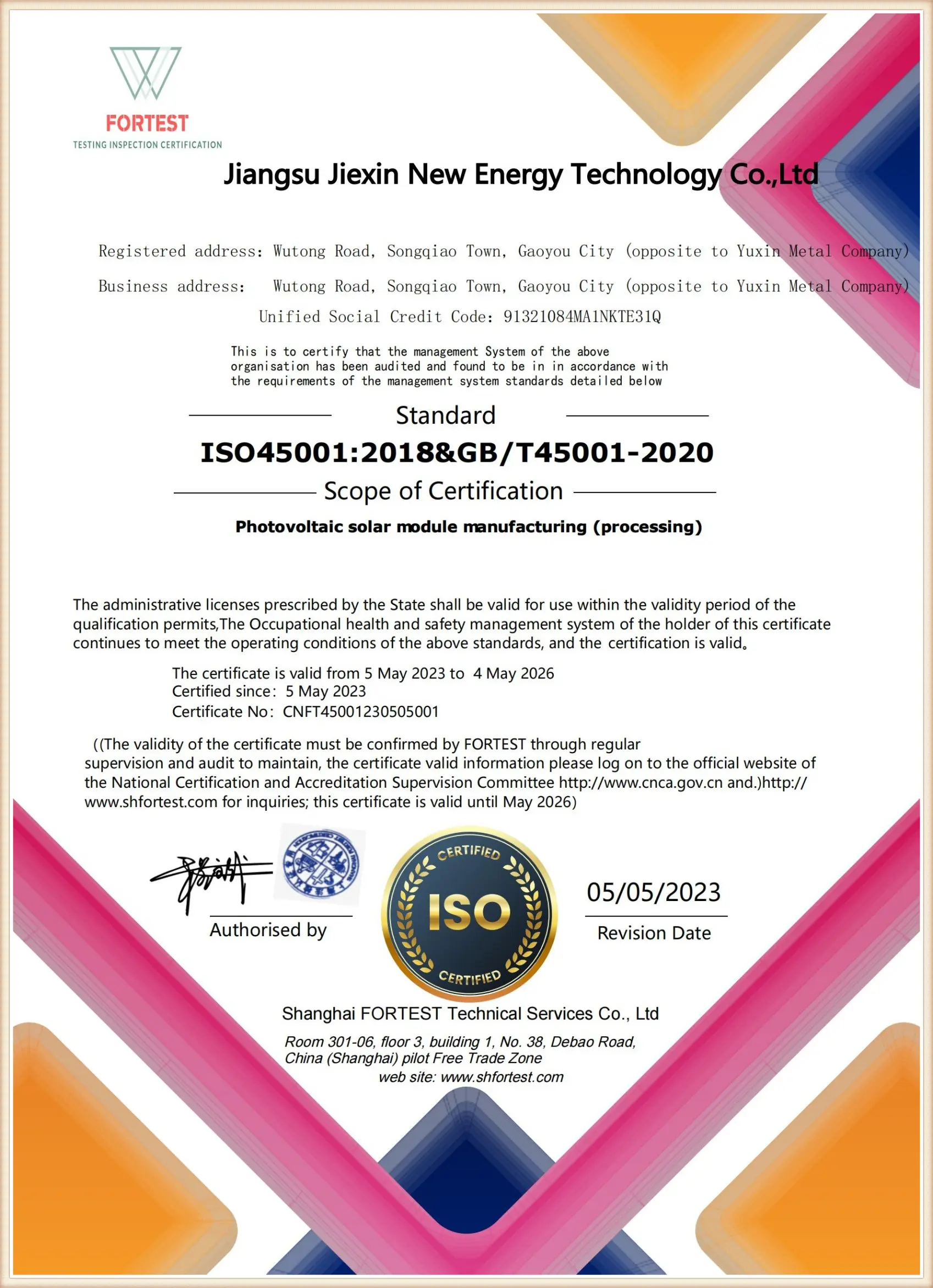
Navigating global grid and product standard approvals is a key hurdle for commercial operators. Comprehensive system integration requires strict adherence to international safety, performance, and environmental protocols:
- IEC 61215 / IEC 61730: Ensures mechanical stability, electrical safety, and long-term durability of crystalline silicon modules under extreme outdoor conditions.
- UL 1703 / UL 61730: Crucial for North American system approvals, confirming flame resistance and high dielectric strength.
- CE & RoHS Compliance: Certifies that solar electronics and backup power generators contain no hazardous substances, fulfilling strict European Union safety and recycling directives.
- TÜV Rheinland Certification: Provides third-party verification of manufacturing consistency and rated efficiency yields across all assembly operations.