1. The Evolving Global Landscape of Loadshedding and Infrastructure Instability
In the contemporary industrial and municipal landscape, the concept of "loadshedding" has expanded from localized peak-demand interventions to a persistent, structural threat targeting municipal power grids worldwide. Regions such as Sub-Saharan Africa (predominantly driven by ESKOM grid curtailment policies in South Africa), parts of South Asia (such as Pakistan and Bangladesh), and South America are witnessing critical infrastructure outages. Furthermore, developed economies in North America and Western Europe are increasingly facing micro-grid voltage drops and emergency shutdowns due to extreme meteorological anomalies, aging grid infrastructure, and rapid transitions to intermittent renewable energy sources.
For industrial operators, commercial enterprises, and agricultural hubs, power continuity is no longer a luxury—it is the foundation of operational existence. Standard uninterruptible power supply (UPS) units, historically engineered to maintain basic computer functions for brief intervals, are fundamentally inadequate for sustaining high-load machinery, HVAC automation, telecommunications infrastructure, and automated milking parlors during persistent multi-hour blackouts.
2. Global Procurement Criteria: What B2B Buyers Require
When executing volume sourcing projects from manufacturers, enterprise engineers look past promotional jargon. They scrutinize empirical performance metrics that govern long-term asset amortization. The baseline requirements for industrial procurement directories involve high cycle durability, fast recharge capability, and scalable architecture.
Our manufacturing blueprints focus on optimizing these exact parameters to offer high-quality battery backups that reduce the Levelized Cost of Storage (LCOS). A professional analysis of key procurement metrics includes:
- Depth of Discharge (DoD): Systems must support a minimum of 80% to 90% DoD without accelerating cell degradation. Standard LFP configurations from premium tier-1 factories guarantee >6000 cycles at 80% DoD.
- Thermal Control Engineering: High ambient temperatures in regions like Africa and the Middle East accelerate thermal runaway in substandard units. Intelligent Battery Management Systems (BMS) with active cooling protocols or phase-change materials (PCM) are essential.
- Inverter Integration: True plug-and-play loadshedding systems must demonstrate seamless communication protocols (CAN/RS485) with leading global hybrid inverters (e.g., Victron, Deye, Growatt, Luxpower).
- Modular Extensibility: Standardized cabinet architectures allow commercial facilities to scale capacity from 10 kWh up to megawatt-class configurations dynamically.
3. China Factory 4.0: Supply Chain Resilience and Cost Efficiencies
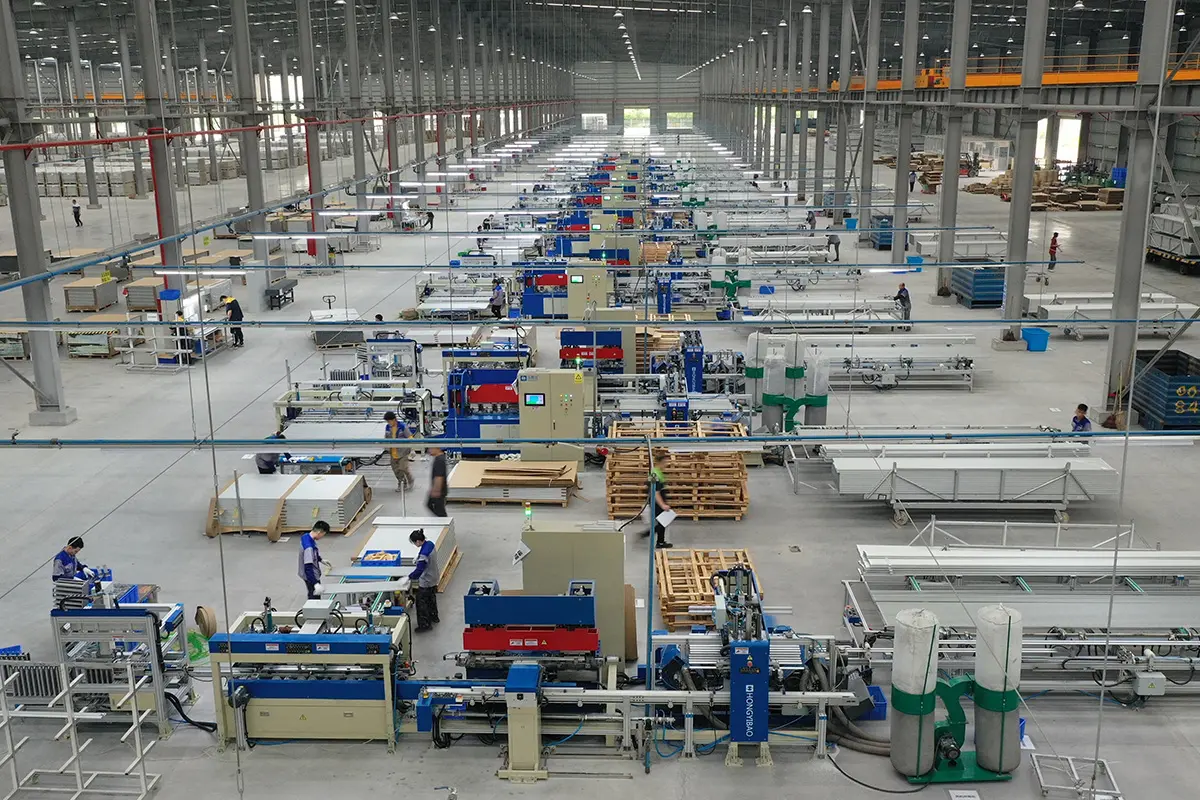
The realization of "cheap loadshedding battery backups" that do not compromise safety relies on China’s Factory 4.0 paradigm. This manufacturing process combines advanced automation, localized raw material clusters, and high-volume vertical integration.
At our state-of-the-art Yangzhou production hubs, precision and automation drive cost reductions. By integrating automatic cell testing, automated module sorting, laser welding of cell terminals, and comprehensive end-of-line (EOL) aging simulations, we ensure that every modular unit matches international regulatory standards.
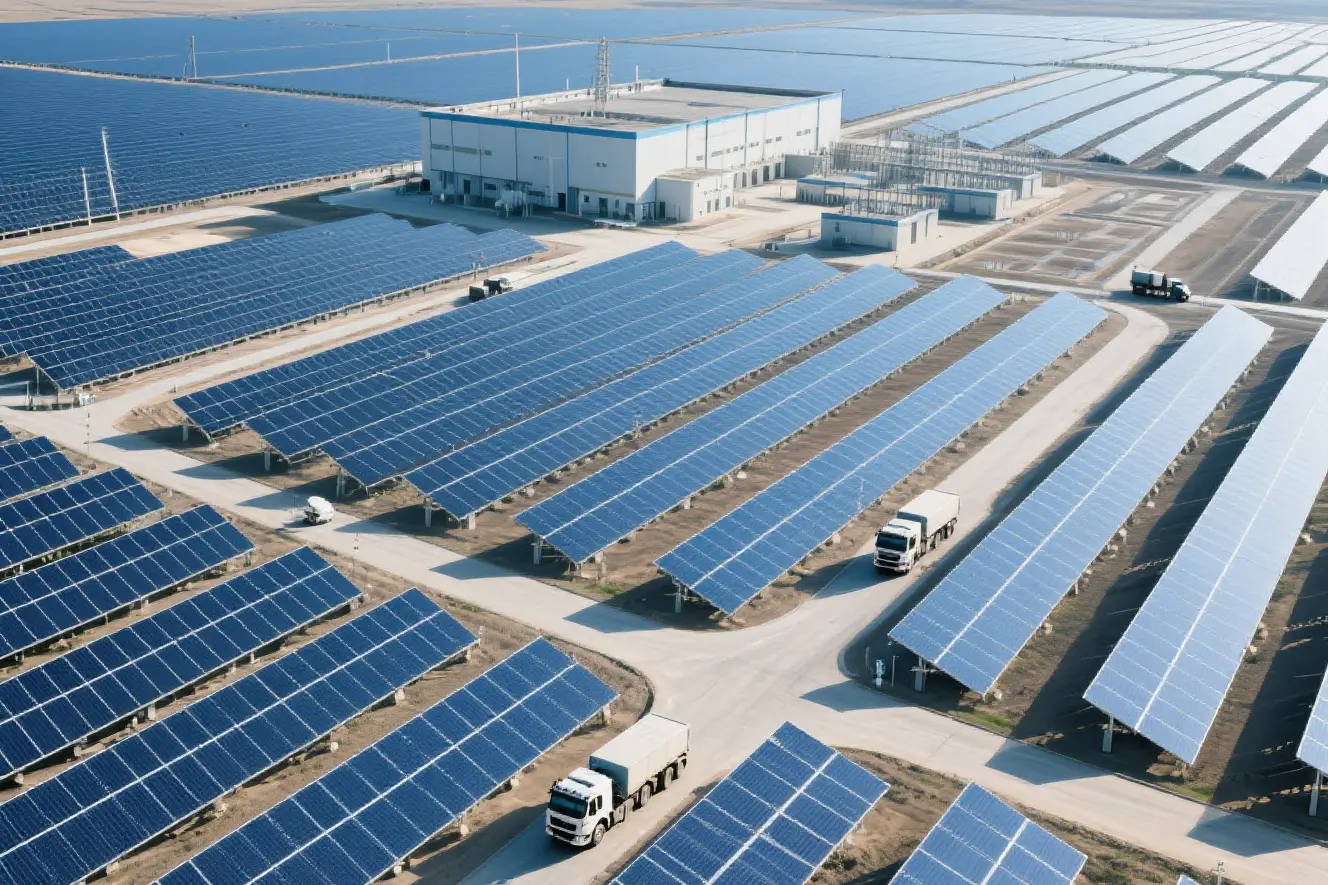
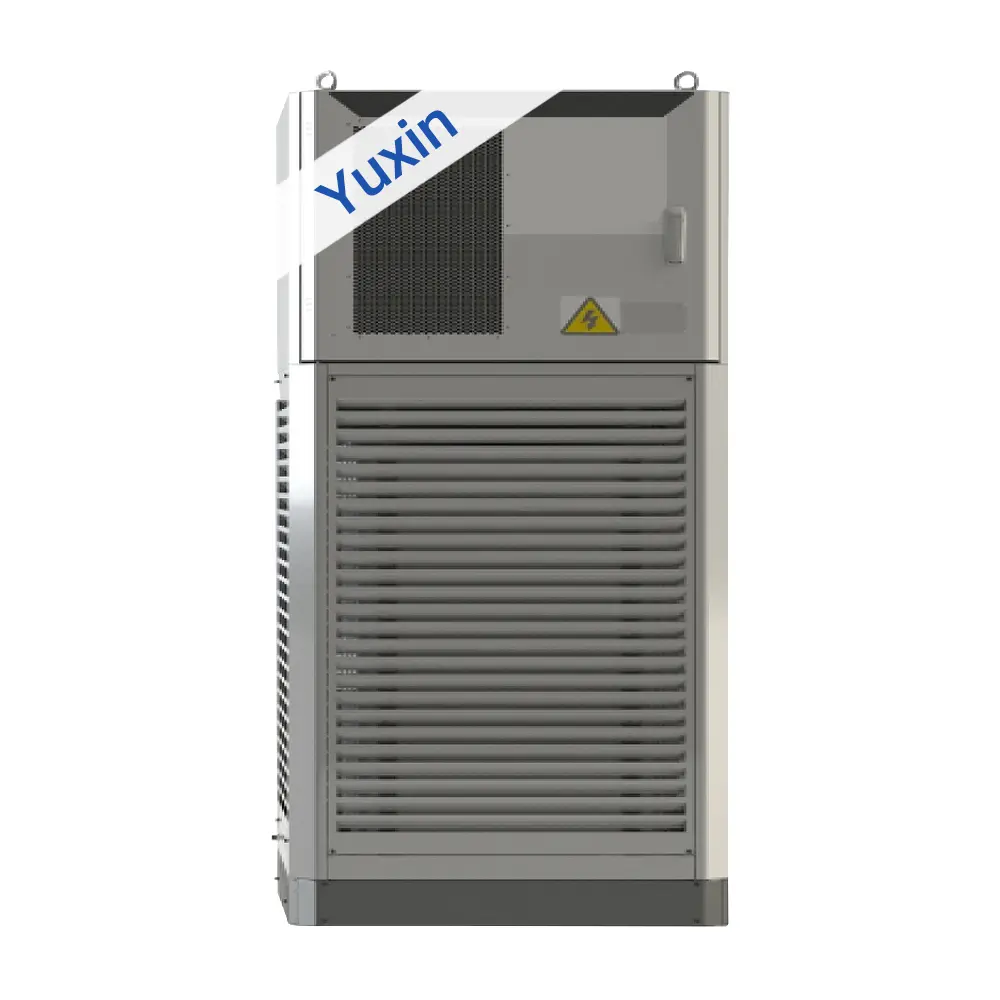
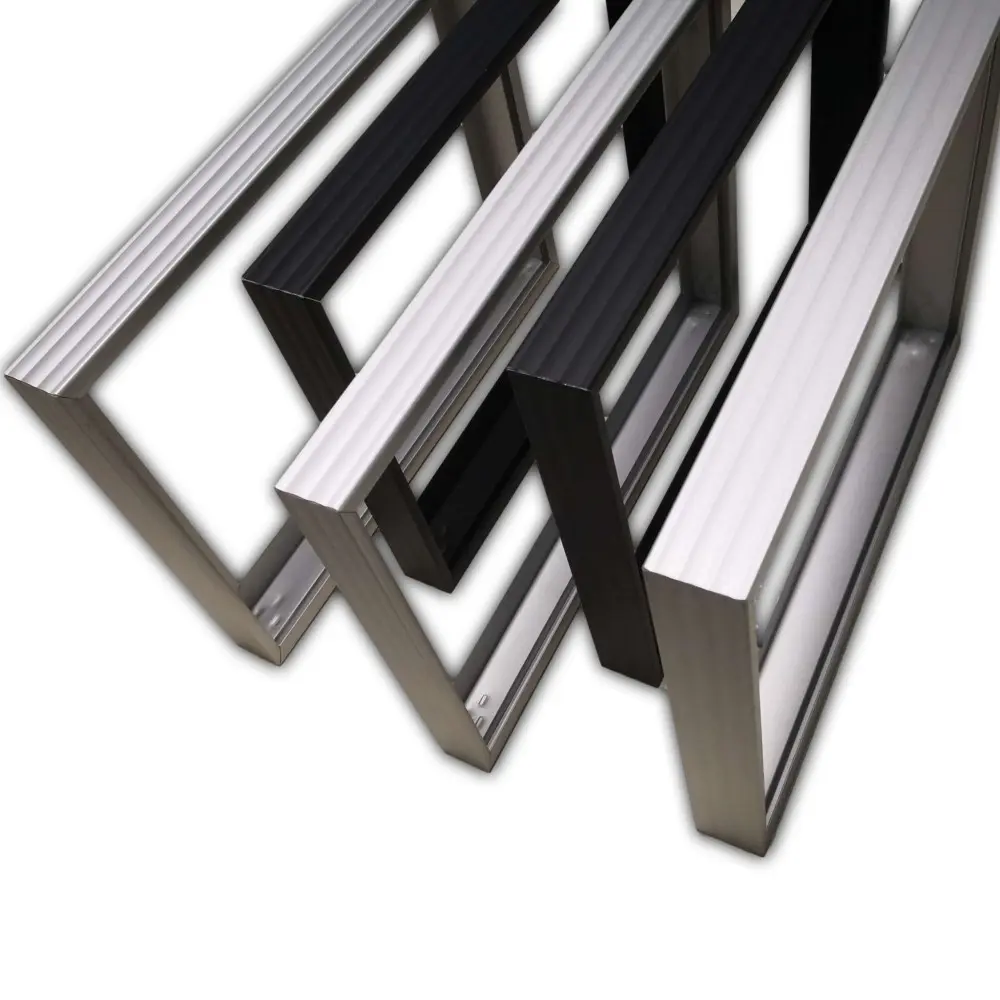
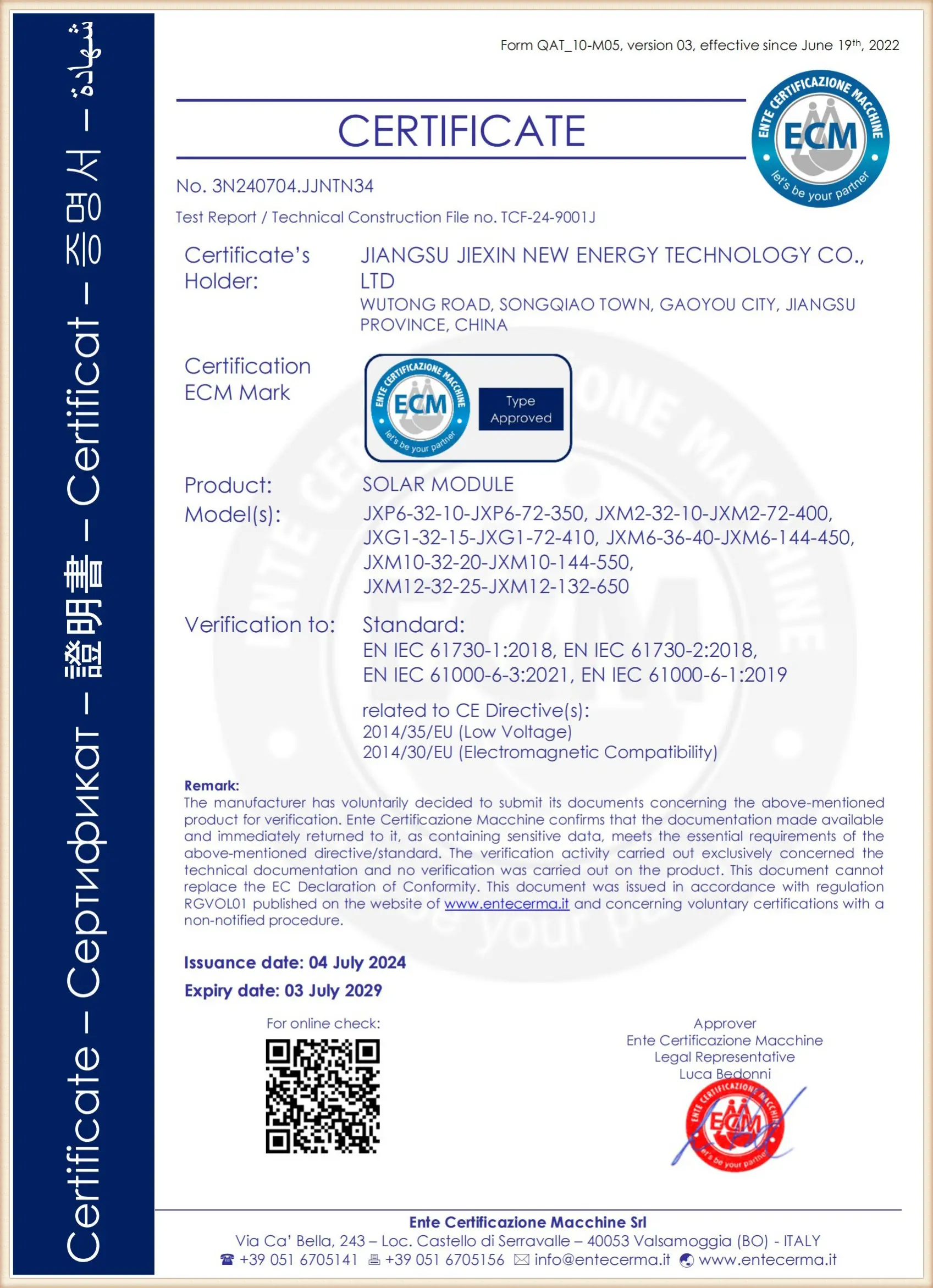
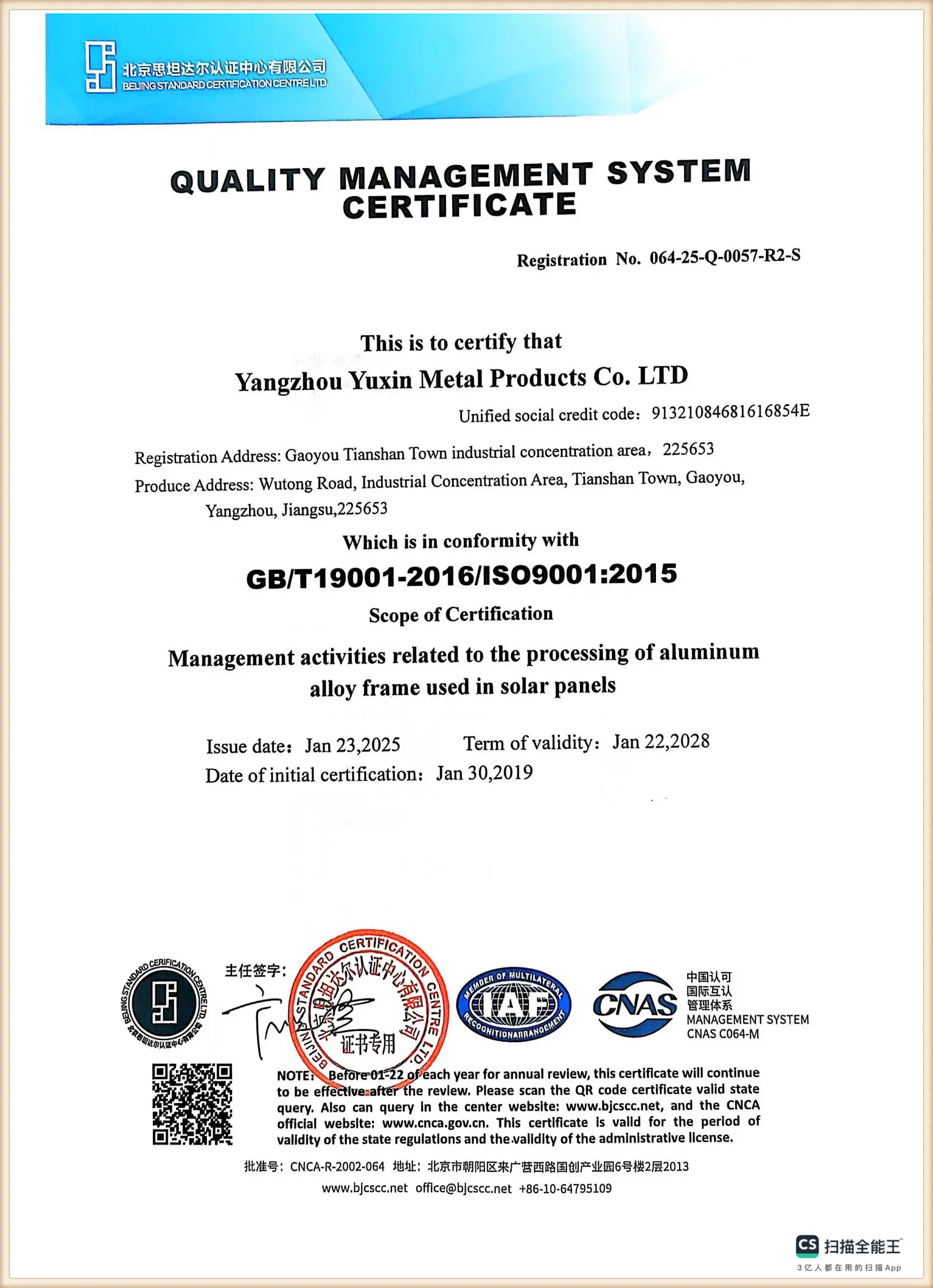
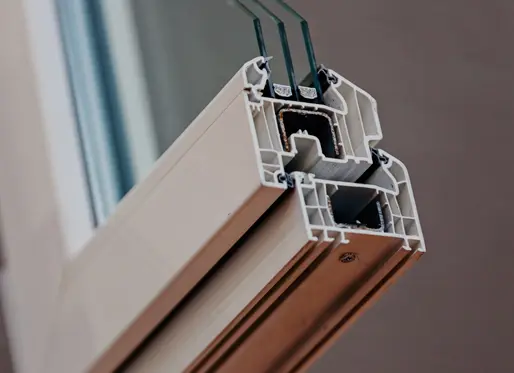
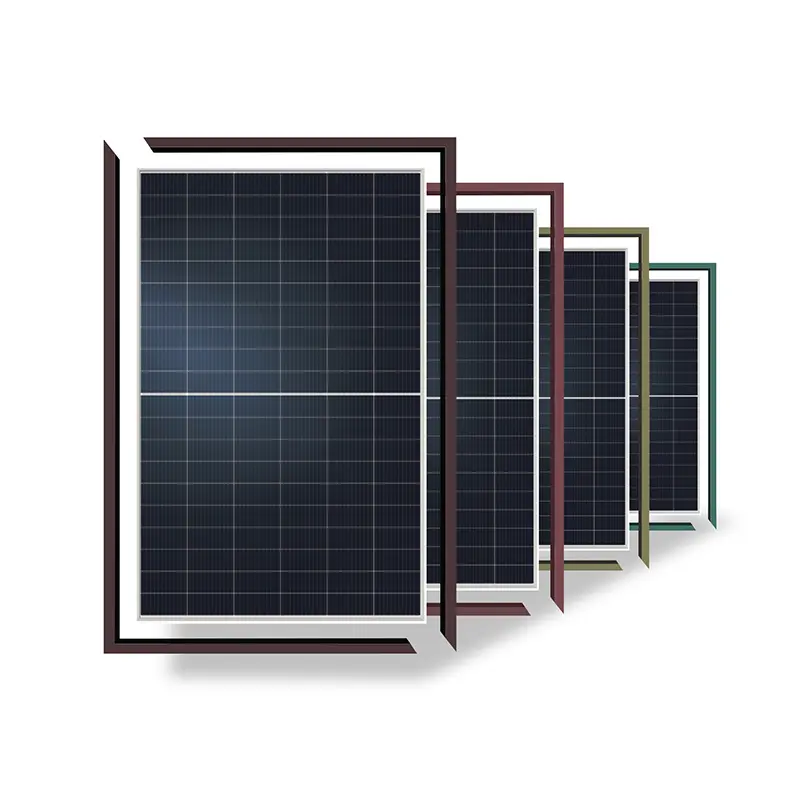
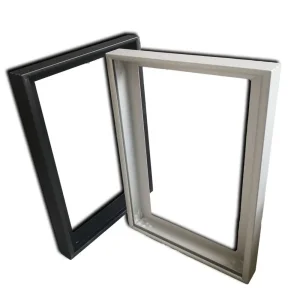
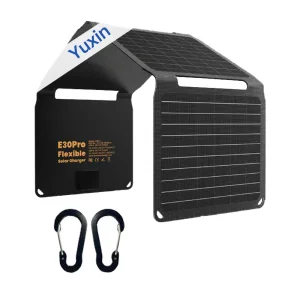
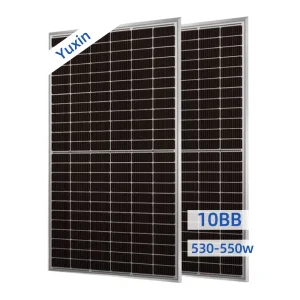
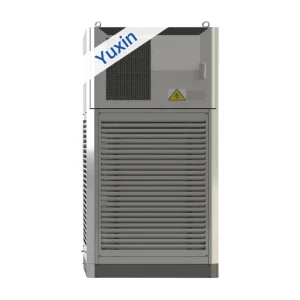
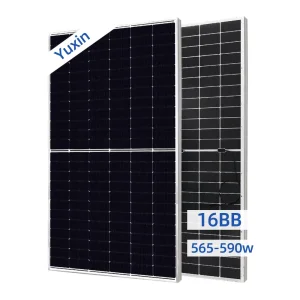
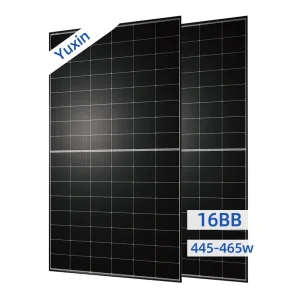
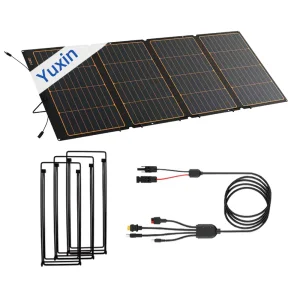
Furthermore, our production footprint includes the fabrication of essential components such as structural aluminum frames, composite solar modules, and integrated outdoor enclosures. Our structural frames feature sustainable polyurethane pultruded composite material and 6063-T5 aluminum alloys. This dual manufacturing capability significantly minimizes Balance of System (BOS) costs for solar panel integration, enabling us to deliver robust battery backups at highly competitive wholesale rates.
About YUXIN Group
Precision, Quality, and Safety - Your Photovoltaic Materials & Energy Storage Expert. Located in the historical and cultural city of Yangzhou, Jiangsu Province, close to the Beijing-Shanghai Expressway, Runyang Yangtze River Bridge, and Ningqi Railway, the group enjoys a superior geographical location and convenient shipping logistics.
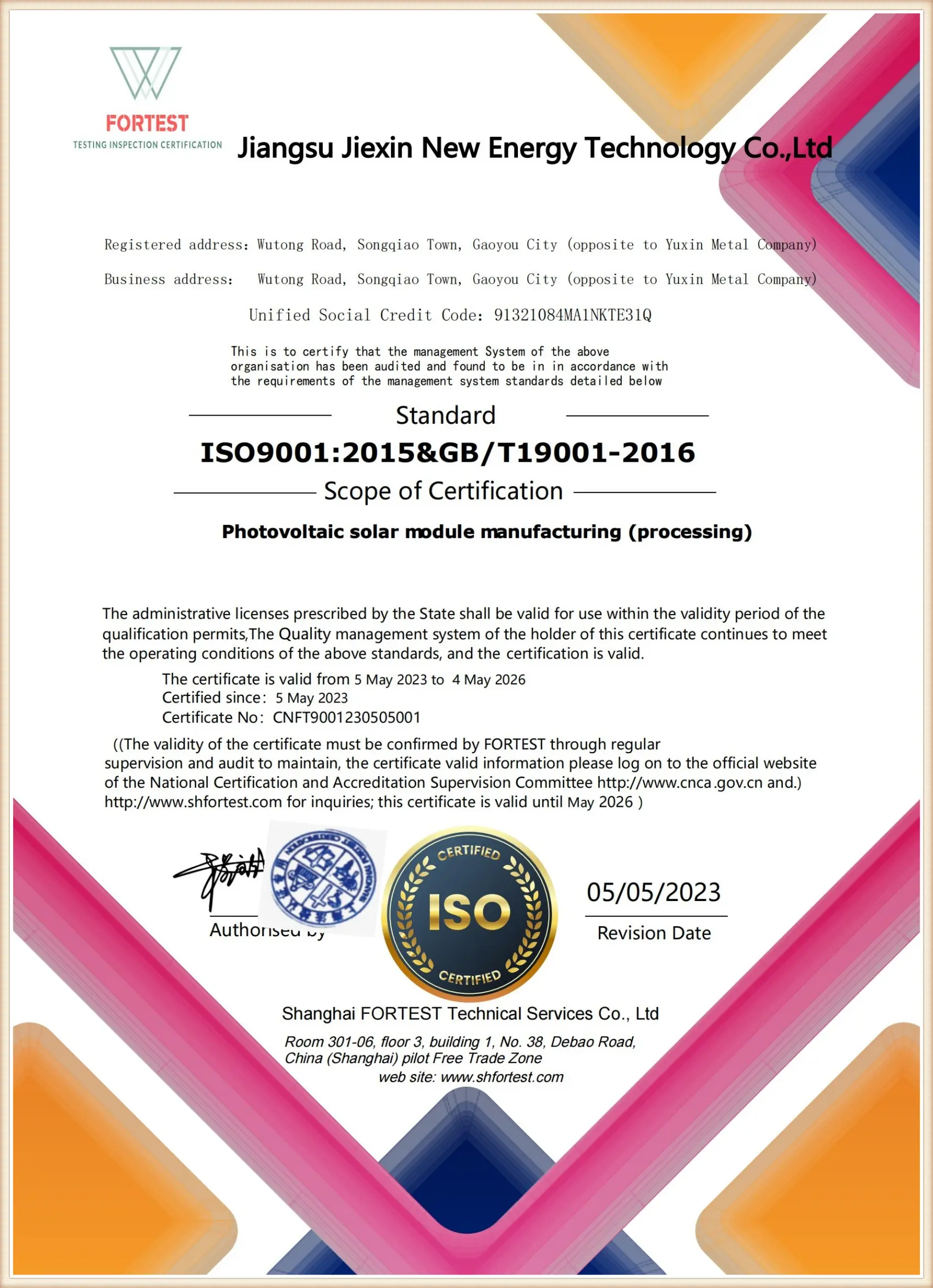
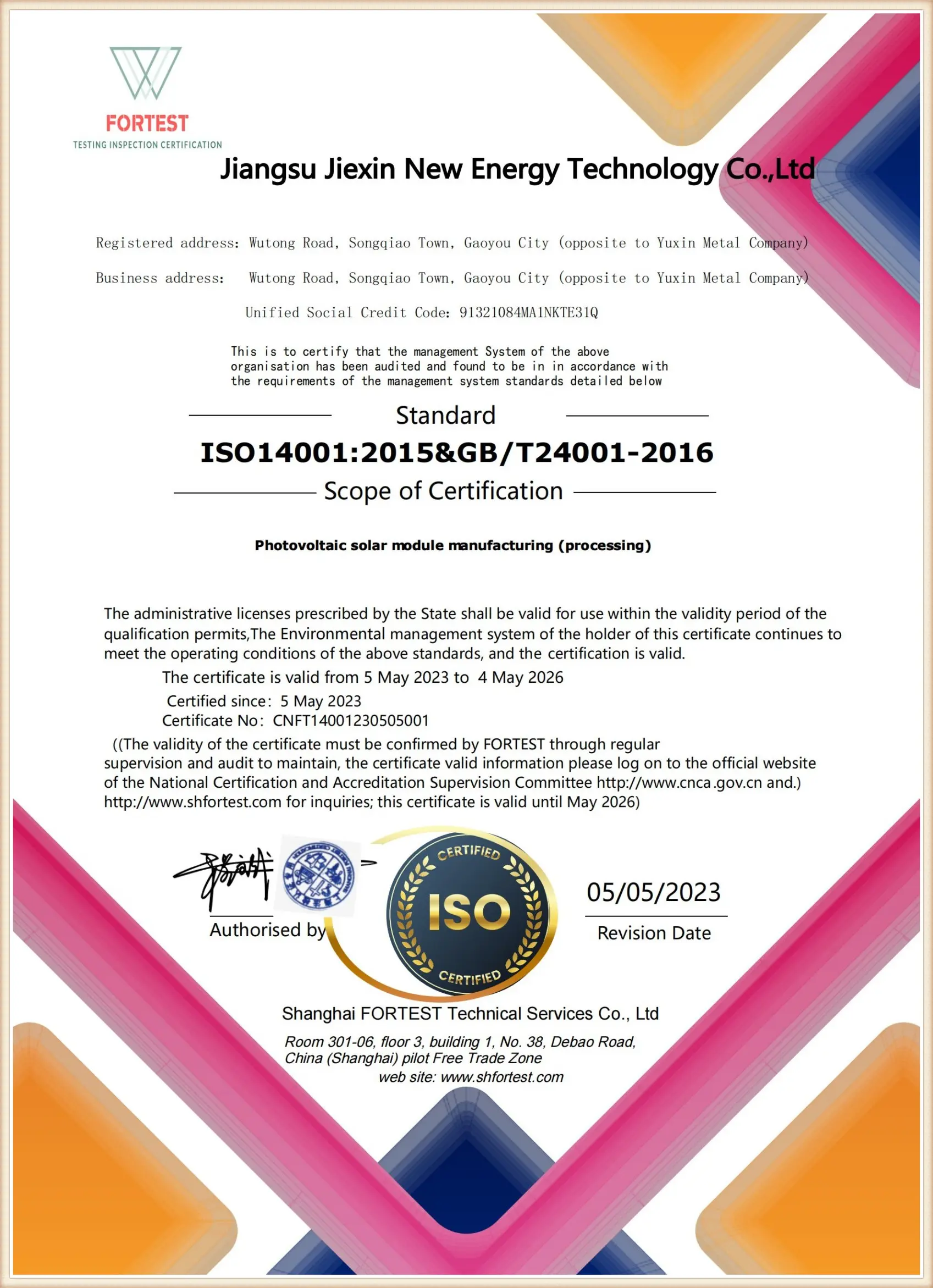
Established in 2008, the group operates 14 multi-field subsidiary companies, including Jiangsu Yuxin New Energy Technology Co., Ltd. We have been recognized with numerous accolades, including the National High-tech Enterprise designation, Technology-based Enterprise status, and ranking among the Gaoyou City Top 100 Private Enterprises.
4. Localized Application Scenarios & Micro-Grid Topologies
Loadshedding resilience requires customized electrical architectures. The deployment of backup battery technology varies across sectors:
A. Agriculture & Irrigation Projects
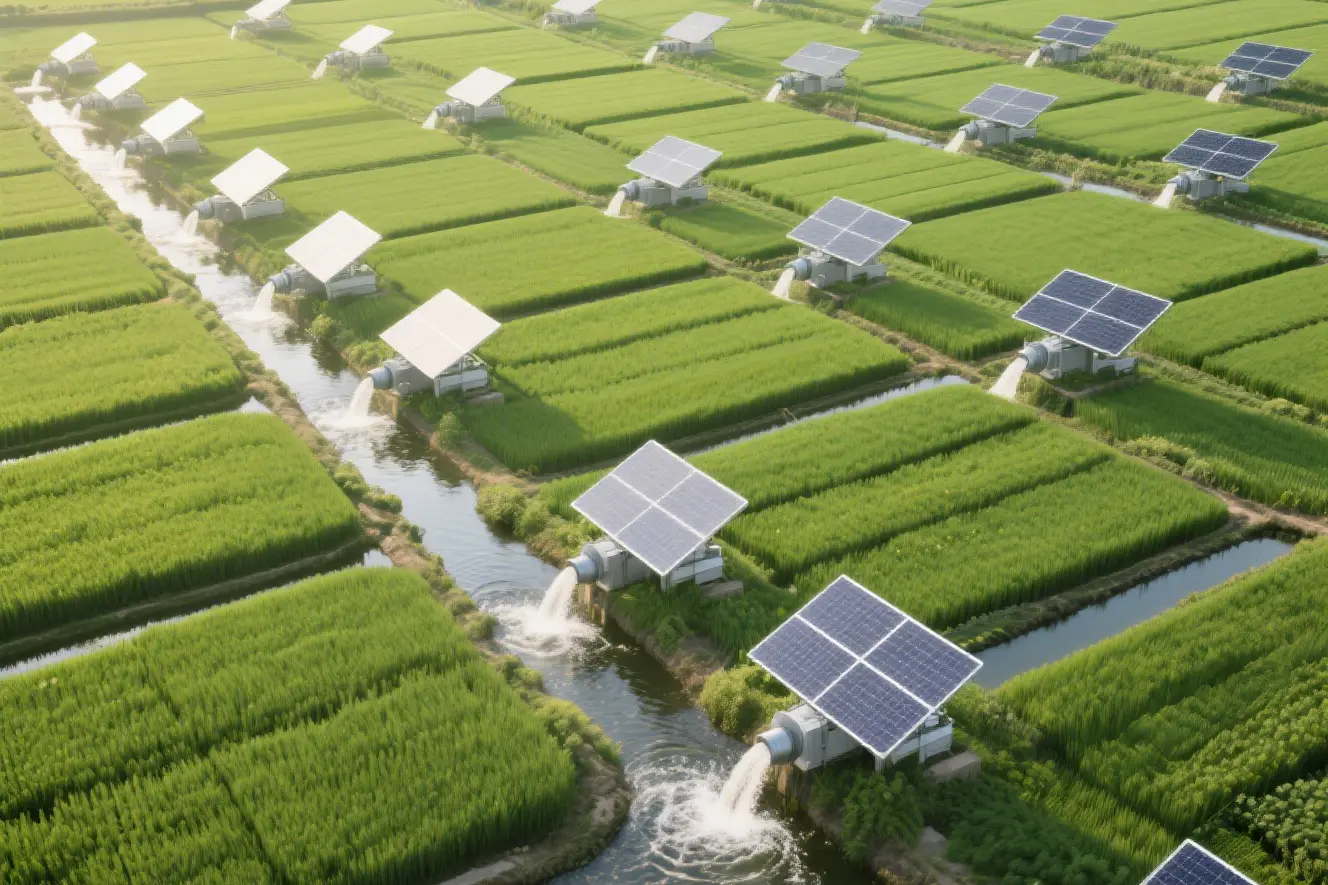
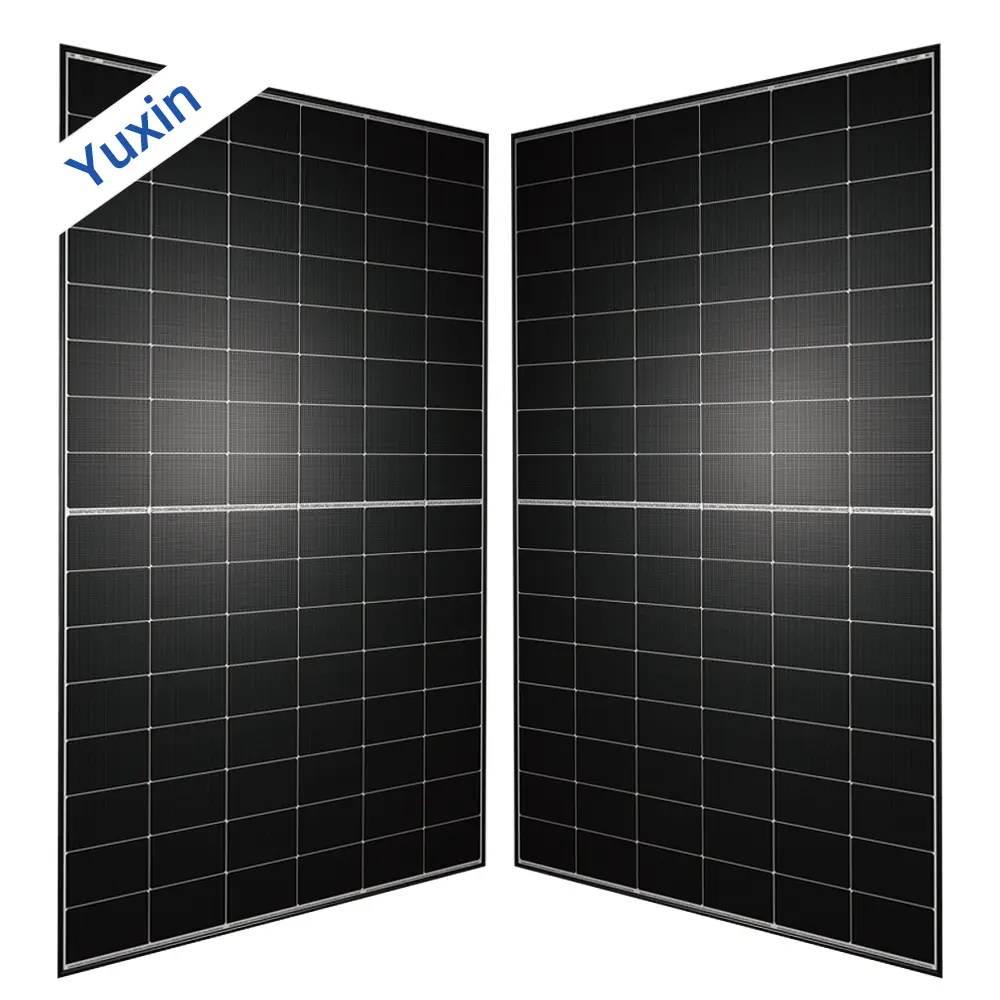
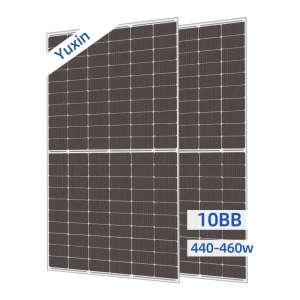
Modern agro-industrial sites rely on continuous power for greenhouse environmental controls, automated feeding systems, and deep-well irrigation pumps. Fluctuations in grid power can trigger catastrophic crop failure. By pairing deep-cycle energy storage modules with our high-power mono-crystalline TOPCon solar panels, farmers can secure complete off-grid autonomy, preventing pump failure during daylight loadshedding cycles.
B. Telecommunications & Remote Tower Sites
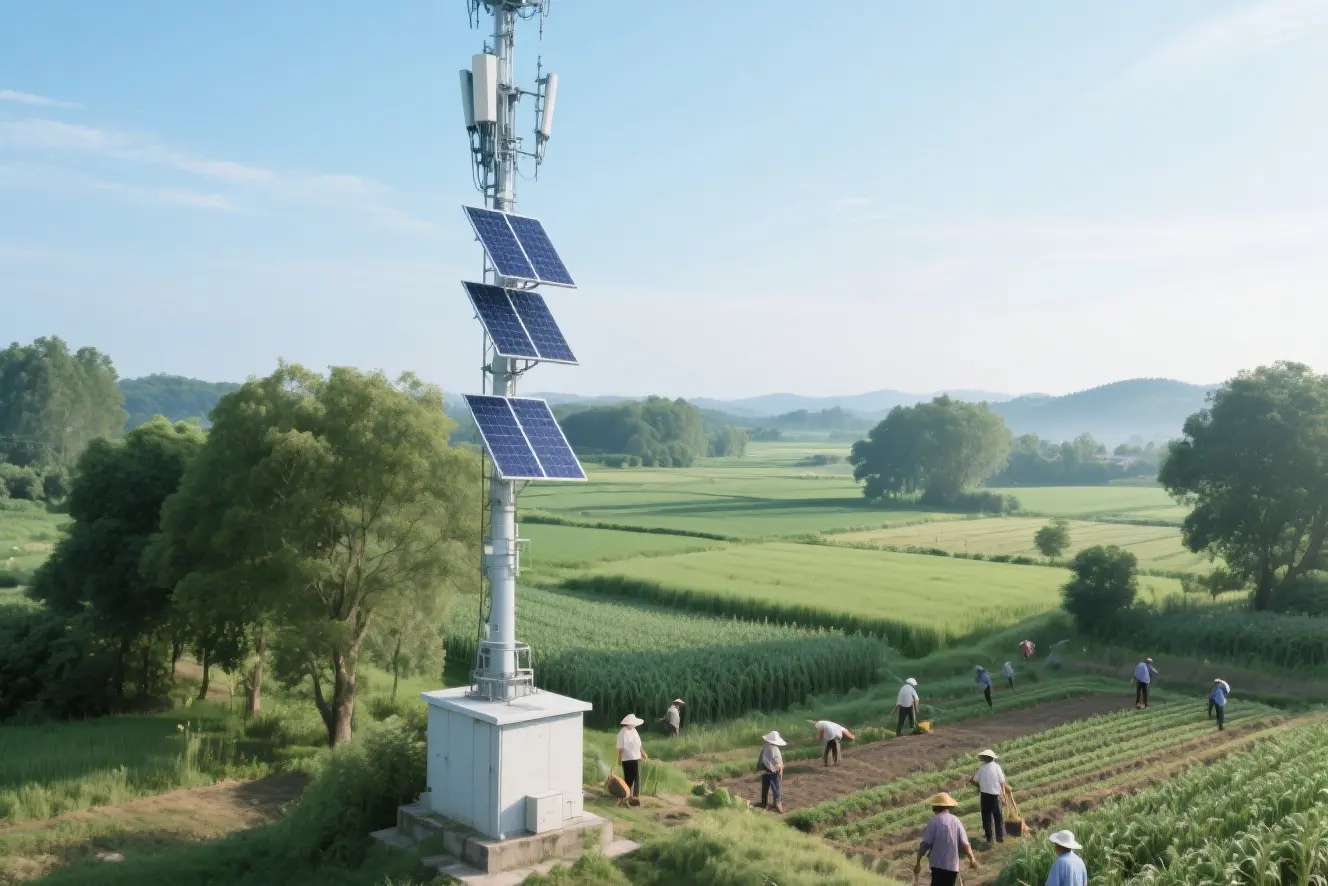
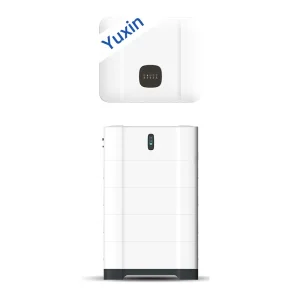
Telecommunication base stations are often located in remote areas with unstable grid connections. Relying on diesel generators is costly and carbon-heavy. Sourcing modular LiFePO4 rack battery units offers a low-maintenance, high-cycle alternative. These batteries recharge rapidly when grid power returns, keeping telecommunication networks online without interruption.
C. Commercial, Industrial (C&I), and Construction Projects
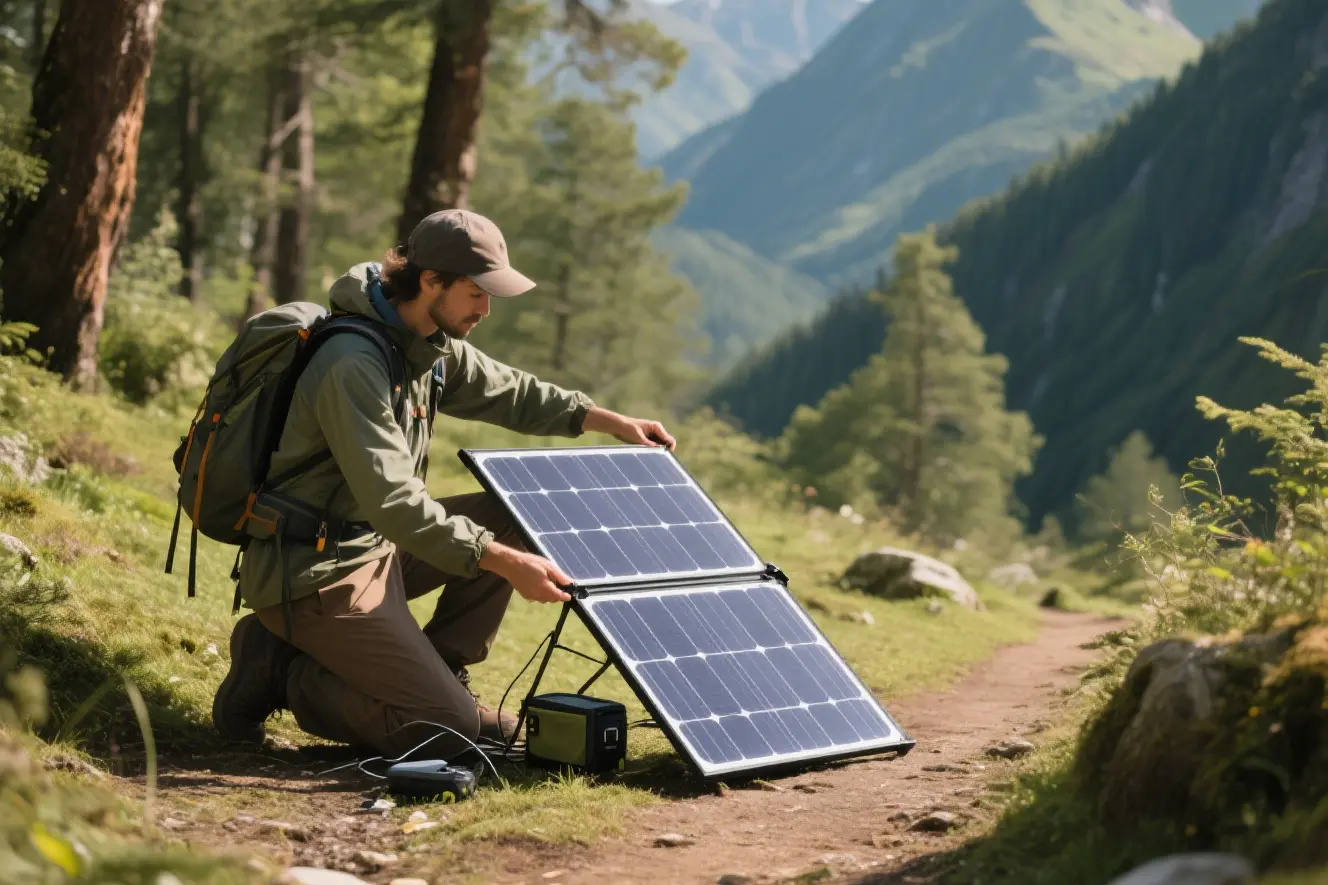
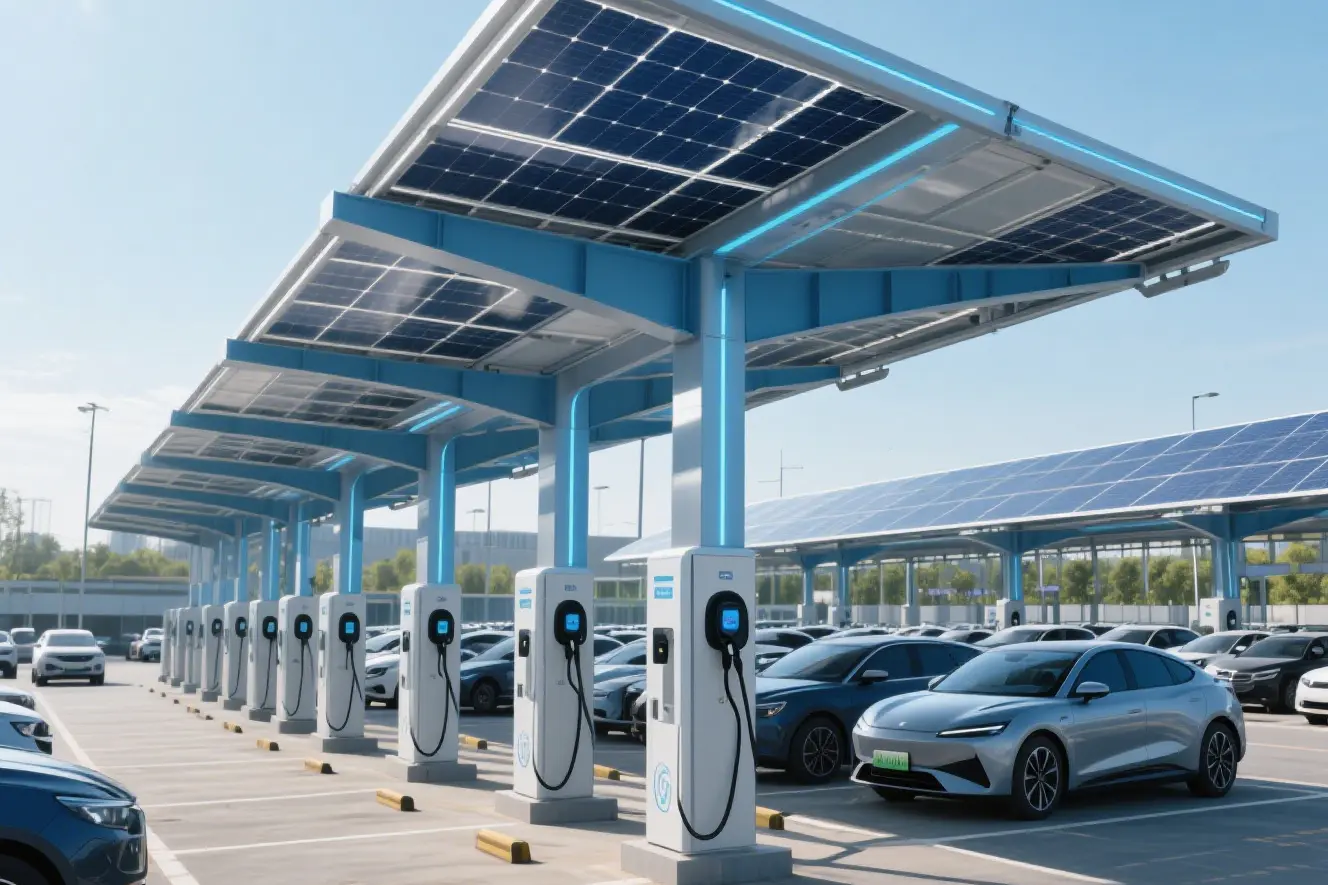
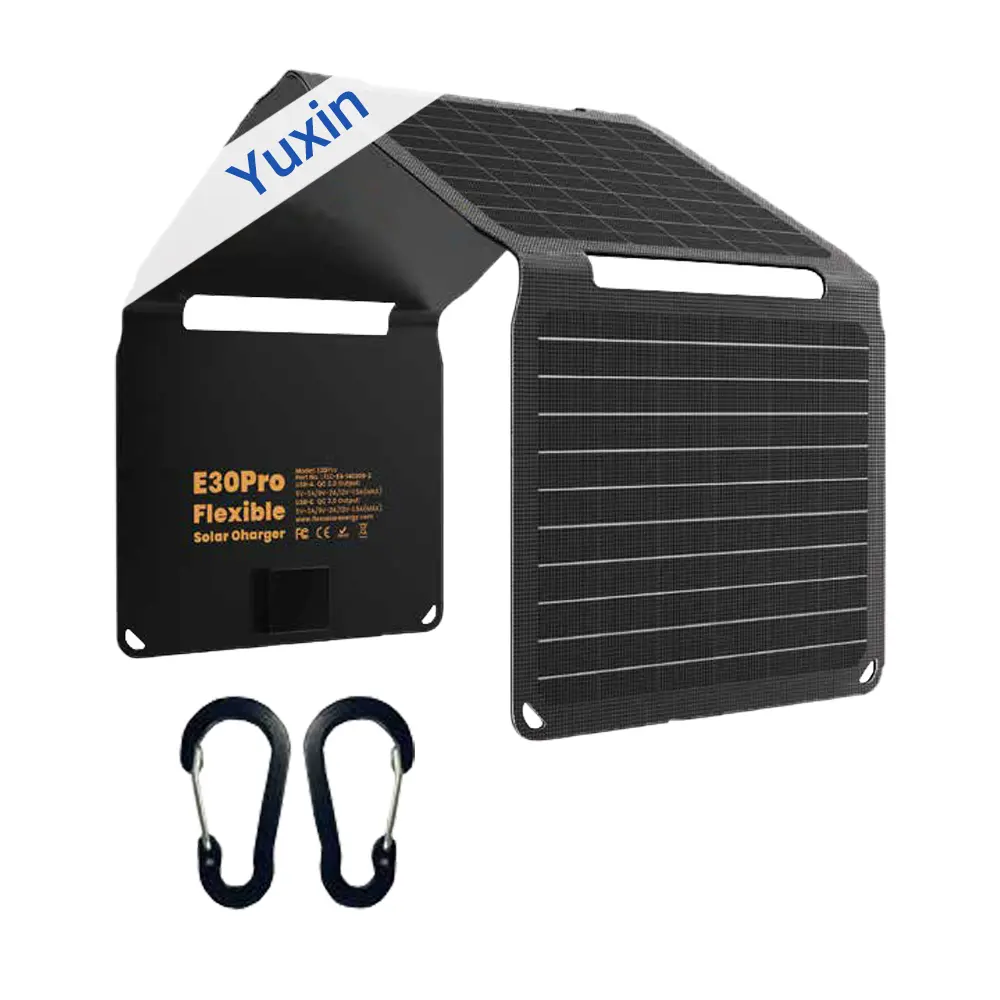
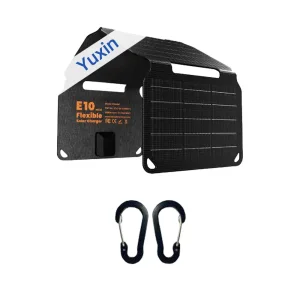
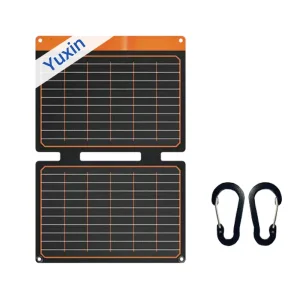
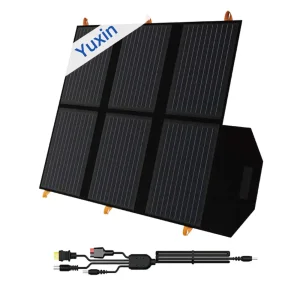
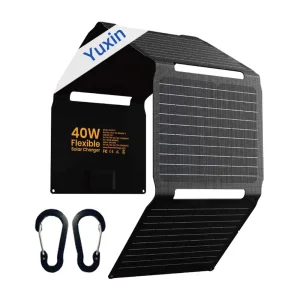
For construction projects and light industrial factories, backup systems must withstand harsh physical environments. Integrating weather-resistant batteries with portable solar generators and polyurethane composite solar frames ensures stable operation even on rugged, off-grid work sites.