Explore our curated selection of high-efficiency solar modules, commercial-grade energy storage systems, and field-tested portable power stations designed to combat grid instability.
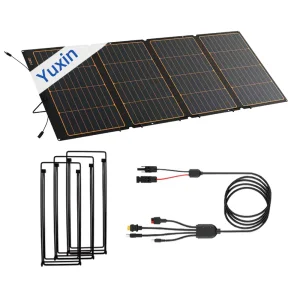
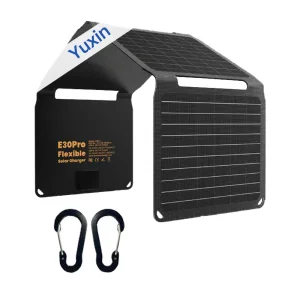
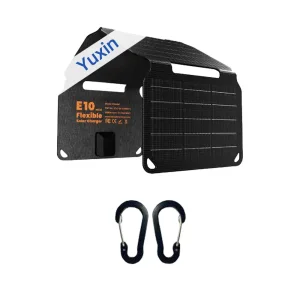
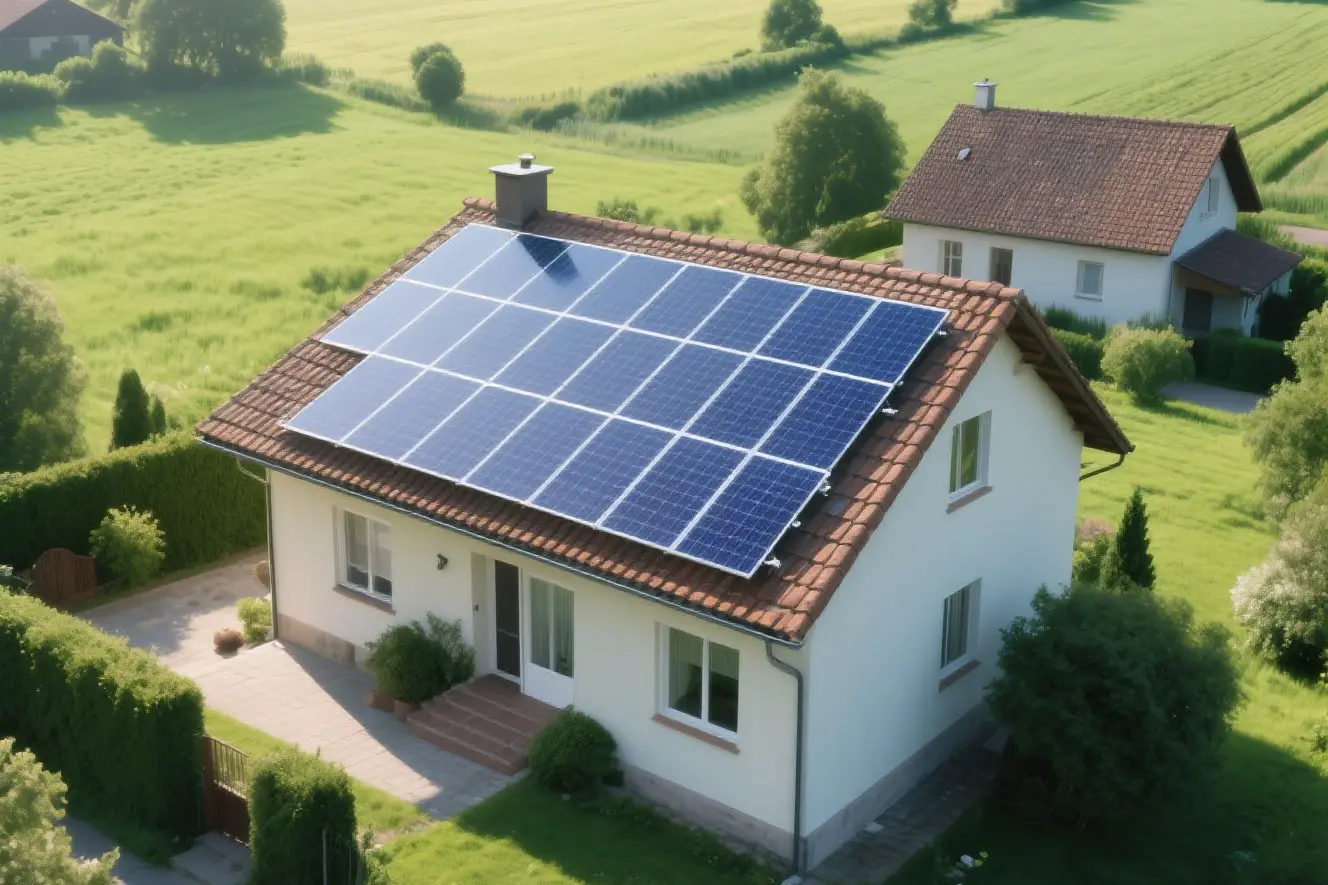
Homeowners face continuous disruptions in daily lifestyle, loss of remote work productivity, food spoilage, and security vulnerabilities during blackout cycles. The emphasis is on silent operation, high cycling capacity, and automated transfer switching (ATS) without manual interference.
Manufacturing plants face devastating costs from unexpected machine downtime, material scrap (especially in plastics, metal casting, and chemical processing), and cold chain failures. Solution designs require high surge capabilities, three-phase synchronization, and robust physical frames.
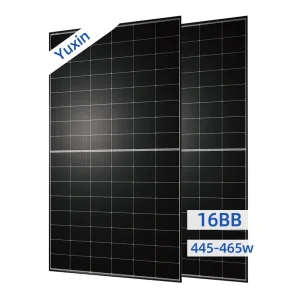
Rising grid-associated energy tariffs, combined with high maintenance costs of diesel generator fuel, drive the rapid amortization of decentralized solar hybrid storage systems. Leveraging high-efficiency N-type TOPCon monocrystalline panels and smart LFP battery cells has shifted from a fallback option to a financial necessity.
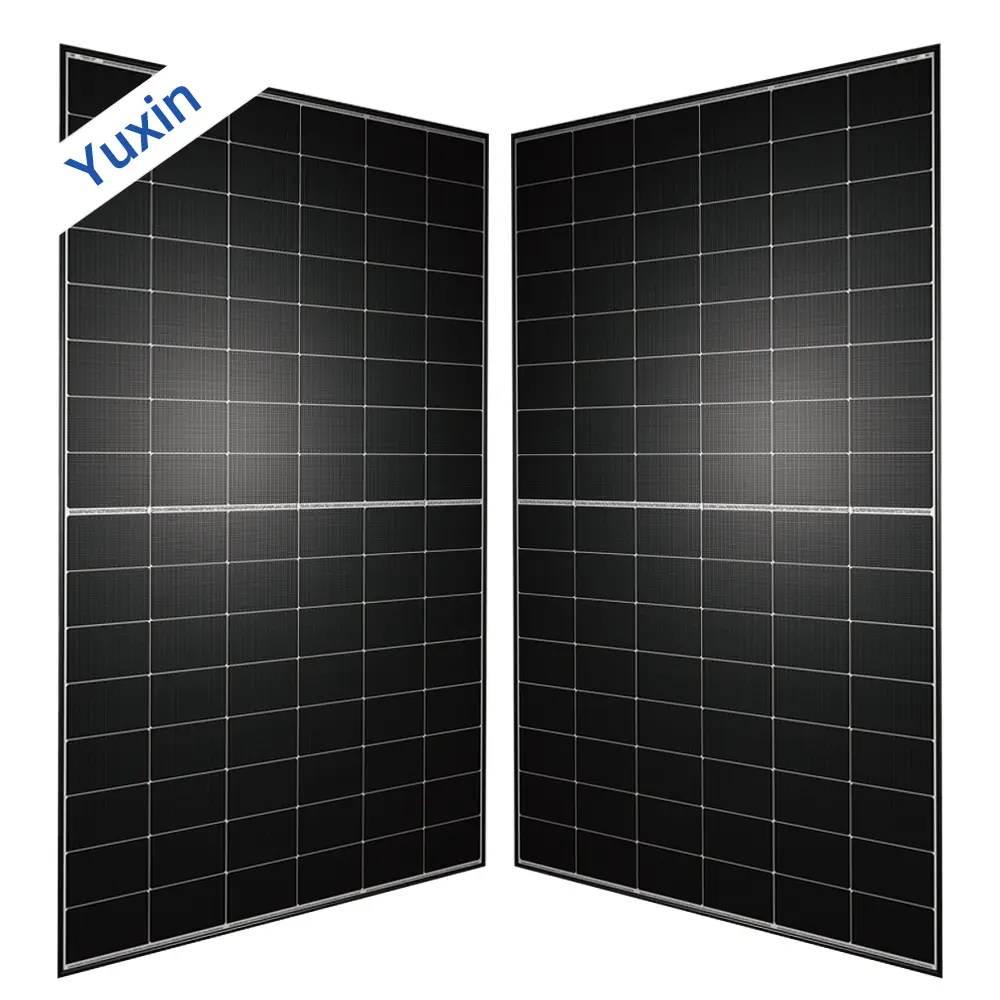
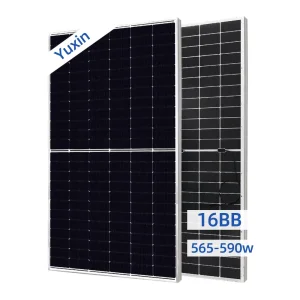
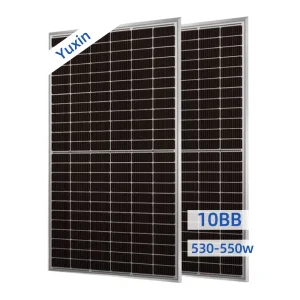
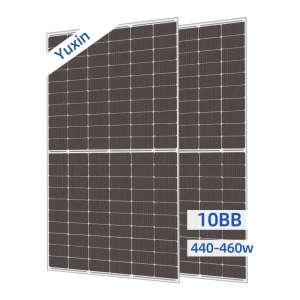
Lightweight design with transparent back panel for easy installation and reduced BOS costs.
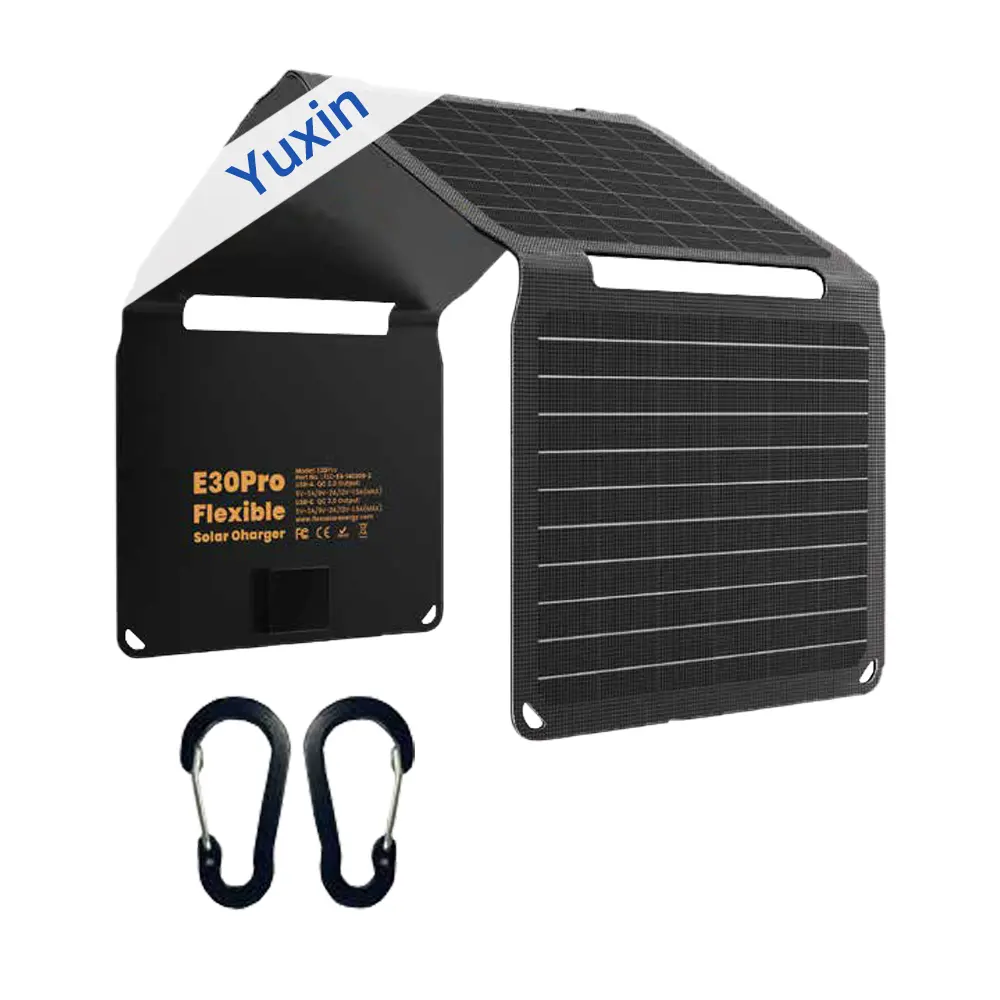
Utilizing advanced monocrystalline silicon cells, it achieves a high energy conversion efficiency of 24%.
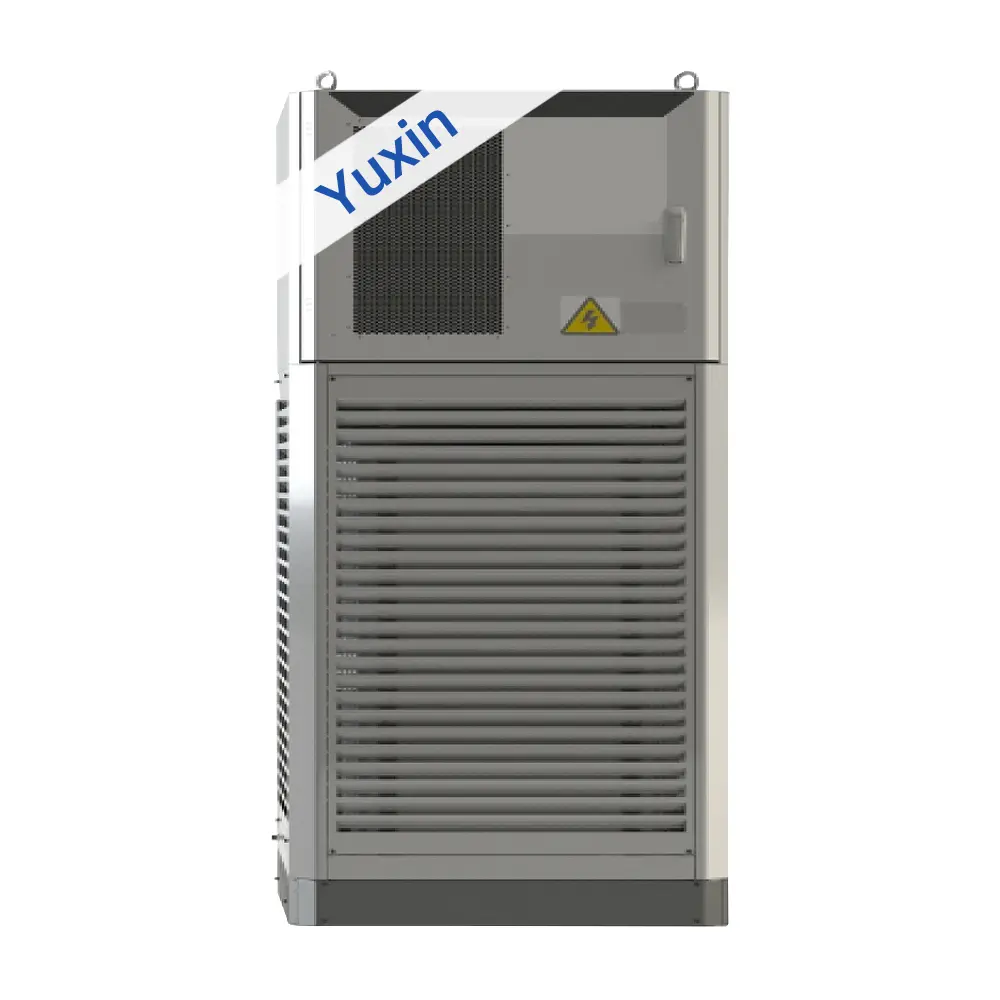
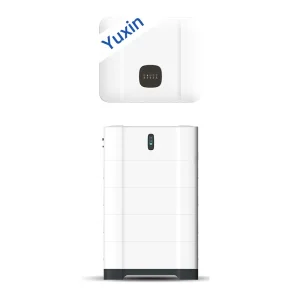
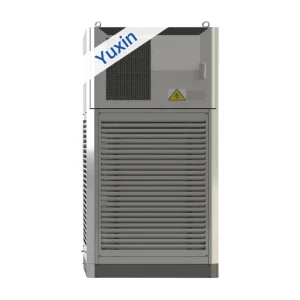
Application modes include grid-connected mode, off-grid mode, and integrated grid-connected/off-grid mode.
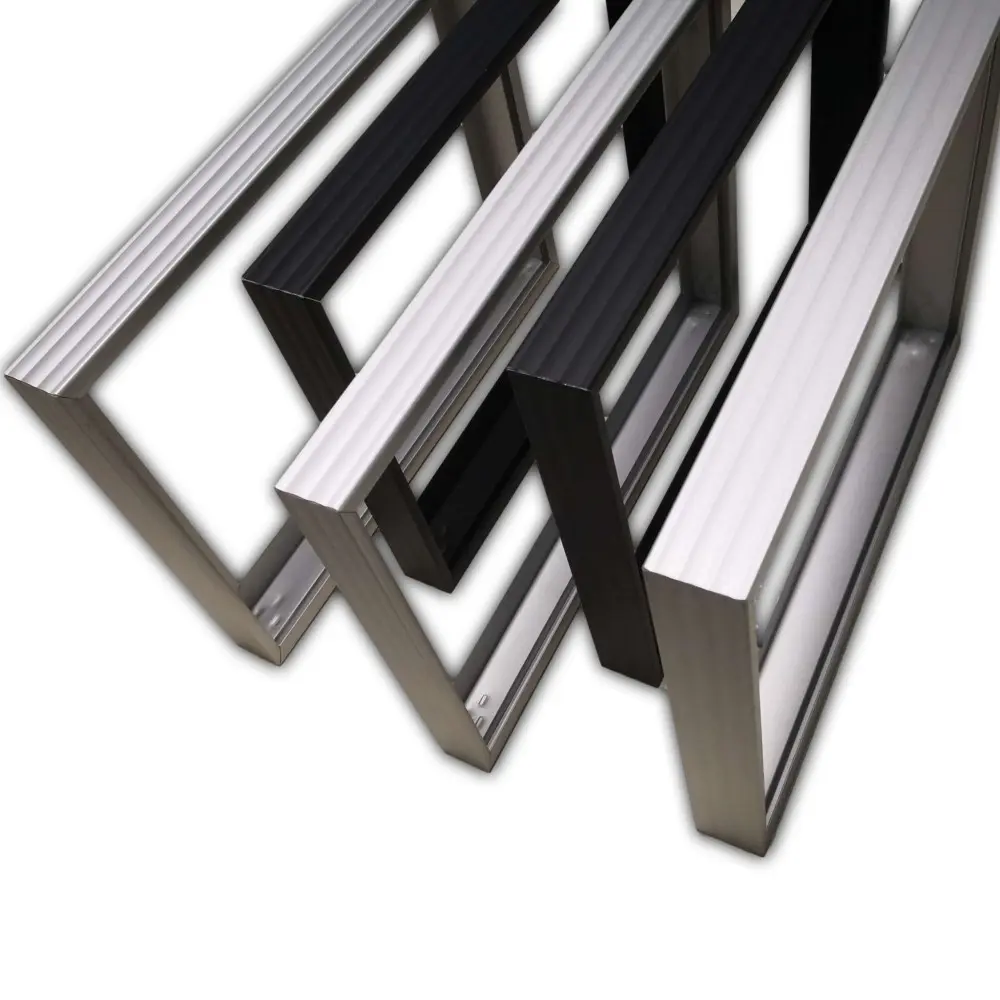
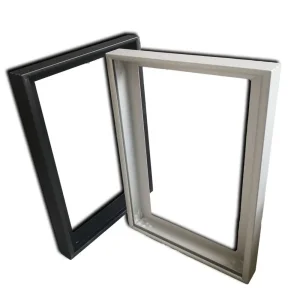
Made of high-quality anodized aluminum, it ensures superior weather resistance and a smooth, long-lasting finish.
As grid reliability drops in key regional markets (e.g., South Africa, Lebanon, parts of the US and EU), the structural shift from "backup generation" to "hybrid generation + local storage" has accelerated. Key developments include the rapid commercialization of N-type TopCON cell technologies, offering lower degradation rates, superior temperature coefficients, and high bifaciality.
To design a cost-efficient system that avoids the typical pitfalls of undersizing (constant overload shutdown) or oversizing (unnecessary capital expenditure), we employ the following engineering formula:
For factories, dynamic motor starting currents (inrush current) require the hybrid inverter to have a peak surge rating at least 3 times higher than the continuous operating load.
Below is an institutional pricing estimation showing average capital expenses (CAPEX) for home and factory systems based on tier-1 specifications (LiFePO4 battery modules and high-efficiency N-type double glass panels).
| System Type | Typical Configuration | Continuous Power / Surge Capacity | Avg. Factory Price Range (USD) | Estimated Payback (Years) |
|---|---|---|---|---|
| Essential Home Backup | 3kW Hybrid Inverter + 2.56kWh LiFePO4 Battery | 3,000W / 6,000W | $1,200 - $1,800 | 2.5 - 3.5 Years |
| Standard Family System | 5kW Inverter + 5.12kWh Battery + 4x 450W PV Panels | 5,000W / 10,000W | $2,800 - $4,200 | 3.0 - 4.2 Years |
| Premium Home & Off-Grid | 8kW Hybrid Inverter + 10kWh Battery + 8x 455W PV Panels | 8,000W / 16,000W | $5,500 - $7,800 | 3.5 - 4.8 Years |
| Micro-Factory / Workshop | 15kW 3-Phase Inverter + 20kWh ESS + 16x 550W PV Panels | 15,000W / 30,000W | $11,500 - $15,000 | 4.0 - 5.5 Years |
| Commercial & Factory Scale | 50kW Modular ESS + 100kWh Industrial Battery Rack + Solar PV array | 50,000W / 100,000W | $35,000 - $48,000 | 4.5 - 6.0 Years |
Precision, Quality, and Safety - Your Photovoltaic Materials Expert
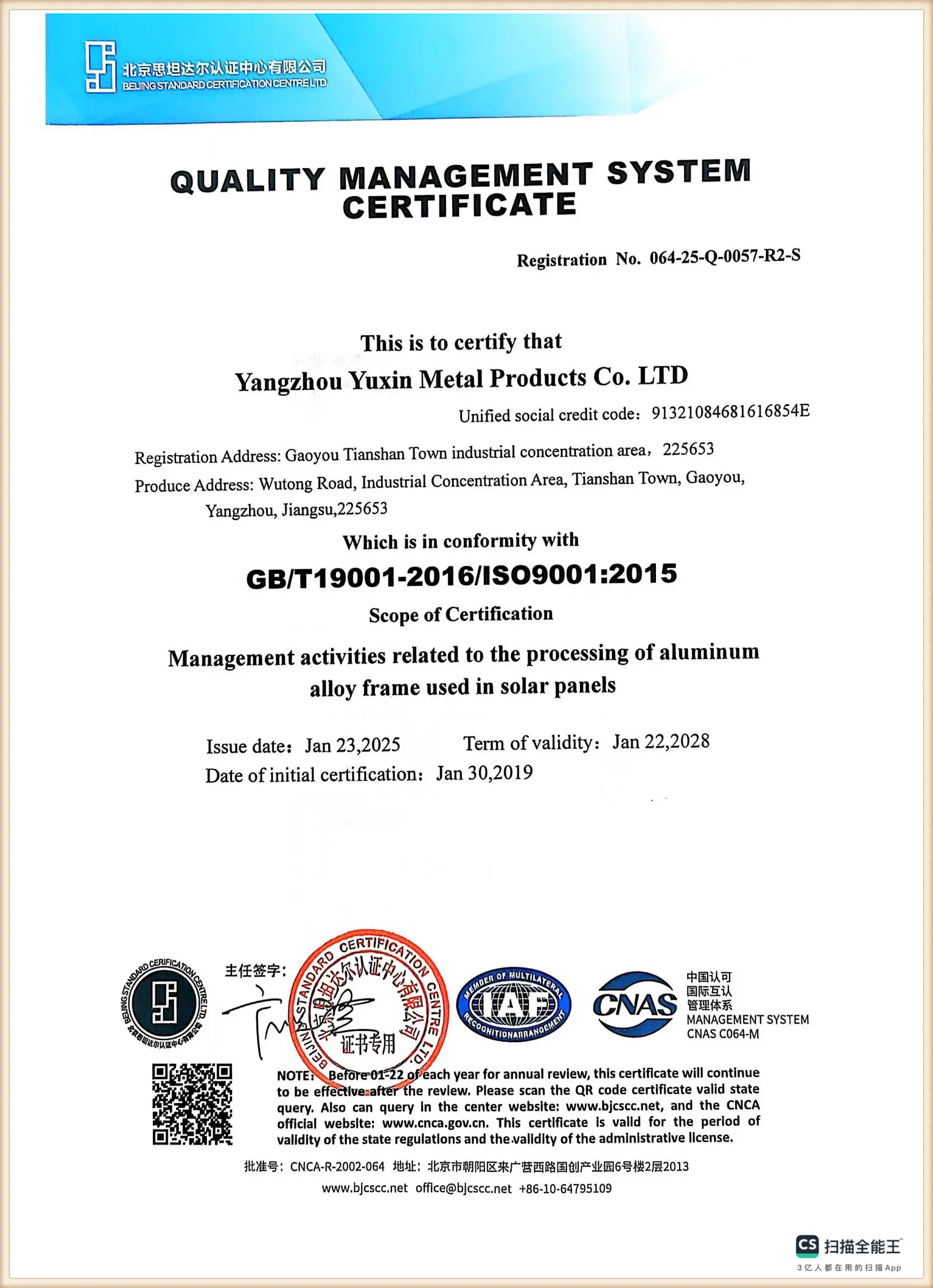
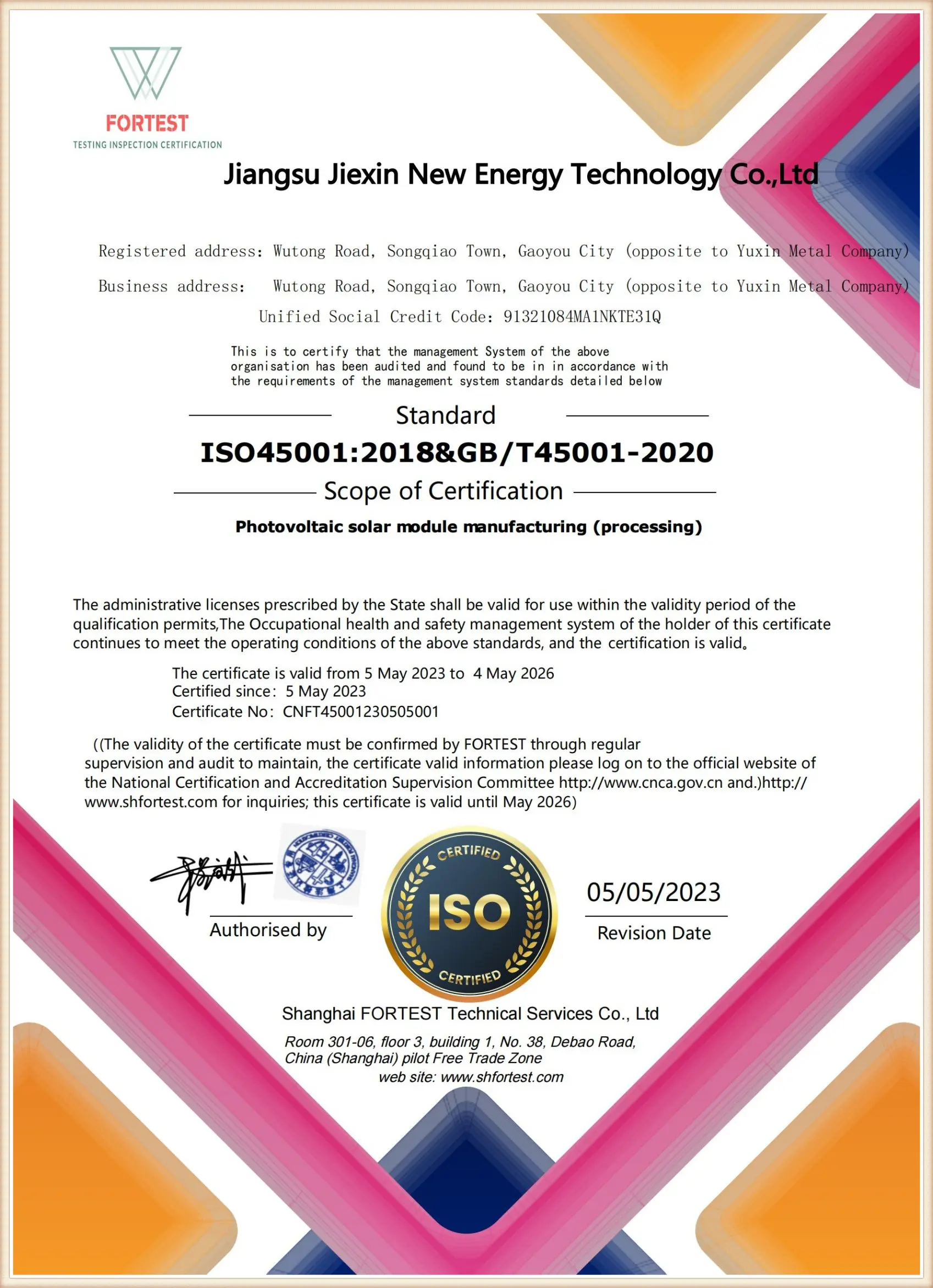
Located in the scenic historical and cultural ancient city of Yangzhou, close to the Beijing-Shanghai Expressway, Runyang Yangtze River Bridge, and Ningqi Railway, the group has a superior geographical location and convenient transportation. The group was established in 2008 and has 14 multi-field companies under its jurisdiction, including Jiangsu Yuxin New Energy Technology Co., Ltd., and has won many titles such as National High-tech Enterprise, Technology-based Enterprise, and Gaoyou City Top 100 Private Enterprises.
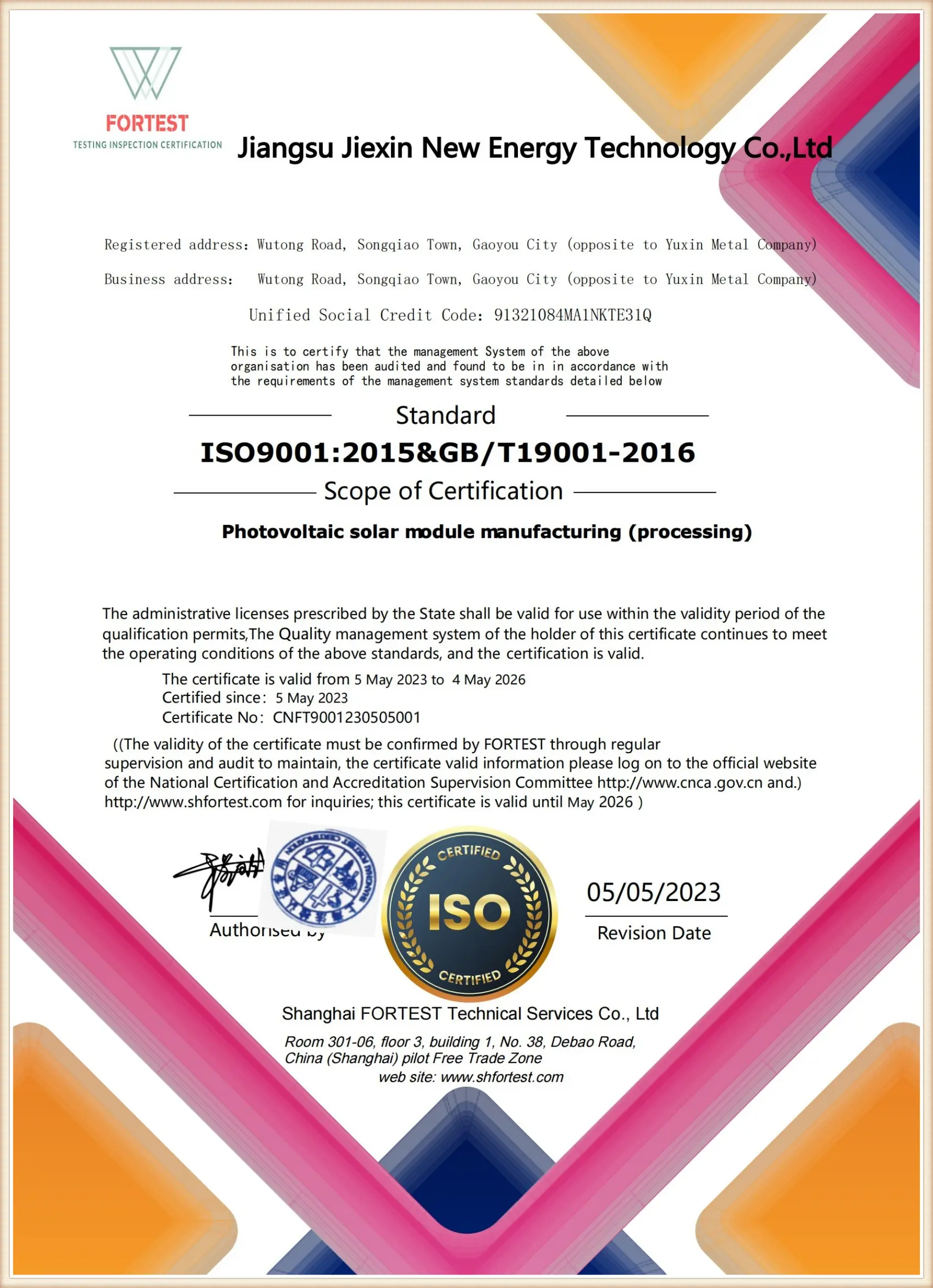
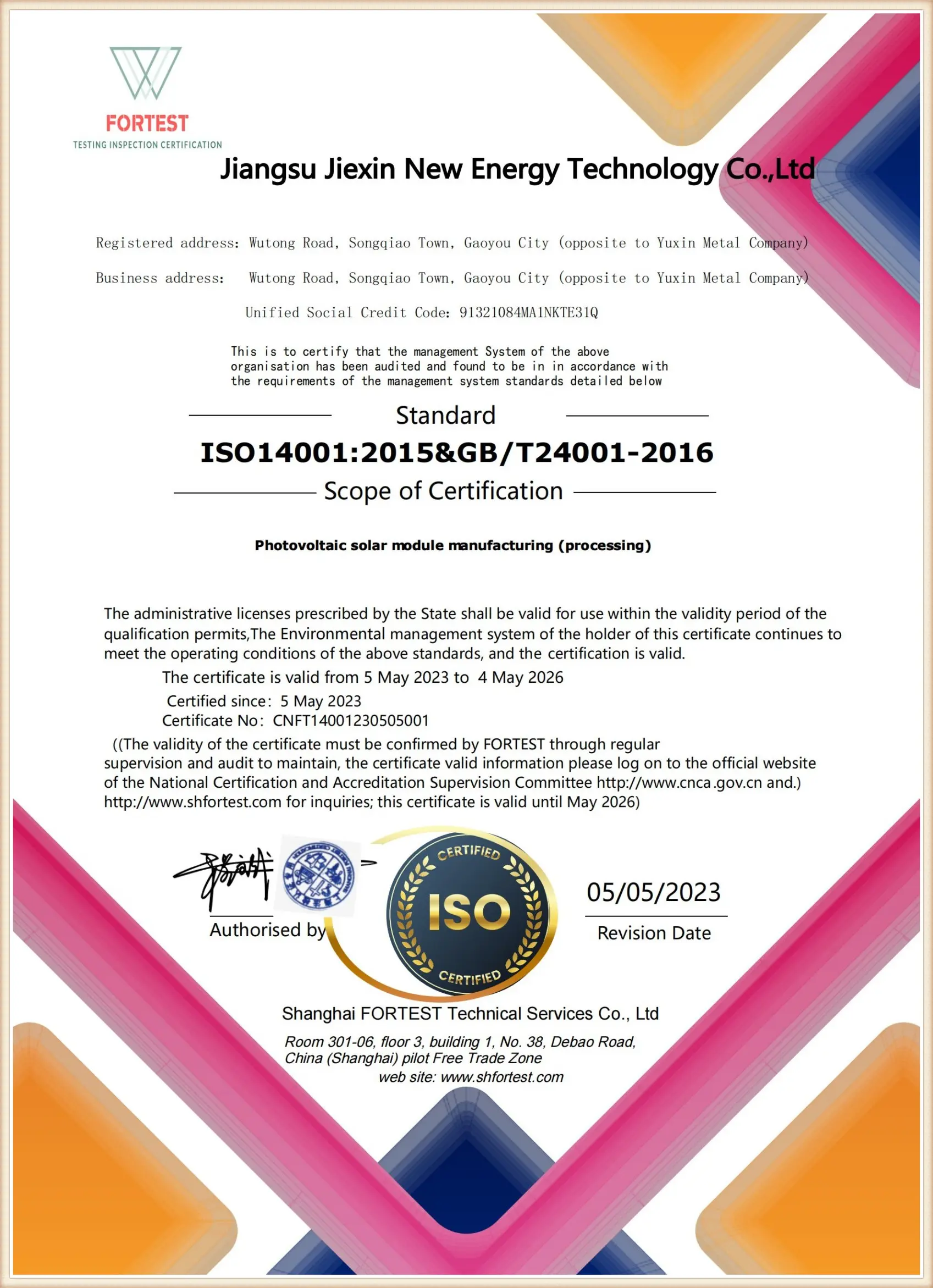
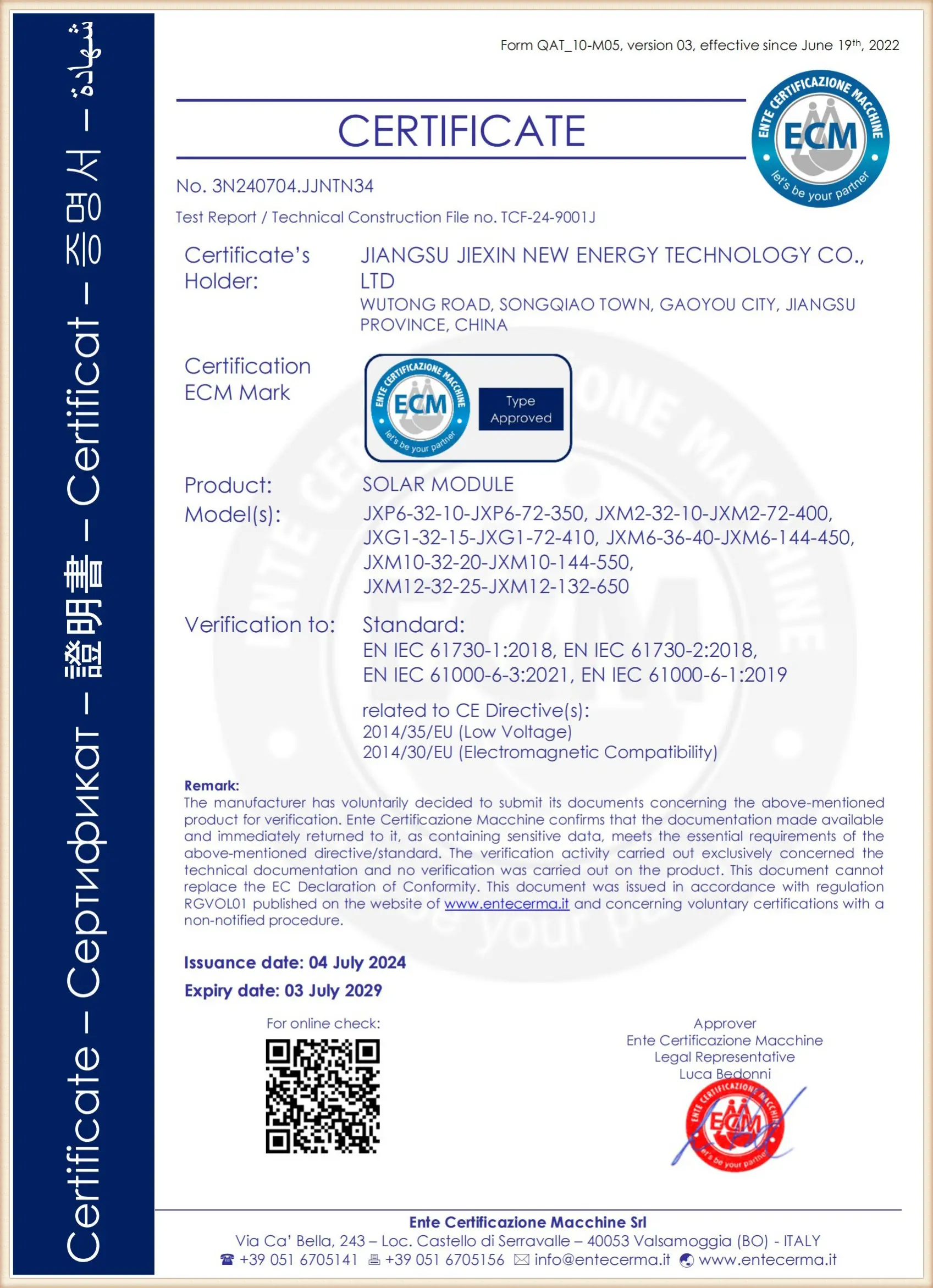
View More InfrastructureOur material design and manufacturing lines adhere strictly to international testing benchmarks.
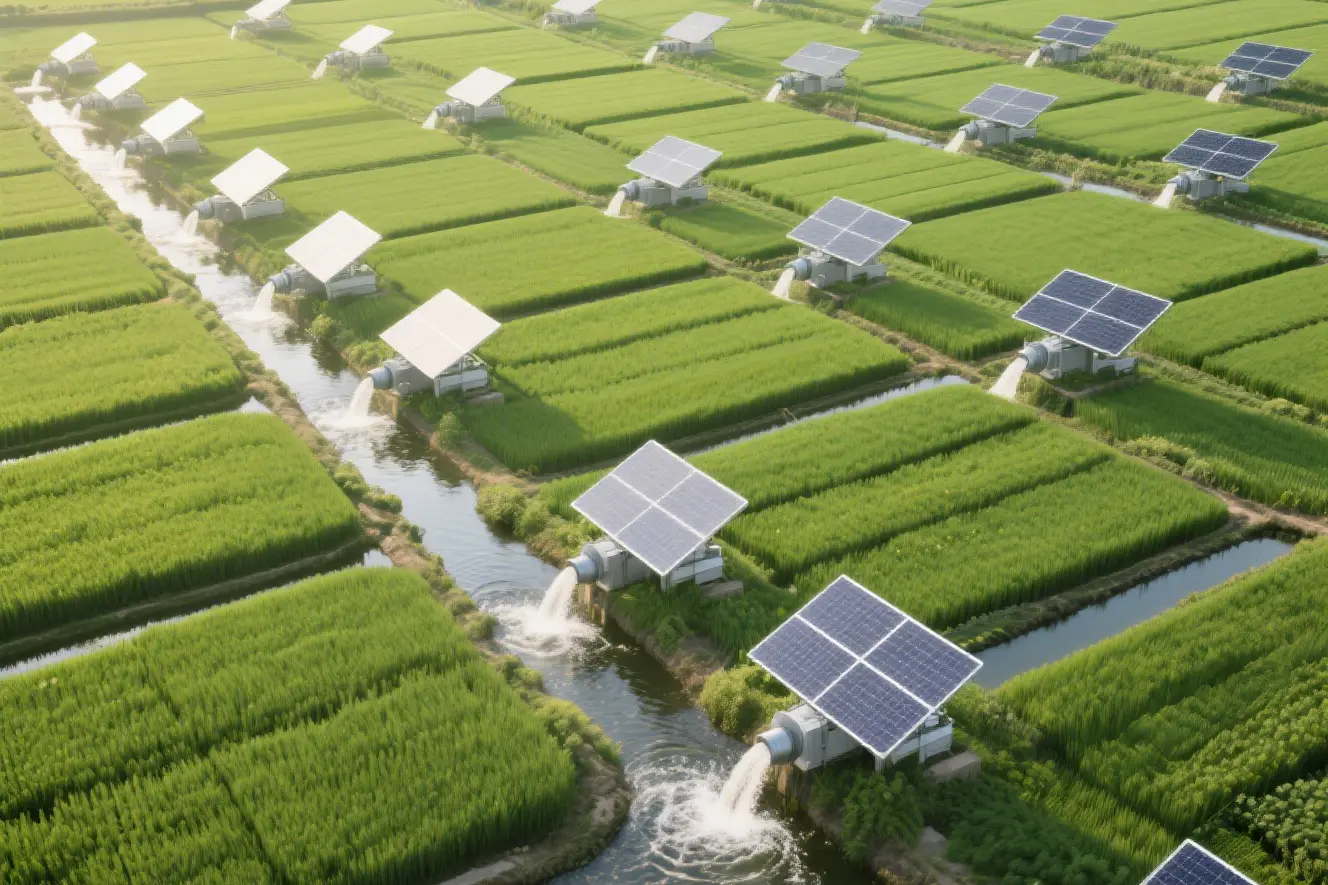
Empowering automated pivot irrigation systems and continuous cold storage management during prolonged rural brownouts.
Providing reliable modular off-grid power solutions for crane operations and field office cabins at remote building sites.
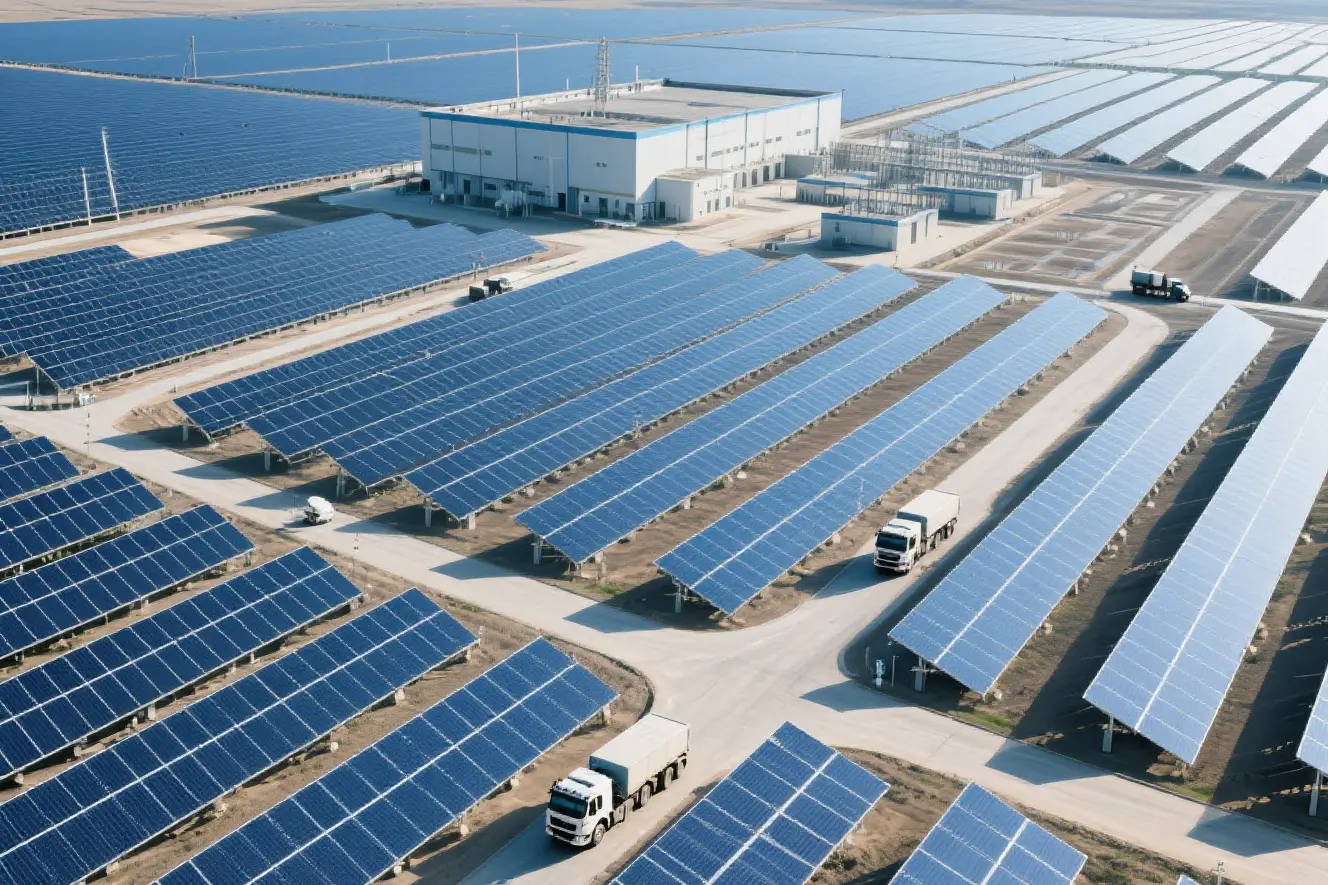
Assisting utilities with grid stabilization, peak load shaving, and smart substation back-up deployments.
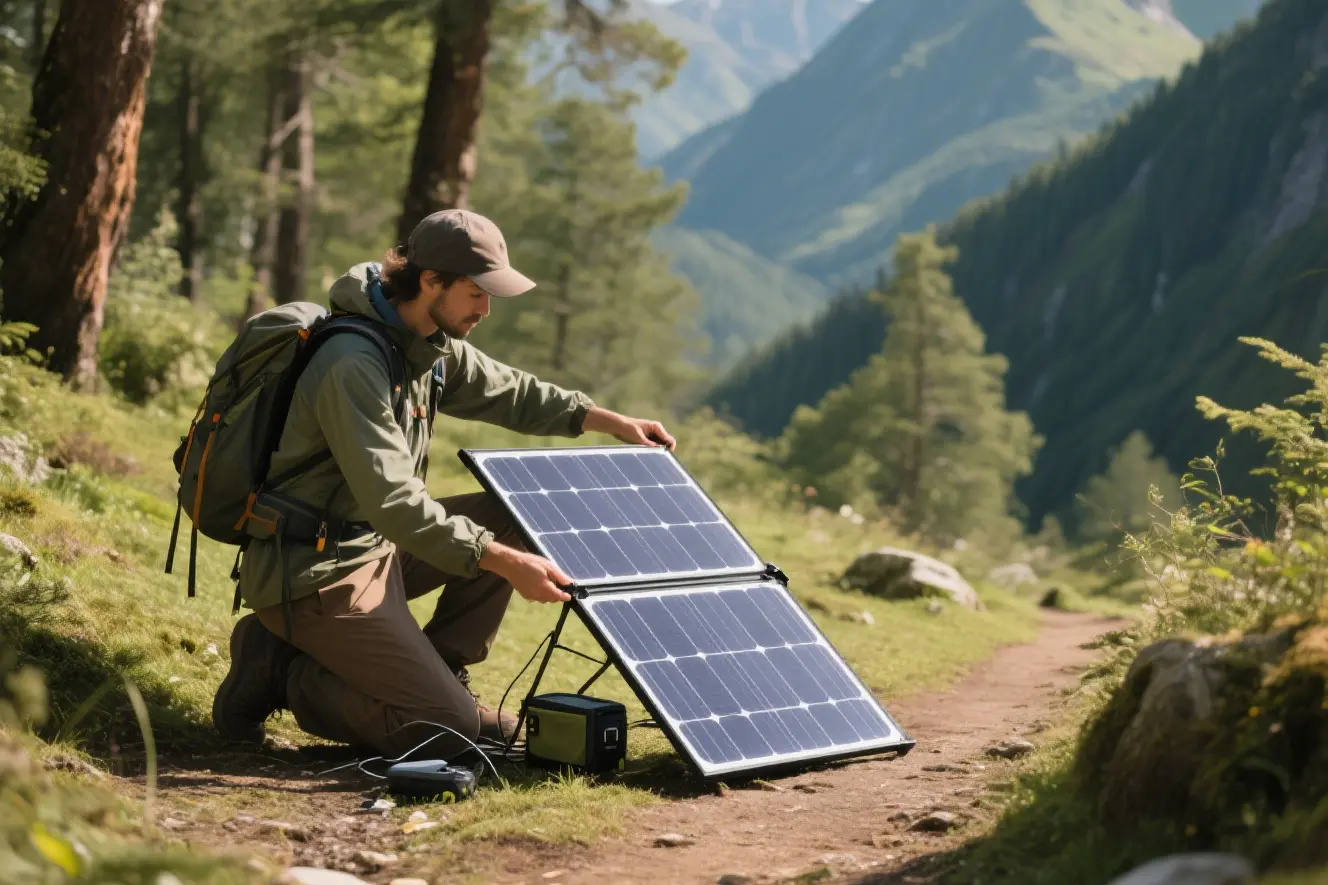
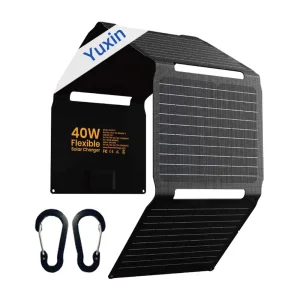
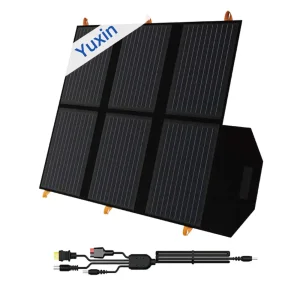
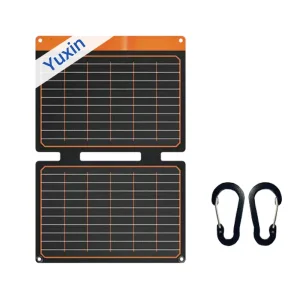
Offering ultra-durable, waterproof folding panel arrays and backpacks for off-grid military, scientific, and consumer usage.
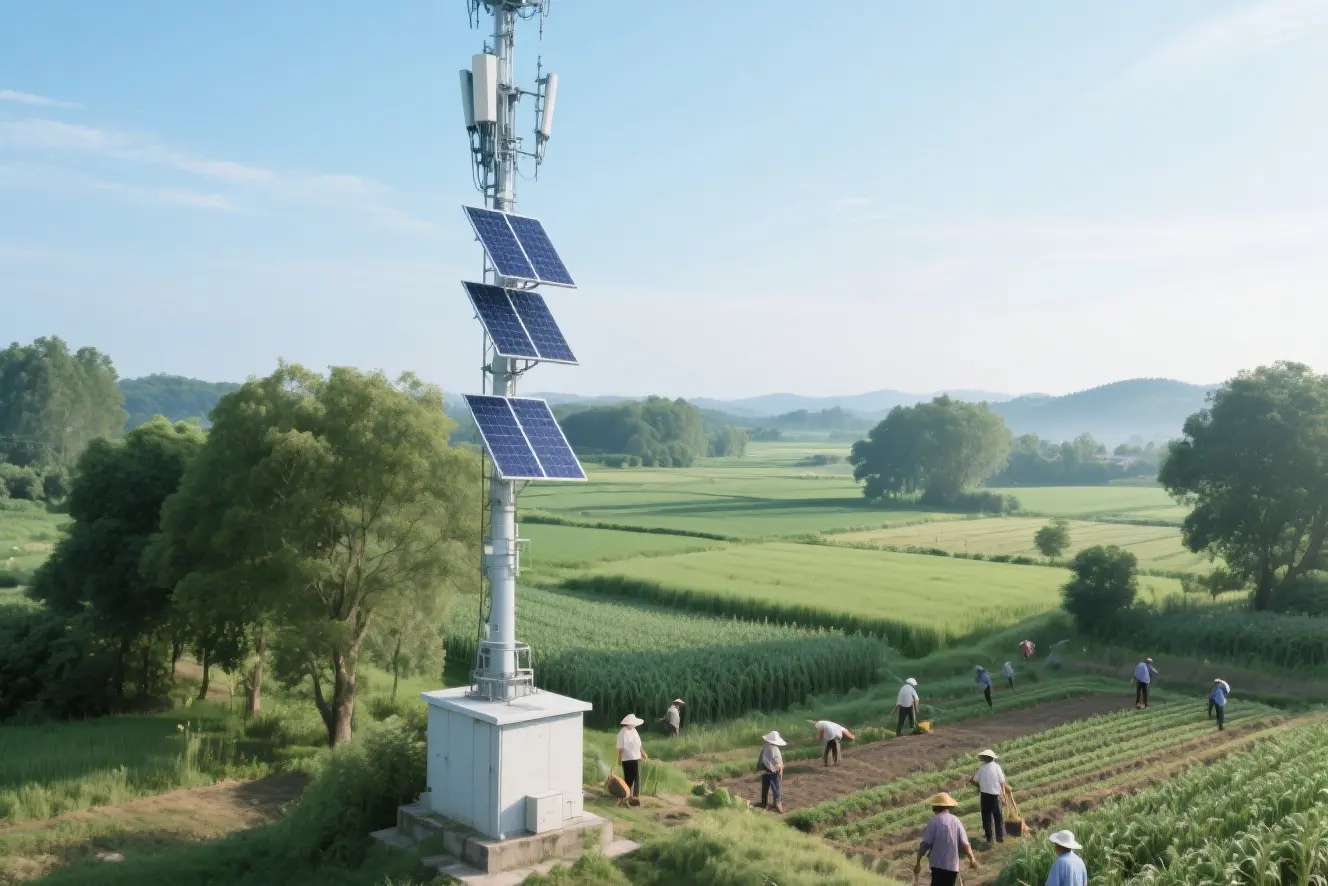
Ensuring uninterrupted operations of cellular towers and remote microwave transmission repeaters 24/7/365.
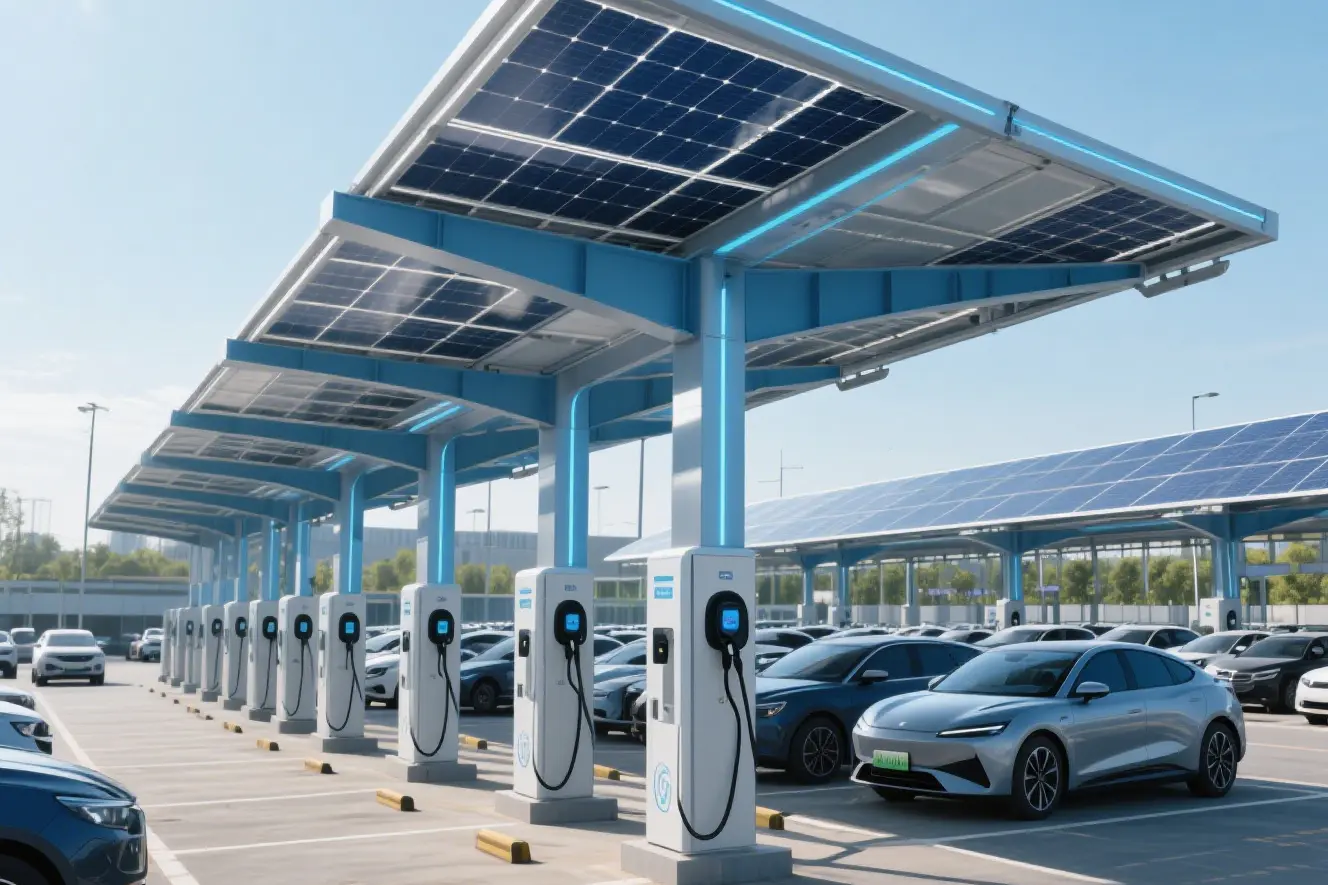
Integrating solar panels and battery storage grids into highway monitoring cameras and high-speed railway signals.
The next generation of load-shedding systems is shifting from reactive hardware towards AI-driven adaptive platforms. Key trends include:
We collaborate with leading engineering firms and procurement offices globally to supply critical framing material and photovoltaic hardware.



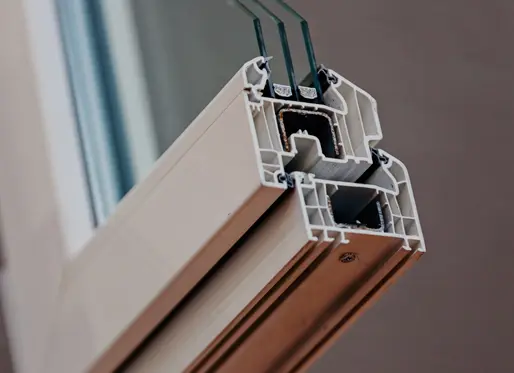
Discover the engineering requirements of tensile strength, wind load calculations, and mounting durability.
Read Article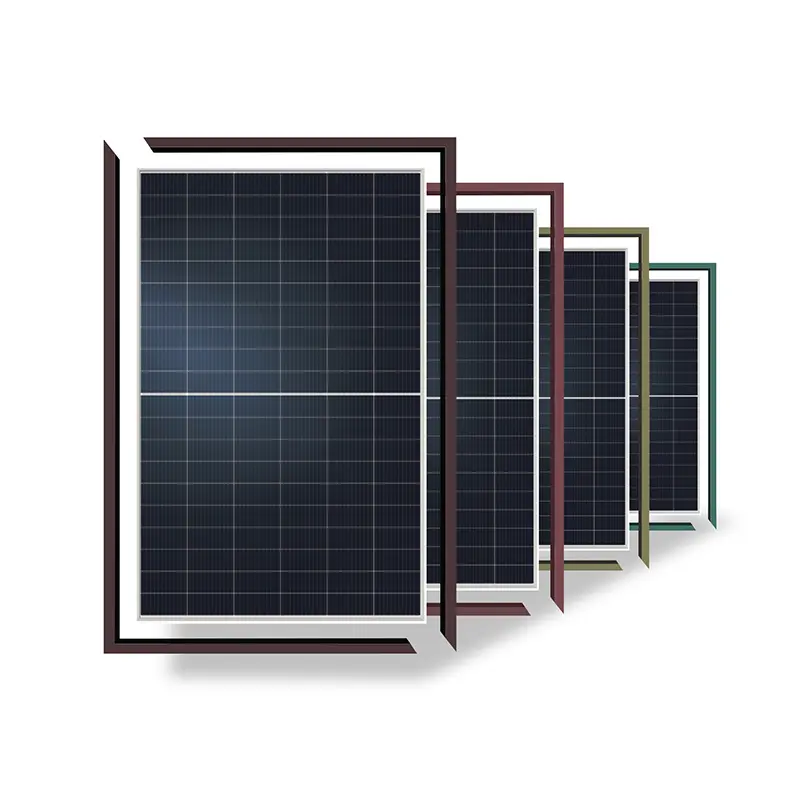
A procurement checklist evaluating extrusion accuracy, surface treatment options, and chemical composition checkouts.
Read Article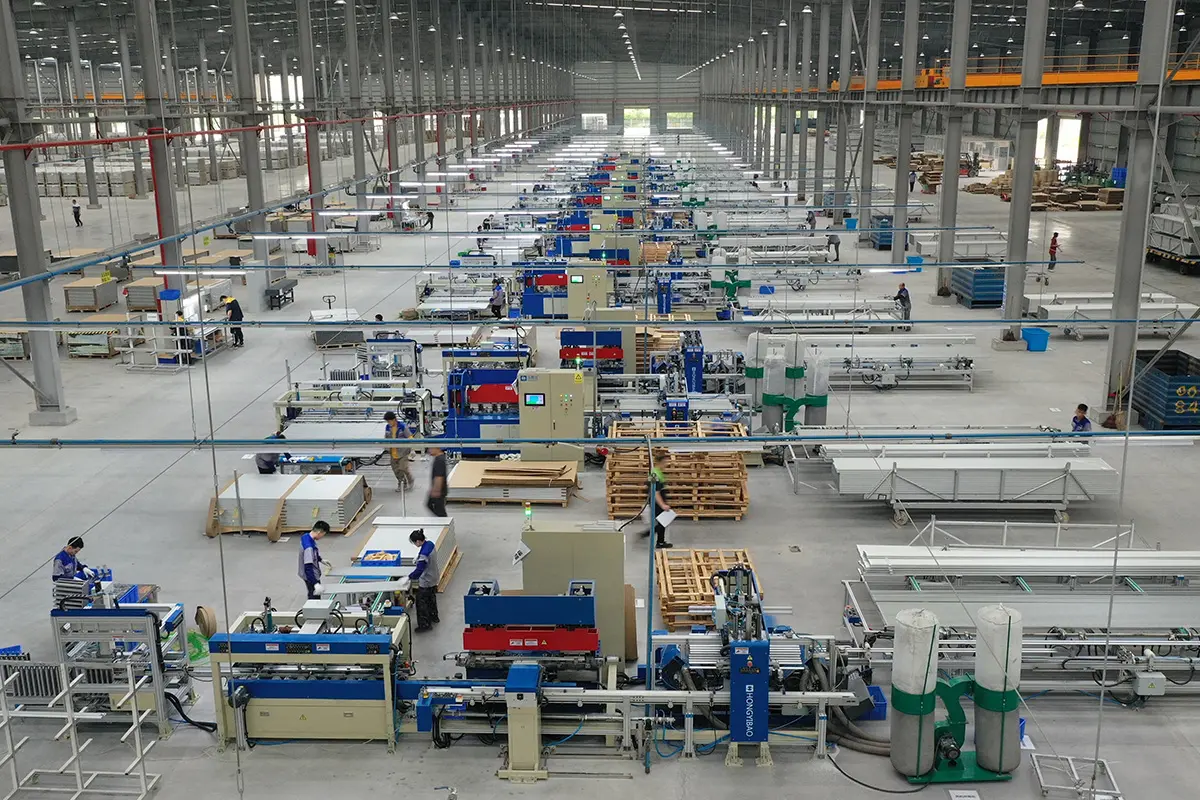
An in-depth breakdown of tolerances, anodization thickness validation, and corrosion testing protocols.
Read Article