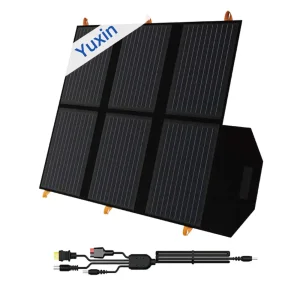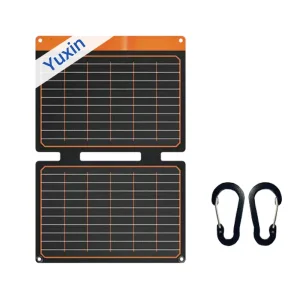
Explore our premium factory-direct tier-1 panels, frames, commercial modular batteries, and portable charging solutions.
The global demand for portable renewable energy systems, colloquially termed **camping solar packages**, has evolved from a niche outdoor recreational market into a critical segment of mobile micro-grids and emergency electrification infrastructure. Valued at billions of dollars globally, the industrial landscape of mobile off-grid photovoltaic (PV) generation is experiencing a massive technological shift. Driving this surge is a combination of advanced cell materials (PERC, TOPCon), lightweight structural composites, and highly efficient modular battery integration architectures.
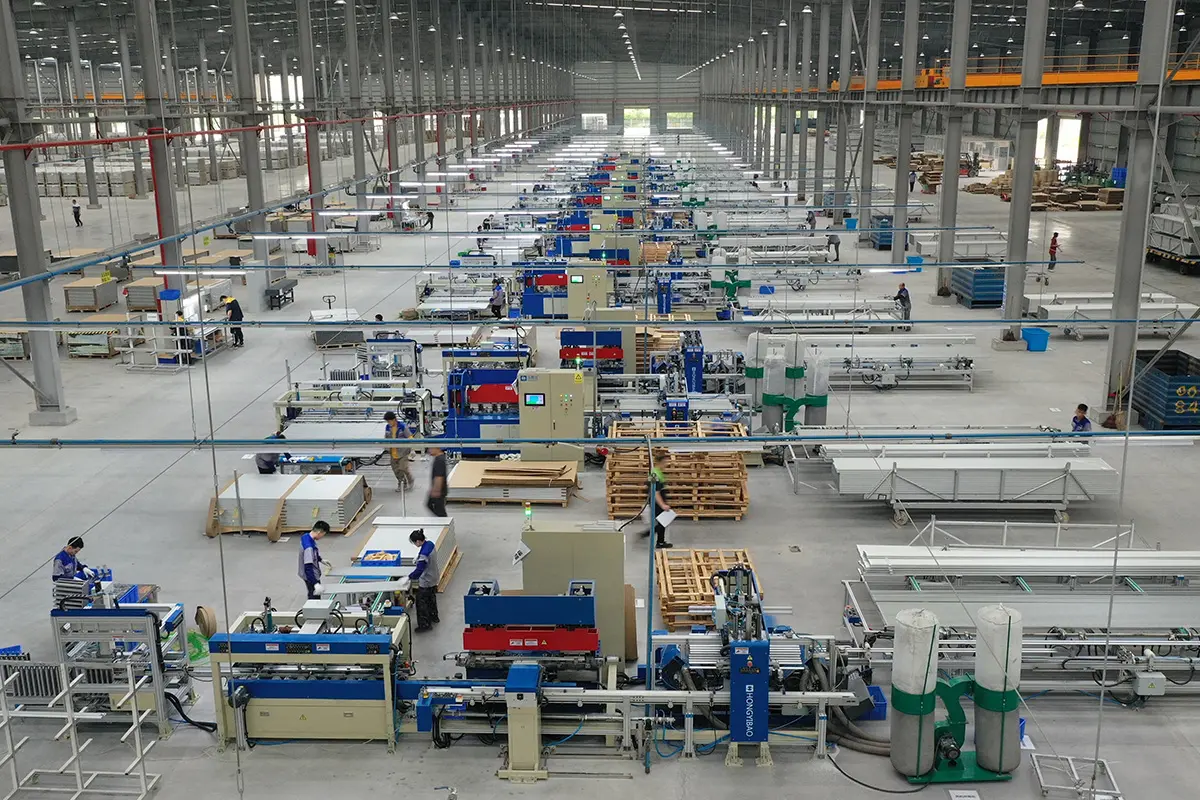
Historically, the high upfront cost of custom off-grid PV components limited their integration into consumer outdoor portfolios. Today, the industrial manufacturing ecosystems in regions like Yangzhou, Jiangsu have streamlined the supply chain. By aligning structural aluminum extrusion lines, automated cell slicing, stringer machinery, and polyurethane casting facilities under integrated industrial groups, factories now offer high-performance "cheap" camping solar configurations without compromising fundamental reliability.
Through vertically integrated manufacturing, modern factories bypass middle-tier suppliers. Silicon ingots are processed into monocrystalline PERC (Passivated Emitter and Rear Cell) or N-Type TOPCon (Tunnel Oxide Passivated Contact) configurations within highly automated cleanrooms, achieving high-throughput economies of scale. The result is a substantial unit-cost reduction on standard components like structural frames, custom junction boxes, and foldable canvas solar backpacks.
High-efficiency silicon architectures ensuring minimal carrier recombination rates, even in diffuse shade and sub-optimal solar irradiance.
Leveraging tunneling oxide layers (TOPCon) to break the 22% conversion efficiency ceiling, reaching up to 24.5% in commercial systems.
Anodized 6063-T5 aluminum frames and polyurethane composites engineered to withstand torsion loads and high wind velocities.
An engineered breakdown of critical system layers forming our comprehensive camp energy ecosystem.
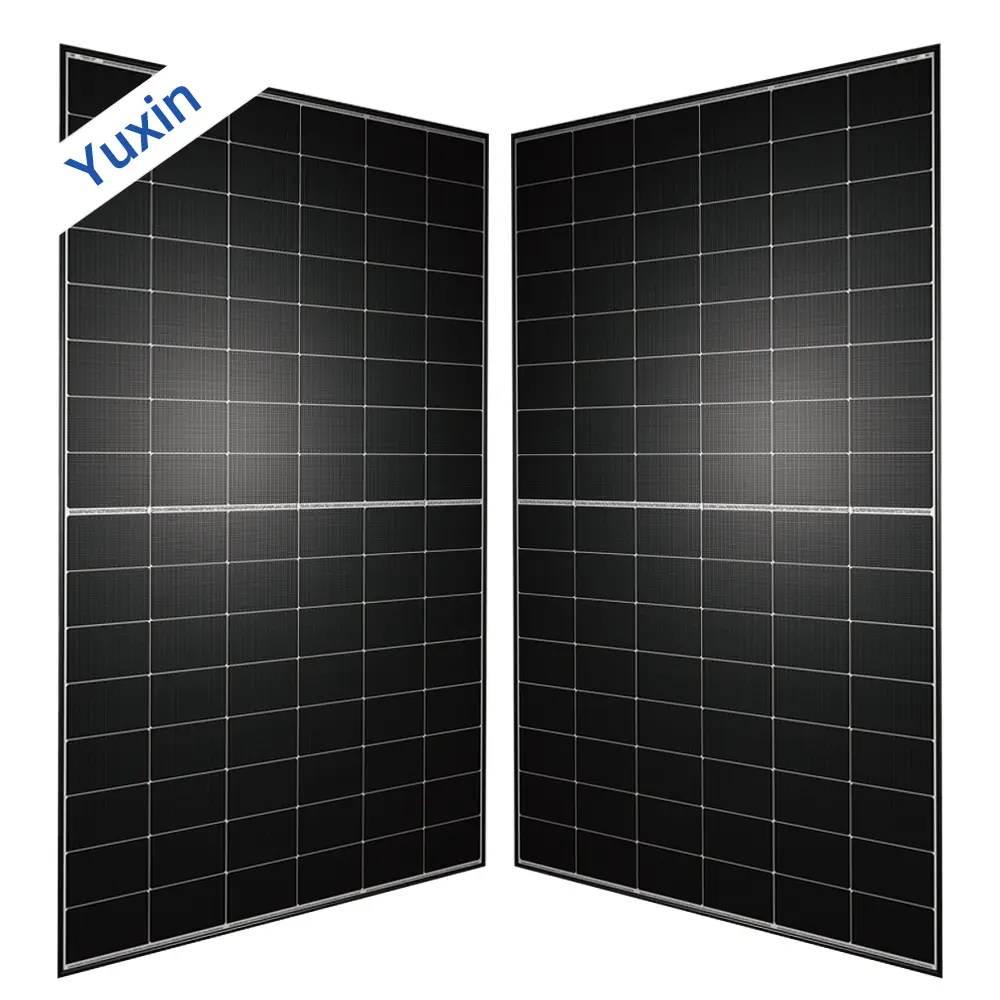
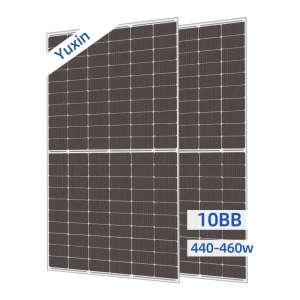
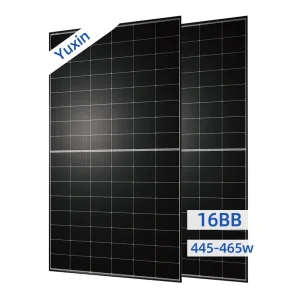
Lightweight design with transparent back panel for easy installation and reduced BOS costs.
Learn More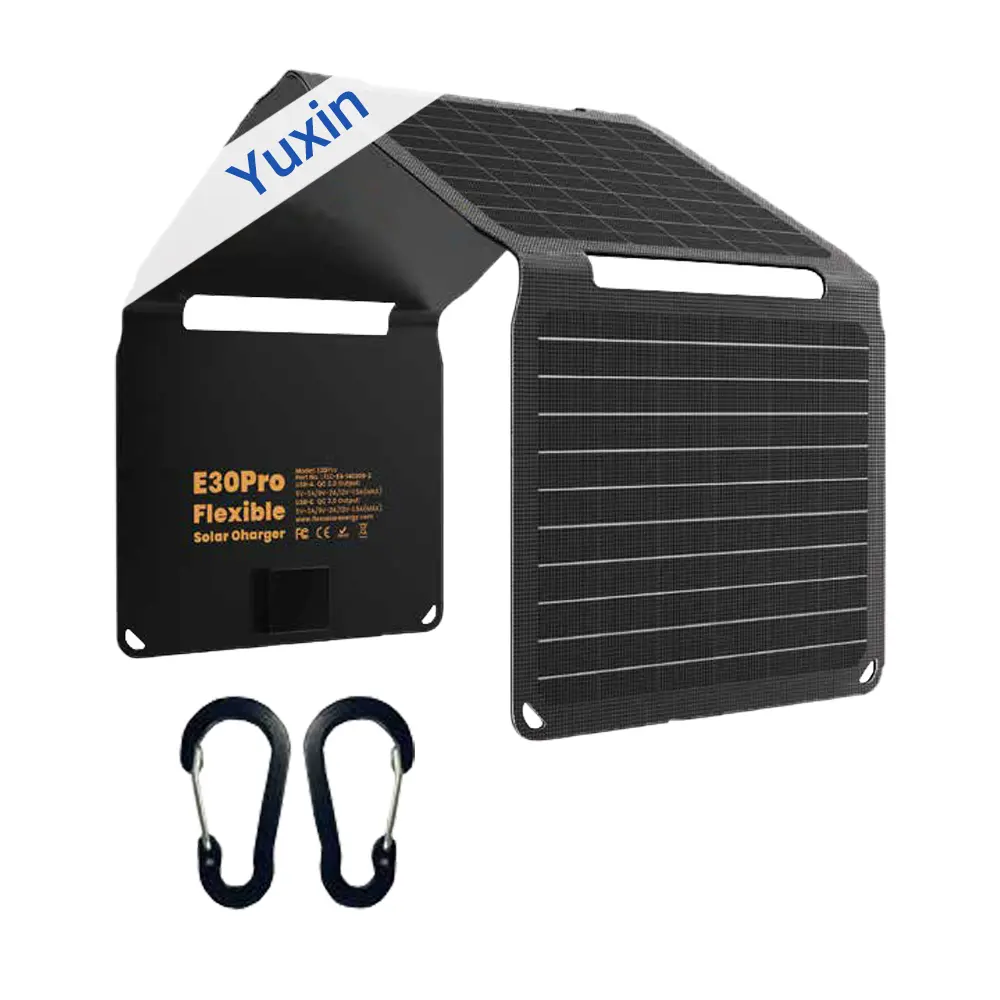
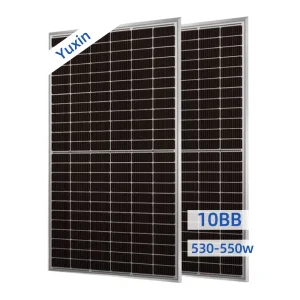
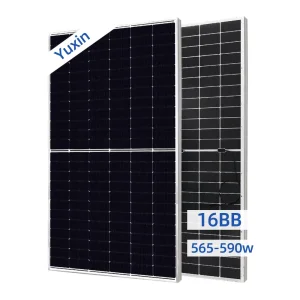
Utilizing advanced monocrystalline silicon cells, it achieves a high energy conversion efficiency of 24%.
Learn More
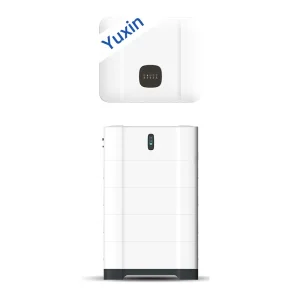
Application modes include grid-connected mode, off-grid mode, and integrated grid-connected/off-grid mode.
Learn More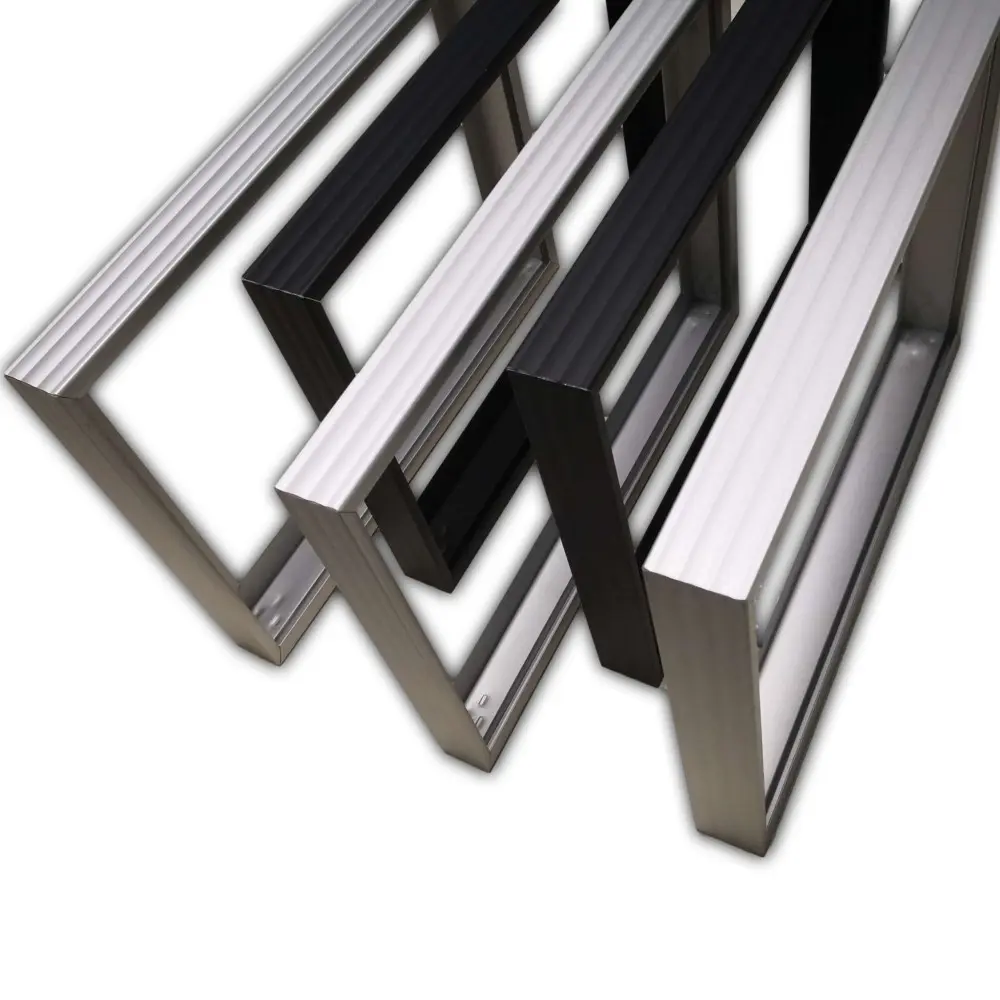
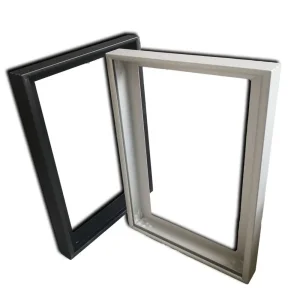
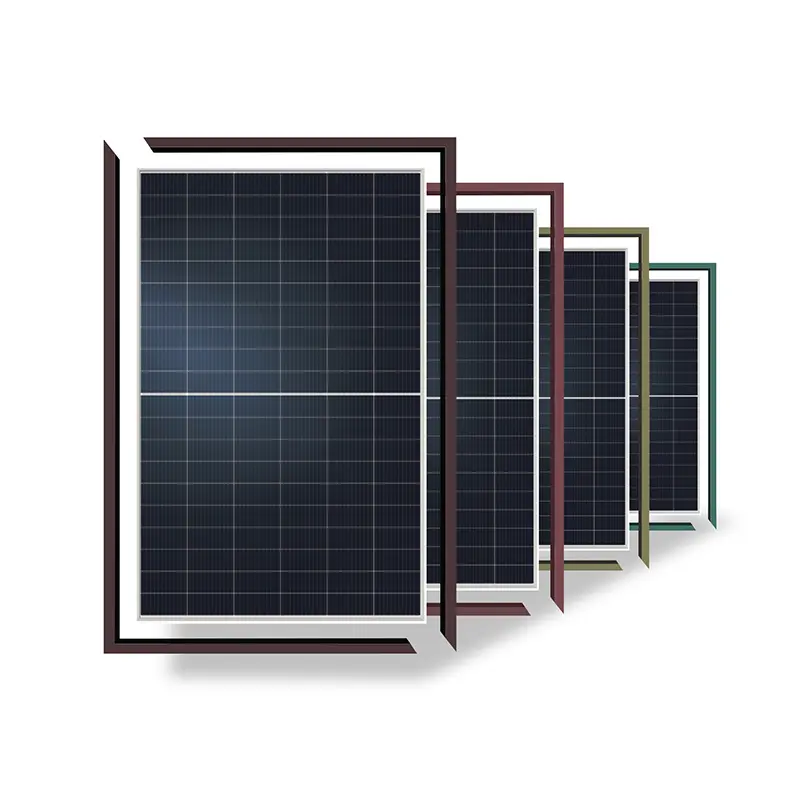
Made of high-quality anodized aluminum, it ensures superior weather resistance and a smooth, long-lasting finish.
Learn MorePrecision, Quality, and Safety - Your Photovoltaic Materials Expert. Established in 2008, Yangzhou Yuxin New Energy Technology Co., Ltd. sits close to the Beijing-Shanghai Expressway, Runyang Yangtze River Bridge, and Ningqi Railway, enjoying a superior logistical cluster. The group manages 14 multi-field subsidiary companies, recognized nationally as a National High-tech Enterprise and counted among the Gaoyou City Top 100 Private Enterprises.
View Corporate ProfileDeploying solar power systems in outdoor, dynamic, and rural camping environments presents unique mechanical and thermodynamic challenges. Unlike stationary home solar plants, a **camping solar package** must maintain structural integrity under recurrent folding cycles, resist localized micro-cracks in high-mobility scenarios, and provide high charge conversion speeds even under partial shading.
The industrial standard for off-grid modular power systems has rapidly transitioned from legacy multi-crystalline modules to high-efficiency monocrystalline cell topologies:
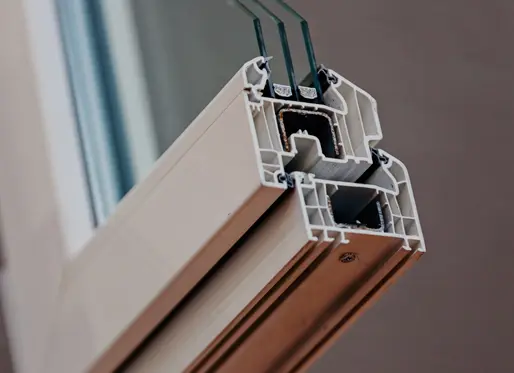
An often overlooked metric in mobile off-grid PV engineering is the framing material. Standard modular arrays utilize anodized aluminum profiles such as the 6063-T5 or 6005-T6 aluminum frames. These profiles feature outstanding yield strength, corrosion resistance, and structural stiffness, allowing modules to endure severe static and mechanical stress.
Alternatively, the rise of polyurethane pultruded composite frames represents a significant leap forward. Providing superior electrical insulation and thermal stability, polyurethane frames reduce structural weight by 20% compared to traditional aluminum, while achieving superior durability in highly corrosive coastal or high-salinity camping locations.
Our solar modules are engineered to perform across diverse industrial environments, far beyond simple campsite lighting.

Providing modular energy storage and PV setups to power off-grid telemetry sensors, automated fence lines, and low-voltage water pumping systems.
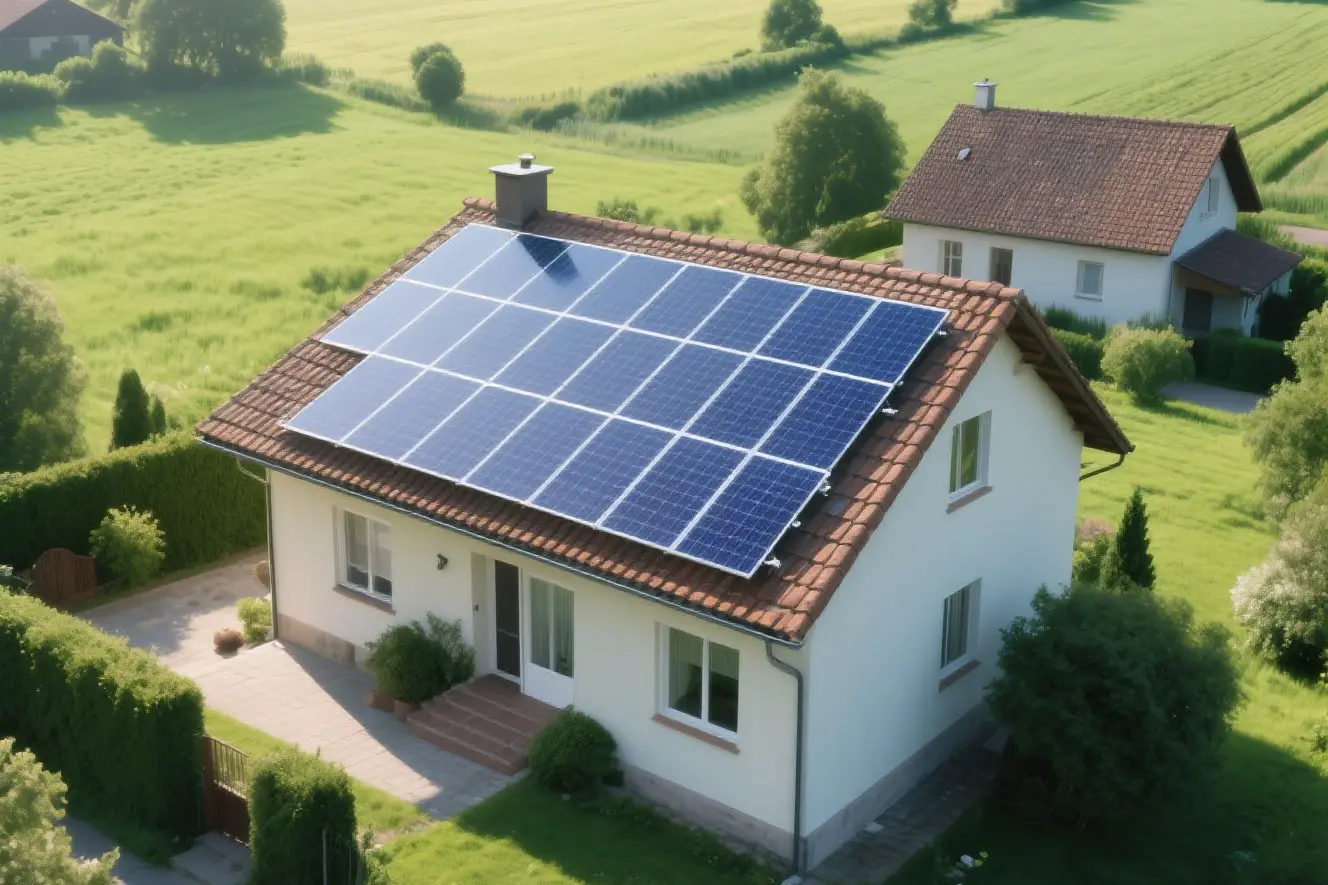
Powering remote command trailers, tool-charging stations, and off-grid security systems utilizing temporary structural arrays.
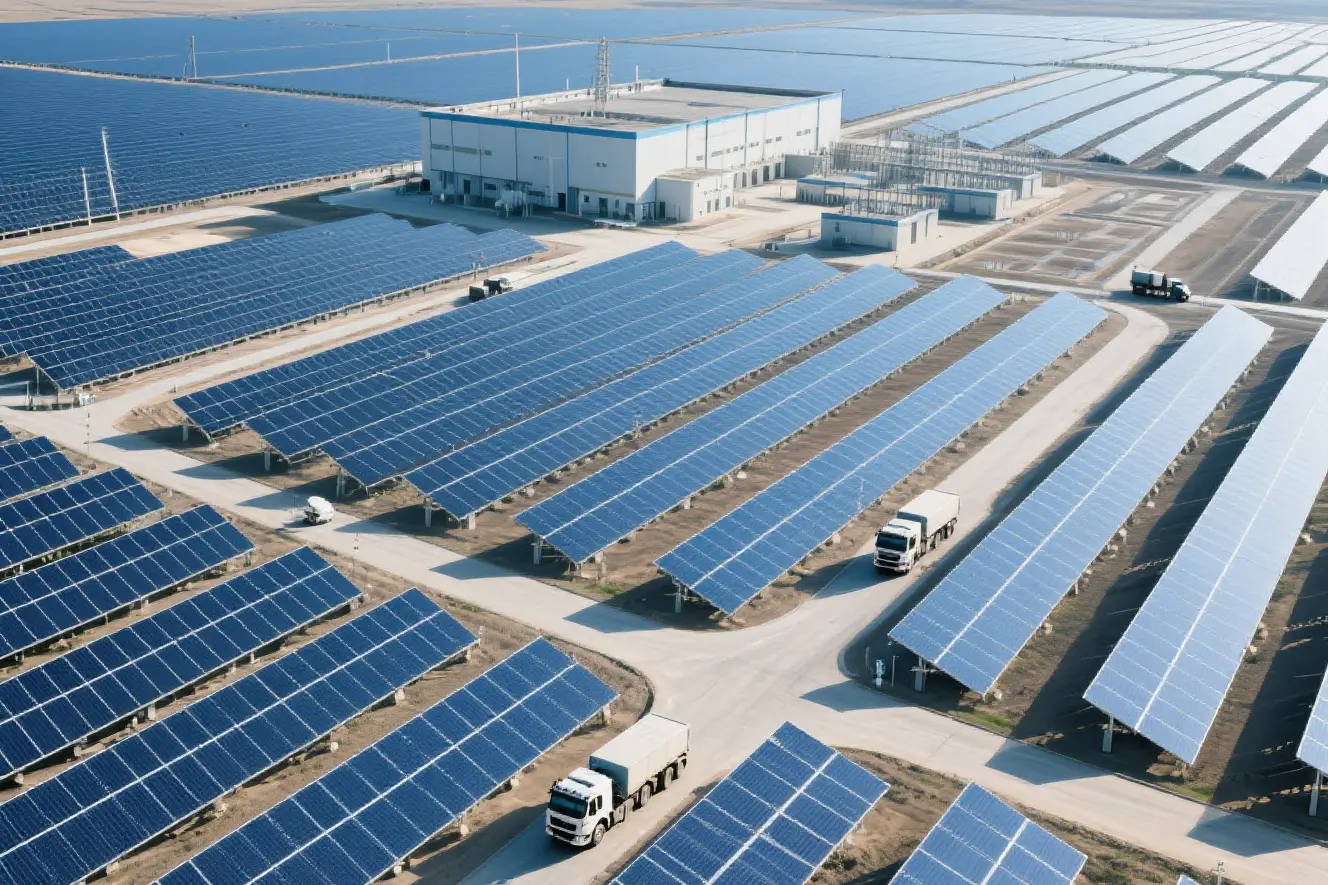
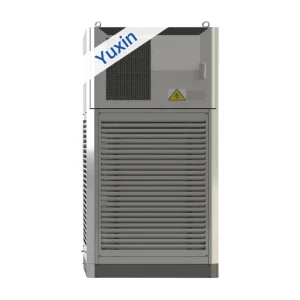
Supplying robust commercial storage modules (e.g., P01-EC60-30K) and micro-grids to secure electrical supply during structural maintenance.
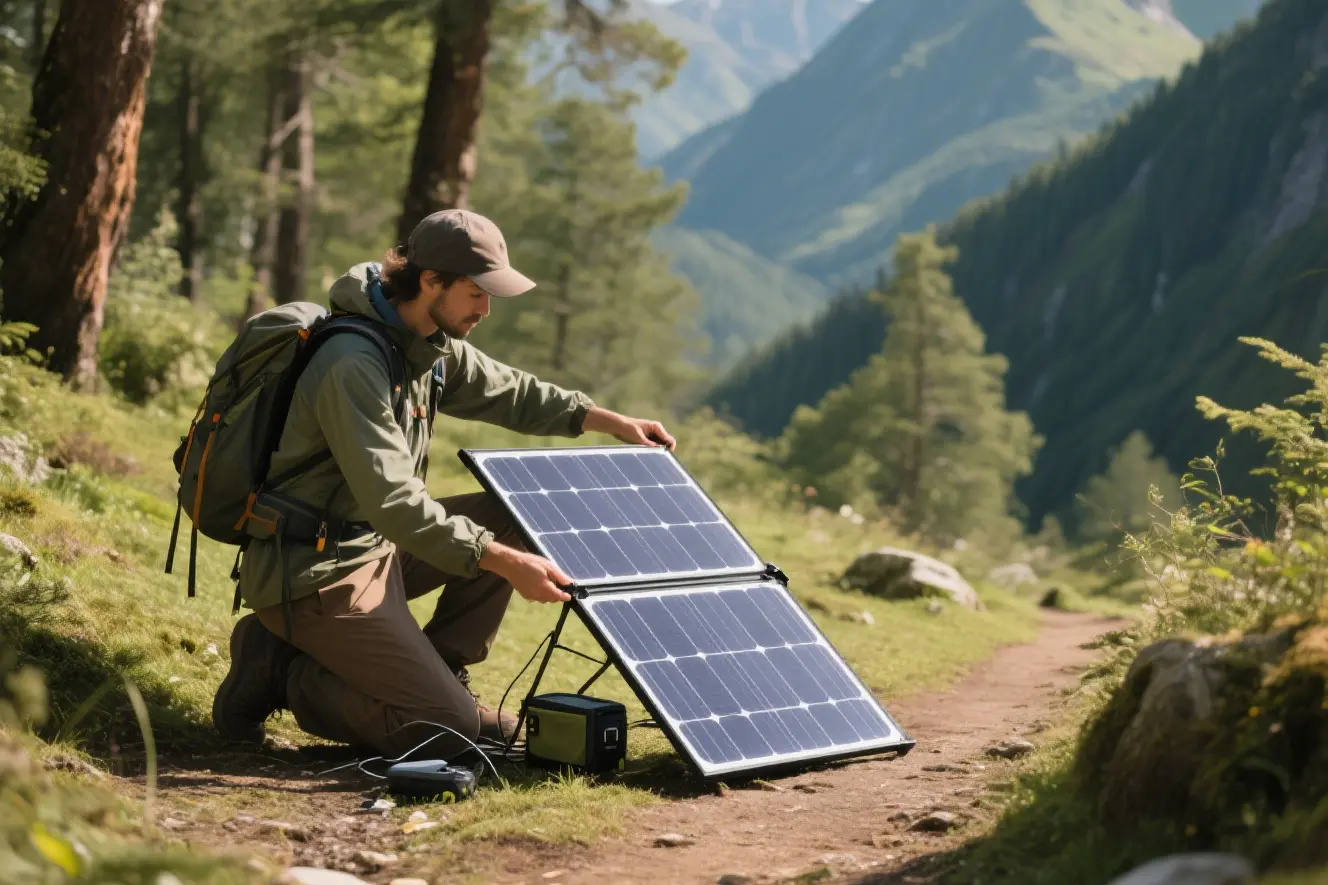
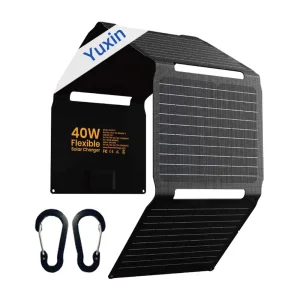
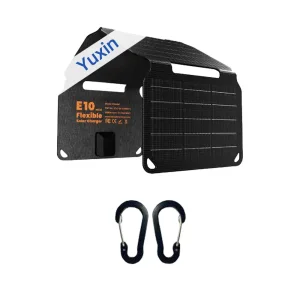
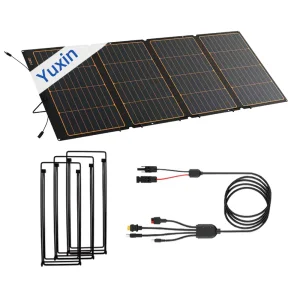
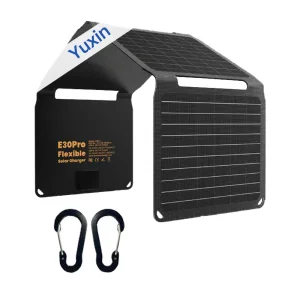
Deploying ultra-lightweight, waterproof folding backpacks (10W to 60W configurations) for mobile communication hubs and survival squads.

Insulating transponders and cellular repeaters with highly reliable, off-grid storage solar arrays designed for zero down-time.
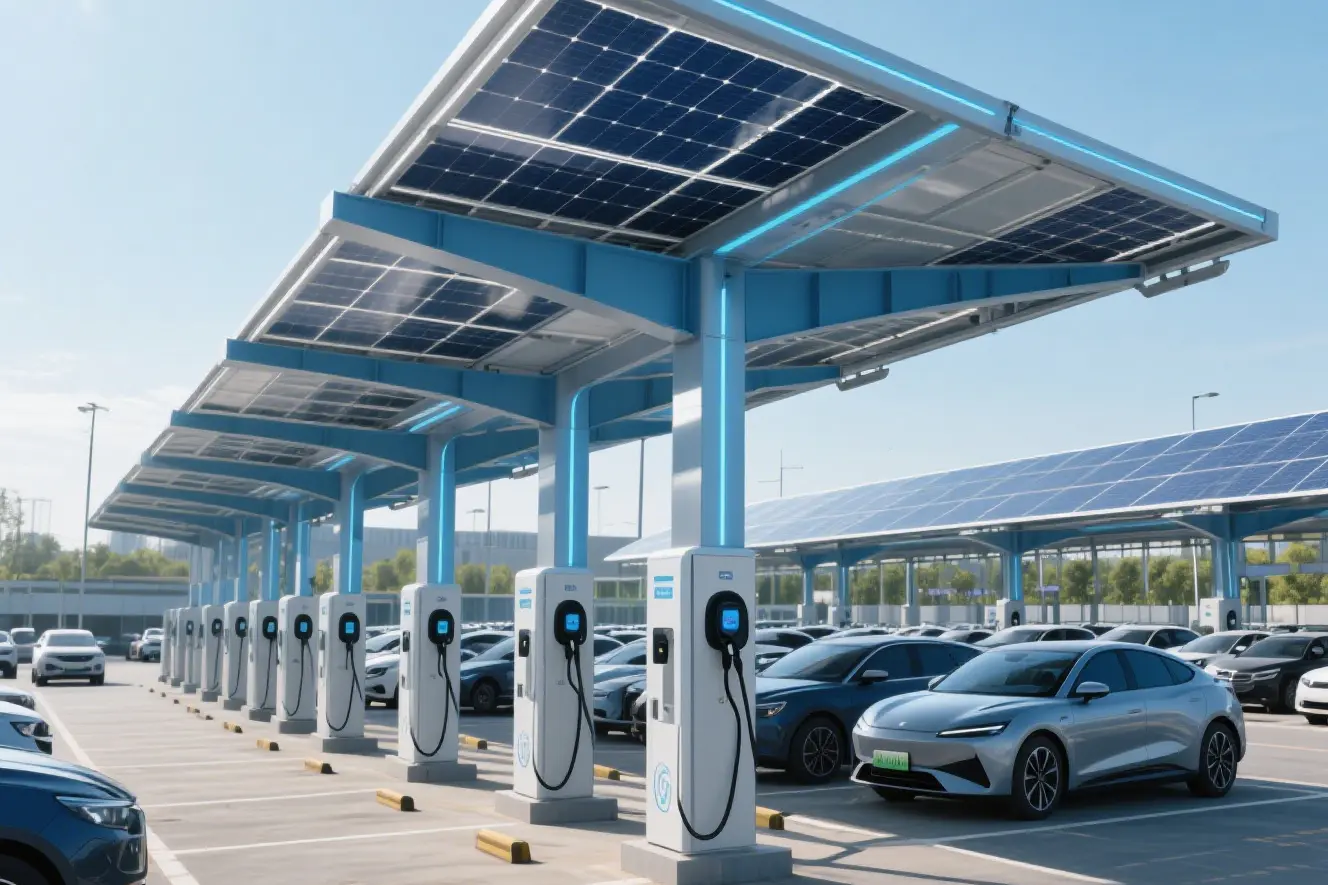
Supplying lightweight solar modules for highway dynamic signage, variable message boards, and rural lighting systems.
Get answers to critical technical questions regarding off-grid solar packages, cell degradation, frame options, and sourcing logistics.
Forming strong industrial bonds with key industry leaders over years of reliable service.



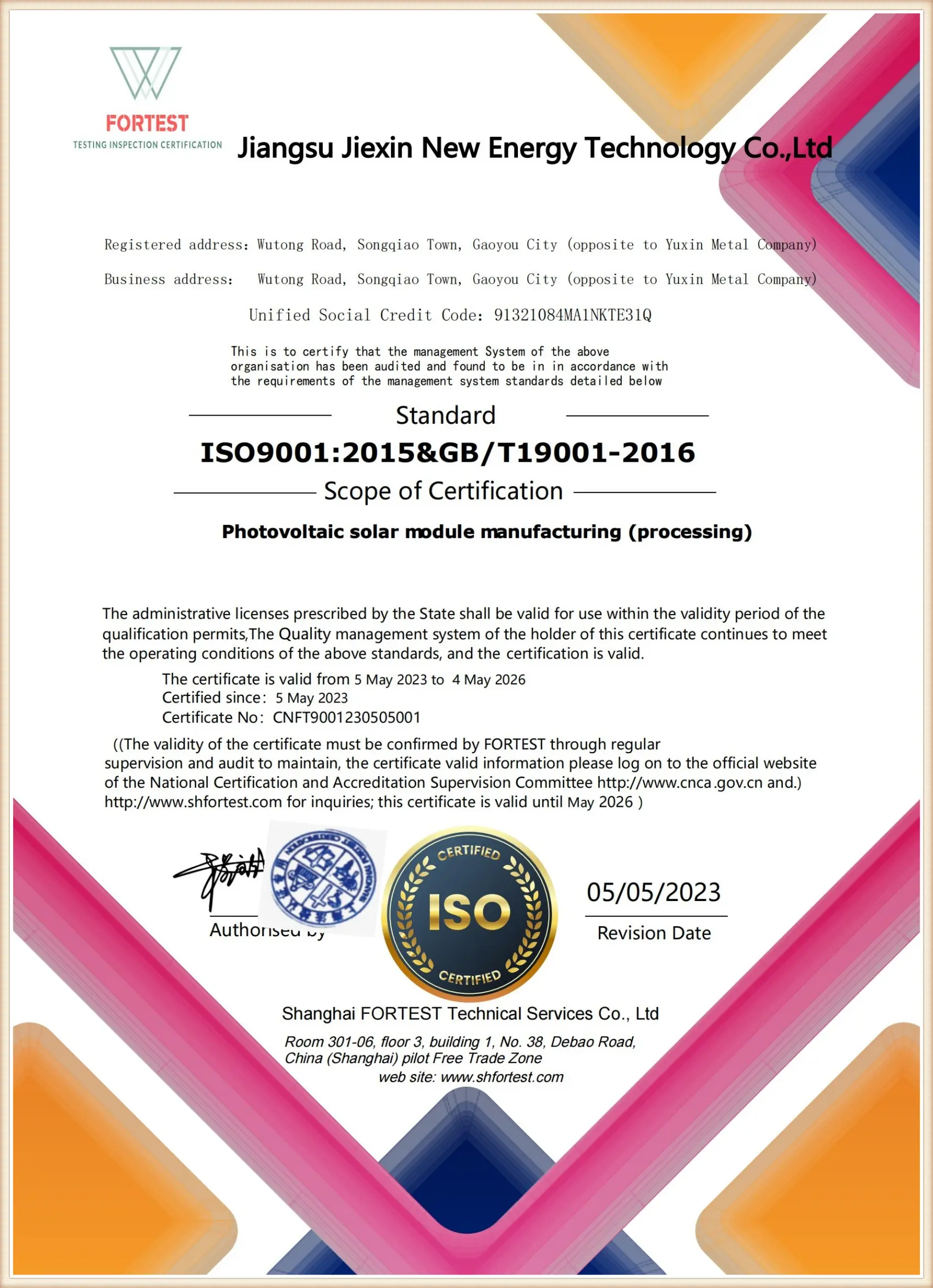
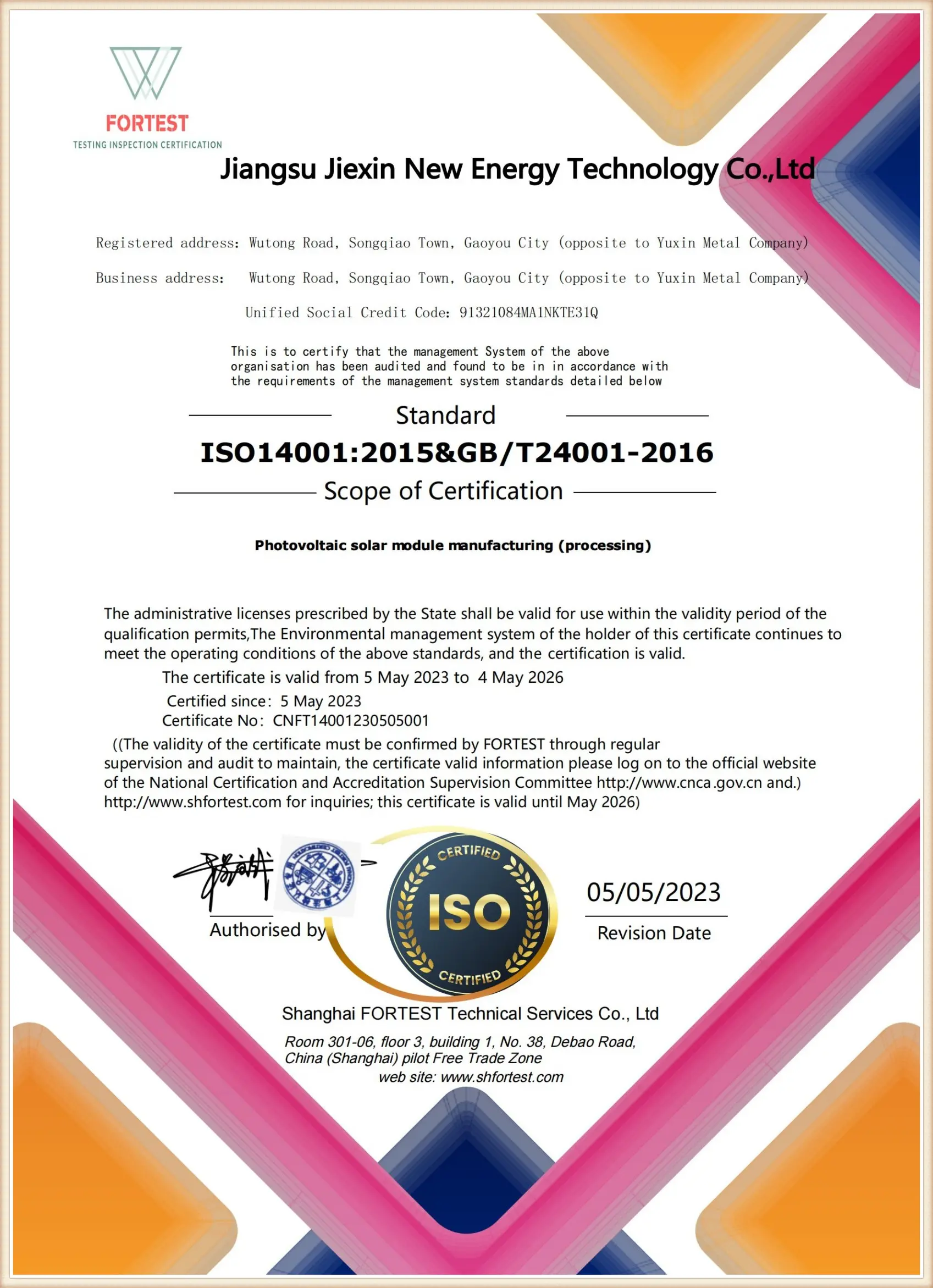
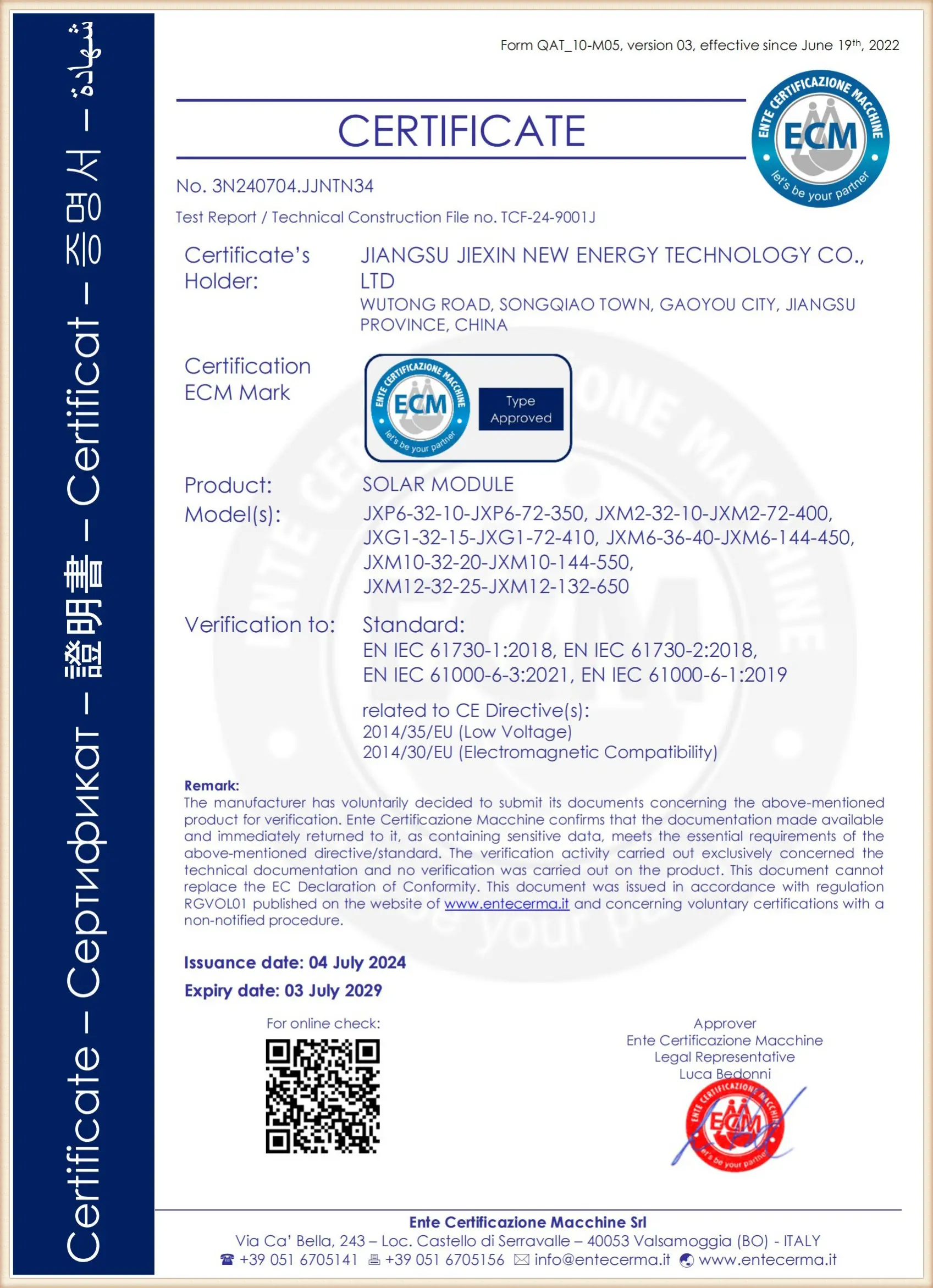
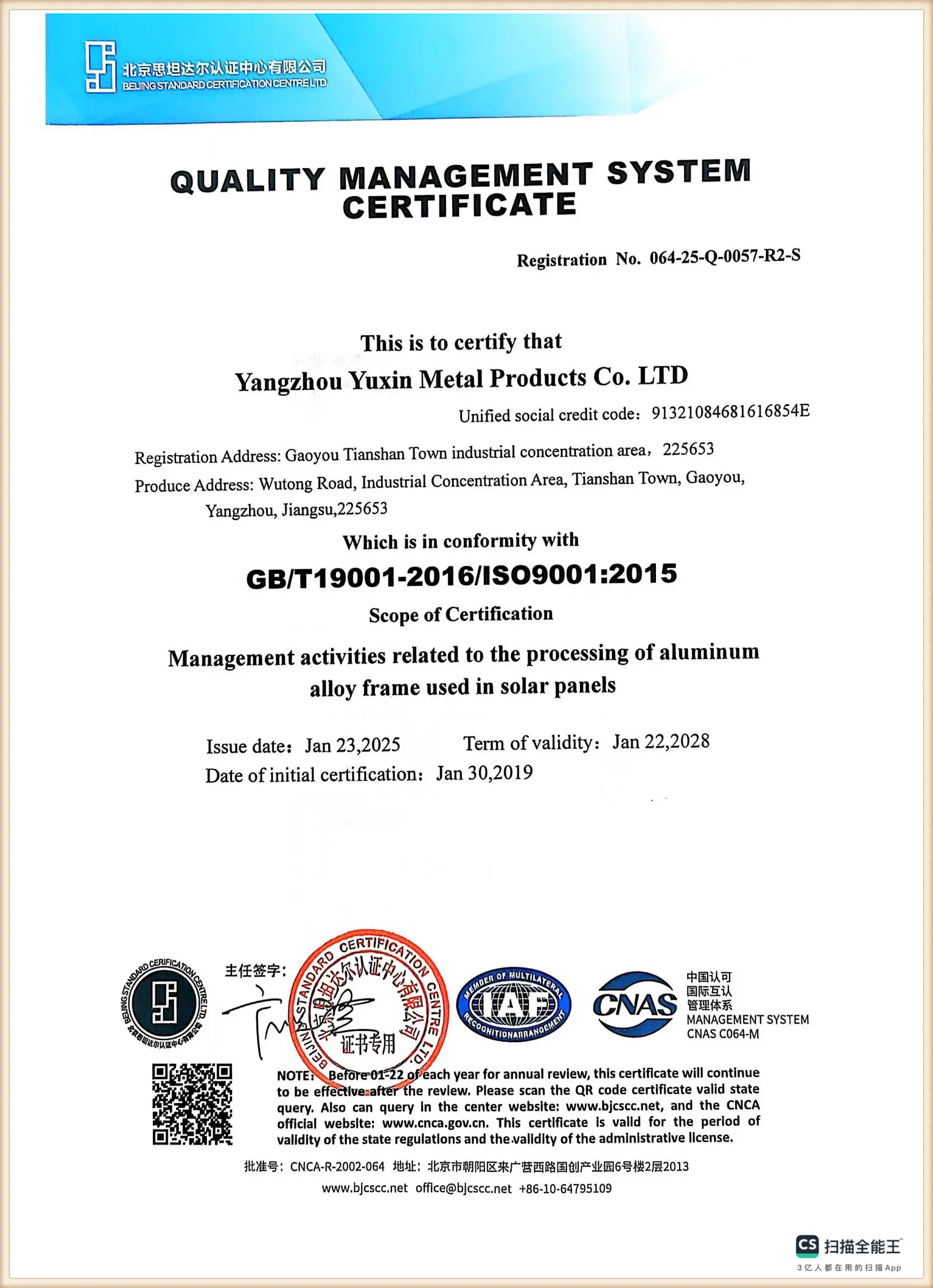
Certified factory processes aligned to global import expectations.
Stay up to date with manufacturing advances, structural inspection benchmarks, and international exhibitions.
Review our portable folding chargers, backup panels, and composite profiles optimized for global procurement streams.