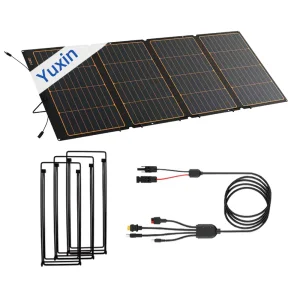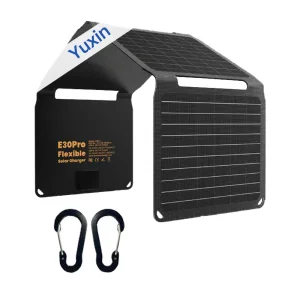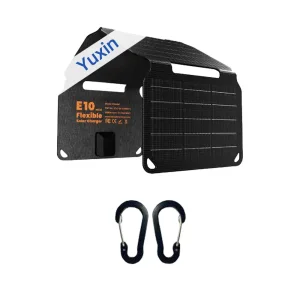
Direct from our state-of-the-art manufacturing facility. High conversion monocrystalline silicon, dual glass Topcon configurations, and rugged outdoor travel power systems.
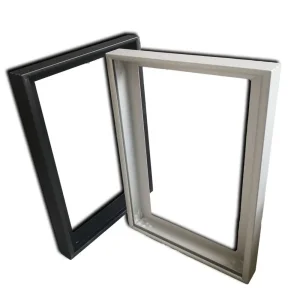
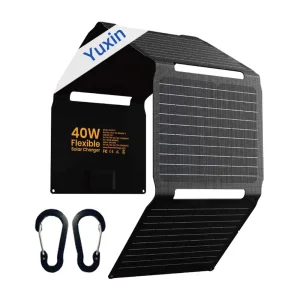
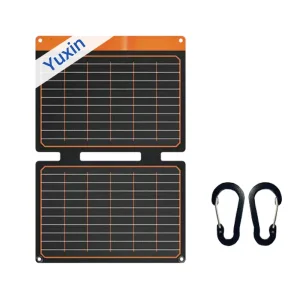
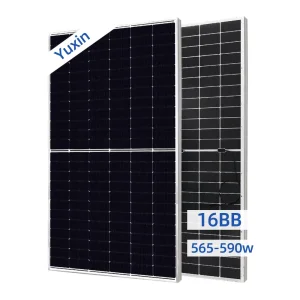
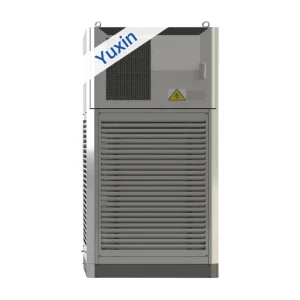
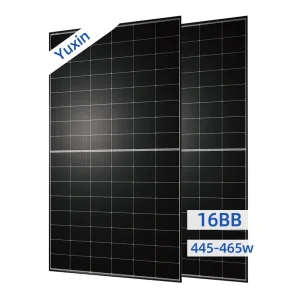
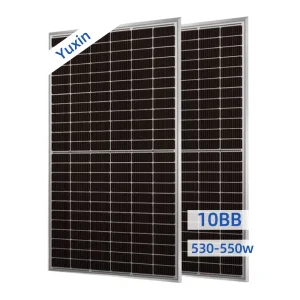
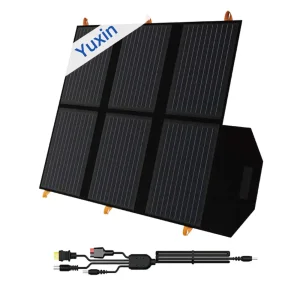
As global outdoor exploration, emergency preparedness, and off-grid remote operations scale exponentially, the demand for high-reliability, portable photovoltaic modules has peaked. A standard CE Certified Travel Solar Power Charger is no longer treated merely as a consumer accessory; rather, it is a critical piece of power infrastructure. Enterprises require absolute structural compliance, zero-failure electrical architectures, and optimized weight-to-power ratios to meet strict regional deployment guidelines.
This whitepaper inspects the strategic engineering paradigms, manufacturing controls, and international compliance architectures underpinning modern tier-one travel solar panel factories. By focusing on critical semiconductor innovations, mechanical encapsulation methods, and supply chain economies of scale, commercial buyers can confidently identify long-term manufacturing partners capable of meeting robust OEM/ODM requirements.
Modern portable travel solar chargers utilize monocrystalline silicon solar cells, characterized by high atomic lattice purity that yields superior electron mobility. Unlike heavy stationary arrays, portable units rely on thin-film lamination and ETFE (Ethylene Tetrafluoroethylene) encapsulation. ETFE exhibits superior UV-stability, self-cleaning surface topologies, and high light transmittance (up to 95%) compared to traditional PET (Polyethylene Terephthalate) films, which degrade and yellow under extended exposure.
Furthermore, integration of multi-busbar (MBB) configurations and N-type TOPCon cell structures reduces internal cell resistance and prevents micro-crack formation during folding. The implementation of bypass diodes within individual panels prevents hotspot effects, ensuring that partial shading of a single cell segment does not incapacitate the entire electrical system—a crucial requirement for hiking, tactical operations, and remote fieldwork.
Jiangsu Yuxin New Energy Technology Co., Ltd. — Your Photovoltaic Materials & Structural Engineering Experts
Established in 2008, Yuxin Group has grown into an international green energy conglomerate with 14 multi-field companies under its jurisdiction, including the core entity Jiangsu Yuxin New Energy Technology Co., Ltd. Strategically located in the ancient historical and cultural city of Yangzhou, China, our facilities sit in close proximity to major transport arteries like the Beijing-Shanghai Expressway, the Runyang Yangtze River Bridge, and the Ningqi Railway, offering outstanding global logistics efficiency.
Recognized as a National High-tech Enterprise, an officially verified Technology-based Enterprise, and honored as one of the Gaoyou City Top 100 Private Enterprises, we deliver industrial-grade solutions across the entire solar value chain—from structural anodized aluminum frames to integrated high-capacity battery backing solutions.
Analyzing key structural, material, and electrical specifications of the core product portfolio
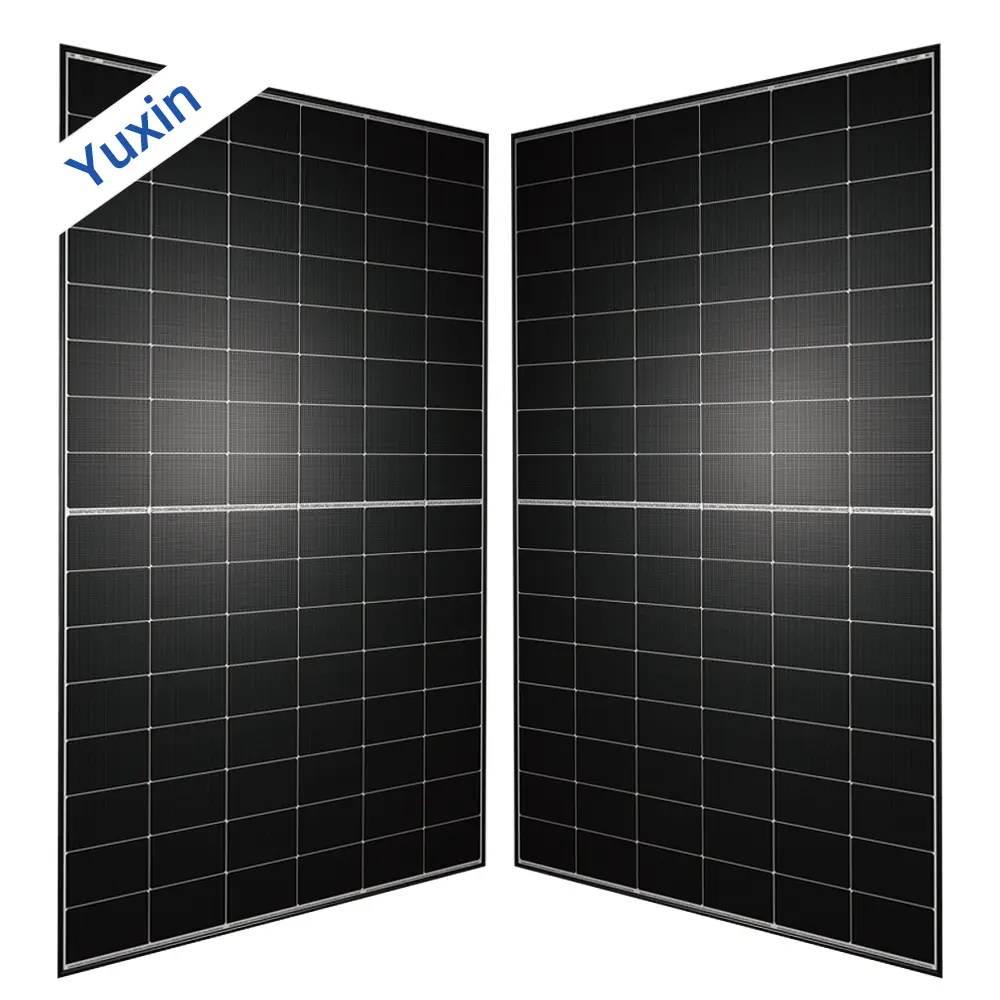
Lightweight construction featuring advanced transparent backsheets for simplified assembly and reduced Balance of System (BOS) costs. Engineered for extreme wind and snow load resistance.
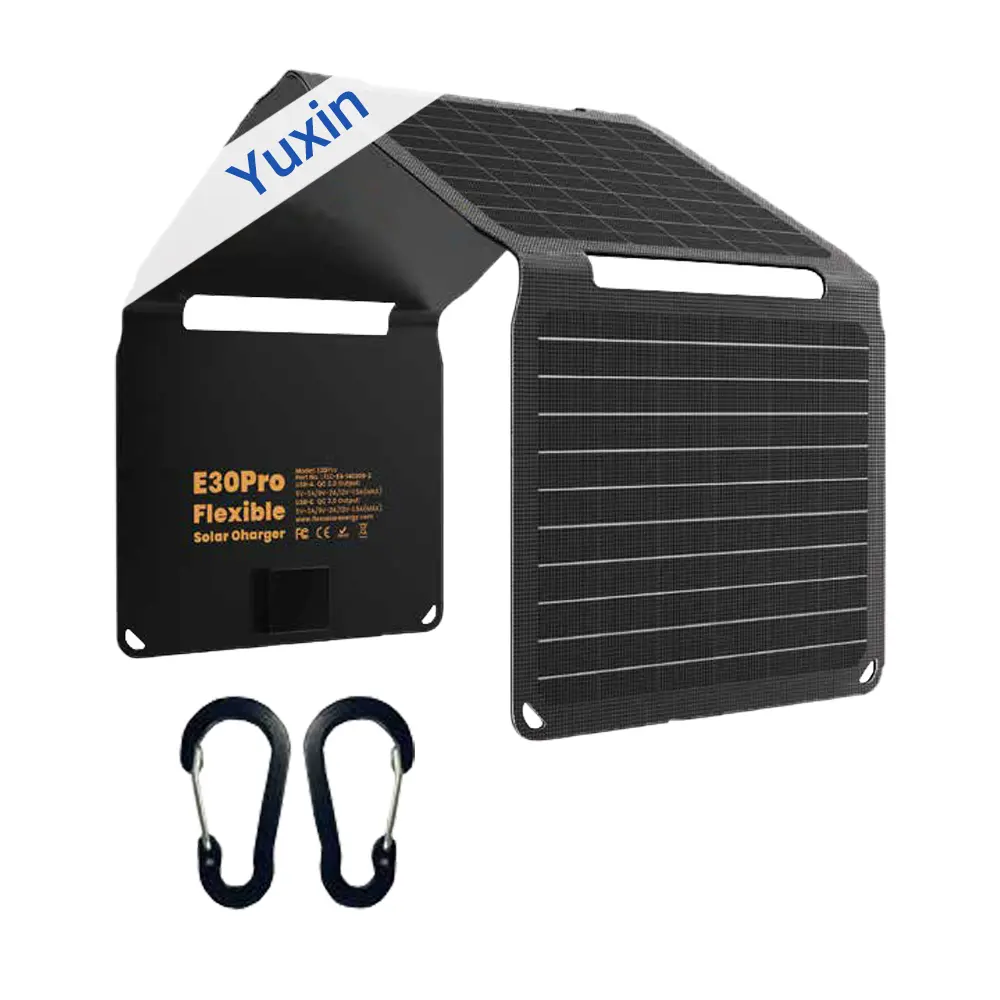
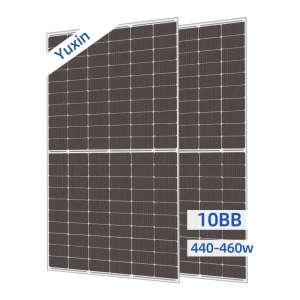
Leveraging ultra-pure monocrystalline silicon matrices to accomplish an industry-leading photoelectric conversion efficiency of 24%. Built with scratch-resistant polymer top coatings.
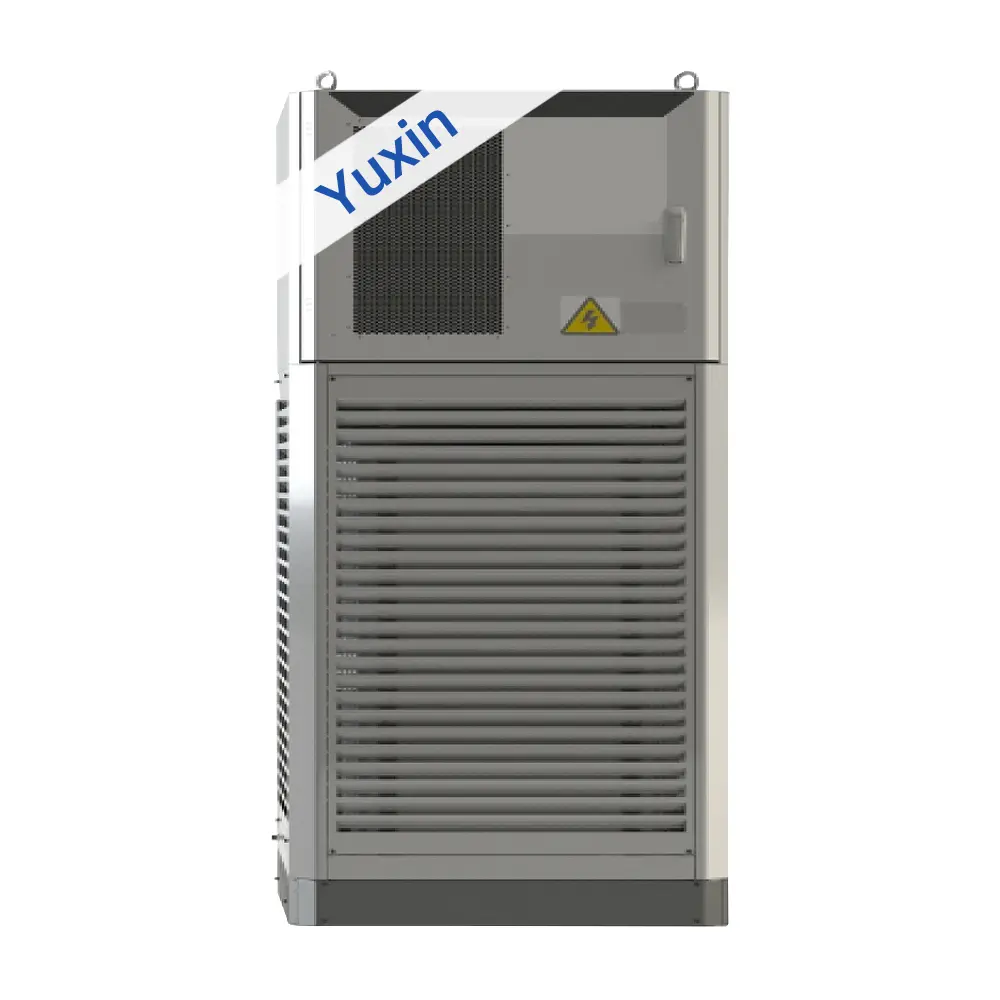
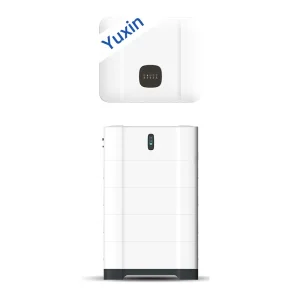
Flexible operations supporting grid-tied, complete off-grid, and intelligent hybrid energy storage configurations. Equipped with automated battery backup control modules.
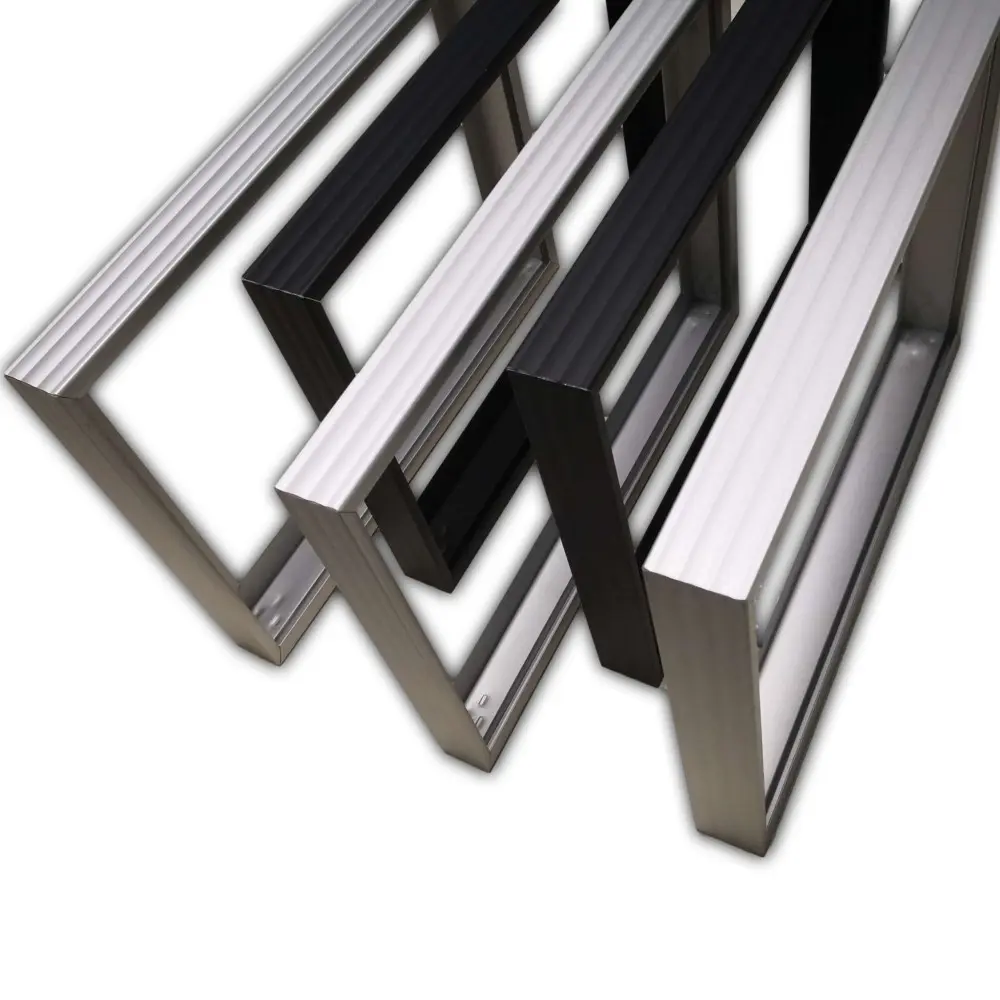
Manufactured from premium structural anodized aluminum (6063-T5 / 6005-T6). Assures exceptional salt-spray, moisture, and mechanical resistance over a 25-year service life.
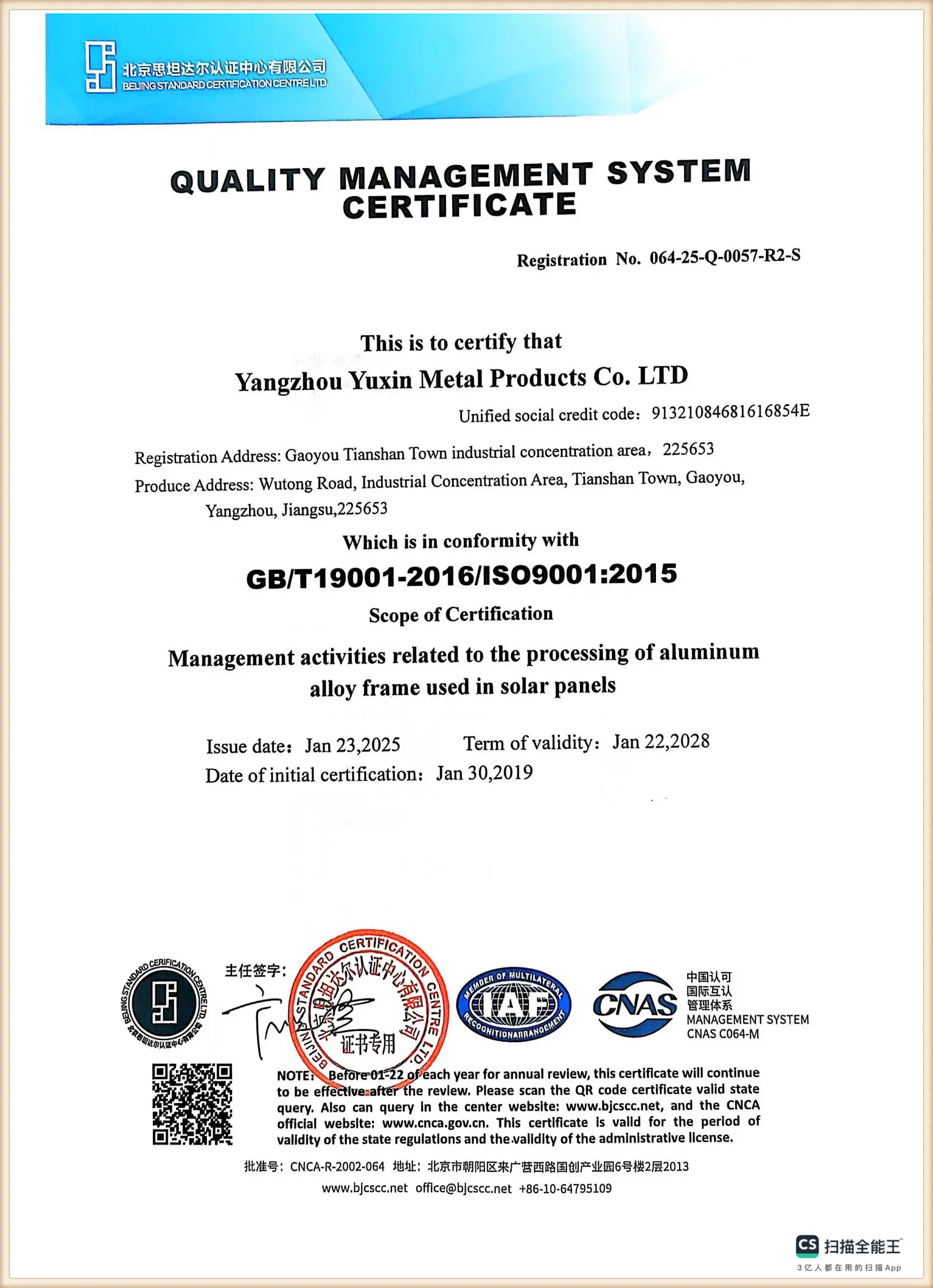
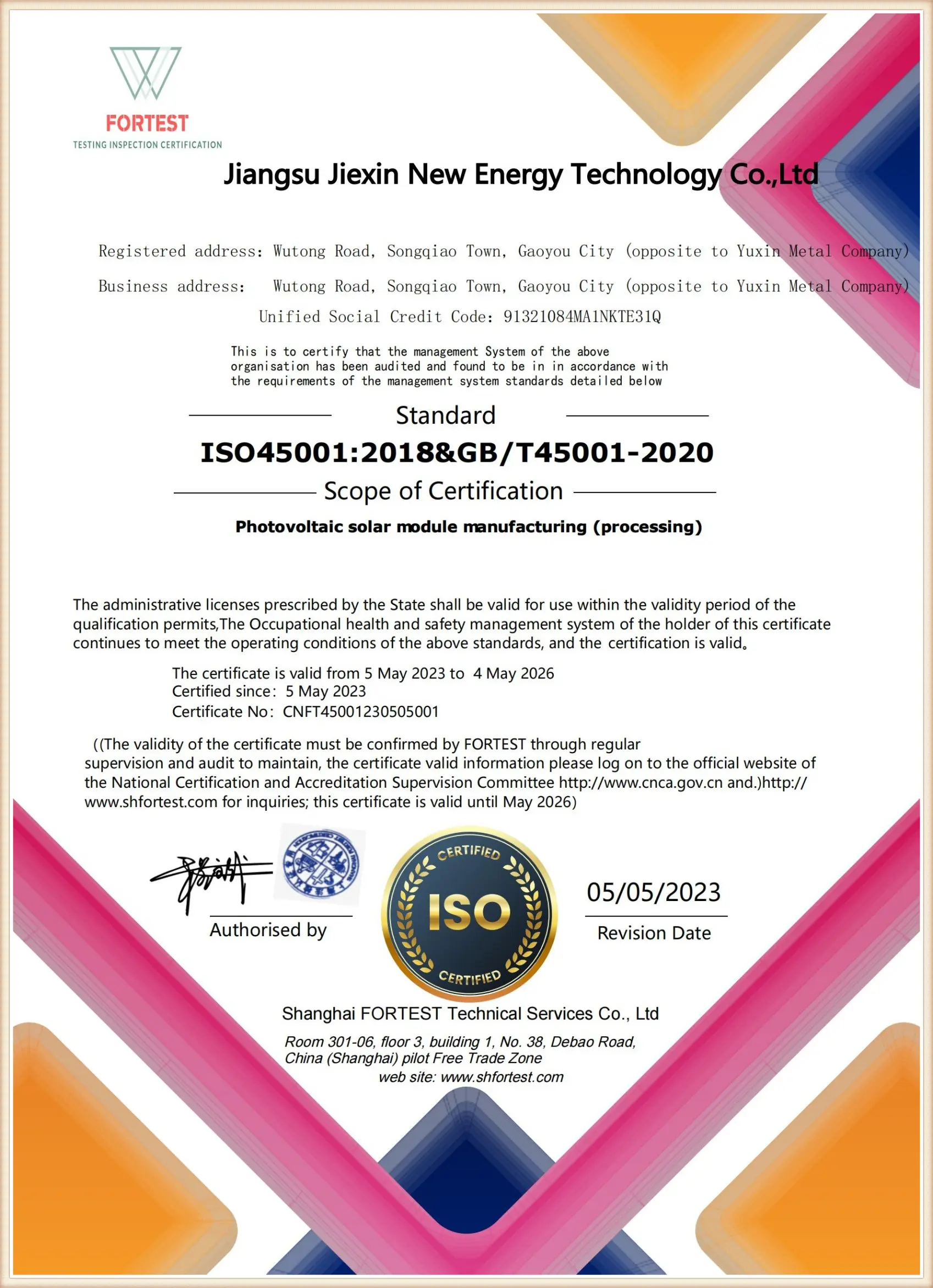
Why regulatory verification is vital for cross-border solar shipments and consumer safety
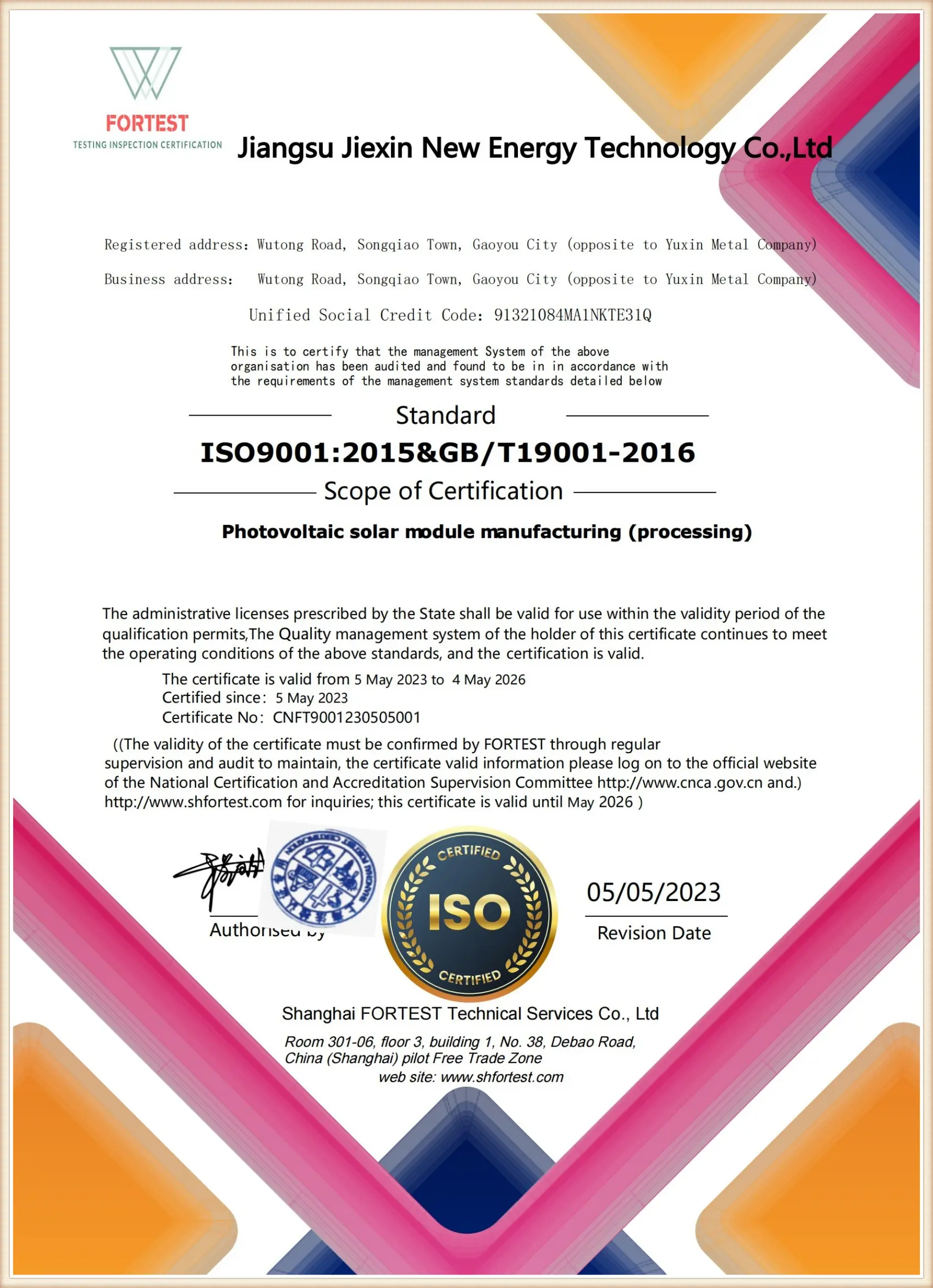
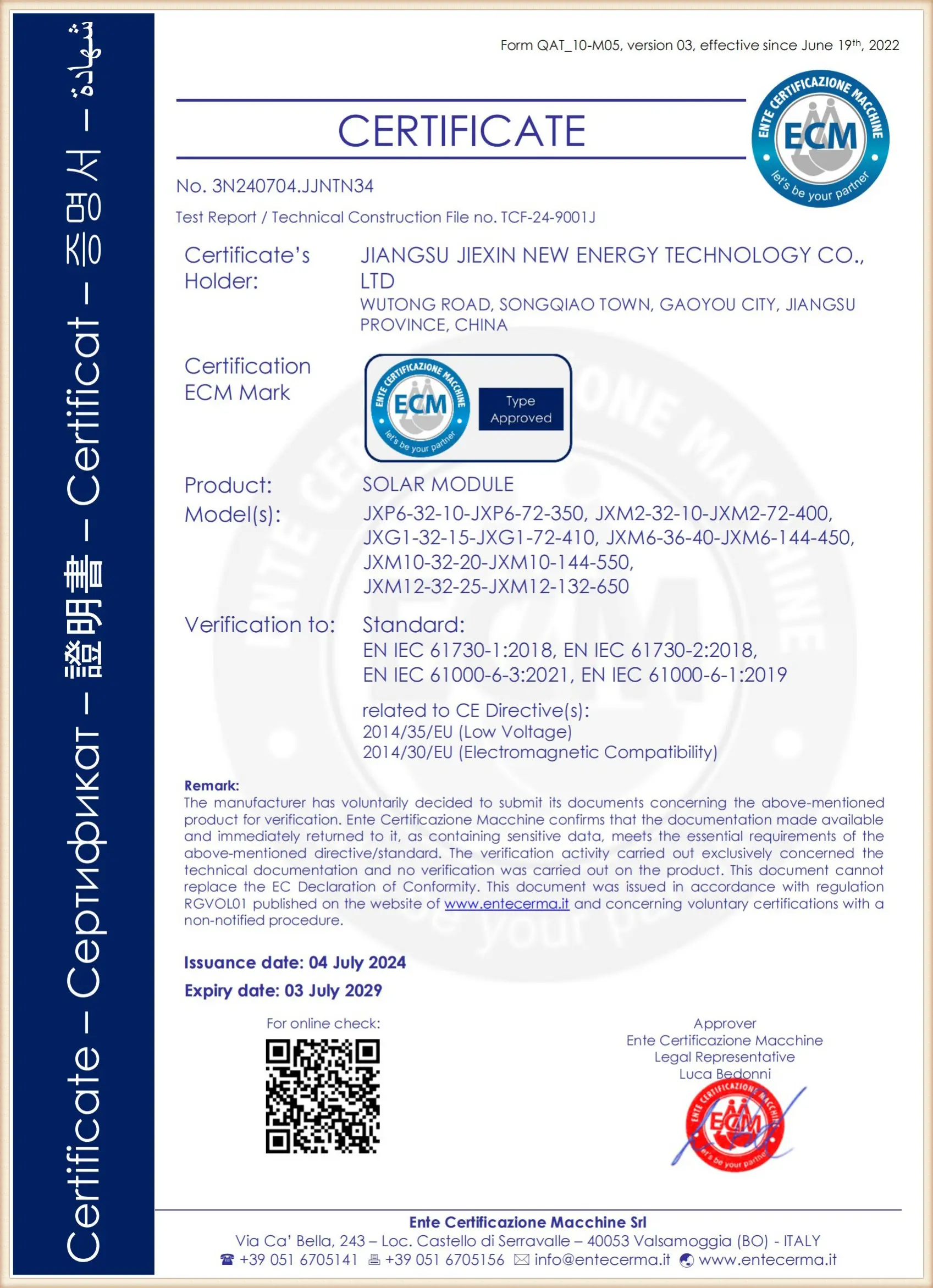
Placing travel solar chargers in European Economic Area (EEA) markets dictates full conformity with CE Certification directives. For portable chargers containing integrated voltage regulators, charging circuits, or internal lithium storage blocks, compliance with several core European directives is legally required:
| Compliance Standard | Primary Focus Area | Target Market Relevance | Industrial Quality Benchmark |
|---|---|---|---|
| CE Mark (EMC + LVD) | Electrical Safety, Low Interference | European Union & Associated Trade Zones | Mandatory legal passport for import |
| IEC 61215 / 61730 | PV Module Design Qualification & Safety | Global Utility & Off-Grid Projects | Measures mechanical load & thermal stress |
| UL 1703 / UL 2703 | Flammability and Bonding Verification | North American Market Integration | Required by municipal building inspectors |
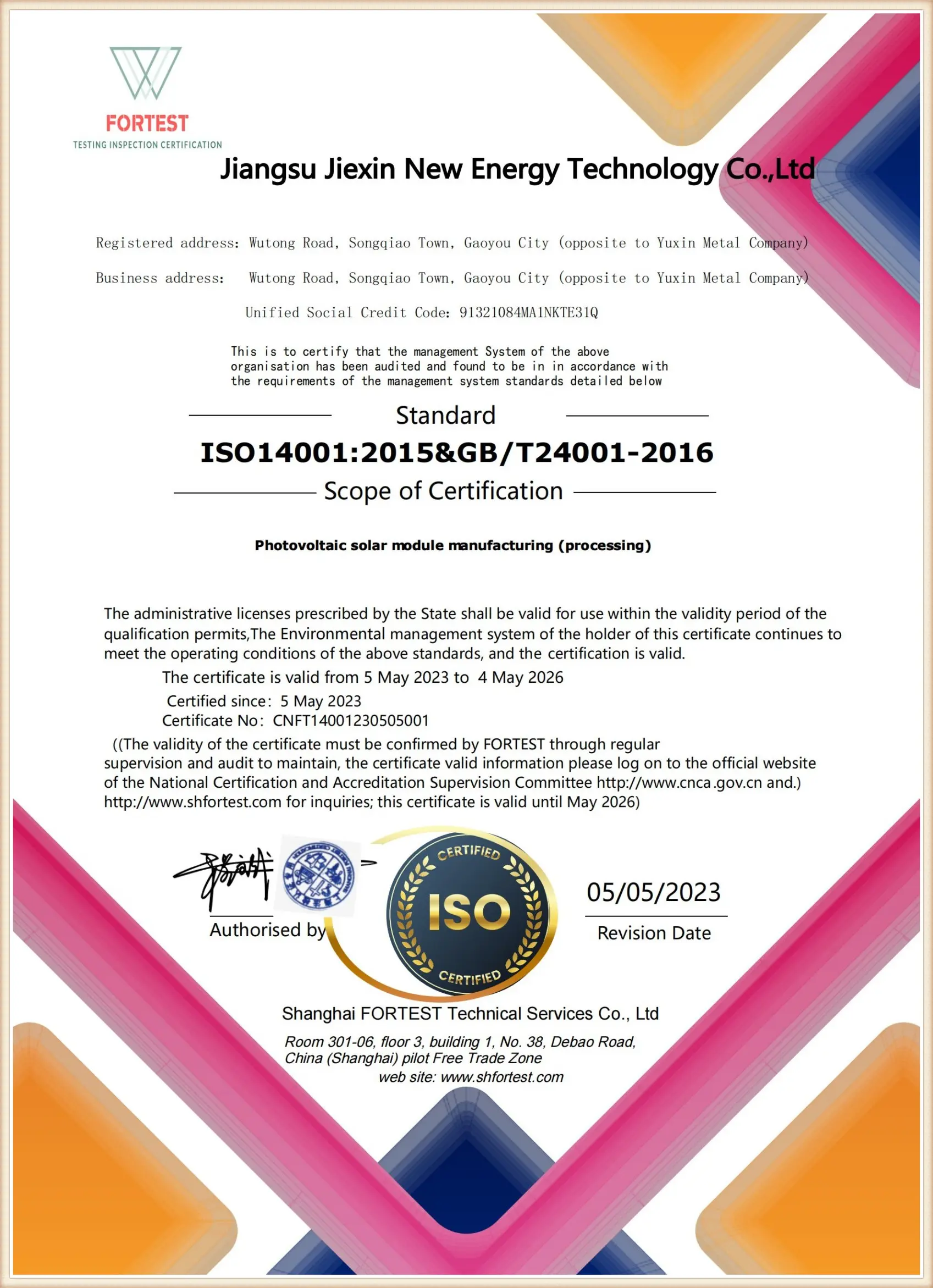
| RoHS / WEEE | Heavy Metal Restrictions & Lifecycle Management | Global, particularly Europe and Japan | Ensures non-toxic, recyclable componentry |
Unlocking cost efficiencies, automated tooling, and integrated logistics clusters
China is home to the world's most concentrated photovoltaic supply chain, controlling over 80% of global upstream and downstream manufacturing capacity. Operating out of key industrial hubs such as Jiangsu (specifically Gaoyou and Yangzhou), manufacturers maintain direct access to raw silicon, ingots, slicing technology, and polymer chemicals. This reduces transaction friction, mitigates shipping volatility for component parts, and secures stable raw materials pricing.
Beyond basic components, advanced Chinese solar charger factories feature vertically integrated extrusion lines for high-tensile aluminum frames (6063-T5), computerized SMT (Surface Mount Technology) systems for PCB fabrication, and automated laminating cells. Working directly with integrated ecosystems ensures that customized specifications (such as unique canvas shapes, specialized voltage controllers, or complex structural frames) transition from digital design drafts to prototype tooling in days rather than months.
Export-oriented factories ensure structural integrity through extensive automated inspection lines, featuring:
Key checkpoints for international distributors, tech brands, and commercial buyers
Procurement teams at international consumer electronics companies, disaster relief organizations, and major outdoor equipment retail chains evaluate global partners based on functional design criteria:
Commercial buyers often require bespoke layouts, customized voltage output curves (USB-C Power Delivery up to 100W, DC 18V outputs), and specific textile integration. Factory capabilities must support CAD engineering files, custom silicone edge molding, and color-matched textiles (such as ripstop nylon or high-durability Cordura fabric) that support heat dissipation.
Travel chargers are used under unpredictable field conditions. Built-in smart IC controllers must include over-current protection, thermal shutdown thresholds, over-voltage protection, and short-circuit recovery features. High-end models also feature auto-restart logic, ensuring panels resume charging immediately after temporary shading without requiring manual connection cycles.
Leading factories operate flexible production lines capable of scaling from low-volume trials (typically 500 to 1,000 units for custom OEM designs) up to container-load monthly shipments. Diversified logistics connections, such as close access to deep-water ports like Shanghai or Ningbo, help control ocean and air freight costs.
How off-grid portable solar technology supports modern commercial, agricultural, and utility applications

Providing independent off-grid energy for remote sensors, automated irrigation control systems, and automated wildlife monitoring hardware.
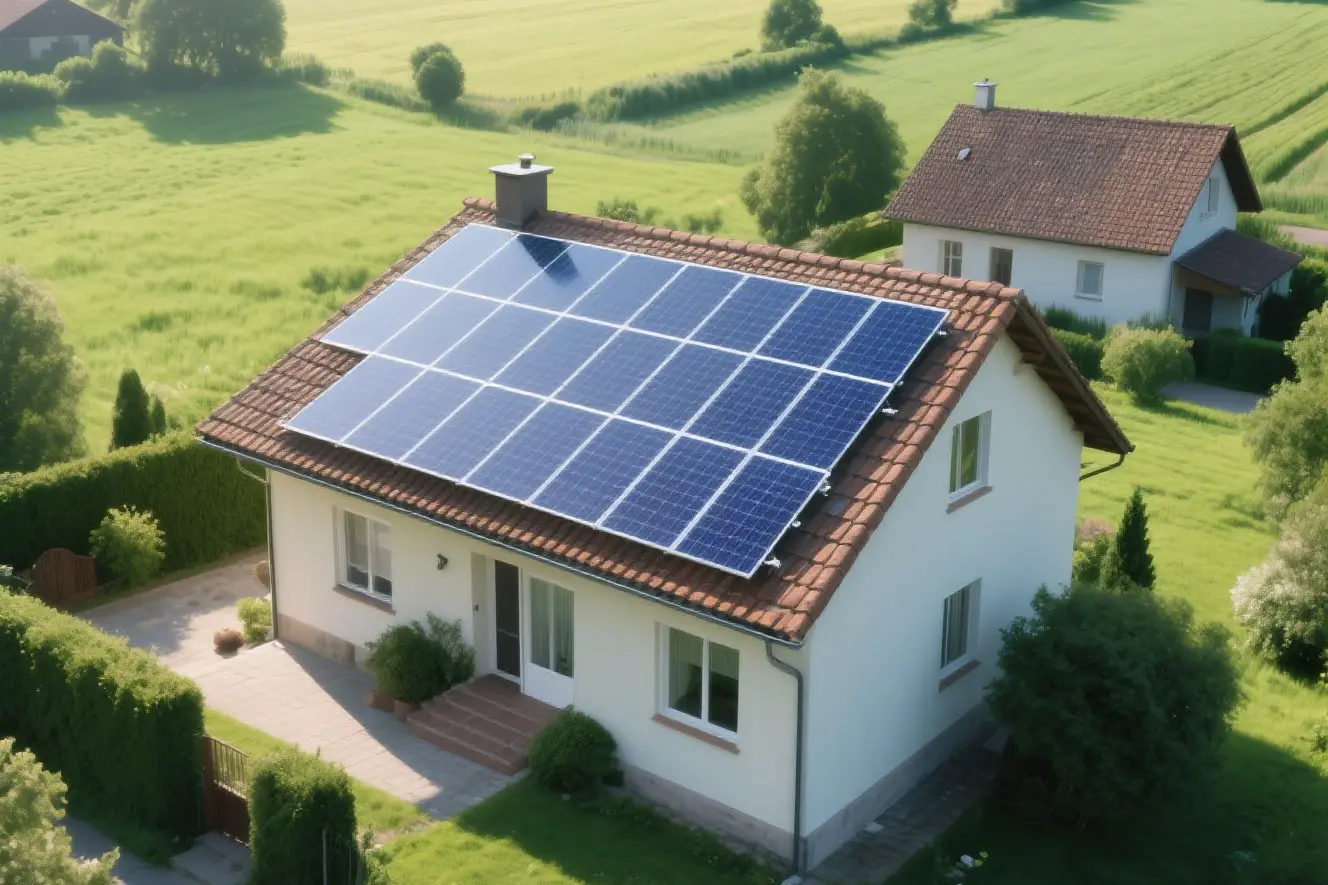
Powering remote communication arrays, smart safety wear, laser levels, and temporary worksite structural monitoring systems.
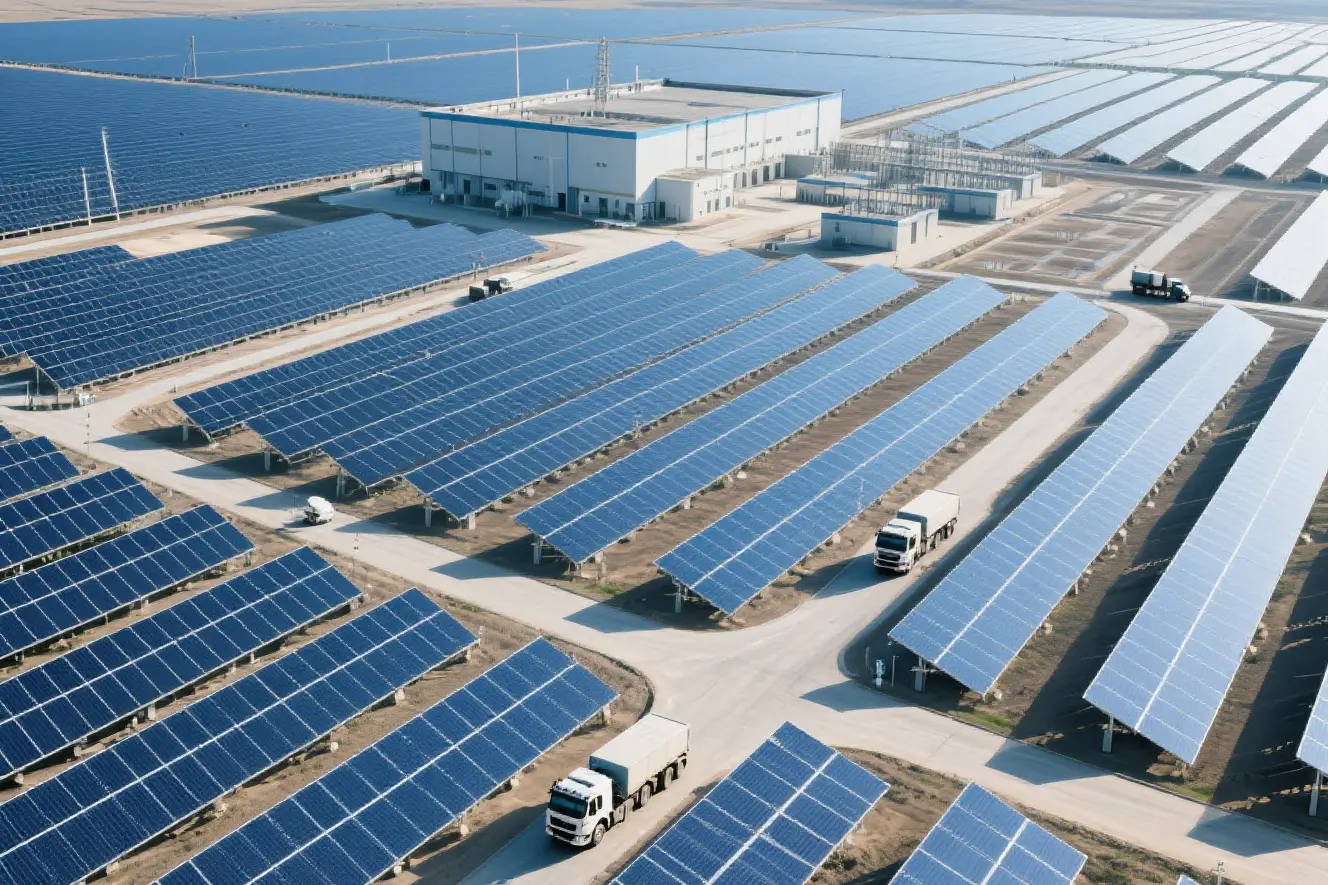
Delivering dependable portable backup panels for maintenance technicians servicing transmission lines in remote topography.
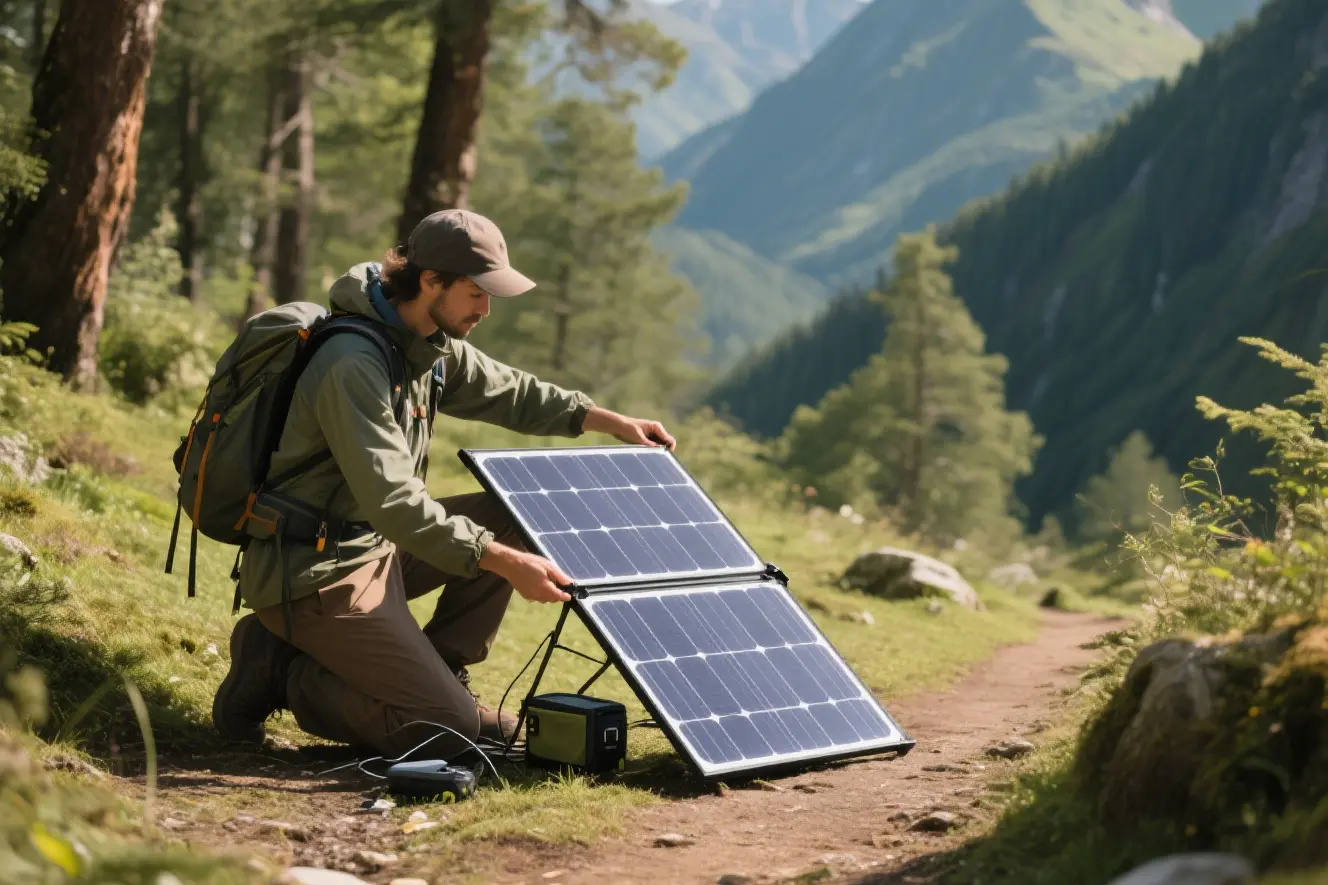
Integrated camping backpacks, hiking power systems, and rugged portable solar mats for wilderness expeditions.
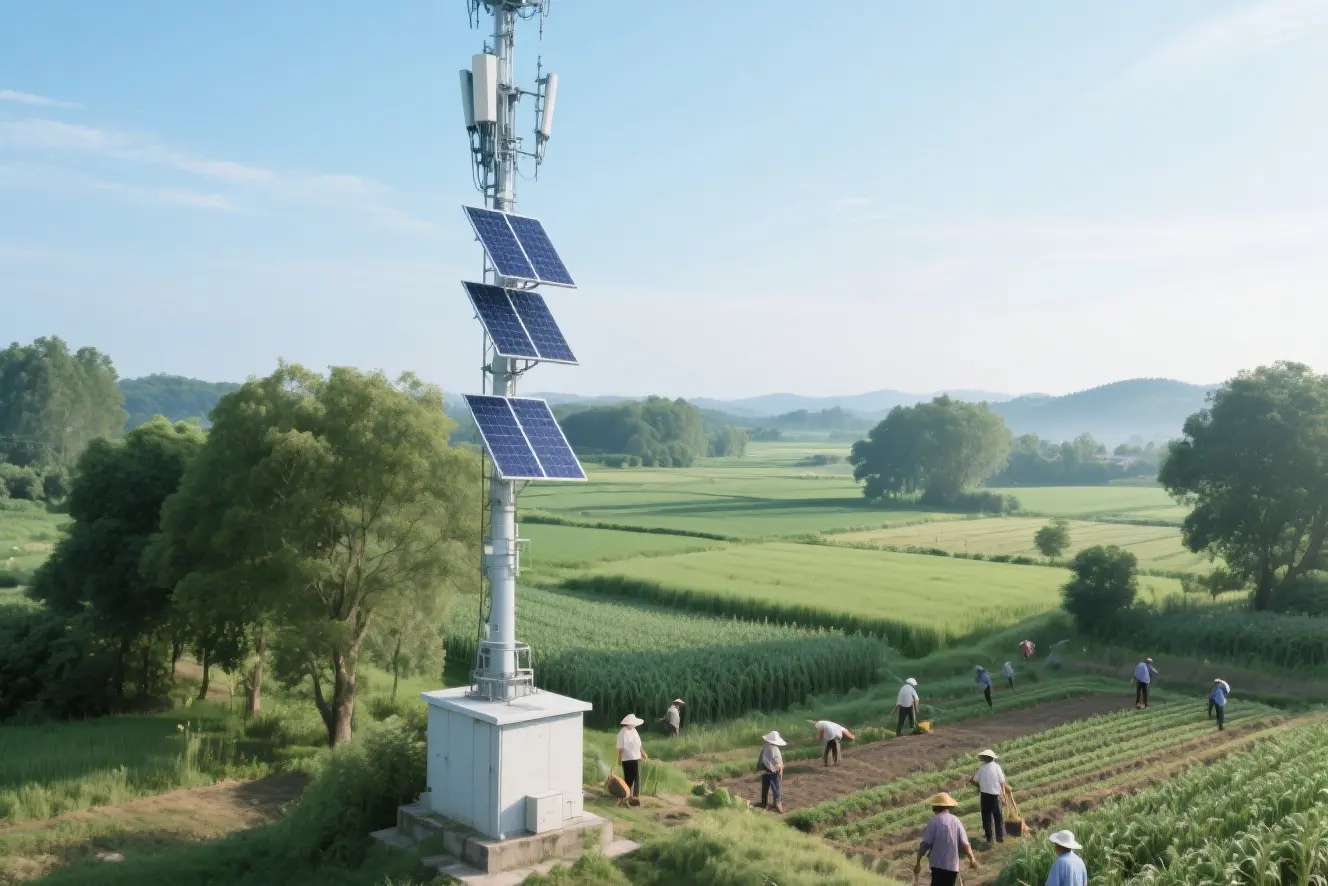
Auxiliary off-grid power backups for remote cellular base stations, satellite terminals, and localized emergency beacons.
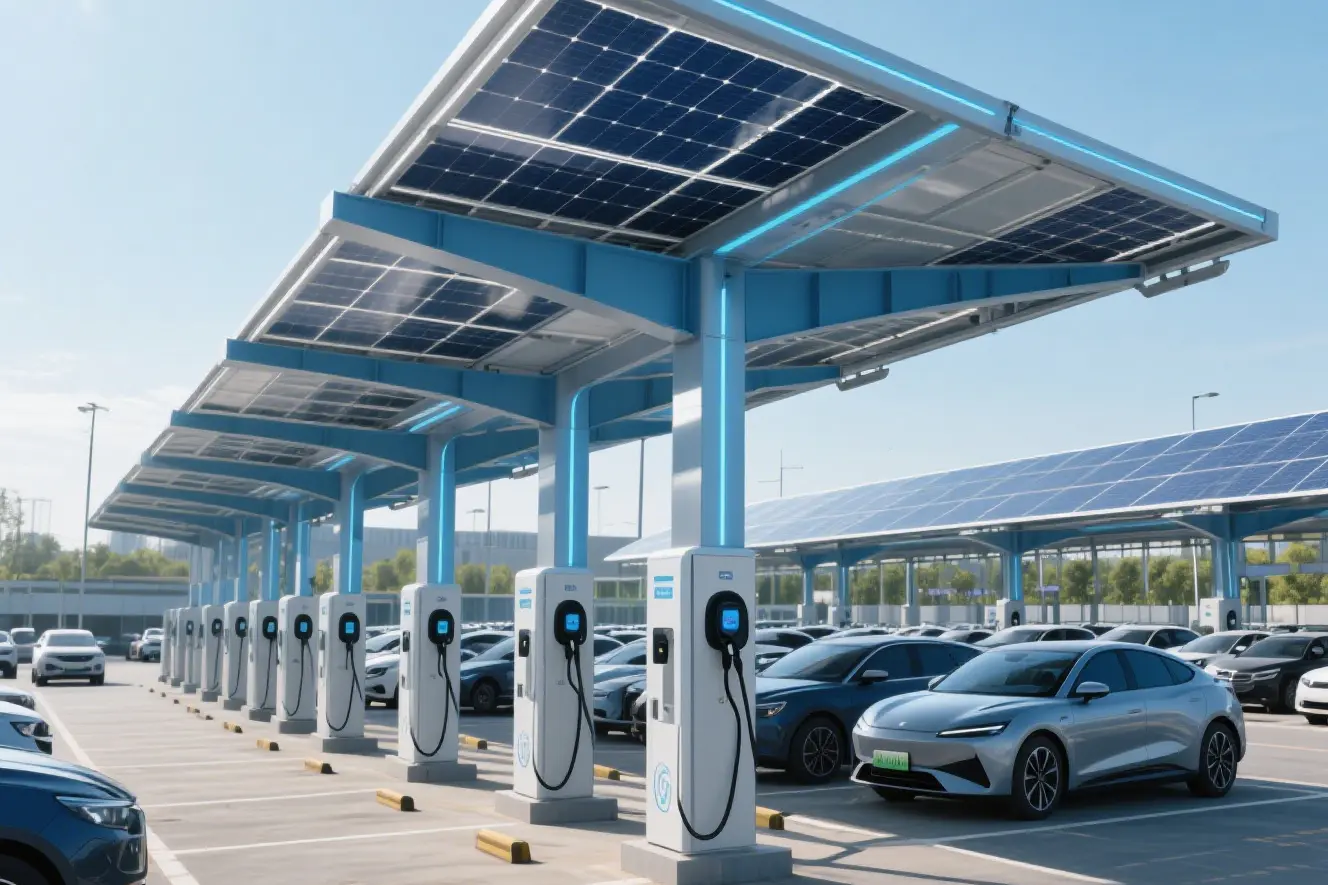
Powering vehicle GPS tracking systems, active cold-chain temperature sensors, and trailer telemetry modules.
Several major developments are shaping the portable photovoltaic sector:
Collaboratively advancing green energy deployments across five continents



Addressing the technical, logistics, and compliance questions common to enterprise procurement teams
Read about manufacturing advancements, material selections, and quality control systems from Jiangsu Yuxin
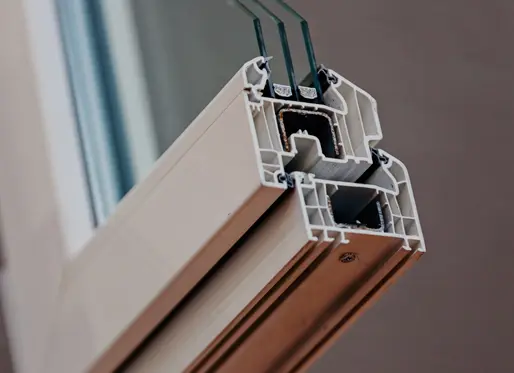
An in-depth look at alloy optimization (6063-T5 vs T6), anodization depth requirements, and structural wind resistance profiles in severe environments.
View Article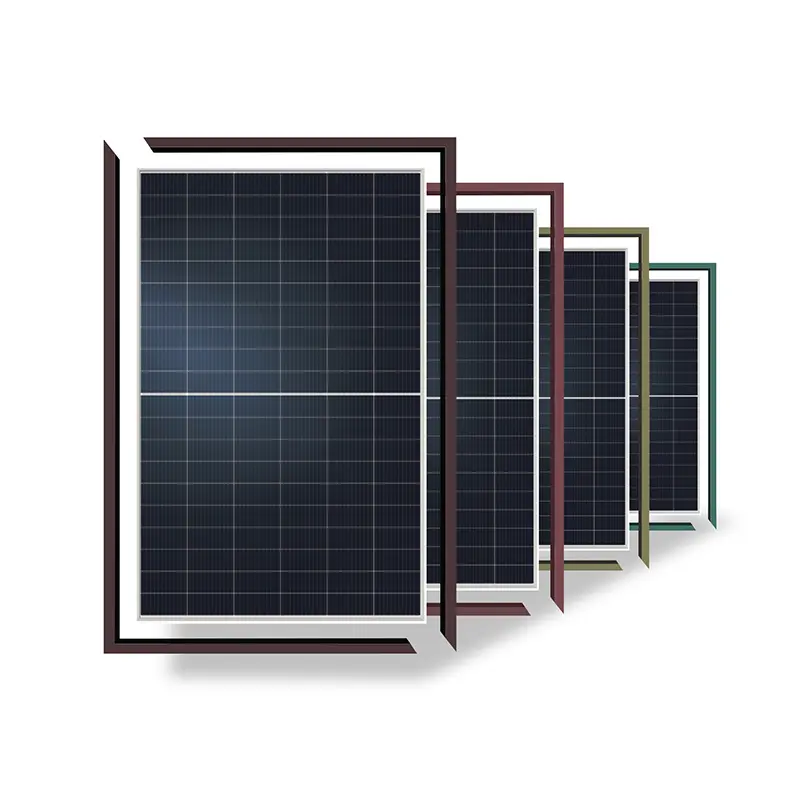
Evaluating vendor capacities, testing facilities, custom extrusion tooling speeds, and compliance certificates to verify supply chain security.
View Article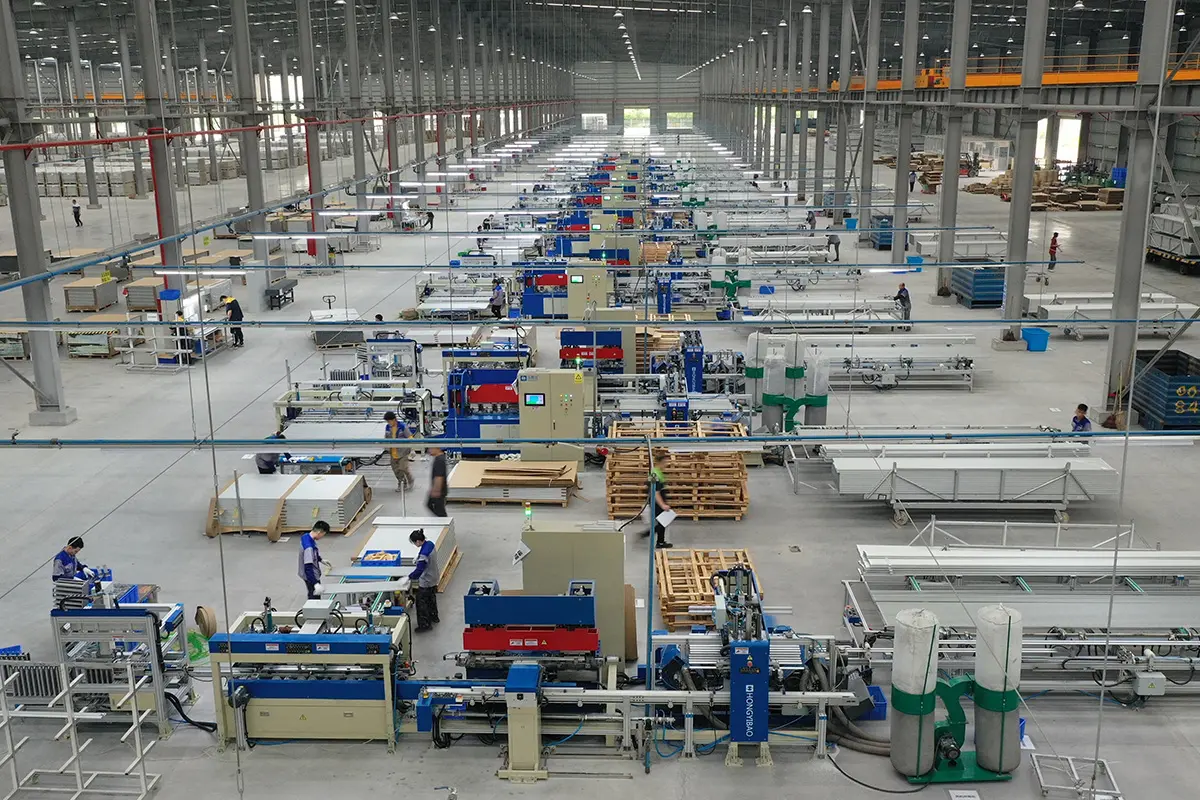
Understanding quality control systems, micro-crack prevention, dimensional tolerance limits, and mechanical shear testing inside modern labs.
View ArticleSelect specialized equipment, outdoor accessories, and residential components from our complete product line